There is an old saying in Beijing: “Though the fried sauce noodles are just a small bowl, the seven dishes and eight bowls of toppings are the real show.”
While I grew up in Sichuan, surrounded by the heat of chilis and the numbing tingle of Sichuan Peppercorns, my culinary training took me across China. It was in Beijing where I truly fell in love with Zha Jiang Mian (炸酱面). It is often called “Chinese Bolognese,” but to me, it is so much more. It is a lesson in patience and the art of “frying sauce.”

Why This Recipe?
I have tested this recipe in my restaurant kitchen and adapted it for home stoves. Many recipes rush the process, resulting in a watery meat sauce. This recipe stays true to the traditional method: rendering the pork fat and using that hot oil to slowly fry the fermented pastes.
This version uses Pork Belly rather than lean mince. The difference is night and day. The fat renders out, becoming the medium in which the sauce cooks, ensuring the meat is chewy (in a good way) and the sauce is glossy, not greasy. It creates a depth of flavor that lean meat simply cannot achieve.
Explore More Versions of Zha Jiang Mian
While this recipe covers the traditional Old Beijing method using hand-diced pork belly, the world of Zha Jiang Mian is vast and adaptable. If you want to focus specifically on the nuances of the paste itself, take a look at our guide to Beijing Fried Sauce. For those busy weeknights when you need a comforting meal without the long rendering process, my Easy Zha Jiang Mian captures the essence of the dish in a fraction of the time. Alternatively, if you crave an extra layer of earthiness and texture, I highly recommend trying our Mushroom Pork Fried Sauce Noodles, which incorporates shiitake mushrooms for an incredible umami boost.
1Beijing Fried Sauce (Zha Jiang) with Pork BellyAuthentic Old Beijing style Zha Jiang (Fried Sauce) made with hand-cut pork belly cubes and dry yellow soybean paste. A savory, rich topping for noodles.Check out this recipe2Mushroom Pork Fried Sauce Noodles (Zhajiangmian)A comforting homestyle noodle dish featuring diced pork, earthy shiitake mushrooms, and fluffy eggs in a savory soybean sauce. A family favorite that’s ready in 30 minutes.Check out this recipe3Easy Zha Jiang Mian (Fried Sauce Noodles)A quick, homestyle version of the classic Chinese Zha Jiang Mian. This recipe features a savory pork meat sauce enriched with soybean paste, sweet bean paste, and a secret touch of tomato for balance. Perfect for a weeknight dinner.Check out this recipe
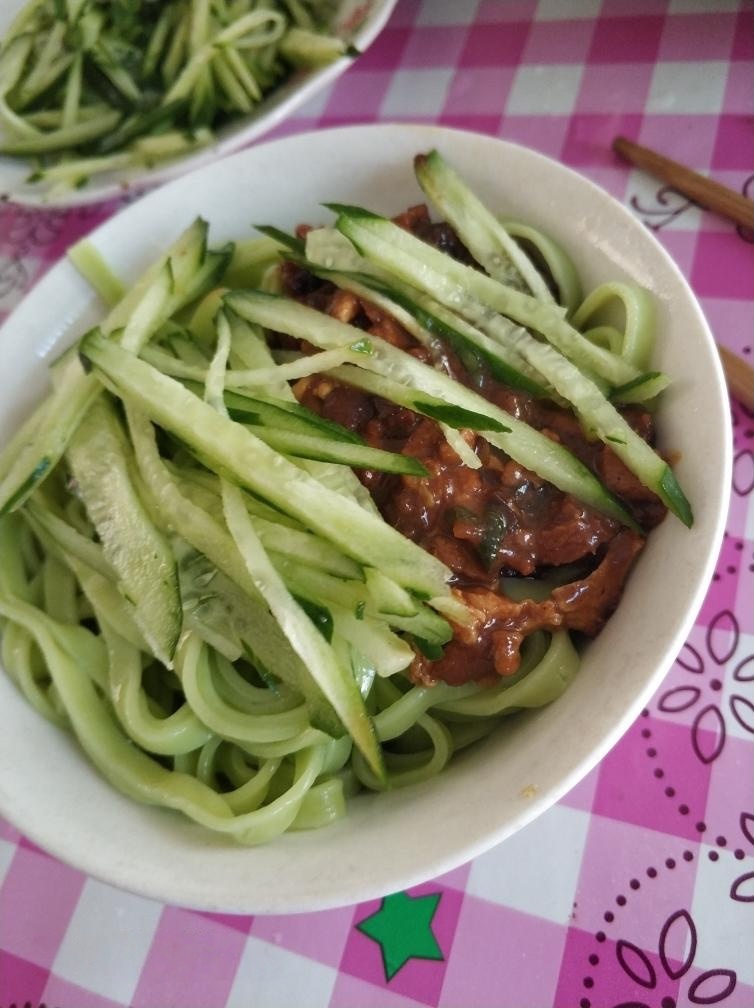
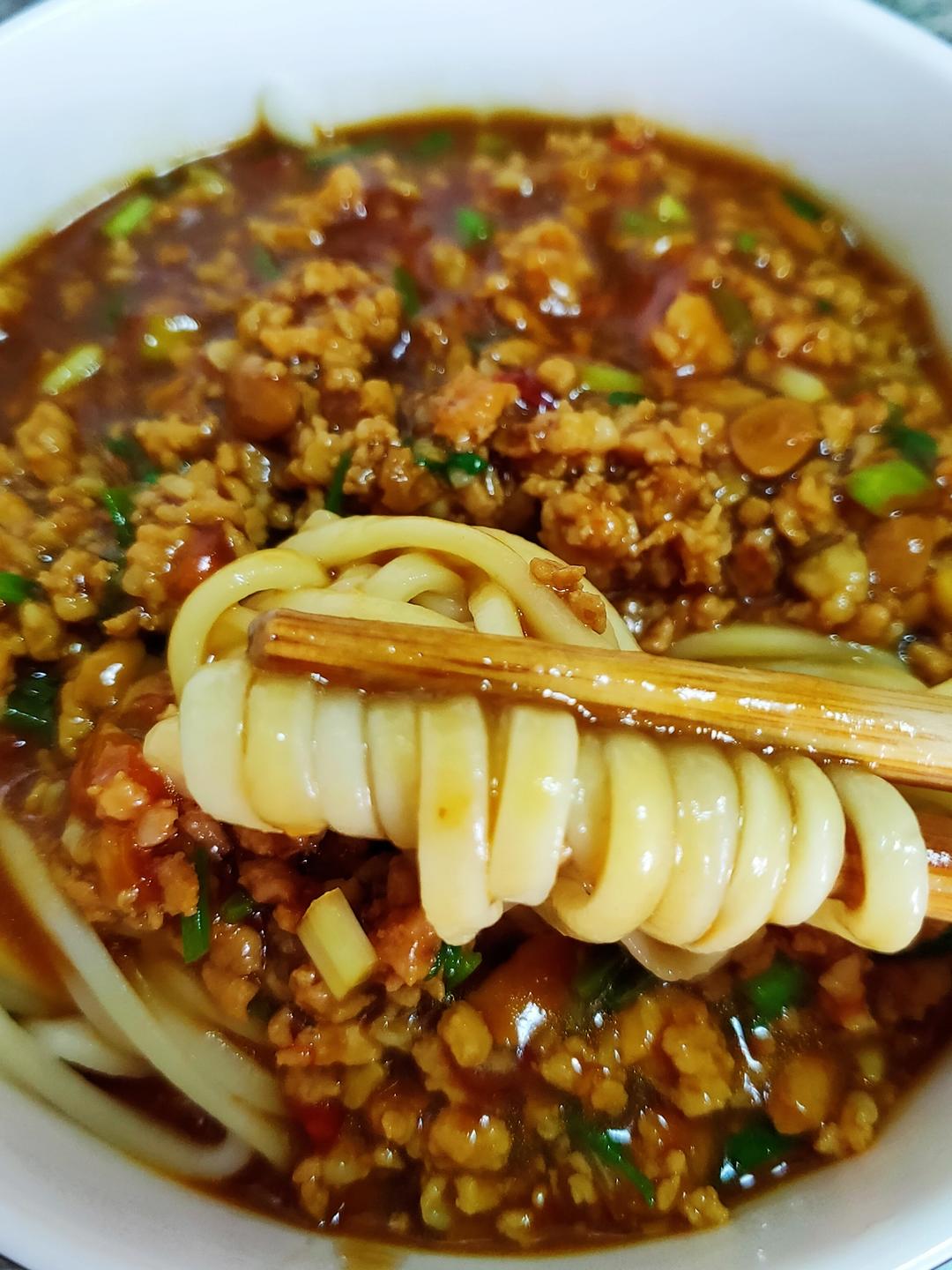
What Is Zha Jiang Mian?
Zha Jiang Mian literally translates to “Fried Sauce Noodles.” It is the heartbeat of Beijing cuisine.
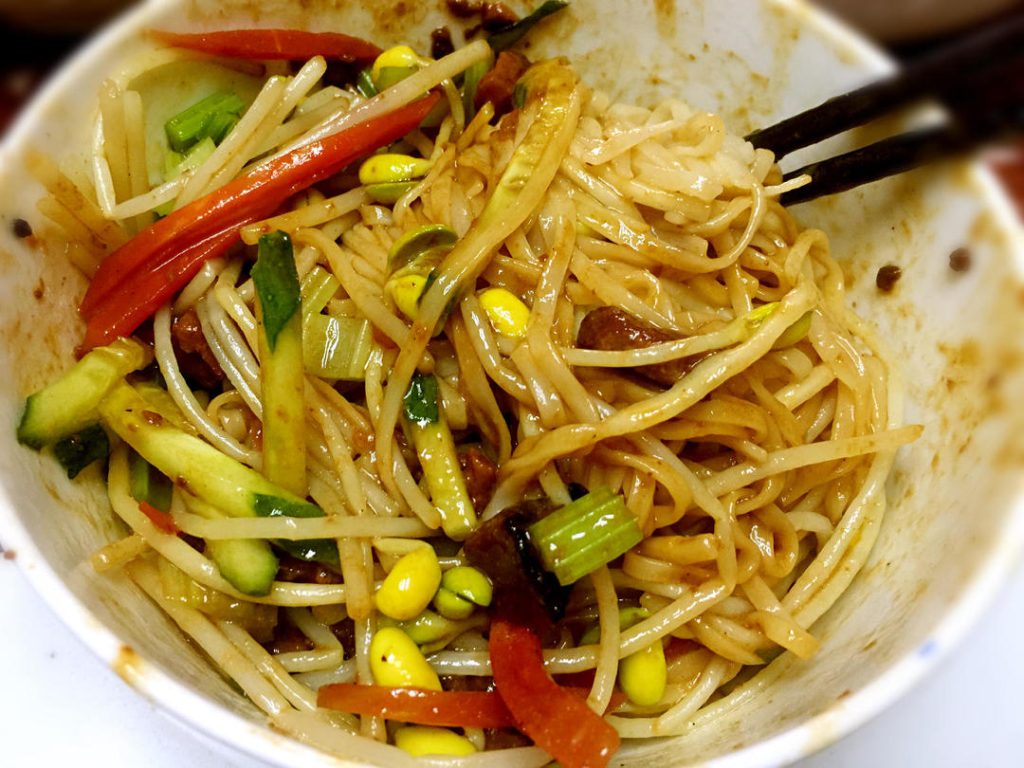
Traditionally, it consists of three main components:
- The Noodles: Ideally hand-rolled, chewy wheat noodles.
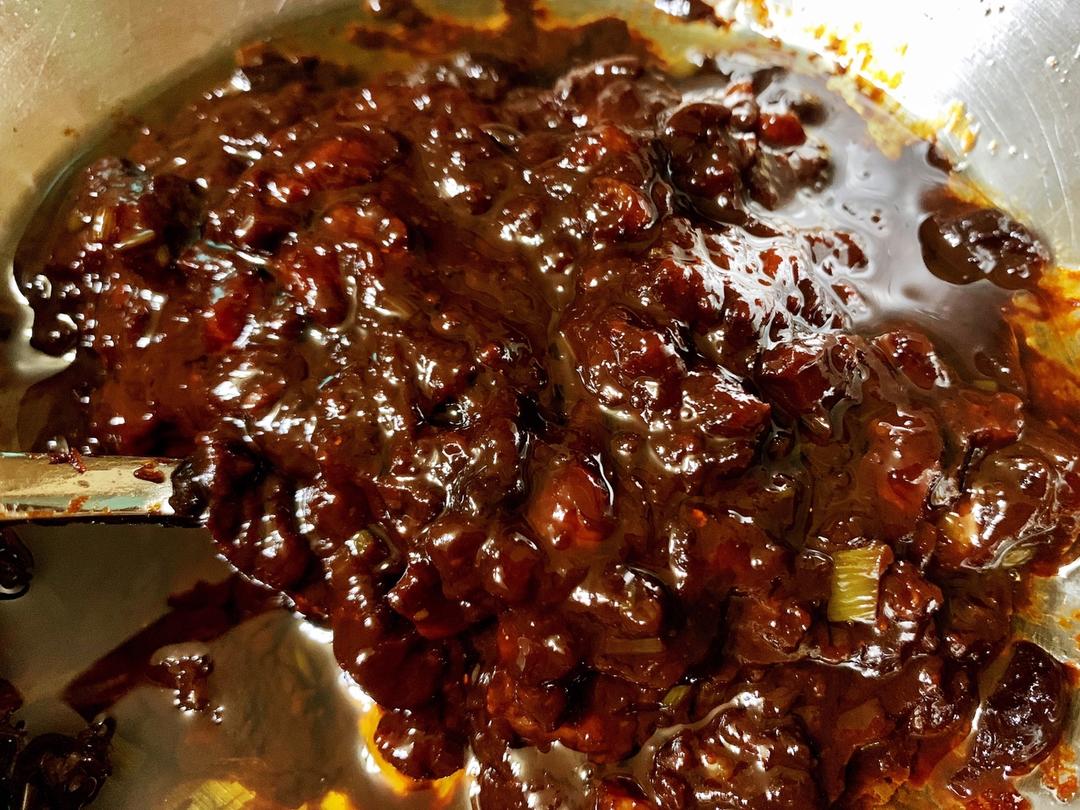
- The Sauce (Zha Jiang): A rich, dark mixture of diced pork belly and fermented soybean pastes.
- The Toppings (Mian Ma): A colorful array of fresh, crunchy vegetables like cucumber, radish, and blanched soybeans that provide texture and cut through the richness of the sauce.
Unlike the spicy Dan Dan Noodles from my hometown, this dish relies on the salty, savory, and slightly sweet depth of fermented beans.
Why This Recipe Works
- Rendered Fat: By slowly cooking the pork belly, we mimic the traditional “lard frying” method without needing to buy extra lard.
- The 2:1 Ratio: We use a specific ratio of Yellow Soybean Paste to Sweet Bean Sauce (2:1). This provides the perfect balance of salinity and sweetness.
- Low Moisture: We simmer the sauce until the oil separates. This concentrates the flavor and ensures the sauce clings perfectly to every noodle strand.
About the Author & Recipe Development
I am Lin, a chef with over 10 years of professional experience in Chinese kitchens. This recipe was developed based on the teachings of a veteran Beijing chef (“Old Ding”) and refined in my test kitchen to ensure the measurements work for standard home cookware. I have made this sauce hundreds of times—it is a staple in my meal prep rotation because it freezes beautifully.
Key Ingredients & Substitutions
- Pork Belly: You need a fatty cut. Pork Belly is the gold standard. It must be skinless for this recipe to ensure the texture is pleasant.
- Substitution: You can use pork shoulder (butt), but you will need to add about 1/2 cup of extra oil or lard to the pan, as shoulder won’t release enough fat to fry the paste properly.
- Yellow Soybean Paste (Huang Dou Jiang): This is the savory backbone.
- Note: Try to find a brand like “Liubiju” if you are near an Asian market, but any Huang Dou Jiang will work.
- Sweet Bean Sauce (Tian Mian Jiang): This provides the dark color and slight sweetness.
- Substitution: If you cannot find Sweet Bean Sauce, you can try Korean black bean paste (Chunjang), though the flavor profile will differ slightly.
- Aromatics: Green onion (scallion), ginger, star anise, and Sichuan peppercorns are used to infuse the base oil.
Authoritative Reference
For a deeper understanding of the fermentation science behind the soybean pastes used in this recipe, the Food and Agriculture Organization (FAO) provides excellent documentation on traditional Asian fermented foods. You can read more about legume-based fermented products here.
Ingredients
For the Fried Sauce (Zha Jiang):
- 2.2 lbs (1 kg) Pork belly, skin removed and diced into 1cm cubes
- 10.5 oz (300g) Yellow Soybean Paste (approx. 1 bag/jar)
- 5.3 oz (150g) Sweet Bean Sauce (approx. half a bag/jar)
- 2 tbsp Vegetable oil (to start the pan)
- 1/2 cup Warm water (for diluting paste)
- 2 pieces Star Anise
- 1 tsp Sichuan Peppercorns
- 2 slices Ginger
- 1 stalk Scallion, chopped
For the Noodles & Toppings (Mian Ma):
- 1 lb Fresh wheat noodles (hand-rolled is best)
- 1 Cucumber, julienned
- 1 Carrot, julienned and blanched
- 1 cup Bean sprouts, blanched
- 2 stalks Celery, diced and blanched
- 2-3 cloves Garlic, raw (optional, for the brave!)
- Vinegar and Chili Oil (optional, for serving)
Recipe Notes Before You Start
- Time Commitment: This sauce takes patience. Do not walk away from the stove during the simmering process (10-20 minutes).
- Batch Cooking: This recipe makes a large batch of sauce. It is designed this way because the frying process works better with volume. The leftover sauce keeps in the fridge for 2 weeks or freezes for months.
- Equipment: A wok is ideal, but a heavy-bottomed dutch oven or deep skillet works well to prevent burning.
Mise en Place
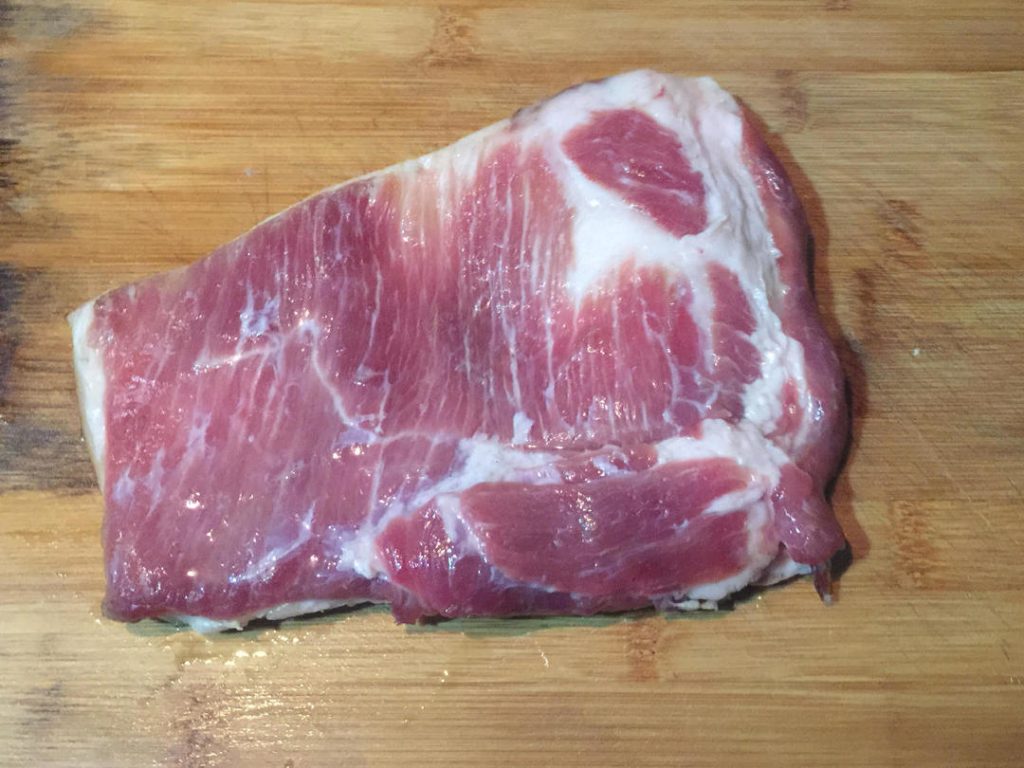
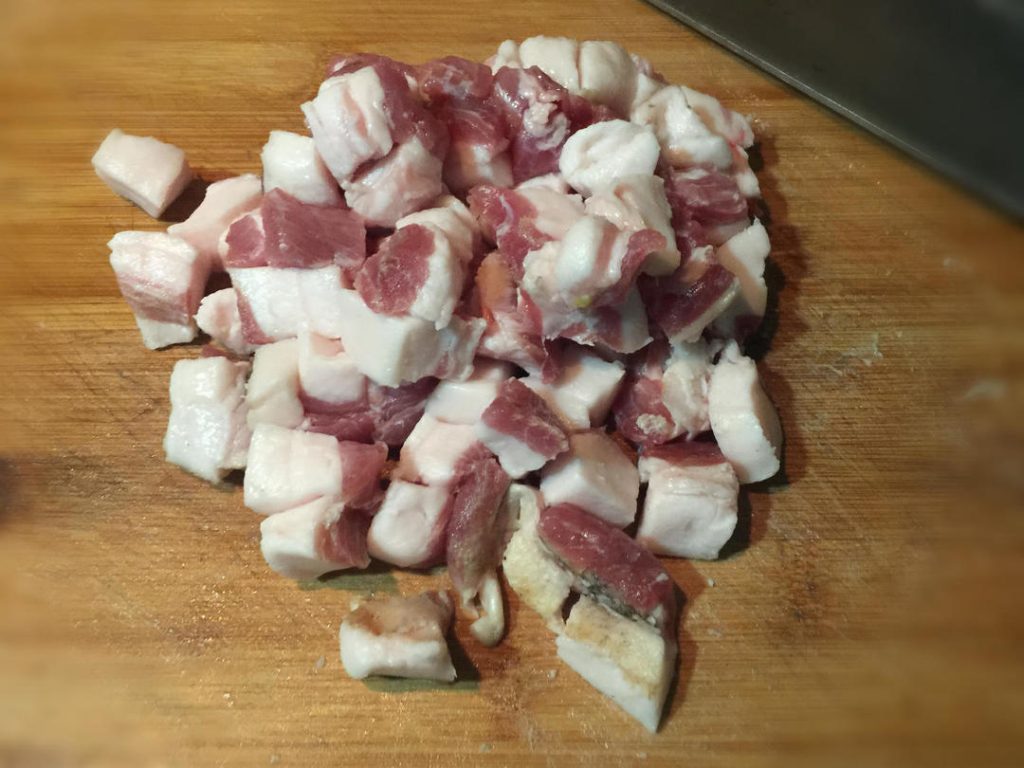
- Prep the Meat: Wash the pork belly. Remove the skin (save it for stock if you like). Dice the meat into small cubes (about the size of a fingernail).
- Pro Tip: If the meat is too soft to cut, freeze it for 20 minutes to firm it up.
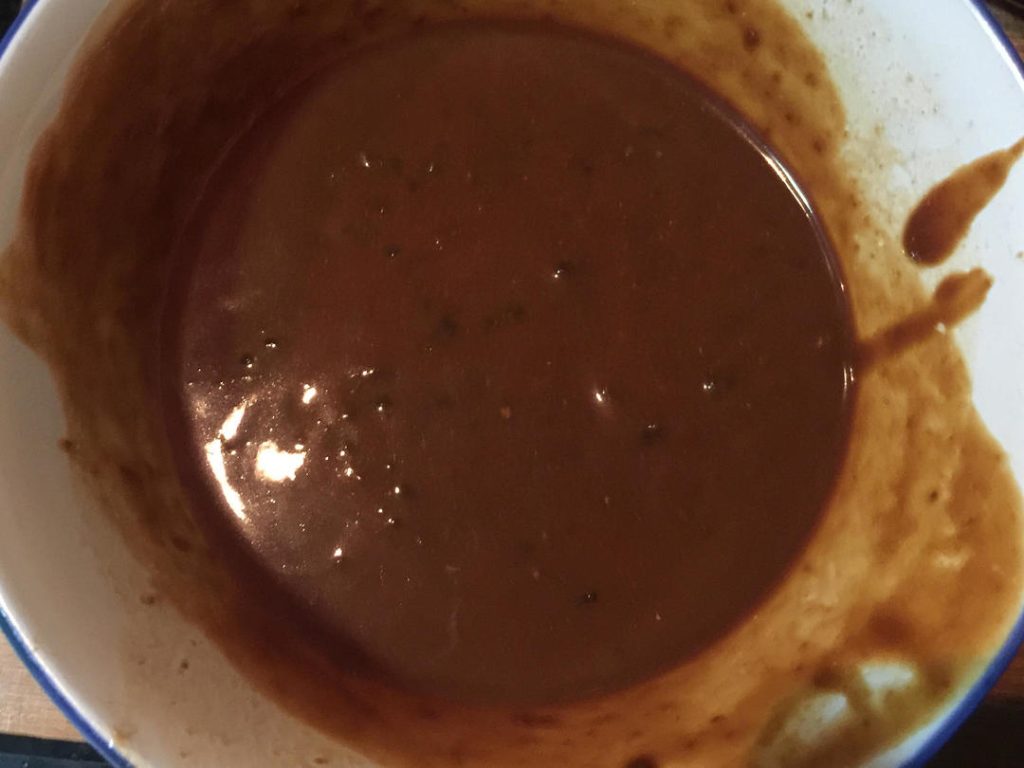
- Dilute the Pastes: In a medium bowl, combine the Yellow Soybean Paste and Sweet Bean Sauce. Add the warm water and stir until it becomes a smooth, diluted slurry.
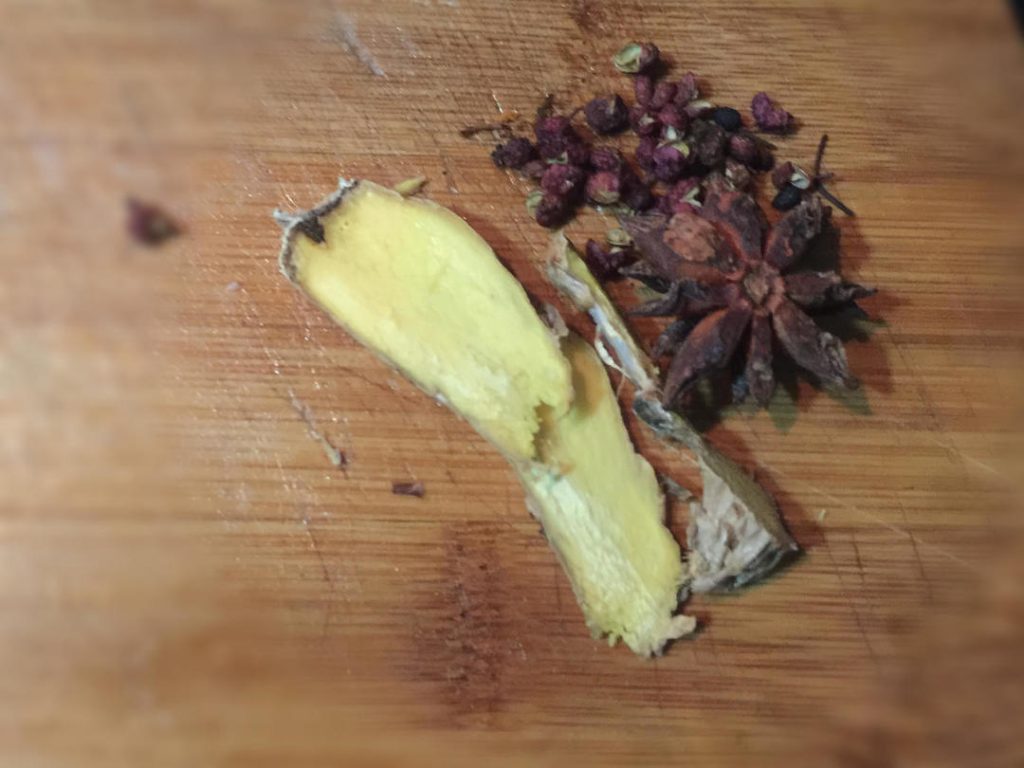
- Prep Aromatics: Have your ginger, scallion, star anise, and peppercorns ready in a small dish.
How to Make Old Beijing Fried Sauce Noodles
Step 1: Infuse the Oil
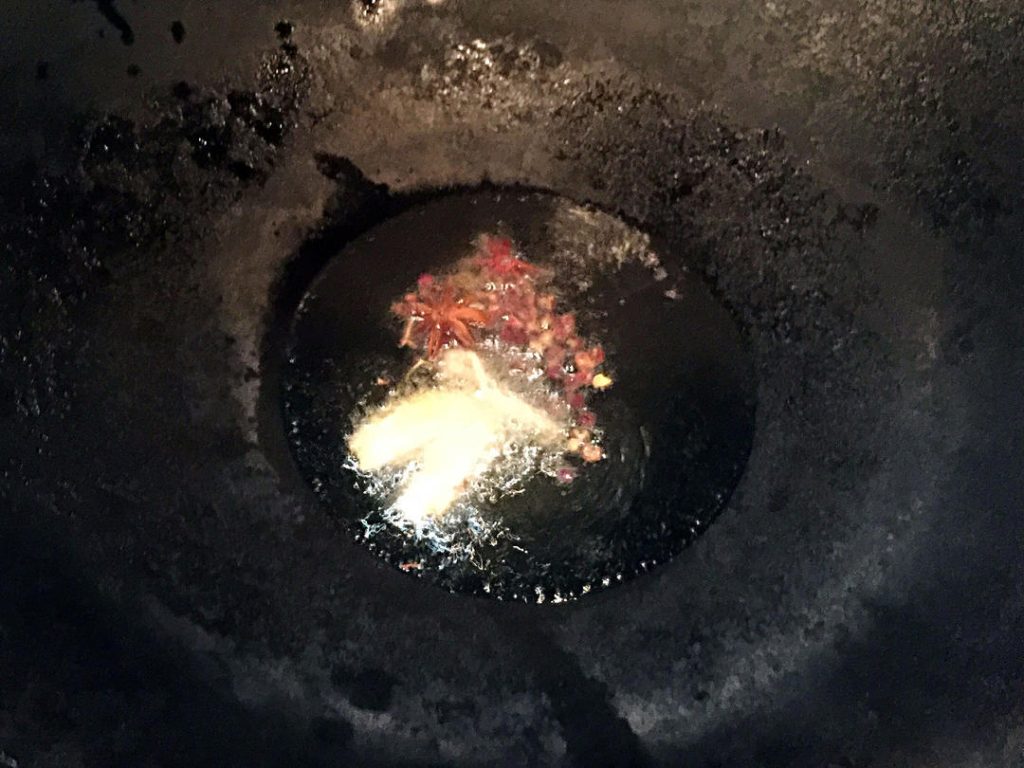
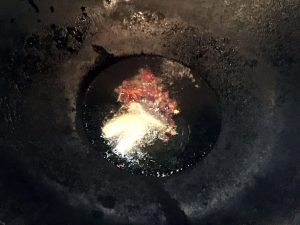
Heat your wok over medium heat. Add just a little vegetable oil (about 2 tablespoons) to lubricate the pan. When the oil is shimmering (approx 325°F/160°C), add the star anise, Sichuan peppercorns, ginger, and scallions. Fry them until they are fragrant and turning brown. Remove and discard these aromatics. We only want their flavor in the oil.
Step 2: Render the Pork
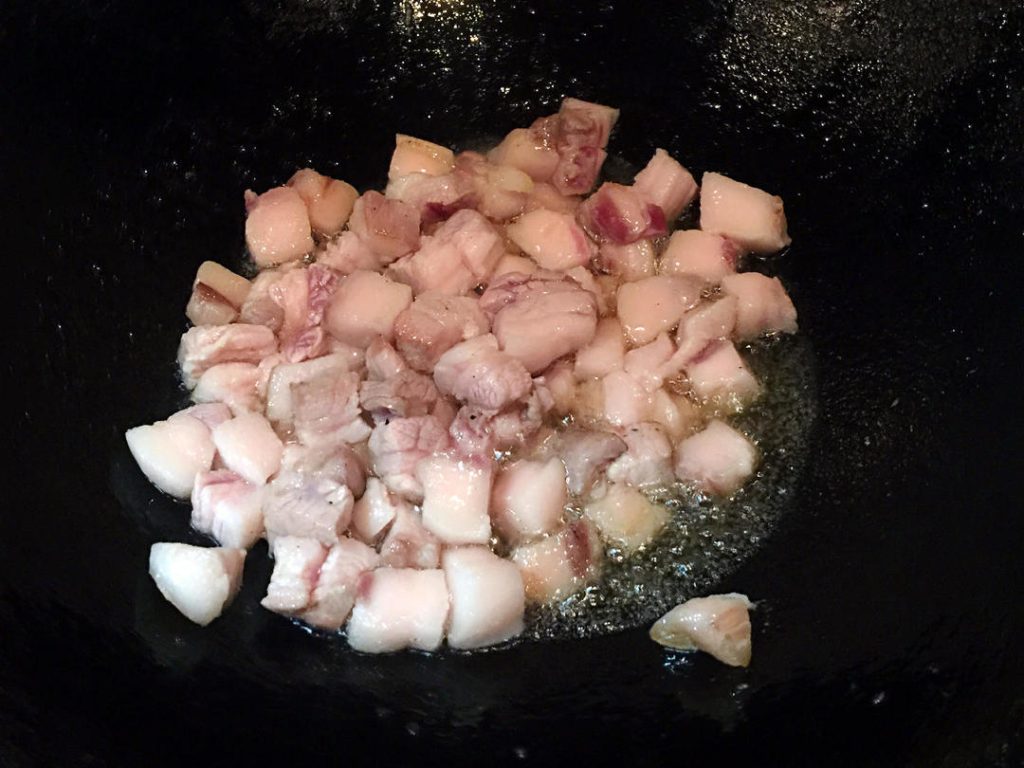
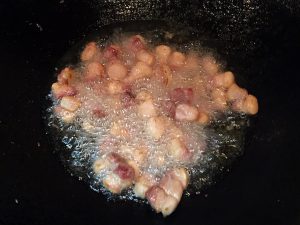
Add the diced pork belly to the infused oil. Turn the heat to medium-low. Slowly stir-fry the meat.
- Why? We are treating this like rendering lard. As the pork cooks, it will release a significant amount of clear oil.
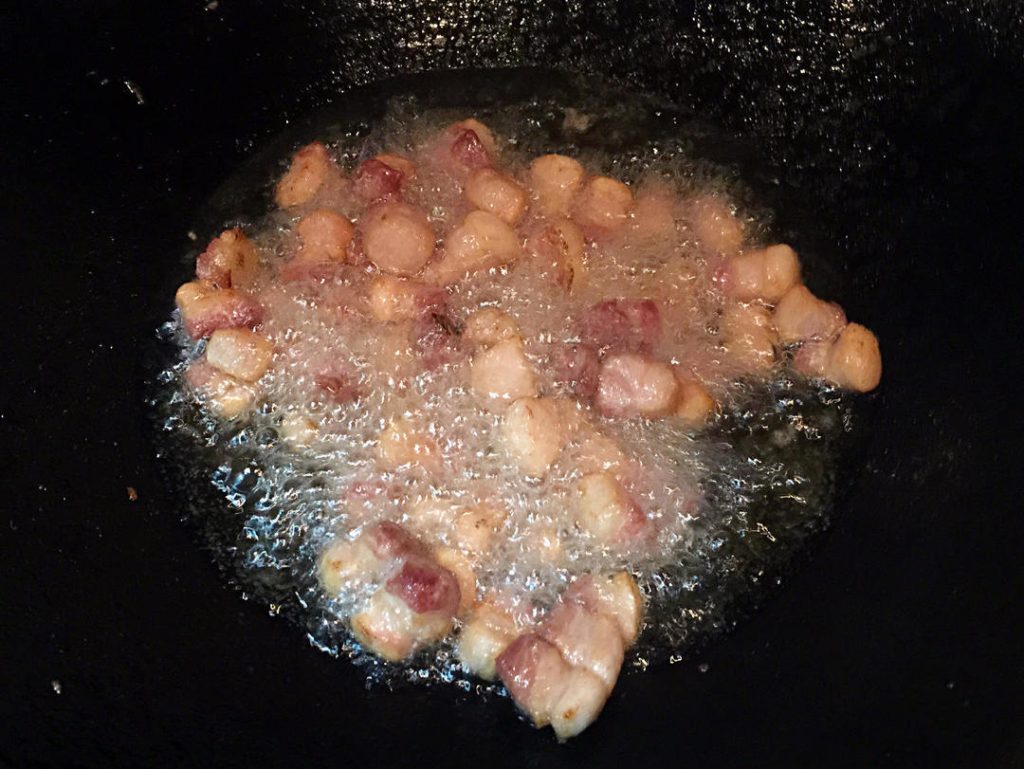
- Visual Cue: Continue cooking until the meat pieces shrink and the edges turn slightly golden and crispy. Do not rush this step; if you do, the sauce will be greasy rather than rich.
Step 3: Fry the Sauce (“Zha”)
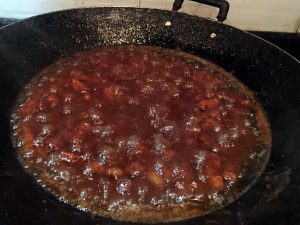
Once the meat is browned and swimming in its own clear oil, pour in the diluted paste mixture.
- Note: If you find the amount of oil excessive, you can ladle some out at this stage to save for stir-frying vegetables later. However, traditional Zha Jiang Mian relies on this oil to preserve the sauce.
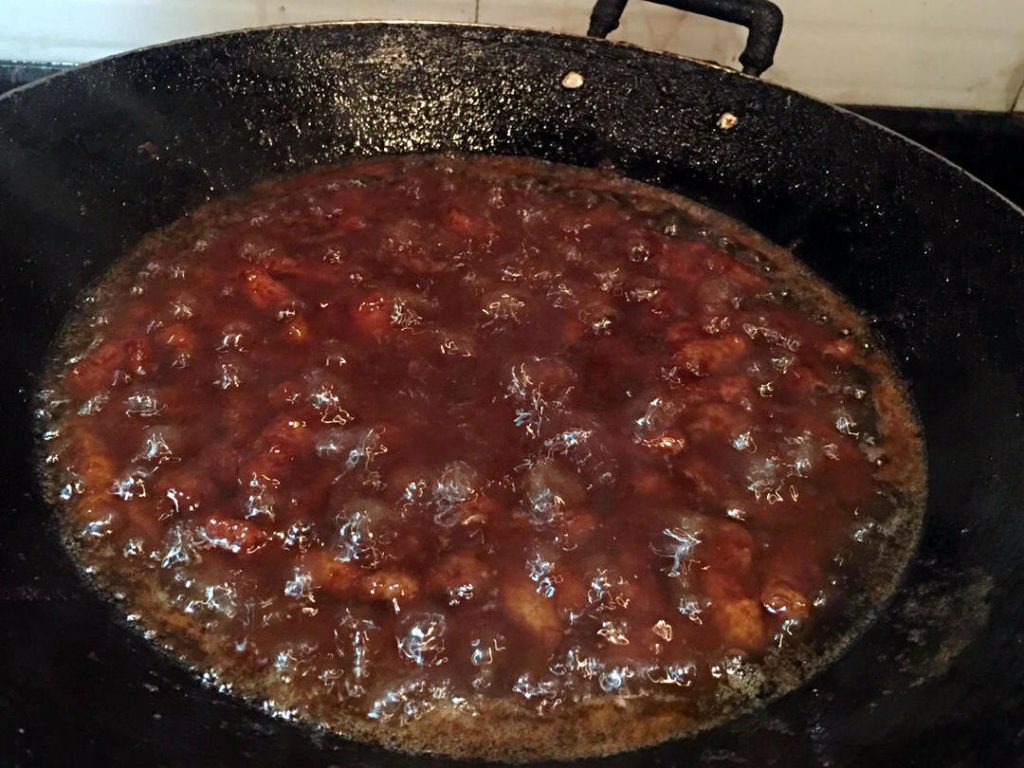
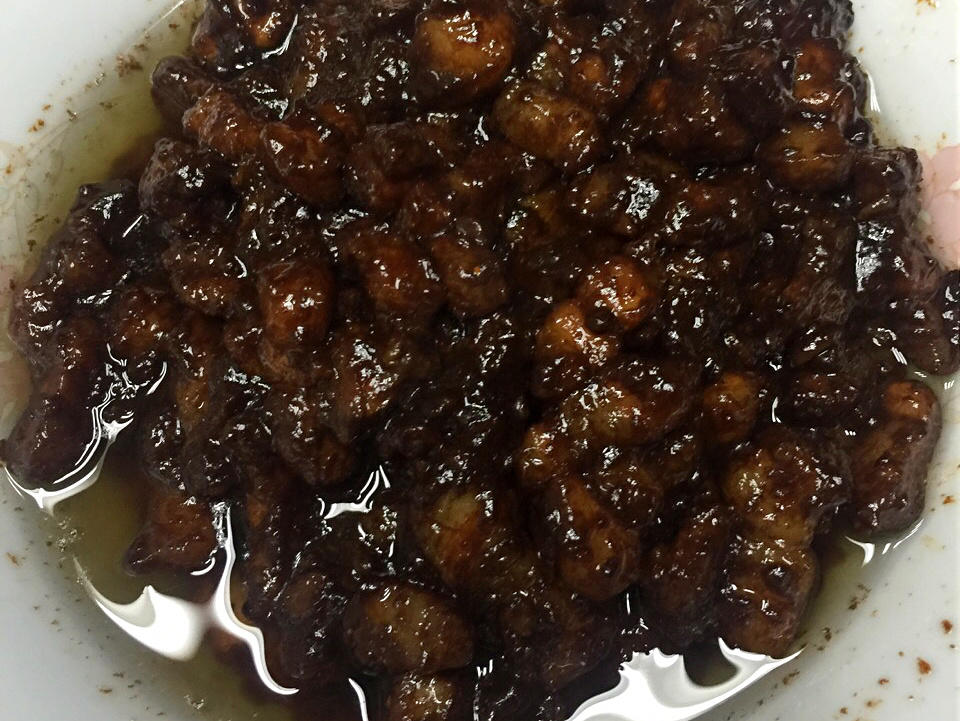
Turn the heat to medium-low. Stir constantly. This is critical. The sugar in the sweet bean paste burns easily. You need to simmer this for 10 to 20 minutes.
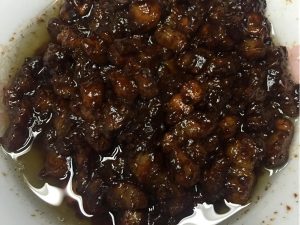
- The Goal: You are evaporating the added water so the sauce fries in the fat. You know it is done when the oil separates from the sauce and floats to the top, and the sauce becomes dark and thick.
Step 4: Prepare the Toppings
While the sauce rests, prepare your “Mian Ma.”
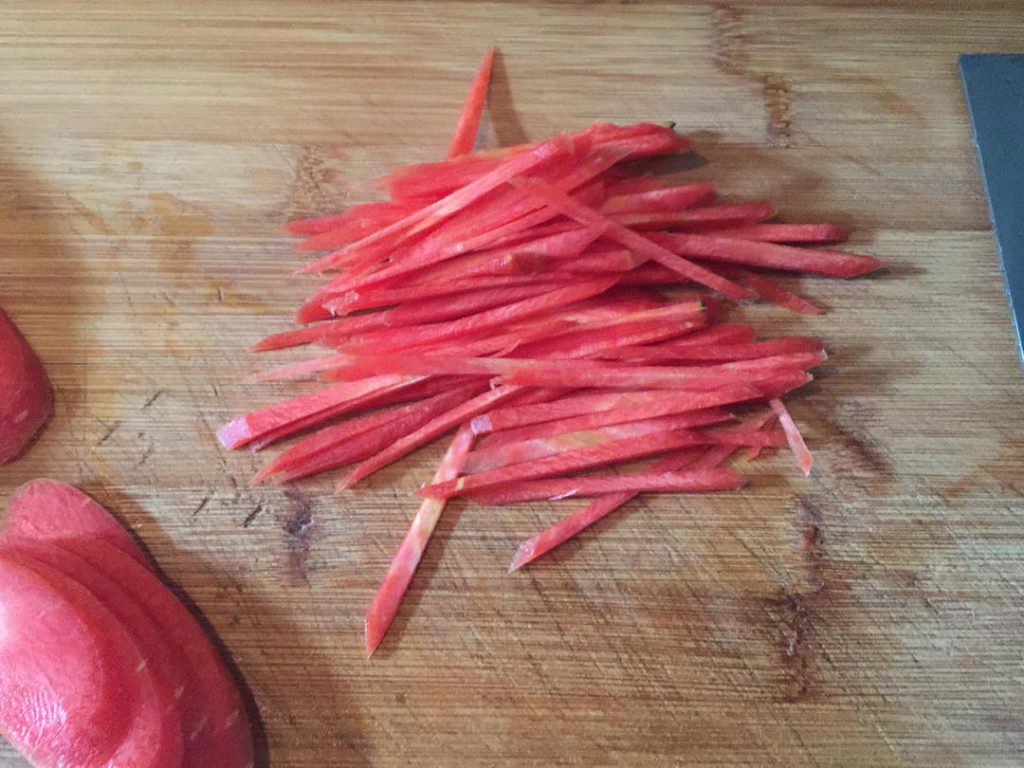
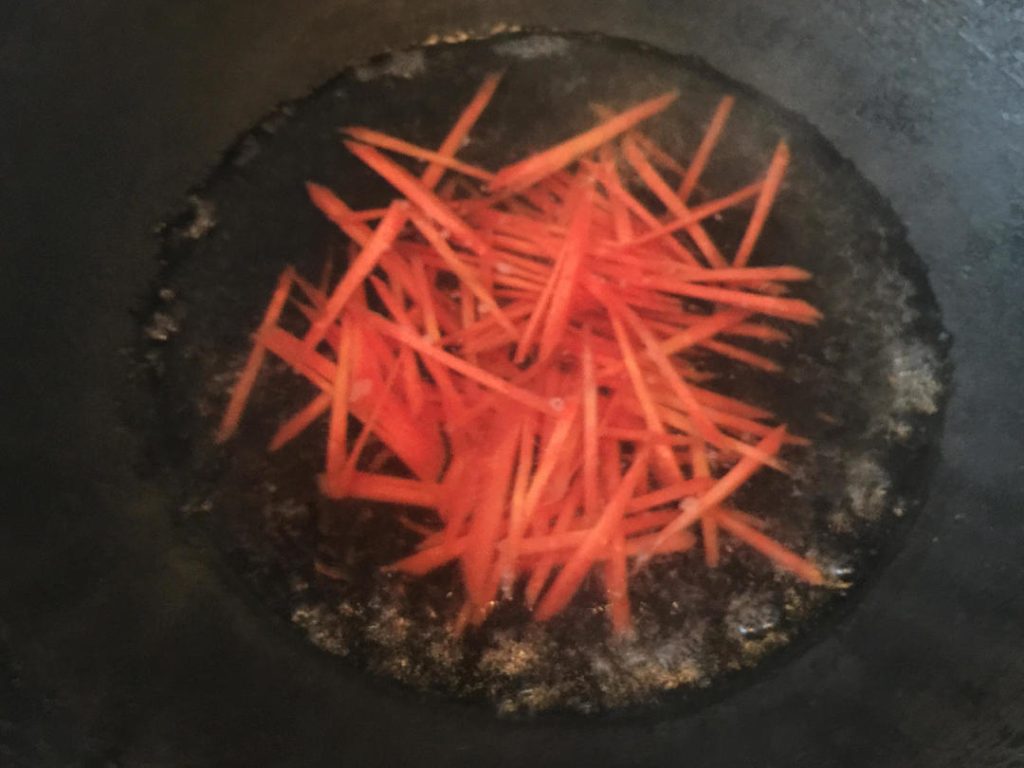
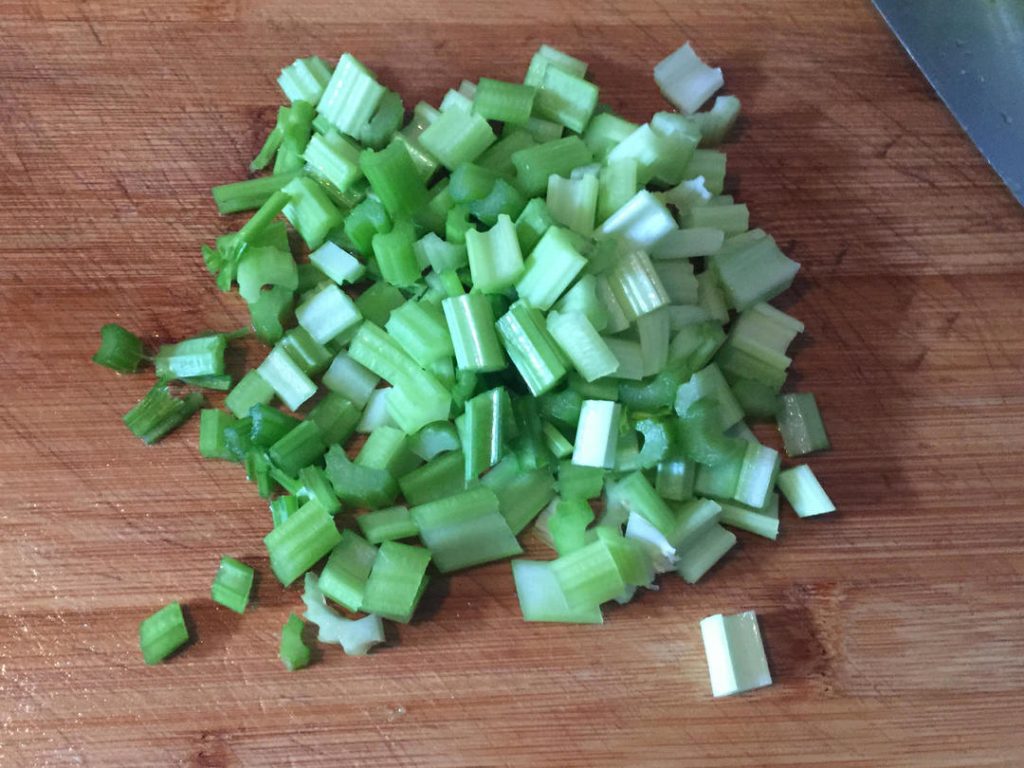
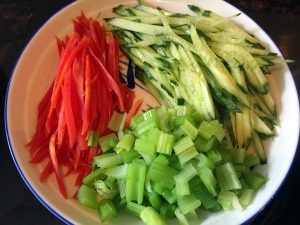
- Blanch: Boil a pot of water. Quickly blanch the bean sprouts, carrot strips, and celery dice. Drain well.
- Fresh: Slice the cucumber into thin matchsticks. If you like a kick, peel a few cloves of raw garlic (a very traditional Beijing accompaniment).
- Suggestion: A side of Smashed Cucumber Salad pairs wonderfully with this dish if you have extra cucumbers.
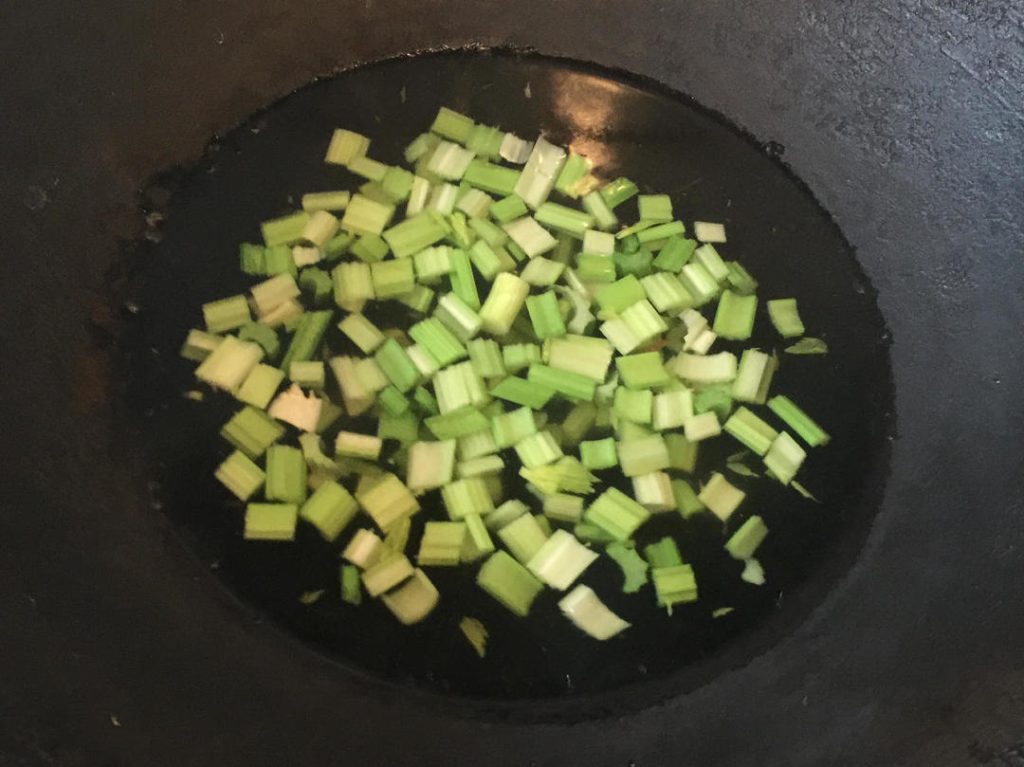
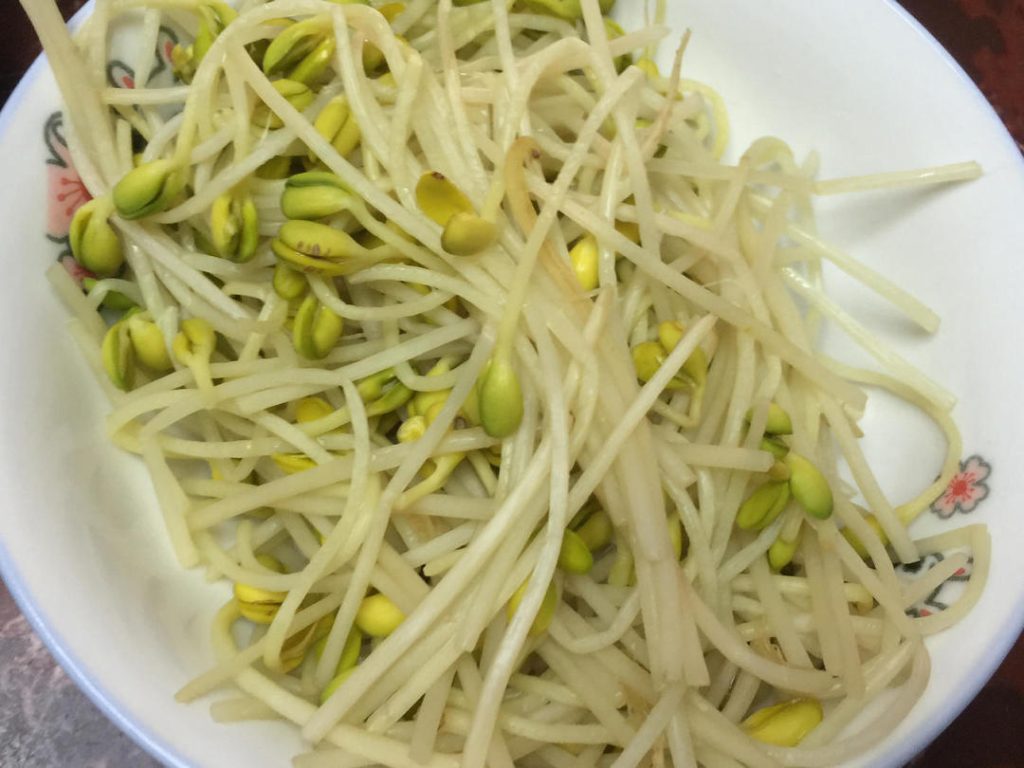
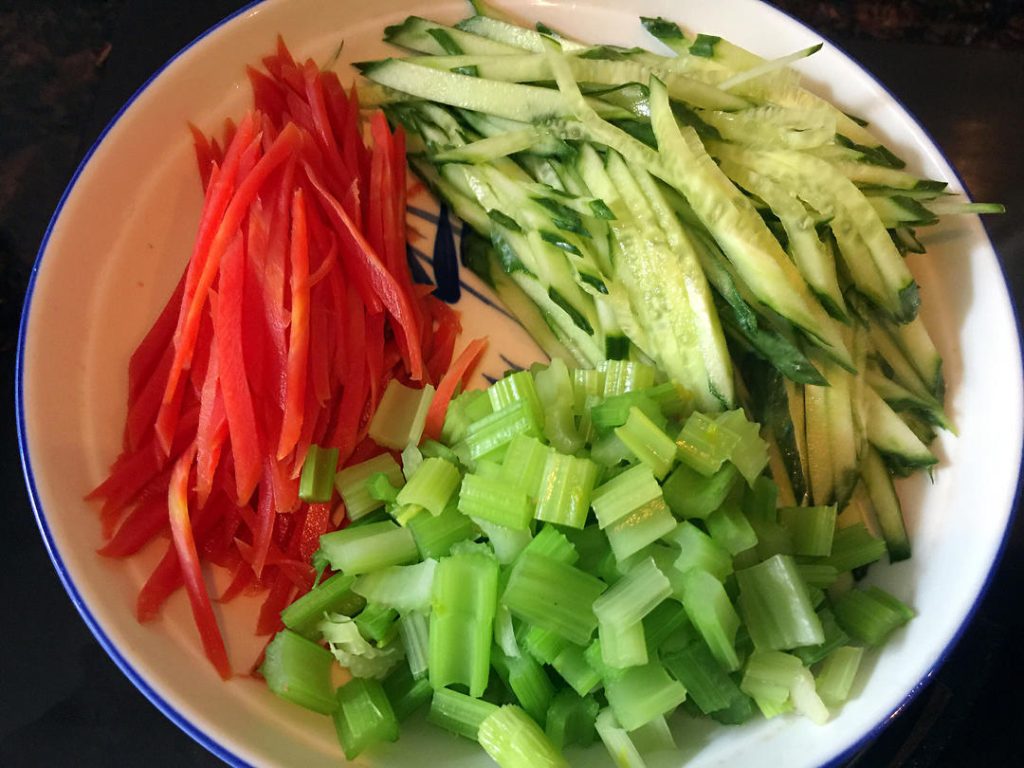
Step 5: Cook the Noodles
Cook your noodles according to the package instructions or your recipe.
- Seasonal Tip: In the winter, we serve “Pot Noodles” (directly from pot to bowl, hot). In the summer, we rinse the noodles under cold water (“Over Water Noodles”) for a refreshing bite.
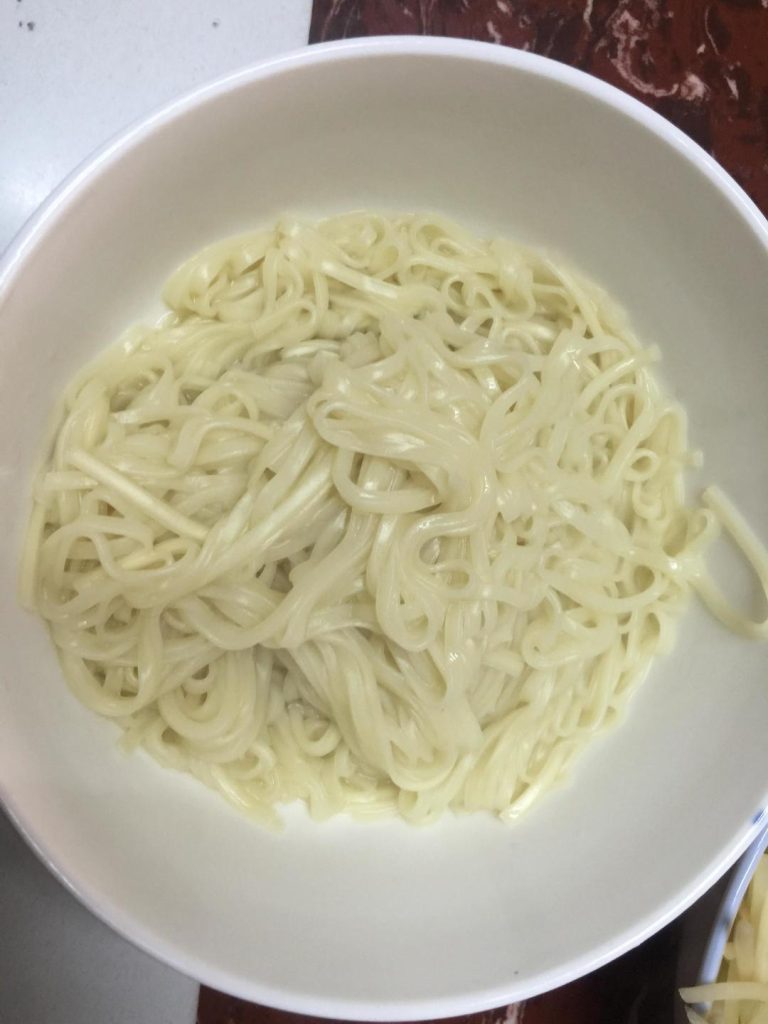
Step 6: Assemble
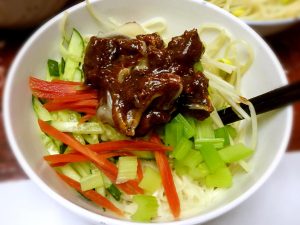
Place a portion of noodles in a bowl. Top generously with the vegetable garnishes. Place a large ladle of the fried sauce (and a little of the oil) in the center.
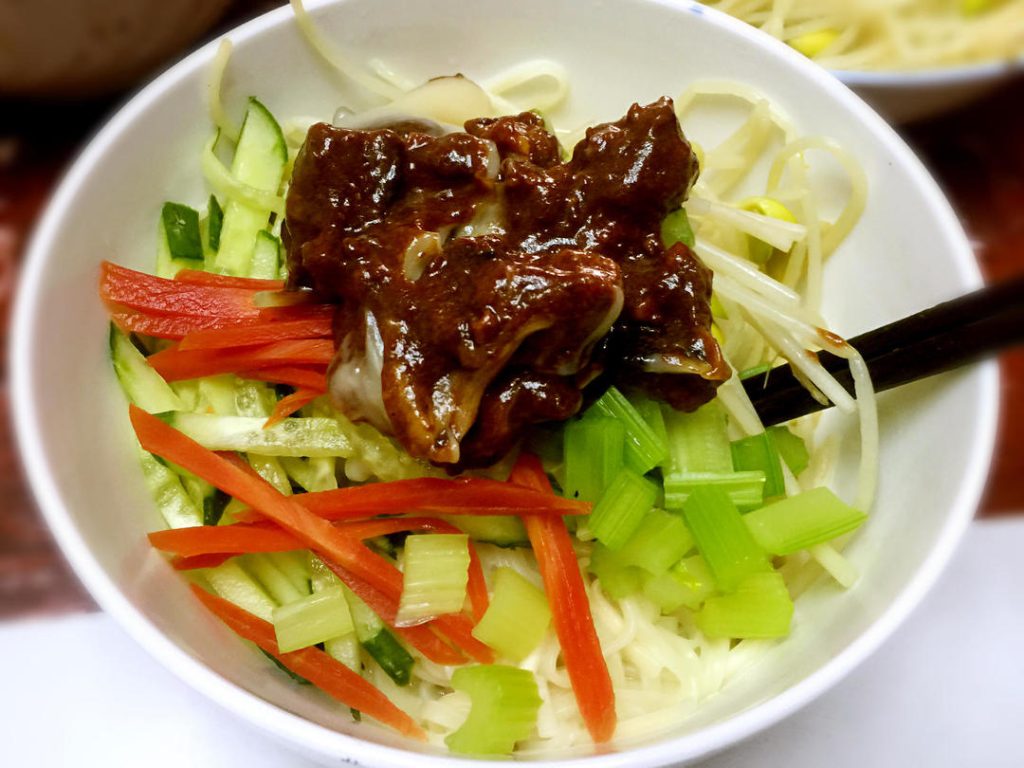
Mix thoroughly until every strand of noodle is coated in the rich, brown sauce. Dig in!
Common Mistakes When Making Zha Jiang Mian
- Adding the Paste too Early: If you add the paste before the pork fat has fully rendered, the meat will be flabby and greasy. Wait for the meat to brown.
- Walking Away: Once the paste is in the wok, it acts like molten lava. It is thick and sugary. If you stop stirring for even a minute, it will scorch the bottom of your wok and ruin the flavor.
- Using Lean Meat: Using lean pork loin without adding extra oil will result in a dry, dry sauce. If you must use lean meat, you must be generous with adding vegetable oil.
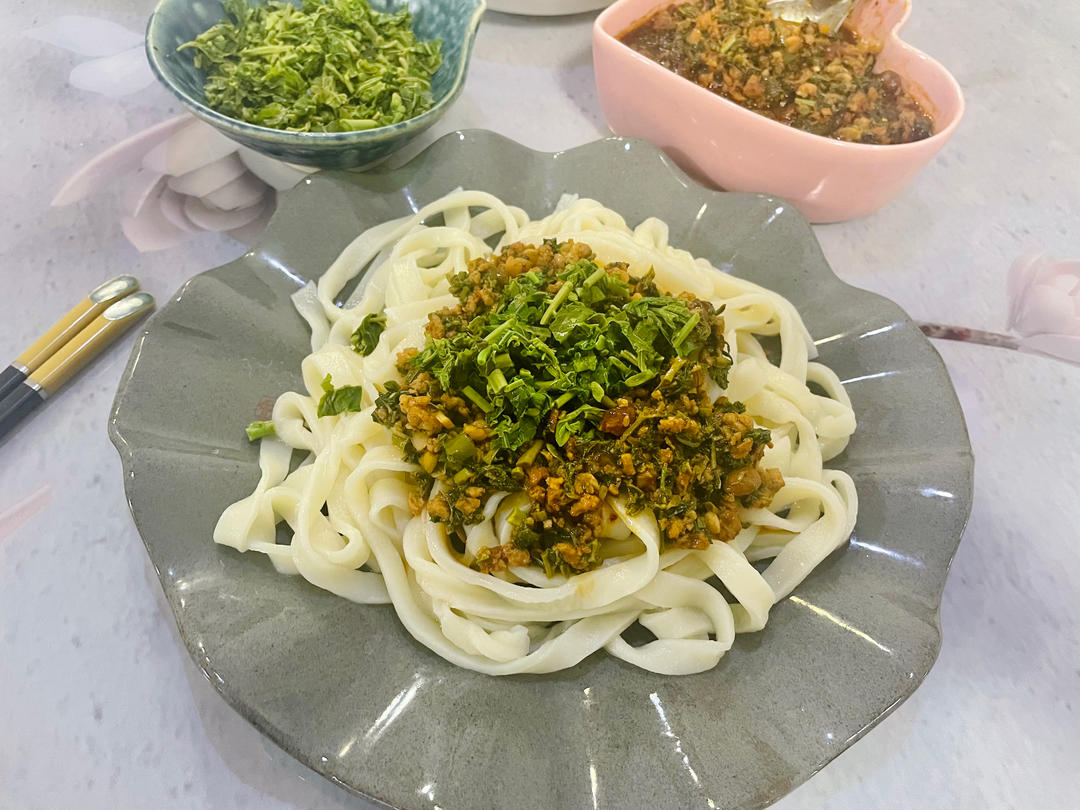
While Zha Jiang Mian is the undisputed king of Northern Chinese noodles year-round, there is a fleeting springtime variation you absolutely must try if you love this rich, savory pork base. Enter my Authentic Chinese Toon Noodles with Meat Sauce
. For just a few weeks in spring, we use fresh Chinese toon (xiangchun)—a prized seasonal leaf with an intoxicating, truffle-meets-roasted-garlic aroma—to elevate a simple pork and soybean paste sauce into something truly magical. It is a highly sought-after delicacy in China and the perfect way to switch up your noodle routine!4Authentic Chinese Toon Noodles with Meat SauceDiscover the ultimate taste of spring with these savory Chinese Toon Noodles with Meat Sauce. A quick 15-minute recipe featuring fresh fragrant toon leaves, minced pork, and chewy noodles.Check out this recipe
FAQ / Troubleshooting
Q: My sauce tastes bitter. Why? A: You likely burned the paste. The sweet bean sauce caramelizes quickly. Keep the heat low and stir constantly.
Q: Can I use ground pork instead of hand-cut belly? A: Yes, you can. It saves time. However, the texture will be less authentic. Hand-cut cubes provide a satisfying chew that contrasts with the soft noodles.
Q: Is this gluten-free? A: Traditionally, no. Sweet bean sauce contains wheat flour. You would need to source gluten-free tamari and specific gluten-free bean pastes to adapt this.
How to Store & Reheat
- Storage: The sauce stores incredibly well because of the oil content (which acts as a preservative). Store the sauce in an airtight container in the refrigerator for up to 2 weeks.
- Freezing: You can freeze the sauce for up to 3 months.
- Reheating: Reheat the sauce in a small saucepan or microwave until hot and bubbling. The oil may separate when cold (it will look white); this is normal. It will melt back into the sauce when heated.
Nutrition Information (Estimate)
Disclaimer: Nutrition information is calculated using an ingredient database and should be considered an estimate. Garnishes and optional items are not included. Actual values vary based on the specific brands of bean paste used.
- Calories: High (due to pork belly fat)
- Sodium: High (due to soybean pastes)
- Allergens: Soy, Wheat (Gluten), Pork.
Final Thoughts
This dish is the definition of comfort food. The contrast between the hot, savory, rich meat sauce and the cool, crunchy vegetables is something I crave constantly. While it takes a little effort to chop the meat and stir the pot, the result is a large batch of sauce that can feed your family for several meals.
If you enjoy this, you might also want to try making Beijing Fried Sauce for different variations, or try Minced Pork Noodles for a simpler weeknight option.
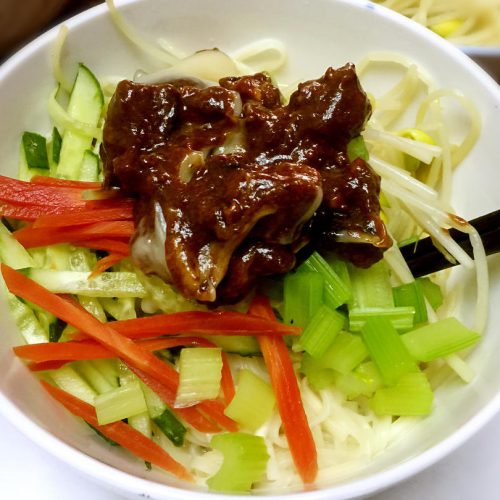
Old Beijing Fried Sauce Noodles (Zha Jiang Mian)

Equipment
- Wok or Heavy-bottomed Pot
- Chef’s knife
Ingredients
The Sauce (Zha Jiang)
- 2.2 lbs pork belly skin removed, diced into 1cm cubes
- 10.5 oz yellow soybean paste approx. 1 bag
- 5.3 oz sweet bean sauce approx. 1/2 bag
- 2 tbsp vegetable oil
- 0.5 cup warm water for diluting paste
- 2 star anise
- 1 tsp Sichuan peppercorns
- 2 slices ginger
- 1 stalk scallion chopped
Noodles & Toppings
- 1 lb fresh wheat noodles
- 1 cucumber julienned
- 1 carrot julienned and blanched
- 1 cup bean sprouts blanched
- 2 stalks celery diced and blanched
Instructions
- Prep the Ingredients: Wash the pork belly and remove the skin. Dice the meat into small 1cm (0.4 inch) cubes. In a bowl, mix the yellow soybean paste and sweet bean sauce with the warm water until smooth.

- Infuse the Oil: Heat the vegetable oil in a wok over medium heat. Add the star anise, Sichuan peppercorns, ginger, and scallion. Fry until fragrant and starting to brown. Use a slotted spoon to remove and discard these aromatics.
- Render the Pork: Add the diced pork belly to the wok. Cook over medium-low heat, stirring frequently. Continue cooking until the fat renders out (the meat will shrink and release clear oil) and the edges of the meat are slightly golden. This mimics rendering lard.
- Fry the Sauce: Pour the diluted paste mixture into the wok with the meat and oil. Reduce heat to medium-low. Stir constantly to prevent burning.
- Simmer: Continue to cook and stir for 10-20 minutes. The sauce is ready when the water has evaporated, the sauce has darkened and thickened, and the oil separates and floats to the top.
- Prepare Toppings: While the sauce cooks, boil a pot of water. Blanch the bean sprouts, carrot strips, and diced celery until just tender. Drain. Slice the cucumber into matchsticks.
- Cook Noodles & Serve: Cook the noodles according to package instructions. Drain (rinse with cold water if serving summer-style). Transfer to bowls. Top with a generous amount of sauce and the prepared vegetables. Mix well before eating.












Leave a Reply