Recently, my husband has been craving noodles non-stop. When he asks for noodles, Zha Jiang Mian (Fried Sauce Noodles) is usually the answer! It is arranged immediately.

This dish is also my son’s absolute favorite. Every time I make it, he polishes off a huge bowl. My husband? He skips the bowl entirely and eats out of a small basin! Seeing them eat until they are stuffed gives me such a huge sense of accomplishment.
While I grew up in a restaurant kitchen in Sichuan where spicy flavors reigned supreme, this dish is a classic comfort food from Northern China. However, this version is my “simple, quick, homestyle” interpretation. It is less rigid than the traditional Beijing version but, in my opinion, even more flavorful and adaptable for a weeknight dinner.
Why This Recipe Works
- The Tomato Secret: Unlike strict traditional recipes, I add diced tomato. It melts into the sauce, adding natural glutamate (umami) and a slight acidity that cuts through the richness of the pork and bean pastes.
- Balanced Sauces: We use a combination of Soybean Paste and Sweet Bean Paste for depth, plus a little Doubanjiang for a savory kick.
- Texture Control: Using a cornstarch slurry at the end ensures the sauce clings perfectly to every strand of noodle, rather than sliding off.
What is Fried Sauce Noodles?
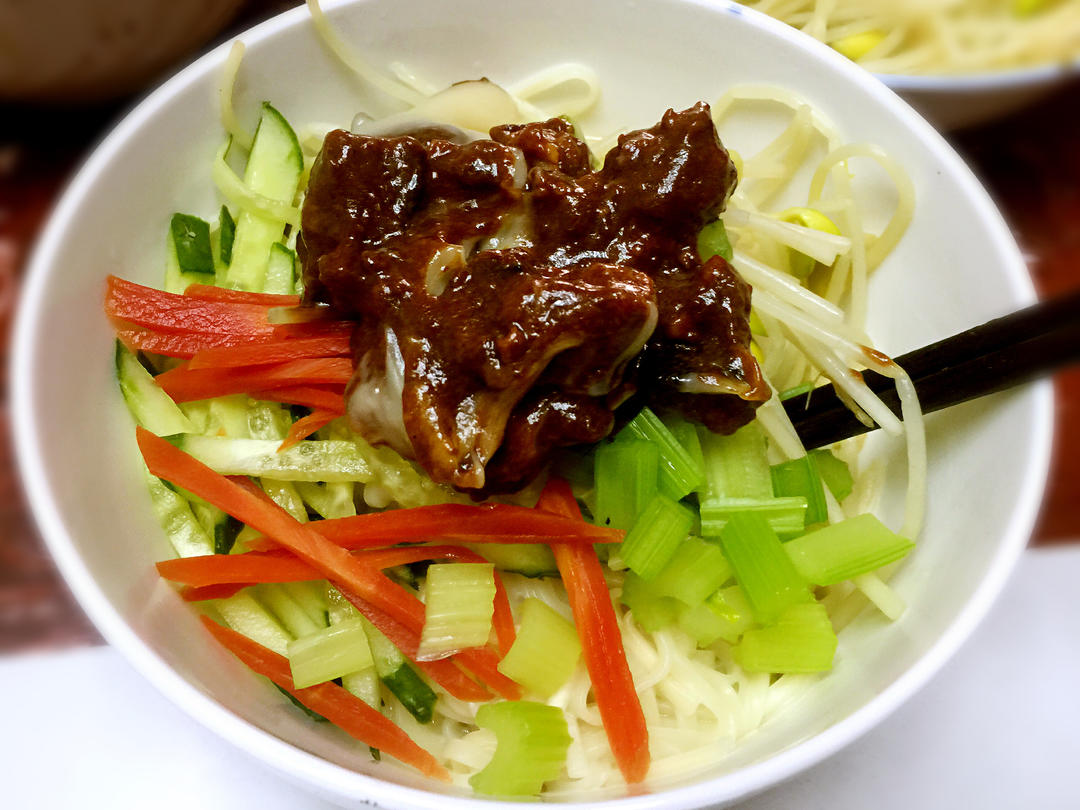
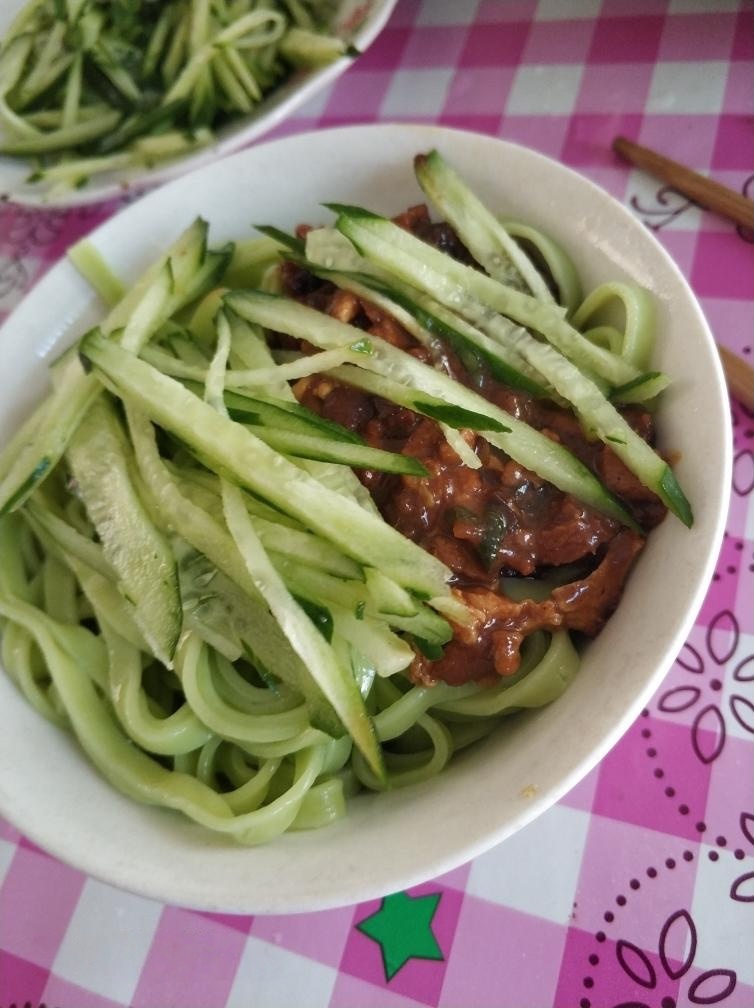
Zha Jiang Mian (炸酱面), often called “Chinese Bolognese,” consists of thick wheat noodles topped with Zha Jiang (fried sauce). The sauce is typically made by frying ground pork with various fermented bean pastes.
In traditional Beijing cuisine, dry yellow soybean paste is the star. However, in this homestyle version, we use a blend of Yellow Soybean Paste (Huang Dou Jiang) and Sweet Bean Sauce (Tian Mian Jiang). This creates a sauce that is salty, savory, slightly sweet, and incredibly rich.
Ready for the Traditional Challenge?
This recipe is designed for speed and convenience, making it my go-to for busy weeknights. However, if you have a bit more time and want to experience the full, unadulterated tradition of Beijing cuisine—specifically the technique of rendering hand-diced pork belly until it is golden and chewy—I highly recommend trying my Old Beijing Fried Sauce Noodles (Zha Jiang Mian). The texture is incomparable. For a deeper dive into the specific sauce ratios and fermentation profiles, check out my dedicated guide to Beijing Fried Sauce. Or, if you want to add an extra layer of earthiness to your meal, my Mushroom Pork Fried Sauce Noodles offers a delicious umami twist.
1Old Beijing Fried Sauce Noodles (Zha Jiang Mian)An authentic recipe for Old Beijing Zha Jiang Mian, featuring hand-diced pork belly rendered in its own fat and simmered with a blend of soybean pastes. A savory, rich classic.Check out this recipe2Mushroom Pork Fried Sauce Noodles (Zhajiangmian)A comforting homestyle noodle dish featuring diced pork, earthy shiitake mushrooms, and fluffy eggs in a savory soybean sauce. A family favorite that’s ready in 30 minutes.Check out this recipe
Ingredients & Substitutions
The Meat
- Ground Pork: You need fat for this recipe. I recommend ground pork with at least 20-30% fat content (like ground pork belly or pork shoulder). Lean meat will taste dry and chewy after frying.
- Scientific Note: Fat renders out during the frying process, blending with the bean pastes to create the aromatic “fried sauce” oil that carries the flavor.
The Pastes (The Soul of the Dish)
- Yellow Soybean Paste (Huang Dou Jiang): This provides the savory, fermented backbone. You can find this in Asian markets.
- Substitute: If you cannot find it, Korean Doenjang is a close relative, though slightly saltier.
- Sweet Bean Sauce (Tian Mian Jiang): This adds color and sweetness.
- Substitute: Hoisin sauce is a workable alternative for home cooks, though it is sweeter and more spiced.
- Doubanjiang (Spicy Bean Paste): The recipe calls for a “large half spoonful.” This is optional but recommended for depth.
- Note: Use Pixian Doubanjiang for the best authentic flavor.
The Aromatics & Extras
- Tomato: Use half a ripe tomato. This is optional but highly recommended for balancing the saltiness.
- Noodles: Fresh handmade noodles (La Mian) are best. Dried wheat noodles or even spaghetti (in a pinch) work too.
- Toppings: Cucumber strips, bean sprouts, or simply chopped scallions and cilantro as used here.
Recipe Notes Before We Begin
- Oil Quantity: Do not be shy with the oil. The name Zha Jiang literally translates to “Fried Sauce.” The sauce needs to fry in the oil to release its aroma.
- Stir-fry Technique: We use a technique called “Bao Guo” (explosive frying) for the meat, then lower the heat to simmer the pastes so they don’t burn.
- Saltiness: The bean pastes are very salty. Taste before adding any extra salt.
Equipment
- Wok or Deep Skillet: A 12-inch wok is ideal for tossing, but a deep non-stick skillet works for this sauce.
- Sharp Knife: For mincing aromatics.
Instructions
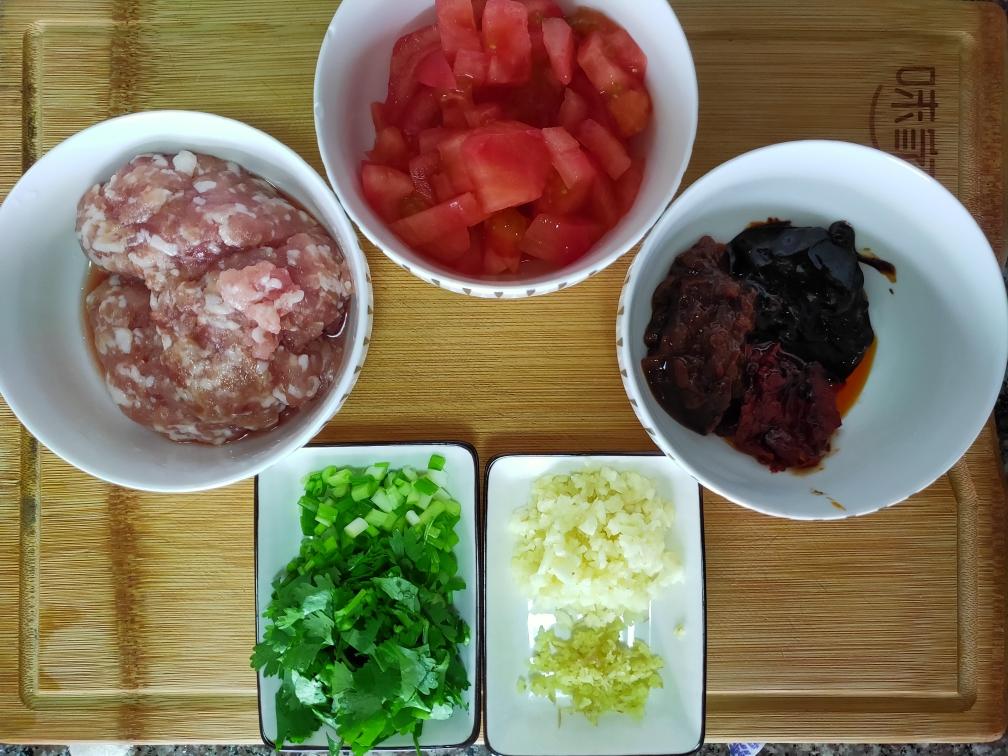
Step 1: Mise en Place (Prep Work)
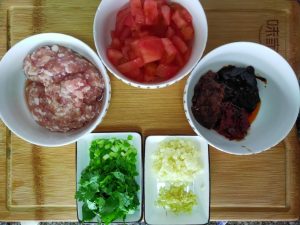
Prepare all your raw materials. Mince the ginger and garlic. Finely chop the scallions and cilantro. Dice the half tomato into small cubes.
Note: Having everything ready is crucial because once the frying starts, it moves fast.
Step 2: Fry the Meat
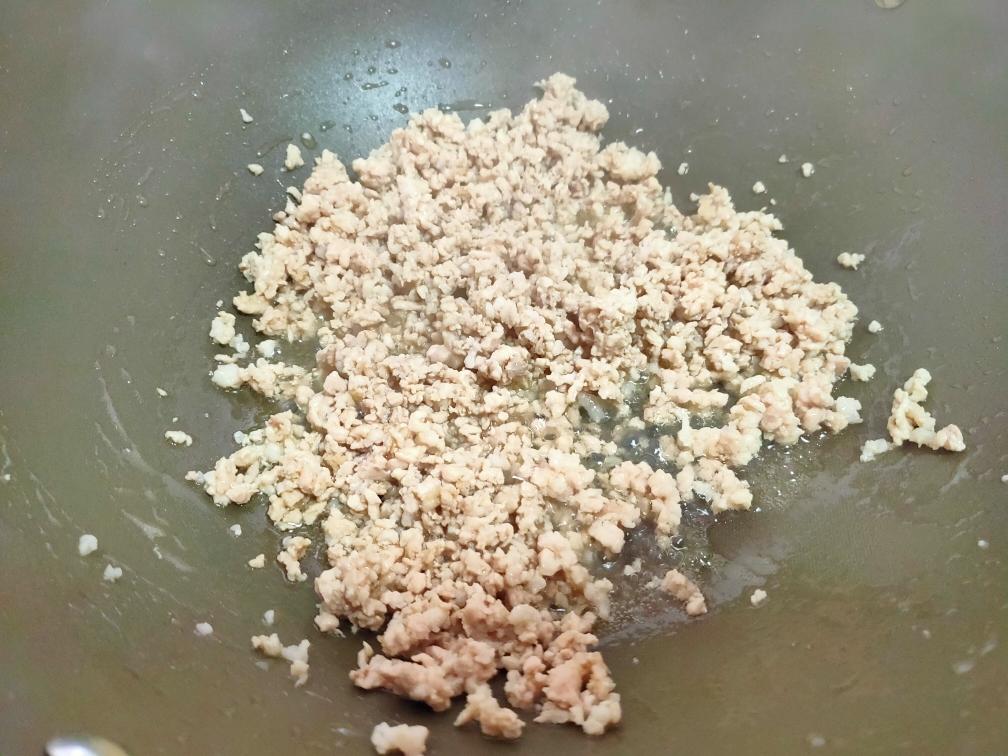
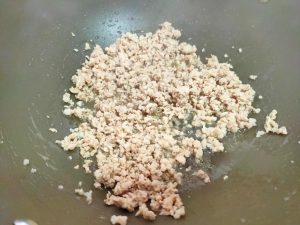
Heat your wok over medium-high heat. Add cooking oil—use slightly more than you would for a normal stir-fry (the amount depends on how fatty your meat is). When the oil begins to smoke slightly, add the 250g ground pork. Stir-fry rapidly until the meat changes color and turns pale/white.
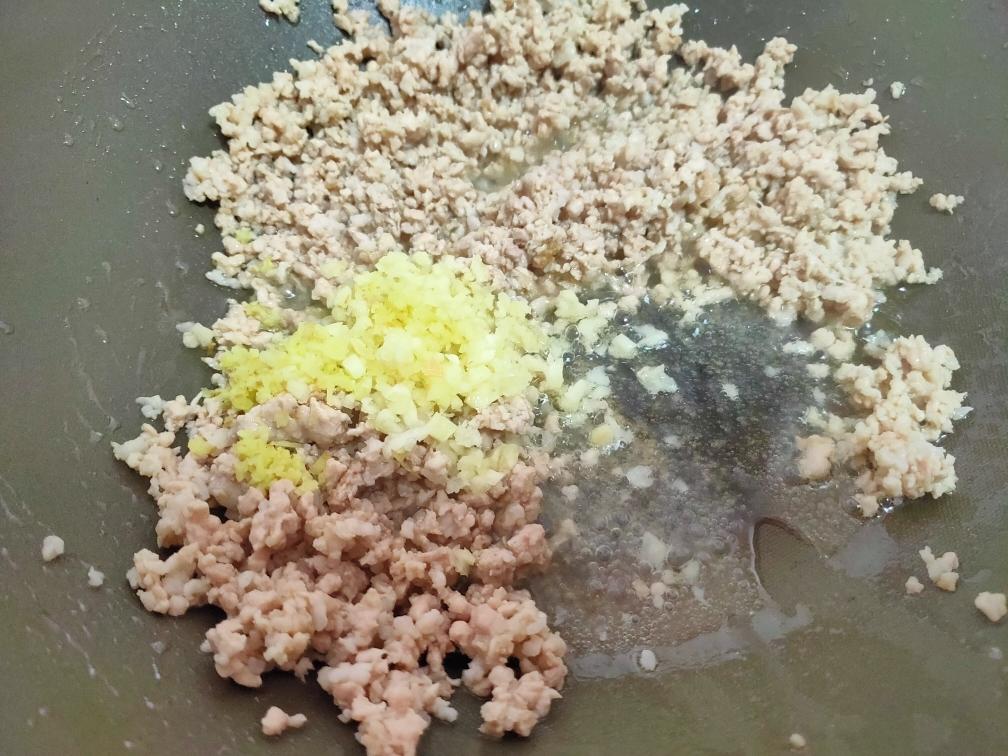
Step 3: Add Aromatics
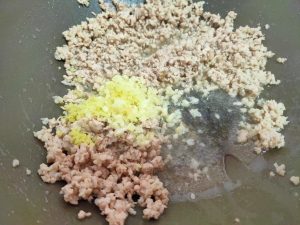
Add the minced ginger and garlic to the pork. Turn the heat down to medium-low. Stir-fry until fragrant, about 30 seconds.
Why Lower Heat? Garlic burns easily at high temperatures, turning bitter. Medium-low heat allows the flavor to infuse the oil.
Step 4: Fry the Sauces
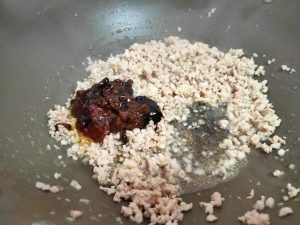
Now, add the three types of sauces at once: 2 tbsp Yellow Soybean Paste, 2 tbsp Sweet Bean Sauce, and 0.5 tbsp Doubanjiang (if using). Stir-fry efficiently.
Technique: You must fry the paste in the oil (not just boil it later) to activate the fermented flavors.
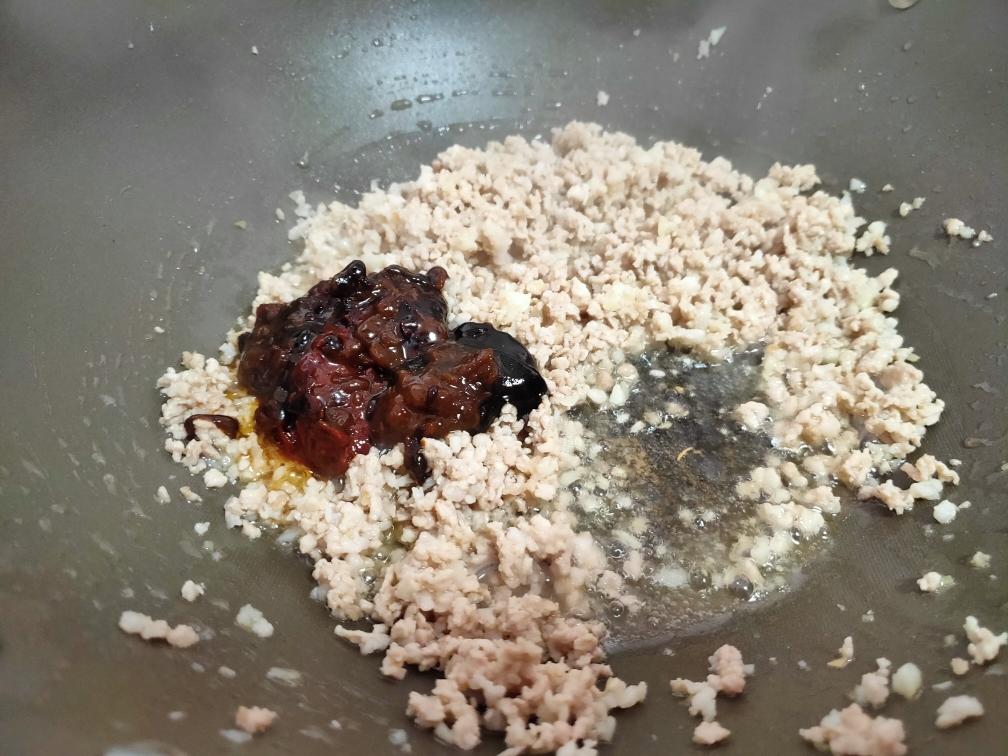
Step 5: Add Tomato and Seasonings
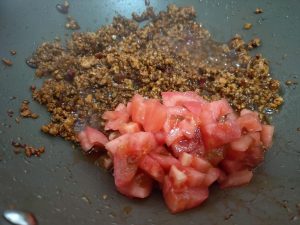
Stir-fry for a moment, then add the diced tomato.
Seasoning: Add a pinch of salt (optional—the pastes are salty, so taste first!). Stir-fry until the tomato softens completely. Add a small amount of Dark Soy Sauce (for rich color), a splash of Light Soy Sauce (Wei Ji Xian), and a pinch of Sichuan Pepper Powder (optional). Keep the heat on medium-low.
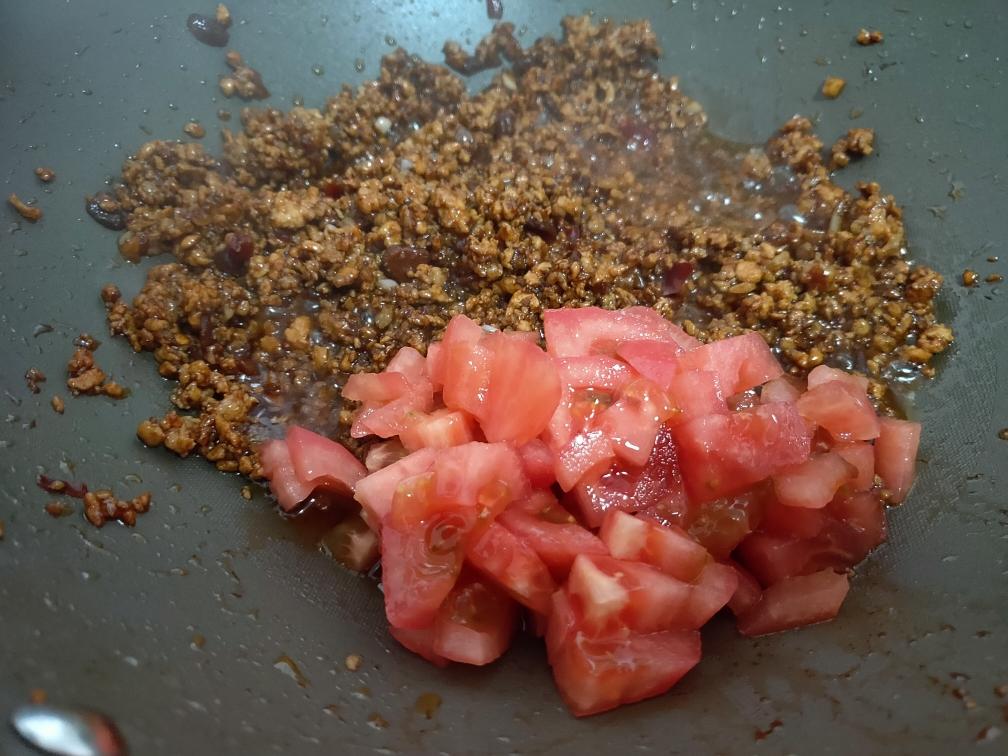
Step 6: Simmer
Pour in hot water. The water level should be about one finger-width higher than the meat sauce. Bring to a boil, then reduce heat and simmer. Let the water evaporate partially; the sauce will naturally thicken and the flavors will concentrate.
Why Hot Water? Adding cold water to hot meat can tighten the protein fibers, making the meat tough. Hot water maintains tenderness.
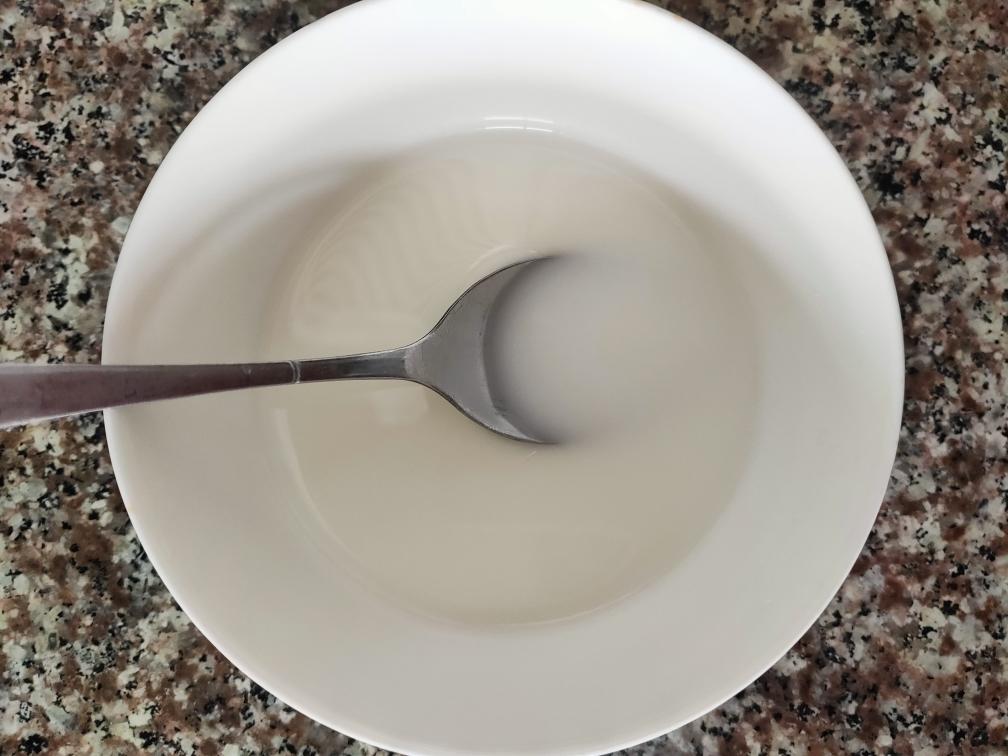
Step 7: Thicken the Sauce
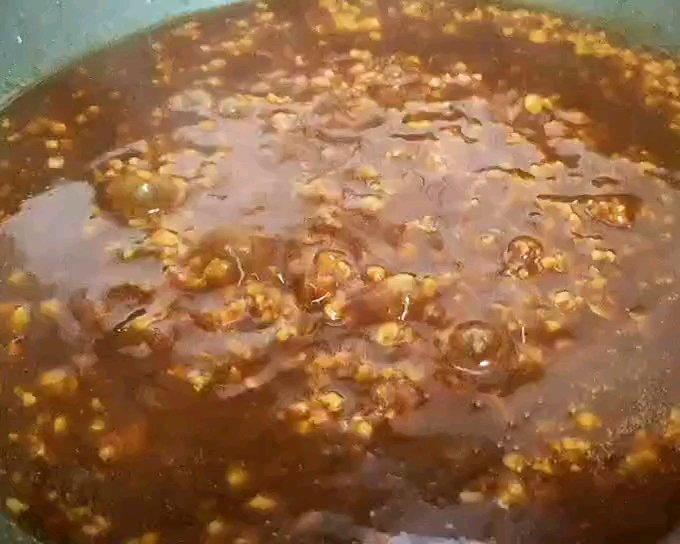
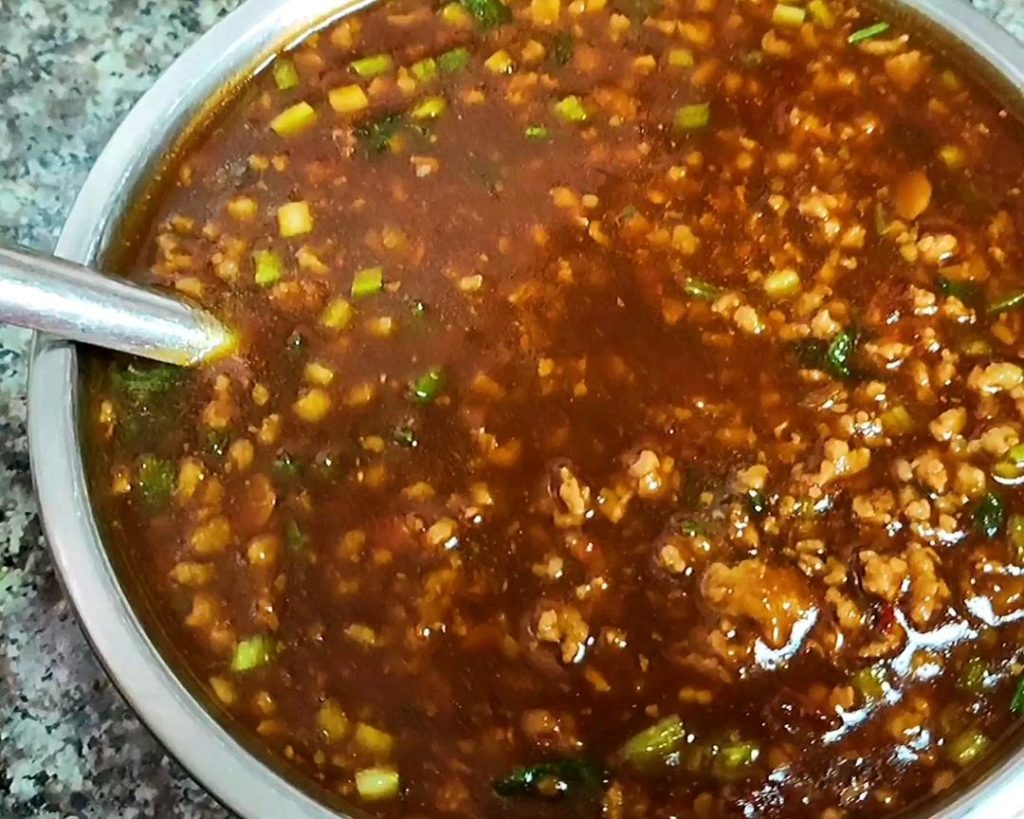
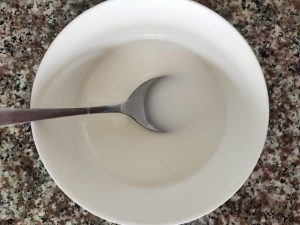
After simmering for a few minutes, prepare a slurry (mix a little water with 2 tsp cornstarch). Pour the slurry into the wok in stages—don’t dump it all at once. Watch the consistency. You want the sauce to bubble (“pu tong pu tong”) and become glossy.
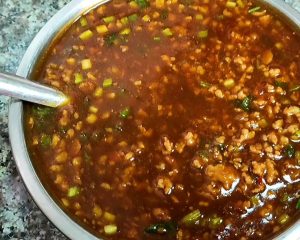
Visual Cue: At this stage, the tomato chunks should have melted away, fully fusing with the sauce.
Step 8: Finish and Serve
Right before turning off the heat, toss in the scallion greens and cilantro. The Zha Jiang is done!
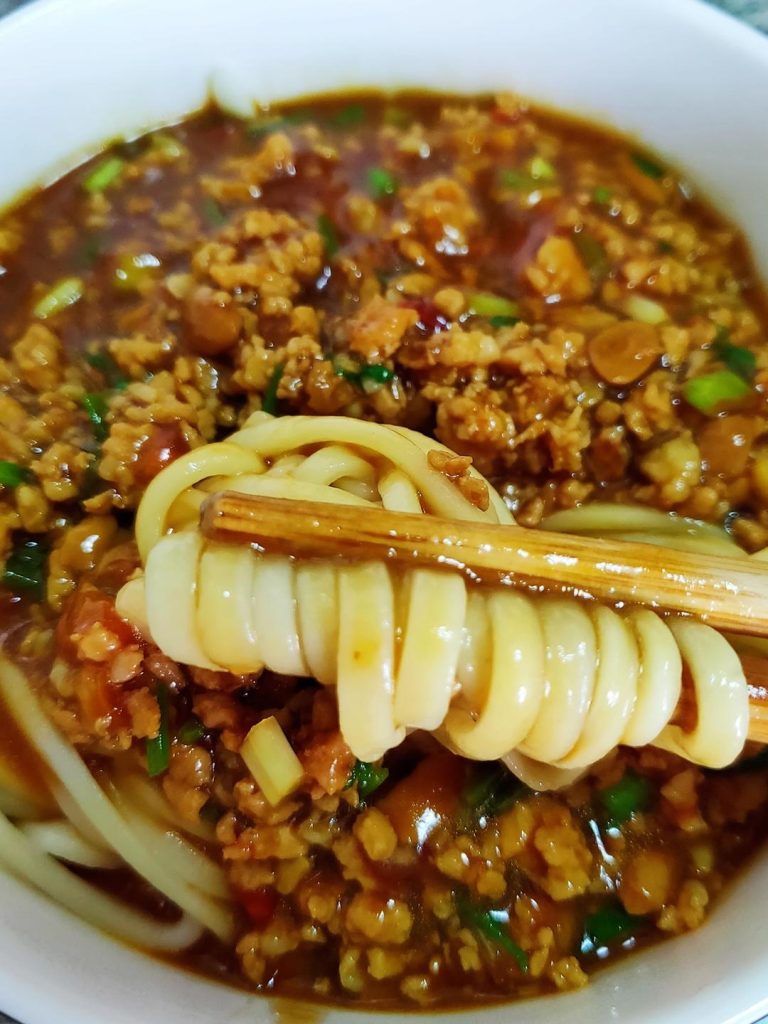
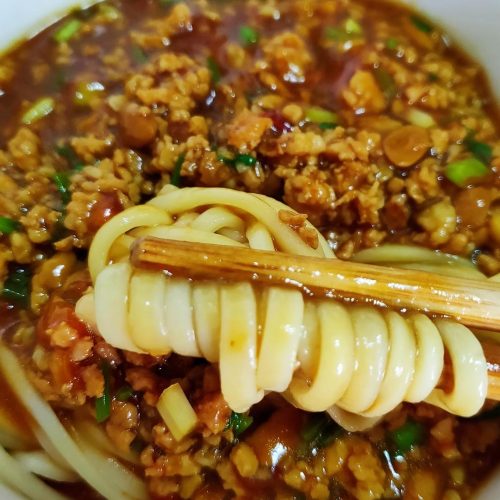
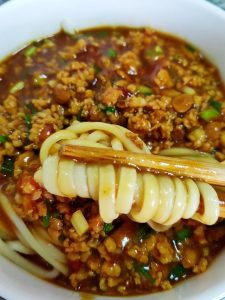
Cook your noodles in a separate pot of boiling water. (Fresh noodles usually take 3-4 minutes; dried noodles take 6-8 minutes). Drain and transfer to a bowl. Ladle the hot meat sauce over the noodles.
Serving Tip: Before eating, I highly recommend adding a spoonful of Chili Oil and a splash of vinegar. Mix well and enjoy!
Pairing Suggestions
Zha Jiang Mian is a heavy, rich dish. It pairs beautifully with light, refreshing sides to cleanse the palate.
- Smashed Cucumber Salad: The garlic and vinegar crunch cuts right through the heavy meat sauce.
- Seaweed Egg Drop Soup: A simple, clear soup is traditional to sip alongside dry noodles.
- If you have extra sauce, it freezes perfectly! You can use it later for Mushroom Pork Fried Sauce Noodles.
Food Safety & Preparation
- Pork Safety: Ensure the ground pork reaches an internal temperature of 160°F (71°C). Since we are simmering the sauce, this is easily achieved, but always be mindful.
- Allergen Warning: This recipe contains Soy (sauces/pastes) and Wheat (noodles/sweet bean paste). Use Gluten-Free Tamari and GF noodles if you have celiac disease, though finding GF Sweet Bean Paste is difficult.
- Storage: The cooked sauce can be stored in an airtight container in the fridge for up to 5 days, or frozen for 1 month.
Common Troubleshooting (Our Test Kitchen Notes)
- My sauce is too salty!
- Cause: Different brands of soybean paste vary wildly in salinity.
- Fix: Add a teaspoon of sugar or dice in another half tomato and simmer longer. Do not add more water without cooking it down, or it will be bland and watery.
- My sauce is too runny.
- Cause: Not enough starch slurry or didn’t simmer long enough.
- Fix: Increase the heat to evaporate liquid, or add a tiny bit more starch water. The sauce should coat the back of a spoon.
Authoritative References
- For safe meat cooking temperatures, refer to the USDA Food Safety Guidelines.
Easy Zha Jiang Mian (Fried Sauce Noodles)

Equipment
- 1 Wok or large skillet Carbon steel or non-stick
- 1 Pot For boiling noodles
Ingredients
The Sauce Base
- 250 g ground pork approx 1/2 lb, preferably 30% fat
- 0.5 tomato diced (optional but recommended)
- 2 tbsp yellow soybean paste Huang Dou Jiang
- 2 tbsp sweet bean sauce Tian Mian Jiang
- 0.5 tbsp spicy bean paste Doubanjiang (optional, adjust to taste)
Aromatics & Seasonings
- 1 tbsp ginger minced
- 1 tbsp garlic minced
- 1 tsp dark soy sauce for color
- 1 tbsp light soy sauce Wei Ji Xian or Kikkoman
- 0.5 tsp Sichuan pepper powder optional
Finishing
- 2 stalks scallions chopped
- 1 stalk cilantro chopped
- 2 tsp cornstarch mixed with 2 tbsp water for slurry
- 300 g noodles fresh or dried wheat noodles
Instructions
- Prepare all ingredients: Mince the ginger and garlic, chop the scallions and cilantro, and dice the tomato.

- Heat oil in a wok over medium-high heat. The amount should be slightly more than usual for stir-frying. When the oil smokes slightly, add the ground pork and stir-fry until it changes color.
- Add the minced ginger and garlic. Turn heat to medium-low and stir-fry until fragrant.
- Add the Soybean Paste, Sweet Bean Paste, and Doubanjiang (if using). Stir-fry the pastes in the oil to release their aroma.
- Add the diced tomato and a pinch of salt (optional, taste first). Stir-fry until the tomato softens completely.
- Add a small amount of dark soy sauce for color, the light soy sauce, and Sichuan pepper powder. Keep heat on medium-low.
- Pour in hot water (enough to cover the meat by about a finger’s width). Bring to a boil, then simmer to let the sauce thicken and concentrate.
- Mix the cornstarch with water to make a slurry. Pour it into the wok in batches, stirring constantly until the sauce bubbles and reaches your desired thickness.
- Add scallions and cilantro. Turn off the heat.

- Boil the noodles in a separate pot, drain, and serve topped with the hot meat sauce. Recommended: Add chili oil and vinegar before eating.













Leave a Reply