Kung Pao chicken with shrimp balls is the kind of weeknight stir fry that makes you forget takeout exists. Tender cubes of marinated chicken thigh and springy, hand-formed shrimp balls go into a screaming-hot wok with scallion, garlic, and dried chilies, then everything gets lacquered in a glossy black vinegar sauce that lands sweet first and tangy second. Crunchy peanuts scattered through the mix give you that signature gong bao snap, and the whole thing comes together in about half an hour.
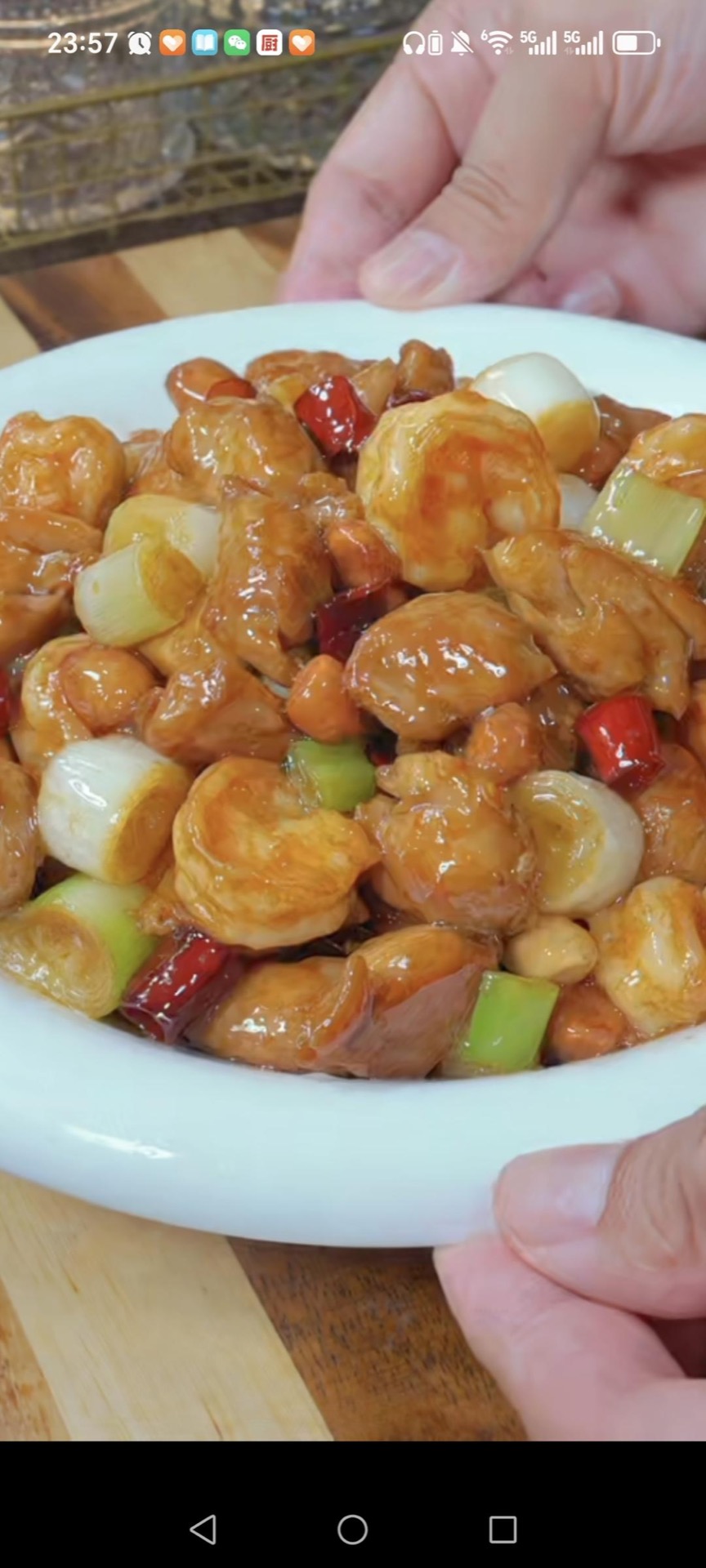
What I love about this version is that it borrows the best habit from Cantonese cooking — treating shrimp as a protein worth fussing over, not just a garnish. The shrimp get a quick salt-and-starch massage so they plump up instead of turning rubbery, and they rejoin the pan at the very end so they never overcook. The chicken does the opposite: it gets a 15-minute marinade and a proper sear, so it stays juicy under all that sauce.
If you have ever ordered gong bao ji ding at a Sichuan restaurant and wondered why your home version tastes flat, the answer is almost always the sauce ratio and the heat of the wok. We will fix both. This dish is forgiving enough for a first stir fry and impressive enough for a dinner where you want people to look up from their bowls.
What Is Kung Pao Chicken with Shrimp Balls?
Kung Pao chicken — gong bao ji ding in Mandarin — is a Sichuan stir fry of diced chicken, dried chilies, roasted peanuts, and a sweet-sour sauce built on black vinegar and sugar. The name travels with the dish’s most famous promoter, Ding Baozhen, a Qing dynasty official whose title gong bao became attached to the recipe. The version most of us grew up on is the Americanized one, heavier on sugar and lighter on heat; the Sichuan original is sharper, more aromatic, and far less syrupy.
Shrimp balls (虾球, xia qiu) are a Cantonese idea: shrimp are minced or left chunky, seasoned lightly, and formed into springy bite-sized pieces that hold their bounce through a fast sear. Combining the two means you get the chew of chicken thigh, the snap of shrimp, and one sauce that flatters both. It is not a traditional restaurant dish so much as a very good home cook’s move — and it works because the two proteins cook fast and take seasoning the same way.
What makes this particular combination sing is contrast. Chicken thigh brings richness, shrimp brings sweetness and a lighter texture, peanuts bring crunch, and the dried chilies bring a warm, toasty heat that sits in the background rather than blowing your head off. The sauce ties it together with black vinegar’s malty tang, which is a completely different animal from the white vinegar most supermarket stir-fry sauces use.
The reason a good gong bao sauce tastes “restaurant-style” is starch and sugar working together. Potato or corn starch gelatinizes in the hot liquid and forms a thin, clinging film that carries aroma compounds from the chilies and garlic onto every surface of the chicken and shrimp — which is why the sauce tastes seasoned through the food rather than sitting on top of it. A sauce without starch slides right off; a sauce with too much turns gluey. Half a tablespoon per half cup of liquid is the sweet spot.
If you like the flavor profile here, our spicy chicken stir fry takes the heat up a notch with fresh chilies, and it is a great next stop once you are comfortable with the wok timing.
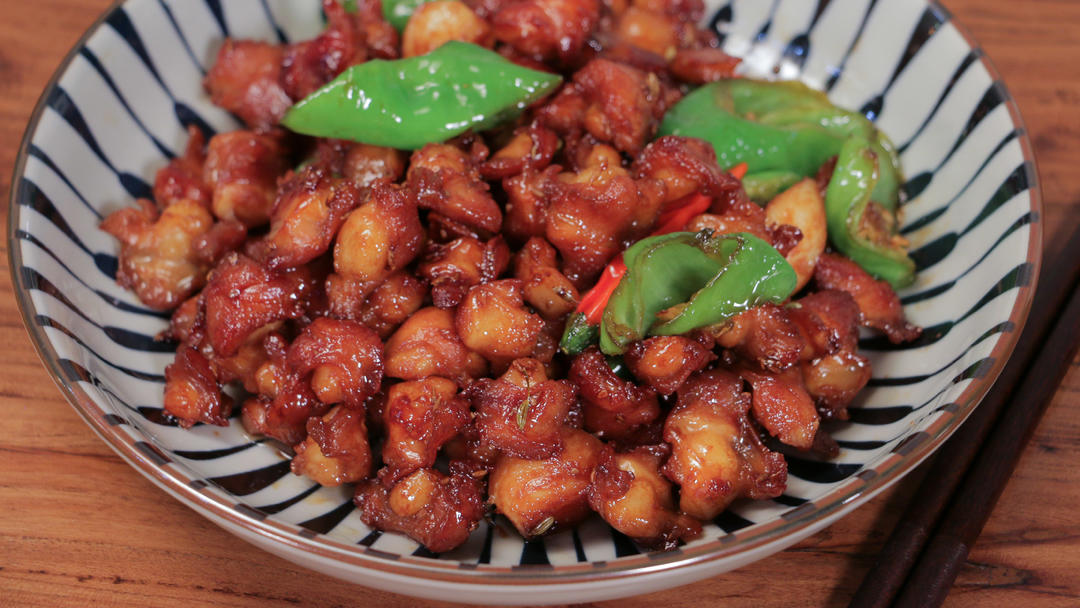
If you like this kind of cooking, my cumin spicy chicken cartilage is the closest recipe on the site — the same technique and the same pantry.
1Cumin Spicy Chicken Cartilage (Zhang Zhong Bao)This restaurant-style Cumin Spicy Chicken Cartilage (Zhang Zhong Bao) features crunchy chicken knees stir-fried with aromatic cumin, fennel, and chili peppers. It uses a special water-braise technique to ensure the cartilage is tender-crisp and full of flavor.Check out this recipe
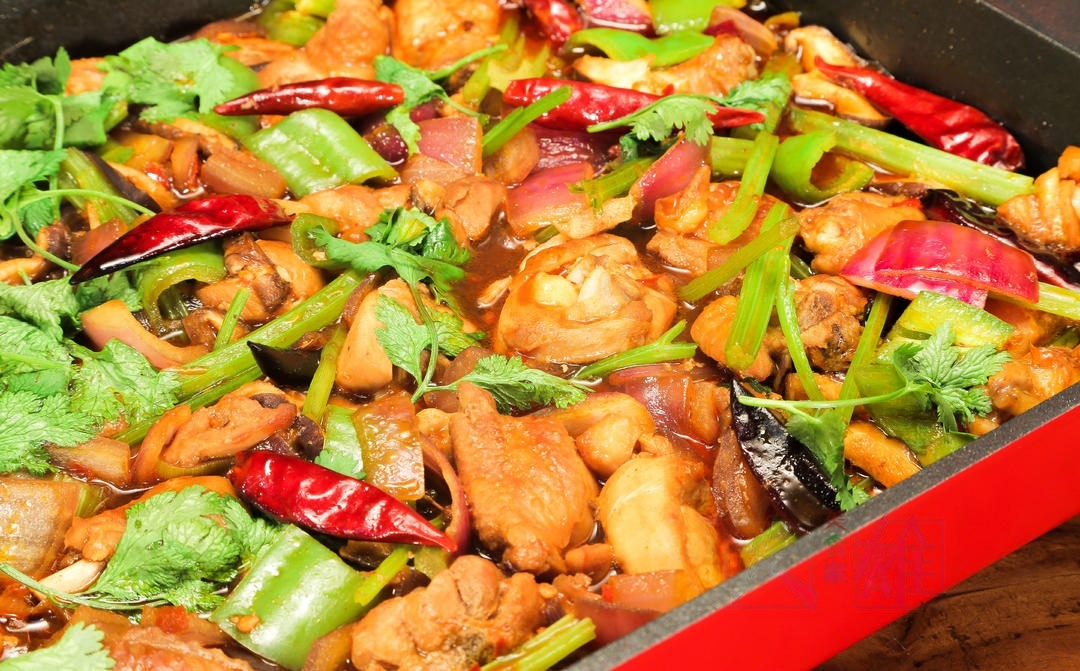
Cooked this way once, you will want the next one too: Sichuan chicken pot starts from the same base and the same pan.
2Ji Gong Bao (Sichuan Chicken Pot)A savory, rich, and slightly spicy one-pot chicken stew (Ji Gong Bao) loaded with tender chicken wings, drumsticks, and fresh vegetables. Authentic Sichuan flavor made easy for home cooks.Check out this recipe
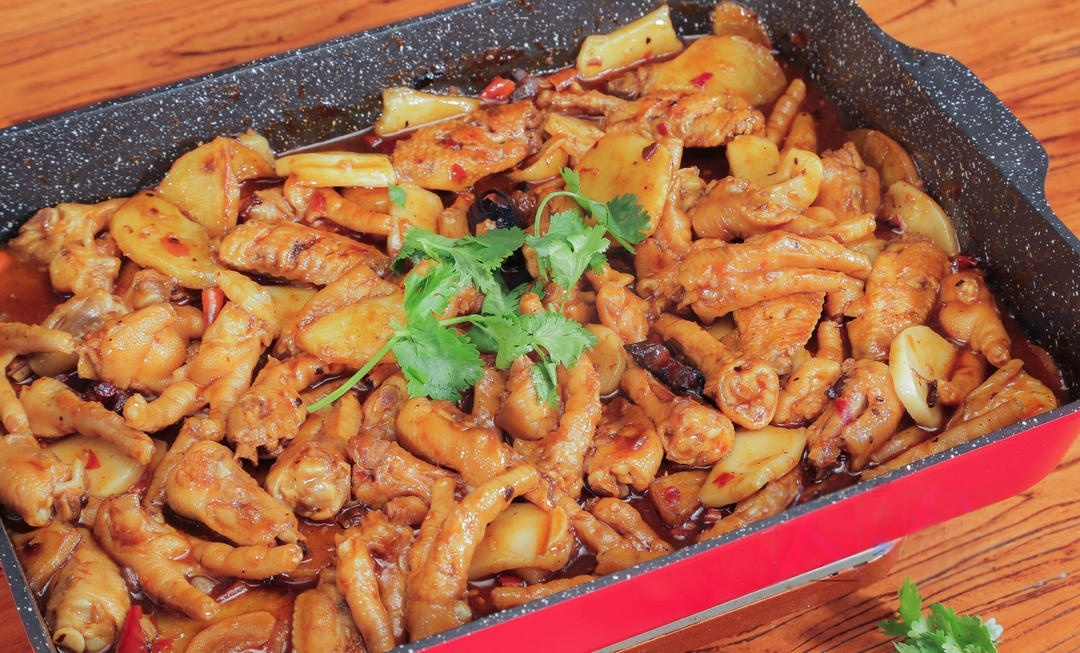
For the next cook from the same playbook, spicy chicken feet casserole is the recipe I point people to.
3Spicy Chicken Feet Casserole (Xiang La Ji Zhua Bao)A hearty, collagen-rich Sichuan casserole featuring braised chicken feet, wings, and chewy rice cakes in a savory, spicy beer sauce. Perfect for a comforting family meal.Check out this recipe
Why This Recipe Works
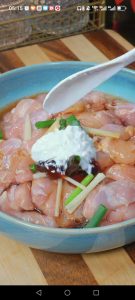
Three things do the heavy lifting. First, the marinade. Chicken thigh gets Shaoxing wine, soy, oyster sauce, ginger, scallion, and cornstarch, plus a final drizzle of oil that seals in moisture and keeps the pieces from clumping in the wok. Fifteen minutes is enough for the seasoning to penetrate the surface layer without turning the meat mushy.
Second, the shrimp treatment. A pinch of salt and a teaspoon of cornstarch worked into the shrimp for a few minutes gives them that bouncy, snappy texture you get at dim sum. The salt lightly denatures the surface proteins so they hold water, and the starch forms a delicate shell that protects them from the direct heat of the wok.
Third, the sequencing. Chicken first, because it needs longer. Shrimp second, because it needs seconds. Aromatics third, because garlic and dried chili burn in the time it takes chicken to cook through. Then everything returns to the pan for one final toss with the sauce. If you have ever made a stir fry where the vegetables were perfect and the protein was rubber, it was almost certainly a sequencing problem, not a seasoning problem.
The sauce itself is deliberately on the tangy side. Three tablespoons of Chinkiang black vinegar against two of sugar sounds aggressive on paper, but the vinegar mellows as it hits the hot pan and the sugar rounds it out. This is the balance that makes gong bao taste bright rather than candy-sweet.
Ingredients
Chicken thigh is the right cut here. Breast works, but it dries out fast under high heat and the marinade cannot fully rescue it. Thigh has enough intramuscular fat to stay tender through a hard sear and it holds the sauce better.
For the shrimp, buy raw, not pre-cooked. Pre-cooked shrimp are already at their limit and will turn to erasers the moment they hit the wok. Any size works; medium (31/40 count) is easiest to shape into balls, but large shrimp simply cut into two or three chunks are fine.
Chinkiang black vinegar is worth seeking out. It is made from glutinous rice and has a deep, almost balsamic-like maltiness that rice vinegar cannot replicate. If you cannot find it, rice vinegar plus a teaspoon of balsamic is a reasonable stand-in.
Dried red chilies: use whole Sichuan or arbol chilies and snip them yourself, shaking out most of the seeds. Pre-crushed flakes burn too easily and give a dusty rather than toasty heat. Peanuts should be plain roasted and unsalted, so you control the salt level.
Cooking Process
Step 1 — Stir the Sauce
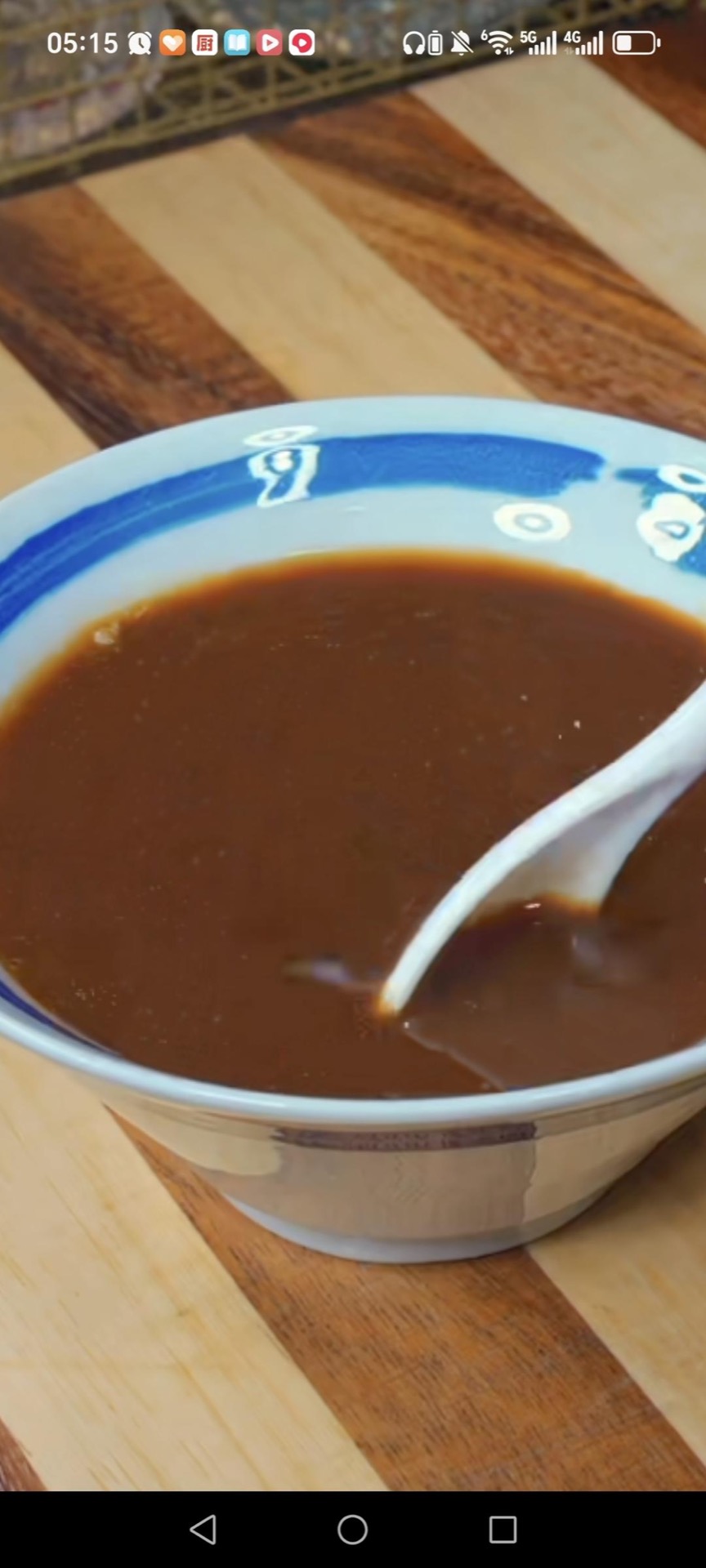
Whisk 3 tablespoons black vinegar, 2 heaped tablespoons sugar, 1 teaspoon dark soy sauce, 1 tablespoon light soy sauce, a pinch of salt, 1/2 cup water, and 1/2 tablespoon potato starch until the sugar and starch fully dissolve.
Step 2 — Marinate the Chicken
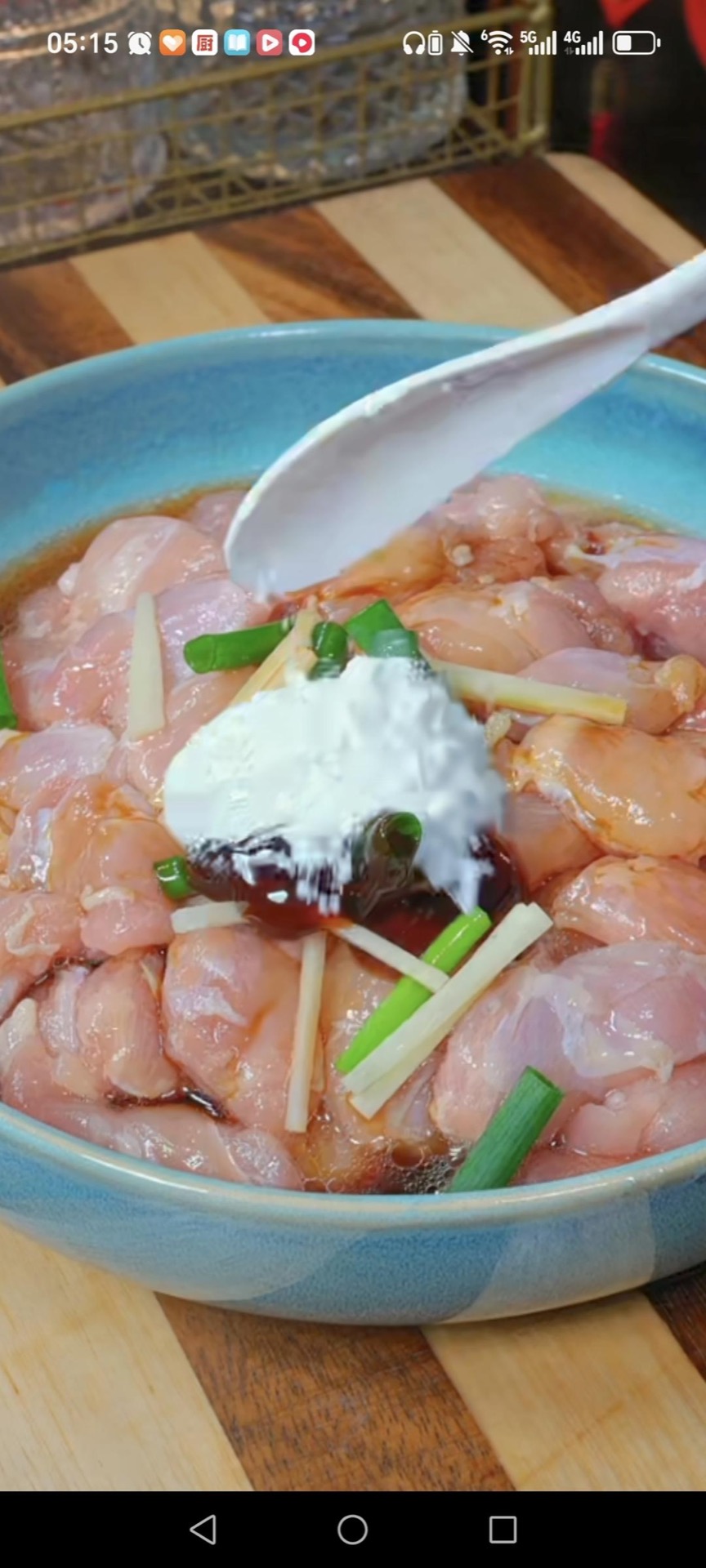
Toss the cubed chicken thigh with the minced scallion whites, ginger, Shaoxing wine, light soy sauce, oyster sauce, and cornstarch, mix until every piece is coated, then drizzle 1 tablespoon oil over the top, cover, and marinate 15 minutes.
Step 3 — Heat the Wok and Sear the Chicken
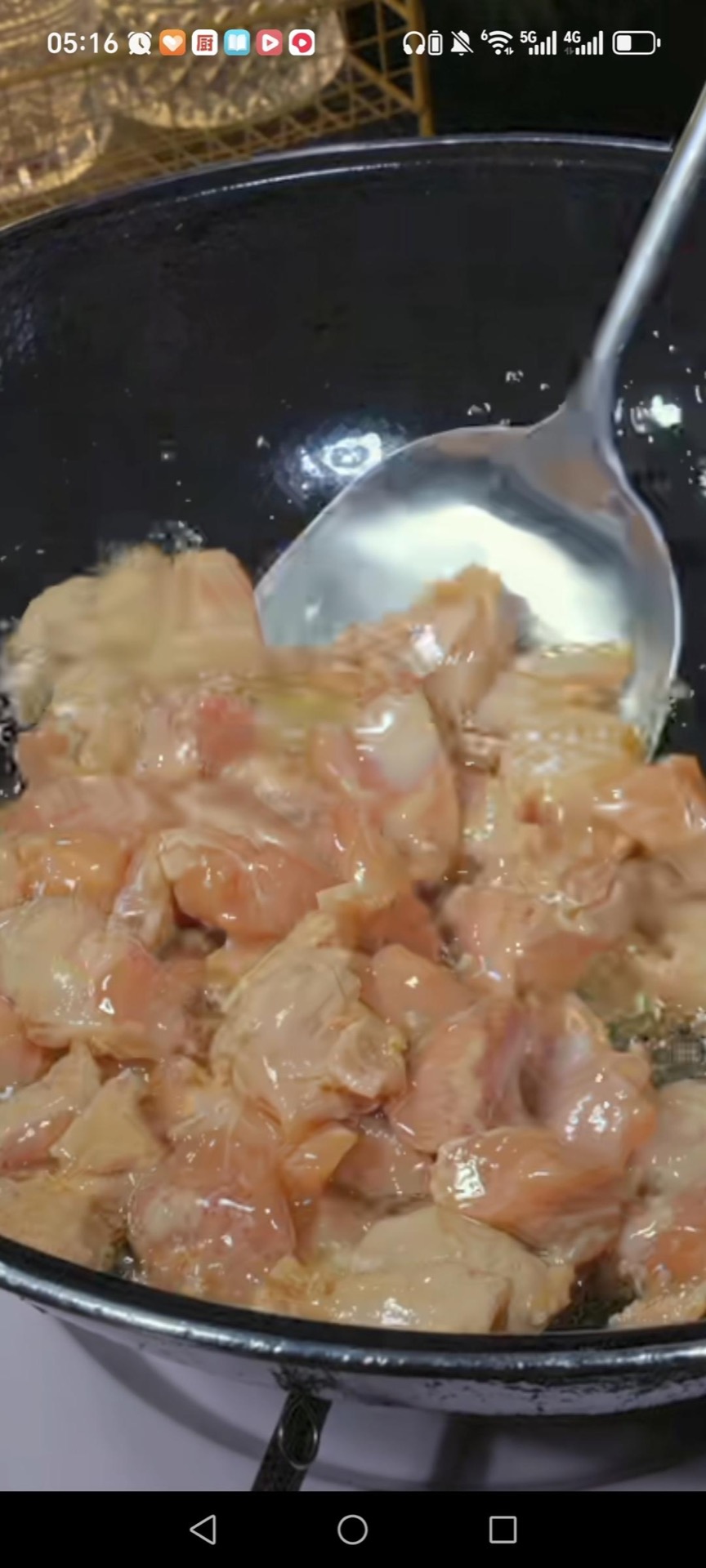
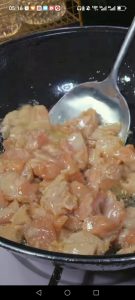
Heat a wok over high heat, add 1 tablespoon oil, and slide in the chicken in a single layer.
Step 4 — Cook the Chicken Through
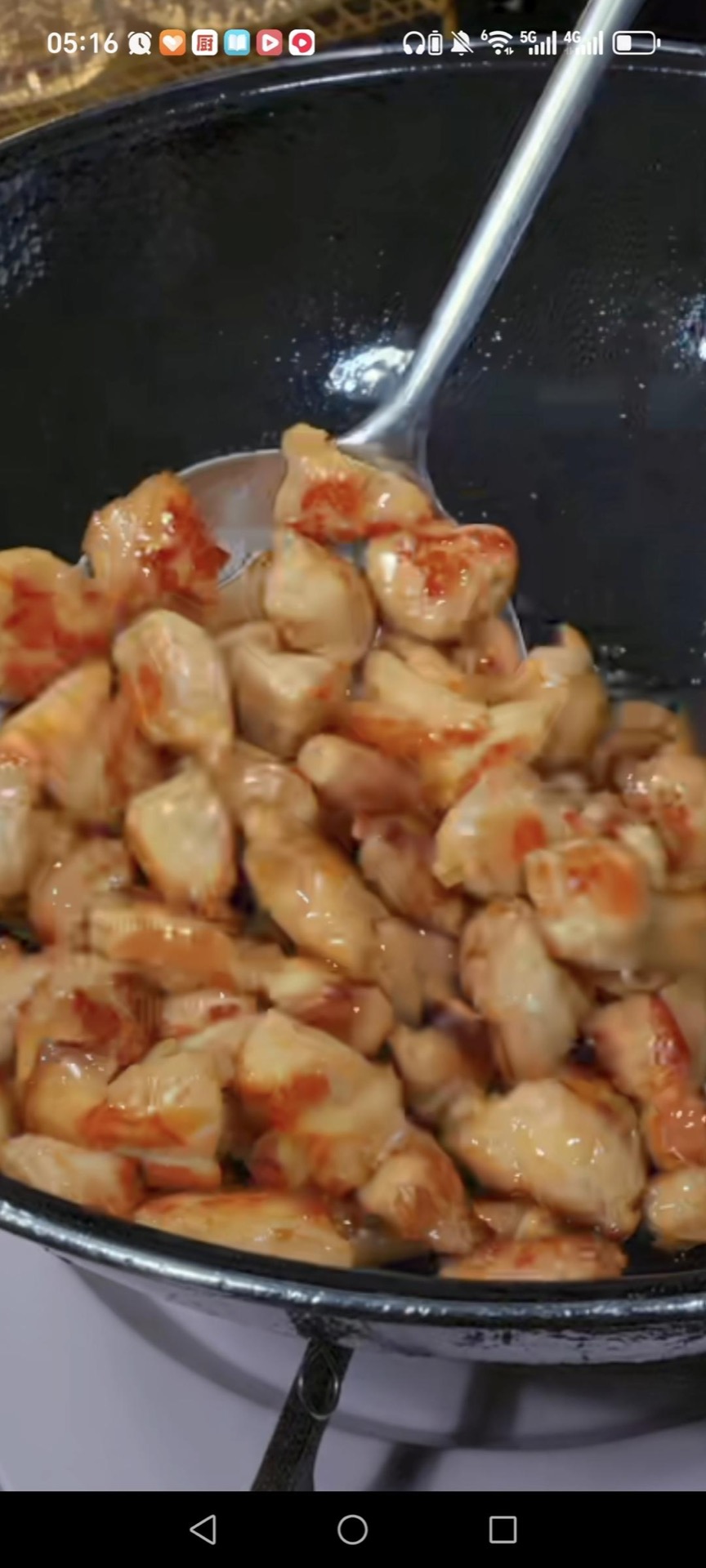
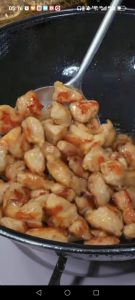
Stir fry the chicken 3 to 4 minutes until golden at the edges and cooked through, then scoop it out with a slotted spoon and set aside.
Step 5 — Cook the Shrimp
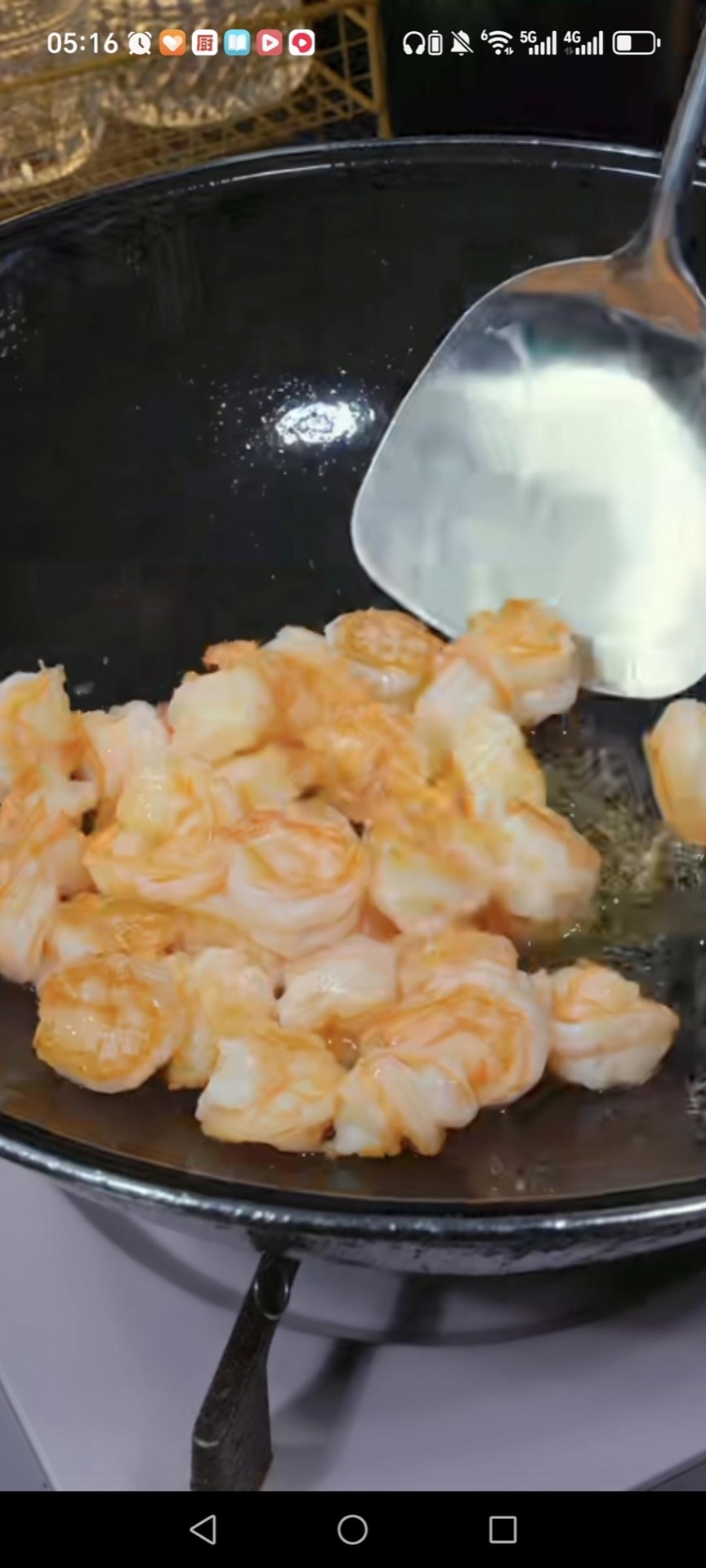
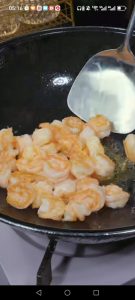
Add another tablespoon of oil to the wok, sear the shrimp 1 to 2 minutes per side until they curl and turn opaque, then remove them and set aside with the chicken.
Step 6 — Bloom the Aromatics
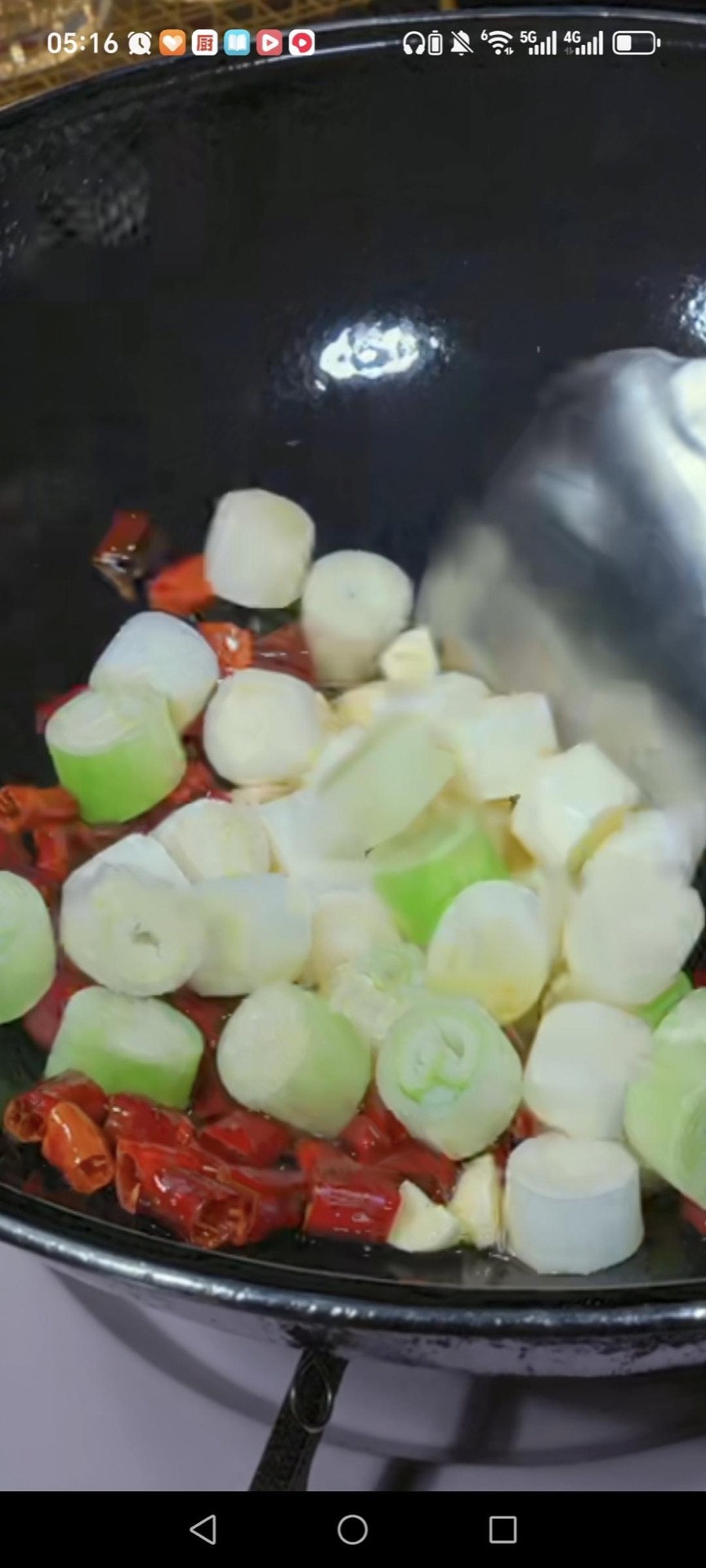
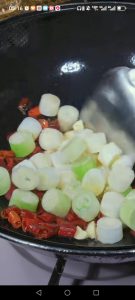
Add the last tablespoon of oil, then the scallion segments, sliced garlic, and dried chilies, and stir fry 30 seconds until fragrant and the chilies darken slightly.
Step 7 — Return Chicken and Shrimp
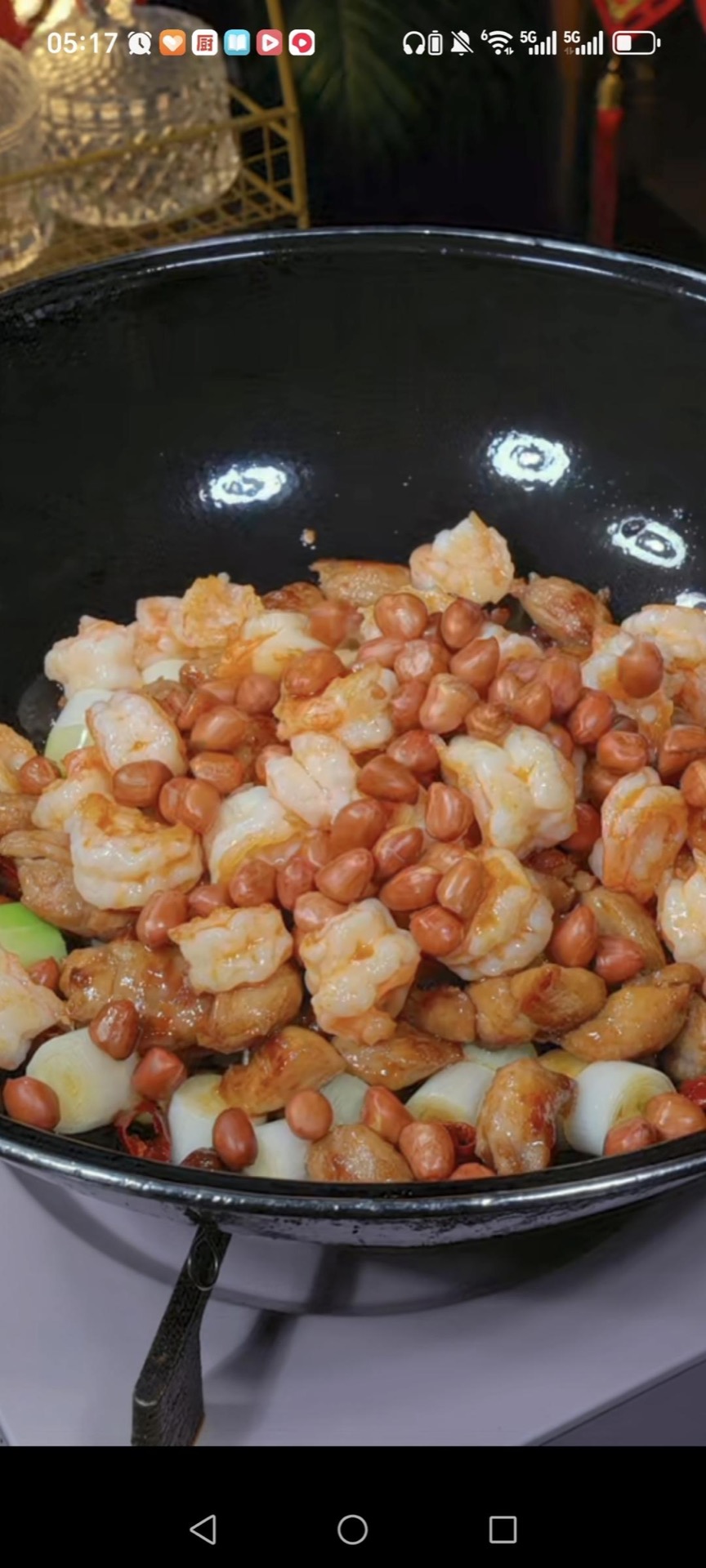
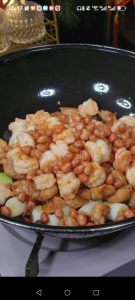
Slide the chicken, shrimp, and roasted peanuts back into the wok and toss everything together over high heat.
Step 8 — Add the Sauce and Finish
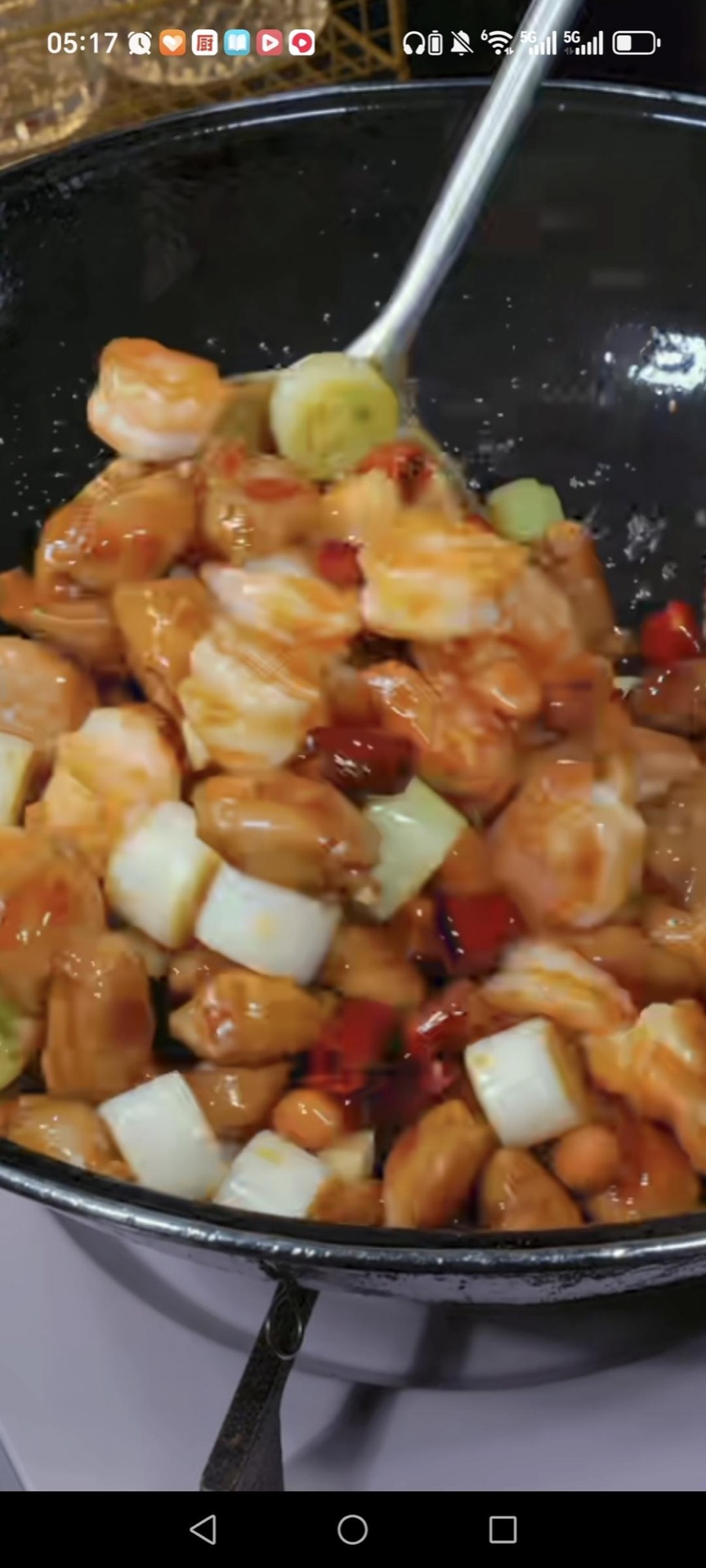
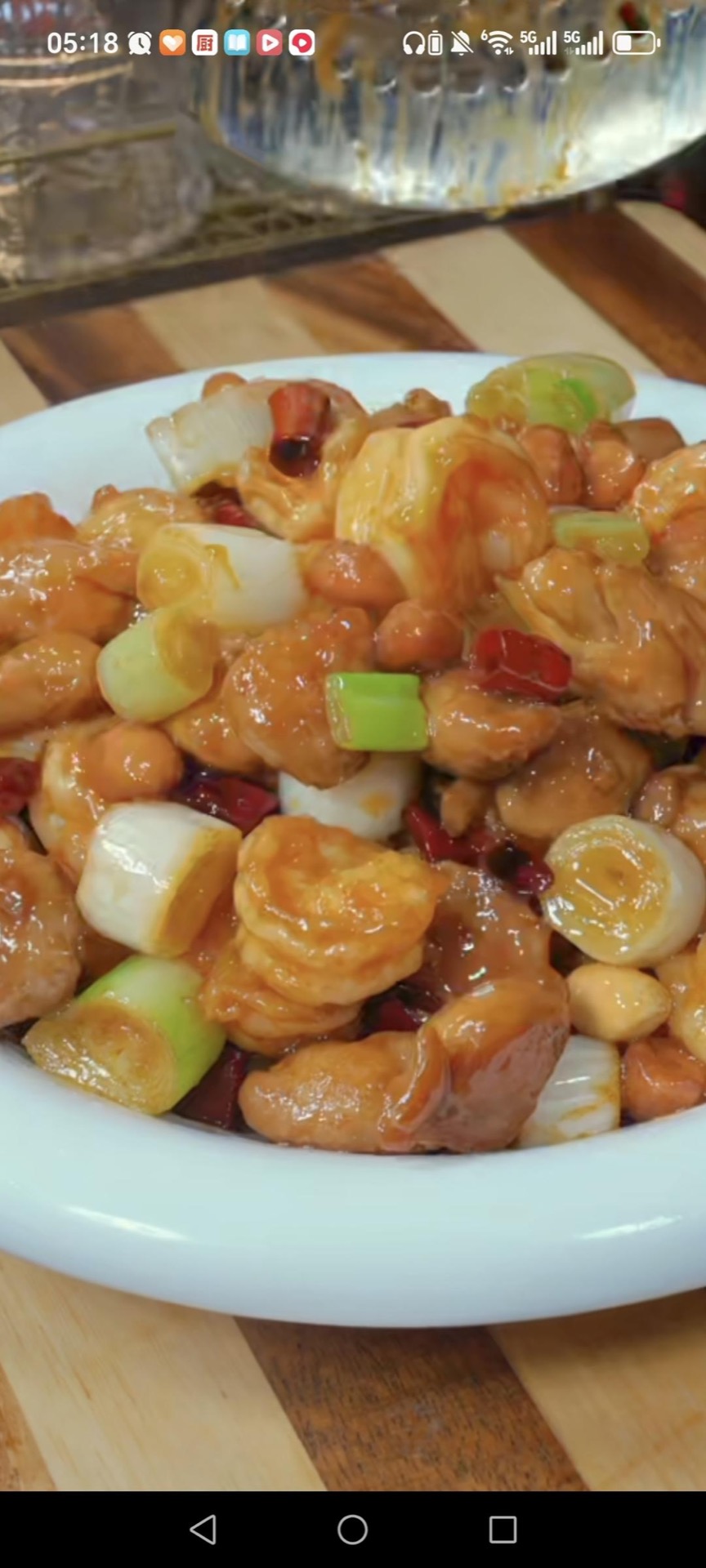
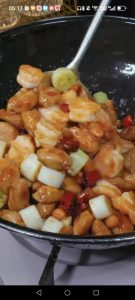
Pour in the sauce, stir fry 30 to 45 seconds until it thickens into a glossy coat, then finish with 1 tablespoon chili oil, toss once more, and turn off the heat.
Step 9 — Plate and Serve
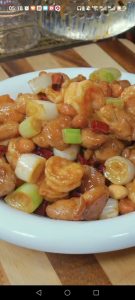
Scrape everything onto a warm platter, spoon the pan sauce over the top, and serve immediately with steamed rice.
Common Mistakes When Making Kung Pao Chicken with Shrimp Balls
1. Crowding the wok. If the chicken or shrimp sit in a pile, they release moisture faster than the pan can evaporate it and they steam instead of searing. Fix: cook in two batches if your wok is smaller than 12 inches, and spread each batch into a single layer before you start tossing.
2. Adding the sauce too early. Pouring the sauce in while the chicken is still cooking means the starch thickens around half-raw meat and the sugars scorch before the protein is done. Fix: cook both proteins fully, remove them, and only add the sauce at the very end when everything is back in the pan.
3. Burning the garlic and chilies. Garlic goes from fragrant to bitter in about ten seconds over high heat. Fix: add the aromatics after the proteins are out, keep the pan moving, and pull the pan off the heat for a moment if the garlic starts to color too fast.
4. Overcooking the shrimp. Shrimp are done the instant they curl into a loose C and turn opaque. Another thirty seconds and they tighten into a rubbery O. Fix: sear them for one to two minutes per side and get them out of the pan immediately.
5. Skipping the starch in the marinade. Without cornstarch, the chicken loses its juices into the pan and the sauce never clings. Fix: one tablespoon of cornstarch per pound of chicken, massaged in until the pieces look slightly cloudy.
6. Using pre-cooked or wet shrimp. Pre-cooked shrimp overcook instantly, and wet shrimp spit in the oil and refuse to brown. Fix: buy raw shrimp and dry them thoroughly on paper towels before seasoning.
How to Serve
Steamed jasmine rice is the default and the right answer — the sauce is assertive enough that you want something plain underneath it. A bowl of congee works beautifully for a lighter meal, and plain noodles tossed with a spoonful of the pan sauce make a fast lunch the next day.
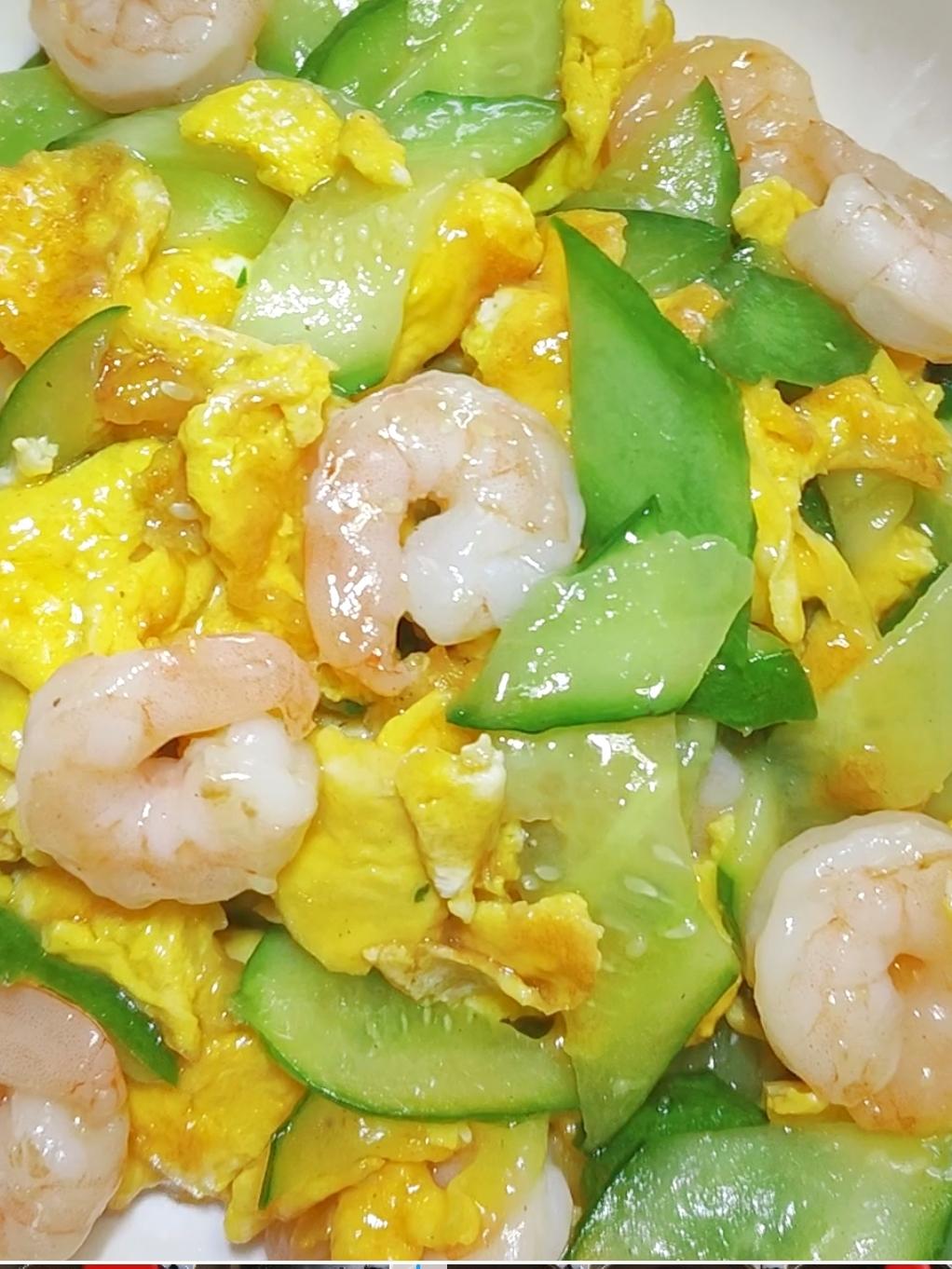
On the vegetable side, something crisp and lightly dressed balances the richness. Our shrimp cucumber and egg stir fry is a natural partner if you are already in a shrimp mood, and it comes together in about the same amount of time. For a heartier table, our pork and green bean stir fry adds a second protein and a pile of vegetables without competing for the same flavor space.
Storage & Reheat
Cool leftovers within two hours and refrigerate in an airtight container for up to three days. The peanuts will soften over time, so if you have extra, consider storing them separately and adding them fresh at reheat.
The best way to reheat is in a hot skillet or wok with a teaspoon of oil, tossing for two to three minutes until the chicken and shrimp are steaming hot. A microwave works in a pinch but will toughen the shrimp; if you use one, cover the bowl and go in 30-second bursts. Reheat to an internal temperature of 165°F (74°C), and do not refreeze once thawed.
Allergen Notice
This recipe contains soy, wheat (from soy sauce), shellfish (shrimp), peanuts, and corn. If you are cooking for someone with a peanut allergy, cashews or sunflower seeds are a straightforward swap, but check that your chili oil and oyster sauce are produced in a peanut-free facility. For a soy-free version, use tamari and a soy-free oyster sauce substitute, and verify the black vinegar label. People with shellfish allergies should not substitute other seafood casually — the shrimp are central to the dish, so it is better to make the chicken-only variation instead.
Nutrition Disclaimer
Nutrition information is calculated using an ingredient database and should be considered an estimate. In cases where multiple ingredient alternatives are given, the first listed is calculated for nutrition. Garnishes and optional ingredients are not included.
About the Author & Recipe Development
I am Lin, and I have been cooking Sichuan and Cantonese food at home for over two decades, mostly by standing next to people who learned it from their parents and writing down everything they did. Woks of Love exists because restaurant recipes rarely survive translation to a home stove, and the details that matter — pan temperature, sequencing, how long to marinate — are usually the ones nobody writes down.
This recipe came out of a week of testing where I was trying to solve a specific problem: shrimp in a gong bao sauce kept coming out either rubbery or bland. The fix turned out to be treating the shrimp like a dumpling filling rather than a stir-fry ingredient — salt, starch, a short chill — and adding them back at the very end. I tested the sauce five times with different vinegar-to-sugar ratios before landing on the three-to-two proportion below, which is tangier than most American versions and closer to what you taste in Chengdu.
If you liked this, pork and green bean stir fry is worth cooking next.
If you liked this, potato and green bean stir fry is worth cooking next.
If you liked this, kung pao chicken is worth cooking next.
Authoritative References
For safe cooking temperatures and storage guidance, I rely on the USDA safe minimum internal temperature chart, which lists 165°F (74°C) for poultry and 145°F (63°C) for fish and shellfish. General food handling and cooling guidance follows the FDA Food Code. For background on the history of gong bao ji ding and Sichuan seasoning, the Serious Eats explainer on Sichuan cuisine is a useful starting point.
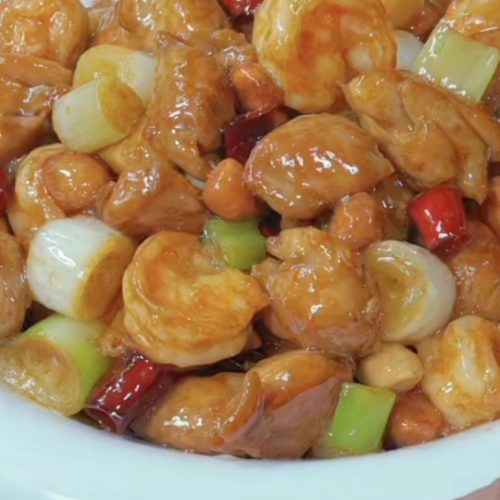
Kung Pao Chicken with Shrimp Balls (宫爆鸡丁虾球): Sweet, Tangy, and

Equipment
- Wok
- Cutting Board
- Slotted Spoon
Ingredients
For the Sauce
- 3 tbsp Chinkiang black vinegar or rice vinegar for a milder tang
- 2 tbsp granulated sugar heaped
- 1 tsp dark soy sauce for color
- 1 tbsp light soy sauce
- 1 pinch salt
- 1/2 cup water
- 1/2 tbsp potato starch or cornstarch
For the Chicken Marinade
- 1 lb boneless skinless chicken thigh cut into 1-inch cubes
- 2 stalks scallion whites only, minced
- 1 thumb ginger minced
- 1 tbsp Shaoxing wine
- 1 tbsp light soy sauce
- 1 tsp oyster sauce
- 1 tbsp cornstarch
- 1 tbsp cooking oil to seal the marinade
For the Shrimp Balls
- 12 oz raw shrimp peeled, deveined, patted dry
- 1 tsp cornstarch
- 1 pinch salt
- 1 pinch white pepper
For the Stir Fry
- 3 tbsp cooking oil divided
- 4 stalks scallion cut into 1-inch segments
- 4 cloves garlic sliced
- 10 whole dried red chilies snipped, seeds shaken out
- 1/2 cup roasted peanuts unsalted
- 1 tbsp chili oil optional, for finishing
Instructions
- Whisk 3 tablespoons black vinegar, 2 heaped tablespoons sugar, 1 teaspoon dark soy sauce, 1 tablespoon light soy sauce, a pinch of salt, 1/2 cup water, and 1/2 tablespoon potato starch until the sugar and starch fully dissolve.

- Toss the cubed chicken thigh with the minced scallion whites, ginger, Shaoxing wine, light soy sauce, oyster sauce, and cornstarch, mix until every piece is coated, then drizzle 1 tablespoon oil over the top, cover, and marinate 15 minutes.
- Heat a wok over high heat, add 1 tablespoon oil, and slide in the chicken in a single layer.
- Stir fry the chicken 3 to 4 minutes until golden at the edges and cooked through, then scoop it out with a slotted spoon and set aside.
- Add another tablespoon of oil to the wok, sear the shrimp 1 to 2 minutes per side until they curl and turn opaque, then remove them and set aside with the chicken.
- Add the last tablespoon of oil, then the scallion segments, sliced garlic, and dried chilies, and stir fry 30 seconds until fragrant and the chilies darken slightly.
- Slide the chicken, shrimp, and roasted peanuts back into the wok and toss everything together over high heat.
- Pour in the sauce, stir fry 30 to 45 seconds until it thickens into a glossy coat, then finish with 1 tablespoon chili oil, toss once more, and turn off the heat.
- Scrape everything onto a warm platter, spoon the pan sauce over the top, and serve immediately with steamed rice.












Leave a Reply