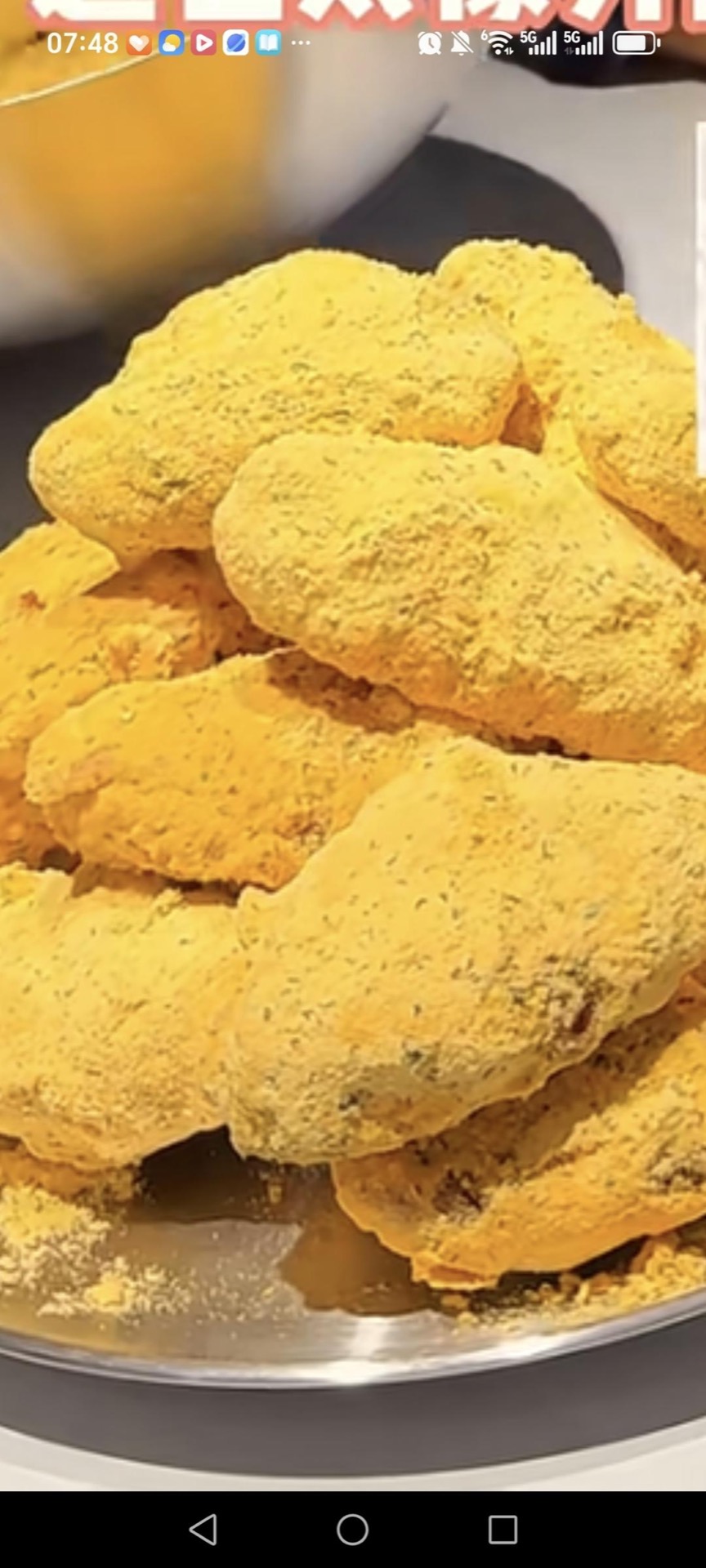
Snow cheese chicken wings are the kind of snack that makes people stop mid-sentence. A plate of golden, shatteringly crisp wings arrives, still hot from the wok, and then they get tumbled in a fine, pale powder that clings to every craggy corner like fresh snow. That powder is the whole trick: a sweet-savory cheese seasoning that melts on contact with the hot crust, so each bite is crackly, juicy, and faintly tangy all at once. This is 雪花芝士鸡翅 — literally “snowflake cheese chicken wings” — and it has become one of the most ordered late-night snacks on Chinese food streets.
The dish is a happy collision of two food cultures. Korean fried chicken brought the double-fry technique and the cheese-dusted wings; Chinese snack stalls took that idea and ran with it, pairing the wings with a milk marinade that tenderizes the meat and a cornstarch-heavy coating that fries up lighter and crisper than a heavy batter ever could. If you have ever eaten these at a night market and wondered why yours at home never taste the same, the answer is almost always three things: the marinade, the coating ratio, and the second fry.
What makes this recipe worth cooking at home is how forgiving it is. There is no tricky batter, no thermometer gymnastics, no long list of obscure sauces. You marinate, you dredge, you fry twice, you shake in powder. The only real skill is patience — four hours in the fridge and a steady hand on the oil temperature. Everything else is muscle memory. And once you have the coating mix down, you can use it on popcorn chicken, chicken strips, or even cauliflower florets.
This is also one of those dishes that rewards buying the right ingredient. Snow cheese powder is not the same as grated parmesan or cheddar powder. It is a Korean-style seasoning powder — usually sold as “snow cheese seasoning” or “cheese powder for fried chicken” — with a balance of milk solids, sugar, salt, and a little acidity that makes it taste bright rather than heavy. The cheap versions are mostly sugar and salt; the good ones actually taste like cheese. Spend the extra few dollars. It is the difference between a dish that tastes like a snack stall and one that tastes like a mistake.
What Is Snow Cheese Chicken Wings?
Snow cheese chicken wings (雪花芝士鸡翅) are deep-fried chicken wings that are marinated in milk, coated in a light flour-and-cornstarch dredge, fried twice for maximum crunch, and then tossed in a fine cheese seasoning powder. The powder gives the wings a snowy, frosted appearance — hence the name — and a sweet-savory, slightly tangy flavor that sits somewhere between fried chicken and cheese popcorn.
The dish grew out of the Korean fried chicken boom that spread across China in the 2010s. Korean-style chicken shops popularized the idea of dusting fried chicken with flavored powders rather than tossing it in wet sauce, and Chinese snack vendors adapted it with their own marinades and coating ratios. Today, snow cheese chicken wings are a staple of night markets, snack streets, and delivery apps, usually sold by the piece or by the box alongside other dry-rubbed wings like cumin, chili, and seaweed versions.
What separates a great version from a mediocre one is texture. The coating should be thin and craggy, not thick and bready. The meat should still be juicy and faintly sweet from the milk marinade. And the cheese powder should be applied the moment the wings come out of the oil, while the surface is hot enough to make the powder stick without turning greasy.
The reason fried chicken stays crisp after it is dusted with powder comes down to surface moisture. A double fry drives off water from the crust, and since water is what makes coatings go soggy, the drier the crust, the longer it stays crunchy. The cheese powder itself is low in moisture, so it does not undo that work — as long as you toss the wings while they are hot and serve them soon after.
If you enjoy this style of crispy chicken, our Sichuan crispy fried chicken takes the same double-fry logic in a completely different flavor direction, with a numbing, aromatic spice blend instead of cheese.
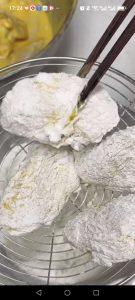
1Sichuan Crispy Fried Chicken (Xiao Su Rou) – Chicken Breast VersionA lighter twist on the Sichuan classic. Juicy chicken breast strips coated in a crispy beer and sweet potato starch batter, infused with toasted Sichuan peppercorns. Double-fried for extra crunch.Check out this recipe

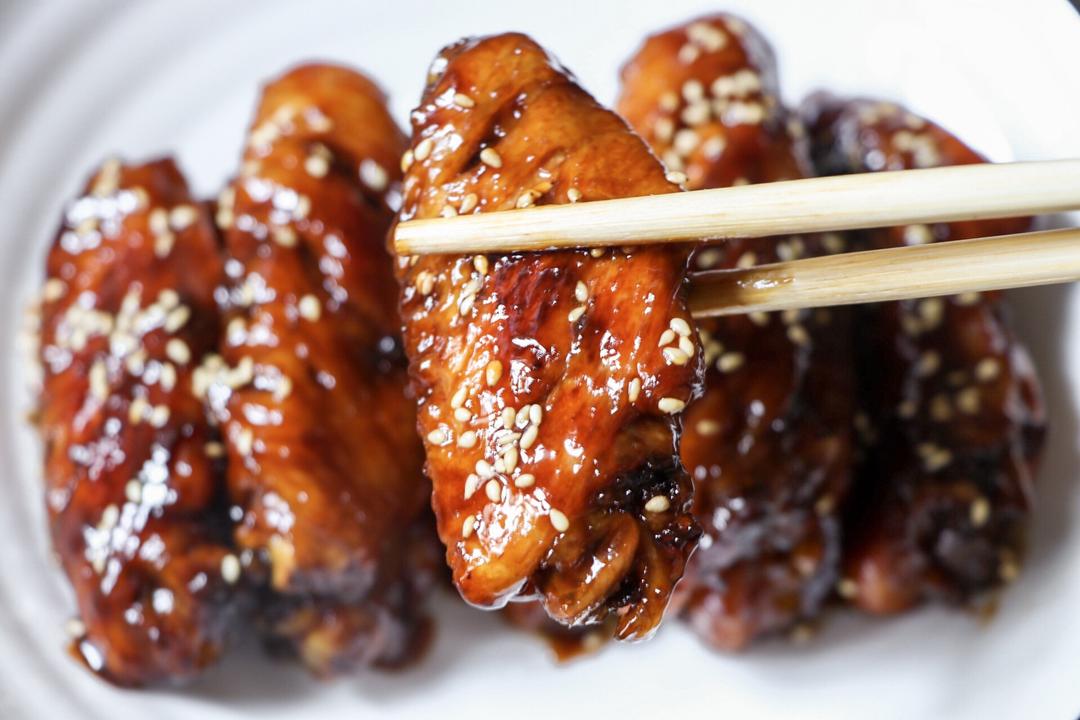
For a sweeter, stickier take on the same cut, our coca cola chicken wings braise the wings in cola until the sauce reduces to a glossy lacquer — a good contrast to this dry-rubbed, powder-finished version.
2Coca-Cola Chicken Wings (可乐鸡翅)Learn how to make the famous Chinese Coca-Cola Chicken Wings (可乐鸡翅). This easy, foolproof recipe creates tender, juicy wings in a sticky, sweet, and savory glaze. Perfect for beginners and better than takeout!Check out this recipe
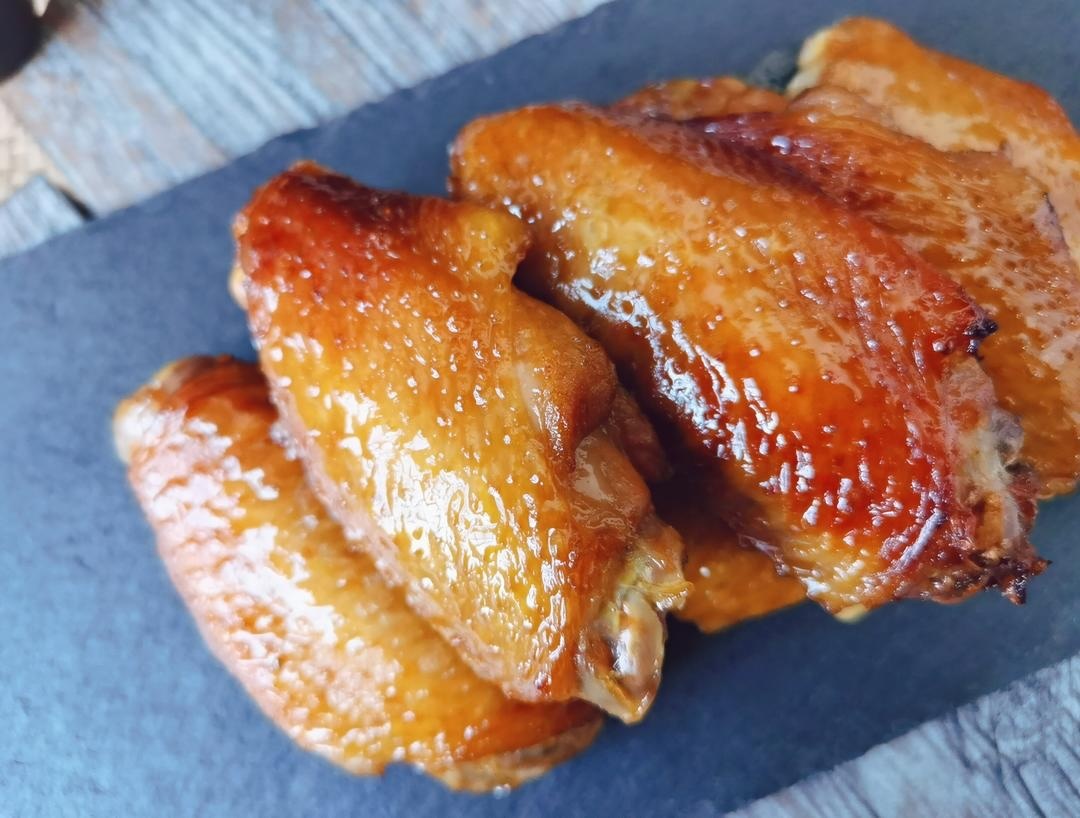
And if you want the same crackly skin with almost no oil, our air fryer chicken wings use a similar coating trick and a hot, dry environment to get crisp results without a pot of frying oil.
3Crispy Air Fryer Chicken WingsJuicy Chinese-style chicken wings with a crispy skin and honey glaze, made healthy in the air fryer.Check out this recipe
Why This Recipe Works
Three decisions do the heavy lifting here. First, the milk marinade. Milk is mildly acidic and contains enzymes that gently tenderize the surface of the chicken, and its fat and lactose add a subtle sweetness that plain water or wine cannot match. Four hours is the sweet spot: long enough to season the meat through, short enough that the texture stays firm rather than mushy.
Second, the coating ratio. Equal parts all-purpose flour and cornstarch, plus a small amount of baking powder, gives you a dredge that fries up thin, crisp, and pale golden rather than thick and doughy. Cornstarch is the key — it fries harder and crunchier than flour alone and browns more slowly, which gives the wings time to cook through before the crust gets too dark. The baking powder adds a tiny amount of lift and helps the crust stay craggy instead of smooth.
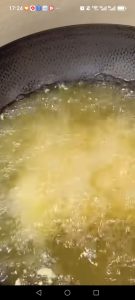
Third, the double fry. The first fry at medium-low heat cooks the chicken through and sets the coating without over-browning it. The second fry at high heat for just 20 seconds drives out the last of the surface moisture and forces oil out of the crust, which is what makes the wings stay crisp for minutes rather than seconds. This is the same principle behind the crunch in our flaky scallion pancakes, where a hot final blast of oil sets the layers.
Finally, the powder. Tossing the wings in cheese powder while they are still hot lets the powder adhere to the crust and partially melt into it, creating that frosted look. Do it in a bowl you can shake, not on a plate, so the powder coats evenly and you can control how much goes on. If you like a heavier coating, add the powder in two additions and shake between them.
Equipment Needed
You do not need much for this recipe, but a few pieces make the process much smoother. A wok or a deep, heavy-bottomed pot is ideal for frying because its curved sides give you more oil depth with less oil volume, and it holds heat well when you add the wings. If you do not own a wok, a Dutch oven or a deep cast-iron skillet works fine — see our guide on what you can use instead of wok for frying and stir-frying.
You will also want a slotted spoon or spider skimmer for lifting the wings out of the oil, a wire rack set over a sheet pan for draining, a couple of mixing bowls for the marinade and the coating, plastic wrap for the fridge rest, and toothpicks for pricking the wings. A instant-read thermometer is optional but genuinely useful — it takes the guesswork out of both the oil temperature and the internal doneness of the chicken.
For the final toss, use a large bowl with plenty of room to shake. A metal bowl works best because it is light enough to shake vigorously and does not hold onto the powder the way plastic does. If you want to keep your hands clean, a pair of tongs is useful for turning the wings in the coating mix.
Ingredients
Here is what you need for four servings of snow cheese chicken wings. The full amounts are listed in the recipe card below.
For the marinade: chicken wings, scallions, ginger, salt, white pepper, and whole milk. Use whole milk rather than skim — the fat helps carry flavor and keeps the meat tender. If you are dairy-free, oat milk or unsweetened soy milk will work, though the flavor will be slightly different.
For the coating: all-purpose flour, cornstarch, salt, baking powder, and one egg. The egg helps the coating mix adhere to the wings after they come out of the marinade, so do not skip it. The flour and cornstarch should be measured by volume and whisked together thoroughly — any lumps will show up as greasy patches in the finished crust.
For the finish: snow cheese powder and neutral oil for frying. Use a neutral oil with a high smoke point: peanut, canola, vegetable, or rice bran oil all work well. Avoid olive oil for deep frying — its smoke point is too low and its flavor will dominate the wings.
Ingredient Notes
Chicken wings: Whole wings are ideal because the skin protects the meat during frying, but wingettes and drumettes work just as well and cook a little faster. If you use separated pieces, reduce the first fry to about 6–7 minutes. Pat the wings dry before marinating if they came out of a wet package — excess water dilutes the marinade.
Milk: Whole milk is traditional here because the fat and lactose add body and a mild sweetness. The milk does double duty: it carries the aromatics from the scallions and ginger into the meat, and its mild acidity helps the surface of the chicken absorb the seasoning. Do not be tempted to leave the wings in the milk for more than 6 hours — beyond that, the texture starts to turn soft.
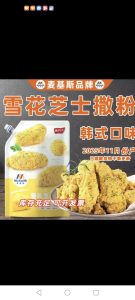
Snow cheese powder: This is the one ingredient you cannot easily substitute. It is a Korean-style seasoning powder sold online and in Asian grocery stores, sometimes labeled “snow cheese seasoning” or “cheese powder for chicken.” Buy the more expensive brand — the cheap ones are mostly sugar and salt with artificial cheese flavor, and they taste flat. If you truly cannot find it, a mix of powdered parmesan, a pinch of sugar, and a little citric acid gets you close, but it is not the same.
Baking powder: A small amount of baking powder in the coating is not for flavor — it is for texture. It creates tiny bubbles in the crust as it fries, which makes the coating lighter and crisper. Do not confuse it with baking soda; they are not interchangeable here. If you have neither, you can leave it out, but the crust will be a little denser.
White pepper: White pepper is traditional in Chinese marinades because it adds heat without the dark flecks of black pepper. Black pepper works in a pinch, but the flavor will be slightly sharper.
Oil for frying: You need enough oil to submerge the wings, about 4 cups in a wok or 5–6 cups in a deep pot. The oil can be strained, cooled, and reused two or three times if you keep it clean and store it in a cool, dark place. Discard it once it darkens or starts to smell stale.
Prep & Mise en Place
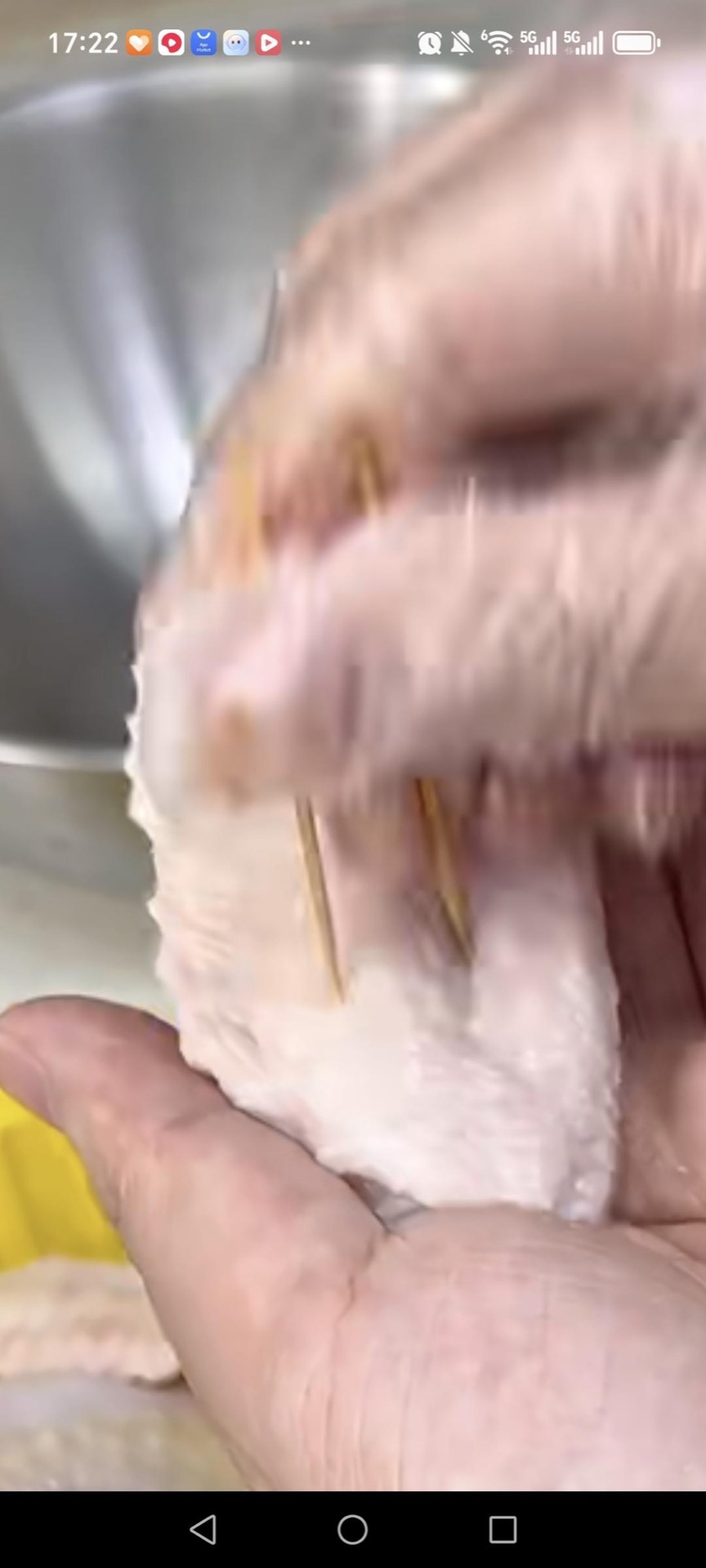
This recipe has a long inactive stretch, so it pays to organize before you start. Begin by pricking the wings all over with a toothpick — this is the step most people skip and it is the reason their wings taste bland at the bone. Prick both sides, working over a bowl or the sink so the wings do not slide around.
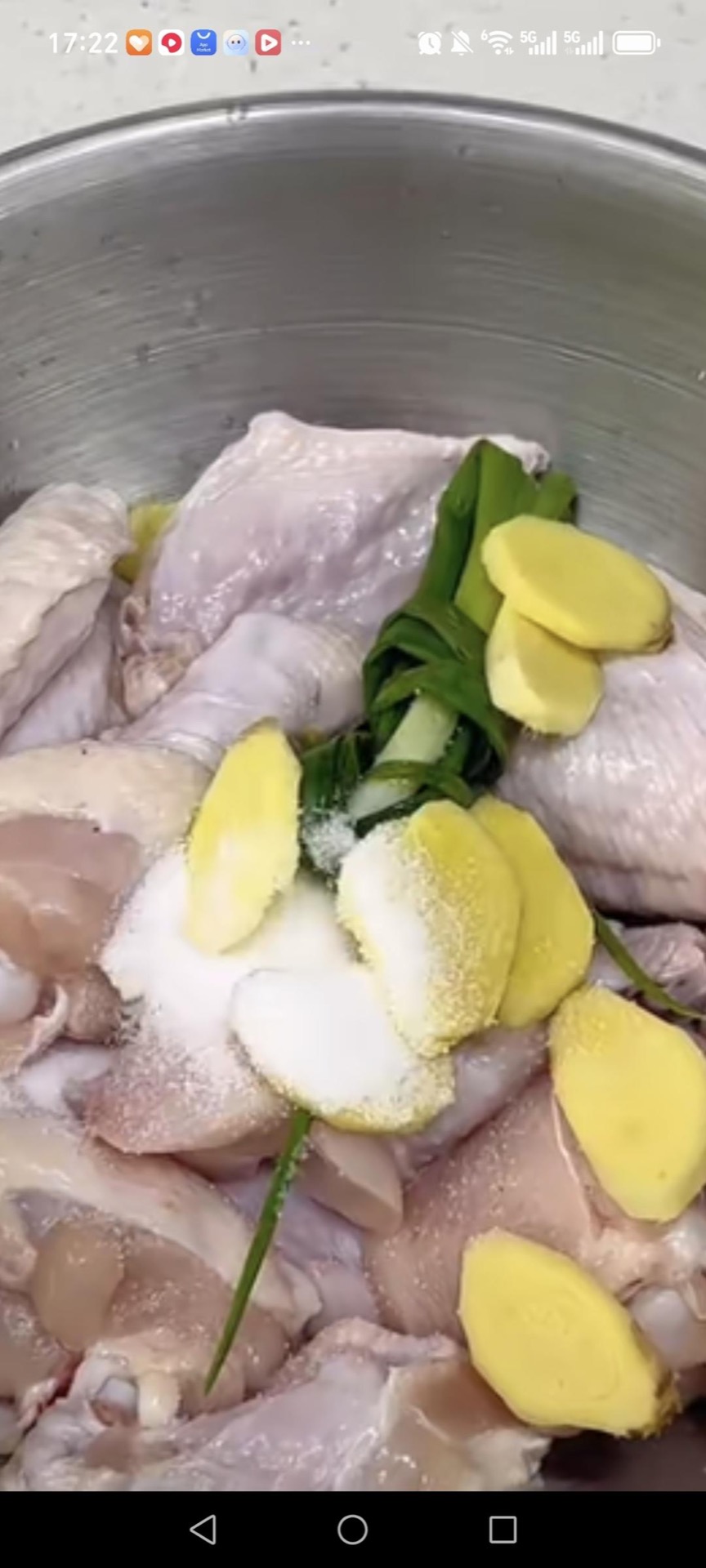
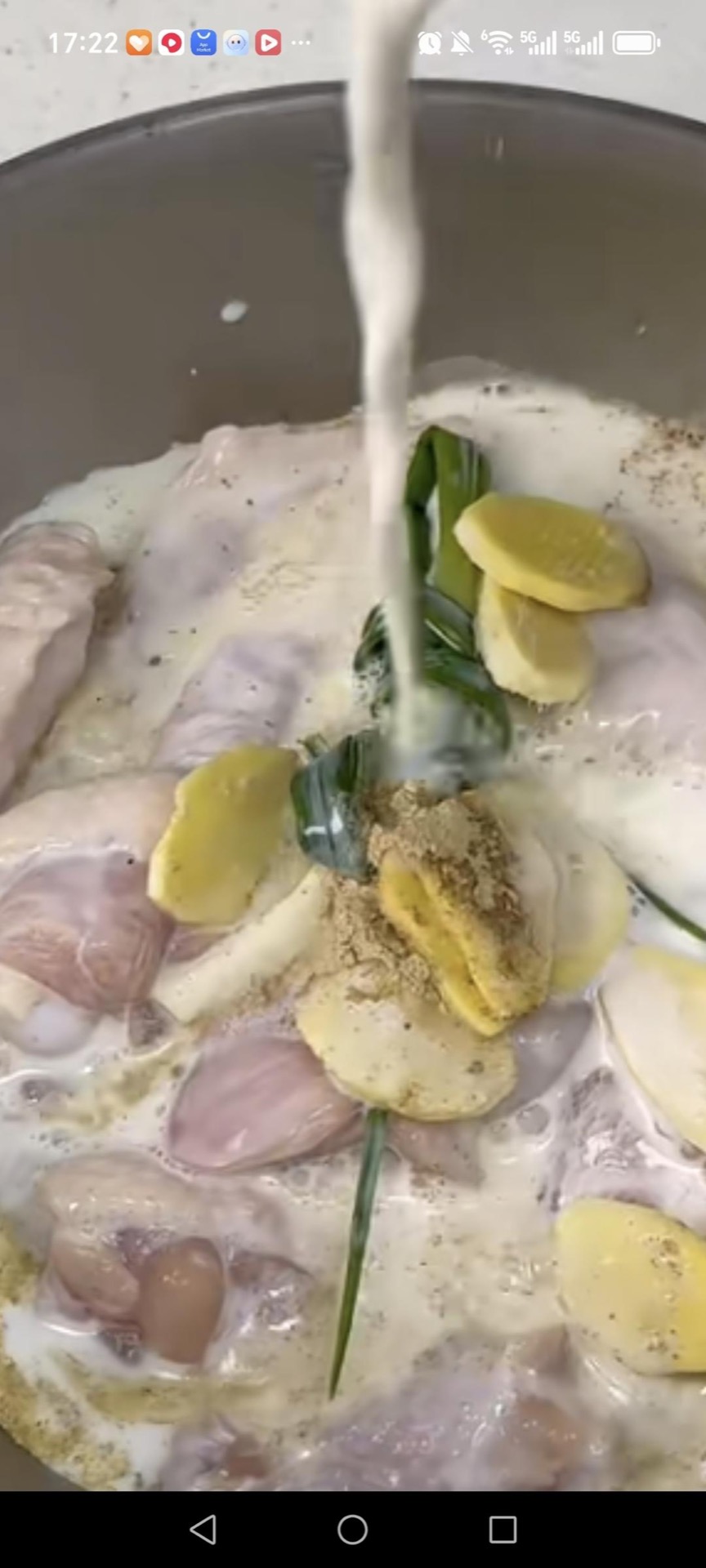
Next, build the marinade directly in a large bowl. Add the scallions, ginger, salt, and white pepper to the wings, then massage everything together with your hands until the pieces feel sticky and the seasonings are evenly distributed. Pour in enough milk to submerge the wings completely, cover the bowl with plastic wrap, and refrigerate for four hours. If you are short on time, two hours will still give you decent flavor, but four is noticeably better.
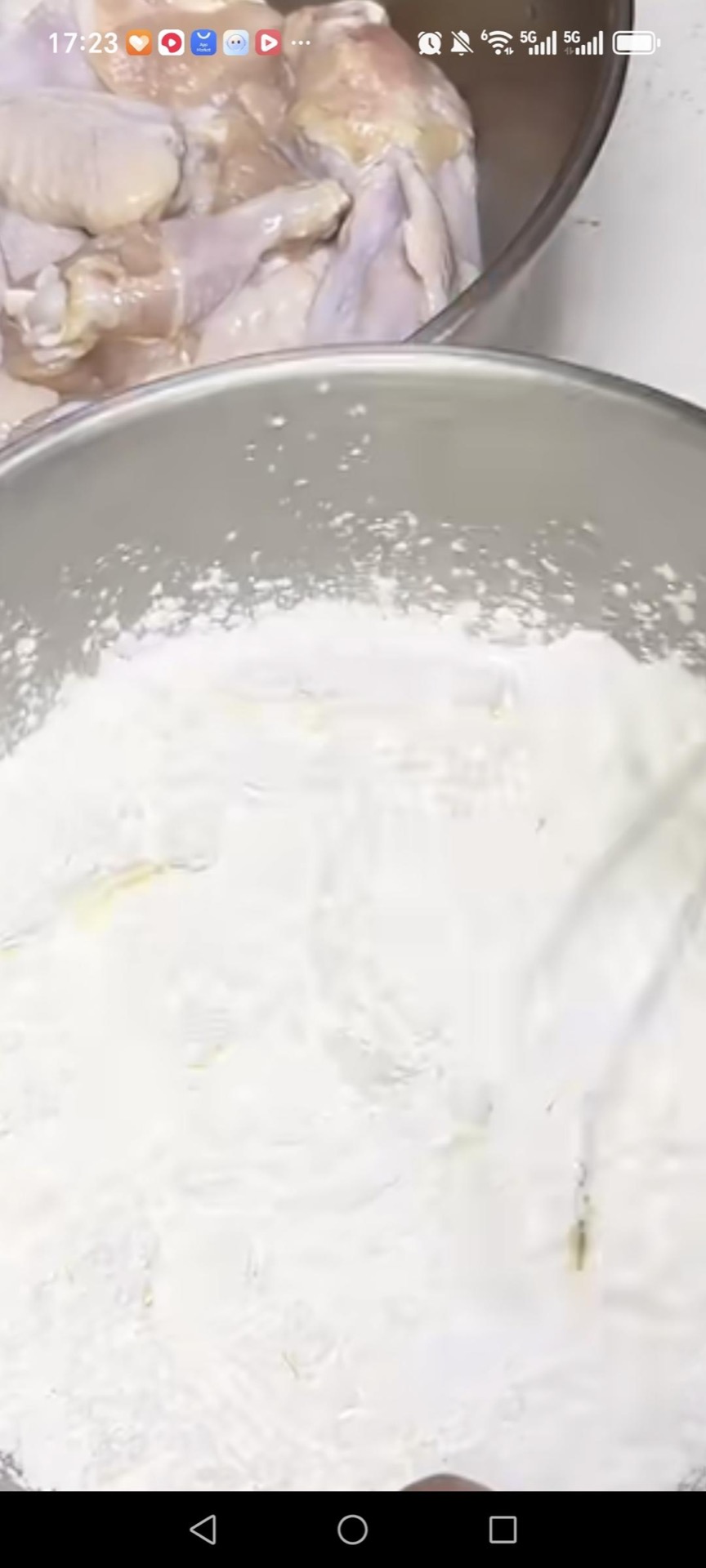
While the wings marinate, make the coating mix. Whisk the flour, cornstarch, salt, and baking powder together in a bowl until no lumps remain. Set it aside at room temperature. When the marinade is done, set up your dredging station: the bowl of marinated wings, the bowl of coating mix, and a wire rack set over a sheet pan. Drain the milk from the wings and pick out the scallion and ginger pieces, then add the egg and a few spoonfuls of the coating mix to the wings and toss with your hands until they are evenly coated and slightly tacky.
From there, dredge each wing in the remaining coating mix, pressing the powder onto both sides so it adheres in a thin, even layer. Shake off any excess — too much loose coating will fall into the oil and burn. Place the coated wings on the wire rack as you go. Once all the wings are coated, let them rest for 10 minutes before frying; this brief rest helps the coating hydrate slightly and stick better, which means less mess in the oil.
Cooking Process
Step 1 — Prick the Wings
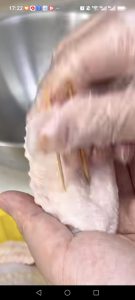
Prick both sides of each chicken wing with a toothpick so the marinade can penetrate and the wings cook evenly.
Step 2 — Build the Marinade
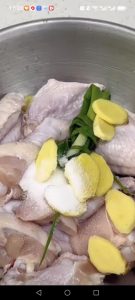
Add the scallions, ginger, salt, and white pepper to the wings and massage everything together with your hands until the pieces feel sticky.
Step 3 — Pour in the Milk
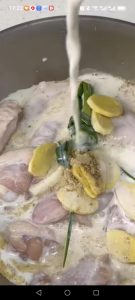
Pour in enough milk to completely submerge the wings.
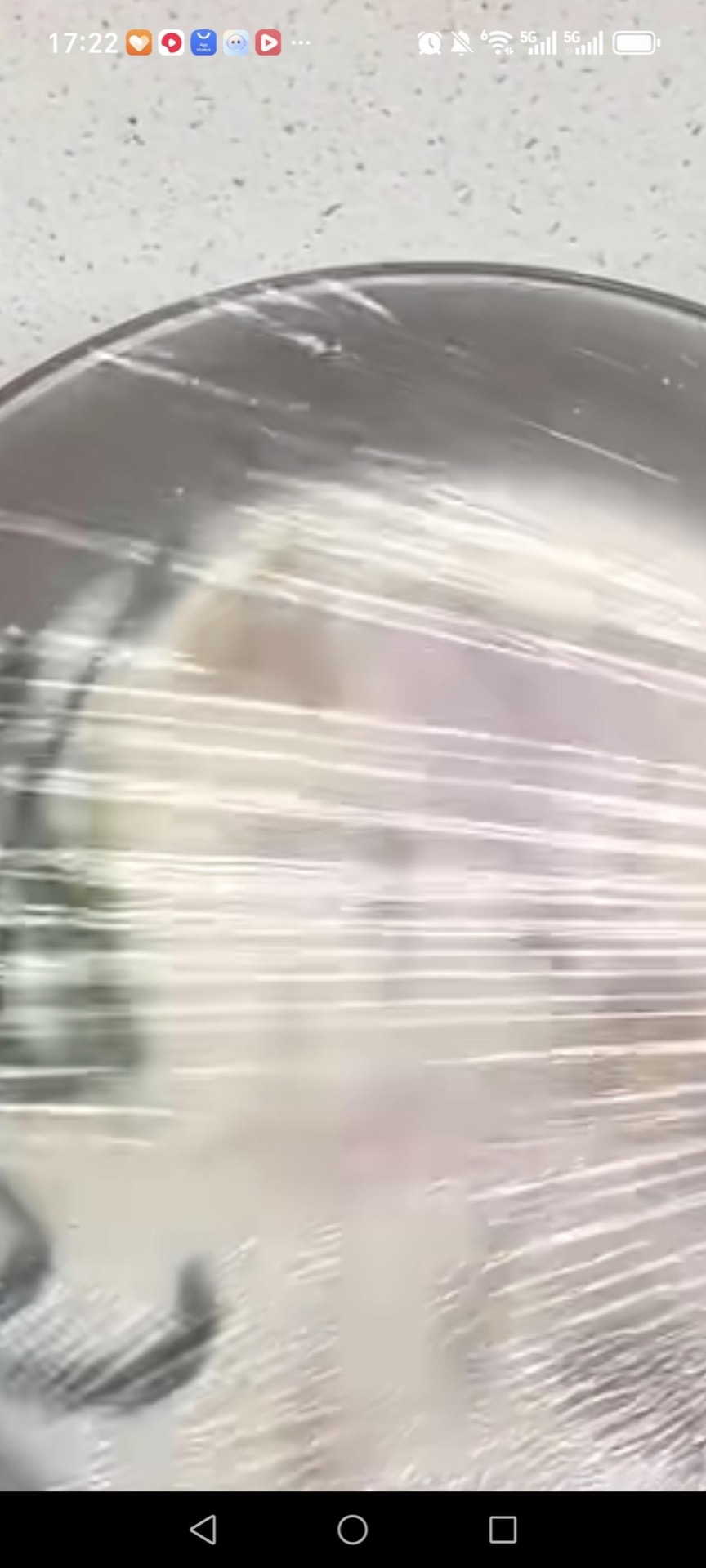
Step 4 — Chill for Four Hours
Cover the bowl with plastic wrap and refrigerate for 4 hours.
Step 5 — Mix the Coating
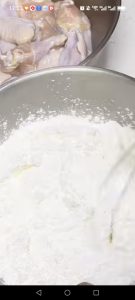
Whisk the cornstarch, flour, salt, and baking powder together until evenly combined.
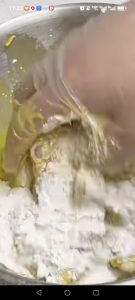
Step 6 — Drain and Add Egg
Pour off the milk from the marinated wings and pick out the solids, then add some of the coating mix and one egg to the wings.
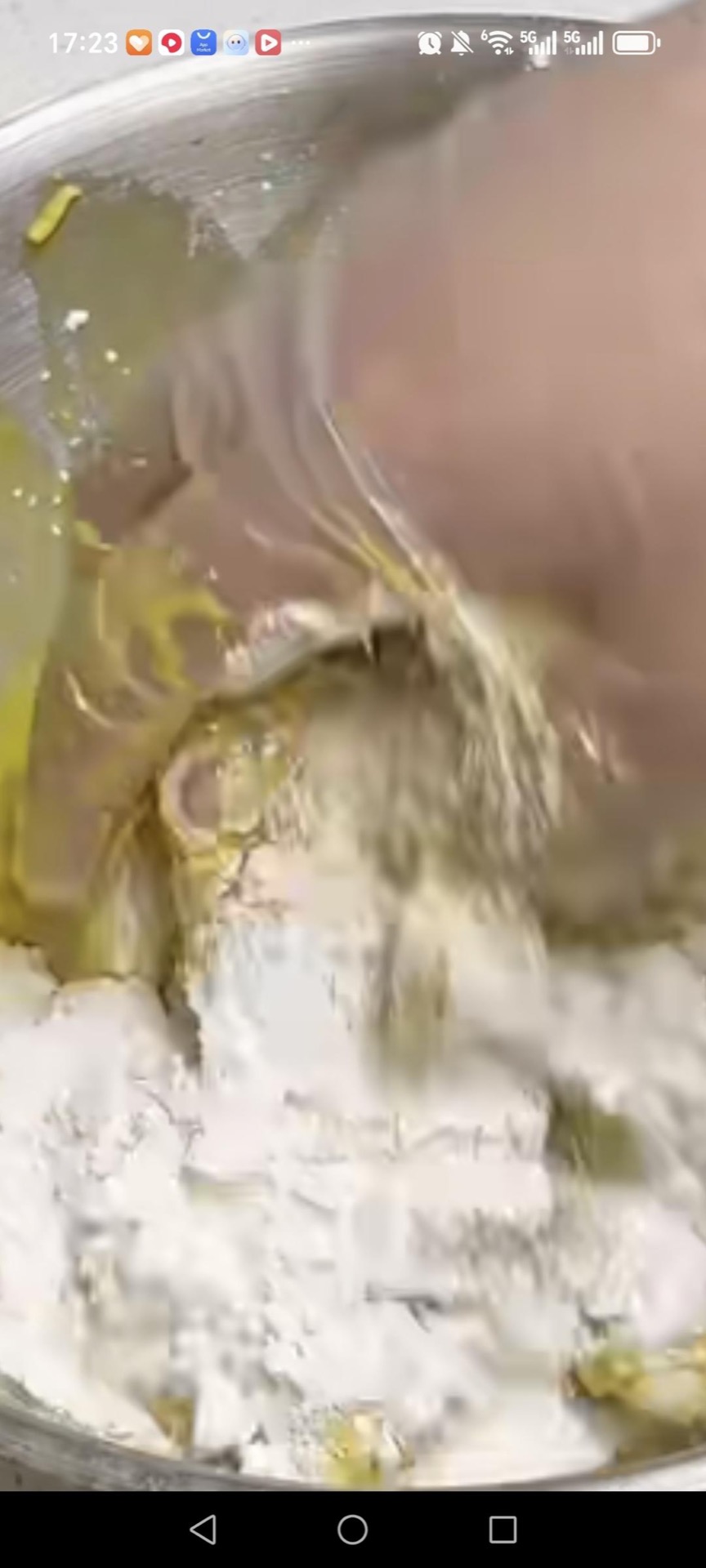
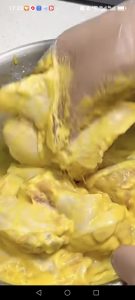
Step 7 — Toss to Combine
Mix everything together with your hands until each wing is evenly coated.
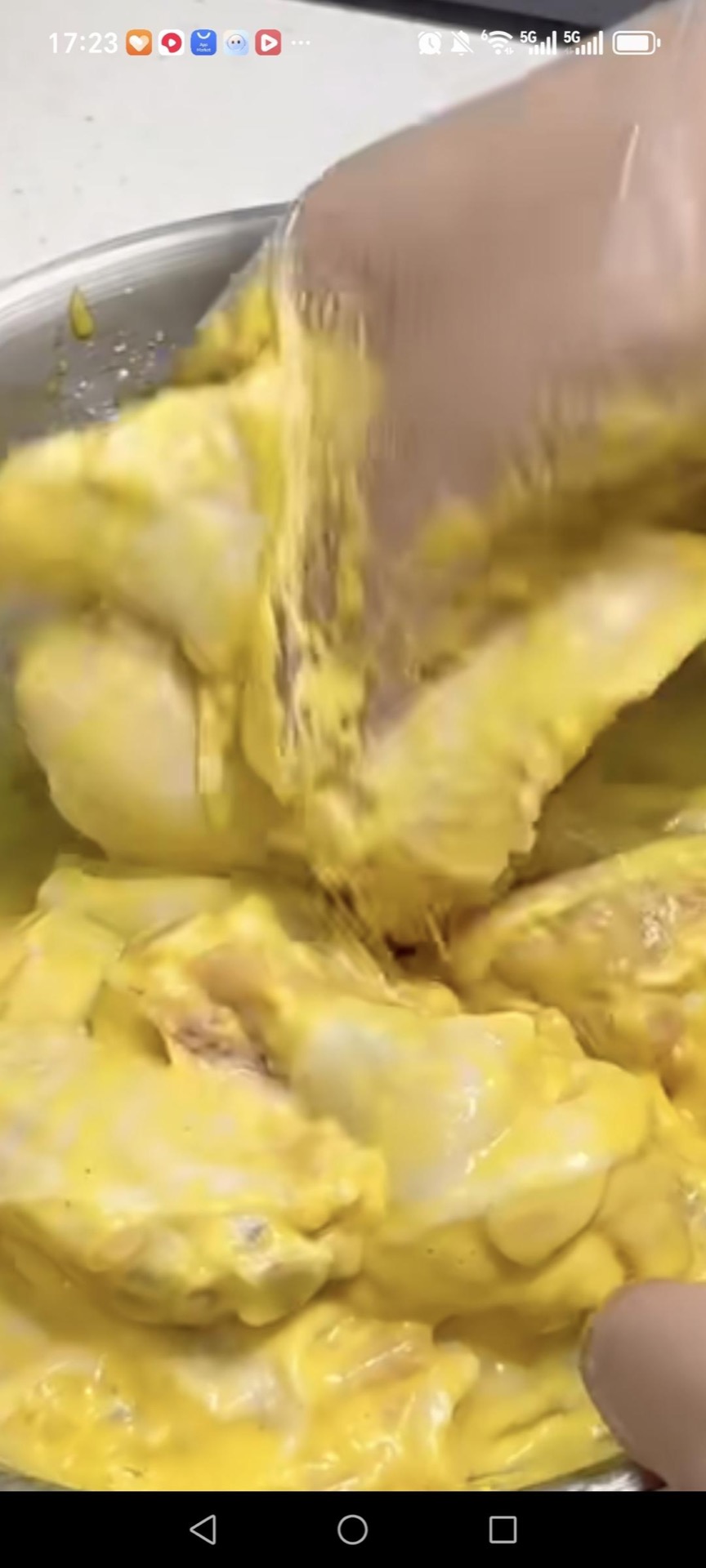
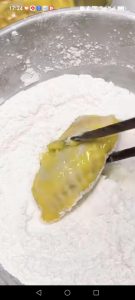
Step 8 — Dredge the Wings
Roll each wing in the remaining coating mix until fully covered.
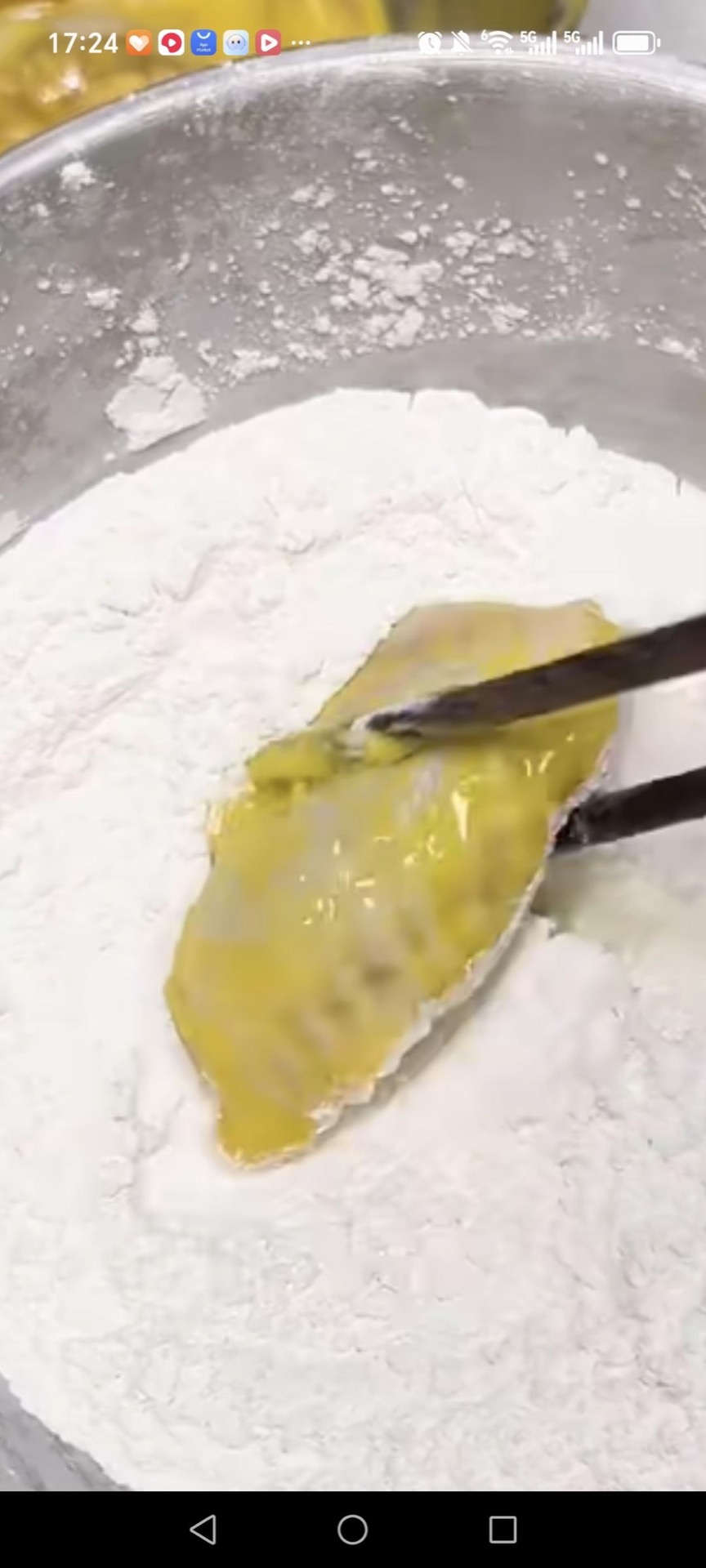
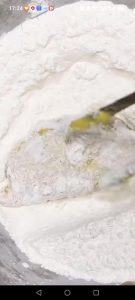
Step 9 — Coat Both Sides
Turn the wings and press the coating on so both sides are evenly covered.
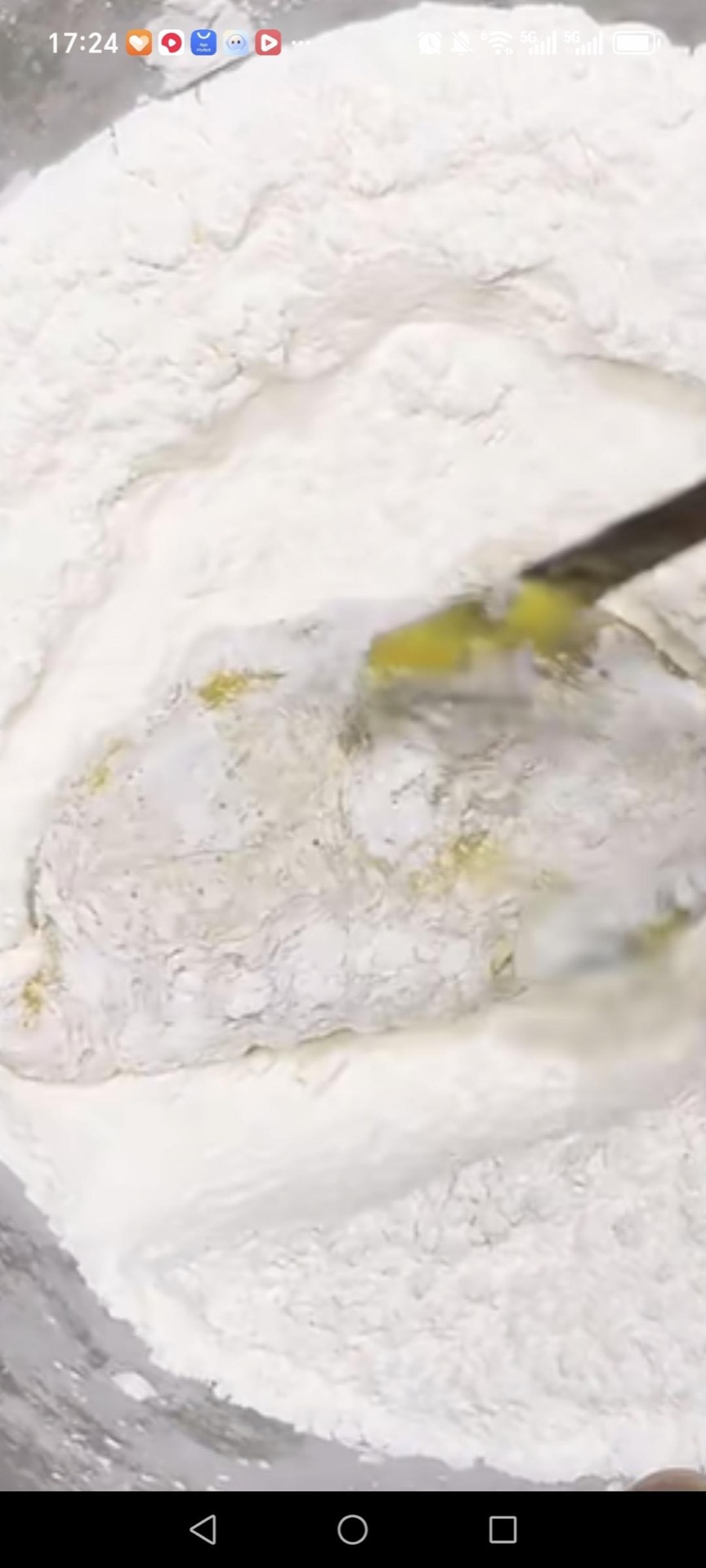
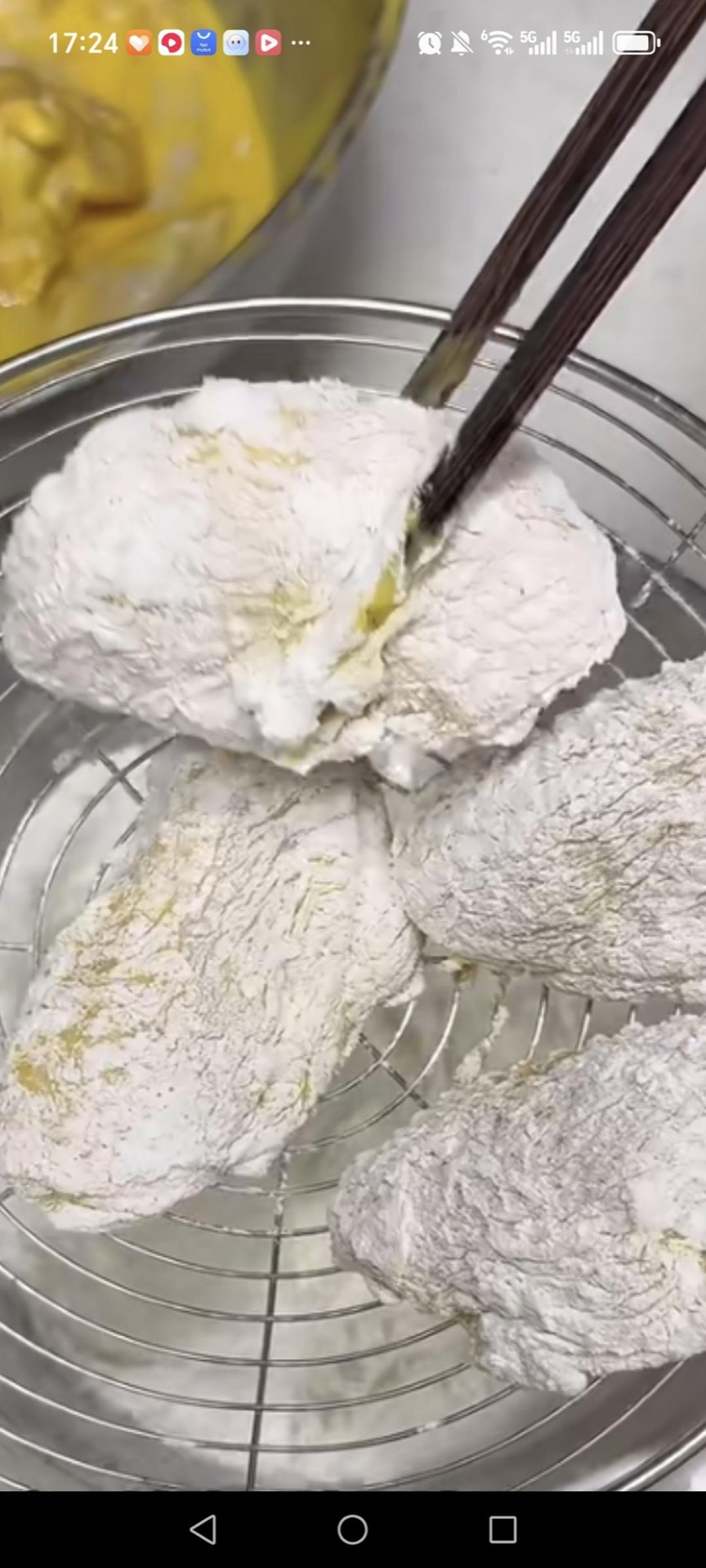
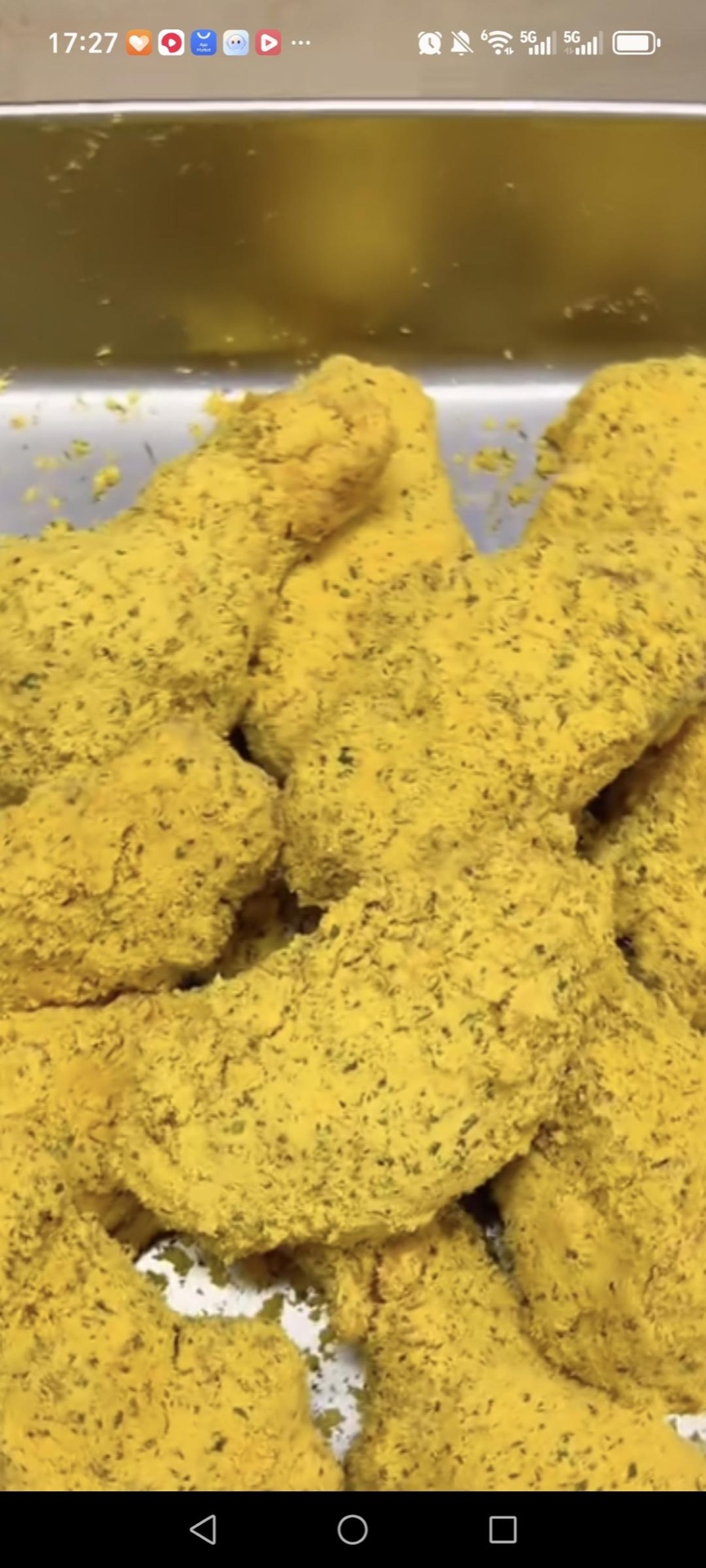
Step 10 — Check the Coating
The wings should look dry and fully coated with the crispy coating mix, with no wet patches showing.
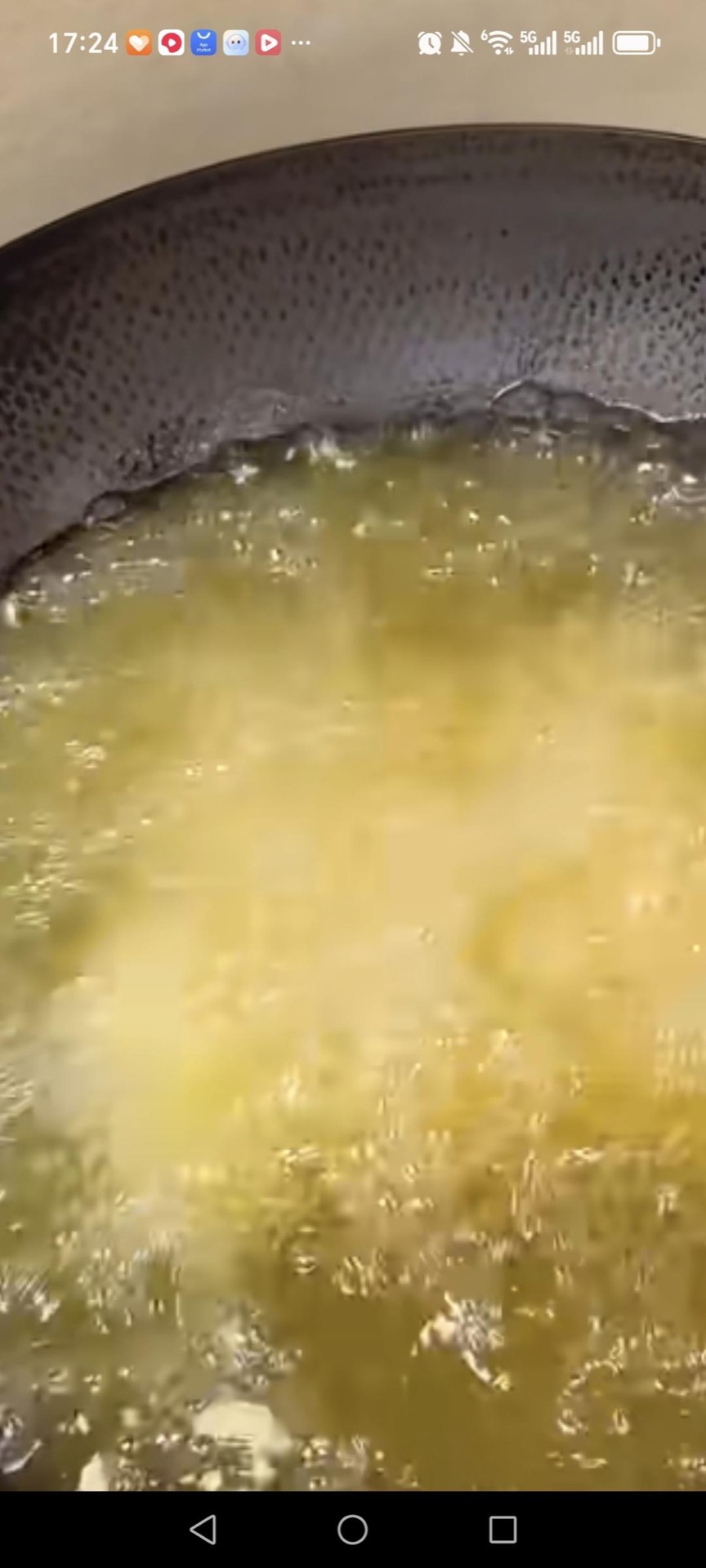
Step 11 — Fry Twice
Fry the wings in medium-low oil for about 8 minutes, then raise the oil temperature and fry them a second time for 20 seconds.
Step 12 — Use Good Cheese Powder
Buy the snow cheese powder online and choose the pricier brand, because the flavor is much more authentic.

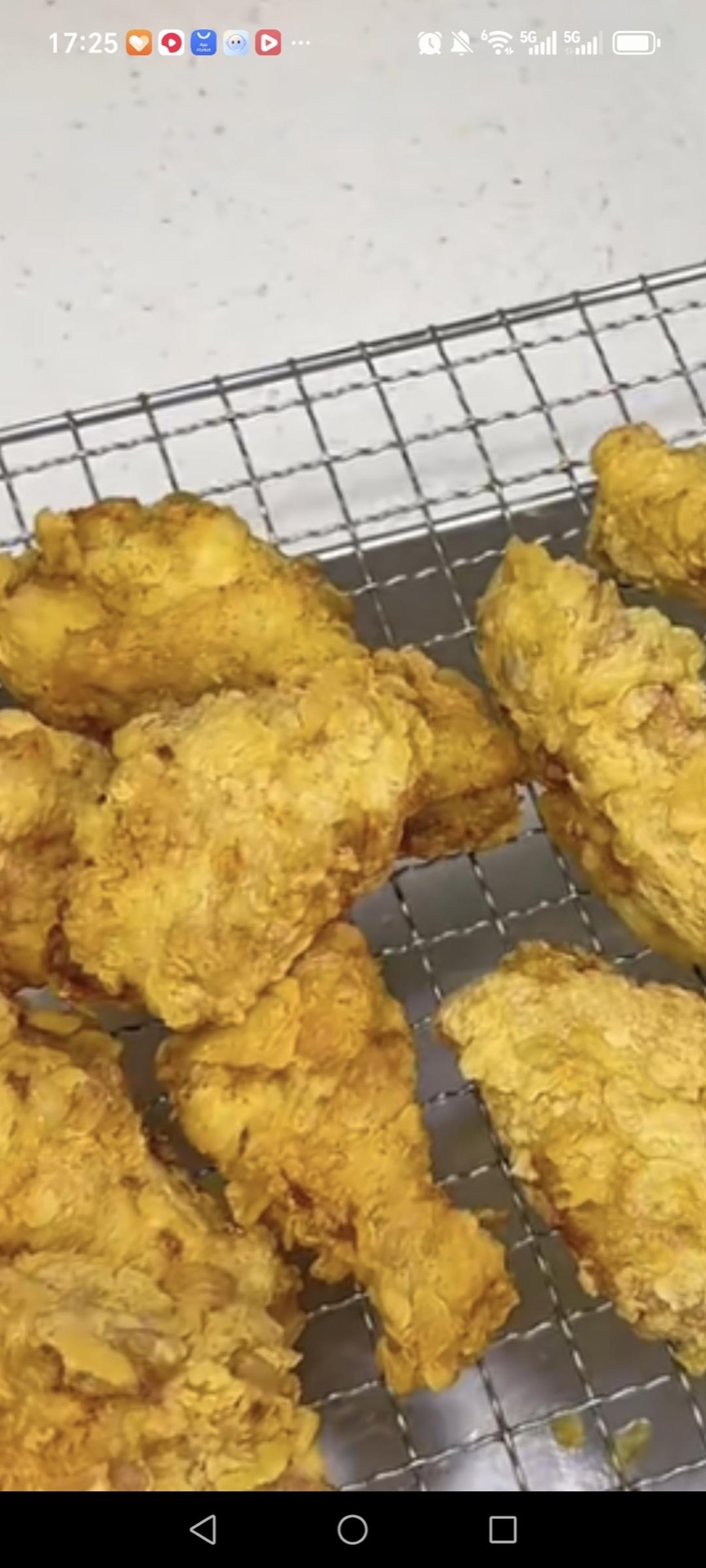
Step 13 — Fried Wings Ready
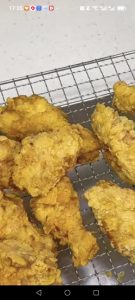
The wings are now golden and crisp and ready for the cheese powder.
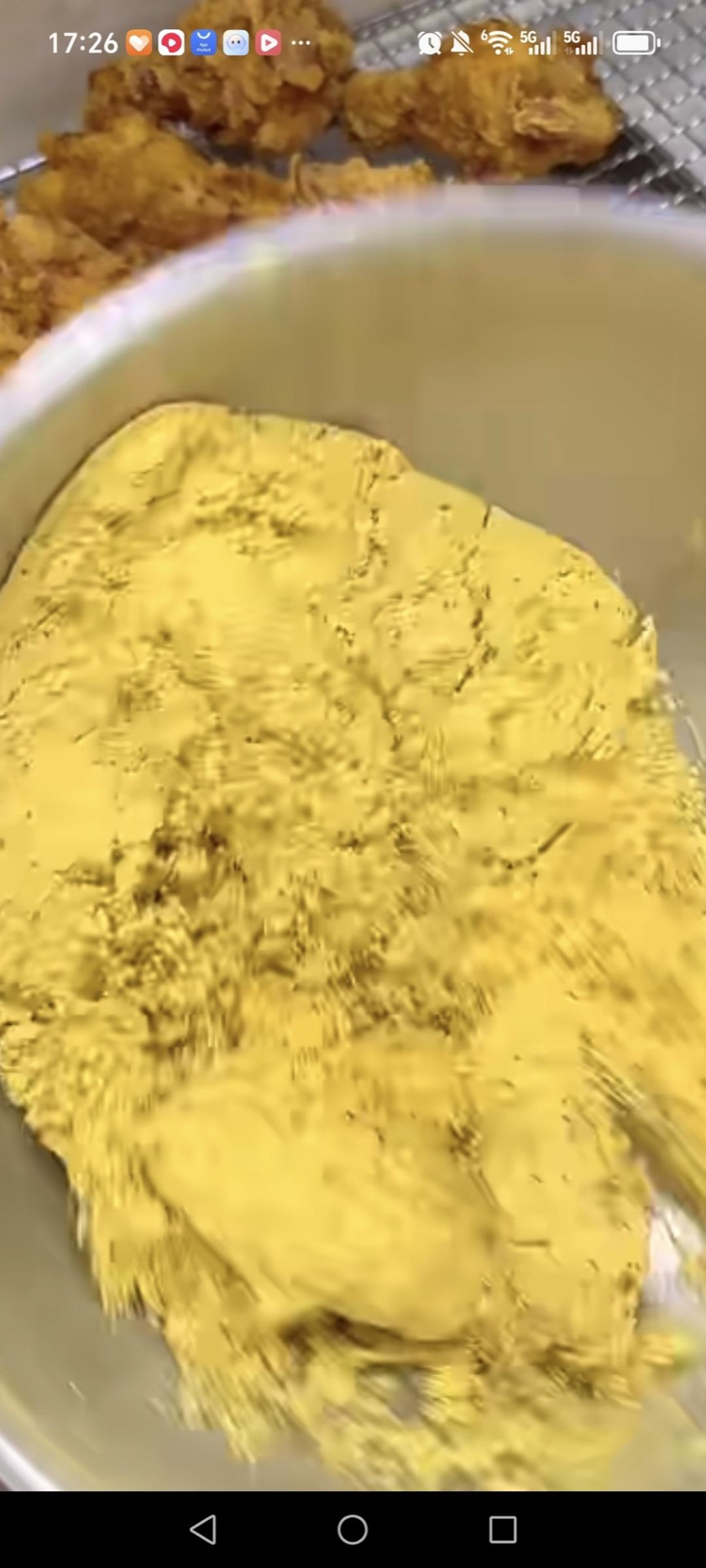
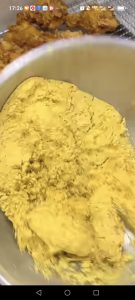
Step 14 — Toss in Cheese Powder
Pour the snow cheese powder into a bowl, add the fried wings, and shake the bowl back and forth so every wing is coated in the snowy cheese powder.
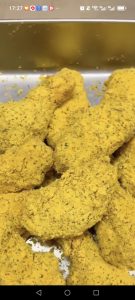
Step 15 — Finished Wings
The finished snow cheese chicken wings are coated in a snowy layer of cheese powder and ready to serve.
Common Mistakes When Making Snow Cheese Chicken Wings
1. Skipping the toothpick pricking. If you do not prick the wings, the marinade only flavors the surface. The meat near the bone stays bland, and the wings taste flat even though you did everything else right. The fix is simple: take 30 seconds and prick each wing 6–8 times on both sides before marinating.
2. Marinating too long. Four hours is ideal; overnight is not better. Milk is mildly acidic, and after about 6 hours the surface of the chicken starts to break down and turns soft and slightly mushy. If you need to prep ahead, marinate for four hours, then drain the wings and refrigerate them uncovered for up to a few hours before coating.
3. Frying at too high a temperature on the first pass. The first fry is meant to cook the chicken through, not to brown it. If the oil is too hot, the coating darkens before the meat is done, and you end up with a burnt crust and pink meat. Keep the first fry at medium-low — around 325°F (165°C) — and let the wings cook gently for about 8 minutes.
4. Skipping the second fry. The 20-second high-heat fry is what makes the wings stay crisp. Without it, the crust holds onto oil and goes soft within a couple of minutes. Raise the oil to about 375°F (190°C), drop the wings back in for 20 seconds, and pull them out immediately. Any longer and they will burn.
5. Adding the cheese powder too early or too late. The powder needs heat to cling, but it also scorches easily. Toss the wings in the powder the moment they come out of the second fry, while they are still glistening, and serve them within 10 minutes. If you powder them and let them sit, the coating absorbs moisture and turns gummy.
6. Using cheap cheese powder. This is the most common reason home versions taste nothing like the ones from a snack stall. Cheap snow cheese powder is mostly sugar, salt, and artificial flavor. Buy a brand that lists real cheese or milk solids near the top of the ingredient list, and taste it before you commit a whole batch of wings to it.
Variations
Spicy snow cheese wings: Add 1 teaspoon of Korean gochugaru or chili powder to the cheese powder before tossing. The heat cuts through the richness of the cheese and makes the wings taste more like the versions sold at Korean fried chicken chains.
Air fryer version: Follow the marinade and coating steps exactly, then air fry the wings at 380°F (193°C) for 12 minutes, flipping halfway, then at 400°F (204°C) for 3–4 minutes to crisp. Toss in the cheese powder immediately. The crust will be slightly less shattery than deep-fried, but still very good.
Baked version: Arrange the coated wings on a wire rack over a sheet pan, spray lightly with oil, and bake at 425°F (220°C) for 25–30 minutes, flipping once. For extra crispness, broil for the last 2 minutes. Toss in the cheese powder while hot.
Different cuts: The same marinade and coating work beautifully on chicken tenders, popcorn chicken bites, or even cauliflower florets for a vegetarian version. Adjust the fry time: tenders need about 5 minutes, popcorn bites about 3 minutes, and cauliflower about 4 minutes.
Other powder flavors: Once you have the technique down, swap the snow cheese powder for other dry seasonings — seaweed powder, cumin and chili, garlic parmesan, or a honey-butter powder. The double-fry method stays the same.
If you like the way this dish layers aromatics into a marinade, our Sichuan chicken pot uses a similar approach with dried chilies and Sichuan peppercorns for a completely different flavor profile.
Frequently Asked Questions
Can I make snow cheese chicken wings ahead of time? You can marinate the wings up to 24 hours in advance, but do not coat or fry them until you are ready to serve. Once fried and powdered, they are best eaten within 10 minutes. If you need to hold them, keep them uncovered in a 200°F (95°C) oven and toss in the powder just before serving.
What if I cannot find snow cheese powder? Look for it online under names like “snow cheese seasoning,” “cheese powder for fried chicken,” or “Korean cheese powder.” If you cannot find it, a blend of powdered parmesan, a pinch of sugar, a pinch of salt, and a tiny amount of citric acid or lemon powder gets you a reasonable approximation, though the flavor will be sharper and less sweet.
Why are my wings not crispy? Almost always one of three reasons: the oil was not hot enough, the wings were crowded in the pot, or you skipped the second fry. Fry in batches so the wings have room to move, keep the first fry at medium-low and the second at high heat, and drain on a wire rack rather than paper towels so steam can escape.
Can I use this recipe for other meats? Yes. The milk marinade and the flour-cornstarch coating work well on chicken thighs, pork tenderloin bites, and shrimp. Adjust the cooking time based on the size of the pieces — shrimp need only about 90 seconds in the first fry.
How do I keep the cheese powder from clumping? Store the powder in an airtight container in a cool, dry place, and sift it if it has been sitting for a while. When tossing, add the powder in two additions and shake the bowl vigorously between them rather than dumping it all in at once.
How to Serve
Snow cheese chicken wings are best served immediately, piled on a plate with the cheese powder still clinging to the hot crust. They make an excellent snack or appetizer on their own, but they also work as part of a larger spread. For a lighter contrast, pair them with a crisp vegetable dish like our chinese stir fried lettuce with garlic, which cuts through the richness of the fried coating.
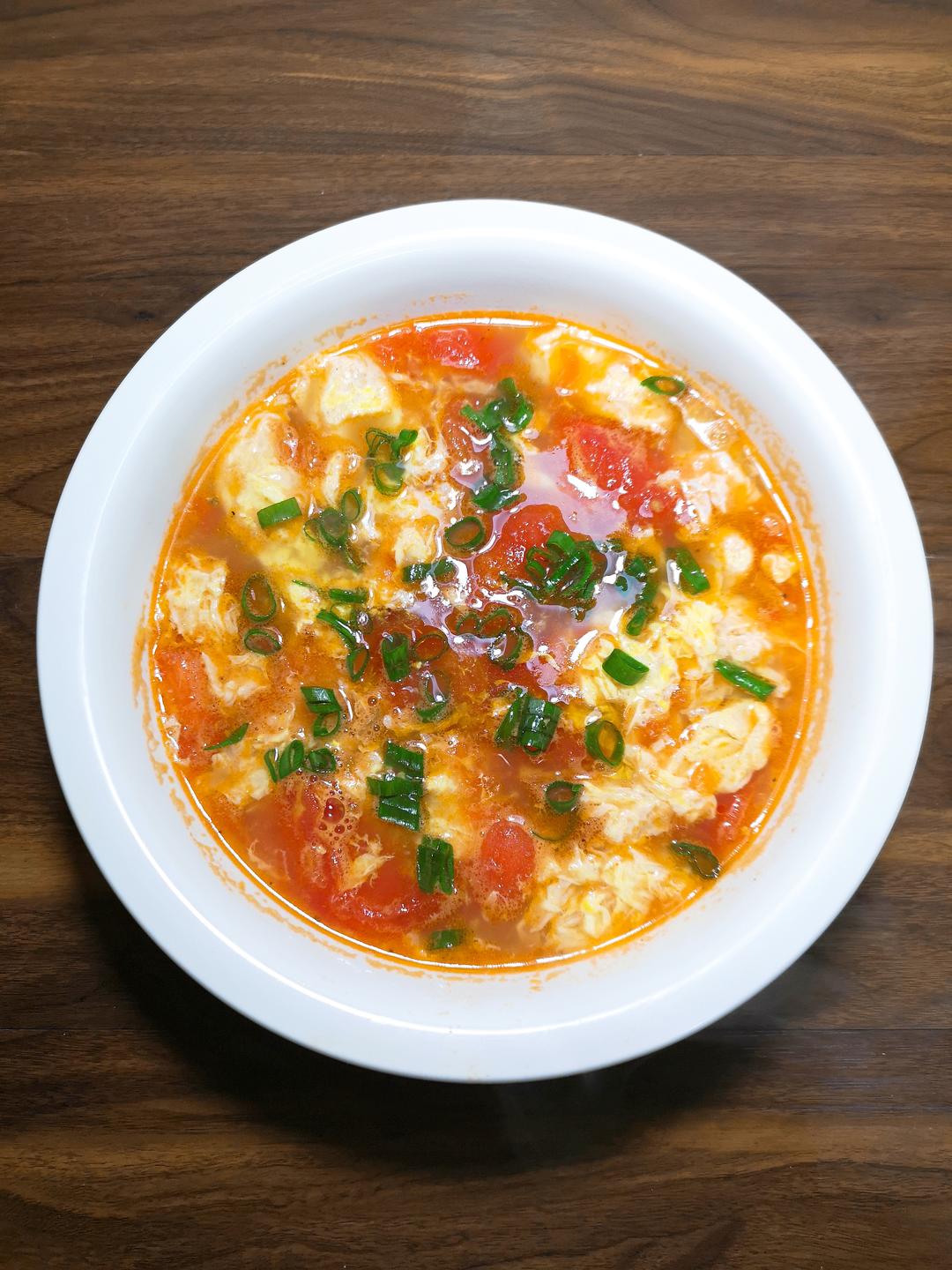
If you are building a full meal, a bowl of tomato egg drop soup on the side adds warmth and acidity, and its gentle tang balances the sweet-savory cheese powder nicely. For a cold side that contrasts with the hot, crisp wings, our creamy cold shredded chicken is a good choice — the cool, sesame-forward dressing makes the fried wings taste even more indulgent.


Storage & Reheat
Snow cheese chicken wings are at their best fresh, but leftovers keep reasonably well. Store them in an airtight container in the refrigerator for up to 3 days. Do not store them with the cheese powder already applied if you can avoid it — the powder absorbs moisture and turns gummy. If you have already powdered them, reheat them uncovered in a 375°F (190°C) oven or air fryer for 6–8 minutes, which drives off the surface moisture and brings back some of the crunch.
To reheat without losing crispness, avoid the microwave. Microwaving steams the crust from the inside and turns it soft and chewy. The oven or air fryer is the way to go, and a brief 2-minute broil at the end will restore the shatter. If you are reheating a large batch, spread the wings in a single layer on a wire rack over a sheet pan so the heat circulates evenly.
You can also freeze the fried wings before applying the cheese powder. Cool them completely, arrange them in a single layer on a sheet pan, freeze until solid, then transfer to a freezer bag for up to 2 months. Reheat from frozen in a 400°F (204°C) oven for 12–15 minutes, then toss in the cheese powder while hot.
Allergen Notice
This recipe contains wheat (all-purpose flour), egg, and milk (in the marinade and potentially in the cheese powder). The snow cheese powder may also contain soy, wheat, or additional milk solids depending on the brand, so check the label carefully if you are cooking for someone with allergies. The wings are fried in oil that may have been used for other foods containing allergens, so if cross-contact is a concern, use fresh oil.
If you need a dairy-free version, substitute the milk with unsweetened oat milk or soy milk and choose a dairy-free cheese powder. If you need a gluten-free version, replace the all-purpose flour with a 1:1 gluten-free flour blend and confirm that the cheese powder is gluten-free. If you need an egg-free version, the egg can be replaced with 2 tablespoons of cornstarch mixed with 3 tablespoons of water, though the coating will be slightly less adherent.
Nutrition Disclaimer
Nutrition information is calculated using an ingredient database and should be considered an estimate. In cases where multiple ingredient alternatives are given, the first listed is calculated for nutrition. Garnishes and optional ingredients are not included.
About the Author & Recipe Development
Hi, I’m Lin, the cook and writer behind Woks of Love. I grew up in a Chinese household where the wok was always on the stove and the best meals were the ones that came together fast, with whatever was in the fridge. I started this site to document the dishes I grew up eating and the ones I have picked up from night markets, snack stalls, and friends’ kitchens across China and beyond.
This recipe for snow cheese chicken wings comes from the snack streets of China, where the Korean fried chicken trend met local frying techniques. I tested it with several brands of cheese powder and a few different coating ratios to find the version that stays crisp the longest and tastes the most like the wings you get from a good stall. The milk marinade and the double fry are the two non-negotiables — everything else can be adjusted to taste.
Every recipe on this site is tested in a home kitchen with equipment most people already own, and I write the instructions the way I would explain them to a friend standing next to the stove. If you make this dish, I would love to hear how it turned out. You can find more of my recipes, including other fried chicken and snack dishes, on the site.
Authoritative References
For safe handling and cooking temperatures for poultry, see the USDA safe minimum internal temperature chart. For guidance on cooling, storing, and reheating cooked food, see the FDA refrigerator and food safety guidance. For general information on deep-frying safety and oil temperature, the USDA deep fat frying safety page is a useful reference.
Snow Cheese Chicken Wings (雪花芝士鸡翅): Crispy Wings Coated in Snowy

Equipment
- Wok
- Cutting Board
- Toothpicks
- Slotted Spoon
- Mixing bowls
- Plastic Wrap
- Wire Rack
Ingredients
For the Marinade
- 1 lb chicken wings about 8–10 whole wings, tips removed
- 2 stalks scallions cut into 2-inch lengths
- 4 slices ginger about 1 inch total
- 1 tsp salt fine salt
- 1/2 tsp white pepper ground
- 1 cup whole milk enough to cover the wings
For the Crispy Coating
- 1/2 cup all-purpose flour 100 g
- 1/2 cup cornstarch 100 g
- 1 tsp salt 5 g
- 1/2 tsp baking powder 3 g
- 1 large egg beaten
For the Snow Cheese Finish
- 1/2 cup snow cheese powder Korean-style cheese seasoning powder, plus more for serving
- 4 cups neutral oil for frying
Instructions
- Prick both sides of each chicken wing with a toothpick so the marinade can penetrate and the wings cook evenly.

- Add the scallions, ginger, salt, and white pepper to the wings and massage everything together with your hands until the pieces feel sticky.
- Pour in enough milk to completely submerge the wings.
- Cover the bowl with plastic wrap and refrigerate for 4 hours.
- Whisk the cornstarch, flour, salt, and baking powder together until evenly combined.
- Pour off the milk from the marinated wings and pick out the solids, then add some of the coating mix and one egg to the wings.
- Mix everything together with your hands until each wing is evenly coated.
- Roll each wing in the remaining coating mix until fully covered.
- Turn the wings and press the coating on so both sides are evenly covered.
- The wings should look dry and fully coated with the crispy coating mix, with no wet patches showing.
- Fry the wings in medium-low oil for about 8 minutes, then raise the oil temperature and fry them a second time for 20 seconds.
- Buy the snow cheese powder online and choose the pricier brand, because the flavor is much more authentic.
- The wings are now golden and crisp and ready for the cheese powder.
- Pour the snow cheese powder into a bowl, add the fried wings, and shake the bowl back and forth so every wing is coated in the snowy cheese powder.
- The finished snow cheese chicken wings are coated in a snowy layer of cheese powder and ready to serve.












Leave a Reply