Everyone in my family, from my chef father to my own baby, loves this dish. It is the definition of comfort food in our household—savory, earthy, and incredibly satisfying. While the classic Beijing version relies heavily on dry yellow soybean paste, this homestyle version incorporates diced shiitake mushrooms and fluffy scrambled eggs for a texture that is softer and more complex.
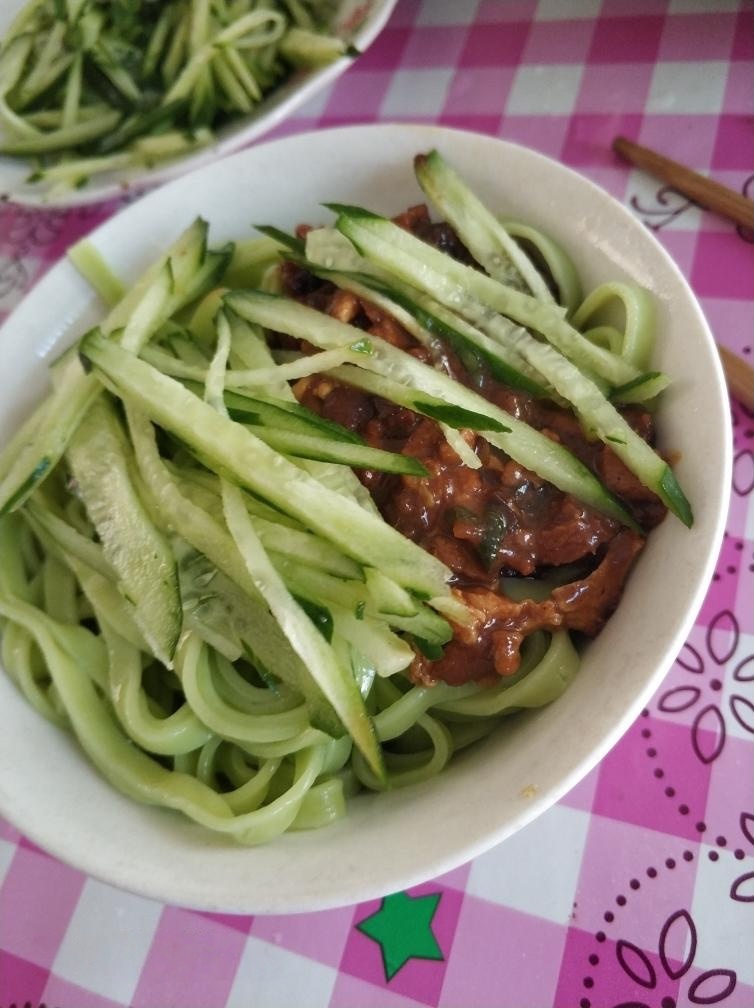
Growing up in Sichuan, my parents taught me that a good noodle sauce isn’t just about saltiness; it’s about layering flavors. If you are looking for a quick weeknight dinner that rivals my Simple Clear Beef Noodle Soup for comfort, this is it.
What is Mushroom Pork Fried Sauce Noodles?
Fried Sauce Noodles, or Zhajiangmian (炸酱面), is often called “Chinese Bolognese.” The sauce is traditionally made by frying diced pork belly with fermented soybean paste until the oil separates and the sauce becomes rich and glossy.
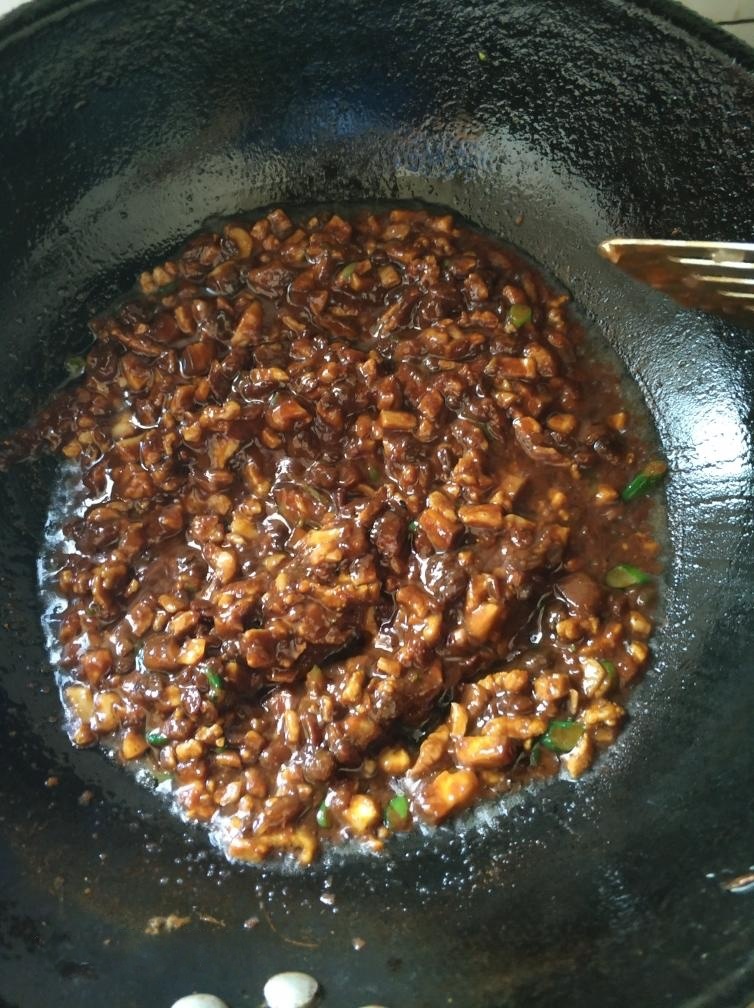
In this variation, we add dried shiitake mushrooms. The mushrooms absorb the savory sauce and provide a chewy, meaty texture that contrasts beautifully with the soft noodles. We also stir in scrambled eggs at the end, a technique that makes the sauce creamier and milder—perfect for serving to children or those who find the traditional version too salty.
Explore Other Zha Jiang Mian Variations
I love adding shiitake mushrooms to this dish because they act like flavor sponges, absorbing the savory bean paste and adding a wonderful chew. However, if you are looking to master the most traditional form of this dish—specifically using hand-diced pork belly rendered in its own fat—you should definitely check out my authentic Old Beijing Fried Sauce Noodles (Zha Jiang Mian). For a dedicated breakdown of the sauce mechanics and paste ratios, my guide to Beijing Fried Sauce is an excellent resource. Conversely, if you need a meal on the table in under 30 minutes and want to skip the soaking and chopping of dried mushrooms, my Easy Zha Jiang Mian is the perfect weeknight shortcut.
1Old Beijing Fried Sauce Noodles (Zha Jiang Mian)An authentic recipe for Old Beijing Zha Jiang Mian, featuring hand-diced pork belly rendered in its own fat and simmered with a blend of soybean pastes. A savory, rich classic.Check out this recipe2Easy Zha Jiang Mian (Fried Sauce Noodles)A quick, homestyle version of the classic Chinese Zha Jiang Mian. This recipe features a savory pork meat sauce enriched with soybean paste, sweet bean paste, and a secret touch of tomato for balance. Perfect for a weeknight dinner.Check out this recipe
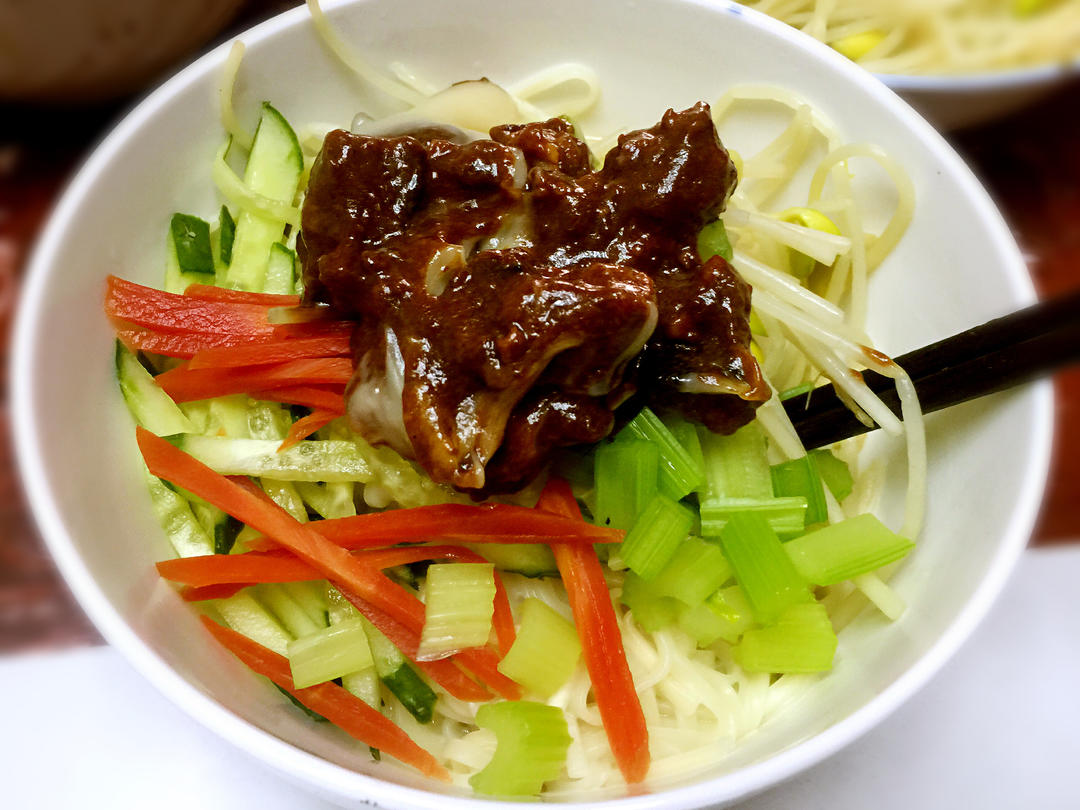
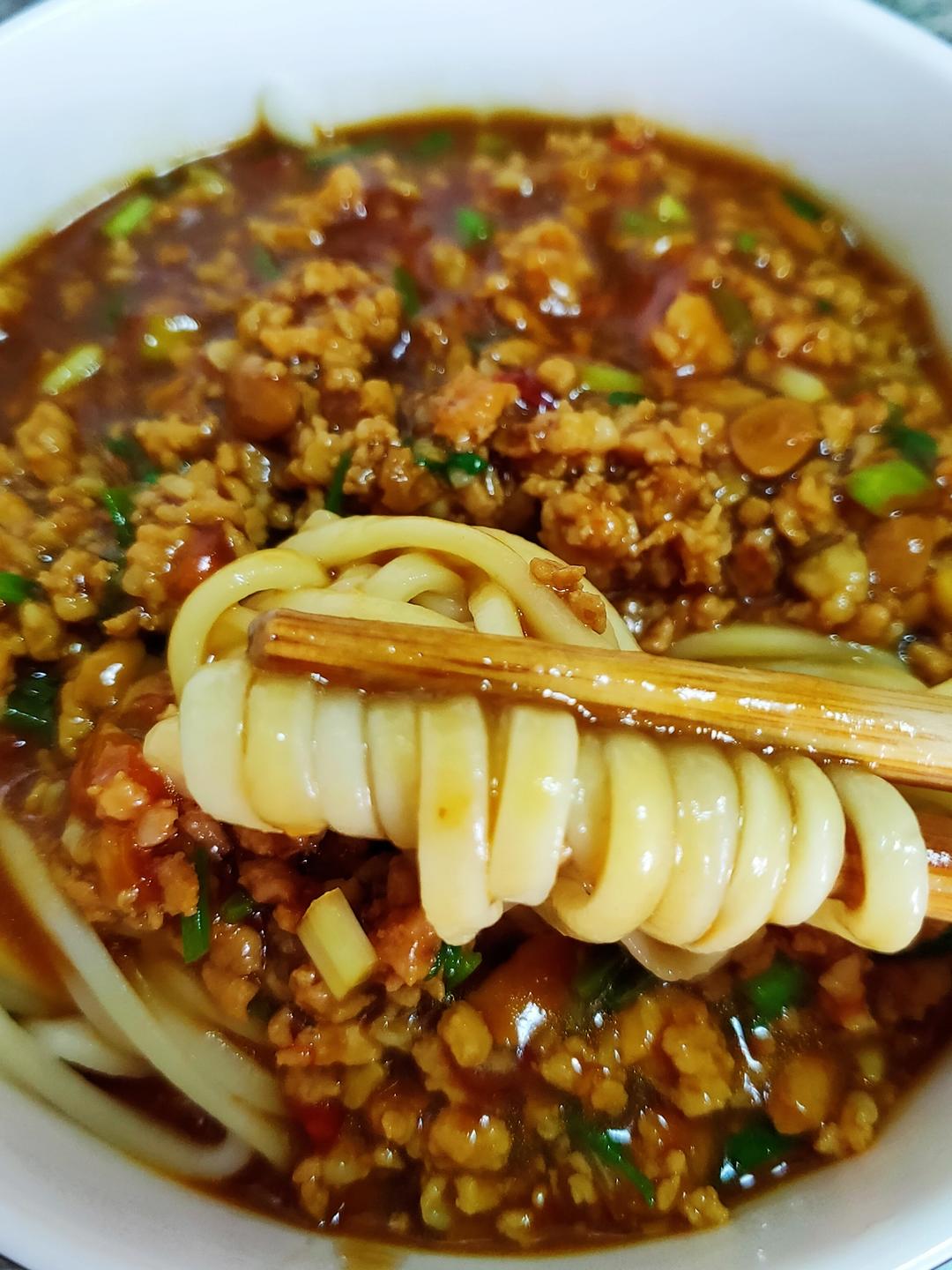
Why This Recipe Works
- Deep Umami: Rehydrating dried shiitake mushrooms concentrates their flavor, adding an earthiness that fresh mushrooms can’t match.
- Texture Contrast: By dicing the pork and mushrooms into small, uniform cubes, you get a perfect bite of sauce, meat, and noodle in every mouthful.
- Family Friendly: The addition of scrambled eggs mellows out the intense soybean paste, making it a hit with toddlers and adults alike.
Key Ingredients and Substitutions
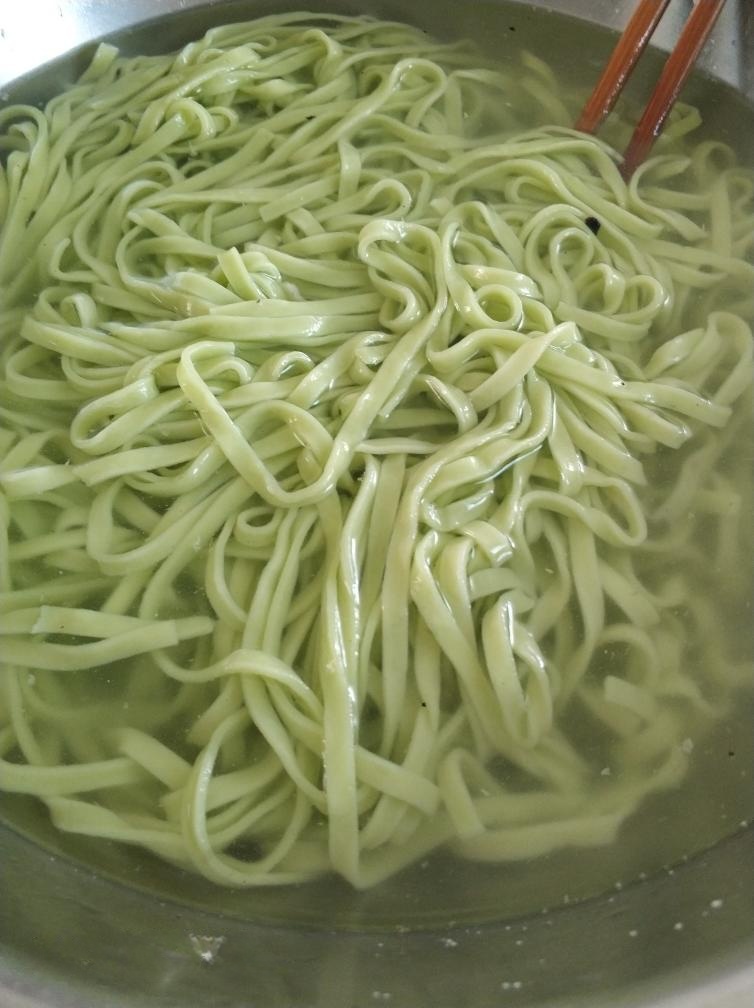
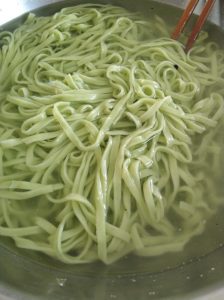
- Noodles: The original recipe calls for spinach noodles (Bo Cai Mian), which add a lovely green color and subtle vegetable flavor. However, fresh white wheat noodles or dried ribbon noodles work perfectly well.
- Pork: I recommend using pork belly or a fatty cut of pork shoulder (butt). You need a bit of fat to render out and fry the sauce. Lean pork will result in a dry, tough texture.
- Dried Shiitake Mushrooms: These are essential. They must be soaked in hot water to rehydrate fully before dicing.
- The Sauce: The recipe calls for “half a bowl” of sauce. In this context, use Sweet Bean Sauce (Tianmianjiang) or Yellow Soybean Paste (Huangdoujiang). For a darker color and deeper taste, you can mix the two.
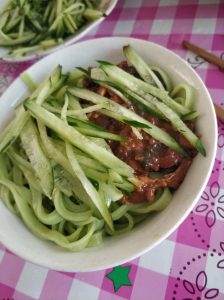
- Cucumber: Julienne strips of cucumber provide a refreshing crunch that cuts through the richness of the fried sauce.
Recipe Notes Before You Start
- Soak Mushrooms Early: Use hot water to speed up the rehydration process for the dried shiitake mushrooms.
- Control the Salt: The soybean paste is already very salty. You likely won’t need extra salt, but taste as you go.
- Mise en Place: Have your pork, mushrooms, and onions diced before you turn on the heat. The stir-fry process moves quickly.
How to Make Mushroom Pork Fried Sauce Noodles
Step 1: Prepare the Ingredients
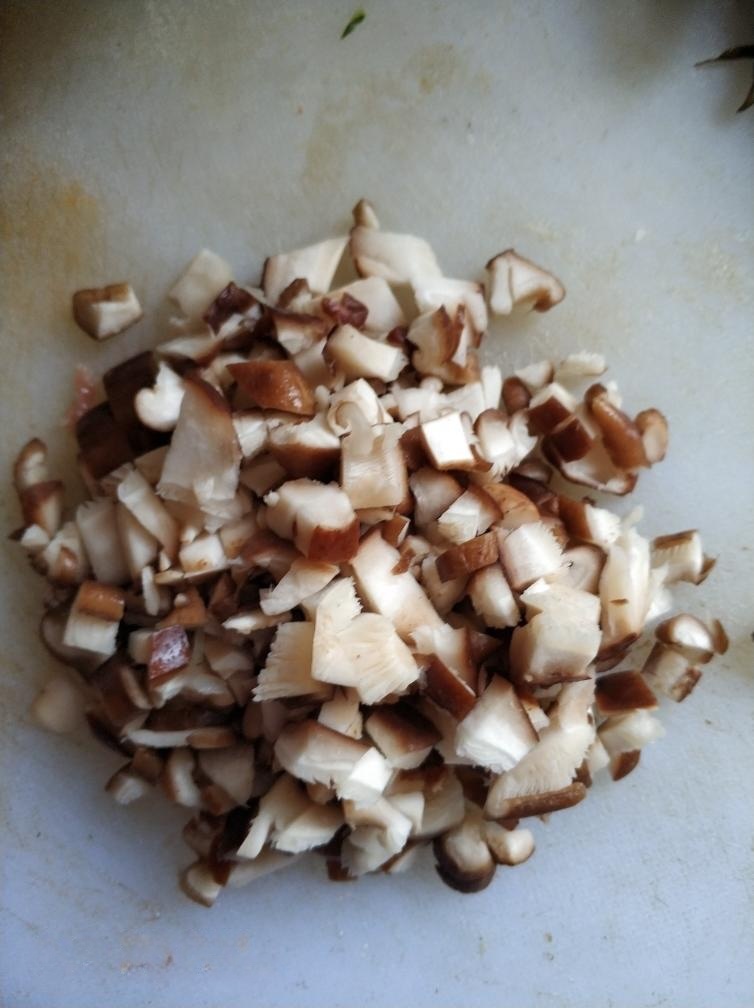
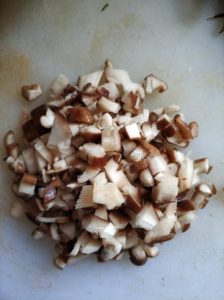
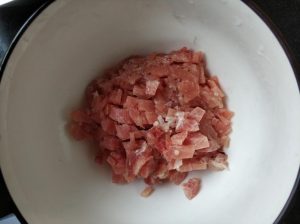
Soak the dried shiitake mushrooms in hot water until soft. Once rehydrated, squeeze out the excess water and dice them into small cubes. Dice the pork into similar-sized cubes (about 1cm). Chop the green onions. Slice the cucumber into thin matchsticks for garnish.
Step 2: Scramble the Eggs
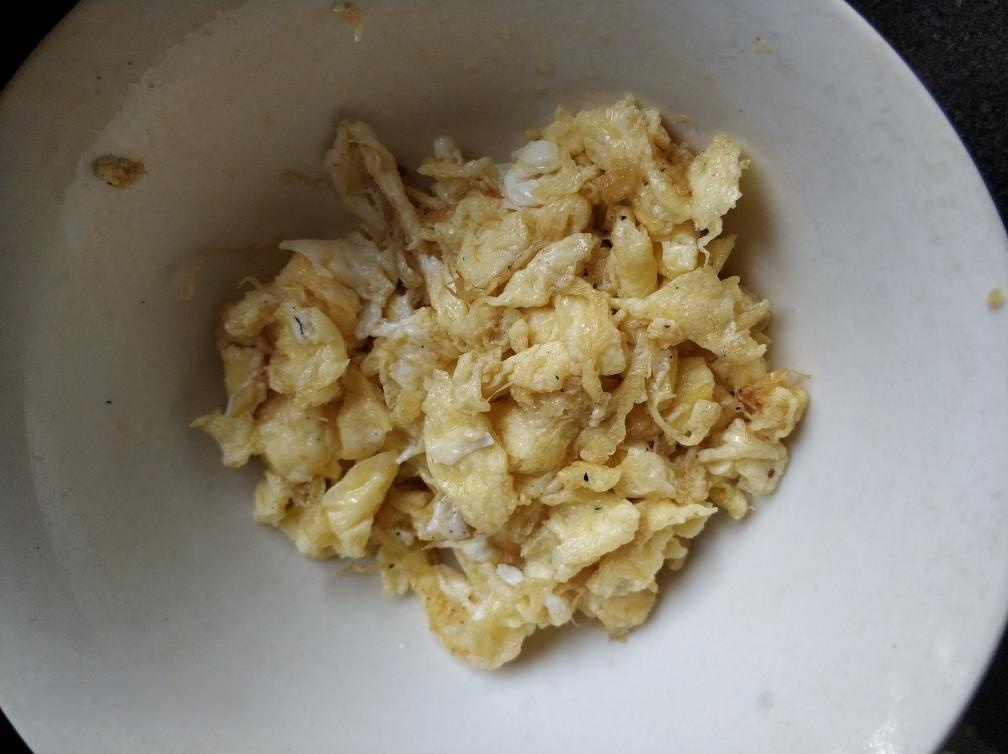
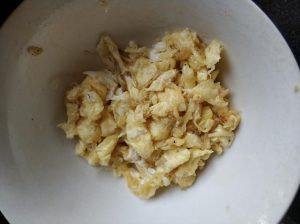
Crack the egg into a bowl and beat well. Heat a wok or pan over medium heat with a tablespoon of oil. Pour in the egg and scramble until just set. Remove the egg from the pan and set aside.
Step 3: Fry the Aromatics and Pork
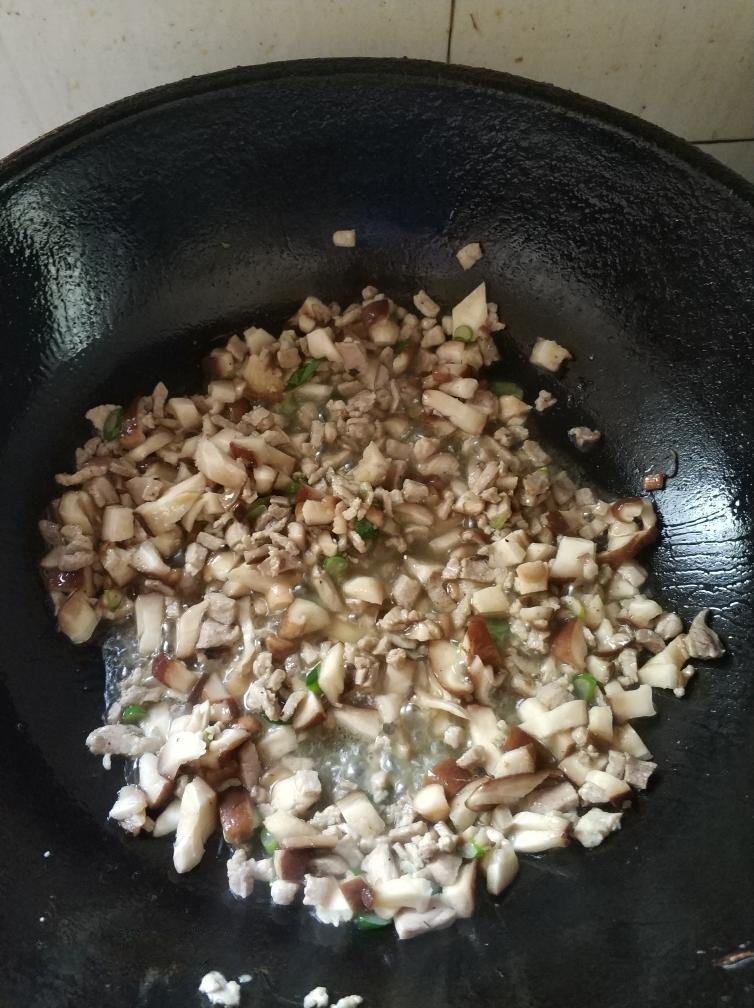
Add a bit more oil to the pan. When the oil is hot, add the diced pork and chopped green onions. Stir-fry over medium heat until the pork turns white and starts to release its fat.
Step 4: Fry the Sauce
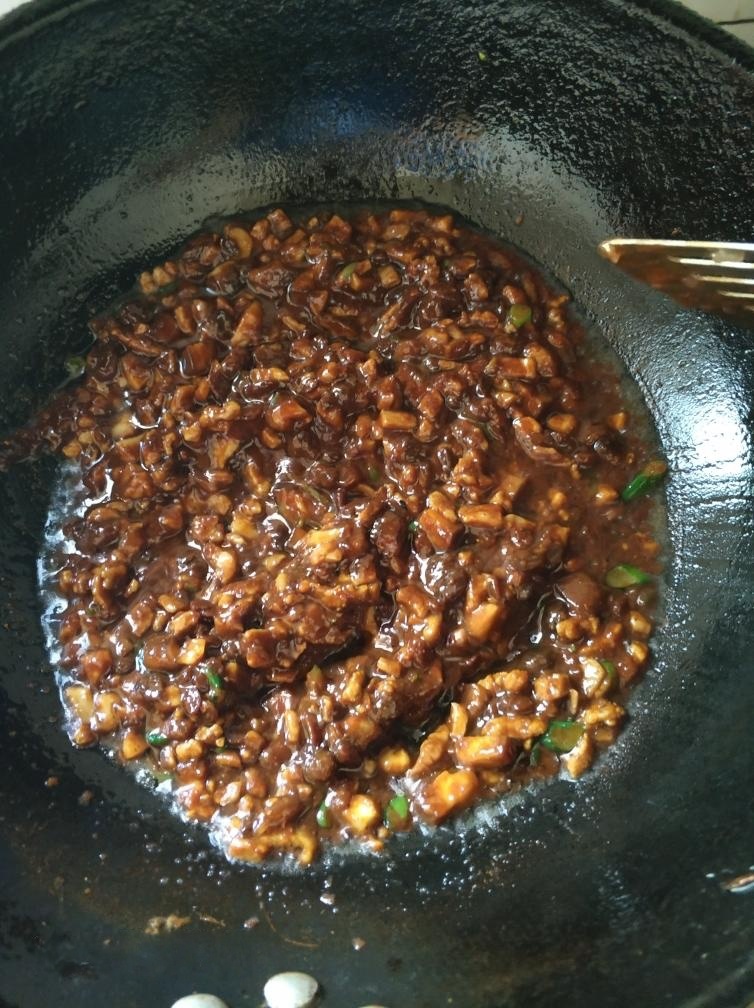
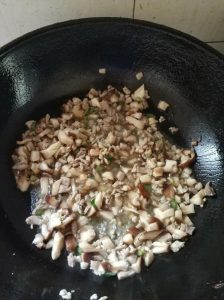
Add the diced shiitake mushrooms to the pork and stir-fry until aromatic. Next, add the soybean paste (sauce). Stir-fry the paste with the meat and mushrooms—this step is crucial to “fry” the raw taste out of the paste and bring out its aroma.
Step 5: Simmer
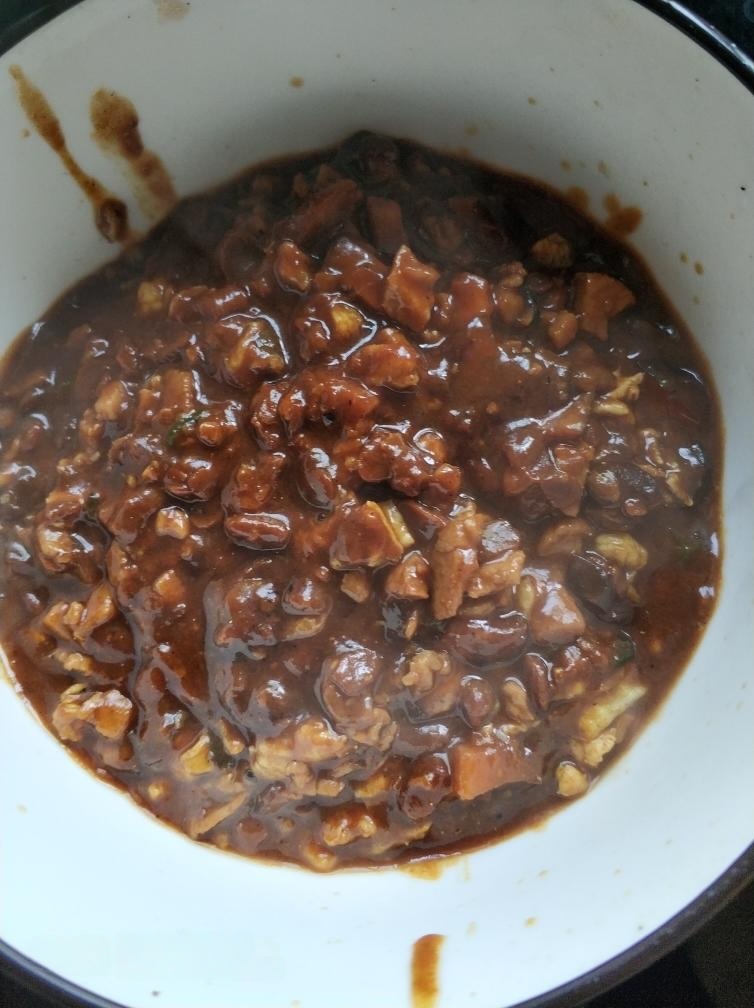
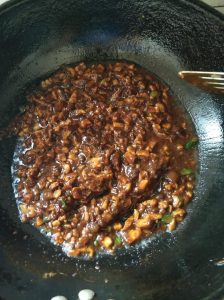
Pour in a moderate amount of water (enough to create a loose sauce consistency). Bring the mixture to a boil, then reduce heat and simmer for about 3 minutes to let the flavors meld.
Step 6: Finish the Sauce
Add the cooked scrambled eggs back into the sauce. Stir well to combine. Once the eggs have absorbed some of the sauce and the consistency is to your liking, turn off the heat.
Step 7: Cook the Noodles and Serve
Bring a large pot of water to a boil. Cook your spinach noodles (or wheat noodles) until al dente. Drain the noodles and transfer them to serving bowls. Top generously with the mushroom pork sauce and fresh cucumber strips. Mix well and enjoy!
🔍 FAQ / Troubleshooting
Why is my sauce too salty?
Soybean pastes vary significantly in sodium levels between brands. If your sauce tastes aggressively salty, don’t add water—it will dilute the flavor. Instead, balance it by adding a teaspoon of sugar or incorporating more diced onions. The sweetness counteracts the saltiness without making the sauce watery.
Can I use ground pork instead of hand-cut pork belly?
Technically, yes, and it is faster. However, I strongly recommend hand-cutting the meat into small cubes (0.5cm to 1cm). Ground meat tends to break down into a gritty texture, while diced cubes provide a satisfying “meatiness” that holds up against the chewy noodles and mushrooms.
My sauce is too watery and won’t coat the noodles. What happened?
You might have added too much water initially, or the mushrooms released extra moisture. To fix this, increase the heat to medium-high and stir-fry constantly to evaporate the excess liquid. If you are in a rush, you can use a little water mixed with cornstarch (gou qian) to thicken it, though reduction creates a more concentrated flavor.
I can’t find Sweet Bean Sauce (Tianmianjiang). What is a safe substitute?
While less authentic, a mix of Hoisin sauce and a splash of soy sauce can mimic the sweet-savory profile. Alternatively, Korean black bean paste (Chunjang) is a very close relative and works beautifully in this dish.
My noodles clumped together immediately after draining.
Wheat noodles release starch as they cook. To prevent sticking, rinse the cooked noodles briefly under cold water to wash away excess surface starch. If you prefer them warm, toss them with a teaspoon of sesame oil immediately after draining.
Tips for Success
- Render the Fat: When frying the pork belly, take your time. Allow the fat to render out until the meat is slightly golden. This flavored fat is what cooks the aromatics and sauce, creating the signature richness.
- Dry the Mushrooms: After soaking, squeeze the shiitake mushrooms as dry as possible. If they are waterlogged, they will steam instead of frying, and they won’t absorb the savory sauce as well.
- Don’t Skimp on Oil: This sauce relies on oil to fry the bean paste (zha jiang). If the pan is too dry, the paste will stick and burn. You can always spoon off excess oil at the end, but you need it for cooking.
Variations & Make-Ahead
Spicy Version: As a Sichuan native, I often crave a kick. You can add a tablespoon of Chili Garlic Sauce or sauté chopped fresh chilies along with the onions.
Vegetarian Adaptation: For a meatless version that still has great texture, swap the pork for firm tofu cubes or diced King Oyster Mushrooms. Fry them until golden brown to ensure they have a chewy, meaty bite similar to our Easy Dry-Fried King Oyster Mushrooms.
Make-Ahead: This sauce actually tastes better the next day as the flavors meld. You can make a large batch of the sauce on Sunday and keep it in the fridge for quick weeknight meals. Just boil fresh noodles when you are ready to eat.
What to Serve With It
Since the noodles are rich and savory, I like to pair them with light, refreshing vegetable sides or a simple soup to balance the meal.
- Crunchy Vegetables: For texture contrast, serve with our crisp Smashed Cucumber Salad or a quick plate of Stir-fried Lettuce with Garlic. The freshness cuts through the salty bean sauce perfectly.
- Soup: In Chinese homes, we often drink the noodle cooking water (Mian Tang), but a bowl of Seaweed Egg Drop Soup or Miso Soup is a more flavorful option that takes only minutes to prepare.
- Protein: If you want extra protein, Satay Chicken Skewers or Crispy Garlic Pork Bites make excellent sides that won’t overshadow the main dish.
How to Store & Reheat
- Fridge: Store the sauce and noodles in separate airtight containers. The sauce will keep for 3–4 days. Cooked noodles are best eaten fresh but can be stored for 2 days.
- Freezer: The sauce freezes exceptionally well. Store it in a freezer-safe container or bag for up to 2 months. I do not recommend freezing the noodles or the cucumber garnish.
- Reheating: Reheat the sauce in a small pan over medium-low heat. You may need to add a splash of water to loosen it up. If you are in a rush, microwave the sauce in 30-second intervals, stirring in between to prevent splattering. Combine with freshly boiled noodles for the best taste.
Serving Suggestions
This noodle dish is a complete meal on its own, but I love adding a cold appetizer on the side for texture. A plate of Smashed Cucumber Salad pairs perfectly, offering a garlicky, vinegar kick that balances the savory noodles.
If you like it spicy, don’t hesitate to top your bowl with a spoonful of Homemade Chili Garlic Sauce.
Nutrition Information (Estimate)
- Calories: 520 kcal
- Protein: 22g
- Carbohydrates: 65g
- Fat: 18g
- Sodium: 1100mg
Disclaimer: Nutrition information is calculated using an ingredient database and should be considered an estimate. Actual values vary.
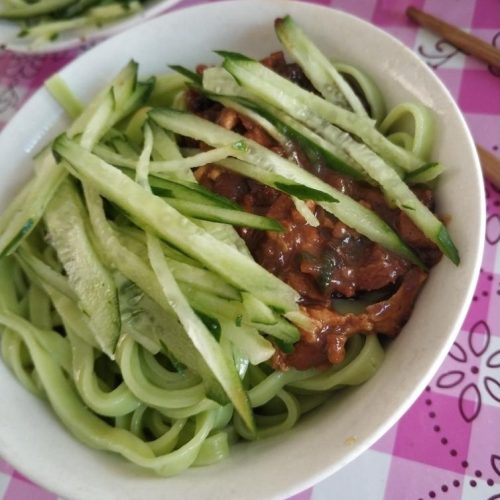
Mushroom Pork Fried Sauce Noodles (Zhajiangmian)

Equipment
- Wok or Large Frying Pan
- Pot for boiling noodles
Ingredients
Main Ingredients
- 500 g noodles spinach noodles or fresh wheat noodles
- 100 g pork belly or shoulder diced
- 6 dried shiitake mushrooms
- 1 large egg
- 1 cucumber julienned
Sauce & Aromatics
- 0.5 cup soybean paste or sweet bean sauce (adjust to taste)
- 1 stalk green onion chopped
- 0.5 cup water
- 1 tbsp cooking oil
Instructions
- Soak the dried shiitake mushrooms in hot water until fully softened. Squeeze out excess water and dice into small cubes.

- Dice the pork into small cubes (approx 1cm). Chop the green onion and julienne the cucumber.

- Beat the egg in a bowl. Heat a wok with oil over medium heat, scramble the egg until set, then remove and set aside.
- Add a little more oil to the wok. When hot, add the diced pork and green onions. Stir-fry until the pork is cooked through.
- Add the diced mushrooms to the pork and stir-fry briefly. Add the soybean paste (sauce) and stir-fry to release the aroma.
- Pour in the water. Bring to a boil and let simmer for 3 minutes.
- Add the cooked scrambled eggs back into the sauce. Stir to combine and turn off the heat.
- Boil the noodles in a separate pot until al dente. Drain well.
- Serve the noodles in bowls topped with the meat sauce and fresh cucumber.
Notes
-
Soak the Mushrooms Thoroughly: Use hot water to rehydrate the dried shiitake mushrooms until they are completely soft. Crucially, squeeze them firmly to remove excess water before dicing; this allows them to absorb the savory meat sauce rather than just steaming in the pan.
-
Hand-Cut the Pork: For the authentic texture, avoid ground pork. Cut the pork belly or shoulder into small, uniform cubes (about 1cm). This ensures the meat remains juicy and provides a satisfying bite that contrasts with the soft noodles.
-
“Fry” the Paste: When adding the soybean paste, stir-fry it with the meat and oil for 1–2 minutes before adding water. This step is essential to cook out the raw fermented bean smell and release the rich aroma.
-
Egg Timing: Scramble the eggs first and remove them from the wok, adding them back only at the very final stage. This keeps the eggs fluffy and bright yellow, preventing them from becoming rubbery or absorbing too much salt during the simmering process.
- Mise en Place: Because the stir-fry process moves quickly once the oil is hot, have your pork diced, aromatics chopped, and sauce measured out before you turn on the stove.
- Calories: 520 kcal
- Protein: 22g
- Carbohydrates: 65g
- Fat: 18g
- Sodium: 1100mg












Leave a Reply