There are days, especially during the sweltering summers here in China (or anywhere else in the world), when the absolute last thing you want to do is stand over a hot stove for an hour. When my appetite is low and the heat is high, my go-to solution is always a bowl of Liangban Mian (凉拌面), or Cold Tossed Noodles.

This dish is the definition of “high reward, low effort.” It features chewy noodles and refreshing cucumbers tossed in a sauce that hits every note: sour, savory, slightly sweet, and aromatic with garlic and chili.
Growing up in a family of chefs, I learned that a great cold noodle dish isn’t about the noodles themselves—it’s entirely about the “Golden Ratio” of the sauce. The recipe I’m sharing today is based on a Cantonese-style balance, meaning it prioritizes savory and sour notes over aggressive heat. However, because I grew up in Sichuan, I’ve included notes on how to kick up the spice level if you prefer that signature mala numbing heat.
Why This Recipe Works
- Hot Oil Flash: Instead of just mixing raw spices, we pour smoking hot oil over the garlic, chili powder, and sesame seeds. This technique, known as “blooming,” releases the essential oils and removes the raw, sharp bite of the garlic, creating a deeply aromatic base.
- Texture Contrast: By rinsing the boiled noodles in cold water, we arrest the cooking process immediately. This removes excess surface starch (preventing gumminess) and tightens the gluten structure, resulting in a distinct “Q” texture (chewy and bouncy) that pairs perfectly with the crunchy cucumber and peanuts.
- The “3-2-1” Sauce Balance: This recipe uses a tested ratio of vinegar to soy sauce to oyster sauce that creates a complex flavor profile without one ingredient overpowering the others.
What Are Cold Tossed Noodles?
Liangban Mian isn’t a single rigid recipe; it’s a category of cooking. “Liangban” means “cold tossed,” referring to the method of dressing cold ingredients with flavor-packed sauces. While you might be familiar with the heavy peanut-butter based sesame noodles often found in American takeouts, this version is lighter, vinegar-forward, and much more refreshing. It is a staple street food across China, often eaten for breakfast or a quick lunch.
Key Ingredients & Substitutions
- Noodles: The recipe calls for one bunch of dried wheat noodles. You can use standard dried Chinese wheat noodles, thin egg noodles, or even spaghetti (boiled a bit past al dente) in a pinch. Fresh alkaline noodles also work beautifully.
- Chinese Black Vinegar (Chinkiang Vinegar): This is non-negotiable for the authentic flavor. It adds a malty, woody acidity that white vinegar cannot replicate. If you absolutely must substitute, mix balsamic vinegar with a little water, but I highly recommend sourcing the real thing.
- Light Soy Sauce: This provides the salty, savory base. I recommend brands like Pearl River Bridge or Lee Kum Kee.
- Chili Powder: The recipe uses chili powder (or crushed chili flakes). For a bright red color without overwhelming heat, Korean Gochugaru is a great option. For a traditional kick, use Chinese dried chili flakes.
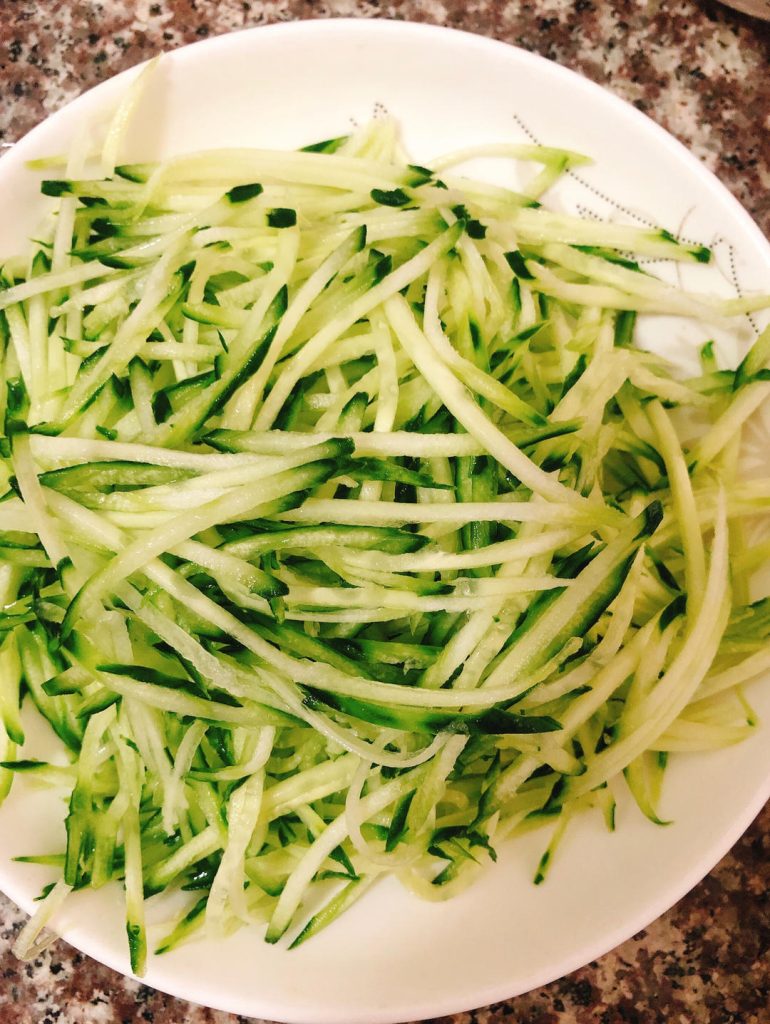
- Cucumber: I prefer English cucumbers or Persian cucumbers because they have thinner skins and fewer seeds, making them crunchier and less watery than standard garden cucumbers.
- Fried Peanuts: These add a crucial crunch. You can buy roasted, salted peanuts from the store to save time.
Recipe Notes Before We Begin
- Serving Size: This recipe is calculated for 2 people. If you are cooking just for yourself, halve the sauce ingredients.
- Adjusting Heat: As mentioned in the original recipe notes, the sourness and spiciness are adjustable. The stated amounts (1 tablespoon chili powder) provide a medium heat. If you are sensitive to spice, start with half.
- Mise en Place: Have your aromatics (garlic, chili, sesame) in a heat-proof bowl before you heat your oil. The oil heats up fast, and you want to be ready to pour.
Mise en Place / Prep
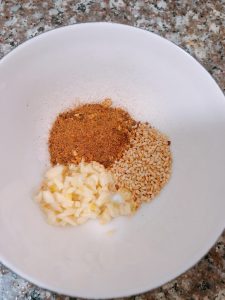
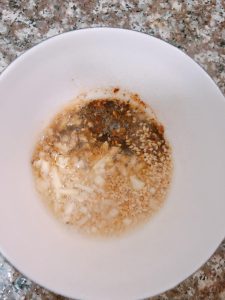
- Prep the Aromatics: Mince 3 cloves of garlic finely. Place the minced garlic, 1 tablespoon of chili powder, and 1 tablespoon of sesame seeds into a heat-resistant bowl (ceramic or stainless steel).
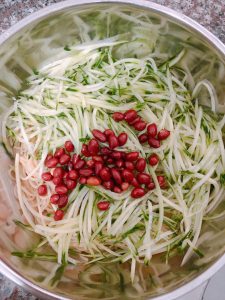
- Prep the Veggies: Wash the cucumber. Slice it into thin matchsticks (julienne). If using cilantro or bean sprouts (optional), wash and prep them now.
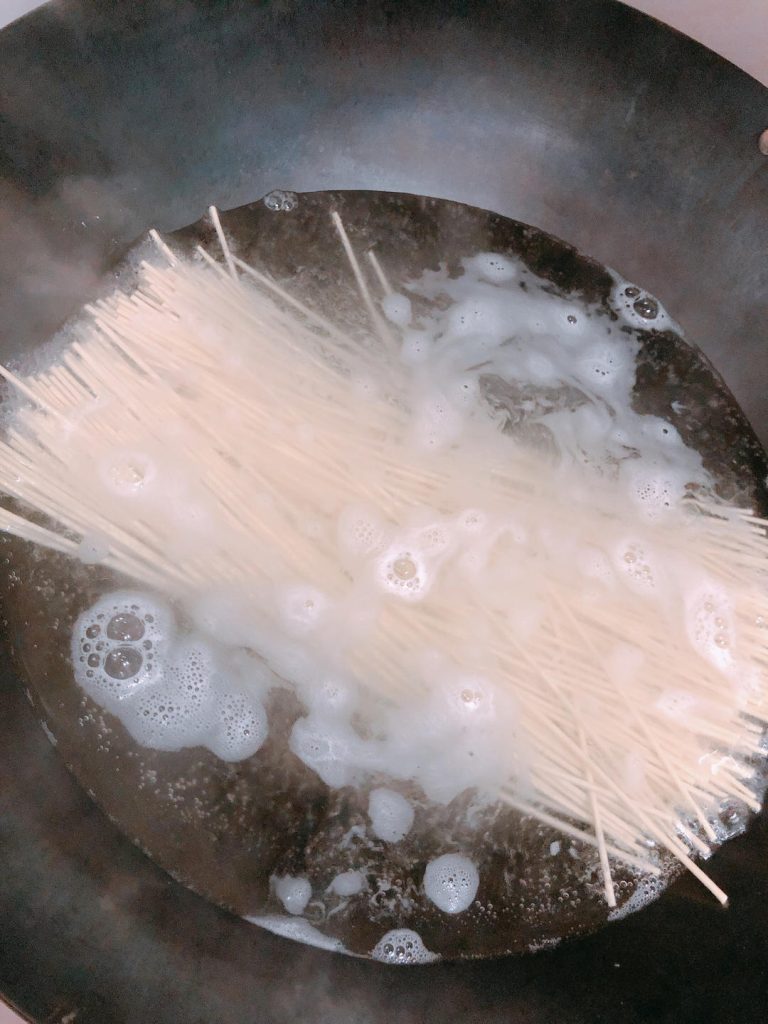
- Boil Water: Bring a large pot of water to a rolling boil for the noodles.

How to Make Chili Garlic Cold Noodles
Step 1: Make the Aromatic Oil
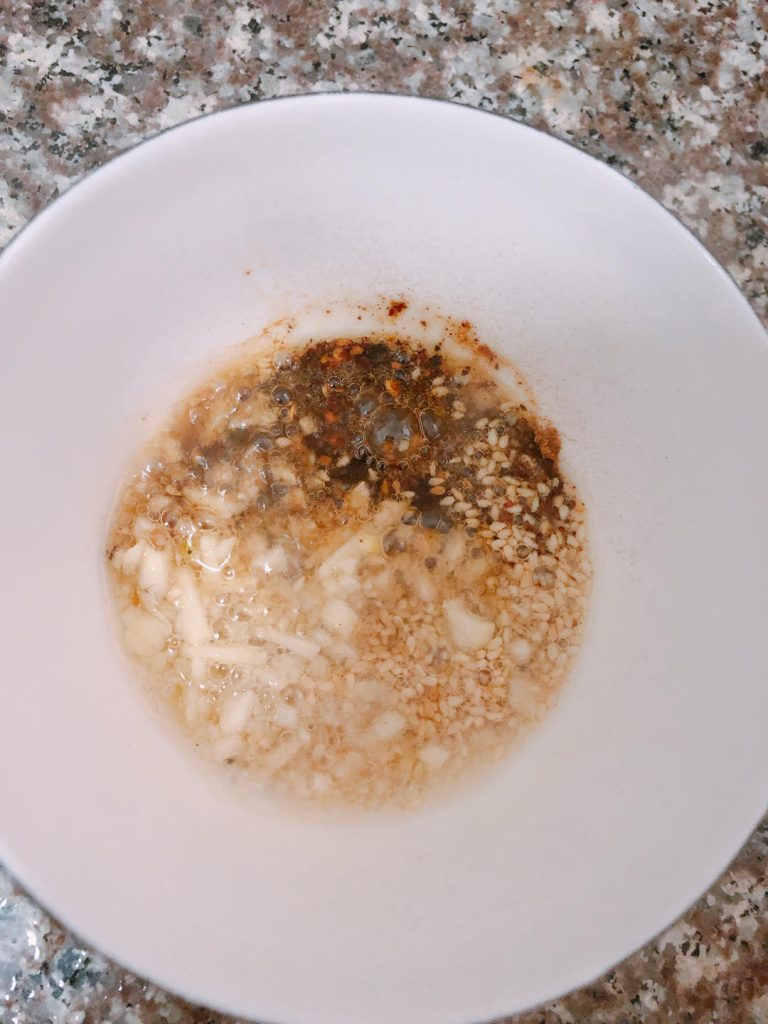
Heat about 2-3 tablespoons of neutral oil (vegetable, canola, or peanut oil) in a small pan or ladle over medium-high heat. You want the oil to reach approximately 350°F (175°C).
- Visual Cue: The oil should be shimmering and just starting to smoke lightly.
- Action: Carefully pour the hot oil over the garlic, chili powder, and sesame seeds in your bowl. It will sizzle aggressively and bubble—this is the “flash” that cooks the garlic instantly and blooms the chili. Stir well.
Step 2: Season the Sauce
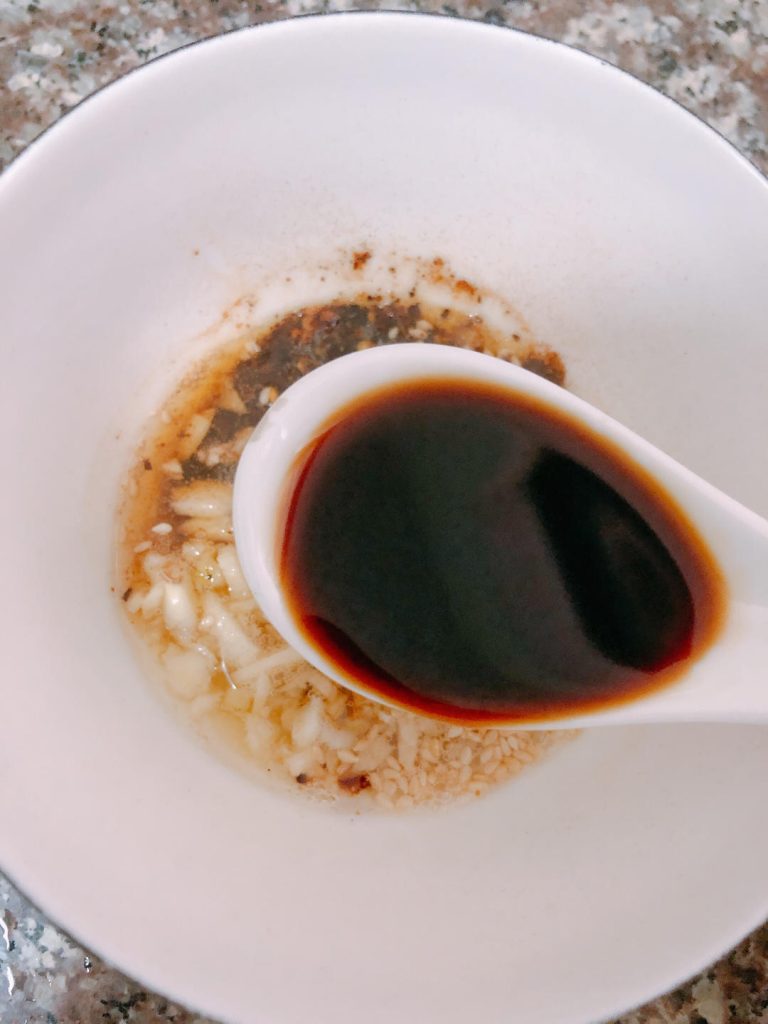
To the bowl with the chili oil mixture, add the wet seasonings:
- 2 tablespoons Light Soy Sauce
- 2 tablespoons Aged Black Vinegar (Chencu)
- 1 tablespoon Oyster Sauce
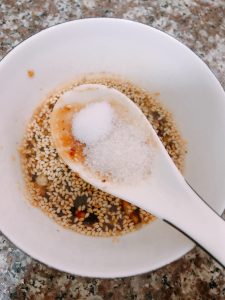
- 1/2 teaspoon Sugar
- 1/2 teaspoon Salt Stir vigorously until the sugar and salt are completely dissolved. The heat from the oil will help with this.
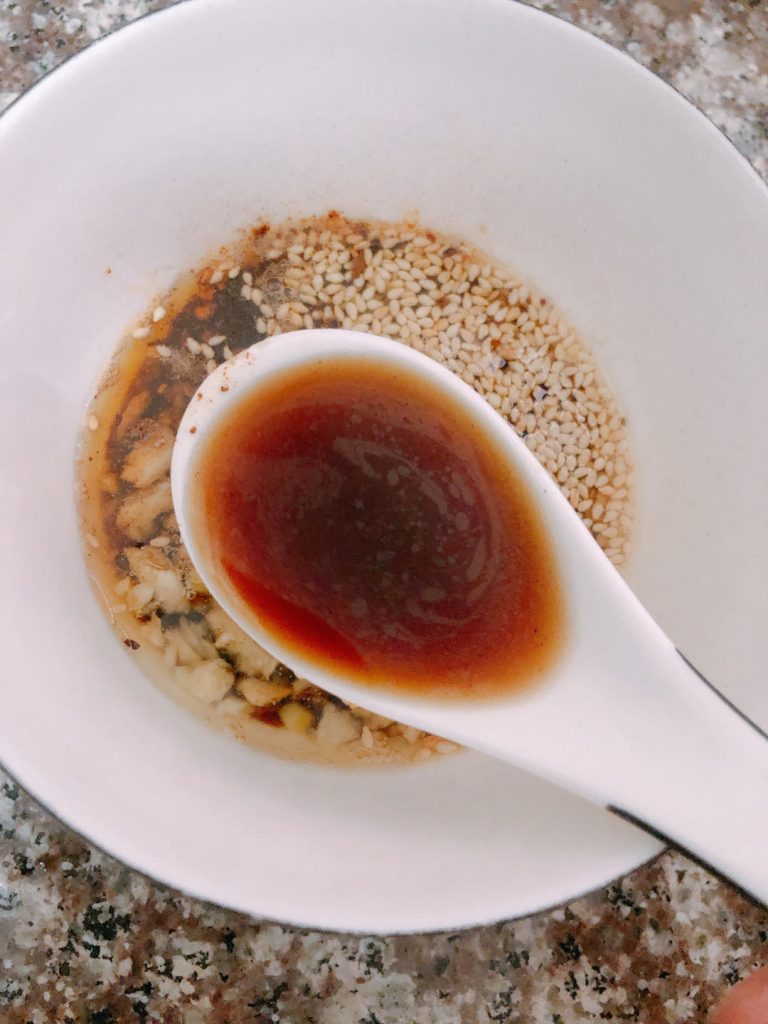
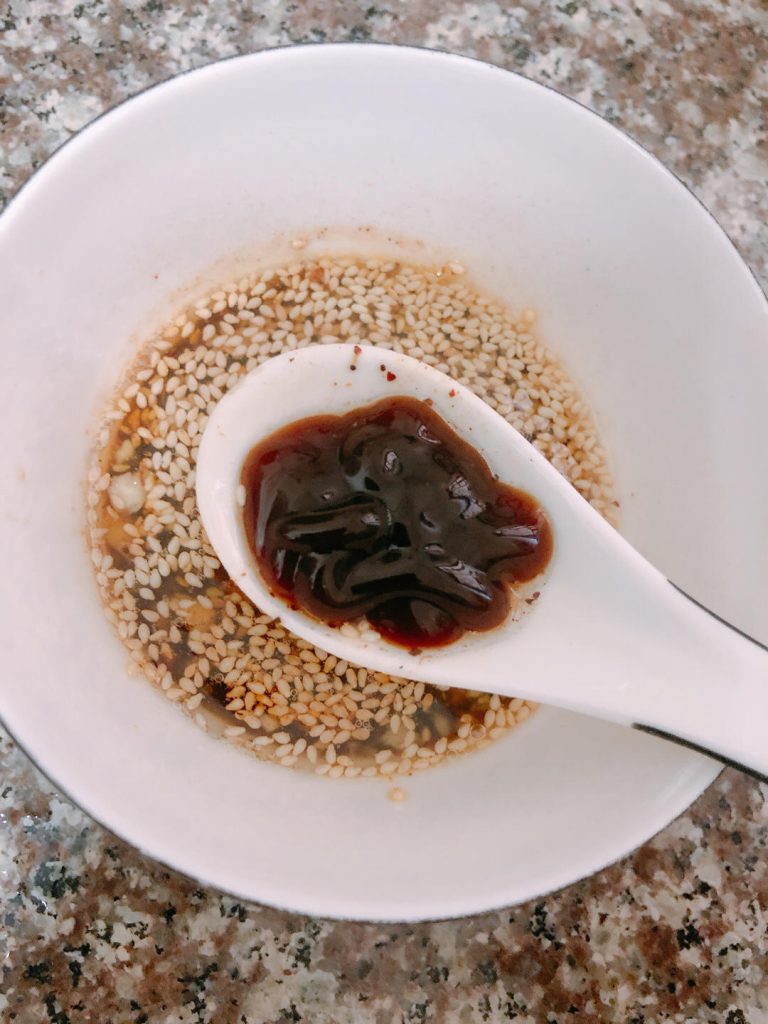
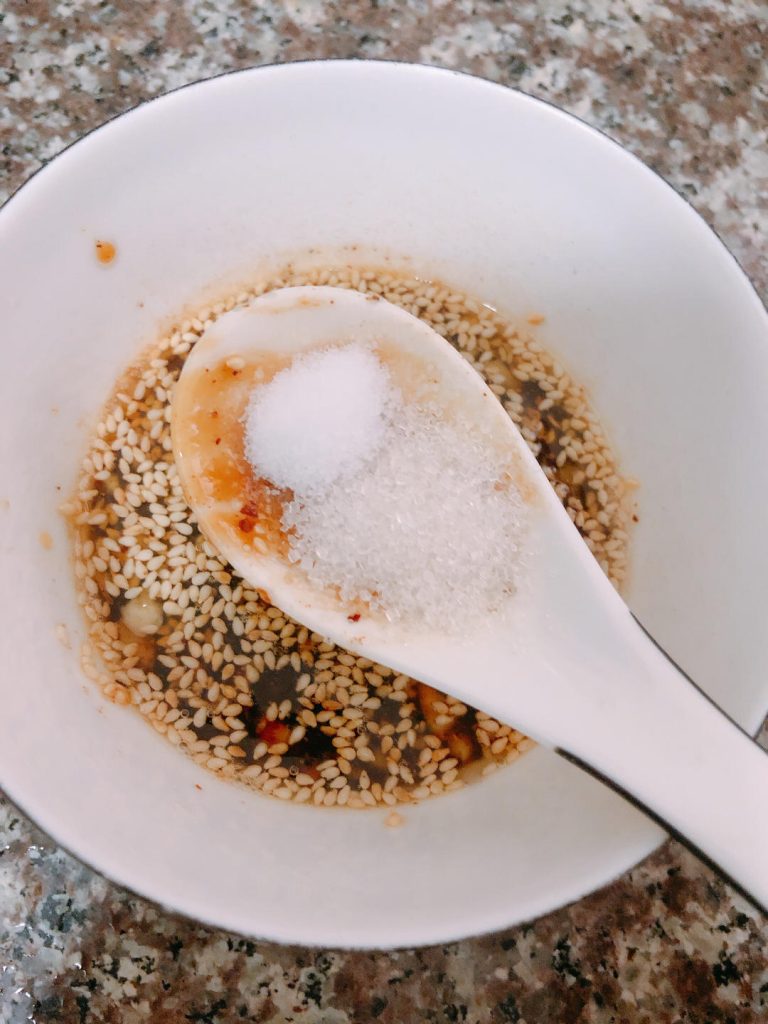
Step 3: Cook the Noodles
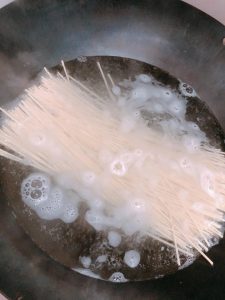
Add your noodles (approx. 200g / 7oz) to the boiling water. Cook according to package instructions (usually 3-5 minutes for dried noodles).
- Test Kitchen Note: Taste a noodle strand. It should be fully cooked through but not mushy.
Step 4: The Cold Rinse (Crucial!)
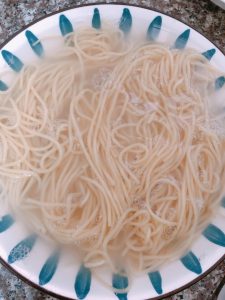
Drain the noodles and immediately plunge them into a bowl of ice water or run them under cold tap water for 30-60 seconds.
- Why: This washes away the excess surface starch and cools the noodles down, giving them a slippery, non-sticky texture. Drain well. Shake off as much excess water as possible so the sauce doesn’t get diluted.
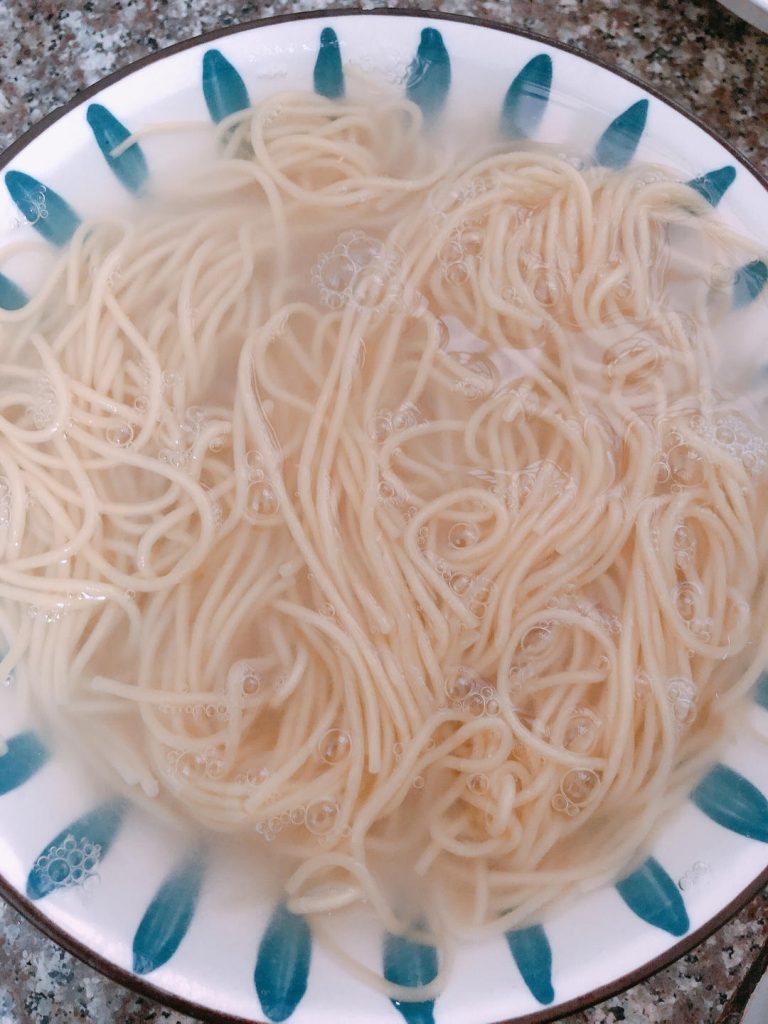
Step 5: Assembly
Place the drained noodles into a large mixing bowl. Top with the cucumber matchsticks and fried peanuts.
- Optional: This is where you can add blanched bean sprouts or chopped cilantro if you like.
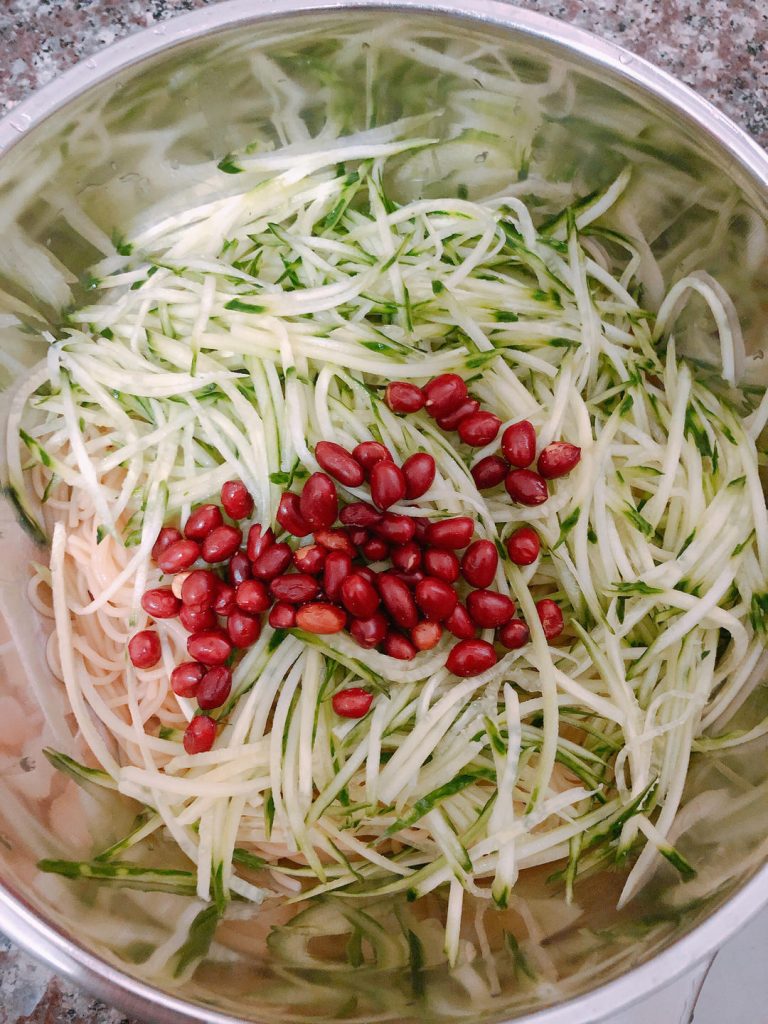
Step 6: Toss and Serve
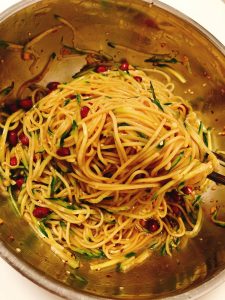
Pour the prepared sauce over the noodles and vegetables. Toss everything together thoroughly until every strand of noodle is coated in that glossy, red-brown sauce. Serve immediately.
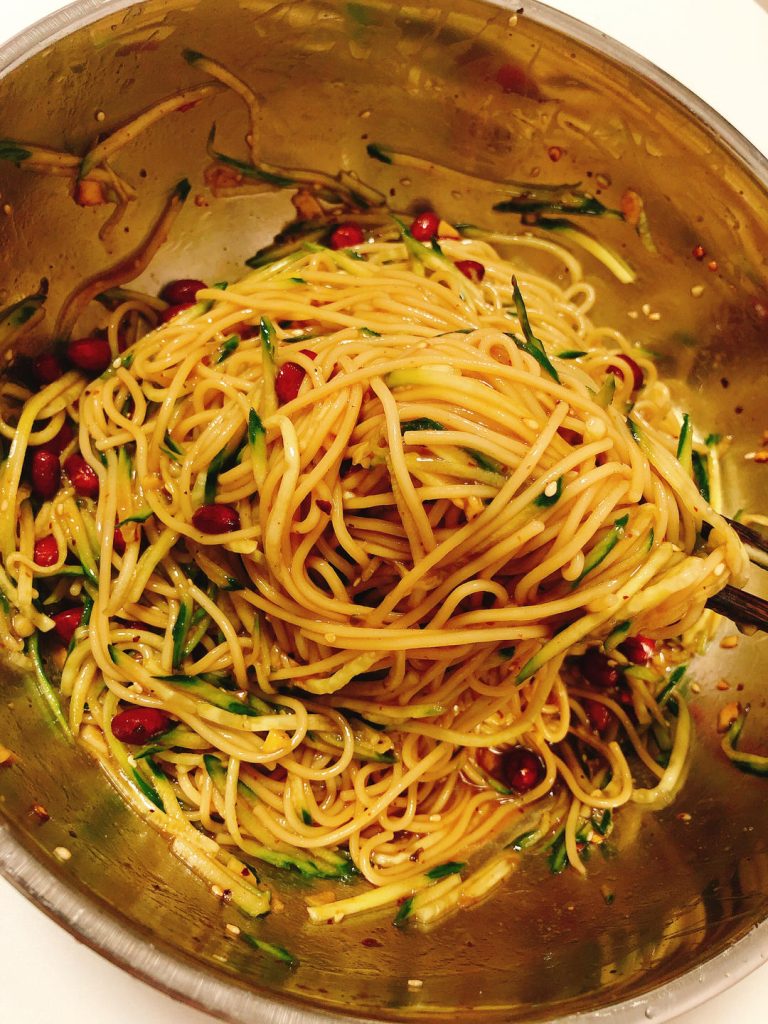
Serving Suggestions
This dish is a fantastic light meal on its own, but to make it a feast, I recommend pairing it with some protein or extra veggies.
- For a refreshing side, try our Easy Smashed Cucumber Salad.
- If you want to add protein, some Garlic Fried Shrimp would be an excellent accompaniment.
- Need even more heat? A spoon of our Homemade Chili Garlic Sauce will take this to the next level.
FAQ & Troubleshooting
- Why are my noodles sticky? You likely didn’t rinse them enough. The cold water rinse is vital to remove the starch. Also, ensure you drain them well; waterlogged noodles become mushy.
- Can I make this gluten-free? Yes! Use 100% buckwheat soba noodles or rice noodles. Ensure your soy sauce is gluten-free (Tamari) and check your vinegar (some grain vinegars contain wheat).
- It tastes too sour/too salty. The “3-2-1” ratio is a baseline. If it’s too sour, add a pinch more sugar. If it’s too salty, add a splash of water or more noodles/vegetables to dilute it.
- My garlic burned when I poured the oil. Your oil was too hot. It should be shimmering, but if it is smoking heavily (over 400°F), it will scorch the chili and garlic, making them bitter. Let the oil cool for 30 seconds off the heat before pouring if it got too hot.
Storage & Reheating
- Fridge: These noodles are best eaten fresh. However, leftovers can be stored in an airtight container in the refrigerator for up to 24 hours. Note that the noodles may swell and absorb the sauce, becoming softer.
- Reheating: Do not reheat! This is a cold dish. If the noodles have stuck together in the fridge, splash a little warm water or sesame oil and toss to loosen them up before eating.
- Freezing: Not recommended.
Nutrition Information (Estimate)
- Calories: ~450 kcal per serving
- Carbohydrates: 65g
- Protein: 12g
- Fat: 18g
- Sodium: 1100mg (High due to soy/oyster sauce)
- Disclaimer: Nutrition information is calculated using an ingredient database and should be considered an estimate. Garnishes and optional items are not included. Actual values vary based on specific brands used.
Final Thoughts
This simple Liangban Mian is a testament to the philosophy that you don’t need expensive ingredients to make delicious food—just the right technique. The sizzling oil brings the simple aromatics to life in a way that raw mixing never could. Give it a try next time you need a quick fix!
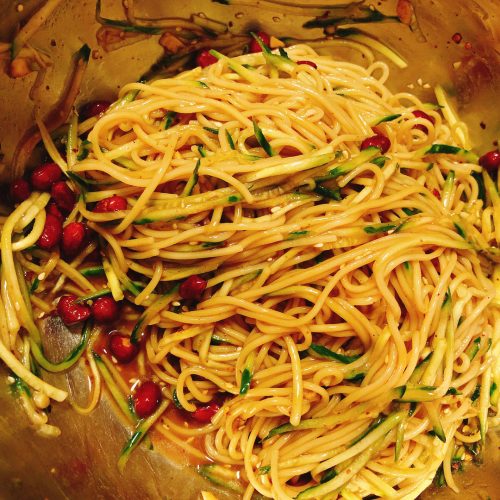
Easy Chili Garlic Cold Noodles (Liangban Mian)

Equipment
- Large Pot (for boiling water)
- Heat-proof bowl
- Small pan (for heating oil)
- Strainer / Colander
Ingredients
Noodles & Vegetables
- 7 oz dried wheat noodles (approx. 200g, or one bunch)
- 1 cucumber julienned (English or Persian preferred)
- 2 tbsp roasted peanuts fried or roasted
- cilantro or bean sprouts optional, for garnish
The Aromatic Base
- 1 tbsp chili powder (or crushed red pepper flakes)
- 1 tbsp white sesame seeds
- 3 cloves garlic finely minced
- 2 tbsp neutral oil vegetable, canola, or peanut oil (heated)
The Sauce
- 2 tbsp light soy sauce
- 2 tbsp Chinese black vinegar (Chinkiang vinegar)
- 1 tbsp oyster sauce
- 0.5 tsp sugar
- 0.5 tsp salt
Instructions
- Prep the aromatics: Place the minced garlic, chili powder, and sesame seeds into a heat-proof bowl.

- Flash the oil: Heat the neutral oil in a small pan until it is shimmering (approx 350°F/175°C). Carefully pour the hot oil over the aromatics in the bowl. It should sizzle vigorously. Stir to combine.
- Finish the sauce: To the same bowl, add the light soy sauce, black vinegar, oyster sauce, sugar, and salt. Stir well until the sugar and salt are dissolved.
- Boil the noodles: Bring a large pot of water to a boil. Add the noodles and cook according to package instructions until tender.
- Rinse: Drain the noodles and immediately rinse them under cold running water or submerge in an ice bath to remove starch and cool them down. Drain well.
- Assemble: Place the noodles in a large bowl. Add the julienned cucumber, peanuts, and any optional toppings.
- Serve: Pour the sauce over the noodles and toss thoroughly to coat. Serve immediately.
Notes
- Oil Safety: Be extremely careful when pouring hot oil. Ensure your bowl is heat-proof (ceramic or metal, not thin glass) and dry to avoid shattering or splattering.
- Allergies: This recipe contains peanuts, sesame, soy, and wheat (gluten). For a gluten-free version, use Tamari, gluten-free oyster sauce, and rice noodles.
- Nutrition Disclaimer: Nutrition information is calculated using an ingredient database and should be considered an estimate. Garnishes and optional ingredients are not included.



Leave a Reply