There is a special corner of my heart reserved for the condiments of my childhood in Sichuan. While the world knows about Doubanjiang (broad bean paste), there is a homier, rustier cousin that often graced our family table: Spicy Yellow Soybean Paste (Huang Dou Jiang).

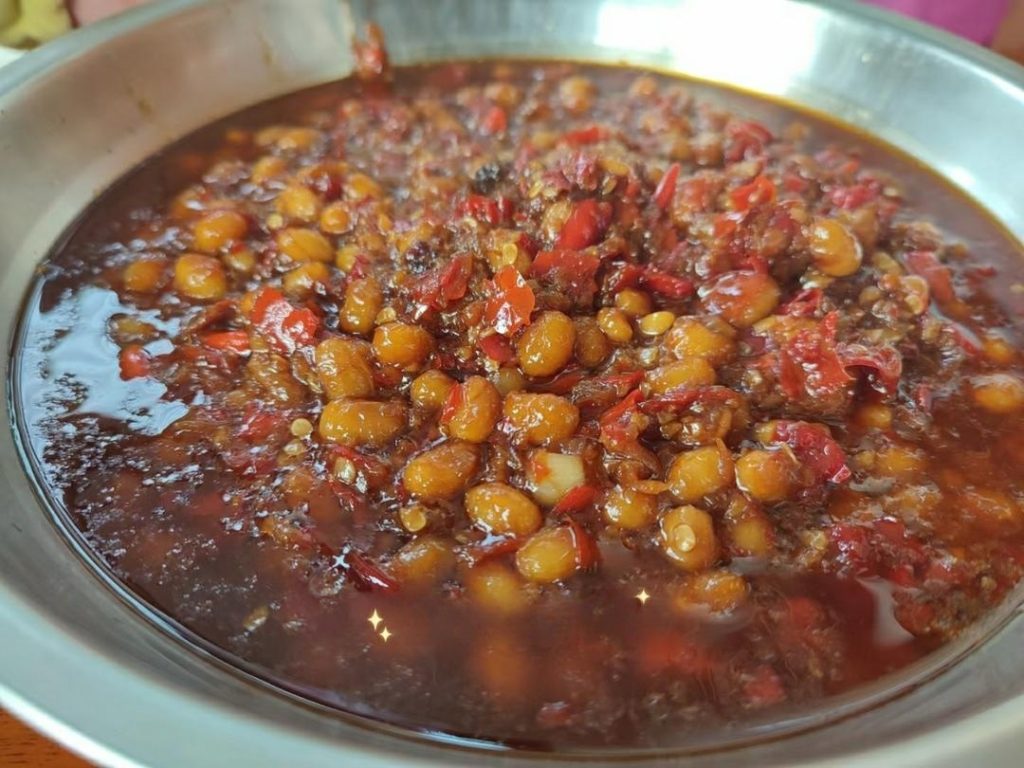
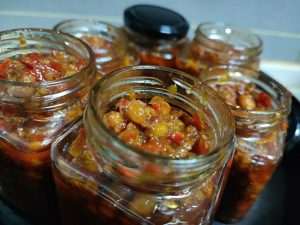
This isn’t the smooth, fermented paste you buy in jars at the supermarket. This is a textural masterpiece—a private family recipe I love dearly. It features whole soybeans that are first fried to a crisp and then soaked in soy sauce, creating a “meaty” bite that contrasts beautifully with the fiery heat of fresh chilies and the depth of garlic and ginger.
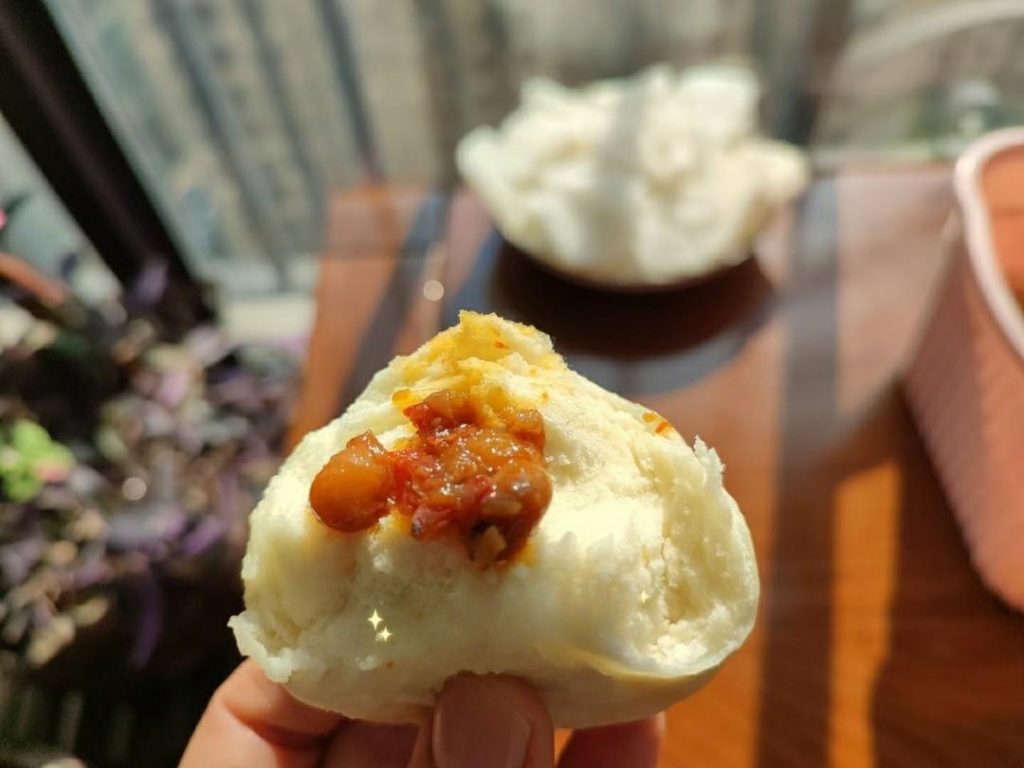
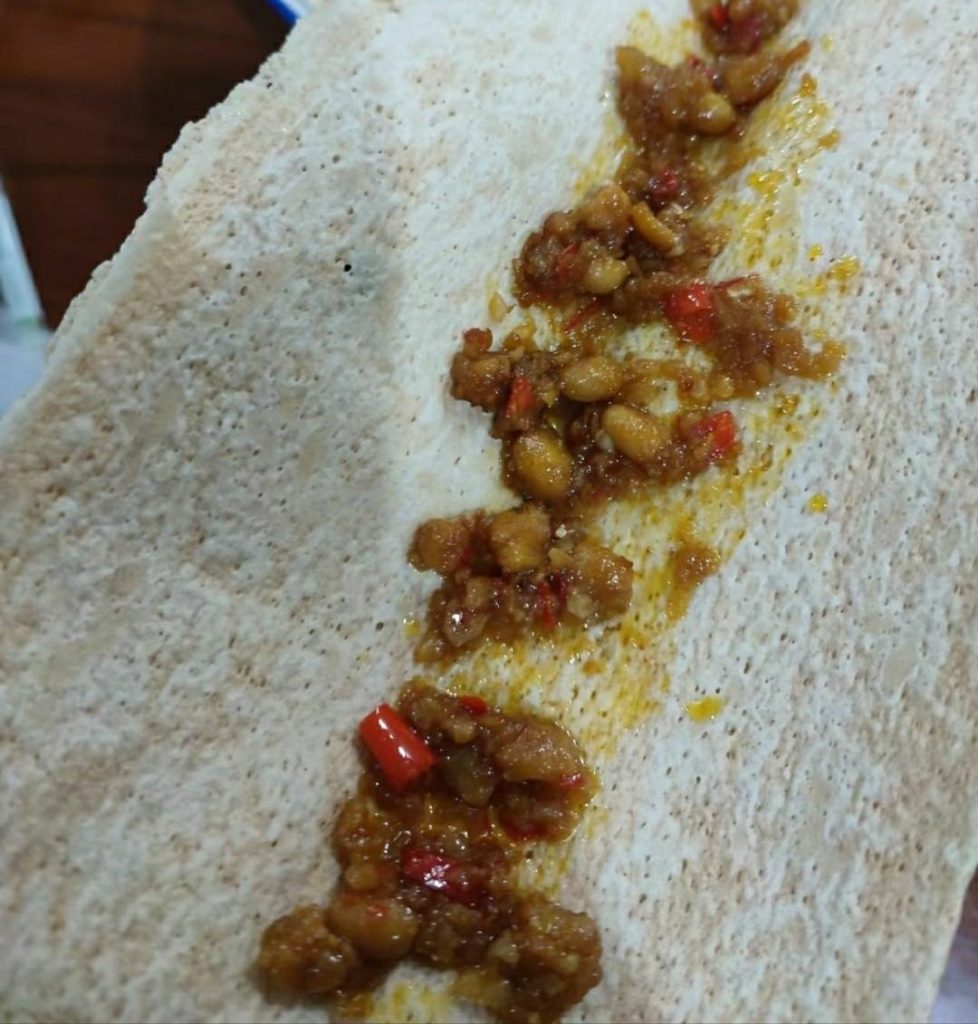
I remember bringing jars of this sauce to my colleagues years ago, and they would immediately demand the recipe. It is incredibly versatile. In my family, we eat it simply: dipping fluffy Beijing-Style Steamed Buns directly into the sauce or rolling it up in a scallion pancake. It also adds a profound kick when tossed into Chili Garlic Cold Noodles.
Why This Recipe Works
- Texture Contrast: Unlike commercial pastes which are pureed, this recipe keeps the soybeans whole. Frying the flour-coated beans creates a skin that absorbs the sauce, resulting in a chewy, satisfying texture (almost like meat).
- The “Double Soak” Technique: We soak the beans in water to hydrate them, but then soak the fried beans in soy sauce overnight. This ensures the flavor penetrates the very core of the bean, not just the surface.
- Freshness: By using fresh aromatics (fresh red chilies, ginger, garlic) rather than dried powders, the sauce retains a brightness that balances the deep umami of the soy sauce.
Key Ingredients & Substitutions
- Yellow Soybeans (Dried): You can find these in Asian markets or the health food section. They must be dried, not fresh edamame.
- Fresh Chilies: The original recipe calls for “Xiao Mi Jiao” (a small, spicy Chinese chili).
- Substitution: For a similar heat, use Thai Bird’s Eye Chilies. If you prefer a milder sauce, use Fresno peppers or Red Jalapeños. You can also mix them.
- All-Purpose Flour: This coats the beans before frying. It creates a “crust” that thickens the sauce later.
- Light Soy Sauce: Use a high-quality brand like Pearl River Bridge or Lee Kum Kee. This provides the salt and liquid base; no additional salt is needed.
- Chinese White Liquor (Baijiu): A small amount is used to enhance aroma and extend shelf life.
- Substitution: You can use Vodka or Gin as a neutral, high-proof alcohol substitute.
- Rock Sugar: Adds a glossy sheen and mellow sweetness.
- Substitution: Granulated white sugar or brown sugar works fine.
A Note on Equipment
You will need a food processor or blender to blitz the aromatics (chilies, ginger, garlic). A large, heavy-bottomed pot or wok is essential for the simmering stage to prevent burning.
Recipe Notes Before You Start
- Plan Ahead: This is a two-day process. The beans need to soak in water overnight, and then soak in soy sauce for another night (or at least 8 hours).
- Oil Selection: My father, a chef, always recommends Rapeseed oil (Caizi you) for its nutty fragrance, but peanut oil or vegetable oil works perfectly fine.
- Salty Warning: The beans are submerged in soy sauce. Do not add extra salt.
How to Make Spicy Yellow Soybean Paste
Phase 1: Prep the Beans (Day 1 & 2)
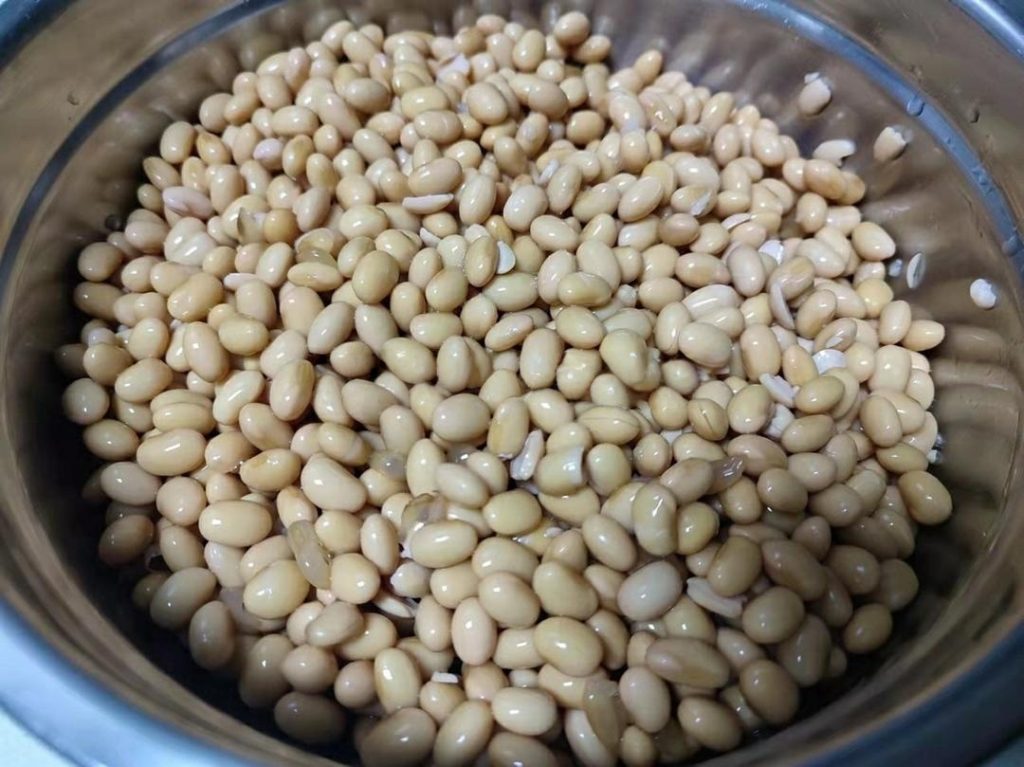
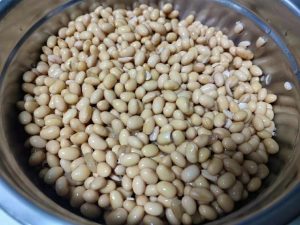
- Soak: Wash the dried soybeans thoroughly. Place them in a large bowl and cover with plenty of water. Let them soak overnight until they are fully expanded.
- Boil: Drain the soaking water. Place the beans in a pot (or rice cooker/pressure cooker) with fresh water. Cook until the beans are soft and cooked through (about 2 hours on the stove, or use the “Soup” setting on a rice cooker).
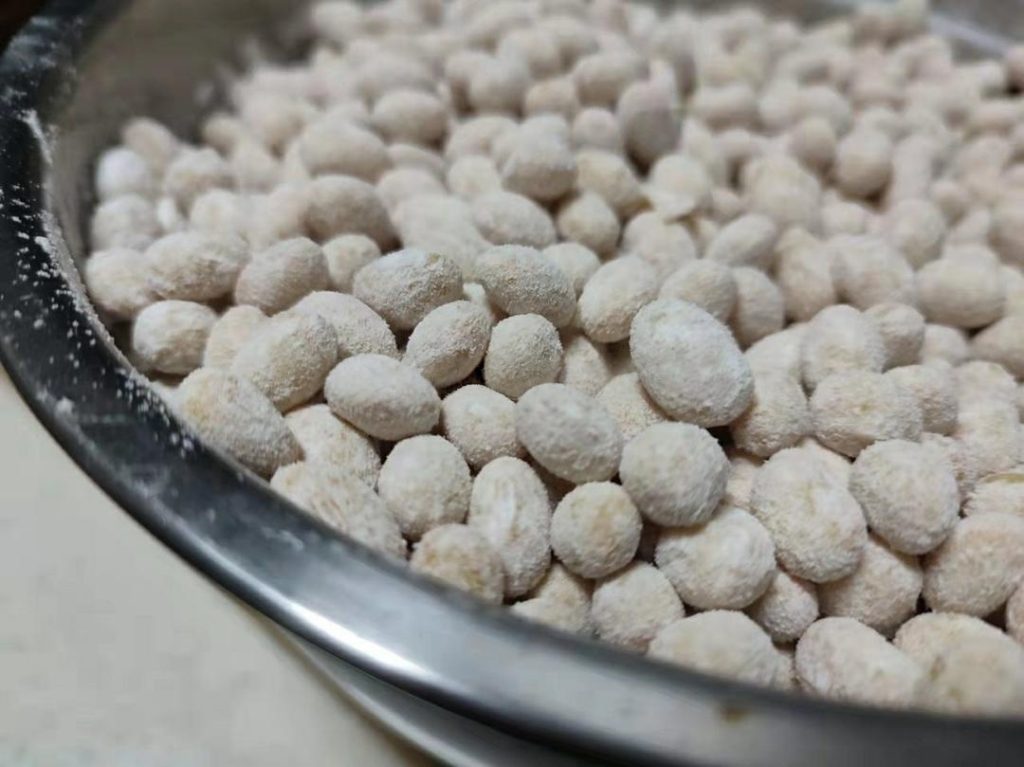
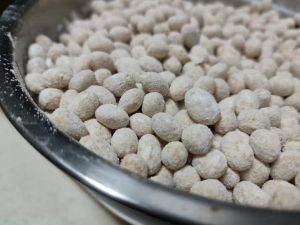
- Coat: Drain the cooked beans well. While they are slightly damp (but not dripping), sprinkle the flour over them. Toss well until every bean is coated in a thin layer of flour.
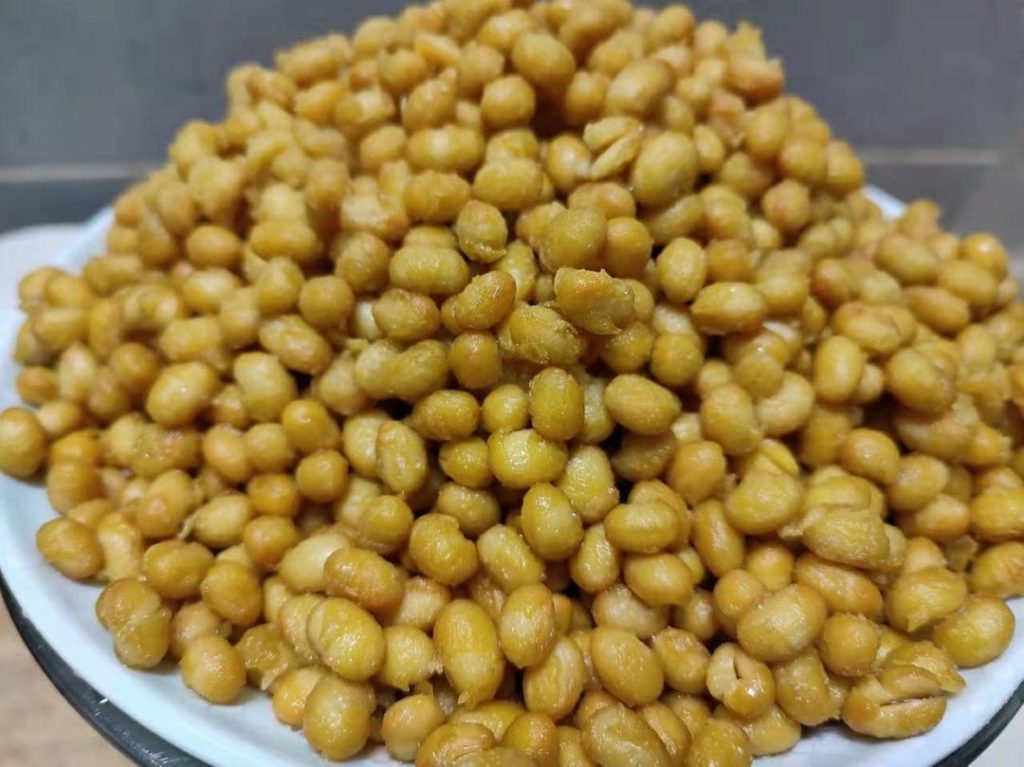
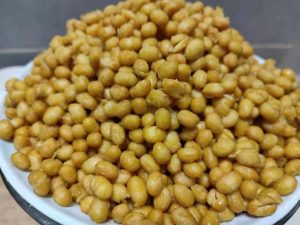
- Fry: Heat oil in a wok or deep pan. Fry the flour-coated beans until the flour coating turns a light golden color and becomes slightly crispy.
- Why? This step removes excess moisture and creates a texture that will sponge up the sauce later.
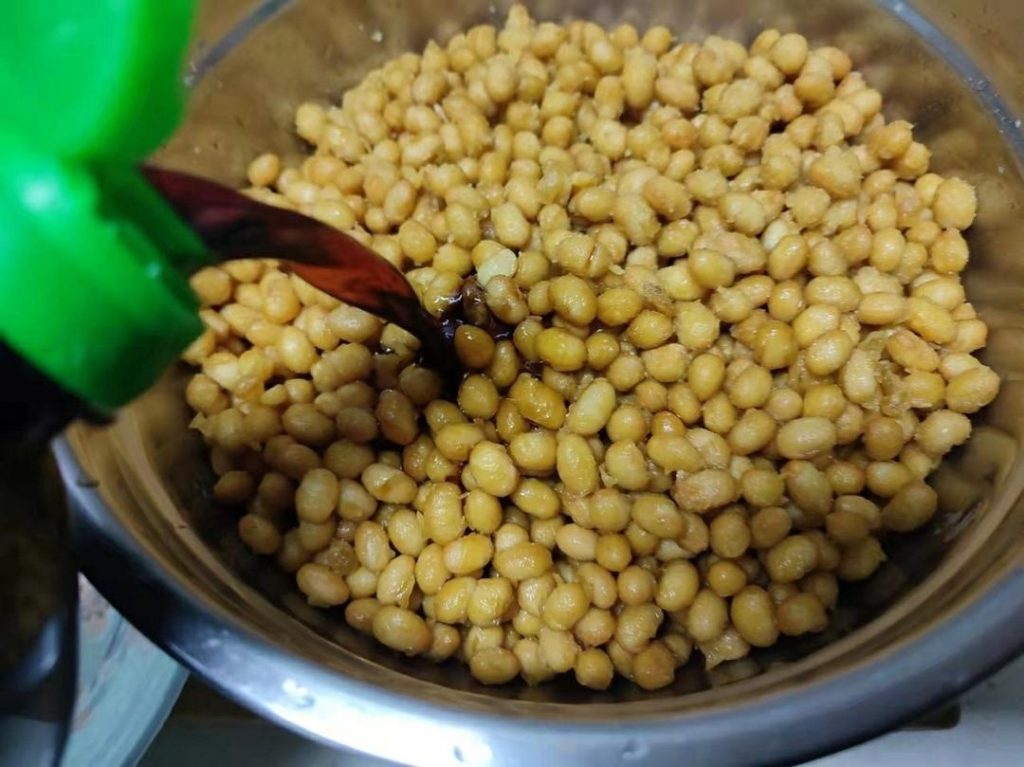
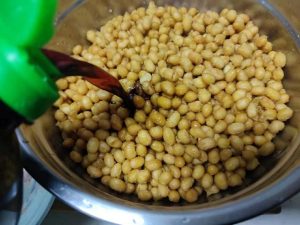
- Marinate: Remove the beans and place them in a glass container or ceramic bowl. Pour the Light Soy Sauce over the beans until they are completely submerged. Cover and let this sit overnight. The beans will drink up the soy sauce flavor.
Phase 2: The Aromatics & Simmering (Day 3)
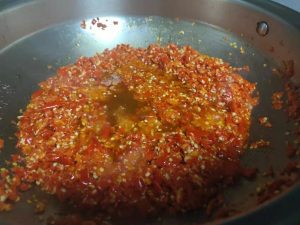
- Blitz: Using a food processor, pulse the fresh chilies, peeled ginger, and peeled garlic until they are finely minced. (Don’t puree them into juice; we want small distinct bits).
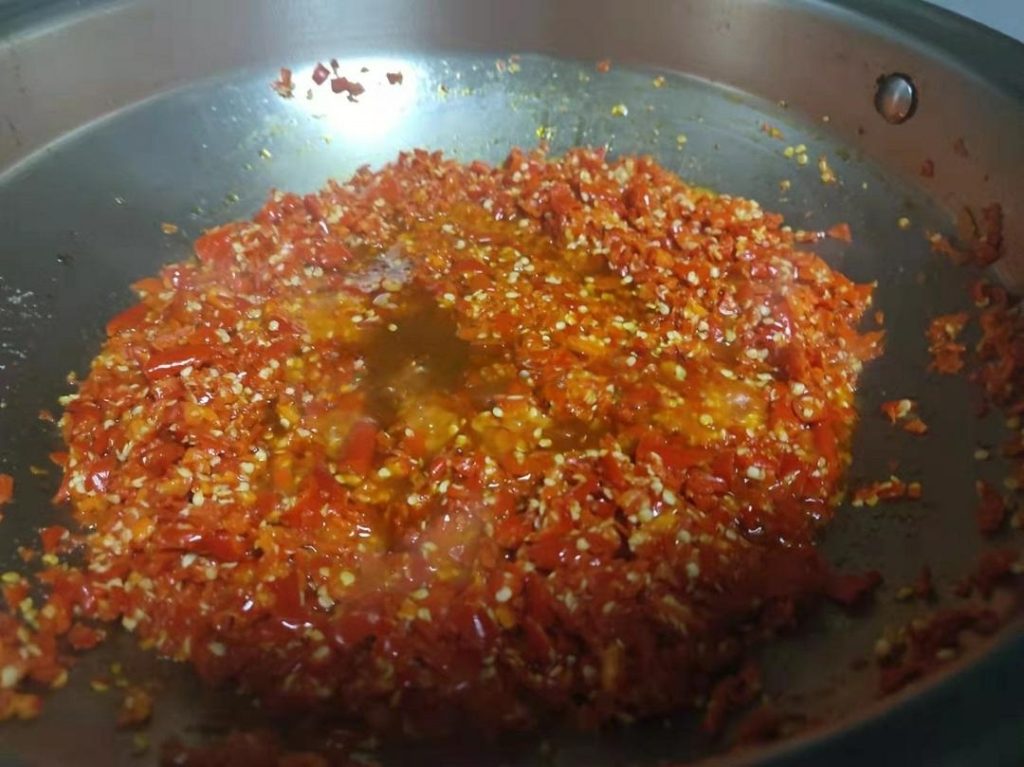
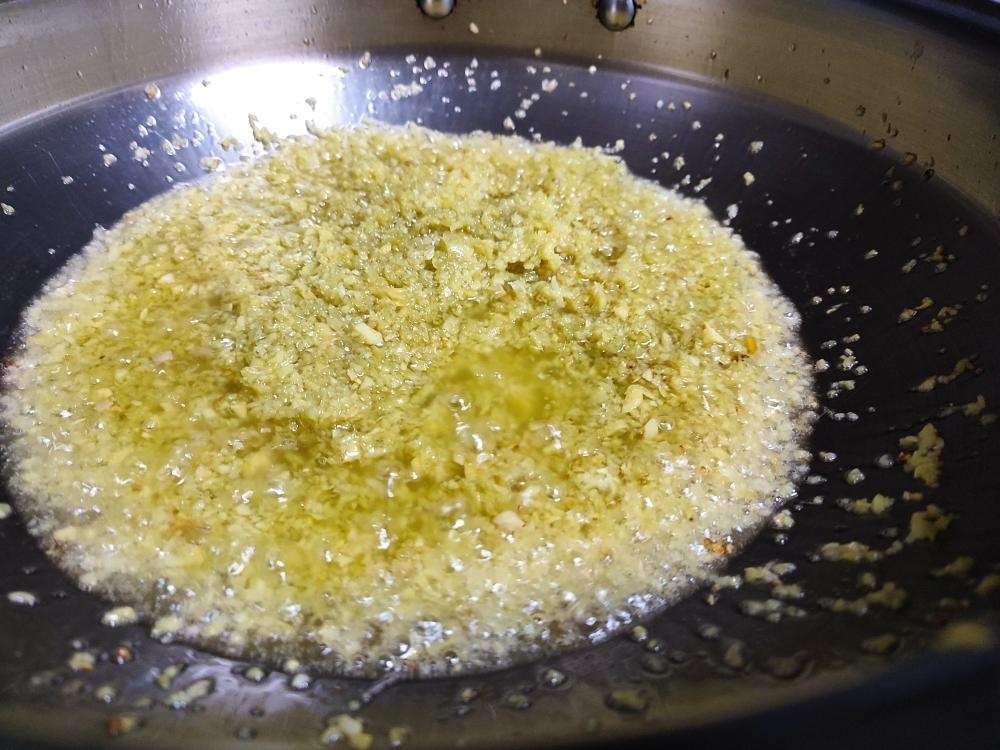
- Fry Aromatics: Add a generous amount of oil to a wok over medium heat. First, add the minced chilies and stir-fry until the oil turns red. Then, add the ginger and garlic. Stir-fry constantly until the aroma is potent and fills the kitchen.
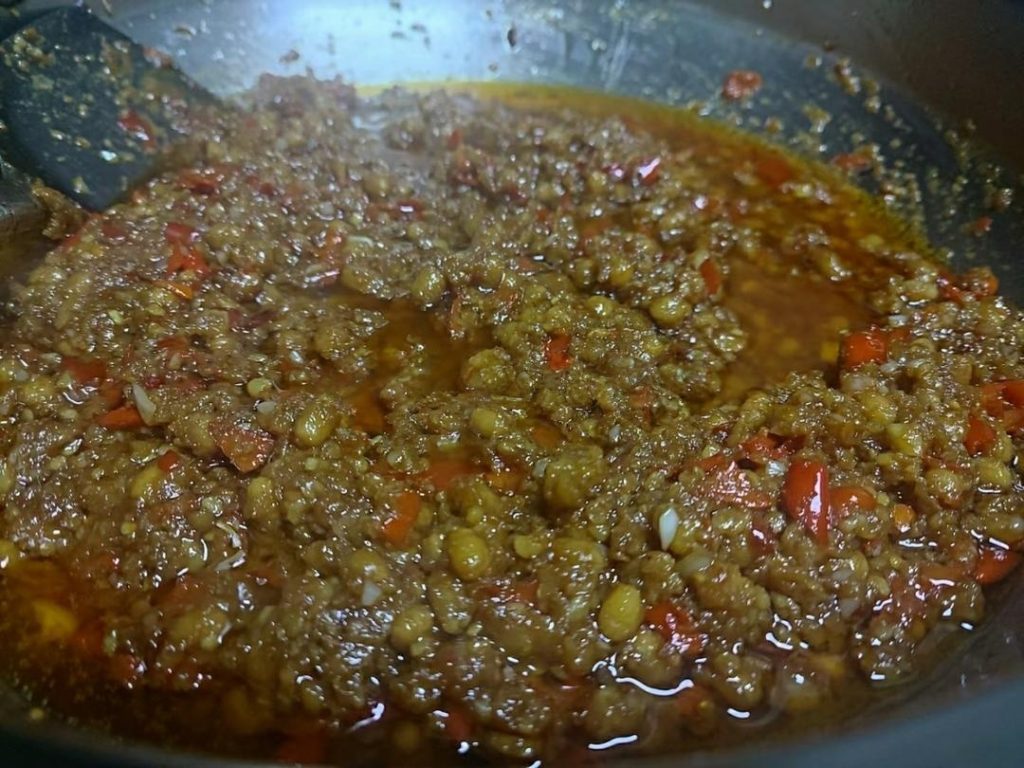
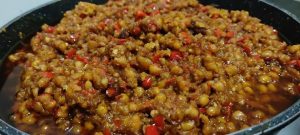
- Combine: Pour the soy-sauce-soaked soybeans (including the liquid) into the wok with the aromatics.
- Simmer: Turn the heat to medium-low. Add the white liquor (or vodka) and the rock sugar.
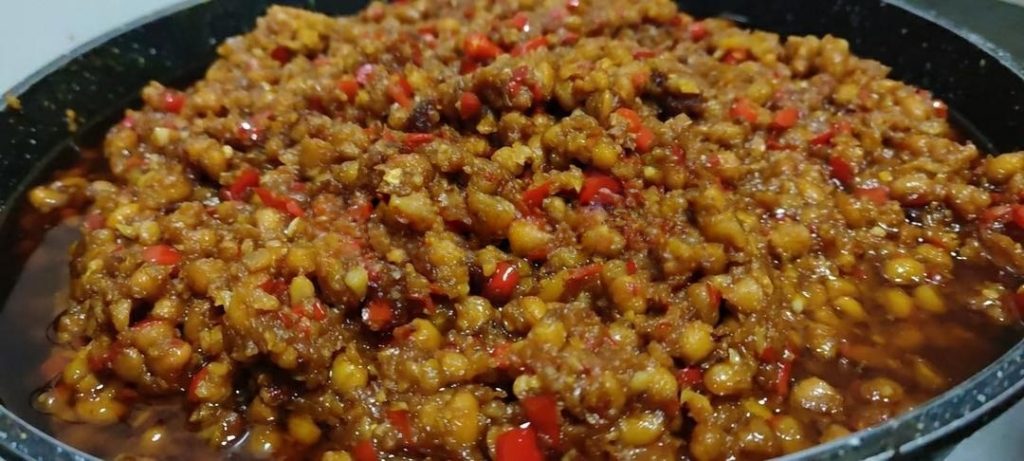
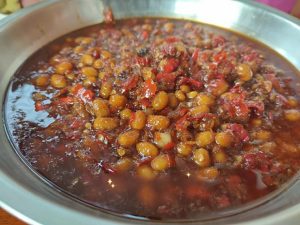
- Cook Down: Simmer for about 20 minutes, stirring frequently to prevent sticking. You want the water content to evaporate and the oil to separate and rise to the top. The sauce should look glossy and dark.
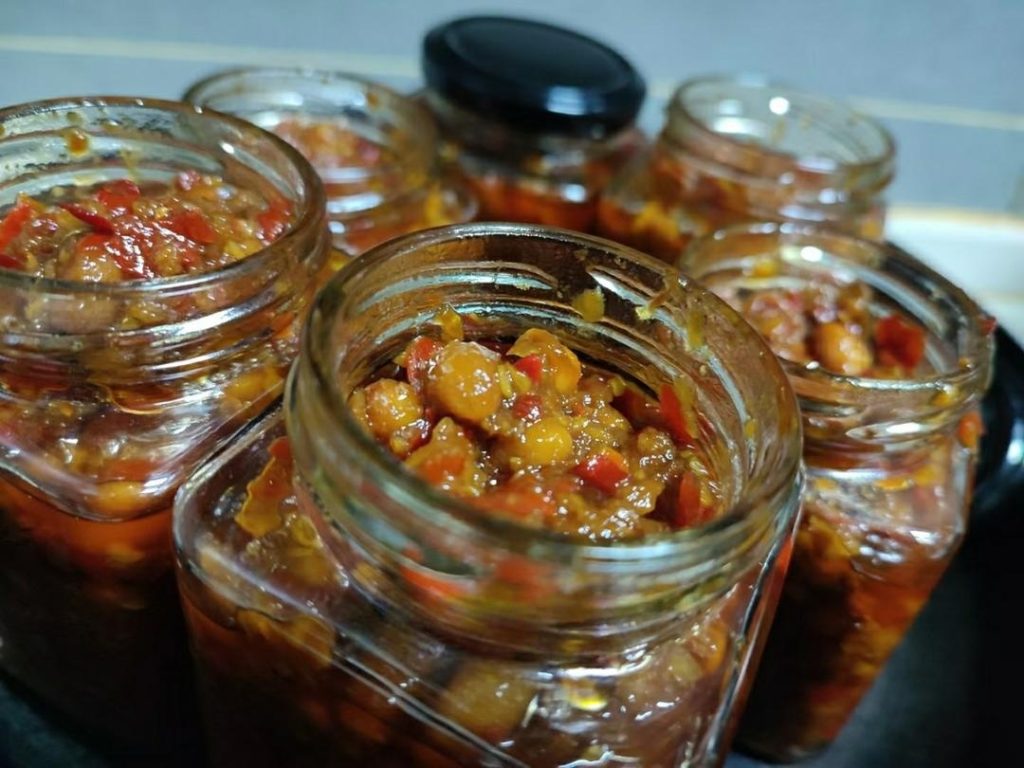
- Cool & Store: Let the sauce cool completely before transferring it to sterilized glass jars.
Troubleshooting & FAQ
Q: My sauce is too salty.
A: The saltiness depends entirely on the brand of soy sauce used. If you find it too salty, you can add a little more sugar to balance it out, or serve it sparingly with plain staples like rice or noodles.
Q: Can I use this for cooking?
A: Absolutely! It is fantastic for Braised Tofu with Scallions or stir-frying green beans. Just remember to reduce the salt in your main dish since this paste is salty.
Q: Why did my beans turn mushy?
A: You likely overcooked them during the boiling stage, or didn’t fry them long enough to create the crust. They should be soft but hold their shape.
Comparison: Homemade vs. Store-bought
| Feature | Homemade Spicy Paste | Store-bought (e.g., LKK) |
| Texture | Chunky, whole beans, visible chili bits | Smooth or mashed paste |
| Flavor | Fresh, bright, strong ginger/garlic profile | Fermented, deeper, standardized |
| Ingredients | No preservatives, real sugar | Often contains MSG, preservatives |
| Usage | Best for dipping or topping | Best for soup bases/stews |
Chef’s Tips for Success:
“This recipe is a labor of love that rewards patience. The most critical step is the ‘double soak’ method: ensuring the beans are fully hydrated with water first, then fully saturated with soy sauce after frying. Do not rush the overnight marinating step (Step 5), as this is what gives the beans their signature meaty, savory core. When frying the flour-coated beans (Step 4), aim for a light golden crispness; if they are too dark, they will become hard rather than chewy. Finally, when selecting your oil, Rapeseed oil (Caizi you) is the traditional choice in Sichuan for its rich, nutty aroma, but a neutral vegetable oil is a perfectly acceptable substitute for home kitchens.”
Nutrition Estimates (Per 2 tbsp serving):
- Calories: 180 kcal
- Total Fat: 11g (Saturated Fat: 1g)
- Cholesterol: 0mg
- Sodium: 950mg
- Total Carbohydrates: 12g
- Dietary Fiber: 3g
- Sugars: 4g
- Protein: 8g
Safety & Storage Reminders:
- Refrigeration Required: Unlike commercially fermented bean pastes which are shelf-stable, this homemade version contains fresh aromatics (garlic and ginger) that have not undergone long-term fermentation. It must be stored in the refrigerator to prevent spoilage and potential bacterial growth.
- Oil Seal: Always ensure a thin layer of oil covers the surface of the sauce inside the jar. This creates an airtight seal that prevents mold growth and oxidation.
- Utensil Hygiene: Always use a clean, dry spoon to scoop out the paste. Introducing water or saliva into the jar will significantly shorten its shelf life.
- Allergen Warning: This recipe contains Soy and Wheat (Gluten) from the flour coating and soy sauce.
- Disclaimer: Nutrition information is calculated using an ingredient database and should be considered an estimate. Actual values may vary depending on the specific brands of soy sauce and oil used.
Authoritative References
- National Center for Home Food Preservation: For safety guidelines regarding storing garlic and vegetables in oil to prevent botulism, please refer to their specific warning: https://nchfp.uga.edu/how/freeze/vegetable/freezing-garlic-in-oil/
- SoyInfo Center: To explore the comprehensive history and cultural significance of soybeans in Chinese cuisine, visit this detailed historical record: https://www.soyinfocenter.com/books/176
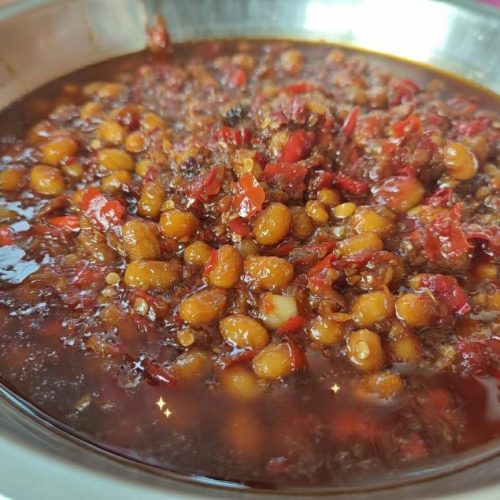
Homemade Spicy Yellow Soybean Paste (Huang Dou Jiang)

Equipment
- Food processor
- Wok or Heavy Pot
- Glass Jars (for storage)
Ingredients
Main Ingredients
- 1.1 lbs dried yellow soybeans (approx. 500g)
- 2 cups Light Soy Sauce (enough to submerge beans; approx 500ml)
- 1/2 cup all-purpose flour (adjust as needed to coat)
- 1 cup Vegetable Oil (Rapeseed oil preferred for authenticity)
Aromatics & Seasoning
- 5 oz Fresh Thai Bird’s Eye Chilies (150g, mix with milder red peppers for less heat)
- 3.5 oz Fresh Ginger (100g), peeled
- 10 oz Garlic cloves (300g), peeled
- 1 tsp Chinese White Liquor (Baijiu) (or Vodka)
- 1 tbsp Rock Sugar (approx 20g, or sub granulated sugar)
Instructions
- Day 1: Rinse the dried yellow soybeans thoroughly. Place them in a large bowl and cover with plenty of water. Allow them to soak overnight until they have expanded fully.

- Day 2: Drain the soaking water. Place beans in a pot or rice cooker with fresh water. Cook until soft but not mushy (about 2 hours on stovetop or using 'Soup' mode on rice cooker).
- Drain the cooked beans well. While slightly damp, sprinkle the flour over them and toss until evenly coated.
- Heat oil in a wok. Fry the flour-coated beans until the surface turns a light golden color. Remove beans and place in a clean container.
- Pour the Light Soy Sauce over the fried beans until they are completely submerged. Cover and let soak overnight.
- Day 3: Using a food processor, finely mince the fresh chilies, ginger, and garlic.
- Heat a generous amount of oil in the wok over medium heat. Add the minced chilies first and stir-fry until the oil turns red. Then add the ginger and garlic, stirring constantly until fragrant.
- Pour the soaked soybeans (and all the soy sauce liquid) into the wok.

- Stir in the white liquor (Baijiu) and rock sugar. Reduce heat to medium-low.
- Simmer for approximately 20 minutes, stirring frequently to prevent burning, until the sauce is glossy and the flavors have melded. Cool completely before jarring.












Leave a Reply