I have a confession to make: I am absolutely obsessed with anything “nuo ji ji.”

In Chinese dialect, nuo ji ji describes that delightful, soft, chewy, and sticky texture found in glutinous rice treats. Growing up in Sichuan, I initially thought sticky rice was reserved for sweets like sugar cakes. That was until I discovered Sticky Rice Shumai (Nuomi Shao Mai).
It changed my world. I remember being a confused kid, asking my chef father, “Why are we eating rice wrapped in wheat dough? Isn’t that just carbs on carbs?” He just smiled and handed me a steamer basket. One bite of that savory, soy-infused sticky rice mixed with rich pork fat and earthy mushrooms, and I was hooked.
Today, I’m sharing a special version: Paper-Thin Skin Shumai (Zhi Pi Shao Mai). Unlike the traditional thick-skinned versions sold at street stalls, these use a clever home cook’s hack—rolling out store-bought dumpling wrappers until they are translucent. It saves time, it’s incredibly satisfying, and honestly, I think it tastes better than what you buy in stores.
What is Zhi Pi Shao Mai?
While many people in the West are familiar with the Cantonese Shumai found in dim sum parlors (usually an open-faced dumpling filled with ground pork and shrimp), this version is a staple of Jiangnan and Shanghai cuisine.
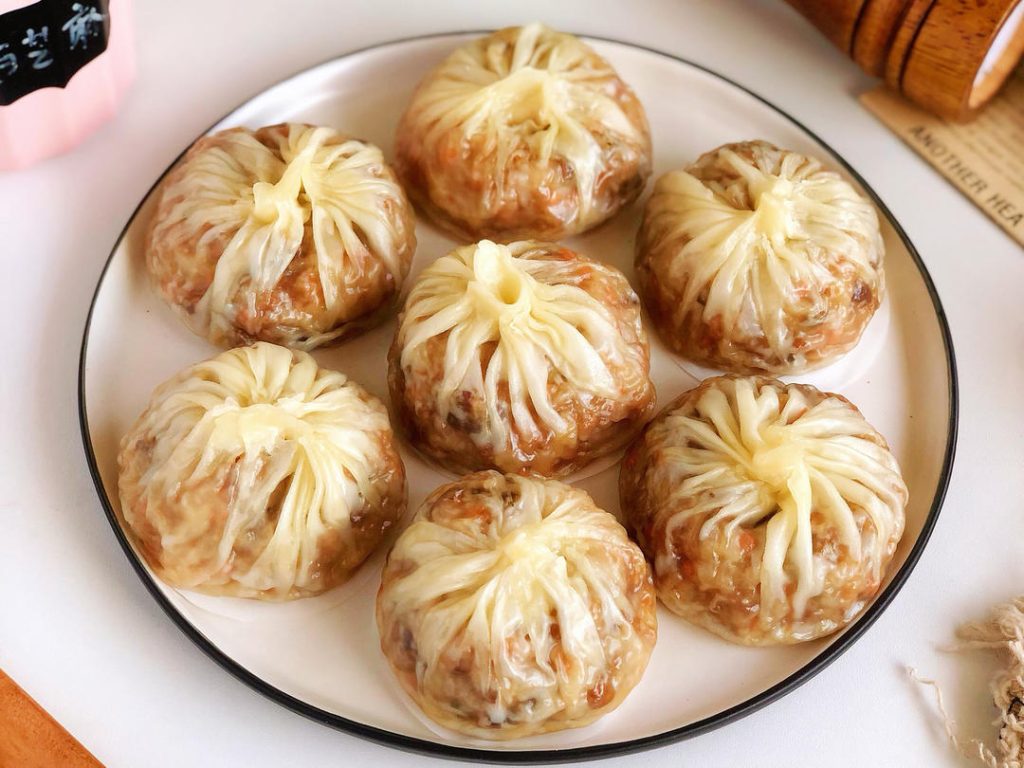
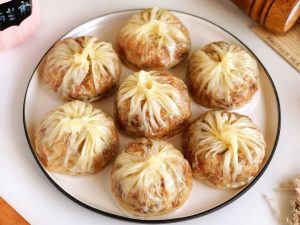
The star here is glutinous rice (sticky rice). The filling consists of steamed sticky rice stir-fried with aromatics, pork, and mushrooms. “Zhi Pi” literally translates to “Paper Skin.” By rolling standard dumpling wrappers until they are double their original size, we create a delicate skin that allows the dark, soy-sauced rice grains to peek through after steaming.
Why This Recipe Works
- Texture Contrast: The “paper-thin” skin provides a delicate container that doesn’t compete with the chewy, satisfying texture of the sticky rice filling.
- The Wrapper Hack: Making dough from scratch can be intimidating. Using store-bought Vegetable Steamed Dumplings wrappers and rolling them thin makes this recipe accessible for weeknight cooking.
- Flavor Depth: We don’t just mix the rice with meat; we stir-fry the pork and mushrooms first to render the fat, creating a savory oil that coats every grain of rice.
- Pre-Soaked Mushrooms: We utilize the mushroom soaking liquid in the sauce, injecting a massive dose of natural umami into the filling.
Key Ingredients and Substitutions
1. Glutinous Rice (Sweet Rice)
You must use short-grain glutinous rice (often labeled as “Sweet Rice” or “Sticky Rice”). Do not substitute with Jasmine rice or Sushi rice. They do not have the correct starch content to achieve the signature chewy texture.
- Note: This rice requires soaking, so plan ahead!
2. Dried Shiitake Mushrooms
Fresh mushrooms won’t work as well here. Dried shiitake mushrooms have a concentrated, smoky flavor and a meatier texture that stands up to the long steaming process.
- Tip: Can’t find them? Portobello mushrooms are a decent fresh alternative, but you will lose that signature aroma.
3. Pork Belly or Fatty Minced Pork
My recipe calls for pork belly cut into small dice, or a fatty ground pork (at least 20% fat). The fat renders out and lubricates the sticky rice, preventing it from being dry.
- Deeper Dive: If you want to learn more about selecting pork for dumplings, check out my guide on Pork Dumpling Filling.
4. Dumpling Wrappers
Look for “Shanghai Style” or standard white, round dumpling wrappers. Avoid the yellow, egg-based wonton skins for this specific “paper skin” technique, as they handle differently when rolled thin.
Recipe Notes Before We Begin
Soaking is Science: Glutinous rice grains are opaque and hard. Soaking them for at least 4 hours (or overnight) allows water to penetrate the core, ensuring they steam up plump and translucent rather than chalky.
The “Paper” Technique: To get the skin thin without it sticking to your rolling pin, we will stack several wrappers together with plenty of starch in between. This is a technique I learned from a dim sum master to increase efficiency.
Equipment Needed:
- A steamer (Bamboo or metal)
- A wok or large frying pan
- A rolling pin
- A rice cooker (Optional, but recommended for consistent rice texture)
How to Make Sticky Rice Shumai
Step 1: Prepare the Rice and Mushrooms
First, wash your glutinous rice thoroughly until the water runs clear. Soak it in cold water for at least 4 hours or overnight.
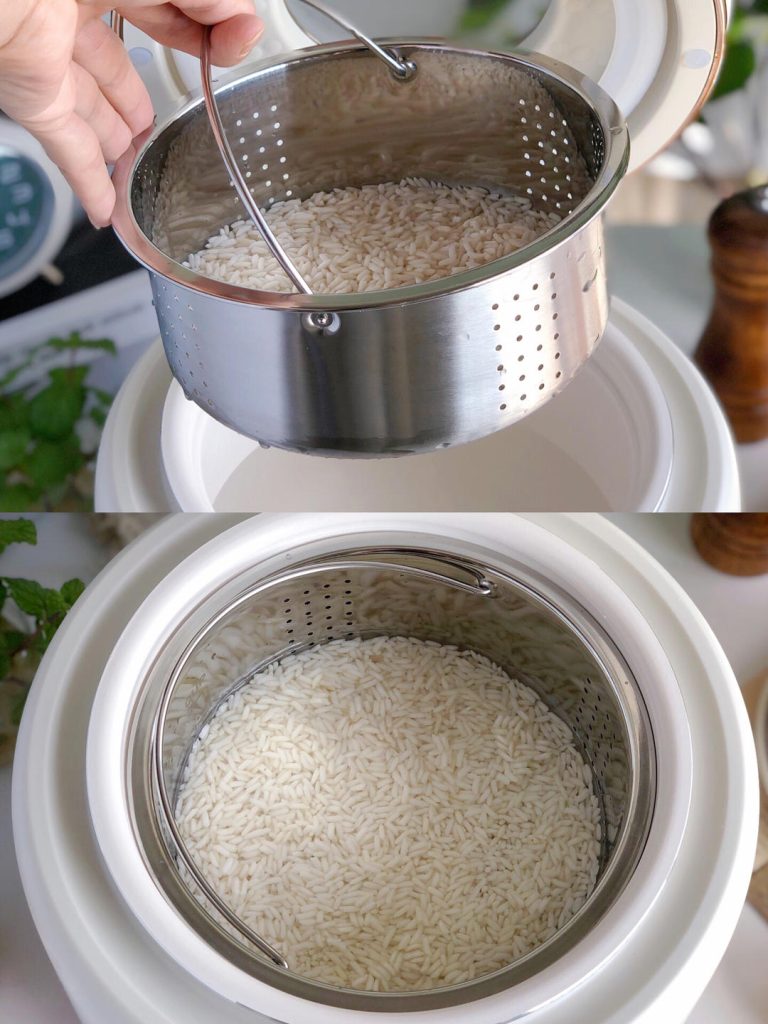
- Cooking the Rice: Drain the rice. You can steam it in a steamer basket lined with cheesecloth for 30-40 minutes, or use a rice cooker.
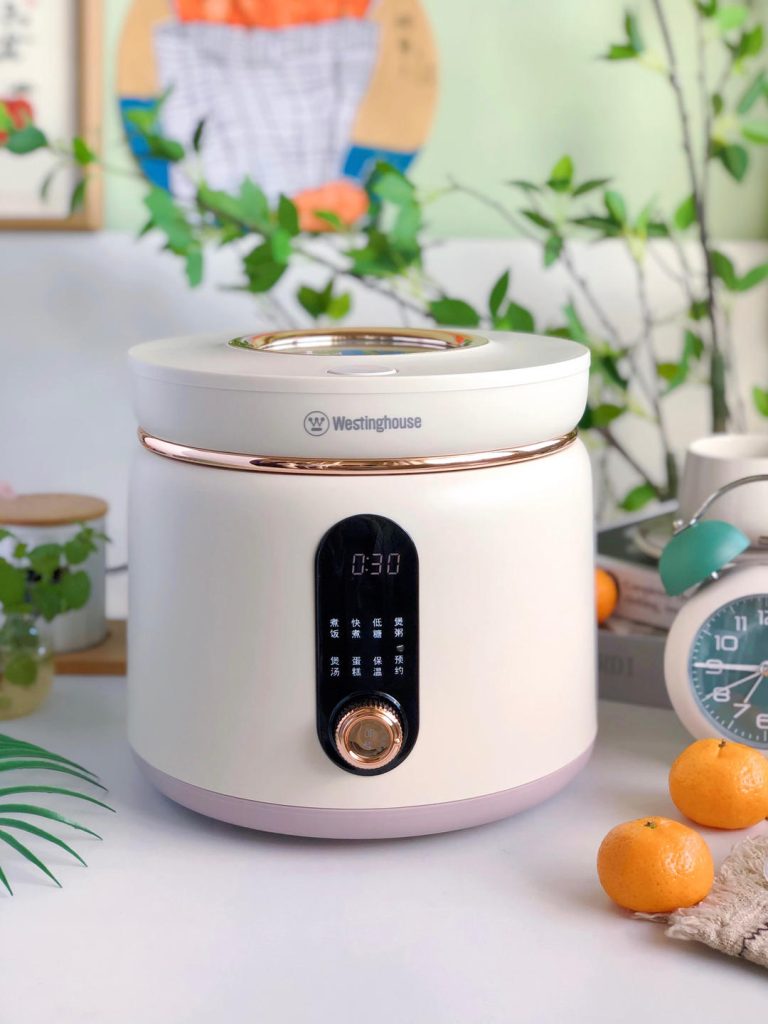
- My Method: I prefer using a rice cooker with slightly less water than usual (just enough to cover the rice). This mimics the traditional “Lao Fan” (drained rice) method, ensuring the grains remain distinct (al dente) and don’t turn into mush.
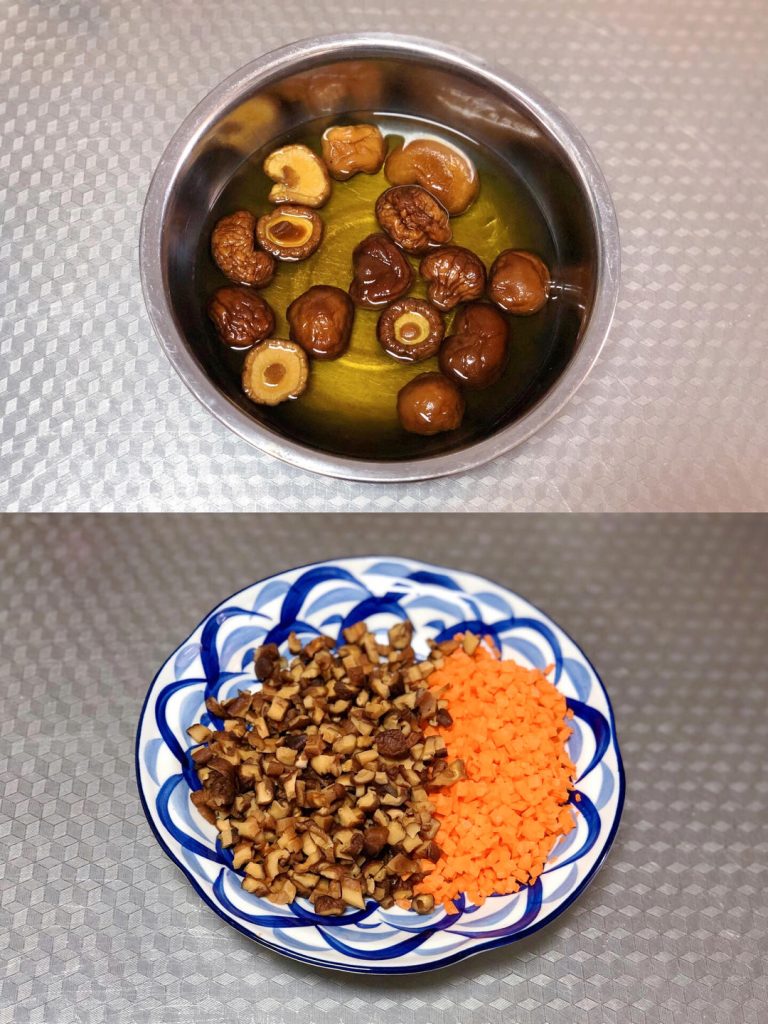
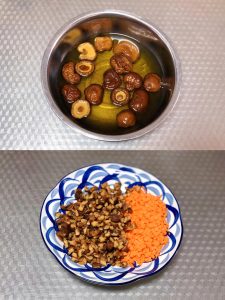
Simultaneously, soak the dried shiitake mushrooms in warm water until soft. Important: Save the brown soaking liquid! Squeeze the mushrooms dry and dice them finely. Peel and dice the carrot into similar-sized cubes.
Step 2: Stir-Fry the Filling Base
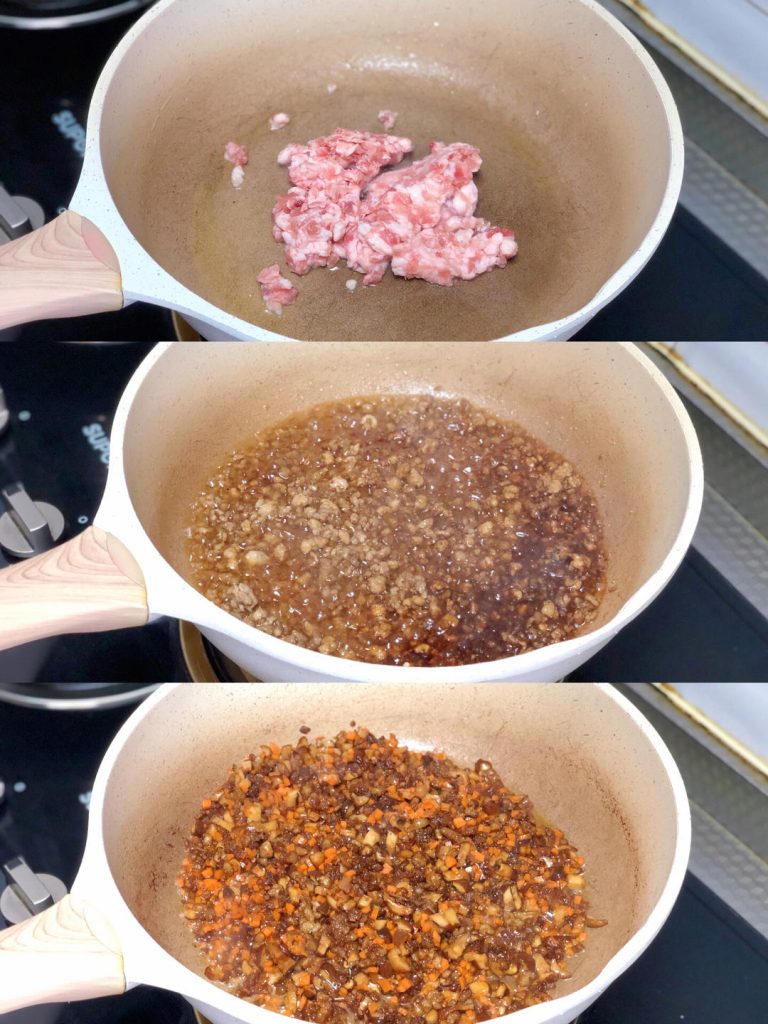
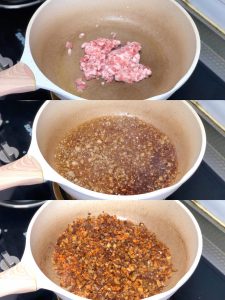
Heat your wok over medium-high heat. Add oil and the diced pork belly (or ground pork). Stir-fry until the meat turns pale and releases its aroma.
- Why? Browning the meat triggers the Maillard reaction, adding savory depth that boiling cannot achieve.
Add the diced mushrooms and carrots. Stir-fry for another minute until fragrant.
Step 3: Seasoning the Mixture
Now, add your seasonings: soy sauce, dark soy sauce (crucial for that amber color), oyster sauce, five-spice powder, sugar, and salt. Pour in a small amount of the reserved mushroom soaking water.
- Simmer: Let this mixture simmer for 2 minutes until the liquid reduces slightly but is still saucy. We want enough liquid to coat the rice, but not so much that it becomes soup.
Step 4: Combine Rice and Meat
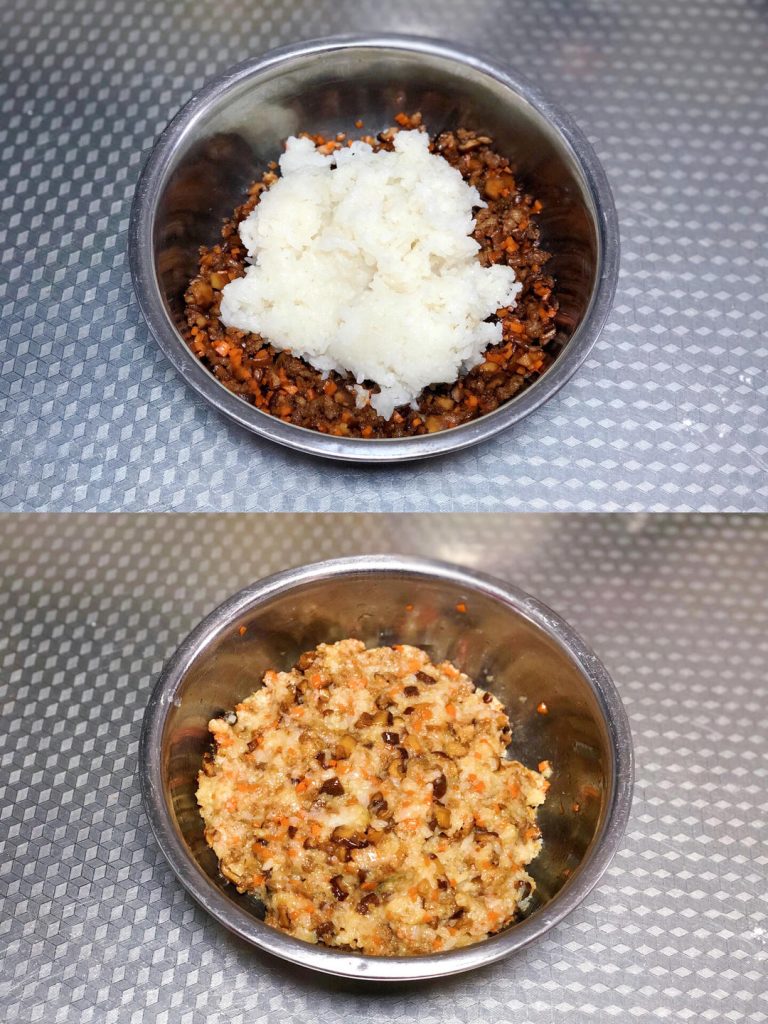
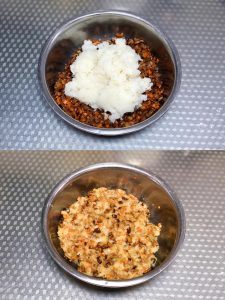
While the rice is still warm (this makes mixing easier), add it to the wok with the pork mixture. Turn off the heat. Fold everything together gently until every grain of rice is coated in that glossy, brown savory sauce. Taste it! It should be slightly saltier than you prefer, as the wrapper will dilute the flavor.
Step 5: Create the “Paper” Skins
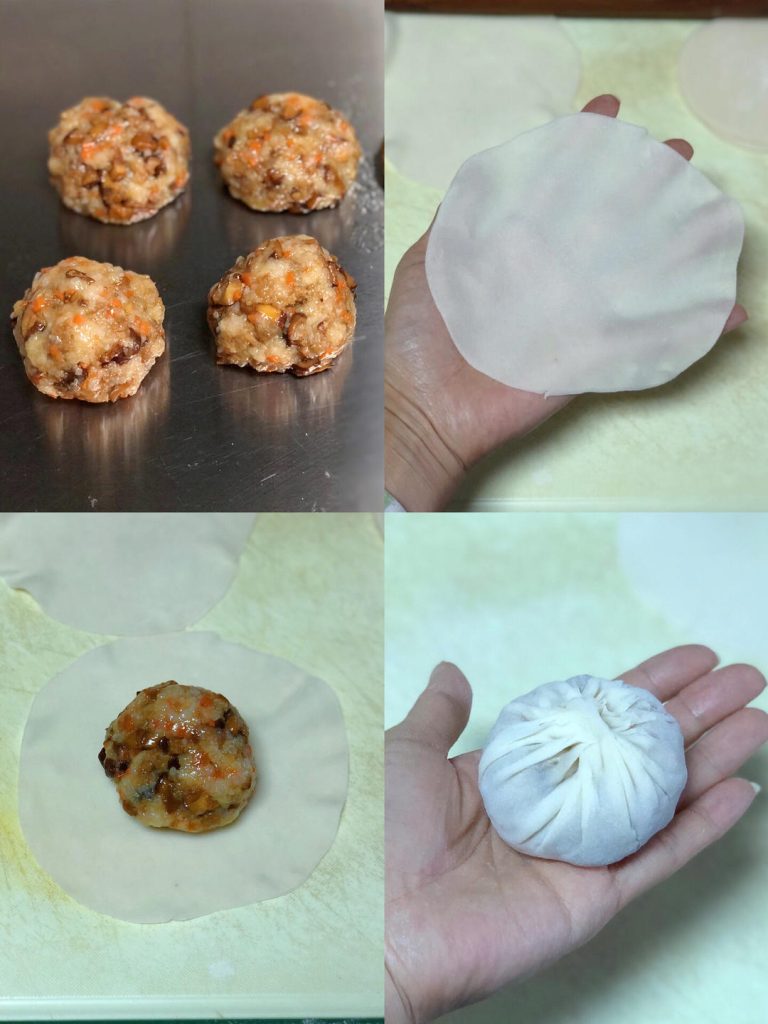
Take your store-bought dumpling wrappers. Take 3-4 wrappers and stack them, dusting a little flour or cornstarch between each layer to prevent sticking.
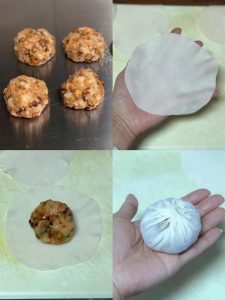
Roll: Using a rolling pin, gently roll the stack until they increase in diameter by about 50% (approx. 4.5 to 5 inches wide). They should be very thin. Peel them apart gently.
Step 6: Wrap the Shumai
Place about 2 tablespoons (approx 65g) of filling into the center of a wrapper. Gather the edges up around the filling. unlike Fresh Meat Wontons, we do not seal the top completely.
- Shape: Squeeze the “waist” of the dumpling to secure it, leaving the rice exposed at the top. It should look like a little money bag.
Step 7: Steam
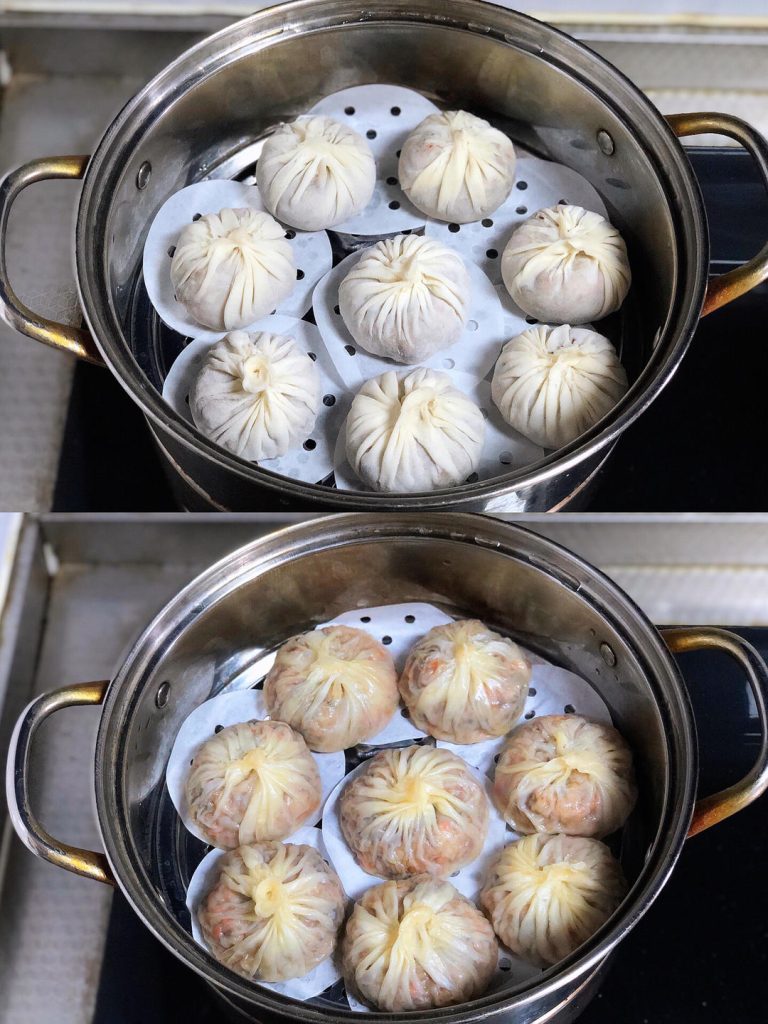
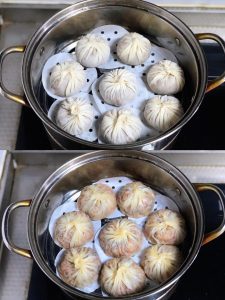
Place the shumai into a steamer lined with parchment paper or carrot slices (to prevent sticking). Steam over boiling water on high heat for 8 to 10 minutes.
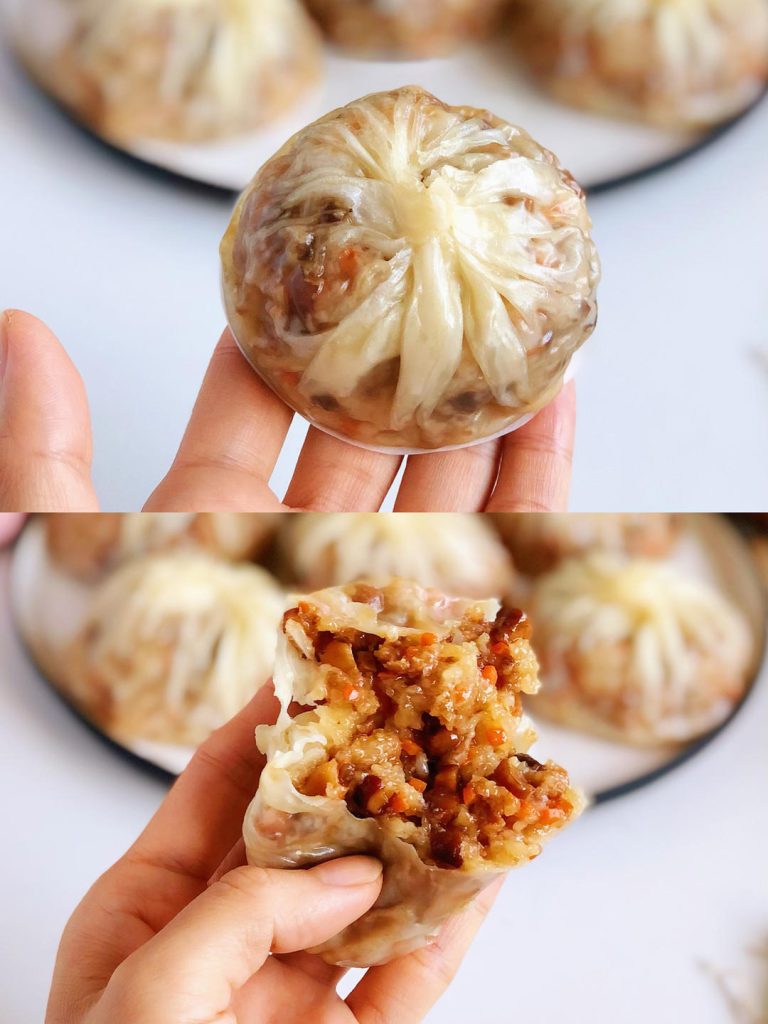
- Visual Cue: The skin will turn transparent, revealing the dark filling inside. The rice is already cooked, so we are just cooking the wrapper and heating it through.
Pairing Suggestions
In China, we surprisingly eat these carb-heavy treats with more carbs! However, for a balanced home meal, I recommend pairing them with something light and acidic to cut through the richness:
- Smashed Cucumber Salad
- Seaweed Egg Drop Soup
- A simple dip of black vinegar and ginger.
Troubleshooting & FAQ
Q: My rice turned out mushy. What happened? A: You likely used too much water when cooking the rice. Glutinous rice absorbs less water than jasmine rice. When steaming or using a rice cooker for this recipe, the water should barely cover the rice grains.
Q: Can I freeze these? A: Absolutely. Arrange the uncooked shumai on a baking sheet and freeze until solid, then transfer to a bag. Steam from frozen for 12-15 minutes.
Q: Why did my wrapper break? A: If the wrapper is rolled too thin, it might burst. Also, ensure your filling isn’t too wet. If the sauce wasn’t reduced enough in Step 3, the excess moisture will dissolve the thin dough.
Q: Can I use chicken instead of pork? A: Yes! Ground chicken thighs work well. You might need to add a little more oil to the wok since chicken is leaner than pork belly.
Nutrition Information (Per Serving – Estimate for 1 Shumai)
- Calories: 180 kcal
- Carbohydrates: 28g
- Protein: 6g
- Fat: 5g
- Saturated Fat: 1.5g
- Cholesterol: 15mg
- Sodium: 320mg
- Potassium: 90mg
- Fiber: 1g
- Sugar: 1g
- Vitamin A: 150IU
- Calcium: 10mg
- Iron: 1.2mg
Disclaimer: Nutrition information is calculated using an ingredient database and should be considered an estimate. In cases where multiple ingredient alternatives are given, the first listed is calculated for nutrition. Garnishes and optional ingredients are not included. Actual values may vary depending on the specific brands of ingredients used.
Food Safety and Preparation
- Internal Temperature: Ensure the internal temperature of the pork filling reaches at least 165°F (74°C) after steaming to prevent foodborne illness.
- Rice Handling: Cooked rice can develop Bacillus cereus bacteria if left at room temperature for extended periods. Mix the filling and wrap the shumai promptly. If not wrapping immediately, refrigerate the rice mixture.
- Allergen Warning: This recipe contains Soy (soy sauce), Wheat (dumpling wrappers, soy sauce), and Shellfish/Mollusks (oyster sauce). If cooking for someone with a gluten allergy, you must use gluten-free soy sauce and make your own dough using gluten-free flours.
Essential Tips for Success:
- The “Soaking” Rule: Do not skip soaking the glutinous rice! It needs at least 4 hours (preferably overnight) to hydrate fully. If you rush this step, the rice inside the shumai will be hard and chalky even after steaming.
- Liquid Gold: Never discard the water used to soak the dried shiitake mushrooms. This brown liquid is packed with natural umami. We use a small amount of it in the filling to deepen the savory flavor without adding MSG.
- The Wrapper Hack: To make the skins “paper-thin” without them sticking to your rolling pin, stack 3 or 4 store-bought dumpling wrappers together with a generous dusting of cornstarch or flour in between each layer. Roll them out simultaneously to save time and achieve that translucent effect.
- Make-Ahead & Storage: These freeze beautifully. Place uncooked formed shumai on a baking sheet in the freezer until solid, then transfer to a ziplock bag. They can be steamed directly from frozen; just add 2-3 minutes to the steaming time. Leftovers can be refrigerated for up to 3 days.
Authoritative References
- For safe meat preparation temperatures, refer to the USDA Food Safety and Inspection Service.
- To understand the cultural significance of dim sum and shumai, The Woks of Life offers excellent historical context on Cantonese vs. Shanghai styles.
I truly believe that making Sticky Rice Shumai at home unlocks a level of flavor you just can’t get from the frozen aisle. The combination of the “Q” texture of the rice and the savory pork mushroom richness is pure comfort food. Give it a try!
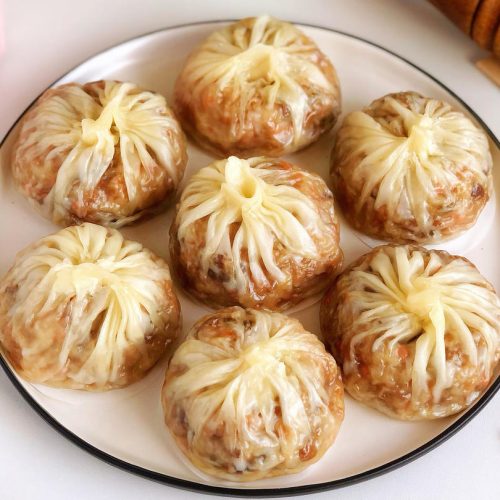
Sticky Rice Shumai with Mushroom and Pork (Zhi Pi Shao Mai)

Equipment
- 1 Steamer (Bamboo or Metal) Essential for cooking the shumai.
- 1 Wok or large skillet For stir-frying the filling.
- 1 Rice Cooker Optional, but recommended for consistent sticky rice texture.
- 1 Rolling Pin To roll the wrappers thin.
Ingredients
The Filling
- 2 cups glutinous rice (sweet rice) uncooked, must be soaked for 4+ hours
- 0.5 lb pork belly or fatty ground pork diced small
- 15 dried shiitake mushrooms rehydrated and diced (save the water!)
- 0.5 carrot peeled and finely diced
The Seasoning
- 2 tbsp light soy sauce
- 2 tbsp dark soy sauce for color
- 1 tbsp oyster sauce
- 0.5 tsp five-spice powder
- 1 tsp sugar
- 0.5 tsp salt adjust to taste
- 2 tbsp cooking oil vegetable or canola
The Wrappers
- 20 dumpling wrappers store-bought, round white style
Instructions
- Rinse the glutinous rice and soak in cold water for at least 4 hours. Drain. Cook the rice in a steamer or rice cooker with water level just even with the rice (less water than usual) to keep grains distinct.

- Rehydrate dried shiitake mushrooms in warm water. Squeeze dry (reserve the liquid!) and dice finely. Dice the pork belly and carrot into small cubes.
- Heat oil in a wok over medium-high heat. Stir-fry the pork until it changes color and fat renders. Add mushrooms and carrots; stir-fry until fragrant.
- Add light soy sauce, dark soy sauce, oyster sauce, five-spice powder, sugar, salt, and about 1/4 cup of the reserved mushroom water. Simmer for 2 minutes until the sauce slightly thickens.
- Mix the cooked sticky rice into the wok with the pork mixture. Stir gently until every grain is coated in the sauce. Taste and adjust salt if needed. Let cool slightly.
- Take the dumpling wrappers. Stack 3-4 wrappers with flour dusted between them. Roll them out with a rolling pin until they are about 50% larger and very thin (almost transparent).
- Place about 2 tablespoons of filling in the center of a wrapper. Gather the edges up and squeeze the ‘waist’ of the dumpling to secure, leaving the rice exposed at the top.
- Prepare a steamer. Place shumai inside, spaced apart. Steam on high heat for 8-10 minutes until the skin is translucent.
- Serve immediately while hot.













Leave a Reply