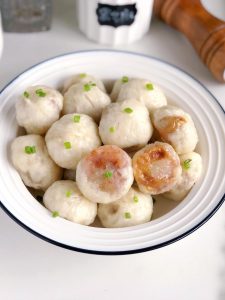
In Beijing, Xiao Long Bao (小笼包) holds a special place in the breakfast culture. Unlike the soup-filled dumplings from Shanghai that require a straw to eat, the Northern street-style Xiao Long Bao features a soft, fluffy leavened dough that encases a juicy, savory meat filling. The juices soak slightly into the dough, creating a texture that is affectionately described as “soft dough with oil permeating through” (软面透油).

As the weather in Beijing turns colder, leaving the house for breakfast becomes a chore. Recently, my son was craving these buns, but my father—a professional Chinese chef with 20 years of experience—wasn’t keen on braving the morning chill. That’s when I decided to step in. Drawing on decades of handling flour and my family’s culinary background, I recreated these buns at home.
The result? My husband and son declared them 95% identical to the street stall version, perhaps even tastier. Today, I’m sharing this specific method so you can skip the cold morning trek and enjoy steaming hot, fluffy buns right in your own kitchen.
What Are Beijing-Style Xiao Long Bao?
It is important to clarify a common confusion. In the West and Southern China, “Xiao Long Bao” refers to thin-skinned soup dumplings made with unleavened dough. However, in Northern China (like Beijing and Tianjin), the term often refers to Xiao Baozi—small, leavened steamed buns.

These buns are bite-sized, incredibly soft, and filled with a rich pork mixture that binds perfectly with the fluffy wrapper. They are comfort food personified.
Why This Recipe Works
- The “Half-Cooked” Filling Technique: This is the secret weapon. By cooking one-third of the pork filling with aromatics and soy sauce before mixing it with the raw pork, we lock in a rich, caramelized flavor (thanks to the Maillard reaction) while retaining the juicy tenderness of the raw meat.
- High Hydration Dough: The recipe uses a higher water-to-flour ratio (about 75%), resulting in a dough that is soft and slightly sticky but yields an incredibly fluffy texture after steaming.
- Aromatic Infusion: Using Sauce Pork Buns principles, we infuse the oil with 13-spice powder and ginger, creating a depth of flavor that raw fillings simply cannot achieve.
Key Ingredients & Substitutions
- All-Purpose Flour: Use standard AP flour (roughly 10-11% protein). You do not need special dumpling flour for this.
- Ground Pork: Aim for a 70% lean to 30% fat ratio. The fat is crucial for that “oily, savory” mouthfeel.
- Chinese 13-Spice Powder (十三香): A complex spice blend common in Northern cooking.
- Substitution: If you cannot find it, use Five-Spice Powder mixed with a pinch of white pepper and ground star anise.
- Sweet Flour Paste or Soy Sauce: The original recipe calls for a mix of soy sauces.
- Note: We use Light Soy Sauce for saltiness and Dark Soy Sauce for that appetizing amber color.
- Ginger Powder: Fresh ginger can be harsh in soft buns; powder distributes more evenly.
Equipment Needed
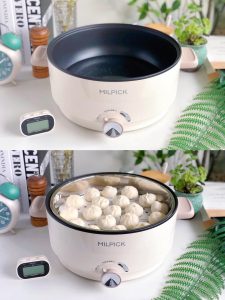
- Steamer: A bamboo steamer is ideal as it absorbs condensation, preventing water from dripping onto the buns. A metal steamer works but requires wrapping the lid in a kitchen towel.
- Wok or Frying Pan: For precooking the filling.
- Kitchen Scale: Highly recommended for flour measurements.
Recipe Notes Before You Start
💡 Dough Texture Warning: This dough will be very soft and sticky due to the high water content. This is normal! Do not add excessive flour, or the buns will become tough. Use the “dip hand in water” method to handle it.
How to Make Beijing-Style Steamed Buns
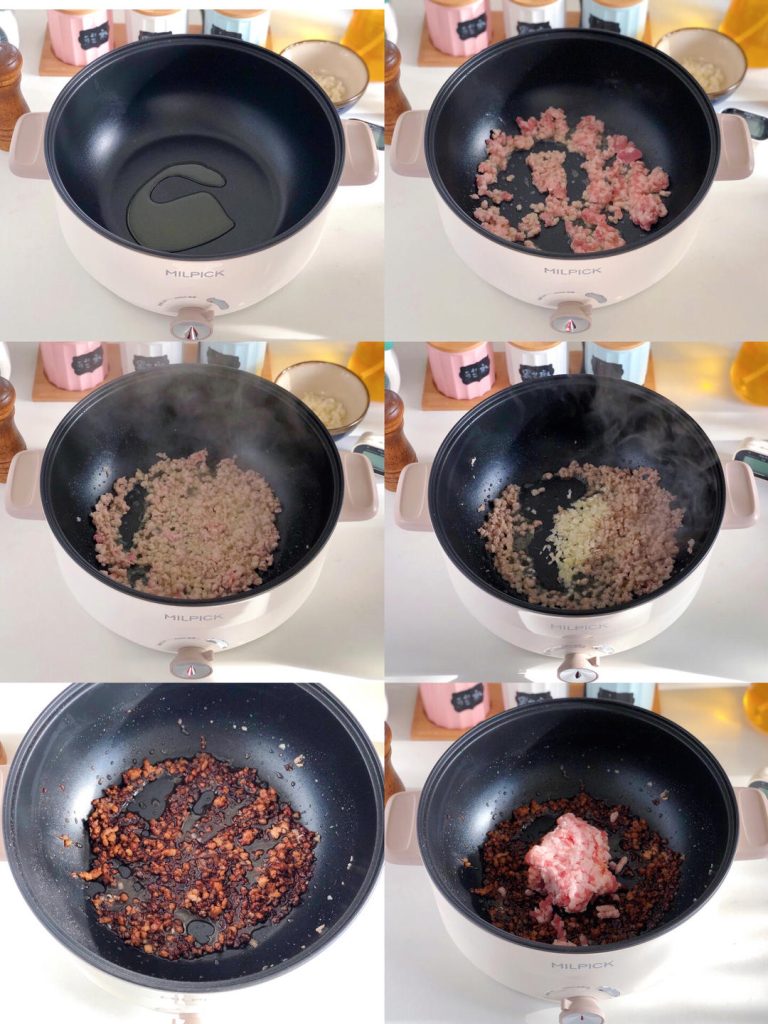
Step 1: Make the “Secret” Filling
This is the most critical step for authentic flavor. We are going to use a method called chao xian (frying the filling).
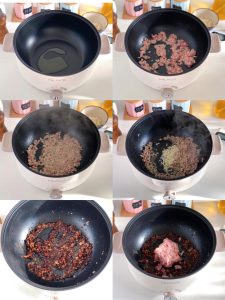
- Heat oil in a wok over high heat. Add 1/3 of the ground pork and stir-fry until it changes color and separates.
- Add half of the chopped scallions (green onions) and stir-fry until fragrant. Turn off the heat.
- While the oil is still hot, add the light soy sauce, dark soy sauce, oyster sauce, 13-spice powder, ginger powder, and salt. Stir vigorously to combine. The heat helps “cook” the soy sauce, removing its raw edge.
- Crucial Step: Let this cooked mixture cool down until it is just warm or room temperature. Why? If you add hot meat to raw meat, you risk spoiling the texture and food safety issues.
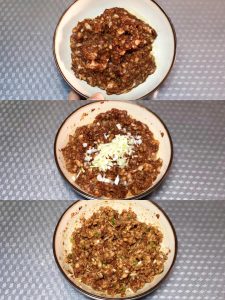
- Once cooled, mix it with the remaining 2/3 raw ground pork and the rest of the fresh scallions. Mix until uniform.
- Tip: This mimics the complexity of a slow-cooked Pork Dumpling Filling but with a stronger savory punch.
- Refrigerate: Place the filling in the fridge. Cold filling is stiffer and much easier to wrap.
Step 2: Prepare the Dough
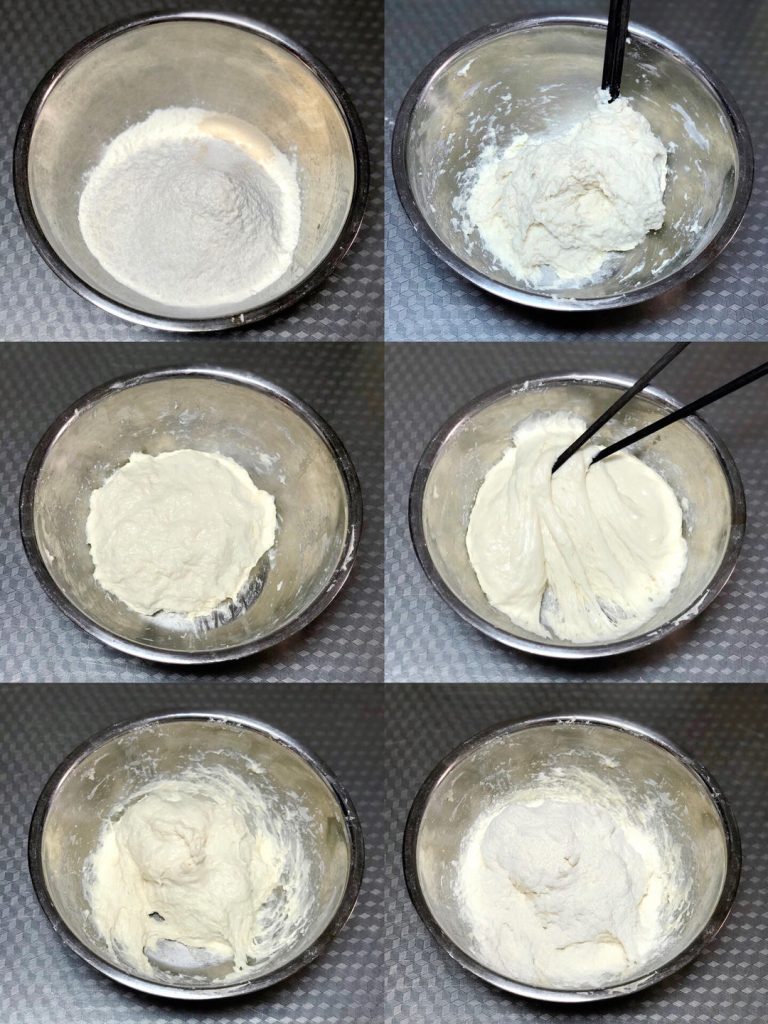
- In a bowl, mix the flour, sugar, and instant yeast.
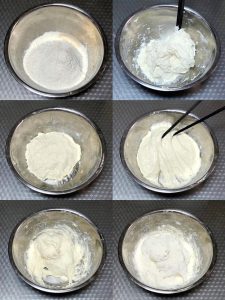
- Pour in the warm water (around 105°F/40°C) slowly while stirring with chopsticks. Keep stirring until no dry flour remains.
- The dough will look shaggy and very sticky. Wet your hands with water and pat the dough into a rough ball.
- Cover and let it proof in a warm place until it doubles in size.
Step 3: Degas and Shape
- Once the dough is full of air pockets (honeycombed), sprinkle a generous amount of dry flour on your work surface and on top of the dough.
- Use chopsticks or your hands to stir/knead the dough to release the gas (degas).
- Transfer to the floured surface. Because the dough is soft, use the dry flour on the surface to keep it from sticking to your hands.
Step 4: Assemble the Buns
- Take the chilled filling out of the fridge. It should be firm now.
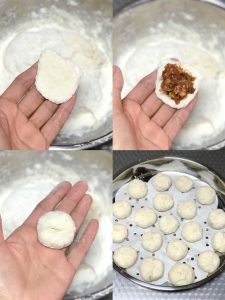
- Pinch off a small piece of dough (about 25-30g). Dip the cut side into dry flour to prevent sticking.
- Flatten the dough with your palm (no rolling pin needed for this rustic style).
- Place a spoonful of filling in the center. Pinch the edges together to seal. It doesn’t need perfect pleats like a dumpling; just ensure it is sealed tight.


Step 5: The Second Proof & Steaming
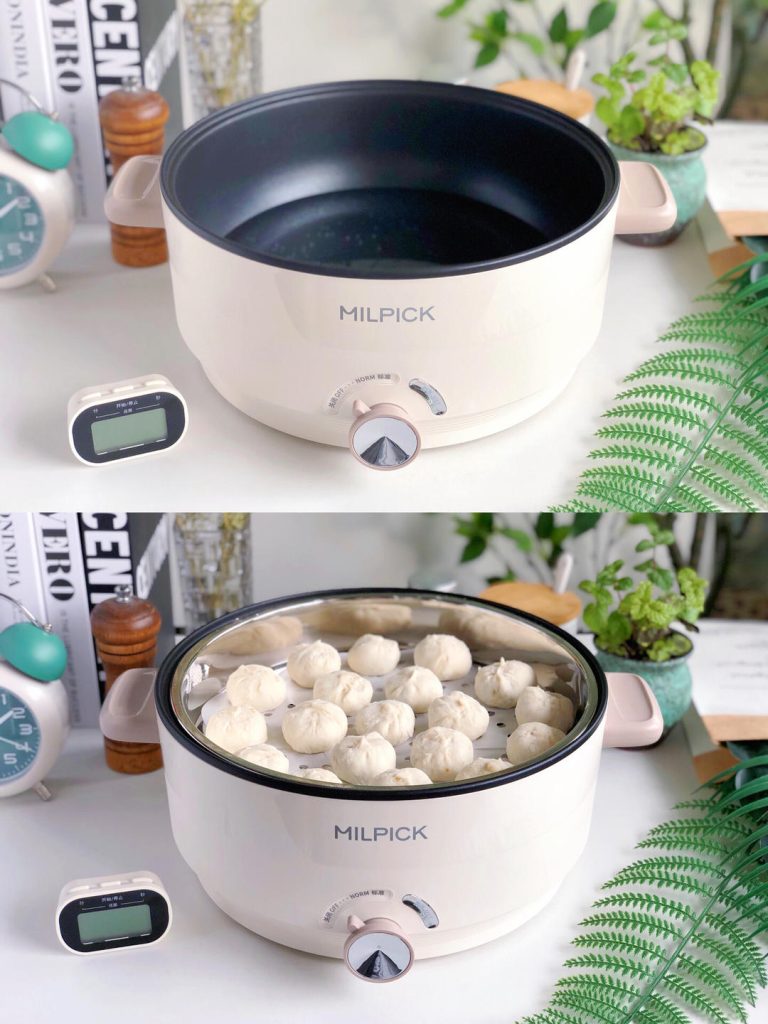
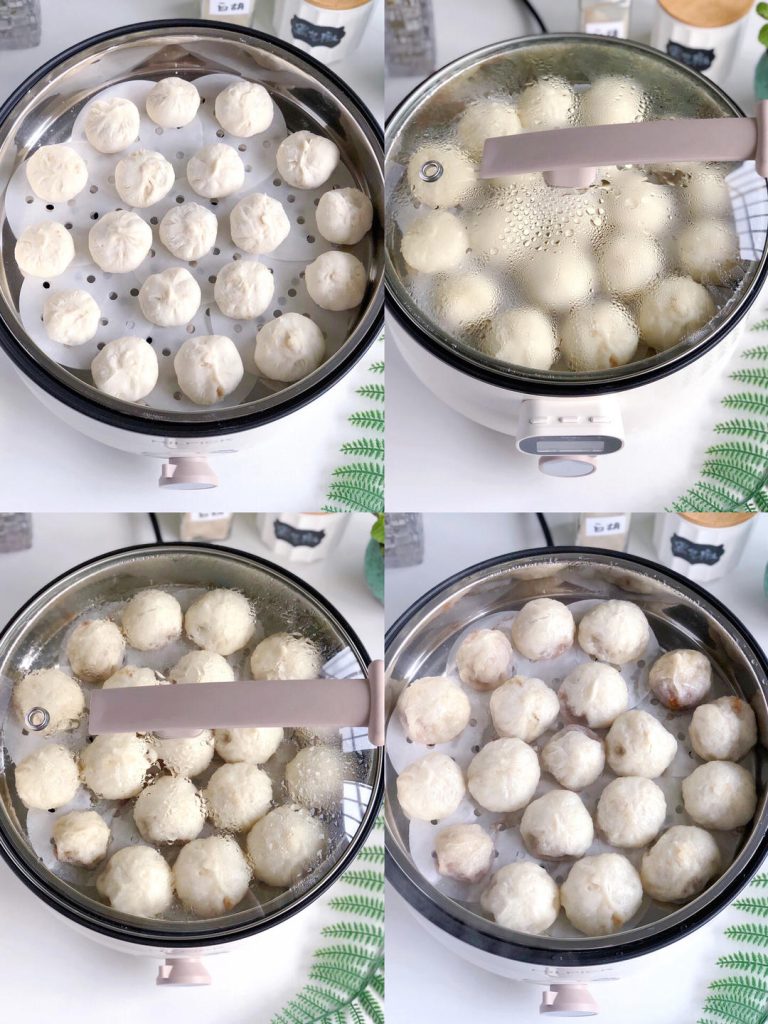
- Place the buns into a steamer lined with parchment paper or silicone mats. Leave space between them as they will expand.
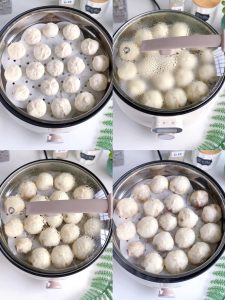
- The Second Rise: Cover the steamer and let the buns rest for 20 minutes. Why? This relaxes the gluten and ensures the buns become fluffy rather than dense.
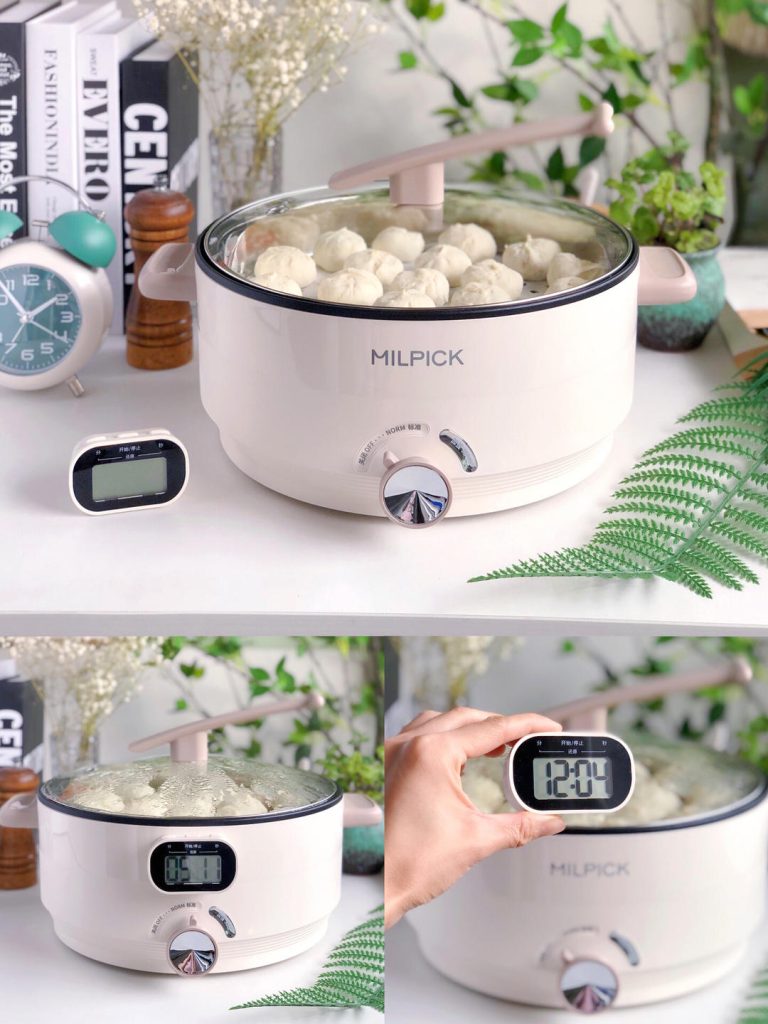
- Steam: Turn the heat to high. Once you see steam escaping (water boiling), switch to medium-high heat and steam for 12 minutes.
- The Wait: Turn off the heat but DO NOT open the lid. Let them sit for 5 minutes.
- Why? Opening the lid immediately causes a sudden temperature drop, which can make the fluffy buns collapse and shrink.

Tips for Success
- The “Water trick”: If the dough sticks to your hands, dip your fingers in water, not just flour.
- Winter Proofing: If your kitchen is cold (like Beijing in winter!), place the dough bowl inside a larger bowl of warm water to speed up fermentation.
- Filling Consistency: If the cooked meat mixture looks dry, add a splash of water or stock. The filling should be moist so the buns have that signature “soup” inside.
Serving Suggestions
These buns are flavorful enough to eat on their own, but they pair beautifully with:
- A bowl of millet congee or cornmeal porridge.
- A simple dipping sauce of black vinegar and chili oil.
- A side of Smashed Cucumber Salad for a refreshing crunch.
FAQ & Troubleshooting
Q: Why did my buns collapse after steaming? A: You likely opened the lid too soon. The structure of the bun needs a few minutes to stabilize as the temperature lowers gradually. Always wait 5 minutes before uncovering.
Q: My dough is too sticky to handle. A: This is intended! High hydration makes the bun soft. Use a generous dusting of flour on your work surface and keep your hands coated in flour or water when shaping. Do not over-knead flour into the dough, or it will become tough.
Q: Can I freeze these? A: Yes! Steam them first, let them cool completely, then freeze in a single layer. Reheat by steaming for 8-10 minutes from frozen.
Recipe Notes
The “Half-Cooked” Secret (Chao Xian): The key to the authentic Beijing street-food flavor in this recipe is the chao xian (stir-fried filling) technique. By cooking one-third of the pork with the soy sauces and spices, we caramelize the proteins and “cook out” the raw soy sauce taste, creating a savory, concentrated base. When mixed with the raw pork, this ensures the filling remains tender and juicy but packs a flavor punch that raw fillings simply cannot achieve.
Handling High-Hydration Dough: This dough has a hydration level of about 75%, making it significantly softer and stickier than standard dumpling dough. Do not add too much extra flour during kneading, or the buns will turn out dense and tough. Instead, wet your hands with water or coat them lightly in oil when handling the dough to prevent sticking.
The 5-Minute Rule: After turning off the heat, it is vital to let the buns sit in the steamer with the lid on for 5 minutes. If you uncover them immediately, the sudden drop in temperature will cause the air bubbles inside the fluffy dough to contract rapidly, making your beautiful buns collapse and wrinkle.
Storage & Reheating: These buns freeze exceptionally well. Steam them fully, let them cool completely, and freeze them in a single layer on a baking sheet before transferring to a bag. To reheat, steam directly from frozen for 8–10 minutes until heated through.
Nutrition Information (Per Bun)
- Calories: 180 kcal
- Carbohydrates: 15g
- Protein: 7g
- Fat: 10g
- Saturated Fat: 3g
- Cholesterol: 20mg
- Sodium: 350mg
- Potassium: 100mg
- Fiber: 1g
- Sugar: 1g
- Vitamin A: 0IU
- Vitamin C: 0mg
- Calcium: 10mg
- Iron: 1mg
Allergens: Contains Wheat (Gluten), Soy, and Shellfish (Oyster Sauce).
Nutrition information is calculated using an ingredient database and should be considered an estimate. Garnishes and optional items are not included. Actual values vary depending on the specific brand of ingredients used.
Food Safety & Preparation
- Internal Temperature: Ground pork must be cooked to an internal temperature of 160°F (71°C) to ensure it is safe to eat. Because the filling is partially precooked, it is still crucial to steam the buns for the full 12 minutes to cook the raw portion of the meat.
- Raw Meat Handling: Wash hands, cutting boards, and utensils thoroughly with hot soapy water after handling raw pork to prevent cross-contamination.
- Steam Burns: Be extremely careful when opening the steamer lid. Steam is hotter than boiling water and can cause severe burns. Always lift the lid away from your face.
Authoritative References
- Food Safety for Pork: USDA guidelines on cooking ground meat. USDA Food Safety
- Steaming Techniques: The science of steaming and starch gelatinization. Science of Cooking

Authentic Beijing-Style Steamed Buns (Xiao Long Bao)

Equipment
- 1 Bamboo Steamer Or metal steamer with cloth wrapped lid
- 1 Wok or Frying Pan For precooking filling
Ingredients
The Dough
- 200 g All-Purpose Flour approx 1 1/2 cups + 2 tbsp
- 2 g Instant Yeast 1/2 tsp
- 3 g Sugar 3/4 tsp
- 150 ml Warm Water approx 105°F/40°C
The Filling
- 250 g Ground Pork 70% lean / 30% fat recommended
- 0.5 cup Green Onion (Scallion) finely minced
- 2 tbsp Cooking Oil
- 1 tsp Chinese 13-Spice Powder or Five-Spice
- 0.5 tsp Ginger Powder
- 0.5 tsp Salt
- 2 tbsp Light Soy Sauce
- 1 tbsp Oyster Sauce
- 1 tbsp Dark Soy Sauce
Instructions
- Prepare the Filling: Heat oil in a wok over high heat. Add 1/3 of the ground pork and stir-fry until it changes color. Add half the green onions and fry until fragrant. Turn off the heat.

- While hot, stir in the light soy sauce, dark soy sauce, oyster sauce, 13-spice powder, ginger powder, and salt. Mix well. Let this mixture cool completely.
- Once cooled, mix the cooked meat with the remaining 2/3 raw pork and the rest of the green onions. Stir until well combined and sticky. Refrigerate until ready to use (chilled filling is easier to wrap).
- Make the Dough: In a large bowl, mix flour, yeast, and sugar. Slowly pour in warm water while stirring with chopsticks until no dry flour remains. The dough will be very soft and sticky. Wet your hands and pat it into a rough ball. Cover and let proof in a warm place until doubled in size.
- Shape: Once proofed, the dough will be filled with air bubbles. Sprinkle generous flour on your work surface. Degas the dough by stirring or kneading gently. Divide dough into small pieces (approx 25g each).
- Dip your hands in flour. Flatten a piece of dough, place a spoonful of chilled filling in the center, and pinch the edges to seal tightly. Repeat for all buns.
- Second Proof: Place buns in a steamer lined with parchment paper. Cover and let them rest (proof) for 20 minutes.
- Steam: Bring water to a boil. Steam the buns on medium-high heat for 12 minutes.
- Rest: Turn off the heat. Leave the lid ON for 5 minutes to prevent collapsing. Serve hot.




Leave a Reply