I still vividly remember the scent of the kitchen in my childhood home in Sichuan during the summer. My mother would often say that when the weather is hot and appetites are low, all you need is a bowl of rice and a spoonful of Shao Jiao Jiang (烧椒酱).

There is a primal satisfaction in making this sauce. Unlike fresh chili oils that rely on dried flakes, this recipe relies on “fire” (Shao). We scorch fresh green peppers until their skins blister and blacken—a technique we call “Tiger Skin”—imparting a deep, smoky flavor that you simply cannot buy in a jar.
I have tested this recipe countless times in both professional restaurant kitchens and my home kitchen in the US. It is the ultimate condiment: savory, smoky, spicy, and incredibly versatile. Whether you are dressing a bowl of noodles or just eating it with steamed buns, this sauce brings the soul of Sichuan countryside cooking to your table.
What Is Shao Jiao Jiang?
Shao Jiao Jiang (烧椒酱), literally translating to “Burnt Pepper Sauce,” is a rustic condiment popular in Sichuan and Hunan provinces. It is distinct from the famous red chili oil because it uses fresh green peppers as the main base.
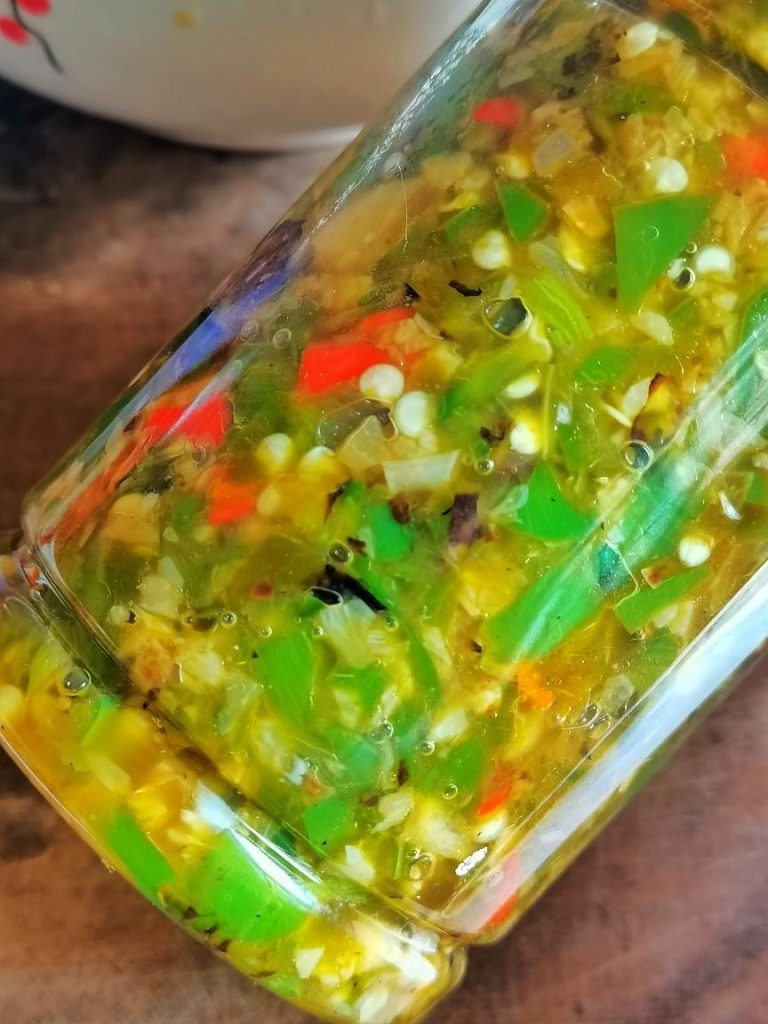
The defining characteristic is the dry-frying technique. The peppers are cooked without oil until the skin chars and separates from the flesh. This creates a texture that is soft and mashable, with a smoky aroma that pairs beautifully with the sharp bite of raw garlic and the umami of oyster sauce.
Why This Recipe Works
- The “Tiger Skin” Technique: By searing the peppers in a dry wok without oil first, we drive out excess moisture and concentrate the flavor, creating the signature smoky profile.
- Textural Contrast: We hand-chop the peppers rather than using a food processor. This ensures you get a satisfying, rustic texture rather than a watery purée.
- Balanced Heat: We use a combination of larger mild peppers for body and small Thai chilies for heat, allowing you to control the spiciness without losing the vegetable flavor.
- Oil Infusion: Pouring hot oil (or sautéing) the aromatics blooms the garlic flavor immediately, removing its raw harshness while keeping it pungent.
Key Ingredients & Substitutions
- Green Peppers (The Body): In Sichuan, we use Er Jing Tiao peppers. In the US/Europe, these are hard to find.
- Best Substitution: Anaheim peppers or Poblano peppers. They have good flesh and mild heat.
- Alternative: Cubanelle peppers or even Green Bell Peppers (though bell peppers are a bit too watery and sweet, so roast them longer).
- Millet Chili (The Heat): The recipe calls for Xiao Mi La. The best substitute is fresh Thai Bird’s Eye Chilies. If you cannot handle heat, you can omit this, but it provides the necessary kick.
- Garlic: Use fresh garlic. Do not use jarred minced garlic; the flavor profile will be completely wrong.
- Seasonings:
- Light Soy Sauce: Provides the salty, savory base. (Recommended: Pearl River Bridge or Lee Kum Kee).
- Oyster Sauce: Adds thickness and a hint of sweetness.
- Cooking Oil: Use a neutral oil with a high smoke point like Canola, Vegetable, or Grapeseed oil.
Ingredients
Produce
- 10 oz (approx. 300g) Green peppers (Anaheim, Poblano, or Korean long green peppers)
- 2-3 Thai Bird’s Eye chilies (adjust to spice tolerance)
- 6-8 cloves Garlic, minced
Seasonings
- 2 tbsp Light soy sauce
- 1 tbsp Oyster sauce
- 1 tsp Sugar
- ½ tsp Salt (adjust to taste)
- 3 tbsp Neutral cooking oil (Vegetable or Canola)
Recipe Notes Before You Start
- Ventilation is Key: Dry-roasting peppers creates smoke and releases capsaicin into the air. Turn on your range hood fan to high and open a window.
- Equipment: A cast-iron skillet or a carbon steel wok works best for charring. Avoid non-stick pans if possible, as high-heat dry burning can damage the coating.
- Food Safety: Since this sauce contains fresh garlic and low-acid vegetables submerged in oil, it carries a botulism risk if stored improperly. Always store this sauce in the refrigerator and consume it within a week.
Mise en Place / Prep
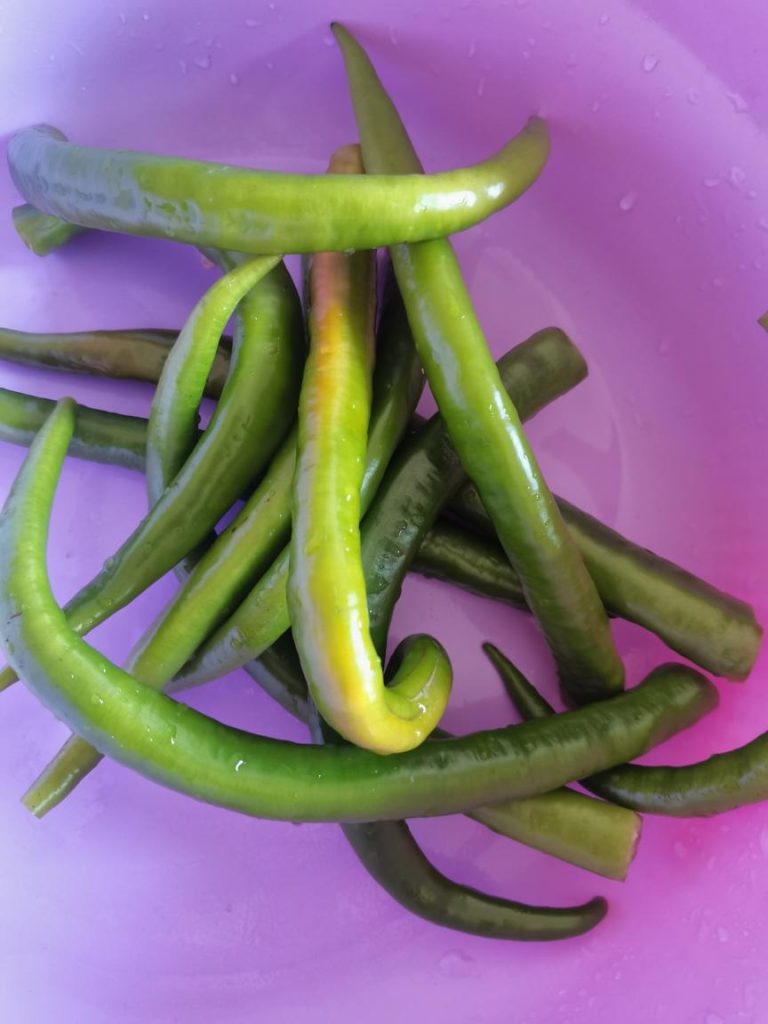
- Wash and Dry: Wash the green peppers and Thai chilies thoroughly. Crucial: Pat them completely dry with a paper towel. Any residual water will cause dangerous splattering when we dry-fry them, or create steam instead of char.
- Mince Aromatics: Peel the garlic and mince it finely. Chop the Thai Bird’s Eye chilies into small rings. Set these aside in a small heat-proof bowl or keep them ready for the pan.
How to Make Sichuan Roasted Chili Sauce
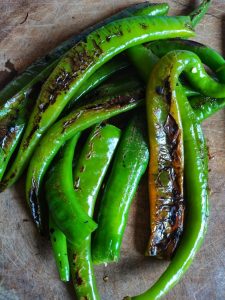
Step 1: Create the “Tiger Skin” (Dry Frying) Heat a wok or heavy skillet over medium-high heat. Do not add oil. Place the whole green peppers (stems on is fine for now, or remove them if you prefer) into the pan.
- Why: We want to blister the skin. Press the peppers down with a spatula to ensure contact with the hot metal.
- Visual Cue: Cook for about 6-8 minutes, turning occasionally, until the skins are wrinkled, blistered, and have significant black charred spots (this is the “Tiger Skin”). The peppers should feel soft and collapsed.
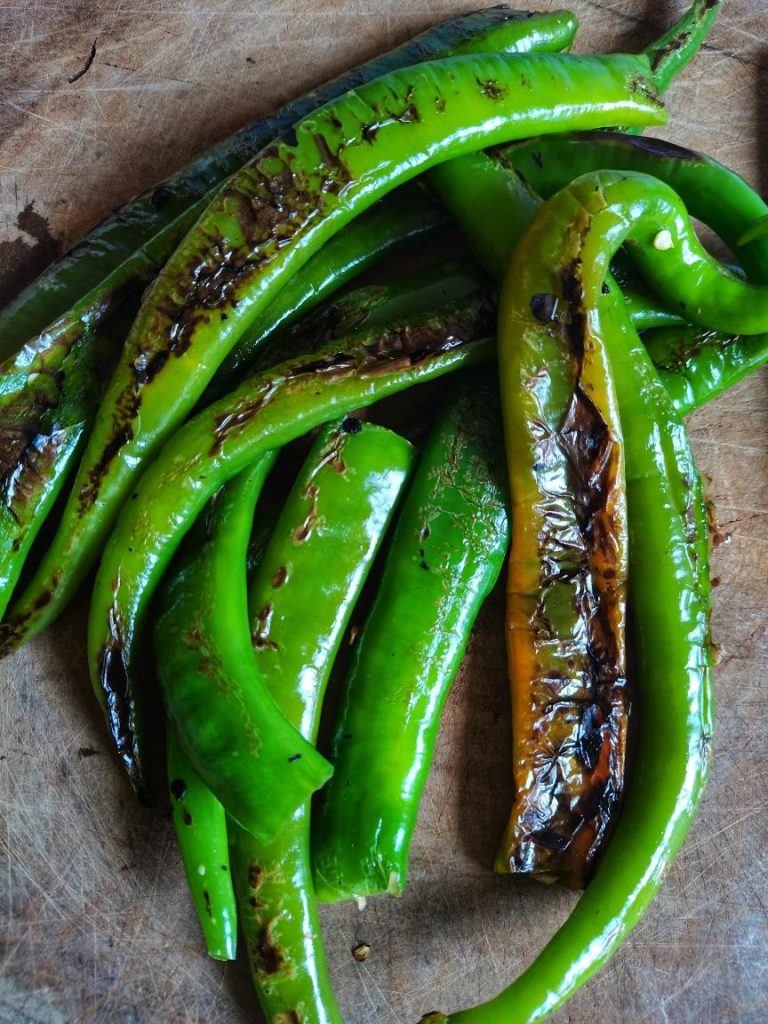
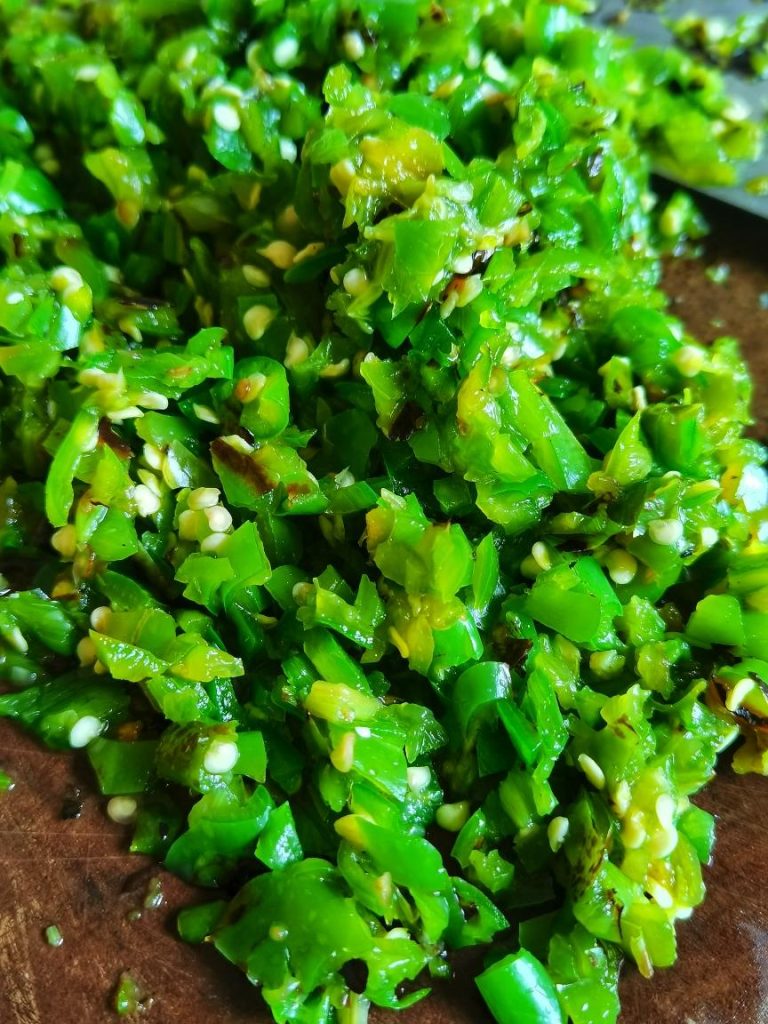
Step 2: Chop the Peppers Remove the peppers from the pan and let them cool slightly. Remove the stems and seeds (if you prefer less heat/texture, though seeds are traditionally often left in).
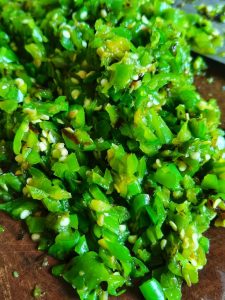
Action: Place the roasted peppers on a cutting board and chop them coarsely. We want small chunks, not a paste.
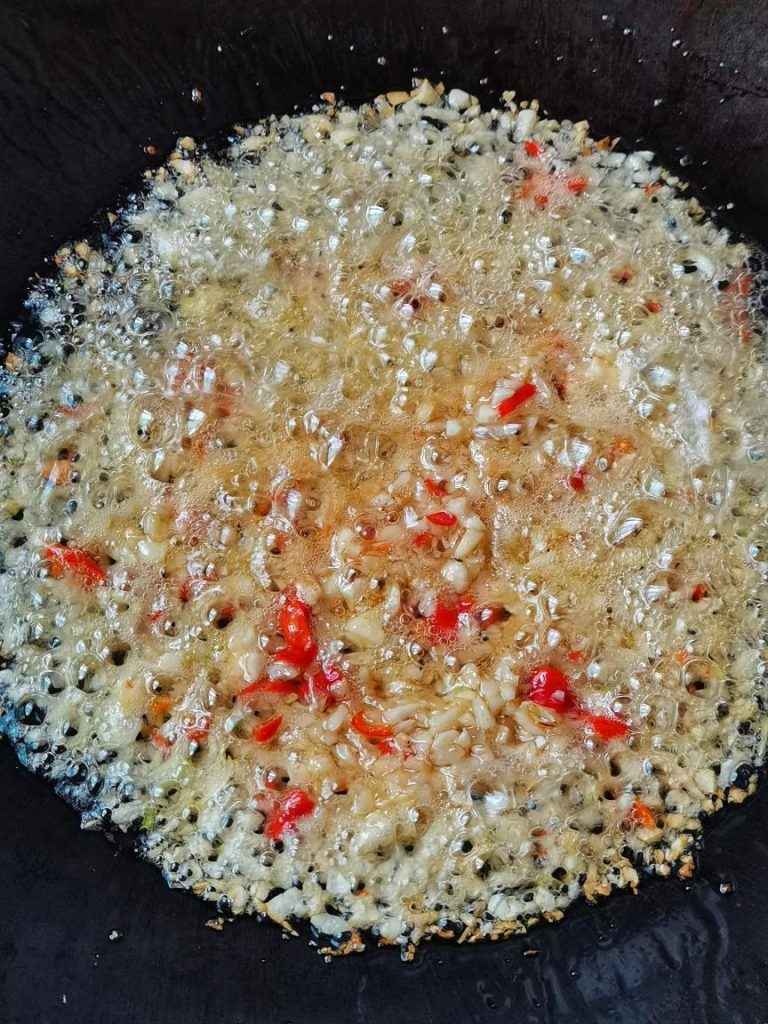
Step 3: Bloom the Aromatics Wipe out the wok and place it back on medium heat. Add the cooking oil.
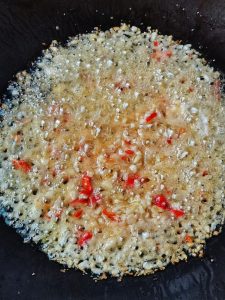
- Action: When the oil is shimmering (about 325°F/165°C), add the minced garlic and chopped Thai chilies.
- Visual Cue: Stir-fry briefly, just until fragrant (about 20-30 seconds). Do not burn the garlic.
Step 4: Combine and Season Turn the heat to low. Add the chopped roasted green peppers into the wok with the garlic and oil.
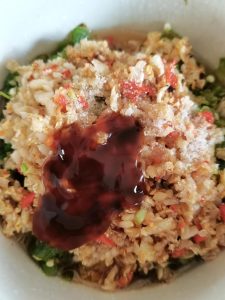
Action: Add the seasonings: 1 tablespoon oyster sauce, 2 tablespoons light soy sauce, 1/2 teaspoon salt, and 1 teaspoon sugar.
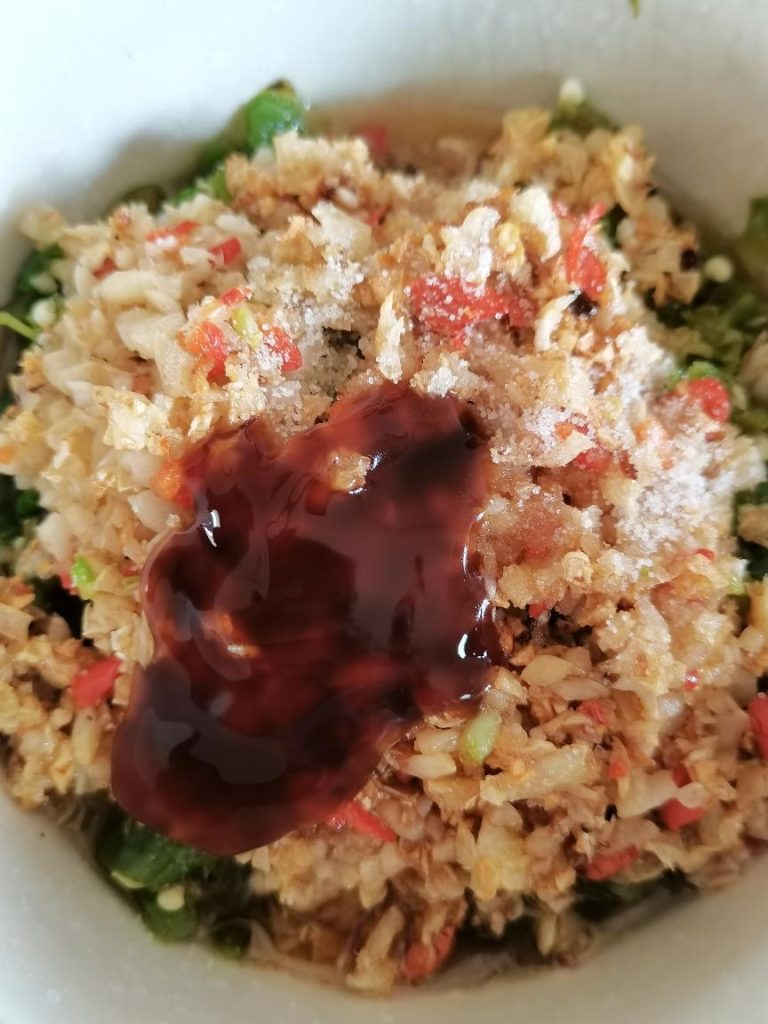
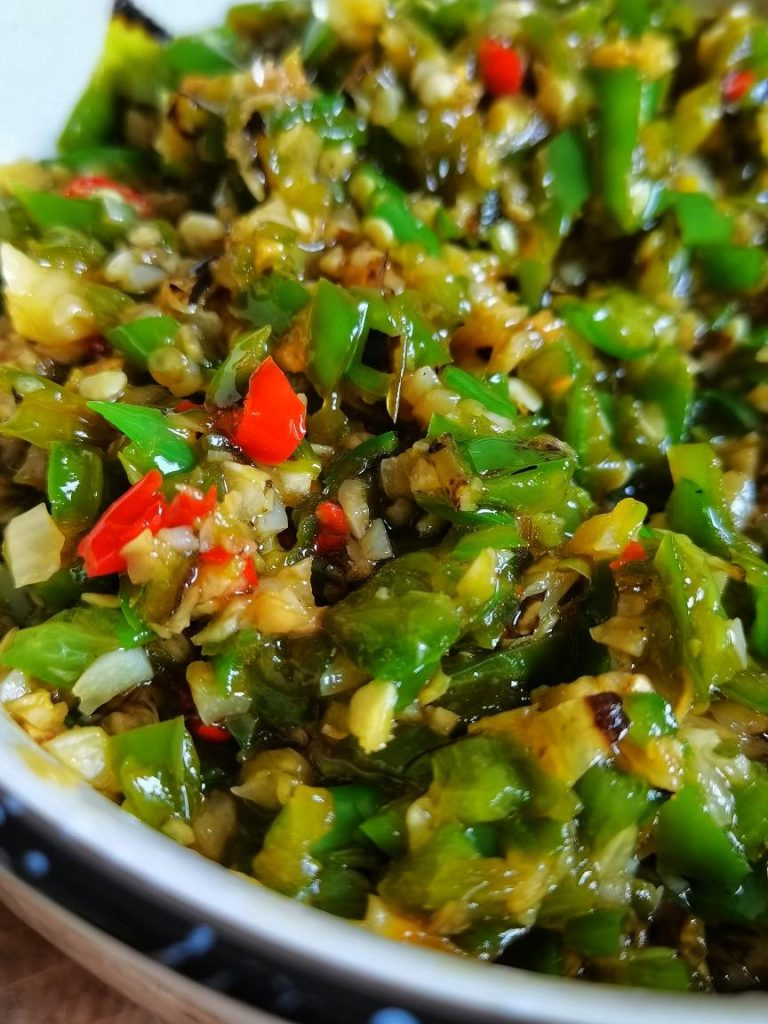
Step 5: Final Mix Stir everything together for about 1 minute to allow the flavors to meld and the sugar to dissolve. Remove from heat.
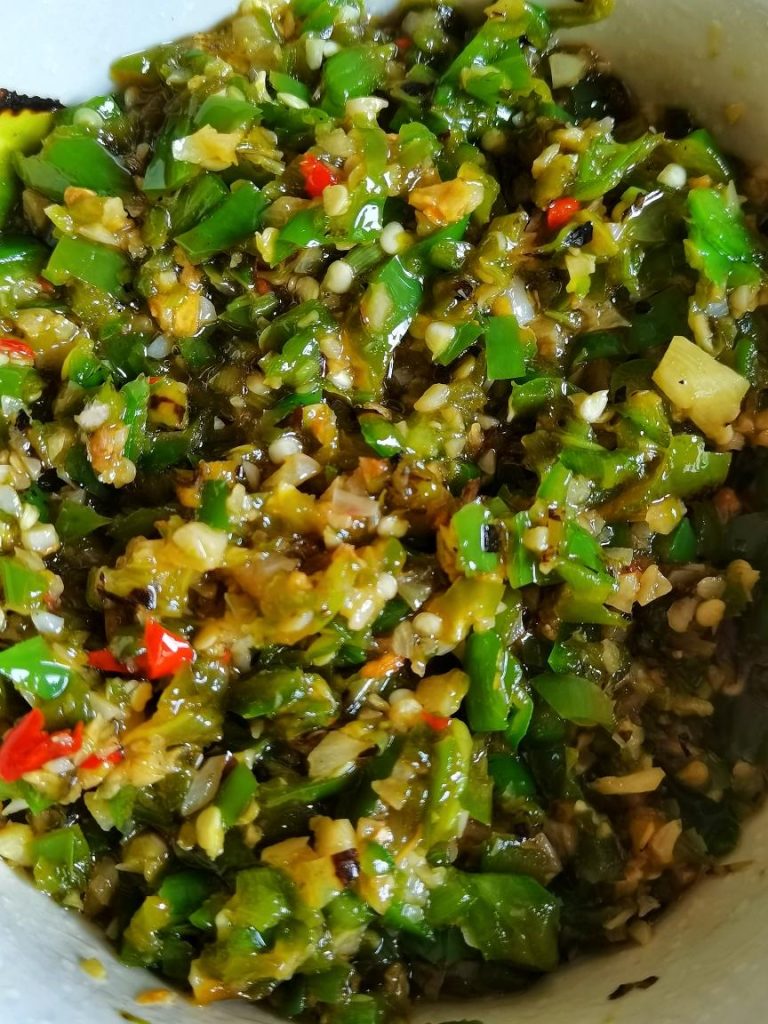
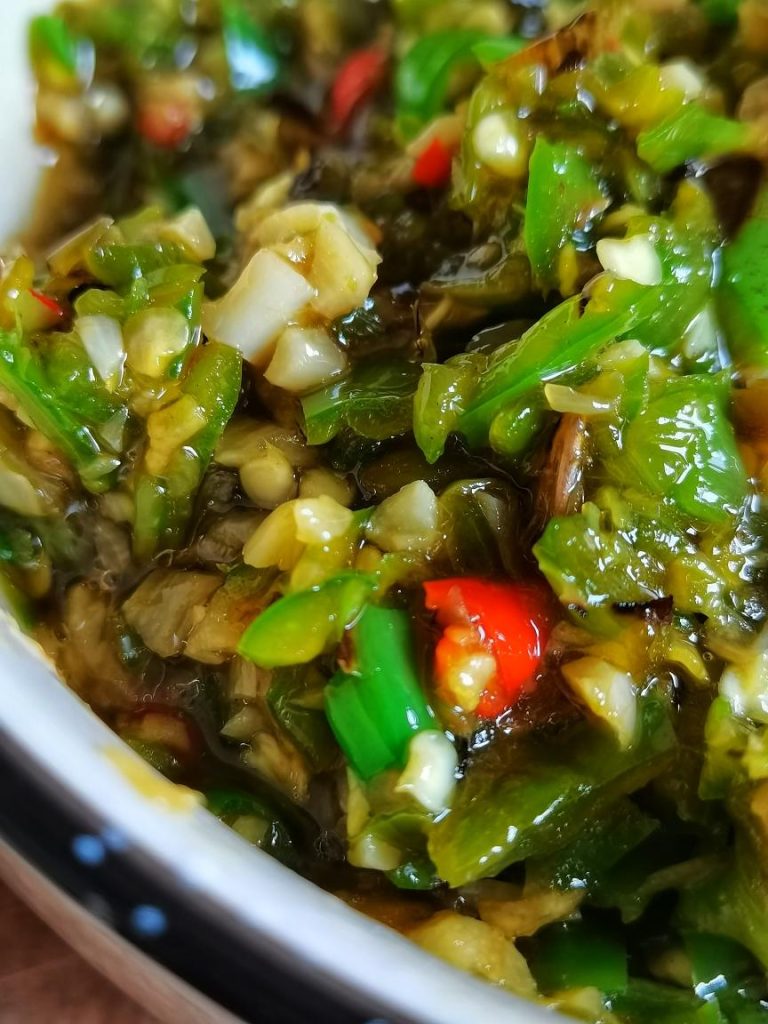
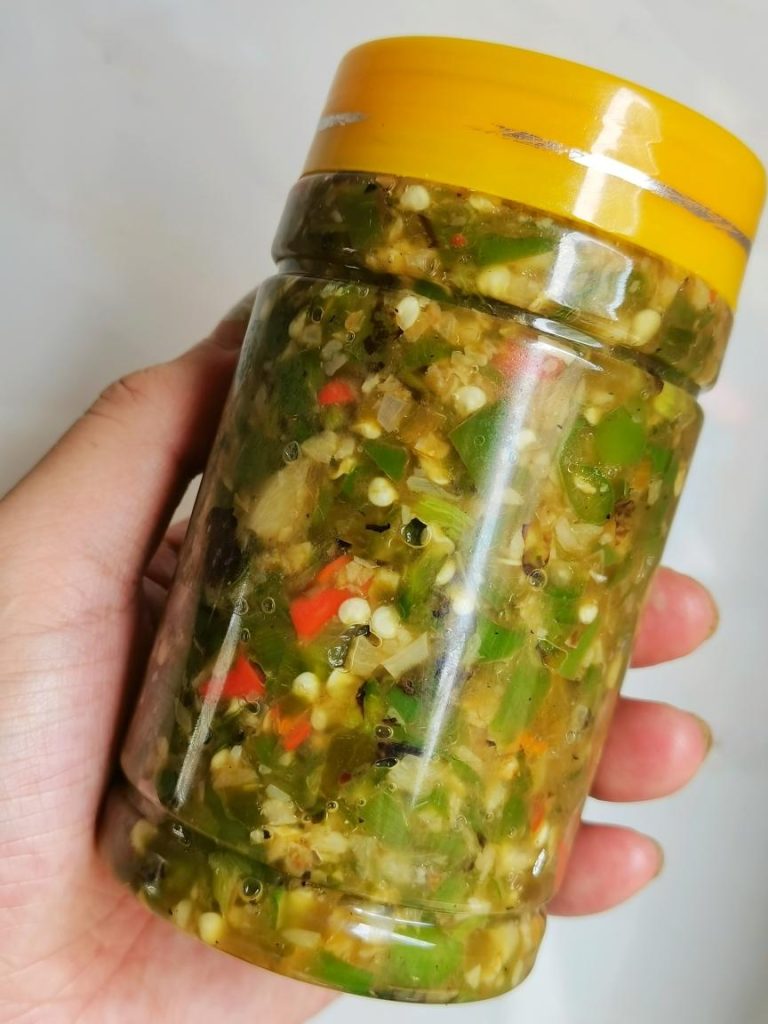
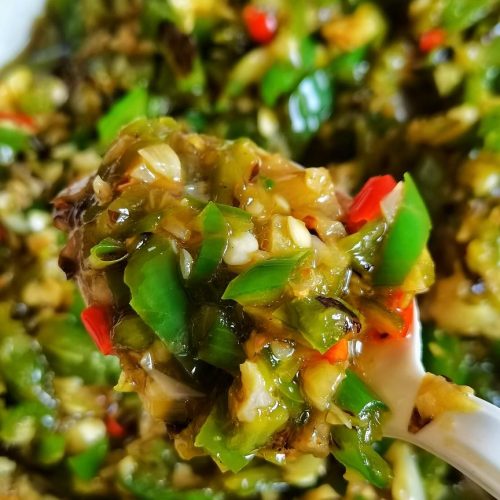
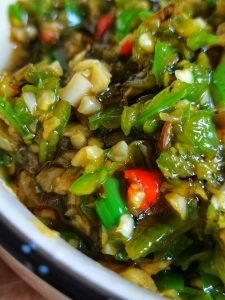
Result: The sauce should be glossy, dark green with flecks of red, and smell incredibly smoky and garlicky.
Our Systematic Test Kitchen Notes
- Method Comparison (Broiler vs. Wok): We tested roasting the peppers under an oven broiler versus the dry-wok method. While the broiler is easier for large batches, the dry-wok method produced a better texture. The broiler tends to dry out the flesh too much, while the wok keeps the inside fleshy and juicy while still charring the skin.
- The “Mashing” Technique: In traditional Sichuan kitchens, we sometimes use a mortar and pestle to “pound” the roasted peppers and garlic together (Lei La Jiao). If you own a heavy stone mortar, try this method for a more integrated, paste-like texture that clings famously to noodles.
FAQ / Troubleshooting
Q: Can I peel the skin off the peppers? A: Traditionally, for Shao Jiao Jiang, we leave the charred skin on. The little bits of black char provide the signature smoky flavor. However, if you find the skin too tough (common with some US bell peppers), you can peel off the large loose pieces and keep the flesh.
Q: My sauce tastes bitter. Why? A: This usually happens if the garlic was burnt during Step 3. Garlic cooks very fast. Ensure you add the peppers and liquid seasonings shortly after the garlic hits the oil to lower the temperature.
Q: Can I make this vegetarian? A: Yes. The only non-vegetarian ingredient is oyster sauce. You can substitute it with Vegetarian Stir-Fry Sauce (made from mushrooms), which is widely available in Asian markets.
Serving Suggestions
This sauce is a flavor bomb. Here is how I love to serve it:
- The Classic: Spoon it over plain steamed white rice or noodles.
- With Tofu: It is the perfect topping for Cold-Tossed Tofu (using the sauce in place of the standard dressing).
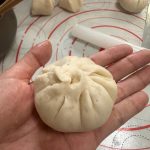
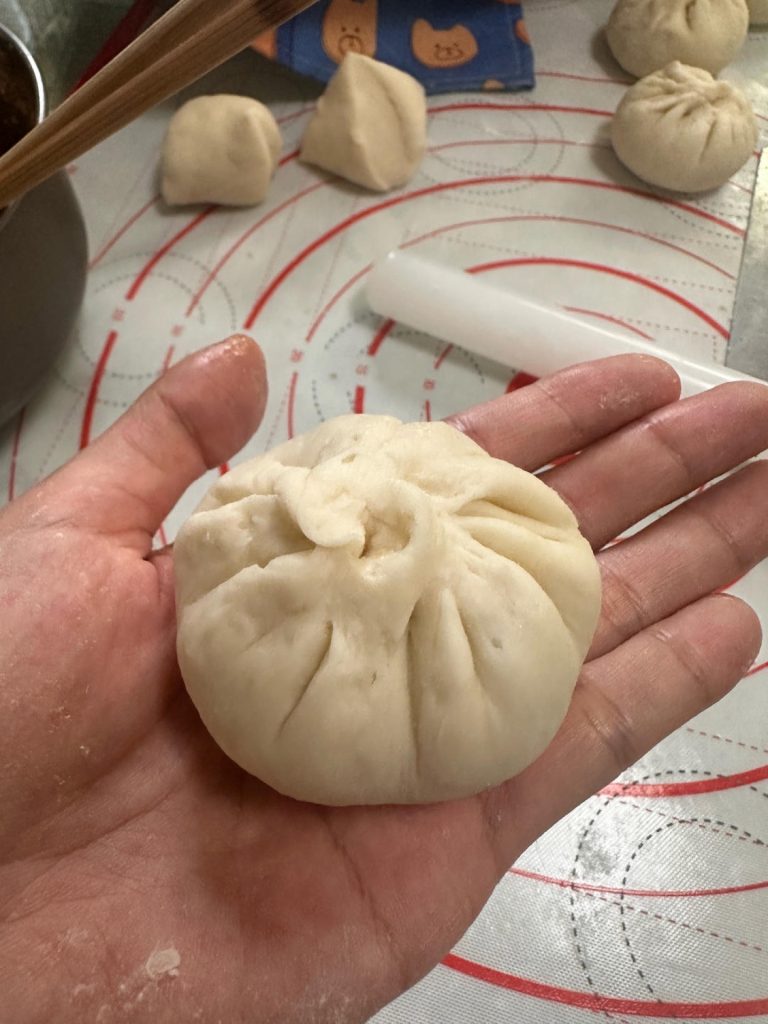
- As a Dip: Serve alongside Sheng Jian Bao for a spicy kick.
- Vegetable Dressing: Toss it with steamed eggplant or blanched okra.
What to Serve With It
To create a complete Sichuan-style meal, pair this sauce (served over noodles) with:
- Appetizer: Smashed Cucumber Salad for a cooling crunch.
- Soup: A gentle Seaweed Egg Drop Soup to balance the heat.
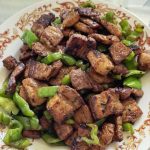
- Main: Crispy Garlic Pork Bites for protein.
How to Store
- Fridge: Transfer the sauce to a clean, airtight glass jar. It will keep in the refrigerator for 5 to 7 days.
- Note: As mentioned in the original recipe tip, this is a home-style sauce without preservatives. It is best to make small batches and eat it fresh, especially in the summer.
- Freezing: I do not recommend freezing this sauce, as the texture of the peppers will become mushy and watery upon thawing.
Food Safety and Preparation
- Botulism Awareness: Garlic in oil mixtures stored at room temperature are a known risk for botulism. Never store this sauce on the counter. Always refrigerate immediately after cooling.
- Handling Chilies: When chopping the Thai bird’s eye chilies, the oils can burn your skin. I strongly recommend wearing kitchen gloves or washing your hands thoroughly with dish soap immediately after handling. Avoid touching your eyes!
Authoritative References
For more on the science of charring vegetables and food safety regarding garlic in oil, please refer to:
Nutrition Information (Estimate)
- Calories: 120 kcal per serving (assuming 4 servings)
- Fat: 10g
- Carbohydrates: 6g
- Sodium: 450mg
- Sugar: 2g
- Fiber: 1g
- Allergens: Soy (in soy sauce), Shellfish (in oyster sauce – unless using vegetarian substitute).
(Disclaimer: Nutrition information is calculated using an ingredient database and should be considered an estimate. In cases where multiple ingredient alternatives are given, the first listed is calculated for nutrition. Garnishes and optional ingredients are not included.)
Sichuan Roasted Chili Sauce (Shao Jiao Jiang)

Equipment
- Cast Iron Skillet or Carbon Steel Wok Essential for dry-charring the peppers
- Cutting Board
- Kitchen Gloves Recommended for handling hot chilies
Ingredients
Main Ingredients
- 300 g Green Peppers Anaheim, Poblano, or similar (approx. 10 oz)
- 6 cloves Garlic minced
- 2 Thai Bird’s Eye Chili chopped (adjust for heat)
Seasonings
- 3 tbsp Cooking Oil neutral oil like vegetable or canola
- 1 tbsp Oyster Sauce
- 2 tbsp Light Soy Sauce
- 1 tsp Sugar
- 0.5 tsp Salt adjust to taste
Instructions
- Wash the green peppers and dry them thoroughly with a paper towel. Remove stems if desired.

- Heat a wok or skillet over medium-high heat (do not add oil). Add the peppers and dry-fry, pressing down with a spatula, until the skins are blistered and charred (Tiger Skin effect), about 6-8 minutes.
- Remove peppers from the pan and chop them into small coarse pieces.
- Wipe the wok clean, return to heat, and add the cooking oil. When hot, add the minced garlic and chopped Thai chilies. Stir-fry until fragrant (about 30 seconds).
- Add the chopped roasted peppers, oyster sauce, soy sauce, sugar, and salt.
- Stir well to combine all flavors. Serve immediately over rice or noodles.







Leave a Reply