Hey there! Welcome to my kitchen!
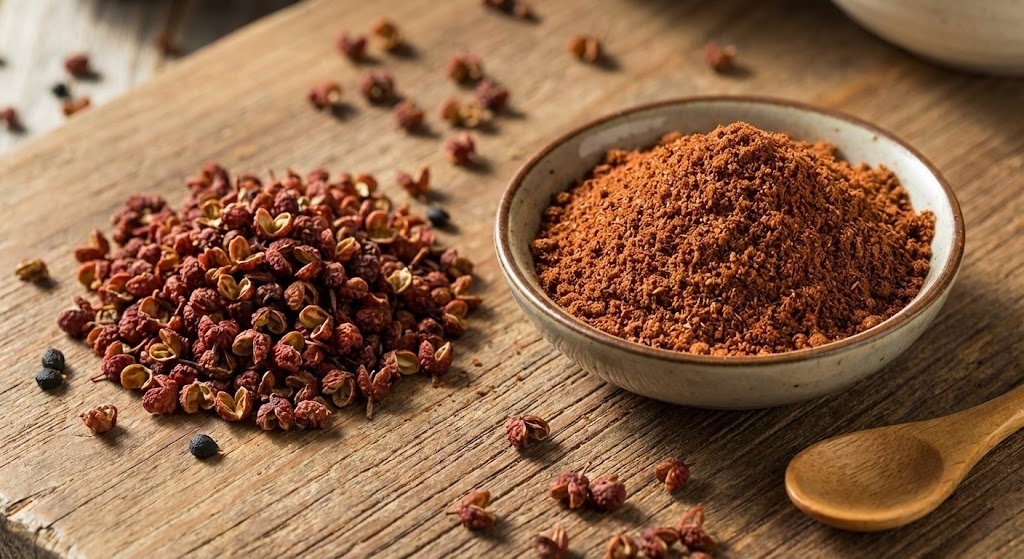
If you’ve ever walked into my parents’ restaurant in Chengdu, the first thing that hits you isn’t just the heat—it’s a citrusy, electric tingle in the air that makes your nose twitch. That, my friends, is the magic of Sichuan Peppercorn Powder (花椒粉, huā jiāo fěn).
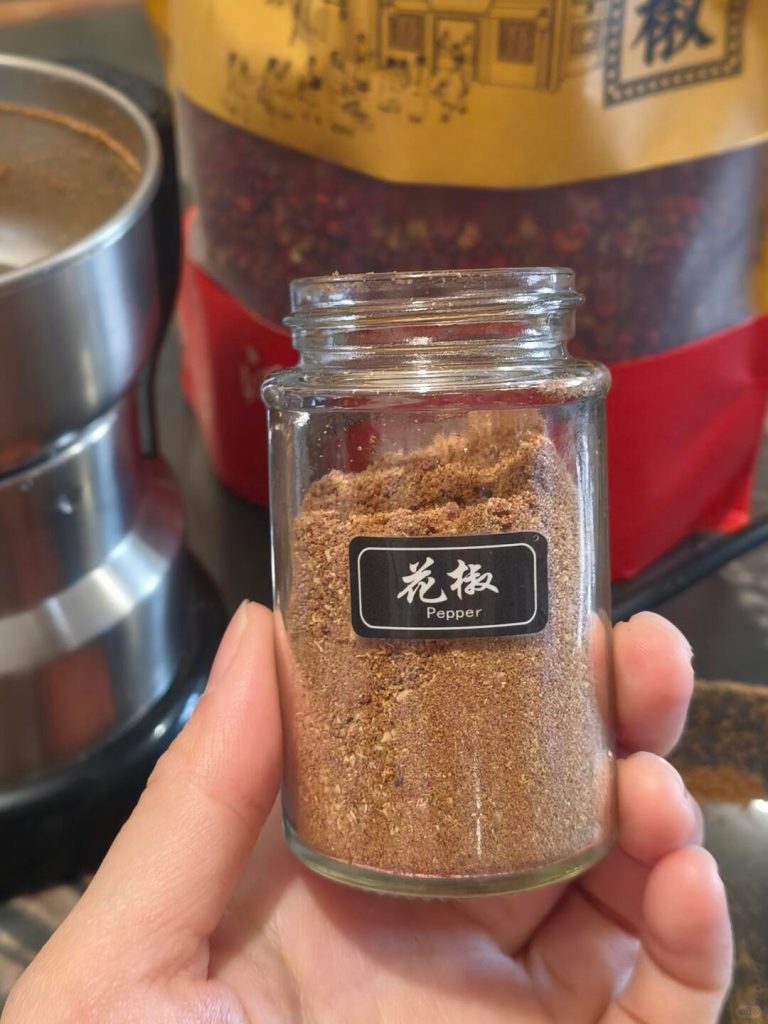
I remember being six years old, sitting on a tiny stool in the back of the kitchen, watching my dad toast huge woks of these peppercorns. The scent was so strong it made me sneeze, but it was also intoxicating. As a culinary school graduate, I later learned the “why” behind his methods: why we never use the pre-ground stuff from the store and why that “numbing” sensation is actually a physical vibration.
Today, I’m pulling back the curtain. Let’s be real: if you want your home cooking to taste like a real Sichuan kitchen, you need to master this powder.
What Exactly is Sichuan Peppercorn Powder?
First, let’s clear up a common myth: it’s not “hot” like a chili pepper. Sichuan peppercorns are actually the husks of a citrus fruit from the Zanthoxylum genus. The “spice” you feel is actually paresthesia—a numbing sensation caused by a molecule called hydroxy-alpha-sanshool. It causes your lips to vibrate at about 50 Hertz!
In Sichuan cuisine, we call this Ma (numbing), and it’s almost always paired with La (chili heat) to create the legendary “Mala” flavor profile.
Why This Recipe Works: The “No Secrets” Logic
Most store-bought powders are dull, gritty, and taste like sawdust. Why? Because the volatile oils that provide the aroma disappear within days of grinding.
- The Toasting Secret: Toasting the peppercorns helps “awaken” the oils and makes the husks brittle, allowing for a finer, silkier powder.
- The Seed Removal: We only use the husks. The little black seeds inside are gritty and bitter—like chewing on sand. Trust me on this; get rid of them!
Key Ingredients & Selection
- Red Sichuan Peppercorns: Look for “Grade A” or “Dahongpao” varieties. They should be a vibrant rusty red and have very few black seeds or twigs mixed in.
- Optional: Green Sichuan Peppercorns: These are more floral and “numbing” than the red ones. I often mix a little in if I’m making Salt and Pepper Squid.
Step-by-Step: How to Make Professional-Grade Huā Jiāo Fěn
1. The Clean Up
Sort through your peppercorns. Remove any twigs or those pesky black seeds. Your powder should be pure husk for the best texture.
2. The Dry Toast (The Scent Cue)
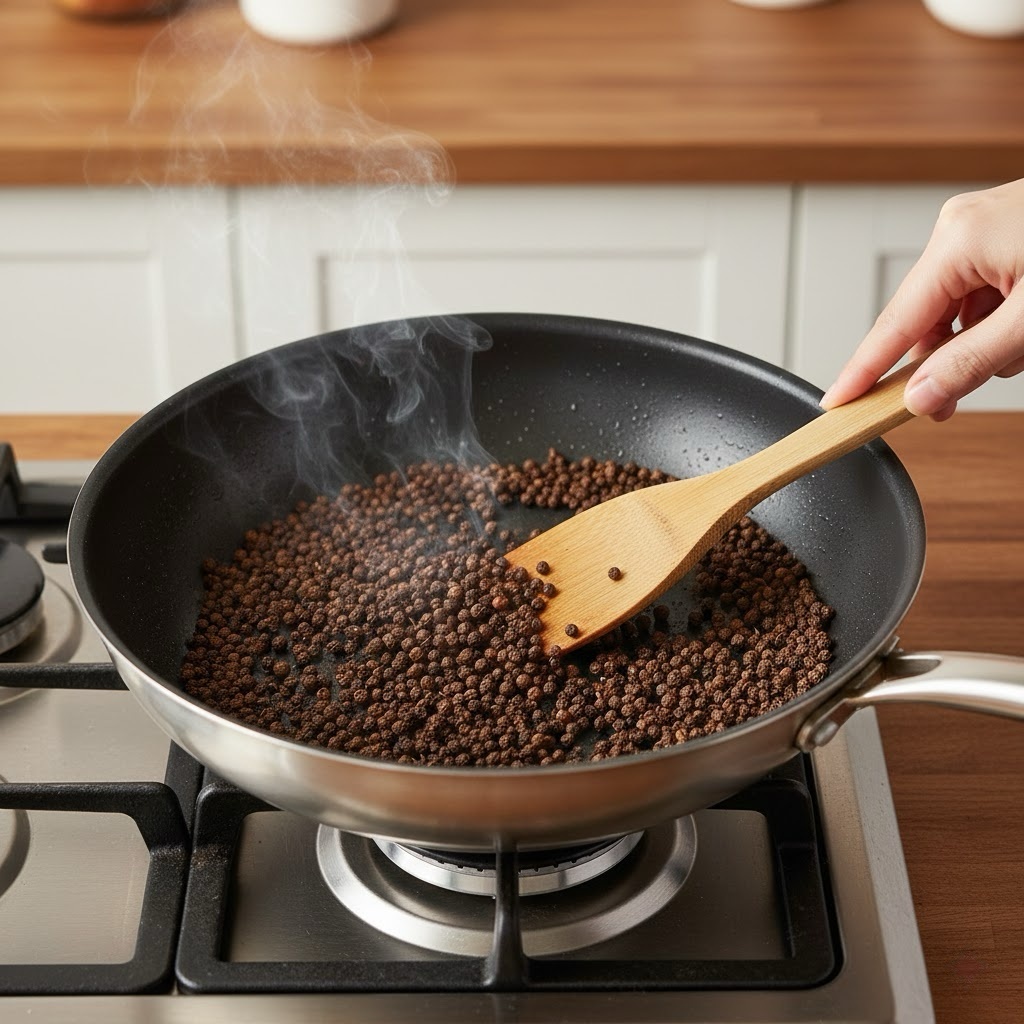
Place the peppercorns in a dry wok or skillet over medium-low heat. Do not add oil!
- Lin’s Coaching: “I know it’s tempting to turn the heat up to speed this up, but don’t! You’ll burn the delicate oils and it will turn bitter.”
- Sensory Cue: Stir constantly for 3-5 minutes until the peppercorns turn a shade darker and the aroma fills the room with a citrusy, woody scent.
3. The Cooling Phase
Spread them out on a plate to cool completely. They won’t get “shatter-crisp” until they are cold.
4. The Grind
Use a dedicated spice grinder or a mortar and pestle. Grind until it reaches a fine, velvety dust.
How to Use It Like a Pro
This powder is the backbone of so many dishes you already love!
- The Finishing Touch: Sprinkle it over Authentic Mapo Tofu or Chongqing Spicy Chicken right before serving. The heat of the dish will bloom the powder’s aroma.
- Dipping Salts: Mix it with toasted sea salt for a killer dip for fried foods like Crispy Garlic Pork Bites.
- The “Secret” Ingredient: A pinch in your Homestyle Kung Pao Chicken adds that professional restaurant depth that’s missing from most home versions.
- In Sauces: Use it to amplify your Homemade Chinese Chili Oil for a real “Mala” kick.
Western Kitchen Reality: Lin’s “No Secrets” Tips
- Electric Stoves: Since electric coils hold heat longer than gas, remove the pan from the burner about 30 seconds before you think they are done to prevent scorching.
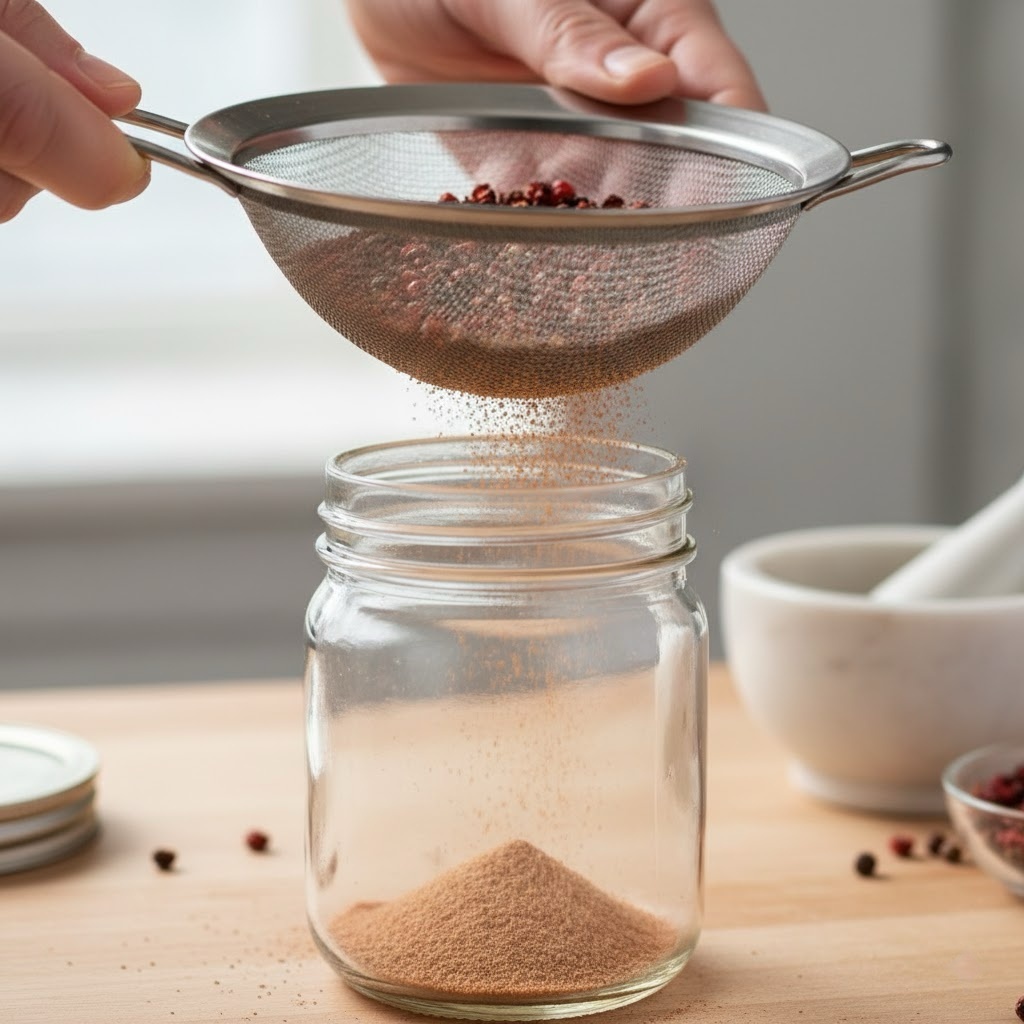
- The Sifter Hack: If you want that “culinary school” silky texture, run your ground powder through a fine-mesh sieve. Discard the larger gritty bits.
- Storage: Store in a small airtight glass jar. It stays “electric” for about 2 weeks. After that, use it up or make a new batch!
Pairings and Substitutions
If you’re out of Sichuan peppercorns, there is no true substitute for that numbing feeling. However, a mix of black peppercorns and a tiny bit of lemon zest can mimic the aroma, though it won’t give you the “buzz.”
For a complete Sichuan pantry, I always keep my peppercorn powder next to my Dark Soy Sauce and Shaoxing Wine. They are the “holy trinity” of my Chengdu childhood!
Authoritative References
- Botanical Classification: Britannica – Sichuan Pepper
- The Science of Numbing: Royal Society of Chemistry – Why Sichuan peppers tingle
- Culinary Standards: The Michelin Guide – Understanding Sichuan Peppercorns



Leave a Reply