There’s a particular kind of magic in a small clay pot set down in front of a child: the broth still trembling, the noodles coiled underneath, a soft egg waiting to be broken open. That’s exactly what these kids’ clay pot rice noodles are — a miniature, gentler version of the Yunnan street classic, built for small hands and smaller appetites. If your family already loves the deep, slow comfort of braised pork with potatoes, this is the faster, brothier cousin you can put together on a weeknight.
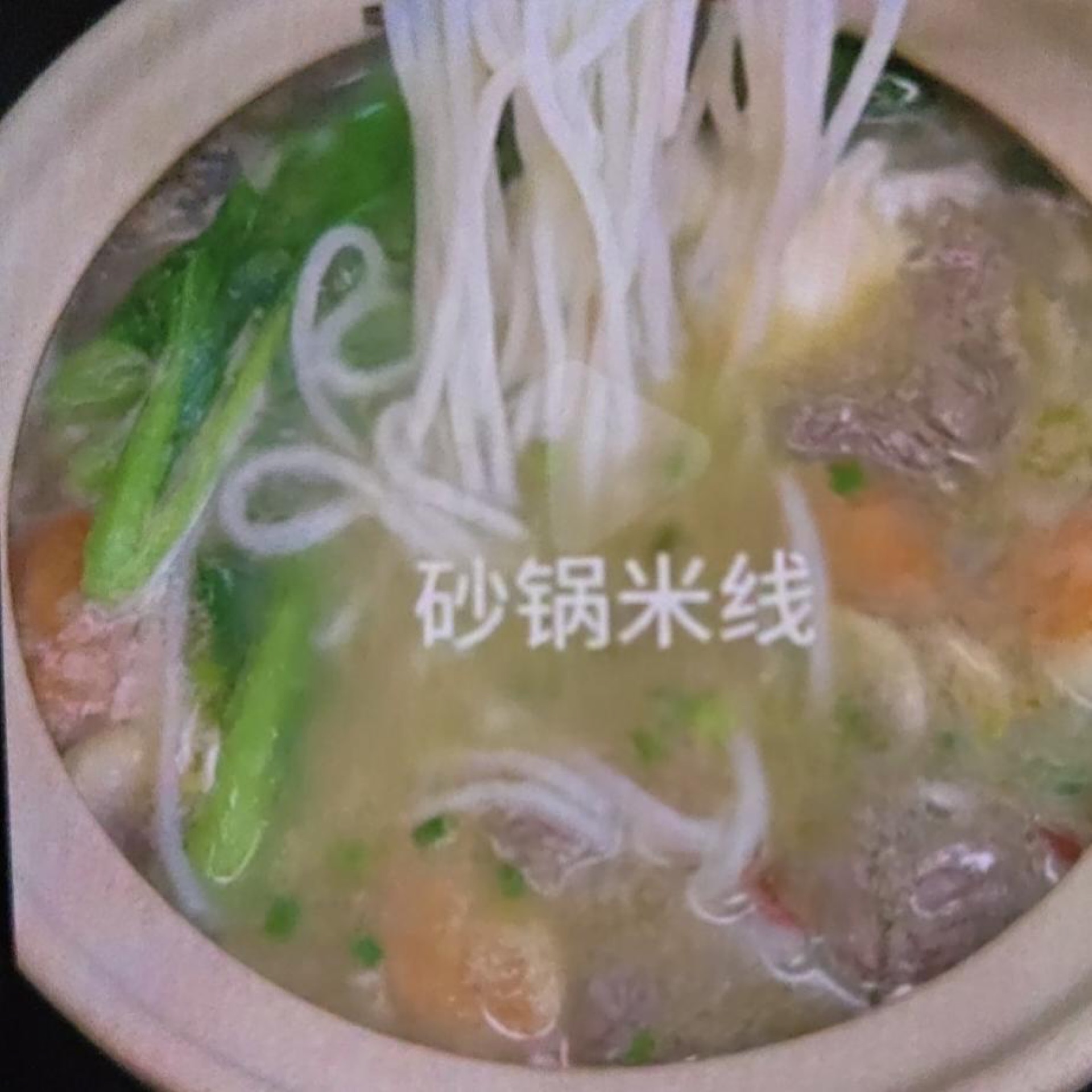
The dish comes together in a single pot in about half an hour, and the only real waiting happens before you turn on the stove, while the dried rice noodles soak. Once the pot is hot, everything moves quickly: shrimp first, then mushrooms, water, beef, egg, noodles, greens, salt, scallions. That’s it. No long braise, no complicated marinade, no ingredients you can’t find at a regular supermarket.
What makes it work for kids is restraint. The broth is built from shrimp and mushrooms rather than heavy spices, the beef is already tender from its marinade, and the salt goes in last so you can taste as you go. The result is savory without being sharp, warm without being spicy, and springy in a way that makes slurping genuinely fun.
What Is Kids’ Clay Pot Rice Noodles?
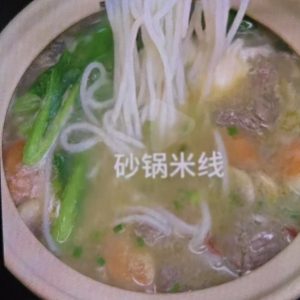
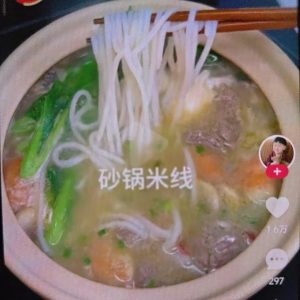
Clay pot rice noodles — shaguo mixian (砂锅米线) — are a Yunnan specialty in which rice noodles are simmered in a small individual clay pot with broth, meat, and vegetables, then served still bubbling. The clay retains heat beautifully, so the soup stays hot from the first spoonful to the last, and the noodles keep absorbing flavor as you eat.
The adult versions in Kunming and beyond can be boldly spiced, sometimes with chili oil, pickled vegetables, or a heavy slick of bone broth. This kids’ version keeps the same one-pot structure but strips the heat and dials the seasoning way back. Shrimp and button mushrooms do the heavy lifting for umami, a single egg adds richness, and the greens go in at the very end so they stay sweet rather than bitter.
If you’ve made a Chinese one-pot rice dish before, you already understand the appeal: everything cooks in one vessel, the flavors layer instead of competing, and the pot itself becomes part of the serving. A clay pot is traditional, but a small heavy-bottomed pot or a wok works just as well at home.
Because the broth is light, the quality of the noodles matters more than usual. Dried rice noodles with a slightly translucent look and no strong smell are the best choice; they soak up broth without turning gluey. If you can only find fresh rice noodles, use about 160 g and shorten the final simmer so they don’t overcook.
For families who already cook from our pork cabbage stew rotation, this recipe fills a similar niche: a complete, vegetable-and-protein-in-one bowl that you can ladle straight from the pot. The difference is speed and delicacy — this one is ready before the rice cooker would even be done.
If you’re looking for other noodle soups in the same family, our braised beef noodle soup is the deeper, richer sibling of this bowl, built on a long-simmered broth and thick cuts of beef. It’s the recipe to graduate to once your kids are comfortable with a bigger, beefier flavor.
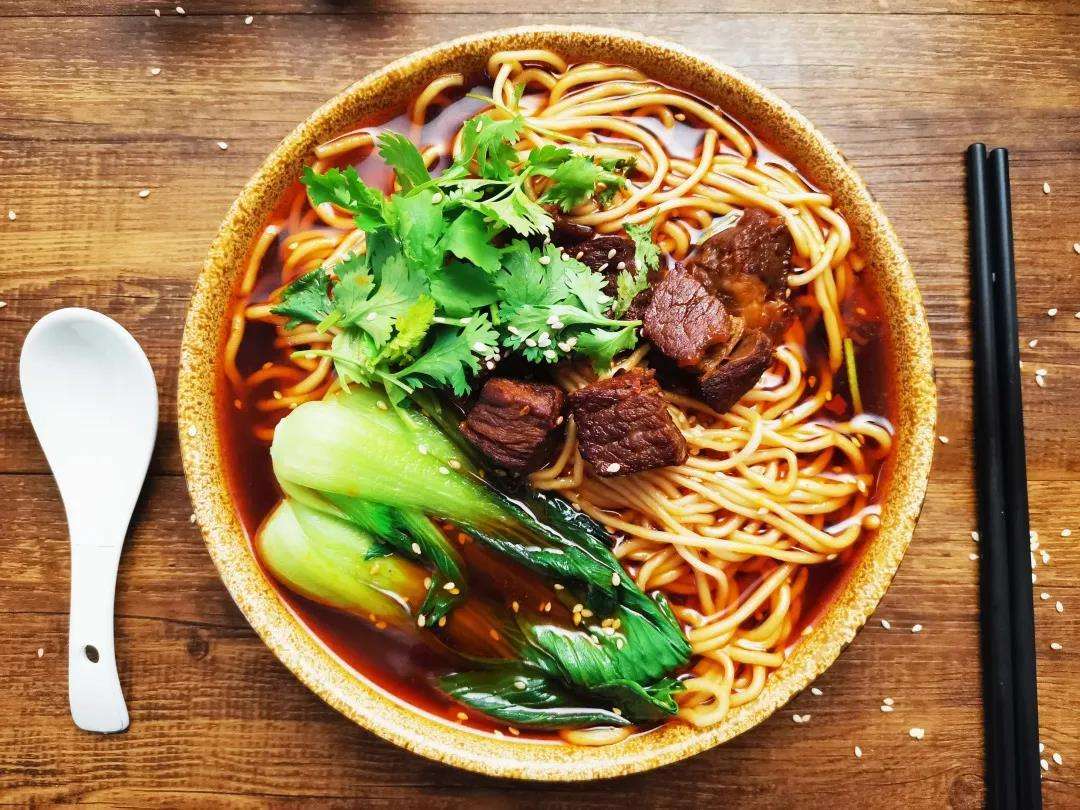
1Braised Beef Noodle Soup (红烧牛肉面)A deeply comforting, homestyle Braised Beef Noodle Soup (Hong Shao Niu Rou Mian). Tender braised beef in a rich, slightly spicy, and aromatic broth served over chewy noodles.Check out this recipe
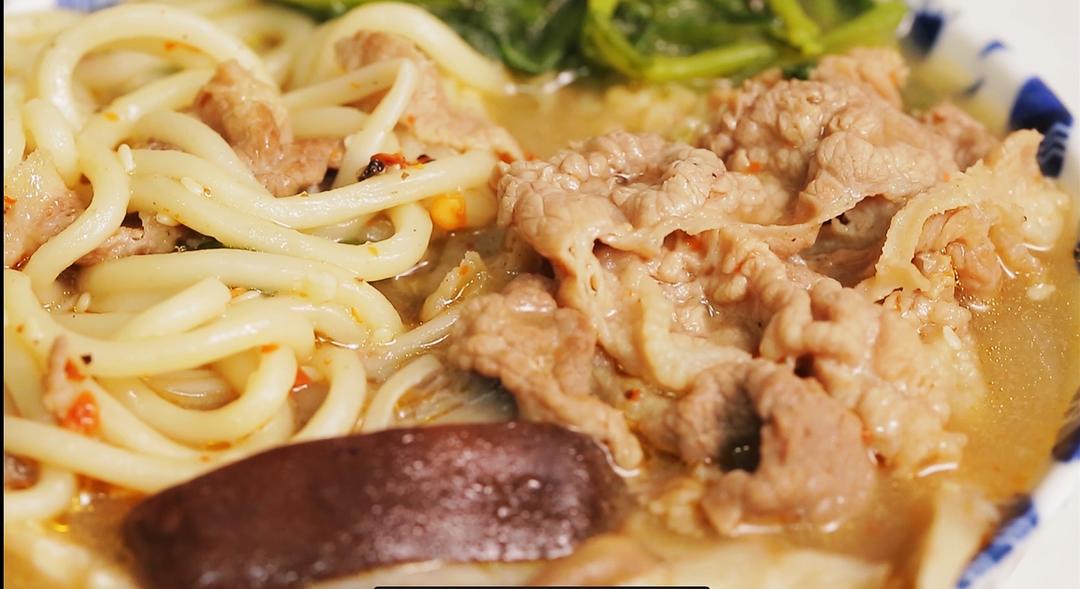
For a hot-pot-style noodle soup that the whole table can share, our korean beef hot pot noodle soup brings the same one-pot spirit with a slightly sweeter, more savory broth and plenty of vegetables to pile in.
2Korean Beef Hot Pot Noodle Soup (Jeongol Guksu)A 15-minute comfort food recipe featuring fatty beef, savory mushrooms, and chewy noodles in a spicy, umami-rich broth. This deconstructed hot pot is perfect for a quick weeknight dinner.Check out this recipe
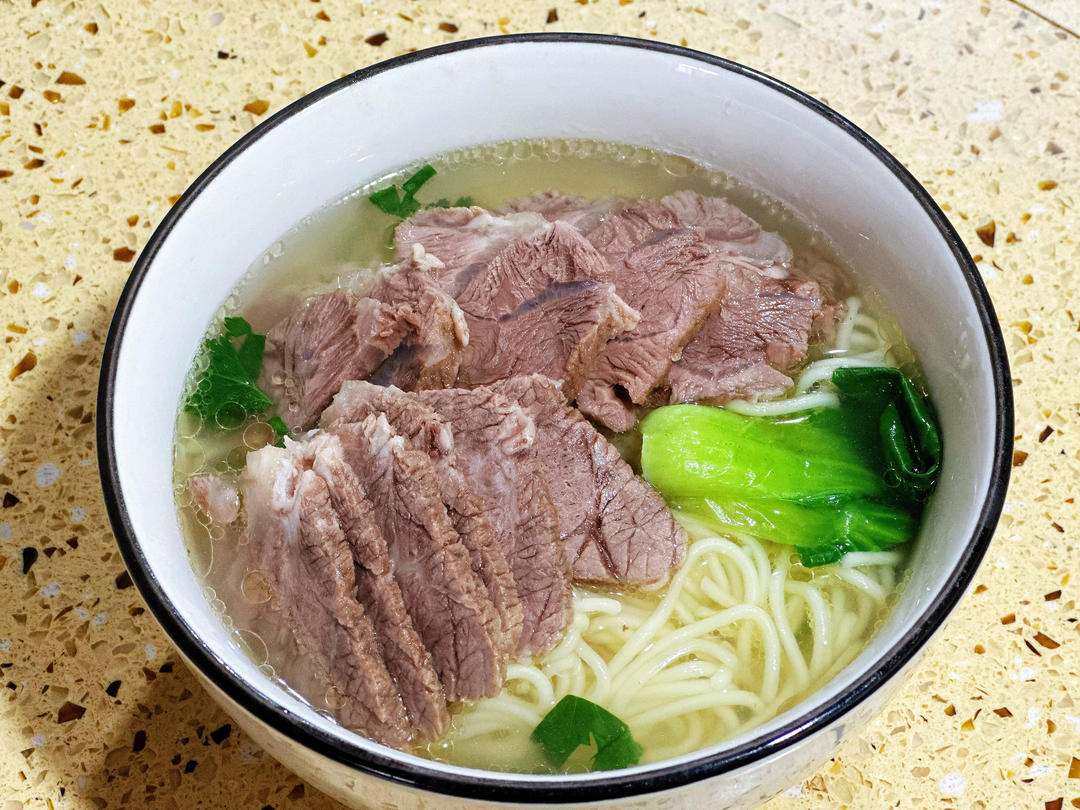
And when you want something clean and restorative rather than rich, our clear beef noodle soup keeps the broth almost transparent so the beef and noodles speak for themselves.
3Simple Clear Beef Noodle Soup (清汤牛肉面)A simple, homestyle recipe for Clear Beef Noodle Soup (Qing Tang Niu Rou Mian). This recipe focuses on a “cook and steep” method and an overnight soak to create a crystal-clear, aromatic broth and perfectly tender, sliceable beef.Check out this recipe
Why This Recipe Works
Three things make this bowl reliable. First, the broth is built in layers rather than all at once: shrimp sear first to leave their sweetness in the pot, mushrooms follow to add earthiness, and only then does the water go in. That order is why a 750 ml pot of water tastes like something that simmered for hours.
Second, the beef is marinated ahead of time. A thin slice of marinated beef needs only a minute or two in simmering broth to become tender, which means you don’t need a long cook time to get a satisfying meat component. If you keep a batch of marinated sliced beef in the fridge, this dish becomes a genuine 20-minute dinner.
Third, the noodles go in near the end. Rice noodles are delicate; boiling them for ten minutes in the broth makes them soft and starchy. Adding them for the last few minutes lets them warm through and absorb just enough flavor while staying springy.
The final seasoning is deliberately light. Marinated beef and shrimp both bring salt, so adding the full 3 g at the end without tasting is the most common way this dish goes wrong. Taste first, then adjust — that’s the whole technique.
Equipment Needed
A wok is what we use most often, because its wide surface lets the shrimp and mushrooms sear rather than steam. A clay pot is more traditional and holds heat longer at the table, but any heavy-bottomed pot or deep saucepan will work. If you’re using a clay pot, warm it gradually over low heat before cranking it up, since sudden temperature changes can crack unglazed clay.
Beyond the pot, you need a cutting board and a sharp knife for slicing the beef thinly and prepping the mushrooms and greens. A slotted spoon is genuinely useful here — it lets you lift the shrimp, beef, or egg out of the broth without dragging all the liquid with it, which matters when you’re portioning for small children.
A pair of kitchen tongs or chopsticks helps with pulling noodles out of the pot without breaking them. And if you’re serving straight from a clay pot, set it on a trivet or a folded towel, and keep small hands a safe distance away — the pot stays hot for a long time.
Finally, a fine-mesh skimmer is handy if you want a clearer broth. Shrimp and beef both throw a little foam as they poach, and skimming it off keeps the soup looking clean and appetizing, which matters more than you’d think when you’re feeding a skeptical four-year-old.
Ingredients
Nothing here is exotic. Four shrimp, a handful of button mushrooms, 750 ml of water, 80 g of marinated beef, one egg, rice noodles, a small pile of greens, salt, and scallions. That’s the entire list, and most of it is flexible.
The shrimp can be fresh or frozen; if frozen, thaw them in the refrigerator overnight and pat them dry so they sear instead of steam. Button mushrooms (口蘑) are the classic choice because they’re mild and slightly sweet, but cremini or even sliced shiitake work if you remove the tough stems.
For the beef, any thin-sliced cut works — flank, sirloin, or even leftover steak sliced across the grain. The marinade is what matters: a splash of soy sauce, a little cornstarch, and a few drops of oil, rested for at least 20 minutes. If you’re cooking for very young children, choose tamari or a low-sodium soy sauce.
Rice noodles come dried or fresh. Dried needs a long soak; fresh needs almost none. Either way, don’t skip reading the package, because soaking times vary wildly between brands, from 30 minutes to overnight.
For greens, bok choy, baby spinach, or napa cabbage all work. Cut them into pieces small enough that a child can eat them with a spoon without needing to bite through a long stem.
Ingredient Notes
Shrimp: Size matters less than freshness. Four medium shrimp per pot is plenty for the flavor; if you’re using large ones, cut them into two or three pieces so they distribute through the broth. Peel and devein them, and keep the shells if you want to simmer a quick shrimp stock instead of plain water — a five-minute simmer of shells in the 750 ml of water adds real depth.
Button mushrooms: Wipe them with a damp paper towel rather than washing them under the tap, which makes them soggy. Slice them about 3 mm thick so they cook through in the time it takes the water to come to a simmer.
Marinated beef: The marinade does double duty — it tenderizes and it seasons the broth. If your beef is marinated with a lot of soy sauce, reduce the final salt accordingly. If you’re marinating it yourself, use about 1 teaspoon of soy sauce, 1 teaspoon of cornstarch, and a few drops of neutral oil per 80 g of beef.
Rice noodles: Dried rice noodles should be soaked in cool water, not hot. Hot water makes the outside soft while the center stays hard, and then they break apart in the pot. Cool water hydrates them evenly. If you’re short on time, warm (not hot) water works, but check them every 15 minutes.
Salt: The 3 g in the ingredient list is a starting point, not a rule. Marinated beef varies enormously in saltiness, so taste the broth after the beef goes in and before you season. For kids, err on the lighter side — you can always add a pinch at the table, but you can’t take it out.
Scallions: Add them off the heat. Scallions turn bitter and lose their brightness if they boil, so scatter them over the pot just before you carry it to the table.
Prep & Mise en Place
Because the cooking moves fast, prep everything before you turn on the heat. Soak the dried rice noodles in a large bowl of cool water for 6 to 8 hours, or overnight, until they’re pliable but still firm in the center. Drain them well and set them aside — a little water clinging to them is fine, but a soaking-wet pile will dilute the broth.
While the noodles soak, peel and devein the shrimp and refrigerate them. Wipe and slice the mushrooms. Slice the marinated beef thinly if it isn’t already sliced, and let it sit at room temperature for 15 minutes before cooking so it poaches evenly rather than cooling the broth down.
Wash and cut the greens into bite-size pieces, keeping the stems and leaves separate if you’re using bok choy, since the stems need a few extra seconds. Chop the scallions. Measure the salt into a small dish so you’re not fumbling with a spoon while the pot bubbles.
Set the egg out on the counter. Lay out your slotted spoon and tongs. Fill a kettle or measuring cup with the 750 ml of water so you can pour it in one motion. Once the pot is hot, you’ll have about eight minutes of active cooking, so having everything within arm’s reach is the difference between a relaxed dinner and a frantic one.
If you’re cooking for more than four, work in batches rather than doubling the pot. A crowded pot steams instead of sears, and the broth turns cloudy and flat. Two smaller pots, cooked one after the other, give a much better result than one enormous one.
Cooking Process
Step 1 — Sear the Shrimp
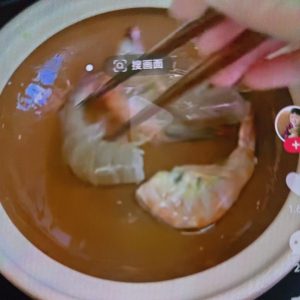
Heat the wok or clay pot over medium heat and briefly sear the four shrimp until they just turn pink and fragrant.
Step 2 — Add the Mushrooms
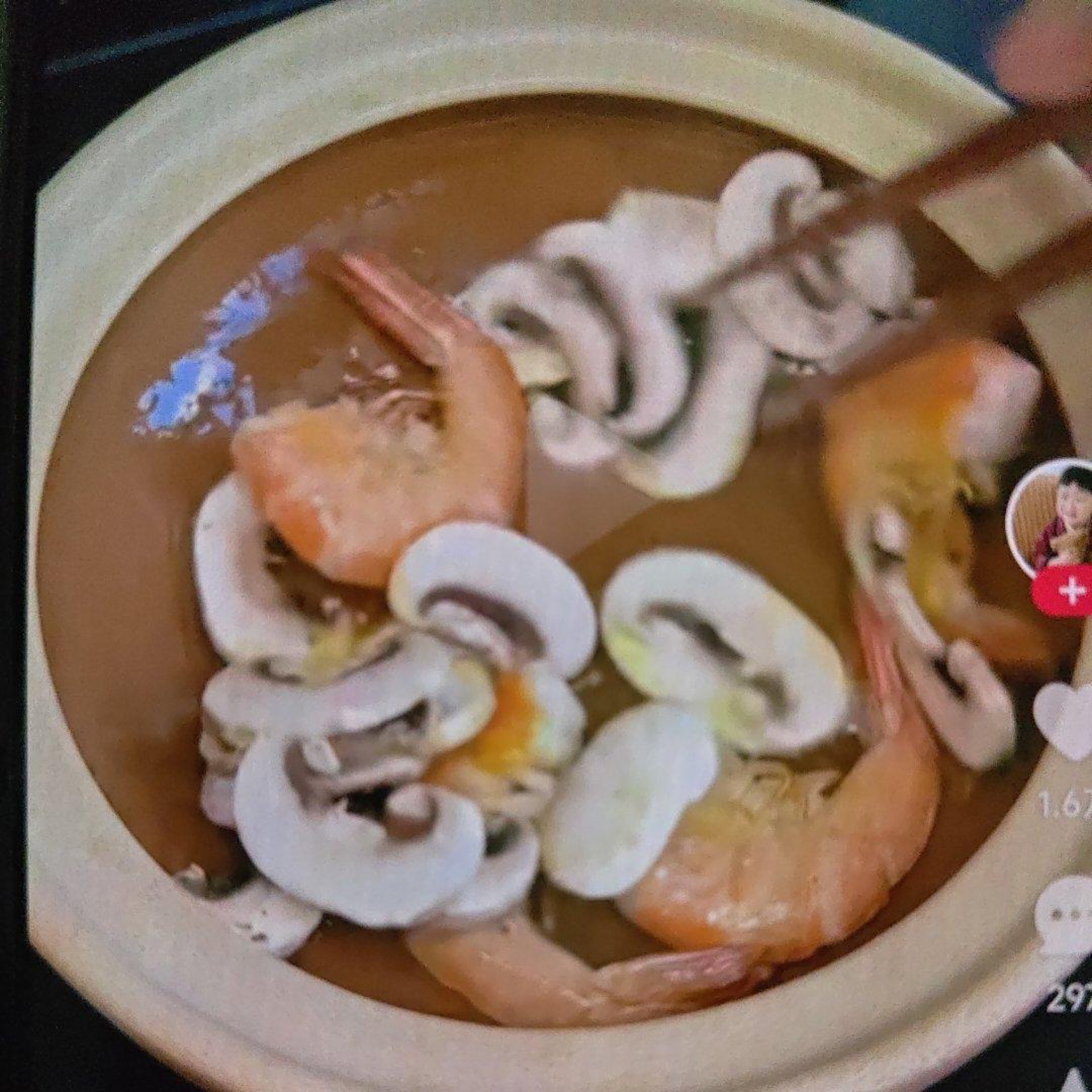
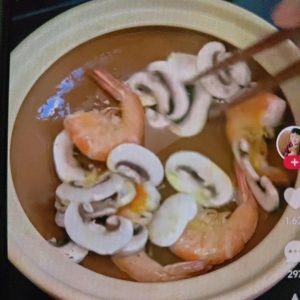
Add the button mushrooms to the pot and stir-fry with the shrimp until they soften and release their aroma.
Step 3 — Pour in the Water
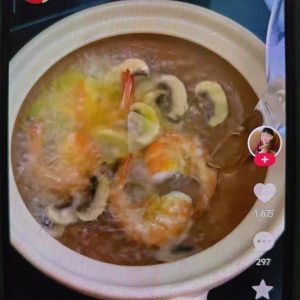
Pour in the water and bring it up to a gentle simmer to build the broth.
Step 4 — Add the Marinated Beef
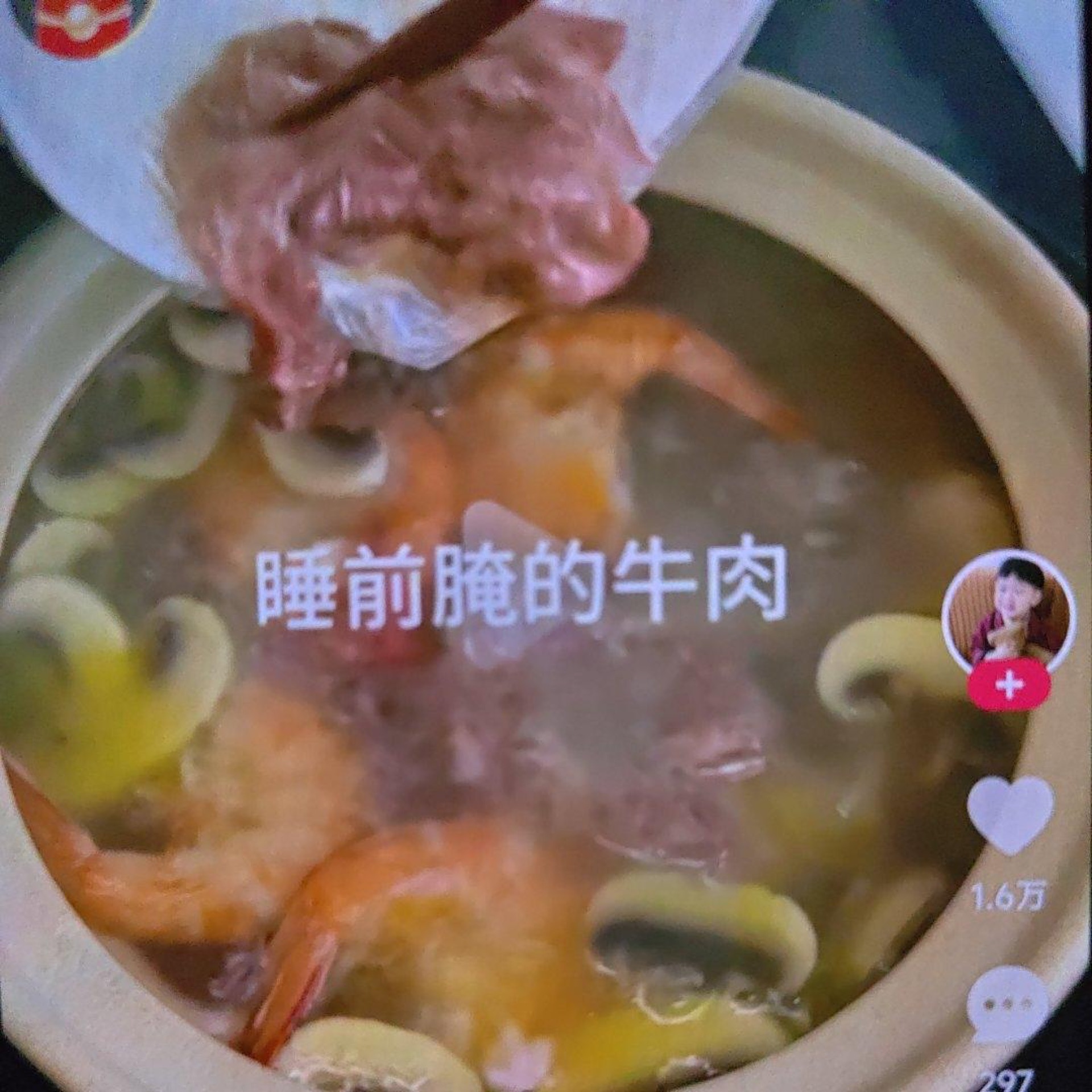
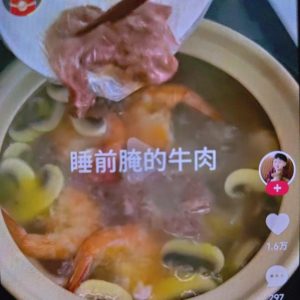
Slide in the pre-marinated beef slices and let them poach gently in the simmering broth.
Step 5 — Crack in the Egg
Crack one egg directly into the broth and let it set into a soft poached egg.

Step 6 — Add the Rice Noodles
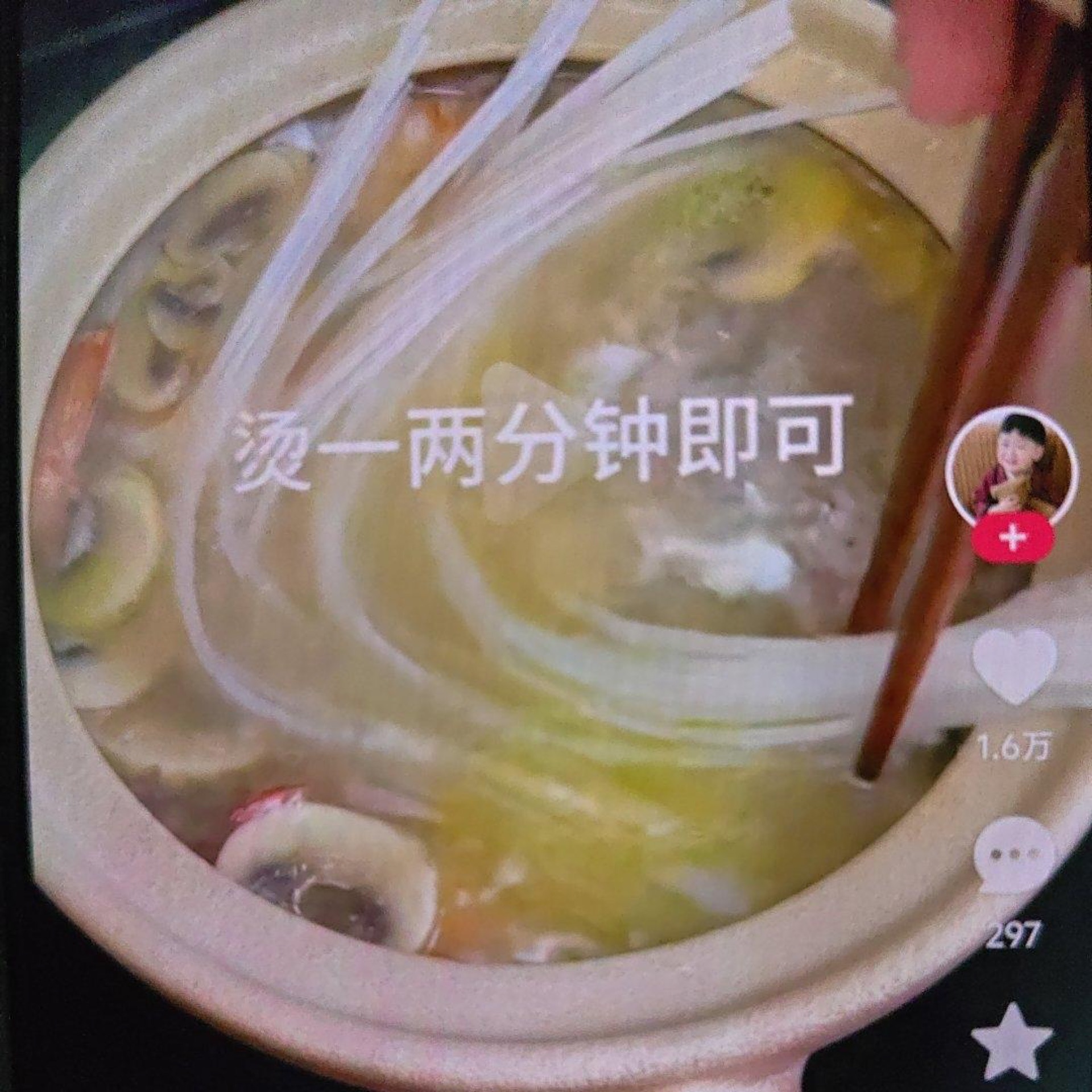
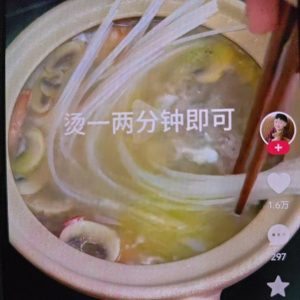
Add the soaked rice noodles and let them warm through until tender and springy.
Step 7 — Add the Greens
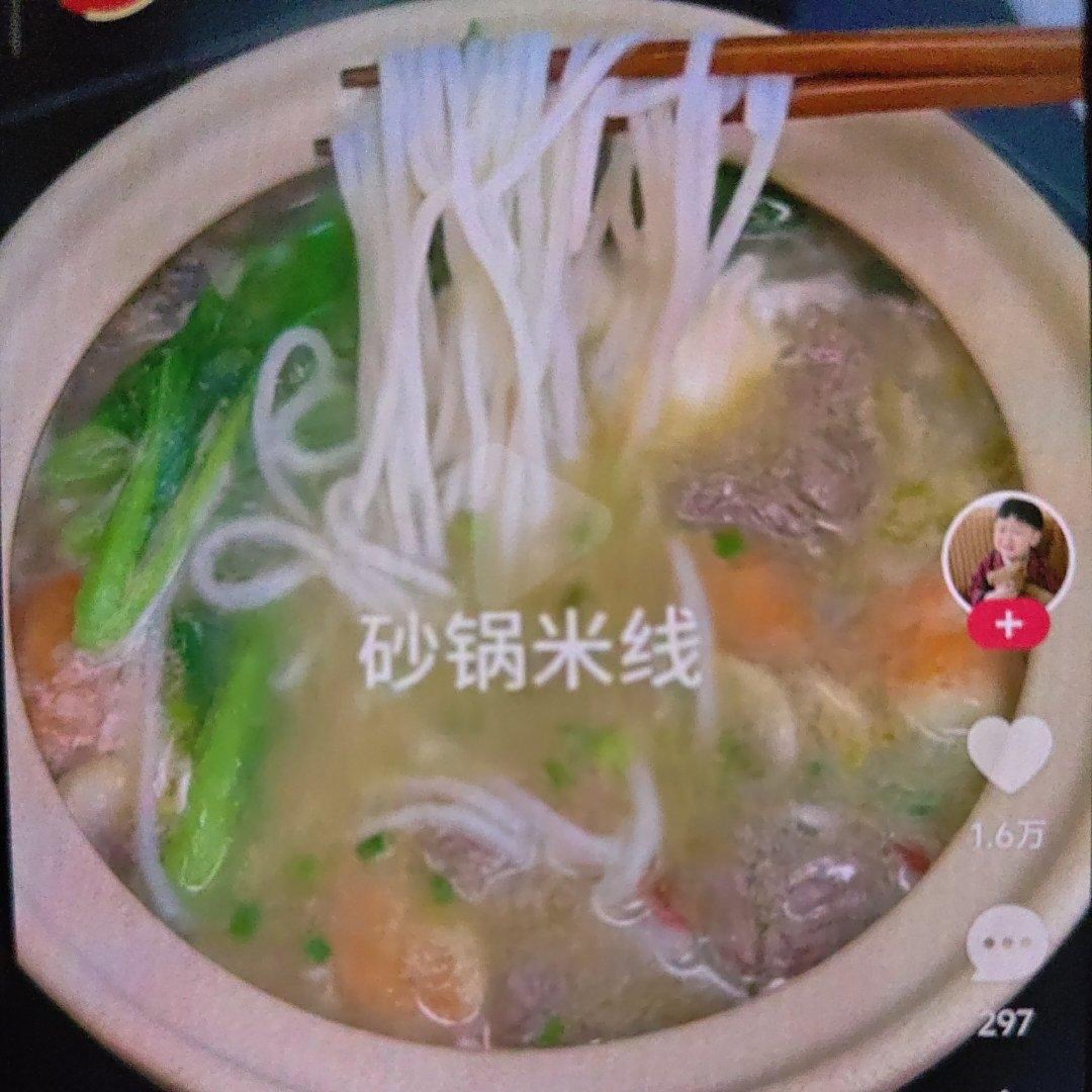
Stir in the leafy greens and cook just until they wilt and turn bright green.

Step 8 — Season and Finish
Season with salt to taste and scatter the chopped scallions over the top before serving.
Common Mistakes When Making Kids’ Clay Pot Rice Noodles
1. Soaking the noodles in hot water. Hot water softens the outside of the noodle before the center hydrates, so the strands break apart in the pot and turn gluey. The fix is simple: soak in cool water for 6 to 8 hours, or overnight, and drain well before adding them to the broth.
2. Adding the salt before tasting. Marinated beef and shrimp both contribute salt, and the amount varies by brand and by how long the beef marinated. If you add the full 3 g up front, the broth can end up too salty for a child’s palate. Taste after the beef has poached, then season in small increments.
3. Boiling instead of simmering. A hard boil agitates the rice noodles and makes them break, and it also makes the egg whites rubbery. Keep the pot at a gentle simmer — small bubbles breaking the surface, not a rolling boil — from the moment the water goes in.
4. Crowding the pot. If the shrimp and mushrooms are piled on top of each other, they steam rather than sear, and you lose the browned flavor that gives the broth its depth. Cook them in a single layer, in batches if necessary, and give them space.
5. Cooking the greens too long. Leafy greens go from bright and sweet to dull and bitter in about 90 seconds. Add them at the very end and pull the pot off the heat as soon as they wilt. Residual heat will finish the job.
6. Skipping the rest for the beef. Cold beef straight from the refrigerator drops the broth temperature and poaches unevenly, leaving some slices tough. Let the marinated beef sit at room temperature for 15 minutes before it goes in.
7. Forgetting the pot stays hot. A clay pot holds heat for a long time, which means the noodles keep cooking after you take it off the stove. If you’re not serving immediately, lift the noodles out into bowls rather than leaving them in the pot, or they’ll go soft.
Variations
Chicken version: Swap the beef for thinly sliced chicken thigh marinated the same way, and add it at the same point. Chicken needs a slightly longer poach, about 3 to 4 minutes, so check that it’s cooked through before adding the noodles. If you like the flavor profile of braised chicken with peppers, a few slivers of sweet bell pepper added with the mushrooms work nicely here too.
Vegetarian version: Skip the shrimp and beef entirely, use vegetable stock instead of water, and add a handful of soft tofu cubes with the mushrooms. A teaspoon of sweet bean sauce stirred into the broth gives it the savory backbone that the shrimp would have provided.
Spicier adult version: For grown-ups, add a spoonful of chili oil or a pinch of sichuan peppercorn powder to the bowl after serving, never to the shared pot. That way the kids’ portions stay mild and the adults can dial up the heat individually.
Tomato version: Add one chopped ripe tomato with the mushrooms and let it break down into the broth. The result is slightly tangier and pinker, and many kids prefer it. If you have quick kimchi on hand, a small spoonful served on the side is a nice contrast for adults.
Rice instead of noodles: Cooked white rice stirred in at the end makes a thicker, porridge-like bowl that’s easier for very young eaters to manage with a spoon. Add it after the greens and warm it through for a minute.
Frequently Asked Questions
Can I make this without a clay pot? Yes. A wok, a Dutch oven, or any heavy-bottomed saucepan works. The clay pot is traditional and holds heat well at the table, but it isn’t required for the flavor. Just use a pot large enough that the ingredients aren’t crowded.
How do I keep the rice noodles from getting mushy? Soak them in cool water, not hot, and add them to the broth only for the last few minutes. If you’re using fresh rice noodles, they need barely a minute. Also, don’t leave them sitting in the hot pot after cooking — serve right away or lift them into bowls.
Is this spicy? No. As written, there’s no chili at all. The warmth comes from the shrimp, mushrooms, and beef, not from heat. If you want spice, add it to individual bowls rather than the shared pot.
Can I make it ahead? The broth base — shrimp, mushrooms, and water — can be made a day ahead and refrigerated. Reheat it to a simmer, then add the beef, egg, noodles, and greens fresh. Noodles and greens don’t reheat well once cooked, so add them at serving time.
What’s the best beef for this? Any tender cut sliced thinly across the grain: flank, sirloin, or strip loin. The marinade with cornstarch is what keeps it tender during a short poach, so don’t skip it. If you’re using a tougher cut, slice it even thinner.
How to Serve
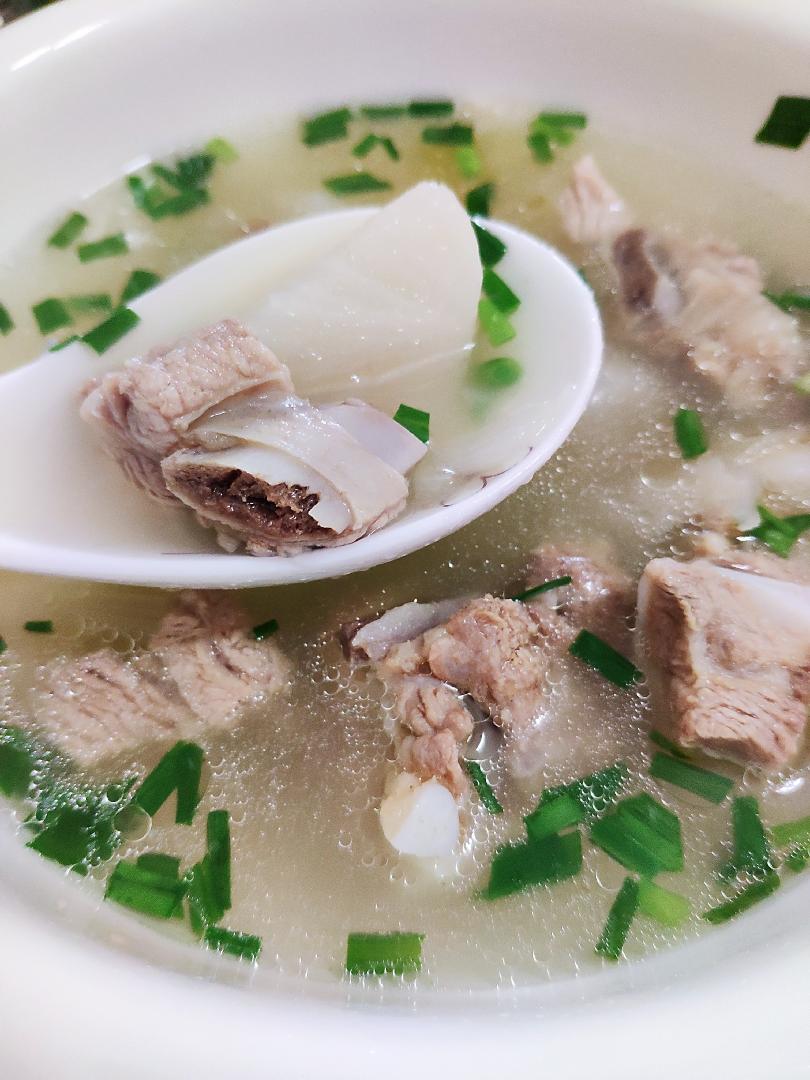
Serve the noodles straight from the pot into deep bowls, making sure each portion gets a shrimp, some beef, a piece of the egg, and a good share of greens. For a heartier table, a bowl of radish pork rib soup alongside rounds out the meal with a second, cleaner broth that adults tend to appreciate.
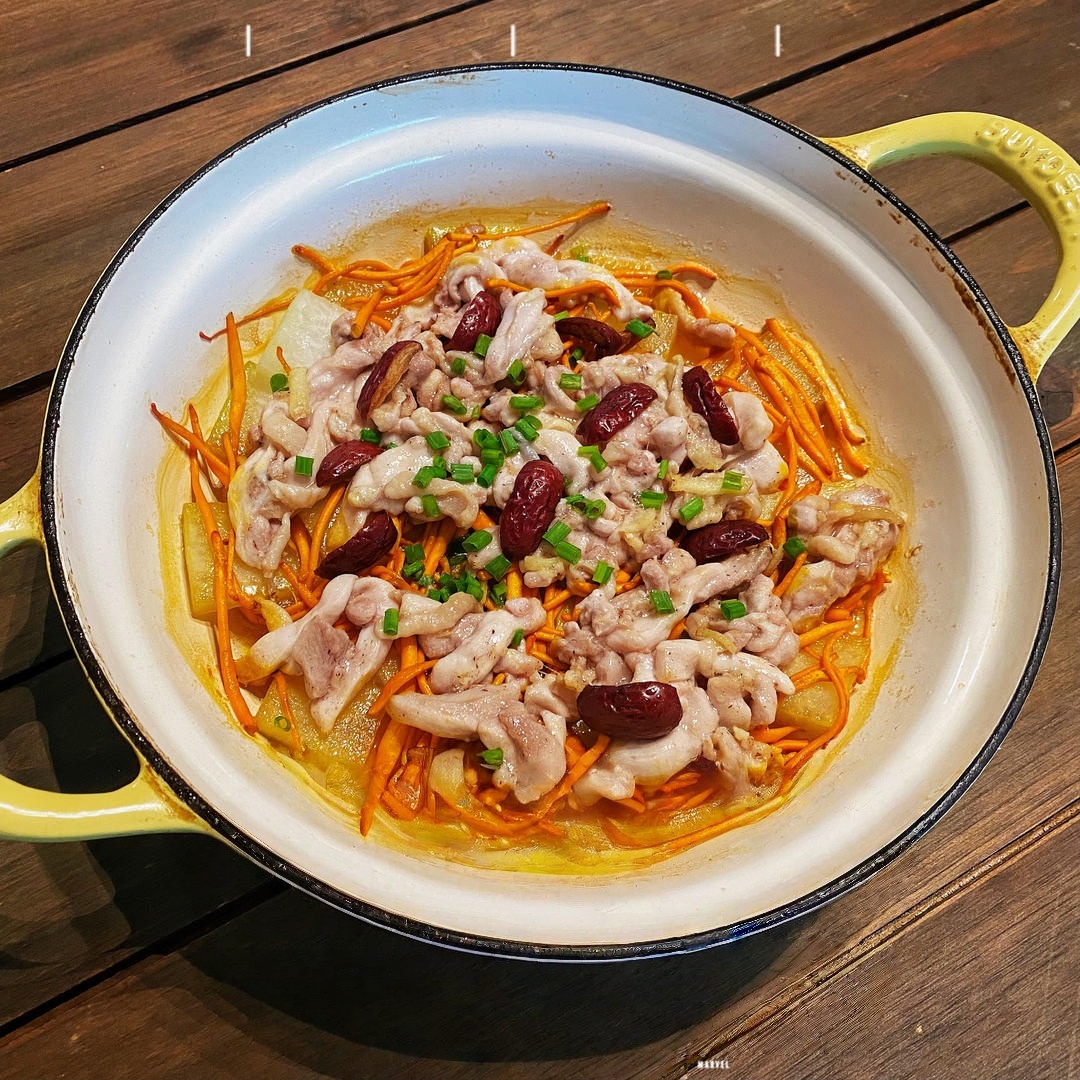
If you want a vegetable side that isn’t soup, Shunde sauna chicken is a lovely contrast — gently cooked, lightly seasoned, and easy for kids to eat alongside noodles. And for a plant-based side that adds color to the table, a small dish of mapo tofu works well for adults, though you’ll want to keep the spicy version away from the kids’ bowls.
For very young children, let the soup cool for a few minutes and cut the noodles into shorter lengths with kitchen scissors before serving. A small spoon and a bib handle the rest. For older kids, a pair of chopsticks and permission to slurp is the whole point.

Storage & Reheat
Noodle soup is best eaten the day it’s made, because rice noodles continue to absorb broth and soften as they sit. If you do have leftovers, separate the solids from the liquid: lift out the noodles, shrimp, beef, and greens with a slotted spoon and store them in one container, and pour the broth into another. Both keep in the refrigerator for up to 3 days.
To reheat, bring the broth to a simmer in a pot on the stove, then add the solids back for just a minute or two, until everything is hot through. Avoid microwaving the noodles directly in the broth, which makes them rubbery. If the broth has thickened in the fridge, thin it with a splash of water.
You can also freeze the broth alone for up to 2 months. Thaw it overnight in the refrigerator and reheat to a simmer, then add fresh noodles, beef, egg, and greens. Never refreeze broth that has already been reheated once.
For food safety, cool leftovers within 2 hours of cooking and refrigerate promptly. Reheat to 165°F (74°C) and don’t leave the pot sitting out at room temperature for more than 2 hours total.
Allergen Notice
This recipe contains shellfish (shrimp), egg, and soy. If you’re cooking for someone with a soy allergy, use coconut aminos or a soy-free seasoning in both the beef marinade and the final seasoning, and check that your rice noodles don’t contain wheat. For a shellfish allergy, omit the shrimp and build the broth from mushrooms and a light vegetable stock instead — the dish still works, though it will be milder.
If you’re using a store-bought marinated beef, read the label carefully; some marinades contain wheat, sesame, or fish sauce. For gluten-free needs, confirm that your soy sauce is tamari or another certified gluten-free brand.
Nutrition Disclaimer
Nutrition information is calculated using an ingredient database and should be considered an estimate. In cases where multiple ingredient alternatives are given, the first listed is calculated for nutrition. Garnishes and optional ingredients are not included.
About the Author & Recipe Development
Lin is the recipe developer and writer behind Woks of Love, where she shares Chinese home cooking tested in a real home kitchen for real families. This kids’ clay pot rice noodles recipe came out of a simple problem: her own children loved the smell of shaguo mixian from a favorite Yunnan restaurant but couldn’t handle the chili and heavy seasoning of the restaurant version. The goal was to keep the one-pot structure and the deep shrimp-and-mushroom savoriness while making the bowl gentle enough for a four-year-old to finish.
The recipe was tested repeatedly with different soaking times, noodle brands, and beef marinades to find the version that stays springy and doesn’t turn gluey. The salt is deliberately listed last because the right amount depends entirely on how salty your marinated beef is — a lesson learned the hard way after one very over-seasoned test batch.
Authoritative References
For safe internal cooking temperatures and proper handling of meat, poultry, and eggs, see the USDA safe minimum internal temperature chart. For guidance on cooling and storing leftovers, the FDA food safety guidance on refrigeration is a useful reference. For general information on shellfish allergens and labeling, see the FDA food allergy resources.
Kids’ Clay Pot Rice Noodles (砂锅米线): Savory Broth, Springy

Equipment
- Wok
- Cutting Board
- Slotted Spoon
Ingredients
For the Broth Base
- 4 whole shrimp peeled and deveined, tails on or off
- 4-6 pieces button mushrooms wiped clean, sliced
- 750 ml water plus more as needed
For the Noodles & Add-Ins
- 80 g marinated beef thinly sliced, see note
- 1 whole egg
- 90 g dried rice noodles or 160 g fresh rice noodles
- 80 g leafy greens bok choy or baby spinach, cut into bite-size pieces
- 3 g salt adjust to taste
- 1 tbsp scallions finely chopped, for garnish
Instructions
- Heat the wok or clay pot over medium heat and briefly sear the four shrimp until they just turn pink and fragrant.

- Add the button mushrooms to the pot and stir-fry with the shrimp until they soften and release their aroma.
- Pour in the water and bring it up to a gentle simmer to build the broth.
- Slide in the pre-marinated beef slices and let them poach gently in the simmering broth.
- Crack one egg directly into the broth and let it set into a soft poached egg.
- Add the soaked rice noodles and let them warm through until tender and springy.
- Stir in the leafy greens and cook just until they wilt and turn bright green.
- Season with salt to taste and scatter the chopped scallions over the top before serving.














Leave a Reply