Mapo Tofu isn’t just a dish for me; it’s the taste of home. I’m a Sichuan girl, and I practically grew up in the kitchen of my parents’ restaurant. My dad, a chef for over 30 years, and my mom ran that place for two decades. The air was always thick with the scent of sizzling chili, garlic, and the uniquely numbing aroma of Sichuan peppercorns. It’s the smell of my childhood.

I remember watching my dad at the wok, his movements fluid and precise. He taught me that the secret to real Mapo Tofu isn’t just about the spice; it’s about a complex balance of flavors known as málà (麻辣) – the numbing sensation from Sichuan peppercorns and the fiery heat from chilies. But it’s also savory, slightly sweet, and deeply aromatic.
What is Mapo Tofu?
Mapo Tofu (麻婆豆腐, má pó dòu fu) is one of the most famous dishes to come out of China’s Sichuan province. It features soft, silken tofu cubes suspended in a bright, fiery red sauce that’s both spicy and aromatic. Traditionally, the dish includes a small amount of minced beef or pork, which adds a rich, savory depth to the flavor. The defining characteristic of Mapo Tofu is its bold málà flavor profile, a combination of numbing Sichuan peppercorns and spicy chilies that makes it incredibly appetizing and the perfect partner for a bowl of steamed rice.
Why This Recipe Works
- Authentic Flavor, Simplified Steps: This recipe uses traditional, key ingredients like Pixian doubanjiang and Yongchuan douchi to achieve a true restaurant-quality taste, but I’ve broken down the process to be foolproof for home cooks.
- Perfectly Balanced Sauce: We’re not just throwing ingredients in a pan. I’ll show you how to layer the flavors—first by infusing the oil, then blooming the bean pastes, and finally building a sauce that is spicy, numbing, savory, and slightly sweet.
- The Ultimate Texture: The secret to great Mapo Tofu is the texture. We use tender tofu that almost melts in your mouth, and I’ll share the technique for cooking it without it falling apart. The sauce is thickened to a perfect, glossy consistency that clings beautifully to the tofu and rice.

A Deep Dive into Key Ingredients
Cooking authentic Mapo Tofu is easy, but it requires a few special ingredients to get the flavor right. Don’t worry, they are easy to find at most Asian markets or online, and once you have them, you’ll be able to make countless other Sichuan dishes.
Tofu
The star of the show! For this dish, you absolutely want to use soft or silken tofu. Its delicate, pudding-like texture is the perfect contrast to the bold, spicy sauce. It practically melts in your mouth. You can find this in the refrigerated section of most supermarkets. While you can use firm tofu, you’ll miss out on the signature soft texture of the authentic dish.


Doubanjiang (Spicy Broad Bean Paste)
This is the soul of Mapo Tofu and is non-negotiable. Doubanjiang (豆瓣酱) is a fermented, salty, and spicy paste made from broad beans and chilies. For the most authentic flavor, you must find Pixian Doubanjiang (郫县豆瓣酱). Pixian is a county in Sichuan renowned for producing the best chili bean paste. Look for brands that are a deep reddish-brown color and have “Pixian” on the label. You can find it at any Chinese grocery store or purchase it online from retailers like The Mala Market.
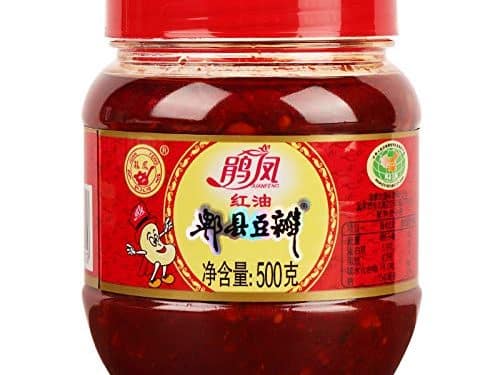

NOTE: Doubanjiang brands vary in saltiness and spiciness. This recipe is designed to be eaten with rice, so the sauce is intentionally savory. If you are sensitive to salt, you can start with a little less paste.
Douchi (Fermented Black Beans)
Douchi (豆豉) are savory, pungent fermented soybeans that add a deep umami flavor. The recipe calls for Yongchuan Douchi (永川豆豉), another famous regional product. They add a layer of complexity that you can’t get from anything else. You’ll want to give them a quick chop before using to release their flavor.

Sichuan Peppercorns & Dried Chilies
These two ingredients create the iconic málà flavor.
- Sichuan Peppercorns (花椒, huājiāo) provide the numbing, tingling, citrusy sensation. They don’t add heat, but rather a unique mouthfeel that is essential to Sichuan cooking.
- Dried Red Chilies provide the spicy heat (là). The recipe calls for whole dried chilies, which we’ll use to infuse the oil with a toasted, smoky aroma.
Sichuan Peppercorn Cooking Tip
The best way to use whole Sichuan peppercorns is to gently toast them in hot oil over low heat. This infuses the oil with their incredible fragrance. In this recipe, we then discard the peppercorns themselves. This gives you all the flavor without the unpleasant sandy texture of biting into a whole peppercorn.
How to Make Authentic Mapo Tofu
Mise en Place: Get Ready to Cook!
Stir-frying is a fast process, so it’s critical to have all your ingredients prepped and ready to go before you even turn on the stove. This practice is called mise en place and it’s the secret to a stress-free cooking experience.
Your station should have:
- The bowl of marinated ground beef.
- The cubed tofu.
- A small bowl with the chopped fermented black beans and doubanjiang.
- A small bowl with all your chopped aromatics: ginger, garlic, and most of the scallions.
- Your pre-mixed starch slurry.
- All your other seasonings and oils within arm’s reach.


Cooking Process
- Marinate the Beef: In a small bowl, combine the minced beef, Shaoxing wine, and cornstarch. Mix well with your fingers or chopsticks and set aside to marinate for about 10 minutes.

- Cook the Beef: Heat a wok or large skillet over high heat. Add a tablespoon of oil, and once it’s shimmering, add the marinated beef. Stir-fry, breaking up the clumps, until the beef is just browned. It doesn’t need to be cooked through. Immediately remove it from the wok and set aside.

- Infuse the Oil: Reduce the heat to low. Add another tablespoon of oil to the same wok. Add the whole dried chilies and Sichuan peppercorns. Stir-fry gently for 1-2 minutes until they are fragrant and the oil is infused. Be careful not to burn them! Once fragrant, use a slotted spoon to remove and discard the chilies and peppercorns, leaving the beautifully aromatic oil behind.


- Create the Flavor Base: Turn the heat up to medium-low. Add the doubanjiang and chopped douchi mixture to the infused oil. Stir-fry for about a minute until the oil turns a brilliant red color and the paste is fragrant. This step is crucial for developing the primary flavor of the dish.

- Add Aromatics: Turn the heat to high. Add the minced ginger, garlic, and the larger portion of chopped scallions. Stir-fry for about 30 seconds until you can smell their sharp, fresh aroma.

- Gently Add Tofu: Carefully add the cubed tofu to the wok. Don’t stir! Instead, gently push the tofu with the back of your spatula or shake the wok to coat the tofu in the sauce without breaking it.

- Simmer and Build the Sauce: Pour in the water or chicken broth, just enough to almost cover the tofu. Bring it to a gentle simmer. Add the cooked beef back into the wok, along with the light soy sauce, black pepper, and sugar. Gently mix everything together by pushing with your spatula. Reduce the heat to medium-low, cover, and let it simmer for 5 minutes. This allows the tofu to absorb all those wonderful flavors.


- Thicken the Sauce: Uncover the wok. Give your cornstarch slurry a quick stir to recombine it. While gently pushing the tofu, slowly drizzle in about half of the slurry. The sauce will begin to thicken and turn glossy. Let it simmer for 30 seconds. If you’d like it thicker, add a bit more slurry until it reaches your desired consistency—it should be thick enough to coat the tofu and your spoon.

- Finish and Serve: Turn off the heat. Drizzle the chili oil and Sichuan peppercorn oil over the top. Give it one last gentle push to combine. Carefully transfer the Mapo Tofu to a serving bowl. Garnish with the remaining fresh scallions. Serve immediately with hot steamed rice!


Tips for Success
- Be Gentle with the Tofu: Silken tofu is very delicate. Use a pushing motion with your spatula rather than a stirring motion to prevent it from breaking into mush.
- Control Your Heat: Use low heat when infusing the oil with spices to prevent burning, but use high heat when stir-frying the aromatics to release their flavor quickly.
- Don’t Add Extra Salt: The doubanjiang and douchi are very salty. You will likely not need to add any extra salt to this dish. Always taste before seasoning.
- Thicken in Stages: Adding the cornstarch slurry gradually gives you control over the final consistency of the sauce, preventing it from becoming too gloopy.
Serving Suggestions
Mapo Tofu is practically designed to be eaten with plain steamed rice. The rice is the perfect neutral canvas to soak up the rich, flavorful sauce and balance the intense spice.
For a more complete meal, you can serve it alongside a simple stir-fried green vegetable, like stir-fried bok choy or an Easy Smashed Cucumber Salad (拍黄瓜). The coolness and crunch of the cucumbers provide a wonderful contrast to the hot, soft tofu.
How to Store and Reheat
Mapo Tofu is best enjoyed fresh, but leftovers can be stored in an airtight container in the refrigerator for up to 3 days. The sauce may thicken slightly upon chilling.
To reheat, gently warm it in a saucepan over low heat, adding a splash of water if the sauce is too thick. Avoid the microwave, as it can overcook the tofu and make it rubbery.
Frequently Asked Questions (FAQ)
Can I use pork instead of beef?
Absolutely! Ground pork is a very common and equally delicious substitute for beef in this recipe.
Can I make this vegetarian?
Yes. To make a vegetarian version, simply omit the ground meat. You can add finely chopped shiitake mushrooms for a savory, “meaty” texture. Sauté the mushrooms after the doubanjiang step until they are tender. Also, ensure you use vegetable broth instead of chicken broth.
My Mapo Tofu is too salty, how can I fix it?
This usually happens due to the brand of doubanjiang. If you find your dish is too salty, you can add a little more sugar to balance it out, or add more unseasoned tofu and a splash of water to dilute the sauce. Next time, start with less doubanjiang.
Where can I buy Sichuan peppercorn oil and chili oil?
You can find both at most Asian grocery stores or online. For the best flavor, I highly recommend making your own Homemade Chili Oil (辣椒油), as it tastes much fresher than store-bought versions.

Mapo Tofu (麻婆豆腐)

Equipment
- 1 Wok or large, deep skillet
- 1 Spatula
- 1 Cutting board and knife
- 3-5 Small Bowls Several small bowls for prep (mise en place)
Ingredients
For the Marinade
- 4 oz ground beef (115g) (or pork)
- 1 tsp Shaoxing wine (can substitute with dry sherry)
- 1 tsp cornstarch
For the Stir-Fry
- 1 block silken or soft tofu (16 oz / 450g) silken or soft tofu, cut into 1-inch cubes
- 2-3 tsp neutral oil (like canola or vegetable oil)
- 8-10 dried red chilies
- 1 tbsp Sichuan peppercorns
- 2 tbsp Pixian Doubanjiang (spicy broad bean paste)
- 1 tbsp Douchi Yongchuan Douchi (fermented black beans), finely chopped
- 1 tbsp ginger finely minced
- 2-3 cloves garlic finely minced
- 3 scallions finely chopped (whites and greens separated)
- 1 cup hot water 240g,or unsalted chicken broth
- 1 tsp light soy sauce
- ½ tsp sugar
- ¼ tsp ground black pepper
For the Slurry & Garnish
- 1 tbsp cornstarch
- 2 tbsp cold water
- 1 tsp chili oil
- 1 tsp Sichuan peppercorn oil
Instructions
- Marinate Beef: In a small bowl, combine the ground beef with Shaoxing wine and 1 tsp of cornstarch. Mix well and set aside.

- Prep: Cut the tofu into cubes. Finely chop the douchi and mix it with the doubanjiang in a small bowl. Prepare all other minced aromatics. In another small bowl, mix 1 tbsp cornstarch with 2 tbsp cold water to make the slurry.
- Cook Beef: Heat 1 tbsp of oil in a wok over high heat. Add the beef and stir-fry until just browned. Remove from the wok and set aside.
- Infuse Oil: Reduce heat to low and add 1-2 tbsp of oil. Add the dried chilies and Sichuan peppercorns and toast gently for 1-2 minutes until fragrant. Do not burn them. Remove and discard the spices with a slotted spoon.
- Bloom Paste: Increase heat to medium-low. Add the doubanjiang and douchi mixture to the infused oil and stir-fry for 1 minute until the oil turns red and aromatic.
- Add Aromatics: Turn heat to high. Add the ginger, garlic, and the white/light green parts of the scallions. Stir-fry for 30 seconds until fragrant.
- Combine: Gently add the tofu cubes. Add the hot water (or broth) and bring to a simmer. Add the cooked beef, light soy sauce, sugar, and black pepper. Gently push with a spatula to mix. Cover and simmer on low for 5 minutes.
- Thicken: Uncover and bring back to a simmer. Give the cornstarch slurry a stir and drizzle in half of it while gently pushing the tofu. Allow the sauce to thicken for 30 seconds. Add more slurry if needed to reach a glossy, coating consistency.
- Finish: Turn off the heat. Drizzle with chili oil and Sichuan peppercorn oil. Garnish with the remaining green parts of the scallions. Serve immediately with hot rice.


Notes
Nutrition (Disclaimer)
- Serving Size: 1 serving (recipe makes 3)
- Calories: 366kcal
- Carbohydrates: 12g
- Protein: 19g
- Fat: 26g
- Saturated Fat: 6g
- Cholesterol: 25mg
- Sodium: 850mg
- Potassium: 350mg
- Fiber: 2g
- Sugar: 3g
Real Comments From Our Readers
⭐⭐⭐⭐⭐
“I finally did it! I’ve been so intimidated by Mapo Tofu for years, but this recipe was so clear and easy to follow. The tip about discarding the peppercorns was a game-changer. It tasted exactly like my favorite restaurant’s version. My search for the perfect recipe is officially over!” – Jessica L.
⭐⭐⭐⭐
“This was incredible! So much flavor. I couldn’t find the specific brands of bean paste, but I used what my local Asian market had and it still turned out amazing. A little salty for me, so next time I’ll use a bit less of the doubanjiang as suggested. Will definitely be making this again.” – Mike D.
⭐⭐⭐⭐⭐
“As someone who grew up with Sichuan food, this is the real deal. The balance of ma and la is perfect. I made the vegetarian version with mushrooms and it was just as satisfying. Thank you for sharing a piece of your family’s heritage!” – Mei












Leave a Reply