If you’ve ever ordered Chinese takeout in America, you’ve probably seen General Tso’s Chicken. It’s often a sweet, sometimes gloopy, but always satisfying dish. But let me tell you a little secret from someone who grew up in the kitchen of my parents’ Sichuan restaurant: the version you get from most takeout spots is a world away from the original. This recipe is my tribute to the real deal—a dish that’s crispy, complex, tangy, savory, and just spicy enough to keep you coming back for more.

I grew up surrounded by the sizzle of woks and the incredible aromas of my father’s cooking. He was a chef for over 30 years, and our family restaurant was my playground and my school. I learned that the soul of a dish comes from a balance of flavors and the right technique. When I first came to the States and tried American General Tso’s Chicken, I was fascinated. It was delicious, but it was so different from the classic Hunanese dish it’s named after.
This recipe is how my dad would have made it—and how I make it now. It skips the heavy breading and overly sweet sauce and focuses on creating an incredibly light, crispy coating on the chicken and a sauce that is perfectly balanced. It’s the kind of dish that will make your guests think you’ve secretly trained in a professional kitchen, but it’s surprisingly simple to make at home.
Looking for a Meatless Option?
If you’re looking to swap out the poultry but still crave that iconic sweet-and-spicy crunch, you absolutely have to try our plant-based twist. We’ve applied these same expert frying techniques to extra-firm tofu to ensure it stays incredibly crispy, even after being tossed in that signature sticky glaze. Head over to our General Tso’s Tofu recipe for a vegetarian alternative that’s every bit as satisfying as the original.
1Vegetarian General Tso’s Tofu (Crispy & Sticky)A vegetarian twist on the takeout classic. Extra-firm tofu is fried to a golden crisp and tossed in a signature sweet, tangy, and spicy General Tso sauce.Check out this recipe

What is General Tso’s Chicken?
General Tso’s Chicken (左宗棠鸡, Zuǒ Zōngtáng Jī) is a classic dish from Hunan province in China, known for its bold and spicy flavors. Interestingly, the dish has very little to do with the actual historical figure, General Zuo Zongtang. It was created by a Hunanese chef and became incredibly popular when it was brought to the United States. Over time, it adapted to American tastes, becoming much sweeter.

The authentic version is a beautiful balance of savory, sour, and spicy notes. The chicken is deep-fried to achieve a light, crispy shell that stays crunchy even after being tossed in the sauce. This isn’t just another takeout recipe; it’s a piece of culinary history you can create in your own kitchen.
Why This Recipe Works
- Authentic Flavor Profile: This recipe brings back the tangy, savory, and spicy roots of the original Hunan dish, moving away from the overly sweet sauce common in takeout versions.
- Incredibly Crispy Chicken: The secret lies in a simple cornstarch coating and the right frying temperature. No thick, heavy batter here—just a light, crackly crust that holds up to the sauce.
- Perfectly Balanced Sauce: With just a handful of pantry staples, this sauce hits all the right notes: the umami from soy sauce, the tang from vinegar, a hint of sweetness from sugar, and a kick from garlic, ginger, and chili oil.
- Faster and Better Than Takeout: From start to finish, this dish comes together in under 30 minutes. It’s fresher, tastier, and healthier than ordering in.
A Closer Look at Key Ingredients
Before we start, let’s talk about a few crucial components. Getting these right is the key to an amazing General Tso’s Chicken.
- Chicken Thighs: For the juiciest, most flavorful result, I always use boneless, skinless chicken thighs. They are more forgiving than breasts and stay incredibly tender after frying. If you prefer chicken breast, that works too, just be careful not to overcook it.
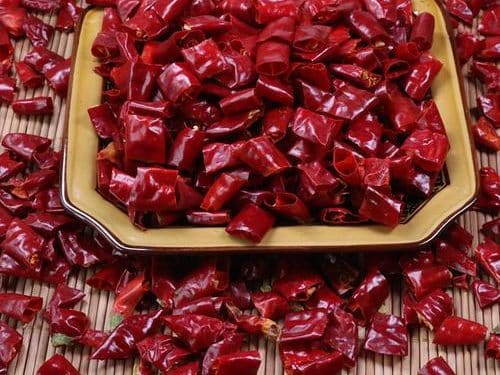
- Dried Red Chilies: These are essential for adding a smoky, aromatic heat. Don’t worry, they are more for fragrance than intense spiciness. You can find them in most Asian supermarkets or online. Tianjin chilies are common, but Chiles de Árbol are a great substitute if you can’t find them.
- The Sauce Trio (Soy Sauce, Vinegar, Sugar): This is the heart of the sauce.
- Light Soy Sauce: This is your standard “regular” soy sauce. I prefer brands like Kikkoman or Pearl River Bridge for a clean, savory flavor. It provides the xian (鲜) or umami base.
- White Vinegar: Simple distilled white vinegar provides the perfect tang to cut through the richness. Rice vinegar is a slightly milder, but excellent, alternative.
- Sugar: Just a touch of white sugar is needed to balance the acidity of the vinegar and the saltiness of the soy sauce.
- Chili Oil (辣椒红油): This adds a beautiful red hue and a warm, toasty layer of spice. You can buy this at any Asian market, or make a quick version yourself.
NOTE: How to Make Quick Chili Oil
If you don’t have chili oil, you can make a simple version. Gently heat about 2 tablespoons of a neutral oil (like canola or avocado) in a small saucepan with 1-2 teaspoons of fine chili powder or red pepper flakes. Heat just until you see tiny bubbles and the oil turns red (don’t let it smoke or the chili will burn). Let it cool, then strain out the solids if you just want the oil. For this recipe, the 10g of chili oil from the store is perfect.
Mise en Place: Getting Ready to Cook
In professional kitchens, we call it mise en place—”everything in its place.” Chinese stir-frying is incredibly fast, so you need to have all your ingredients prepped and ready to go before you even think about turning on the stove.
- Prep the Chicken: Cut the chicken into bite-sized pieces.

- Mix the Sauce: In a small bowl, whisk together all the sauce ingredients: minced ginger and garlic, light soy sauce, white vinegar, sugar, cornstarch, and water. This way, you can pour it in all at once.

- Prepare Aromatics: Have your dried chili segments ready.

- Set Up Your Frying Station: Have a plate lined with paper towels and a spider strainer or slotted spoon next to your wok or pot.
How to Make General Tso’s Chicken
This process moves quickly, so read through the steps once before you begin.
Step 1: Marinate and Coat the Chicken
In a medium bowl, combine the chicken pieces with the egg yolk and salt. Use your hands to mix well until every piece is coated. Let this sit while you heat your oil.

Crucial Tip: Do not add the cornstarch to the chicken until the very last second before you’re ready to fry. Add the 50g of cornstarch to the bowl and toss thoroughly only when your oil has reached temperature. This ensures the coating stays light and dry, which is the secret to a super crispy texture. If you add it too early, the starch will become gummy.
Step 2: Fry the Chicken
In a wok, deep skillet, or Dutch oven, heat about 2-3 inches of neutral oil to 180°C / 350°F. Using a thermometer is highly recommended for the best results.

Once the oil is hot, add the cornstarch to your chicken and toss to coat. Carefully, add the chicken pieces to the oil one by one, being careful not to overcrowd the pan. This prevents them from sticking together and helps maintain the oil temperature.
Fry for about 3-4 minutes, moving the pieces around occasionally with chopsticks or a spider strainer, until they are golden brown and crispy. Remove the chicken from the oil and let it drain on a wire rack or paper-towel-lined plate.

Why This Frying Method Works (The Science!)
The combination of egg yolk and a last-minute cornstarch dredge creates a protective, brittle shell. Frying at a high temperature (180°C / 350°F) instantly evaporates moisture from the surface, setting this crust quickly. This process, a form of velveting, locks in the chicken’s natural juices, resulting in a perfectly tender interior and a shatteringly crisp exterior.
Step 3: Make the Sauce
Carefully drain the hot oil from your wok, leaving about 1 tablespoon behind. Reheat the wok over medium-high heat.
Add the dried chili segments and stir-fry for about 15-30 seconds until they darken slightly and become fragrant (bào xiāng, 爆香). Be careful not to burn them!
Give your pre-mixed sauce a quick stir (the cornstarch will have settled) and pour it into the wok. The sauce will bubble and begin to thicken almost immediately. Let it cook for about 30 seconds, stirring constantly, until it becomes glossy and thick enough to coat a spoon.


Step 4: Combine and Serve
Add the fried chicken back into the wok with the thickened sauce. Quickly toss everything together for about 30 seconds until every piece of chicken is evenly coated in the glossy sauce. The goal is to coat, not to soak!


Transfer immediately to a serving platter and serve hot.
Tips for Success
- Don’t Add Cornstarch Early: I can’t stress this enough. Add the cornstarch to the chicken right before it goes into the hot oil for the crispiest result.
- Maintain Your Oil Temperature: If the oil is too cool, the chicken will be greasy. If it’s too hot, the coating will burn before the chicken is cooked. Use a thermometer!
- Fry in Batches: Don’t overcrowd the wok. Frying in two batches if necessary will ensure every piece gets perfectly crispy.
- Move Fast at the End: The final toss in the sauce should be very quick—just long enough to coat the chicken. This helps maintain that wonderful crispiness.
Variations and Serving Suggestions
A Simpler, Lighter Version
If you’re hesitant about deep-frying, you can pan-fry the chicken. The texture won’t be as crispy, but it’s still delicious. Coat the chicken as directed, then pan-fry in a few tablespoons of oil over medium-high heat until golden brown and cooked through. Remove the chicken, make the sauce in the same pan, and toss to combine.
The Ultimate Crispy Method (Advanced)
For restaurant-level crispiness, try a double-fry. First, fry the chicken at 180°C / 350°F for about 2-3 minutes until lightly golden but not fully browned. Remove and let it rest for a few minutes while you bring the oil temperature up to 190°C / 375°F. Fry the chicken a second time for 45-60 seconds until deep golden brown. This technique drives out even more moisture, creating an incredibly crunchy crust.
What to Serve with General Tso’s Chicken
This dish is practically begging to be served with a bowl of fluffy steamed white rice to soak up that incredible sauce. For a more complete meal, pair it with a simple vegetable side. A light, garlicky stir-fry of bok choy or broccoli would be perfect. For something a little different, try serving it with my famous Flaky Scallion Pancakes (Cong You Bing) to mop up the sauce.
How to Store and Reheat
Store any leftovers in an airtight container in the refrigerator for up to 3 days.
To reheat: For the best results, use an air fryer or a conventional oven. Reheat at 190°C / 375°F for 5-7 minutes, or until the chicken is hot and has crisped up again. Microwaving will work in a pinch, but the chicken will lose its crispy texture.
Similar Recipes You Might Enjoy
If you love the bold flavors of this dish, you’ll definitely want to try some other classics from my family’s kitchen:
- Authentic Mapo Tofu: A true taste of my Sichuan homeland.
- Kung Pao Chicken: Another takeout superstar that’s so much better when made at home.
- Twice-Cooked Pork (Hui Guo Rou): A Sichuan specialty that is rich, savory, and incredibly addictive. (Replace with a valid link if available)
Frequently Asked Questions (FAQ)
1. Can I use chicken breast instead of thighs?
Yes, you can. Cut the breast into slightly smaller, uniform pieces and be extra careful not to overcook it during the frying step, as breast meat can dry out more easily than thigh meat.
2. How can I make this dish spicier or milder?
- For more spice: Add a few more dried red chilies. You can also break them open to release more heat from the seeds. Adding a little more chili oil to the sauce will also increase the spice level.
- For less spice: Use fewer dried red chilies (or omit them entirely, though you’ll lose some of the smoky aroma) and reduce the amount of chili oil in the sauce.
3. Can I bake or air-fry the chicken instead?
You can, but the texture will be different from the classic deep-fried version.
- For Air Frying: After coating the chicken, spray it generously with oil. Air-fry at 200°C / 400°F for 10-12 minutes, flipping halfway through, until golden and cooked through.
- For Baking: Place the coated chicken on a wire rack set over a baking sheet. Spray with oil. Bake at 220°C / 425°F for 15-20 minutes, flipping halfway, until crispy.
4. My coating became soggy. What did I do wrong?
This usually happens for one of two reasons: either the cornstarch was added to the chicken too early, or the oil temperature was too low. Ensure you add the cornstarch right before frying and use a thermometer to keep your oil at a steady 180°C / 350°F.

General Tso’s Chicken (左宗棠鸡)

Equipment
- 1 Wok or Dutch oven (for frying)
- 1 Cooking thermometer
- 1 Spider Strainer or slotted spoon
- 2 Small Bowl (for sauce)
- 1 Medium bowl
Ingredients
For the Chicken
- 1 lb chicken thighs (450g) boneless, skinless , cut into 1-inch pieces
- 1 large egg yolk
- ¼ tsp salt
- 6 tbsp cornstarch (50g)
- 3-4 cups neutral oil for frying (e.g., canola, vegetable, or peanut oil)
For the Sauce
- 1 tsp minced ginger
- 1 tsp minced garlic
- 1 tbsp light soy sauce
- 1 tbsp white vinegar (or rice vinegar)
- 1 tbsp granulated sugar
- 1 tsp cornstarch
- 2 tbsp water
- 2 tsp chili oil (10g)
- 5-8 whole dried red chilies cut into ½-inch segments
Instructions
- Prepare the Sauce: In a small bowl, whisk together all the sauce ingredients: minced ginger, garlic, light soy sauce, white vinegar, sugar, 1 tsp cornstarch, water, and chili oil. Set aside.
- Marinate the Chicken: In a medium bowl, combine the chicken pieces, egg yolk, and salt. Mix thoroughly until the chicken is well-coated.
- Heat the Oil: Pour the frying oil into a wok or large, deep pot. Heat over medium-high heat until the oil reaches 180°C / 350°F.
- Coat the Chicken: Once the oil is at temperature, add the 6 tbsp of cornstarch to the marinated chicken. Toss immediately and vigorously until every piece is evenly and lightly coated.
- Fry the Chicken: Carefully place the chicken pieces into the hot oil one at a time. Fry in batches if necessary to avoid overcrowding. Fry for 3-4 minutes, turning occasionally, until deep golden brown and crispy.
- Drain the Chicken: Remove the chicken with a spider strainer or slotted spoon and transfer to a wire rack to drain excess oil.
- Make the Sauce: Carefully pour the hot oil out of the wok into a heatproof container, leaving about 1 tablespoon of oil in the wok. Place the wok over medium-high heat. Add the dried red chili segments and stir-fry for 15-30 seconds until fragrant.
- Thicken the Sauce: Give the sauce mixture a quick stir to recombine the cornstarch, then pour it into the wok. Cook, stirring constantly, for about 30 seconds until the sauce bubbles and thickens to a glossy consistency.
- Finish the Dish: Add the fried chicken back to the wok. Toss everything quickly for about 30 seconds to coat the chicken in the sauce.
- Serve: Transfer immediately to a plate and serve hot with steamed rice.
Notes
- Calories: 550 kcal
- Protein: 35g
- Fat: 30g
- Carbohydrates: 32g
- (Disclaimer: Nutrition information is calculated using an ingredient database and should be considered an estimate. Garnishes and optional ingredients are not included.)
Real Reviews From Our Readers
⭐️⭐️⭐️⭐️⭐️
“This is IT! I’ve been searching for a General Tso’s recipe that wasn’t sickly sweet and this is absolutely perfect. The chicken was so crispy, and the sauce was amazing. My family thought I ordered from a fancy new restaurant. This is going into our regular rotation.” – Jessica P.
⭐️⭐️⭐️⭐️⭐️
“I grew up with a chef father too, and this recipe brought back so many memories. The technique of adding the cornstarch right before frying is a game-changer. The balance of sour and savory is spot on. Thank you for sharing a piece of your family’s history!” – David L.
⭐️⭐️⭐️⭐️
“Made this tonight and it was delicious! I was a little nervous about deep-frying but the instructions were super clear and it came out great. I used chicken breast and it was still very juicy. I might add a tiny bit more chili oil next time because we like it spicy in our house. A fantastic recipe!” – Emily R.












Leave a Reply