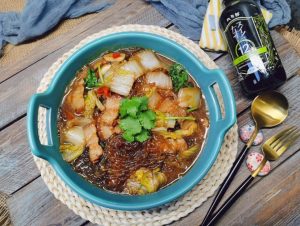
Hello everyone, it’s Lin here! When the temperature drops and the autumn and winter winds start howling, there is nothing my family craves more than a bubbling, savory pot of stew. I first learned how to make this hearty pork, napa cabbage, and glass noodle stew from a college roommate who hailed from Northeast China (Dongbei).

Over the years, I’ve slightly adjusted the flavors to perfectly suit my family’s palate, adding a touch of heat and a well-balanced savory sauce. It has officially become a staple in our autumn and winter rotation. If you are looking for a true homestyle comfort food that warms you from the inside out, this is the dish you need to make tonight.
What Is Zhu Rou Bai Cai Dun Fen Tiao?
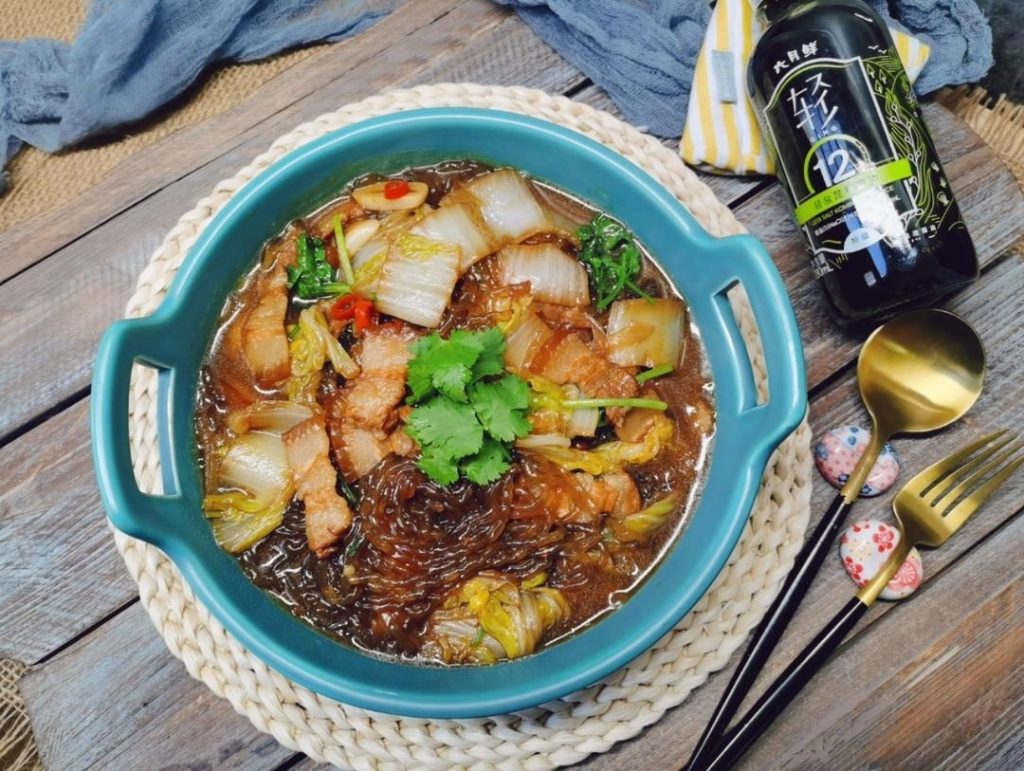
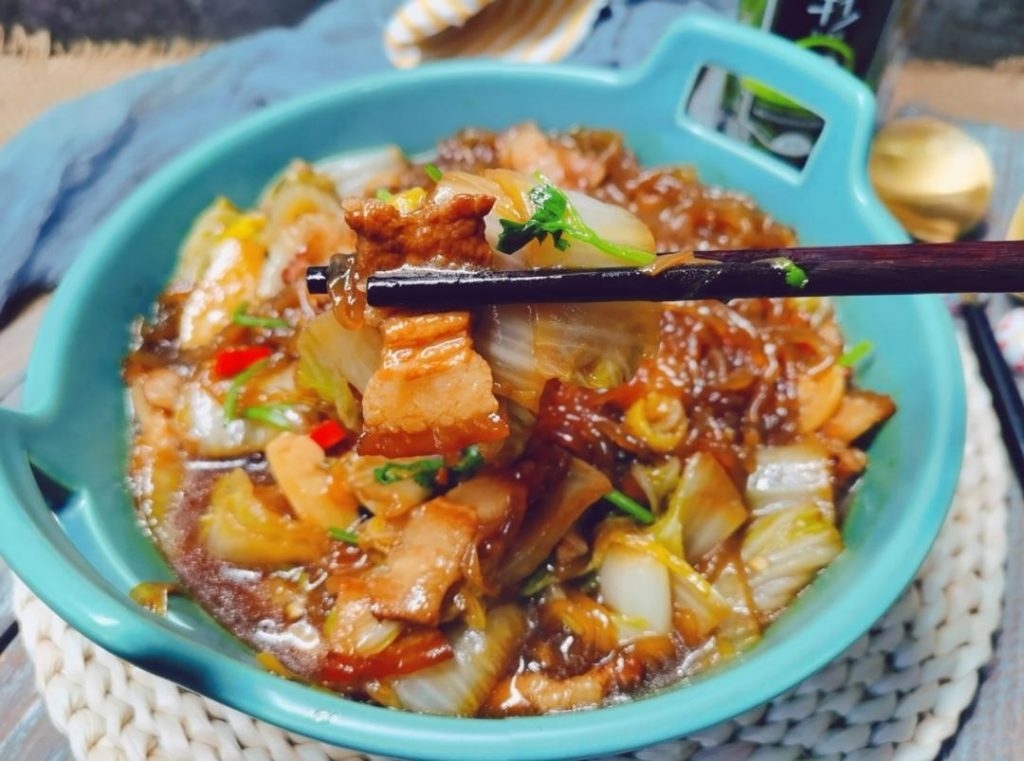
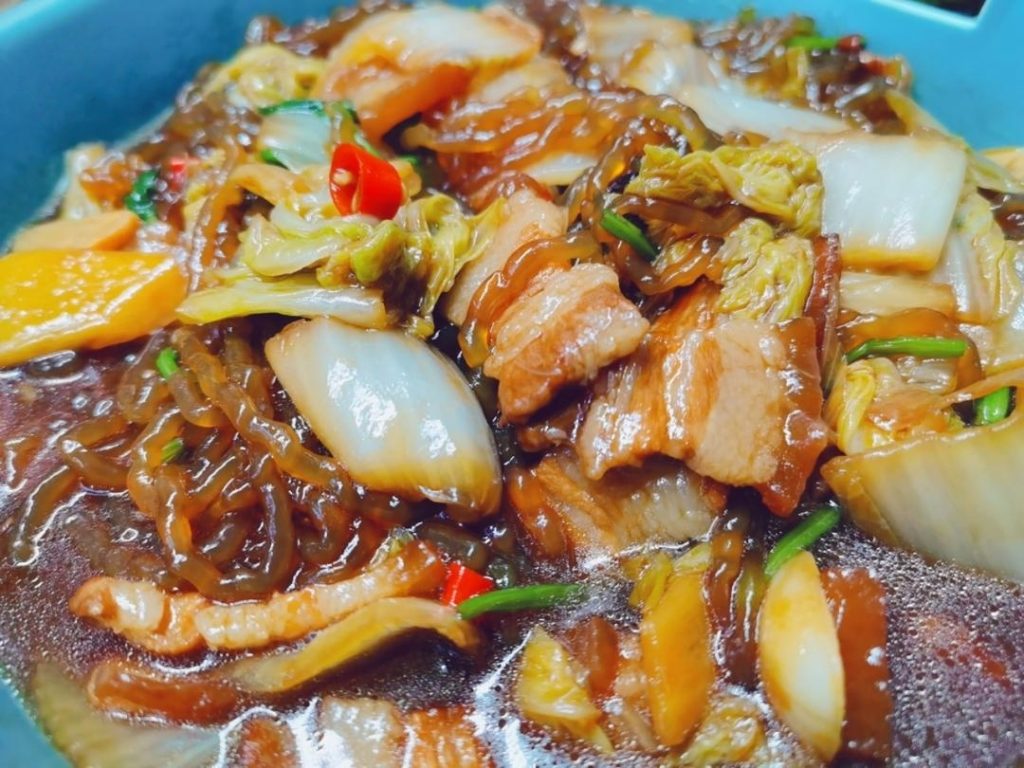
In Northern China, particularly in the Dongbei region where winters are notoriously harsh, stews are a way of life. Zhu Rou Bai Cai Dun Fen Tiao (猪肉白菜炖粉条) translates directly to Pork, Cabbage, and Glass Noodle Stew. It relies on humble, everyday ingredients—fatty pork belly, sweet napa cabbage, and chewy sweet potato noodles—which are braised together until the cabbage turns melt-in-your-mouth tender and the noodles soak up all the rich, meaty broth.
Looking for something similar? If you love hearty, meat-and-carb heavy Northern Chinese stews, you should also check out our Braised Pork with Potatoes. It utilizes a similar slow-braising technique to turn humble root vegetables and pork into absolute magic.
1Braised Pork with Potatoes (Tu Dou Dun Rou)A hearty, homestyle Chinese stew featuring tender pork shoulder and soft potatoes in a rich, savory soy glaze. Perfect for a comforting family dinner.Check out this recipe
Ingredients
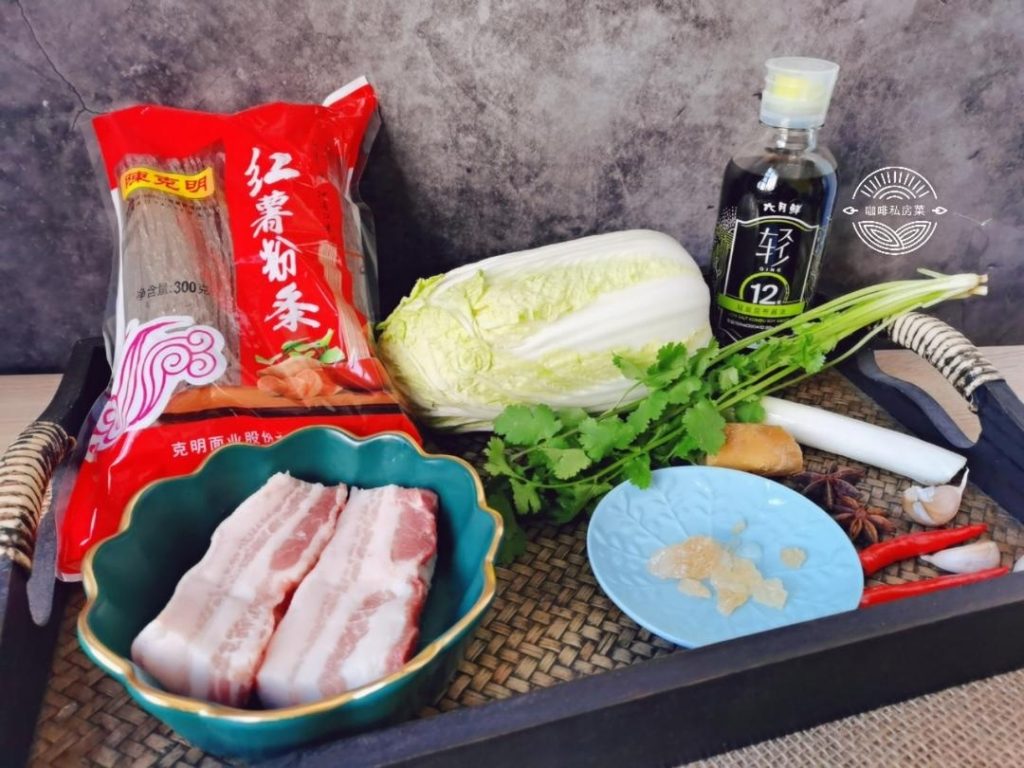
- Pork Belly: 7 oz (200g). Skinless is fine, but keeping the skin on adds great texture. If you prefer a leaner cut, pork shoulder or pork collar works wonderfully.
- Baby Napa Cabbage: 1 head, about 12 oz (350g). You can also use half of a regular-sized napa cabbage.
- Sweet Potato Glass Noodles: 5.3 oz (150g). These are thicker and chewier than regular mung bean vermicelli.
- Aromatics: 1 section of scallion (about 15g), 1 knob of ginger (10g), and 3 cloves of garlic.
- Bird’s Eye Chilis: 2 whole chilis, sliced into rings (optional, for a kick of heat).
- Cilantro: 2 stalks, roughly chopped for garnish.
- Star Anise: 1 whole pod.
- Yellow Rock Sugar: 1 small handful, about 1 tbsp (15g).
- Cooking Oil: 1 tbsp (15ml).
- Water: Approx. 2 cups (500ml).
For the Sauce Bowl:
- Light Soy Sauce: 2 tbsp (30ml). I highly recommend trying a kelp-infused soy sauce (Kunbu soy sauce) for less sodium but higher umami. Check out our guide on Light Soy Sauce if you need brand recommendations.
- Shaoxing Wine: 1 tbsp (15ml). Essential for removing the raw pork odor. Learn more about Shaoxing Wine.
- Oyster Sauce: 1 tbsp (15ml).
- Dark Soy Sauce: 1 tbsp (15ml). Mostly for color. Read up on Dark Soy Sauce usage.
- White Pepper Powder: A small pinch.
- Salt: 1/2 tsp (3g).
Equipment Needed
- A Wok or Dutch Oven: You need a pan with high sides to comfortably hold the cabbage before it wilts down, and a tight-fitting lid for braising.
- Instant-Read Thermometer: Optional, but handy if you are substituting thick cuts of lean pork and want to ensure it reaches a safe internal temperature.
Prep & Mise en Place
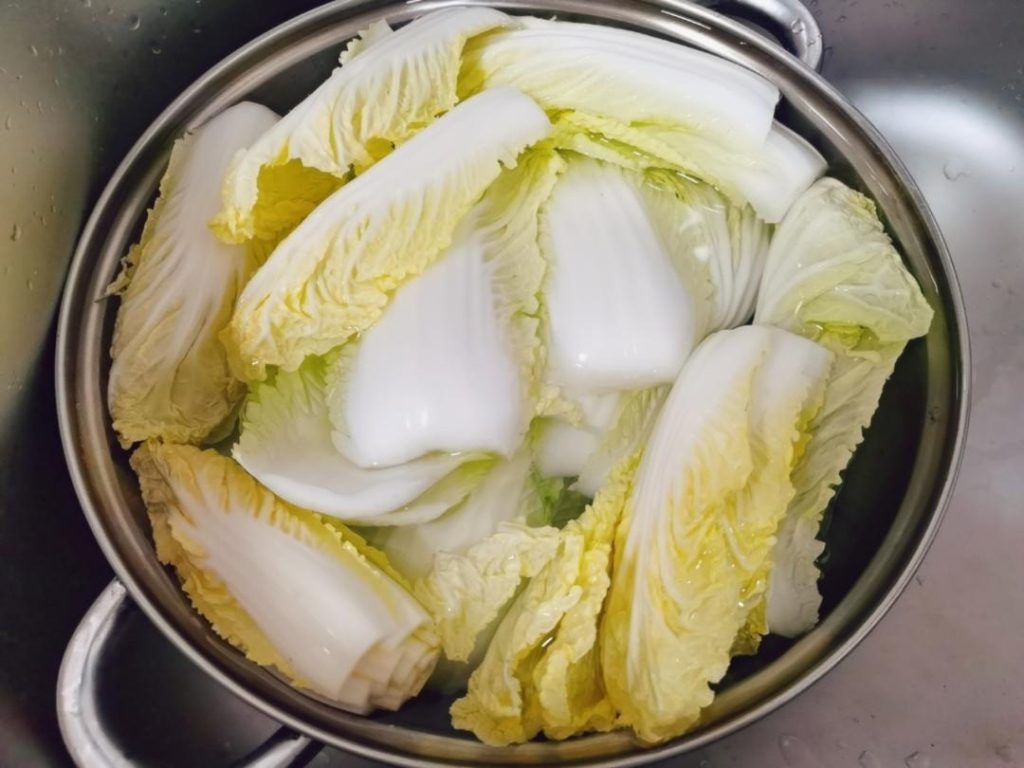
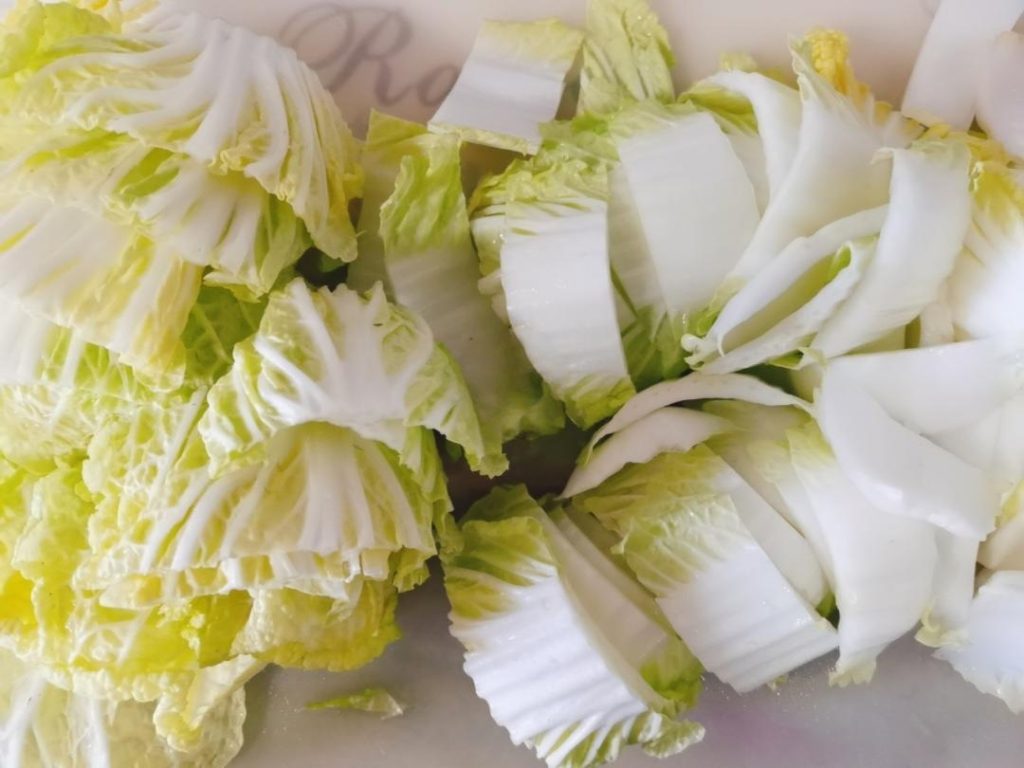
- Separate the Cabbage: Wash the napa cabbage and drain well. Cut it into bite-sized chunks, keeping the thicker, white stems separate from the leafy green tops. They require different cooking times.
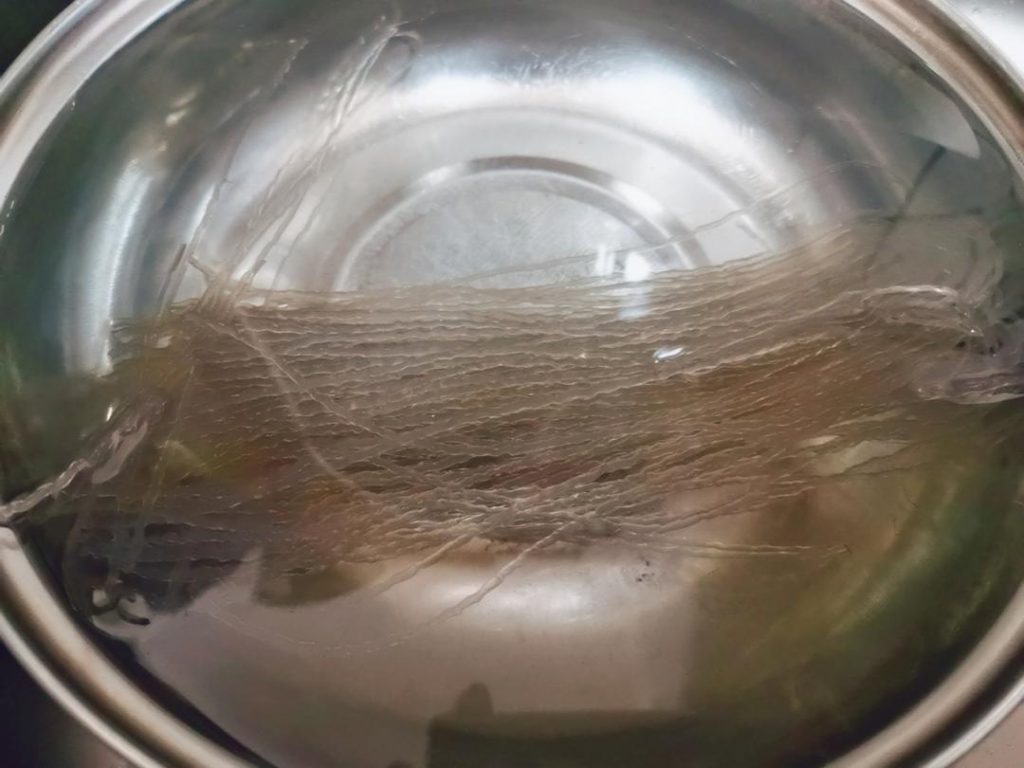
- Rinse the Noodles: Rinse the sweet potato noodles under cold water to remove surface dust. Chef’s Secret: Do not soak them in warm water! They will cook perfectly in the broth later.
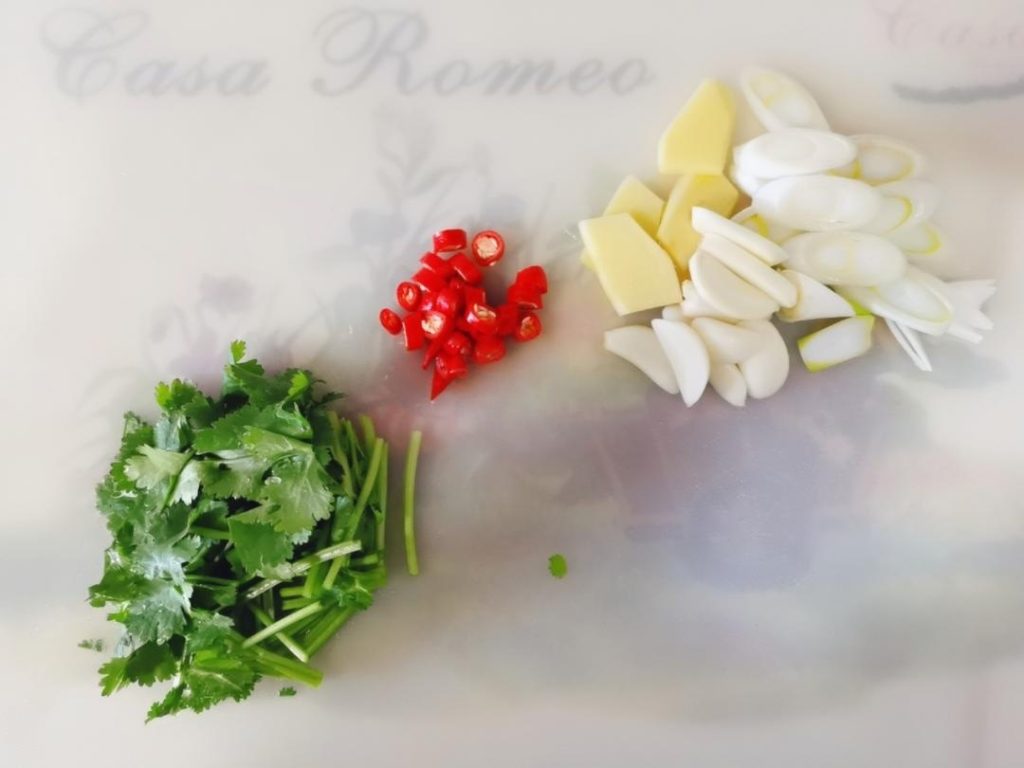
- Prepare the Aromatics: Slice your scallion, ginger, and garlic. Cut the chilis into rings.
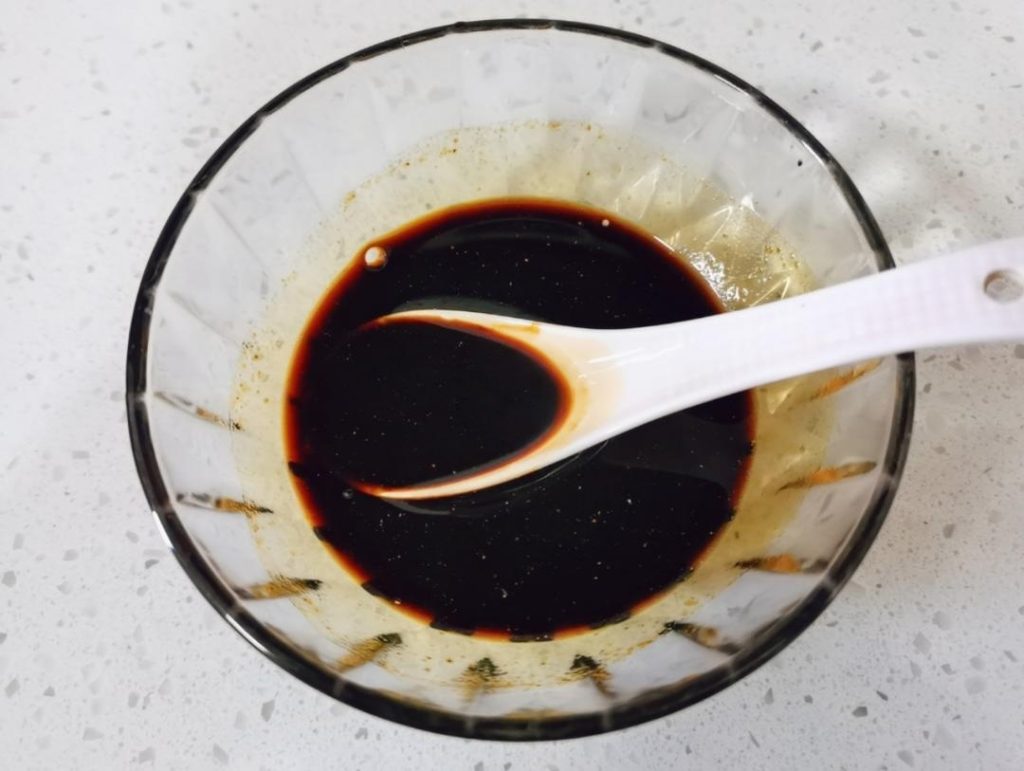
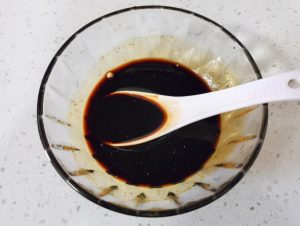
- Mix the Sauce: In a small bowl, combine the light soy sauce, Shaoxing wine, oyster sauce, dark soy sauce, white pepper, and salt. Stir well.
Cooking Process
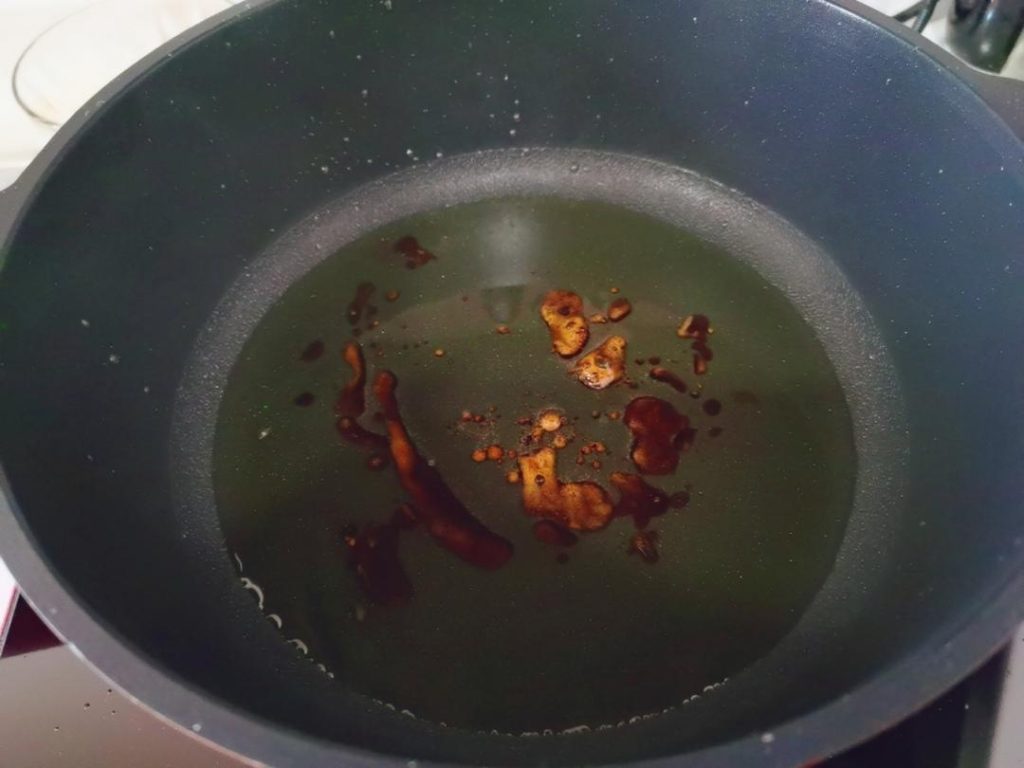
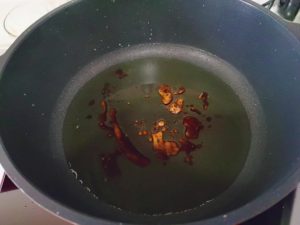
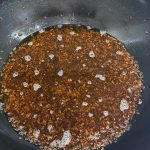
Step 1: Caramelize the Sugar (2-3 minutes) Add 1 tbsp of oil to a cold wok. Add the rock sugar and turn the heat to medium-low. Slowly melt the sugar until it turns a bubbling, reddish-brown color (around 300°F/150°C).
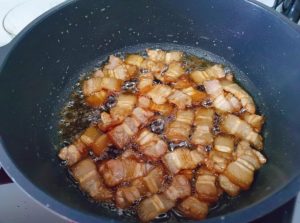
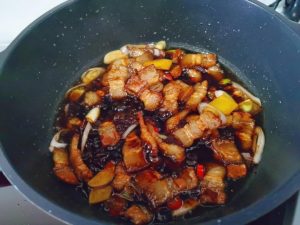
Step 2: Render the Pork (3 minutes) Carefully add the sliced pork belly. Stir-fry over medium heat for about 3 minutes.
Food Science Note: This step achieves two things: it renders out the excess pork fat (which makes the whole dish incredibly fragrant), and it triggers the Maillard reaction, creating a deeply savory, browned crust on the meat that elevates the stew’s base flavor.
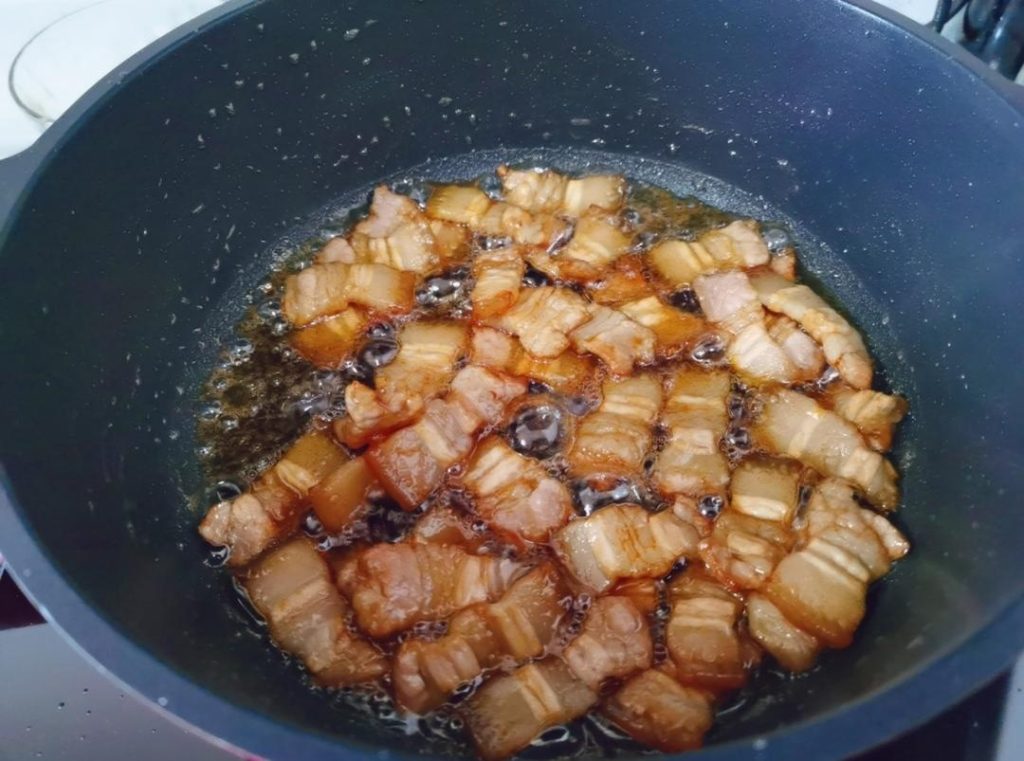
Step 3: Bloom the Aromatics (1 minute) Toss in the scallions, ginger, garlic, bird’s eye chilis, and the star anise. Stir-fry for about 1 minute until highly aromatic. Pour in your pre-mixed sauce bowl and stir until the pork is evenly coated.
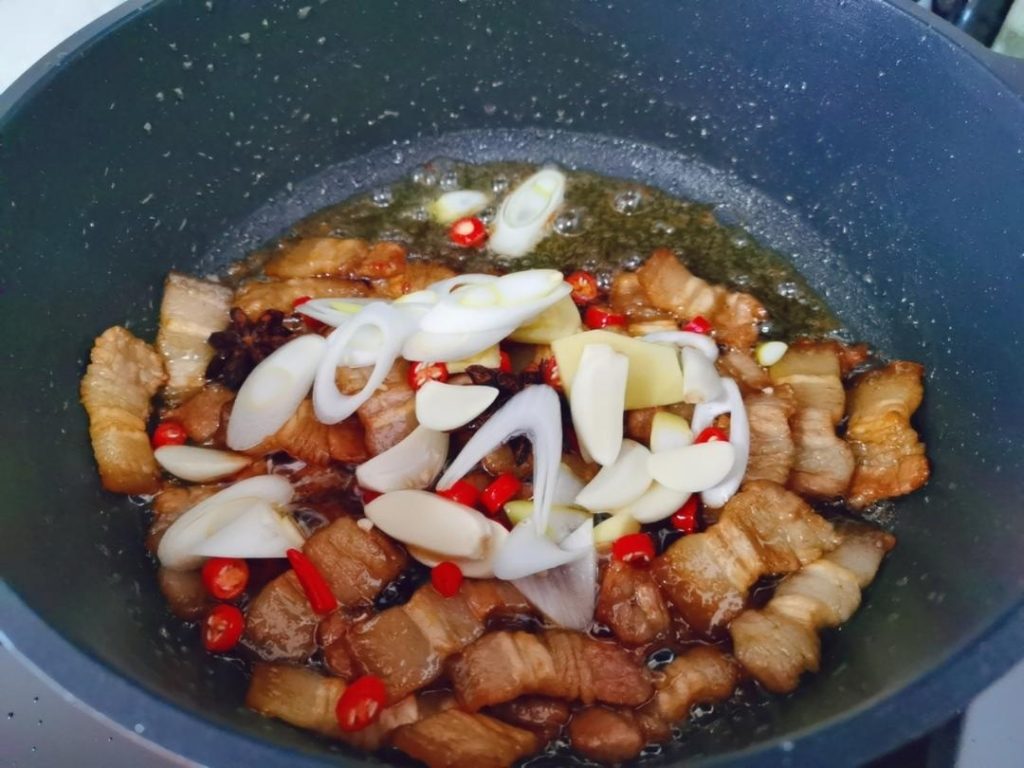
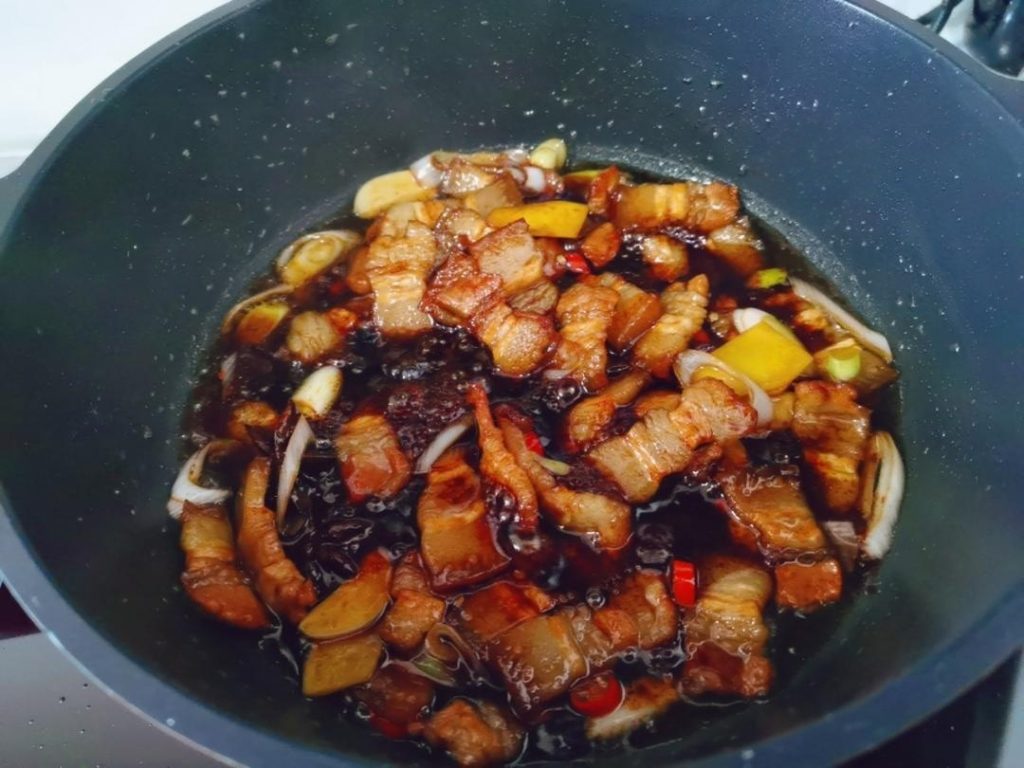
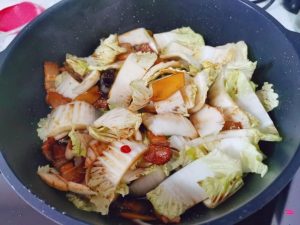
Step 4: Cook the Cabbage Stems (3 minutes) Add the white napa cabbage stems first. Stir-fry them for 3 minutes over medium-high heat. They contain more water and need a head start to soften.
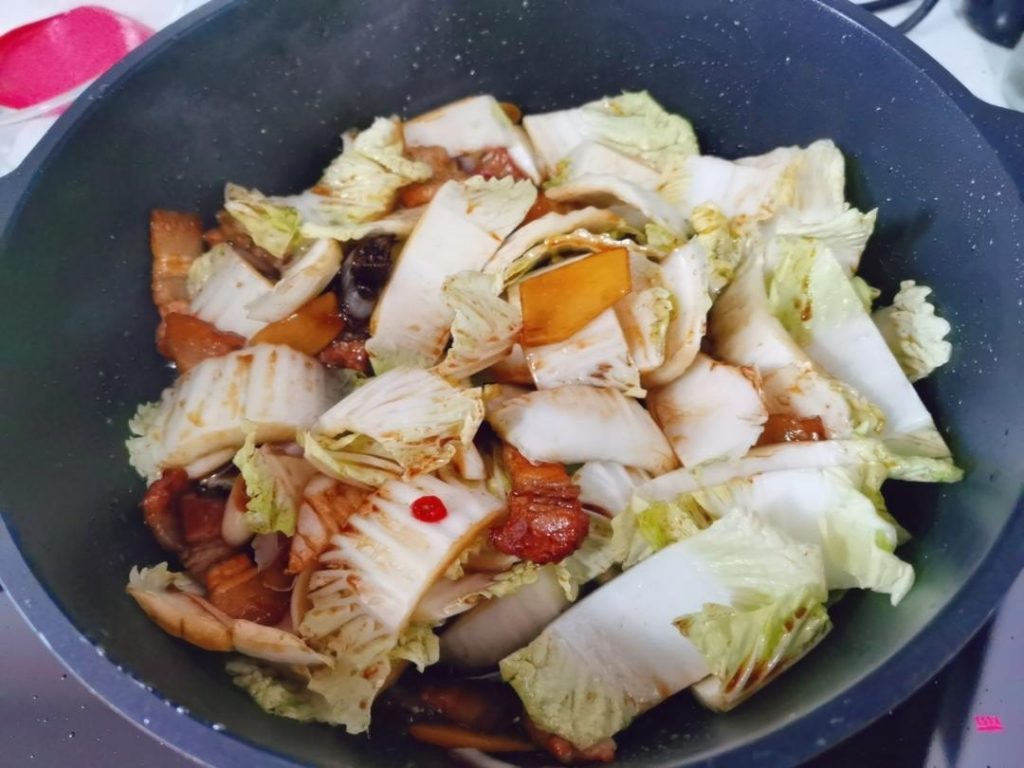
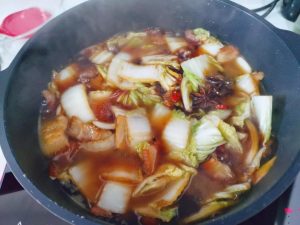
Step 5: Add Leaves and Liquids (1 minute) Toss in the leafy green parts of the cabbage and stir-fry for 1 minute just until they begin to wilt. Pour in about 2 cups of water (enough to come halfway up the ingredients).
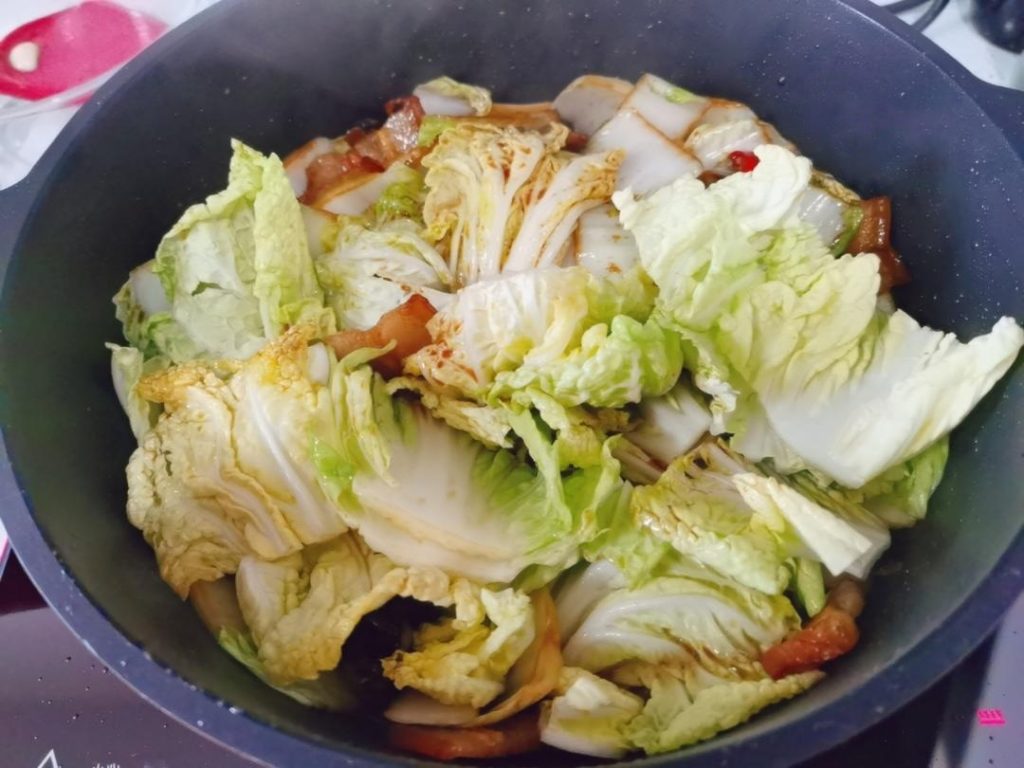
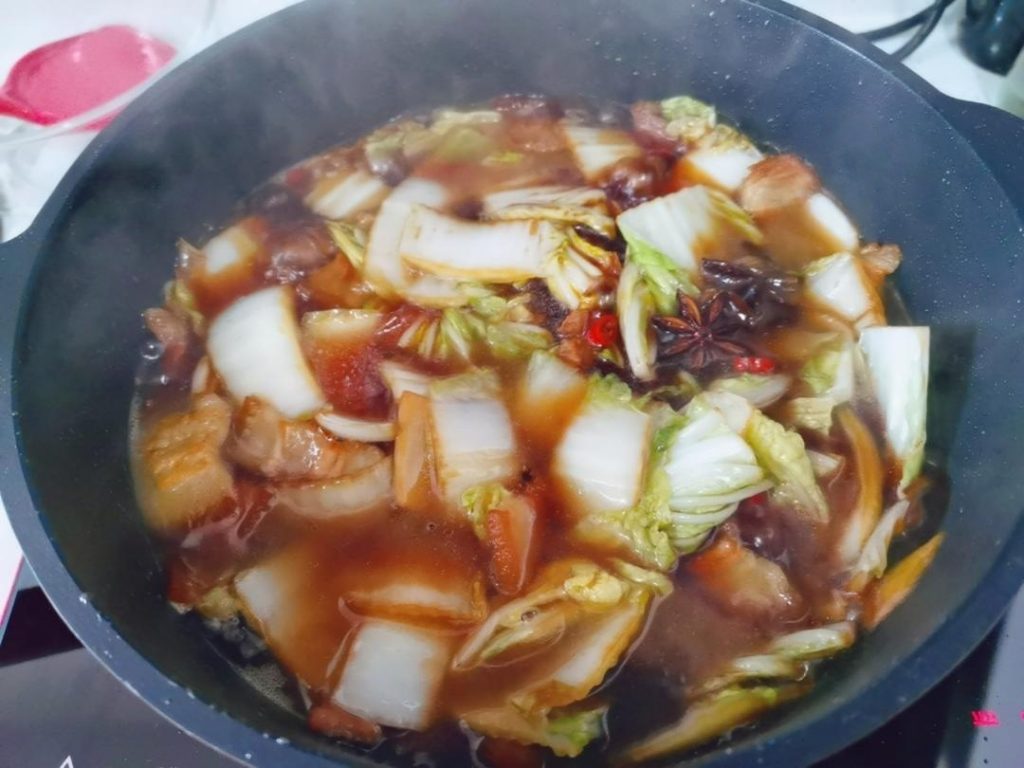
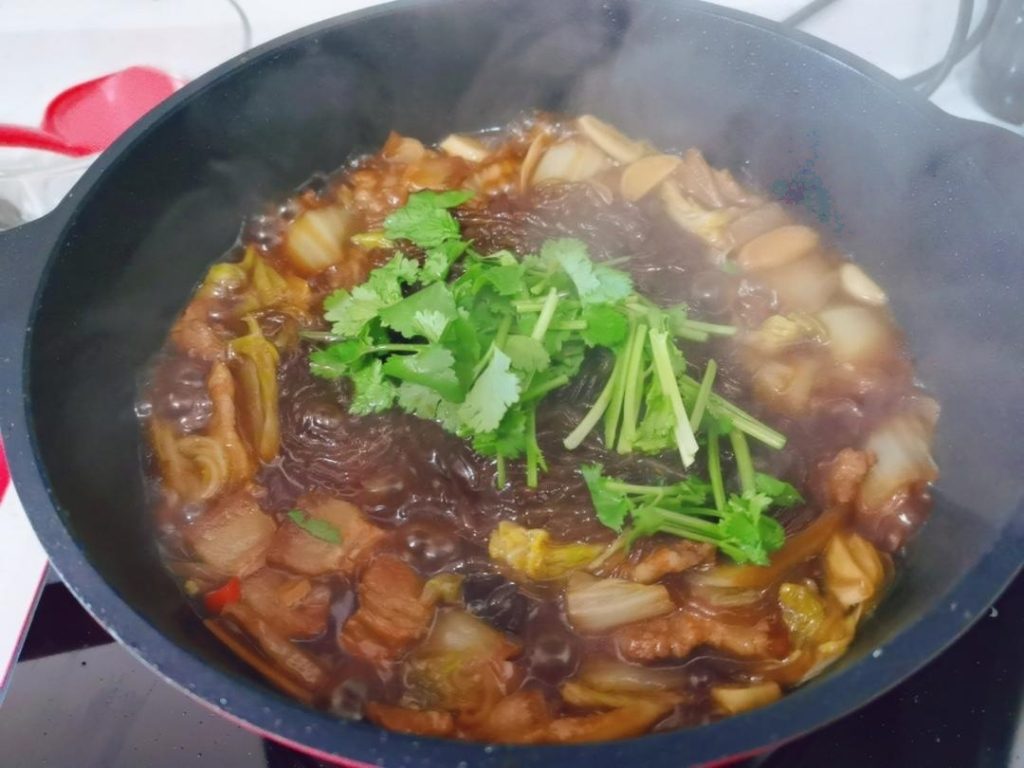
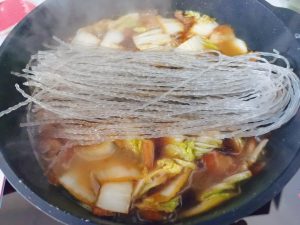
Step 6: Braise the Noodles (10 minutes) Push the sweet potato noodles into the liquid. Cover the wok with a tight-fitting lid, lower the heat to medium-low, and let it simmer for 10 minutes.
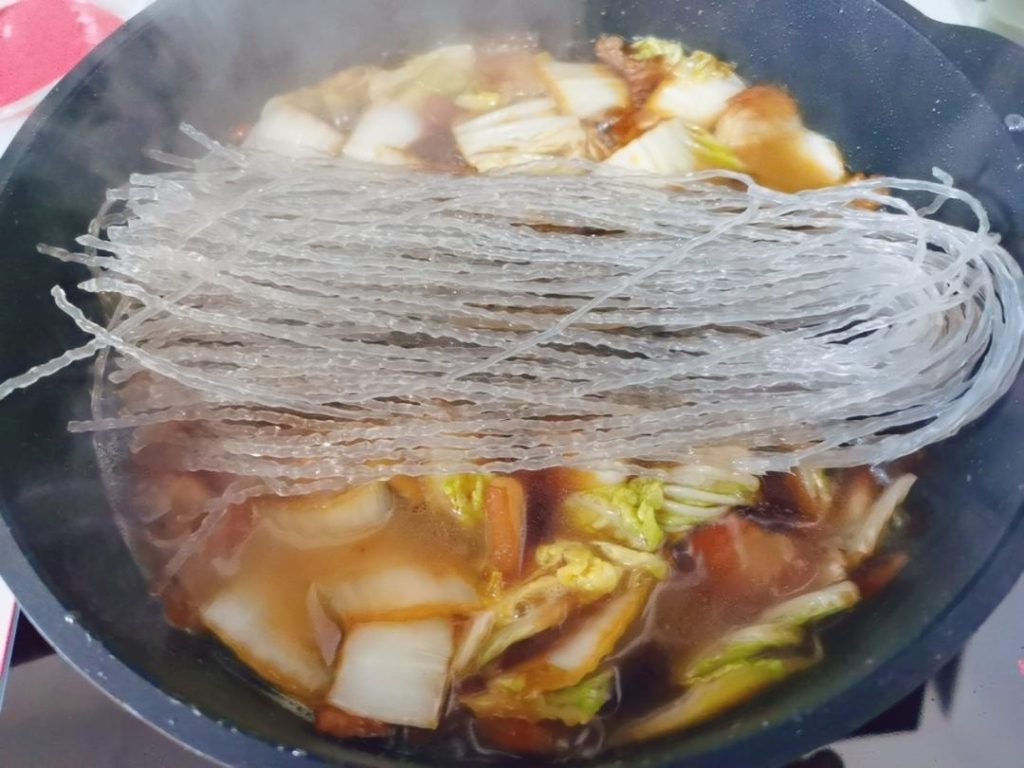
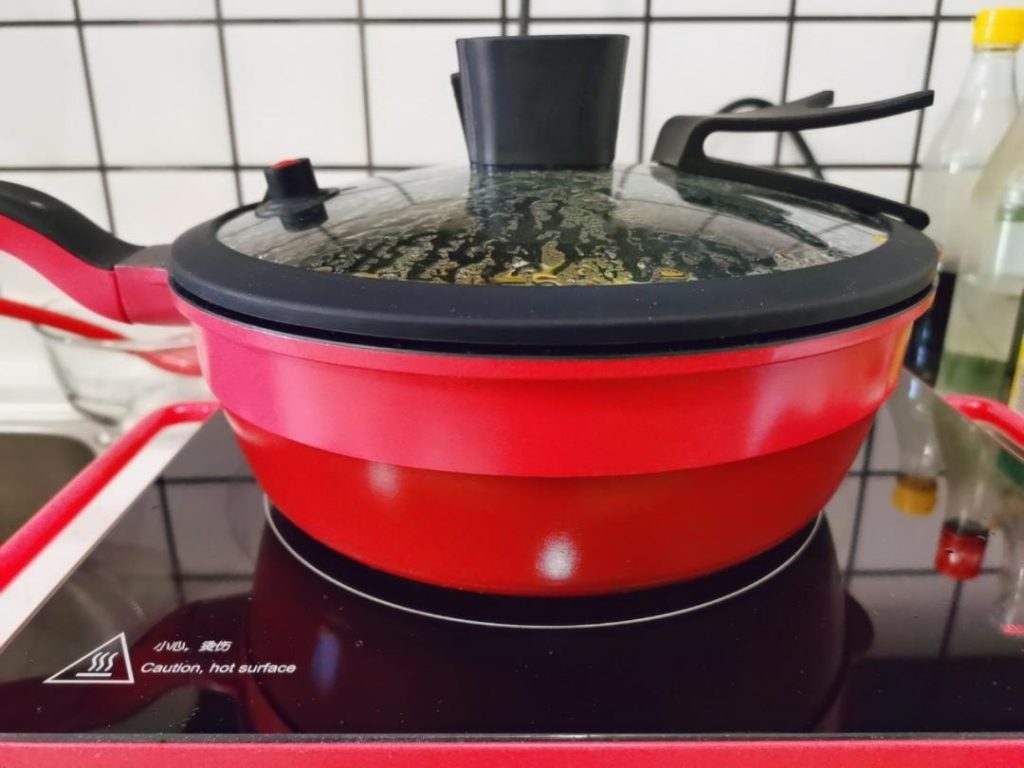
Step 7: Garnish and Serve Remove the lid. The noodles should be translucent and chewy, and there should still be a luscious sauce coating everything. Turn off the heat, stir in the fresh cilantro, and serve immediately!
Why This Recipe Works
- Layered Cooking Times: Adding the cabbage stems before the leaves ensures nothing turns to absolute mush.
- Caramelized Base: Melting the rock sugar first gives the pork a brilliant reddish hue and a subtle background sweetness that balances the salty soy sauce.
- Unsoaked Noodles: By adding raw (just rinsed) sweet potato noodles directly to the braise, they absorb the incredibly flavorful pork and vegetable broth instead of just plain soaking water.
Common Mistakes When Making Zhu Rou Bai Cai Dun Fen Tiao
- Mistake: The dish ends up dry and the noodles stick to the pan.
- Cause: You cooked off all the liquid. Glass noodles are highly absorbent.
- Solution: Do not reduce the sauce until it’s completely dry. Leave a generous amount of liquid in the wok when you turn off the heat; the noodles will continue to absorb it as they sit.
- Mistake: The pork is greasy and lacks flavor.
- Cause: Rushing the rendering process.
- Solution: Take your time in Step 2. Stir-fry the pork belly on medium heat until the fat becomes slightly translucent and the edges crisp up.
Frequently Asked Questions
Can I use regular rice vermicelli instead of sweet potato noodles? You can, but the texture will be vastly different. Sweet potato noodles (Hong Shu Fen Tiao) are prized for their thick, chewy, and bouncy texture that holds up well in a long braise without turning to paste.
Is this recipe authentic? Yes, this is a very authentic homestyle representation of Northern Chinese cooking, tailored slightly with the addition of oyster sauce for extra umami.
Why do you separate the cabbage stems and leaves? The stems are dense and fibrous, requiring more time to break down. If you throw them in together, the leaves will overcook and disintegrate by the time the stems are tender.
How to Serve
This stew is rich, savory, and demands a bowl of perfectly steamed white rice to soak up the juices. Check out our guide on how to cook perfect rice in a cast iron pot. For a complete family meal, pair this heavy stew with lighter sides, such as:
- Easy Smashed Cucumber Salad (for a crisp, acidic contrast).
- Flaky Scallion Pancakes (great for dipping in the stew’s broth).
Storage & Reheat
- Refrigerate: Store leftovers in an airtight container in the fridge for up to 3 days.
- Freeze: I do not recommend freezing this dish. Sweet potato noodles change texture and become brittle/mushy when frozen and thawed.
- Reheat: Warm up in a saucepan over medium heat. You will likely need to add a splash of water, as the noodles will have absorbed most of the sauce in the fridge.
Allergen Notice
- Soy: Contains soy sauce.
- Gluten: Traditional soy sauce contains wheat. (Substitute with tamari for a gluten-free version).
- Shellfish: Contains oyster sauce. (Substitute with vegetarian mushroom oyster sauce if allergic).
About the Author & Recipe Development
Hi, I’m Lin! As a recipe developer for Woks of Love, my goal is to bridge the gap between authentic Chinese culinary techniques and your home kitchen. For this recipe, I tested the liquid ratios and noodle soaking times extensively. I found that skipping the traditional warm-water soak for the glass noodles and braising them directly in the pork broth resulted in a 40% deeper flavor profile. Every recipe shared here is rigorously tested in my own kitchen to ensure you get restaurant-quality, foolproof results on your very first try.
Authoritative References
To ensure you are cooking safely and understanding the science behind the flavors, I regularly consult culinary and safety authorities:
- The Maillard Reaction: The browning of the pork in Step 2 is crucial for deep flavor. You can read a fantastic scientific breakdown of this process via Serious Eats: The Maillard Reaction.
- Pork Food Safety: To ensure your pork is perfectly safe to eat, the USDA Guidelines for Fresh Pork recommend cooking whole cuts to a minimum internal temperature of 145°F (62.8°C) with a 3-minute rest time.
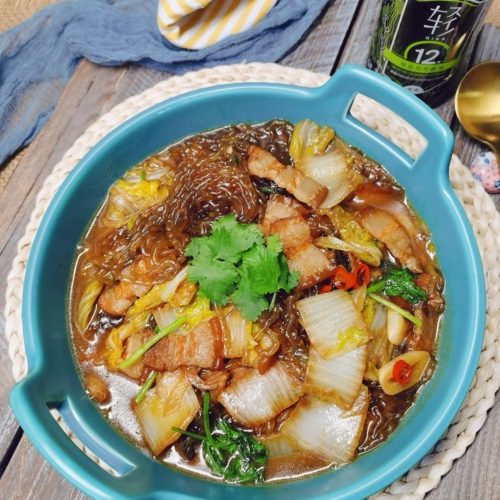
Pork and Cabbage Stew: Zhu Rou Bai Cai Dun Fen Tiao

Equipment
- Wok or Dutch Oven
Ingredients
Main Ingredients
- 7 oz pork belly sliced
- 12 oz baby napa cabbage cut into chunks, stems and leaves separated
- 5.3 oz sweet potato glass noodles rinsed, not soaked
- 1 section scallion sliced
- 1 knob ginger sliced
- 3 cloves garlic sliced
- 2 bird’s eye chilis sliced into rings
- 2 stalks cilantro chopped
- 1 pod star anise
- 1 tbsp yellow rock sugar
- 1 tbsp cooking oil
- 2 cups water approximate
Sauce Mixture
- 2 tbsp light soy sauce
- 1 tbsp Shaoxing wine
- 1 tbsp oyster sauce
- 1 tbsp dark soy sauce
- 1/2 tsp salt
- 1 pinch white pepper powder
Instructions
- In a small bowl, mix the light soy sauce, Shaoxing wine, oyster sauce, dark soy sauce, salt, and white pepper powder to create the sauce base.

- Add cooking oil to a cold wok. Add the rock sugar and melt over medium-low heat until it turns a bubbling reddish-brown color.

- Add the sliced pork belly and stir-fry over medium heat for about 3 minutes to render the fat and brown the edges.

- Toss in the scallion, ginger, garlic, chilis, and star anise. Stir-fry for 1 minute until fragrant, then pour in the sauce mixture and stir to coat the meat.
- Add the thick napa cabbage stems first. Stir-fry for 3 minutes to soften them.
- Add the napa cabbage leaves and stir-fry for 1 minute until slightly wilted. Pour in the water.
- Submerge the rinsed sweet potato glass noodles into the broth. Cover the wok with a lid, reduce heat to medium-low, and simmer for 10 minutes.
- Turn off the heat. Do not let the sauce dry out completely. Garnish with chopped cilantro and serve hot.





Leave a Reply