There is a moment of pure kitchen magic when you realize you can recreate a store-bought staple at home, often with better results. This Homemade Sweet Bean Sauce (Tianmianjiang) is one of those revelations.

A few days ago, a friend came over to hang out. As she was getting ready to leave, she mentioned she needed to stop by the grocery store to buy some Sweet Bean Sauce and sesame paste for dinner.
“I’ll make it for you,” I volunteered immediately.
She looked at me with total skepticism, practically pursing her lips in doubt. “You can make that?”
I didn’t argue. I just went into the kitchen. Ten minutes later, I handed her a fresh batch. She tasted it, eyes wide. “Is this actually good?” she asked, surprised.
“Take it home and try it,” I told her. I even sent her off with a jar of my sesame paste mix as a bonus.
Sure enough, I got a video call from her today. She told me her husband, her in-laws, and even her kids couldn’t stop praising the sauce. They all agreed—it tasted better than the store-bought version.
What is Sweet Bean Sauce (Tianmianjiang)?

Traditionally, Tianmianjiang (甜面酱), often translated as Sweet Bean Sauce or Sweet Flour Sauce, is a thick, dark brown Chinese condiment made from fermented wheat flour and salt. It has a savory, salty, and sweet flavor profile with a distinct umami depth. It is the soul of dishes like Peking Duck, Beijing Fried Sauce (Zhajiangmian), and Jing Jiang Rou Si (Shredded Pork in Sweet Bean Sauce).
However, traditional fermentation takes months.
Why This Recipe Works: This recipe is a “chef’s hack”—a quick, homestyle version that mimics the flavor profile of the fermented sauce using pantry staples like soy sauce, oyster sauce, and flour.
- Time-Saving: It comes together in under 15 minutes.
- Accessible: No need for fermentation crocks or hard-to-find starter cultures.
- Customizable: You control the sweetness and saltiness, avoiding the preservatives found in some commercial brands.
Ingredients & Substitutions
To make this quick sauce, you likely have everything you need in your pantry already.
- Water (2 cups / 500g): The base of the sauce.
- All-Purpose Flour (¼ cup / 35g): This is the thickener. It mimics the wheat base of traditional Tianmianjiang.
- White Sugar (¼ cup + 1 tbsp / 60g): Provides the signature sweetness and helps with the glossy finish. You can substitute with brown sugar for a deeper molasses flavor.
- Oyster Sauce (1½ tbsp / 30g): Adds the savory umami punch. Substitute: For a vegetarian version, use mushroom stir-fry sauce.
- Light Soy Sauce (3 tbsp / 50g): Provides saltiness and fresh soy flavor. I recommend Pearl River Bridge or Kikkoman.
- Dark Soy Sauce (2 tbsp / 40g): Crucial for that deep, rich caramel color.
- Cooking Oil (1 tbsp): Used to “fry” the sauce, giving it a glossy sheen and smoother texture.
Note on Allergens: This recipe contains wheat (gluten) and soy. If using traditional oyster sauce, it also contains shellfish.
Recipe Notes Before You Start
Whisk Thoroughly: The most critical step is mixing the flour and water cold. If you add flour directly to hot liquid, it will clump immediately. We want a smooth slurry before the heat turns on.
Constant Stirring: Once the mixture is in the pan, do not walk away. The flour will settle and burn at the bottom if not agitated. You want a smooth, custard-like consistency.
Pot Selection: Use a non-stick pan or a well-seasoned wok. Because this is a sugary, starchy mixture, it loves to stick to stainless steel.
How to Make Homemade Sweet Bean Sauce
Step 1: Create the Sauce Base
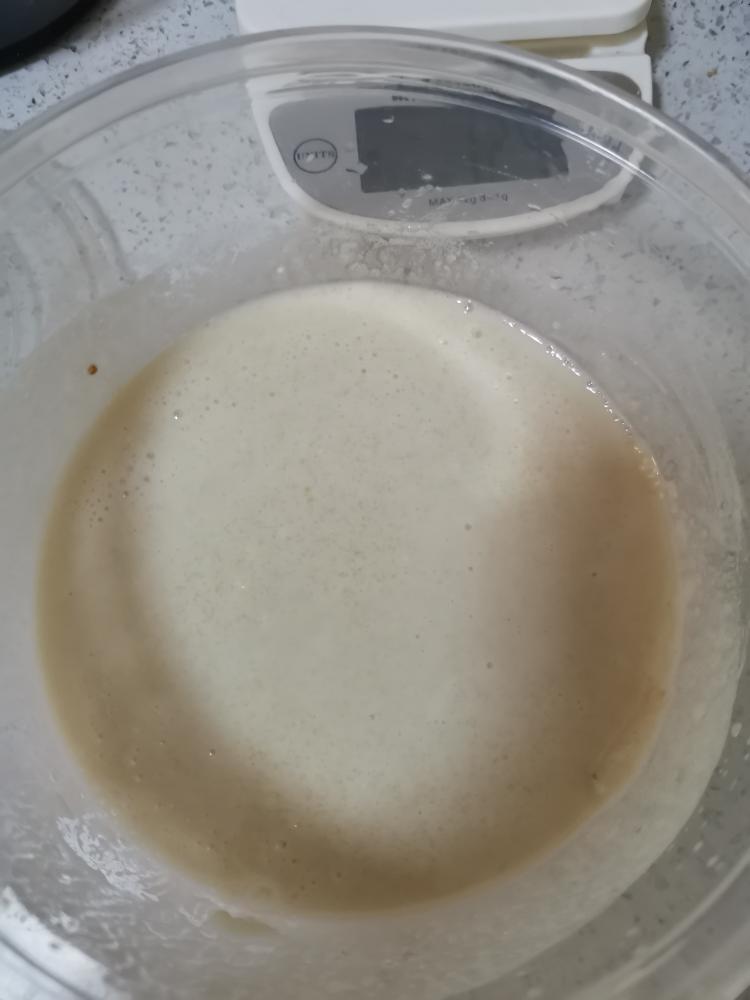
In a large mixing bowl or measuring cup, combine the water, sugar, oyster sauce, light soy sauce, dark soy sauce, and all-purpose flour.
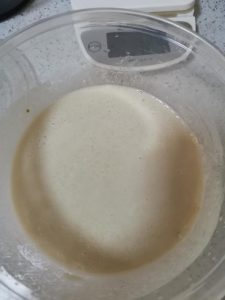
Whisk this vigorously until the flour is completely dissolved and there are absolutely no lumps. It should look like a thin, dark chocolate milk.
Step 2: Heat the Oil
Place a wok or saucepan over medium heat. Add a small amount of cooking oil (about 1 tablespoon). Swirl it to coat the bottom of the pan.
Step 3: Cook the Sauce
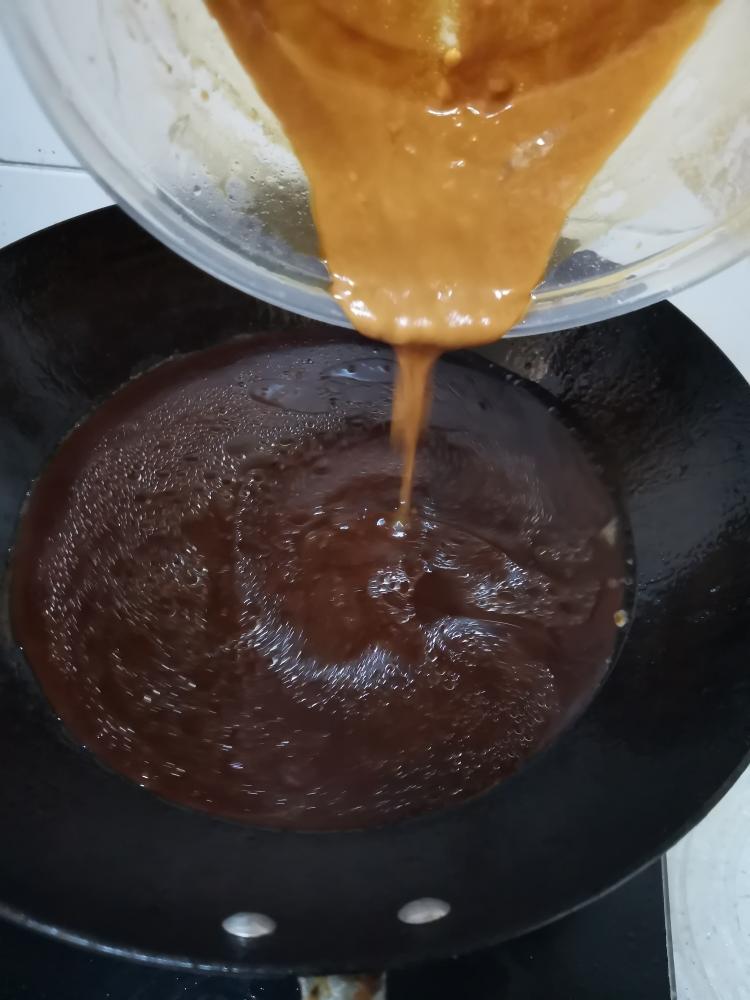
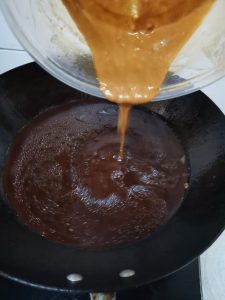
Once the oil is shimmering (but not smoking), pour the sauce mixture into the pan. It will sizzle slightly.
Step 4: Thicken and Finish
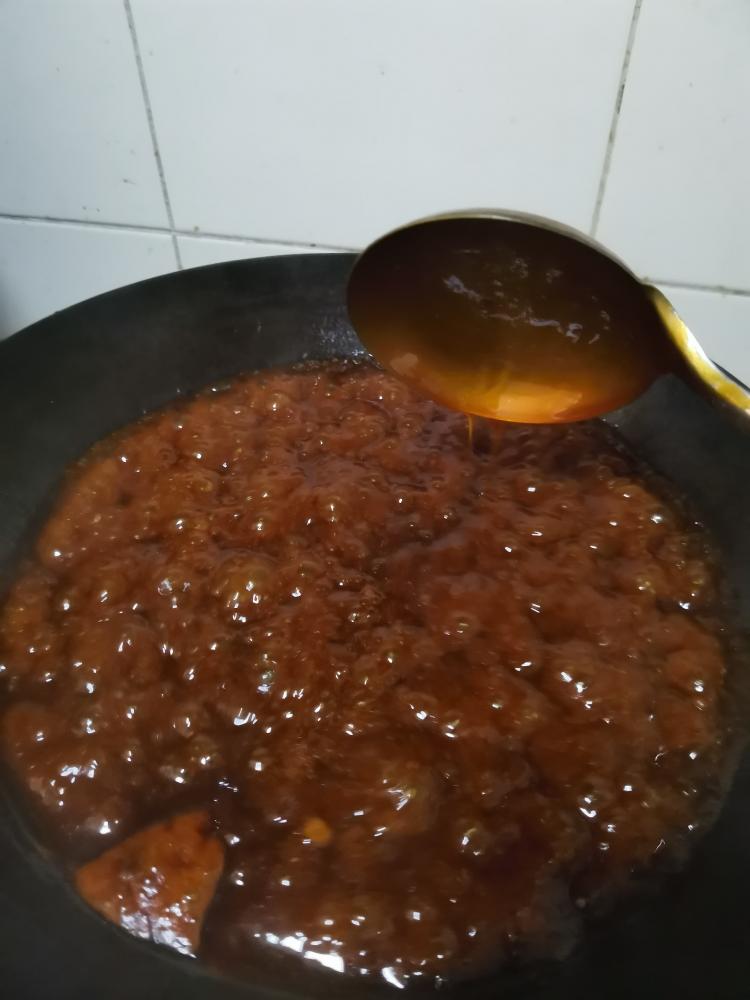
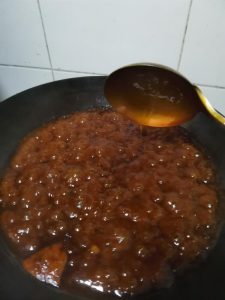
Reduce the heat to medium-low. Stir constantly with a spatula or whisk. As the sauce heats up, the flour will begin to gelatinize.
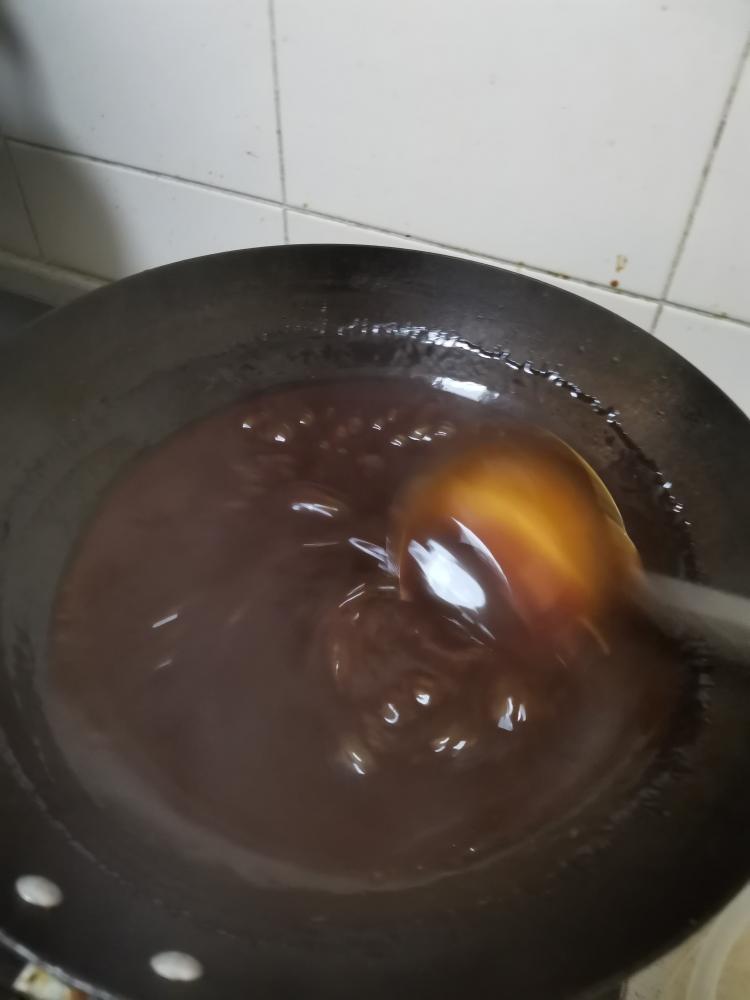
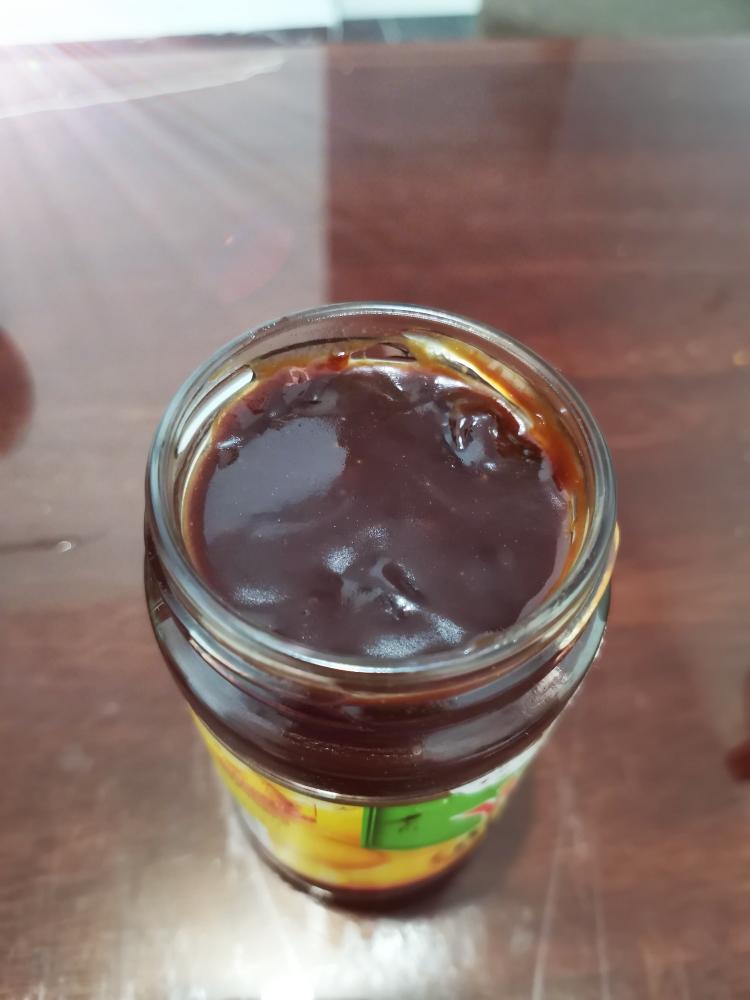
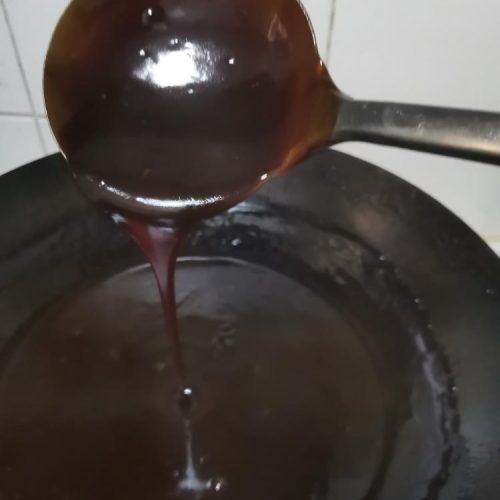
You will notice it changing from a watery liquid to a thick, glossy paste. This usually takes about 5 to 8 minutes. When it coats the back of a spoon and leaves a trail when you run a finger through it (be careful, it’s hot!), it is ready.
Turn off the heat. The sauce will thicken further as it cools.
Step 5: Store
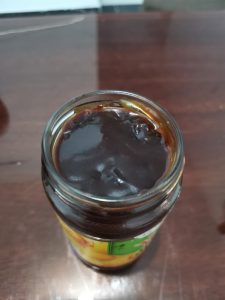
Pour the hot sauce into a clean, heat-proof glass jar. I often reuse empty Yellow Soybean Paste jars or mason jars. Let it cool completely before sealing with a lid.
Serving Suggestions
This sauce is incredibly versatile. Here is how I use it in my kitchen:
- Dipping: Serve alongside sliced cucumbers, green onions, and tofu skin.
- Noodles: It is the base for Zhajiangmian.
- Wraps: Spread it on pancakes for Moo Shu Pork or Peking Duck.
- Stir-fry: Add a tablespoon to stir-fried cabbage or shredded pork for an instant flavor boost.
Troubleshooting & FAQ
My sauce has lumps. What do I do? If you accidentally get lumps, don’t worry. While it’s still hot, pass the sauce through a fine-mesh sieve.
It’s too salty/sweet. Because soy sauce brands vary in sodium content, taste the mixture before cooking (since there is no raw meat/egg). Adjust the sugar or water ratio to fit your preference.
How long does it last? Since this version is cooked but not fermented, it doesn’t have the same shelf life as store-bought fermented sauces. It will keep in the refrigerator in an airtight container for 2 weeks.
Food Safety and Preparation
- Burn Hazard: Sugar-based sauces retain heat for a long time. Do not taste the sauce directly from the pan; spoon a little onto a plate and let it cool for seconds before tasting.
- Storage: Always use a clean, dry spoon when scooping sauce from the jar to prevent mold growth.
- Allergy Info: This recipe is not gluten-free due to the wheat flour and soy sauce.
Authoritative References
For more information on the traditional fermentation process of wheat pastes, you can read about the role of Aspergillus oryzae in Asian condiments at the National Library of Medicine.
Nutrition Information (Estimate)
Values are per tablespoon serving.
- Calories: 35 kcal
- Carbohydrates: 7g
- Protein: 1g
- Fat: 0.5g
- Sodium: 450mg
- Sugar: 4g
Disclaimer: Nutrition information is calculated using an ingredient database and should be considered an estimate. Actual values vary based on specific brands of soy sauce and oyster sauce used.
Homemade Sweet Bean Sauce (Tianmianjiang)

Equipment
- Non-stick pan or Wok
- Whisk
- Glass Jar
Ingredients
Sauce Mixture
- 500 g water approx. 2 cups + 2 tbsp
- 60 g white sugar approx. 1/4 cup + 1 tbsp
- 30 g oyster sauce approx. 1.5 tbsp
- 50 g light soy sauce approx. 3 tbsp
- 40 g dark soy sauce approx. 2 tbsp
- 35 g all-purpose flour approx. 1/4 cup
For Cooking
- 1 tbsp cooking oil vegetable or canola oil
Instructions
- In a large bowl, combine the water, sugar, oyster sauce, light soy sauce, dark soy sauce, and flour. Whisk vigorously until the mixture is completely smooth and free of lumps.

- Heat the cooking oil in a non-stick pan or wok over medium heat.
- Pour the sauce mixture into the pan. Stir continuously with a spatula or whisk to prevent sticking and burning at the bottom.
- Cook for 5-8 minutes until the sauce thickens significantly and becomes glossy. It should coat the back of a spoon.
- Turn off the heat and let it cool slightly before transferring to a clean glass jar. Store in the refrigerator.












Leave a Reply