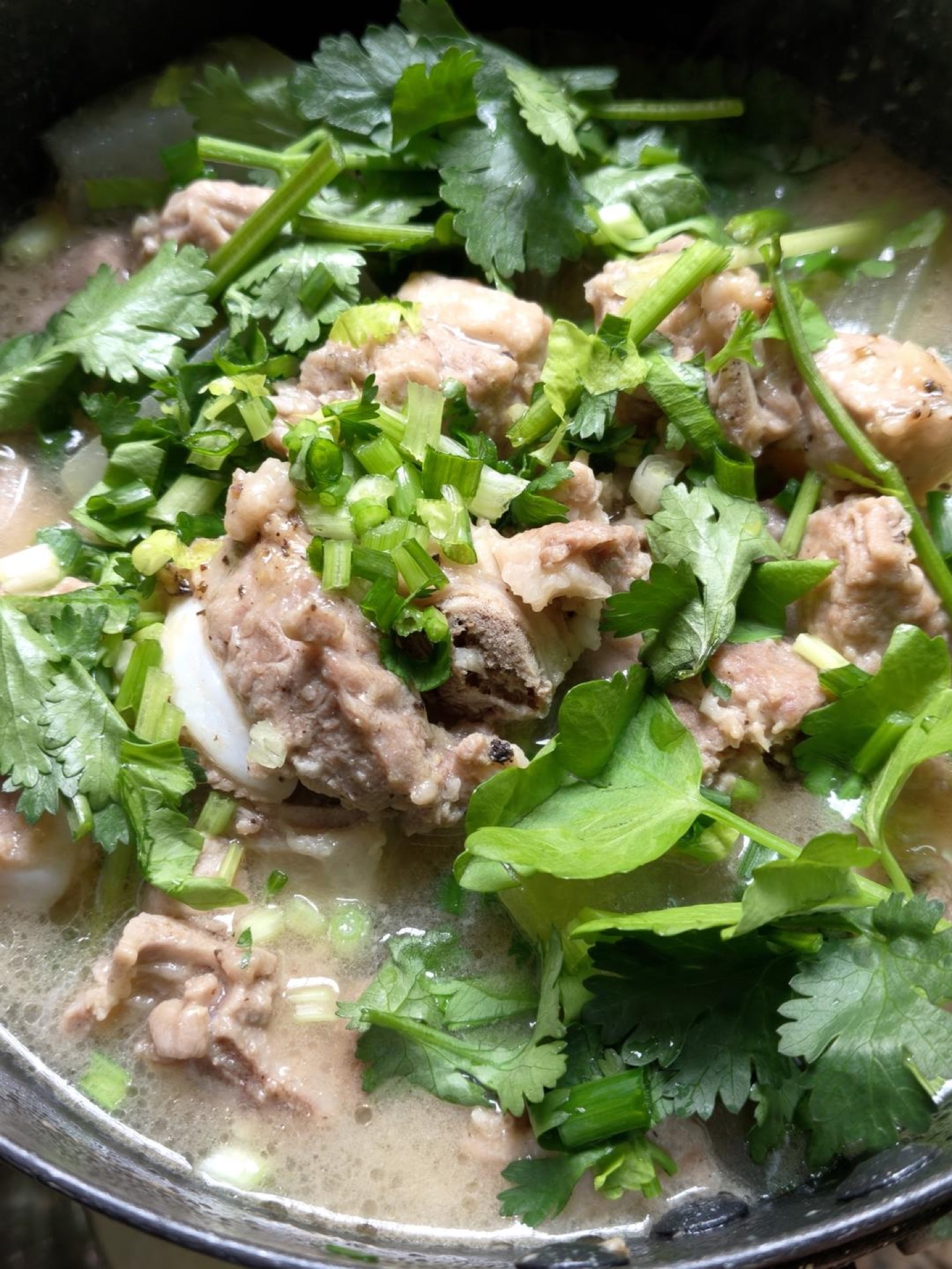
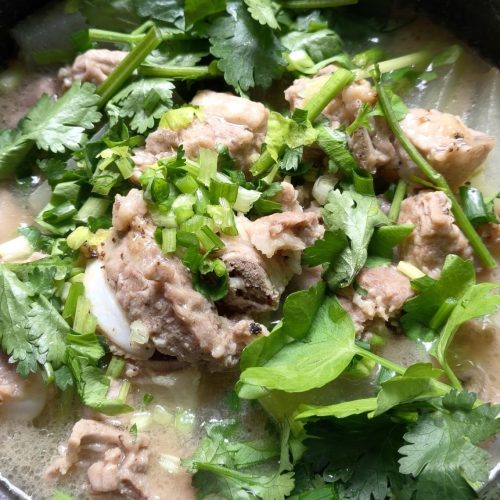
Winter melon pork rib pot is the dish I make when the weather turns cold and I want something that tastes slow-cooked but shows up in half an hour. The ribs sit on a bed of pale winter melon, the whole thing steams in one pot, and by the time you lift the lid the melon has gone translucent and drunk up all the savory juices from the pork.
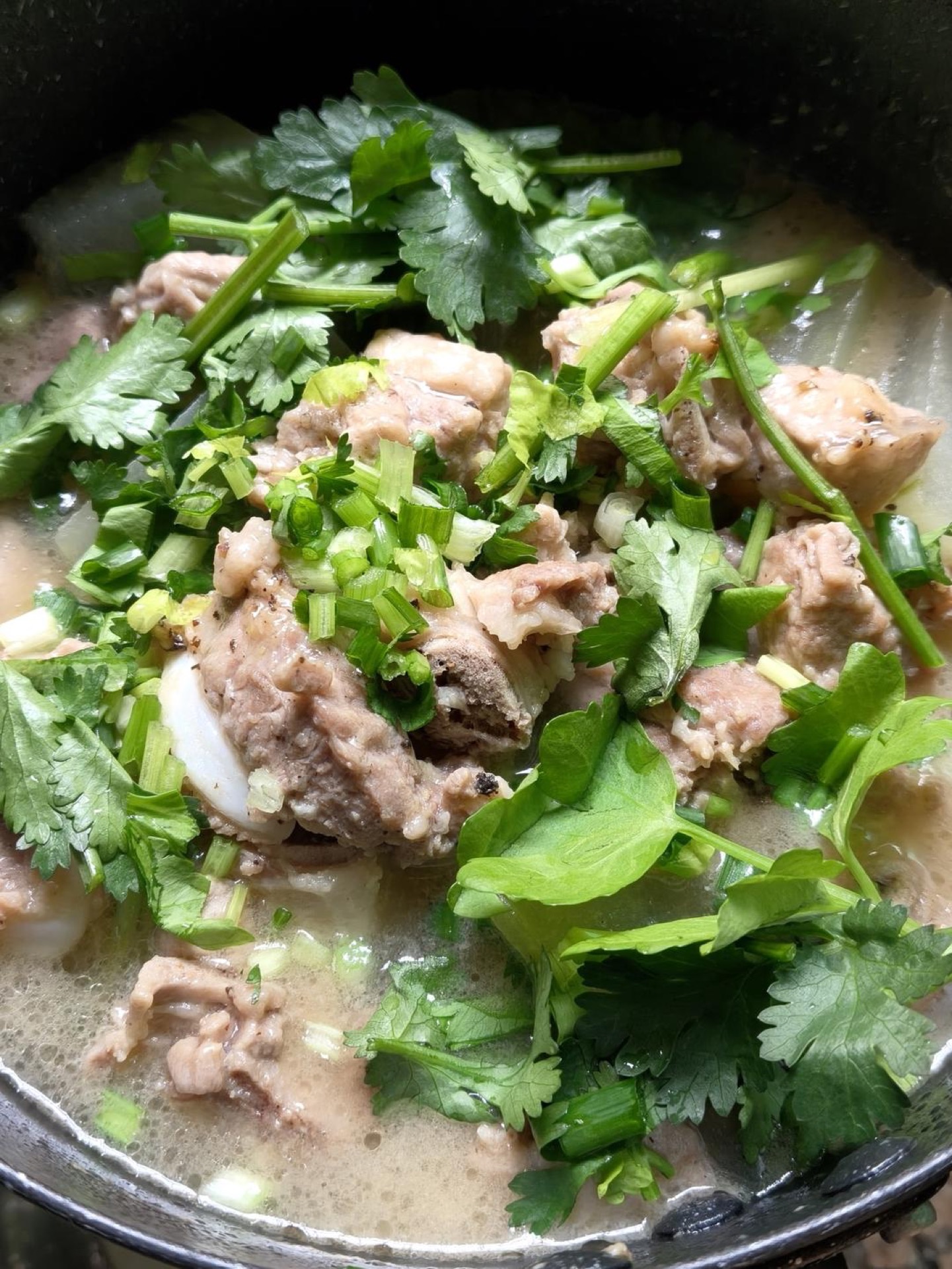
What I love about this 煲 (bāo) is that it never asks much of you. There is no blanching, no deep-frying, no long braise on the back burner. You rinse the ribs, slice the melon, toss the marinade together, and let the pot do the work. The reward is a broth that is light enough to drink straight from the bowl but rich enough to spoon over rice, and ribs that stay juicy because they cook in their own seasoned steam.
It is also a genuinely forgiving recipe. If your winter melon is a little older and firmer, it will hold its shape beautifully; if it is young and tender, it will melt into the sauce and thicken it. Either way, dinner is good. This is the kind of Cantonese home cooking that never makes the restaurant menu but shows up on family tables all winter long.
What Is Winter Melon Pork Rib Pot?
Winter melon pork rib pot (冬瓜排骨煲) is a Cantonese-style one-pot braise built on two humble ingredients: pork ribs and winter melon. The melon — a big, pale-green gourd with white, mild flesh — goes into the pot first as a protective layer, the marinated ribs sit on top, and a small amount of water turns into a savory broth as everything steams together. The melon softens into something silky and almost translucent, soaking up pork flavor, while the ribs stay tender and juicy.
If you have never cooked winter melon before, think of it as the quiet cousin of zucchini and cucumber. Raw, it is crisp and nearly flavorless; cooked, it goes soft, sweet, and slightly glossy, which is exactly why it works so well under a rich meat. In Chinese kitchens it is a cold-weather vegetable, associated with soups, braises, and the belief that it helps cool the body — which is why winter melon and pork ribs is such a classic pairing.
Winter melon is the point of the dish, not the filler. Choose a firm, heavy gourd with unblemished skin, and don’t peel it more than an hour before cooking, or the flesh starts to weep and lose its snap.
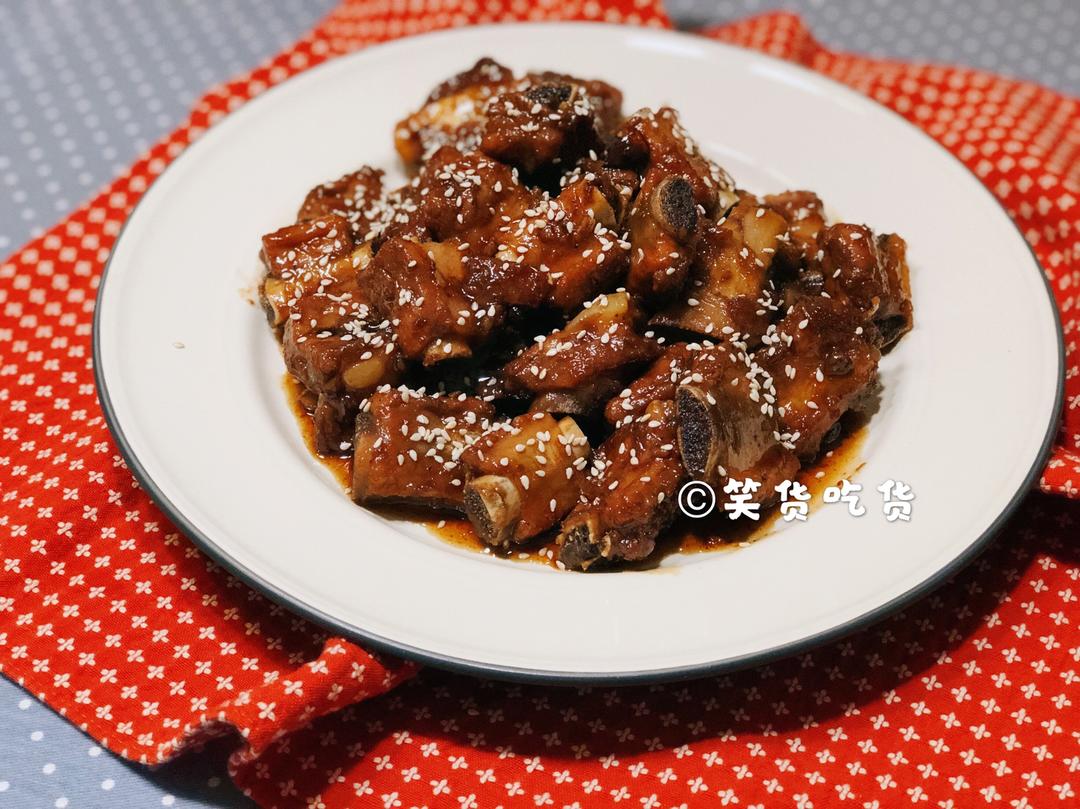
If you enjoy the way pork ribs behave in a slow, savory braise, you will like our sweet and sour pork ribs, where the same cut gets a sticky, tangy glaze instead of a light broth.
1Authentic Sweet and Sour Pork Ribs (Tang Cu Pai Gu)A foolproof, no-fry Sweet and Sour Pork Ribs recipe using the classic 1-2-3-4 golden ratio for the perfect balance of sweet and tangy flavors. Sticky, glossy, and incredibly tender!Check out this recipe
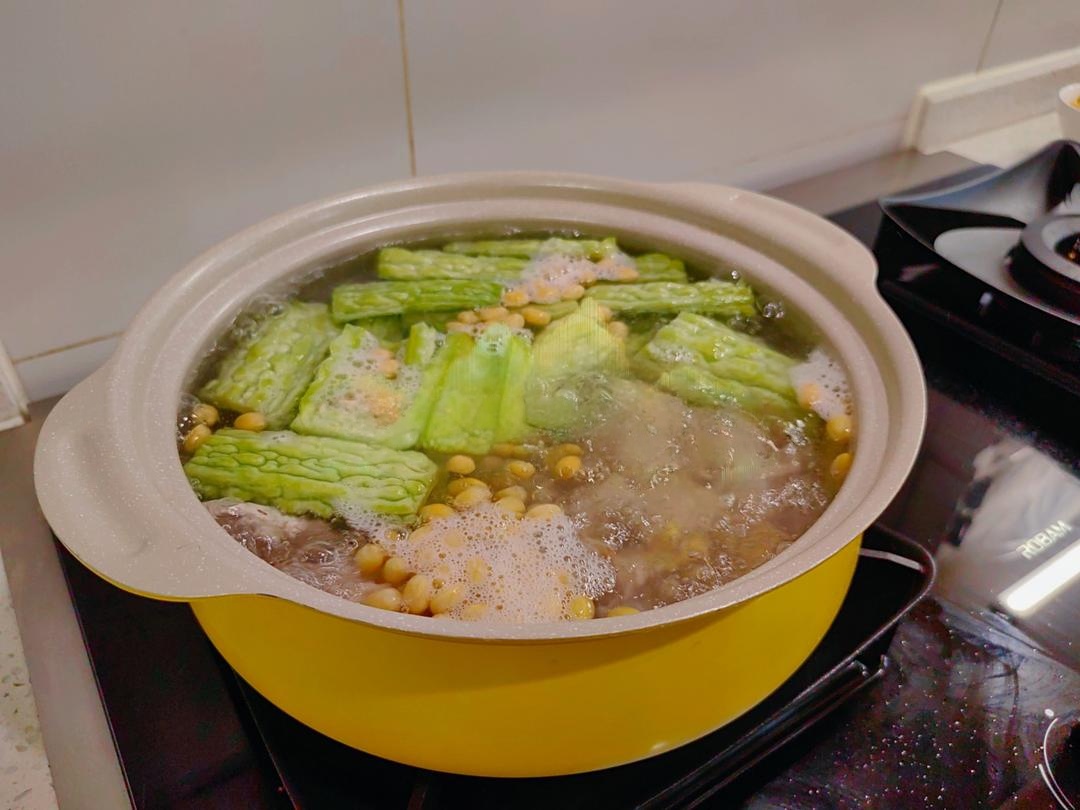
For a brothier, more soup-like take on the same pairing, our bitter melon pork rib soup simmers ribs low and slow with a more assertive gourd.
2Bitter Melon Pork Rib Soup (Ku Gua Pai Gu Tang)A classic, cooling Cantonese soup featuring tender pork ribs, savory soybeans, and bitter melon. This recipe uses traditional techniques to reduce bitterness for a refreshing summer tonic.Check out this recipe
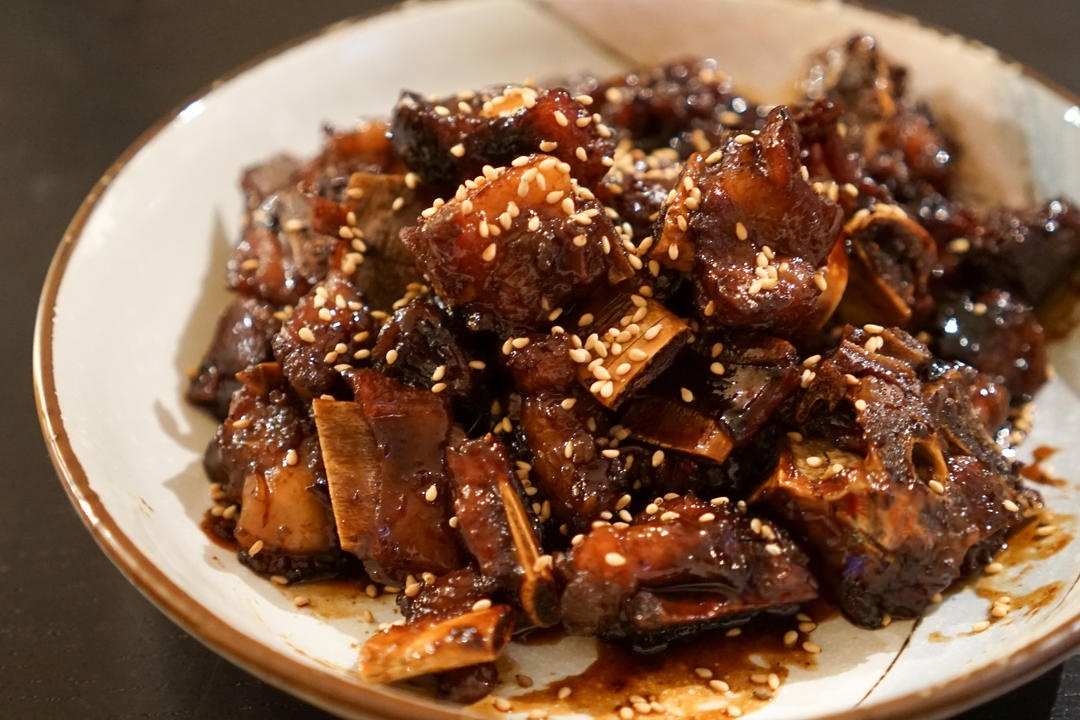
And if you want the sweet-savory shortcut that took over Chinese home kitchens, our coca cola sweet and sour pork ribs braise ribs in soda for a glossy, caramelized finish.
3Coca-Cola Sweet and Sour Pork Ribs (Tang Cu Pai Gu)A restaurant-quality recipe for Sweet and Sour Ribs using a clever shortcut: Coca-Cola! This method creates a brilliant red glaze and tender meat with a hint of fruitiness from preserved plums.Check out this recipe
Why This Recipe Works
Three small decisions make this pot taste like it simmered for hours. First, the ribs get a cornstarch-and-oyster-sauce marinade. The cornstarch coats each piece and later thickens the braising liquid into a light gravy, while the oyster sauce brings the deep, briny-sweet backbone that plain salt cannot. Second, the winter melon goes in as a bed rather than being stirred through. It steams under the ribs, absorbing drippings from above instead of dissolving into the water below.
Third, the simmer is short and gentle — about 20 minutes. That is enough to cook the ribs through and soften the melon without turning either into mush. Because the pot is covered, the moisture stays inside, so you need only one bowl of water to start. Everything else comes from the pork itself.
One more thing worth knowing: this is a steam-driven braise, not a fry. If you have ever wondered why a covered pot behaves so differently from an open wok, our explainer on why food steams instead of fries breaks down the science of trapped moisture and heat transfer.
Ingredients
Everything here is supermarket-friendly, and the whole list fits on one cutting board. Here is what you need and how each piece behaves in the pot.
- Pork ribs (350 g) — use a meaty rack cut into 1-inch pieces. Ask your butcher to saw them crosswise if you can; smaller pieces cook faster and release more flavor.
- Winter melon (300 g) — peeled, seeded, and sliced about 1/4-inch thick. Firm, heavy melon holds its shape best.
- Cornstarch (1 tbsp) — the marinade’s thickening agent and the reason the finished broth clings to the ribs.
- Oyster sauce (1 tbsp, about two pumps) — savory, slightly sweet, and the flavor backbone of the marinade.
- Salt (1/2 tsp) — season the ribs directly, since the melon itself is unsalted.
- Neutral oil (1 tbsp) — helps the marinade coat evenly and keeps the ribs from sticking.
- Black pepper (3 turns) — freshly ground, for warmth rather than heat.
- Ginger (2 slices) and garlic (2 cloves) — smashed and minced respectively, to cut through the pork’s richness.
- Scallion, celery, and cilantro — one stalk and one small handful each, added off the heat for a fresh, herbal top note.
If you like building braises from a sweet-savory base, keep a jar of Chinese red sugar in the pantry; a pinch of it in the marinade is a lovely variation here. For a completely different but equally weeknight-friendly protein, our savory soybean paste chicken uses the same one-pot logic.
Cooking Process
Step 1 — Rinse the Ribs
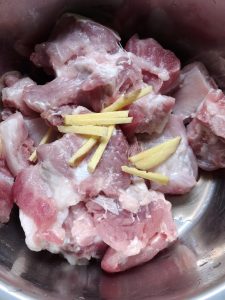
Rinse the pork ribs under cold running water until the water runs clear, then drain them well in a colander.
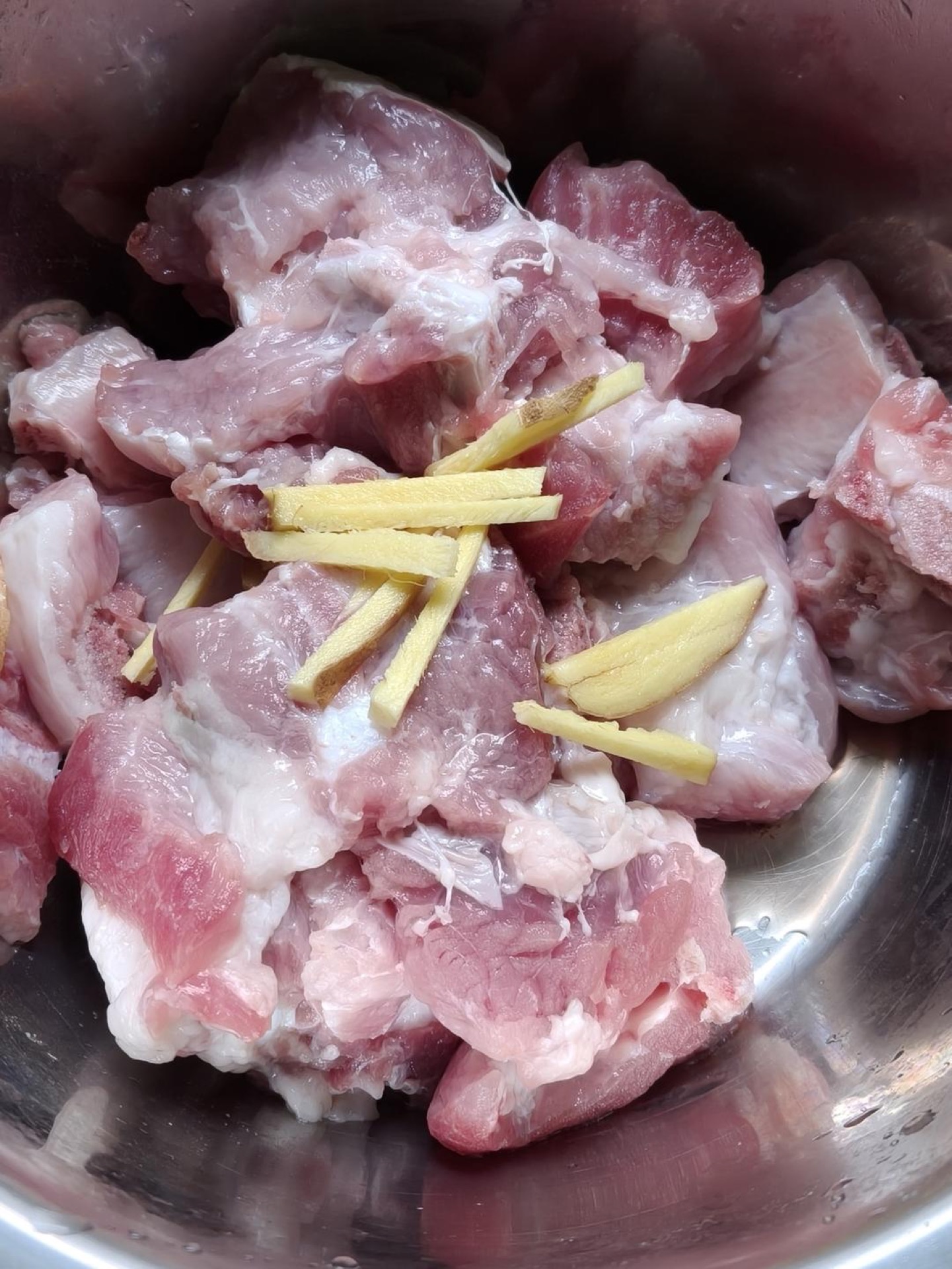
Step 2 — Slice the Winter Melon
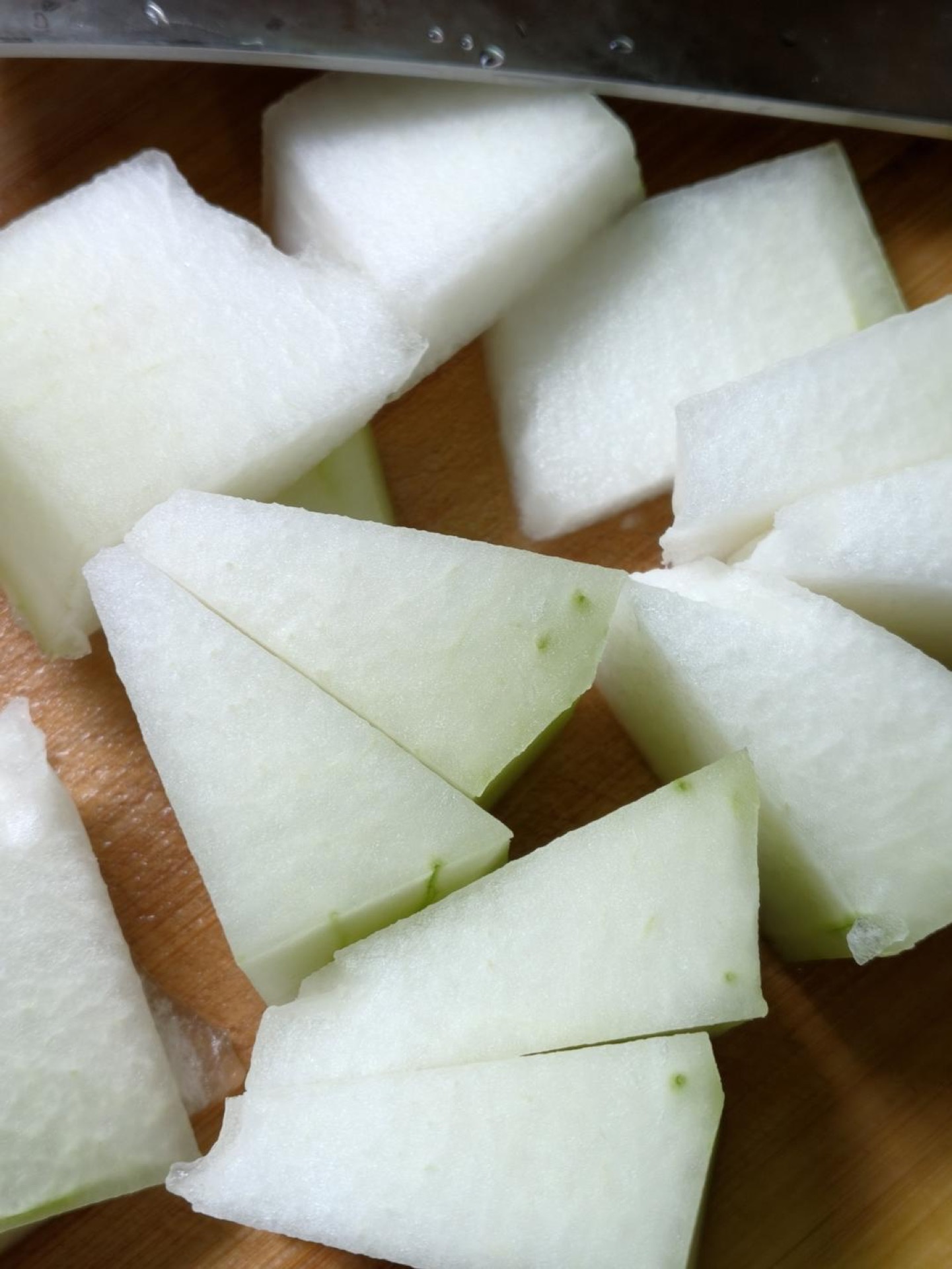
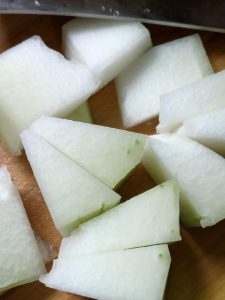
Peel the winter melon, scoop out the seeds, and slice the flesh into pieces about 1/4-inch thick.
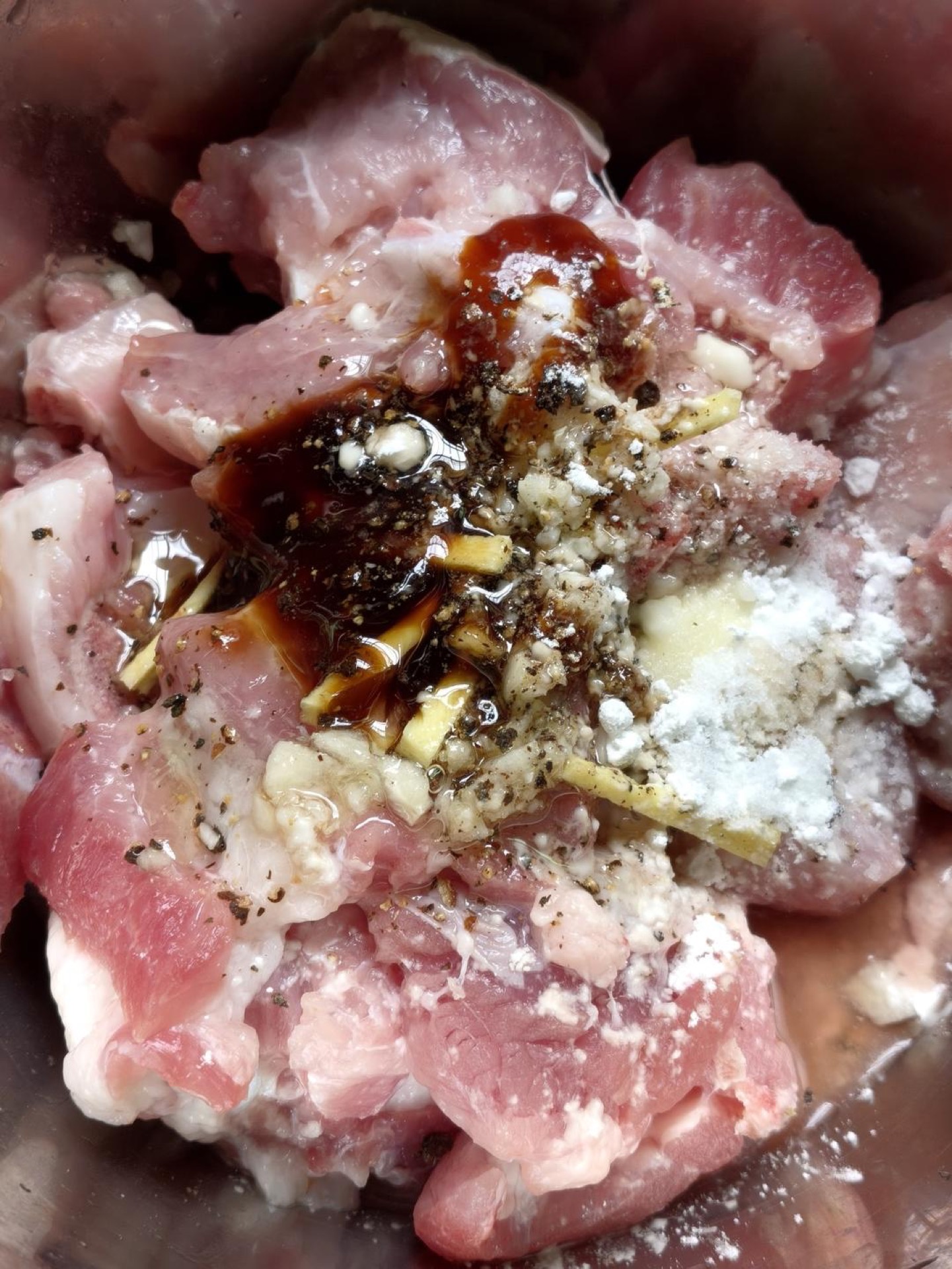
Step 3 — Marinate the Ribs
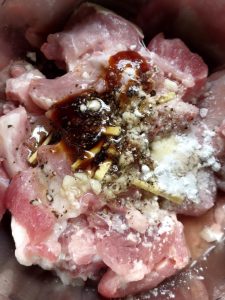
Put the drained ribs in a bowl, add the cornstarch, oyster sauce, salt, oil, black pepper, ginger, and garlic, and stir everything together until every piece is evenly coated.
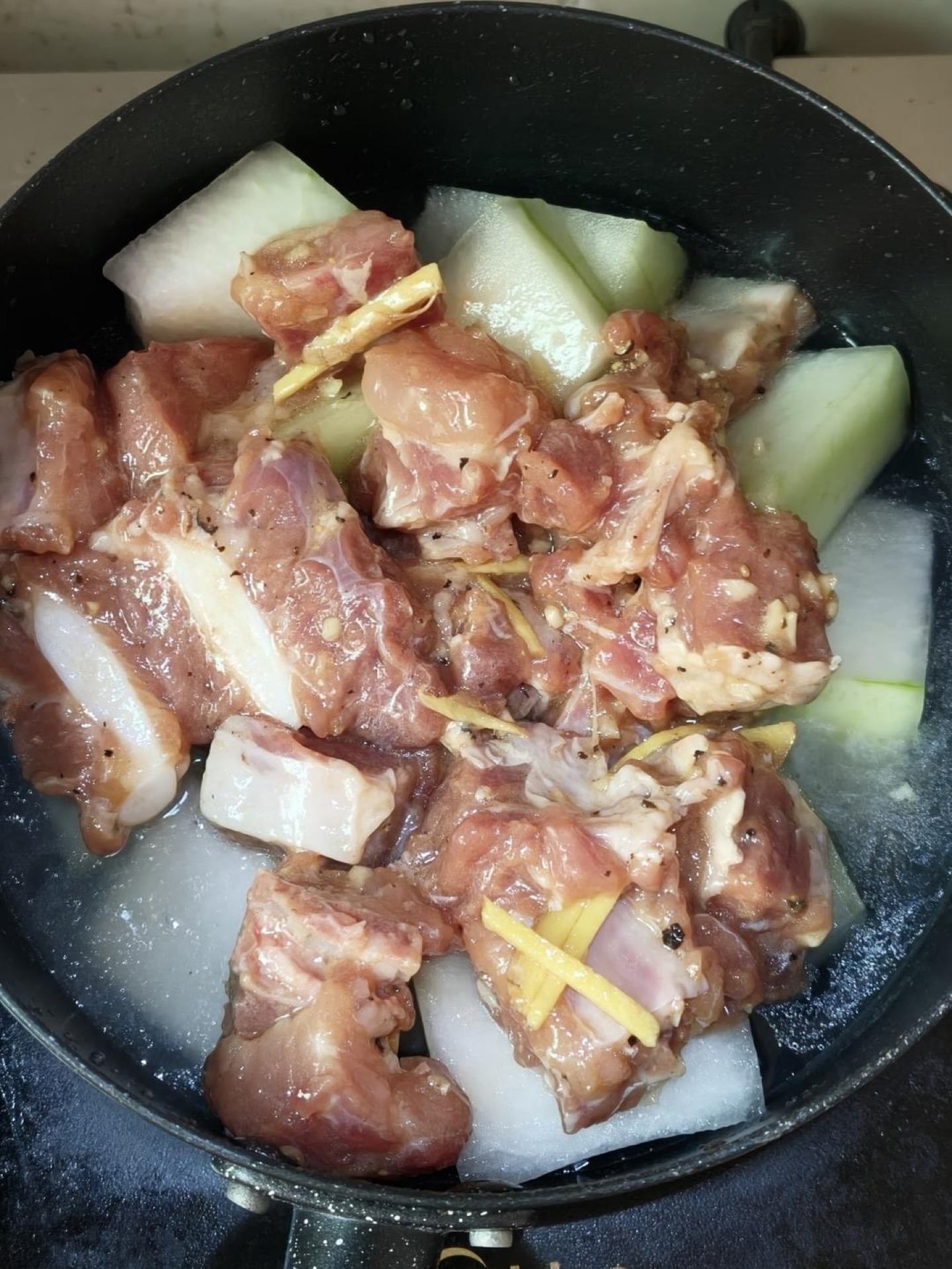
Step 4 — Layer and Simmer
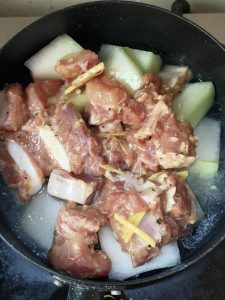
Lay the winter melon slices in an even layer in the bottom of a snow pan or small pot, pour in one bowl of water, spread the marinated ribs flat on top, then bring it to a boil over high heat, lower the heat, cover, and simmer gently for 20 minutes.
Step 5 — Finish with Herbs
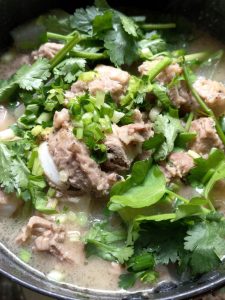
Turn off the heat, scatter the celery, scallion, and cilantro over the top, stir everything together, and it is ready to come out of the pot.
Common Mistakes When Making Winter Melon Pork Rib Pot
1. Skipping the rinse or the soak. Unrinsed ribs release blood and bone fragments into the braising liquid, which turns the broth gray and slightly metallic. Rinse until the water runs clear, and soak for 30 minutes if you have the time. The payoff is a clean, sweet broth instead of a muddy one.
2. Cutting the winter melon too thin. Very thin slices collapse during the 20-minute simmer and disappear into the liquid, leaving you with ribs in cloudy water. Cut 1/4-inch slices, and keep the thicker pieces toward the center of the pot where the heat is most even.
3. Adding too much water. Winter melon releases a surprising amount of liquid as it cooks, so one bowl of water is usually plenty. If you top up to “cover” the ribs, you will boil away the concentrated pork flavor and end up with a thin soup. Start with less; you can always add a splash later.
4. Boiling hard instead of simmering. A rolling boil agitates the ribs and shreds the melon. Once the pot comes to a boil, drop the heat immediately to a gentle simmer, cover, and let it go. Slow, steady heat is what keeps the ribs intact and the melon glossy.
5. Stirring repeatedly. Every stir breaks down the melon and knocks the marinade off the ribs. Resist the urge — check once halfway through, and stir only at the very end when you fold in the herbs.
6. Adding the herbs too early. Scallion, celery, and cilantro are aromatics, not braising vegetables. Added at the start, they turn dull and olive-colored; added off the heat, they stay bright green and fragrant. Turn the burner off first, then stir them in.
How to Serve
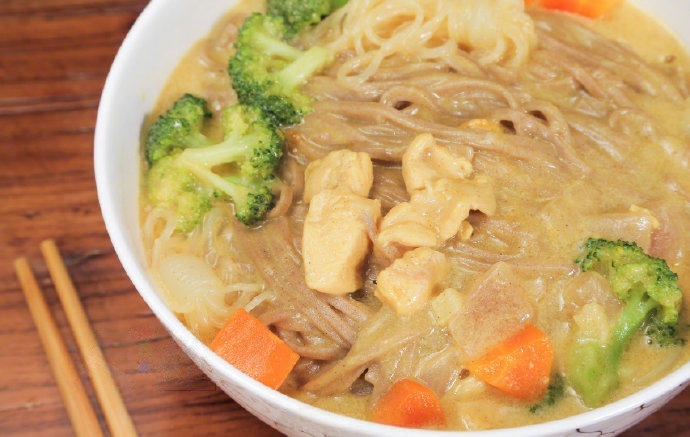
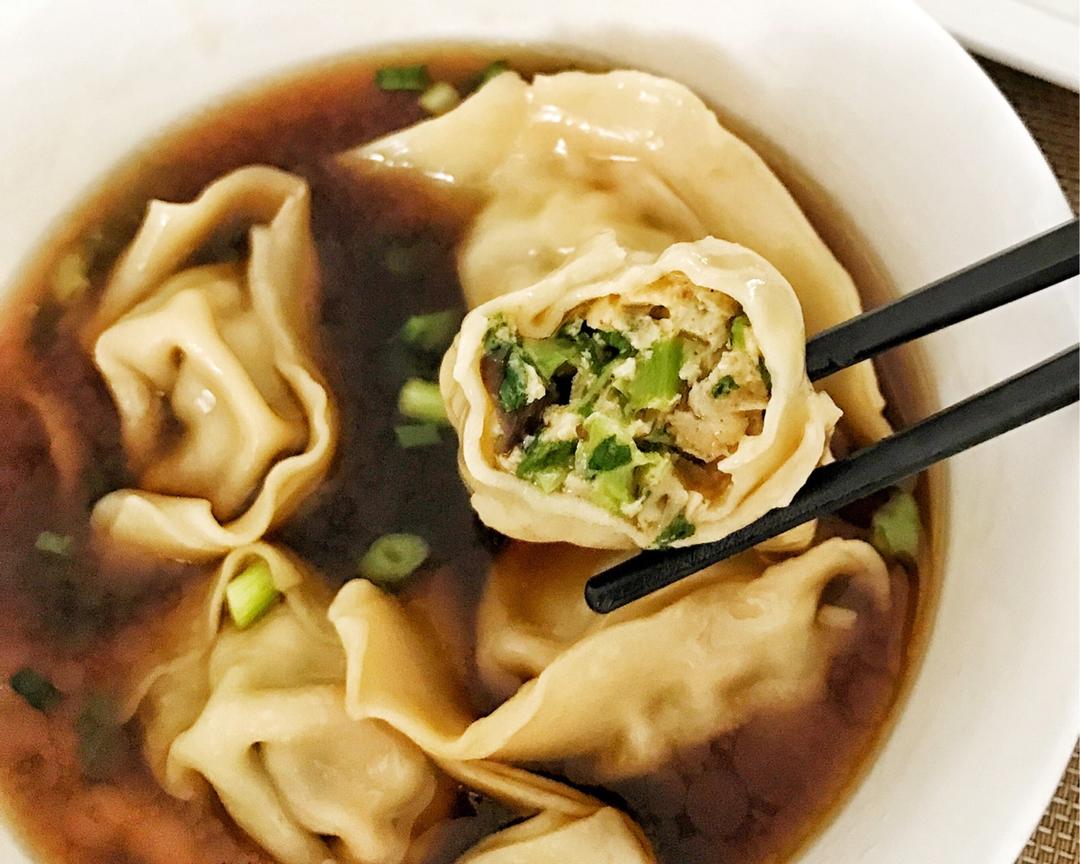
Serve this pot straight from the stove with steamed jasmine rice, which soaks up the broth better than anything else. A bowl of curry chicken soba noodles on the side turns it into a full spread if you are feeding a crowd, and a plate of Shanghai pork and vegetable wontons makes a lovely light accompaniment for a weekend lunch.
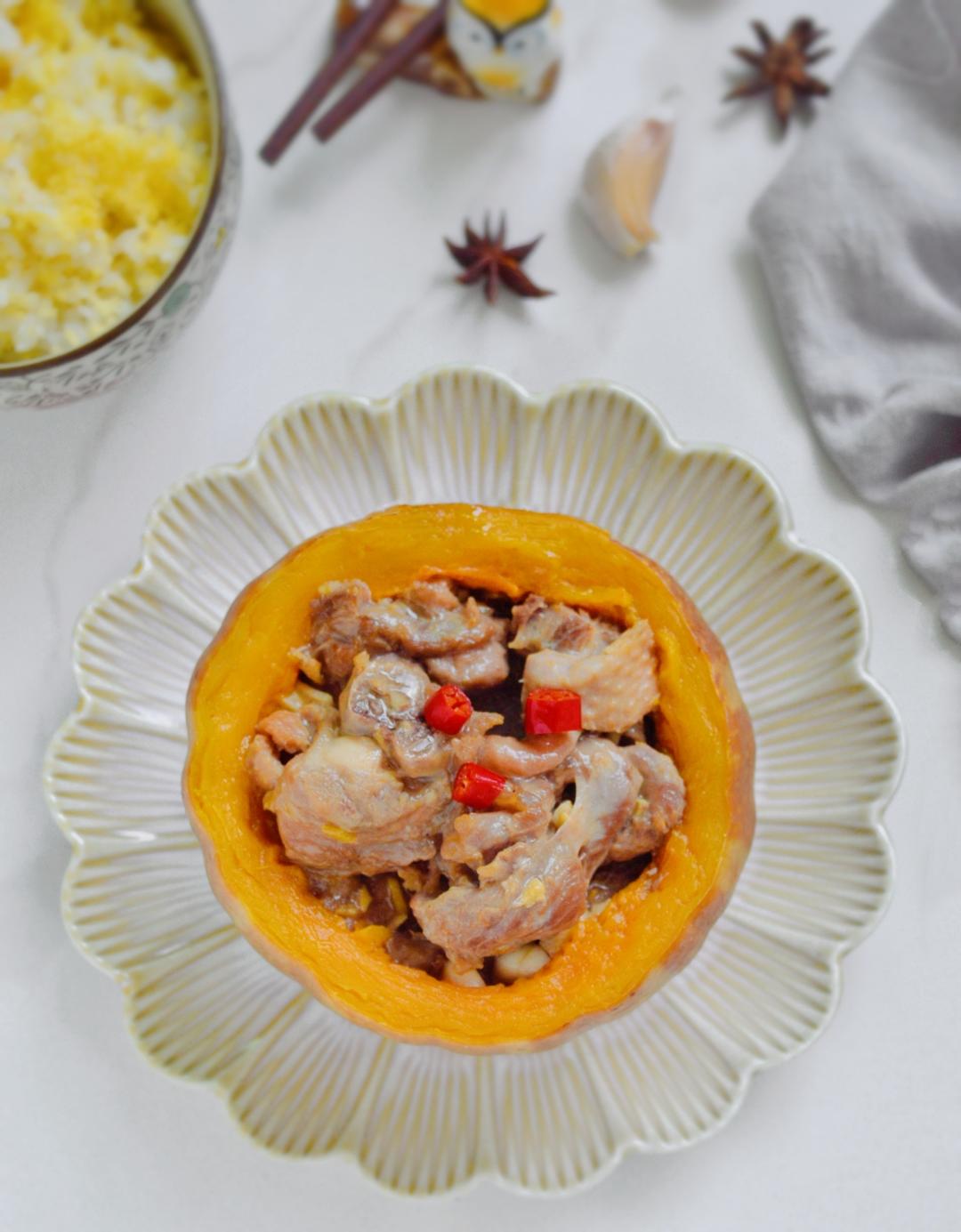
For a heartier table, add steamed duck in pumpkin bowl as a second centerpiece — the two dishes share that gentle, sweet-savory profile that defines cold-weather Cantonese cooking.
Storage & Reheat
Cool leftovers within two hours and refrigerate in an airtight container for up to 3 days. The melon will continue to soften in the fridge, so if you want it firm, scoop it out and store it separately from the ribs and broth.
Reheat on the stovetop over medium-low heat with a splash of water, covered, until steaming hot — about 5 minutes. Avoid the microwave for the melon, which turns rubbery; the ribs and broth reheat fine either way. This dish does not freeze well because winter melon becomes watery and grainy after thawing, so plan to eat what you make within a few days.
Allergen Notice
This recipe contains soy (soy sauce, oyster sauce), shellfish (oyster sauce is made from oysters), and corn (cornstarch). If you are avoiding shellfish, substitute a vegan oyster sauce or hoisin plus a splash of soy. Always check the labels on your oyster sauce and soy sauce, since brands vary in both allergens and sodium.
Nutrition Disclaimer
Nutrition information is calculated using an ingredient database and should be considered an estimate. In cases where multiple ingredient alternatives are given, the first listed is calculated for nutrition. Garnishes and optional ingredients are not included.
About the Author & Recipe Development
Lin is the cook, writer, and recipe tester behind Woks of Love, where she has been documenting Chinese home cooking for years — the weeknight stir-fries, the long braises, and the one-pot dishes that never make it onto restaurant menus. This winter melon pork rib pot comes from her own cold-weather rotation: a 煲 built for the nights when you want something warming without a long shopping list.
The recipe was developed and tested in a home kitchen using a standard snow pan and supermarket pork ribs. Amounts were weighed, the simmer time was checked at 15, 18, and 20 minutes, and the herb finish was tested both on and off the heat to confirm that adding them after the burner goes off keeps them bright. If you cook it, tell us how it turned out in the comments.
Authoritative References
For safe pork cooking temperatures and resting times, see the USDA safe minimum internal temperature chart. For home refrigeration and leftover storage guidance, see the FDA food safety guidance on refrigerators and cold storage. For general food safety principles behind the two-hour cooling rule, see the WHO food safety fact sheet.
Winter Melon Pork Rib Pot (冬瓜排骨煲): Tender Ribs in Savory Winter

Equipment
- Wok
- Cutting Board
- Slotted Spoon
Ingredients
For the Ribs
- 350 g pork ribs cut into 1-inch pieces
- 1 tbsp cornstarch for the marinade
- 1 tbsp oyster sauce about two pumps
- 1/2 tsp salt fine salt
- 1 tbsp neutral oil plus more for the pot
- 3 turns black pepper freshly ground
- 2 slices ginger smashed
- 2 cloves garlic minced
For the Pot
- 300 g winter melon peeled, seeded, sliced 1/4-inch thick
- 1 cup water plus more if needed
To Finish
- 1 stalk scallion sliced
- 1 stalk celery thinly sliced
- 1 small handful cilantro roughly chopped
Instructions
- Rinse the pork ribs under cold running water until the water runs clear, then drain them well in a colander.

- Peel the winter melon, scoop out the seeds, and slice the flesh into pieces about 1/4-inch thick.
- Put the drained ribs in a bowl, add the cornstarch, oyster sauce, salt, oil, black pepper, ginger, and garlic, and stir everything together until every piece is evenly coated.
- Lay the winter melon slices in an even layer in the bottom of a snow pan or small pot, pour in one bowl of water, spread the marinated ribs flat on top, then bring it to a boil over high heat, lower the heat, cover, and simmer gently for 20 minutes.
- Turn off the heat, scatter the celery, scallion, and cilantro over the top, stir everything together, and it is ready to come out of the pot.












Leave a Reply