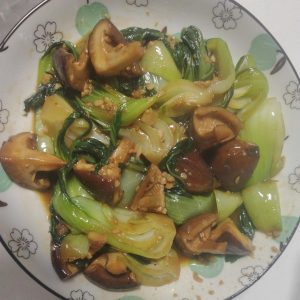
Shiitake bok choy in soy sauce is the kind of dish that quietly steals the show at a weeknight dinner table. Plump shiitake mushrooms and tender baby bok choy get tossed in a hot wok with a mountain of garlic, then glazed with steamed fish soy sauce and a touch of oyster sauce until every leaf and mushroom cap shines. It takes about 20 minutes from cutting board to plate, and it tastes like something you’d order at a Cantonese restaurant.
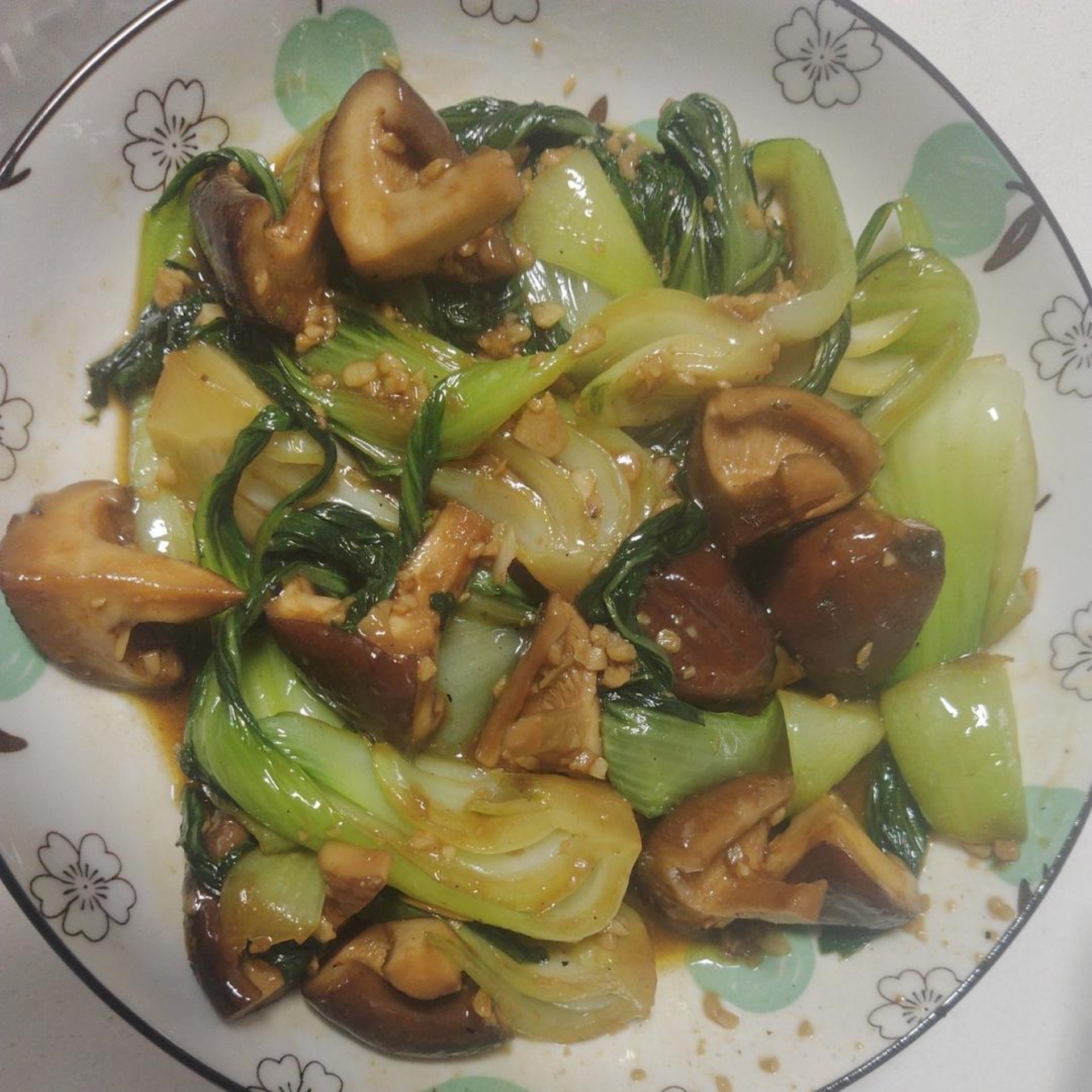
What makes this version a little different from a plain garlic bok choy is the double hit of soy: steamed fish soy sauce brings a delicate, almost sweet salinity, while oyster sauce adds body and a glossy finish. The mushrooms are blanched first, which removes any raw edge and lets them soak up the sauce without turning rubbery. And because everything cooks fast over high heat, the bok choy stays crisp at the stem and silky at the leaf.
If you’ve ever had a stir-fry turn out watery or limp, this recipe is built to avoid that. Drying the vegetables thoroughly, using a screaming-hot wok, and adding the sauce at the right moment are the three small moves that make the difference. Once you’ve made it this way, it becomes a default side dish you can throw together with whatever greens are in the fridge.
What Is Shiitake Bok Choy?
Shiitake bok choy, known in Chinese as 香菇油菜 (xiānggū yóucài), is a classic home-style vegetable stir-fry from southern China. It pairs fresh shiitake mushrooms (香菇) with bok choy (油菜), the mild, juicy green also called Shanghai bok choy. The vegetables are stir-fried with garlic and finished with a soy-based sauce, sometimes braised briefly with a splash of water so the flavors meld.
The dish sits somewhere between a stir-fry and a quick braise. The high heat gives the vegetables a little char and keeps them crisp, while the covered braise softens the mushroom caps and lets the sauce cling to every surface. It’s a staple on Cantonese dinner tables because it’s fast, inexpensive, and pairs with almost any protein.
Food science note: blanching shiitake mushrooms for about two minutes before stir-frying helps set their texture and drives off excess water, so they brown and absorb sauce instead of steaming in the wok. This is the same reason restaurant cooks blanch sturdy vegetables before a high-heat toss.
Serve it alongside a bowl of rice for a simple, satisfying meal.
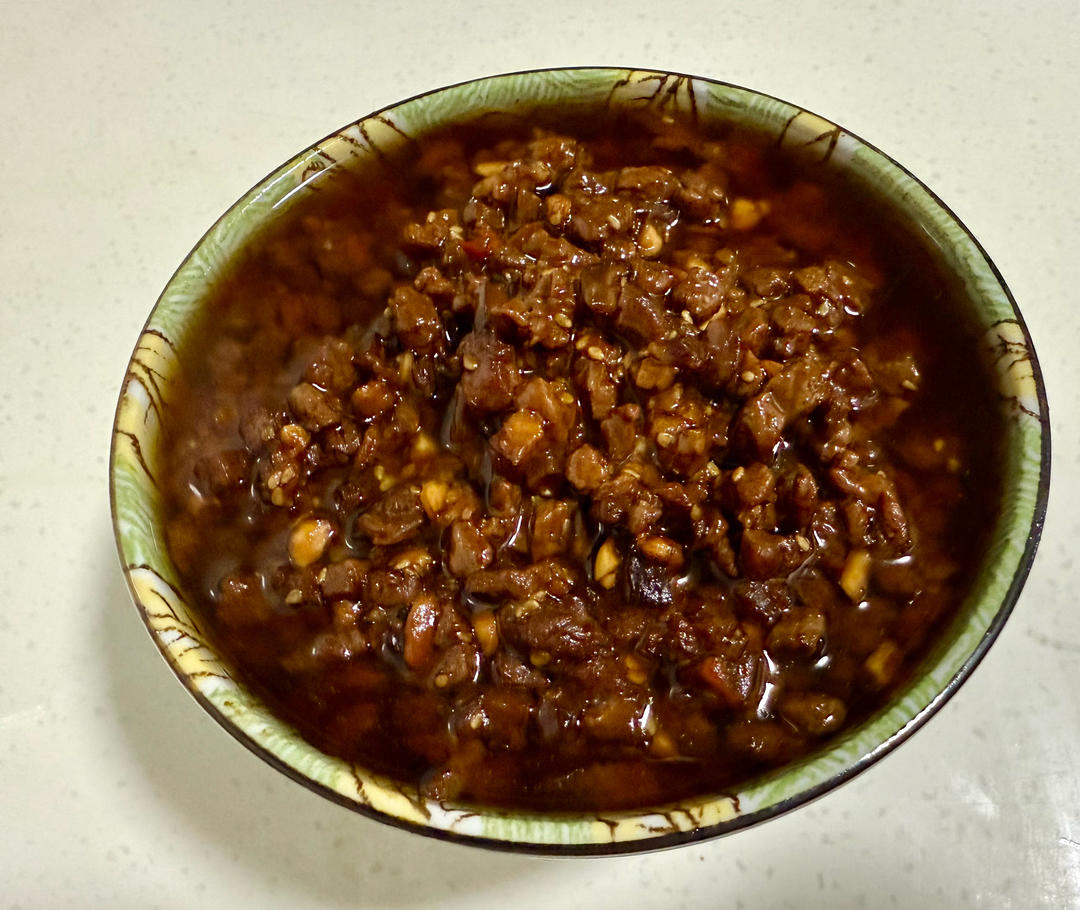
If you love the deep, savory flavor of mushroom-and-soy combinations, you’ll want to try this beef and shiitake mushroom sauce, which takes the same umami pairing in a richer, meatier direction.
1Savory Beef and Shiitake Mushroom Sauce (Niurou Jiang)A rich, savory, and authentic Chinese condiment made with diced beef, shiitake mushrooms, and aromatic oil. Perfect for noodles, rice, and dipping.Check out this recipe
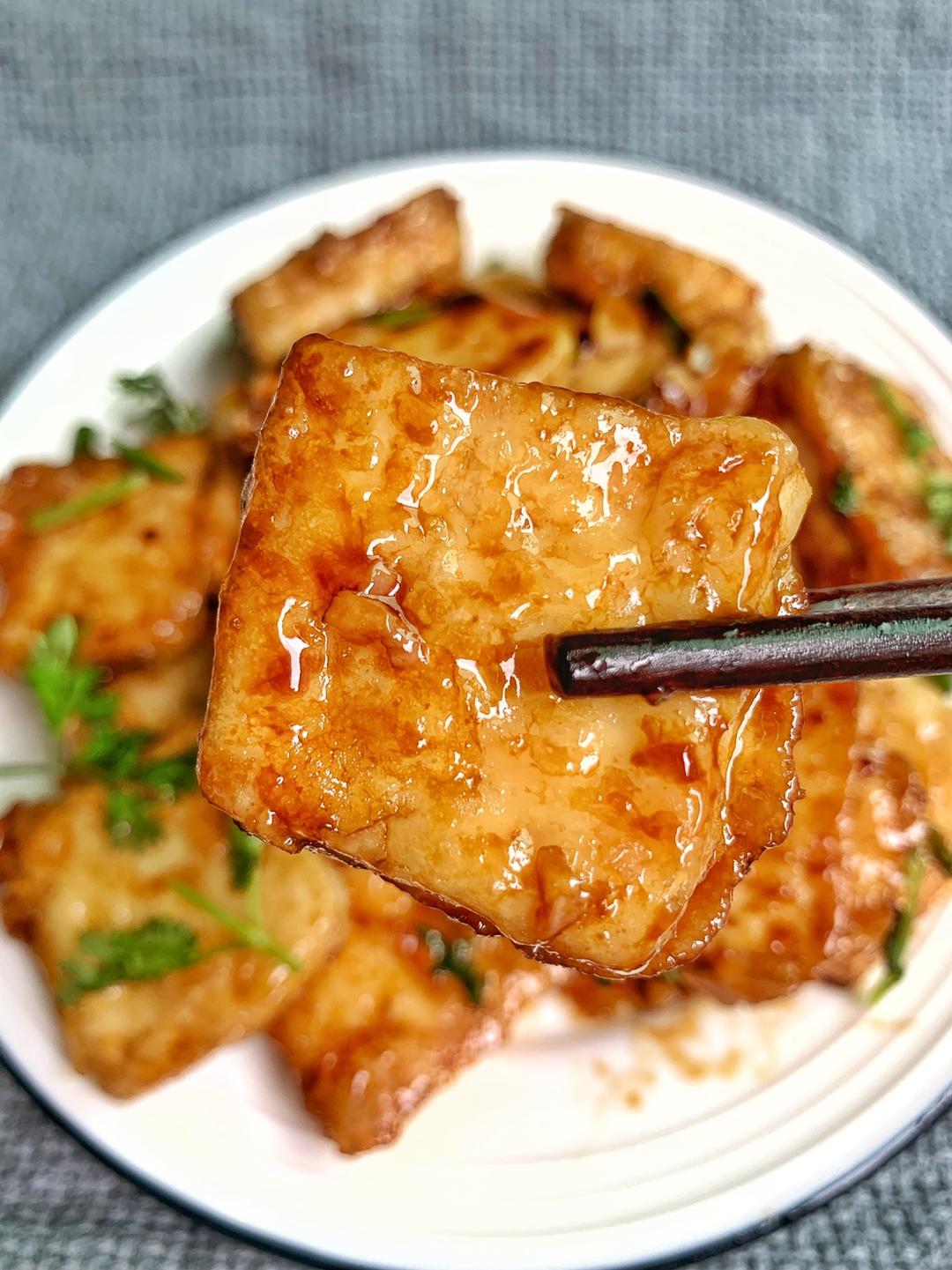
For a plant-based spin on the same garlic-and-soy formula, this pan fried tofu with garlic sauce is a great next recipe to try.
2Easy Pan-Fried Tofu with Garlic Sauce (香煎豆腐)This 15-minute recipe creates unbelievably crispy pan-fried tofu cubes tossed in a rich, savory, and glossy garlic soy sauce. It’s a homestyle Chinese dish that’s fast, easy, and better than takeout.Check out this recipe
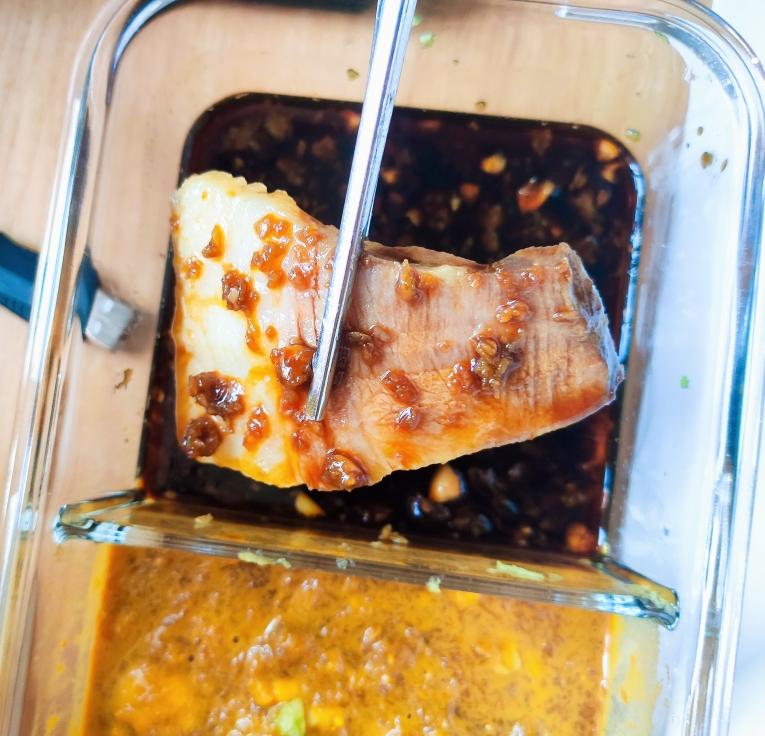
And if you like the idea of garlicky soy glazes over tender, rich ingredients, this poached pork belly with garlic sauce is a natural companion dish.
3Easy Poached Pork Belly with Garlic Sauce (蒜泥白肉)Discover the easiest, most comforting version of the Sichuan classic, Suan Ni Bai Rou. Tender, poached pork belly is served with a fiery, savory garlic-chili dipping sauce.Check out this recipe
Ingredient Notes
Fresh shiitake mushrooms are the star here. Look for caps that are firm, dry, and slightly domed, with no slimy spots. If you can only find dried shiitake, soak them in warm water for about 8 hours (or overnight), then squeeze them dry and use the soaking liquid as part of the braising water for extra depth. The recipe’s custom soaking time of 8 hours applies to that dried-mushroom route.
Baby bok choy is ideal because the heads are small enough to quarter and cook evenly. Regular mature bok choy works too, but slice the thick stems a little thinner so they soften at the same rate as the leaves. Wash it well, since grit hides at the base of the stalks, and dry it thoroughly.
Steamed fish soy sauce (蒸鱼豉油) is a seasoned soy sauce blend made for steaming fish, and it’s slightly sweeter and more aromatic than plain light soy. If you don’t have it, substitute light soy sauce and add a pinch of sugar. Oyster sauce adds gloss and a round, briny sweetness; a vegetarian oyster sauce or mushroom stir-fry sauce works fine as a swap.
Garlic is not optional here. Five cloves sounds like a lot, but the recipe’s whole personality is the garlic perfume, so be generous. Fresh minced garlic beats jarred every time.
Ingredients
- 5 cloves garlic, minced
- 3 fresh shiitake mushrooms, cut into quarters (or dried, soaked 8 hours)
- 3 heads baby bok choy, trimmed and quartered
- 3 tbsp steamed fish soy sauce (or light soy sauce)
- 1 tbsp oyster sauce
- 1/4 cup water, for braising
- 1/4 tsp salt, to taste
- 2 tbsp neutral oil, for stir-frying
All amounts are given in US measures. For metric equivalents, 5 cloves of garlic is about 15 g, 3 shiitake mushrooms is roughly 60 g, and 3 heads of baby bok choy is about 300 g. Three tablespoons of soy sauce is 45 ml, one tablespoon of oyster sauce is 15 ml, and 1/4 cup of water is 60 ml.
Equipment Needed
- A wok or a wide, heavy skillet — you want high heat and plenty of surface area
- A cutting board and a sharp knife for the garlic and vegetables
- A slotted spoon or spider for lifting the blanched mushrooms out of the water
- A pot for blanching the shiitake mushrooms
- A lid that fits your wok or skillet for the short braise
- A serving plate or shallow bowl
If you don’t own a wok, a 12-inch stainless steel or cast-iron skillet works well as long as you preheat it properly. Avoid nonstick for this dish, since you want a little fond to build up and deglaze with the sauce.
Why This Recipe Works
The technique here is all about controlling water. Mushrooms and bok choy both release a lot of moisture when they hit a pan, and if that water pools, the vegetables steam instead of sear. Blanching the shiitakes first and drying both vegetables thoroughly means the wok stays hot, the garlic blooms instead of burning, and the sauce reduces into a glaze rather than a puddle.
The second key is layering the soy. Steamed fish soy sauce brings a lighter, sweeter salinity, while oyster sauce adds viscosity and a savory depth that plain soy sauce can’t match. Adding a small amount of water and covering the wok for three to four minutes lets the flavors penetrate the mushroom caps and the thick bok choy stems without overcooking the leaves.
Finally, seasoning with salt only at the end matters. Soy sauce and oyster sauce are already salty, and reducing them concentrates that salt. Tasting first and adding salt last keeps the dish balanced instead of briny.
Prep & Mise en Place
Before the wok goes on the stove, get everything ready. Mince the garlic and set it in a small bowl. Wash the shiitake mushrooms, cut each into quarters, and set them near the stove for blanching. Wash the bok choy, cut the inner heads into quarters, leave the loose outer leaves whole, and drain everything well.
Measure the steamed fish soy sauce, oyster sauce, and water into small bowls so you can add them quickly once the wok is hot. Stir-frying moves fast, and there’s no time to hunt for bottles while garlic is browning. Lay out your slotted spoon, lid, and serving plate too.
If you’re using dried shiitake, this is the step where the 8-hour soak happens — plan ahead, then squeeze the mushrooms dry and reserve the soaking liquid. If you’re cooking rice to serve alongside, start it now so it’s ready when the stir-fry is. A quick note on prep: patting the vegetables dry with a clean kitchen towel is the single easiest way to prevent oil spatter and keep the stir-fry crisp.
Cooking Process
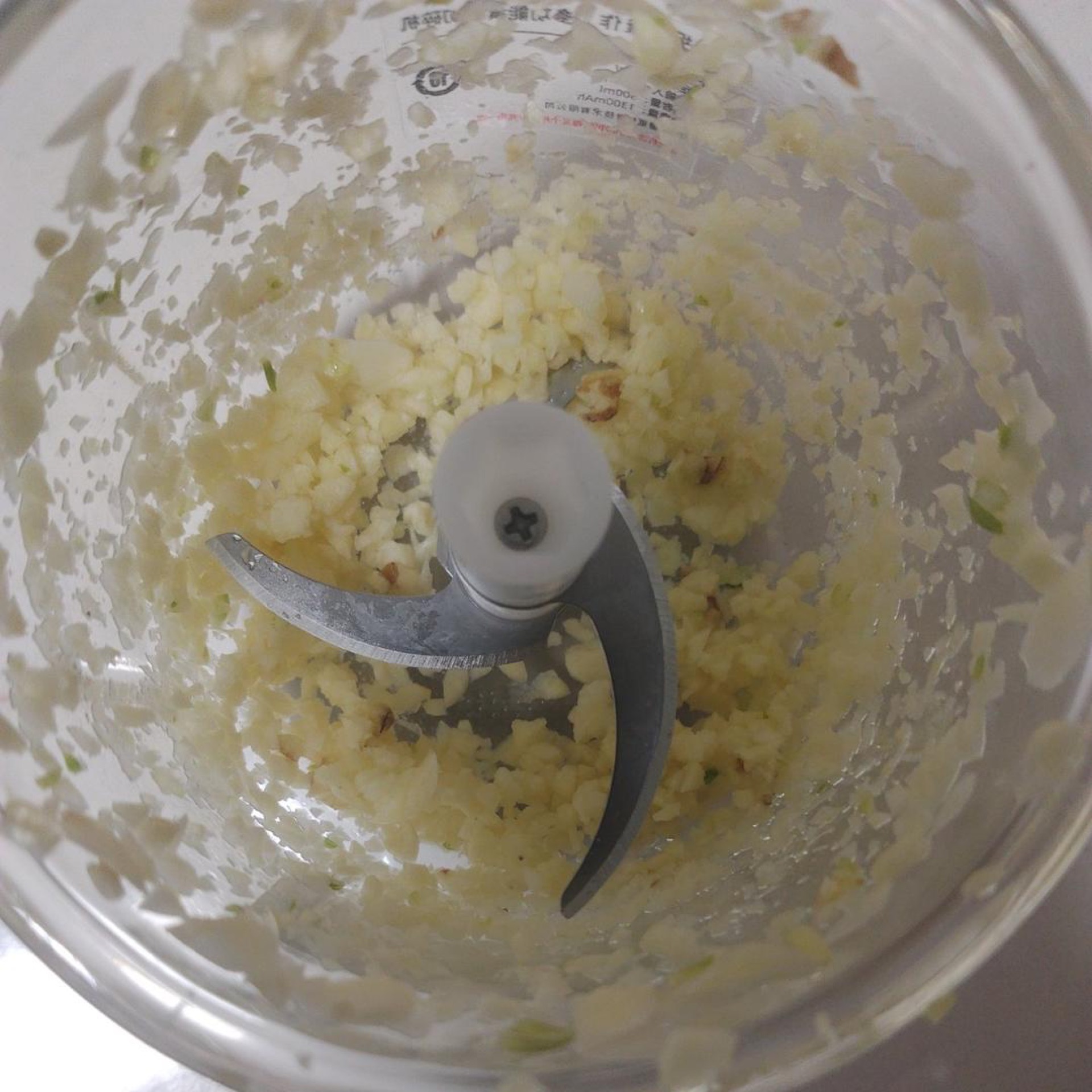
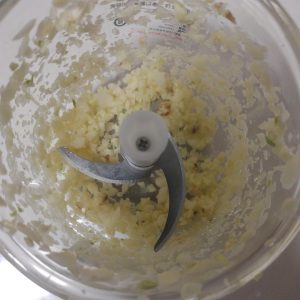
Step 1 — Prep the Garlic
Prepare plenty of minced garlic, as much as you like, since the garlicky aroma is the heart of this dish.
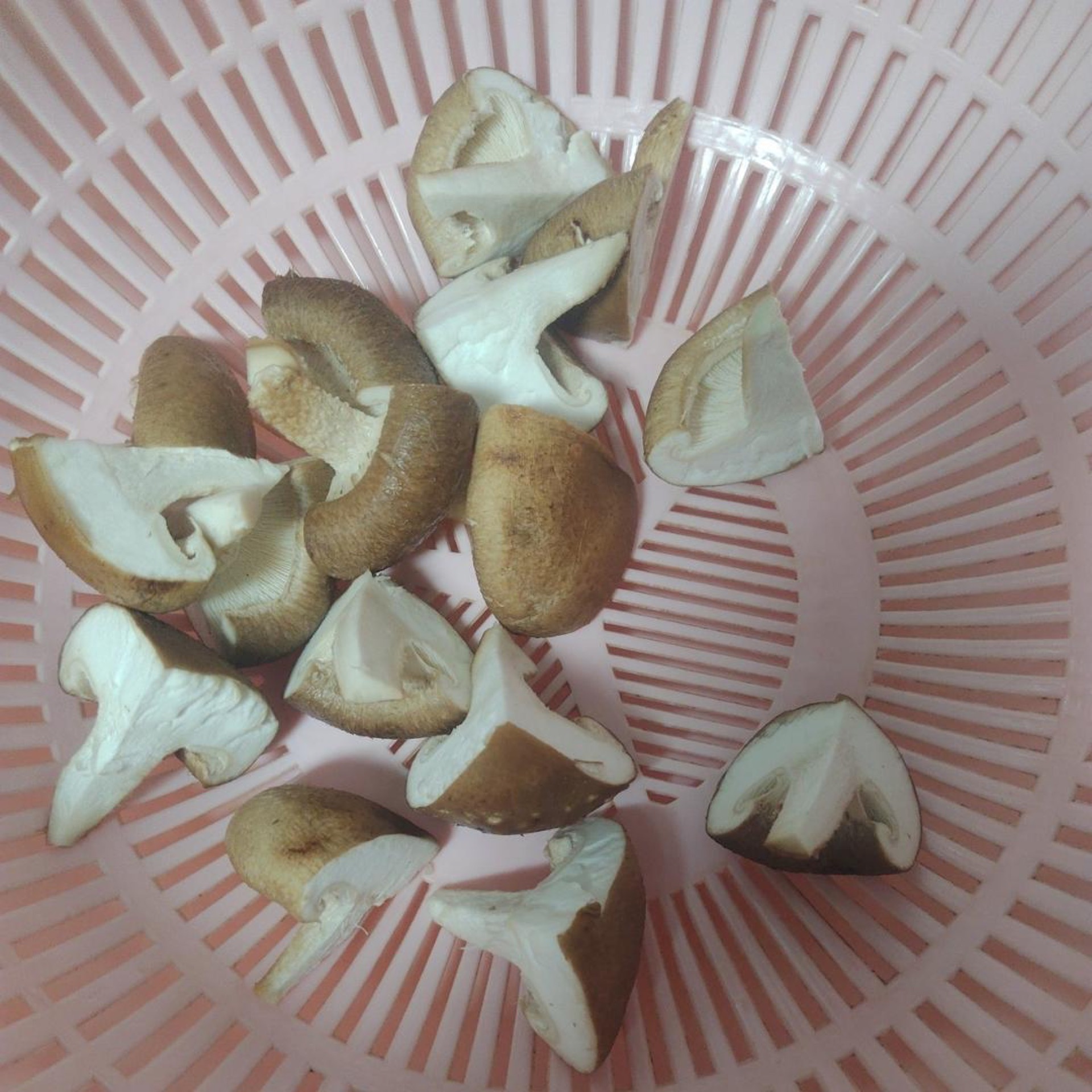
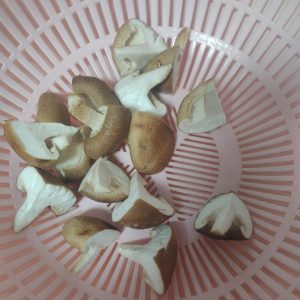
Step 2 — Cut the Shiitakes
Wash four shiitake mushrooms, cut each into quarters, and get them ready for blanching.
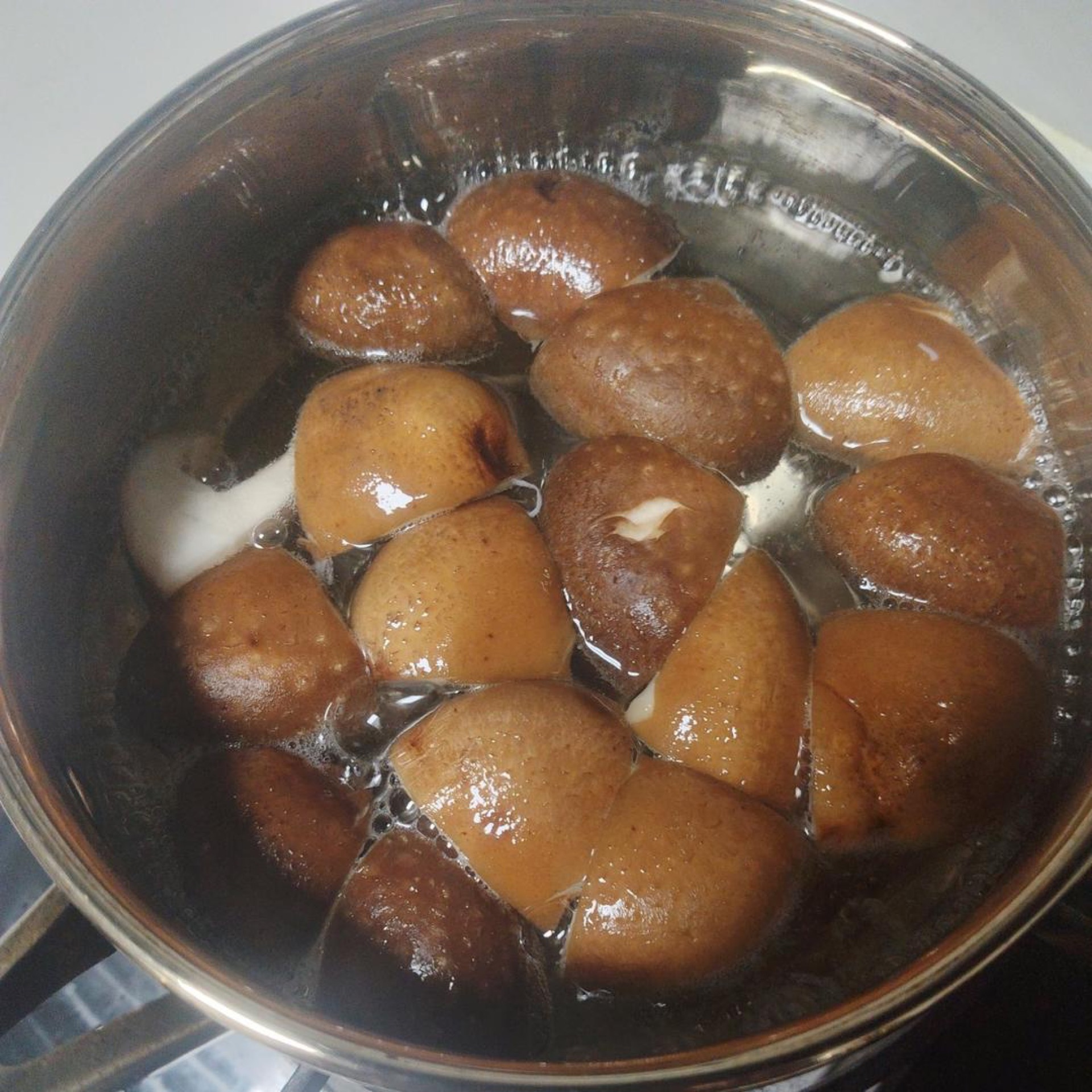
Step 3 — Blanch the Mushrooms
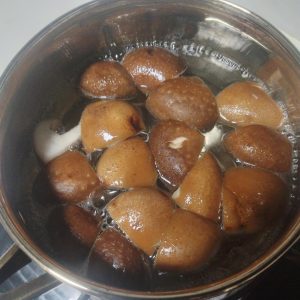
Once the water comes to a boil, add the shiitake mushrooms and blanch for about 2 minutes, then drain.
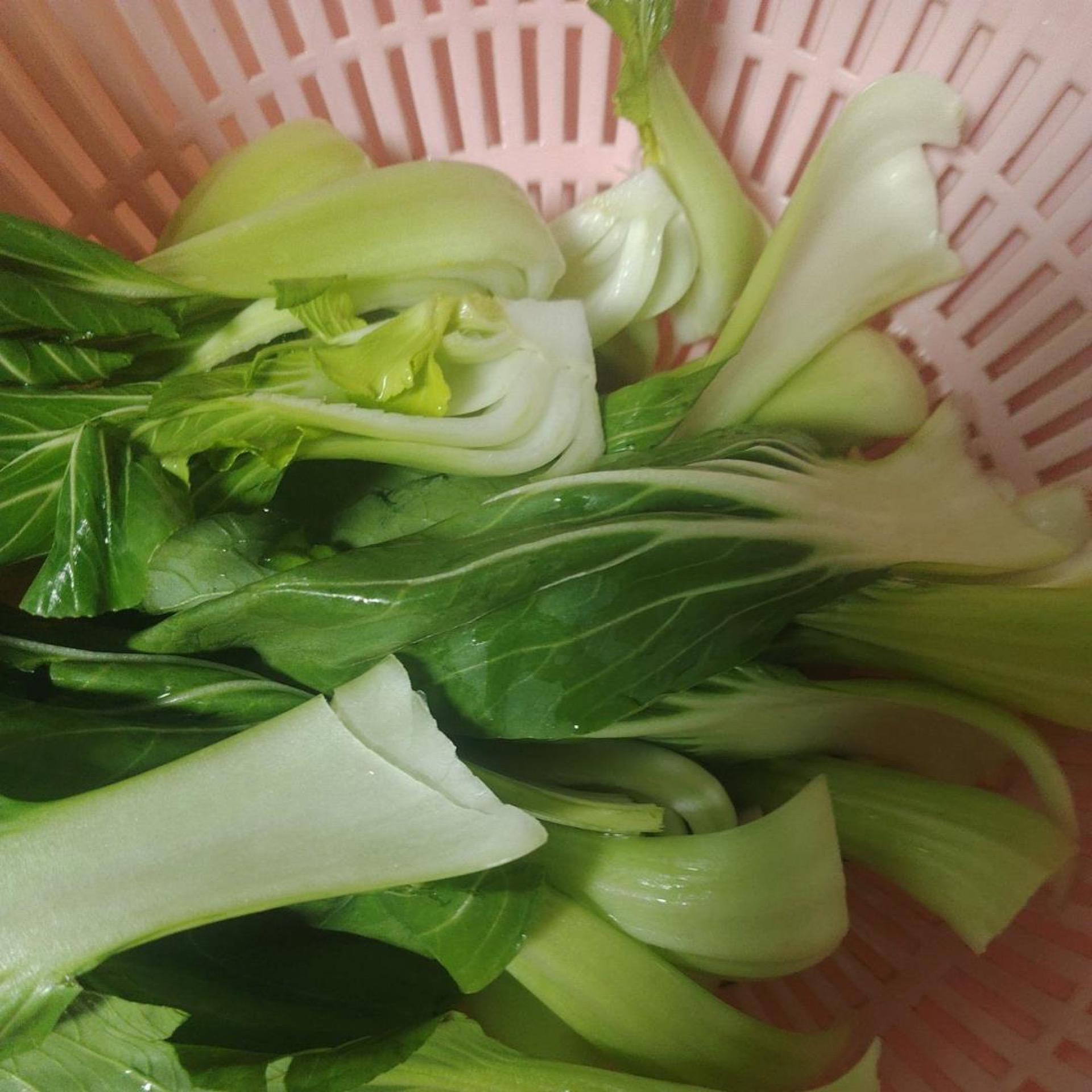
Step 4 — Trim the Bok Choy
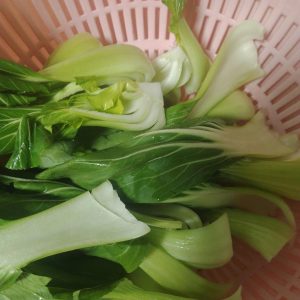
Wash the bok choy, cut the inner ones into quarters, leave the loose outer leaves whole, and drain them together with the mushrooms so no water remains and the oil won’t spatter.
Step 5 — Stir-Fry and Braise
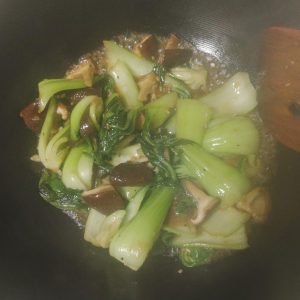
Turn the heat to high, heat the wok with cool oil, add the minced garlic and stir until fragrant, then immediately add the bok choy and mushrooms, tossing constantly so they don’t burn. Add a little oyster sauce and a little steamed fish soy sauce, toss to coat everything in oil, add half a bowl of water, cover, and braise for three to four minutes.
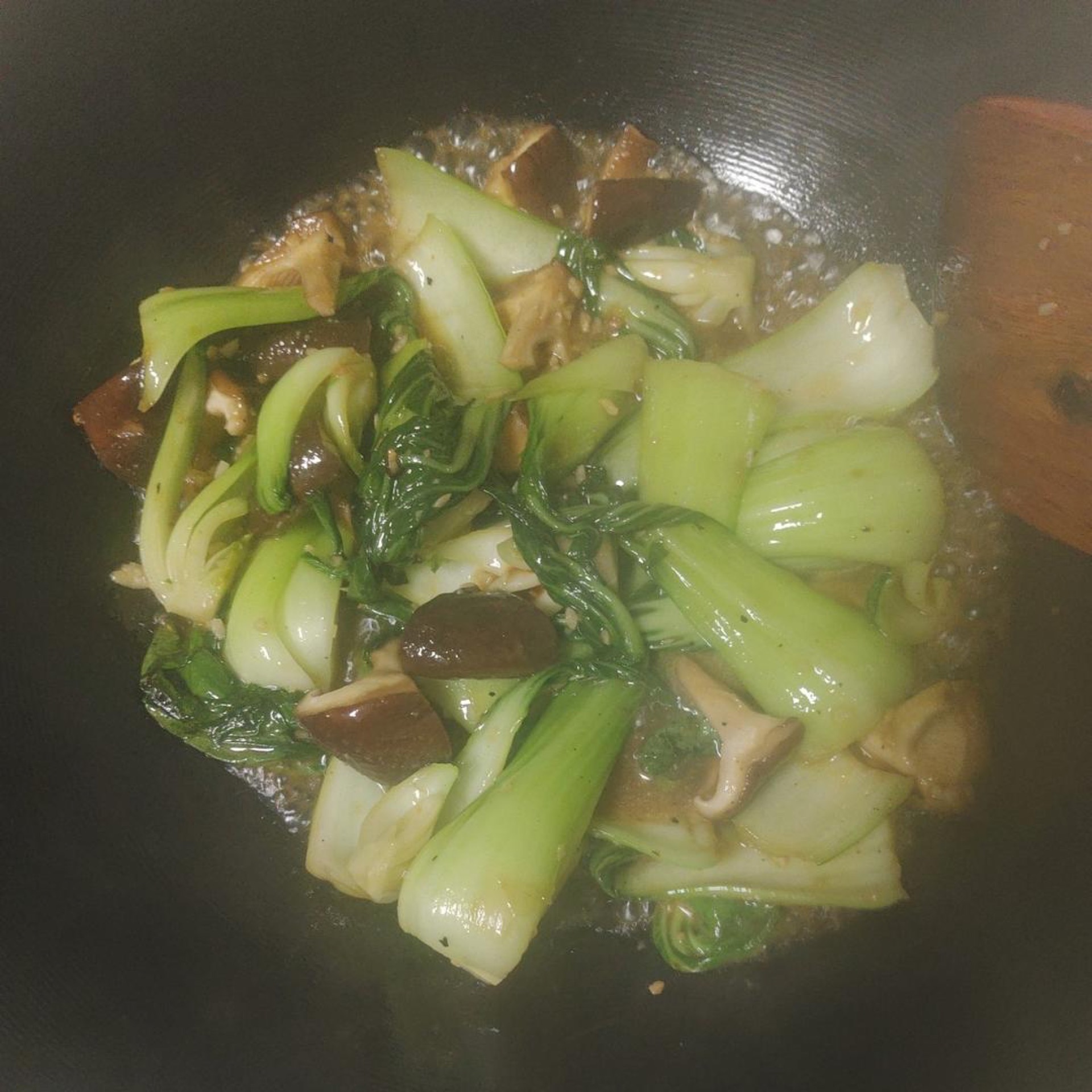
Step 6 — Season and Plate
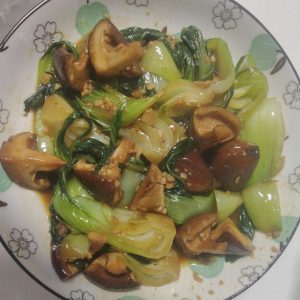
Turn off the heat, add a little salt to taste, and transfer to a serving plate.
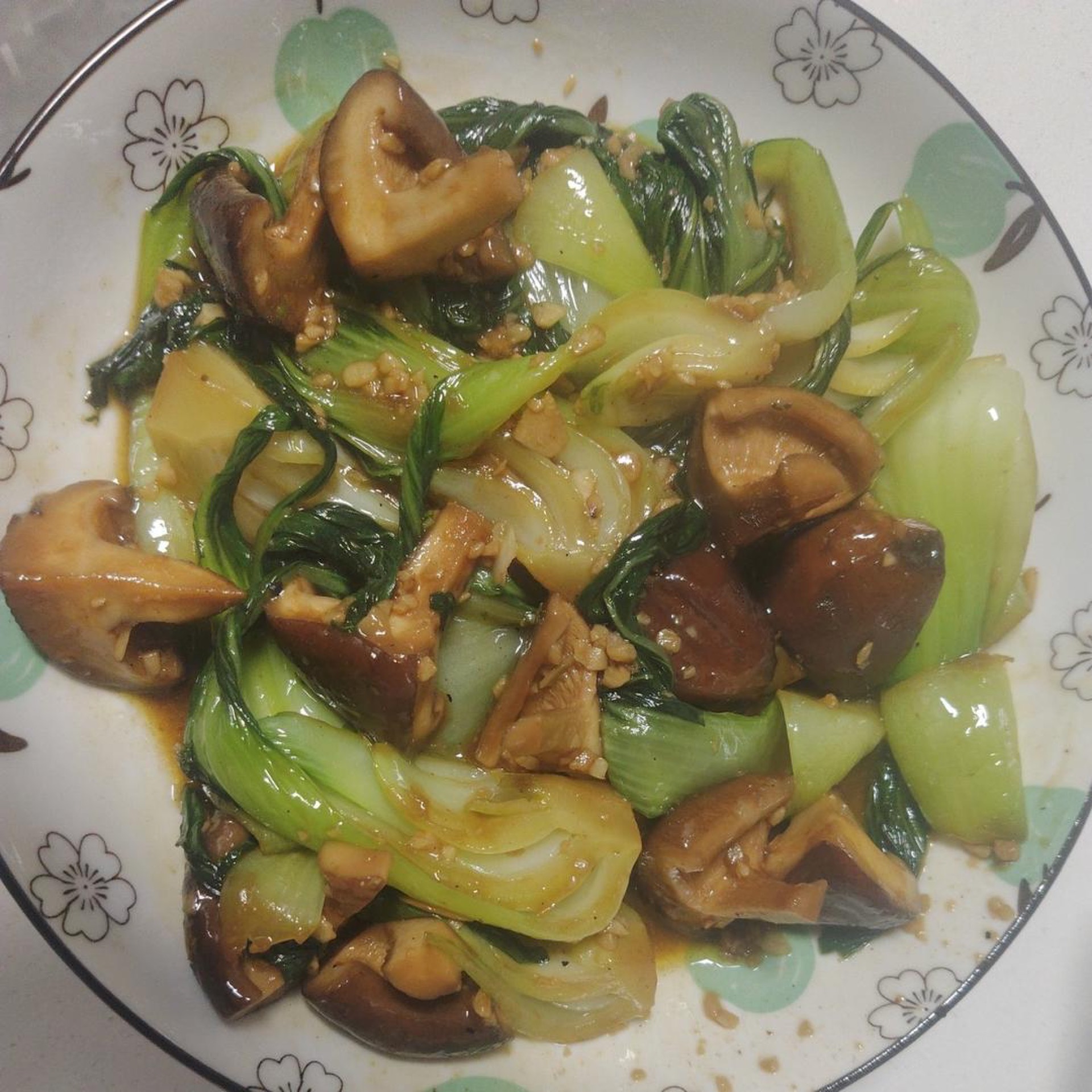
Common Mistakes When Making Shiitake Bok Choy
- Wet vegetables going into the wok. If the bok choy and mushrooms still have water clinging to them, they’ll steam and turn limp. Cause: not draining or drying after washing. Fix: spin or pat them dry, and let the blanched mushrooms drain in a colander for a few minutes.
- Garlic burned before the vegetables go in. Minced garlic goes from fragrant to bitter in seconds over high heat. Cause: adding garlic to oil that’s too hot or walking away. Fix: add the garlic, stir for just 10 to 15 seconds until it smells sweet, then immediately add the vegetables.
- Overcrowding the wok. Too many vegetables at once drop the pan temperature and create steam. Cause: doubling the recipe in a small pan. Fix: cook in batches, or use the largest wok or skillet you own and keep the vegetables in a single layer as much as possible.
- Sauce added too early. Pouring in the soy and oyster sauce before the vegetables are coated in oil can cause burning and sticking. Cause: rushing the order of operations. Fix: toss the vegetables in oil first, then add the sauces, then the water.
- Skipping the braise. Without the covered three-to-four-minute braise, the thick bok choy stems stay raw-tasting and the mushrooms don’t absorb the sauce. Cause: assuming a stir-fry should never be covered. Fix: add the half bowl of water, cover, and let it steam gently before uncovering.
- Salting before tasting. Soy sauce and oyster sauce already carry plenty of sodium. Cause: seasoning out of habit. Fix: taste after the braise, then add salt only if it needs it.
Variations
With dried shiitake. Soak dried shiitake for 8 hours, squeeze them dry, and use the strained soaking liquid in place of the water for a deeper, more concentrated mushroom flavor. Dried shiitake have a chewier texture and a stronger aroma than fresh.
Vegetarian version. Swap the oyster sauce for a vegetarian mushroom stir-fry sauce and use light soy sauce instead of steamed fish soy sauce. The dish stays glossy and savory without any animal products.
Add protein. Sliced chicken, thin strips of pork, or cubes of firm tofu can be stir-fried first and set aside, then returned to the wok with the sauce. If you like the combination of greens and seafood, a handful of peeled shrimp added at the start works beautifully too — the technique in this shrimp and tofu stir fry transfers directly.
Extra heat. A few dried chili flakes or a teaspoon of chili crisp stirred in with the garlic gives the dish a gentle burn that plays well with the soy.
Different greens. Yu choy, gai lan, or even regular napa cabbage can stand in for bok choy. Adjust the braising time based on how thick the stems are.
Frequently Asked Questions
Can I use dried shiitake mushrooms instead of fresh? Yes. Soak them in warm water for about 8 hours or overnight until fully soft, then squeeze out the excess water. Save the strained soaking liquid and use it as part of the braising water for extra flavor.
Do I really need to blanch the mushrooms? It’s not strictly required, but it makes a real difference. A two-minute blanch sets the texture and removes excess moisture so the mushrooms sear and absorb sauce rather than steaming.
What can I use instead of steamed fish soy sauce? Light soy sauce is the closest substitute. Add a small pinch of sugar to mimic the slightly sweeter, more aromatic profile of steamed fish soy sauce.
How do I keep the bok choy from getting soggy? Dry the vegetables thoroughly, keep the wok very hot, don’t overcrowd it, and keep the covered braise to three or four minutes. The stems should stay crisp-tender, not soft.
Is this dish spicy? No, it’s savory and garlicky rather than spicy. If you want heat, add chili flakes or chili crisp with the garlic.
How to Serve
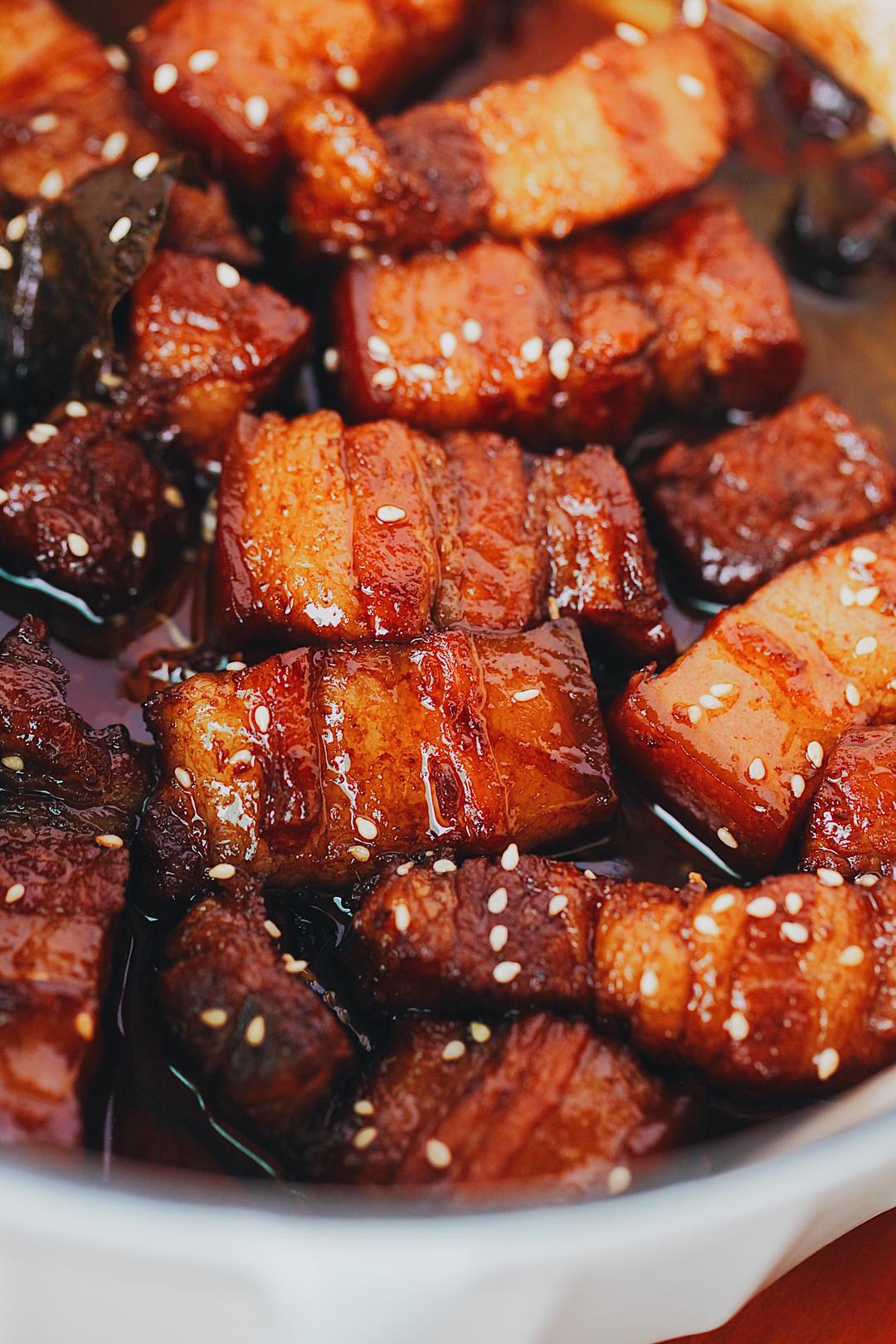
Shiitake bok choy is a natural partner for steamed white rice and a simply cooked protein. It’s also excellent next to richer braises, where its fresh, garlicky bite cuts through the fat — try it alongside hong shao rou for a classic combination of rich and light.
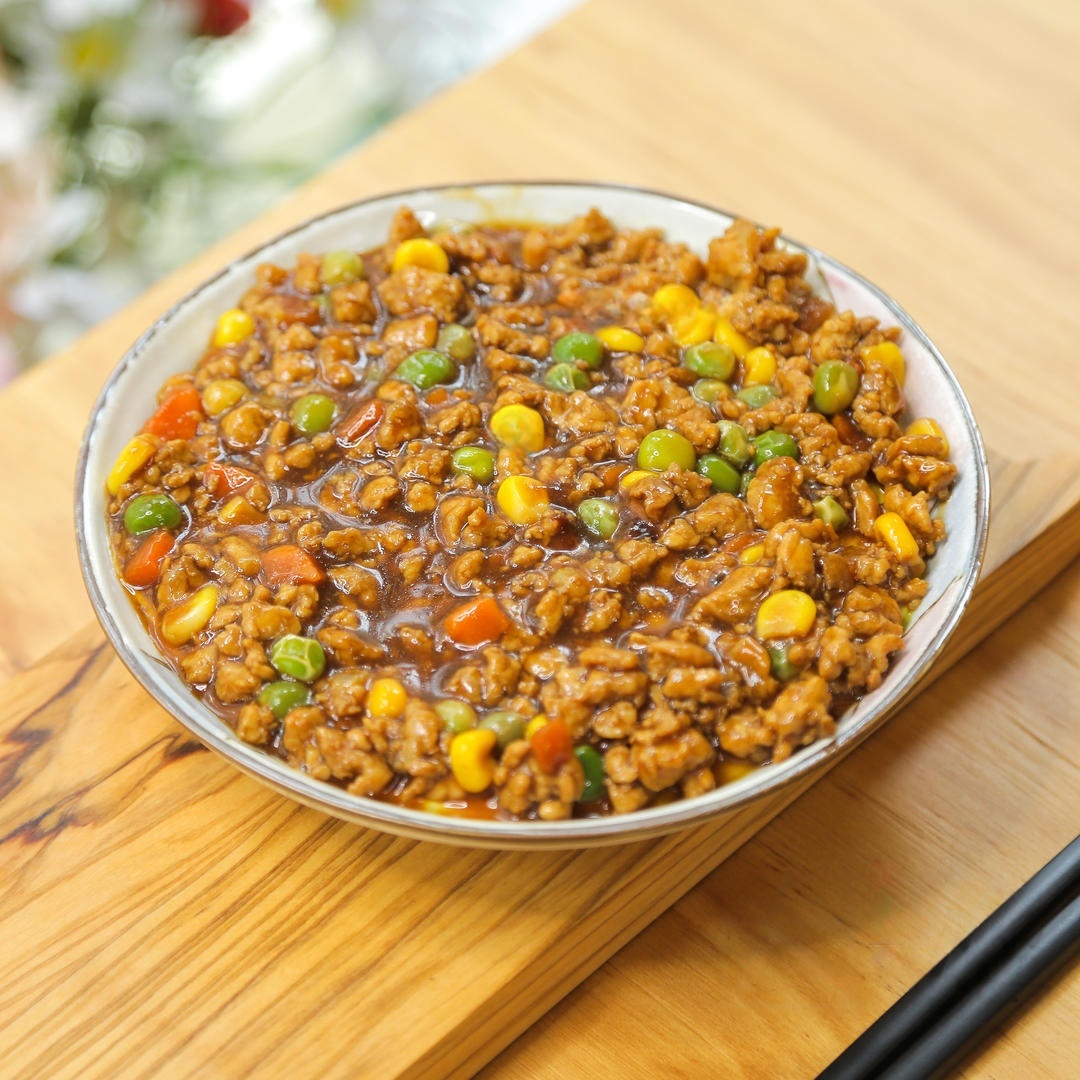
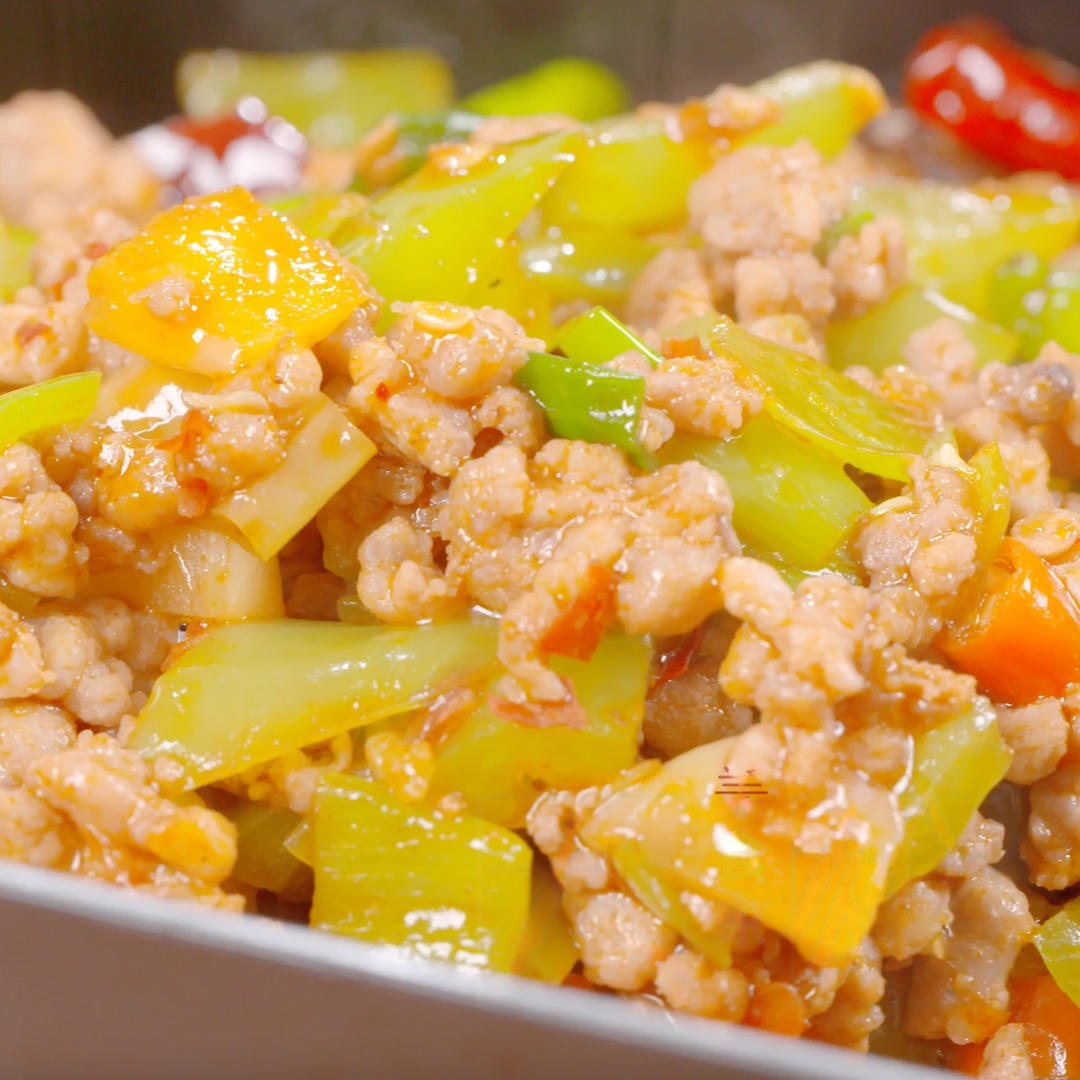
For a lighter meal, pair it with steamed egg with minced pork, a silky, comforting dish that balances the crisp vegetables. And if you’re building a larger spread, it fits right in next to a plate of stir fried minced pork with chili peppers.
Storage & Reheat
Store leftovers in an airtight container in the refrigerator for up to 3 days. The vegetables will soften a little on reheating, which is normal for a soy-glazed stir-fry. Reheat gently in a skillet over medium heat with a splash of water, or in the microwave, until steaming hot — 165°F (74°C) is a safe target for any reheated dish.
This dish does not freeze well, because the bok choy turns mushy once thawed. If you want to make it ahead, prep and blanch the vegetables up to a day in advance, keep them refrigerated in a covered container, and do the final stir-fry just before serving.
Allergen Notice
This recipe contains soy, from both the steamed fish soy sauce and the oyster sauce. Depending on the brand, soy sauce may also contain wheat, so check labels carefully if you’re gluten-free. Oyster sauce contains shellfish, so if you have a shellfish allergy, use a vegetarian oyster sauce or mushroom stir-fry sauce instead. Always read the labels of any bottled sauces you use.
Nutrition Disclaimer
Nutrition information is calculated using an ingredient database and should be considered an estimate. In cases where multiple ingredient alternatives are given, the first listed is calculated for nutrition. Garnishes and optional ingredients are not included.
About the Author & Recipe Development
This recipe was developed and tested in the Woks of Love kitchen by Lin, who grew up cooking Cantonese home food and has spent years adapting restaurant techniques for home stoves. The goal here was to keep the classic 香菇油菜 flavor while making the method foolproof: blanch the mushrooms, dry the greens, bloom the garlic, and finish with a short braise so the sauce clings instead of pooling.
Every recipe on the site is tested with US supermarket ingredients and given in both US and metric measures so it works in any kitchen. If you make this dish, the garlic level is the one thing worth adjusting to your own taste — start with five cloves and go from there.
Authoritative References
For safe food handling and reheating guidance, see the FDA refrigerator and food safety guidance. For produce safety and washing guidance for leafy greens, see the FDA guidance on selecting and serving fresh produce safely. For general safe minimum internal temperatures and leftovers, see the FoodSafety.gov safe minimum internal temperature chart.
Shiitake Bok Choy in Soy Sauce (香菇油菜): Garlicky Shiitake and Bok

Equipment
- Wok
- Cutting Board
- Slotted Spoon
Ingredients
For the Sauce
- 3 tbsp steamed fish soy sauce or light soy sauce
- 1 tbsp oyster sauce adds glossy umami
- 1/4 tsp salt to taste
- 1/4 cup water for the braise
For the Dish
- 5 cloves garlic minced
- 3 whole shiitake mushrooms fresh, cut into quarters
- 3 heads baby bok choy trimmed, cut into quarters
- 2 tbsp neutral oil for stir-frying
Instructions
- Prepare plenty of minced garlic, as much as you like, since the garlicky aroma is the heart of this dish.

- Wash four shiitake mushrooms, cut each into quarters, and get them ready for blanching.
- Once the water comes to a boil, add the shiitake mushrooms and blanch for about 2 minutes, then drain.
- Wash the bok choy, cut the inner ones into quarters, leave the loose outer leaves whole, and drain them together with the mushrooms so no water remains and the oil won’t spatter.
- Turn the heat to high, heat the wok with cool oil, add the minced garlic and stir until fragrant, then immediately add the bok choy and mushrooms, tossing constantly so they don’t burn. Add a little oyster sauce and a little steamed fish soy sauce, toss to coat everything in oil, add half a bowl of water, cover, and braise for three to four minutes.
- Turn off the heat, add a little salt to taste, and transfer to a serving plate.












Leave a Reply