Some dinners announce themselves with a roar of wok fire and a plume of smoke. This one whispers. A winter melon pork rib pot is the kind of dish you set on the stove when the air turns sharp, when you want the whole kitchen to smell like ginger and simmering pork, and when you want to sit down to something that feels like a slow Sunday even though it took barely half an hour. The ribs come out tender and glossy, the winter melon turns translucent and sweet, and the broth underneath is exactly the kind of thing you spoon over rice until the bowl is empty.
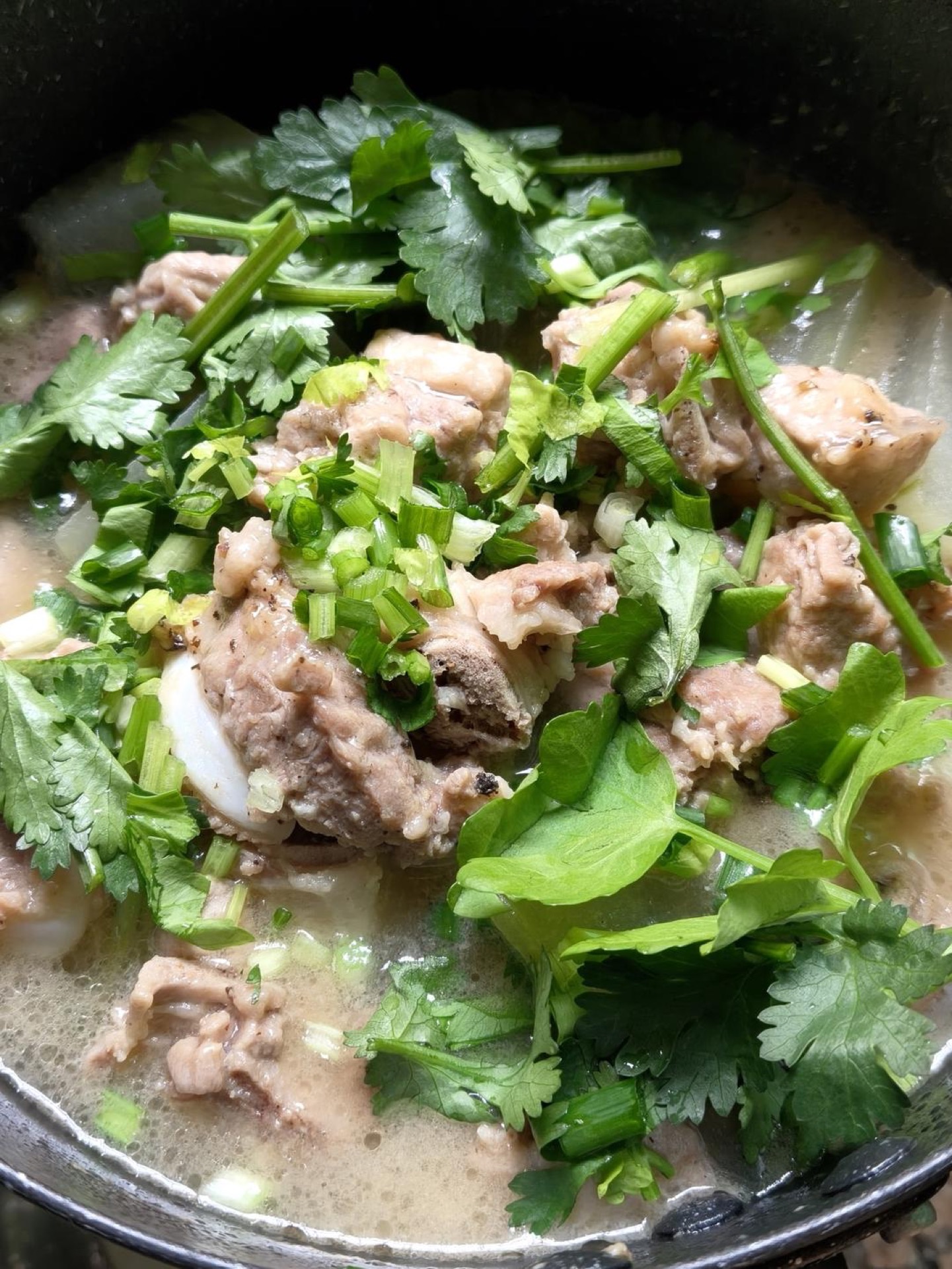
If you have ever eaten winter melon soup (冬瓜汤) at a Cantonese table, you already know the flavor. This is the braised, rib-forward version: less broth, more concentrated sweetness, and a texture that sits somewhere between a stew and a soup. It is the kind of thing that tastes like it simmered all afternoon, but the whole pot is on the table in about 35 minutes once the ribs are prepped.
What Is Winter Melon Pork Rib Pot?
Winter melon pork rib pot (冬瓜排骨煲, dōng guā pái gǔ bāo) is a home-style Cantonese braise built in layers: thick slices of winter melon on the bottom, marinated pork ribs laid flat on top, a splash of water, and a lid. As the pot comes to a boil and then drops to a low simmer, the melon releases its own liquid, the ribs render their fat and juices, and the two meet in the middle to make a savory, faintly sweet broth. It is a one-pot dish in the truest sense — you build it, cover it, and let it work.
Winter melon itself is worth knowing. It is a gourd, the same species as wax gourd, and it is almost entirely water — which is why it turns so soft and translucent when cooked and why it drinks up whatever it is simmered in. In Chinese kitchens it is used in soups, braises, and stir-fries, and it is prized for being cooling and light, a counterweight to rich meats like pork ribs. The classic pairing of the two is one of the oldest comfort combinations in Cantonese cooking.
It is also a forgiving dish. There is no searing, no frying, no precise timing window. You layer, you simmer, you taste. If the ribs are a little fattier than you planned, the melon soaks it up. If the melon is a little sweeter than you expected, the oyster sauce and soy even it out. That is the whole appeal.
If you like the idea of a rib dinner that comes together without much fuss but still tastes like something you worked for, this is the recipe to keep in rotation. It pairs beautifully with plain rice, and it is the sort of dish that improves the next day, when the flavors have had time to settle.
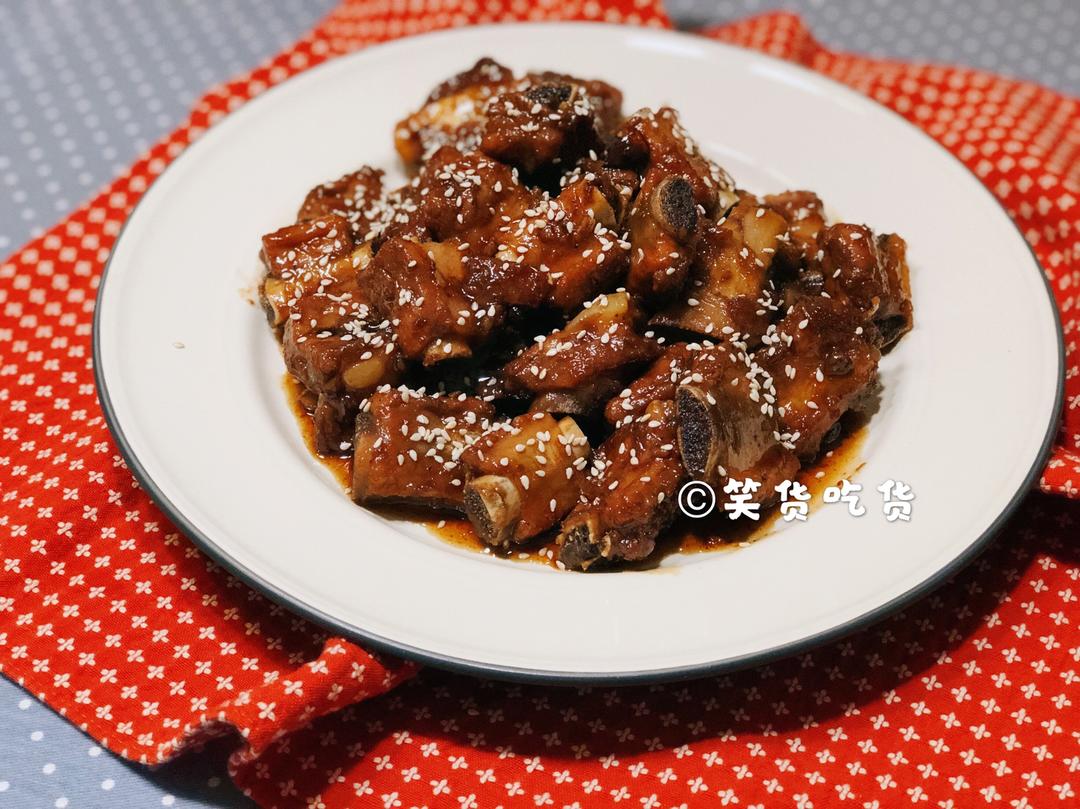
For a different take on ribs with a sticky, tangy glaze, sweet and sour pork ribs is the classic Cantonese answer — crisp outside, lacquered in a bright sauce, and just as good cold the next day.
1Authentic Sweet and Sour Pork Ribs (Tang Cu Pai Gu)A foolproof, no-fry Sweet and Sour Pork Ribs recipe using the classic 1-2-3-4 golden ratio for the perfect balance of sweet and tangy flavors. Sticky, glossy, and incredibly tender!Check out this recipe
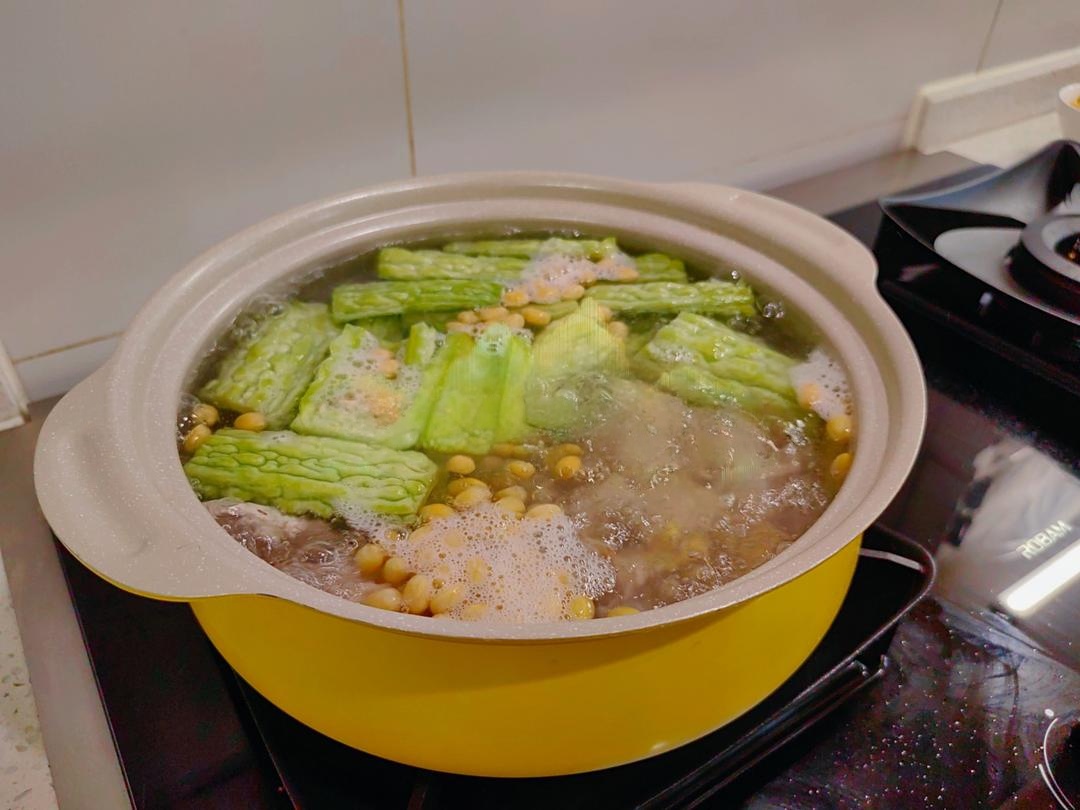
If you want the same rib-and-melon comfort in soup form, bitter melon pork rib soup swaps winter melon for bitter melon and stretches the broth into a light, restorative bowl that is a staple of Cantonese home cooking.
2Bitter Melon Pork Rib Soup (Ku Gua Pai Gu Tang)A classic, cooling Cantonese soup featuring tender pork ribs, savory soybeans, and bitter melon. This recipe uses traditional techniques to reduce bitterness for a refreshing summer tonic.Check out this recipe
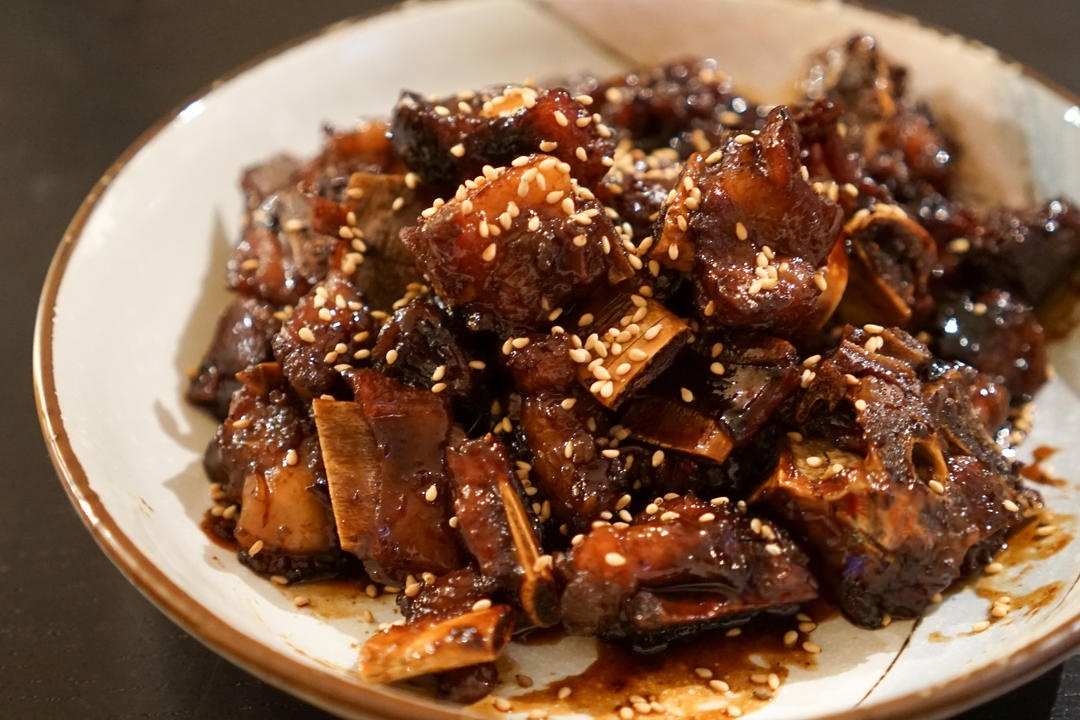
And if you like the idea of ribs glazed in something a little unexpected, coca cola sweet and sour pork ribs uses cola as the braising liquid for a deep, caramelized sweetness that clings to every rib.
3Coca-Cola Sweet and Sour Pork Ribs (Tang Cu Pai Gu)A restaurant-quality recipe for Sweet and Sour Ribs using a clever shortcut: Coca-Cola! This method creates a brilliant red glaze and tender meat with a hint of fruitiness from preserved plums.Check out this recipe
Why This Recipe Works
The magic of this dish is in the layering. Winter melon goes down first, where it acts as a cushion and a flavor sponge. The ribs sit on top, so their juices drip down into the melon instead of pooling at the bottom of the pot. When the water is added, it does not submerge anything — it just creates steam and a shallow braising liquid that circulates the seasoning. Everything cooks in its own moisture, and nothing dries out.
The marinade does double duty. Cornstarch gives the ribs a light coating that thickens the broth as they cook, so the sauce has body without a separate slurry. Oyster sauce brings umami and a subtle sweetness, soy sauce brings salt and color, and the ginger and garlic cut through the pork’s richness. Black pepper, freshly ground, adds a warm bite that keeps the dish from tasting flat.
Finally, the timing is short on purpose. Twenty minutes of simmering is enough to cook the ribs through and soften the melon, but not so long that the melon collapses into mush. If you simmer it much longer, you lose the distinct slices; if you stop too soon, the melon stays firm and the ribs stay tough. Twenty minutes over low heat, covered, is the sweet spot — and because the pot is covered, the steam keeps the ribs moist the entire time.
Ingredients
Here is what goes into the pot. The amounts below serve four as a main course with rice, or six as part of a larger table.
- Pork ribs (350 g) — cut into 1-inch pieces. Ask your butcher to cut them crosswise if you can; smaller pieces cook faster and fit more neatly in the pot.
- Winter melon (300 g) — peeled, seeded, and sliced 1/4-inch thick. Look for a firm, heavy melon with unblemished skin.
- Scallion, celery, and cilantro — one stalk or bunch of each, chopped. These go in at the very end for freshness and aroma.
- Cooking oil (1 tbsp) — neutral oil for the marinade.
- Salt (1/2 tsp) — plus a pinch more for the melon if you like.
- Black pepper (3 turns) — freshly ground, to taste.
- Oyster sauce (2 pumps, about 2 tbsp) — for umami and sweetness.
- Ginger (2 slices) — smashed, to perfume the marinade.
- Garlic (2 cloves) — minced.
- Cornstarch (1 tbsp) — to coat the ribs and thicken the braise.
- Water (1 cup) — for the braise.
Cooking Process
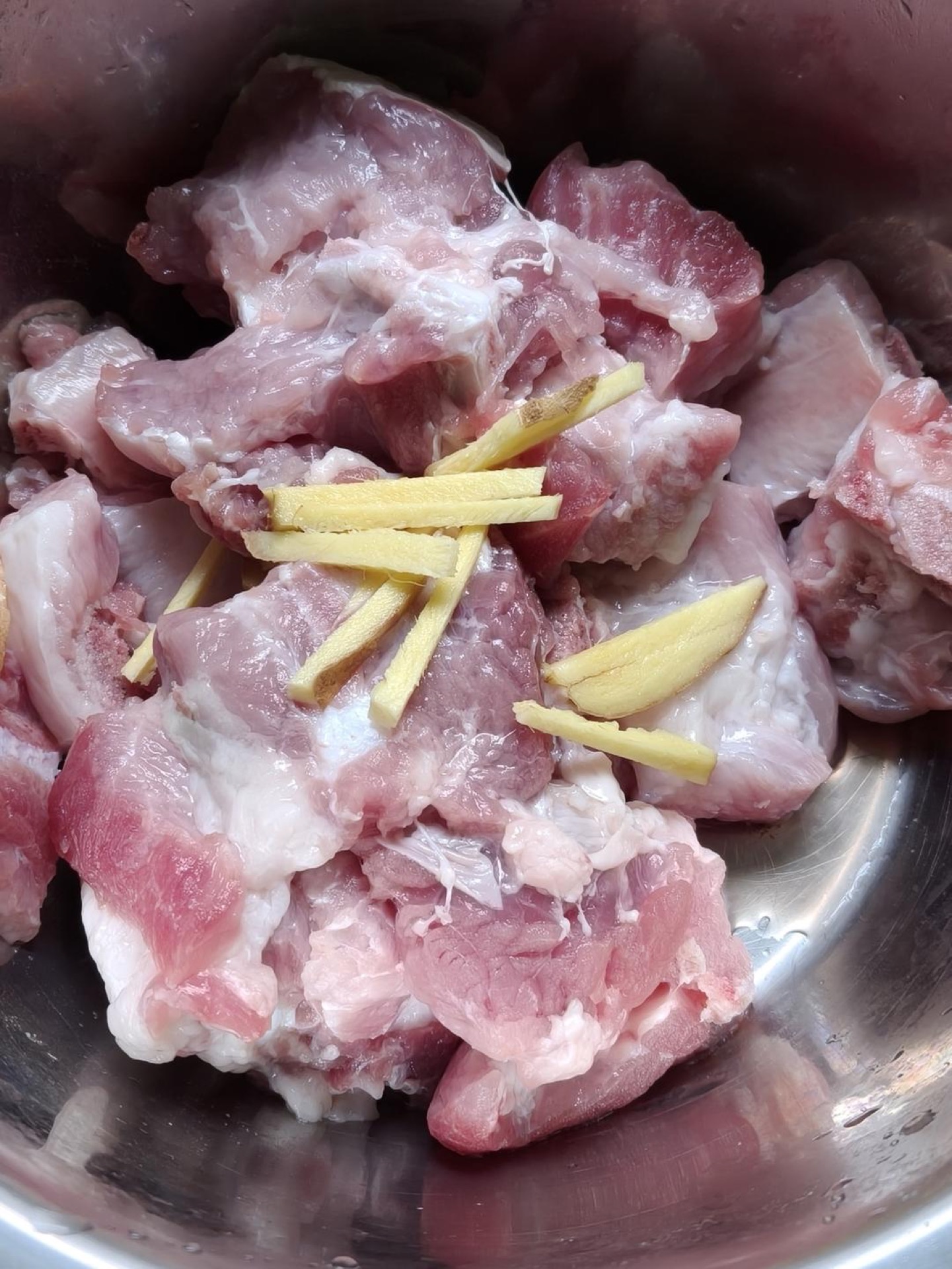
Step 1 — Rinse the Ribs
Rinse the pork ribs under cold running water until the water runs clear.
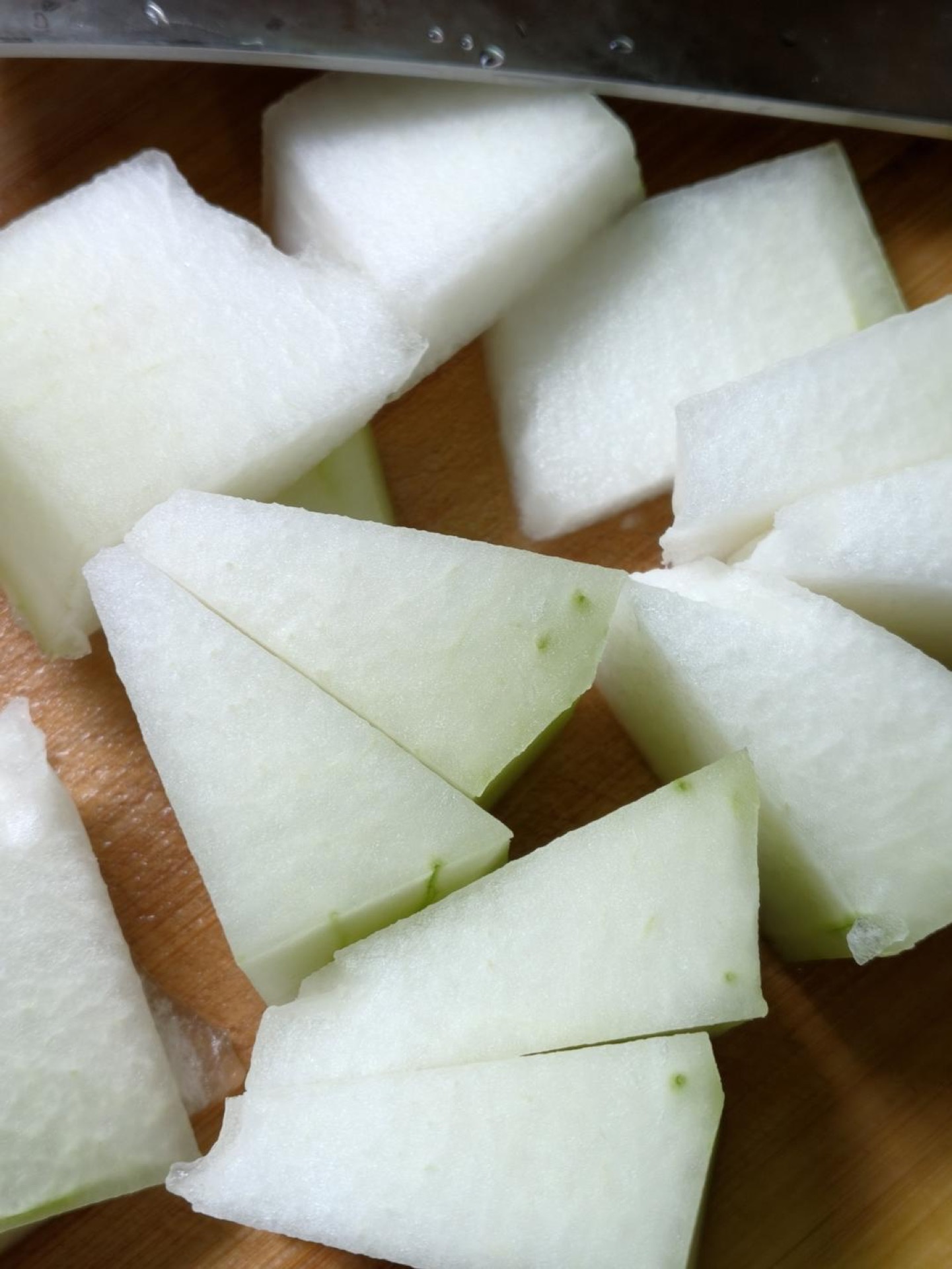
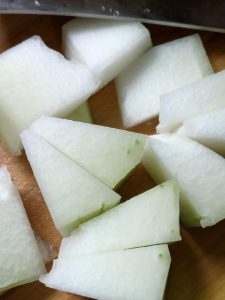
Step 2 — Slice the Winter Melon
Peel and seed the winter melon, then slice it into 1/4-inch thick pieces.
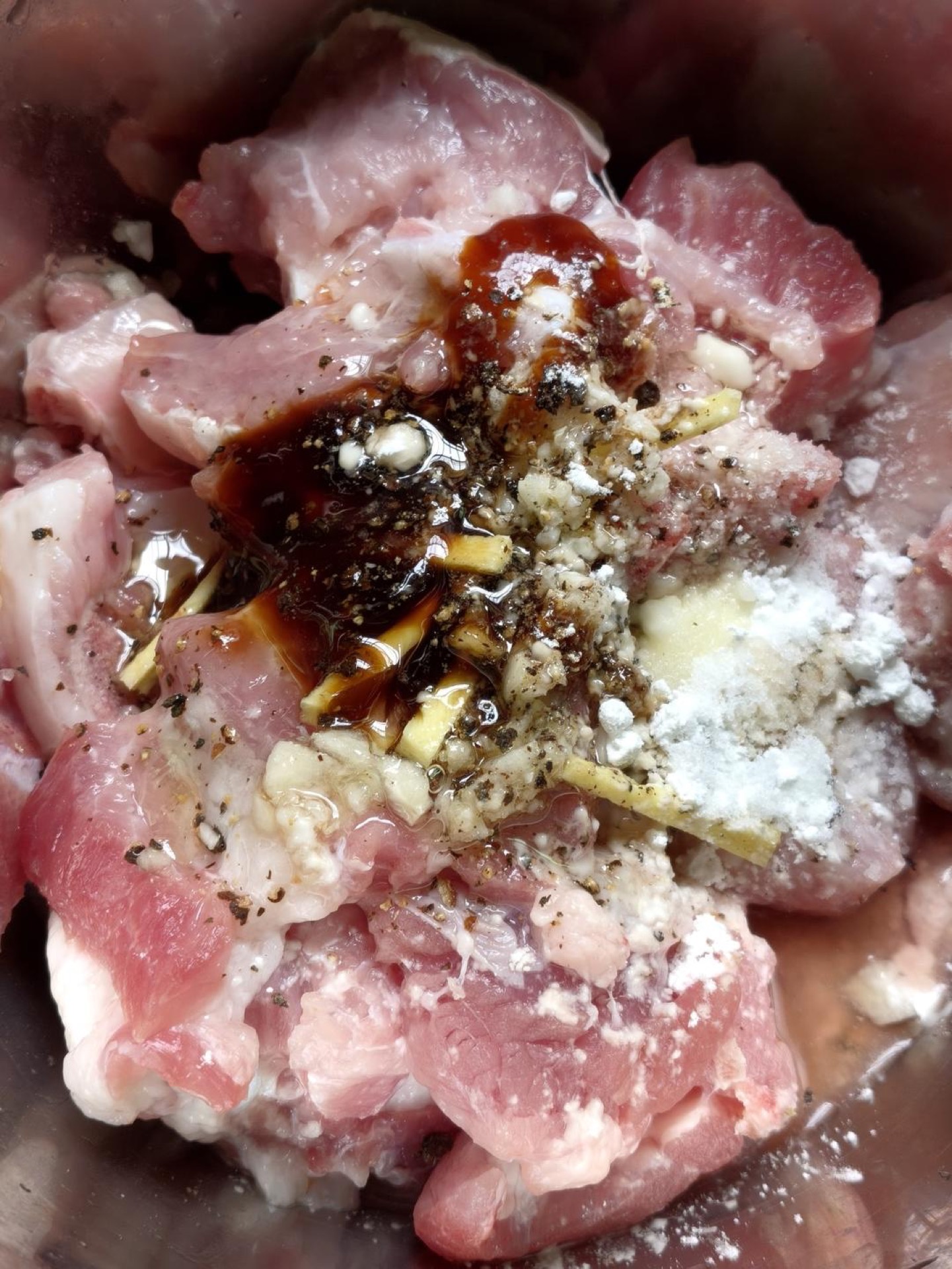
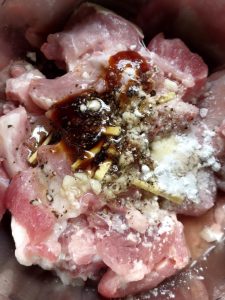
Step 3 — Marinate the Ribs
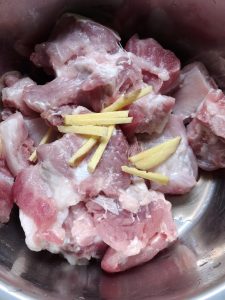
Add all the seasonings to the ribs and mix well to coat evenly.
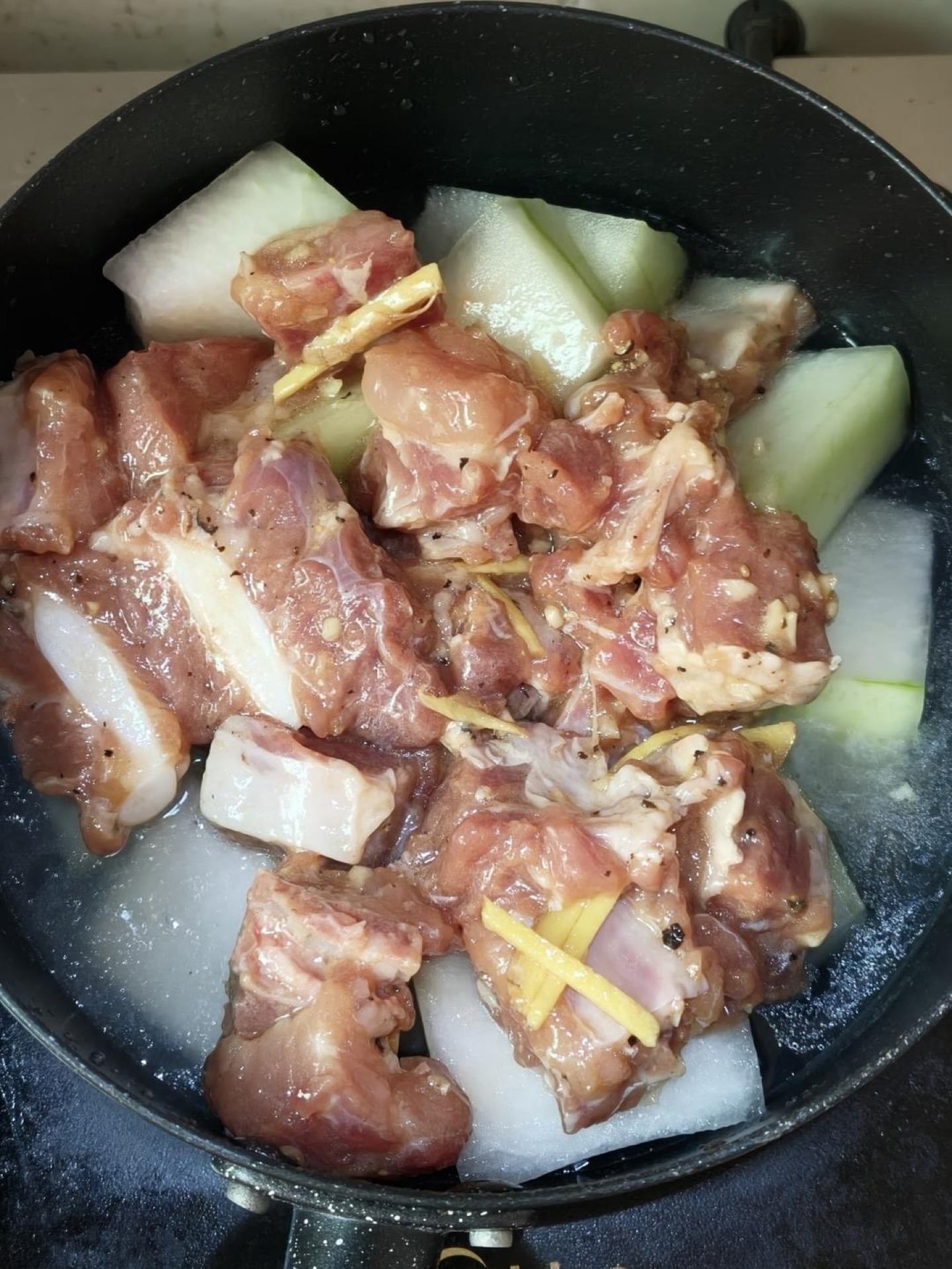
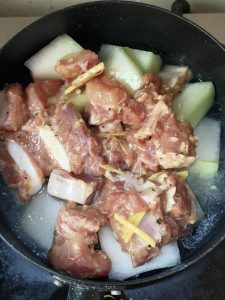
Step 4 — Layer and Simmer
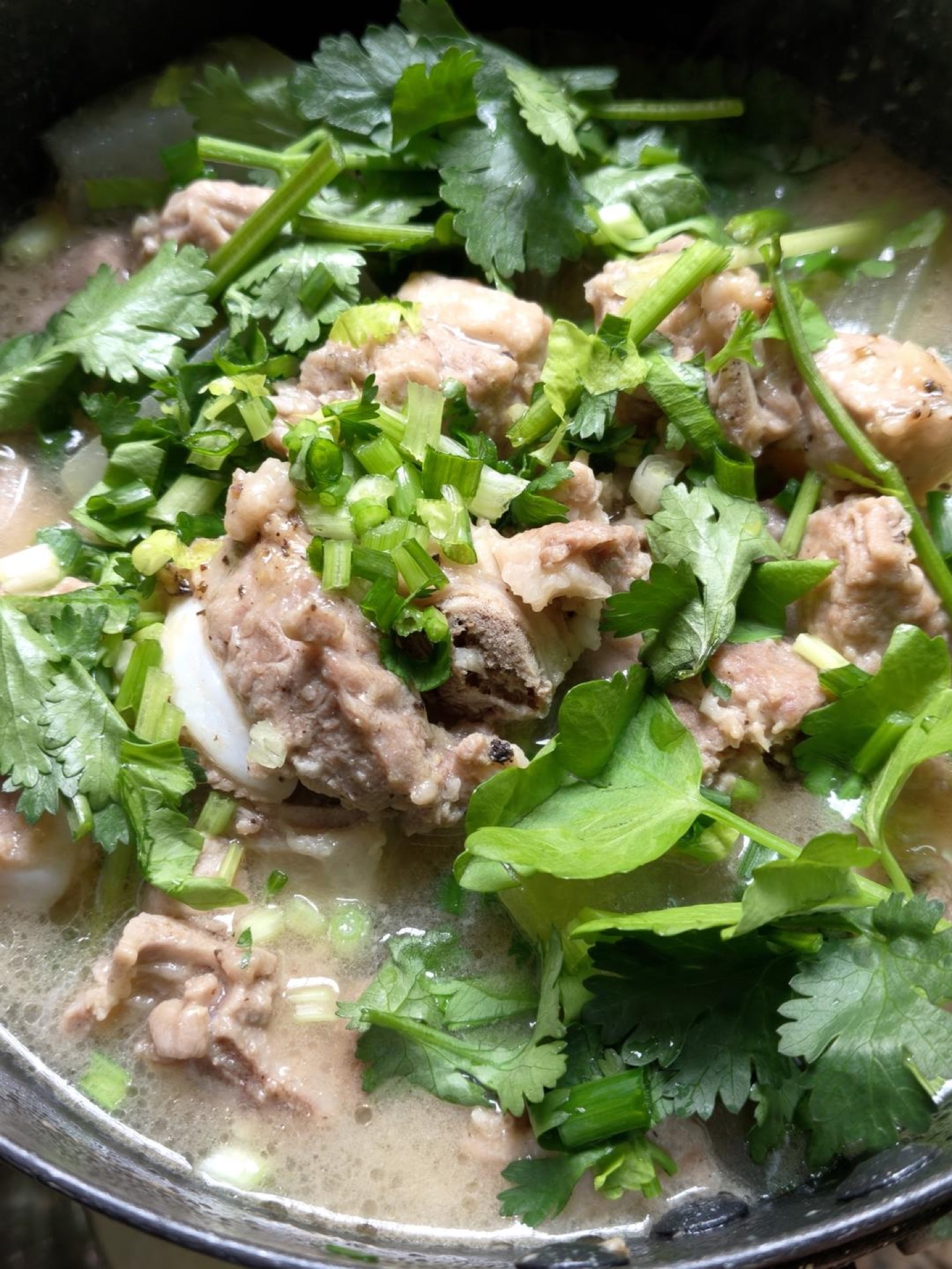
Line a pot with the winter melon, pour in a bowl of water, lay the ribs flat on top, bring to a boil over high heat, then cover and simmer over low heat for 20 minutes.
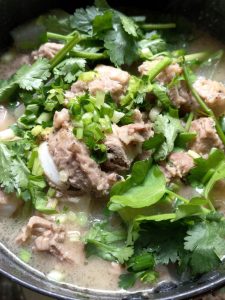
Step 5 — Finish with Herbs
Turn off the heat, scatter in the celery, scallion, and cilantro, stir to combine, and serve straight from the pot.
Common Mistakes When Making Winter Melon Pork Rib Pot
1. Skipping the soak. If you rinse the ribs and go straight to marinating, the broth will be cloudy and taste slightly metallic. Soaking pulls out the blood that causes both problems. Thirty minutes is enough; an hour is better.
2. Slicing the melon too thin. Paper-thin slices dissolve into the broth and you end up with a pot of mush. Aim for 1/4-inch thick, and err on the side of thicker if your melon is very ripe and soft.
3. Using too much water. One cup is all you need. The melon releases its own liquid as it cooks, and the ribs add more. If you cover the ribs completely, you are making soup, not a braise — the flavors will be diluted and the sauce will never concentrate.
4. Boiling hard instead of simmering. A rolling boil for 20 minutes will toughen the ribs and break the melon apart. Bring it to a boil, then immediately drop the heat to low and cover. You want a gentle bubble, not a churn.
5. Adding the herbs too early. Cilantro, scallion, and celery are finishing aromatics. If they go in at the start, they turn dull and gray. Add them off the heat, stir once, and serve.
6. Not tasting before serving. The salt level depends on your oyster sauce and soy sauce, which vary by brand. Taste the broth at the end and adjust with a pinch of salt or a splash of soy before you add the herbs.
How to Serve
Winter melon pork rib pot is a main course, and it wants plain steamed rice alongside it — the broth is the sauce, and rice is the vehicle. A bowl of rice per person, the pot in the middle of the table, and a spoon for the broth is all you need.
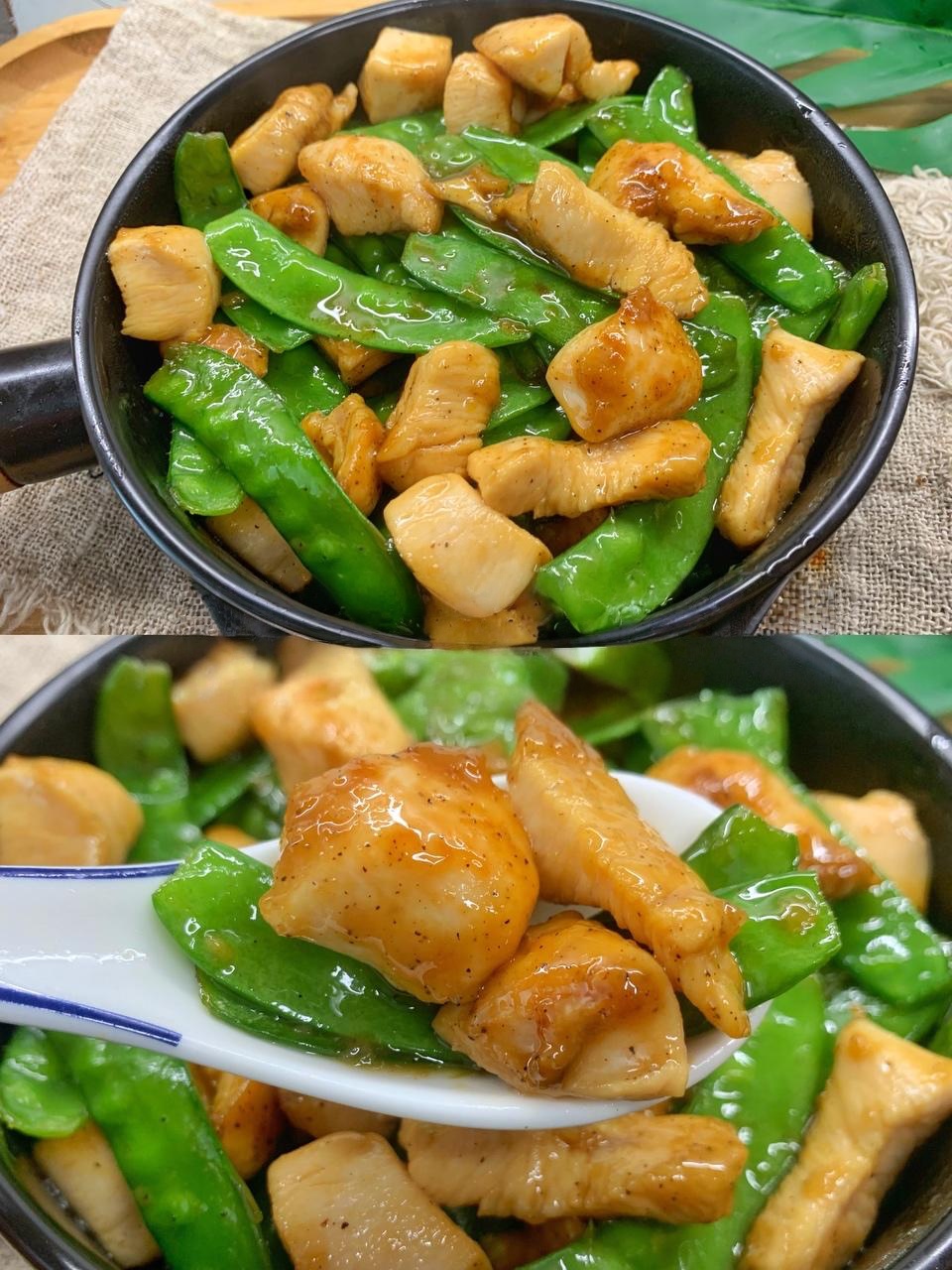
If you want a second dish to round out the table, something crisp and quick is ideal. stir fried chicken with snow peas brings a bright, snappy texture that contrasts nicely with the soft braise, and it comes together in the time the pot simmers. For a slightly heartier plate, spicy cuttlefish fried rice turns the meal into a full spread with almost no extra effort.
And if you are feeding a crowd and want a third dish, braised quail eggs are a classic Cantonese accompaniment that can be made ahead and served at room temperature.


Storage & Reheat
Cool the pot to room temperature within two hours of cooking, then transfer the ribs, melon, and broth to an airtight container. Refrigerate for up to 3 days. The flavors deepen overnight, and the melon will continue to soften, so the next-day version is even more tender.
To reheat, transfer everything back to a pot and warm over low heat until steaming, about 8 to 10 minutes. You can also microwave individual portions, covered, in 1-minute bursts. If the broth has thickened in the fridge, add a splash of water to loosen it. Reheat to an internal temperature of 165°F (74°C).
To freeze, portion the cooled dish into freezer-safe containers, leaving a little headroom, and freeze for up to 2 months. Thaw overnight in the refrigerator before reheating. Note that the melon will release more water after freezing, so the broth may be thinner — a quick simmer will bring it back together.
Allergen Notice
This recipe contains soy (soy sauce) and shellfish (oyster sauce, which is made from oysters and may also contain mollusks). It may contain gluten, since both soy sauce and oyster sauce often contain wheat. If you are cooking for someone with a shellfish allergy, substitute the oyster sauce with mushroom stir-fry sauce or a mixture of dark soy sauce and a pinch of sugar. If you need a gluten-free version, use tamari and a gluten-free oyster sauce, and always check the labels on your condiments.
For more detail on food safety and allergen labeling, see the FDA Food Code.
Nutrition Disclaimer
Nutrition information is calculated using an ingredient database and should be considered an estimate. In cases where multiple ingredient alternatives are given, the first listed is calculated for nutrition. Garnishes and optional ingredients are not included.
About the Author & Recipe Development
Lin is the cook and writer behind Woks of Love, where she shares the Chinese home cooking she grew up with and the dishes she has spent years learning to make well. This winter melon pork rib pot comes from a family table in Guangdong, where winter melon and pork ribs are a standard pairing in both soups and braises. Lin developed this version to be faster and lighter than the long-simmered soup, with a marinade that does the heavy lifting and a short, covered simmer that keeps the ribs tender and the melon intact. The recipe has been tested with both clay pots and Dutch ovens, and with ribs cut both crosswise and into single pieces, to make sure it works in a normal home kitchen.
If you liked this, one pot pork ribs and rice is worth cooking next.
If you liked this, shrimp green bean fried rice is worth cooking next.
Authoritative References
For guidance on safe cooking temperatures for pork, see the USDA safe temperature chart. For food safety and storage guidance, see the FDA Food Code and the FoodSafety.gov FoodKeeper app. For a broader look at Chinese cooking techniques and ingredient background, see WHO food safety fact sheets.
Winter Melon Pork Rib Pot (冬瓜排骨煲): Tender Ribs, Melting Winter

Equipment
- Wok
- Cutting Board
- Slotted Spoon
Ingredients
For the Ribs
- 350 g pork ribs cut into 1-inch pieces
- 1 tbsp cornstarch for coating the ribs
- 2 tbsp oyster sauce about two pumps
- 1 tbsp soy sauce light soy, or tamari
- 1/2 tsp salt plus extra for the melon
- 3 turns black pepper freshly ground
- 2 slices ginger smashed
- 2 cloves garlic minced
- 1 tbsp cooking oil neutral oil
For the Pot
- 300 g winter melon peeled, seeded, sliced 1/4-inch thick
- 1 cup water for the braise
- 1 stalk scallion chopped
- 1 stalk celery chopped
- 1 bunch cilantro chopped
Instructions
- Rinse the pork ribs under cold running water until the water runs clear.

- Peel and seed the winter melon, then slice it into 1/4-inch thick pieces.
- Add all the seasonings to the ribs and mix well to coat evenly.
- Line a pot with the winter melon, pour in a bowl of water, lay the ribs flat on top, bring to a boil over high heat, then cover and simmer over low heat for 20 minutes.
- Turn off the heat, scatter in the celery, scallion, and cilantro, stir to combine, and serve straight from the pot.












Leave a Reply