Introduction
Whenever I serve this dish at gatherings, my friends always tell me the same thing: “I simply cannot stop eating these!” As a recipe developer for Woks of Love, I’ve cooked countless pork dishes, but this specific method holds a special place in my kitchen.
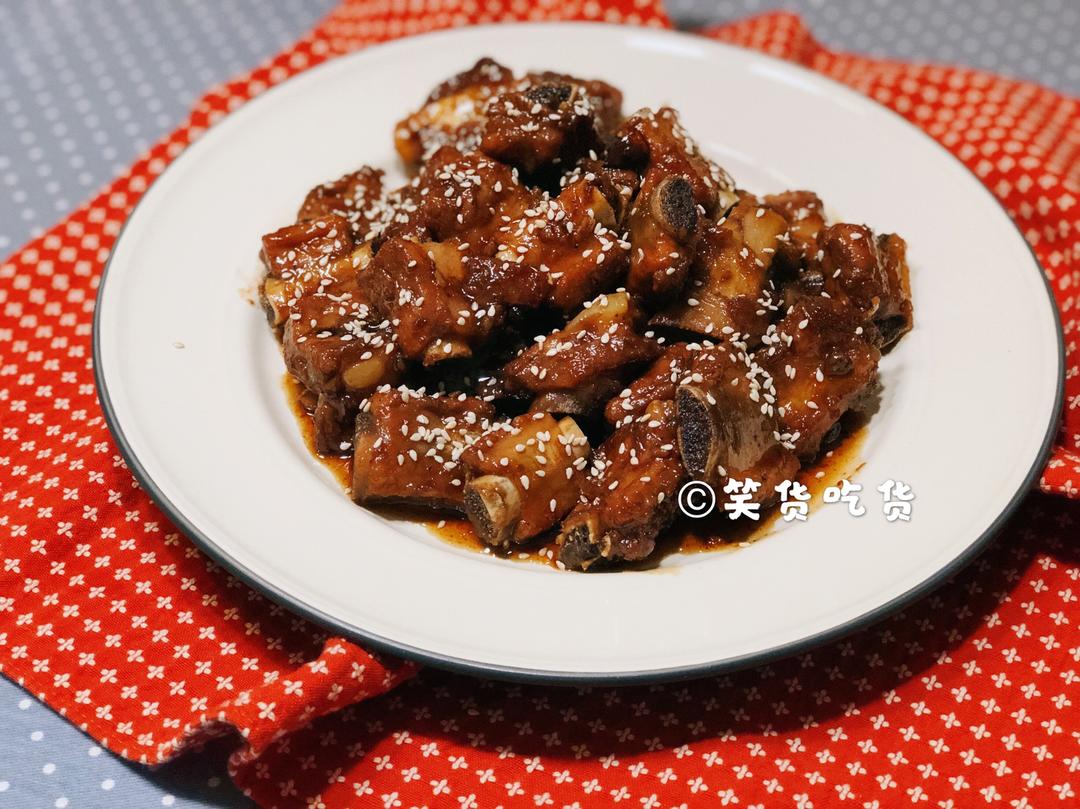
The secret to why it’s so addictive? The foolproof “1-2-3-4” golden ratio of the sauce. It perfectly balances the sweetness of rock sugar with the tanginess of vinegar, wrapping the tender, juicy ribs in a glossy, savory glaze. Best of all, this home-style method is incredibly simple. There’s no deep-frying and no need to pre-cook caramel (炒糖色). Just straightforward, authentic flavors that come together beautifully.
What Is Tang Cu Pai Gu?
Tang Cu Pai Gu (糖醋排骨) translates directly to Sweet and Sour Pork Spare Ribs. It is a quintessential Chinese classic known for its brilliant amber color, sticky glaze, and perfect balance of sweet and tart flavors. Unlike the battered and deep-fried sweet and sour dishes common in Western takeout, this authentic homestyle version relies on braising the pork to achieve a melt-in-your-mouth texture while the sauce naturally thickens into a rich syrup.
If you are interested in exploring similar flavor profiles or techniques, be sure to check out our Sweet and Sour Pork Ribs (The 1-2-3-4 Golden Ratio) for another detailed breakdown of this iconic sauce method, or try our Coca-Cola variation for a fun twist!
Ingredients
- 1.1 lbs (500g) Pork Spare Ribs: Ask your butcher to cut them across the bone into 1.5-inch (4 cm) bite-sized pieces. Look for ribs with a good ratio of meat and a bit of fat for tenderness.
- 1 tbsp (15 ml) Shaoxing Wine: Essential for removing any meaty odors during the cooking process.
- 2 tbsp (30 ml) Light Soy Sauce: Provides the savory, umami base.
- 3 tbsp (45 g) Chinese Rock Sugar: Rock sugar gives the sauce a brighter, glossier finish and a more complex, rounded sweetness than regular white sugar.
- 4 tbsp (60 ml) White Vinegar: Adds the sharp, clean acidity necessary for the “sour” element.
- 1 Whole Star Anise: Adds a subtle depth and warm spice aroma to the braising liquid.
- 1 tbsp (15 ml) Neutral Cooking Oil: Such as avocado or canola oil. See our Best Oil for Stir Fry Smoke Point Guide for choosing the right high-heat oil.
- 2 cups (480 ml) Boiling Water: Must be boiling; cold water will seize the meat.
- 1 tsp Toasted Sesame Seeds: For garnish.
Equipment Needed
- Wok or Deep Skillet: A wok with a lid is ideal for braising and reducing the sauce.
- Tongs or Spatula: For turning the ribs.
- Instant-Read Meat Thermometer: Helpful for ensuring pork reaches safe internal temperatures.
Prep & Mise en Place
- Measure the Sauce: In a small bowl, pre-measure your 1-2-3-4 ratio: 1 tbsp Shaoxing wine, 2 tbsp soy sauce, 3 tbsp rock sugar, and 4 tbsp vinegar. Having this ready prevents burning while you scramble for ingredients.
- Boil the Water: Have a kettle of boiling water ready before you begin cooking.
Cooking Process
- Step 1: Blanch the Ribs (3–5 minutes)
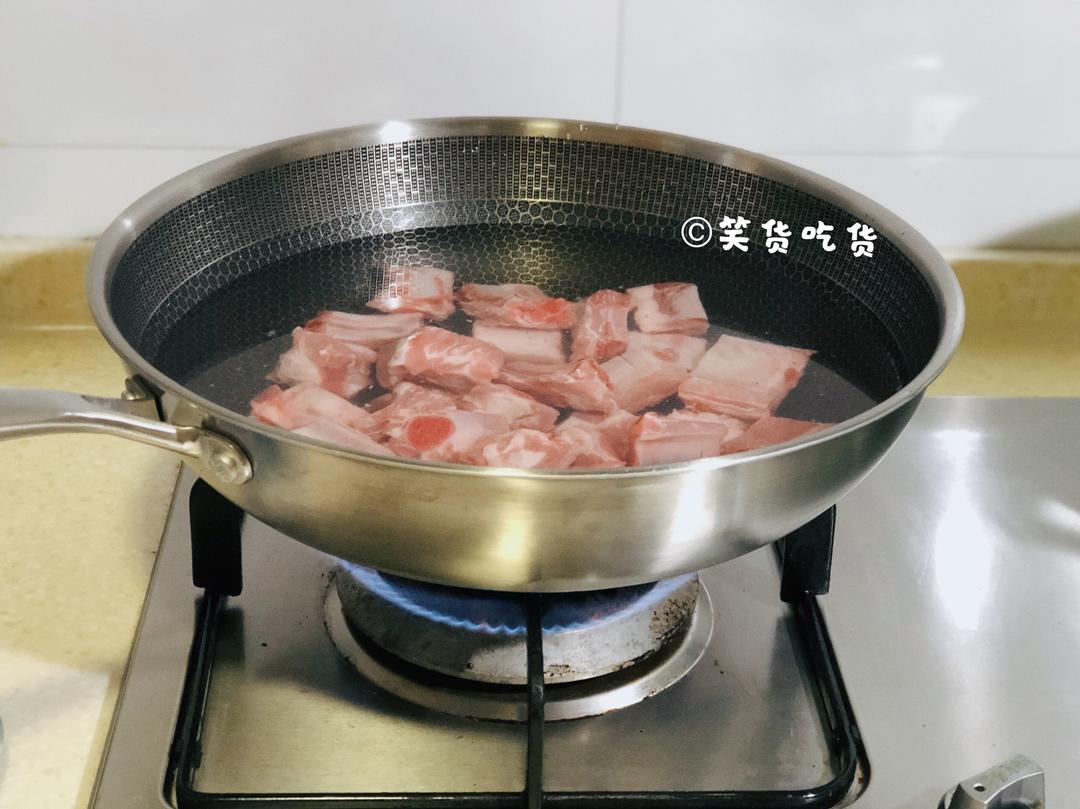
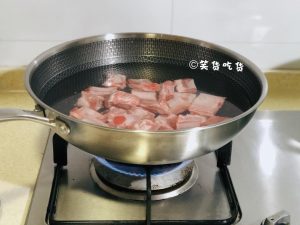
Place the pork ribs in a wok or pot and cover them completely with cold water. Bring to a boil over medium-high heat. Let them boil for 2-3 minutes until the ribs turn opaque white and the blood and impurities float to the top. Remove the ribs and drain them well.
Tip: Starting with cold water gently draws out the impurities without instantly sealing the meat.
- Step 2: Sear the Ribs (3–5 minutes)
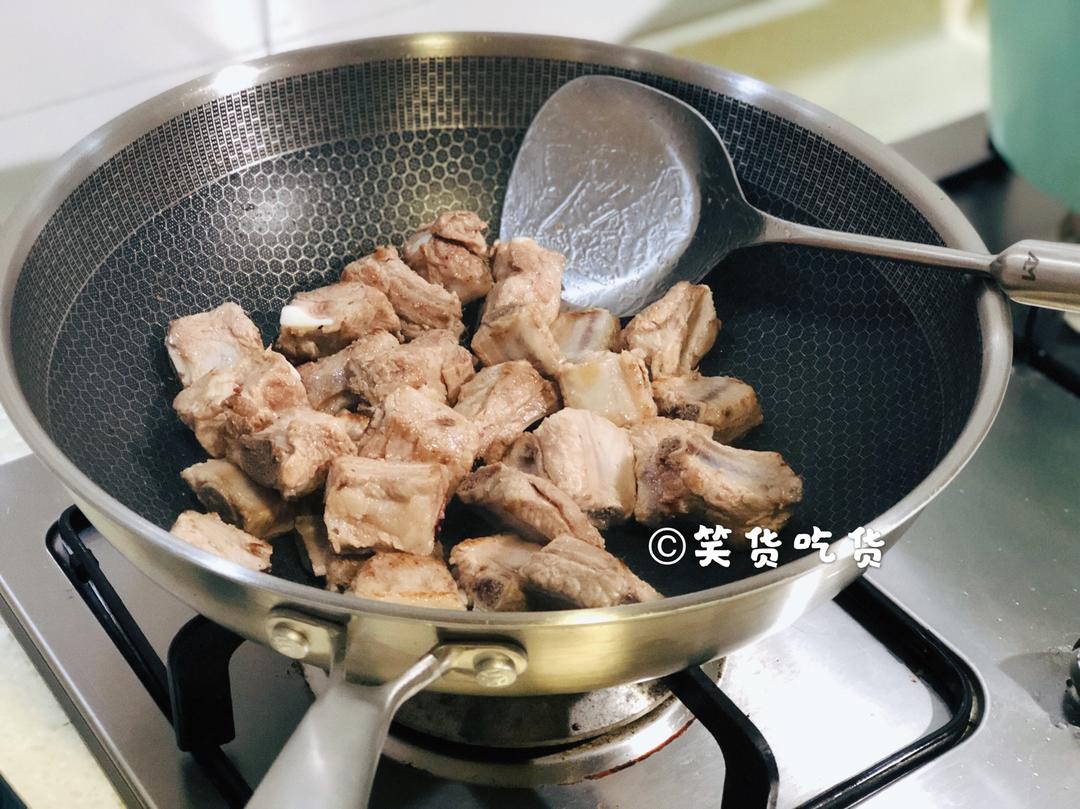
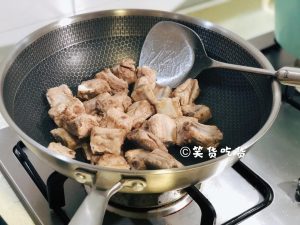
Heat a wok over medium heat and add 1 tbsp of neutral cooking oil. Add the drained ribs and stir-fry them for 3 to 5 minutes until the edges turn slightly golden and deeply aromatic. Do not overcook them at this stage, or the meat will become tough.
“Searing the ribs before braising triggers the Maillard reaction, a chemical process between amino acids and reducing sugars that gives browned food its distinctive flavor. This creates a deeply savory crust that contrasts beautifully with the sweet and sour glaze.”
- Step 3: Add the Golden Ratio Sauce (1 minute)
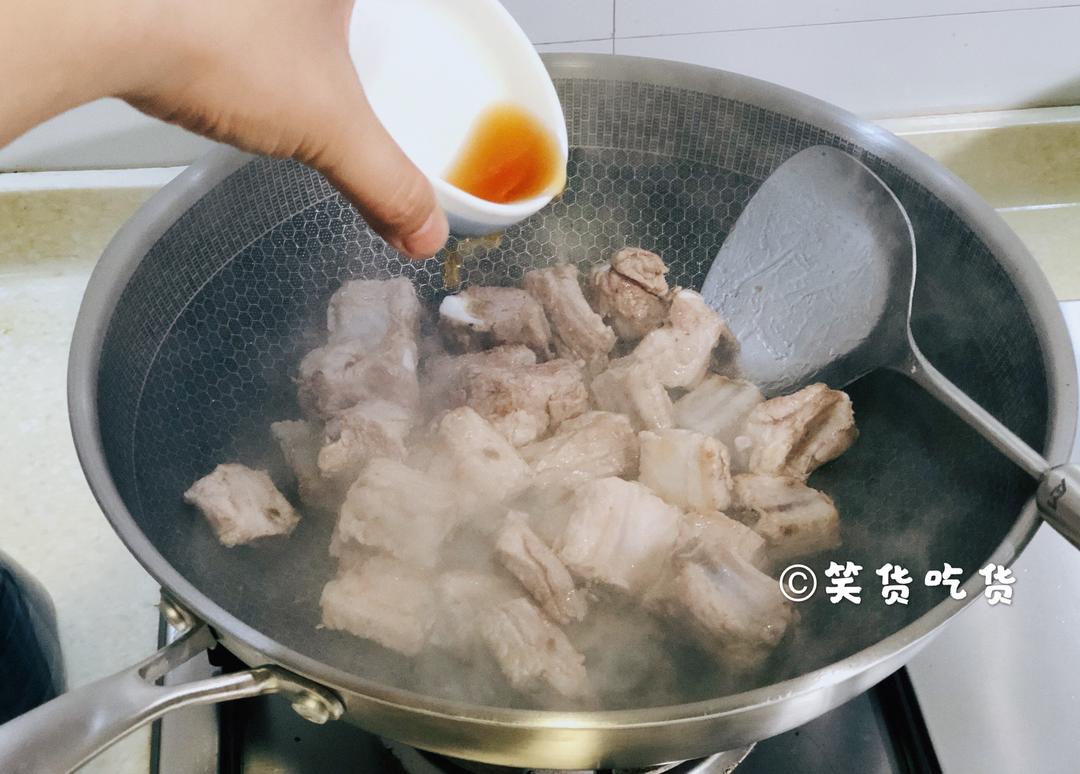
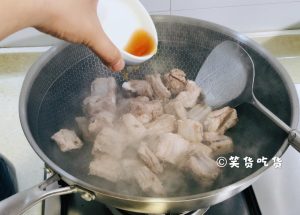
Pour in your pre-measured sauce (wine, soy sauce, rock sugar, vinegar) and toss the ribs until they are evenly coated. Drop in the star anise.
- Step 4: Braise (30 minutes)
Pour enough boiling water into the wok to just cover the ribs (about 2 cups).
Crucial Step: Do not use cold water! Cold water will cause the proteins in the hot meat to contract immediately, resulting in tough, chewy ribs.
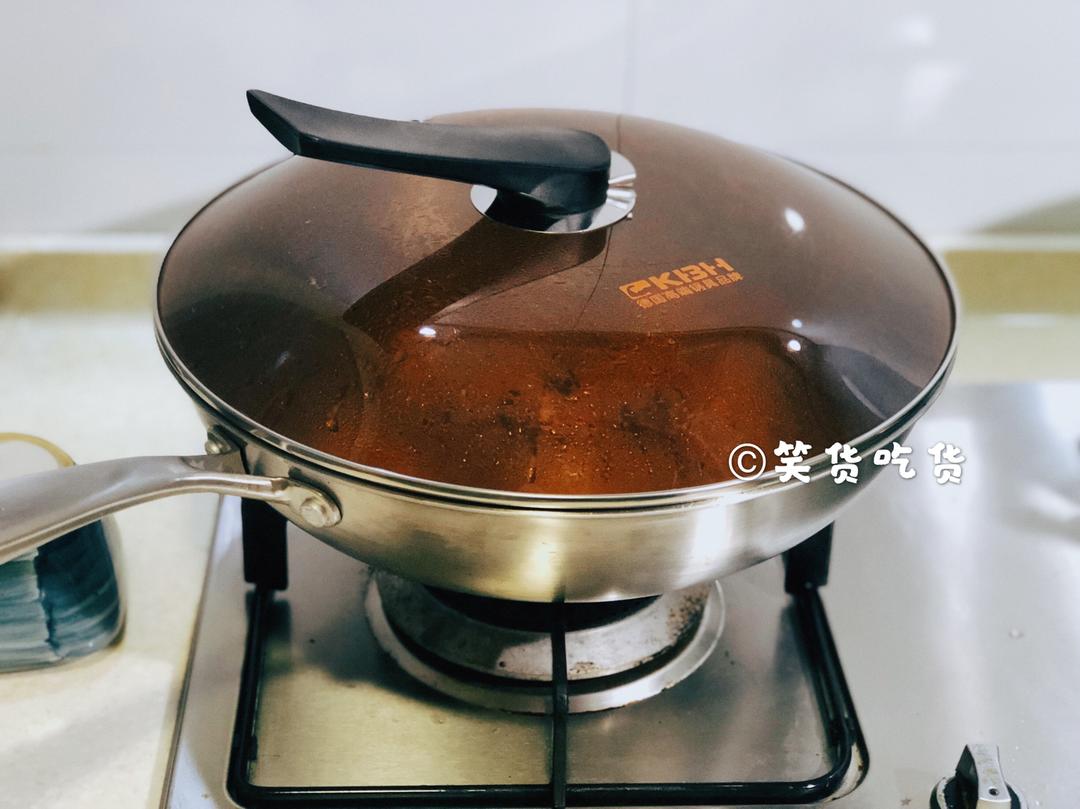
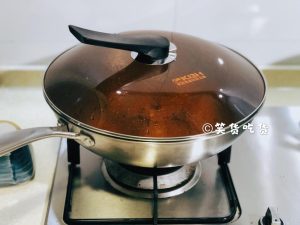
Bring the liquid back to a gentle simmer, cover the wok with a lid, and reduce the heat to low. Let it braise for about 30 minutes, or until the meat is tender and reaches a safe internal temperature of at least 145°F (63°C).
- Step 5: Reduce and Thicken the Glaze (3–5 minutes)
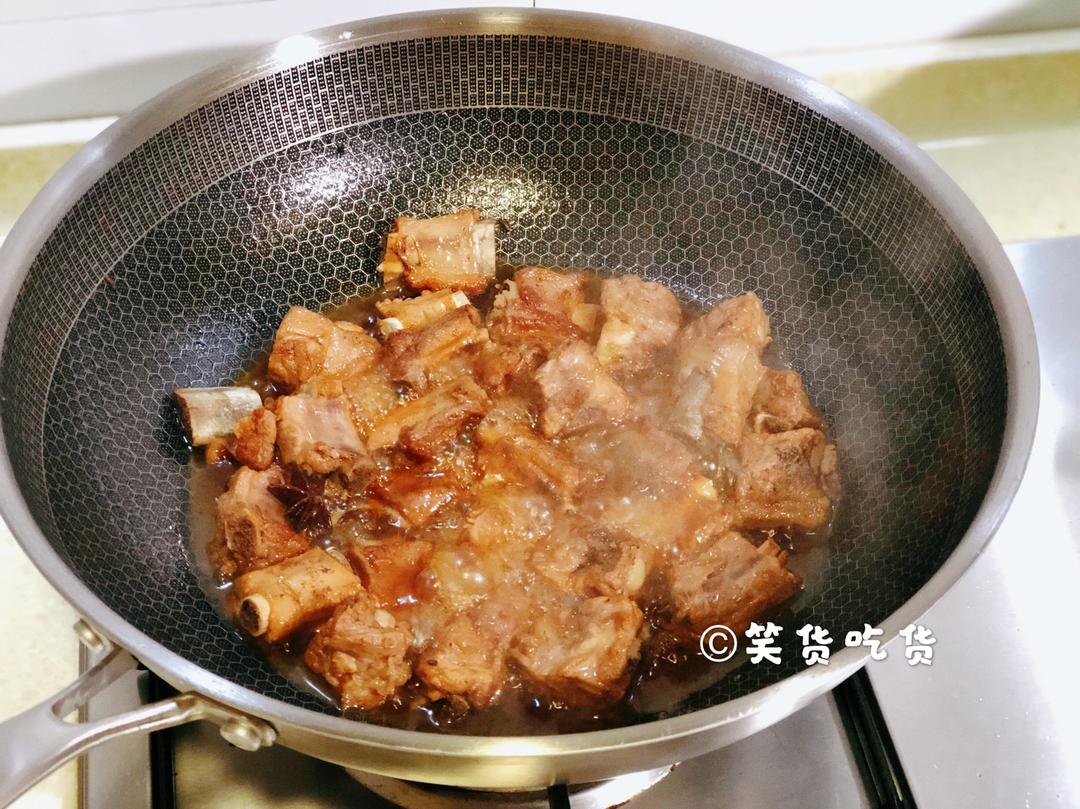
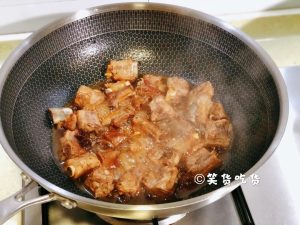
Once the liquid has reduced by about two-thirds, remove the lid and turn the heat up to medium-high. Continuously stir the ribs. The natural gelatins from the pork and the dissolved rock sugar will cause the sauce to thicken into a sticky, glossy coating. If you need tips on getting the perfect viscosity, read our guide on How to Thicken Sauce Properly.
Optional: If you prefer a darker mahogany color, add a splash of dark soy sauce during this step.
- Step 6: Garnish and Serve
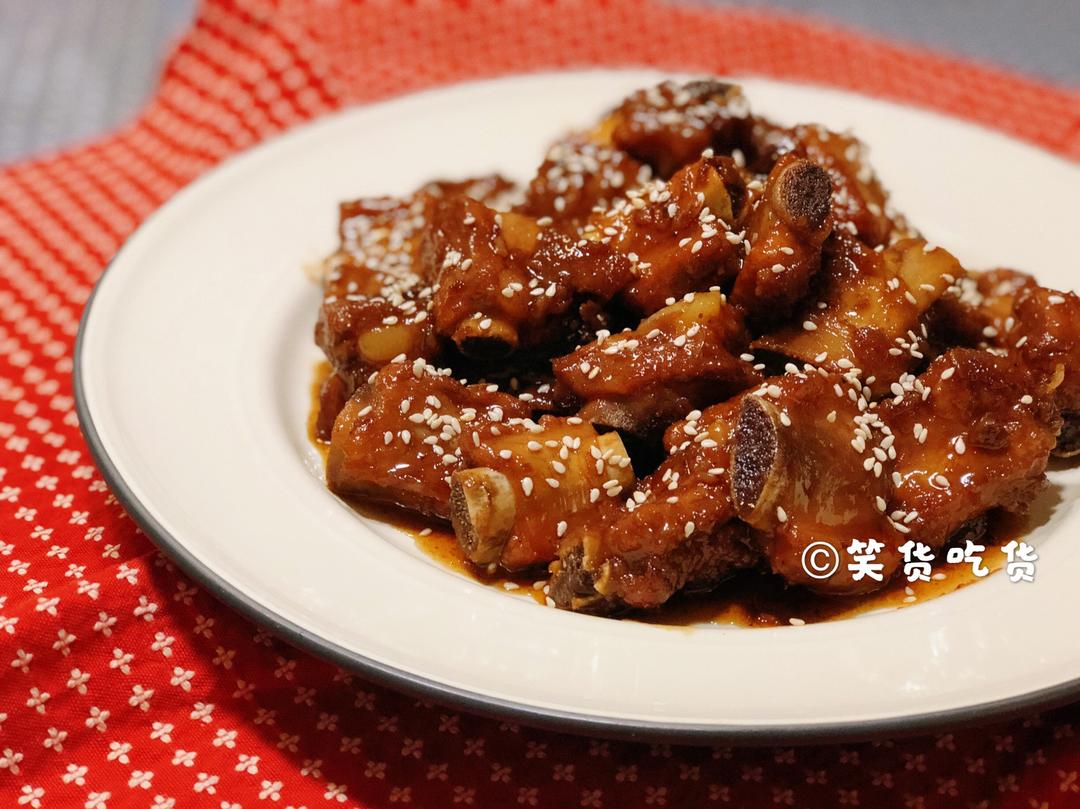
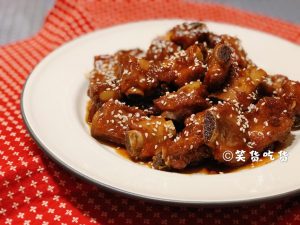
Turn off the heat. Plate the ribs and sprinkle toasted sesame seeds on top.
Why This Recipe Works
- The 1-2-3-4 Ratio: This golden formula scales perfectly and balances the sharp acidity of the vinegar with the smooth sweetness of rock sugar.
- No Pre-Cooking Caramel: By braising the rock sugar directly with the meat and reducing it at the end, we achieve a beautiful glaze without the risk of burning a sugar caramel.
- Boiling Water Braise: Adding boiling water instead of cold water prevents the meat fibers from seizing, ensuring a tender bite.
Common Mistakes When Making Tang Cu Pai Gu
- Mistake: The ribs are tough and chewy.
- Cause: Adding cold water to the hot pan before braising, or over-searing the meat in step 2.
- Solution: Always use boiling water to deglaze and braise, and sear the ribs only until lightly golden.
- Mistake: The sauce burned during reduction.
- Cause: Leaving the wok unattended over high heat once the water has evaporated.
- Solution: During the final 3-5 minutes, stir continuously. The transition from watery liquid to sticky syrup happens very quickly due to the high sugar content.
Frequently Asked Questions
- Can I substitute regular white sugar for rock sugar?
- Can I use a different vinegar?
- Do I have to use spare ribs?
- Can I make this ahead of time?
Yes, but reduce the amount slightly (use about 2.5 tbsp) as white sugar can taste sharper. Rock sugar provides a superior gloss.
White vinegar gives the classic sharp tang intended for this specific recipe, but Chinese black vinegar can be used for a deeper, earthier, and less sharp flavor profile.
Spare ribs or baby back ribs cut into bite-sized pieces work best due to their fat and bone content, which flavors the braise.
Yes! In fact, the flavors deepen overnight. Store in the fridge and reheat gently on the stovetop with a splash of water.
How to Serve
These rich, sweet, and tangy ribs are best enjoyed with a steaming bowl of fresh jasmine rice to soak up the extra sauce. If you want to use day-old rice, try pairing it with the Best Rice for Fried Rice!
For a balanced meal, serve alongside lighter vegetable dishes such as:
1Chinese Garlic Lettuce with Oyster Sauce (蒜蓉生菜)This 10-minute, restaurant-style Chinese garlic lettuce (Suan Rong Sheng Cai) is the perfect, simple vegetable side. This recipe teaches you the secret to blanching lettuce to keep it crisp and green, all smothered in a glossy, savory garlic-oyster sauce.Check out this recipe2Easy Smashed Cucumber Salad (Pai Huang Gua / 拍黄瓜)A refreshingly crisp and intensely flavorful Chinese Smashed Cucumber Salad (拍黄瓜, Pāi Huángguā). This classic Sichuan-style appetizer features smashed cucumbers tossed in a punchy dressing of fresh garlic, soy sauce, black vinegar, and a hint of chili. It’s a quick, easy, and no-cook side dish that’s perfect for any meal.Check out this recipe


Storage & Reheat
- Refrigerate: Store leftovers in an airtight container in the fridge for up to 3-4 days.
- Freeze: You can freeze the cooked ribs for up to 2 months. Thaw overnight in the fridge.
- Reheat: For best results, reheat on the stovetop in a pan with 1-2 tablespoons of water over medium-low heat until warmed through and the sauce becomes glossy again. Ensure it reaches an internal temperature of 165°F (74°C) when reheated.
Allergen Notice
- Contains Soy (Soy Sauce).
- Contains Gluten (Shaoxing wine and most traditional soy sauces). Use tamari and dry sherry for a gluten-free alternative.
Nutrition Disclaimer
Nutrition information is an estimate and provided for informational purposes only. The sodium and sugar levels are naturally higher in this dish due to the braising liquid, though much of it remains in the pan. Consume in moderation as part of a balanced diet.
About the Author & Recipe Development
I’m Lin, a recipe developer for Woks of Love. I grew up watching my family cook traditional Chinese dishes, and I’ve spent years rigorously testing these recipes in my home kitchen to ensure they work on standard Western stovetops. This “1-2-3-4” method is a classic shortcut that I rely on heavily for weeknight dinners—it bypasses the tricky restaurant technique of frying sugar into caramel while delivering the exact same authentic flavor and glossy presentation.
Authoritative References
- For more information on safe pork cooking temperatures, refer to the USDA Guidelines for Safe Minimum Internal Temperatures.
- To understand the science behind browning and flavor development in Step 2, read about the Maillard Reaction on Serious Eats.
Authentic Sweet and Sour Pork Ribs (Tang Cu Pai Gu)
Equipment
- Wok or Deep Skillet
- Instant Read Thermometer
Ingredients
- 1.1 lbs pork spare ribs cut into 1.5-inch pieces
- 1 tbsp Shaoxing wine
- 2 tbsp light soy sauce
- 3 tbsp Chinese rock sugar
- 4 tbsp white vinegar
- 1 star anise whole
- 1 tbsp neutral cooking oil
- 2 cups boiling water must be boiling
- 1 tsp toasted sesame seeds for garnish
Instructions
- Place the pork ribs in a wok or pot, cover completely with cold water, and bring to a boil. Boil for 2-3 minutes until ribs turn opaque. Remove and drain well.

- Heat a wok over medium heat with 1 tbsp of neutral oil. Add the drained ribs and stir-fry for 3-5 minutes until edges are slightly golden.
- Pour in the pre-measured sauce (1 tbsp Shaoxing wine, 2 tbsp light soy sauce, 3 tbsp rock sugar, 4 tbsp white vinegar) and the star anise. Toss to evenly coat.

- Add boiling water until it just covers the ribs (about 2 cups). Bring to a simmer, cover, and reduce heat to low. Braise for about 30 minutes until tender and safe internal temperature (145°F/63°C) is reached.
- Once the liquid is reduced by two-thirds, remove the lid. Turn the heat to medium-high and stir continuously for 3-5 minutes until the sauce thickens into a glossy glaze.
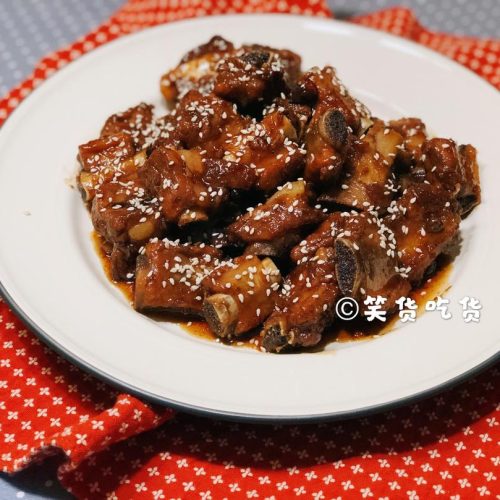
- Plate the ribs and garnish with toasted sesame seeds. Serve immediately.



Leave a Reply