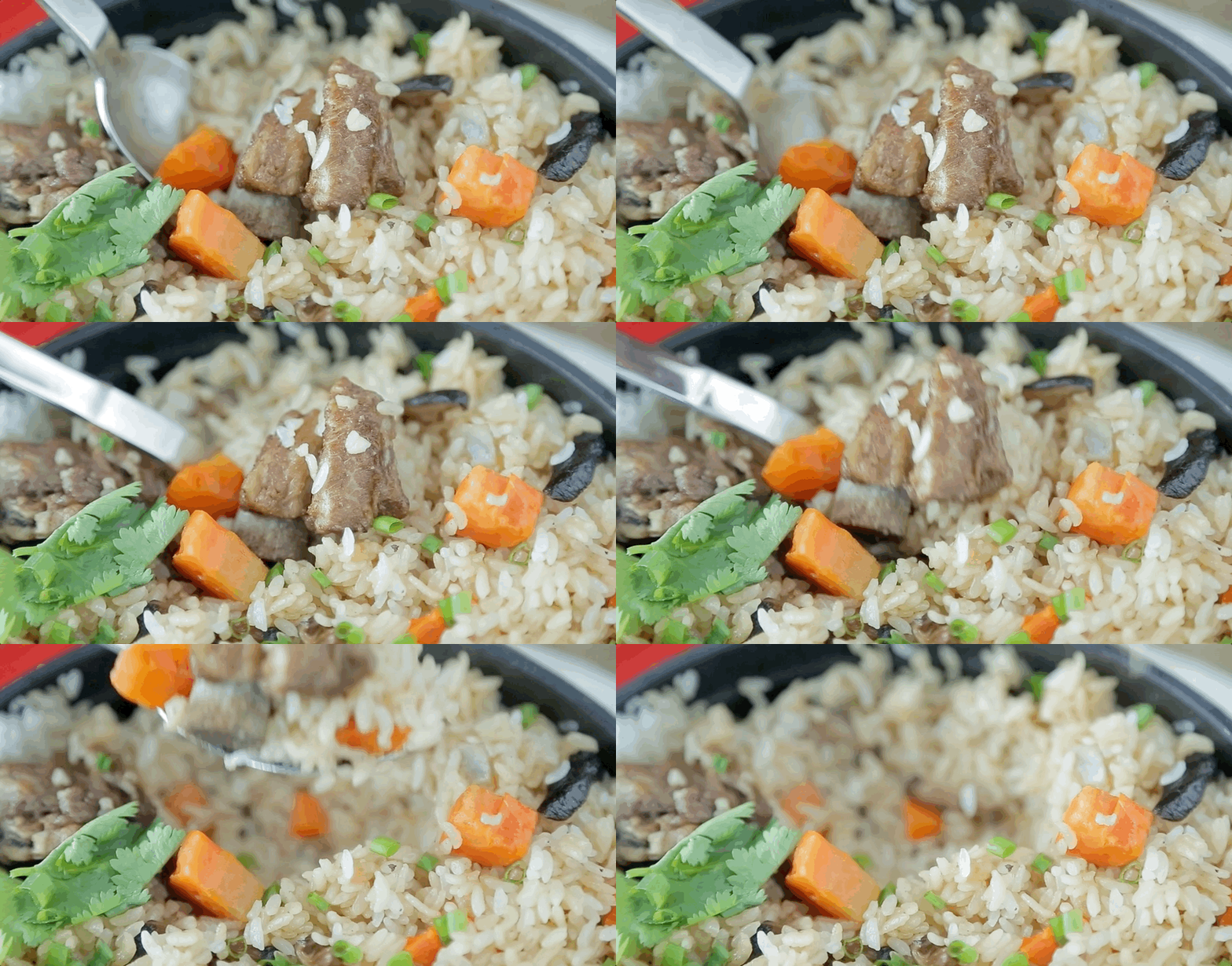
There is a specific kind of magic that happens when meat juices and aromatics are allowed to seep into grains of rice as they steam. Growing up in Sichuan, my mother often turned to “Men Fan” (braised rice) on busy weekdays. It was her secret weapon—a complete, nutritious meal that required only one pot to clean.

This Pork Ribs and Rice recipe features ribs that are first seared to render their fat, then nestled under a blanket of jasmine rice and earthy shiitake mushrooms. As the pot simmers, the rice grains are layer-wrapped in the rich, savory essence of the pork.
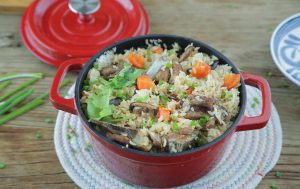
Whether you use a classic cast iron Dutch oven, a clay pot, or a modern rice cooker, the result is the same: tender ribs and perfectly seasoned, fluffy rice that will have your neighbors knocking on your door to ask what smells so good!
About the Author & Recipe Development
I’m Lin, and my journey with this dish began in my family’s restaurant kitchen in Chengdu. While we served complex banquets, this was our “staff meal” favorite. I’ve refined this specific home version through four rounds of testing in my current kitchen to ensure the rice-to-water ratio is foolproof for Western stoves.
Why This Recipe Works
- Layered Flavor: Searing the ribs creates a Maillard reaction, providing a deep, caramelized base that raw-pot cooking simply can’t match.
- Rice Hydration: By soaking the rice beforehand, we ensure the grains cook evenly without becoming mushy, even when surrounded by heavy proteins.
- Umami Punch: Using the mushroom soaking liquid as the primary cooking water introduces a complex, earthy depth that plain water lacks.
What is Pai Gu Men Fan?
Pai Gu Men Fan is a “one-pot wonder” of Chinese cuisine. Unlike fried rice, which uses pre-cooked grains, this dish braises the meat and steams the raw rice together. It is a cousin to the Cantonese Cantonese Clay Pot Rice, but with a more integrated, homestyle braising technique.
Key Ingredients & Substitutions
- Pork Ribs: I recommend using Chinese Pork Ribs (spare ribs cut into 1-inch pieces). If you prefer a leaner profile, pork shoulder chunks work too, but the bone-in ribs provide more collagen for a silkier rice texture.
- Dried Shiitake Mushrooms: These are essential for umami. If you must use fresh, reduce the total liquid slightly, as fresh mushrooms release water.
- Rice: Long-grain Jasmine rice is best. Avoid short-grain “sticky” rice unless you want a very dense, chewy result.
- The Aromatics: Star anise, cinnamon, and bay leaves create that signature “red-braised” fragrance. If you are out of whole spices, a half-teaspoon of Five Spice powder is a safe starting range.
Ingredients
- Pork & Rice
- 0.5 lb (250g) pork spare ribs, cut into 1-inch pieces
- 1.5 cups (approx. 300g) Jasmine rice
- 8 dried shiitake mushrooms
- 1 medium carrot, diced
- Aromatics & Spices
- 2-3 slices ginger
- 2 scallions (whites for cooking, greens for garnish)
- 4 Sichuan peppercorns
- 1 star anise
- 1 small stick cinnamon (or 1/2 tsp ground)
- 1 bay leaf
- Seasoning
- 2 tbsp Light Soy Sauce (I prefer Pearl River Bridge or Kikkoman)
- 1 tbsp Dark Soy Sauce (for that rich mahogany color)
- 1/2 tsp salt (adjust to taste)
- 1 tbsp neutral oil (canola or grapeseed)
- Boiling water (as needed)

Recipe Notes Before You Start
💡 Pro Tip: Always use boiling water when adding liquid to the ribs in the wok. Adding cold water causes the protein fibers to “shock” and tighten, resulting in tough, chewy meat.
Equipment: A 10-inch cast iron Dutch oven is ideal for heat retention, but a standard 5-cup rice cooker works perfectly if you perform the initial searing in a separate skillet.
Mise en place / Prep
- Soak the Essentials: Place dried shiitake in 1.5 cups of warm water until soft (about 30 mins). Wash the rice until the water runs clear, then soak in fresh water for 1 hour. This ensures the rice cooks at the same speed as the ribs.
- Vegetable Prep: Dice the carrots into 1/2-inch cubes. Slice the hydrated mushrooms (save that soaking water!). Chop scallions, separating whites and greens.
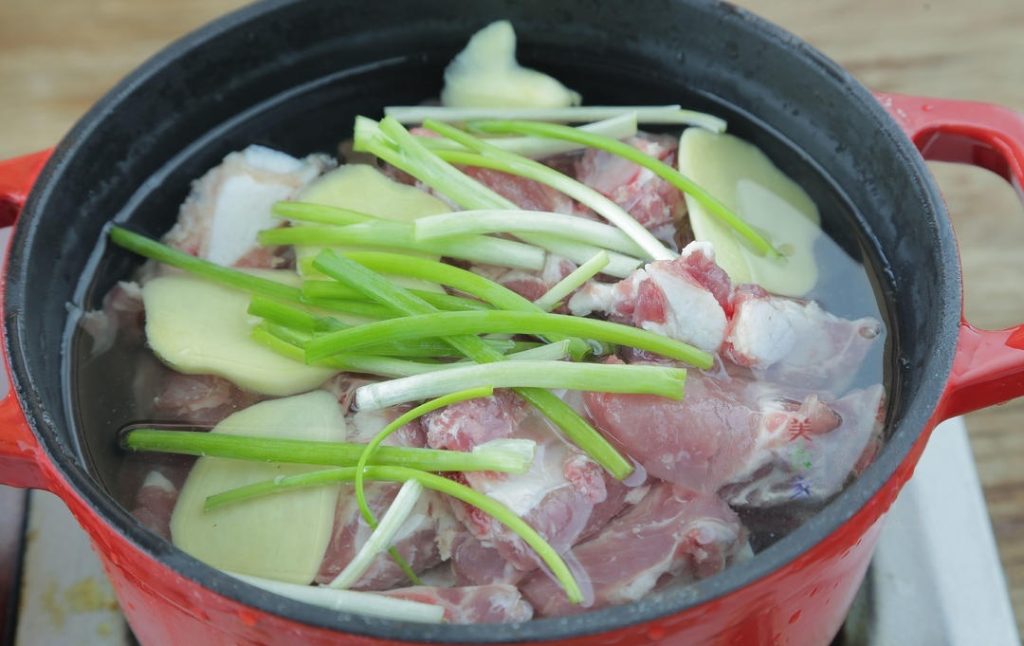
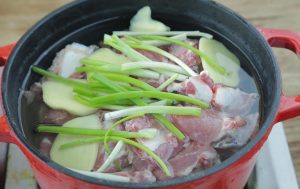
- The Blanch: Place ribs in a pot of cold water with a few ginger slices and scallion whites. Bring to a boil for 2-3 minutes. This step is crucial; it removes “blood water” and impurities, ensuring a clean flavor. Drain and pat dry.
How to Make Pork Ribs and Rice
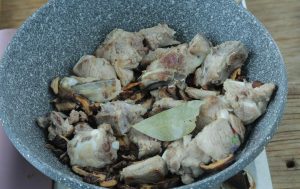
- Sear the Ribs: Heat 1 tbsp oil in a wok or skillet over medium-high heat. Add the ribs and fry for 3-5 minutes until the edges are golden brown and the fat begins to render.
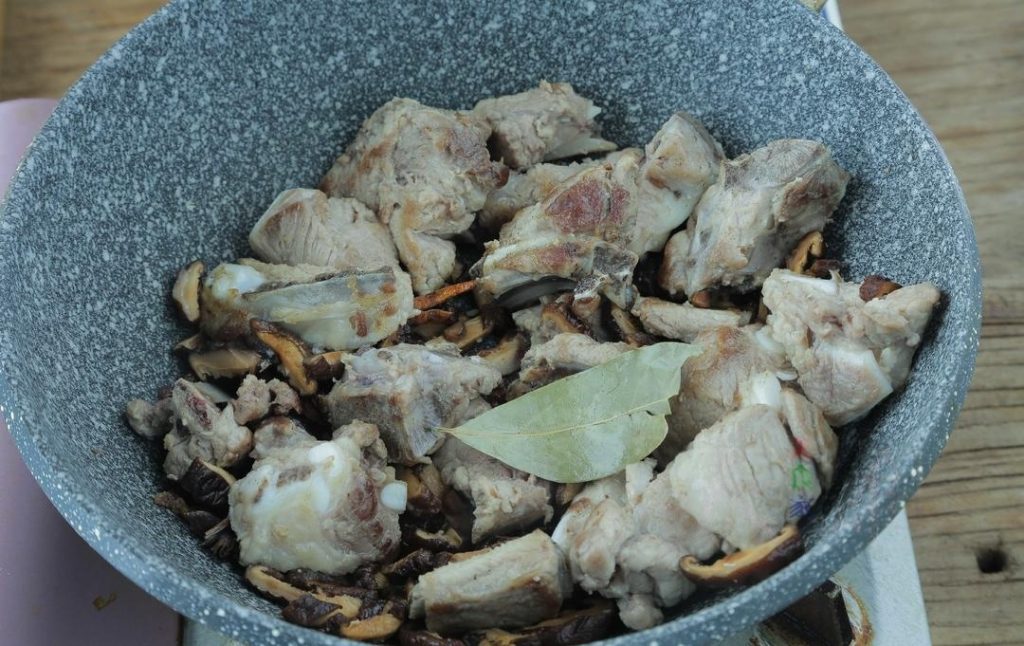
- Release the Fragrance: Add the mushrooms, Sichuan peppercorns, star anise, cinnamon, and bay leaf. Stir-fry for 60 seconds until the spice aromas fill your kitchen.
- The Braise Base: Stir in the light and dark soy sauces and salt. Pour in enough boiling water to just cover the ribs. If using a Dutch oven, simmer over medium heat for 20 minutes to tenderize the meat.
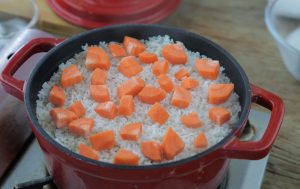
- Combine with Rice: Drain the soaked rice and spread it evenly over the ribs in the pot. Do not stir! You want the rice to sit on top.
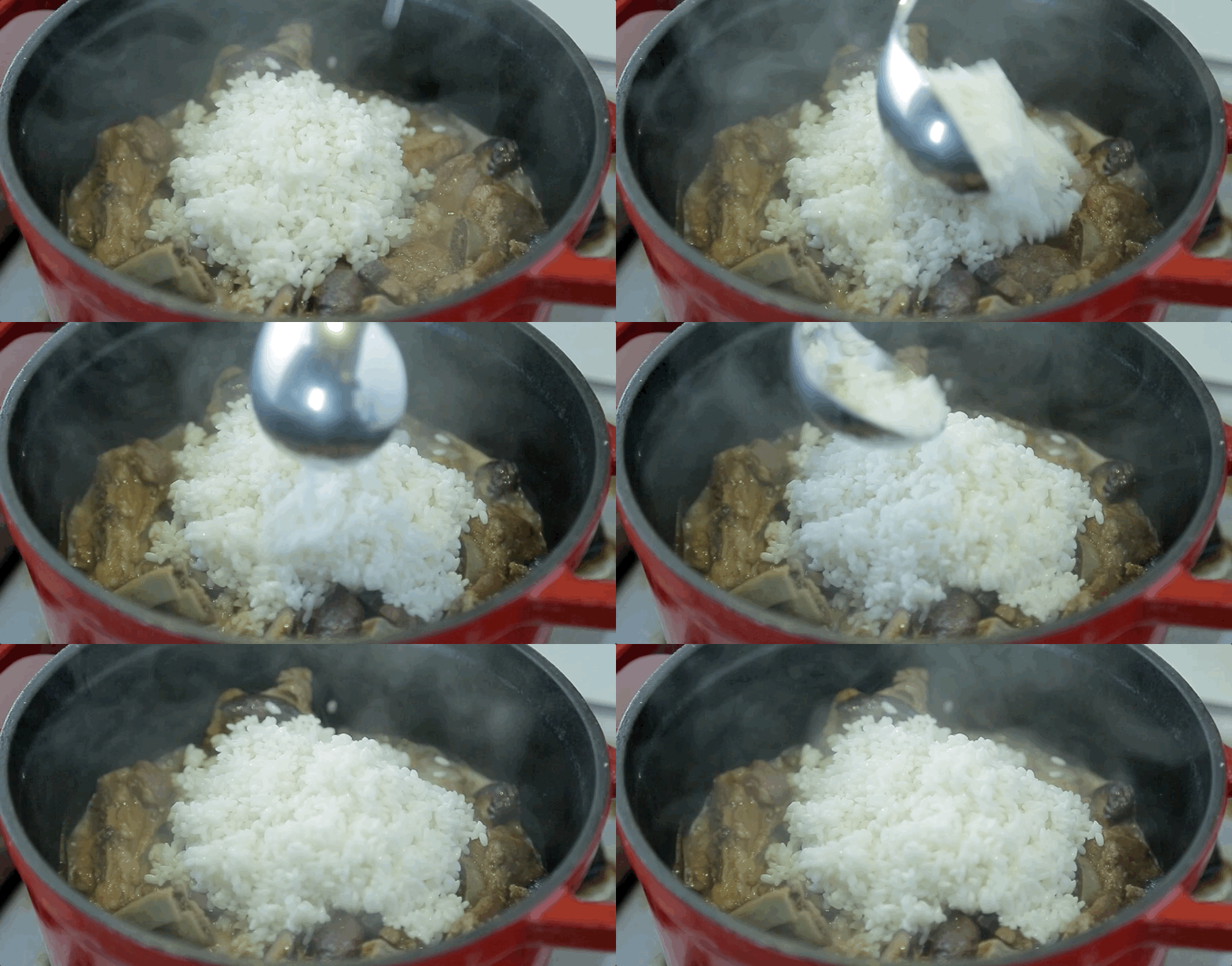
- Final Steaming: Pour in the reserved mushroom soaking water. The liquid should just barely cover the surface of the rice. Sprinkle carrot dics on top.
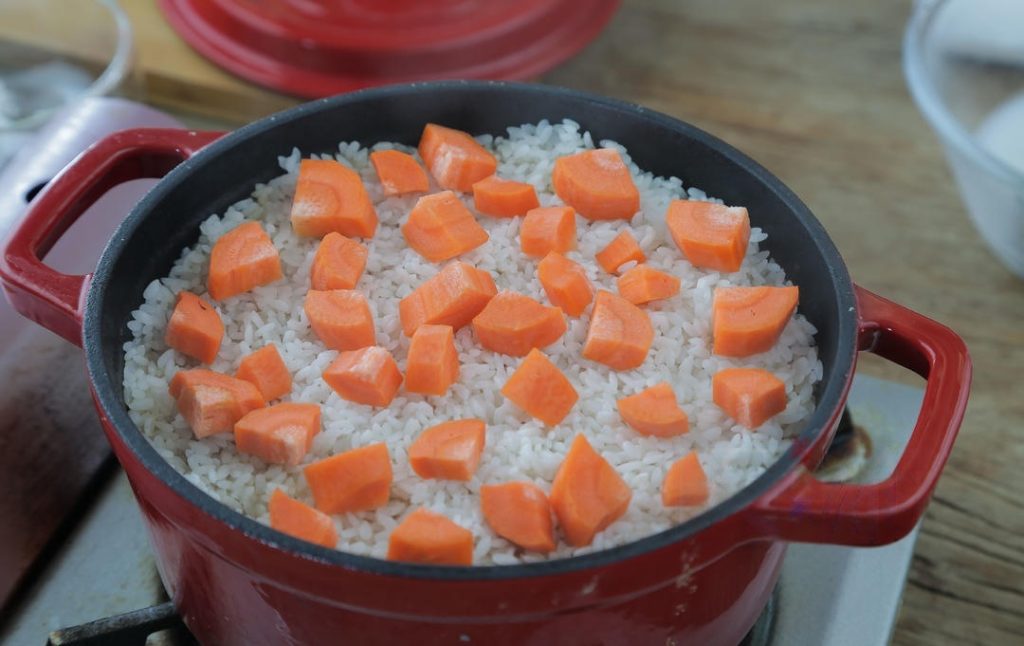
- The Simmer: Cover tightly. Turn heat to low and simmer for 15 minutes.
- The Rest: Turn off the heat. Do not open the lid! Let the pot sit for another 10 minutes. This allows the residual steam to finish the grains and ensures the rice doesn’t stick to the bottom.
- Finish: Open the lid, add green scallions, and fluff everything together with a paddle so the ribs are distributed.
Common Mistakes When Making Pai Gu Men Fan
- Skipping the Rice Soak: If you don’t soak the rice for an hour, the centers may remain crunchy while the outside gets mushy.
- Too Much Water: Unlike boiling rice, “Men” (braising) requires less water because the steam is trapped. Aim for the liquid to just reach the top level of the rice.
- Peeking Early: Opening the lid during the final 10-minute rest lets out the essential steam, which can lead to unevenly cooked grains.
FAQ / Troubleshooting
- Can I make this in a rice cooker? Absolutely. Follow steps 1-3 in a skillet, then dump everything into your rice cooker, add the drained rice and liquid, and hit the “Regular Rice” button.
- Why are my ribs tough? Ensure you blanched them starting from cold water and used boiling water for the braise.
- My rice is burnt on the bottom! This is actually a delicacy in China called “Guo Ba.” However, if it’s black and bitter, your heat was too high during the 15-minute simmer. Use the lowest possible setting.
Tips for Success
- Quality Fat: Use ribs with a good amount of marbling. The fat renders into the rice, creating a luxurious mouthfeel similar to Braised Pork Belly.
- The Liquid Gold: Never toss the mushroom soaking water. It contains the most concentrated flavor of the dish.
Serving Suggestions
This is a hearty meal on its own, but it pairs beautifully with a refreshing Smashed Cucumber Salad to cut through the richness. If you want a soup on the side, a light Seaweed Egg Drop Soup or a Corn and Pork Rib Soup is a classic accompaniment.
How to Store & Reheat
- Fridge: Store in an airtight container for up to 3 days.
- Reheat: Steam for 5-8 minutes or microwave with a damp paper towel on top to prevent the rice from drying out. Ensure the pork reaches an internal temperature of 165°F (74°C) for safety.
Authoritative References
- Pork Safety: According to the USDA Food Safety and Inspection Service, pork should be cooked to a minimum internal temperature of 145°F, though for ribs, a higher temp (190°F+) is better for tenderness.
- Grains Research: The Whole Grains Council provides excellent resources on the importance of proper grain-to-liquid ratios.
Nutrition Information (Estimate)
Serves: 3 | Prep: 1 hr | Cook: 45 mins
- Calories: 420 kcal
- Protein: 18g
- Fat: 14g
- Carbohydrates: 54g
- Sodium: 850mg
Allergen Note: Contains Soy and Wheat (in soy sauce).
Disclaimer: Nutrition information is calculated using an ingredient database and should be considered an estimate. Garnishes and optional items are not included. Actual values vary.
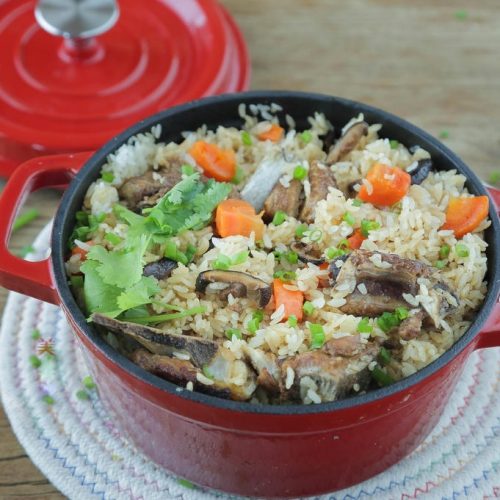
One-Pot Pork Ribs and Rice (Pai Gu Men Fan)

Equipment
- 10-inch Cast Iron Dutch Oven For even heat distribution
- Meat Thermometer To ensure pork safety
Ingredients
- 0.5 lb Pork spare ribs Cut into 1-inch pieces
- 1.5 cups Jasmine rice Soaked for 1 hour
- 8 Dried shiitake mushrooms Soaked and sliced
- 1 Carrot Diced
- 2 tbsp Light Soy Sauce Pearl River Bridge recommended
- 1 tbsp Dark Soy Sauce For color
Instructions
- Blanch ribs starting from cold water with ginger and scallion. Boil for 2-3 mins, drain, and pat dry.

- Sear ribs in 1 tbsp oil until browned. Add whole spices and mushrooms; stir-fry until fragrant.
- Add soy sauces and enough boiling water to cover ribs. Simmer for 20 minutes.
- Layer drained rice and carrots on top. Pour in mushroom soaking water until it just reaches the rice surface.
- Cover tightly. Simmer on lowest heat for 15 minutes, then rest off heat for 10 minutes.
Notes
Food Safety: Ensure pork ribs are cooked through. Recommended internal temp for tenderness is 190°F.
Disclaimer: Nutrition information is calculated using an ingredient database and should be considered an estimate. Garnishes and optional items are not included. Actual values vary.





Leave a Reply