I’ll be honest with you: traditional Sweet and Sour Pork Ribs (Tang Cu Pai Gu) can be a little intimidating for home cooks. The classic method usually involves “frying sugar color” (chao tang se)—a technique where you caramelize rock sugar in oil until it turns a precise amber hue. Take your eye off the wok for a second, and you have burnt, bitter caramel.

But what if I told you there is a way to achieve that beautiful, glossy red shine and complex sweet-sour flavor without the stress? Enter the “Cola Hack.”
Growing up in Sichuan, I watched professional chefs use all sorts of tricks. Using cola isn’t just a college dorm room hack; it’s a legitimate technique used in many modern Chinese kitchens to add depth, color, and sweetness simultaneously. Combined with preserved plums (Hua Mei), this recipe delivers a sophisticated fruity tartness that tastes like you spent hours in the kitchen.
This is the perfect recipe for when you want that restaurant-quality “wow” factor but want to keep things relaxed and homestyle.
About the Author & Recipe Development
I am Lin, a Sichuan-born chef with over a decade of experience in professional kitchens and culinary research. My background involves traditional training at a Chinese culinary institute, followed by years of working the line in high-volume restaurants. I have traveled extensively through China to document regional home-cooking techniques.
For this recipe, I tested the ratio of vinegar to sugar multiple times. While the cola provides sweetness, it lacks the “sour” punch essential to Tang Cu (Sugar Vinegar) dishes. By incorporating Hua Mei (preserved plums) and a two-stage vinegar addition, I’ve balanced the flavors to ensure these ribs aren’t just sweet, but complex and appetizing.
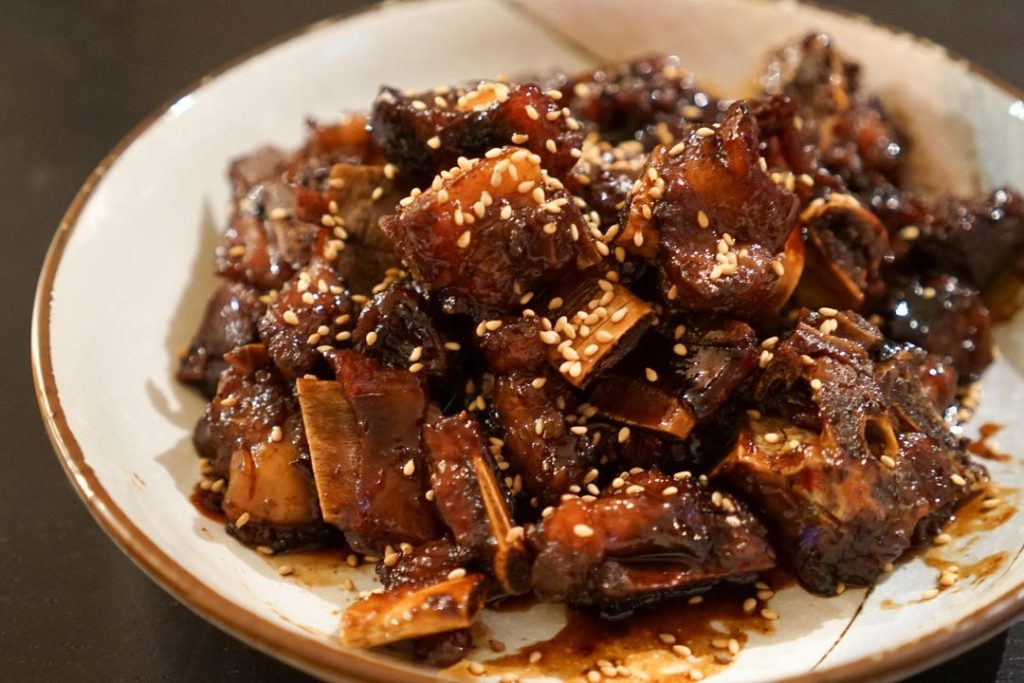
What is Tang Cu Pai Gu?
Tang Cu Pai Gu (糖醋排骨) translates literally to “Sugar Vinegar Spare Ribs.” It is one of the most beloved dishes in China, found in various forms from Jiangsu to Sichuan. The traditional version relies on a careful balance of vinegar and rock sugar.
In this version, we are replacing the caramelization step with Coca-Cola. The soda acts as a three-in-one ingredient:
- Tenderizer: The acidity (phosphoric acid) in the soda helps break down the meat fibers.
- Sweetener: It provides the sugar base.
- Coloring: As the liquid reduces, the caramel color in the soda glazes the ribs in that signature mahogany sheen.
If you are interested in the strictly traditional method, you can compare this with our Sweet and Sour Pork Ribs which uses the classic “1-2-3-4” golden ratio sauce.
Why This Recipe Works
- The “Hua Mei” Effect: We add a bag of preserved plums. These salted, dried plums rehydrate in the braising liquid, releasing a unique savory-sour fruitiness that cuts through the rich pork fat.
- Two-Stage Vinegar: We add vinegar at the beginning for flavor depth, and—crucially—at the very end. This final splash (called peng cu) revives the bright acidity that usually cooks off during braising.
- Reduction Glaze: Unlike a soup or stew, we boil this down until the sauce essentially disappears, coating each rib in a sticky, flavor-packed lacquer.
Key Ingredients & Substitutions
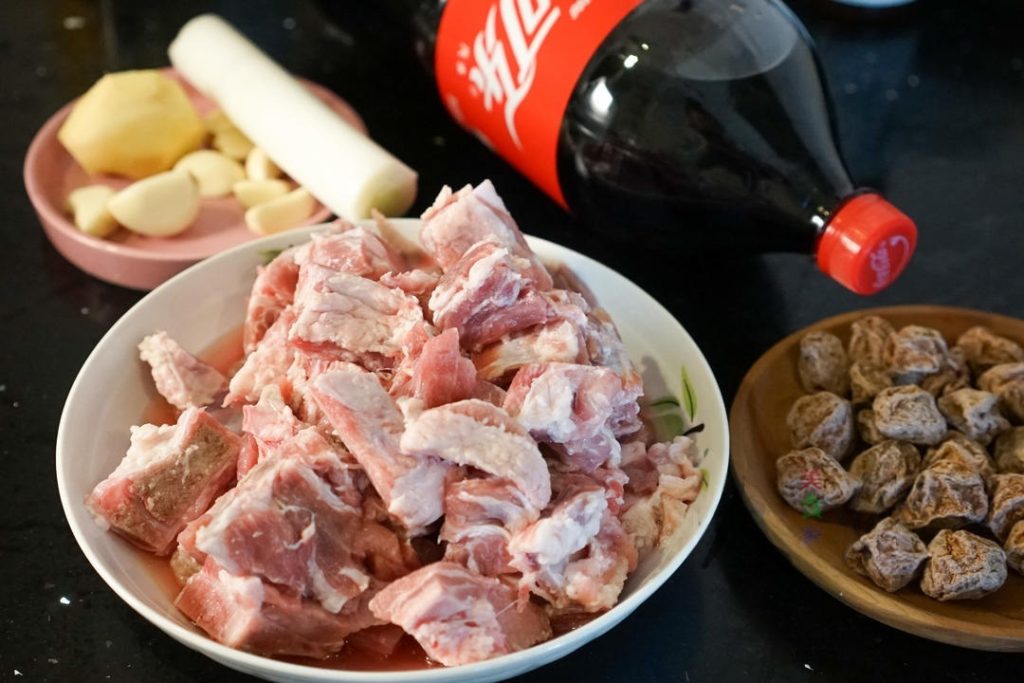
- Pork Ribs: I recommend using pork spare ribs cut into 1.5-inch segments. You can ask your butcher to do this (ask for “sections”). If you are unsure about the difference between spare ribs and other cuts, check out my Chinese Pork Ribs Guide (Spare Ribs vs Baby Back).
- Coca-Cola: Use standard, full-sugar Coke. Do not use Diet Coke or Coke Zero; the artificial sweeteners turn bitter when reduced and will not caramelize.
- Hua Mei (Preserved Plums): These are dried, salted, and sour plums found in Asian snacks aisles. If you cannot find them, you can substitute with 2 dried figs or a tablespoon of tamarind paste, though the flavor profile will shift slightly.
- Vinegar: We use a significant amount of vinegar here. Chinese Rice Vinegar is best for a cleaner taste, though Chinkiang vinegar works for a deeper, earthier flavor.
- Light Soy Sauce: Used for the savory “umami” base. I recommend a high-quality brand like Pearl River Bridge. See my guide on Light Soy Sauce for more tips.
Ingredients
The Main Event
- 2 lbs (approx. 1 kg) pork spare ribs, cut into 1.5-inch pieces
- 1 bottle (500ml – 600ml) Coca-Cola (Original taste)
- 1 packet (approx. 5-6 pieces) Hua Mei (Chinese preserved plums)
- 1 tbsp cooking oil (for searing)
Aromatics
- 2 stalks scallions, cut into 2-inch segments
- 1-inch piece ginger, sliced
- 4 cloves garlic, smashed and peeled
- 1 star anise
- 1 stick cinnamon (cassia bark)
- 1 bay leaf
The Seasoning
- 5 tbsp rice vinegar (for the braise)
- 2 tbsp Light Soy Sauce (or seasoning soy sauce)
- 2-3 small lumps rock sugar (or 1 tbsp granulated sugar) – Optional, depends on how sweet your Coke is
- ½ tsp salt
The Finish
- 2 tbsp rice vinegar (added at the very end)
- 1 tsp toasted white sesame seeds (for garnish)
Recipe Notes Before We Begin
- Choosing Ribs: Try to pick ribs with a good amount of meat on them. If they are too lean, they can dry out.
- The Wok: A carbon steel wok is ideal for the reduction phase, but a heavy-bottomed Dutch oven works well too.
- Texture: This recipe produces a texture that is “tender with a bite” (what we call Q-tan in Chinese). If you prefer meat that completely falls off the bone, you will need to simmer it for an extra 15-20 minutes before the reduction step.
How to Make Coca-Cola Sweet and Sour Ribs
Step 1: Blanch the Ribs
Place the ribs in a pot and cover with cold water. Bring to a boil over high heat. You will see gray foam floating to the top—impurities and blood. Skim this off. Let it boil for about 5 minutes until the water runs mostly clear. Drain the ribs and rinse them under warm water. Pat them dry with paper towels.
Why? Blanching ensures the final sauce is clear and glossy, not muddy. Using cold water ensures the blood releases slowly; starting with hot water seals it inside.
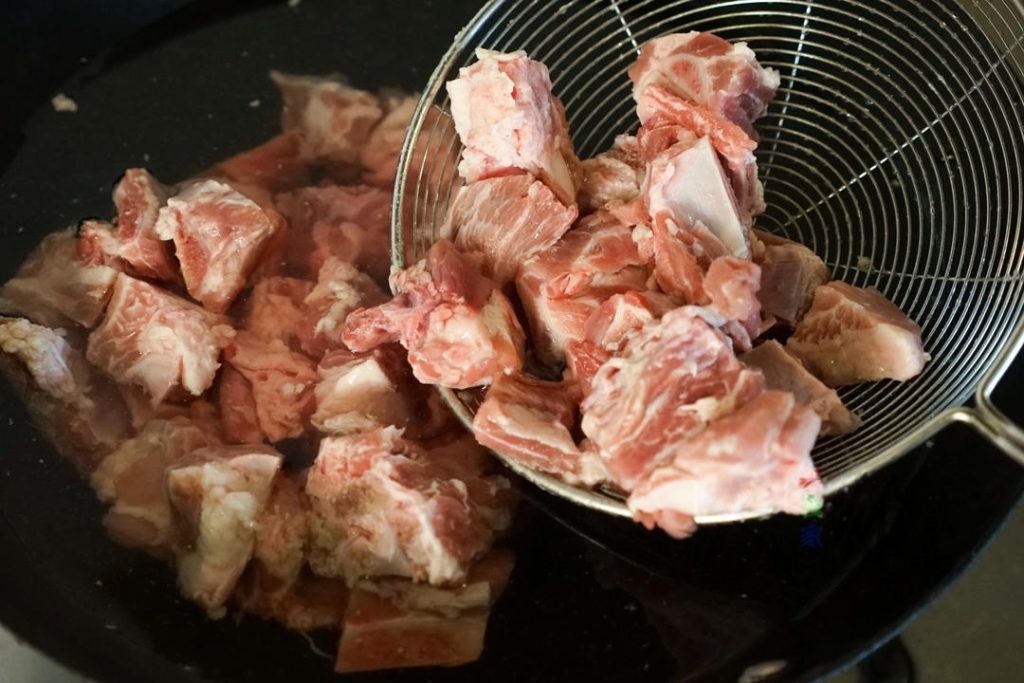
Step 2: Sauté Aromatics and Ribs
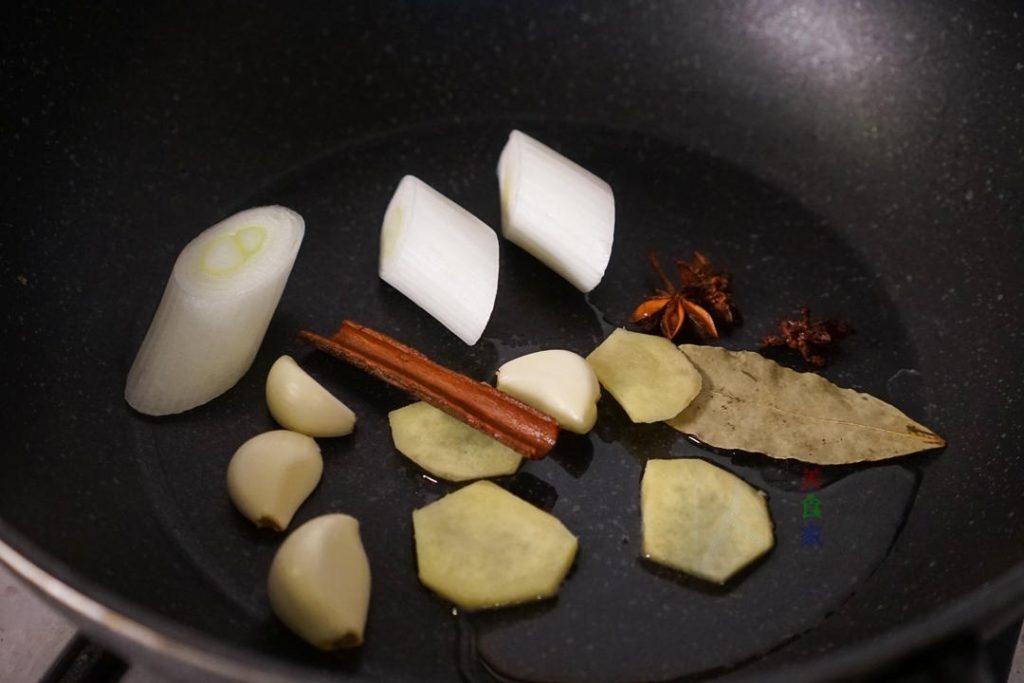
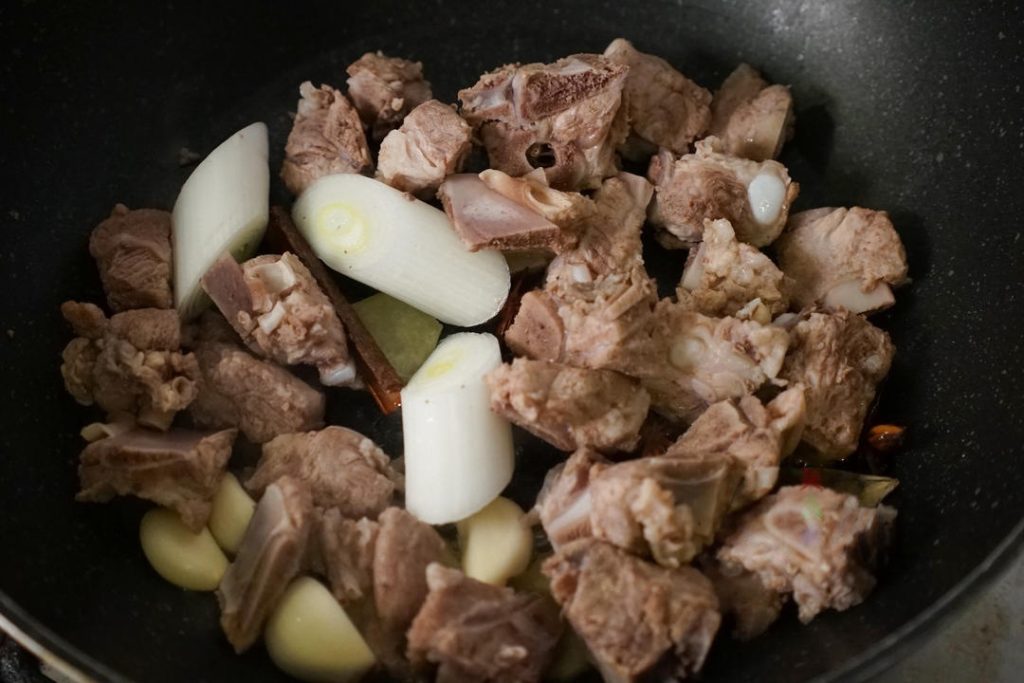
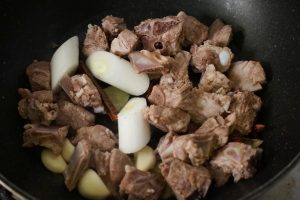
Heat your wok or pot over medium heat. Add 1 tablespoon of oil. Toss in the star anise, cinnamon, bay leaf, scallions, ginger, and garlic. Stir-fry for 30 seconds until fragrant. Add the dried ribs. Stir-fry the ribs for 3-4 minutes until the edges and fat start to turn slightly golden brown.
Chef Lin’s Tip: This searing step, known as the Maillard reaction, adds a savory depth that boiling alone cannot achieve. It mimics the flavor profile of Braised Pork Belly.
Step 3: The Braise
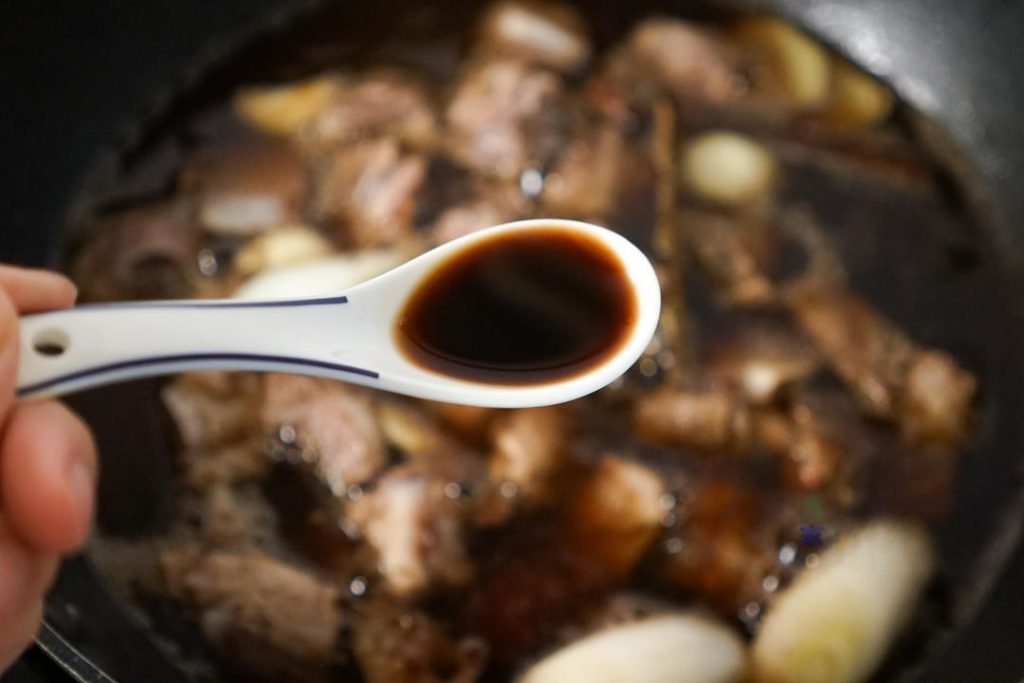
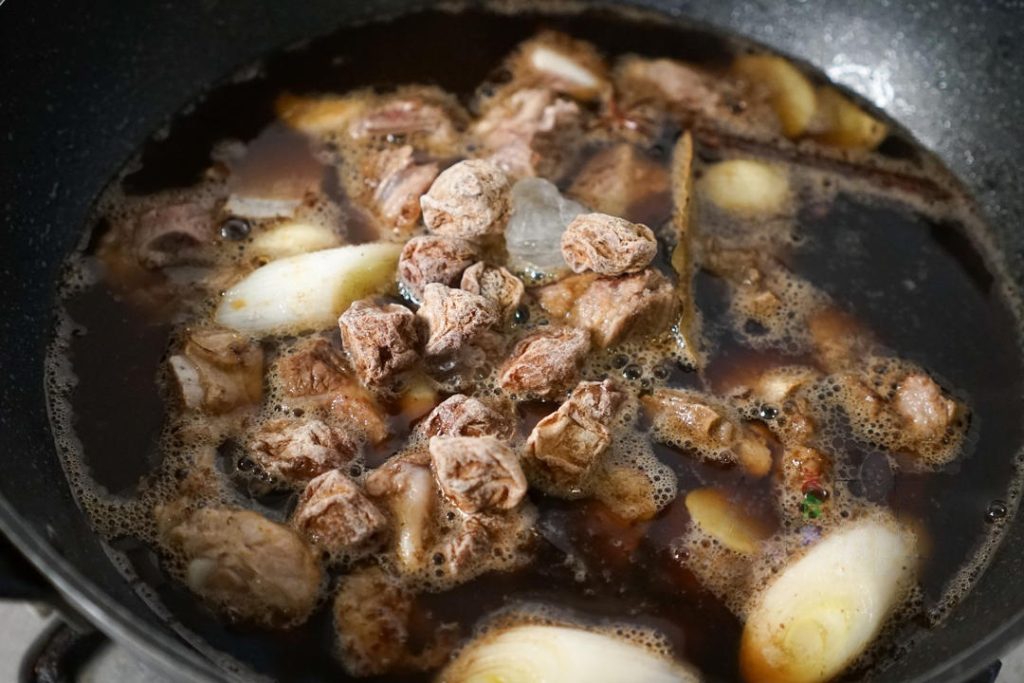
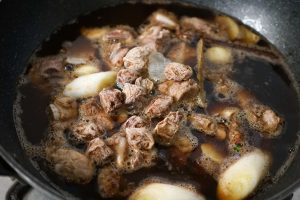
Pour in the Coca-Cola. It should just barely cover the ingredients (use about 2 cups or half a large bottle for 2 lbs of ribs). Add the seasoning ingredients: 5 tablespoons of vinegar, rock sugar, salt, light soy sauce, and the preserved plums (Hua Mei). Stir well. Cover the pot with a lid. Reduce heat to medium-low and simmer for 20-25 minutes.
Step 4: Remove Aromatics
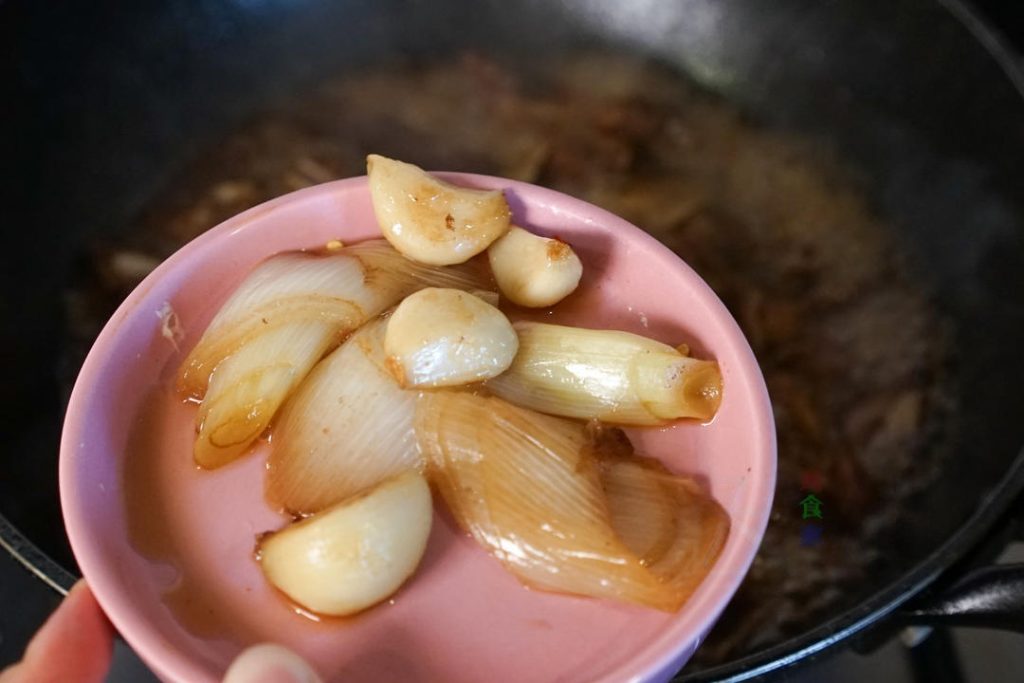
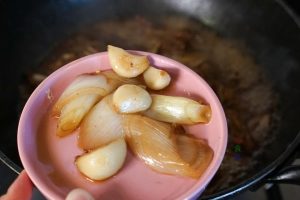
Open the lid. Pick out the scallions, ginger, and garlic.
Why? If left in during the high-heat reduction, these mushy aromatics will disintegrate and ruin the smooth, glossy texture of your glaze.
Step 5: Reduce and Glaze
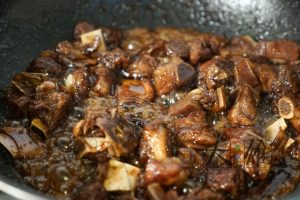
Turn the heat up to high. It is time to reduce the sauce. Stay close to the stove! Stir frequently to prevent burning. As the liquid evaporates, the bubbles will get larger and slower, and the sauce will turn into a thick syrup. The ribs will take on a brilliant, dark red color.
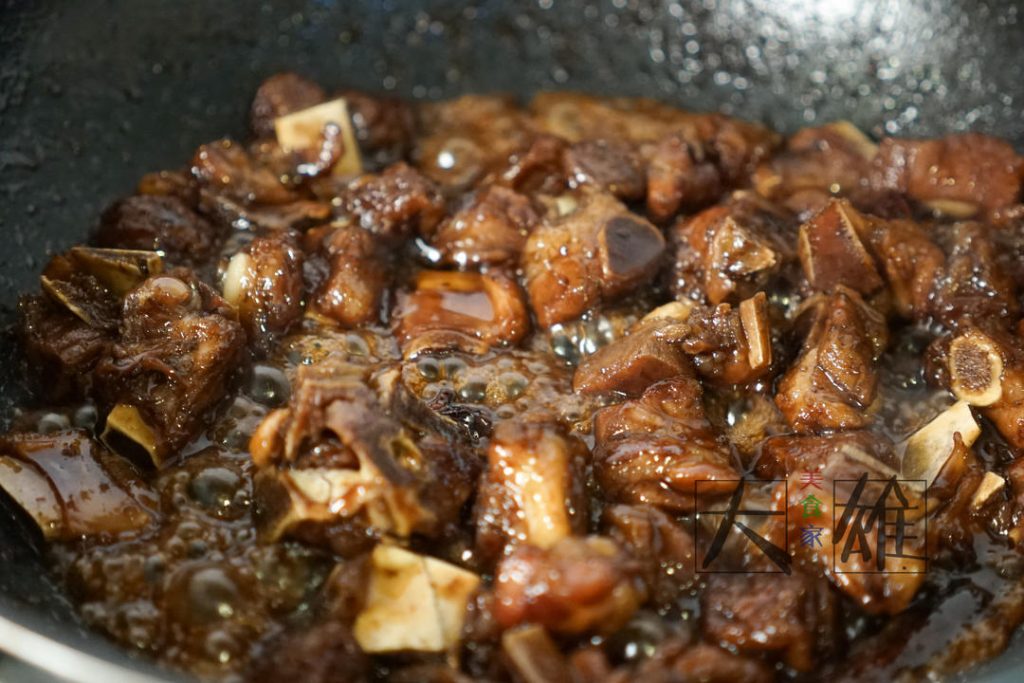
Step 6: The Final Touch (Important!)
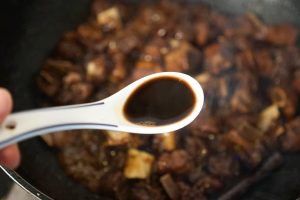
When the sauce is almost completely clinging to the ribs and there is very little liquid left in the pan, pour in the remaining 2 tablespoons of rice vinegar. Toss rapidly for 10 seconds and immediately turn off the heat.
Why? Vinegar is volatile. The vinegar we added at the start has lost its sharpness during cooking. This final splash restores the “sour” balance to the “sweet.”
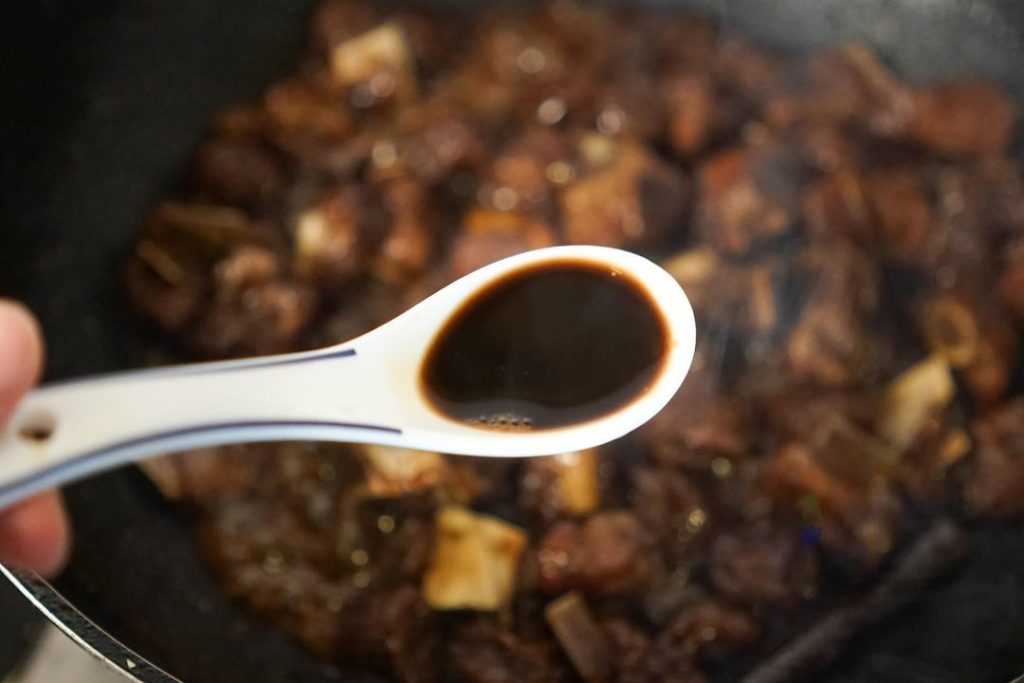
Step 7: Serve
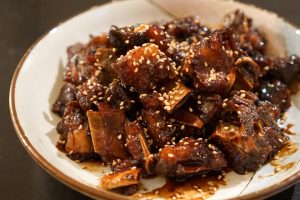
Transfer to a serving plate and sprinkle with toasted white sesame seeds. The result should be sticky, shiny, and incredibly fragrant.
Common Mistakes When Making Sweet and Sour Ribs
- Walking Away During Reduction: The sugar in the Coke burns very fast once the water evaporates. The difference between “perfect glaze” and “burnt carbon” is about 30 seconds.
- Skipping the Blanch: If you don’t blanch, the sauce may have a gritty texture and a “porky” odor.
- Using Diet Soda: As mentioned, artificial sweeteners do not thicken or caramelize. You will end up with a watery, bitter sauce.
FAQ & Troubleshooting
Q: Can I make this in an Instant Pot? A: Yes! Sauté the aromatics and ribs first, add liquids, and pressure cook on High for 12 minutes. Quick release, then use the “Sauté” function to reduce the sauce until sticky.
Q: It’s too sweet! How do I fix it? A: The sweetness comes from the reduced cola. If you find it cloying, increase the final splash of vinegar at the end, or add a pinch more salt.
Q: Can I use apple cider vinegar? A: Yes, apple cider vinegar is a decent substitute for rice vinegar in this specific recipe because it compliments the fruity flavor of the plums.
Serving Suggestions
This dish is rich and flavorful, so it pairs best with simple, refreshing sides to cleanse the palate.
- Rice: A bowl of steamed jasmine or Garlic Fried Rice is essential to catch the sticky sauce.
- Vegetables: Try a cold appetizer like Smashed Cucumber Salad or a simple stir-fry.
- Soup: A light Tomato Egg Drop Soup balances the heaviness of the meat.
Authoritative References
- For safe cooking temperatures for pork, refer to the USDA Food Safety and Inspection Service.
- To understand the role of acids (vinegar/cola) in meat tenderization, see this explanation by ScienceDirect on Acid Marinades.
Food Safety and Preparation
- Pork Temperature: Ensure your pork ribs reach an internal temperature of at least 145°F (63°C) with a 3-minute rest time, although for ribs, we cook them much longer to break down connective tissue.
- Bone Fragments: When chopping ribs into small pieces, be careful of bone shards. Rinse the ribs thoroughly after chopping.
- Sugar Burns: Be extremely careful during the reduction phase; hot sugar syrup causes severe burns. Do not taste the sauce directly from the spatula while it is bubbling hot.
Nutrition Info (Estimate)
- Calories: ~350 kcal per serving
- Protein: 25g
- Fat: 22g
- Carbohydrates: 18g
- Sugar: 16g
- Sodium: 800mg (Disclaimer: Nutrition information is calculated using an ingredient database and should be considered an estimate. Garnishes and optional ingredients are not included.)
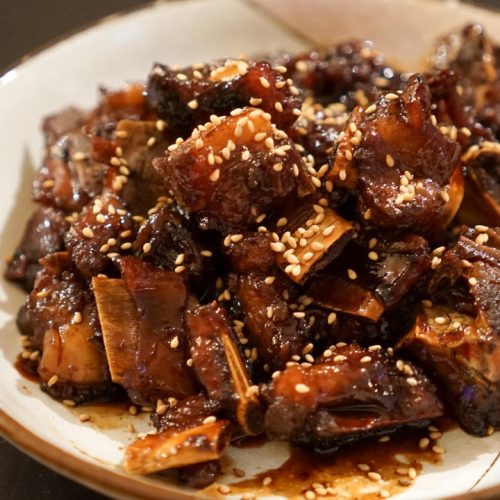
Coca-Cola Sweet and Sour Pork Ribs (Tang Cu Pai Gu)

Equipment
- Wok or Dutch Oven
- Spatula
Ingredients
The Ribs
- 2 lbs pork spare ribs cut into 1.5 inch pieces
- 2 cups Coca-Cola Original taste, approx half a large bottle
- 1 pack Hua Mei (Preserved Plums) approx 5-6 pieces
Aromatics
- 2 stalks scallions cut into segments
- 1 inch ginger sliced
- 4 cloves garlic smashed
- 1 star anise
- 1 stick cinnamon / cassia bark
- 1 bay leaf
Seasonings
- 7 tbsp rice vinegar divided (5 tbsp for cooking, 2 tbsp for finishing)
- 2 tbsp light soy sauce
- 1 tbsp rock sugar optional, adjust based on taste
- 0.5 tsp salt
Instructions
- Blanch the Ribs: Place ribs in a pot of cold water. Bring to a boil. Skim off foam/scum. Boil for 5 minutes until water is mostly clear. Drain and rinse ribs with warm water. Pat dry.

- Sauté: Heat 1 tbsp oil in a wok over medium heat. Add scallions, ginger, garlic, star anise, cinnamon, and bay leaf. Stir-fry until fragrant (30 seconds). Add ribs and stir-fry until edges are slightly golden.
- Braise: Pour in Coca-Cola to just cover the ribs. Add 5 tbsp vinegar, light soy sauce, salt, rock sugar, and preserved plums (Hua Mei). Stir well. Cover and simmer on medium-low heat for 20-25 minutes.
- Remove Aromatics: Remove the lid. Pick out the ginger, garlic, and scallions to prevent them from becoming mushy during the reduction.
- Reduce: Turn heat to high. Cook, stirring frequently, until the liquid evaporates and turns into a thick, sticky glaze coating the ribs.
- Finish: When the sauce is thick, pour in the remaining 2 tbsp vinegar around the edges of the wok. Toss for 10 seconds and turn off the heat immediately.
- Serve: Garnish with toasted white sesame seeds and serve hot.












Leave a Reply