If Soy Sauce is the backbone of Chinese cuisine, Rice Vinegar (米醋, mǐ cù) is undoubtedly its soul. It provides the brightness, the “zing,” and the complex acidity that lifts a dish from “good” to “restaurant quality.”

For many home cooks outside of China, the world of Chinese vinegar can be confusing. Is clear vinegar the same as rice wine? Can you use the black stuff in a salad? Today, we are diving deep into the bottle to explore everything you need to know about this indispensable pantry staple.
What is Chinese Rice Vinegar?
Chinese rice vinegar is made from fermented rice. Through a fermentation process, the sugars in the rice are first converted into alcohol (rice wine), and then further fermented into acid (vinegar). This is why you will sometimes see it labeled as “Rice Wine Vinegar”—rest assured, there is no difference between the two terms, only the wording on the label.
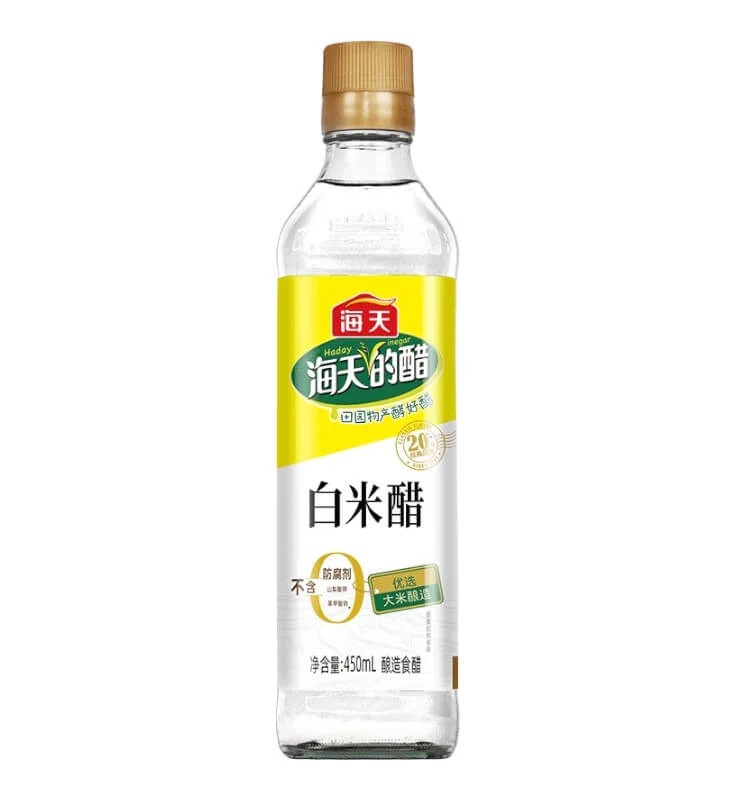
Compared to Western distilled white vinegar, Chinese rice vinegar is less acidic, milder, and often possesses a subtle sweetness. It lacks the harsh, throat-burning sharpness of Western vinegar, making it much more suitable for balancing flavors in stir-fries, braises, and dipping sauces.
The Two Titans: White vs. Black Vinegar
While there are red vinegars and specialized regional varieties, your Chinese pantry primarily needs two types: White Rice Vinegar and Black Rice Vinegar.
1. White Rice Vinegar (Mǐ Cù – 米醋)
When a recipe simply calls for “rice vinegar” without specifying a color, it usually refers to this type.
- Appearance: Colorless to pale yellow/gold.
- Flavor Profile: Clean, sharp, tangy, and slightly sweet. It is the closest in flavor to Apple Cider Vinegar but without the fruity apple undertones.
- Best Used For:
- Sweet and Sour Dishes: It provides the clean acidity needed for classics like Sweet and Sour Pork with Pineapple or Sweet and Sour Chicken.
- Pickling: Its clear color won’t darken vegetables, making it perfect for Pickled Bamboo Shoots or a refreshing Smashed Cucumber Salad.
- Stir-fries: Excellent for adding a light brightness to vegetable dishes like Stir-Fried Potato and Green Bean or Hot and Sour Shredded Potatoes.
2. Black Vinegar (Chinkiang Vinegar – 镇江香醋)
If you love dumplings, you know this flavor. The most famous variety is Chinkiang Vinegar, originating from Zhenjiang city. It is often made from glutinous rice, wheat, barley, or sorghum.
- Appearance: Dark, inky black (similar to Balsamic).
- Flavor Profile: Complex, malty, woody, smoky, and deep. It is less sharp than white vinegar but has a much richer umami profile.
- Best Used For:
- Dipping Sauces: It is mandatory for dipping Vegetable Steamed Dumplings or Crispy Pork and Chive Potstickers.
- Braises: It adds depth to slow-cooked meat dishes like Braised Pork Ribs.
- Cold Noodles: It creates the savory base for dishes like Easy Sesame Noodles.
Pro-Tip: Shanghai Rice Vinegar You might occasionally see recipes call for Shanghai Rice Vinegar. This is a dark amber vinegar that sits somewhere between white and black. It is sweeter and milder, great for soup dumplings (Xiao Long Bao). If you can’t find it, a mix of Chinkiang and a pinch of sugar works well.
Buying Guide: Seasoned vs. Plain
When shopping at an Asian grocery store (or even a well-stocked local supermarket), you will encounter brands like Kong Yen (from Taiwan), Hengshun (famous for Chinkiang), or Kikkoman (Japan).
The most important rule: Check the label for “Seasoned” vs. “Plain.”
- Plain Rice Vinegar: Contains only rice and water (and sometimes alcohol). This is what you want for 99% of Chinese cooking.
- Seasoned Rice Vinegar: Contains added sugar, salt, and sometimes MSG. This is primarily used for making sushi rice.
Recommendation: Buy the plain version. You can always add sugar and salt yourself, but you cannot take it out. If a recipe calls for rice vinegar and you only have “seasoned,” remember to reduce the salt and sugar elsewhere in your recipe.
How to Use Rice Vinegar Effectively
To truly master Chinese cooking, you must understand how vinegar functions beyond just making things sour.
1. The “Wok Hei” Finisher
In professional Chinese kitchens, chefs often splash a teaspoon of vinegar along the hot edges of the wok right before serving. This isn’t just for taste; the heat volatilizes the acid, leaving behind a subtle aroma that enhances the other flavors without making the dish taste overtly sour. Try this technique with Stir-fried Lettuce with Garlic or Stir-Fried Eggplant and Green Beans.
2. Cutting the Fat
Vinegar is chemically essential when cooking rich, fatty meats. The acidity cuts through the grease, making the dish feel lighter on the palate. This is why a splash of vinegar is often added to Braised Pork Belly (Hong Shao Rou) or heavy ribs like Oven-Baked Garlic Ribs.
3. Creating the “Fish-Fragrant” Flavor
The famous Sichuan flavor profile “Yu Xiang” (Fish-Fragrant) contains no fish. It relies on the perfect balance of Doubanjiang, pickled chilies, sugar, and—crucially—rice vinegar. You can taste this magic in classic Fish-Fragrant Pork Stir-fry.
4. The Perfect Dipping Sauce
A good dumpling sauce is all about ratios. For San Xian Dumplings or Spring Rolls, try this golden ratio:
- 1 tbsp Chinkiang Vinegar
- 1 tsp Light Soy Sauce
- ½ tsp Homemade Chinese Chili Oil
- A dash of Sesame Oil
Substitutes for Rice Vinegar
Ran out of vinegar mid-recipe? Here is how to save your dinner:
For White Rice Vinegar:
- Apple Cider Vinegar: This is the best substitute. It has a similar acidity level. The fruity note is usually hidden by stir-fry sauces.
- White Wine Vinegar: A decent second choice.
- Regular Distilled White Vinegar: Use with caution. It is much harsher. If using this, use only half the amount called for and add a pinch of sugar.
For Black Vinegar (Chinkiang Vinegar):
- Balsamic Vinegar: It mimics the color and sweetness but is sweeter and more syrupy.
- Worcestershire Sauce + Balsamic: Mix them 1:1. This is the closest approximation to the complex, savory depth of black vinegar.
What NOT to Substitute: Do not substitute Rice Wine (Shaoxing Wine) for Rice Vinegar. They are completely different ingredients. It is like confusing red wine with red wine vinegar!
Storage
Rice vinegar is high in acid and shelf-stable.
- Unopened: It can last for years in a cool, dark pantry.
- Opened: It is best used within 6 months to 1 year for peak flavor, but it is generally safe to use for up to 2 years. Store it in a cool place away from the stove; refrigeration is not required but can help preserve the aroma of premium vinegars.
Ready to Cook?
Now that you are a vinegar expert, try using it in these authentic recipes:
- The Ultimate Test: Hot and Sour Soup (Relies heavily on white vinegar and white pepper).
- Classic Stir-Fry: Kung Pao Chicken (Uses vinegar to balance the sweet and spicy sauce).
- Cold Appetizer: Sour and Spicy Shredded Potato Salad (A crisp, refreshing showcase for white vinegar).
- Regional Favorite: General Tso’s Chicken (The slight tartness is the secret to making this dish addictive).
Building a Chinese pantry? Don’t forget to stock up on other essentials like Dark Soy Sauce, Oyster Sauce, and Sweet Bean Sauce to complete your collection!












Leave a Reply