As a chef who grew up in Sichuan, I have a confession: for years, I avoided cooking chicken breast at home. In the professional kitchens where I trained, and in my family’s restaurant, we often favored dark meat for its forgiveness and flavor. However, my mother had a trick up her sleeve for Sweet and Sour Chicken that changed my mind completely.

Traditionally, Tang Cu Li Ji (Sweet and Sour Pork) is made with pork tenderloin. However, this version adapts those classic techniques for chicken breast, using a unique saltwater brining method that results in meat so tender it almost melts in your mouth.
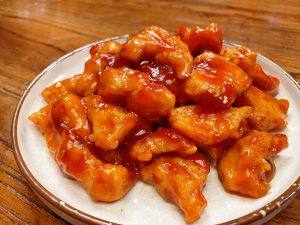
If you love the flavors of our Crispy Sweet and Sour Pork with Pineapple or the bold sauce of General Tso’s Chicken, this recipe is the perfect weeknight alternative. It captures that glossy, red, appetizing look and the perfect balance of sweet and tangy flavors.
While this Tang Cu Li Ji style chicken hits all the right notes for those who prefer a mild, fruity tang , if you’re in the mood to dial up the heat, my Baked Firecracker Chicken is the spicy sister recipe you’ve been looking for. It delivers that same satisfying, super-tender crunch but finishes with an addictive spicy-sweet glaze that truly lives up to its name.
1Baked Firecracker Chicken (Takeout Style)A healthier, baked version of the spicy Chinese-American classic. Crispy chicken chunks tossed in a sweet and fiery glaze.Check out this recipe

Why This Recipe Works
- The Saltwater “Thaw”: Unlike standard marinades, this recipe starts by soaking the chicken in highly salted water . This acts as a brine, breaking down muscle fibers and forcing moisture into the lean breast meat, ensuring it stays juicy even after frying.
- The Double Fry: We use the professional technique of frying twice. The first fry at a lower temperature cooks the chicken through without drying it out; the second flash-fry at high heat crisps the batter .
- The Balanced Sauce: The sauce combines ketchup, vinegar, and sugar in a specific ratio to create that iconic bright red color and appetizing flavor without needing artificial food coloring.
What is Sweet and Sour Chicken (Tang Cu Li Ji)?
While the Western world knows “Sweet and Sour Chicken” as battered nuggets with pineapple and peppers, in China, Tang Cu Li Ji is a specific style of batter-fried meat coated in a sugar-vinegar sauce. The batter is usually thicker and stickier than a tempura, made from starch and egg, creating a shell that absorbs the sauce while remaining slightly chewy-crispy.
Key Ingredients & Substitutions
- Chicken Breast: The star of the show. Thanks to the brining technique, you don’t need thighs here.
- Starch (Cornstarch or Potato Starch): You will need a significant amount for both the batter and the sauce thickener. Potato starch provides a crispier crust, but cornstarch (corn flour) is perfectly fine and standard for home cooking.
- Ketchup: This provides the base red color and a savory-sweet depth.
- Vinegar: The recipe calls for standard vinegar . I recommend Rice Vinegar for a clean taste, or Chinkiang Vinegar if you want a deeper, more malty flavor profile.
- Soy Sauce: Use a high-quality “fresh” or light soy sauce (like Pearl River Bridge or Lee Kum Kee).
- Garlic: Freshly smashed garlic is essential for the marinade.
Comparison: Chicken Breast vs. Pork
Traditionally, this dish uses pork tenderloin.
- Pork: Offers a denser, meatier chew and richer flavor.
- Chicken Breast: Is leaner, cooks faster, and—when brined correctly using the method below—is softer and more delicate. It is also generally more accessible for a quick weeknight dinner.
Recipe Notes Before We Begin
- The “Sticky” Batter: The batter for this chicken is quite thick and sticky, not runny like a pancake batter . This ensures it clings to the meat and puffs up nicely.
- Oil Temperature: You will need to adjust your heat. If you don’t have a thermometer, use the “chopstick test” (explained in the steps).
- Mise en Place: Once the frying starts, it moves fast. Have your sauce mixed and ready to go before you heat the oil.
How to Make Super Tender Sweet and Sour Chicken
Step 1: The Saltwater Brine (Crucial Step)
If using frozen chicken breast, defrost it in a large bowl of cold water mixed with 3 tablespoons of salt. If using fresh chicken, soak it in this saltwater solution for 20–30 minutes .
Why? This brining process is the secret to the “super tender” texture. It alters the protein structure, allowing the meat to hold significantly more moisture.

Step 2: Prep the Chicken
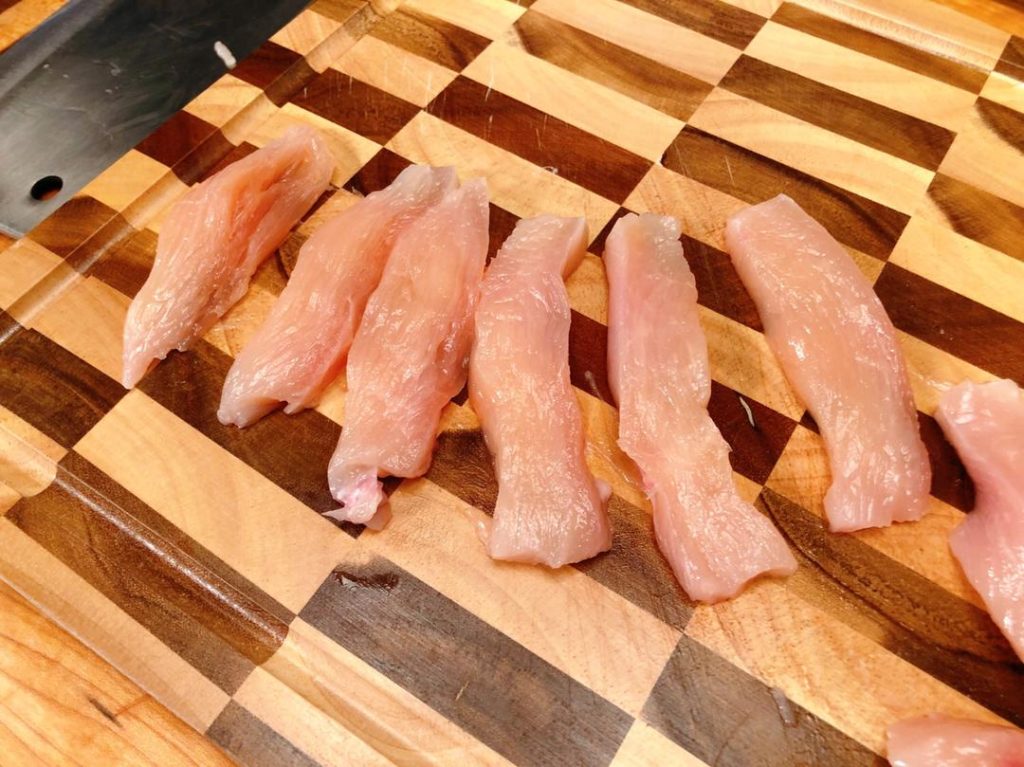
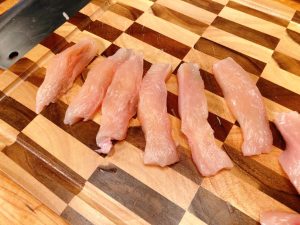
Remove any fascia or tough skin from the chicken. Slice the breast horizontally into two thin sheets, then slice those sheets into strips (with the grain) .
Note: Cutting with the grain here helps the strips hold their shape during frying, while the brine keeps them tender.
Step 3: Marinate
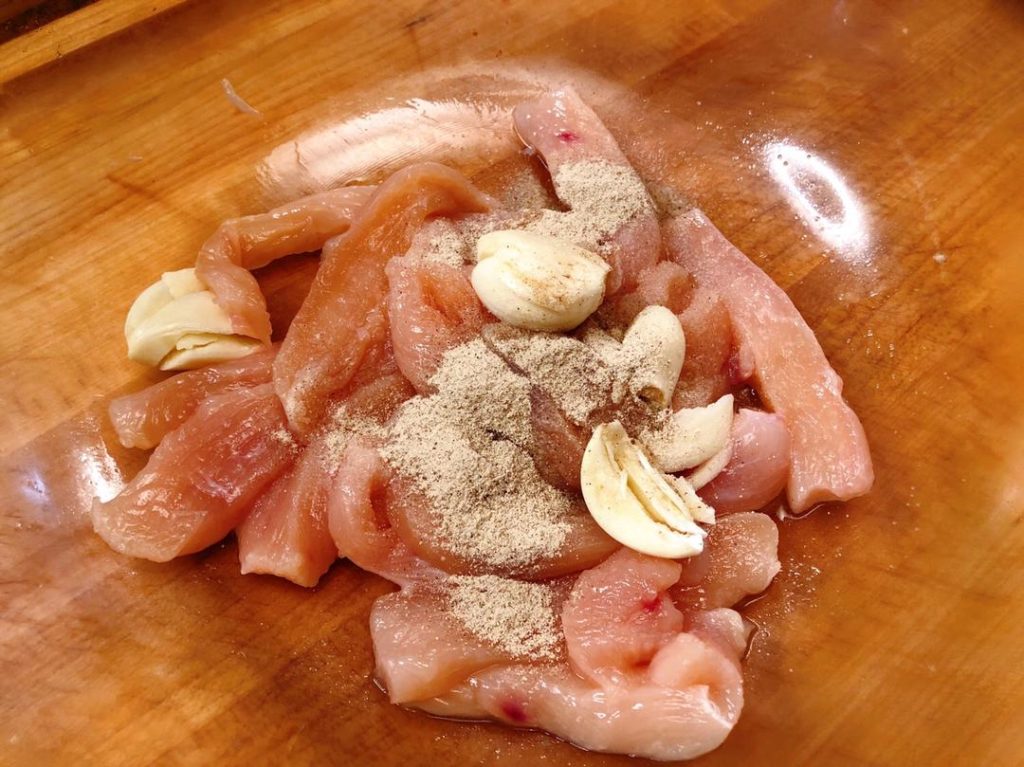
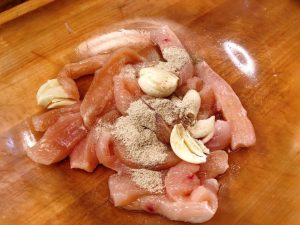
In a bowl, combine the chicken strips with:
- 1/4 tsp Salt
- 1/2 tsp White Pepper
- 1 tbsp Light Soy Sauce
- 1/2 tbsp Sugar
- 4 cloves Garlic (smashed)
Mix well and let marinate for at least 30 minutes .
Step 4: Make the Sauce
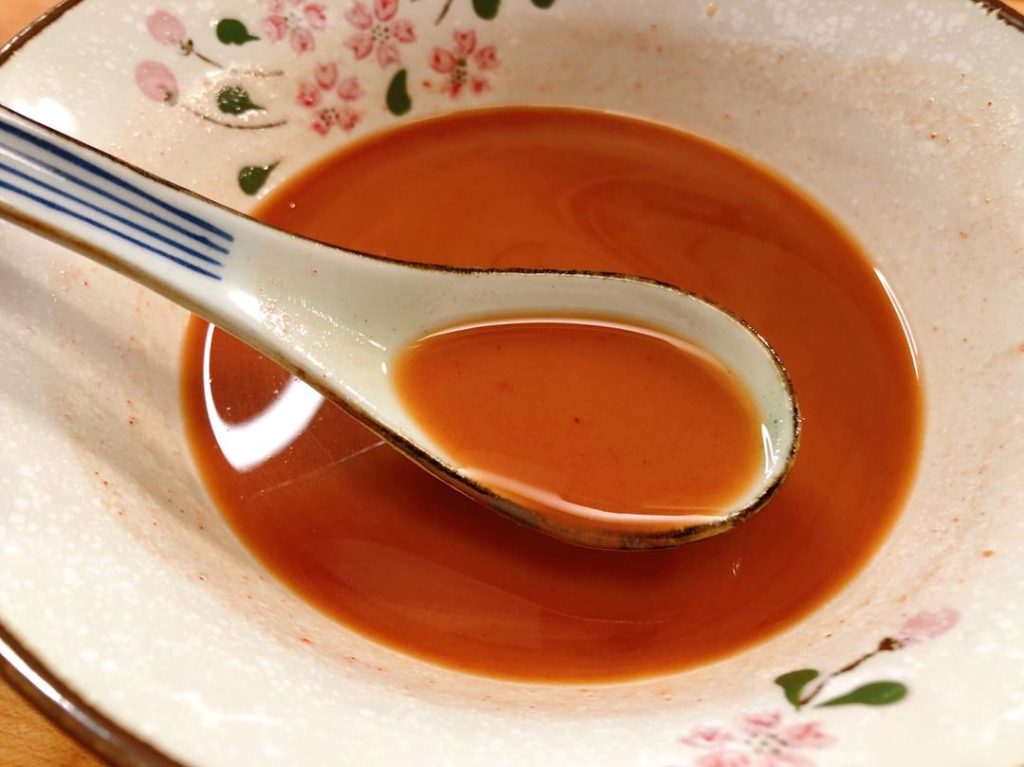
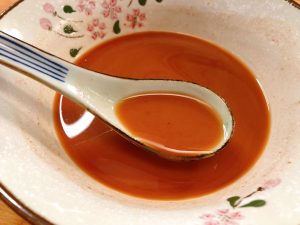
In a large bowl, whisk together the sauce ingredients to create a slurry:
- 2 tbsp Starch + 10 tbsp Water (mix well first)
- 2 tbsp Tomato Ketchup
- 2 tbsp Light Soy Sauce
- 4 tbsp Vinegar
- 6 tbsp Sugar
- 1 drop Dark Soy Sauce (optional, for color) .
Step 5: Batter the Chicken
Add 1 egg to the marinated chicken. Then, add roughly 10 tablespoons of starch (approx. 2/3 cup), adding it in two batches while mixing by hand.
Texture Check: The mixture should be very sticky and coat each piece of chicken thickly .
Step 6: The Double Fry
Heat oil in a wok or deep pot.
- First Fry (Low Temp): Heat oil to medium (about 325°F/165°C). Test by putting a bamboo chopstick in; small bubbles should just start to form around it. Drop chicken strips in one by one. Fry until they float to the surface. Remove immediately . This ensures tenderness.
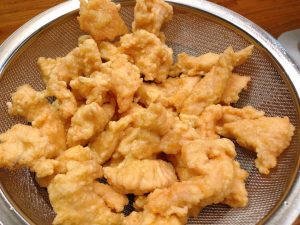
- Second Fry (High Temp): Turn heat to high. Heat oil until it begins to smoke slightly (about 375°F/190°C). Add all the chicken back in. Count to 30 (fry for 30 seconds). Remove immediately.
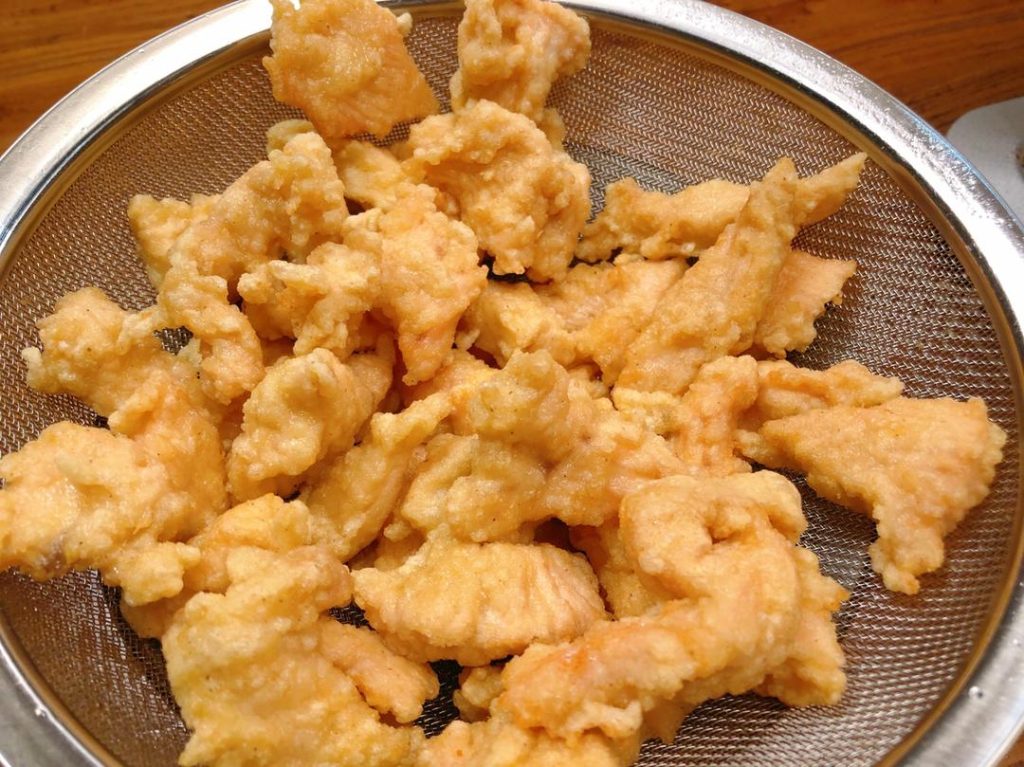
- Result: The outside should be crisp, and the inside tender .
- Safety Tip: Ensure chicken reaches an internal temperature of 165°F (74°C).
Step 7: Toss and Serve
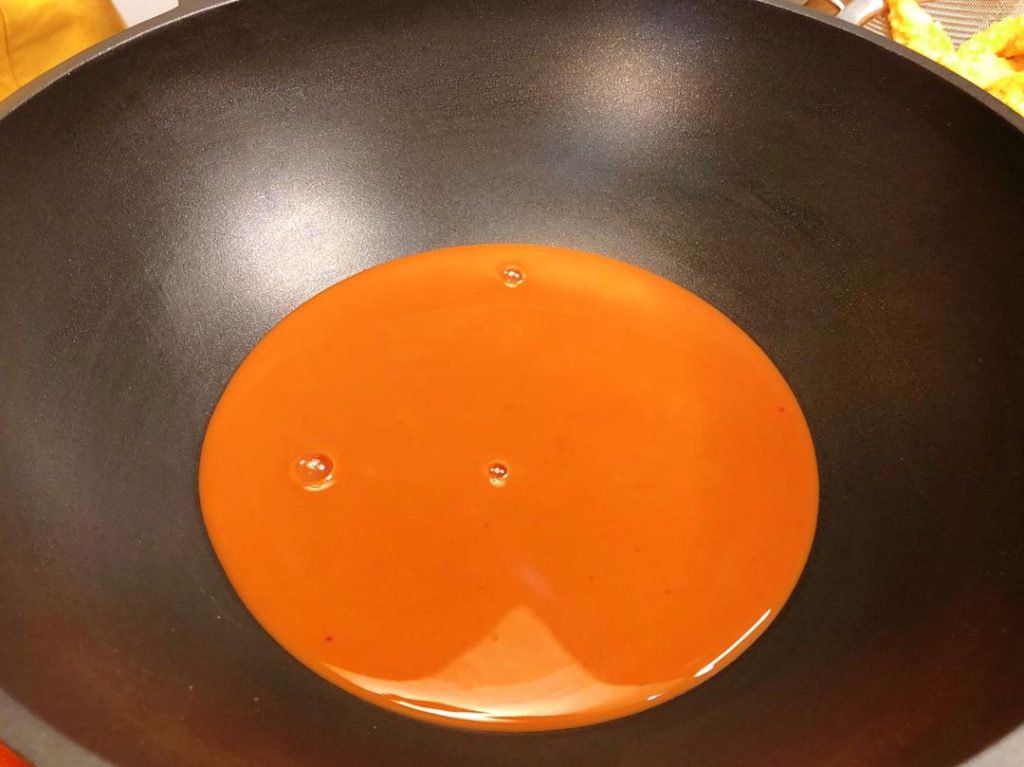
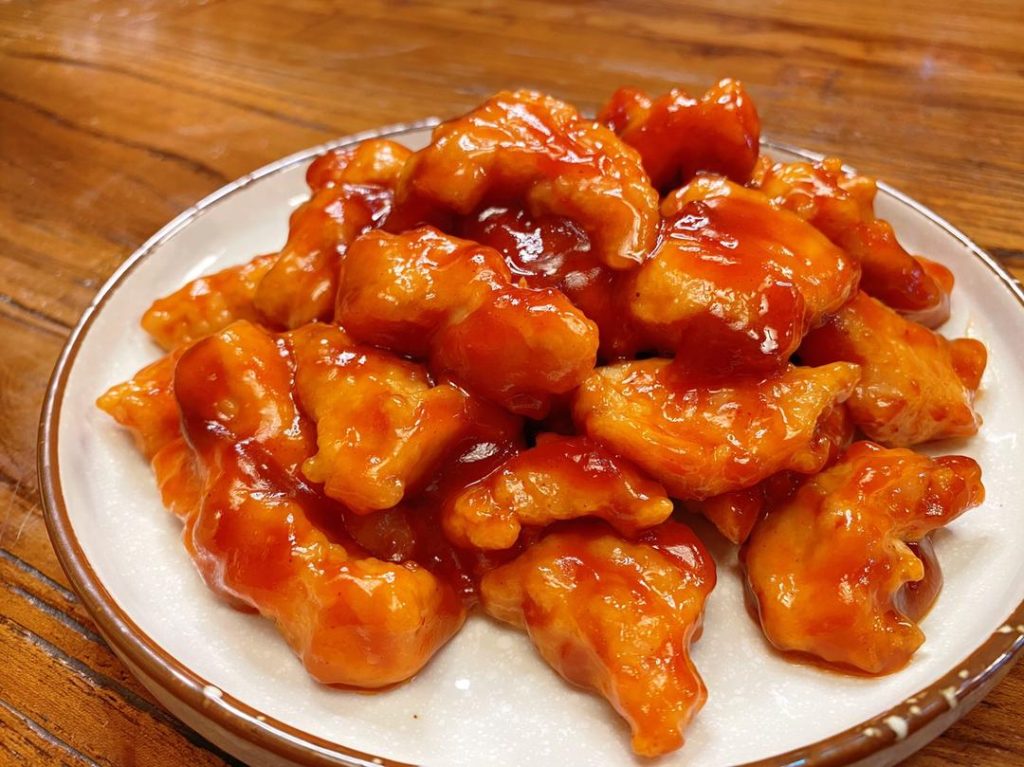
Pour the pre-mixed sauce into a clean wok or pan. Heat over low heat, stirring constantly. As it heats, the starch will activate, and the sauce will thicken and gelatinize . Once thickened, toss in the fried chicken. Stir quickly to coat every piece evenly. Serve immediately!
Serving Suggestions
This sweet and sticky dish pairs perfectly with steamed white rice. For a complete meal, try serving it alongside:
- Stir-fried Lettuce with Garlic for a fresh crunch.
- Easy Egg Drop Soup to start the meal.
- Vegetable Chow Fun if you prefer noodles over rice.
FAQ & Troubleshooting
Q: Why is my batter falling off?
- A: The oil might not be hot enough, or you moved the chicken too much right after dropping it in. Let the crust set for a few seconds before stirring. Also, ensure the batter is “sticky” and thick, not watery.
Q: Can I use chicken thighs?
- A: Absolutely. Thighs are naturally juicy. You can skip the saltwater soaking step if using thighs, as they don’t dry out as easily as breasts.
Q: Is this gluten-free?
- A: If you use gluten-free Tamari instead of soy sauce and ensure your starch is pure cornstarch (cornflour), this recipe is gluten-free!
Q: Why is my chicken dry?
- A: You likely fried it too long during the first fry. Remember, the first fry is just until it floats. It finishes cooking during the second high-heat flash fry.
Nutrition Information (Per Serving):
- Calories: 450 kcal
- Carbohydrates: 55g
- Protein: 28g
- Fat: 14g
- Saturated Fat: 2g
- Sodium: 1200mg
- Sugar: 25g
- Fiber: 0g
Disclaimer: Nutrition information is calculated using an ingredient database and should be considered an estimate. Garnishes and optional items are not included. Actual values vary based on the specific brands of sauces and oil absorption during frying.
Food Safety & Allergens:
- Allergen Warning: This recipe contains Egg and Soy. If you are using standard soy sauce or vinegar, it may contain Wheat (Gluten). Use gluten-free Tamari and distilled white vinegar for a gluten-free version.
- Internal Temperature: Always ensure chicken reaches a minimum internal temperature of 165°F (74°C) to ensure it is safe to eat.
- Hot Oil Caution: When deep-frying, water droplets can cause dangerous splattering. Ensure your chicken is not dripping wet before adding it to the batter, and carefully slide the meat into the oil to avoid splashes. Never leave hot oil unattended.
Recipe Notes
The Science Behind the Saltwater Soak: The most unique step in this recipe is soaking the chicken breast in heavily salted water (brining) before cooking. This isn’t just for cleaning; it’s a tenderizing technique. The salt solution breaks down the muscle protein structures (denaturation), allowing the cells to absorb and retain more water. This is why even lean chicken breast remains juicy and “bouncy” after high-heat frying. Do not skip this step!
Batter Consistency is Key: When mixing the egg and starch into the marinated chicken, the texture should be very thick and sticky, almost like a paste. It should offer some resistance when you mix it by hand. If it is too runny, the batter will slide off in the oil. If it feels too dry, add a teaspoon of water; if too wet, add a sprinkle more starch.
Oil Temperature Hack: If you don’t have a thermometer, use the wooden chopstick test. Stick a dry bamboo chopstick into the oil. For the first fry (medium heat), you want to see small, slow bubbles forming around the stick. For the second fry (high heat), the bubbles should be rapid and vigorous, and the oil surface may be slightly smoking.
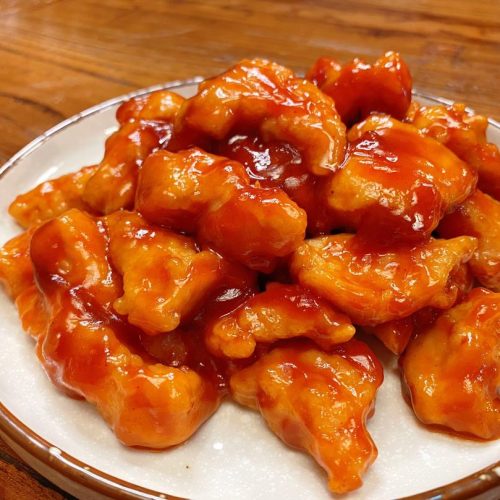
Super Tender Sweet and Sour Chicken (Tang Cu Li Ji Style)

Equipment
- Wok or Deep Fryer
- Mixing bowls
- Slotted Spoon
Ingredients
Chicken & Marinade
- 1 piece chicken breast large
- 3 tbsp salt dissolved in large bowl of water for soaking/thawing
- 1/4 tsp salt for marinade
- 1/2 tsp white pepper
- 1 tbsp light soy sauce
- 1/2 tbsp sugar
- 4 cloves garlic smashed
Batter
- 1 large egg beaten
- 10 tbsp cornstarch approx 2/3 cup, added in batches
Sweet and Sour Sauce
- 2 tbsp cornstarch
- 10 tbsp water cold
- 2 tbsp ketchup
- 2 tbsp light soy sauce
- 4 tbsp vinegar rice vinegar or Chinkiang vinegar
- 6 tbsp sugar
- 1 drop dark soy sauce optional, for color
- 2 cups neutral oil for frying
Instructions
- Prepare a large bowl of cold water and dissolve 3 tablespoons of salt in it. Place the chicken breast in the water and soak for 20-30 minutes (if frozen, let it thaw in this water). This step is crucial for tenderizing the meat.

- Remove chicken from water and pat dry. Remove any fascia. Slice the breast horizontally into two thin sheets, then slice into strips along the grain.
- In a bowl, combine chicken strips with 1/4 tsp salt, white pepper, 1 tbsp light soy sauce, 1/2 tbsp sugar, and smashed garlic. Mix well and marinate for 30 minutes.
- While marinating, prepare the sauce. In a bowl, mix 2 tbsp cornstarch with 10 tbsp water until dissolved. Add ketchup, 2 tbsp light soy sauce, vinegar, 6 tbsp sugar, and dark soy sauce. Whisk until combined.
- Batter the chicken: Add the egg to the marinated chicken (discarding the garlic pieces if preferred). Add the 10 tbsp of cornstarch in two batches, mixing by hand until the chicken is coated in a thick, sticky batter.
- First Fry: Heat oil in a wok to medium heat (approx 325°F/165°C). You should see small bubbles around a wooden chopstick. Drop chicken strips in one by one. Fry until they float to the surface. Remove immediately and set aside.
- Second Fry: Increase heat to high (approx 375°F/190°C) until oil smokes slightly. Add all the chicken back in. Fry for exactly 30 seconds until the exterior is crispy. Remove and drain.
- Pour the pre-mixed sauce into a clean wok or pan over low heat. Stir constantly. As it heats, it will thicken and become glossy. Once thickened, add the fried chicken and toss quickly to coat. Serve immediately.












Leave a Reply