If there is one ingredient that defines the flavor profile of Chinese cuisine, it is Soy Sauce (酱油, Jiàngyóu).
Growing up, the aroma of soy sauce sizzling in a hot wok was the signal that dinner was almost ready. It provides that essential umami—a savory, complex depth that salt alone just can’t achieve.
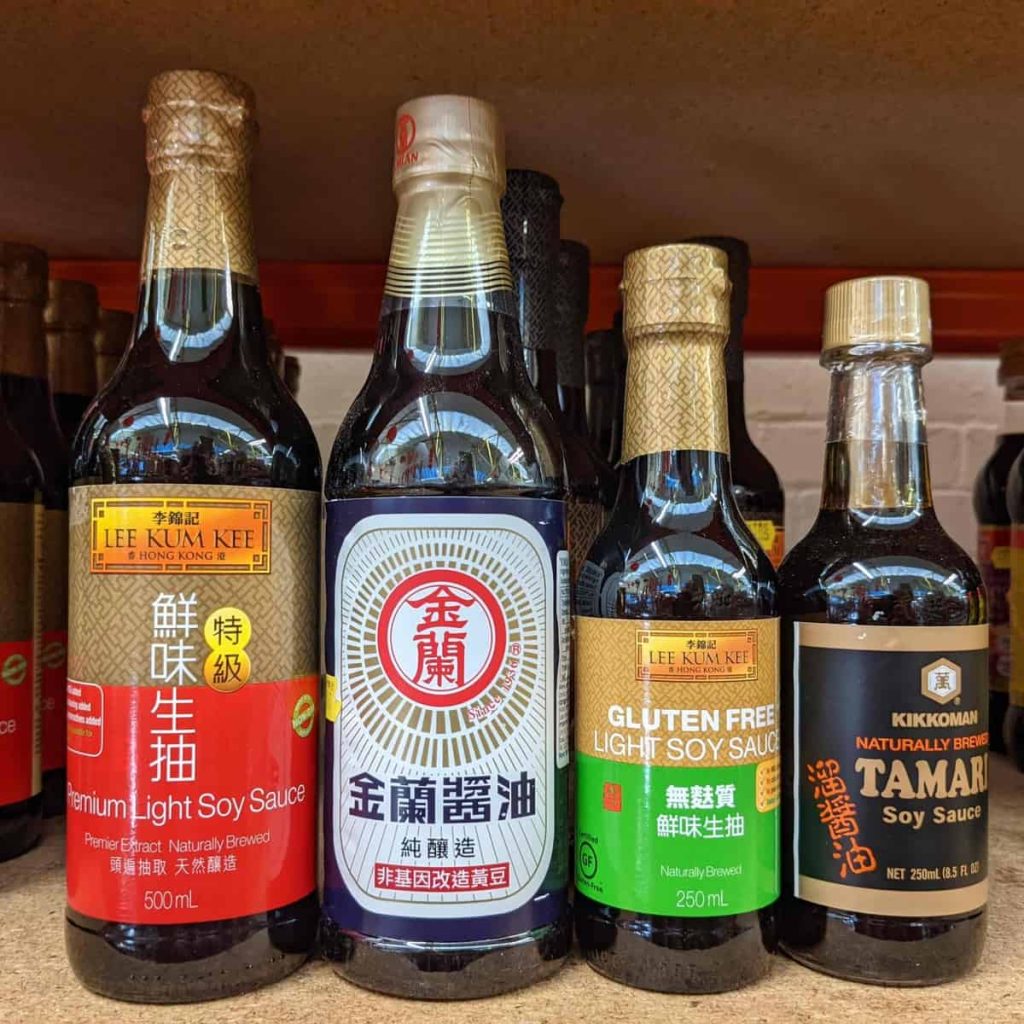
However, walking down the aisle of an Asian grocery store (or even the international aisle of a local supermarket) can be overwhelming. You’ll see “Light,” “Dark,” “Mushroom Flavored,” “Less Sodium,” and “All-Purpose.”
Are they interchangeable? The short answer is: No.
In this guide, I’ll break down everything you need to know about this liquid gold, how to choose a high-quality bottle, and which one to use for your next stir-fry or braise.
The Three Main Types of Soy Sauce
While there are many variations, Chinese home cooking relies primarily on two specific types, plus a third “hybrid” often found in the West.
1. Light Soy Sauce (生抽, Shēngchōu)
The Flavor Builder.
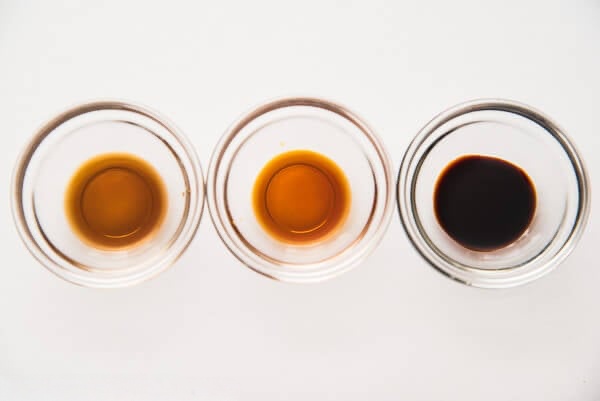
Do not let the word “Light” fool you. It refers to the color, not the sodium content. In fact, Light Soy Sauce is usually saltier than its dark counterpart.
- Characteristics: Thin viscosity, reddish-brown color, translucent, high salinity, and rich in fresh soy aroma.
- Best Used For: Seasoning, dipping sauces, stir-fries, and cold appetizers. It adds the salty, savory flavor without turning the dish black.
- Recipes to try: It is the primary seasoning for my Wonton Soup Broth and the dipping sauce for Vegetable Steamed Dumplings.
2. Dark Soy Sauce (老抽, Lǎochōu)
The Color Master.
Dark Soy Sauce is aged longer than light soy sauce and is often mixed with caramel or molasses. It is thicker, slightly sweeter, and less salty.
- Characteristics: Viscous, inky black color, subtle sweetness, less salty.
- Best Used For: Adding a rich, caramel color to braised dishes, marinades, and noodle dishes. It doesn’t contribute as much salty flavor, so it is almost always used in combination with Light Soy Sauce.
- Recipes to try: You cannot make a proper Braised Pork Belly (Hong Shao Rou) or Braised Beef Noodle Soup without it. It gives the meat that glistening, appetizing red-brown hue.
3. Regular / All-Purpose Soy Sauce
The Middle Ground.
This is what most Western supermarkets simply label as “Soy Sauce.” Brands like Kikkoman (which is technically a Japanese Shoyu) fall into this category.
It sits somewhere between light and dark. It’s not as salty or light in color as Chinese Light Soy Sauce, and not as thick or dark as Chinese Dark Soy Sauce.
- My Advice: If you are a beginner or have a minimalist pantry, one bottle of high-quality “Regular” soy sauce (like Kikkoman) can do 90% of the work. You can make delicious Homestyle Kung Pao Chicken with it.
- However: If you want to cook authentic recipes like Cantonese Soy Sauce Chicken, I highly recommend investing in separate bottles of Light and Dark soy sauce to control flavor and color precisely.
How to Buy the Best Soy Sauce
Not all soy sauces are created equal. Some are naturally brewed over months, while others are chemically hydrolyzed in days. Here is how to read the label like a pro:
1. Check the Ingredients List
The ingredient list should be short. Look for: Water, Soybeans, Wheat, Salt, and Sugar.
- Avoid: “Hydrolyzed Vegetable Protein” or excessive additives. These indicate a chemically produced soy sauce that lacks depth.
- Look for: The words “Naturally Brewed” or “Fermented.”
2. The “Amino Acid Nitrogen” Indicator
If you are buying imported Chinese brands, look for the “Amino Acid Nitrogen” (氨基酸态氮) level on the nutrition label.
- > 0.8g/100ml: Considered premium grade (Special Grade/Teji).
- > 0.4g/100ml: The minimum standard for brewed soy sauce. The higher the number, the more intense the umami flavor.
3. Recommended Brands
- For Authentic Chinese Taste: Pearl River Bridge (Gold Label), Lee Kum Kee (Premium series), or Haitian.
- For Gluten-Free: Look for Tamari. It is a Japanese-style soy sauce made with little to no wheat. It works great in recipes like my Gluten-Free Dumplings.
Cooking Tips: When and How to Add It
- Don’t Over-Salt: Since soy sauce contains significant sodium, always taste your dish before adding extra salt.
- The “Wok Hei” Effect: When making stir-fries like Beef Chow Fun, drizzle the soy sauce around the edge of the hot wok rather than directly onto the food. This sizzles the sauce instantly, creating a smoky, caramelized aroma.
- Raw vs. Cooked: Higher quality “raw” soy sauces (often labeled for dipping) are great for cold dishes like Smashed Cucumber Salad or Spicy Cold-Tossed Pork Tenderloin. For braises, standard brewed soy sauce is perfect.
How to Store Soy Sauce
- Unopened: Store in a cool, dark pantry away from direct sunlight. It will last indefinitely.
- Opened: While the high salt content acts as a preservative, the delicate flavor compounds can oxidize over time.
- If you cook Asian food a few times a week, keeping it in a cool cupboard is fine.
- If you use it rarely, store it in the refrigerator. This will keep the flavor fresh for up to a year.
Beyond Soy Sauce: The Companion Sauces
While soy sauce is king, it often works in harmony with other pantry staples to create that signature Chinese taste:
- Oyster Sauce: Adds sweetness and thickness.
- Chinkiang Vinegar: Adds acidity to balance the salty soy sauce.
- Shaoxing Wine: Removes gamey odors from meat.
Ready to put your soy sauce to the test? Try making a classic Fried Sauce Noodles (Zha Jiang Mian) where soy sauce plays a supporting role to the savory soybean paste!












Leave a Reply