If you have ever been intimidated by the traditional method of making Sweet and Sour Pork Ribs (Tang Cu Pai Gu), you are not alone. The restaurant technique usually involves deep-frying the ribs to set the shape and “frying sugar color” (chao tang se)—a precise technique of caramelizing sugar in oil until it turns amber but not bitter. It is easy to burn and can be dangerous for home cooks.

However, the recipe I am sharing today is what we call the “lazy” or “homestyle” version. It requires no deep frying and no pre-caramelizing sugar. Instead, we rely on a “soul sauce” ratio and a slow braise to achieve that beautiful red color and complex flavor. It is a foolproof method perfect for kitchen beginners, yet the result is restaurant-quality: tender meat falling off the bone, coated in a sticky, sweet, and tangy glaze.
About the Author & Recipe Development
I’m Lin, and I grew up in a culinary family in Sichuan, spending my childhood helping my father in our restaurant kitchen. Later, I trained professionally at the Sichuan Culinary Institute and spent over a decade cooking in restaurants across China.
Throughout my career, I’ve learned that while traditional techniques like chao tang se show off a chef’s skill, they aren’t always practical for a Tuesday night dinner at home. I developed this specific recipe after testing it against the traditional method multiple times. By combining the aromatics and seasonings in a single braise and reducing the sauce at the end, we achieve 95% of the flavor with 10% of the effort. This method respects the ingredient—the pork rib—while making Chinese cooking accessible to everyone.
What is Tang Cu Pai Gu?
Tang Cu Pai Gu (糖醋排骨) literally translates to “Sugar Vinegar Spareribs.” It is one of the most beloved dishes in China, found everywhere from Shanghai to Sichuan. The flavor profile is a delicate balance of savory, sweet, and sour. Unlike the battered and deep-fried “Sweet and Sour Pork” often found in Western takeout, this authentic version features bone-in ribs that are braised until the connective tissues melt, creating a rich mouthfeel.
Key Ingredients & Substitutions

- Pork Ribs: You will need about 2 lbs (approx. 1kg) of pork spare ribs or rib tips. Ask your butcher to cut them into 1.5 to 2-inch chunks across the bone. This ensures even cooking.
- The “Soul” Sauce: This recipe relies on a specific volume ratio.
- Shaoxing Wine: Essential for removing gaminess. You can read more about Shaoxing Wine here.
- Chinkiang Vinegar: This provides the malty, complex sourness. If you don’t have it, see our guide on Chinkiang Vinegar for substitutes, though the black vinegar is best.
- Soy Sauces: We use a mix. Light Soy Sauce provides the savory saltiness, while Dark Soy Sauce provides the deep, caramel color.
- Aromatics: Ginger, garlic, star anise, cinnamon stick, and bay leaf. These classic spices infuse the broth with warmth.
- Tomato Ketchup (Optional): A small spoonful added at the very end brightens the color and adds a fruity acidity that rounds out the black vinegar.
Recipe Notes Before You Start
- The Golden Ratio: This recipe uses a variation of the famous “1-2-3-4-5” spoon ratio often used in Chinese home cooking, but adjusted for a richer flavor profile: 5 spoons sugar, 4 spoons vinegar, 3 spoons wine, and 2 spoons of each soy sauce.
- Cookware: A heavy-bottomed Dutch oven or a wok with a lid is ideal for this. If you enjoy cooking ribs, you might also like our Braised Pork Ribs recipe which uses a similar braising technique.
- Blanching is Mandatory: Do not skip the blanching step. Starting with cold water helps release blood and impurities from the bone, ensuring a clean-tasting sauce.
Mise en Place / Prep
- Clean the Ribs: Wash the ribs thoroughly.
- Aromatics: Slice the ginger (6 slices) and peel the garlic (5 cloves). Have your star anise, cinnamon, and bay leaf ready.
- Pre-mix the Sauce: In a bowl, mix the sugar, vinegar, cooking wine, light soy sauce, dark soy sauce, salt, and water. Mixing this beforehand ensures you don’t scramble for bottles while cooking.
How to Make Sweet and Sour Pork Ribs
Step 1: The “Soul Sauce” Mixture In a medium bowl, combine the sauce ingredients. Use a standard ceramic soup spoon (or a Tablespoon) as your measure. Mix:
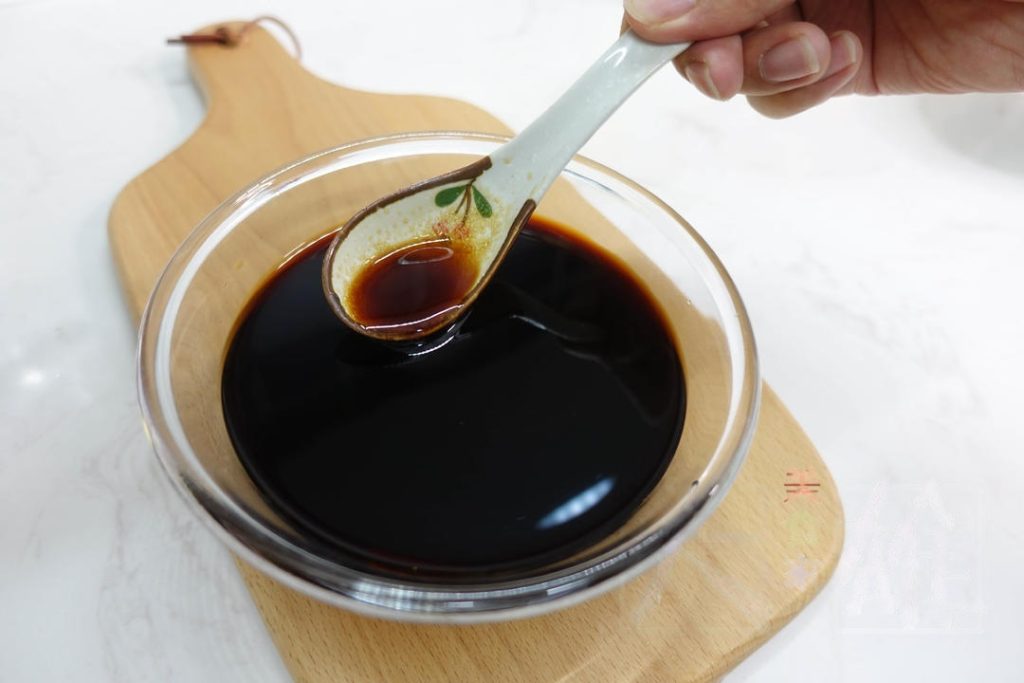
- 5 spoons Sugar (White or Rock Sugar)
- 4 spoons Chinkiang Vinegar
- 3 spoons Shaoxing Wine
- 2 spoons Light Soy Sauce
- 2 spoons Dark Soy Sauce
- 1/2 spoon Salt
- 1 small bowl of Water (about 1 cup) Stir until dissolved. Adjust to taste—if you have a sweet tooth, add more sugar; if you prefer it tart, add more vinegar.
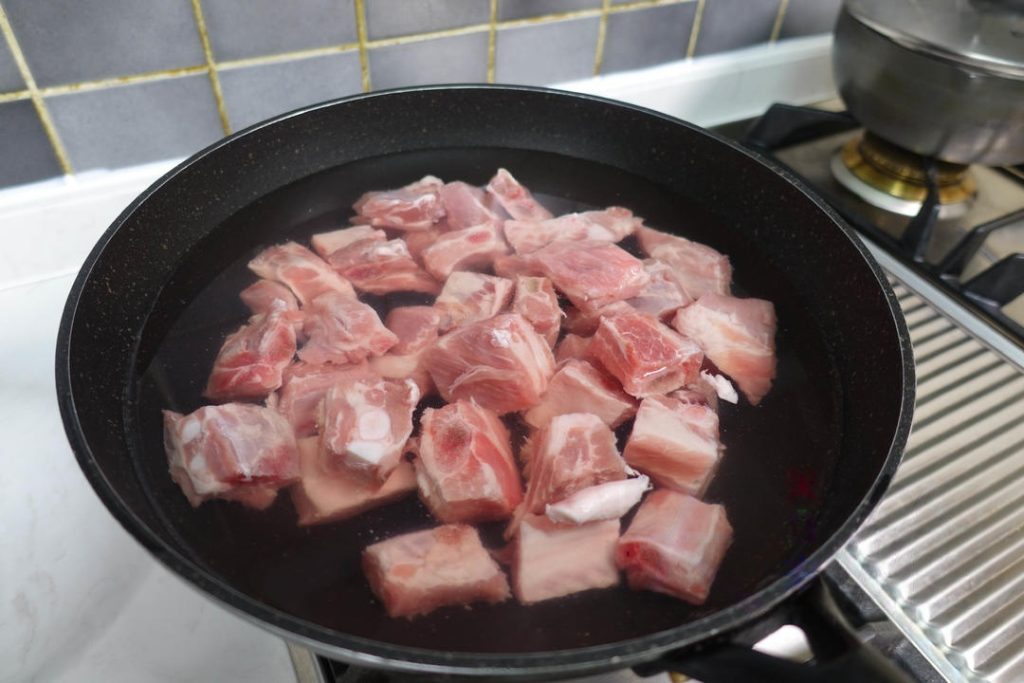
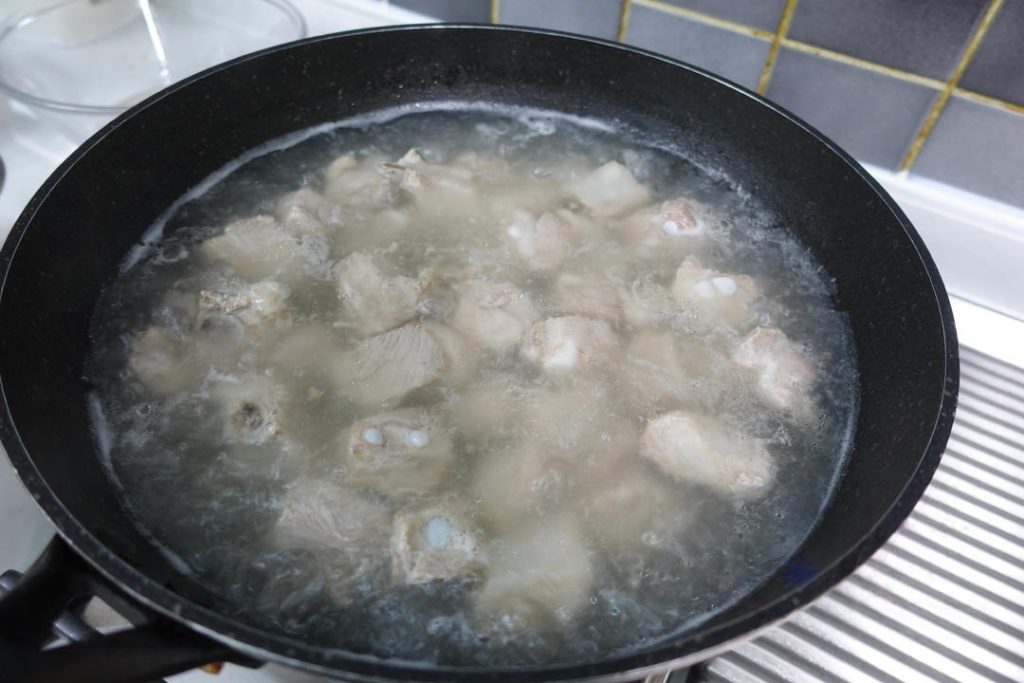
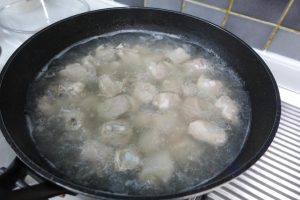
Step 2: Blanch the Ribs Place the ribs in a pot and cover with cold water. Bring to a boil over high heat. You will see gray foam floating to the top—this is the blood and impurities. Let it boil for 2-3 minutes until no new foam appears. Drain the ribs and rinse them under warm water to wash off any scum. Set aside.
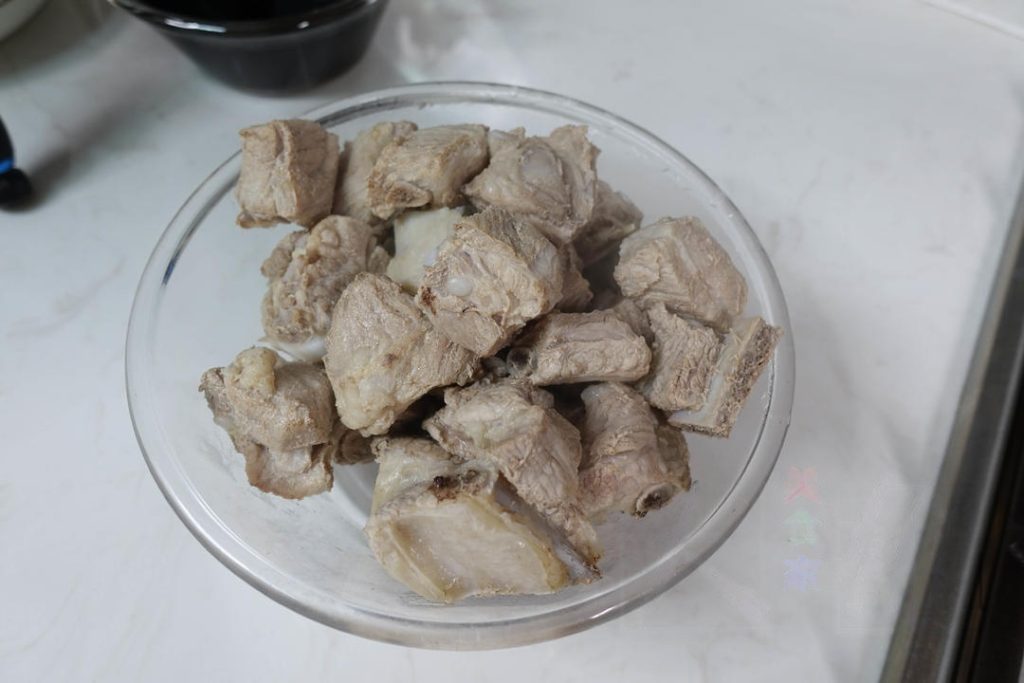
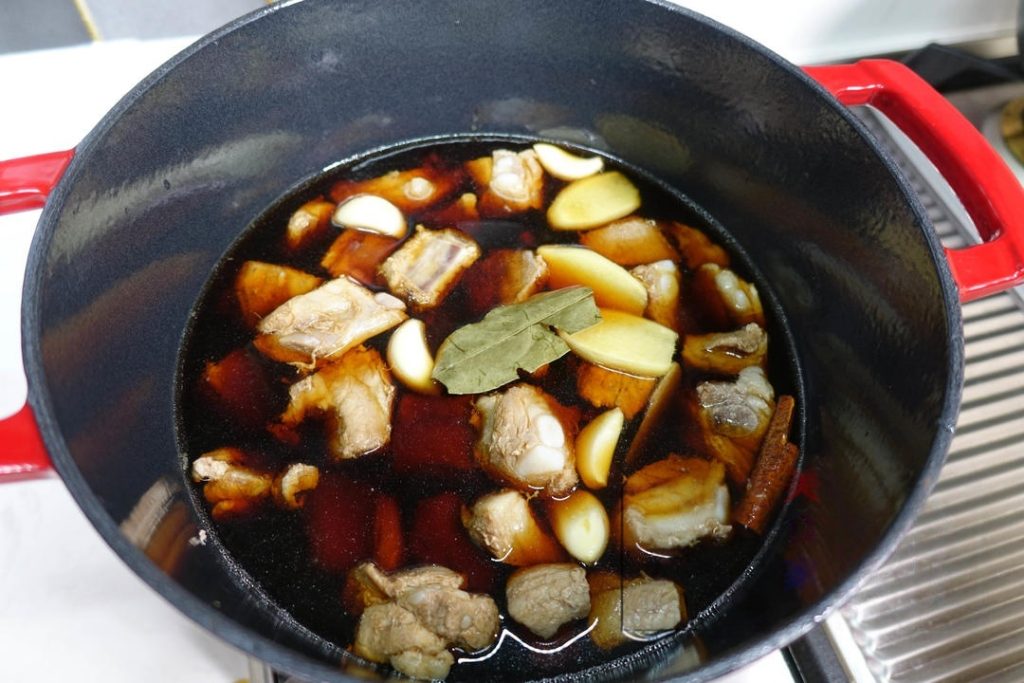
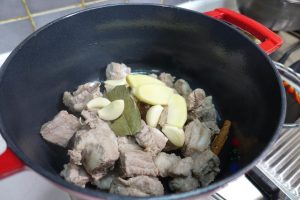
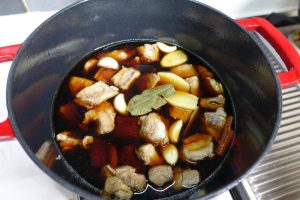
Step 3: The Braise Place the blanched ribs into a clean stew pot or wok. Add the 6 slices of ginger, 5 cloves of garlic, 1 star anise, 1 bay leaf, and the small piece of cinnamon. Pour the pre-mixed sauce over the ribs. Add enough extra water to just barely cover the ribs.
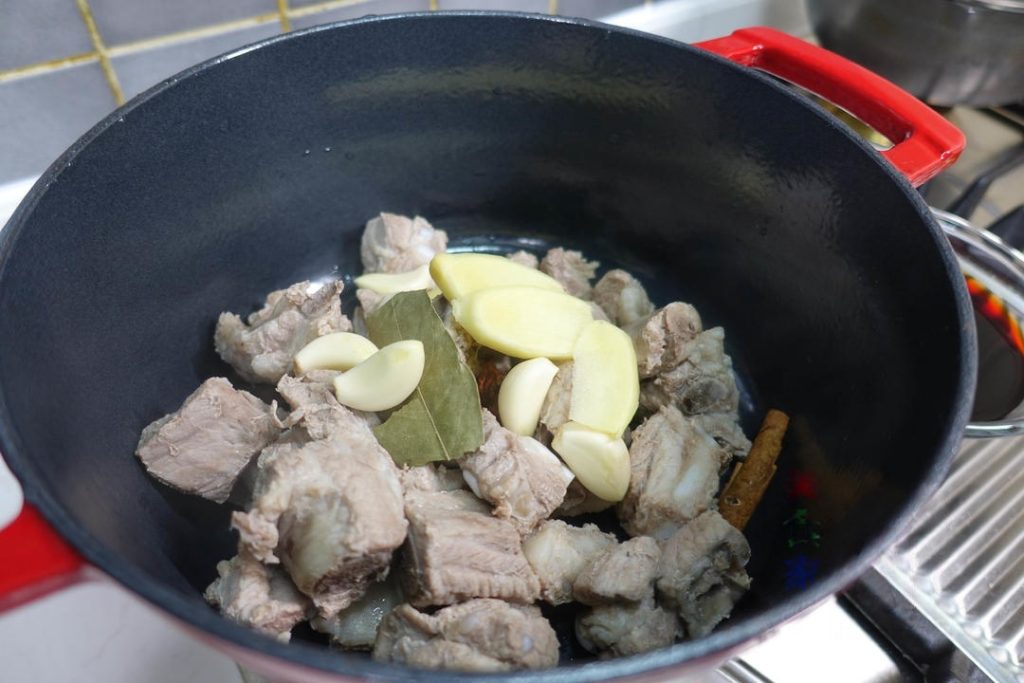
Step 4: Simmer Bring the pot to a boil over high heat. Once boiling, reduce the heat to low, cover the pot, and simmer for 1 hour. This slow cooking breaks down the collagen, making the ribs tender. Note: You don’t need to stir much during this time.
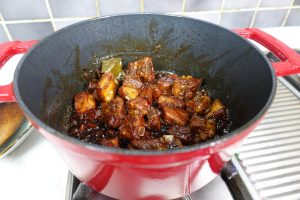
Step 5: Reduce and Glaze After one hour, remove the lid. Turn the heat up to high. This is the most critical step: “Sho Zhi” (collecting the juice). You must stir constantly as the liquid evaporates to prevent burning. As the water disappears, the sugars will naturally caramelize, thickening the sauce into a shiny glaze.
Step 6: The Finishing Touch When the sauce is thick and coating the ribs (there should be almost no liquid left at the bottom, just oil and glaze), add 1 tablespoon of vinegar and 1 tablespoon of tomato ketchup (optional). Stir-fry quickly for 30 seconds to combine. This fresh vinegar hit restores the sour “kick” that cooks out during braising, and the ketchup adds a beautiful red sheen.
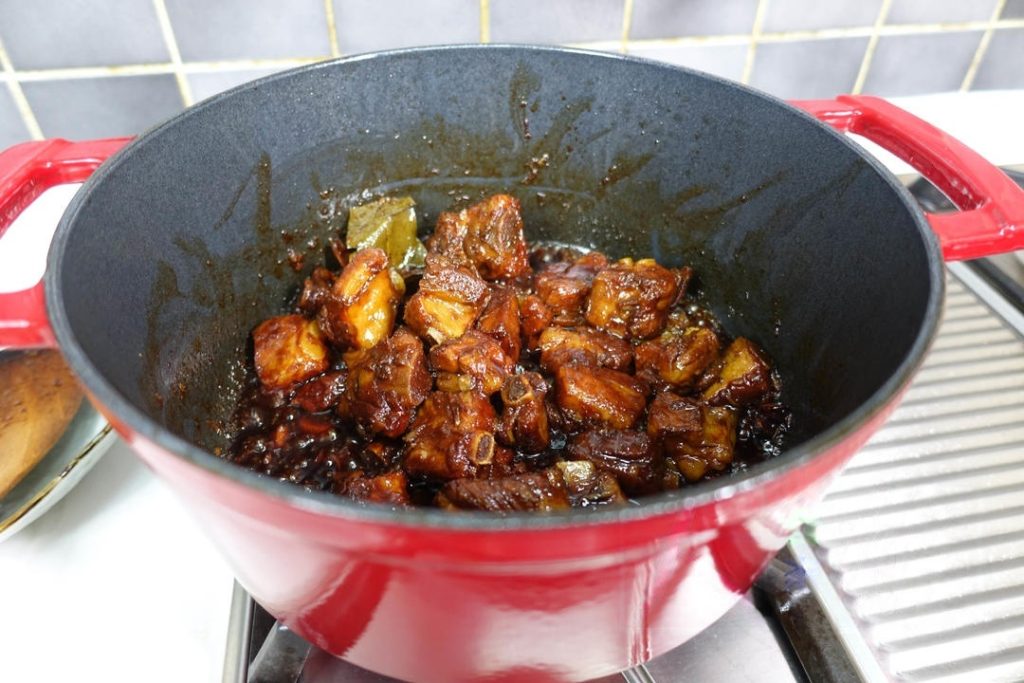
Serve immediately, perhaps garnished with toasted sesame seeds or chopped scallions.
Common Mistakes When Making Tang Cu Pai Gu
- Leaving the Pot Unattended During Reduction: In Step 5, when you turn the heat to high to reduce the sauce, things happen fast. The sugar can go from “perfect glaze” to “burnt carbon” in seconds. You must stand by the stove and stir continuously.
- Skipping the Blanching: If you don’t blanch the ribs, the sauce will be murky and have a slight metallic taste from the bone impurities.
- Using the Wrong Vinegar: Do not use white distilled vinegar. It is too harsh. If you cannot find Chinkiang vinegar, you can try mixing balsamic vinegar with a little Worcestershire sauce, but the authentic flavor relies on the black vinegar.
- Not Enough Liquid: If your heat is too high during the 1-hour simmer, the water might evaporate too fast. Check halfway through; if it looks dry, add a splash of hot water.
Serving Suggestions
This dish is rich and flavorful, so it pairs best with simple, clean sides.
- Rice: A bowl of fluffy steamed white rice is mandatory to chase that sweet and savory sauce. See our guide on How to Cook Perfect Rice.
- Vegetables: A simple green vegetable cuts through the richness. Try our Stir-fried Lettuce with Garlic or a refreshing Smashed Cucumber Salad.
- Soup: If you bought extra ribs, you can use the spare pieces to make Corn and Pork Rib Soup.
Authoritative References
- Food Safety: When cooking pork, ensure it reaches a safe internal temperature. According to the USDA Food Safety and Inspection Service, fresh pork should be cooked to at least 145°F (63°C) followed by a 3-minute rest time. Since we are braising for an hour, these ribs will be well above this temperature and perfectly safe.
- Nutrition: Pork ribs are a source of protein and essential vitamins. For detailed nutritional data on pork ribs, you can reference the USDA FoodData Central.
Nutrition Information (Estimate)
- Calories: 450 kcal
- Carbohydrates: 18g
- Protein: 25g
- Fat: 32g
- Saturated Fat: 10g
- Sodium: 980mg
- Sugar: 16g (Nutrition information is calculated using an ingredient database and should be considered an estimate. Garnishes and optional ingredients are not included. Actual values vary based on the specific brand of soy sauce and the fat content of the ribs.)
Sweet and Sour Pork Ribs (Tang Cu Pai Gu) – The No-Fry Method

Equipment
- Dutch Oven or Wok with Lid
- Large Pot (for blanching)
Ingredients
Main Ingredients
- 2 lbs pork spare ribs or rib tips, cut into 1.5-inch chunks approx 1kg
- 6 slices fresh ginger
- 5 cloves garlic peeled and smashed
- 1 star anise
- 1 small piece cinnamon stick
- 1 bay leaf
The Sauce (Golden Ratio)
- 5 tbsp sugar rock sugar or white sugar
- 4 tbsp Chinkiang vinegar plus 1 extra tbsp for finishing
- 3 tbsp Shaoxing cooking wine
- 2 tbsp light soy sauce
- 2 tbsp dark soy sauce
- 0.5 tbsp salt
- 1 cup water for sauce mix
- 1 tbsp tomato ketchup optional, for finishing
Instructions
- Mix the Sauce: In a bowl, combine 5 tbsp sugar, 4 tbsp vinegar, 3 tbsp Shaoxing wine, 2 tbsp light soy sauce, 2 tbsp dark soy sauce, 1/2 tbsp salt, and 1 cup of water. Stir until sugar is mostly dissolved. This pre-mixed sauce ensures a balanced flavor.

- Blanch the Ribs: Place the pork ribs in a pot and cover with cold water. Bring to a boil over high heat. Let it boil for 2-3 minutes until the grey foam (impurities) rises to the surface. Drain the ribs and rinse them thoroughly under warm water to clean them.
- Combine Ingredients: Place the cleaned ribs into a Dutch oven or wok. Add the ginger slices, garlic cloves, star anise, bay leaf, and cinnamon stick.
- Braise: Pour the pre-mixed sauce over the ribs. Add enough extra water to just cover the ribs. Bring to a boil over high heat, then reduce heat to low. Cover with a lid and simmer for 1 hour.
- Reduce and Glaze: After 1 hour, remove the lid. Turn the heat up to high to reduce the liquid. Stir constantly to prevent burning. As the water evaporates, the sauce will thicken into a shiny glaze. Be careful not to burn the sugars.
- Finish: When the sauce is thick and sticky, add 1 tablespoon of vinegar and 1 tablespoon of ketchup (if using). Stir-fry for 30 seconds to combine and brighten the flavors. Serve immediately.












Leave a Reply