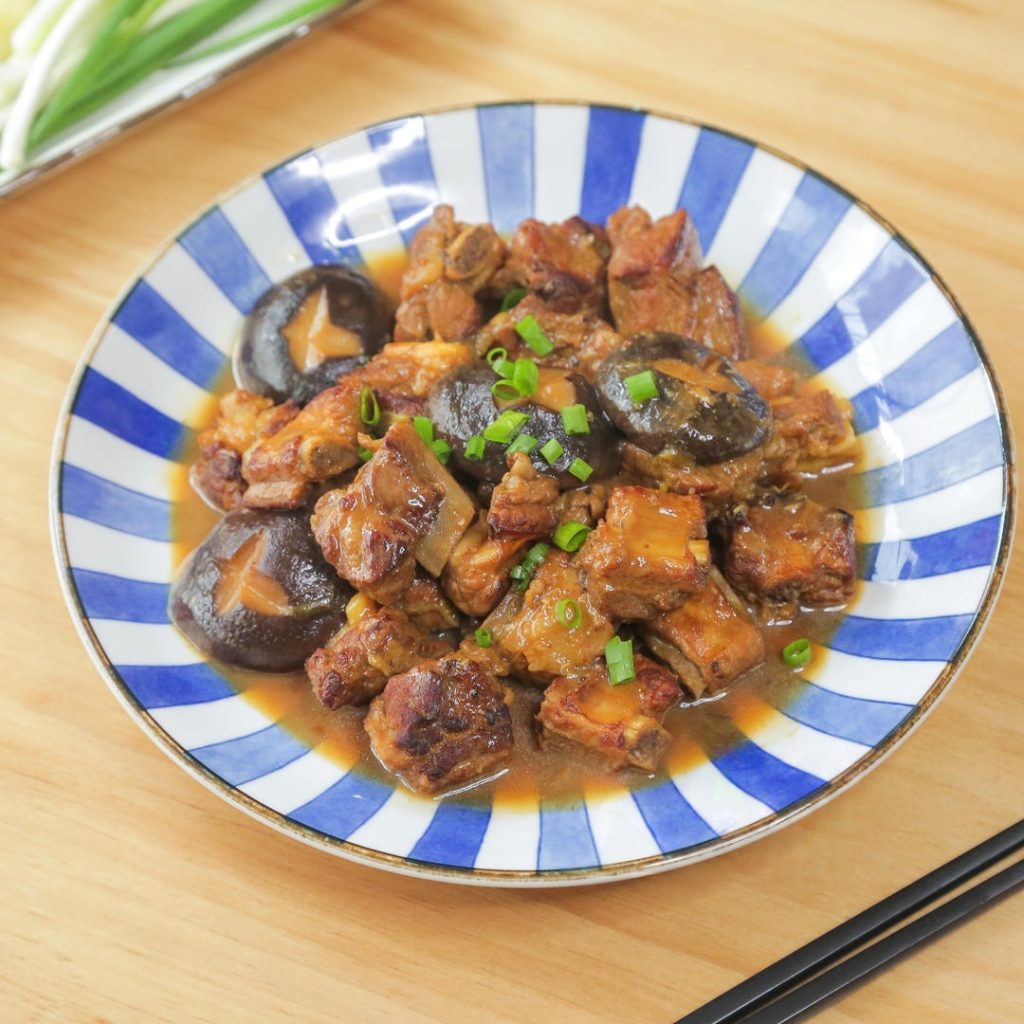
There is a secret about Braised Pork Ribs (Hong Shao Pai Gu) that I discovered years ago in my family kitchen: often, the mushrooms in the pot taste even better than the ribs themselves. They act like sponges, soaking up the savory pork fat and the aromatic spices, becoming juicy explosions of flavor.

While many Westerners are familiar with the sticky, sweet profile of Sweet and Sour Pork Ribs, this dish leans into the savory, “salty-umami” side of Chinese cooking. It is simple to make, incredibly forgiving, and results in meat that pulls away from the bone with a gentle tug.
What is Hong Shao Pai Gu?
“Hong Shao” (Red Braised) is one of the most defining techniques in Chinese cuisine. It involves braising meat (usually pork) with soy sauce, sugar, and aromatics until the sauce reduces to a glossy, reddish-brown glaze.
Unlike recipes that rely heavily on food coloring or ketchup for redness, the authentic color here comes from tang se (sugar coloring)—caramelizing sugar in oil—and Dark Soy Sauce. This creates a depth of flavor that is savory, slightly sweet, and incredibly aromatic.
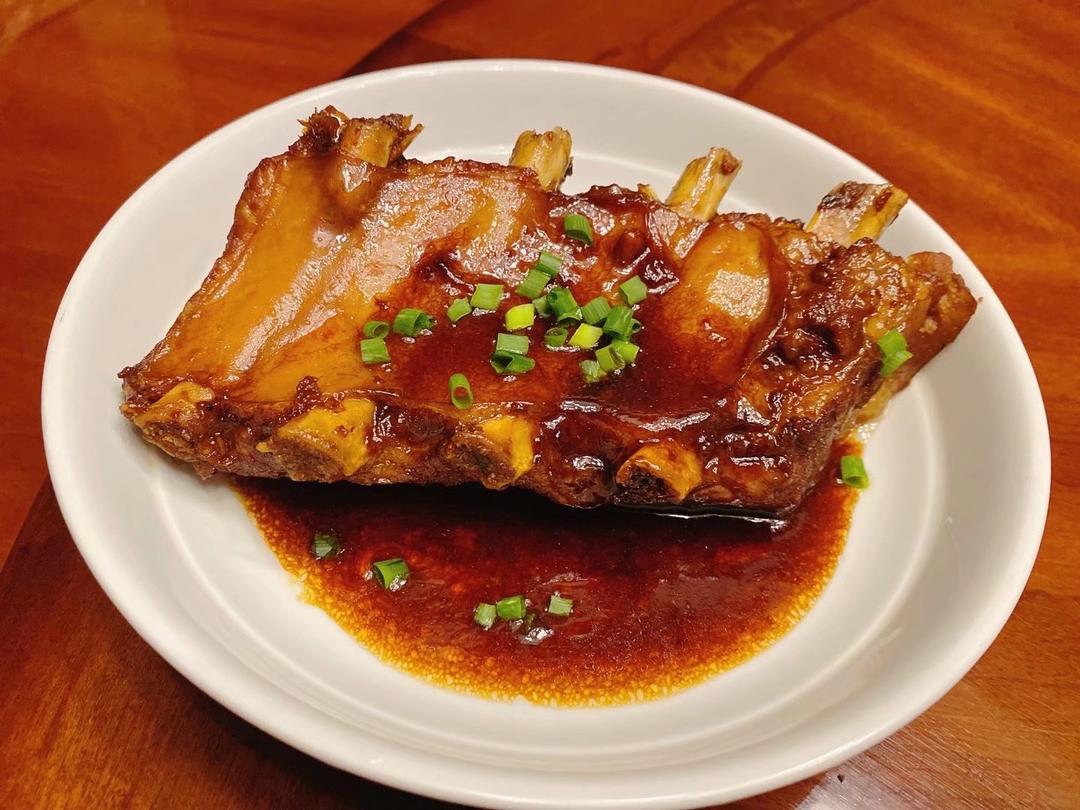
Looking for a dramatic, pull-apart presentation? If you love the classic, bite-sized convenience of this recipe but want a true showstopper for your next family dinner, you have to try the rustic Zhuji-style method! Instead of chopping the meat, you braise massive, intact slabs of pork slowly over a bed of scallions until they literally melt off the bone. It offers an incredibly satisfying, shreddable texture that is perfect for sharing. Check out my Authentic Braised Pork Ribs (Hong Shao Pai Gu): Fall-Off-The-Bone recipe for this impressive, hands-off variation!
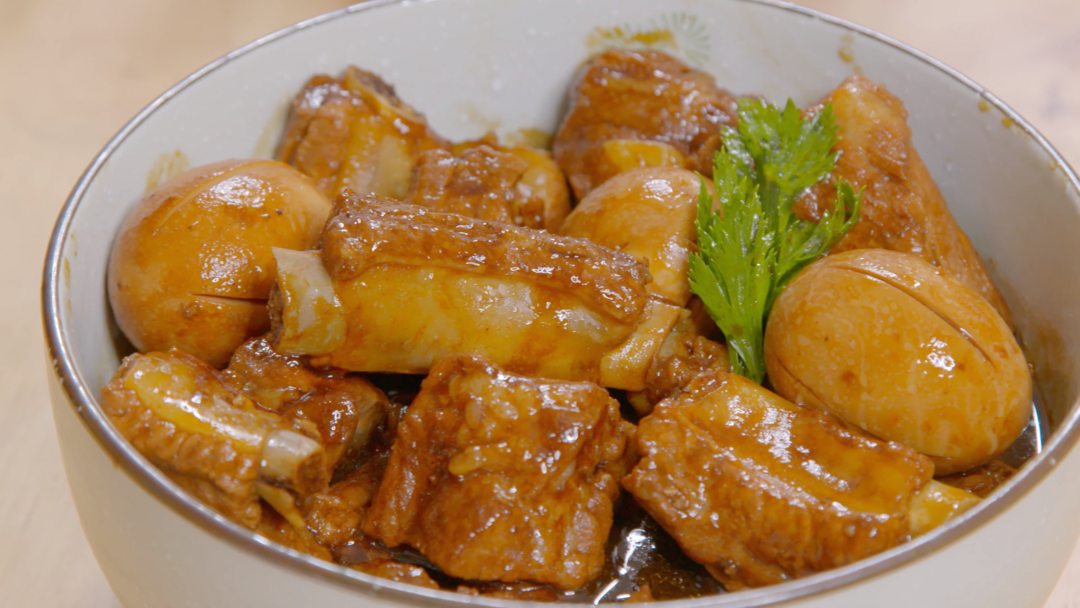
1Authentic Braised Pork Ribs (Hong Shao Pai Gu): Fall-Off-The-BoneA rustic, Zhuji-style approach to Chinese Red Braised Pork Ribs. Cooked in large, intact slabs over a bed of scallions, these ribs simmer low and slow until you can pull the rich, savory-sweet meat apart with chopsticks.Check out this recipe2Braised Pork Ribs with Eggs (Hong Shao Pai Gu)A simplified, restaurant-quality recipe for Braised Pork Ribs with Eggs using a ‘soul sauce’ ratio and red fermented bean curd. No sugar caramelization required!Check out this recipe
Why This Recipe Works
- Sugar Caramelization: We start by frying sugar in oil. This isn’t just for sweetness; it creates the signature red hue and a complex caramel note that defines the dish.
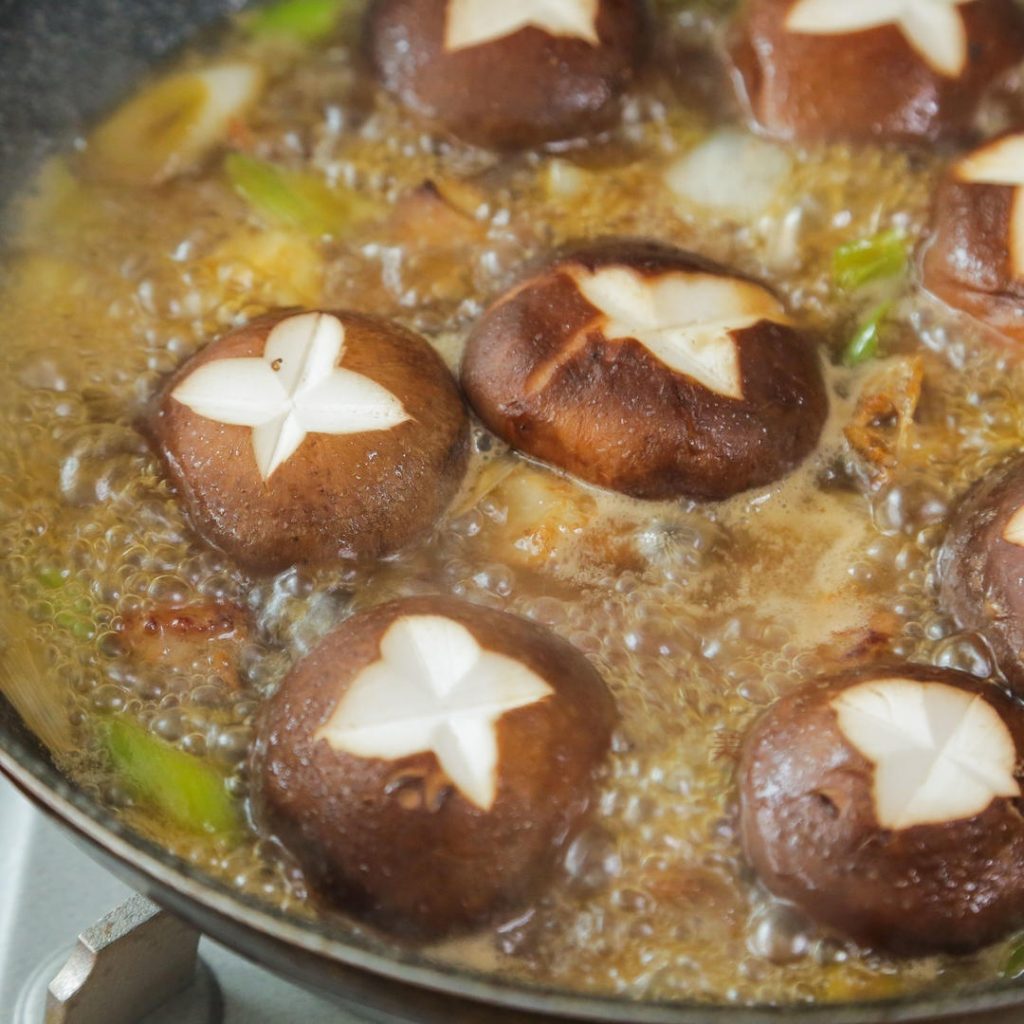
- The Mushroom Factor: Adding fresh shiitake mushrooms adds natural guanylate (umami) which synergizes with the glutamate in the pork, amplifying the savory taste.
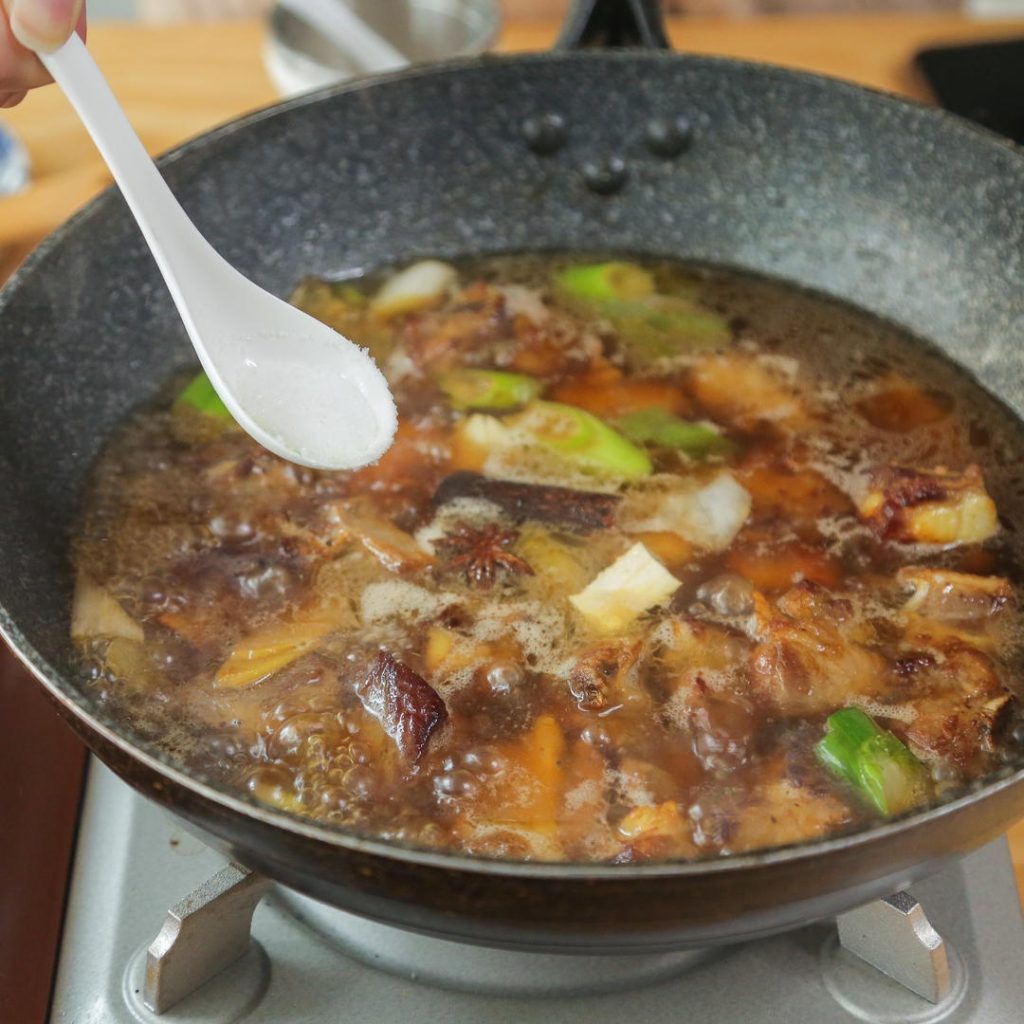
- Two-Stage Seasoning: We add the Light Soy Sauce for flavor early on, but reserve the salt for the middle of the cooking process to ensure the meat stays tender.
About the Author & Recipe Development
I’m Lin, and I grew up in a household where “Hong Shao” was the answer to almost every protein question. Whether it was Braised Pork Belly or fish, the technique was always similar, yet the results were distinct.
For this recipe, I spent time testing the ratio of spices. My goal was to replicate the “savory mouthfeel” (xian) of traditional home cooking without overwhelming the natural scent of the pork. I specifically tested the amount of Bai Zhi (Angelica Dahurica). While traditional, too much makes the dish medicinal and bitter. I’ve adjusted the quantities below to ensure a balanced, approachable flavor for home cooks in the US and Europe.
Ingredients You Will Need
- Pork Ribs: 1.7 lbs (800g). Ask your butcher for spare ribs or St. Louis style ribs cut into 1.5-inch chunks across the bone.
- Shiitake Mushrooms: 8 pieces. Fresh shiitakes are great for texture, but rehydrated dried shiitakes offer a more intense aroma.
- Aromatics:
- Ginger: 5-6 slices.
- Garlic: 5-6 cloves, smashed lightly (skin removed).
- Scallion: 1 whole stalk, cut into sections.
- The Spices:
- Star Anise: 2 whole pods.
- Cinnamon Stick: 1 small piece (approx. 1 inch).
- Bai Zhi (Angelica Dahurica): 1 small piece (about the size of a pinky fingernail). Note: This is optional if you cannot find it, but it adds an authentic herbal fragrance.
- The Sauce & Seasonings:
- Shaoxing Wine: 3 tbsp total (2 tbsp for blanching, 1 tbsp for the stir-fry). You can substitute dry sherry.
- Sugar: 2 tbsp white sugar (for the caramelization).
- Light Soy Sauce: 1 tbsp (for savory saltiness).
- Dark Soy Sauce: 1 tbsp (for rich color).
- Salt: 2/3 tbsp (adjust to taste).
- Cooking Oil: 4 tbsp neutral oil (vegetable or canola).
A Note on Bai Zhi: Angelica Dahurica is common in Chinese braises to neutralize gamey odors. However, as noted in traditional Chinese culinary theory, “fragrance should not mask the meat.” Use it sparingly. If you skip it, the dish will still be delicious.
How to Make Braised Pork Ribs
Step 1: Blanch the Ribs
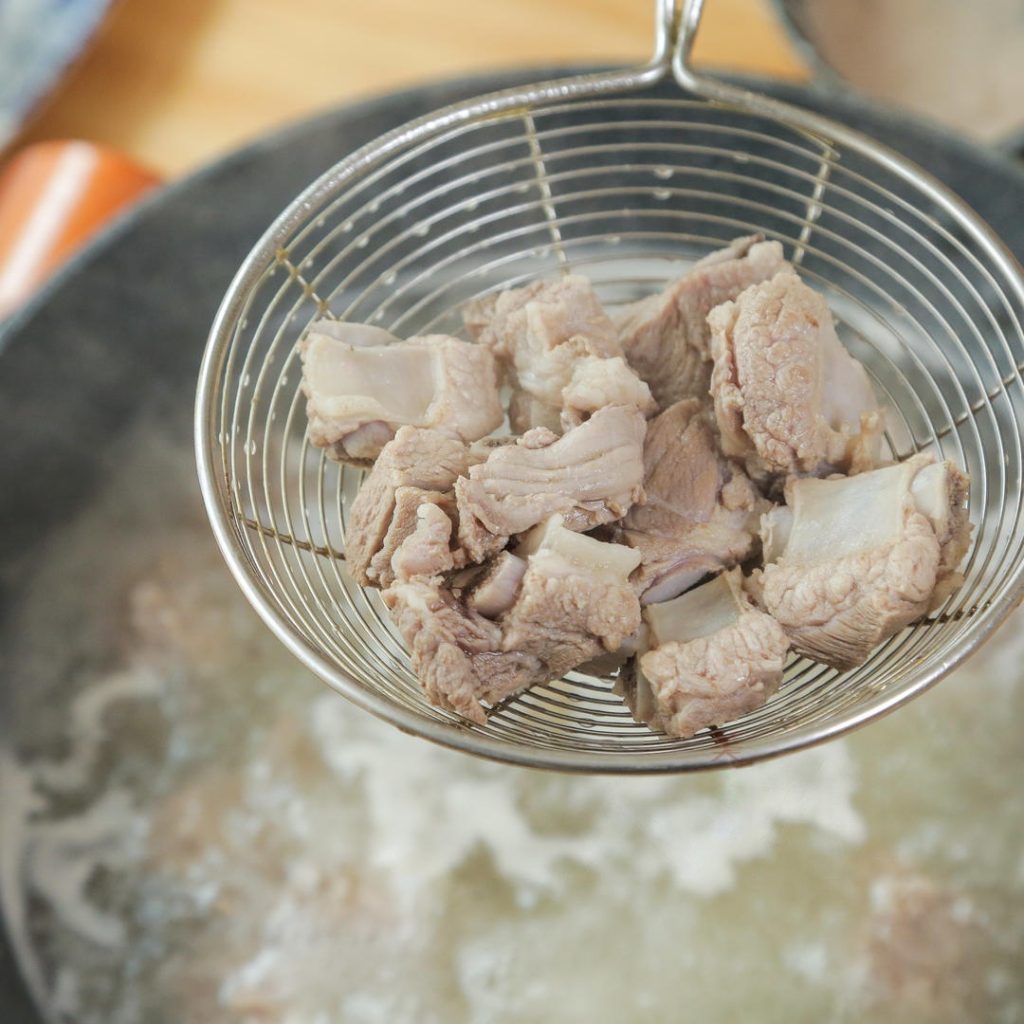
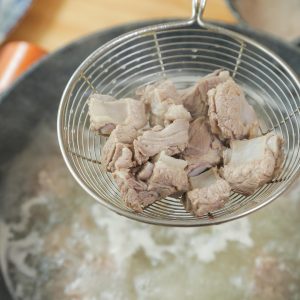
Place the ribs in a pot of cold water. Add 2 tablespoons of Shaoxing Wine. Bring to a boil over high heat. You will see gray foam (scum) floating to the top—this consists of coagulated blood and impurities. Skim this off.
Why? Starting with cold water ensures the impurities release slowly as the temperature rises. If you drop raw meat into boiling water, the proteins seize, trapping the blood inside.
Step 2: Mise en Place
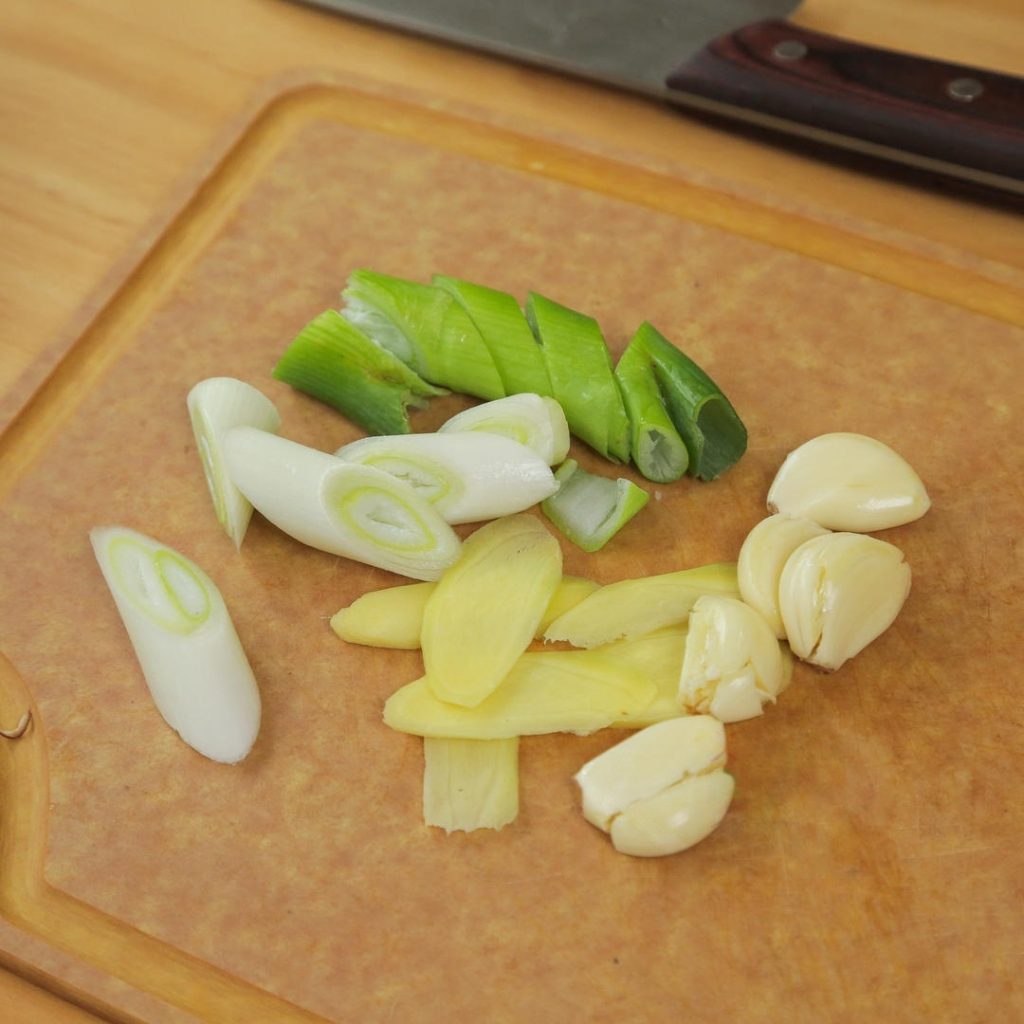
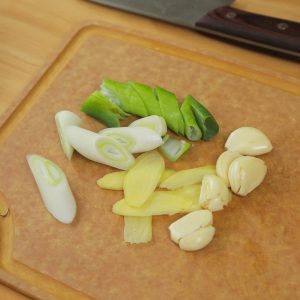
While the ribs blanch, smash the garlic cloves (no need to slice), slice the ginger, and cut the scallion into 2-inch segments. Wash the shiitake mushrooms. If using dried spices, rinse the star anise, cinnamon, and Bai Zhi quickly to remove dust.
Step 3: Caramelize the Sugar (Chao Tang Se)
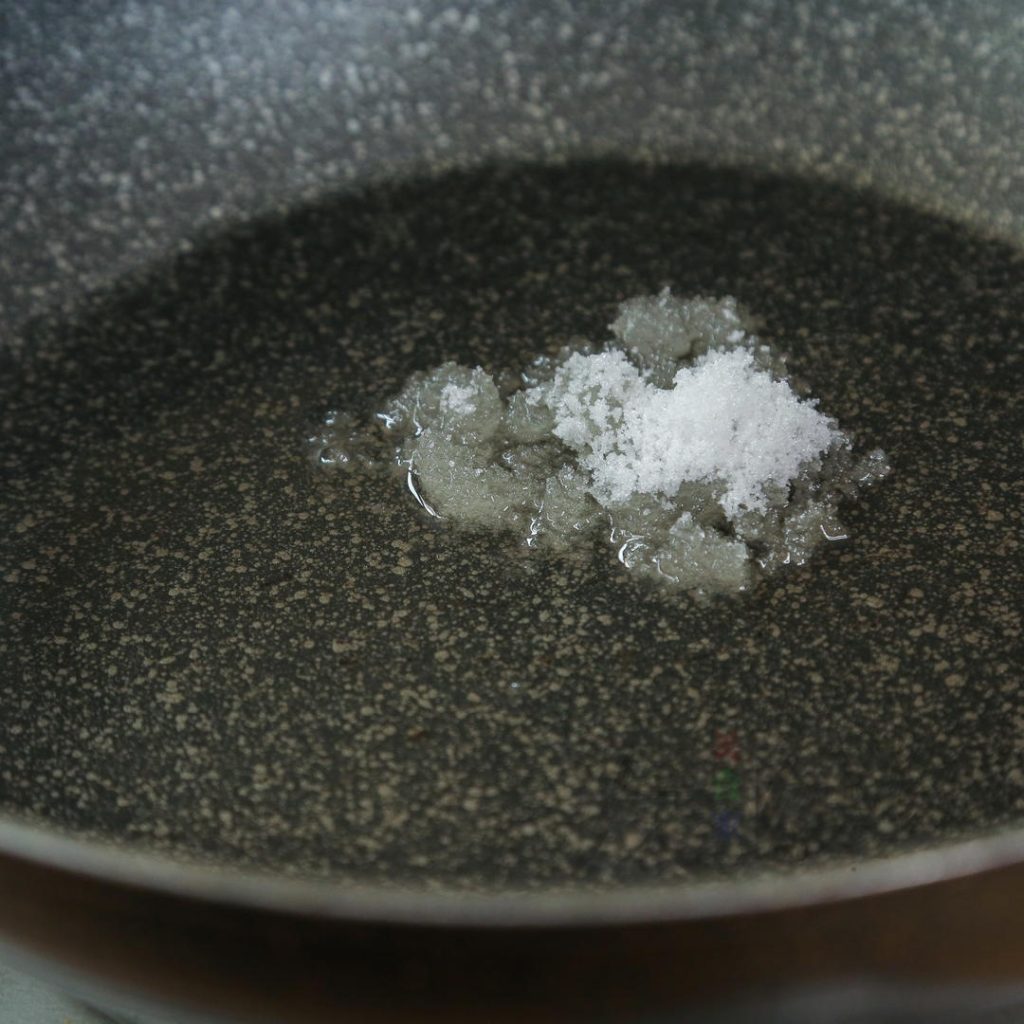
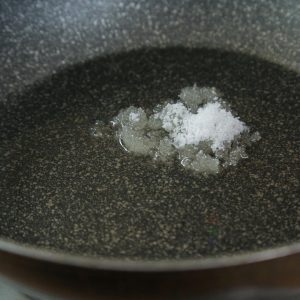
In a wok or heavy-bottomed pot (like a Dutch Oven), add 4 tablespoons of oil and 2 tablespoons of sugar. Turn the heat to low-medium. Stir continuously.
- The sugar will melt, turn champagne colored, and then amber. Keep stirring until it turns a deep golden brown/caramel color.
- Safety Tip: Do not let it turn black, or it will taste bitter.
Step 4: Sear the Ribs
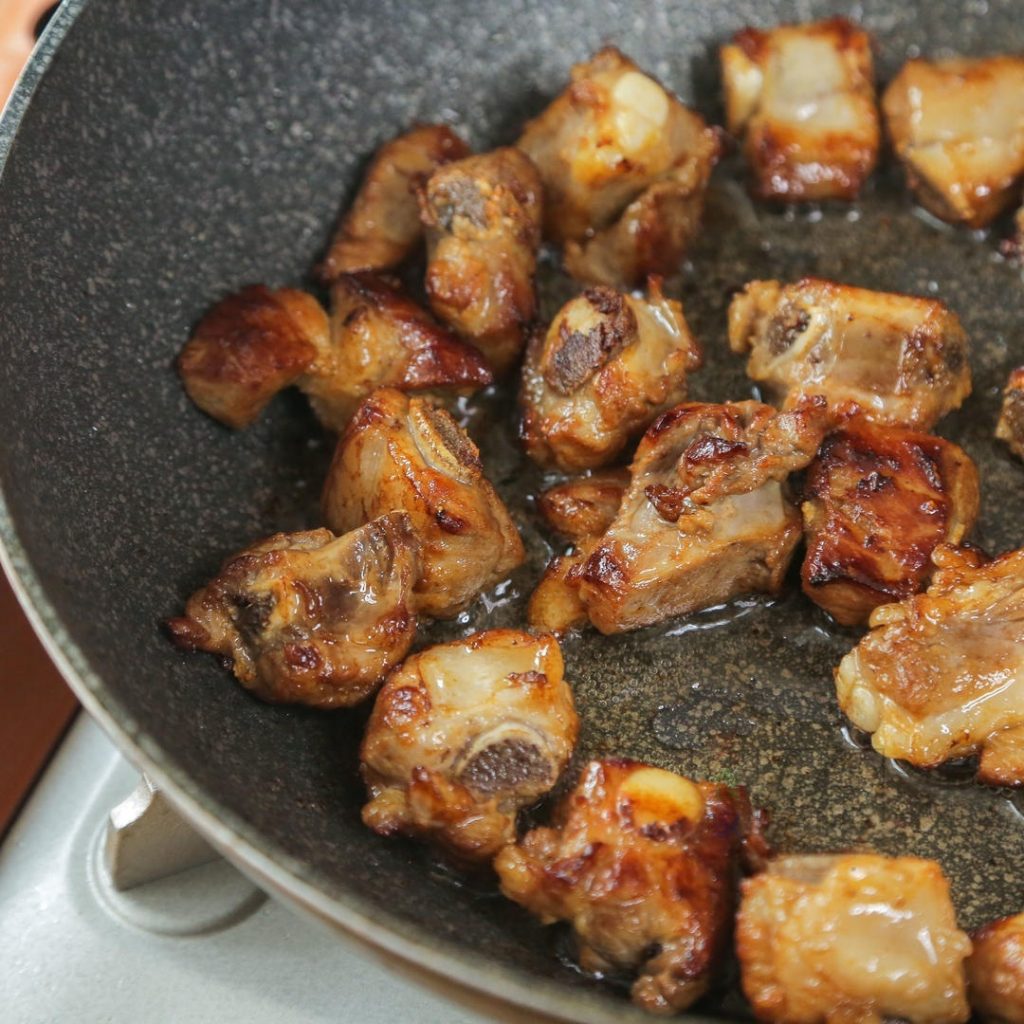
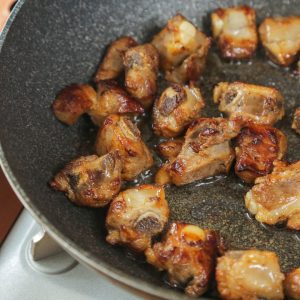
Immediately add the blanched, drained ribs to the wok.
Warning: The moisture on the ribs will react with the hot sugar-oil mixture. It will splatter! Stand back or use a splatter guard. Stir-fry rapidly until the ribs are coated in the sugar and turn a beautiful golden-red color.
Step 5: Aromatics and Seasoning
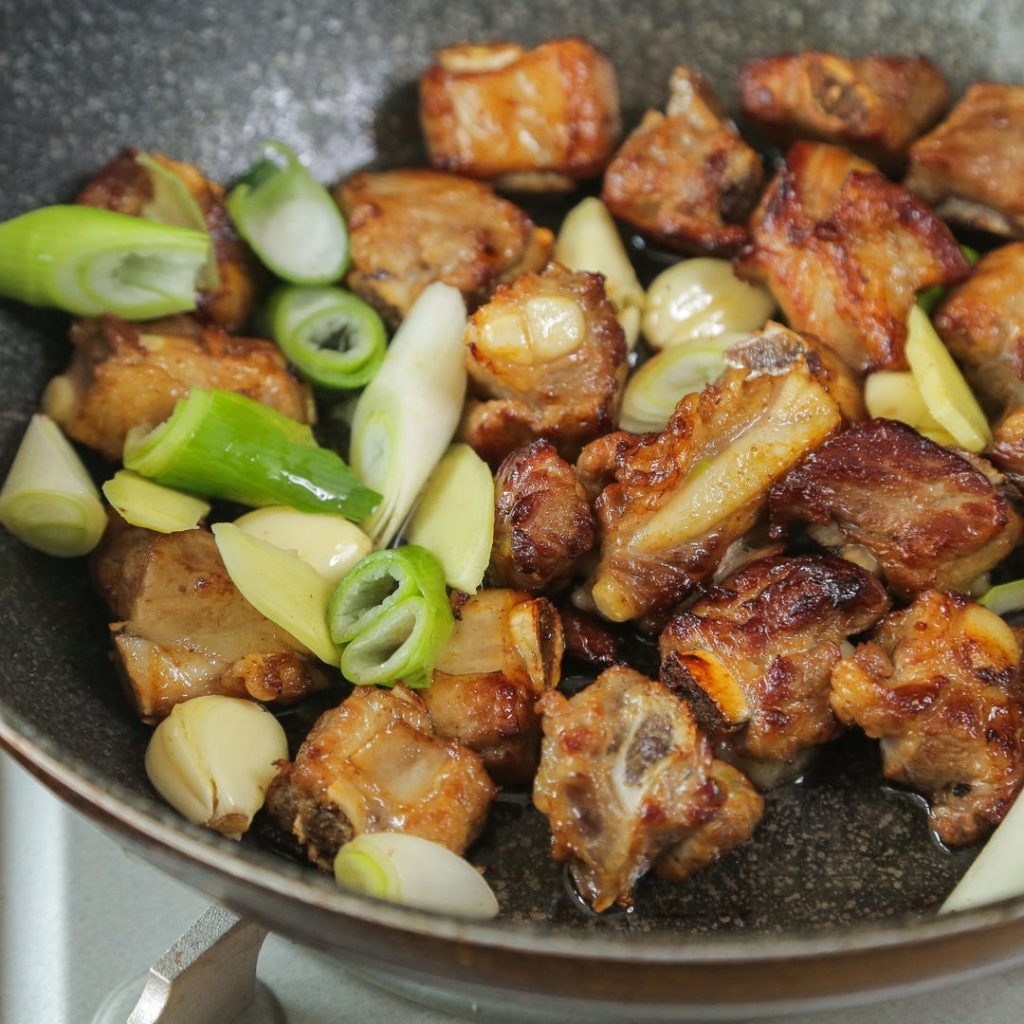
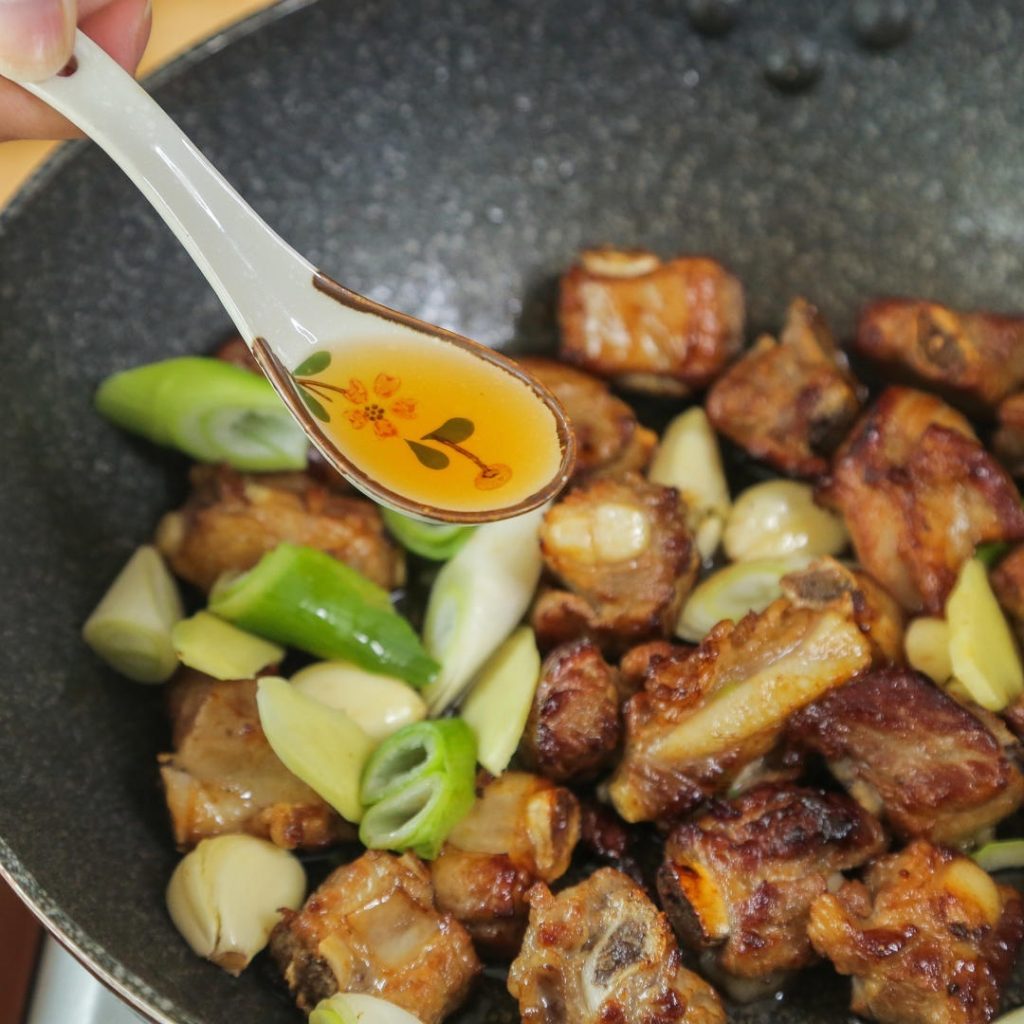
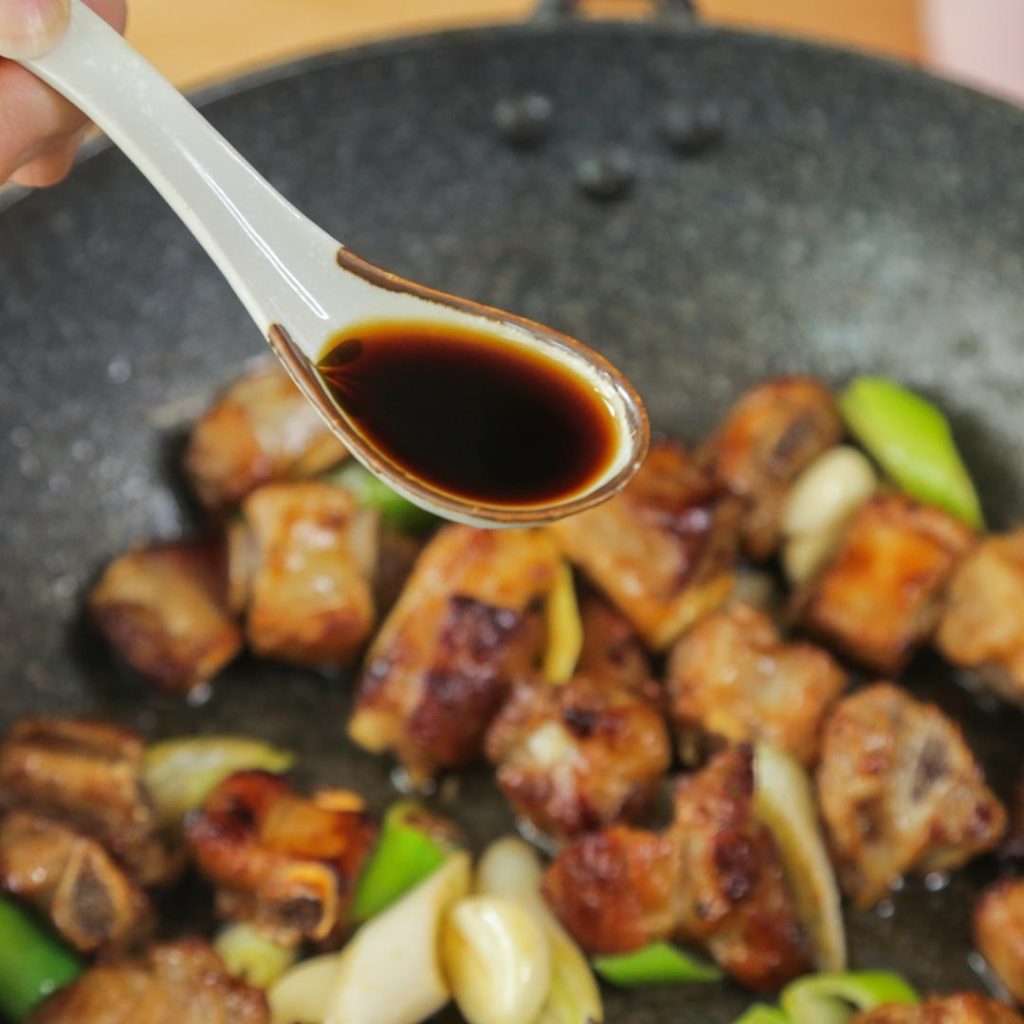
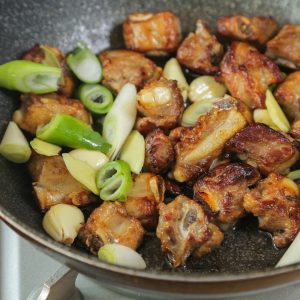
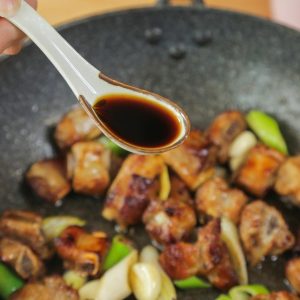
Add the garlic, ginger, and scallion sections. Stir-fry for 30 seconds until fragrant. Pour in 1 tablespoon of Shaoxing Wine around the rim of the wok (this creates a burst of aroma). Add the Light Soy Sauce and Dark Soy Sauce. Stir well to coat.
Step 6: The Braise
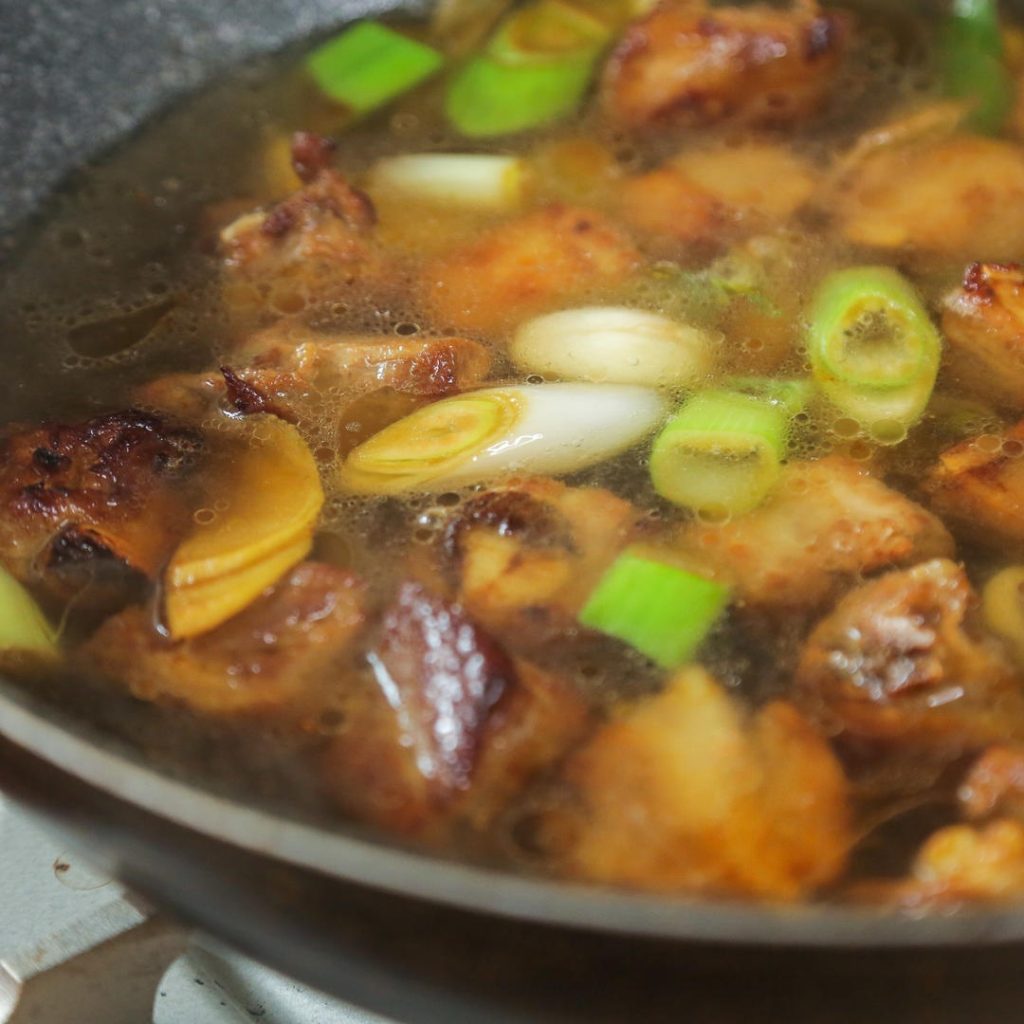
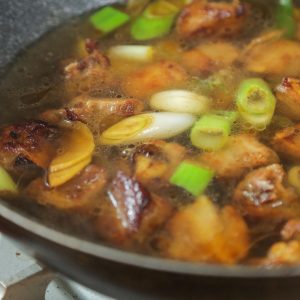
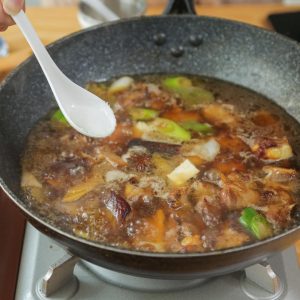
Pour in enough hot water to just barely cover the ribs.
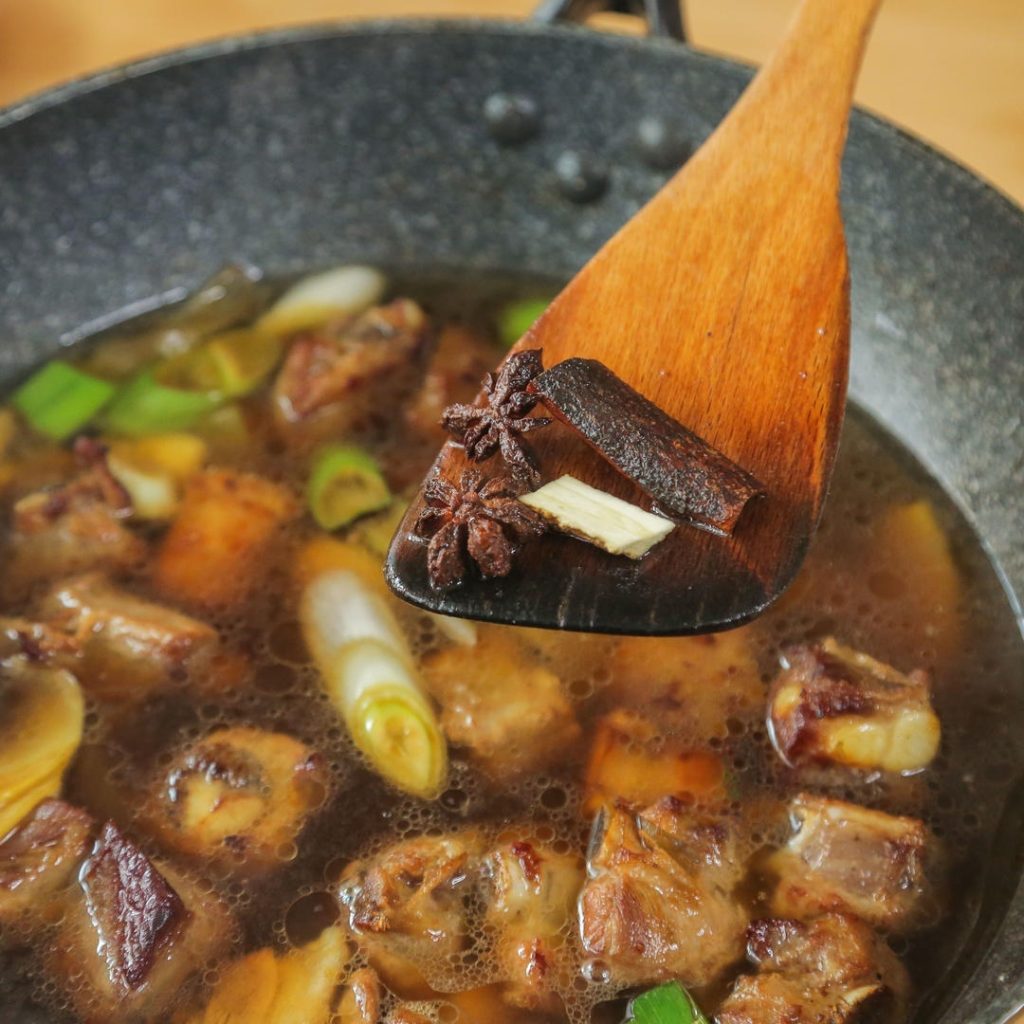
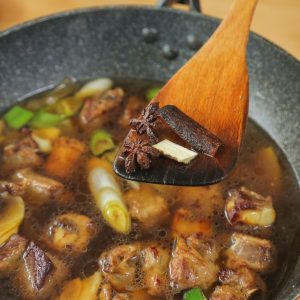
Note: Use hot water, not cold. Adding cold water to hot meat can toughen the fibers. Add the washed spices (star anise, cinnamon, Bai Zhi) directly into the liquid.
Step 7: Simmer
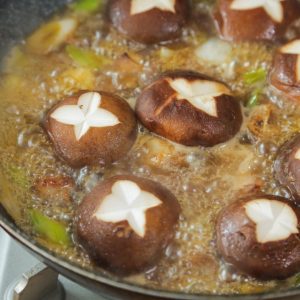
Add the 2/3 tablespoon of salt now. Add the shiitake mushrooms. Cover the pot, reduce the heat to low, and simmer for 25 minutes.
If you prefer “fall-off-the-bone” tenderness, you can simmer for an extra 10-15 minutes, but keep an eye on the liquid level.
Step 8: Reduce the Sauce
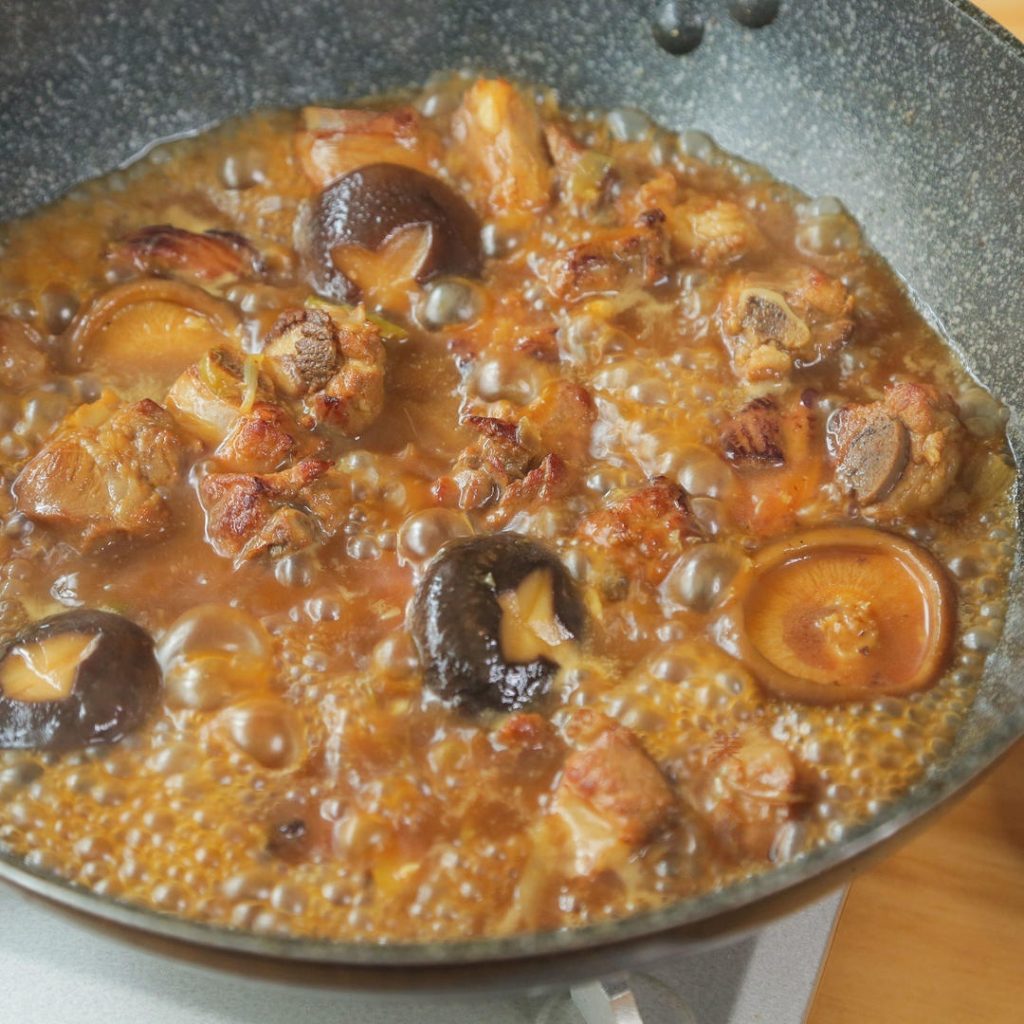
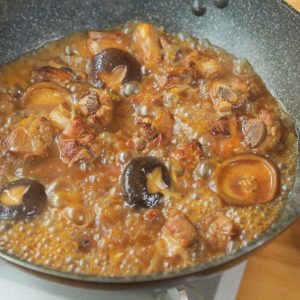
Open the lid. Remove the spices (cinnamon, anise, Bai Zhi) and ginger/scallions if they look mushy. Turn the heat up to high. Stir constantly to reduce the liquid. The sauce will thicken and cling tightly to the ribs.
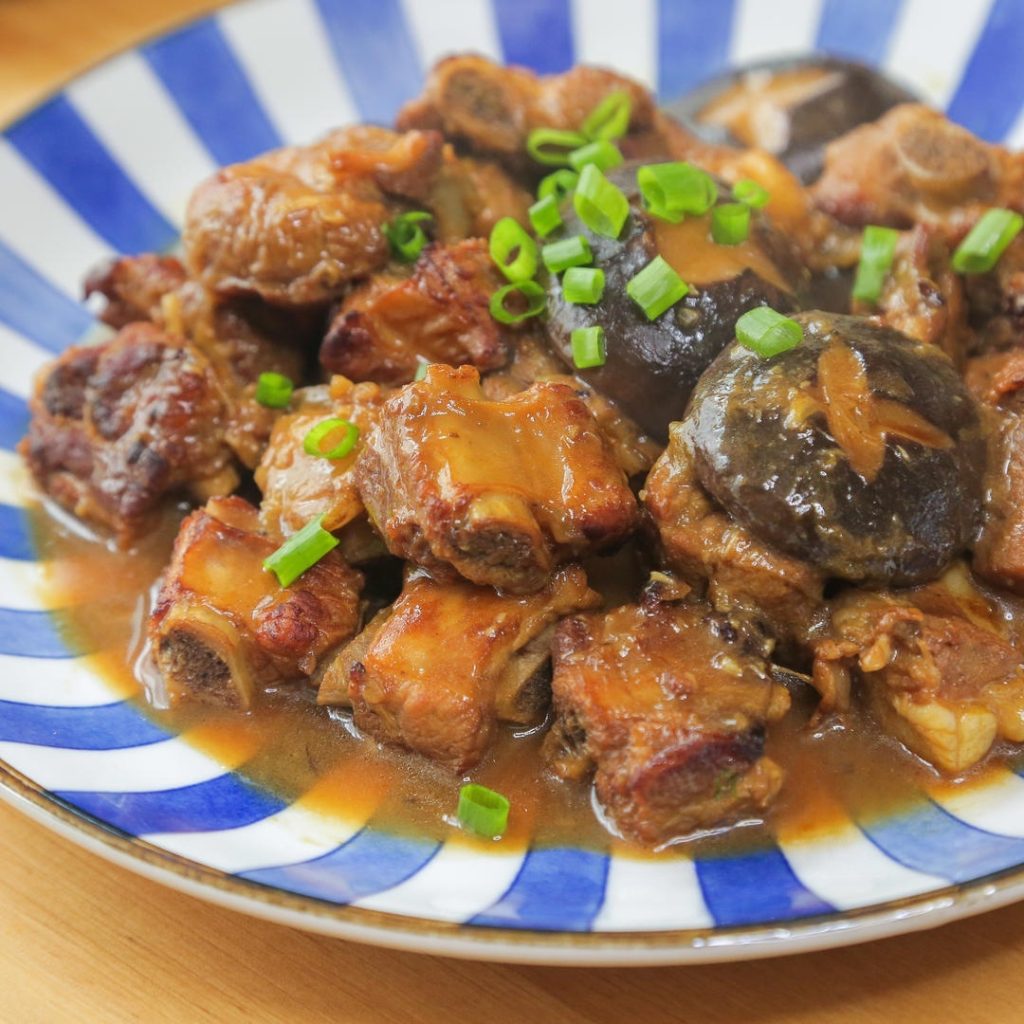
Visual Cue: When the ribs look glossy and the oil starts to separate slightly from the sauce, it is ready. Serve immediately with steamed rice!
Serving Suggestions
This dish is rich and savory, so it pairs perfectly with simple greens to balance the meal. I recommend serving it alongside:
- Steamed Rice: Essential for soaking up that rich sauce.
- Greens: Try my Stir-fried Green Beans with Minced Pork (you can omit the pork since the ribs are meaty) or a simple Stir-fried Lettuce with Garlic.
- Soup: A light soup like Corn and Pork Rib Soup (using the rib tips) or Braised Chicken with Mushrooms creates a hearty “mushroom-themed” feast.
Common Troubleshooting & FAQ
My sugar burned and turned black. Can I save it? Unfortunately, no. Burnt sugar is incredibly bitter and will ruin the whole pot. It is best to wash the pan and start the sugar step again.
Can I use an Instant Pot? Yes! Follow steps 1 through 5 using the “Sauté” function. Then, add the water and spices, seal the lid, and cook on High Pressure for 15 minutes with a Natural Release. Finish by using “Sauté” again to reduce the sauce.
Why are my ribs tough? This usually happens if the simmer was too vigorous or too short. Keep the heat low during the braise. Also, ensure you added hot water, not cold, when starting the stew.
I don’t eat pork. Can I use chicken? Absolutely. You can adapt this exact method for chicken thighs. Cooking time will be shorter (about 15-20 minutes).
Food Safety and Storage
- Internal Temperature: Pork should be cooked to an internal temperature of at least 145°F (63°C), though for braised dishes like this, we cook it much longer to break down connective tissue, usually exceeding 195°F (90°C).
- Leftovers: Store leftovers in an airtight container in the refrigerator for up to 3 days.
- Reheating: Reheat gently on the stovetop with a splash of water to loosen the sauce, or microwave until steaming hot.
Authoritative References
For more information on the science of browning meat (Maillard reaction) and food safety regarding pork preparation, please refer to:
- USDA Food Safety and Inspection Service: Fresh Pork from Farm to Table
- Science of Cooking: Caramelization vs Maillard Reaction
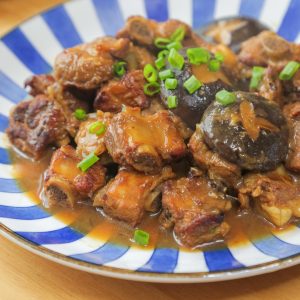
Braised Pork Ribs (Hong Shao Pai Gu)

Equipment
- Wok or Dutch Oven
- Spatula
Ingredients
The Meat & Veggies
- 1.7 lbs fresh pork ribs approx 800g, cut into 1.5-inch chunks across the bone
- 8 pieces shiitake mushrooms fresh or rehydrated
The Aromatics
- 6 slices ginger
- 6 cloves garlic smashed
- 1 stalk scallion (green onion) cut into sections
The Spices
- 2 whole star anise
- 1 piece cinnamon stick small (approx 1 inch)
- 1 piece Bai Zhi (Angelica Dahurica) optional, small piece
The Sauce & Seasonings
- 3 tbsp Shaoxing wine divided use: 2 tbsp for blanching, 1 tbsp for cooking
- 2 tbsp white sugar for caramelization
- 1 tbsp Light Soy Sauce
- 1 tbsp Dark Soy Sauce
- 2/3 tbsp salt adjust to taste
- 4 tbsp neutral cooking oil vegetable or canola
Instructions
- Blanch the Ribs: Wash the fresh ribs. Place them in a pot of cold water with 2 tablespoons of Shaoxing wine. Bring to a boil and skim off the floating foam/scum to remove odors.

- Mise en Place: While ribs blanch, smash the garlic cloves (do not chop), slice the ginger, and cut the scallion into sections.
- Caramelize Sugar: In a cold wok or pot, add the cooking oil and the white sugar. Stir continuously over low-medium heat until the sugar melts and turns a deep golden caramel color (Chao Tang Se).
- Sear the Ribs: Immediately add the blanched, drained ribs to the wok. (Caution: Stand back to avoid oil splatter). Stir-fry rapidly until the ribs are evenly coated in the sugar caramel and browned.
- Aromatics: Add the garlic, ginger, and scallion sections. Stir-fry briefly until fragrant.
- Season: Pour in 1 tablespoon of Shaoxing wine around the rim of the wok to release aroma. Add the Light Soy Sauce and Dark Soy Sauce. Stir to combine.
- The Braise: Pour in enough hot water to just barely cover the ribs.
- Add the star anise, cinnamon stick, and Bai Zhi directly into the pot.
- Add the salt (approx. 2/3 tbsp).
- Add the shiitake mushrooms.
- Simmer: Cover and simmer on low heat for 25 minutes. (Simmer longer if you prefer very soft ribs).
- Reduce Sauce: Taste the sauce; add more salt if needed. Remove the spices (cinnamon, anise, Bai Zhi). Turn heat to high to reduce the sauce until it is thick, sticky, and glossy.
Notes
Calories: 450 kcal | Protein: 28g | Fat: 32g | Carbohydrates: 12g | Sodium: 980mg Cooking Tips:
• Be careful with Bai Zhi; too much makes the dish bitter.
• When adding ribs to the hot sugar/oil mixture, stand back to avoid oil splatter.
• The ribs are generally done when the meat shrinks slightly, exposing the bone ends.
• If you have time, you can skip the high-heat reduction and simmer slowly until the liquid reduces naturally for a softer texture.


Leave a Reply