There is a specific aroma that takes me right back to the busy kitchen of my family’s restaurant in Sichuan. It isn’t just the heat of chilies; it’s the deep, savory scent of beef slowly frying in aromatic oil, mingling with the earthiness of dried shiitake mushrooms.
Today, I’m sharing a recipe for Beef and Shiitake Mushroom Sauce (Niurou Jiang). Think of this not as a pasta sauce you drown noodles in, but as a concentrated, high-intensity condiment—a “flavor bomb” similar to chili crisp but packed with chewy chunks of beef, peanuts, and mushrooms.
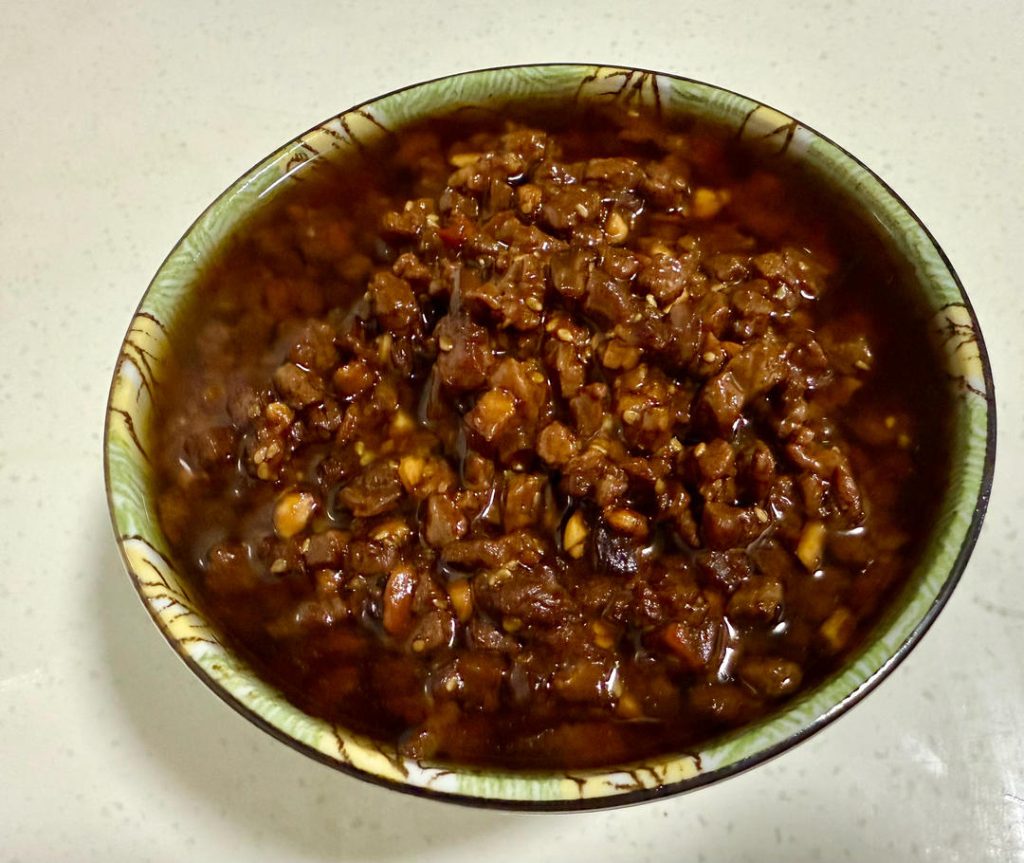
Whether you stir it into Sesame Noodles, spoon it over steaming white rice, or tuck it inside a fluffy mantou bun, this sauce is the ultimate kitchen secret weapon. It is preservative-free, deeply flavorful, and surprisingly easy to make at home.
Why This Recipe?
I have spent over a decade in professional kitchens, from Chengdu to culinary school, and I can tell you that the secret to a great Niurou Jiang isn’t a long list of obscure chemicals—it’s patience.
Many store-bought beef sauces are laden with MSG and preservatives. This homemade version relies on the traditional technique of infused oil (more on that later) to preserve the meat and carry the flavor. I have tested this recipe three times in my home kitchen to adjust the salt levels for US-available soy sauces, ensuring it tastes just like the classic version my mother used to pack for me when I went away to university.
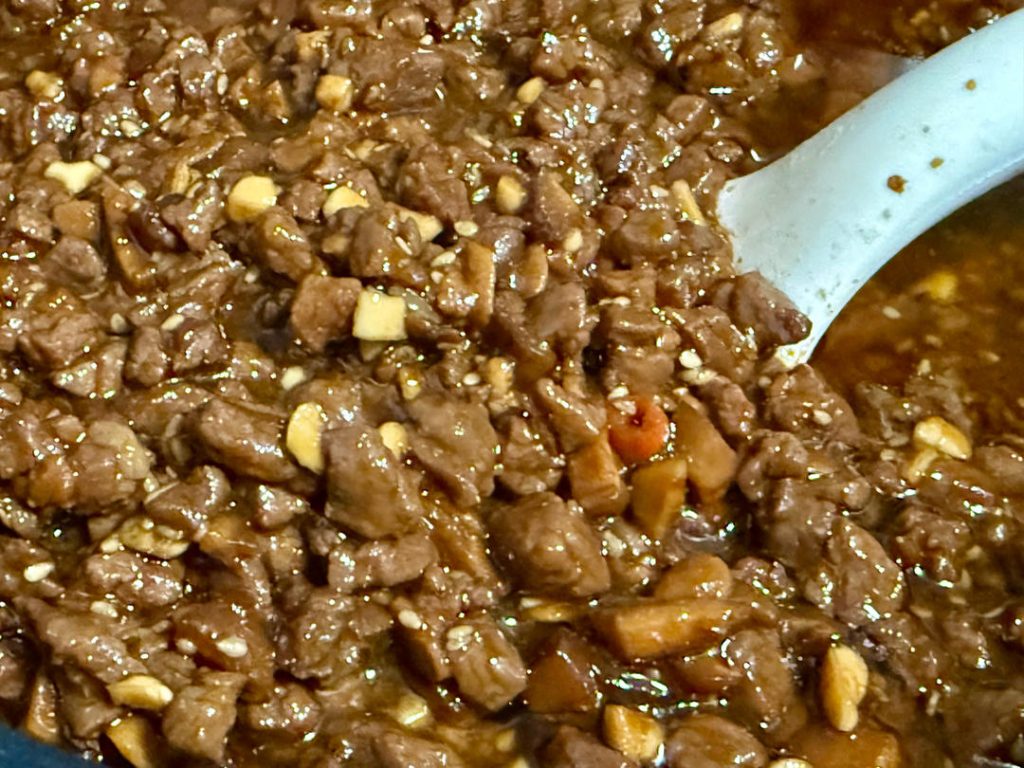
What Is Beef and Mushroom Sauce (Niurou Jiang)?
In China, Jiang (sauce/paste) is a way of life. Unlike Western meat sauces like Bolognese which are tomato-based and wet, Niurou Jiang is oil-based and savory. It falls into the same family as our Spicy Beef Sauce, but this version focuses heavily on the interplay between the meat and the shiitake mushrooms.
It serves two purposes:
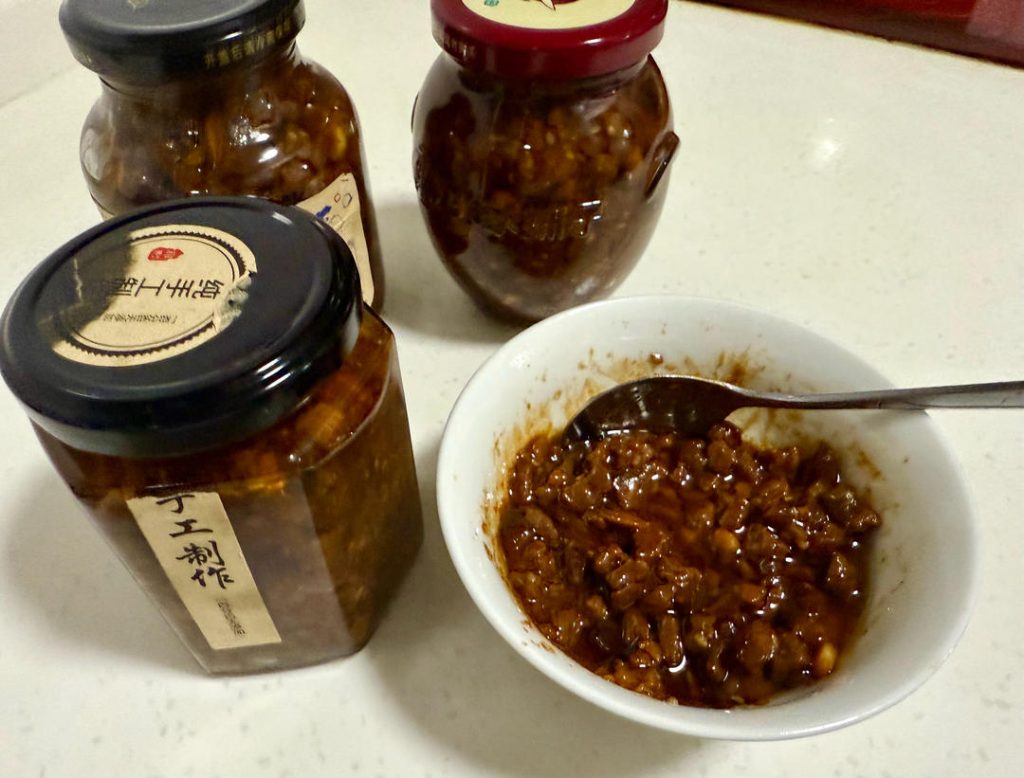
- Preservation: The oil seals the cooked ingredients, allowing them to keep for weeks in the fridge.
- Flavor Enhancement: A single spoonful transforms a plain bowl of noodles into a banquet.
About the Author & Recipe Development
I’m Lin, a Sichuan-born chef and culinary writer. My background includes professional training at a top Chinese culinary institute and over 10 years of restaurant experience.
When developing this recipe for Western home cooks, I focused on the equipment. In a restaurant, we use jet-engine burners (wok ranges) that evaporate moisture instantly. At home, you likely have a standard gas or electric stove. Therefore, I have adjusted the timing in the frying steps to ensure you get that chewy, preserved texture without boiling the meat in its own juices. I also weighed the ingredients (converting from the traditional Chinese “Jin”) to ensure consistency.
Why This Recipe Works
- Infused Oil Base: We don’t just use plain oil; we infuse it with ten different aromatics first.
- Texture Contrast: The crunch of roasted peanuts and sesame seeds against the chewy beef and soft mushrooms creates a complex mouthfeel.
- Zero Waste: We use the soaking water from the mushrooms to prevent dryness, but cook it down to concentrate flavor.
Key Ingredients & Substitutions
- Beef: The original recipe calls for hind leg meat (round steak or knuckle). You want a lean cut. Do not use brisket (too much connective tissue to break down in this quick fry) or pork belly (too fatty for this specific sauce).
- Dried Shiitake Mushrooms: You typically find these in our Easy Chinese Mushroom Soup. You must use dried mushrooms, rehydrated. Fresh mushrooms contain too much water and lack the concentrated “umami” punch needed here.
- Soybean Paste (Doubanjiang): The recipe uses Haitian Doubanjiang, which is usually a savory Yellow Soybean Paste (Huang Dou Jiang) rather than the spicy red Pixian Doubanjiang. If you want heat, we add fresh chilies separately. You can substitute with sweet bean sauce or a mix of miso and soy sauce if you can’t find Huang Dou Jiang.
- Rice Bran Oil: This is a neutral oil with a high smoke point. You can substitute with grapeseed, canola, or vegetable oil. Do not use olive oil.
Ingredients
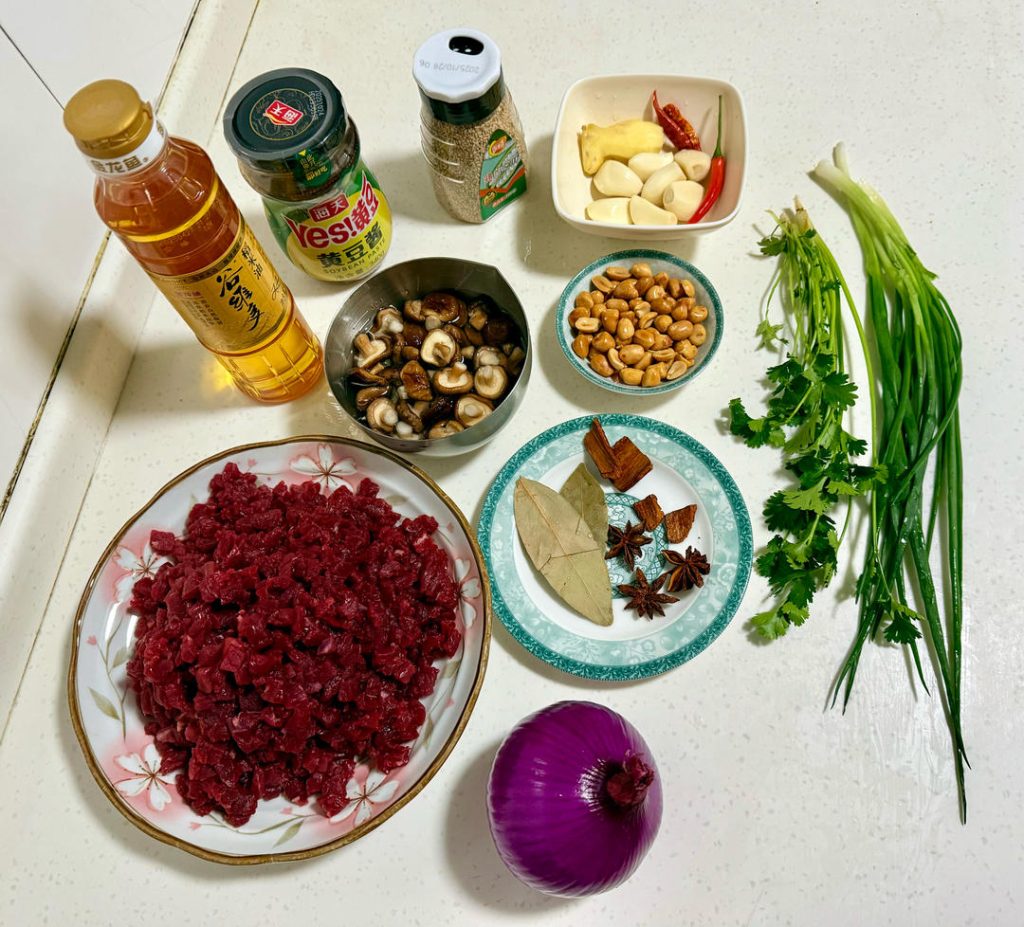
The Main Solids:
- 1.4 lb (650g) Lean Beef (Top Round or Sirloin tip), diced into peanut-sized cubes
- 1 cup (50g) Dried Shiitake Mushrooms, rehydrated and diced
- ½ cup (70g) Roasted Peanuts, skins removed and crushed roughly
- 3 tbsp Toasted White Sesame Seeds
The Aromatics (For Infusing Oil):
- 1 cup (200ml) Neutral Oil (Rice Bran, Canola, or Vegetable)
- ½ small Onion, sliced
- 3 Scallions (green onions), whole
- 2 sprigs Cilantro
- 10 cloves Garlic, peeled
- 3-4 slices Ginger
- 2 Bay Leaves
- 3 Star Anise
- 2 sticks Cinnamon bark (or 1 cinnamon stick)
The Seasonings:
- 3 tbsp Soybean Paste (Huang Dou Jiang or Sweet Bean Sauce)
- 2 fresh Red Chilies (Thai chili for heat, or Fresno for mild), minced (adjust to taste)
- 2 tbsp Light Soy Sauce
- ½ tbsp Dark Soy Sauce (for color)
- 1 tsp Salt (adjust based on the saltiness of your paste)
- 1 tbsp Sugar
Recipe Notes Before You Start
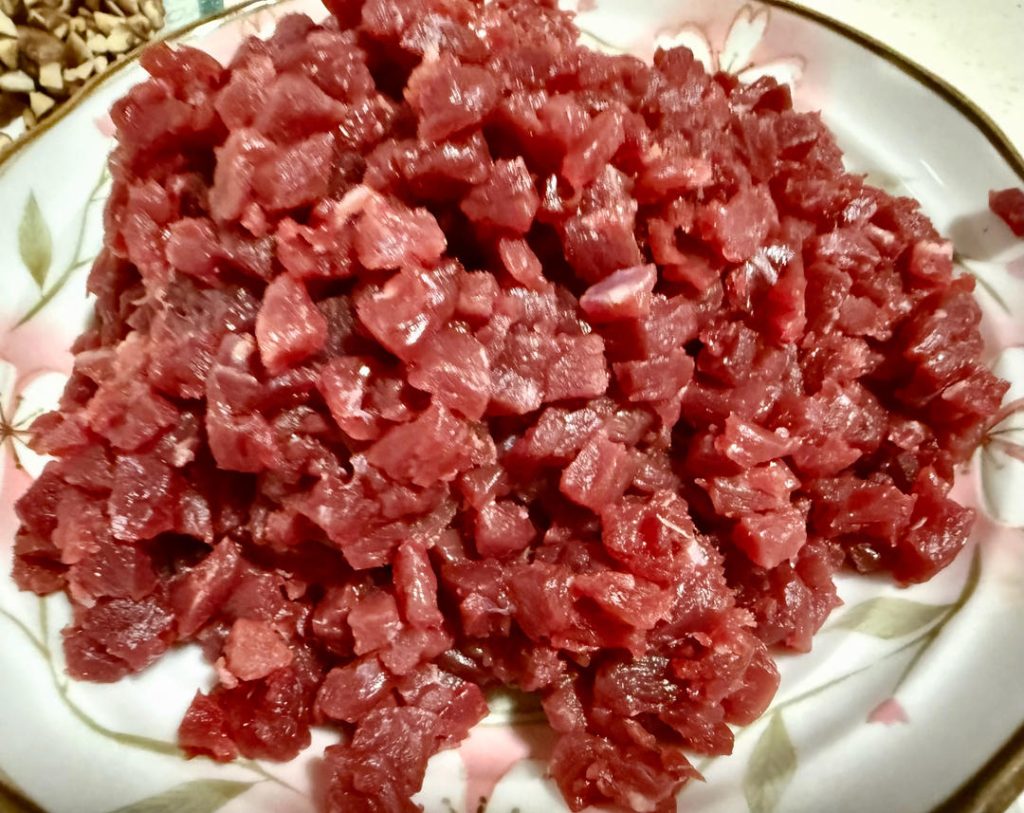
- Knife Skills Matter: Cut the beef into small cubes, about the size of a peanut or a corn kernel. If the pieces are too big, they won’t absorb the sauce properly; too small, and they dry out.
- Rehydrate Early: Soak your mushrooms in hot water for at least 30 minutes before you start. Squeeze them dry, but reserve a tablespoon of the soaking liquid just in case.
- Safety First: We are working with a significant amount of hot oil. Ensure your pot is deep enough to prevent splashing.
How to Make Savory Beef and Mushroom Sauce
1. Mise en Place (Preparation)
Preparation is 80% of the work here.
- Dice the beef into small 1cm cubes.
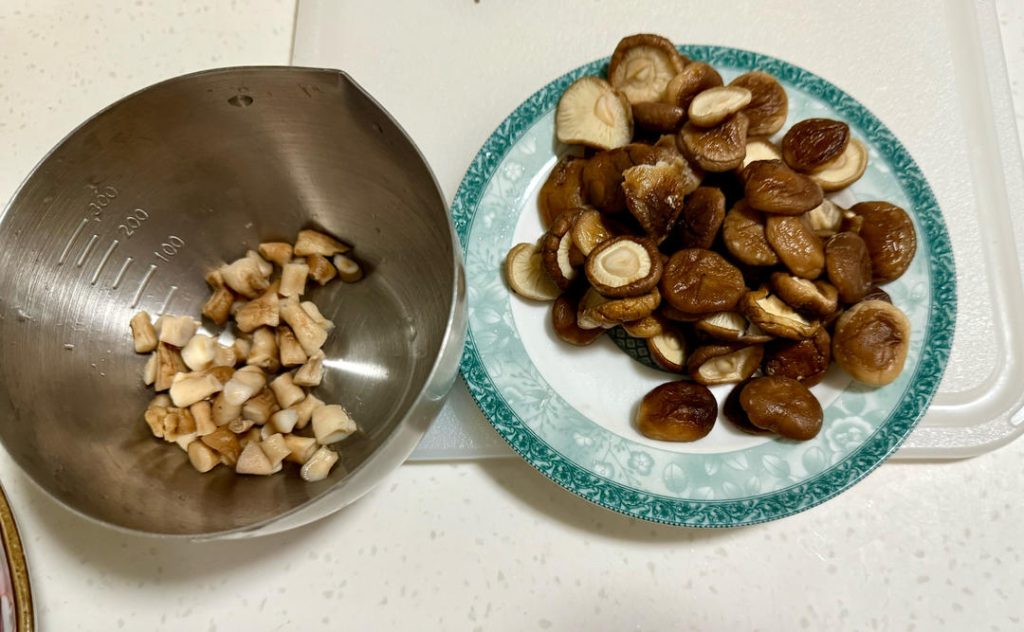
- Dice the rehydrated mushrooms to the same size.
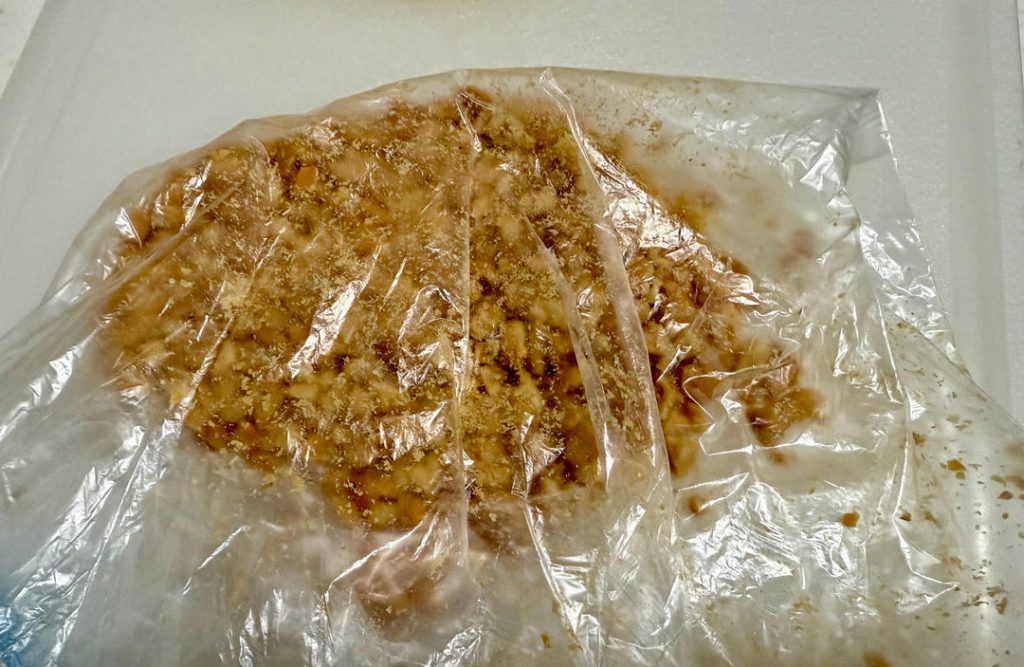
- Crush the roasted peanuts slightly (don’t pulverize them; we want crunch).
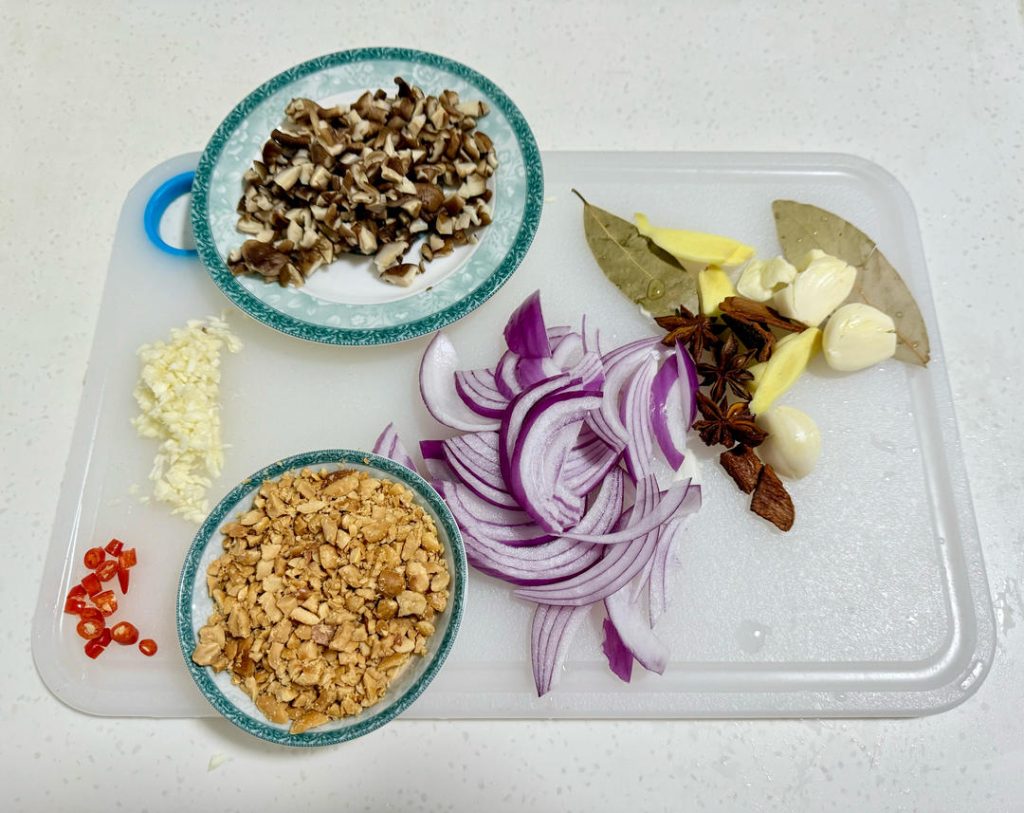
- Chop the garlic, ginger, and chilies finely.
- Have your sauces measured and ready.
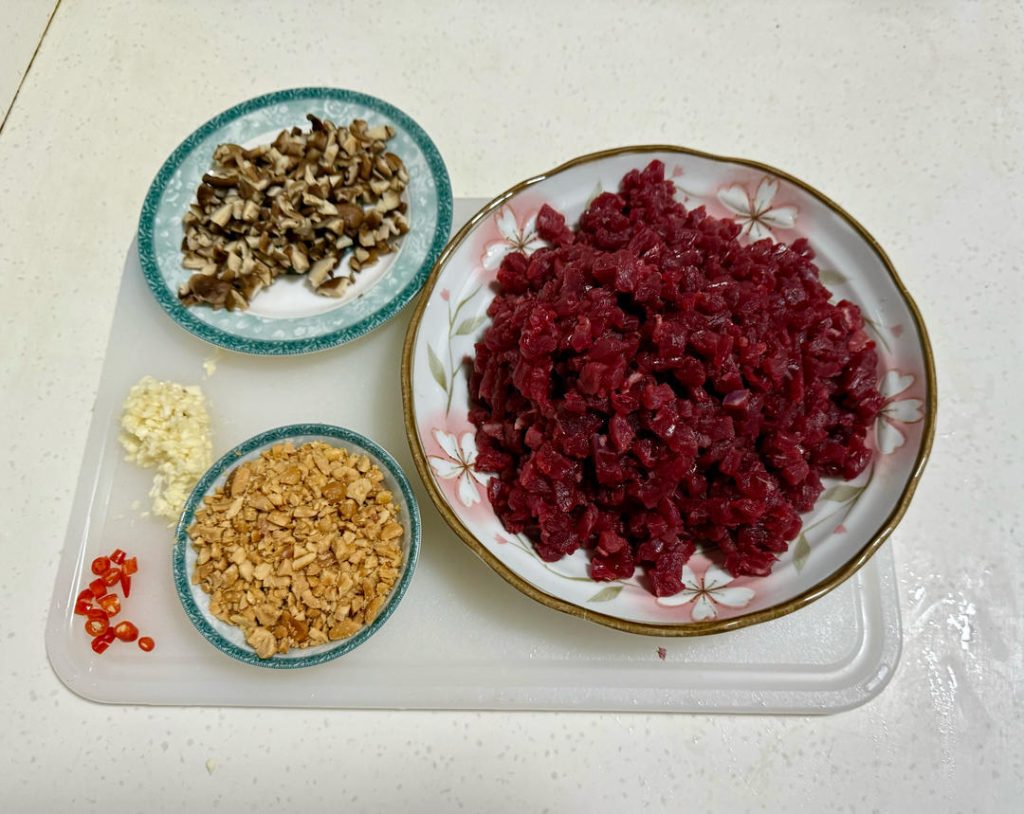
2. Infuse the Oil
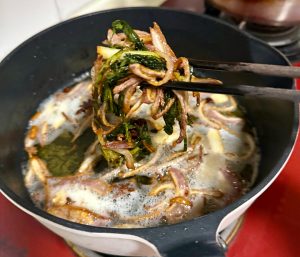
Pour the oil into a wok or deep heavy-bottomed pot over medium heat. Add the “large” aromatics: onion slices, whole scallions, cilantro, ginger slices, garlic cloves (whole), bay leaves, star anise, and cinnamon.
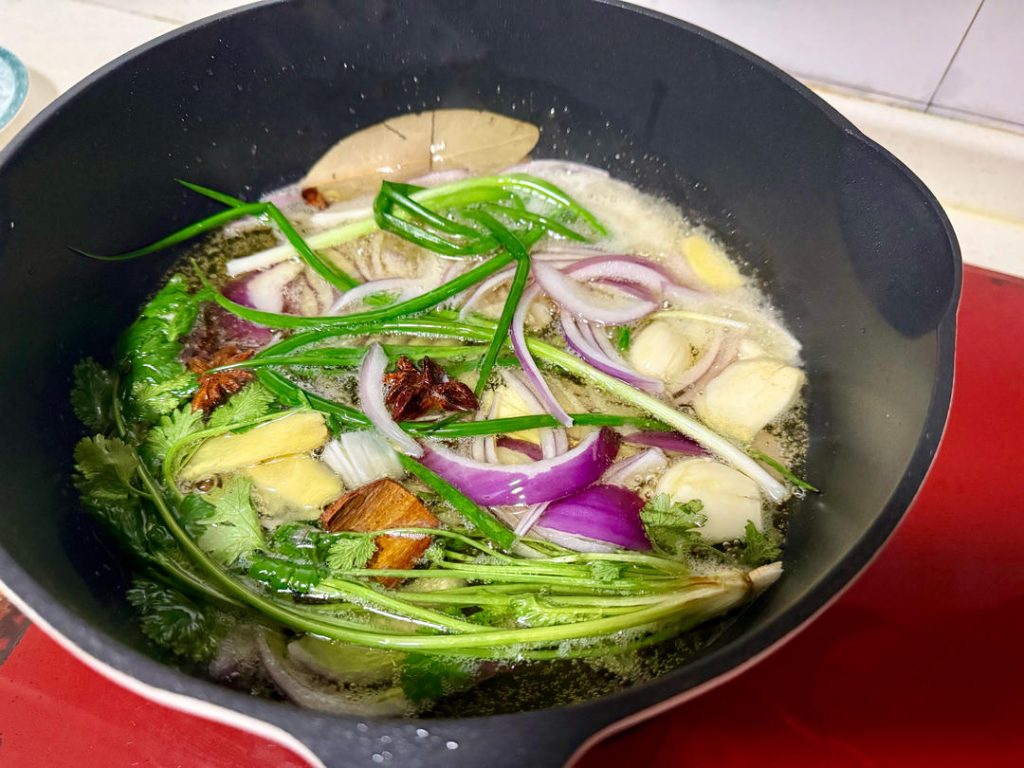
Fry these slowly over medium-low heat. We want to extract every ounce of flavor. Fry until the scallions and cilantro turn dry and golden brown (about 8-10 minutes).
- Visual Cue: The onions should look caramelized and crispy.
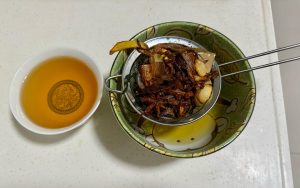
- Action: Use a strainer or spider tool to remove all the solid aromatics and discard them. You are left with fragrant, golden oil.
3. Fry the Beef
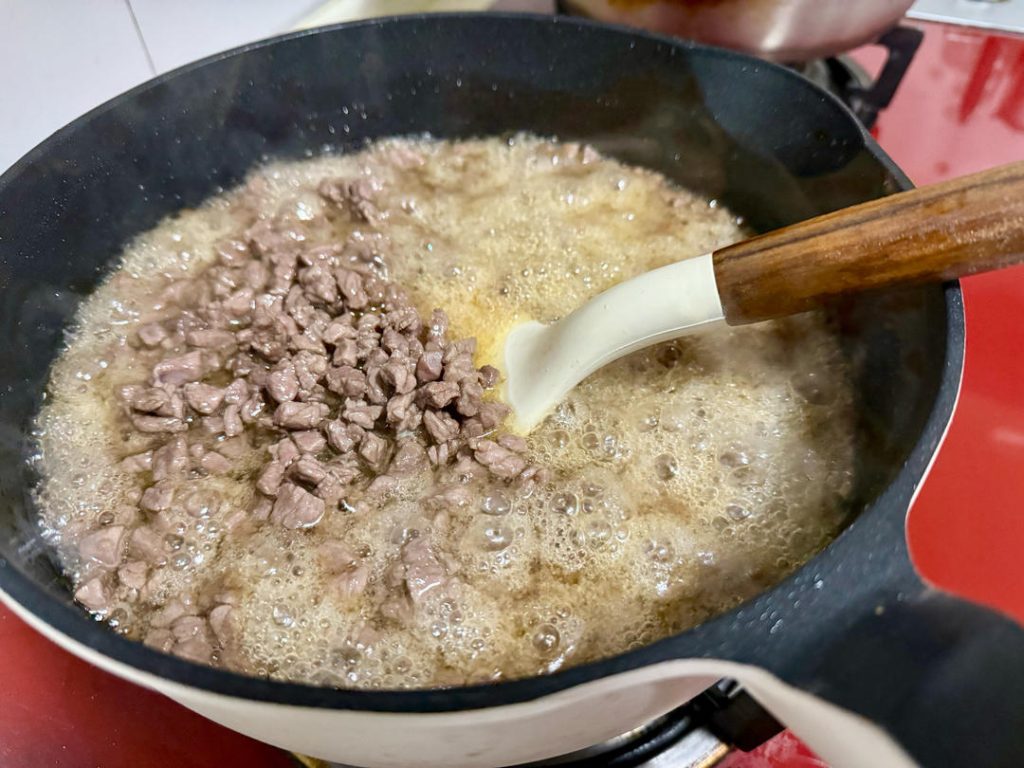
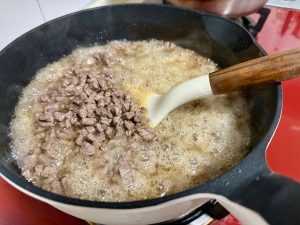
Keep the flavored oil in the wok over high heat. Add the diced beef.
- Chef’s Note: Initially, the beef will release water, and the oil will look cloudy. This is normal.
- Stir-fry vigorously. You need to cook until the moisture evaporates and the beef starts to fry in the oil again.
- Visual Cue: The oil will turn from cloudy to clear, and the beef will darken significantly. This usually takes about 8–10 minutes on a home stove.
4. Add Mushrooms and Simmer
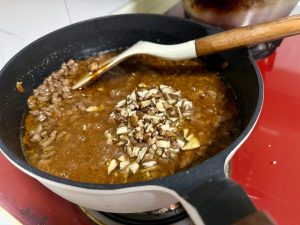
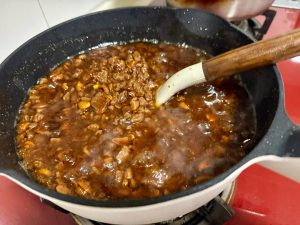
Turn the heat down to medium. Add the diced shiitake mushrooms to the beef. Stir-fry for another 3-4 minutes to cook the water out of the mushrooms.
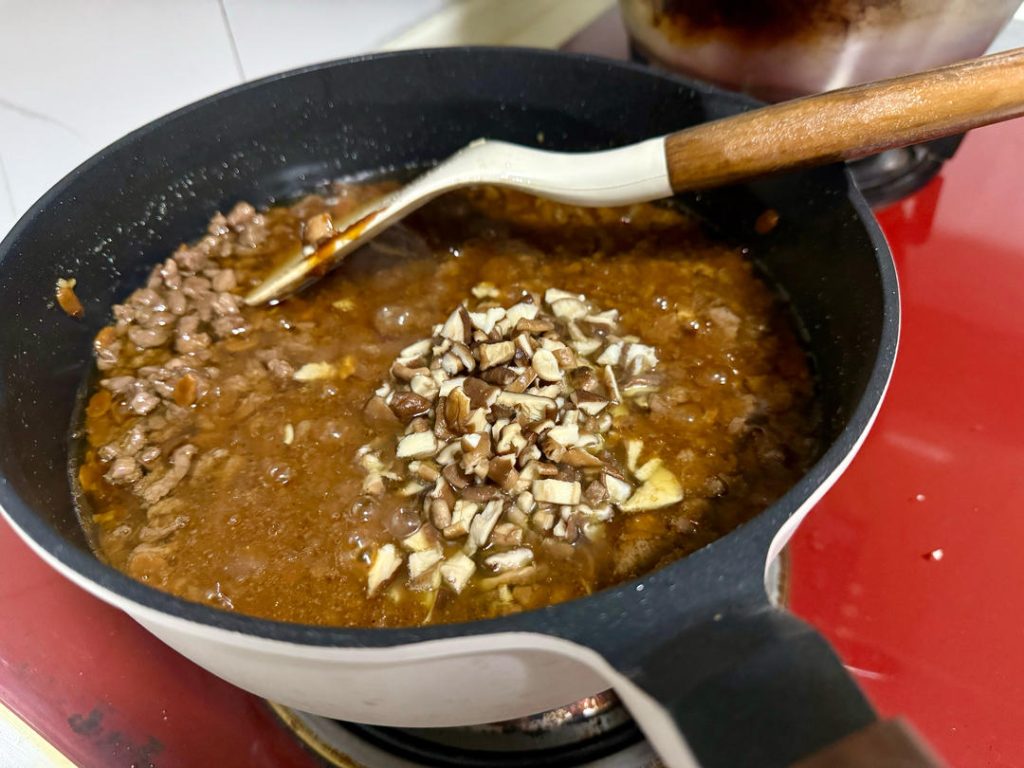
5. Seasoning
Now, add the flavor base:
- Add the diced fresh chilies and minced garlic (if you reserved some from the infusion step, though fresh is better here).
- Add the Soybean Paste (Doubanjiang), Light Soy Sauce, Dark Soy Sauce, salt, and sugar.
- Stir constantly to prevent the sugar and paste from sticking to the bottom. Cook for another 5 minutes to let the flavors meld.
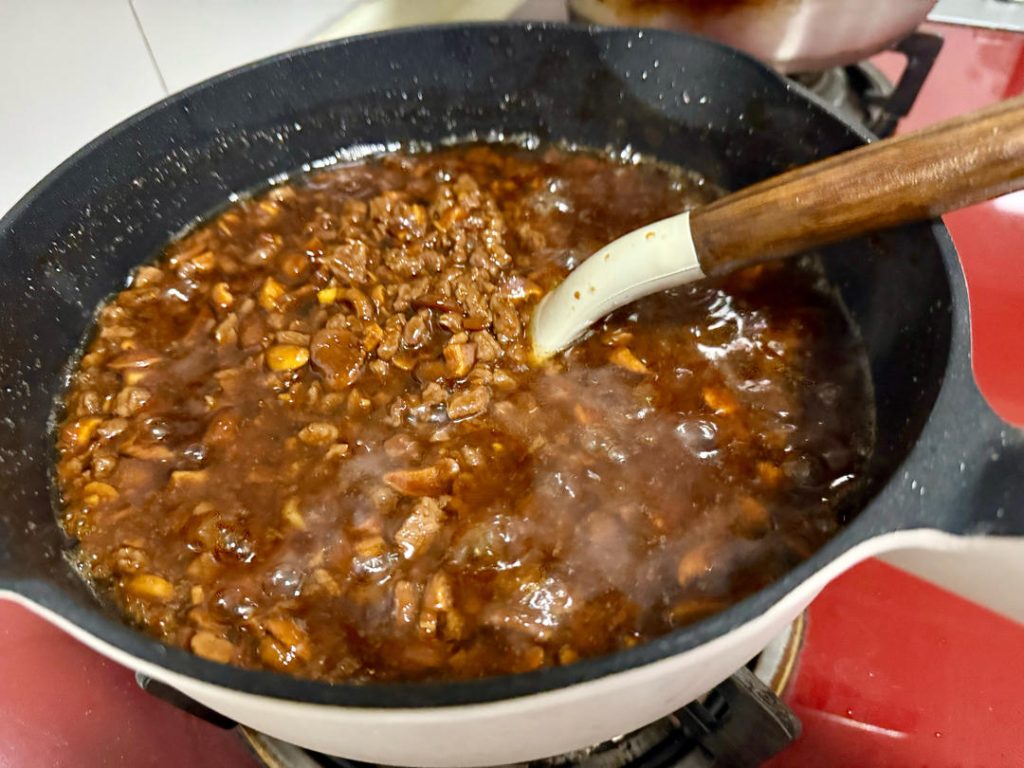
6. Finishing Touches
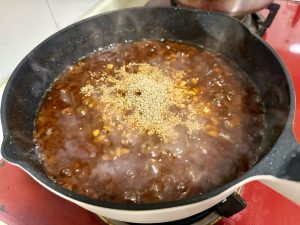
Turn off the heat (or turn to the lowest setting). Stir in the crushed peanuts and toasted sesame seeds. The residual heat will release their nutty aroma without burning them.
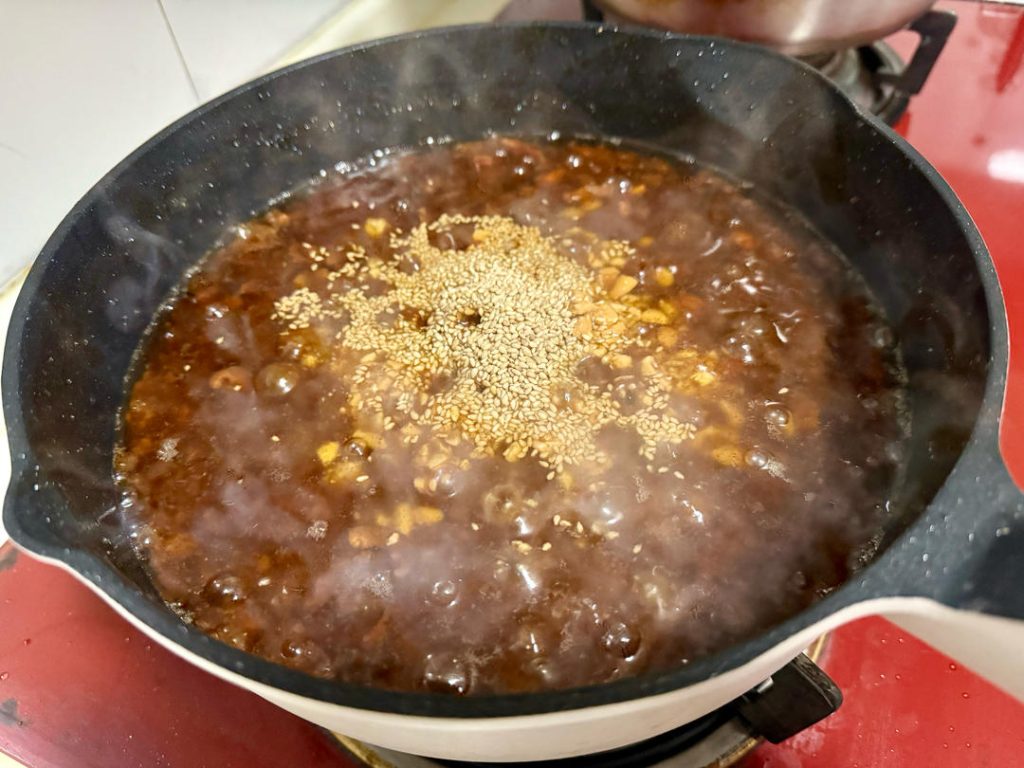
7. Cool and Store
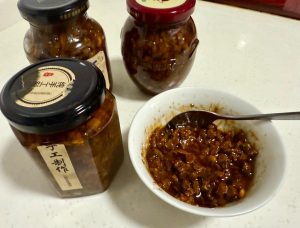
Let the sauce cool completely in the pot before transferring it to sterilized glass jars. The oil should cover the meat—this acts as a seal.
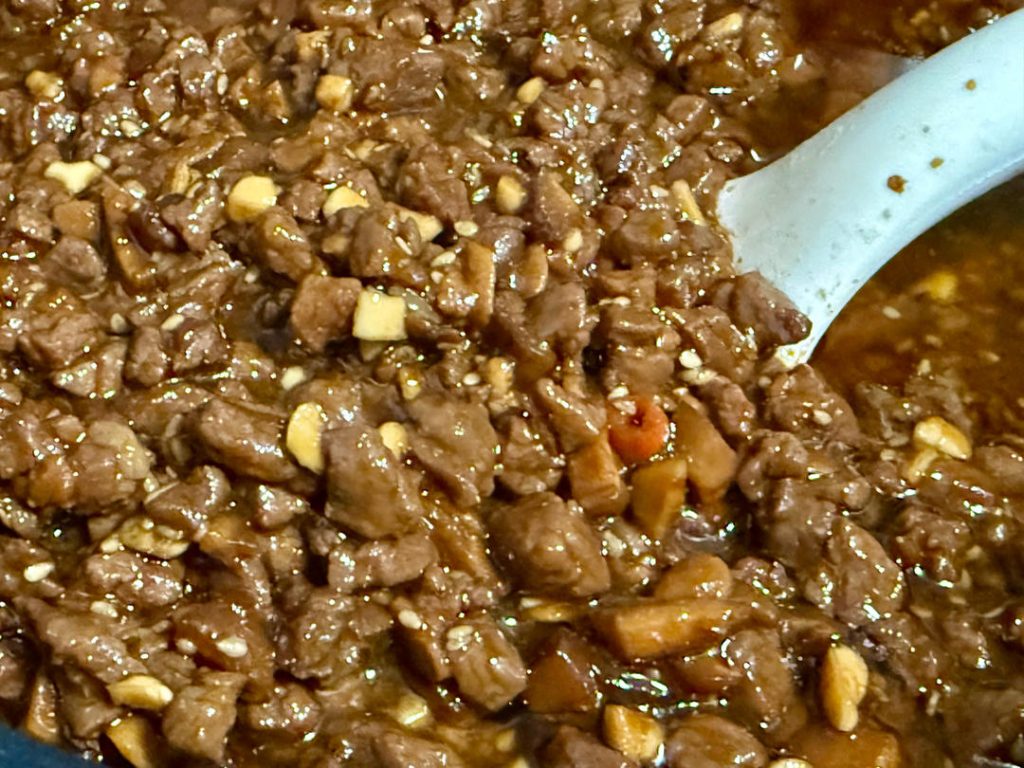
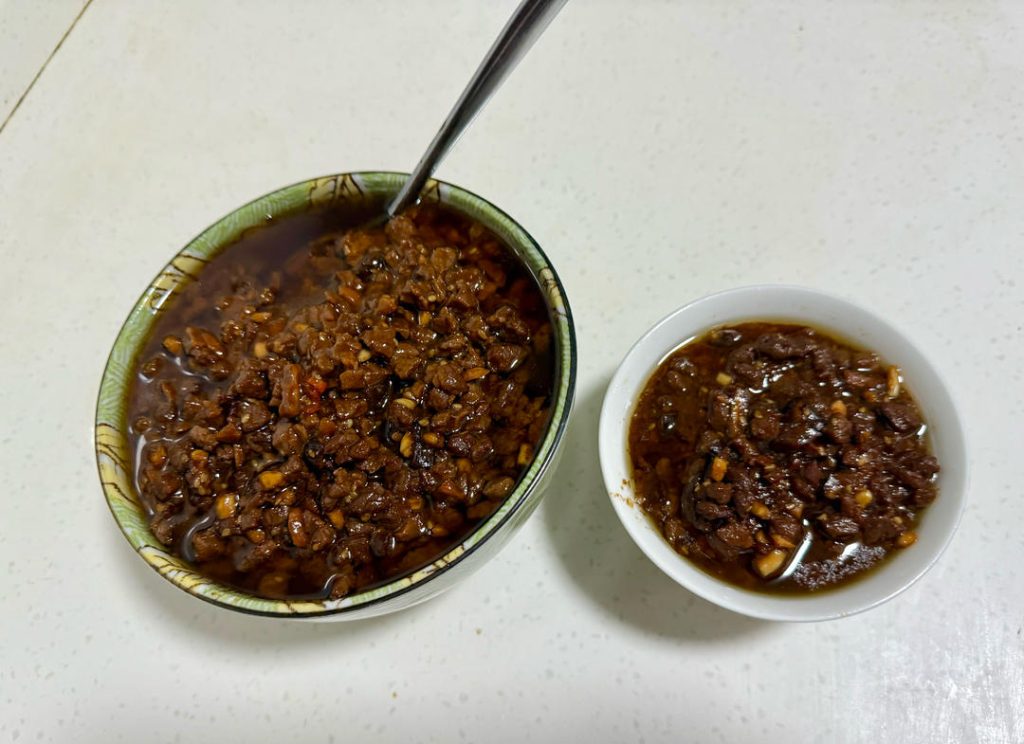
Common Mistakes When Making Beef Sauce
- Rushing the Beef: If you don’t fry the beef long enough to evaporate the water, the sauce will spoil faster and the texture will be mushy rather than chewy. The oil must run clear.
- Burning the Aromatics: If the oil is too hot during step 2, the spices will burn and make the oil bitter. Keep it gentle.
- Wet Utensils: When taking sauce out of the jar later, always use a clean, dry spoon. Water introduced into the jar can cause mold.
Serving Suggestions
This sauce is incredibly versatile. Here are my favorite ways to eat it:
- The Classic: Spoon over plain boiled noodles with some blanched bok choy for a quick lunch.
- The Comfort: Mix into Yangzhou Fried Rice for an extra savory kick.
- The Breakfast: Serve alongside plain congee or Steamed BBQ Pork Buns (using the sauce as a dip).
- The Sandwich: It makes a fantastic filling for “Chinese Hamburgers” (Rou Jia Mo).
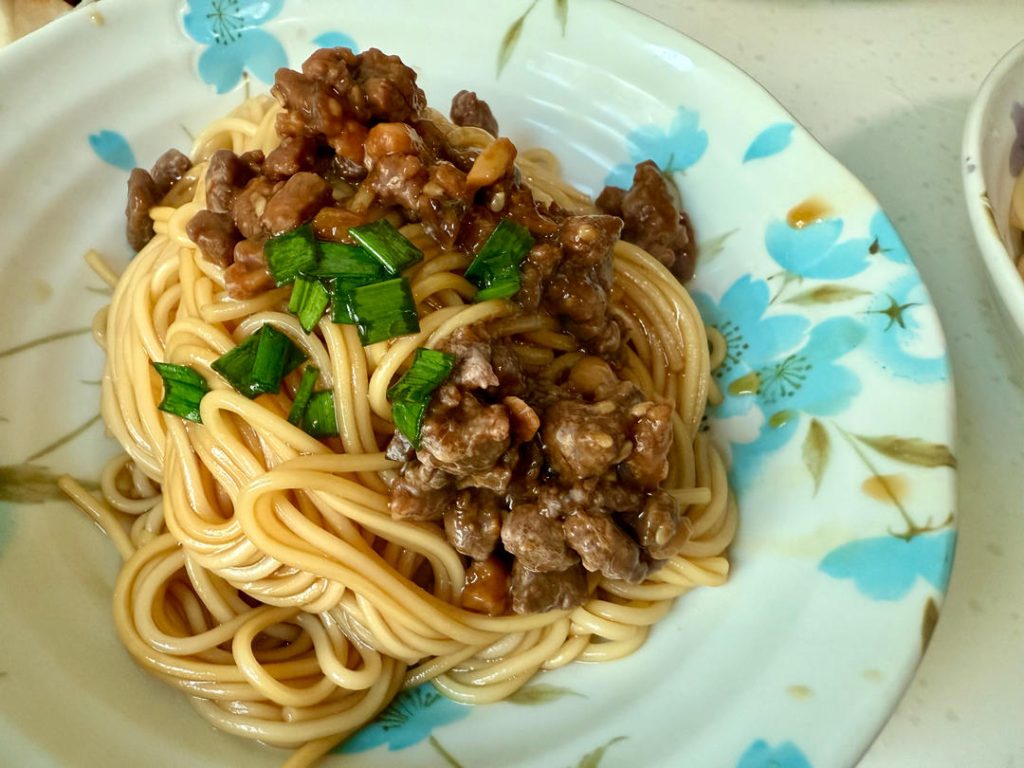
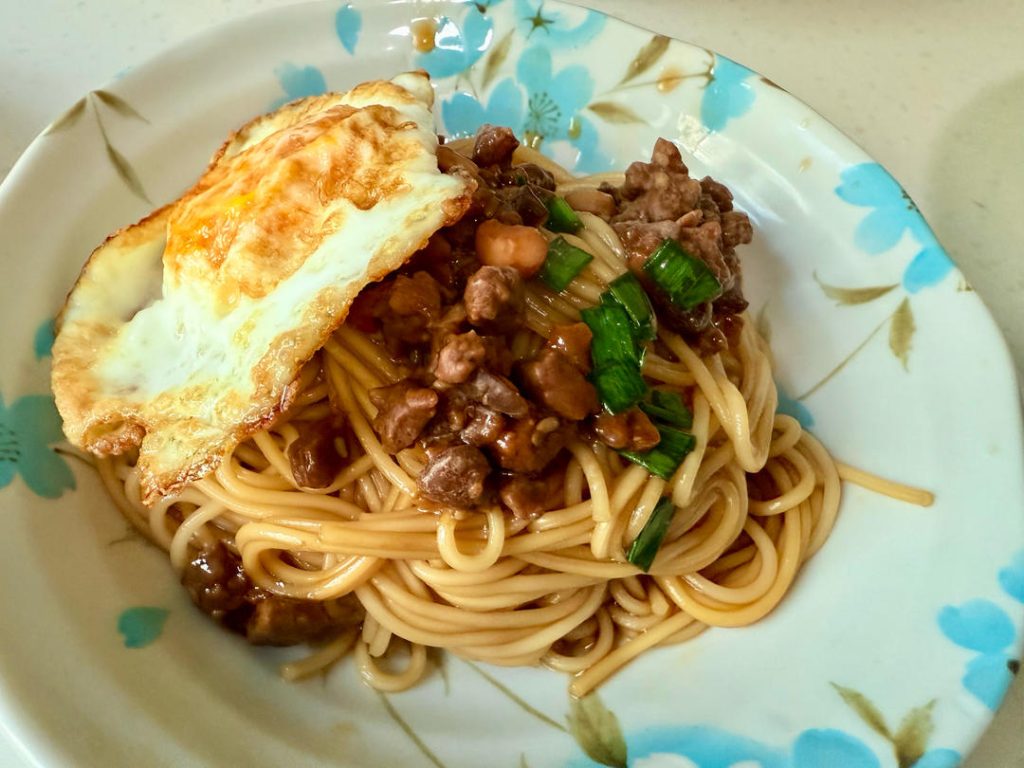
Authoritative References
For more information on the science of oil infusion and food preservation safety regarding homemade condiments, please refer to the USDA’s guidelines on Home Canning and Preservation. Understanding water activity is crucial when making sauces meant for storage.
Nutrition Information (Estimate)
- Serving Size: 1 Tablespoon
- Calories: ~85 kcal
- Fat: 7g
- Protein: 4g
- Carbohydrates: 2g
- Sodium: 250mg
(Disclaimer: Nutrition information is calculated using an ingredient database and should be considered an estimate. Garnishes and optional items are not included. Actual values vary based on the specific brands of bean paste and soy sauce used.)
Food Safety and Storage
- Storage: Store in an airtight glass jar in the refrigerator. Ensure the solids are submerged in the oil. It will keep for 2–3 weeks.
- Freezing: You can freeze this sauce for up to 3 months. Thaw in the fridge overnight.
- Reheating: Serve room temperature or warm slightly in a microwave.
Final Thoughts
This Beef and Shiitake Mushroom Sauce is a labor of love, but the result is a pantry staple that makes every meal better. It captures the essence of Chinese home cooking—transforming humble ingredients into something extraordinary through technique and time.
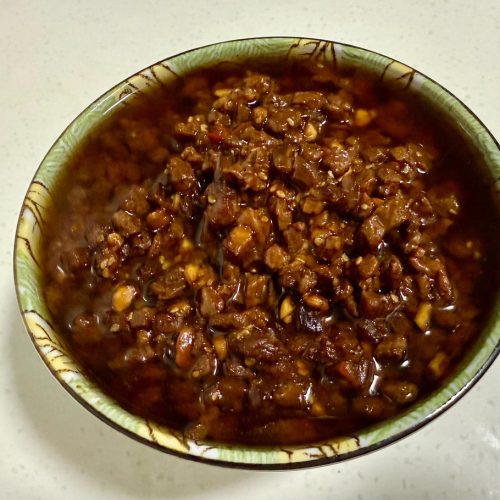
Savory Beef and Shiitake Mushroom Sauce (Niurou Jiang)

Equipment
- 1 Wok or Heavy-bottomed Pot Essential for even heat distribution
- 2 Sterilized Glass Jars For storage
Ingredients
The Beef & Mushrooms
- 1.4 lbs beef (top round or hind leg) finely diced (approx 650g)
- 1 cup dried shiitake mushrooms rehydrated and diced
- 0.5 cup roasted peanuts crushed
- 3 tbsp toasted white sesame seeds
Aromatics for Oil Infusion
- 1 cup neutral oil rice bran, canola, or vegetable
- 0.5 onion sliced
- 3 scallions whole
- 2 sprigs cilantro
- 10 cloves garlic peeled
- 3 slices ginger
- 2 bay leaves
- 3 star anise
- 1 stick cinnamon bark
Seasonings
- 3 tbsp Soybean Paste Huang Dou Jiang or Sweet Bean Sauce
- 2 tbsp Light Soy Sauce
- 0.5 tbsp Dark Soy Sauce
- 1 tbsp sugar
- 1 tsp salt adjust to taste
- 2 fresh red chilies minced (optional for heat)
Instructions
- Prep Ingredients: Dice the beef and rehydrated mushrooms into small, peanut-sized cubes. Finely mince the fresh chilies. Gently crush the roasted peanuts.

- Infuse the Oil: Add 1 cup of oil to a wok or pot. Add the onion, scallions, cilantro, garlic, ginger, bay leaves, star anise, and cinnamon. Fry over medium-low heat for 8-10 minutes until the scallions turn brown and crispy.

- Strain: Remove and discard all the solid aromatics, keeping only the infused oil in the wok.

- Cook the Beef: Increase heat to high. Add the diced beef. Stir-fry constantly. The oil will look cloudy initially as the beef releases water. Cook until the moisture evaporates, the beef darkens, and the oil turns clear again (approx. 8-10 minutes).

- Add Mushrooms: Reduce heat to medium. Add the diced mushrooms and cook for 3-4 minutes.
- Season: Add the minced chilies, soybean paste, light soy sauce, dark soy sauce, sugar, and salt. Stir well and simmer for 5 minutes.
- Finish: Turn off the heat. Stir in the crushed peanuts and sesame seeds.
- Store: Allow to cool completely before transferring to sterilized jars. Keep refrigerated.













Leave a Reply