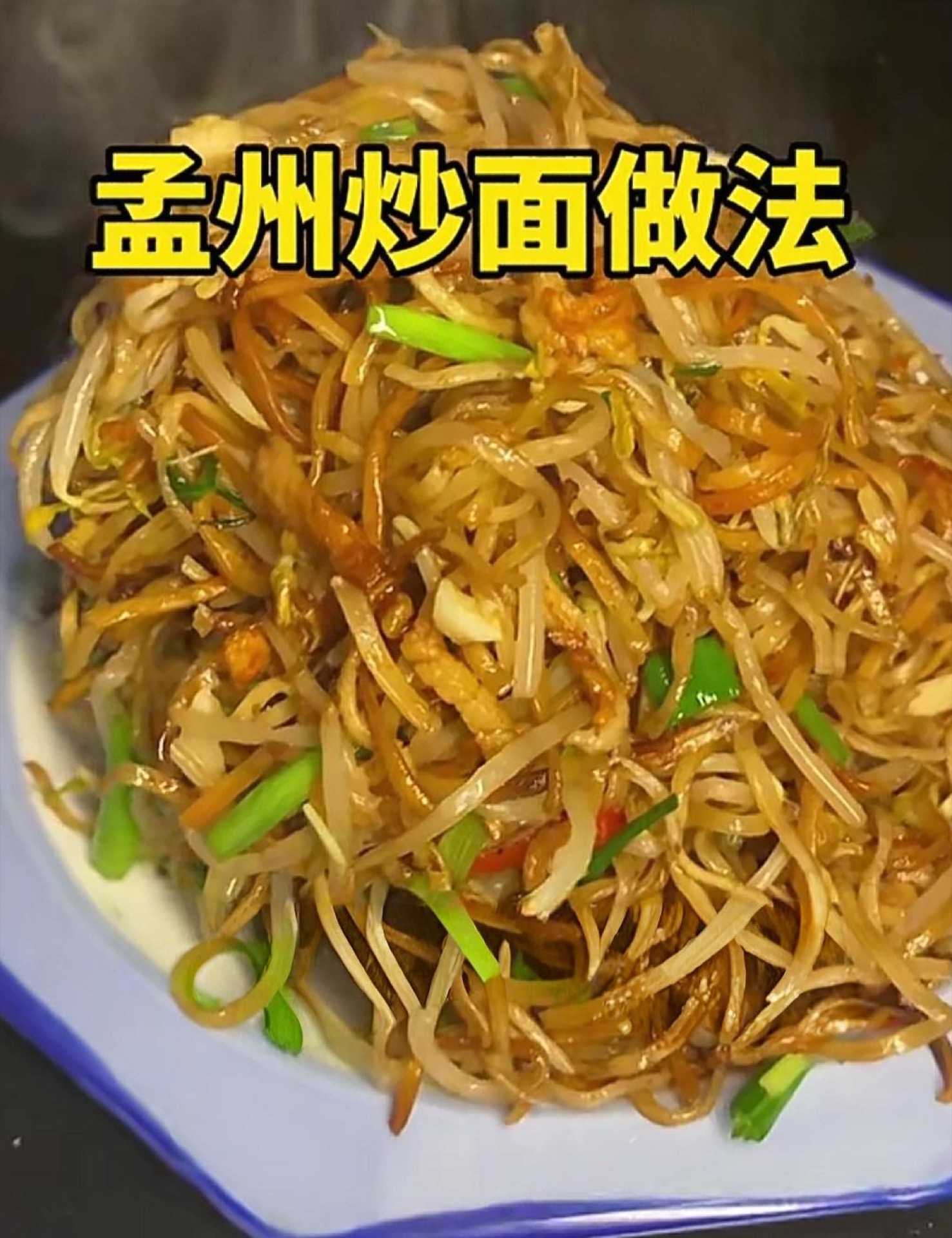
There is a whole family of Chinese noodle dishes that get their magic not from a screaming-hot wok toss but from a slow braise, and Mengzhou fried noodles sit right at the heart of it. Fresh noodles are pressed into a wide pool of oil and fried until the bottom turns into a golden, crackling sheet, then pork, bean sprouts, and a scallion-scented gravy are poured around them and the whole wok goes under a lid. What comes out is a bowl where the noodles are simultaneously crisp at the edges, chewy in the middle, and slicked with a glossy, savory sauce that clings to every strand.
This is not a quick weeknight stir-fry in the Cantonese sense, and that is exactly why it is worth learning. The technique rewards patience: you let the noodles sit undisturbed in the oil, you let the pork gravy reduce until it is almost gone, and you let the steam do the work of softening the noodles from the top down. Once you have the rhythm, it is one of the most satisfying things you can make in a wok with a pound of noodles and a handful of pantry staples.
If you are new to Chinese home cooking and the idea of “crisp then braise” sounds fussy, do not worry. The dish is forgiving, and the biggest variables are simply how much oil you use and how long you let the gravy reduce. Get those two right and Mengzhou fried noodles will taste like something you would happily order in a Henan noodle shop.
What Is Mengzhou Fried Noodles?
Mengzhou fried noodles (孟州炒面) are a Henan specialty from Mengzhou, a city in the north of the province. Unlike the fast, high-heat fried noodles most people know from Cantonese cooking, this dish is built on two moves: pan-frying fresh noodles into a golden cake, then simmering that cake in a pork and bean sprout gravy until the noodles soak up the sauce and soften to a springy chew. The name “炒面” literally means fried noodles, but the cooking is closer to a shallow braise finished with a toss.
The flavor profile is northern and savory rather than sweet or spicy. Scallion, pork, five-spice, and soy build a deep, almost gravy-like base, and the bean sprouts add a fresh crunch that cuts through the richness. It is a home-style dish, the kind that shows up on family tables and in small noodle shops where the wok has been seasoned for years.
If you love noodles that are saucy rather than dry, the closest cousins are braised green beans and noodles with pork (焖面), a Henan and northern classic where noodles steam directly on top of the braise. braised green beans and noodles with pork is the best place to start.
1Braised Green Beans and Noodles (Men Mian)This traditional Northern Chinese Braised Green Beans and Noodles (Men Mian) creates chewy, flavorful noodles by steaming them directly on top of a savory stew of pork, potatoes, and tomatoes. It is a hearty one-pot meal that captures the essence of home cooking.Check out this recipe

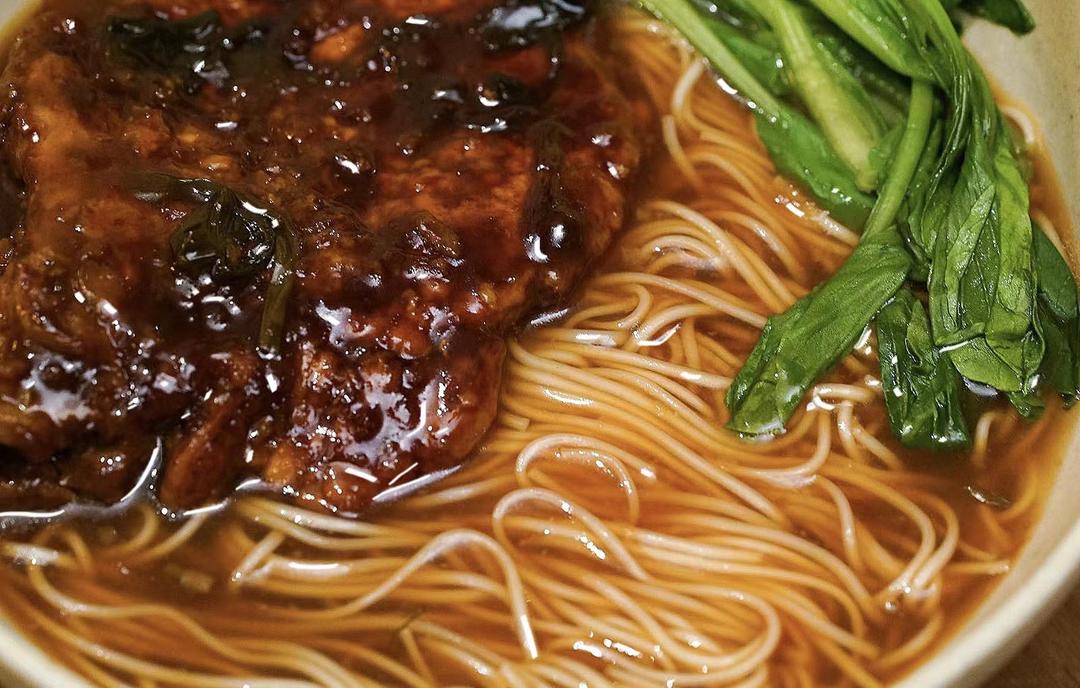
The second relative worth knowing is scallion braised pork chop noodles, which shares the same scallion-and-soy gravy logic but swaps in pork chops and a soupier bowl. scallion braised pork chop noodles is a great next step once you have the gravy technique down.
2Scallion Braised Pork Chop Noodles (Cong Shao Da Pai Mian)A classic Shanghainese comfort dish featuring tenderized bone-in pork chops braised in a rich, aromatic scallion sauce. The noodles are cooked directly in the savory juices, ensuring every strand is packed with flavor.Check out this recipe
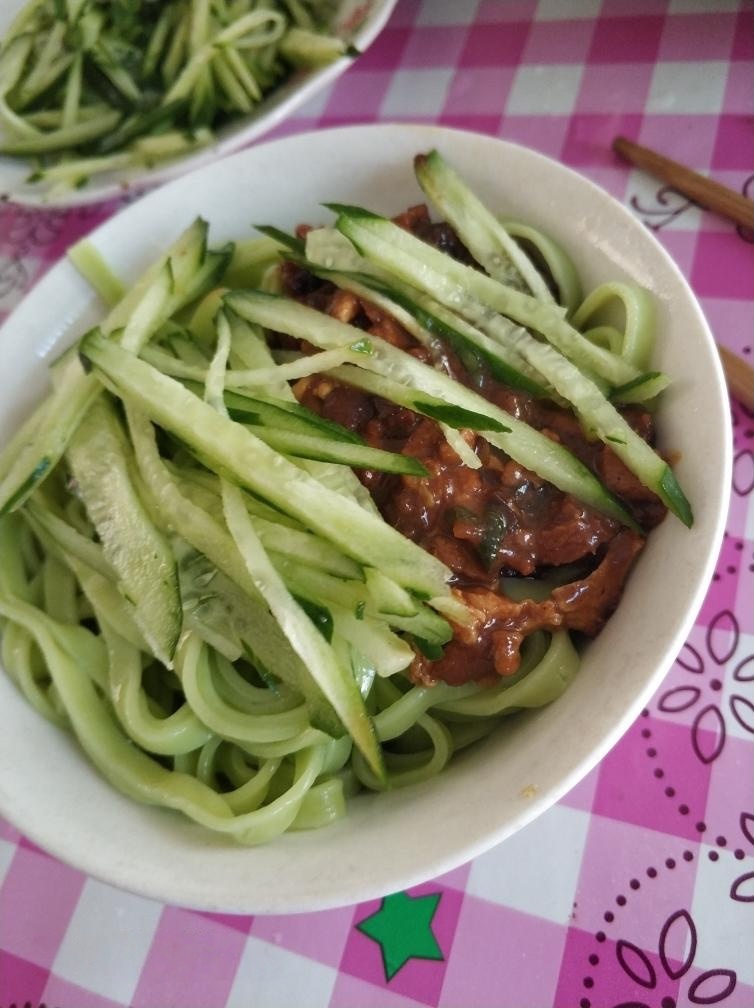
And if you like the idea of a thick, savory sauce clinging to noodles, mushroom pork fried sauce noodles takes that same instinct in a completely different direction, with a fermented bean paste sauce and mushrooms. mushroom pork fried sauce noodles is a fantastic contrast recipe.
3Mushroom Pork Fried Sauce Noodles (Zhajiangmian)A comforting homestyle noodle dish featuring diced pork, earthy shiitake mushrooms, and fluffy eggs in a savory soybean sauce. A family favorite that’s ready in 30 minutes.Check out this recipe
Why This Recipe Works
The core idea is a two-texture noodle: crisp on the outside, tender and sauce-soaked on the inside. Pan-frying the noodles first creates a browned, slightly chewy crust that holds up when the gravy hits it, so the noodles do not simply turn to mush. The lid then traps steam, which softens the top layer of noodles while the bottom stays a little firmer.
Using pork fat or lard for the gravy is not a shortcut, it is the point. Fat carries the scallion and five-spice aromas and gives the sauce a rounder, richer body than oil alone. And because the gravy is built with hot water rather than a thickener, the final sauce is glossy and light rather than gluey, coating the noodles without drowning them.
Why does hot water matter here? Adding cold water to a hot wok drops the temperature sharply and can make the pork seize and toughen, while hot water keeps the braise at a steady simmer so the meat stays tender and the gravy reduces evenly. It is a small habit that makes a real difference in texture.
Equipment Needed
A wok is the ideal vessel because its curved sides let you spread the noodles into a wide, even layer and then toss everything at the end without chasing noodles over the rim. A large, heavy skillet or a cast-iron pan works too, as long as it holds a pound of noodles in a single layer. You will also want a lid that fits, a cutting board and sharp knife for the pork and aromatics, and a slotted spoon or spatula for lifting the noodle cake without tearing it.
If you are still building your kitchen setup, our guide on how to cook chinese food without experience covers the basics of wok care and heat control that will serve you well here.
Ingredients
Fresh noodles are the backbone of this dish. Look for thin round or flat wheat noodles sold in the refrigerated section of an Asian market, sometimes labeled “fresh noodles” or “Shanghai noodles.” If you can only find dried, choose a medium-width wheat noodle and boil it just shy of done before pan-frying. Our guide to types of Chinese noodles breaks down which styles work best for braised and pan-fried dishes.
For the pork, thin shreds of loin are the leanest option, but a little fat helps. Pork belly or a marbled shoulder cut gives a juicier result, and if you use pure lean pork, add an extra half tablespoon of oil to the marinade to keep it from drying out. Bean sprouts should be fresh and crisp, rinsed well and drained so they do not water down the gravy.
The aromatics are simple but non-negotiable: plenty of scallion, split into whites for the base and greens for the finish, and a good amount of garlic added at the very end so it stays sweet and pungent rather than bitter. Five-spice powder, light soy, dark soy, and Shaoxing wine round out the northern flavor profile.
Ingredient Notes
Light vs. dark soy sauce. Light soy is your salty, all-purpose seasoning; dark soy is thicker, less salty, and mostly there for color. You need both in this recipe. If you only have one, use light soy for seasoning and accept a paler gravy.
Lard. Rendered pork fat gives the gravy its signature richness. If you do not have it, use a neutral oil and add a few slices of pork belly to the wok first to render some fat before adding the lean pork.
Five-spice powder. A little goes a long way. Start with half a teaspoon and taste, because an overload of star anise and clove will dominate the pork and scallion.
Bean sprouts. Mung bean sprouts are traditional. Soybean sprouts are crunchier and need an extra minute or two under the lid. Either works, but do not skip them, because they add the fresh bite that balances the rich gravy.
Noodles. If your fresh noodles are thick and doughy, blanch them for 30 seconds and drain well before pan-frying. Wet noodles will not crisp, so dry them on a towel if they come out of the package very damp.
Prep & Mise en Place
This dish moves quickly once the wok is hot, so set everything up before you turn on the burner. Shred the pork and toss it with the marinade ingredients, then let it sit for 10 minutes while you prep the rest. Mince the garlic, slice the scallions and separate the whites from the greens, and rinse and drain the bean sprouts thoroughly.
Measure out your soy sauces, five-spice, and sesame oil into small bowls so you are not fumbling with bottles over a hot wok. Have the hot water ready in a kettle or measuring cup, and keep a lid within arm’s reach. Loosen the fresh noodles with your hands so they are not clumped, and pat them dry if needed. Once the oil is shimmering, you will not have time to chop anything else.
Cooking Process
Step 1 — Pan-Fry the Noodles
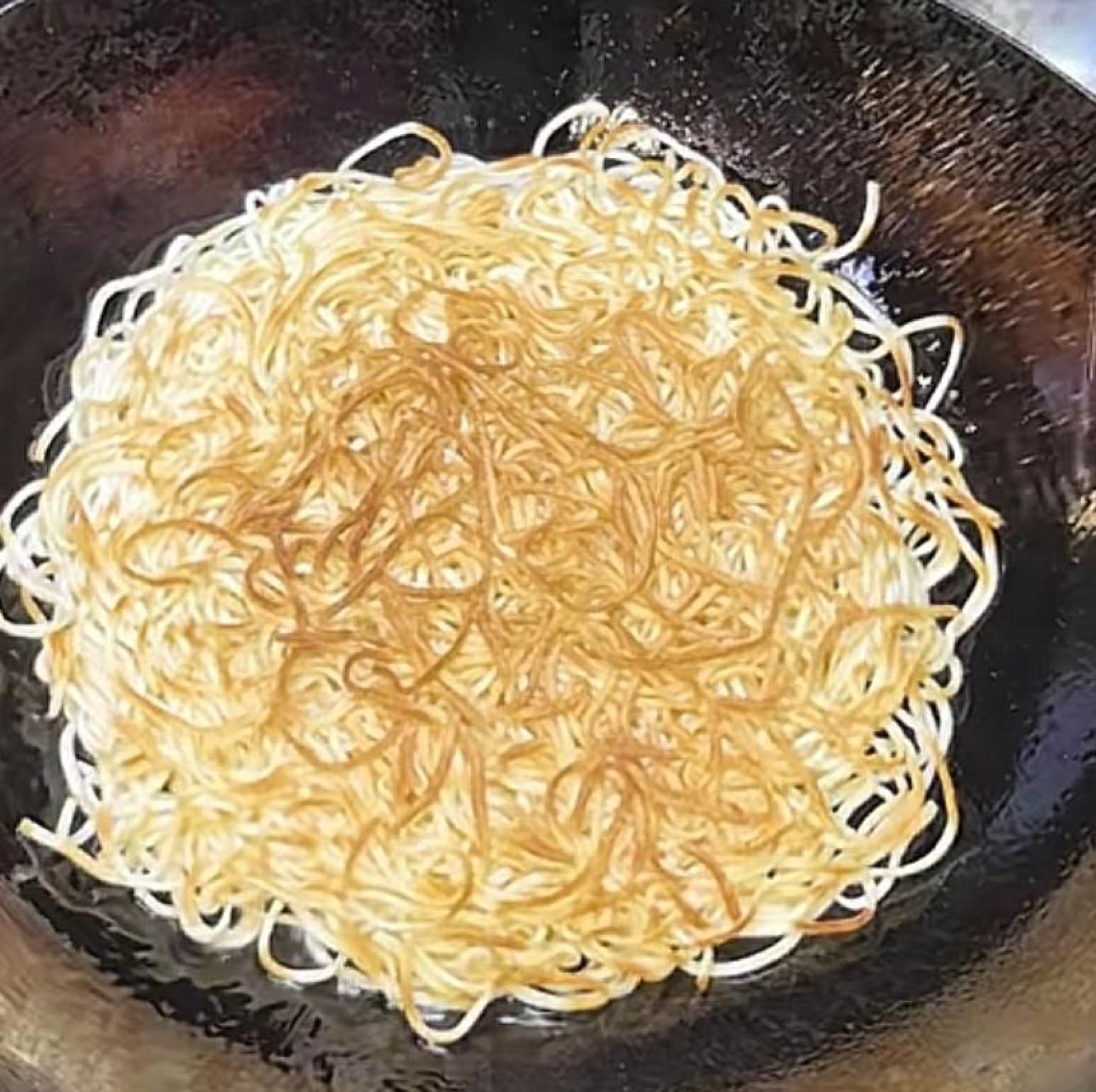
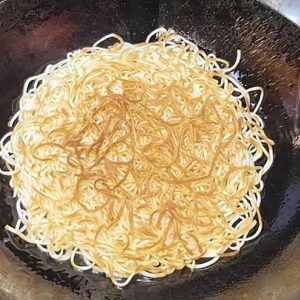
Heat a generous amount of oil in a wok, spread the fresh noodles flat in an even layer, drizzle oil around the edge of the wok, and pan-fry until both sides are golden brown, then set aside.
Step 2 — Marinate the Pork
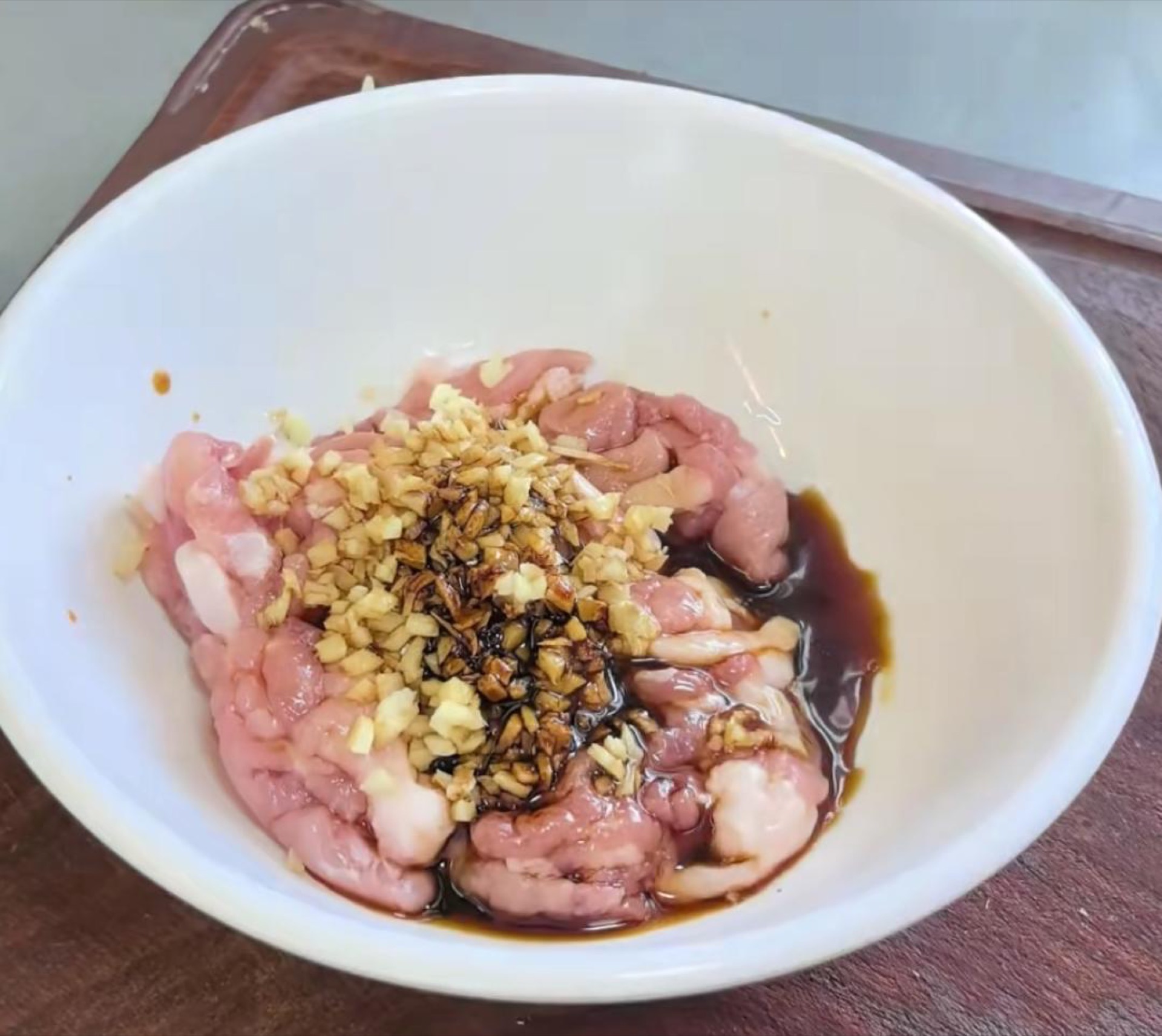
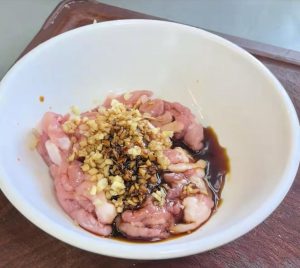
Slice the pork into thin shreds, add the minced scallion, light soy sauce, dark soy sauce, and Shaoxing wine, and stir well to marinate.
Step 3 — Build the Pork Gravy
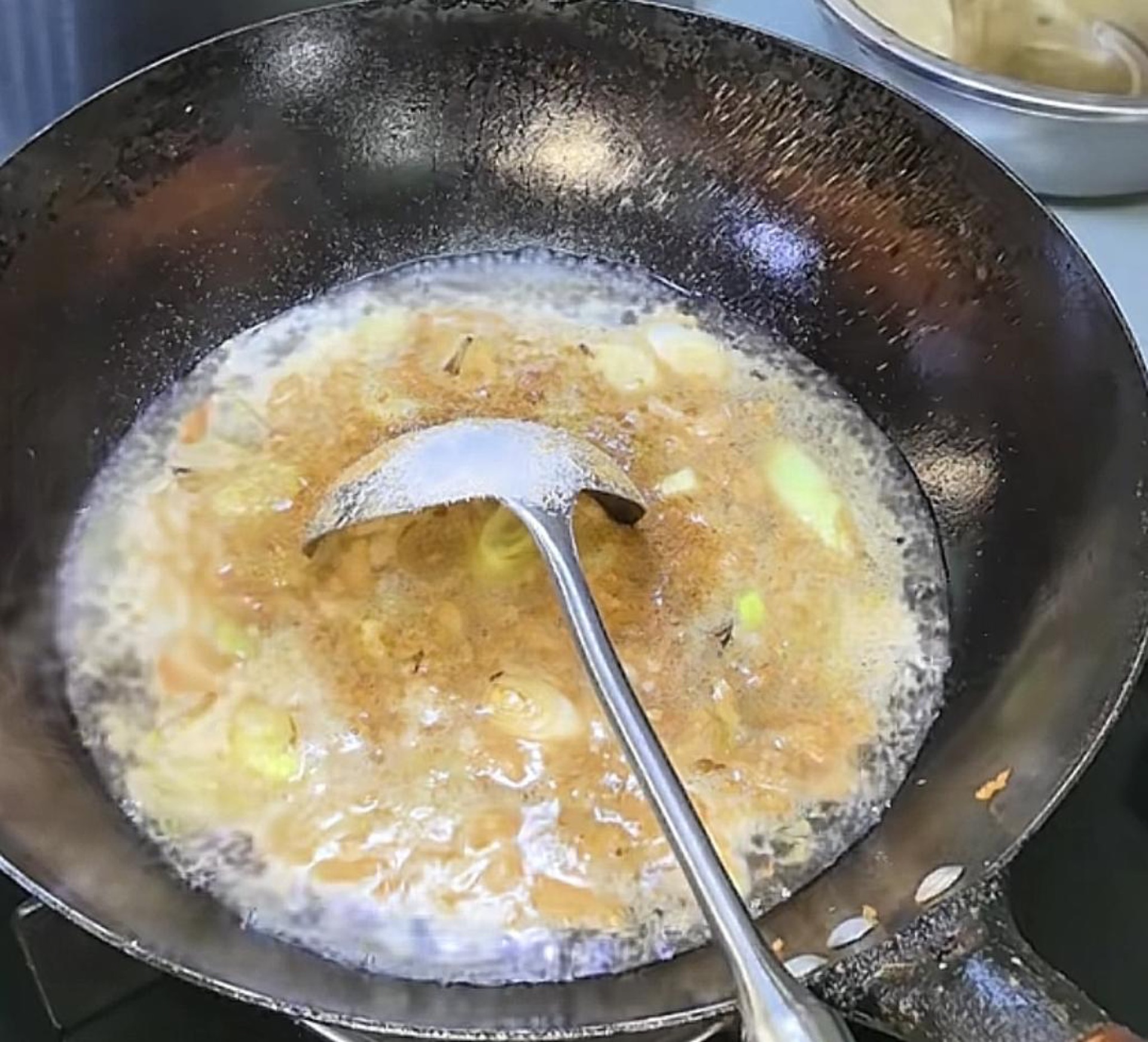
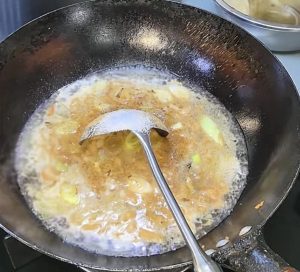
Heat the lard and fry the scallion whites until fragrant, add the pork and stir until it changes color, pour in hot water just to cover the pork, season with five-spice powder and other seasonings, and finish with a spoonful of light or dark soy sauce for color.
Step 4 — Steam the Noodles
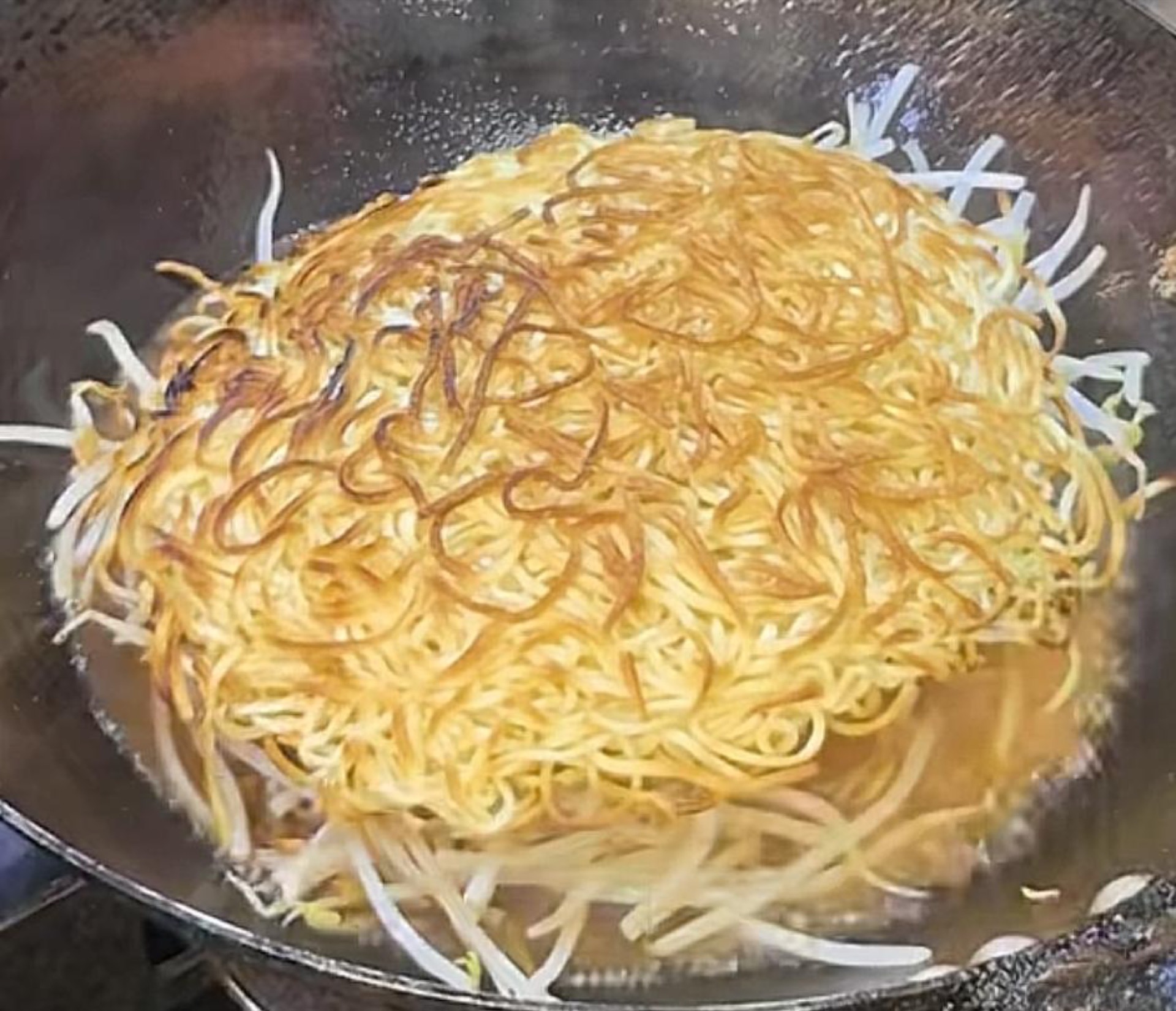
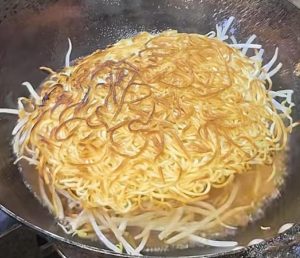
Add the bean sprouts to the gravy, lay the pan-fried noodles on top of the sprouts, cover the wok with a lid, and cook for 3 to 5 minutes.
Step 5 — Flip and Toss
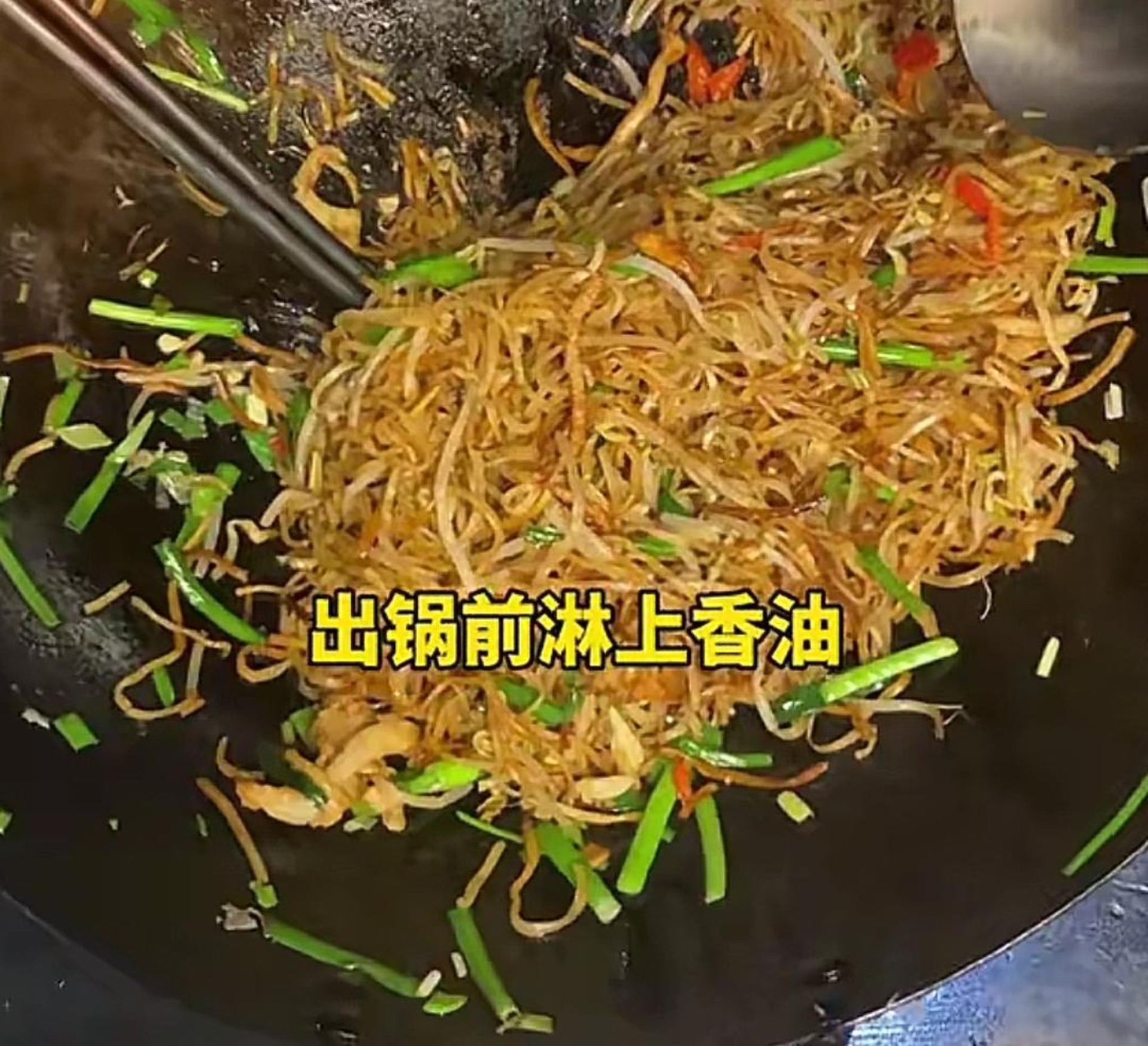
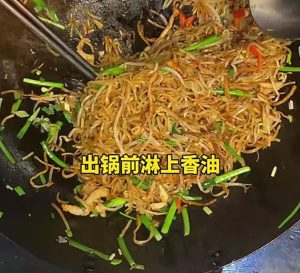
Once the gravy has mostly cooked down, add the scallion greens and minced garlic, start tossing and mixing, and drizzle in a little sesame oil; after everything is evenly combined, taste the noodles for softness and cover again to steam a little longer if you prefer them softer.
Common Mistakes When Making Mengzhou Fried Noodles
1. Not enough oil for the noodles. If the noodles are not sitting in a shallow layer of oil, they will steam and stick instead of crisping. Cause: fear of oil. Fix: use a generous three tablespoons and tilt the wok so the oil reaches the edges.
2. Moving the noodles too soon. Lifting and stirring the noodle cake before it has browned tears it apart and prevents that golden crust. Cause: stir-fry habit. Fix: let it sit undisturbed for 2 to 3 minutes, then check one corner before flipping.
3. Too much water in the gravy. If the pork is swimming, the noodles will turn soggy and never crisp. Cause: eyeballing the water. Fix: add just enough hot water to barely cover the pork, about two cups for a pound of noodles.
4. Adding garlic too early. Garlic thrown in at the start burns and turns the gravy bitter. Cause: treating it like a stir-fry base. Fix: save the garlic and scallion greens for the final toss, off the highest heat.
5. Skipping the rest under the lid. Noodles pulled out too early stay hard in the middle. Cause: impatience. Fix: cover and cook 3 to 5 minutes, then taste a strand and steam longer if you like them softer.
6. Wet bean sprouts. Rinsed but undrained sprouts release water and dilute the sauce. Cause: skipping the drain. Fix: spin or pat them dry before they go in.
Variations
Beef version. Swap the pork for thinly sliced beef and marinate it with a little cornstarch and soy. The gravy benefits from a splash of beef stock instead of water.
Vegetarian version. Use shiitake mushrooms and a little soy-based “oyster” sauce in place of the pork, and build the gravy with mushroom stock. Add extra bean sprouts for body.
Spicier bowl. Finish with a spoonful of chili oil or a few dried chilies fried with the scallion whites. The northern version is not traditionally spicy, but it takes heat well. If you like that direction, our spicy chicken hot pot uses a similar chili-and-aromatic base.
Extra vegetables. Shredded cabbage, sliced onion, or a handful of spinach all work. Add sturdy vegetables with the bean sprouts and delicate greens at the end.
Noodle swap. Wide hand-pulled noodles give a chewier result, while thin fresh noodles crisp faster. Both are traditional enough for a home kitchen.
Frequently Asked Questions
Can I use dried noodles instead of fresh? Yes, but boil them until just shy of al dente, drain very well, and toss with a teaspoon of oil before pan-frying so they do not clump. Fresh noodles give a better chew and crisp more reliably.
Why did my noodles stick to the wok? Almost always too little oil or a wok that was not hot enough before the noodles went in. Heat the wok first, add the oil, let it shimmer, then add the noodles and do not move them until the bottom sets.
How do I know when the gravy is reduced enough? When you tilt the wok and the liquid no longer pools around the pork, and the sauce coats the noodles rather than running off them. If it is still soupy, uncover and cook another minute or two.
Can I make this ahead? You can pan-fry the noodles and marinate the pork up to a day ahead, but the final braise is best done right before serving so the contrast between crisp and tender is at its peak.
Is this dish very salty? It is savory, but you control the salt through the soy sauces. Use light soy for seasoning, add dark soy only for color, and taste the gravy before the noodles go in.
How to Serve
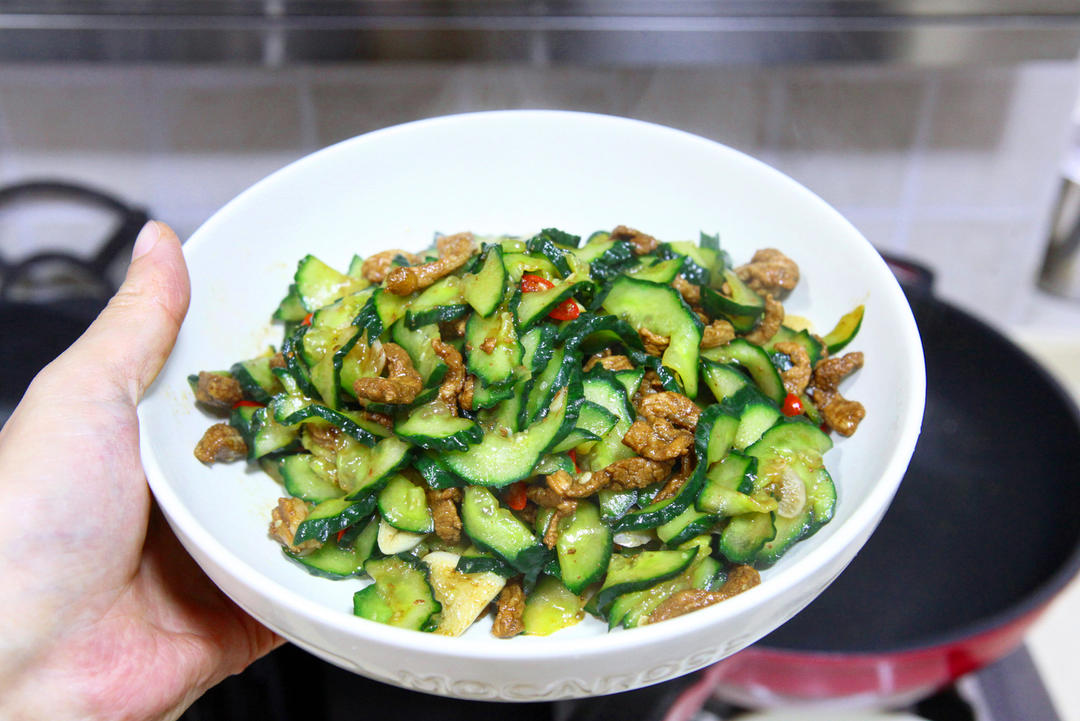
Mengzhou fried noodles are a meal on their own, but they pair beautifully with a light, fresh side to cut the richness. A quick cucumber dish is ideal, like this pork and cucumber stir fry, which brings a cool crunch to the table.
If you want a second noodle dish to round out a larger meal, minced pork noodles is a saucy, savory companion that shares the same pork-and-soy flavor language.
For a lighter, broth-based contrast, fennel and egg noodles is a gentle, aromatic bowl that balances the heavier braised noodles nicely.


Storage & Reheat
Store leftovers in an airtight container in the refrigerator for up to 3 days. The noodles will soften further overnight, which is normal. Reheat in a covered pan over medium heat with a splash of water to loosen the sauce, or microwave covered until steaming hot. Avoid reheating in a dry pan, which will toughen the noodles.
This dish does not freeze well because the noodles lose their texture and the bean sprouts become mushy. If you must freeze it, freeze only the pork gravy and cook fresh noodles to serve with it.
Allergen Notice
This recipe contains wheat (noodles), soy (soy sauce), and sesame (sesame oil). If you are cooking for someone with a soy allergy, use a soy-free seasoning such as coconut aminos and check your noodle label for wheat and soy additives. Always read labels on Shaoxing wine and five-spice blends, as some contain added wheat or soy.
Nutrition Disclaimer
Nutrition information is calculated using an ingredient database and should be considered an estimate. In cases where multiple ingredient alternatives are given, the first listed is calculated for nutrition. Garnishes and optional ingredients are not included.
About the Author & Recipe Development
Lin is the cook and writer behind Woks of Love, where she shares the home-style Chinese dishes she grew up with and the ones she has learned from cooks across China. This recipe was developed from the Mengzhou-style home version of chaomian, where the noodles are pan-crisped and then finished in a pork gravy, and it was tested in a home wok with fresh market noodles and pantry soy sauces. The goal is always the same: a dish you can actually cook on a Tuesday night that still tastes like it came from a noodle shop.
Authoritative References
For safe handling and cooking temperatures for pork, see the USDA safe minimum internal temperature chart. For general food safety guidance on leftovers and reheating, the FDA refrigerator and food safety guidance is a useful reference. For an overview of Chinese noodle styles and wheat noodle production, the Wikipedia entry on Chinese noodles provides useful background.
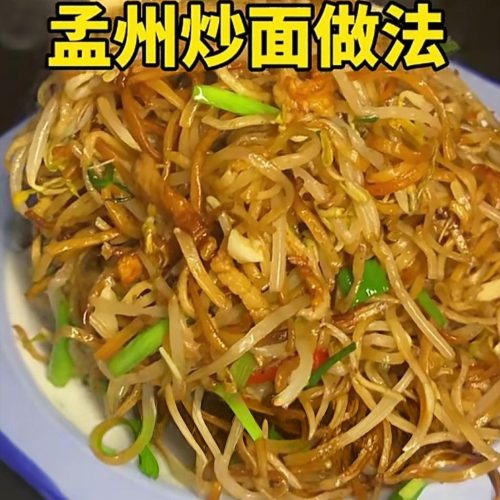
Mengzhou Fried Noodles (孟州炒面): Crispy Noodles, Savory Gravy

Equipment
- Wok
- Cutting Board
- Slotted Spoon
- Chef’s knife
- Lid
Ingredients
For the Noodles
- 1 lb fresh noodles thin round or flat wheat noodles
- 3 tbsp neutral oil for pan-frying the noodles
For the Pork
- 8 oz pork loin or belly thinly sliced or shredded
- 1 tbsp light soy sauce for marinating
- 1 tsp dark soy sauce for marinating
- 1 tbsp Shaoxing wine or dry sherry
- 1 tbsp scallion white part only, minced
For the Gravy
- 2 tbsp lard or neutral oil
- 4 stalks scallions whites and greens separated
- 7 cloves garlic minced
- 2 cups bean sprouts rinsed and drained
- 2 cups hot water or light stock
- 1 tsp five-spice powder
- 1 tbsp light soy sauce for the gravy
- 1 tsp dark soy sauce for color
- 1 tsp sesame oil to finish
Instructions
- Heat a generous amount of oil in a wok, spread the fresh noodles flat in an even layer, drizzle oil around the edge of the wok, and pan-fry until both sides are golden brown, then set aside.

- Slice the pork into thin shreds, add the minced scallion, light soy sauce, dark soy sauce, and Shaoxing wine, and stir well to marinate.

- Heat the lard and fry the scallion whites until fragrant, add the pork and stir until it changes color, pour in hot water just to cover the pork, season with five-spice powder and other seasonings, and finish with a spoonful of light or dark soy sauce for color.

- Add the bean sprouts to the gravy, lay the pan-fried noodles on top of the sprouts, cover the wok with a lid, and cook for 3 to 5 minutes.

- Once the gravy has mostly cooked down, add the scallion greens and minced garlic, start tossing and mixing, and drizzle in a little sesame oil; after everything is evenly combined, taste the noodles for softness and cover again to steam a little longer if you prefer them softer.













Leave a Reply