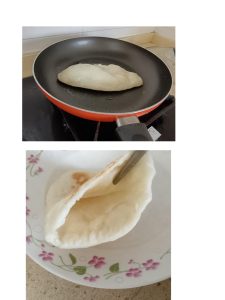
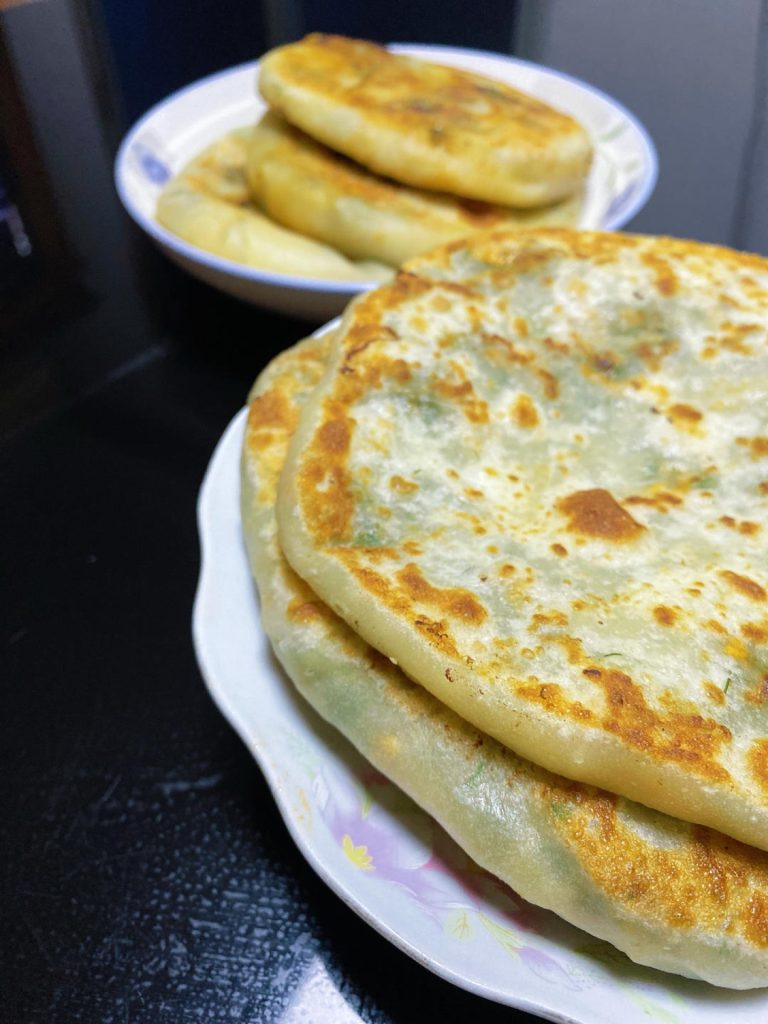
There is something quietly magical about watching a flat disc of dough balloon into a hollow, golden pocket right there in your pan. That moment — the dough rising like a tiny pillow, the surface turning spotty and fragrant — is the whole charm of pocket flatbread, known in Chinese as 口袋饼 (kǒu dài bǐng), literally “pocket cake.” It is soft, faintly chewy, and built by design to be split open and stuffed with whatever you are craving.
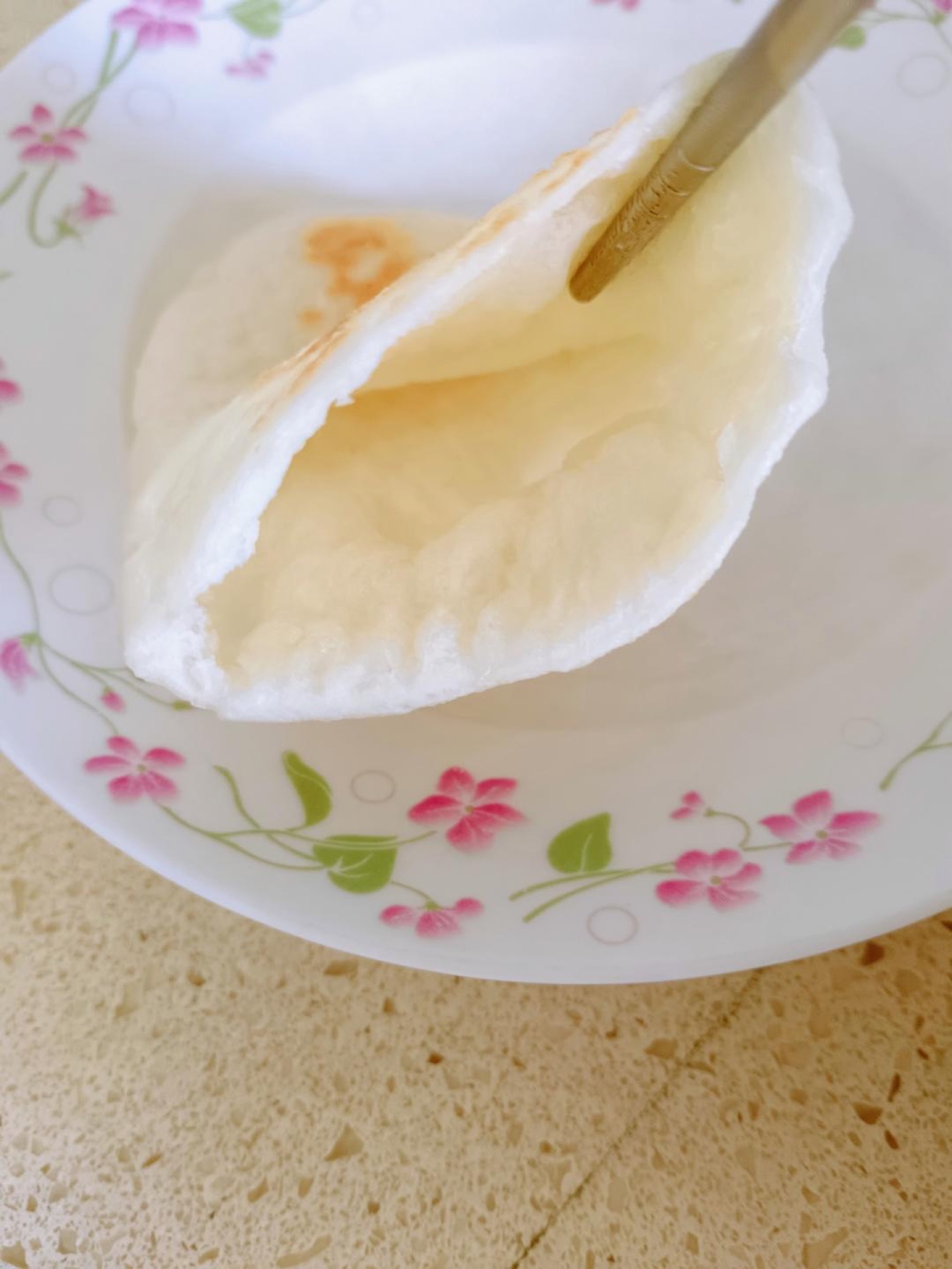
Unlike pita, which relies on a blazing-hot oven to steam itself into a pocket, this Chinese flatbread does the same trick in a covered wok or skillet on your stovetop. The oil roux brushed inside the dough creates a barrier between layers, so when the moisture in the dough turns to steam, the layers separate and the bread inflates. It is one of the most forgiving breads you can make — no oven, no special equipment, and a short proof that fits into a busy afternoon.
I first learned to make these from a street vendor in Xi’an who flipped them one after another on a worn cast-iron griddle, never once looking at a timer. What struck me was how simple the dough was — just flour, water, yeast, and salt — and how much of the result depended on feel: the warmth of the water, the rest between kneads, the patience to let the pan do its work. This recipe captures that same rhythm in a home kitchen.
What Is Pocket Flatbread?
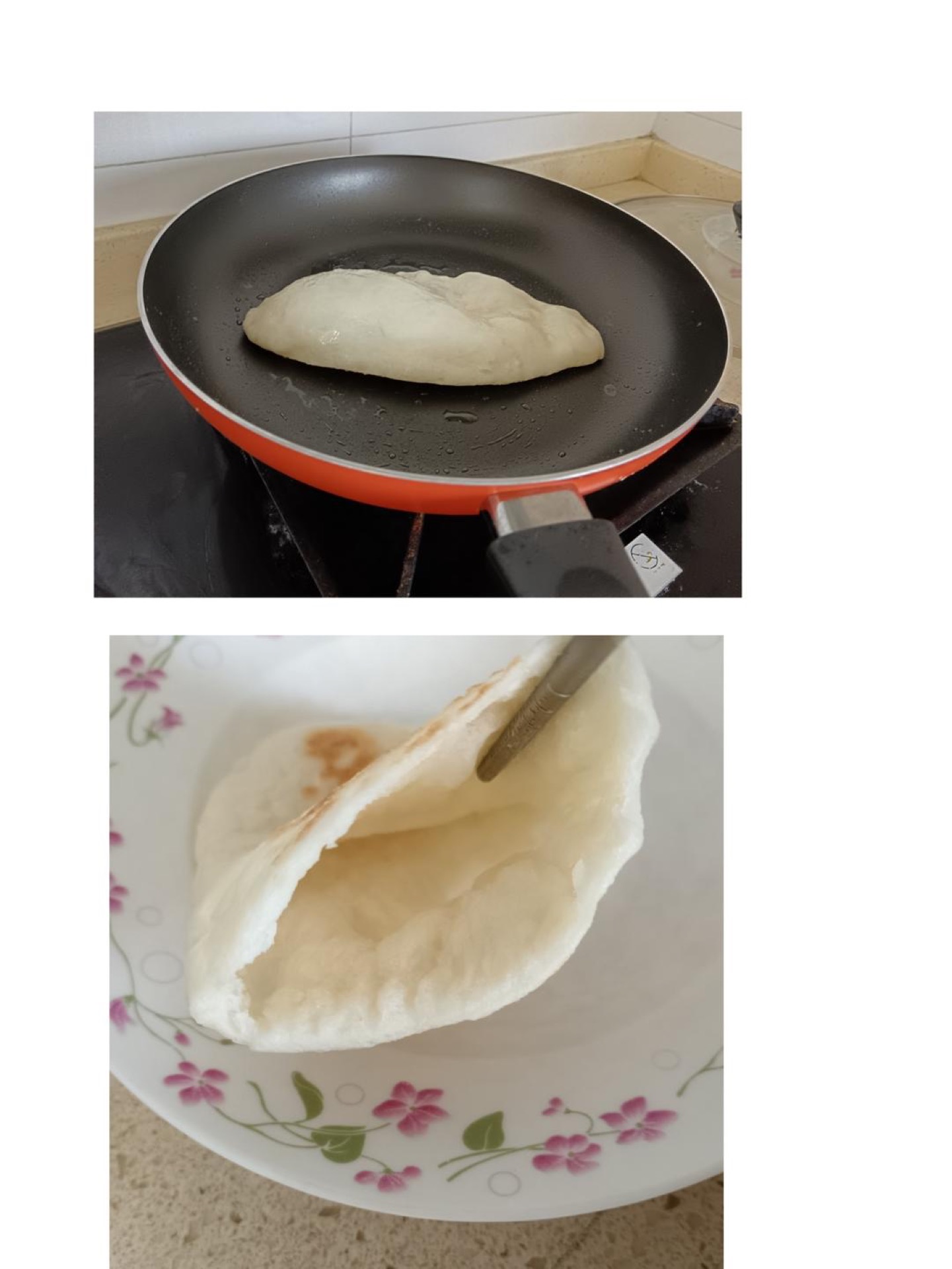
Pocket flatbread is a soft, yeasted Chinese flatbread that cooks into a hollow, pita-like pocket. It belongs to the broad family of 饼 (bǐng), the flatbreads that appear across northern China in countless forms — flaky, layered, stuffed, or plain. What sets kou dai bing apart is its construction: a brushed layer of oil roux inside the dough, wrapped in like a baozi, which lets the interior separate into a clean pocket as the bread puffs.
The texture is the real draw. The outside is lightly crisped and freckled from the pan, while the inside stays tender and slightly chewy. Because the pocket is hollow, the bread is essentially a ready-made vessel — you tear or slice it open and spoon in braised meats, scrambled eggs, stir-fried vegetables, or anything saucy enough to soak into the soft interior. It is a street food at heart, sold hot and folded around a filling for eating on the move.
If you love the idea of a homemade bread that doubles as a meal-holder, this is one of the most rewarding ones to keep in rotation — it freezes beautifully and reheats in minutes.
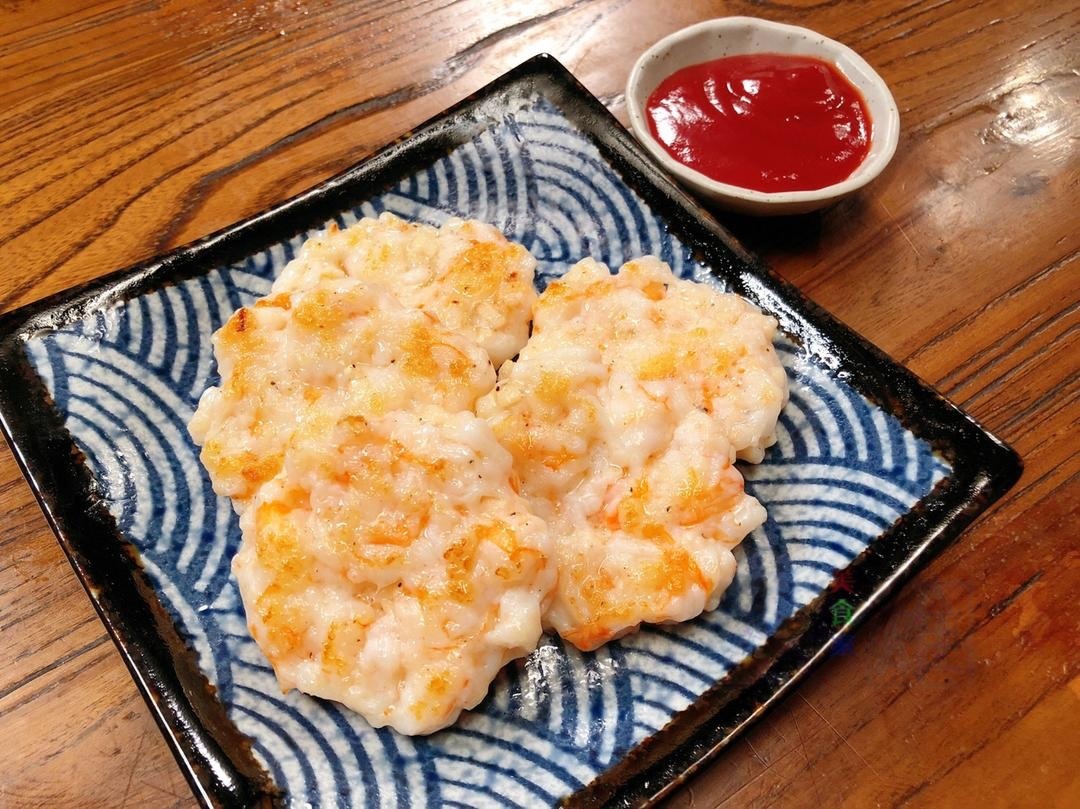
If you enjoy working with yeasted doughs that puff and transform on the stove, the pan fried chinese shrimp cakes share that same pan-to-plate satisfaction, with a savory seafood filling folded right into the batter.
1Pan-Fried Chinese Shrimp Cakes (Xia Bing)These crispy Pan-Fried Chinese Shrimp Cakes are restaurant-quality: juicy, bouncy, and packed with crunchy water chestnuts. A specialized hand-chopping technique creates the signature ‘Q-texture’ found in high-end dim sum.Check out this recipe
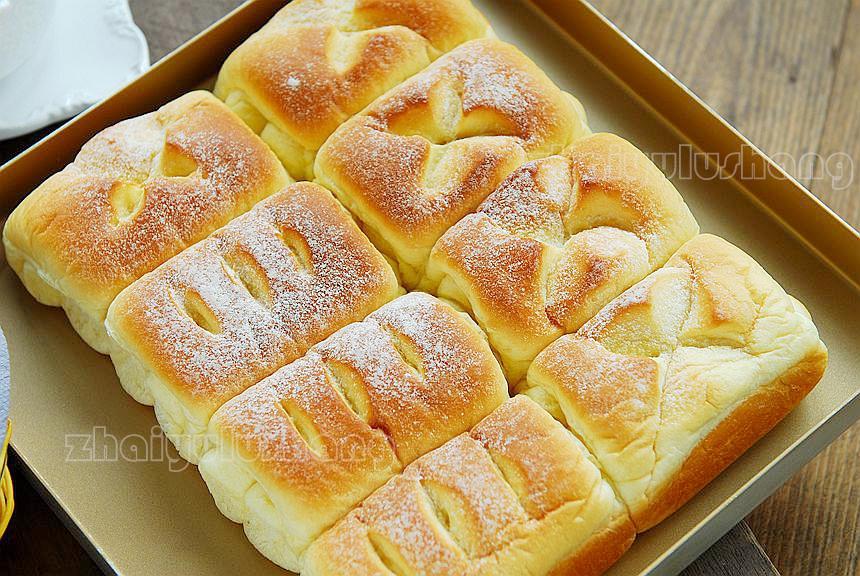
For a softer, bakery-style project that rewards a little patience with the sponge method, the cloud soft milk bread rolls sponge dough are a lovely next step once you are comfortable handling dough.
2Cloud-Soft Milk Bread Rolls (The Sponge Dough Method)Incredibly soft, cloud-like Japanese-style milk bread rolls made using the traditional Zhongzhong (sponge dough) method. These stay soft for days!Check out this recipe
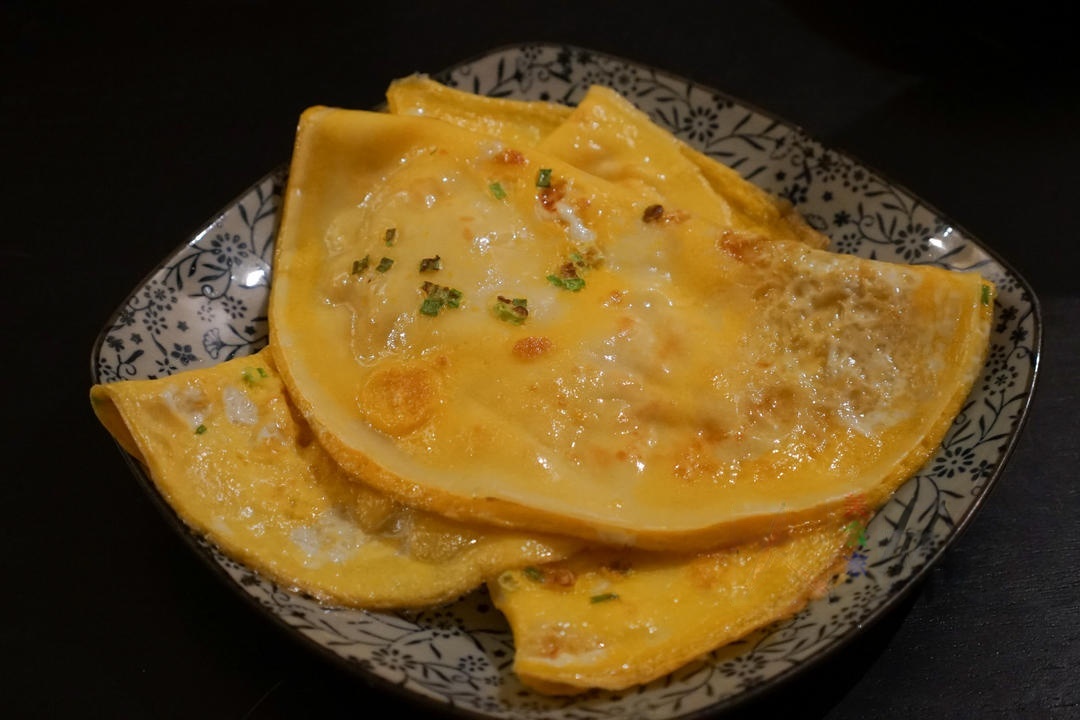
And if you want a fast, no-knead bread that also holds a filling, the egg filled pancake comes together in about ten minutes and proves how little equipment good bread really needs.
3Easy Jidan Guanbing (Egg-Filled Pancake) – No Knead Batter MethodA quick 10-minute hack for authentic Chinese Jidan Guanbing. This no-knead batter method creates a crispy, savory egg-filled pancake perfect for a busy breakfast.Check out this recipe
Ingredient Notes
This recipe uses only a handful of ingredients, so each one matters. Here is what to look for and how to handle each.
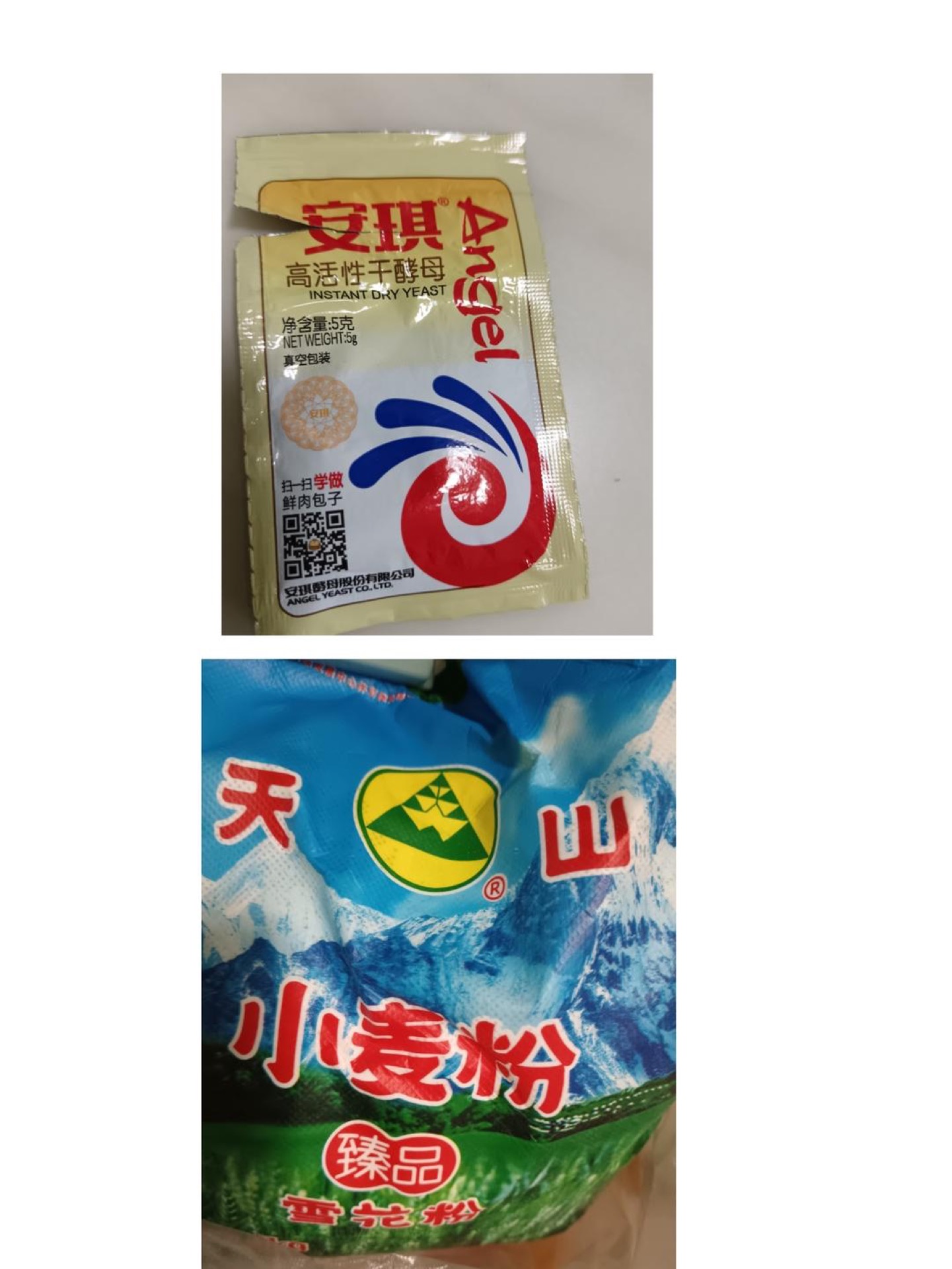
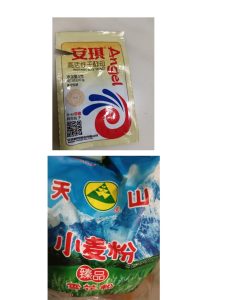
All-purpose flour. A medium-protein all-purpose flour gives the ideal balance of chew and tenderness. Bread flour will make the pockets slightly tougher and harder to roll thin, while cake flour will leave them too soft to hold their shape. The source recipe uses a Chinese all-purpose flour (天山面粉), which behaves much like standard Western all-purpose.
Instant yeast. Just 1 gram — about a third of a teaspoon — is enough. This is a lightly leavened dough, not a full bread dough, so you want a gentle lift rather than a big open crumb. Instant yeast can go straight into the flour; if you only have active dry yeast, proof it in the warm water first for five minutes.
Warm water. Room-temperature to lukewarm water, around 168 grams, gives a soft, slightly sticky dough. If your kitchen is cold, use water at about 90°F (32°C) to keep the proof moving. If it is hot, cool water prevents the dough from over-proofing.
Salt. Two grams seasons the dough from within. Do not skip it — an unsalted flatbread tastes flat no matter how good the filling is.
Oil roux (油酥). This is the secret to the pocket. Fifteen grams of flour mixed with fifteen grams of cooked (heated and cooled) neutral oil forms a paste a little thicker than yogurt. Brushed inside the dough, it stops the layers from fusing, so the steam can push them apart. Cooked oil is used because raw oil can taste harsh.
Ingredients
Below are the exact quantities for seven flatbreads. The dough is measured in grams for accuracy, with approximate cup measures in the notes.
For the oil roux: 15g all-purpose flour (about 2 tbsp) and 15g cooked neutral oil (about 1 tbsp).
For the dough: 300g all-purpose flour (about 2 1/2 cups), 1g instant yeast (about 1/3 tsp), 2g salt (about 1/3 tsp), and 168g warm water (about 2/3 cup).
For cooking: about 2 tbsp neutral oil for the pan.
That is the entire list. No butter, no milk, no sugar required — the source recipe notes that sugar was not added at all, and the bread is better for it.
Equipment Needed
You need very little to make pocket flatbread, which is part of its appeal.
A wok or heavy skillet. A flat-bottomed wok or a cast-iron skillet works best because it holds heat evenly and can be covered. A nonstick pan also works well and makes flipping easier.
A lid. This is non-negotiable. The covered pan traps steam, and that steam is what inflates the pocket. A glass lid lets you watch the magic happen without lifting it.
A rolling pin. For rolling the dough into thin oval “ox-tongue” shapes.
A pastry brush. For brushing the oil roux inside the dough and oiling the top of each flatbread as it cooks.
A cutting board and bench scraper. For dividing the dough into seven even portions.
A slotted spoon or tongs. For flipping the flatbreads without piercing them.
Why This Recipe Works
The pocket forms because of two things working together: an internal oil barrier and trapped steam. When you wrap the oil-roux-brushed dough like a baozi, you create a thin, greased layer inside. As the flatbread cooks in a covered pan, the water in the dough turns to steam, and because the oiled layers cannot stick together, the steam pushes them apart into a hollow center.
The short proof is also deliberate. A lightly proofed dough rolls out thin and even, which means it cooks through quickly and puffs reliably. An over-proofed dough is gassy and springy — it fights the rolling pin and tends to tear, letting the steam escape before the pocket can form.
Finally, the low heat matters. Cooking over low heat with the lid on gives the interior time to steam and inflate before the outside browns too much. High heat browns the surface fast, sealing it before the pocket has a chance to grow. If you have ever struggled with flatbreads that stay flat, the principles behind avoiding soggy stir fry apply here too: control your heat and manage moisture, and texture follows.
Prep & Mise en Place
Before you start, set yourself up so the dough never waits on you.
Make the oil roux first. Stir the flour and cooked oil together until smooth and slightly thicker than yogurt. Set it within arm’s reach of your work surface.
Measure the dough ingredients. Weigh the flour, yeast, salt, and water into separate small bowls. If you are using a scale, you can also just tare and add directly to the mixing bowl.
Warm your proofing spot. At 29°C (about 84°F), the dough doubles in roughly 35 minutes. In a cooler kitchen, place the covered bowl near a warm stove or in an oven with the light on, and expect a longer proof.
Set up your cooking station. Have your pan, lid, brush, oil, and a plate for finished flatbreads ready before the first piece hits the pan. Once you start cooking, the process moves quickly.
Flour your surface lightly. Too much flour makes the dough stiff and hard to seal. A light dusting is all you need.
Cooking Process
Step 1 — Make the Oil Roux
Make the oil roux by mixing 15g of flour with 15g of cooked oil, stirring until it forms a paste slightly thicker than yogurt; set aside, and gather 300g all-purpose flour, 1g yeast, 2g salt, and 168g warm water for the dough.
Step 2 — Knead and Proof the Dough
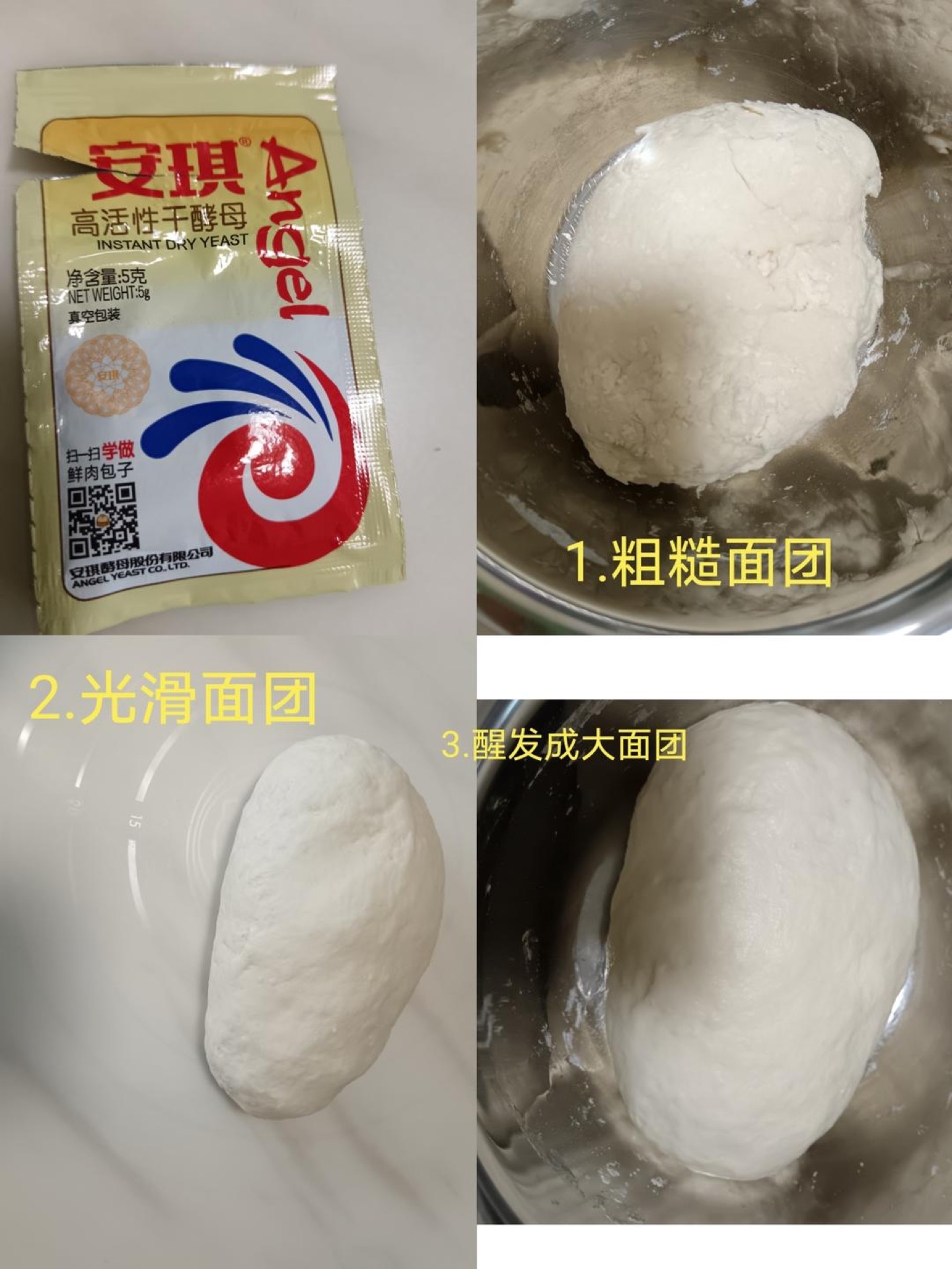
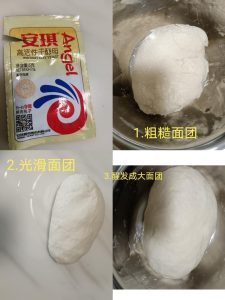
At today’s temperature of 29°C, knead the dough into a rough ball (it will not be smooth yet) and let it rest for 17 minutes, then knead for 3 minutes until smooth; cover and let it rest until the dough roughly doubles in size, about 35 minutes.
Step 3 — Divide, Fill, and Rest
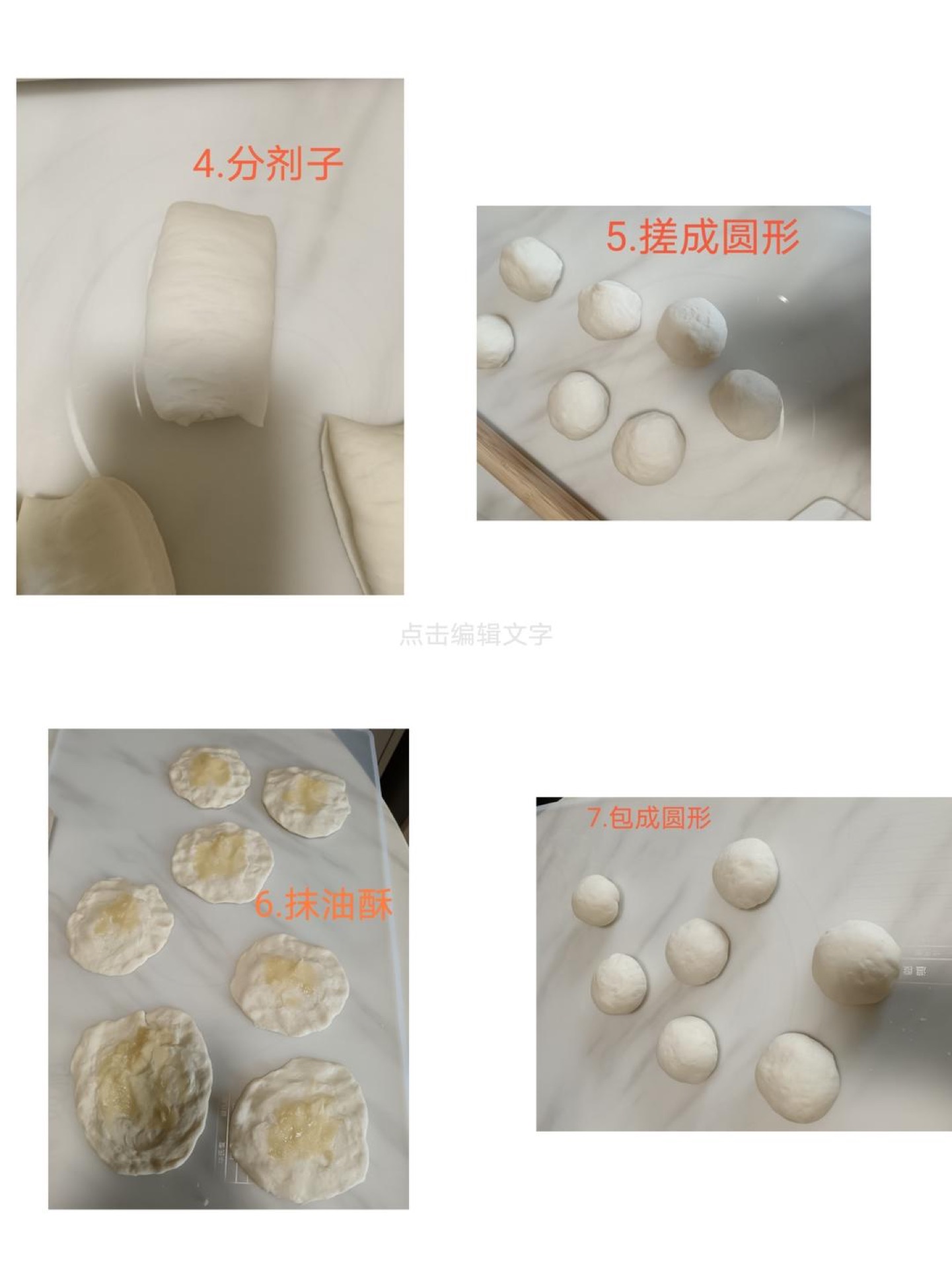
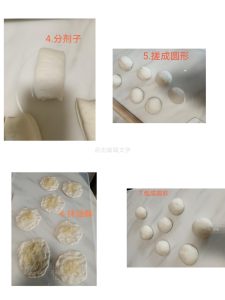
Knead the dough down, divide it into 7 small portions, and shape each portion by folding the edges down toward the center into a round with the seam facing down; rest for 5 minutes, then press each piece flat with your hand, brush on the oil roux, and wrap it up like a baozi, pinching the seam tightly and placing it seam-side down, then rest for 10 minutes.
Step 4 — Roll and Pan-Fry
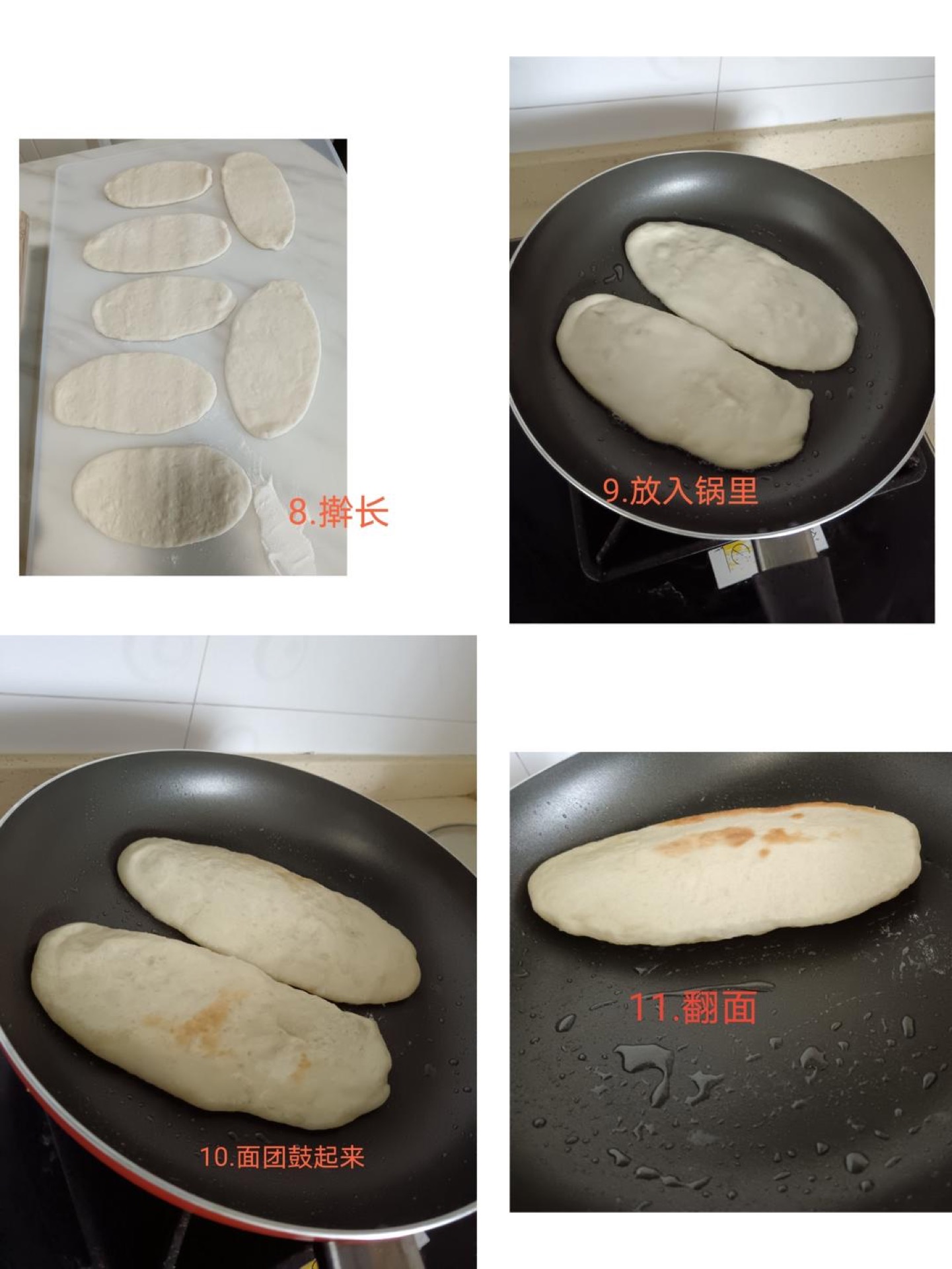
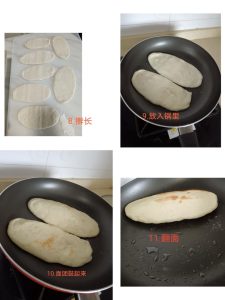
Roll each piece out into an ox-tongue shape, heat oil in the pan over low heat, add the dough, brush oil on top of the dough, cover with a lid, and once it puffs up, flip it over and cover again to cook a little longer.
Step 5 — Cool and Store
Let the cooked flatbreads cool, then seal and freeze them for storage; to reheat, steam them for 5-6 minutes after the water comes to a boil for the softest result, dry-fry them in a pan over low heat or spritz with a little water for 1-2 minutes per side to bring back crispness, heat them in an air fryer at 160°C for 3-4 minutes for a crisp outside and soft inside, or warm them briefly in the microwave on medium power, though they harden easily, so spritz a little water on the surface before reheating to keep them from drying out.
Common Mistakes When Making Pocket Flatbread
1. The pocket does not inflate. This usually means the seam was not pinched tightly, so steam leaks out before the layers can separate. Fix it by pressing the seam firmly closed and placing the dough seam-side down so the weight of the dough helps seal it.
2. The flatbread is doughy in the center. This happens when the dough is rolled too thick or the pan is too hot, browning the outside before the inside cooks. Roll thinner and cook over low heat with the lid on.
3. The dough springs back and will not roll out. The gluten is too tight, usually because the dough was not rested long enough. Let it rest the full 5 minutes after shaping and 10 minutes after filling, and it will relax.
4. The oil roux leaks out during cooking. This means the filling was overfilled or the seam was not sealed. Use a modest amount of roux — a thin brushstroke — and pinch the seam closed before rolling.
5. The flatbreads taste bland. The cause is usually missing salt or a dough that was over-floured during shaping. Season the dough properly and resist adding extra flour at the bench.
6. The pockets turn out tough and chewy. Over-kneading after the proof develops too much gluten. Knead gently when dividing, and shape with light hands.
Variations
Whole-wheat pocket flatbread. Replace up to one-third of the all-purpose flour with whole-wheat flour for a nuttier flavor. Add a little extra water, since whole-wheat flour absorbs more.
Sesame-crusted. Brush the outside of each flatbread with a little water and press it into toasted sesame seeds before cooking for a fragrant, crunchy crust.
Scallion version. Instead of plain oil roux, brush the dough with roux mixed with finely chopped scallions and a pinch of salt for a savory, aromatic pocket.
Spiced oil roux. Add a pinch of five-spice powder or ground cumin to the roux for a warmer, more complex flavor that pairs beautifully with braised meats.
Sweet pocket. Skip the salt in the dough and brush the inside with a light honey or date paste for a dessert-style pocket that works with sweet fillings.
Frequently Asked Questions
Can I make pocket flatbread without yeast? Yes, but the texture changes. Without yeast the dough is denser and puffs less reliably. If you want a yeast-free version, add a little baking powder and rest the dough longer to relax the gluten.
Why did my flatbread puff up but then deflate? The pocket collapsed because the steam escaped through a weak seam or the bread was moved too soon. Leave it undisturbed in the covered pan until it is fully inflated and the surface is set, then flip gently.
Can I cook these ahead of time? Absolutely. Cook them fully, let them cool, then seal and freeze. They reheat beautifully and are one of the best make-ahead breads for busy weeks.
What is the best way to reheat frozen pocket flatbread? Steaming gives the softest result: 5-6 minutes over boiling water. For a crisper shell, dry-fry in a pan for 1-2 minutes per side, or air-fry at 160°C (320°F) for 3-4 minutes. In the microwave, spritz with a little water first to keep them from drying out.
Can I use bread flour instead of all-purpose? You can, but the pockets will be chewier and slightly harder to roll thin. All-purpose gives the most tender, easy-to-stuff result.
How to Serve
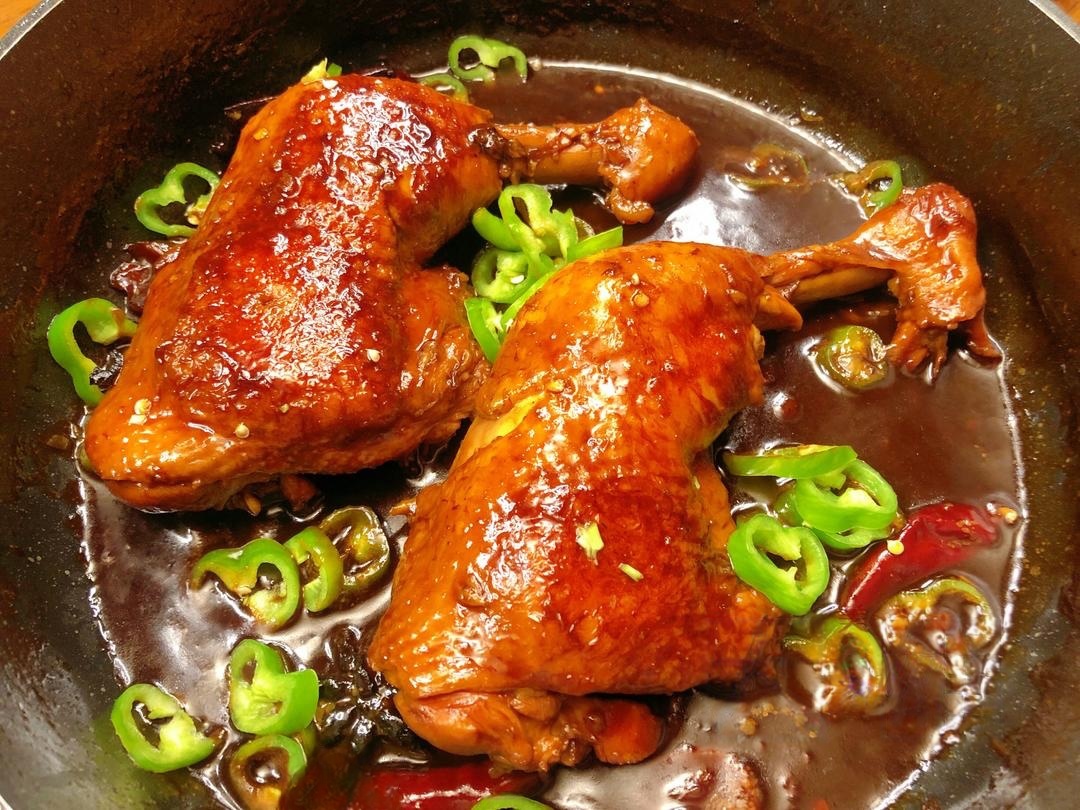
Pocket flatbread is a vessel, so the real question is what to put inside. For a classic Chinese pairing, fill the warm pockets with braised chicken legs, shredded and moistened with a spoonful of the braising liquid so the bread soaks up all that flavor.
For a punchier, sweet-and-savory filling, spoon in chunks of sweet and sour pork — the tangy sauce soaks into the soft interior in the best way.
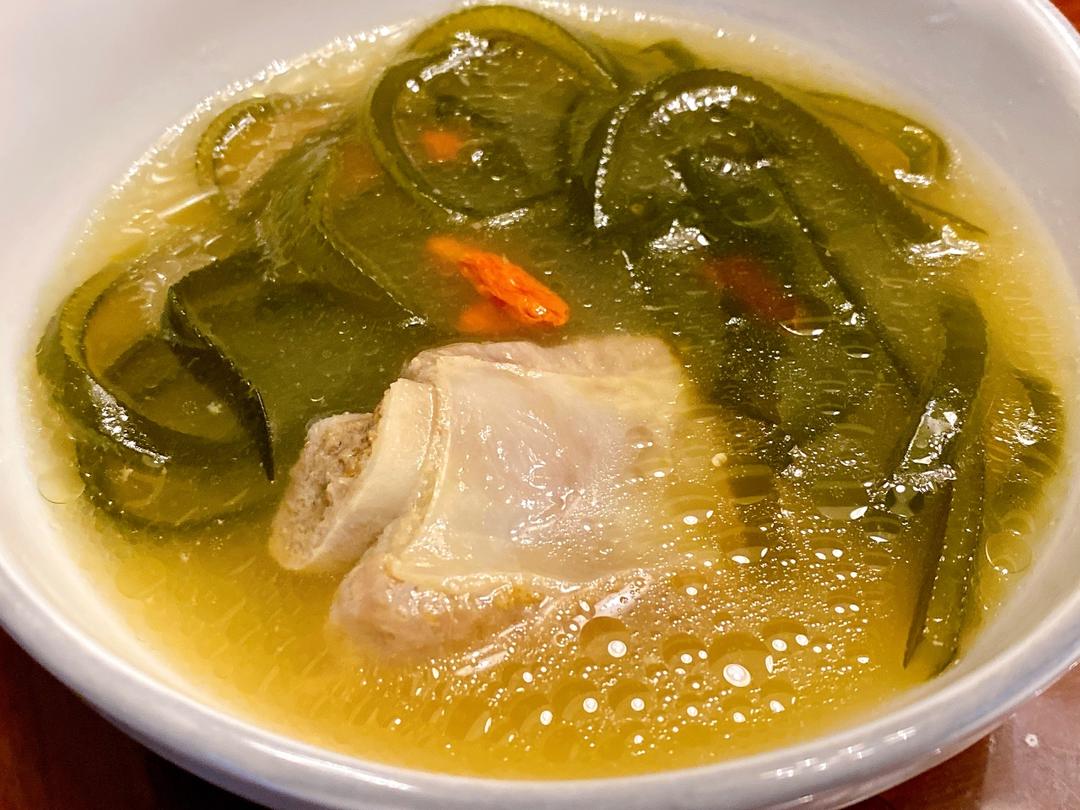
And if you want a lighter, brothy accompaniment on the side, a bowl of nourishing kelp and pork rib soup rounds out the meal beautifully.

Storage & Reheat
Pocket flatbread stores exceptionally well, which is one reason it is worth making a double batch.
Refrigerator: Once cooled completely, store the flatbreads in an airtight bag or container for up to 5 days. They will soften slightly in the fridge, which is normal.
Freezer: For longer storage, seal the cooled flatbreads in a freezer bag, pressing out as much air as possible, and freeze for up to 2 months. They do not need to be separated with parchment, but doing so makes it easier to pull out just one or two.
Steamer: The gentlest reheat. Steam over boiling water for 5-6 minutes — this gives the softest, most freshly made texture.
Skillet: Dry-fry over low heat, or spritz with a little water, for 1-2 minutes per side to bring back a crisp exterior.
Air fryer: 160°C (320°F) for 3-4 minutes yields a crisp outside and soft inside.
Microwave: Works in a pinch on medium power, but the bread hardens quickly. Spritz the surface with a little water before heating to prevent it from drying out.
Allergen Notice
This recipe contains wheat and therefore gluten. If you are serving it to anyone with a wheat allergy or celiac disease, substitute a certified gluten-free all-purpose blend, though the texture and puffing behavior will differ. Sesame may be present if you use the sesame-crusted variation or serve the flatbreads with sesame-based fillings. Always check the labels of any prepared fillings you use.
Nutrition Disclaimer
Nutrition information is calculated using an ingredient database and should be considered an estimate. In cases where multiple ingredient alternatives are given, the first listed is calculated for nutrition. Garnishes and optional ingredients are not included.
About the Author & Recipe Development
Hi, I’m Lin, the cook and writer behind Woks of Love. I grew up watching my grandmother fold dough at the kitchen table, and I have spent years translating those instinctive, hand-measured techniques into recipes that work in a modern home kitchen. This pocket flatbread is adapted from a street-stall method I learned in northern China, tested repeatedly to make the proof times and pan temperatures reliable for home cooks.
Every recipe on this site is developed and tested in my own kitchen, with weights given in grams for accuracy and cup measures offered as a convenience. When a step depends on feel or temperature, I say so plainly, because that is how the dish is actually made. If you try this one, I would love to hear what you stuffed inside.
Authoritative References
For safe internal temperatures when cooking and reheating filled breads, see the USDA safe minimum internal temperature chart. For food storage and cooling guidance, the FDA refrigerator and food safety guidance is a helpful reference. For general food safety principles behind reheating and holding cooked foods, see the WHO food safety fact sheet.
Pocket Flatbread (口袋饼): Puffy Pockets Ready to Fill

Equipment
- Wok
- Cutting Board
- Slotted Spoon
Ingredients
For the Oil Roux (油酥)
- 15 g all-purpose flour about 2 tbsp
- 15 g cooked oil neutral oil heated then cooled, about 1 tbsp
For the Dough
- 300 g all-purpose flour about 2 1/2 cups
- 1 g instant yeast about 1/3 tsp
- 2 g salt about 1/3 tsp
- 168 g warm water about 2/3 cup, room temperature
For Cooking
- 2 tbsp neutral oil for the pan
Instructions
- Make the oil roux by mixing 15g of flour with 15g of cooked oil, stirring until it forms a paste slightly thicker than yogurt; set aside, and gather 300g all-purpose flour, 1g yeast, 2g salt, and 168g warm water for the dough.

- At today’s temperature of 29°C, knead the dough into a rough ball (it will not be smooth yet) and let it rest for 17 minutes, then knead for 3 minutes until smooth; cover and let it rest until the dough roughly doubles in size, about 35 minutes.
- Knead the dough down, divide it into 7 small portions, and shape each portion by folding the edges down toward the center into a round with the seam facing down; rest for 5 minutes, then press each piece flat with your hand, brush on the oil roux, and wrap it up like a baozi, pinching the seam tightly and placing it seam-side down, then rest for 10 minutes.
- Roll each piece out into an ox-tongue shape, heat oil in the pan over low heat, add the dough, brush oil on top of the dough, cover with a lid, and once it puffs up, flip it over and cover again to cook a little longer.
- Let the cooked flatbreads cool, then seal and freeze them for storage; to reheat, steam them for 5-6 minutes after the water comes to a boil for the softest result, dry-fry them in a pan over low heat or spritz with a little water for 1-2 minutes per side to bring back crispness, heat them in an air fryer at 160°C for 3-4 minutes for a crisp outside and soft inside, or warm them briefly in the microwave on medium power, though they harden easily, so spritz a little water on the surface before reheating to keep them from drying out.






Leave a Reply