Growing up in a household where food was the center of every gathering, I learned early on that the best meals are the ones that evolve as you eat them. This Spicy Chicken Hot Pot (辣子鸡火锅) is exactly that kind of meal. It’s not just a dish; it’s an experience.

We call this “Yi Guo Liang Chi” (一锅两吃), which translates to “one pot, two eats.” First, you feast on tender, savory chunks of chicken braised in a rich, spicy beer sauce. Then, just when you think the meal is over, you add broth to the remaining sauce, creating a bubbling hot pot base perfect for cooking fresh vegetables, tofu, and sliced meats.
It’s communal, it’s interactive, and honestly, it’s one of the most satisfying ways to spend an evening. If you are a fan of bold flavors like my Chongqing Spicy Chicken, you are going to fall in love with this saucier, heartier cousin.
About the Author & Recipe Development
I’ve spent years refining this recipe to bridge the gap between a professional Sichuan kitchen and a standard home stove. In testing this recipe, I went through three different brands of hot pot base and experimented with various liquids for the braise. I found that using a standard lager beer instead of just water or stock creates a deeper, earthier flavor profile and significantly tenderizes the chicken. My goal is to help you recreate that authentic “restaurant taste” without needing an industrial wok burner.
What is Spicy Chicken Hot Pot?
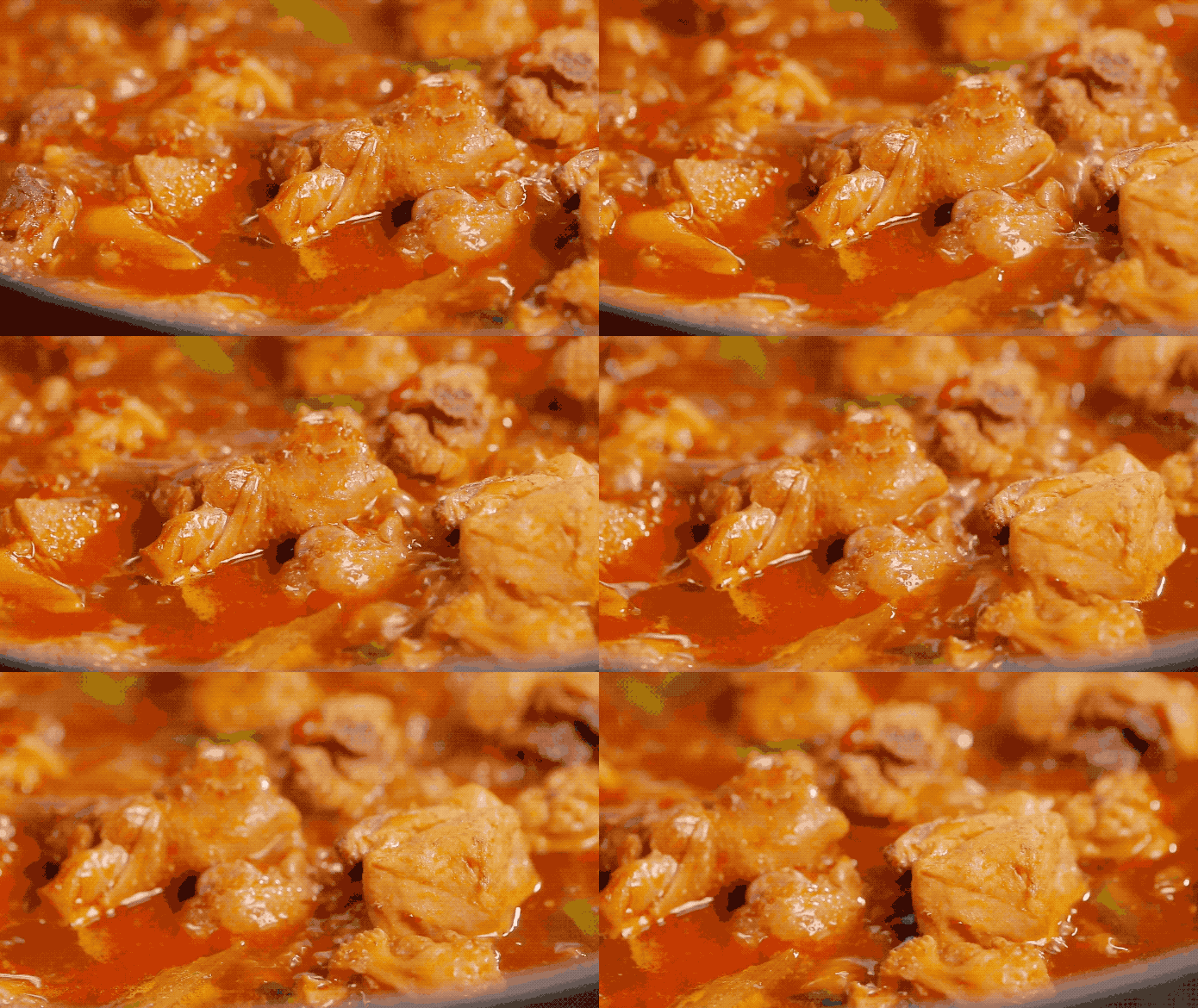
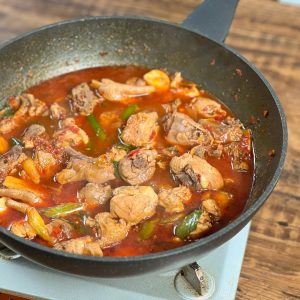
Unlike the crispy, dry-fried Sichuan chicken many are familiar with in the West, this version is a braised dish. The chicken is cooked with Doubanjiang (fermented bean paste) and solid hot pot seasoning, resulting in a luscious, glossy red sauce.
Why should you make this?
- Flavor Depth: The chicken contributes umami to the sauce, which later seasons the vegetables. Nothing is wasted.
- Social Dining: It encourages sitting around the table, chatting, and cooking together.
- Meal Prep: You can cook the chicken base ahead of time; the flavor actually improves after sitting for a few hours!
Why This Recipe Works
- The “Beer Braise” Technique: Alcohol evaporates faster than water and carries aromatic compounds with it. Braising the chicken in beer breaks down the connective tissue faster and removes any “gamey” taste from the meat.
- Layered Heat: We use both Doubanjiang and a concentrated hot pot base. This provides a complexity that chili powder alone cannot achieve.
- Two-Stage Eating: By eating the meat first, you get the concentrated flavor. Adding water later ensures the soup isn’t too diluted from the start.
Key Ingredients & Substitutions
- Chicken: The recipe calls for about 2.2 lbs (1 kg) of chicken. In China, we chop a whole chicken, bone-in, into bite-sized pieces. The bones release flavor into the sauce.
- Substitute: If you can’t handle bones, use boneless, skin-on chicken thighs. Do not use breast meat; it will dry out.
- Beer: Use a standard, inexpensive lager or pilsner (like Tsingtao, Budweiser, or Heineken). Avoid IPAs or stouts, as they can make the sauce bitter.
- Alcohol-Free: You can substitute with chicken stock, but the flavor profile will be less robust.
- Pixian Doubanjiang: This is the soul of Sichuan cooking. It is a spicy, salty paste made from fermented broad beans and chilies.
- Hot Pot Soup Base: This comes in solid blocks (looks like a brick of spiced fat/oil) at Asian markets. Brands like Haidilao or Little Sheep are reliable. You only need a small amount (about 2 small cubes/chunks) to boost the flavor.
- Green Garlic (Garlic Sprouts/Leeks): Traditional recipes use “Suan Miao” (green garlic).
- Substitute: If you can’t find it, use scallions (green onions) or standard leeks (white and light green parts only).
- Soy Sauce: We use Soy Sauce (specifically light soy sauce) for savory saltiness.
Equipment Needed
- Wok or Dutch Oven: You need a pot with high sides for the initial stir-fry and the subsequent simmering.
- Portable Burner (Optional): To get the full “hot pot” experience for the second half of the meal, a portable induction or butane stove on your dining table is ideal. If you don’t have one, you can simply cook the veggies in the pot on the kitchen stove and bring them to the table.
Our Systematic Test Kitchen Notes
- The “Oil” Factor: You might notice this recipe uses a fair amount of oil (6 tablespoons total). This is crucial. In Sichuan cuisine, oil is a flavor carrier. Without enough oil, the spices (ginger, garlic, chili paste) will burn instead of releasing their aroma, and the chicken will taste dry rather than silky.
- Browning the Chicken: In our tests, batches where we rushed the initial chicken browning ended up with a cloudy, less flavorful sauce. You must fry the chicken until it stops releasing water and the skin turns slightly golden. This “suo shui” (locking moisture) step is non-negotiable.
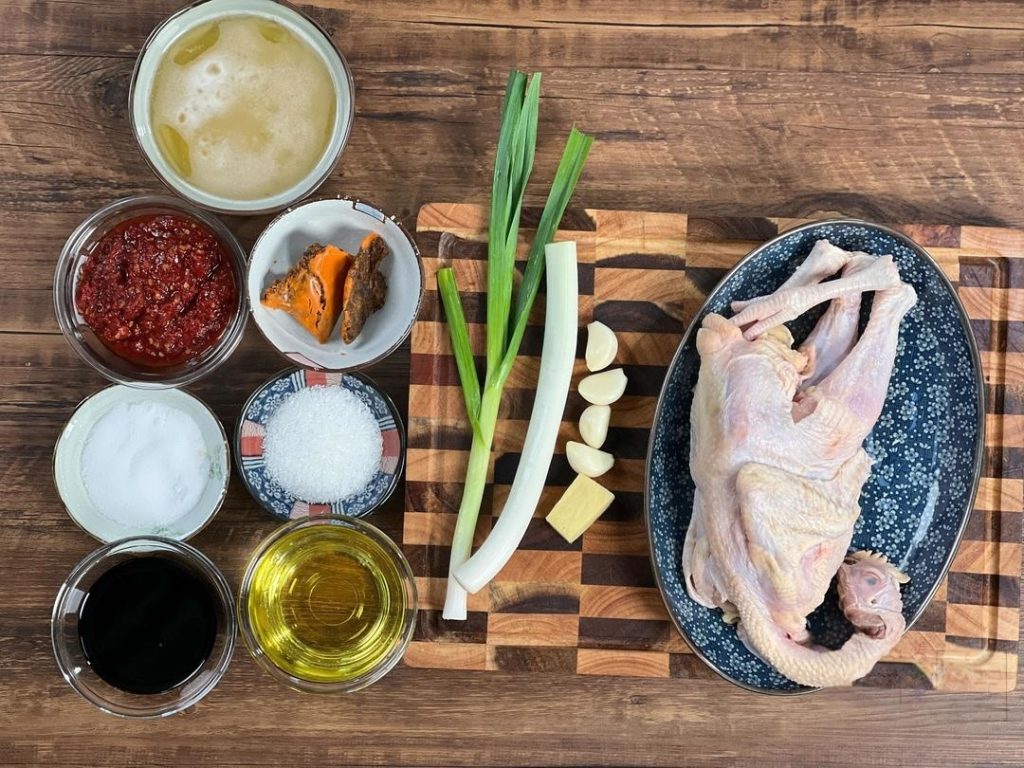
Ingredients
The Main Protein:
- 2.2 lbs (1kg) Chicken (bone-in chunks preferred, or boneless chicken thighs), chopped into 1.5-inch pieces.
The Aromatics:
- 4 cloves Garlic, peeled and smashed
- 1 stalk Green Garlic (or 2 scallions), cut into 1-inch sections
- 1 stalk Leek (or Scallion white part), cut into small chunks
- 1 chunk Fresh Ginger (about 2 inches), sliced into 6 pieces
The Braising Liquid & Seasonings:
- 1 ¼ cups (300ml) Beer (Lager)
- 1 tbsp Pixian Doubanjiang (Spicy Bean Paste)
- 2 small cubes Hot Pot Soup Base (approx. 30g – 50g)
- Pinch of MSG (Optional, adds umami)
- 2 tbsp Light Soy Sauce
- 3 tbsp + 3 tbsp Neutral Oil (Vegetable or Canola), divided use
- Water (enough to cover chicken)
For the Hot Pot Phase (Optional additions):
- Leafy greens (spinach, napa cabbage)
- Sliced beef or lamb
- Tofu or tofu skin
- Mushrooms
- Steamed rice (to serve on the side)
How to Make Spicy Chicken Hot Pot
Step 1: Prep the Aromatics
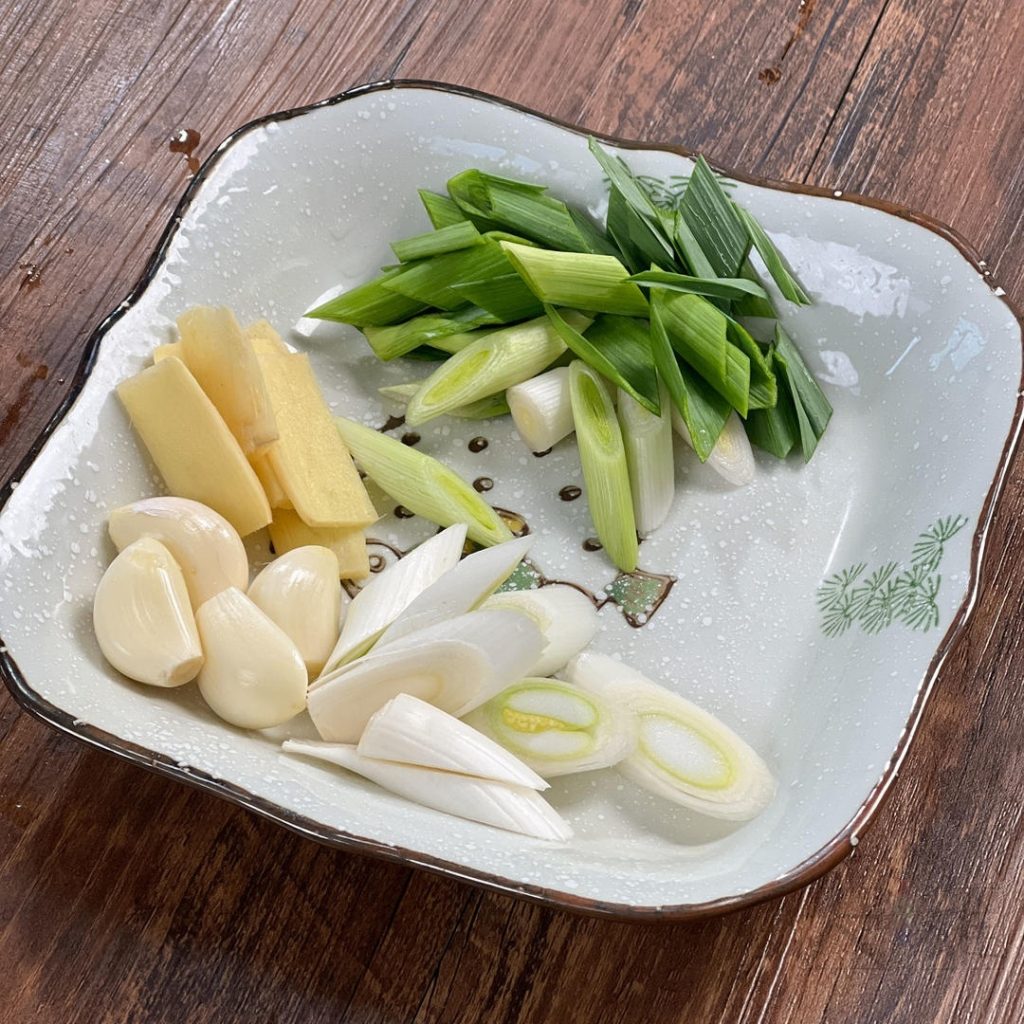
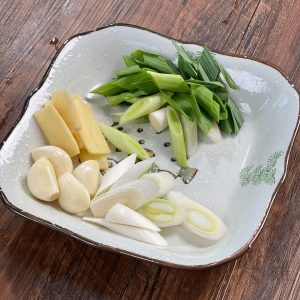
Slice the ginger into thick slices. Cut the leek (or scallion whites) into small chunks at an angle. Cut the green garlic (or scallion greens) into diagonal sections. Peel the garlic cloves and smash them lightly.
Note: Proper knife work ensures the aromatics release flavor evenly without burning too quickly.
Step 2: Prep the Chicken
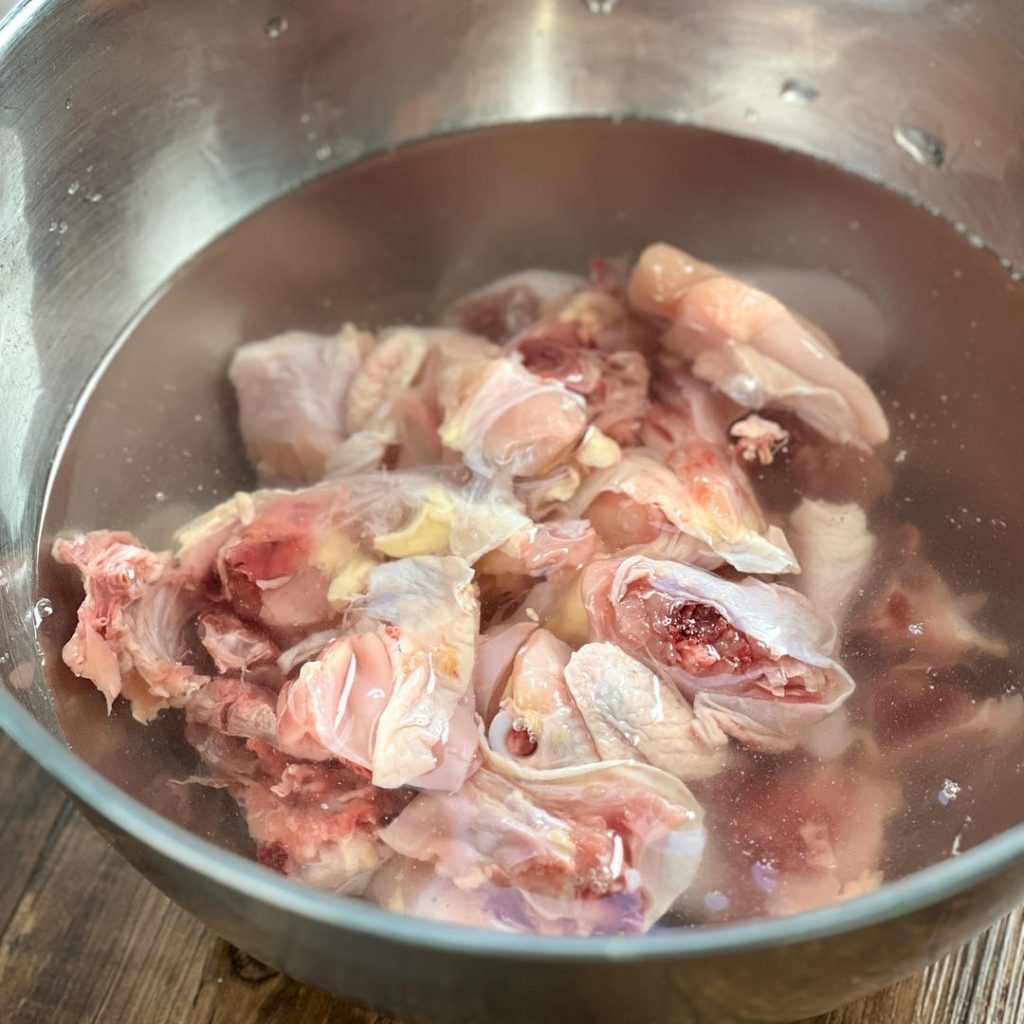
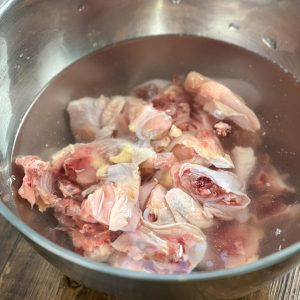
If using bone-in chicken (recommended), chop it into bite-sized pieces. If you bought it from a butcher, rinse it thoroughly under cold water to remove any bone fragments or blood. Pat it dry with paper towels.
Tip: Dry chicken sears better. Wet chicken steams and won’t get that nice golden color.
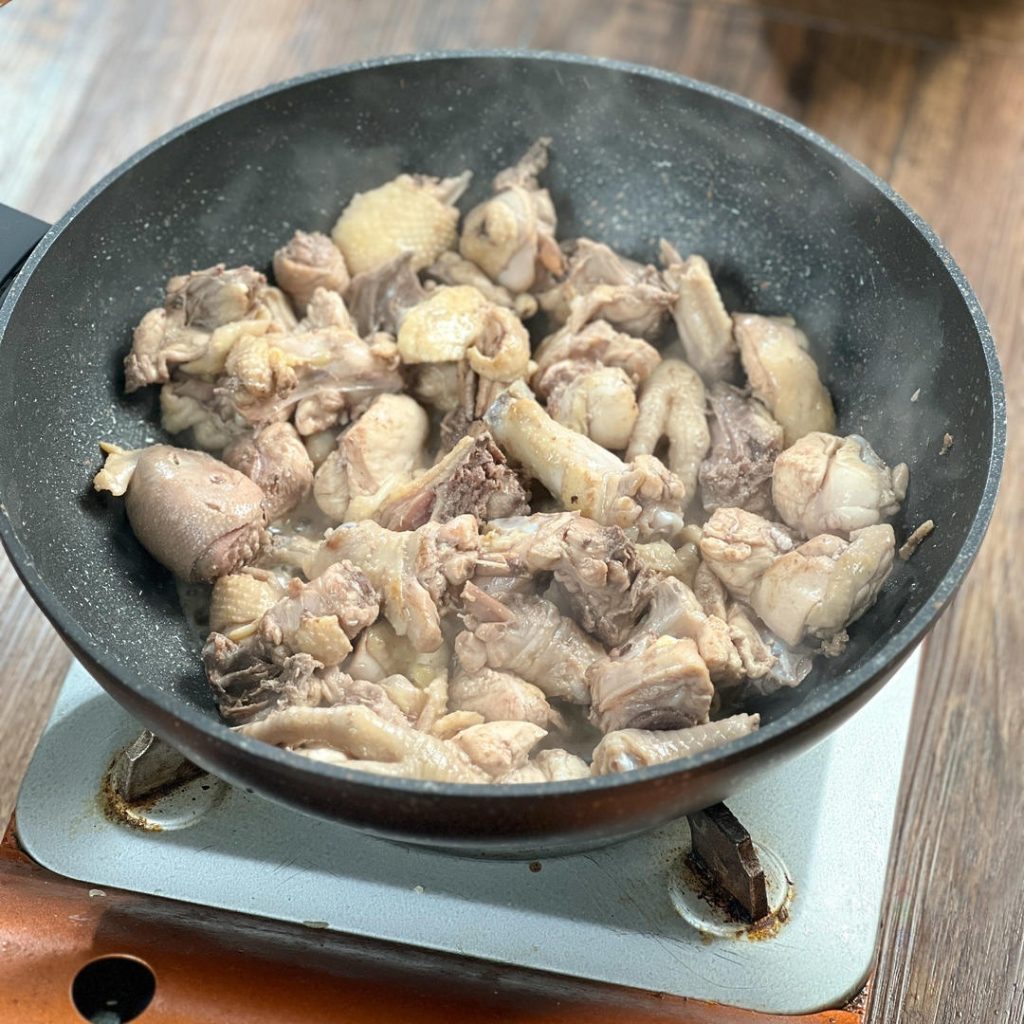
Step 3: Sear the Chicken
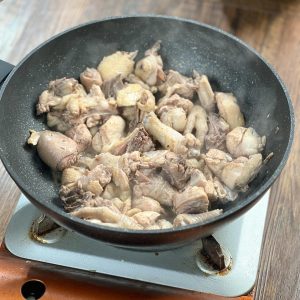
Heat your wok or heavy pot over high heat. Add 3 tablespoons of oil. Once the oil is shimmering, add the chicken pieces. Stir-fry continuously.
- Visual Cue: You are looking for the chicken to stop releasing steam/water and for the meat to tighten up and turn slightly golden. This drives out the raw moisture and creates a firm texture.
- Action: Once browned, remove the chicken with a slotted spoon and set aside.
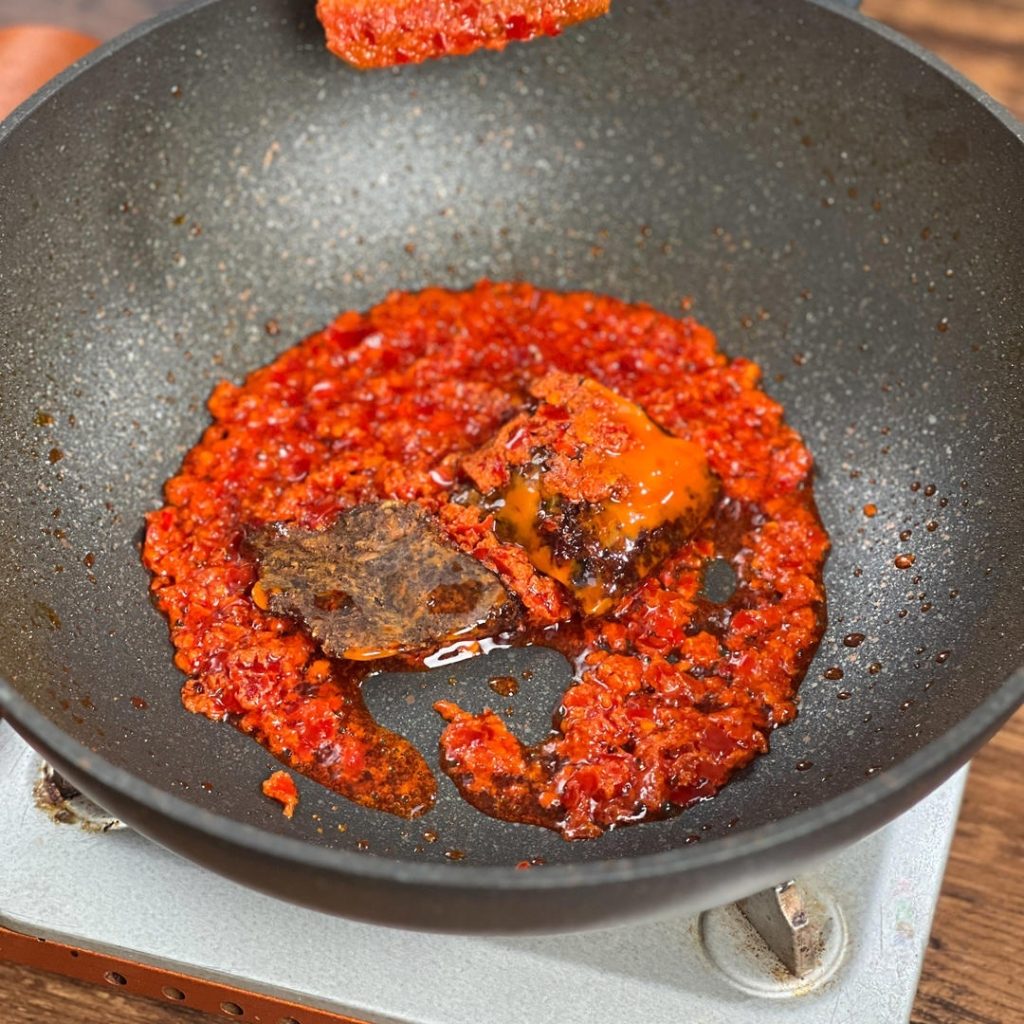
Step 4: Fry the Base (The Most Important Step)
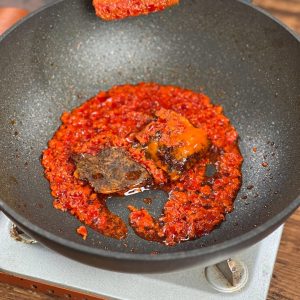
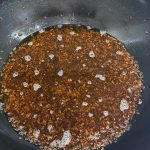
In the same pot (don’t wash it!), add the remaining 3 tablespoons of oil. Reduce heat to medium. Add the Doubanjiang and stir-fry for 1 minute until the oil turns red and smells fragrant. Add the hot pot soup base chunks, garlic cloves, ginger slices, and leek/scallion whites. Stir-fry for another 30 seconds until the solid base melts and everything smells incredible.
Why? This step creates the “flavor foundation.” Frying the paste activates the capsaicin in the chilies and releases the aroma of the fermented beans.
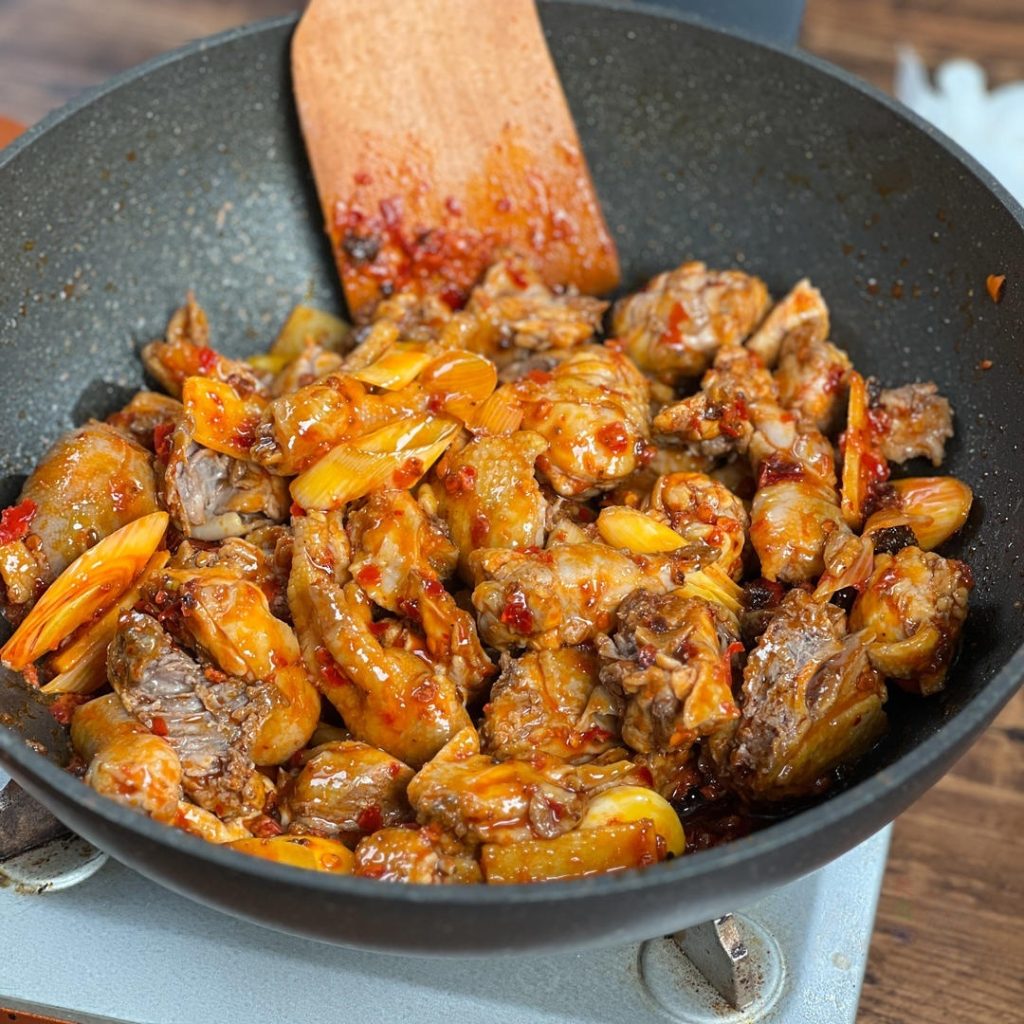
Step 5: The Braise
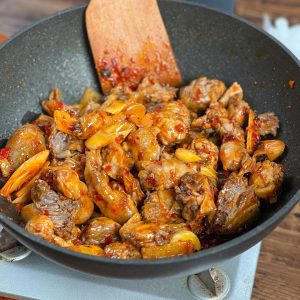
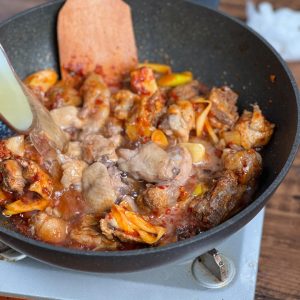
Return the chicken to the pot. Stir-fry for 30 seconds to coat the chicken in that beautiful red oil. Pour in the beer (300ml). If the beer doesn’t quite cover the chicken, add just enough water to submerge the meat.
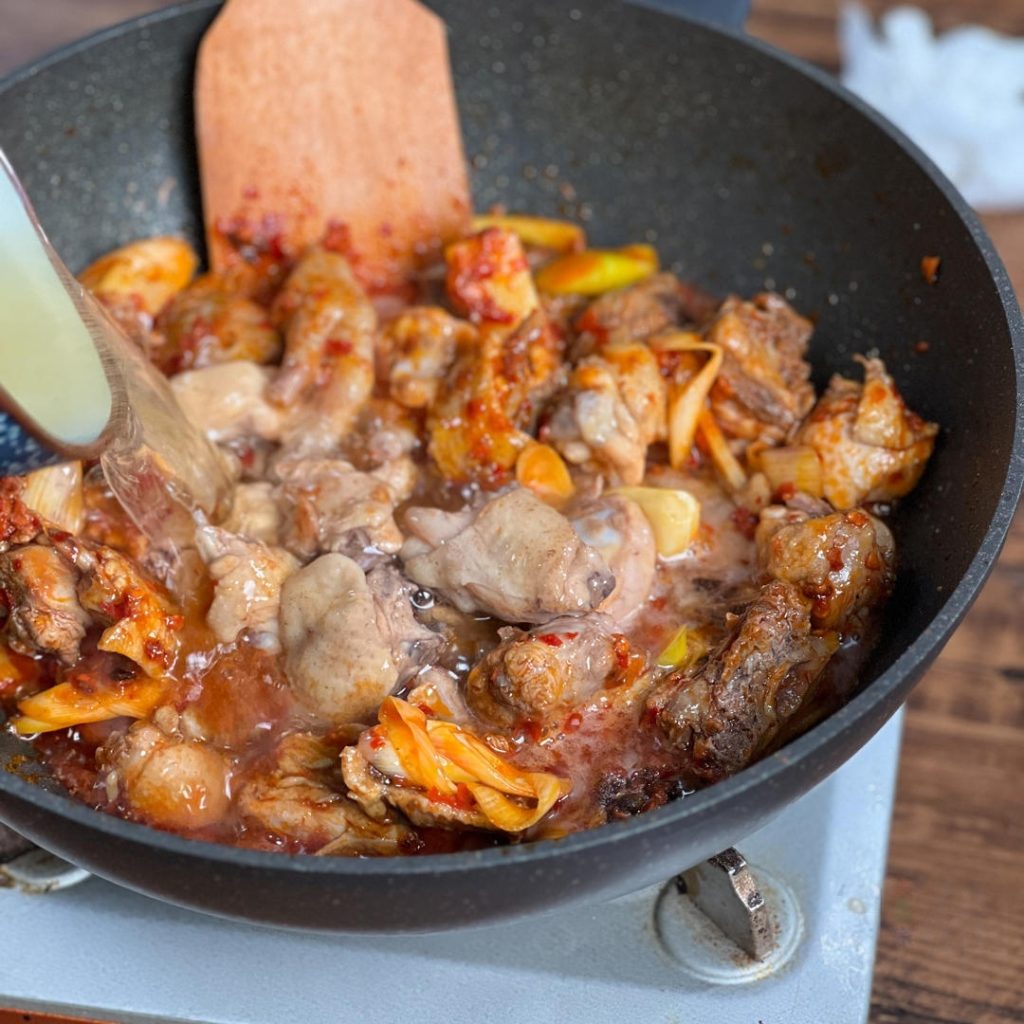
Step 6: Simmer
Add 2 tablespoons of light soy sauce and the pinch of MSG (if using). Stir well. Cover the pot with a lid. Turn the heat to medium and simmer for 15 minutes.
- Testing Doneness: The meat should be cooked through but still have a pleasant chew (springy), not mushy.
Step 7: Finish and Serve
Uncover the pot. The sauce should have reduced slightly and thickened. Toss in the green garlic (or scallion greens). Turn off the heat. Serve immediately with a bowl of steamed rice. The chicken is savory, spicy, and incredibly appetizing.
Step 8: The Hot Pot Phase
Once you have eaten most of the chicken pieces, don’t throw away that sauce! Place the pot on a portable burner on your table. Add hot water or chicken stock to the remaining sauce to dilute it into a soup. Bring it to a boil and start cooking your vegetables, tofu, or extra meat slices just like a regular hot pot.
Tips for Success
- Don’t Skimp on Oil: You might be tempted to use less oil, but the oil seals the moisture in the chicken and is essential for the hot pot phase later.
- Wok vs. Pan: A wok is best for the frying stages, but a Dutch oven holds heat better for the simmering stage. Either works well.
- Salty Sauce: The Doubanjiang and hot pot base are very salty. You likely do not need extra salt. Taste the sauce in Step 6 before adding anything else.
FAQ
Q: Can I make this gluten-free? A: Yes, but you must use gluten-free Tamari instead of soy sauce, ensure your Doubanjiang is wheat-free (some contain wheat flour), and check the hot pot base ingredients. Skip the beer and use GF chicken stock.
Q: It’s too spicy! How can I fix it? A: Use a mild Doubanjiang and skip the hot pot base chunks (use chicken bouillon instead). You can also add a little sugar to balance the heat.
Q: What if I don’t drink alcohol? A: You can substitute the beer with an equal amount of chicken bone broth or even water. The flavor will be lighter but still delicious.
Food Safety & Allergen Warnings
- Allergen Alert (Soy & Wheat/Gluten): This recipe contains significant amounts of soy (from the Light Soy Sauce and Doubanjiang) and wheat/gluten (from the Doubanjiang, Soy Sauce, and Beer). If cooking for someone with Celiac disease, you must use gluten-free Tamari, ensure your Doubanjiang is wheat-free, and skip the beer or use a gluten-free alternative.
- Allergen Alert (Broad Beans): Pixian Doubanjiang is made from fermented broad beans (fava beans).
- Hot Pot Base Ingredients: Commercial hot pot soup bases often contain MSG and various preservatives. Always check the package label if you have specific sensitivities.
- Raw Poultry Safety: When handling the raw chicken in Step 2 and 3, wash your hands, knife, and cutting board thoroughly with hot soapy water immediately afterwards to prevent cross-contamination. Do not rinse raw chicken in a way that splashes water onto other surfaces.
- Cooking Temperature: Ensure the chicken reaches an internal temperature of at least 165°F (74°C) during the braising step to ensure it is safe to eat.
- Hot Pot Etiquette: During the “Hot Pot Phase” (Step 8), when adding raw meats or vegetables to the bubbling broth, be careful not to use the same chopsticks for handling raw food and eating. Ensure the pot returns to a boil and ingredients are fully cooked before consuming.
Nutrition Information (Estimate)
- Serving Size: 1 serving (approx. 1/4 of the chicken and sauce base)
- Calories: 450 kcal
- Total Fat: 30g
- Saturated Fat: 6g
- Cholesterol: 110mg
- Sodium: 1200mg
- Total Carbohydrates: 8g
- Dietary Fiber: 2g
- Sugars: 2g
- Protein: 35g
Disclaimer: Nutrition information is calculated using an ingredient database and should be considered an estimate. In cases where multiple ingredient alternatives are given, the first listed is calculated for nutrition. Garnishes, optional ingredients (such as additional vegetables or meats added during the hot pot phase), and rice served on the side are not included. Actual values vary based on the specific brand of hot pot base and beer used.
Authoritative References
- For understanding the science of braising meats: Serious Eats – The Science of Braising
- For general food safety guidelines regarding poultry: USDA Food Safety and Inspection Service
Spicy Chicken Hot Pot (La Zi Ji Huo Guo)

Equipment
- 1 Wok or Dutch Oven Essential for braising
- 1 Portable Stove Optional, for the hot pot phase at the table
Ingredients
Main Ingredients
- 2.2 lbs chicken approx 1kg, bone-in chunks preferred or boneless thighs
Aromatics
- 4 cloves garlic smashed
- 1 stalk green garlic or 2 scallions/green onions, cut into sections
- 1 stalk leek or scallion whites, cut into chunks
- 1 chunk ginger sliced
Seasonings
- 1.25 cups beer approx 300ml, lager style
- 1 tbsp Pixian Doubanjiang spicy broad bean paste
- 2 small cubes hot pot soup base solid fat type
- 1 pinch MSG optional
- 2 tbsp light soy sauce
- 6 tbsp neutral oil vegetable or canola, divided use
Instructions
- Slice ginger, cut leeks/scallion whites into chunks, and green garlic/scallion greens into sections. Smash the garlic cloves.

- Chop chicken into bite-sized pieces. Wash thoroughly with cold water to remove blood and bone fragments. Pat dry.
- Heat 3 tbsp oil in a pot over high heat. Add chicken pieces and stir-fry until the meat tightens, stops releasing water, and turns slightly golden. Remove chicken and set aside.
- In the same pot, add remaining 3 tbsp oil. Over medium heat, fry the Doubanjiang for 1 minute until oil is red. Add hot pot base cubes, garlic, ginger, and leek/scallion whites. Stir-fry for 30 seconds until fragrant.
- Return chicken to the pot. Stir to coat in sauce. Pour in the beer. Add enough water to just cover the chicken if the beer isn’t enough.
- Add soy sauce and MSG (if using). Stir, cover with lid, and simmer on medium heat for 15 minutes.
- Uncover, sprinkle with green garlic (or scallion greens). Serve chicken with rice.
- Once chicken is eaten, add water or broth to the remaining sauce in the pot, bring to a boil, and use as a hot pot base for vegetables.
Notes
Nutrition Information (Estimate)
- Calories: 450 kcal
- Carbohydrates: 8g
- Protein: 35g
- Fat: 30g
- Sodium: 1200mg



Leave a Reply