Have you ever had one of those nights? It’s 10 PM, the house is quiet, and suddenly, you are hit with a craving so specific it physically hurts. For me, it’s always my grandmother’s Scallion Braised Pork Chop Noodles (葱烧大排面). In the Shanghainese tradition of “Nong You Chi Jiang” (heavy oil and deep sauce), this dish is the ultimate comfort. I remember watching her in our small kitchen, the air thick with the sweet, savory scent of caramelized scallions, as she transformed tough pork chops into melt-in-your-mouth perfection.
When I first moved to the U.S., I struggled to find that exact taste in restaurants. Often, the pork was dry or the sauce lacked depth. But through years of testing in my own kitchen, I’ve refined the technique to ensure every bite is as rewarding as those late-night bowls from my childhood. The secret isn’t just in the ingredients; it’s in the patient process of tenderizing, frying, and slow-simmering.
This recipe is a soul-satisfying meal that rewards the detail-oriented cook. Whether you’re looking for a hearty weekday dinner or a way to satisfy a midnight hunger, these noodles are your answer. Just remember the golden rule: one bite of meat, one bite of noodle.
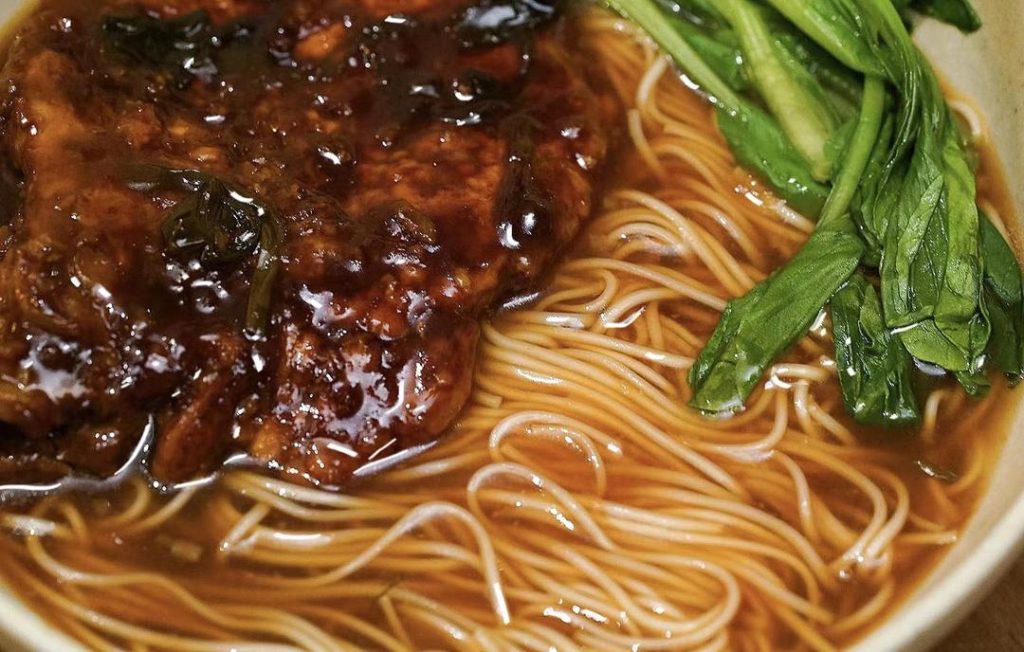
What is Cong Shao Da Pai Mian?
Cong Shao Da Pai Mian is a staple of Shanghainese cuisine. It features bone-in pork chops that are tenderized until thin, dredged in starch, fried to seal in juices, and then braised with a mountain of scallions. Similar to the logic behind Braised Pork Belly (Hong Shao Rou), the goal is a glossy, dark-red glaze that balances savory soy with sweet rock sugar.
Unlike Shanghai Wonton Soup, which relies on a light broth, these noodles are often cooked directly in the braising liquid diluted with a bit of water. This ensures every strand of noodle absorbs the essence of the pork and scallions.
Essential Ingredients
To achieve the best results, selecting the right cut of meat and quality aromatics is vital.
- Pork Chops (3 pieces): Look for bone-in loin chops, about 1/2 to 3/4 inch (1.5-2 cm) thick. The bone adds significant flavor to the braise.
- Scallions (Green Onions): You need a lot—at least two large bunches. We use both the white and green parts to build layers of flavor.
- Light Soy Sauce (3 tbsp): Provides the salty base. I recommend Lee Kum Kee or Kikkoman.
- Dark Soy Sauce (2 tbsp): This is purely for that iconic mahogany color and a hint of caramel sweetness.
- Shaoxing Wine (3 tbsp): Essential for neutralizing the “porkiness” of the meat. Substitute with Dry Sherry if needed.
- Rock Sugar (4 pieces/tbsp): Creates a shiny glaze. You can use brown sugar, but rock sugar gives a superior gloss.
- Su-style Thin Noodles: These are wheat-based thin noodles. If unavailable, any thin lo mein or even spaghetti can work in a pinch.
Ingredient Notes & Selection
Chef’s Choice: The Pork Cut While many Western recipes for Salt and Scallion Pork Steaks might use boneless cuts, the bone-in loin chop is superior for braising. The marrow and connective tissue near the bone break down during the simmer, enriching the sauce with gelatin. In my experience, if you use boneless chops, you must be extra careful with the frying time to avoid drying them out.
Equipment Needed
- Meat Tenderizer (Mallet) or a heavy knife back.
- Cast Iron Skillet or Wok: For even heat distribution.
- Instant-read Meat Thermometer.
Prep & Mise en Place
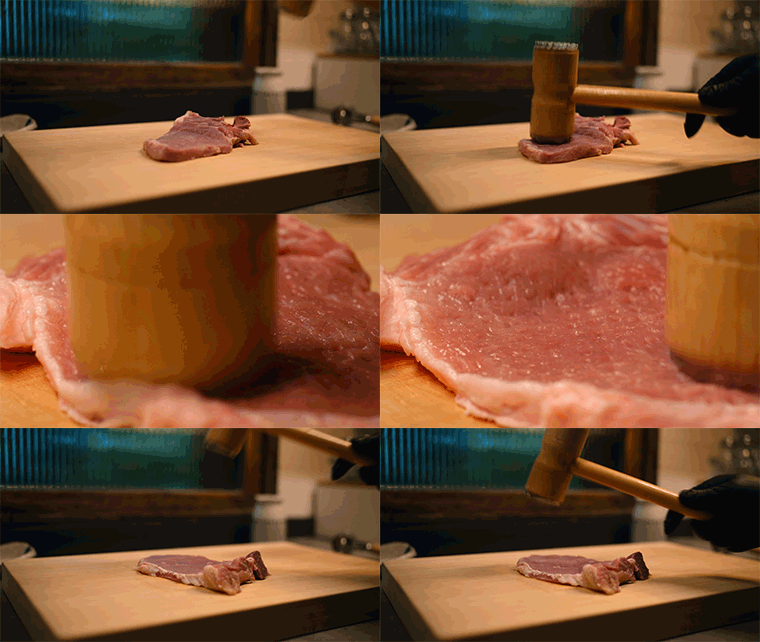
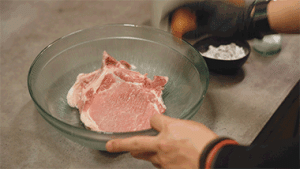
- Tenderize the Pork: This is the most important step. Use the ridged side of a meat mallet or the back of a chef’s knife to pound both sides of the pork chops until the meat has expanded in size and feels loose.
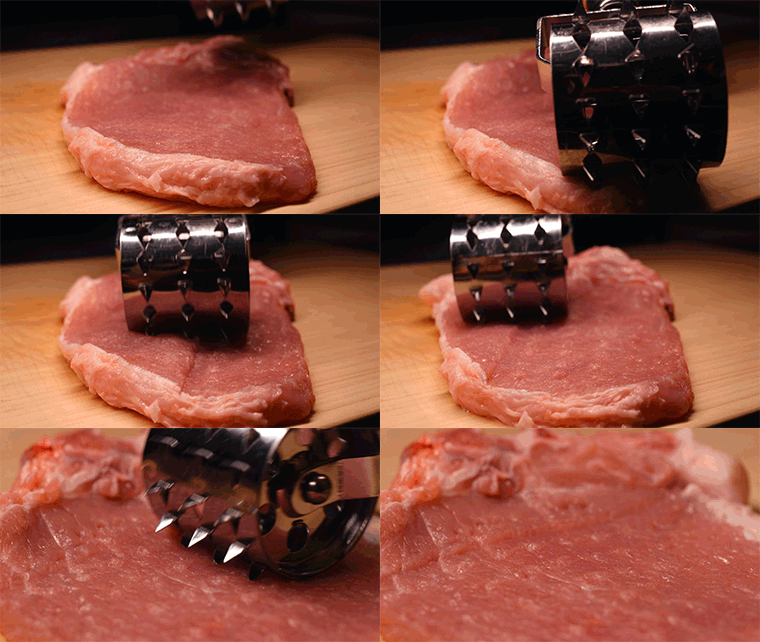
- Prevent Curling: You will notice a white membrane of connective tissue around the edges. Every 1-2 cm, make a small 1/2 inch cut through this membrane.”By snipping the connective tissue, you prevent the ‘shrimp effect’ where the heat causes the muscle to contract and the pork chop to curl up, which leads to uneven cooking.”
- The Marinade: In a large bowl, mix the chops with 1 tbsp Shaoxing wine, 1/2 tsp salt, 1 egg, 2 tbsp light soy sauce, and 3 tbsp cornstarch. Drizzle with a little oil to seal.
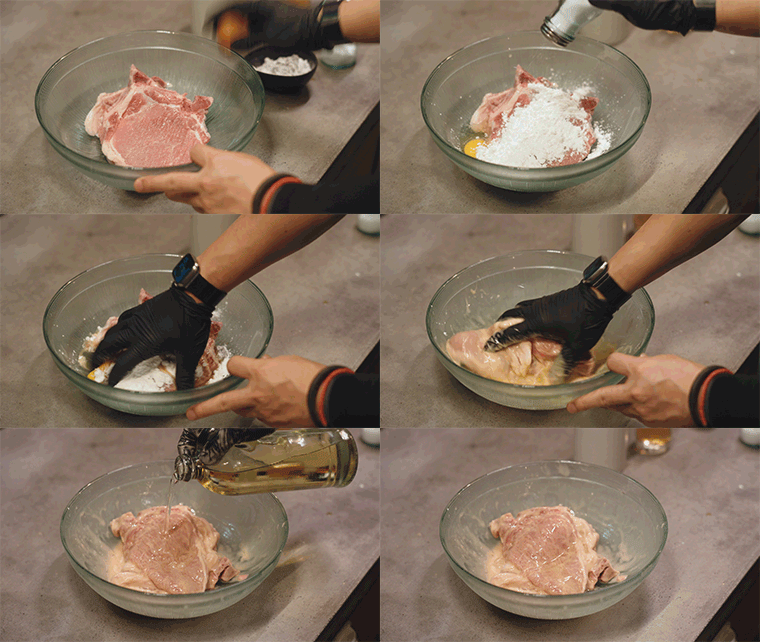
- Refrigerate: Let it marinate for 20 minutes. Cold marinating keeps the meat fresh and allows the salt to penetrate deeply.
Cooking Process
1. The High-Heat Fry
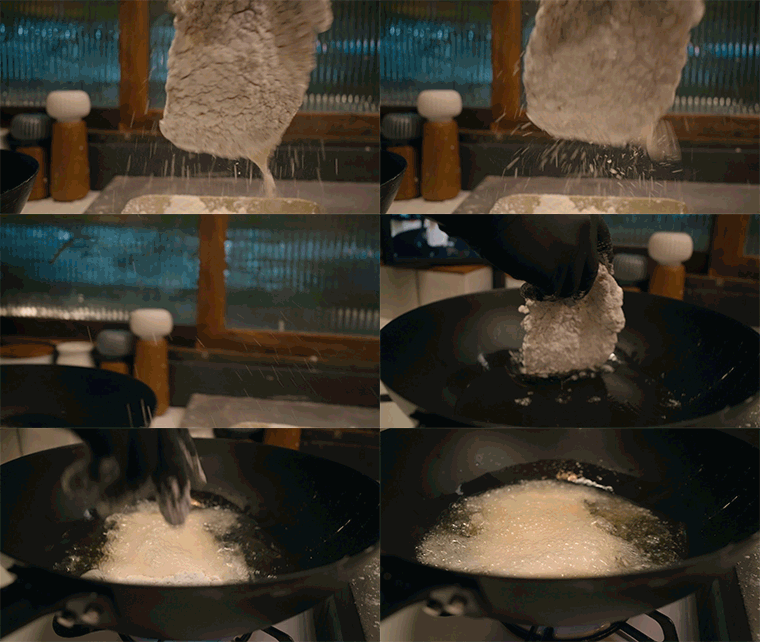
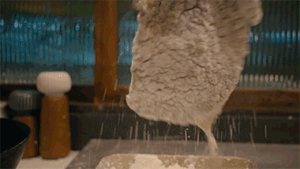
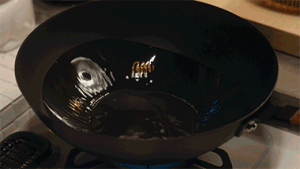
Heat enough oil in your pan to submerge the chops (about 1 inch deep). Bring the oil to 350°F (180°C). Dredge the marinated chops once more in dry cornstarch and carefully slide them into the oil. Fry for 2-3 minutes until golden brown.
“The goal here is the Maillard reaction—a chemical reaction between amino acids and reducing sugars that gives browned food its distinctive flavor. We aren’t cooking the pork through yet; we are building a flavor crust.”
2. Aromatic Infusion
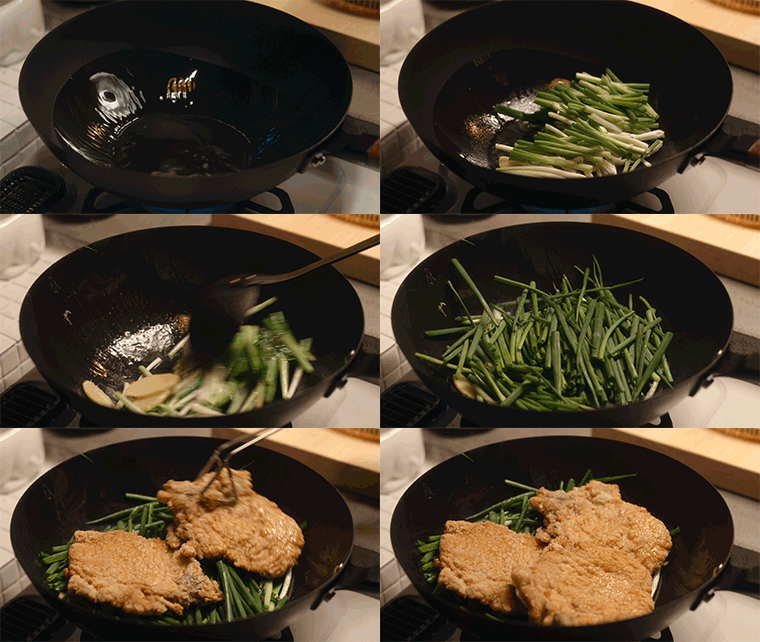
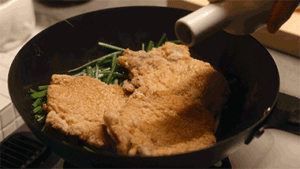
Remove most of the oil, leaving about 2 tablespoons. Add ginger slices and the white parts of the scallions. Stir-fry for 30 seconds until you smell that intense fragrance. Add the rest of the scallions in a thick layer and place the pork chops directly on top of them.
3. The Braise
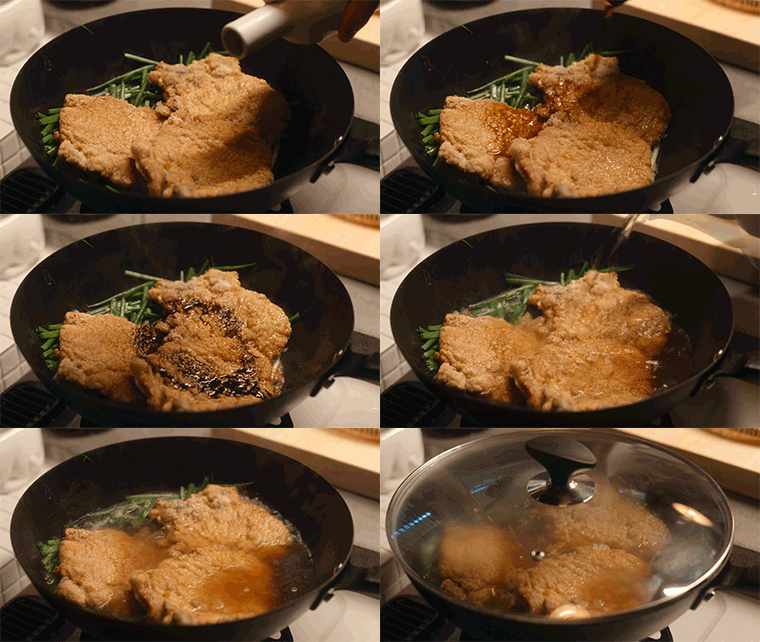
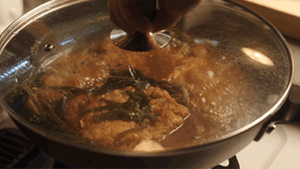
Pour in 2 tbsp Shaoxing wine, 3 tbsp light soy sauce, 2 tbsp dark soy sauce, and 4 pieces of rock sugar. Add enough water to just reach the level of the pork. Cover and simmer on medium-low for 3 minutes. Flip the chops and simmer for another 4 minutes.
4. The Reduction
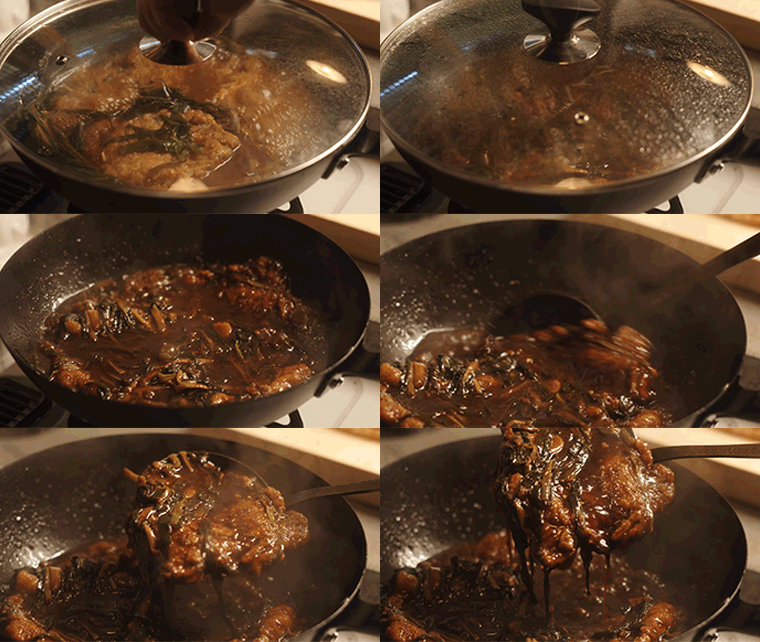
Remove the lid and turn the heat to high. Let the sauce bubble and thicken until it reaches a syrupy consistency that coats the back of a spoon. Use a thermometer to ensure the pork’s internal temperature has reached 145°F (63°C) per USDA Food Safety Guidelines. Remove the pork and scallions, leaving the remaining concentrated juice in the pan.
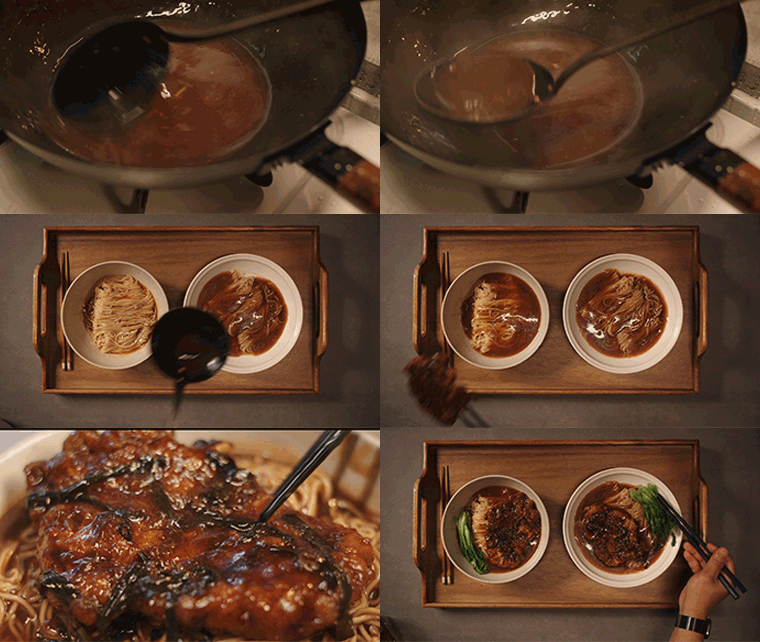
5. The Noodle Finish
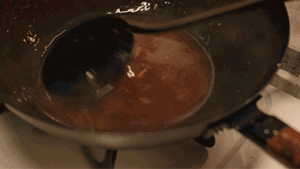
Add 800ml of water into the pan with the leftover juices. Bring to a boil. Add your noodles and cook according to package instructions (usually 2-4 minutes). This is how we make “入味” (ru wei) noodles—noodles that have absorbed the flavor from the core.
Why This Recipe Works
- Double Tenderization: Pounding the meat and snipping the membrane ensures a soft texture that isn’t chewy.
- The Egg Barrier: Adding an egg to the marinade creates a protective layer that keeps the juices inside during the high-heat fry.
- Scallion Bed: Braising the pork on top of the scallions prevents the meat from scorching and infuses it with direct aromatic steam.
Common Mistakes When Making Da Pai Mian
- Mistake: The pork is tough or dry.
- Cause: Skipping the tenderizing step or over-frying before braising.
- Fix: Pounding the meat until it’s almost translucent in spots and ensuring you only fry until golden, not “cooked through.”
- Mistake: The pork chops curl into a ball.
- Cause: Not cutting the edge membrane.
- Fix: Make those 1/2 inch snips every few centimeters around the perimeter.
FAQ
- Can I use boneless pork? Yes, but reduce the braising time by 2 minutes to prevent overcooking.
- What if I don’t have rock sugar? Use 1.5 tbsp of brown sugar. It won’t be as glossy but the flavor will be similar to Twice-Cooked Pork.
- Can I make this ahead? The pork chops actually taste better the next day after the flavors meld, but the noodles should be cooked fresh.
How to Serve
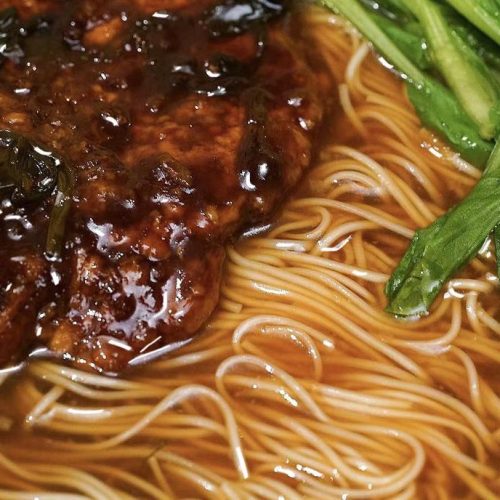
Serve the noodles in a deep bowl with plenty of the broth. Place the pork chop and a generous heap of the braised scallions on top. Pair it with some blanched baby bok choy or a side of Mapo Tofu for a complete feast. If you like more variety, try serving it alongside Braised Beef Noodle Soup for a “noodle party” night.
About the Author & Recipe Development
I’m Lin, and I’ve spent over a decade translating the “feel” of Chinese home cooking into precise, repeatable steps for Western kitchens. This recipe was tested 5 times in our test kitchen to balance the water-to-sauce ratio for the noodles. We specifically adapted the heat levels for standard electric home stoves to ensure you get that “wok hei” without the professional burner.
Authoritative References
- USDA Food Safety: Safe Minimum Internal Temperature Chart.
- Science of Browning: The Maillard Reaction explained by Serious Eats.
Allergen Notice
Contains: Gluten (noodles, soy sauce), Soy (soy sauce), Eggs.
Scallion Braised Pork Chop Noodles (Cong Shao Da Pai Mian)

Equipment
- Meat Tenderizer / Mallet Essential for breaking down tough fibers to ensure the pork is melt-in-your-mouth tender.
- Cast Iron Skillet or Wok Provides even heat distribution for browning and enough surface area for the scallion bed.
- Instant-Read Meat Thermometer To verify the pork reaches a safe internal temperature of 145°F (63°C).
Ingredients
The Pork & Marinade
- 3 pieces bone-in pork loin chops about 1.5 lb (700g), 1/2 to 3/4 inch thick
- 1 large egg acts as a binder for the starch coating
- 3 tbsp cornstarch for marinade + extra for dredging
- 1 tbsp Shaoxing wine can substitute with dry sherry
- 2 tbsp light soy sauce Kikkoman or Pearl River Bridge
- 1/2 tsp salt
Braising Sauce & Noodles
- 2 large bunches scallions (green onions) cut into 3-inch segments
- 3 slices ginger
- 2 tbsp Shaoxing wine
- 3 tbsp light soy sauce
- 2 tbsp dark soy sauce for that deep mahogany color
- 4 pieces Chinese rock sugar substitute with 1.5 tbsp brown sugar for gloss
- 12 oz thin wheat noodles 350g, preferably Su-style
- 3.5 cups water 800ml for cooking noodles
Instructions
- Ladle the noodles and soup into bowls, top with a pork chop and a heap of braised scallions, and serve immediately.

- In a large bowl, combine the pork with 1 tbsp Shaoxing wine, 1/2 tsp salt, 1 egg, 2 tbsp light soy sauce, and 3 tbsp cornstarch. Mix thoroughly, drizzle with a little oil to seal, and refrigerate for 20 minutes to allow the salt to penetrate.

- Heat oil in a skillet to 350°F (180°C). Dredge the marinated chops in dry cornstarch and fry for 2-3 minutes until golden brown. This creates a flavor crust through the Maillard reaction. Drain and remove most oil, leaving 2 tbsp.
- Over medium heat, sauté the ginger and scallion whites until fragrant (about 30 seconds). Layer the remaining green scallion segments in the pan to create a bed, then place the fried pork chops directly on top.
- Add 2 tbsp Shaoxing wine, 3 tbsp light soy sauce, 2 tbsp dark soy sauce, rock sugar, and enough water to reach the surface of the meat. Cover and simmer on medium-low for 3 minutes.
- Flip the pork chops and simmer covered for another 4 minutes. Uncover and turn the heat to high to reduce the sauce until it is thick, glossy, and coats the back of a spoon. Ensure the internal temperature reaches 145°F (63°C).
- Remove the pork and scallions. Add 800ml water to the remaining pan juices, bring to a boil, and cook the noodles and greens directly in this flavorful broth until tender.
- Ladle the noodles and soup into bowls, top with a pork chop and a heap of braised scallions, and serve immediately.

Notes
Food Safety: Always ensure pork reaches a safe internal temperature of 145°F (63°C) followed by a 3-minute rest for maximum juiciness and safety.












Leave a Reply