Many beginners approach Chinese cooking with a mix of excitement and dread. You’ve likely tried a stir-fry at home, only to end up with grey, rubbery meat, soggy vegetables, and a sauce that tastes like nothing but salt. You see chefs on TV with roaring jet-burners and wonder if it’s even possible to recreate those flavors on a standard Western electric or gas stove.
The truth is, you don’t need a 100,000 BTU burner or a lifetime of training to make incredible Chinese food. You simply need to understand the relationship between heat, moisture, and preparation. In my ten years in professional kitchens, I’ve learned that “authentic” flavor comes from technique, not just ingredients. This guide will strip away the mystery and give you the foundational logic to succeed in your very first attempt.
Quick Answer: The Secret to Success
To cook great Chinese food with zero experience, focus on Mise en Place (preparing everything before the heat is on) and Temperature Control. By cutting ingredients into uniform sizes and ensuring your pan is sufficiently hot before adding food, you solve 90% of common beginner problems.
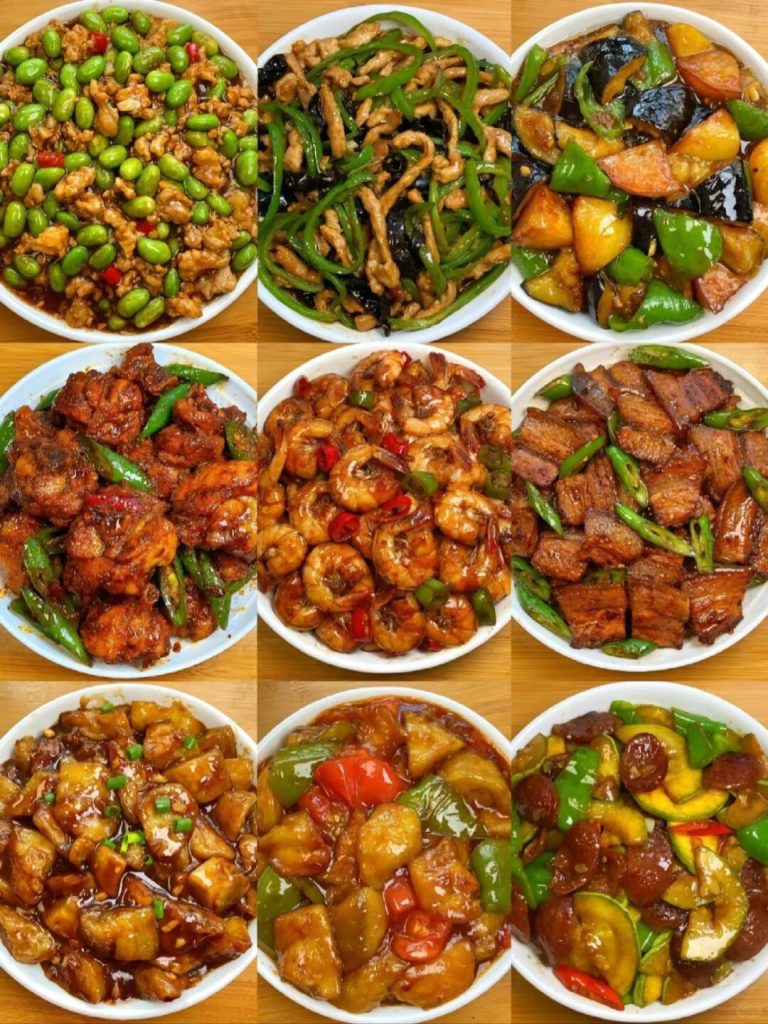
What is Chinese Home Cooking (Jiā Cháng Cài)?
Chinese home cooking is fundamentally different from the “Takeout” style many Westerners are used to. While restaurant cooking relies on massive heat and deep-frying, home cooking—or Jiā Cháng Cài—is about balance, nutrition, and efficiency. It is designed to be cooked on a single burner, usually consisting of a protein, a vegetable, and a balanced sauce served over steamed jasmine rice.
If you have seen similar recipes on our site, such as our guide on how to stir fry properly, you’ll know that the philosophy is the same: respect the ingredients and control the moisture.
Why It Works: The Culinary Science of the Wok
Understanding the “Why” is what separates a cook from someone just following a recipe. Chinese cooking relies on three core pillars:
- Heat Transfer: Because home stoves have lower BTU outputs (typically 10,000–18,000 BTU), we must maximize the pan’s surface area and preheat time.
- The Maillard Reaction: This is the chemical reaction between amino acids and reducing sugars that gives browned food its distinctive flavor. To achieve this, your meat must be dry.
- Starch Gelatinization: Most Chinese sauces use a cornstarch slurry. This “thickens” the sauce only when it hits a specific temperature (around 144°F to 162°F / 62°C to 72°C), creating that glossy coating that clings to your food.
“In a restaurant, we use ‘Wok Hei’ (breath of the wok) produced by intense flames. At home, we simulate this by cooking in small batches and allowing the pan to recover its heat between additions.”
The Real Kitchen Insight
In my experience, the biggest mistake beginners make isn’t the flavor—it’s the overcrowding. When you put too much cold food into a home pan at once, the temperature drops instantly. Instead of searing, the food begins to steam in its own juices. This is why your beef turns grey and your broccoli turns mushy.
What most beginners don’t realize is that even in professional kitchens, we often cook the protein first, remove it, and then cook the vegetables. This “staged” cooking ensures every component hits its ideal texture.
Essential Ingredients (With Western Substitutes)
You don’t need a hundred bottles to start. These are the “Big Four” essentials:
- Light Soy Sauce: Provides salt and “umami.” Substitute: All-purpose soy sauce.
- Shaoxing Wine: An amber-colored cooking wine that removes “gamey” odors from meat. If you can’t find it, check out our best substitute for Shaoxing wine.
- Oyster Sauce: Adds thickness and a savory-sweet depth. Substitute: Vegetarian mushroom sauce.
- Toasted Sesame Oil: Used as a finishing oil for aroma.
For the aromatics, you must have fresh garlic, ginger, and scallions. In Chinese cooking, we call these the “Trinity.”
Equipment Needed: Wok vs. Skillet
You do not need a wok to cook great Chinese food. In fact, if you have an electric or induction stove, a heavy bottomed 12-inch stainless steel or cast-iron skillet is often superior because it has more contact with the heat source.
- Standard Home Gas Stove: 10,000–18,000 BTU
- Professional Wok Burner: 80,000–120,000 BTU
- Recommended Oil: Use a high smoke point oil like canola, grapeseed, or peanut oil (400°F–450°F / 204°C–232°C).
Prep Strategy: The “Mise en Place” Logic
Once the flame is on, Chinese cooking moves fast. You will not have time to mince garlic while the meat is searing.
- Uniform Cutting: Slice meat and vegetables into similar sizes so they cook at the same rate. Always slice meat across the grain to ensure tenderness.
- Dry Your Proteins: Use a paper towel to pat meat dry. Moisture is the enemy of a good sear.
- Premix the Sauce: Combine your liquid ingredients in a small bowl before you start. This prevents you from overcooking the food while fumbling with bottle caps.
Common Mistakes When Making Chinese Food
| Mistake | Why it happens | The Professional Fix |
|---|---|---|
| Soggy Vegetables | Adding wet vegetables to a cold pan. | Dry veg thoroughly; ensure the pan is smoking hot (approx 375°F / 190°C). |
| Tough, Dry Meat | Overcooking or using the wrong cut. | Use the “velveting” technique (marinating with a bit of cornstarch and oil). |
| Burnt Garlic | Adding garlic at the very beginning of a high-heat stir fry. | Add aromatics only when the oil is shimmering, and cook for just 15-30 seconds. |
| Bland Sauce | Not balancing salt, acid, and sugar. | Follow the 3:2:1 ratio (Soy:Wine:Sugar) as a starting point. |
| Sticky Noodles | Using noodles that are too soft or wet. | Rinse cooked noodles in cold water to remove excess starch before frying. |
Pro Tips for the Home Chef
- The Sizzle Test: When you add an ingredient, you should hear a loud, immediate hiss. If it’s quiet, your pan isn’t hot enough.
- Don’t Move the Food: When you first put meat in the pan, let it sit for 30-45 seconds without touching it. This allows the crust to form.
- The “Cold Oil, Hot Pan” Method: Heat your pan until it’s nearly smoking, then add the room-temperature oil. This creates a non-stick surface even in stainless steel.
A Beginner’s First Dish: 15-Minute Tomato Egg Stir-fry
This is the quintessential “beginner” dish in every Chinese household. It’s forgiving, uses standard ingredients, and teaches you about texture and sauce-making.
Ingredients
- 3 large eggs, beaten with a pinch of salt
- 2 medium tomatoes, cut into wedges
- 1 clove garlic, minced
- 1 tbsp light soy sauce
- 1 tsp sugar
- 2 tbsp oil
Instructions
- Heat 1 tbsp oil in a skillet over medium-high heat until shimmering.
- Add eggs. Let them puff up for 10 seconds, then scramble into large chunks. Remove and set aside.
- Add the remaining oil and the garlic. Sauté for 15 seconds until fragrant.
- Add tomatoes. Stir-fry for 2-3 minutes until they soften and release their juices.
- Add sugar and soy sauce. If it looks dry, add a splash of water.
- Return the eggs to the pan. Toss quickly to coat in the tomato sauce (about 30 seconds). Serve over rice.
For a detailed breakdown of this classic, see our Chinese tomato and egg stir-fry recipe.
Frequently Asked Questions
Can I use olive oil?
Avoid Extra Virgin Olive Oil for stir-frying as its smoke point is too low (320°F / 160°C). However, “Light” olive oil can work in a pinch.
Why is my sauce too thin?
You likely didn’t let the cornstarch slurry reach a boil. The starch needs heat to activate its thickening power. See our thickening guide for more tips.
Do I have to wash the rice?
Yes. Rinsing jasmine rice 3-4 times removes surface starch, preventing the rice from becoming a gummy block.
Is MSG dangerous?
According to the FDA, MSG is “generally recognized as safe.” It is a natural component of tomatoes and parmesan cheese and provides the “savory” taste essential to many dishes.
Storage & Reheat
- Storage: Most stir-fries last 3-4 days in the refrigerator in an airtight container.
- Reheating: Avoid the microwave if possible; it makes meat rubbery. Reheat in a pan over medium heat with a tablespoon of water to “refreshen” the sauce.
About the Author & Recipe Development
I’m Lin, and I grew up in a household where the rhythm of the day was dictated by the sound of a cleaver on a wooden board. I spent a decade working in professional kitchens before realizing that the most important “secrets” weren’t fancy ingredients, but the simple techniques my mother used. Every recipe on Woks of Love is tested in a standard home kitchen on a 12,000 BTU burner to ensure that what works for me will work for you.
Sources & Standards Referenced
- USDA Food Safety and Inspection Service – Safe Internal Temperatures
- FDA – Questions and Answers on Monosodium Glutamate (MSG)
- Harvard T.H. Chan School of Public Health – Oil Smoke Points
Nutrition Disclaimer
Nutrition information is an estimate and provided for informational purposes only. Factors such as ingredient brands and actual portions used can change the nutritional profile.
Allergen Notice
This guide mentions ingredients that commonly contain:
- Soy: Soy sauce, Oyster sauce.
- Gluten: Most commercial soy sauces and Shaoxing wines.
- Shellfish: Oyster sauce.
Always check labels if you have a specific allergy.




Leave a Reply