There is a particular kind of kitchen confidence that comes from pulling a tray of old dough three-dice steamed buns out of the steamer — the kind where the pleats are crooked, the shapes are lopsided, and yet the first bite makes you forget all of it. This is the bun I make when I have a lump of leftover lao mian sitting in the fridge and a craving for something savory, juicy and unmistakably Chinese.
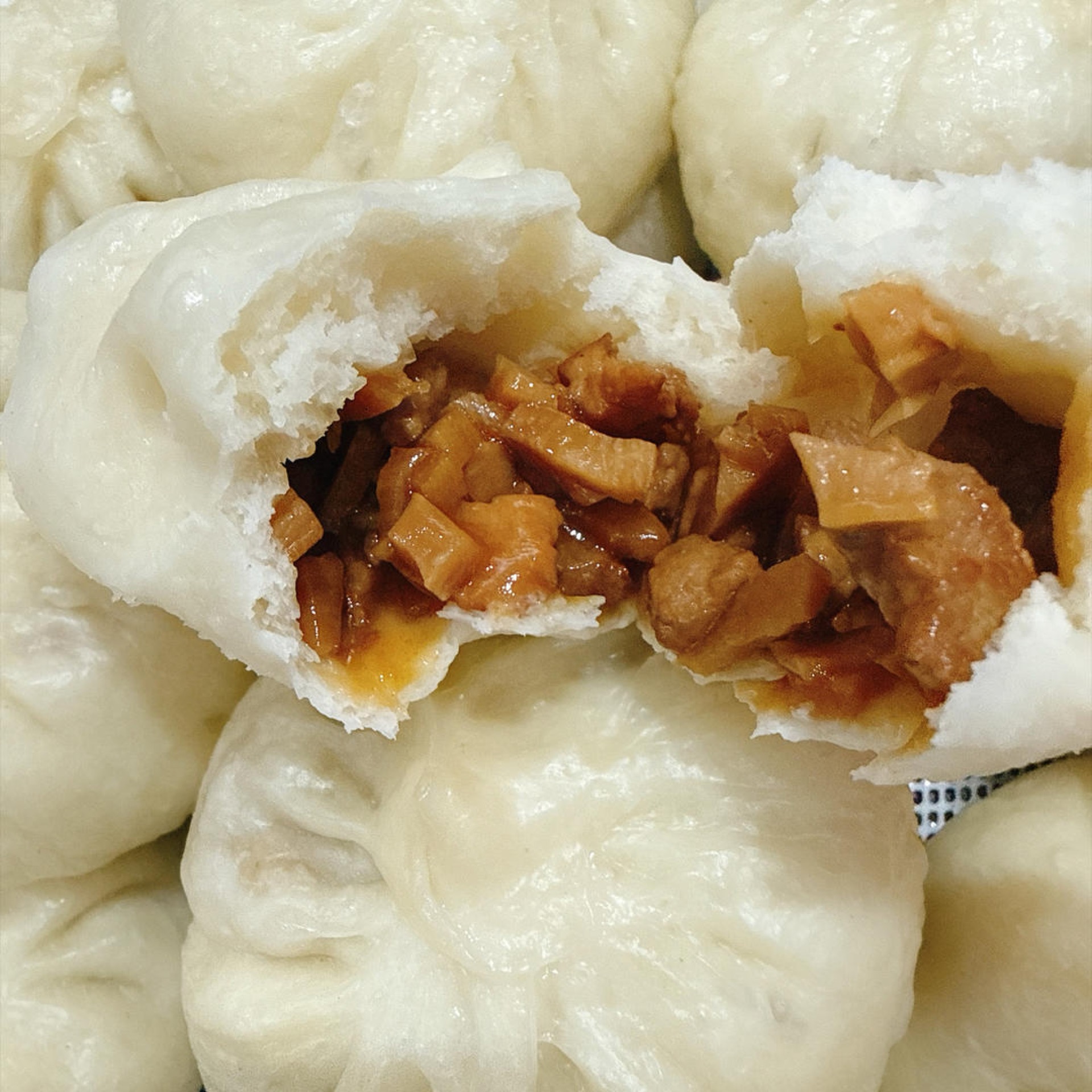
San ding bao, or “three-dice buns,” is a Yangzhou teahouse classic built on a simple idea: three ingredients, all cut into matching dice, all simmered together until they turn glossy and rich. Traditionally that trio is chicken, pork and bamboo shoot — and that is exactly what we are doing here, wrapped in a tangy old dough wrapper that stays soft for days.
If you have ever made whole wheat steamed buns or Shandong steamed buns, you already know how forgiving a good steamed bun dough can be. This one is even more forgiving, because the old dough does half the work for you. Let’s get into it.
What Is 老面三丁包?
老面三丁包 is a steamed bun from the Jiangnan region of China, most closely associated with Yangzhou, where it is a staple of the morning teahouse table. The name breaks down neatly: 老面 (lao mian) means “old dough,” a naturally fermented starter held back from a previous batch of dough and used to leaven the next one; 三丁 (san ding) means “three dice,” referring to the three fillings cut into small cubes; and 包 (bao) simply means bun.
The filling is the heart of the dish. Diced chicken breast, diced pork and diced bamboo shoot are marinated, stir-fried, then braised briefly in a soy-and-oyster-sauce liquid and thickened with a starch slurry. That last step matters more than it looks — the slurry turns the braising liquid into a glossy sauce that clings to every cube of meat, so the filling stays juicy instead of weeping into the dough.
The wrapper is where lao mian earns its keep. Because old dough carries a mature population of wild yeast and bacteria, it produces a crumb that is slightly tangy, deeply fragrant and remarkably slow to stale. A straight commercial-yeast bun is lovely on day one and dry by day two; a lao mian bun is still soft on day three.
Food science note: the starch slurry is not just a thickener. When potato starch is heated in the presence of water and sugar, its granules gelatinize and trap free liquid in a gel network. That is why a properly thickened three-dice filling stays glossy and cohesive rather than leaking broth into the wrapper during steaming — the sauce is physically holding the moisture in place.
If you want to understand how a juicy, saucy filling stays juicy inside a wrapper, our guide to the secret to juicy pork filling for dumplings and buns walks through the same binding principle used in this three-dice filling.
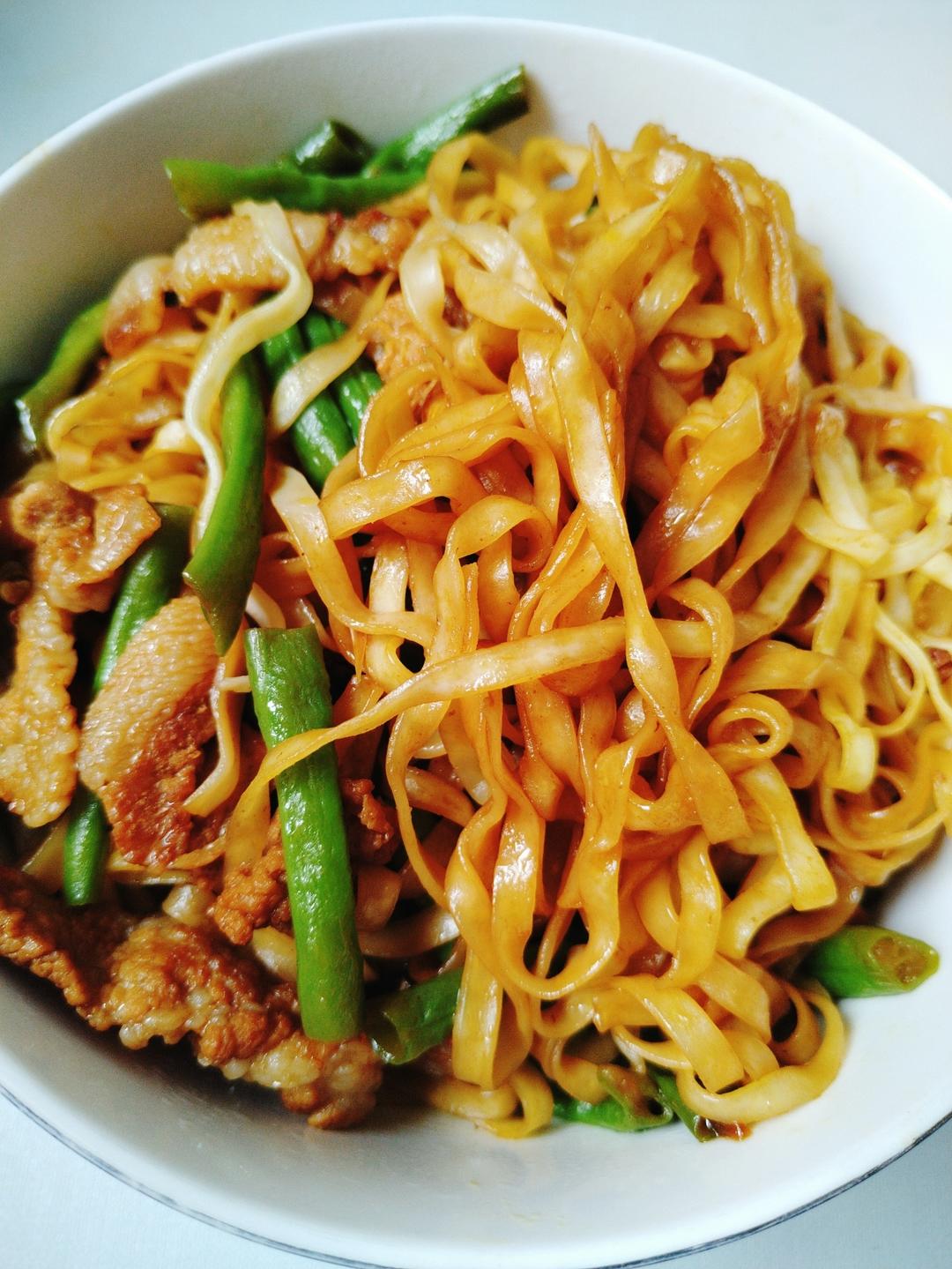
If you enjoy the steamed-and-sauced style of northern Chinese home cooking, our Henan steamed noodles with pork and green beans is a weeknight-friendly dish built on the same savory, sauce-forward approach.
And if you want the three-dice filling without the bun-making effort, our authentic Jiang bao san ding stir fried diced pork delivers the same diced pork, bamboo shoot and savory sauce in 30 minutes.
If you have never cooked with an old dough starter before, the closest comparison on this site is the filling technique used in our juicy dumpling filling, which relies on the same principle of binding liquid into a filling so it survives the cooking process.
1The Secret to Juicy Pork Filling for Dumplings & Buns (万能肉馅)Learn the restaurant secret to a juicy, flavorful pork filling (万能肉馅) for any dumpling or bun. This all-purpose recipe is tender, delicious, and foolproof, perfect for potstickers, steamed buns, and shumai.Check out this recipe

The three-dice idea also shows up in other corners of Chinese home cooking. Our Henan steamed noodles use a similar logic of building a savory, sauce-coated topping that steams into the noodles below, and our stir fried diced pork is essentially the filling of this bun served on its own as a quick stir-fry.
2Henan Steamed Noodles with Pork & Green Beans (河南蒸面条)A classic Northern Chinese dish where fresh noodles are steamed twice, first to cook, and a second time to infuse them with a rich, savory pork belly and green bean sauce.Check out this recipe
For the next cook from the same playbook, stir fried diced pork is the recipe I point people to.
3Authentic Jiang Bao San Ding (Stir-Fried Diced Pork)A quick, comforting Chinese homestyle meal featuring diced pork, tofu, radish, and soybeans in a deeply savory yellow soybean paste sauce.Check out this recipe

Why This Recipe Works
Three things make this recipe reliable even for a first-time bun maker.
The old dough does the heavy lifting. A lao mian starter is already acidic, already populated with active yeast, and already developed in flavor. It shortens the fermentation window, deepens the wheat aroma, and gives the finished bun a tender, almost cake-like crumb that straight dough struggles to match.
The filling is braised, not just stir-fried. Simmering the diced meat and bamboo shoot in seasoned water for 3 to 5 minutes lets the cubes absorb flavor all the way through. A quick stir-fry seasons only the surface; a short braise seasons the interior.
The starch slurry locks the sauce in. Without it, the braising liquid would run out of the filling the moment you bit into the bun. With it, the sauce clings to the dice and stays put through steaming.
And one more thing: the double rest. The 15 to 20 minute rest after dividing, plus the 20 minute proof after shaping, gives the gluten time to relax so the pleats hold their shape and the crumb opens up light instead of tight.
Equipment Needed
You do not need much, but a few pieces make the process smoother.
- A wok or wide skillet for stir-frying and braising the filling. A wok gives you more surface area for reducing the sauce quickly.
- A steamer setup. A bamboo steamer over a wok, a metal steamer insert, or a multi-tier electric steamer all work. You need enough room for 15 buns with gaps between them.
- A rolling pin for rolling wrappers that are thicker in the center and thinner at the edges.
- A cutting board and a sharp knife for dicing the meat and bamboo shoot into even 0.5-inch cubes. Even dice cook evenly.
- A slotted spoon for draining the bamboo shoot and lifting the filling out of the wok.
- Mixing bowls — one large for the dough, one small for the marinade, one small for the starch slurry.
- Baking paper or parchment cut into squares to line the steamer so the buns do not stick.
Ingredients
Here is what you need. Full measurements are in the recipe card at the bottom of this post.
For the dough: warm water, French old dough (lao mian), granulated sugar, instant dry yeast, all-purpose flour and lard or neutral oil. The lard is traditional and gives a silkier crumb, but any neutral oil works.
For the filling: chicken breast, pork, bamboo shoot, salt, dark soy sauce, white pepper and cornstarch for the marinade; cooking oil, water, dark soy sauce, light soy sauce, sugar and oyster sauce for the braise; and potato starch plus water for the slurry.
Ingredient Notes
French old dough (lao mian). This is a piece of dough held back from a previous batch and stored in the refrigerator. If yours has been sitting for more than a week, feed it or refresh it before using. If you do not have old dough, you can substitute 155 g of a stiff sourdough starter, though the flavor will be tangier.
Bamboo shoot. Fresh winter bamboo shoot is ideal, but it needs to be cooked through first — the source recipe cooked it for an hour before dicing. Canned bamboo shoot is a fine shortcut; drain it well and pat it dry so it does not water down the filling.
Pork. Use a cut with some fat, like pork shoulder or a piece of pork belly, rather than lean loin. The fat melts into the sauce and keeps the filling moist.
Potato starch vs. cornstarch. Potato starch is the traditional choice for the slurry because it thickens to a clearer, glossier gel and holds up better under heat. Cornstarch works in a pinch but produces a slightly cloudier sauce.
Oyster sauce. This is what gives the filling its deep, rounded savoriness. If you are cooking for someone with a shellfish allergy, substitute a mushroom-based vegetarian oyster sauce.
Dark vs. light soy sauce. Dark soy sauce is for color and a mild sweetness; light soy sauce is for saltiness. Use both as written — substituting one for the other will change the color and the seasoning balance.
Prep & Mise en Place
Bun making moves fast once the dough is ready, so set yourself up before you start.
- Dice everything first. Cut the chicken, pork and bamboo shoot into 0.5-inch (about 1.25 cm) cubes and keep them in separate bowls.
- Mix the marinade. Combine the salt, dark soy sauce, white pepper and cornstarch in a small bowl so it is ready to pour over the meat.
- Make the slurry. Whisk the potato starch and water together in a small bowl and set it next to the stove. It will settle, so give it a stir right before you pour.
- Line your steamer. Cut parchment squares and lay them in the steamer basket so the buns can go straight in after shaping.
- Clear your counter. You need a clean, floured work surface for dividing and rolling 15 portions.
- Warm the water. The dough water should be about 105°F (40°C) — warm to the touch but not hot enough to kill the yeast.
Cooking Process
Step 1 — Use Up the Leftover Starter
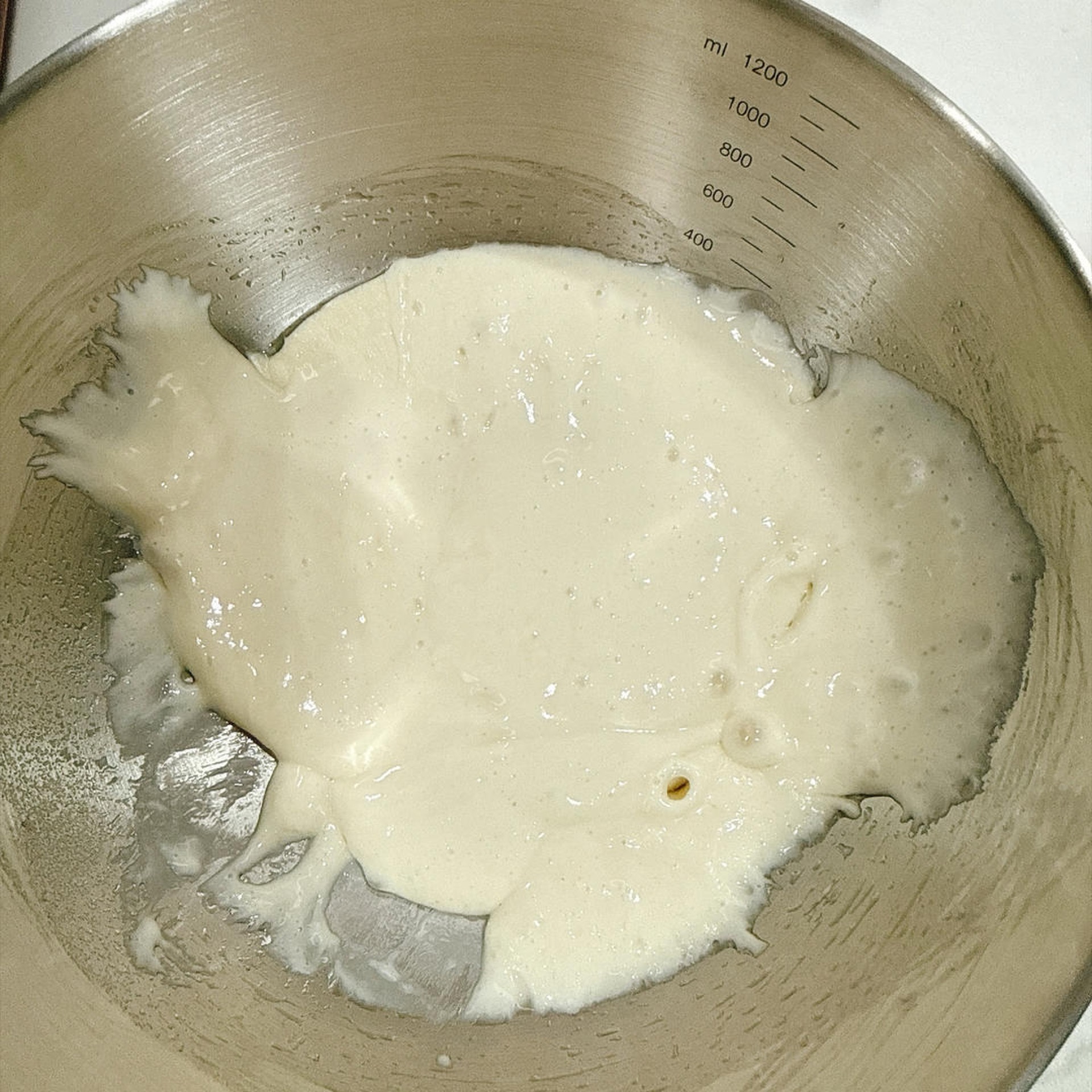
I had 150 grams of French old dough left over from baking sourdough, so I decided to use it to make some three-dice buns!
Step 2 — Mix and Knead the Dough
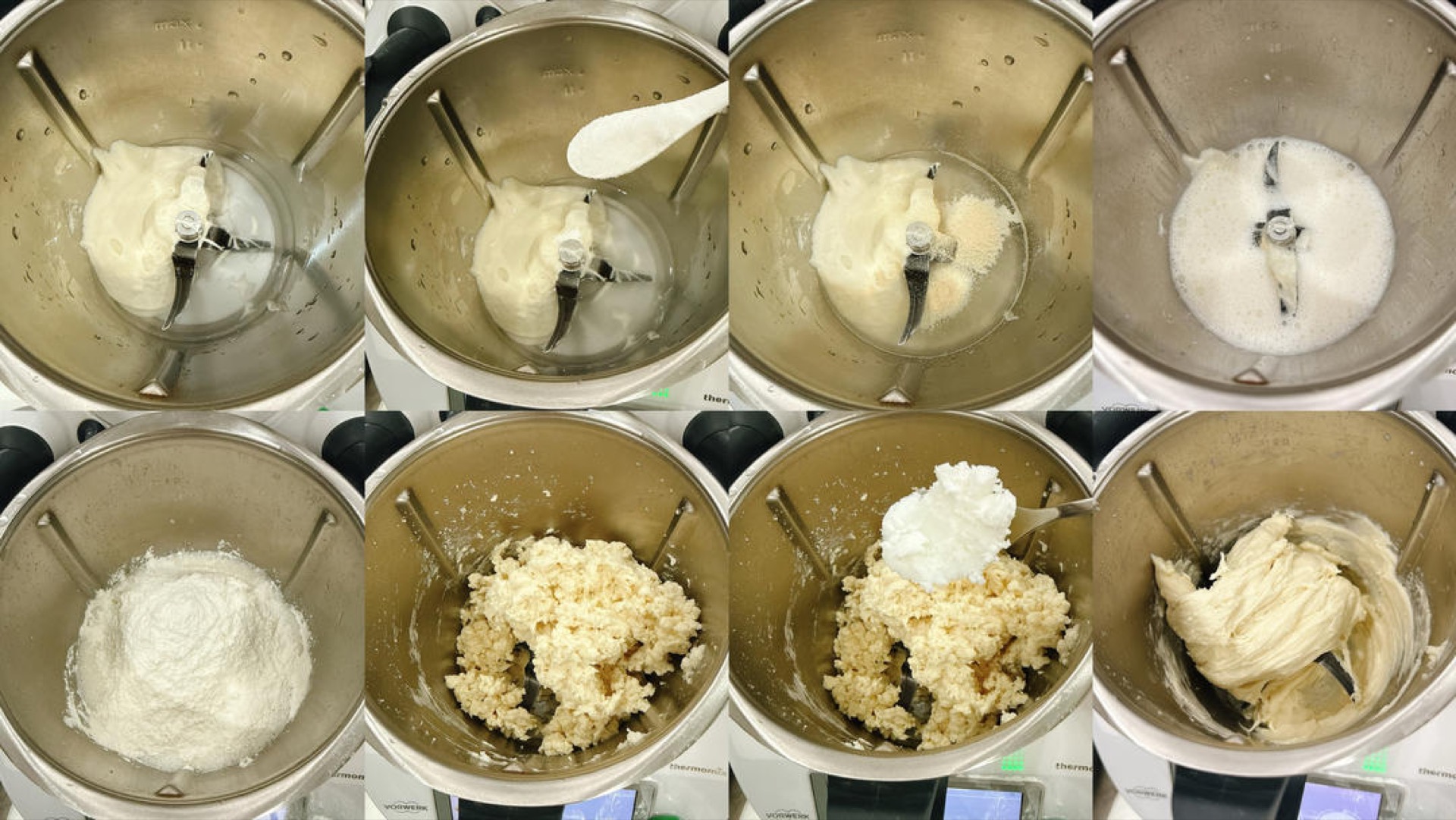
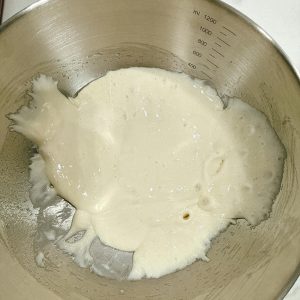
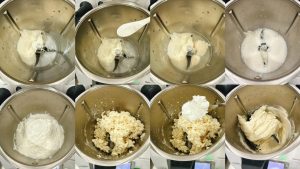
Wash and dry the main bowl, then add 140 g warm water, 155 g old dough, 15 g sugar and 2 g dry yeast. Set for 30 seconds at speed 3 to mix. For the dough: add 350 g all-purpose flour and mix for 30 seconds at speed 3-6 until it looks like snowflakes. For kneading: add 10 g lard (or vegetable oil) and knead for 2 minutes on the kneading mode.
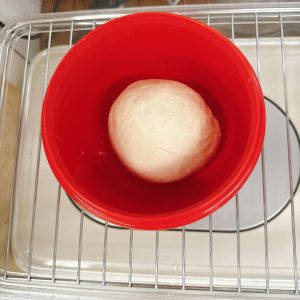
Step 3 — Round the Dough
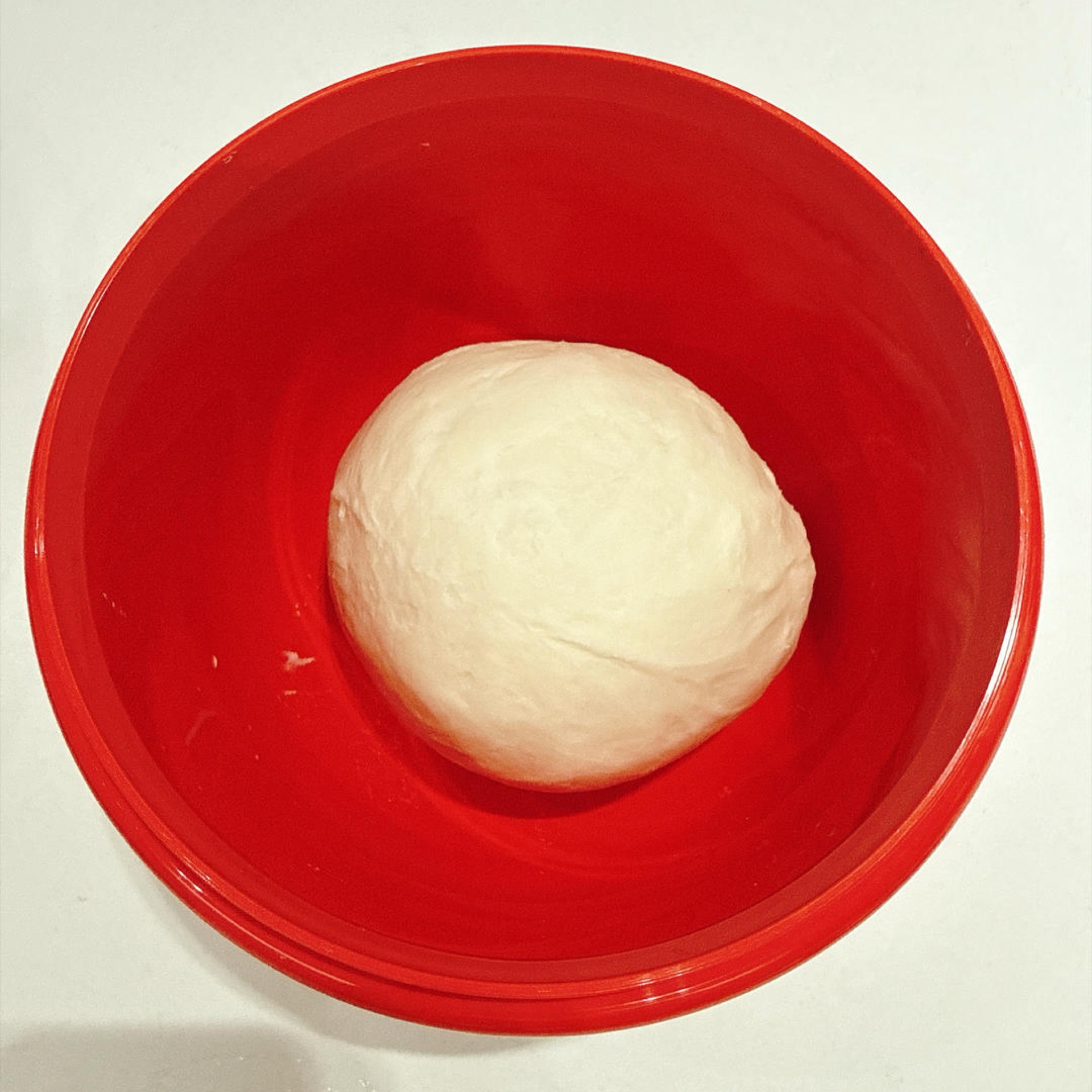
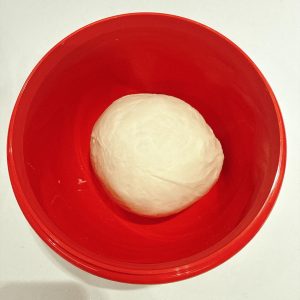
Take the dough out, round it into a ball and place it in a large bowl. The kneading mode makes it easy to work the dough until it is smooth and fine.
Step 4 — First Rise
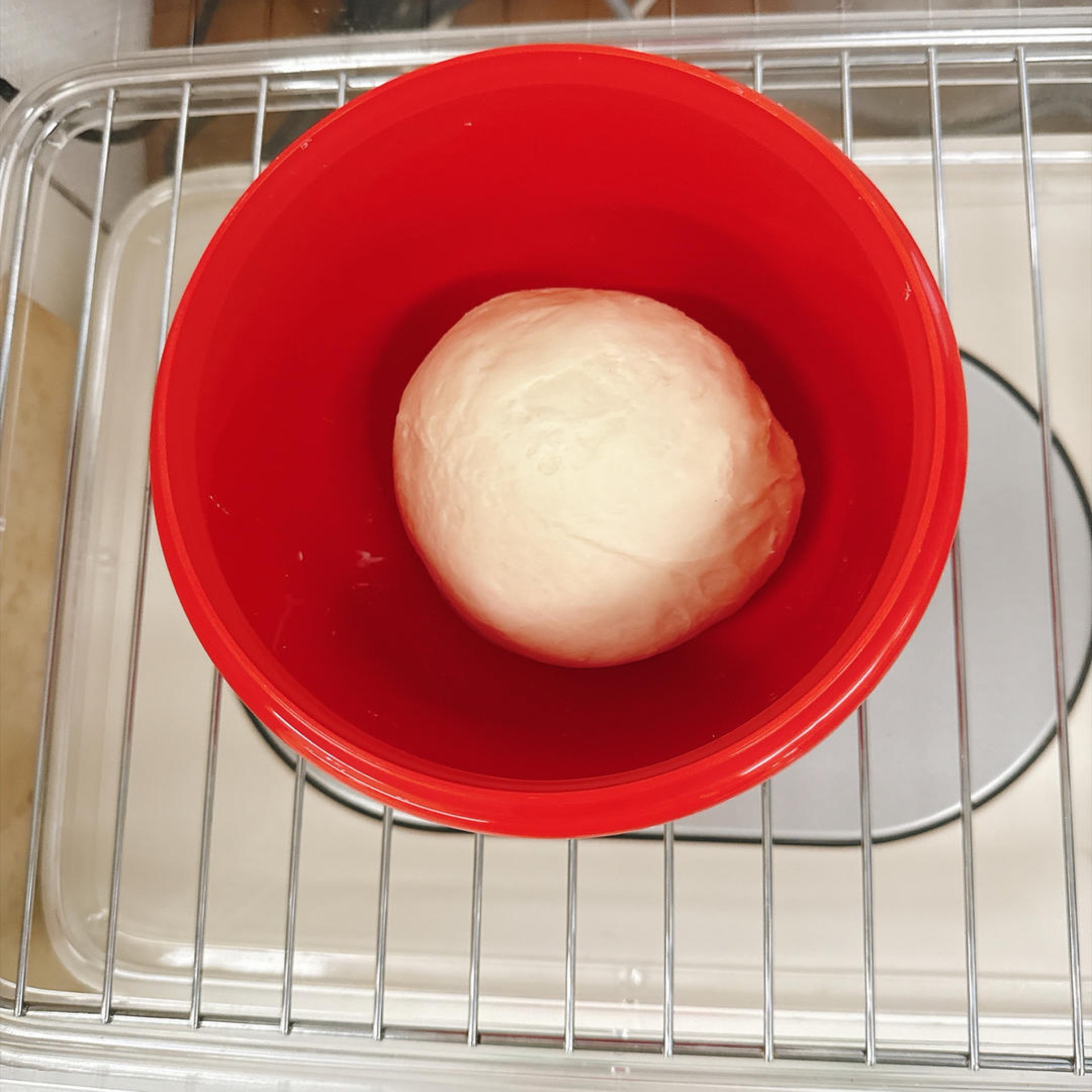
Ferment at 30°C until doubled in size, about 1 hour.
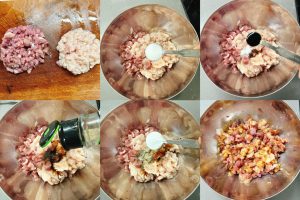
Step 5 — Marinate the Meat
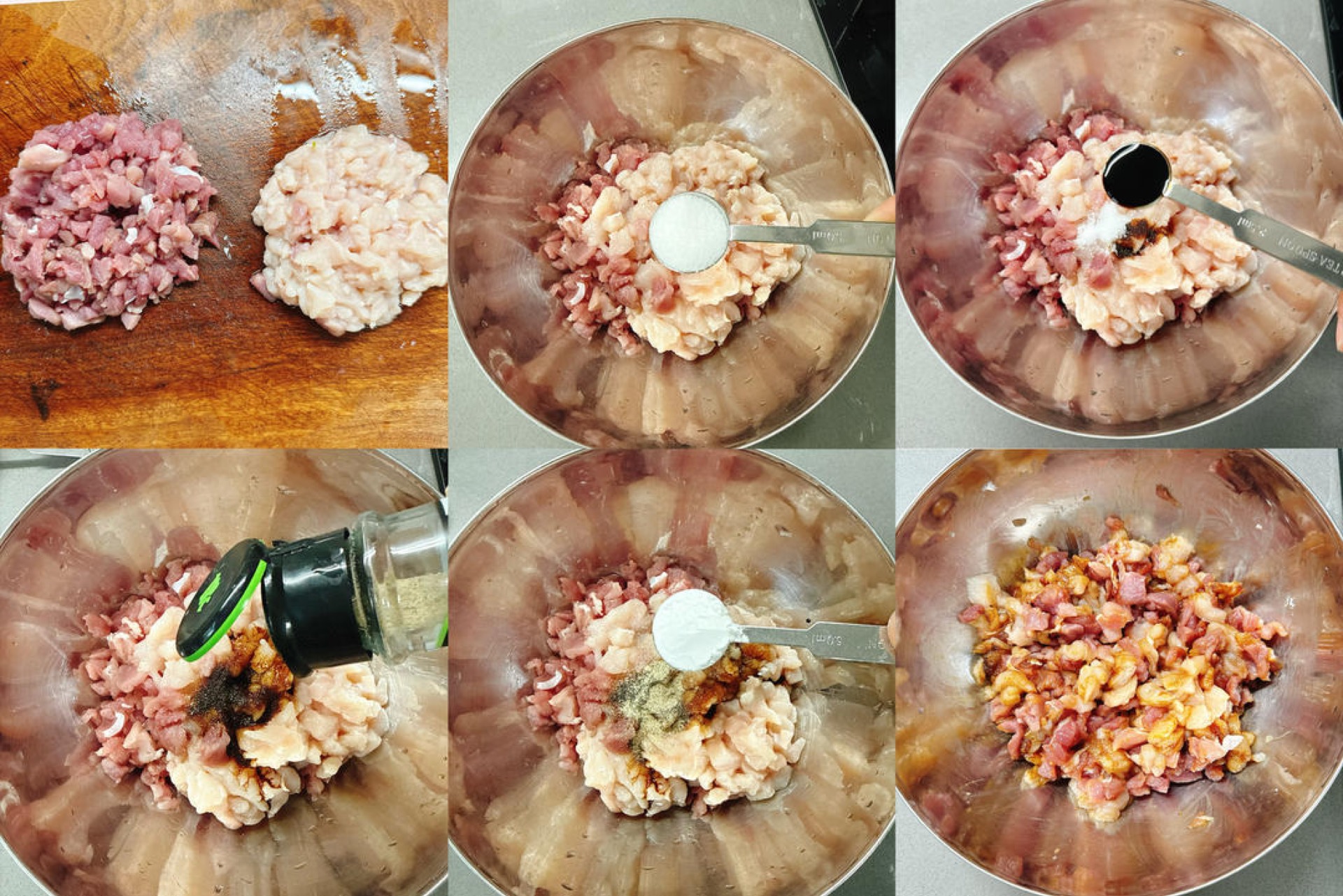
While the dough ferments, make the filling: place a bowl on the lid of the main bowl and add the diced chicken breast, diced pork, 1 tsp salt, ½ tsp dark soy sauce, 2 pinches white pepper and 2 tsp cornstarch. Remove the bowl and mix well, then marinate for 10 minutes.
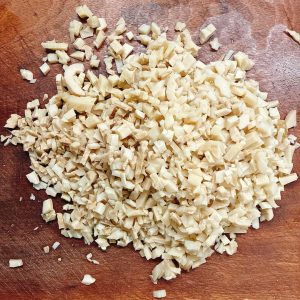
Step 6 — Dice the Bamboo Shoot
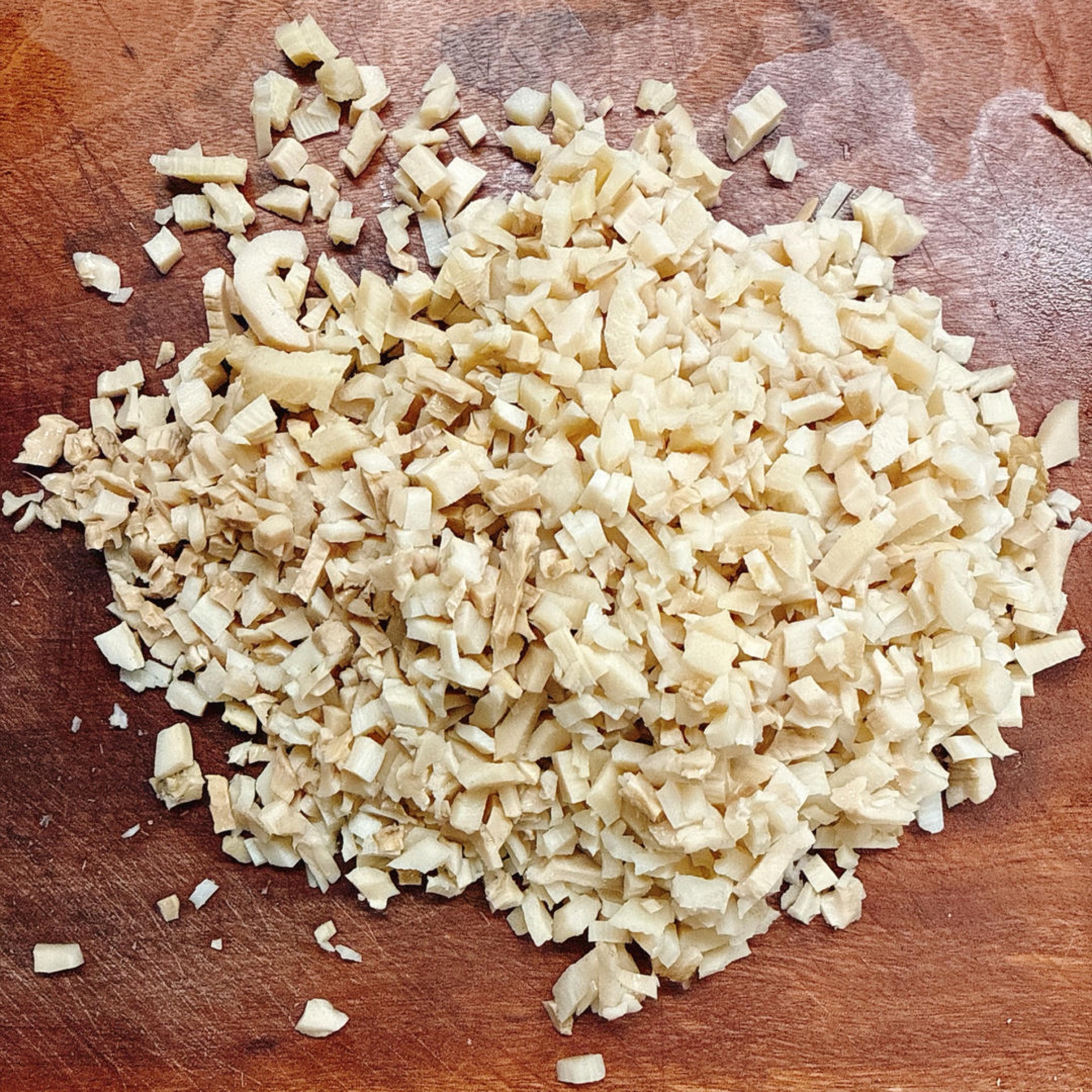
Dice the cooked bamboo shoot. The bamboo shoot was cooked in advance for 1 hour.
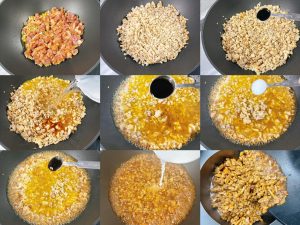
Step 7 — Stir-Fry the Filling
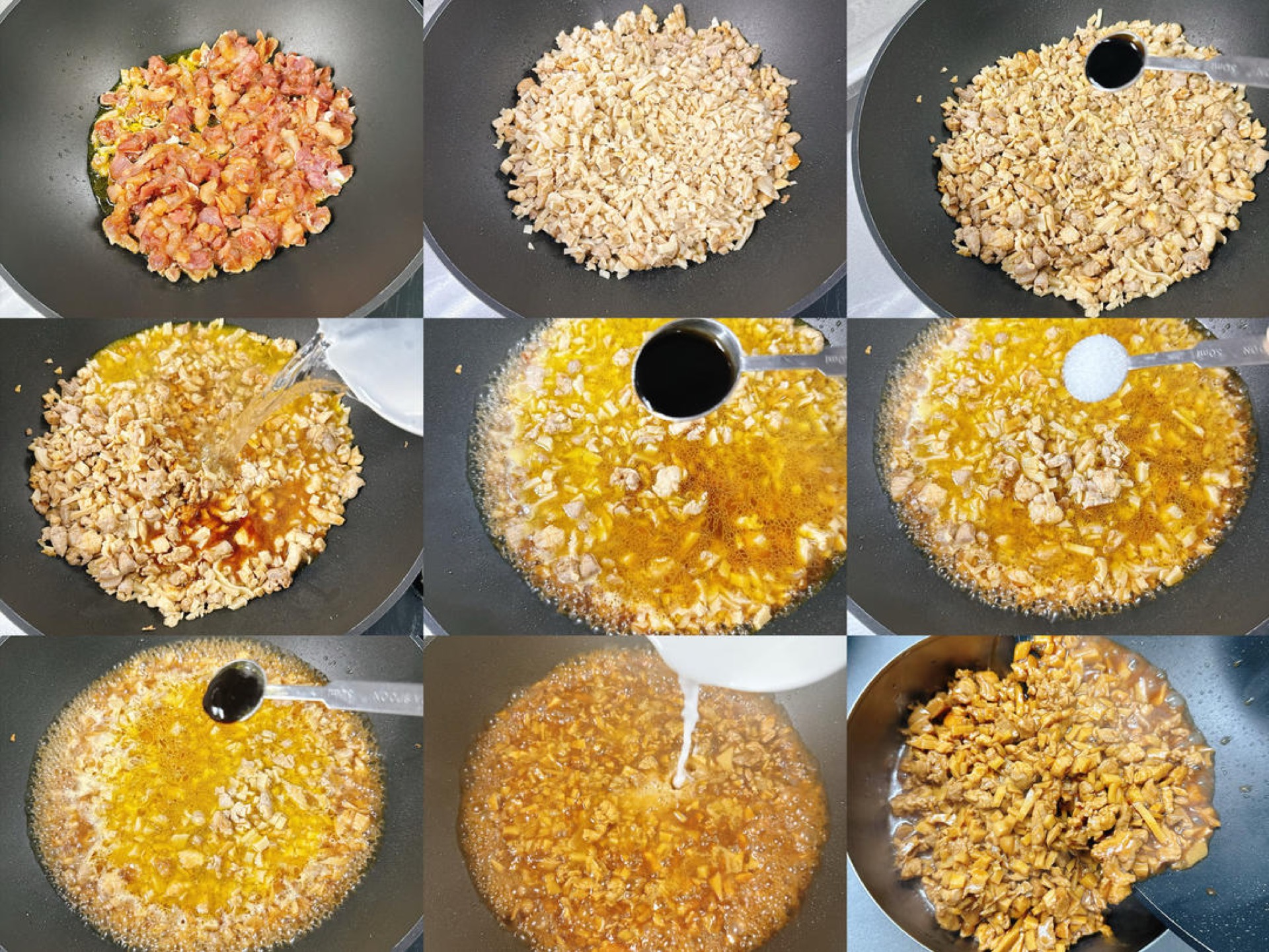
Add oil to the wok and heat over medium heat to about 60% oil temperature. Pour in the marinated diced meat and stir-fry quickly with a spatula. Once the meat changes color, add the drained diced bamboo shoot, 500 g water, 2 tsp dark soy sauce, 2 tsp light soy sauce, 1 tsp sugar and 2 tsp oyster sauce, and simmer for 3-5 minutes. Meanwhile, mix 2 tbsp potato starch and 4 tbsp water in a small bowl to make a slurry. Pour the slurry into the wok.
Step 8 — Reduce the Sauce
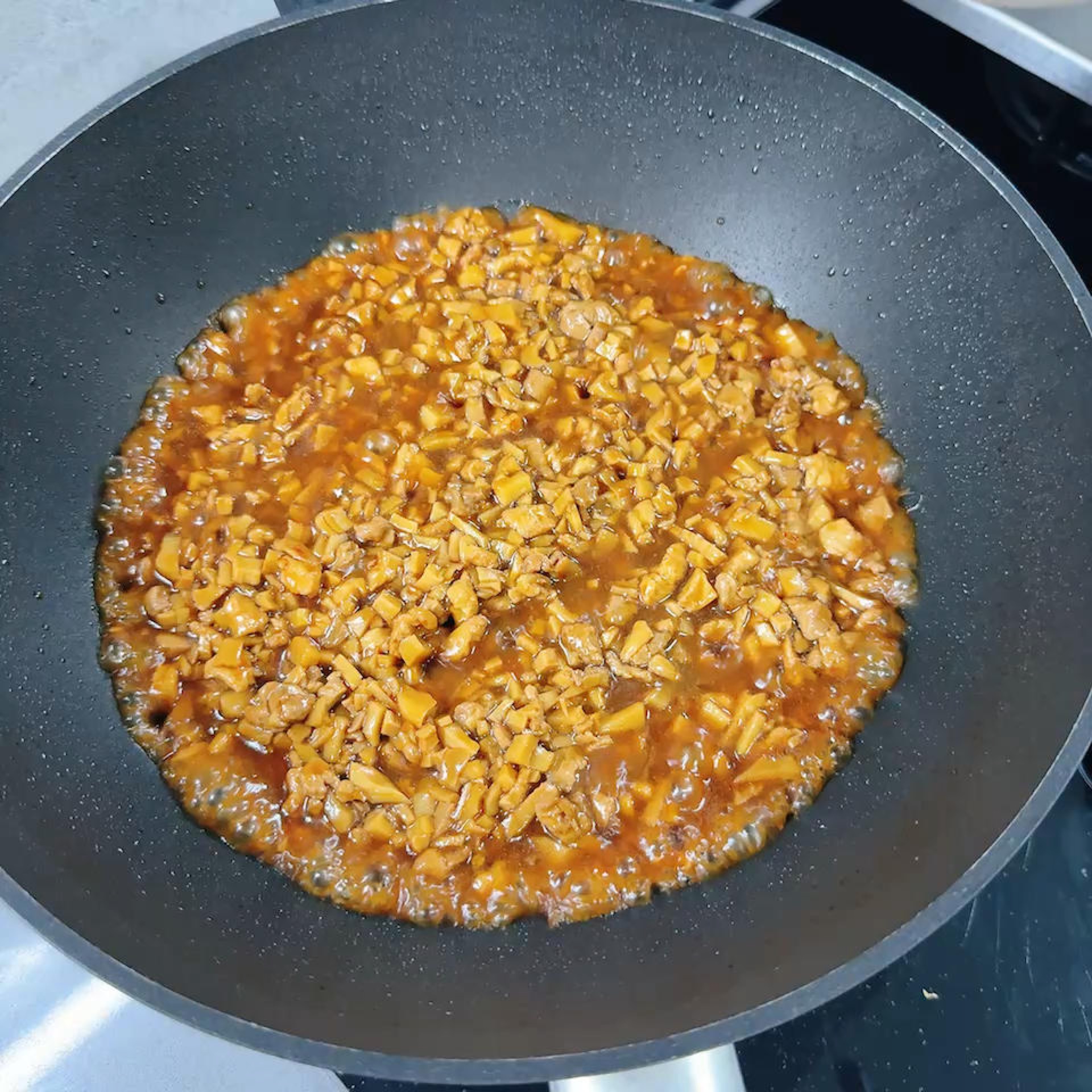
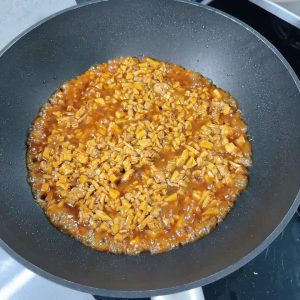
Turn the heat to high and reduce the sauce!
Step 9 — Cool the Filling
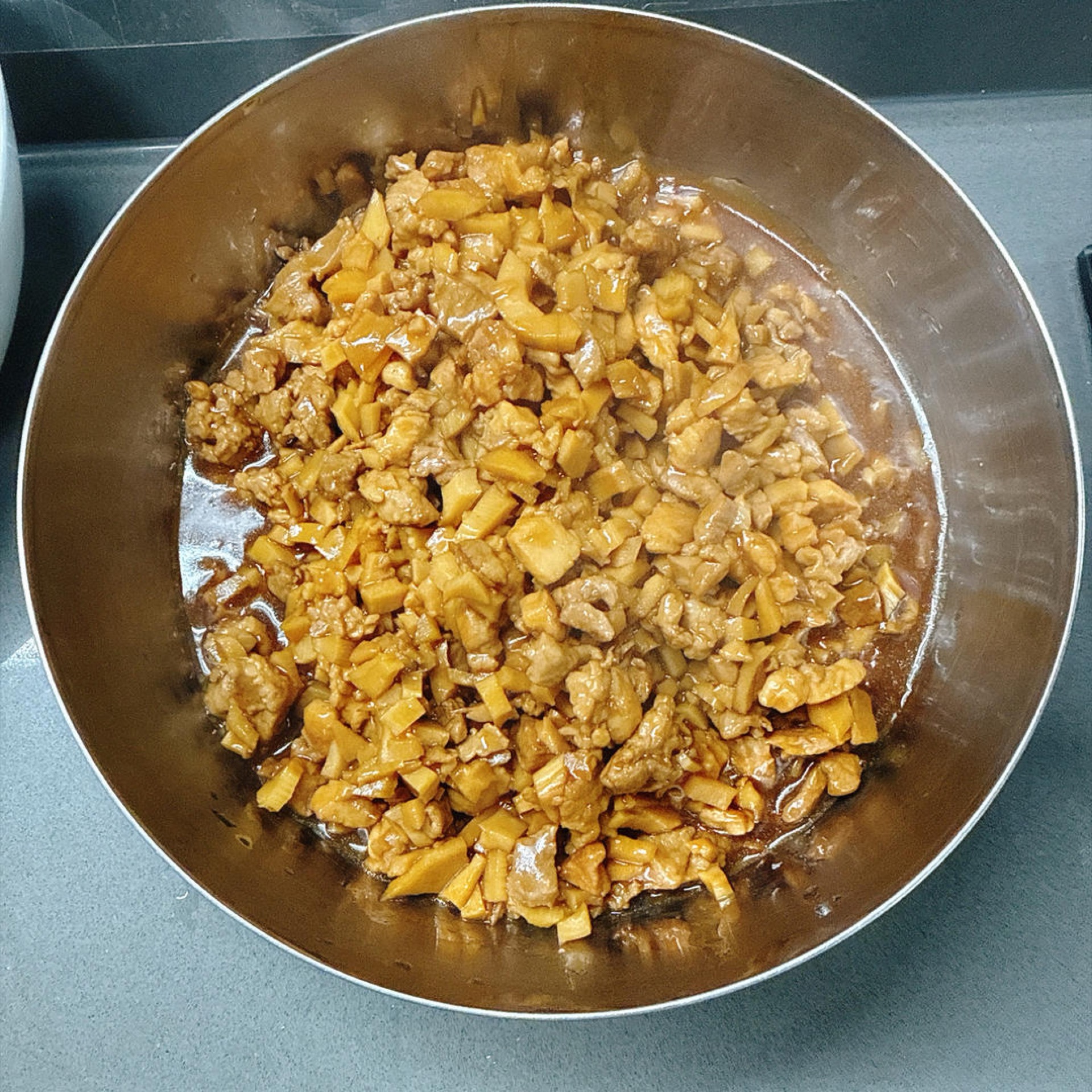
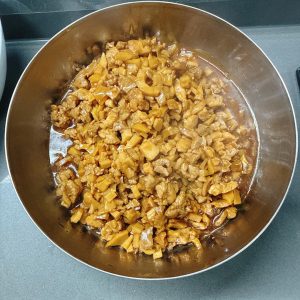
Pour the filling into a bowl and let it cool completely.
Step 10 — Check the Dough
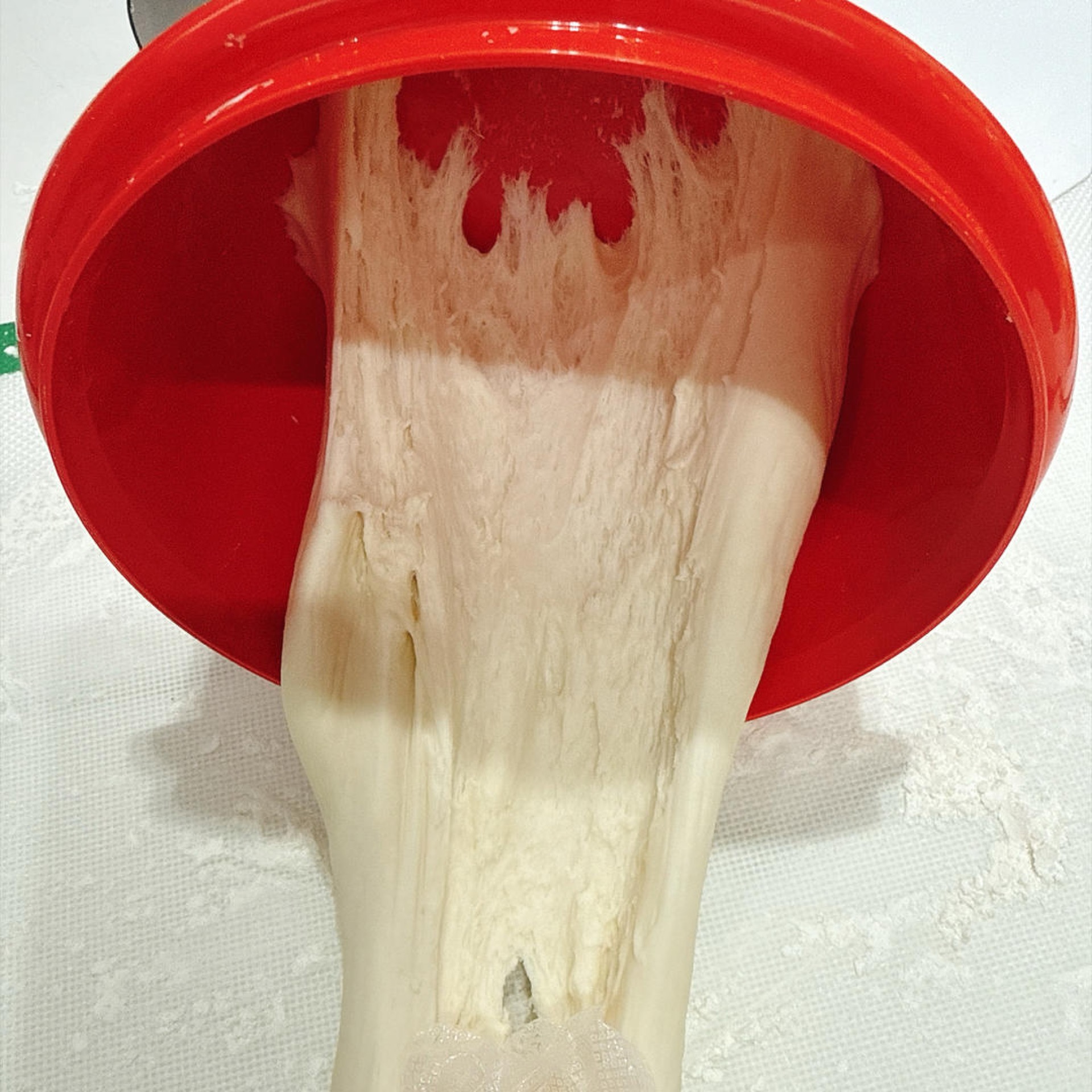
The dough has finished rising!
Step 11 — Inspect the Gluten
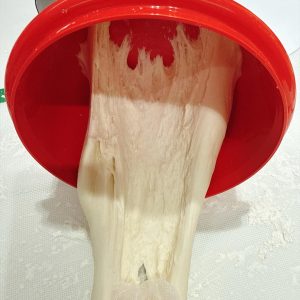
Look at the stretch and the gluten strands — the first rise went very well! The extensibility and gluten network of this dough are beautiful; it is definitely a well-fermented, lively dough.
Step 12 — Punch Down and Roll
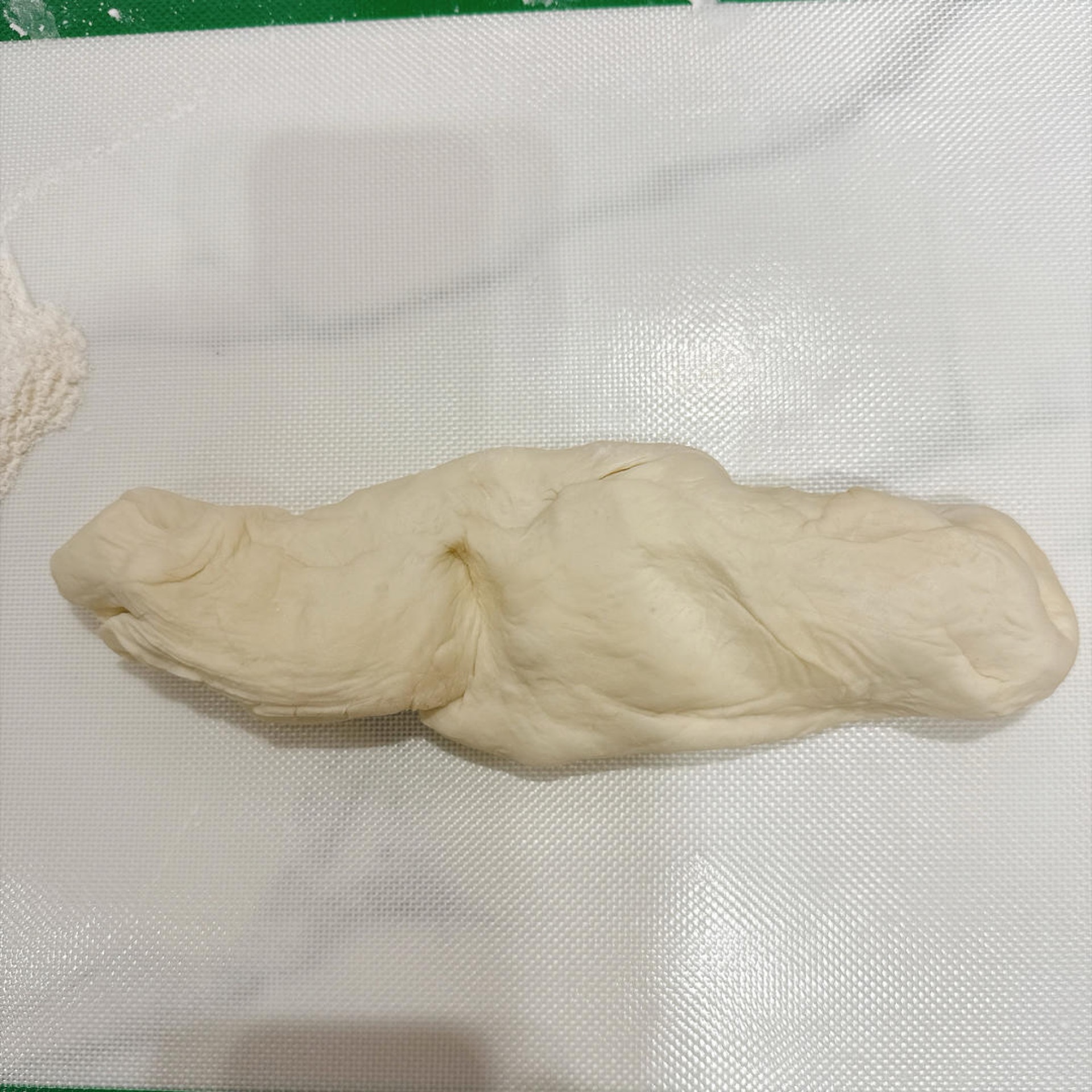
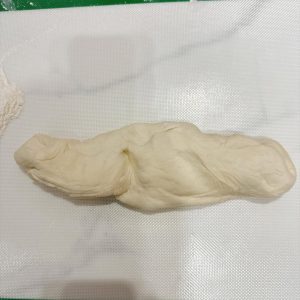
Dust the work surface with flour, press the dough to deflate it, and roll it into a long log.
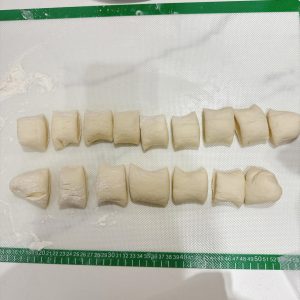
Step 13 — Divide the Dough
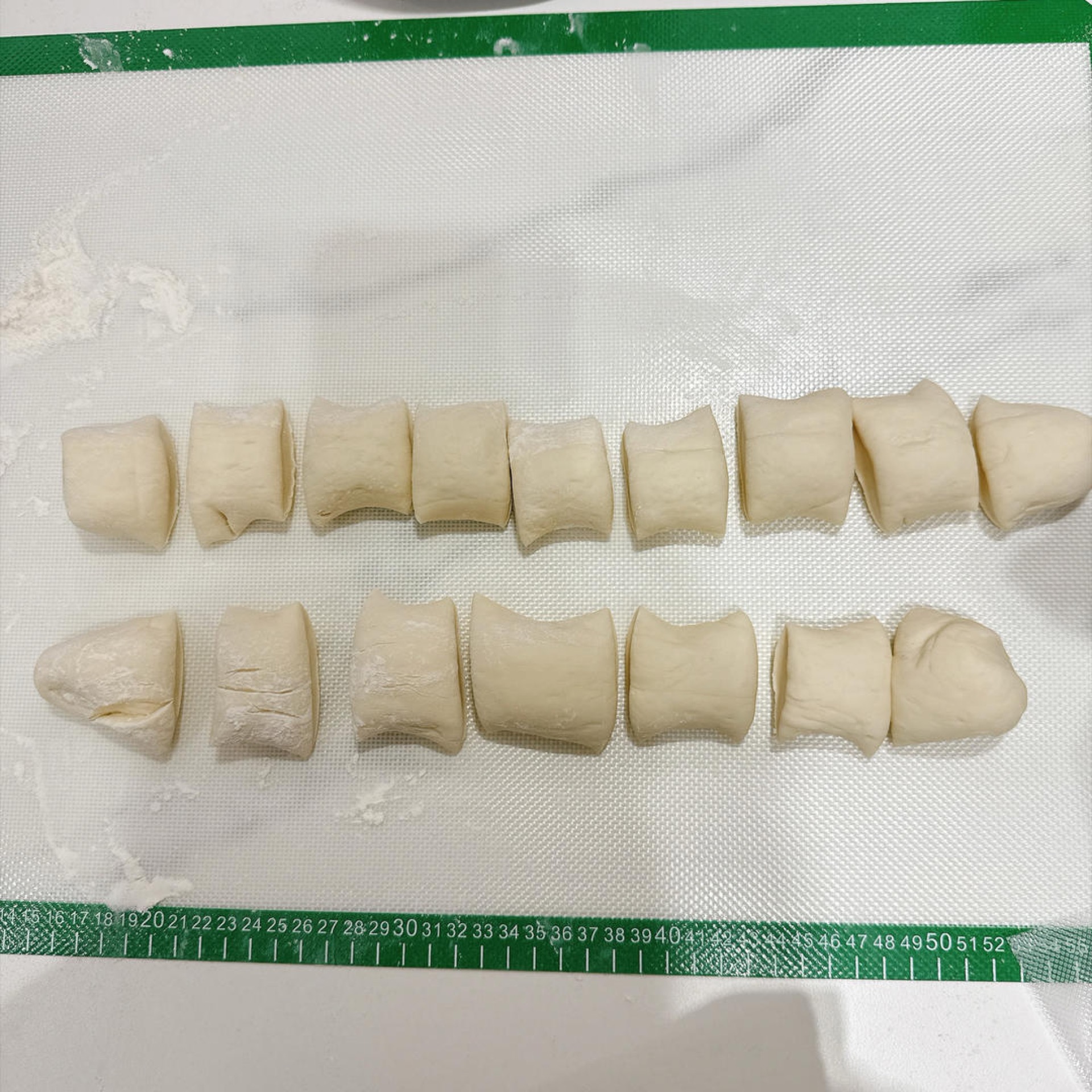
Divide it into 15 portions.
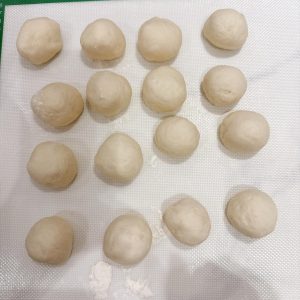
Step 14 — Round and Rest
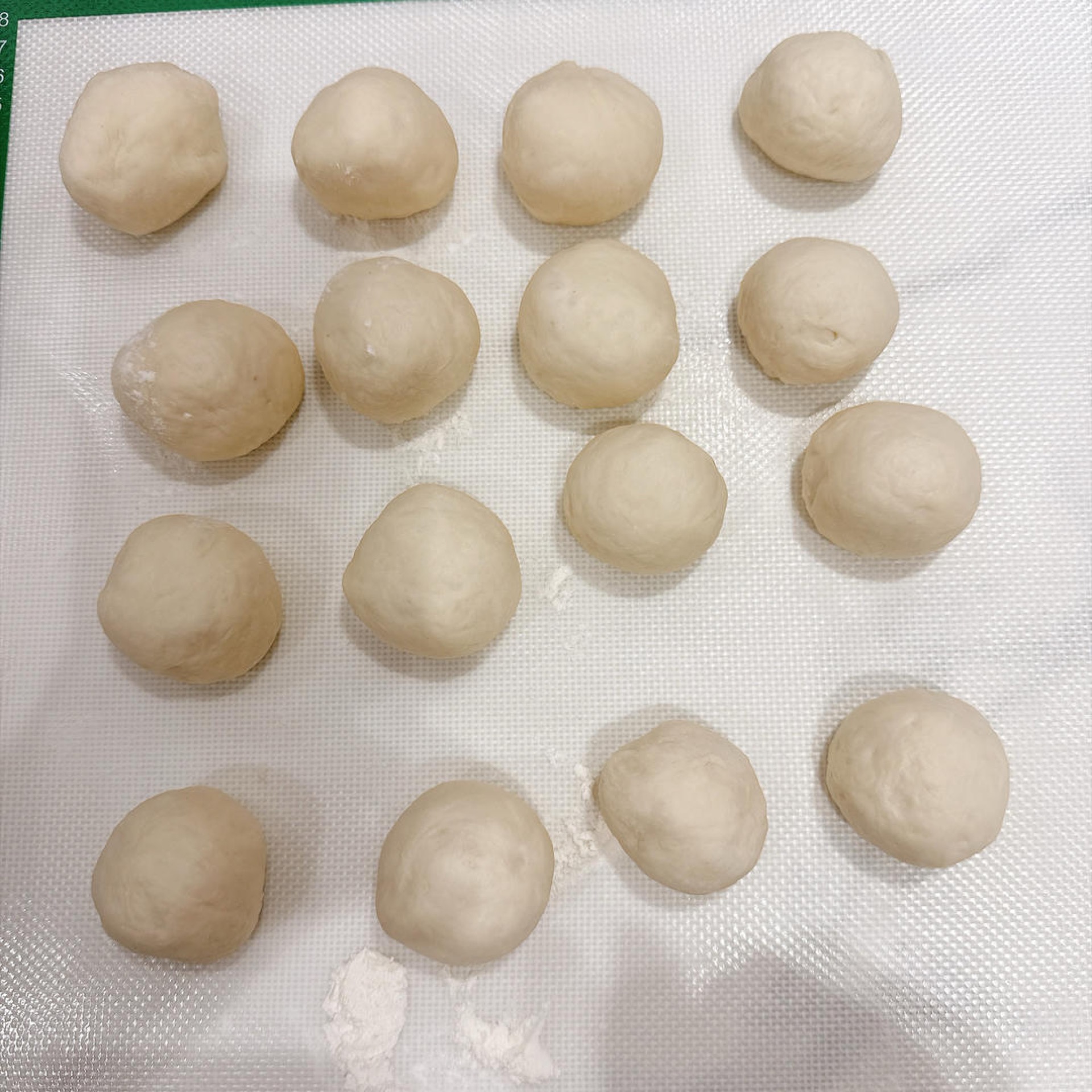
Round each portion into a ball, cover them, and let them rest for 15-20 minutes.
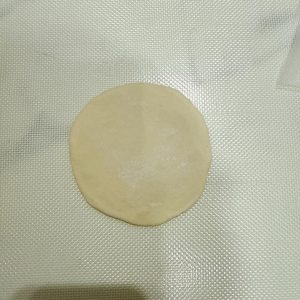
Step 15 — Roll the Wrappers
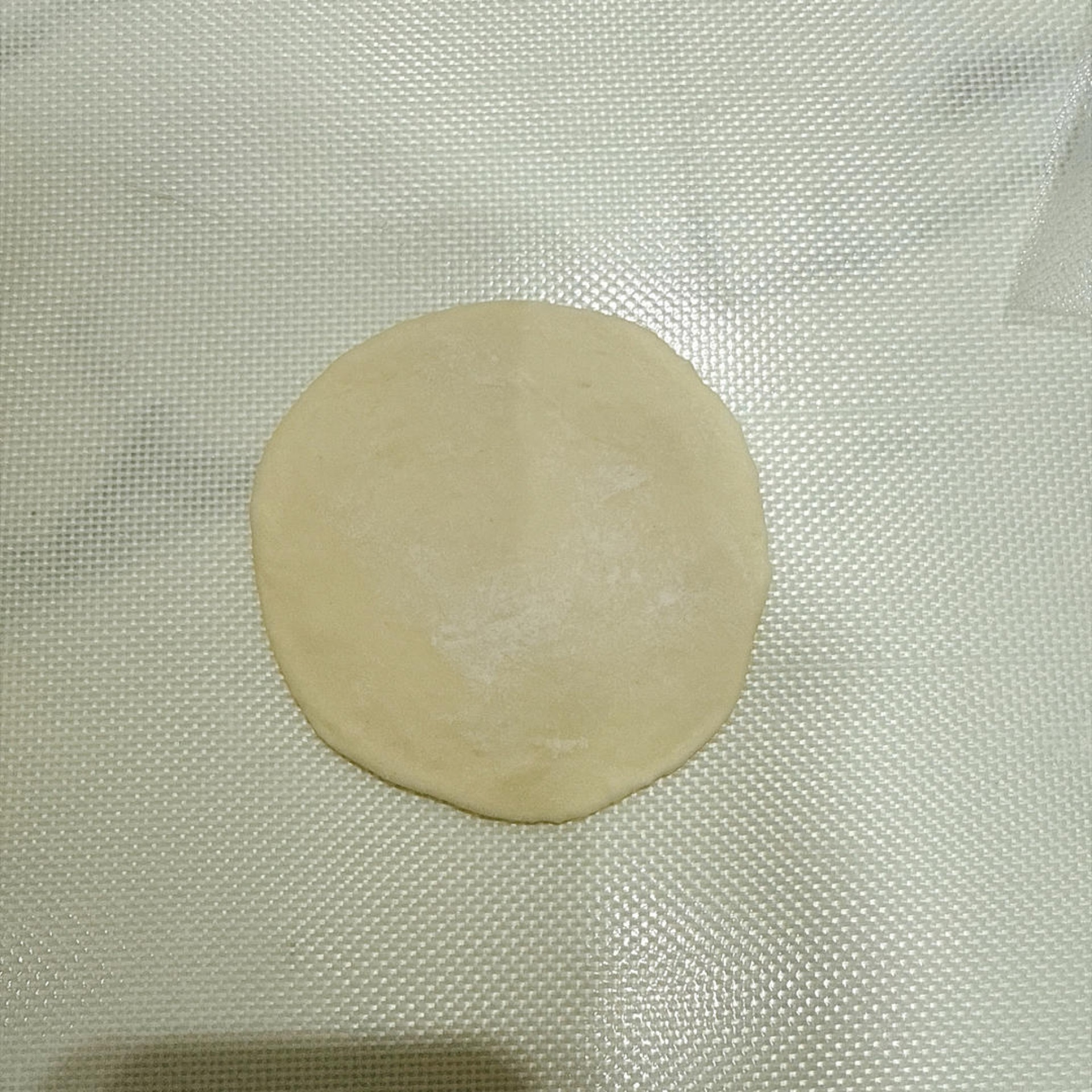
Use a rolling pin to roll each portion into a wrapper that is thicker in the middle and thinner at the edges.
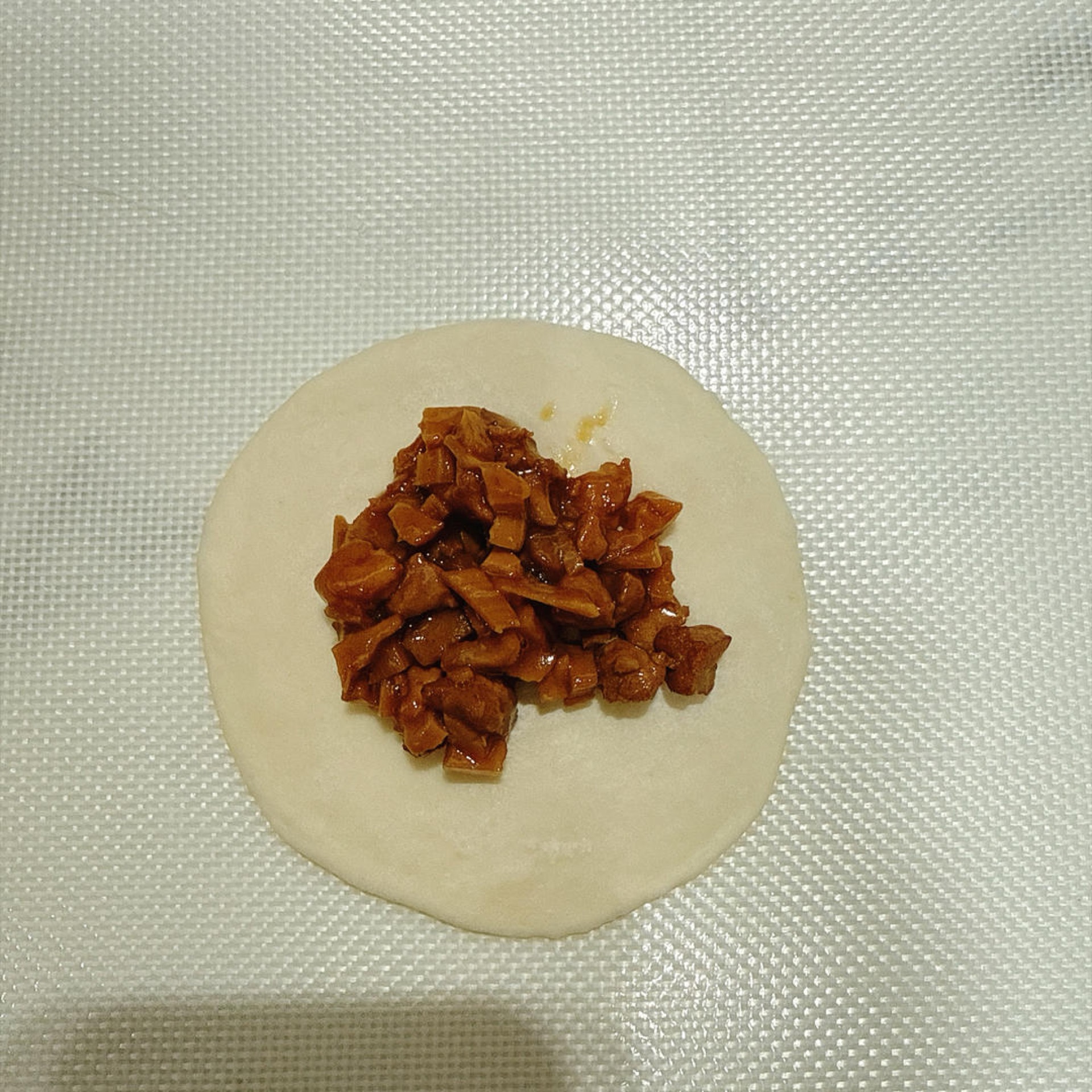
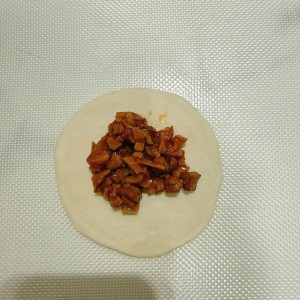
Step 16 — Fill the Buns
Wrap 15-20 g of filling into each wrapper.
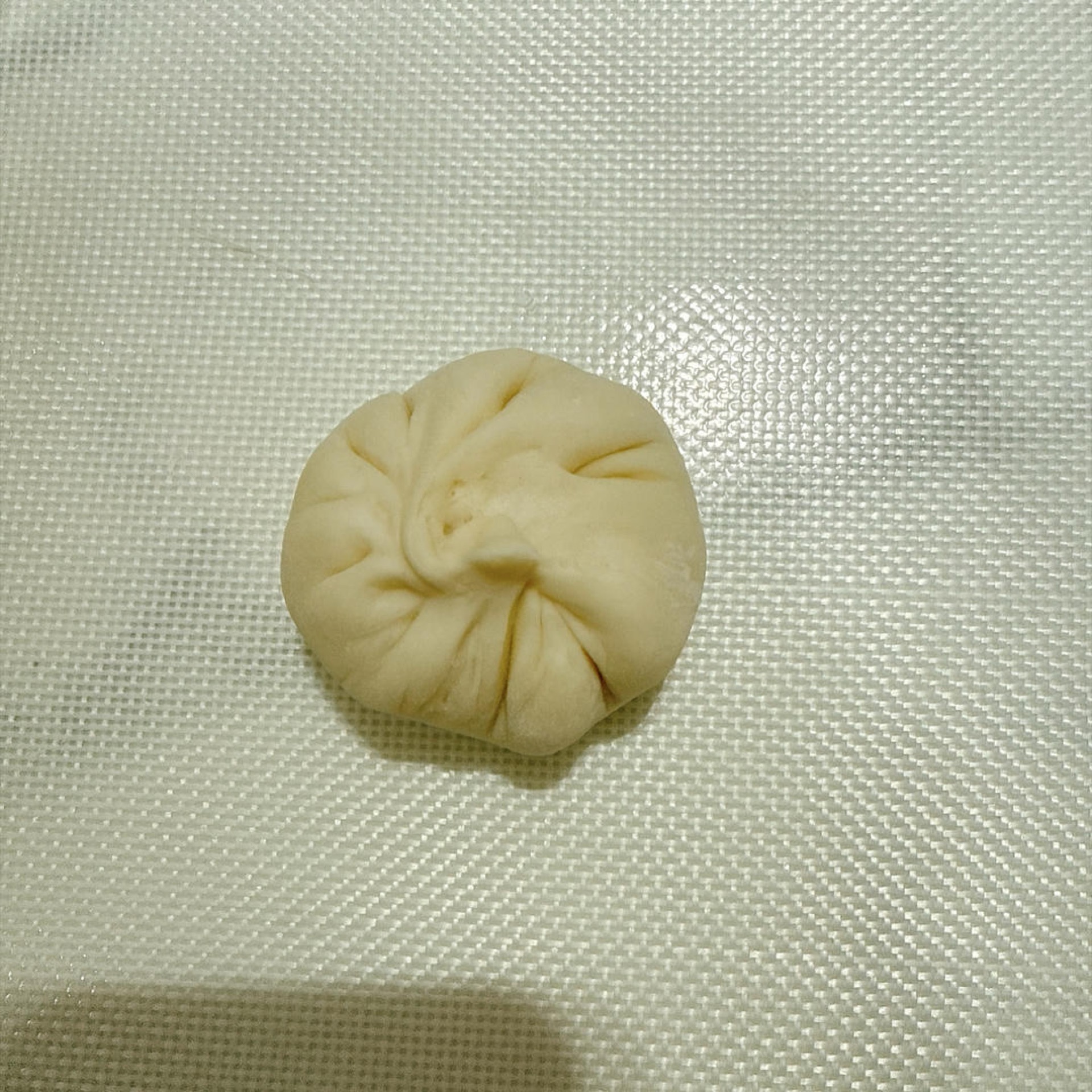
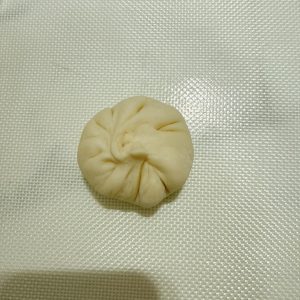
Step 17 — Pleat and Seal
Pleat while turning the bun, and pinch the seam tightly closed.
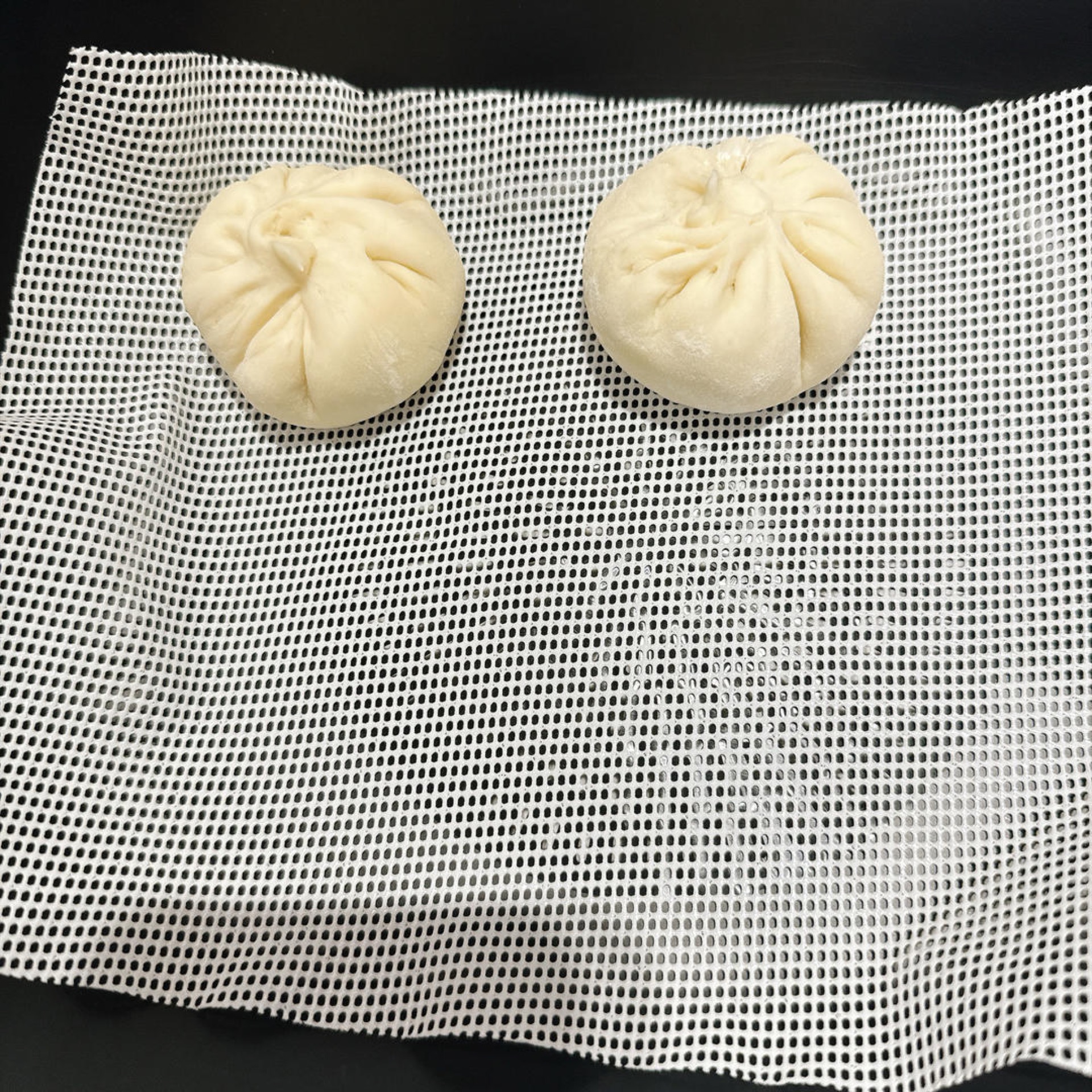
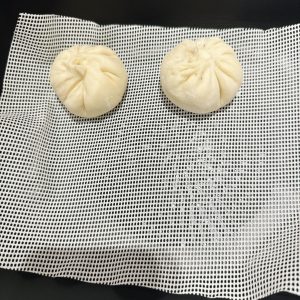
Step 18 — Finish Shaping
All the buns are shaped.
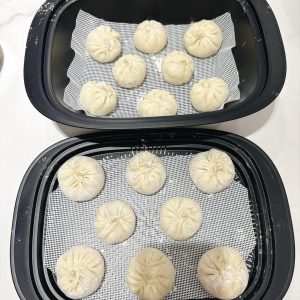
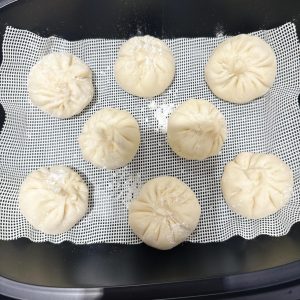
Step 19 — Arrange in the Steamer
Place them on a steaming tray lined with baking paper and into the steamer.
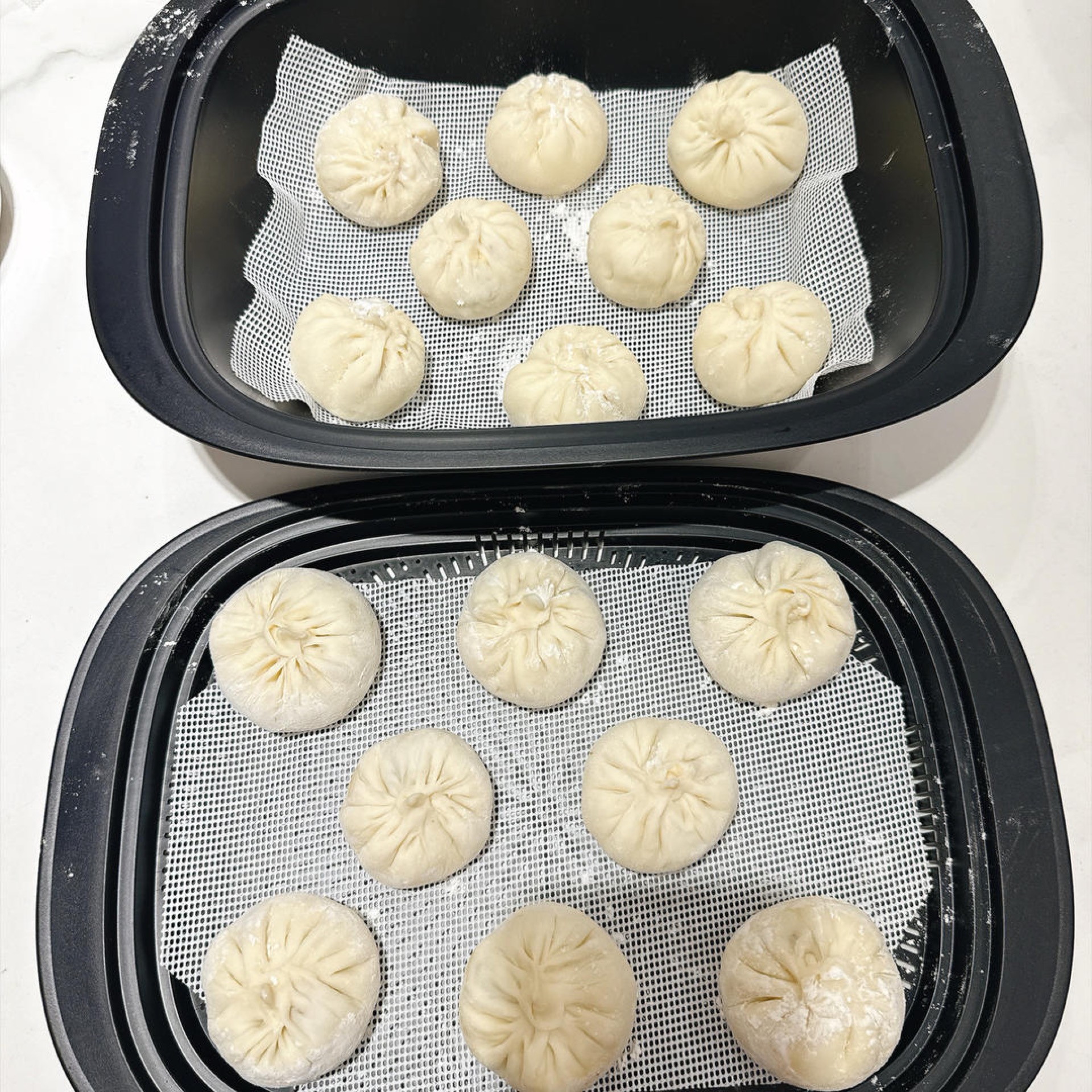
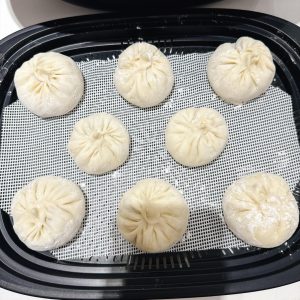
Step 20 — Leave Space
Leave a gap between the buns.
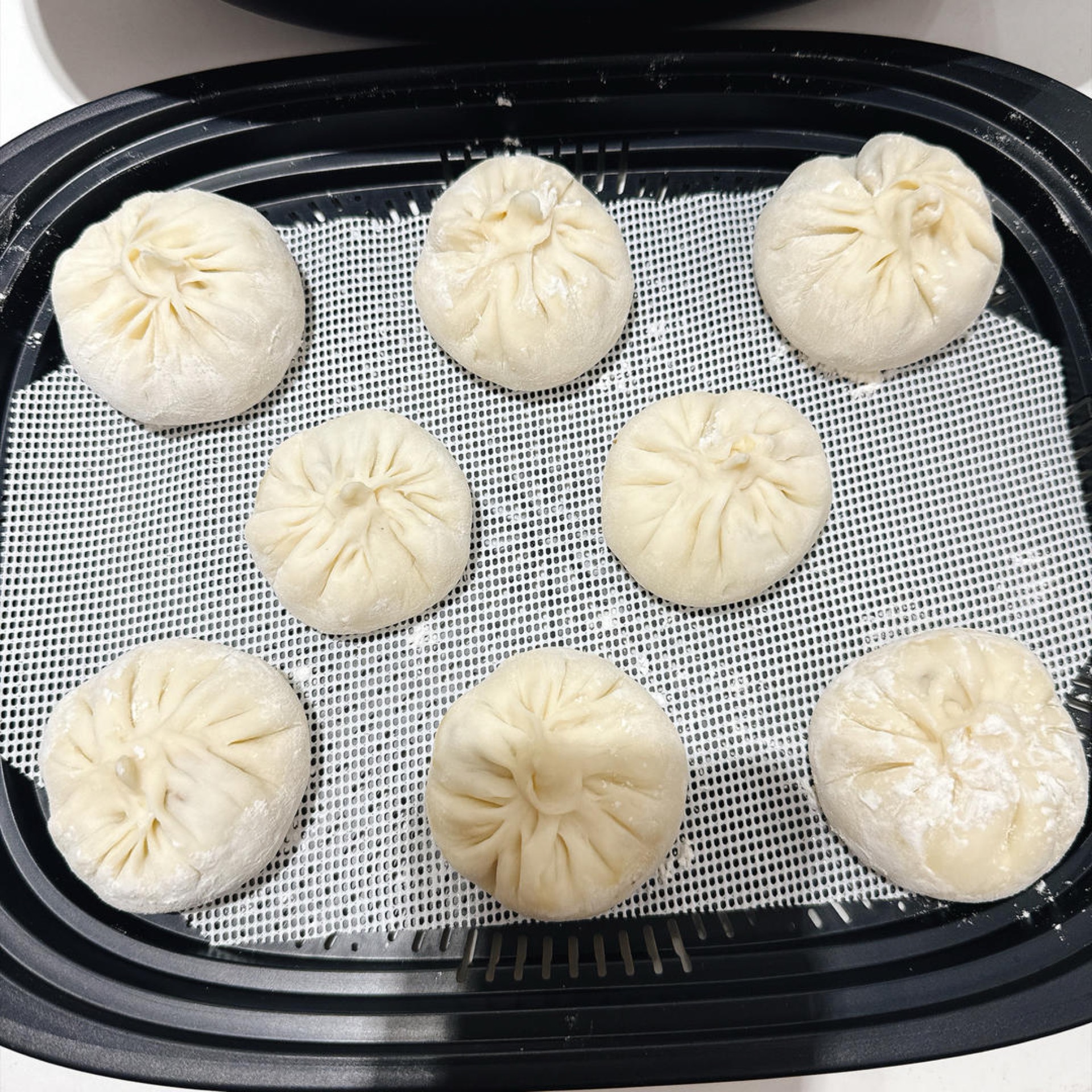
Step 21 — Second Rise
Cover the steamer with its lid and let the buns proof for 20 minutes.
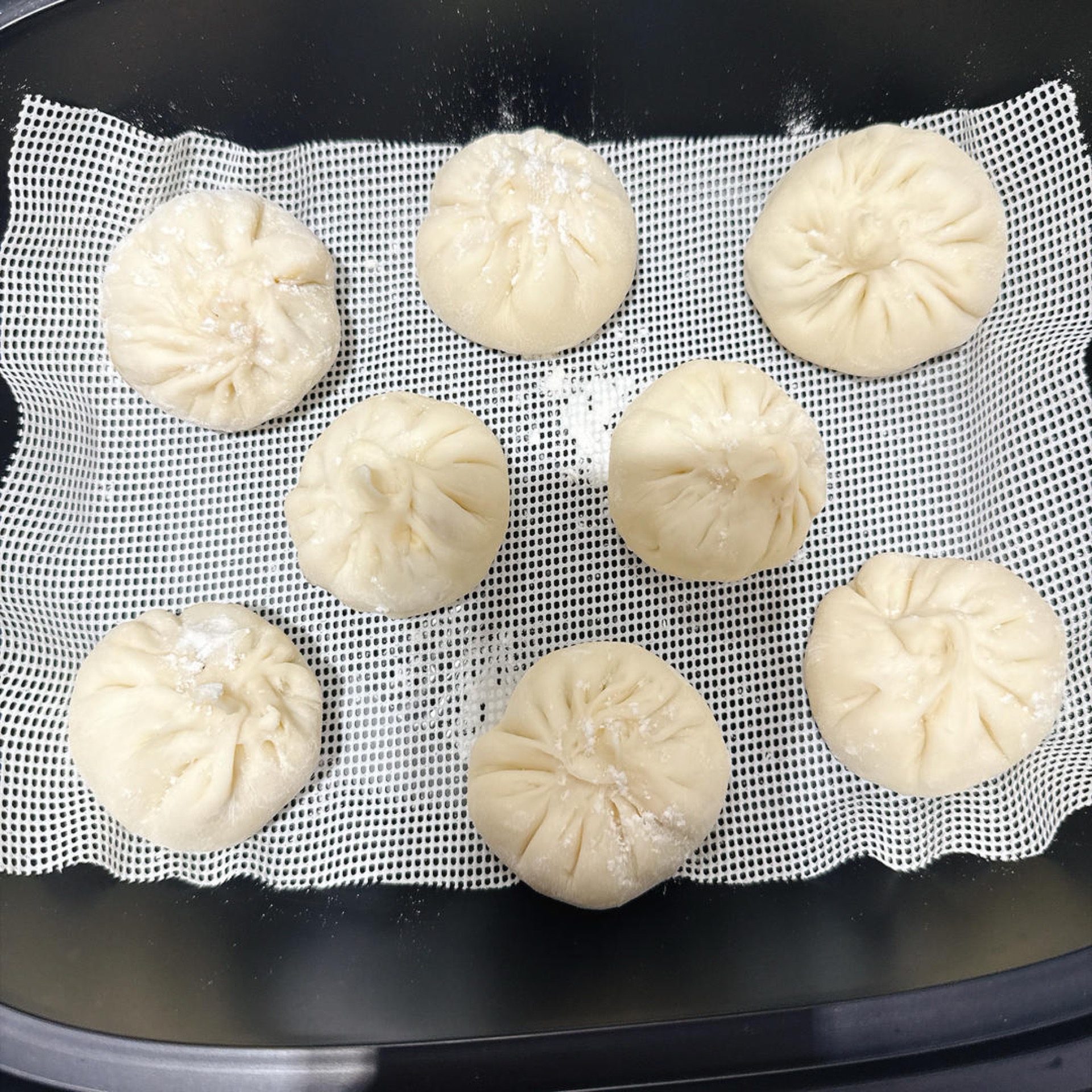
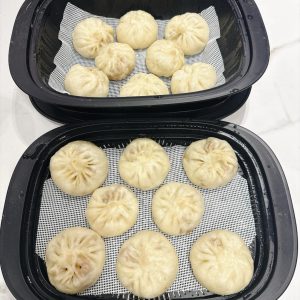
Step 22 — Steam the Buns
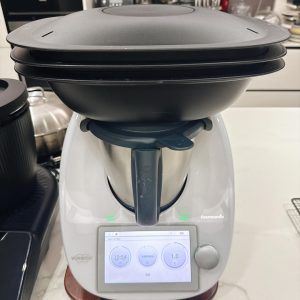
Add 600 g water to the main bowl, set up the steamer basket, and steam for 25 minutes at Varoma speed 1.
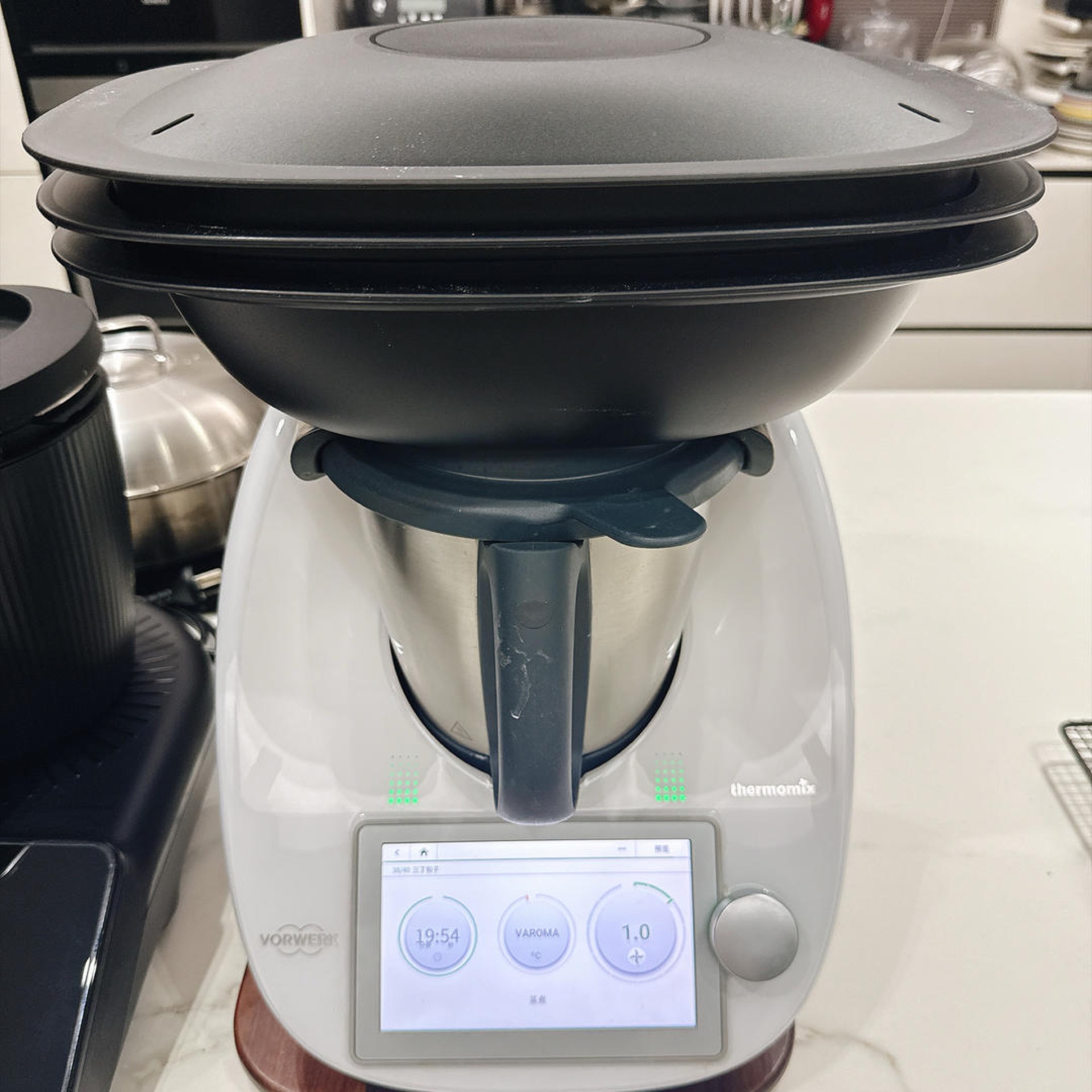
Step 23 — Rest Before Opening
After turning off the heat, let them sit covered for 3 minutes before opening the lid.
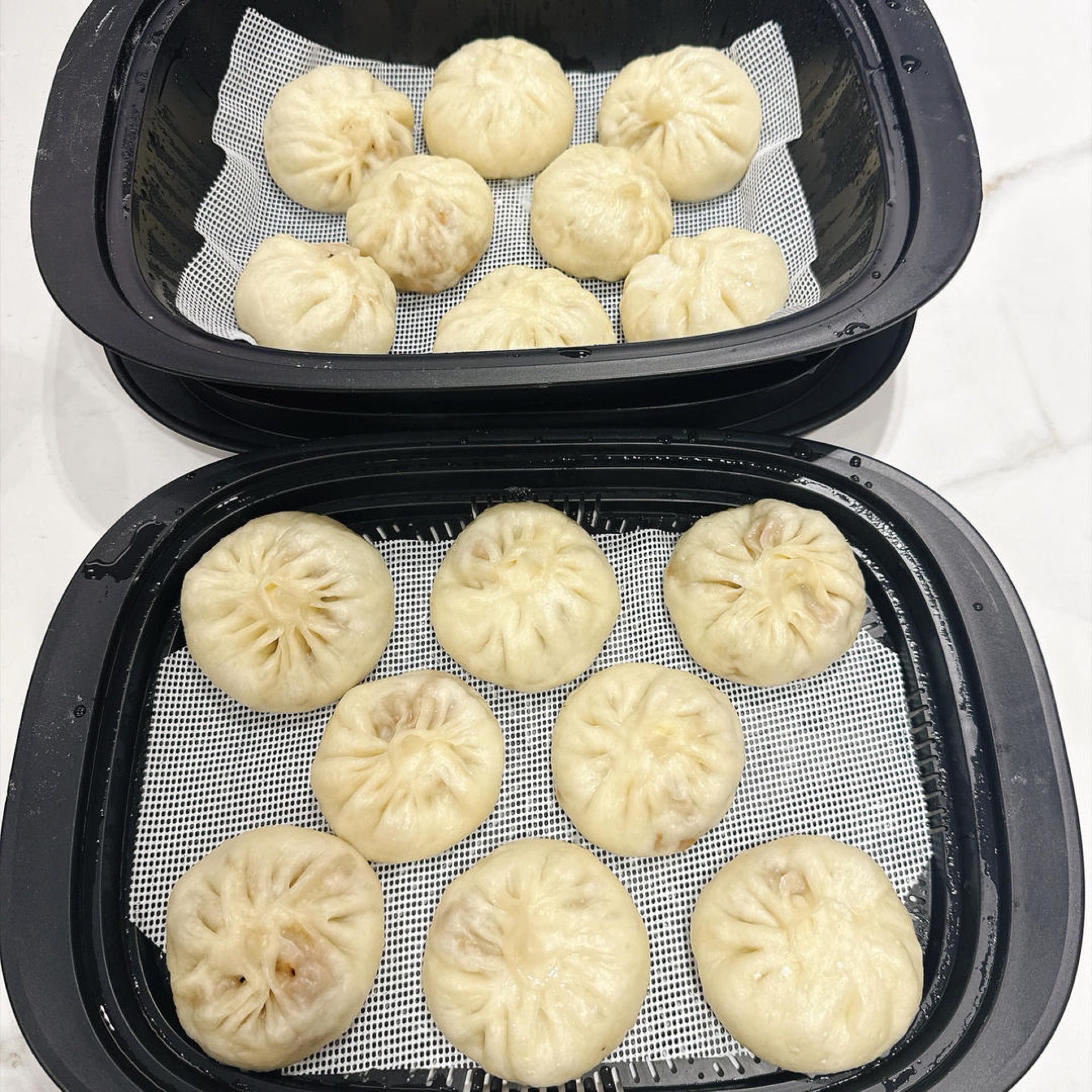
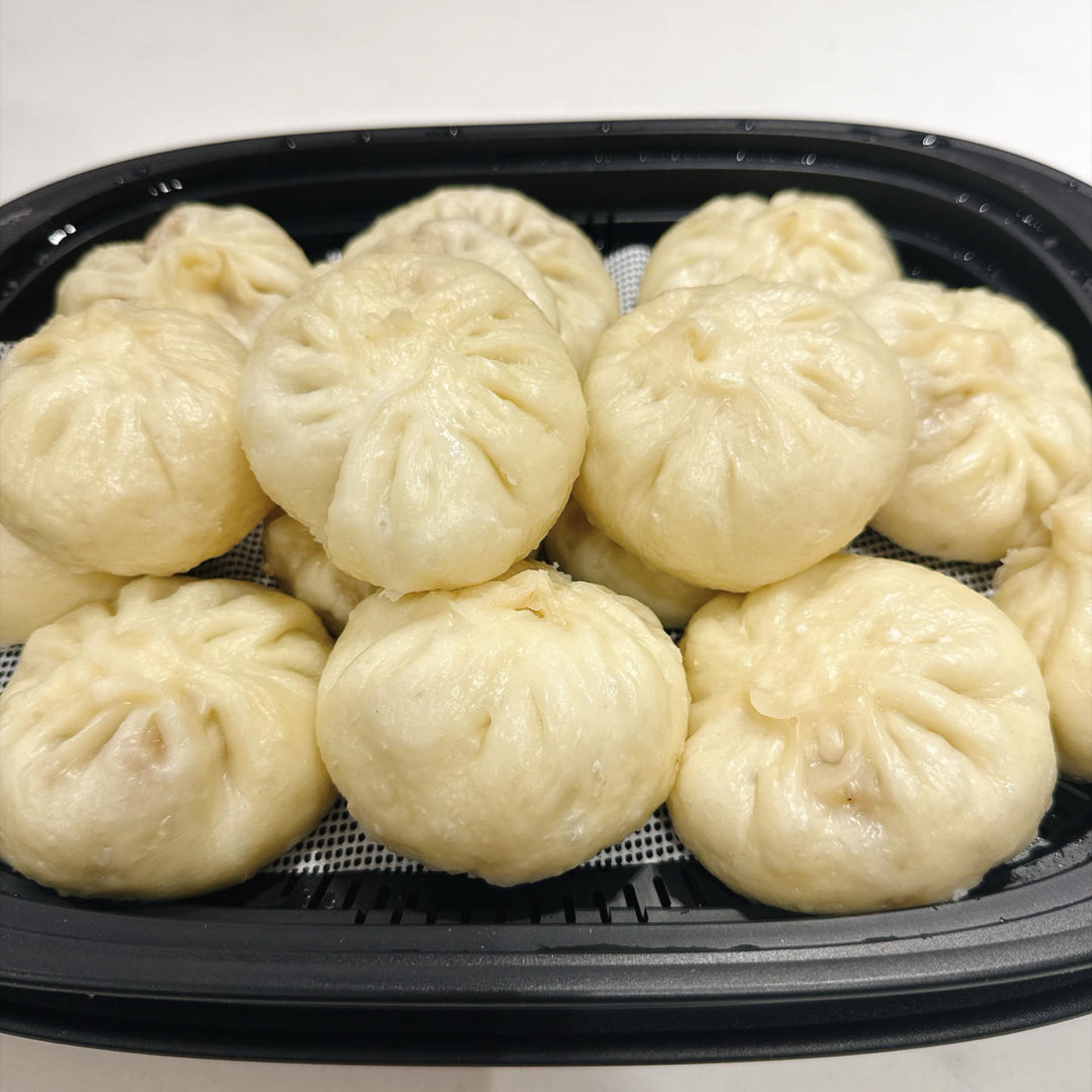
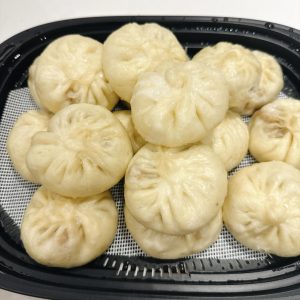
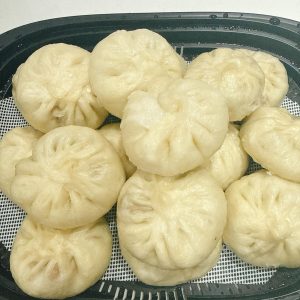
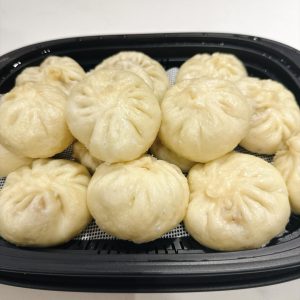
Step 24 — A Little Freeform
The shapes are a bit freeform! I really did my best with clumsy hands! When pleating, my brain said “I’ve got this” and my hands said “no you don’t.” In the end I just forced them into a ball — the main thing is that as long as the seam is pinched tight, the filling won’t escape.
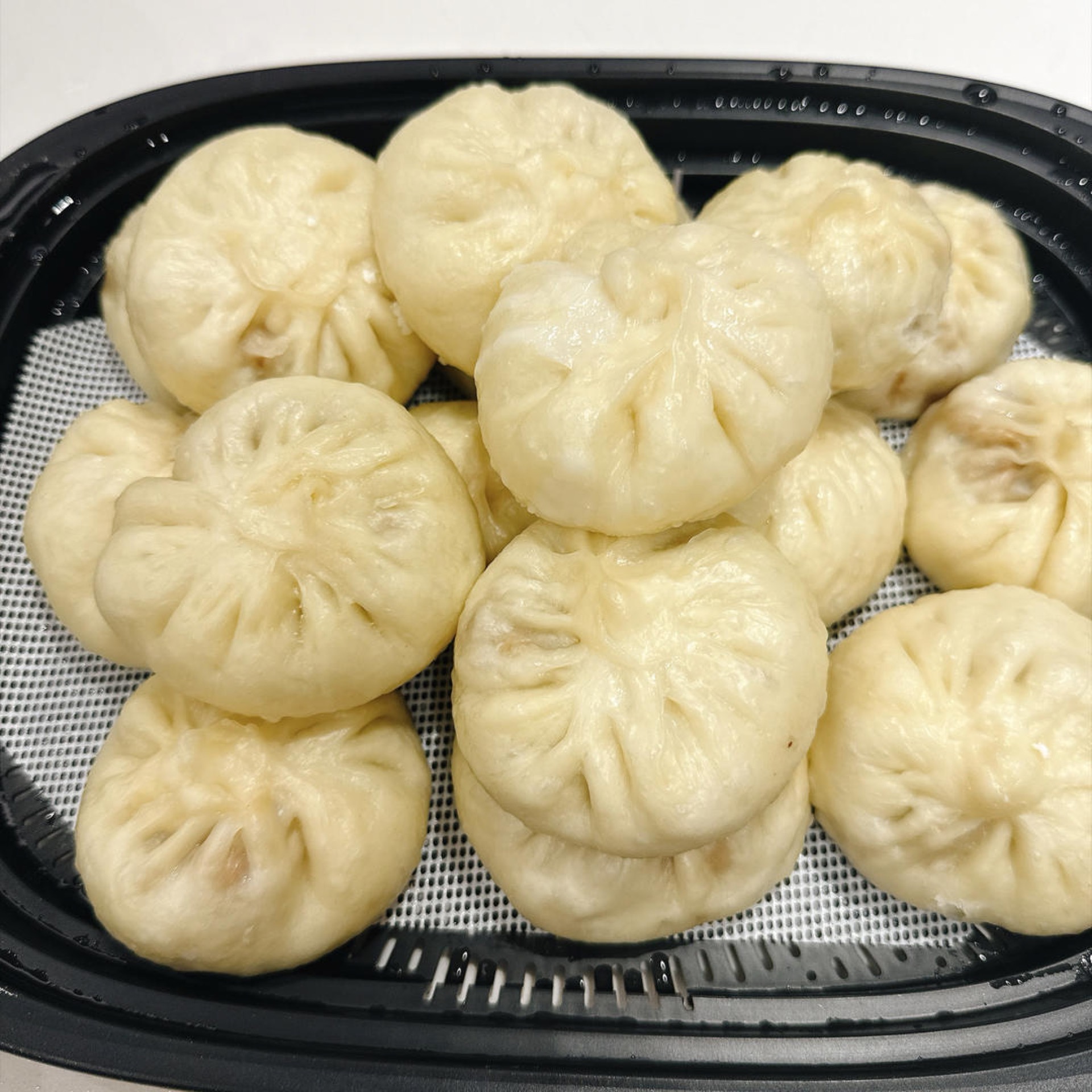
Step 25 — Pleats by Fate
The pleats are all down to fate, and the shape is all down to forcing it together!
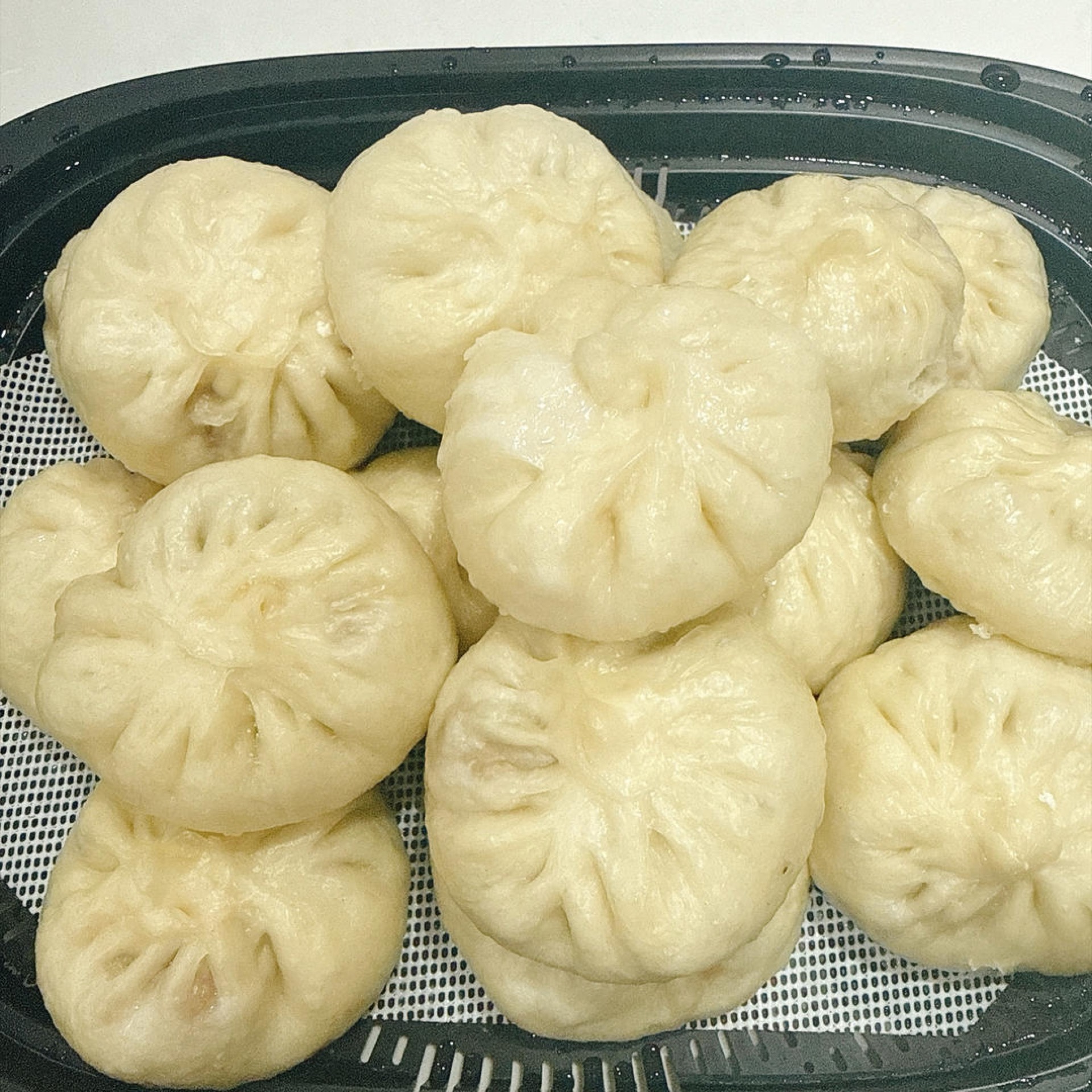
Step 26 — Abstract Art Buns
On the outside they look like me after life has kneaded me around — the pleats are as random as if I pleated them with my eyes closed, a true piece of abstract art. But don’t be fooled by the outside!
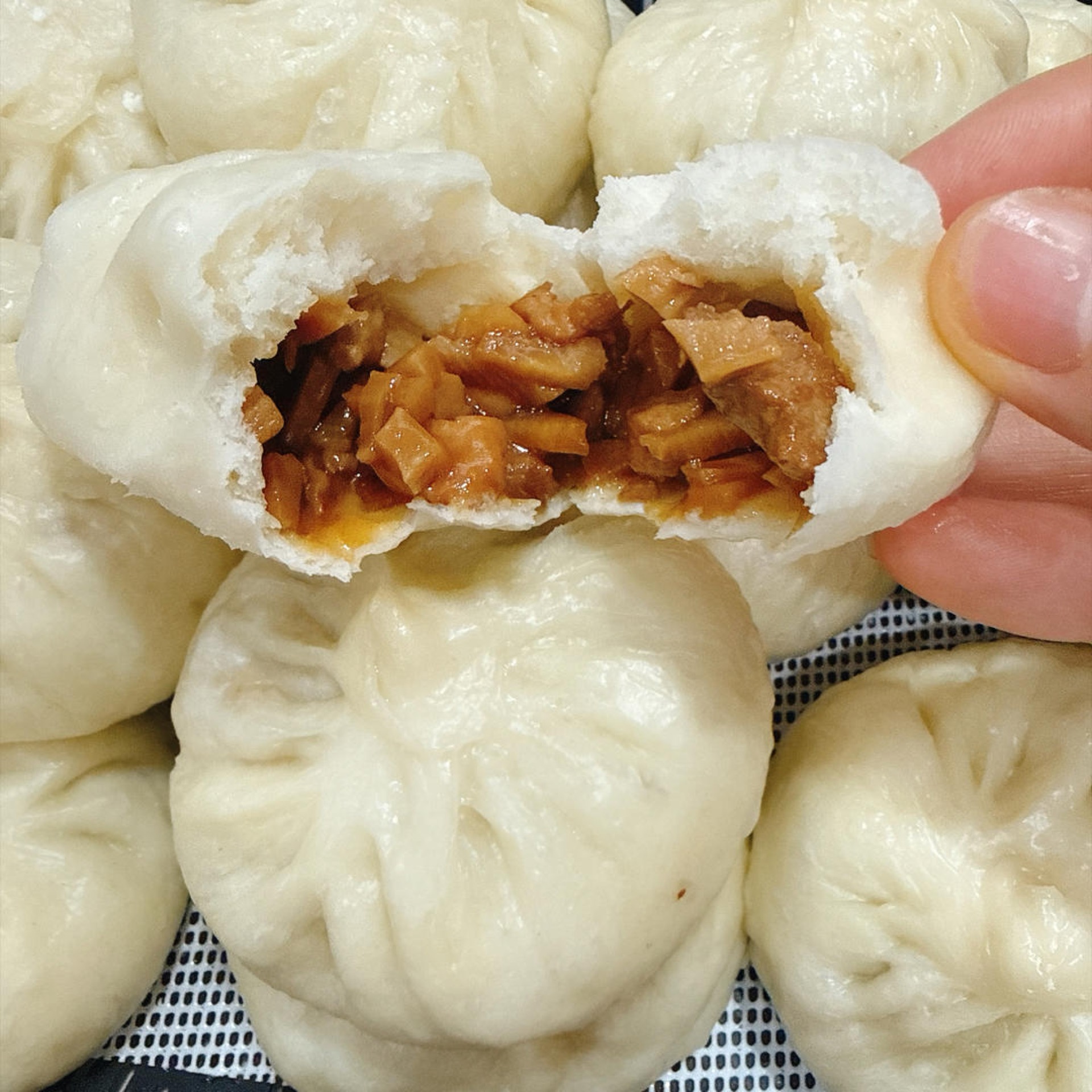
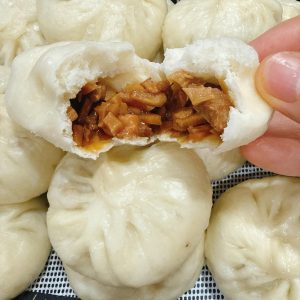
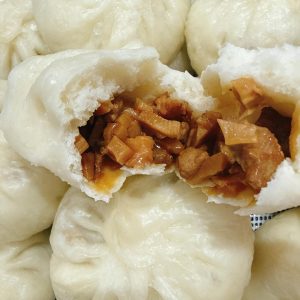
Step 27 — Break One Open
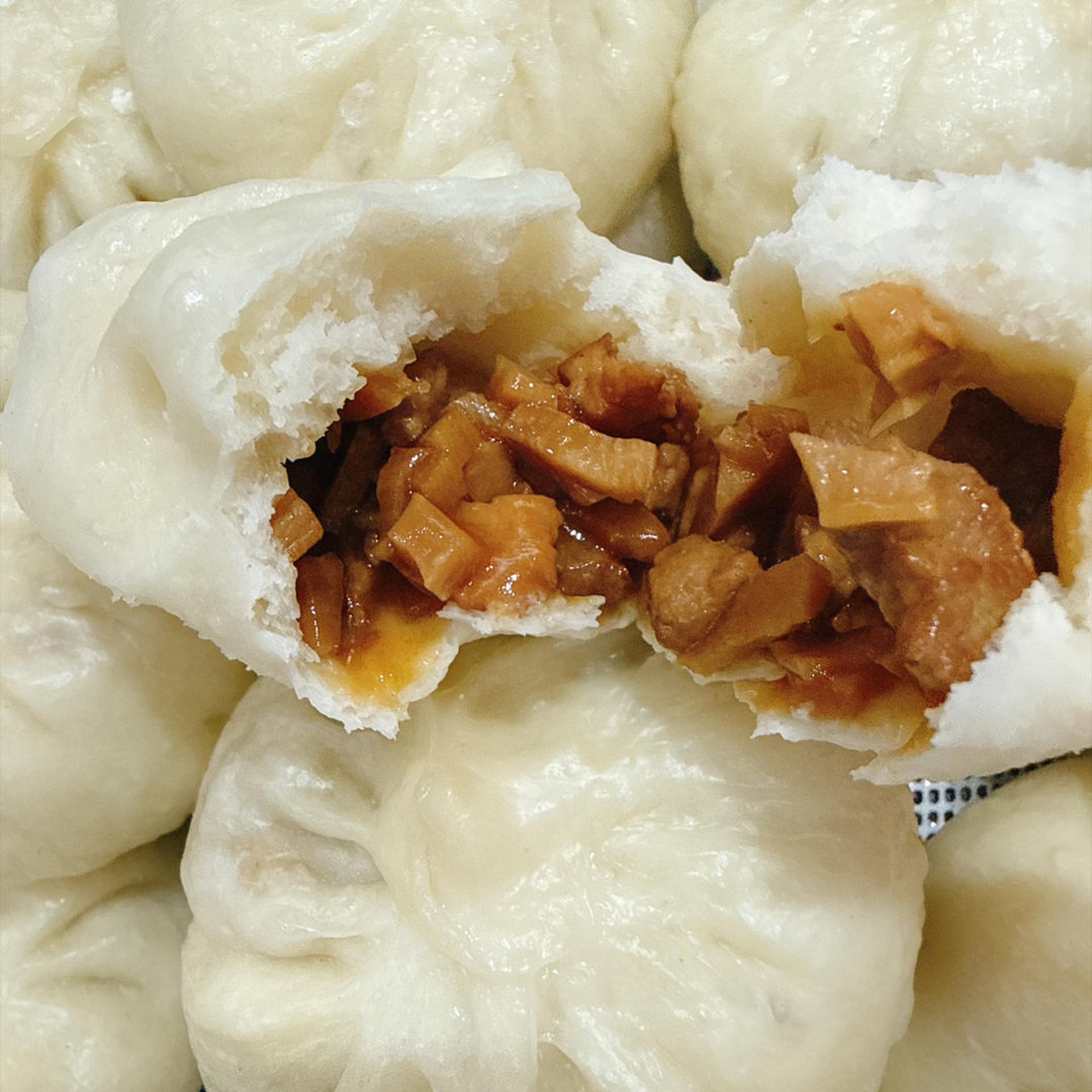
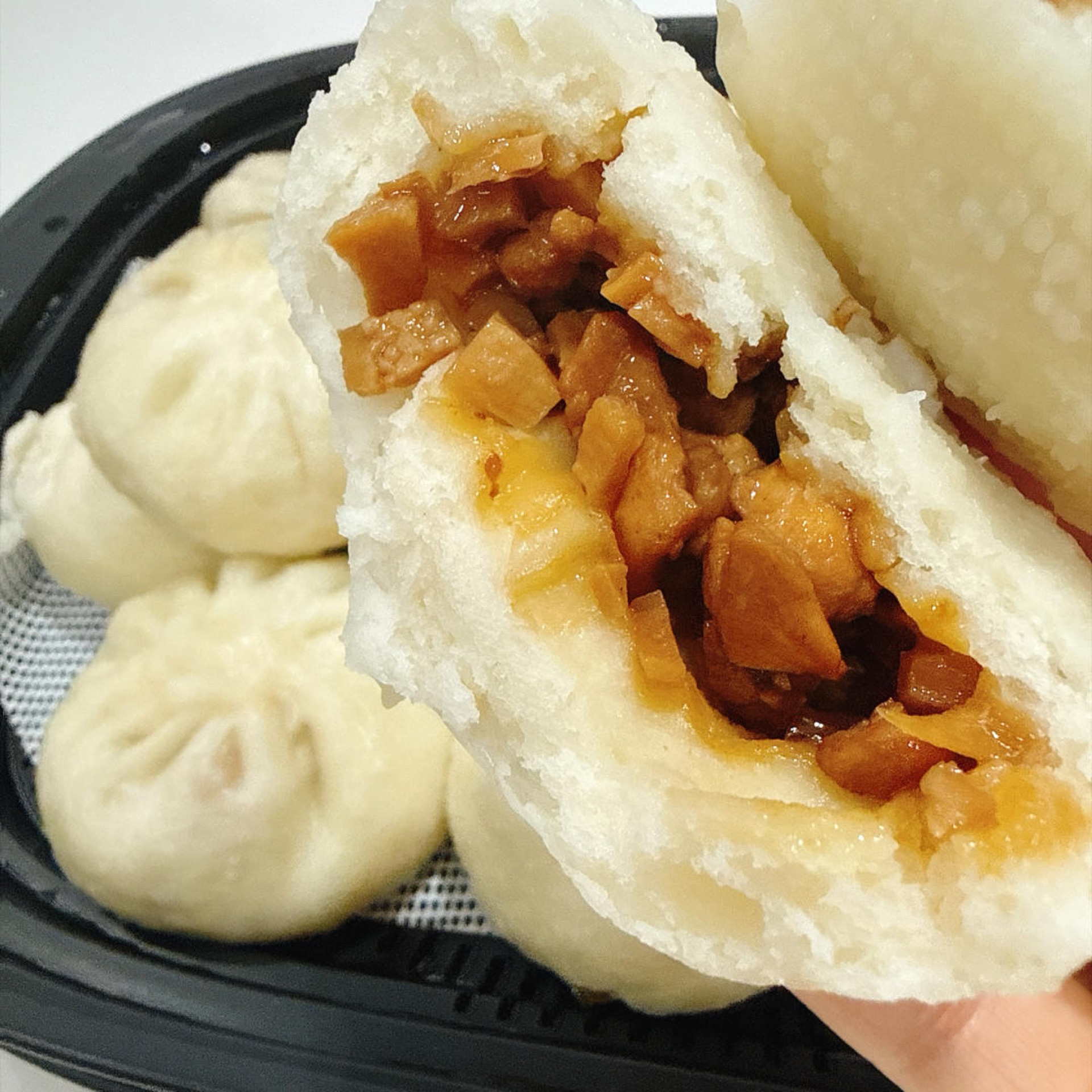
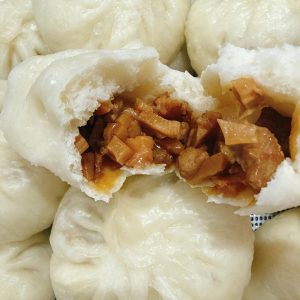
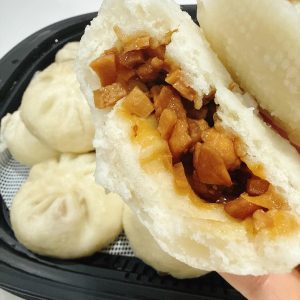
Break one open and you’ll see it’s full of saucy diced meat, with a rich wheat aroma from the old dough and a filling so generous it’s touching.
Step 28 — Rough Outside, Rich Inside
Rough on the outside, rich on the inside — this is probably the “tough guy with a tender heart” of the bun world!
Step 29 — Ugly Buns, Great Taste
But the taste is truly outstanding! The aroma of the old dough mixed with the sauce of the three dice — even ugly buns have their spring! Any sisters out there who are the same “looks easy, fails every time” type?
Common Mistakes When Making 老面三丁包
1. Using filling that is still warm. Cause: pulling the filling straight from the wok into the wrappers. Fix: spread it in a wide bowl and let it cool completely, at least 30 minutes, before wrapping. Warm filling steams the dough from the inside and creates soggy bottoms.
2. Rolling the wrapper evenly thin. Cause: rolling the whole circle to the same thickness. Fix: keep the center thicker (about 1/4 inch) and roll only the edges thin. The thick center supports the filling; the thin edges pleat neatly.
3. Skipping the rest after dividing. Cause: impatience — the dough feels soft, so why wait? Fix: rest the rounded portions covered for 15 to 20 minutes. Unrested dough springs back while you roll it and tears when you pleat.
4. Overfilling the buns. Cause: wanting a generous bun. Fix: stick to 15 to 20 g of filling per wrapper. More than that and the seam will not close, or it will burst open during steaming.
5. Not pinching the seam tightly enough. Cause: rushing the final pleat. Fix: after the last pleat, twist and pinch the seam firmly, then give it a second pinch. A loose seam is the number one reason filling leaks into the steamer.
6. Opening the steamer lid immediately. Cause: excitement. Fix: turn off the heat and let the buns sit covered for 3 minutes. Sudden temperature change can collapse the crumb and deflate the buns.
7. Crowding the steamer. Cause: trying to fit all 15 buns in one layer. Fix: leave at least an inch between buns, and steam in batches if needed. Buns that touch will tear when you separate them.
Variations
All-pork version. Skip the chicken and use 400 g of diced pork shoulder. The filling becomes richer and slightly heavier, which some people prefer.
Vegetarian three-dice. Replace the chicken and pork with diced firm tofu and diced shiitake mushrooms, and swap the oyster sauce for vegetarian mushroom sauce. Use the same braising and slurry method.
Spicier filling. Add a teaspoon of doubanjiang or chili bean paste to the wok along with the soy sauces. It deepens the color and adds a gentle heat.
Straight yeast dough. If you do not have old dough, use 350 g flour, 180 g water, 3 g instant yeast, 15 g sugar and 10 g lard. The buns will be slightly less tangy and will stale a bit faster, but they will still be excellent.
Smaller cocktail-size buns. Divide the dough into 24 portions instead of 15 and use 10 to 12 g of filling each. Steam for 18 to 20 minutes instead of 25.
Frequently Asked Questions
Can I make these buns without old dough? Yes. Use the straight yeast dough variation above. The lao mian adds tang and shelf life, but a well-made straight dough still produces a soft, delicious bun.
Why did my buns turn out flat instead of fluffy? The most common causes are under-proofing the shaped buns, opening the steamer lid too early, or using yeast that was killed by water that was too hot. Check that your water is around 105°F (40°C) and that the shaped buns have visibly puffed before steaming.
Can I freeze the filling or the shaped buns? Both work. Freeze the cooled filling in a flat bag for up to 2 months. For shaped buns, freeze them on a tray until solid, then transfer to a bag and steam from frozen, adding 5 minutes to the steaming time.
Do I have to use bamboo shoot? It is traditional and gives the filling its characteristic crunch, but you can substitute diced water chestnuts or even diced celery for a similar textural contrast.
How do I keep the pleats from disappearing during steaming? Pleat firmly and pinch the seam tightly, do not over-proof the shaped buns, and steam at a steady temperature. Pleats that are shallow or loosely pinched will smooth out as the dough expands.
How to Serve
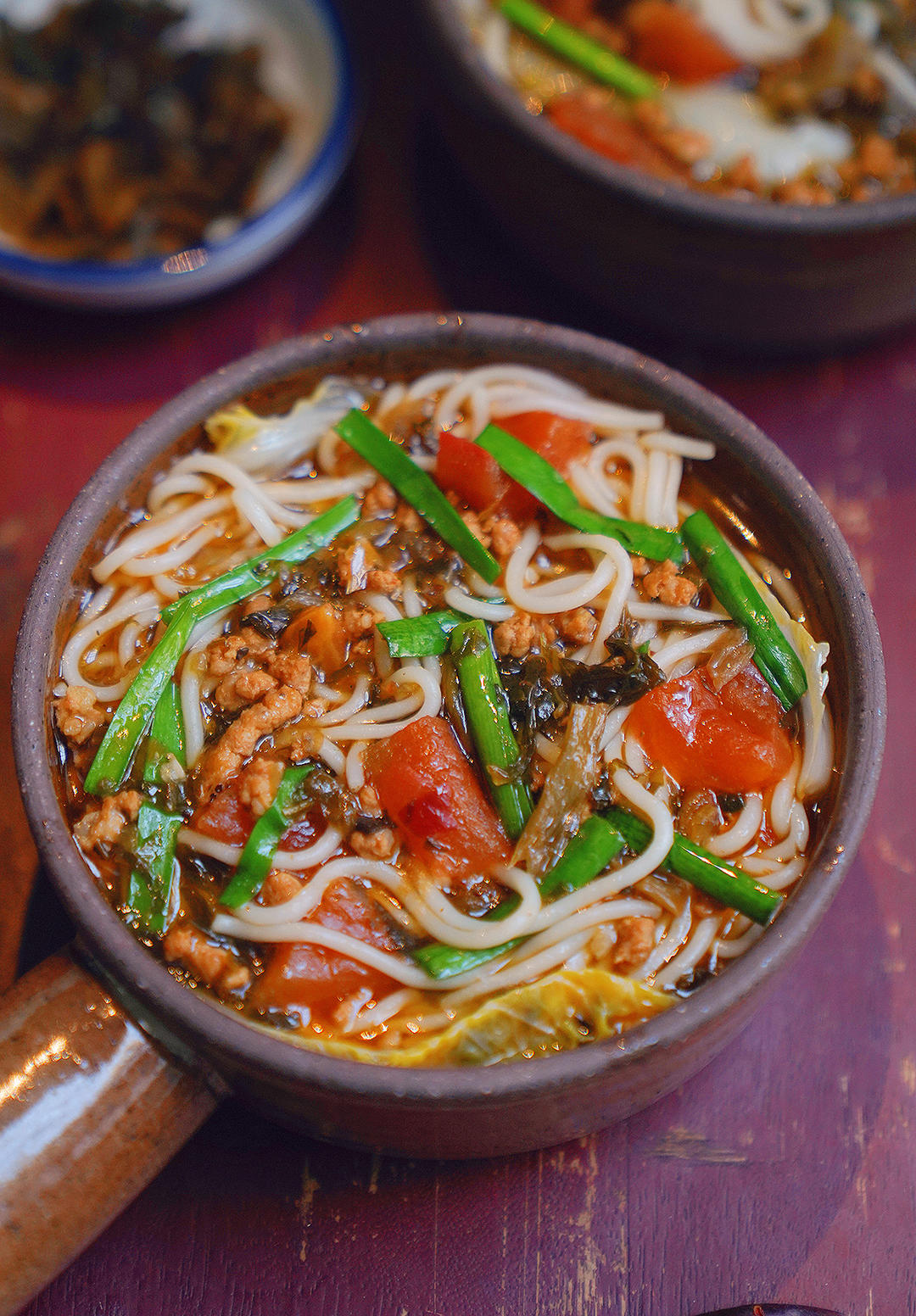
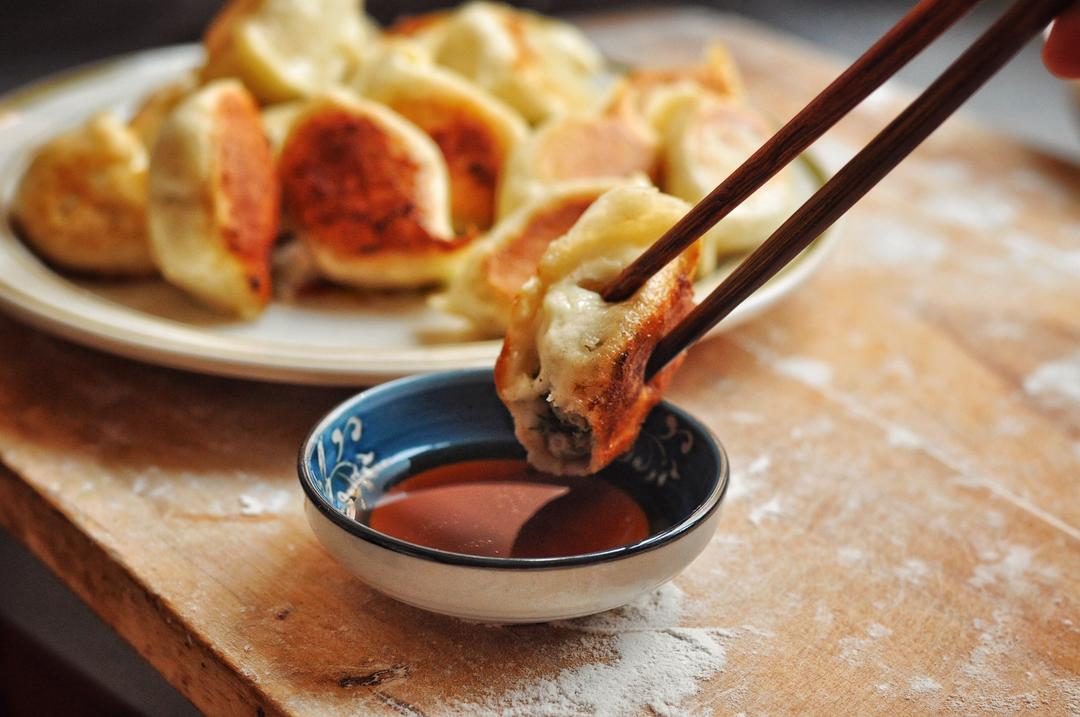
These buns are a complete breakfast or a substantial snack on their own, but they pair beautifully with a few other dishes from the site. For a lighter, broth-based accompaniment, serve them alongside a bowl of baby cabbage in savory broth — the clean, gentle soup balances the rich, saucy filling. If you want a heartier spread, a plate of Yunnan small pot rice noodles turns the buns into part of a full meal. And for a contrasting texture, moms pan fried buns served next to the steamed ones give you both crispy and fluffy in one sitting.

Storage & Reheat
Refrigerator: Store cooled steamed buns in an airtight container for up to 3 days. Line the container with a paper towel to absorb condensation.
Freezer: Freeze fully cooled buns in a single layer on a tray, then transfer to a freezer bag. They keep for up to 2 months.
Reheating: The best method is re-steaming. Place the buns in a steamer over boiling water for 5 to 6 minutes from the refrigerator, or 8 to 10 minutes from frozen. A microwave works in a pinch — wrap the bun in a damp paper towel and heat for 30 to 40 seconds — but the texture will be slightly chewier.
Filling: The cooked filling keeps in the refrigerator for up to 4 days or in the freezer for up to 2 months. Reheat it gently in a skillet before using.
Allergen Notice
This recipe contains wheat (gluten) from the all-purpose flour. It may contain soy if you use soy sauce, and shellfish if you use traditional oyster sauce. Check the labels on your oyster sauce and soy sauce if you are cooking for someone with a soy or shellfish allergy. For a soy-free version, use coconut aminos in place of both soy sauces, and for a shellfish-free version, use a mushroom-based oyster sauce substitute.
Nutrition Disclaimer
Nutrition information is calculated using an ingredient database and should be considered an estimate. In cases where multiple ingredient alternatives are given, the first listed is calculated for nutrition. Garnishes and optional ingredients are not included.
About the Author & Recipe Development
Hi, I’m Lin, the cook and writer behind Woks of Love. I grew up watching my mother and grandmother make steamed buns by feel — a handful of flour, a splash of water, a piece of old dough saved from the last batch — and I have spent years translating that instinct into recipes you can follow with a scale and a timer.
This recipe came out of a very practical problem: I had 150 grams of French old dough left over from a sourdough bake and did not want to throw it away. Three-dice buns are the perfect use for a bit of extra starter, because the filling is forgiving and the dough benefits from the tang. I tested this version with a stand mixer, with hand kneading, and with a multi-tier electric steamer, and the method below is the one that worked most reliably in a home kitchen.
If you make these buns, I would love to hear how they turned out — even if your pleats are as abstract as mine.
Authoritative References
For safe cooking temperatures and food handling guidance, see the USDA safe minimum internal temperature chart. For general food safety principles covering cooling, storage and reheating of cooked foods, see the FDA Food Code guidance on safe food handling. For information on the role of starch gelatinization in thickening sauces, see the Serious Eats guide to starch thickeners.
Old Dough Three-Dice Steamed Buns (老面三丁包): Fluffy Steamed Buns

Equipment
- Wok
- Cutting Board
- Slotted Spoon
- Steamer
- Rolling Pin
- Mixing bowls
Ingredients
For the Dough
- 140 g warm water about 105°F
- 155 g French old dough (lao mian) room temperature, from a previous batch
- 15 g sugar granulated
- 2 g dry yeast instant
- 350 g all-purpose flour plus extra for dusting
- 10 g lard or neutral oil
For the Filling
- 200 g chicken breast cut into 0.5-inch dice
- 200 g pork cut into 0.5-inch dice
- 200 g bamboo shoot cut into 0.5-inch dice
- 1 tsp salt for the marinade
- 1/2 tsp dark soy sauce for the marinade
- 2 pinch white pepper ground
- 2 tsp cornstarch for the marinade
- 6 tbsp cooking oil for stir-frying
- 500 g water for braising the filling
- 2 tsp dark soy sauce for the sauce
- 2 tsp light soy sauce for the sauce
- 1 tsp sugar for the sauce
- 2 tsp oyster sauce for the sauce
- 2 tbsp potato starch for the slurry
- 4 tbsp water for the slurry
Instructions
- I had 150 grams of French old dough left over from baking sourdough, so I decided to use it to make some three-dice buns!

- Wash and dry the main bowl, then add 140 g warm water, 155 g old dough, 15 g sugar and 2 g dry yeast. Set for 30 seconds at speed 3 to mix. For the dough: add 350 g all-purpose flour and mix for 30 seconds at speed 3-6 until it looks like snowflakes. For kneading: add 10 g lard (or vegetable oil) and knead for 2 minutes on the kneading mode.

- Take the dough out, round it into a ball and place it in a large bowl. The kneading mode makes it easy to work the dough until it is smooth and fine.
- Ferment at 30°C until doubled in size, about 1 hour.
- While the dough ferments, make the filling: place a bowl on the lid of the main bowl and add the diced chicken breast, diced pork, 1 tsp salt, ½ tsp dark soy sauce, 2 pinches white pepper and 2 tsp cornstarch. Remove the bowl and mix well, then marinate for 10 minutes.

- Dice the cooked bamboo shoot. The bamboo shoot was cooked in advance for 1 hour.
- Add oil to the wok and heat over medium heat to about 60% oil temperature. Pour in the marinated diced meat and stir-fry quickly with a spatula. Once the meat changes color, add the drained diced bamboo shoot, 500 g water, 2 tsp dark soy sauce, 2 tsp light soy sauce, 1 tsp sugar and 2 tsp oyster sauce, and simmer for 3-5 minutes. Meanwhile, mix 2 tbsp potato starch and 4 tbsp water in a small bowl to make a slurry. Pour the slurry into the wok.

- Turn the heat to high and reduce the sauce!
- Pour the filling into a bowl and let it cool completely.
- The dough has finished rising!
- Look at the stretch and the gluten strands — the first rise went very well! The extensibility and gluten network of this dough are beautiful; it is definitely a well-fermented, lively dough.
- Dust the work surface with flour, press the dough to deflate it, and roll it into a long log.
- Divide it into 15 portions.
- Round each portion into a ball, cover them, and let them rest for 15-20 minutes.
- Use a rolling pin to roll each portion into a wrapper that is thicker in the middle and thinner at the edges.
- Wrap 15-20 g of filling into each wrapper.
- Pleat while turning the bun, and pinch the seam tightly closed.
- All the buns are shaped.
- Place them on a steaming tray lined with baking paper and into the steamer.
- Leave a gap between the buns.
- Cover the steamer with its lid and let the buns proof for 20 minutes.
- Add 600 g water to the main bowl, set up the steamer basket, and steam for 25 minutes at Varoma speed 1.
- After turning off the heat, let them sit covered for 3 minutes before opening the lid.
- The shapes are a bit freeform! I really did my best with clumsy hands! When pleating, my brain said “I’ve got this” and my hands said “no you don’t.” In the end I just forced them into a ball — the main thing is that as long as the seam is pinched tight, the filling won’t escape.
- The pleats are all down to fate, and the shape is all down to forcing it together!
- On the outside they look like me after life has kneaded me around — the pleats are as random as if I pleated them with my eyes closed, a true piece of abstract art. But don’t be fooled by the outside!
- Break one open and you’ll see it’s full of saucy diced meat, with a rich wheat aroma from the old dough and a filling so generous it’s touching.
- Rough on the outside, rich on the inside — this is probably the “tough guy with a tender heart” of the bun world!
- But the taste is truly outstanding! The aroma of the old dough mixed with the sauce of the three dice — even ugly buns have their spring! Any sisters out there who are the same “looks easy, fails every time” type?












Leave a Reply