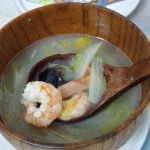
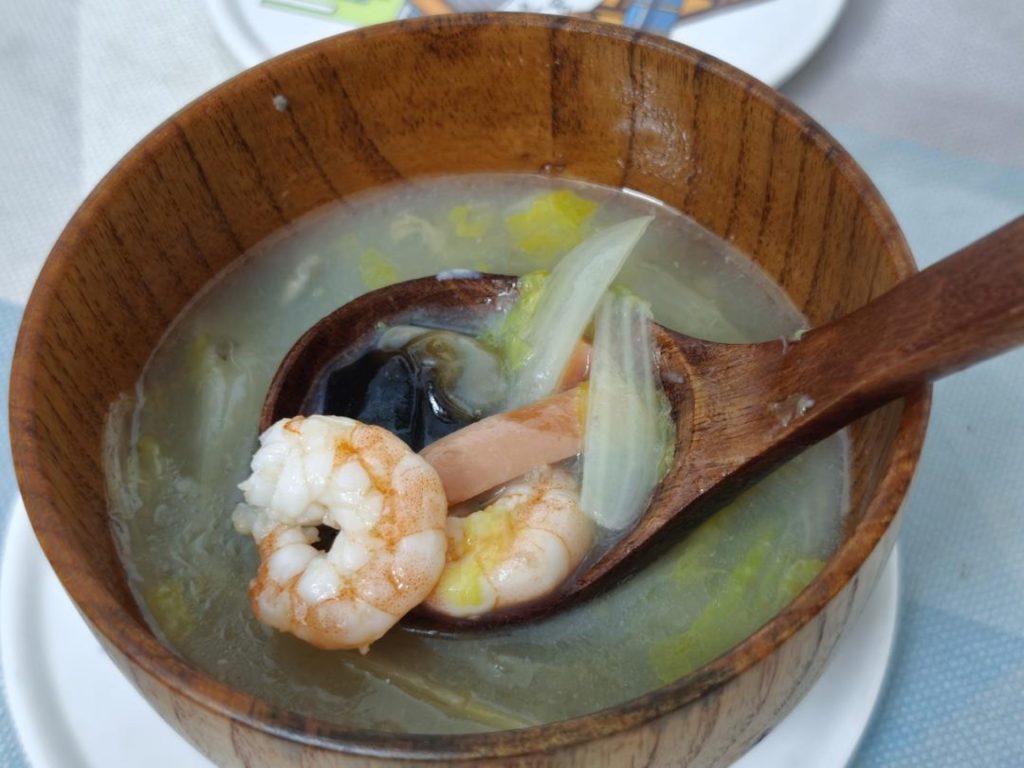
In the hierarchy of Chinese vegetable dishes, Shang Tang Wawa Cai (上汤娃娃菜) sits comfortably at the top. While many Western diners are accustomed to stir-fries like Stir-fried Lettuce with Garlic, this dish offers something entirely different: a luxurious, milky-white, and gold broth that feels incredibly rich without using a drop of dairy.

Growing up in my family’s restaurant in Sichuan, “Shang Tang” (Superior Broth) was usually reserved for banquets, made by simmering old hens, pork bones, and ham for hours. However, when I was in culinary school, I learned the “home cook’s hack” that I’m sharing today. By frying salted duck egg yolks, we can replicate that creamy, savory richness in just 15 minutes. It is fast, affordable, and “fresh enough to make your eyebrows fall off” (a Chinese idiom for incredibly umami-rich food).
What Is Shang Tang Wawa Cai?
“Wawa Cai” translates to “Baby Cabbage,” a miniature variety of Napa cabbage that is sweeter and more tender. “Shang Tang” refers to the broth. Unlike a clear soup like Tomato Egg Drop Soup, this broth is opaque and golden, achieved through the emulsification of oil and salted egg yolks.
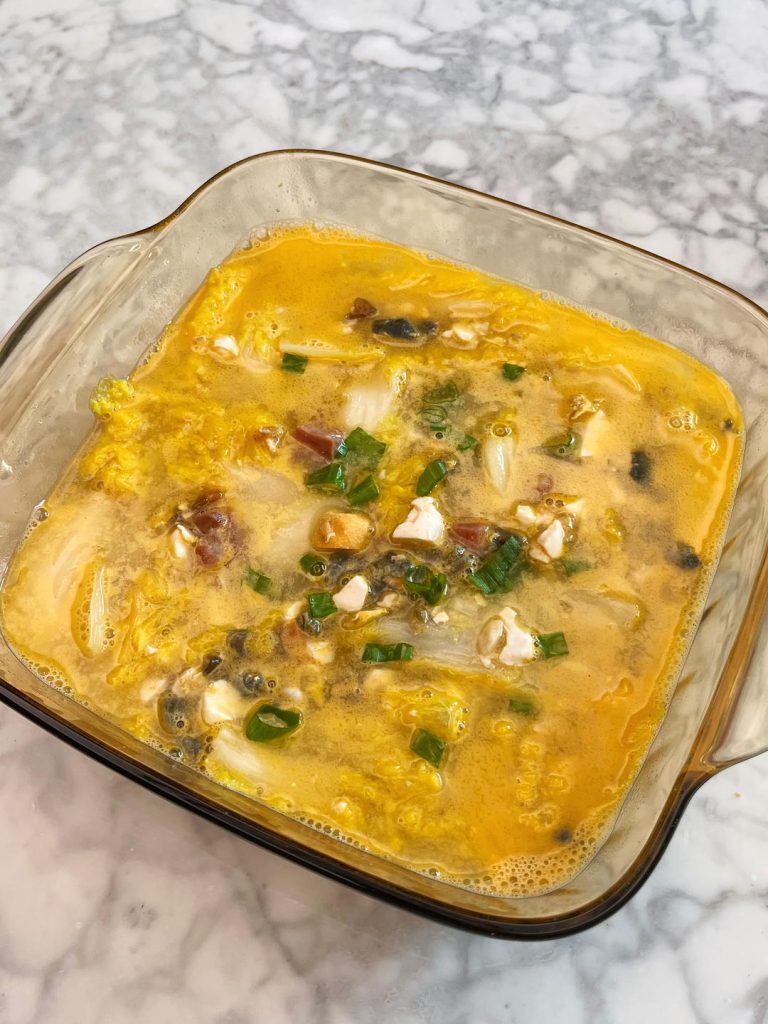
It is a dish that bridges the gap between a soup and a vegetable side. The addition of century eggs (pidan) and cured ham provides layers of savory depth (umami) that water alone cannot achieve.
Why This Recipe Works
- The Maillard Reaction: Frying the salted duck egg yolks in oil until they foam creates the signature golden color and savory aroma.
- Emulsification: Adding boiling water (not cold) to the hot oil and egg mixture forces the fats to emulsify instantly, creating a creamy, milky broth.
- Texture Contrast: The soft cabbage, the sandy texture of the salted egg yolk, the chew of the ham, and the jelly-like century egg create a complex mouthfeel.
Key Ingredients & Substitutions
- Baby Cabbage (Wawa Cai): These look like miniature Napa cabbages. If you cannot find them at Asian markets (like 99 Ranch or H Mart), you can use the tender yellow hearts of a regular Napa cabbage or even romaine lettuce hearts.
- Salted Duck Eggs: These are crucial. The yolk is firm, bright orange, and powdery. You can find them cooked or raw in Asian grocers. Comparison: Unlike regular eggs, these act as a seasoning agent.
- Century Egg (Pidan): Also known as preserved egg or thousand-year-old egg. It has a dark, gelatinous white and a creamy, grey yolk. It adds a deep, mineral-rich flavor.
- Jinhua Ham: The authentic choice. It is a dry-cured ham from Zhejiang province.
- Substitutions: Since Jinhua ham is hard to find in the US/Europe, use Prosciutto, Serrano ham, or even high-quality bacon (blanched to remove smoky flavor). Even Spam works in a pinch for a Hong Kong cafe style version!
- White Pepper: Essential for cutting through the richness.
Ingredients
- Baby Cabbage: 3 heads (approx. 1 lb / 450g)
- Salted Duck Eggs: 2 whole eggs (cooked)
- Century Egg (Pidan): 1 whole egg
- Jinhua Ham (or Prosciutto/Bacon): 2 oz (50g), diced
- Scallions: 2 stalks, finely chopped
- Garlic: 3 cloves, peeled and smashed (optional, but I recommend it)
- Ginger: 2 slices
- Boiling Water: 2-3 cups (500ml – 750ml)
- Cooking Oil: 2 tbsp
- White Pepper Powder: ¼ tsp
- Salt: To taste (use caution!)
Recipe Notes Before You Start
- Salt Warning: The salted duck eggs and ham are sodium bombs. Do not add salt until the very end, and taste the broth first. You likely won’t need much.
- Water Temperature: You must have a kettle of boiling water ready. Pouring cold water into the pan will result in a thin, watery soup rather than the desired creamy white broth.
- Choice of Pot: A clay pot or a deep wok is ideal for this. If you are using a flat-bottomed skillet, ensure it has high sides.
Mise en Place / Prep
- Soak the Cabbage: Slice the baby cabbages lengthwise into quarters. Soak them in cold water for 10 minutes to remove any hidden dirt, then drain well.
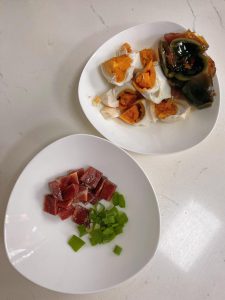
- Chop the Proteins: Peel the salted duck eggs and century egg. roughly chop them into large chunks. Dice the ham into small cubes. Finely chop the scallions.
- Boil Water: Get your kettle going.
How to Make Quick Baby Cabbage in Savory Broth
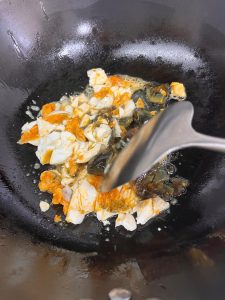
- Fry the Eggs (The Golden Step): Heat your wok or pot over medium heat. Add 2 tablespoons of oil. When the oil is shimmering (about 325°F / 160°C), add the chopped salted duck eggs and century eggs.
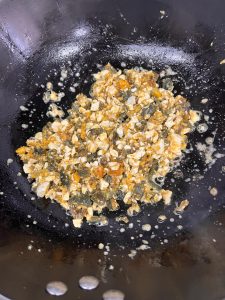
- Chef’s Tip: Use your spatula to gently smash the salted egg yolks into the oil. You want them to foam up and turn the oil yellow. This takes about 2-3 minutes. This step releases the oils and creates the “sand” texture in the soup.
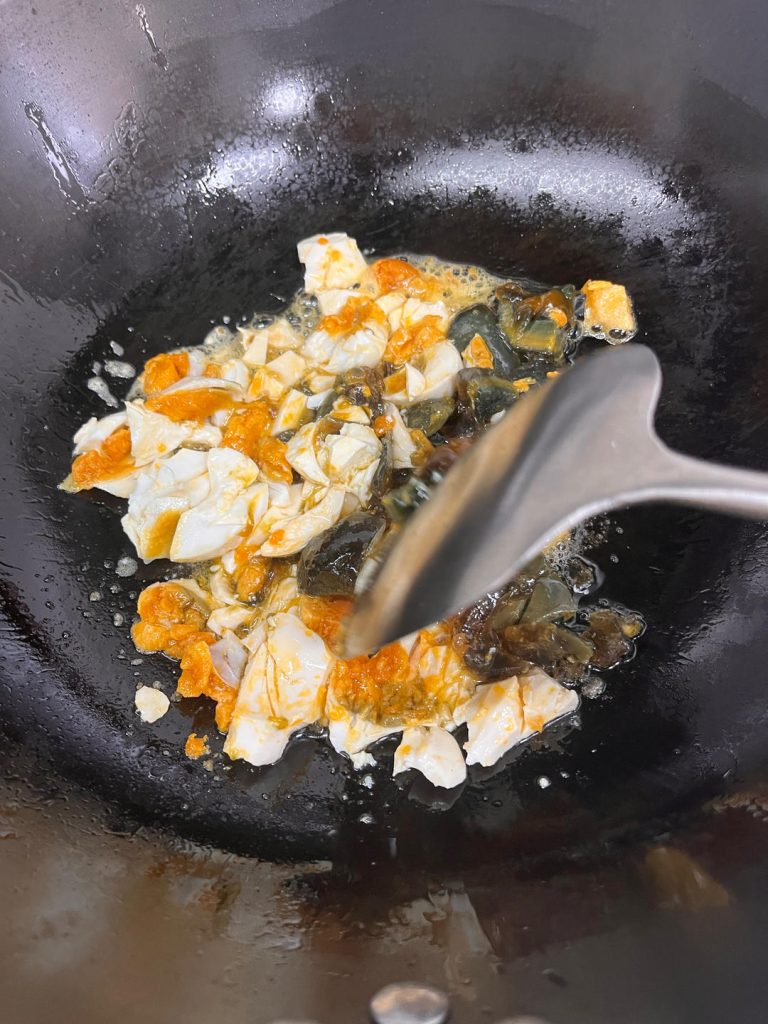
- Add Aromatics: Add the garlic, ginger, and diced ham. Stir-fry for another minute until the ham releases its aroma.
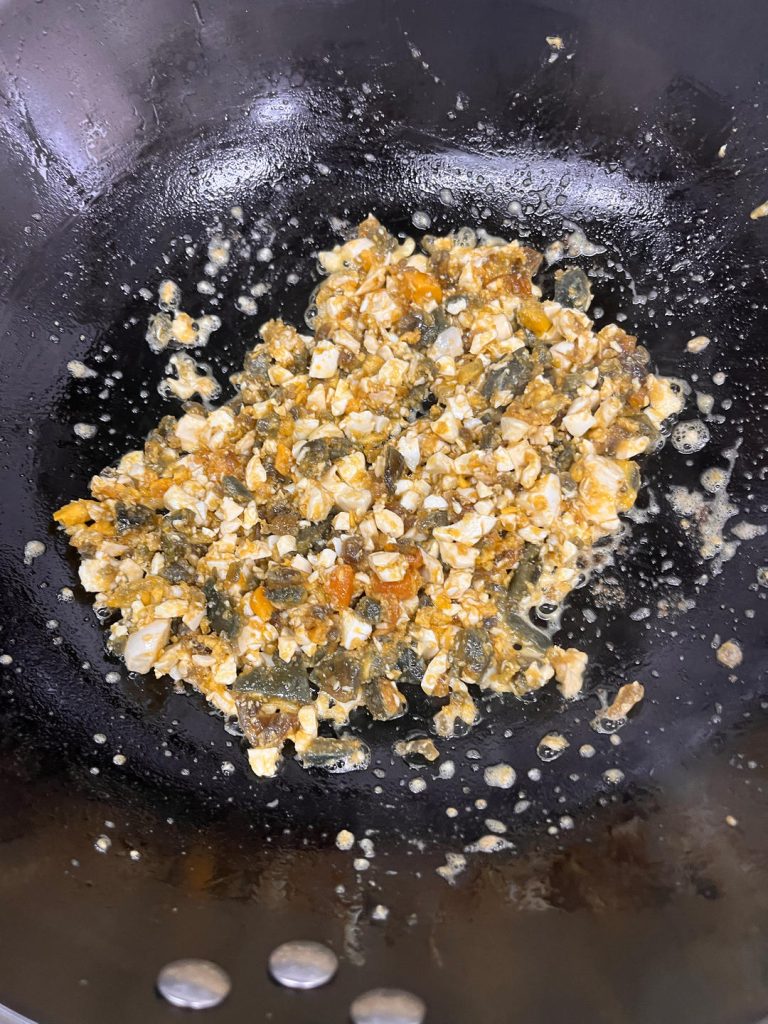
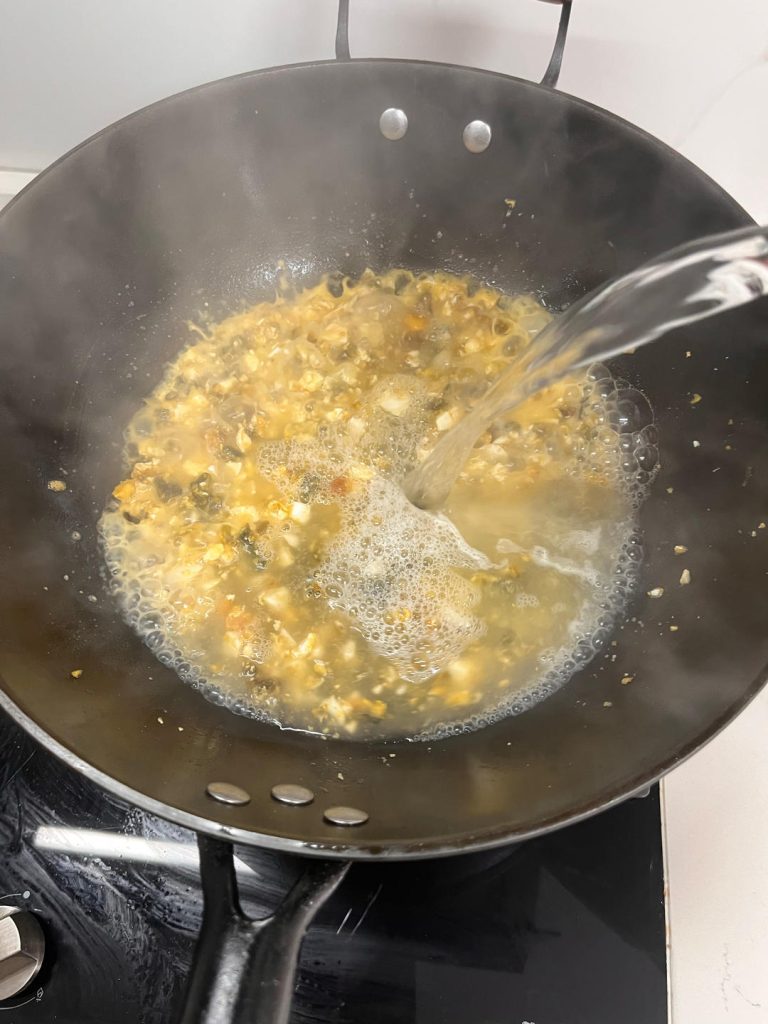
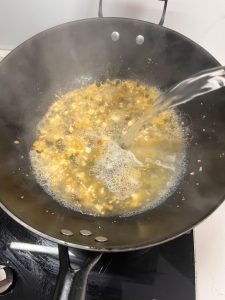
- Create the Broth: Turn the heat up to high. Pour in the boiling water. It should boil vigorously immediately.
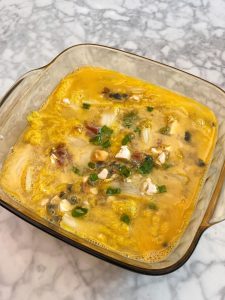
- Visual Cue: The soup should turn whitish-gold almost instantly due to the high heat and oil emulsification. Let it boil on high for 2 minutes to thicken.
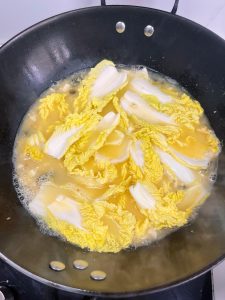
- Braise the Cabbage: Gently lay the quartered baby cabbages into the broth. They should be mostly submerged. Cover with a lid.
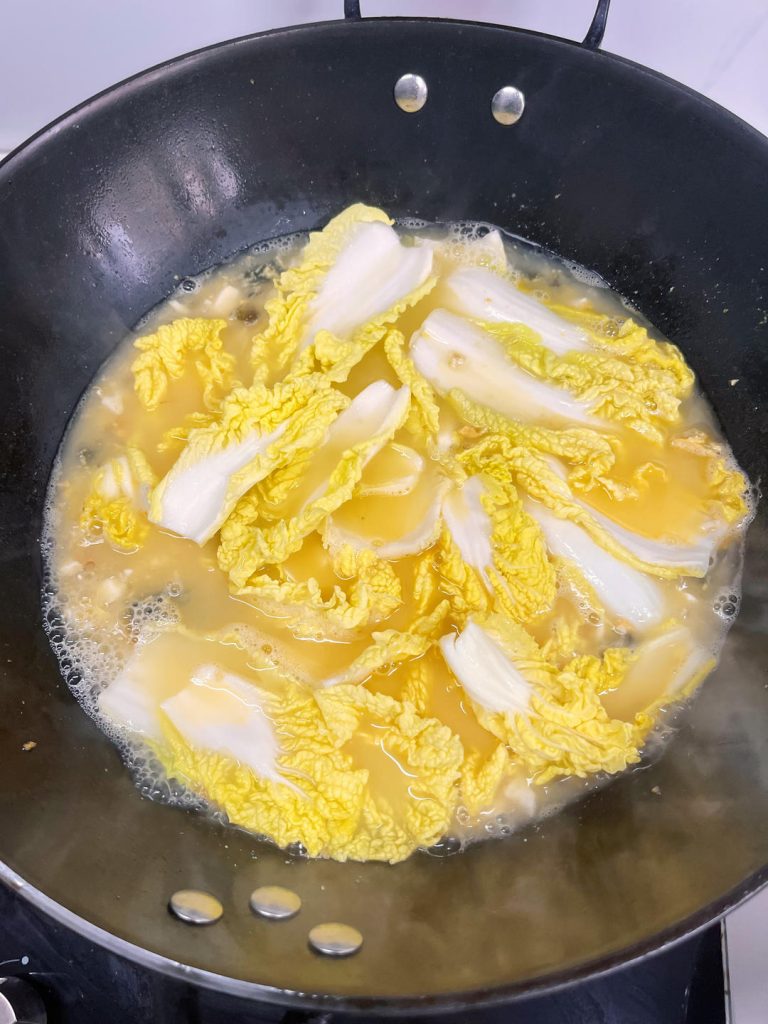
- Simmer: Reduce heat to medium and simmer for 3-5 minutes. You want the cabbage to be tender (softened stem) but not mushy.
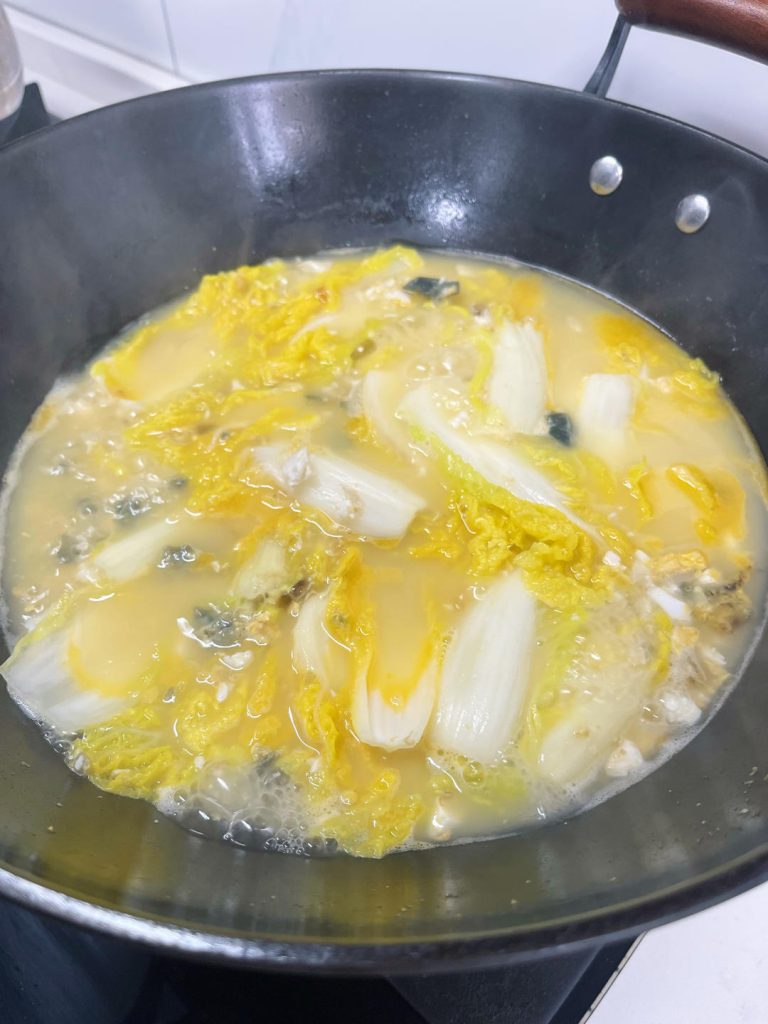
- Season and Serve: Remove the lid. Stir in the white pepper. Taste the broth. Only add salt if absolutely necessary. Sprinkle with chopped scallions. Transfer to a serving bowl or serve directly in the clay pot.
Common Mistakes When Making Shang Tang Wawa Cai
- Using Cold Water: If you add cold water, the lipids solidify rather than emulsify. You will end up with a clear soup with oil floating on top, rather than a creamy integrated broth.
- Burning the Yolks: Salted egg yolks have high sugar/fat content. If your heat is too high (High instead of Medium) at the start, they will burn and turn brown/bitter before they foam.
- Over-salting: Beginners often auto-pilot adding salt. Remember, the ham and duck eggs are curing agents.
What to Serve With It
This dish is saucy and savory, making it perfect for spooning over steamed white rice. Because it is rich, I like to pair it with lighter or acidic dishes to balance the meal:
- Main Protein: It goes beautifully with the gelatinous texture of Braised Pork Belly (Hong Shao Rou) or the crispy texture of Salt and Pepper Squid.
- Cold Side: A refreshing Smashed Cucumber Salad cuts through the richness of the egg yolks.
- Leafy Greens: If you want a different texture, you could try Stir-Fried AA Choy with Fried Dace as an alternative green, though usually one vegetable dish is enough per meal.
Authoritative References
For those interested in the safety and science of Chinese preserved ingredients:
- Century Eggs: There are often myths about lead in century eggs. Modern production is strictly regulated. You can read more about the traditional alkaline fermentation process on Michelin Guide’s introduction to Century Eggs.
- Jinhua Ham: This dry-cured ham is the “umami generator” of Chinese cuisine, similar to Spanish Jamón. TasteAtlas provides an excellent overview of its history and production.
About the Author & Recipe Development
I’m Lin, a chef born in Sichuan with over a decade of professional kitchen experience. This recipe was developed based on the “fast service” techniques we used in busy dinner services. While traditional Shang Tang takes hours, I tested this 15-minute version in my home kitchen using a standard electric stove and a 12-inch non-stick pan to ensure it works for home cooks without high-BTU wok burners. I specifically tested water temperatures to confirm that boiling water is the single most important factor for success.
Nutrition Information (Estimate)
- Calories: 210 kcal
- Protein: 12g
- Fat: 16g
- Carbs: 6g
- Sodium: 850mg (High due to cured ingredients)
- Allergens: Egg, Nitrates (in ham). Gluten-free if strictly using GF ham.
(Disclaimer: Nutrition information is calculated using an ingredient database and should be considered an estimate. Garnishes and optional items are not included. Actual values vary depending on the brand of ham and salted eggs used.)
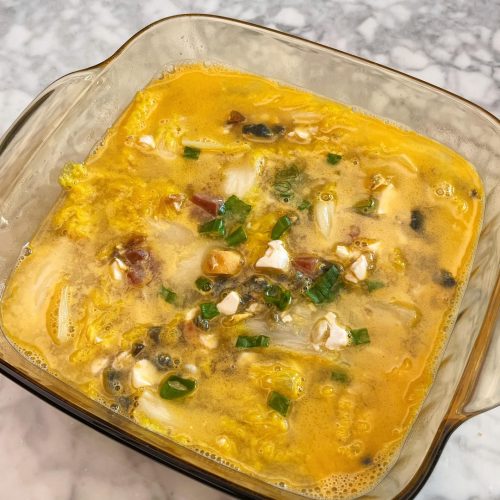
Quick Baby Cabbage in Savory Broth (Shang Tang Wawa Cai)

Equipment
- Wok or Deep Skillet Ideally with a lid
- Kettle For boiling water
Ingredients
Main Ingredients
- 3 heads baby cabbage (wawa cai) quartered lengthwise
- 2 salted duck eggs cooked, peeled and chopped
- 1 century egg (pidan) peeled and chopped
- 2 oz Jinhua ham or prosciutto/bacon, diced
Broth & Seasoning
- 2 cups boiling water add more if needed to cover cabbage
- 2 tbsp cooking oil
- 3 cloves garlic smashed
- 2 stalks scallions finely chopped
- 0.25 tsp white pepper powder
- salt to taste (only if needed)
Instructions
- Prep the ingredients: Slice the baby cabbage lengthwise into quarters. Rinse thoroughly and drain. Peel and roughly chop the salted duck eggs and century egg. Dice the ham and chop the scallions.

- Fry the eggs: Heat the oil in a wok or deep pot over medium heat. Add the chopped salted duck eggs and century egg. Use a spatula to smash the eggs into the oil. Fry for 2-3 minutes until the yolks foam up and the oil turns golden. This is the secret to the creamy broth.
- Add aromatics: Add the smashed garlic and diced ham. Stir-fry for 1 minute until fragrant.
- Make the broth: Turn the heat to high. Pour in the boiling water. The soup should turn milky white immediately. Let it boil vigorously for 2 minutes.
- Braise the cabbage: Add the baby cabbage to the pot. Cover with a lid, reduce heat to medium, and simmer for 3 to 5 minutes, or until the cabbage is tender.
- Season and serve: Remove the lid. Stir in the white pepper powder. Taste the broth before adding any salt (the ham and eggs are salty). Garnish with chopped scallions and serve hot.


Leave a Reply