Introduction
When my mother-in-law first visited from Shandong, we teamed up to make these traditional Da Mantou (Large Steamed Buns). After tasting them, she was amazed and declared, “These are even better than the ones we make back in Shandong! It must be your fancy stand mixer!” Since she measures everything by feel and I measure by exact ratios, our collaboration resulted in the perfect, foolproof recipe. I handled the hydration and the initial knead with the mixer, while she demonstrated the authentic hand-kneading technique for shaping.
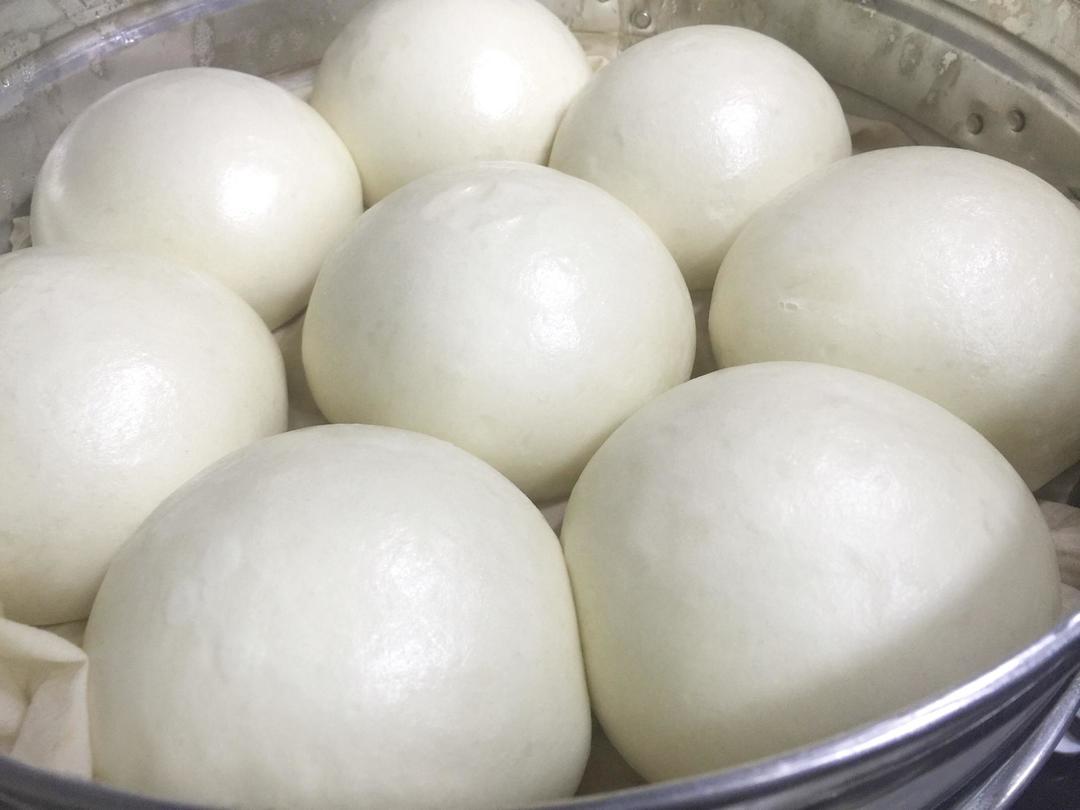
In Shandong, Mantou is the ultimate staple. They are known for being massive, incredibly chewy, dense yet fluffy, and packed with a natural wheat flavor. Making smooth, wrinkle-free steamed buns requires a specific technique: adding raw flour during the degassing phase and vigorously hand-kneading each bun. This recipe breaks down those secrets step-by-step.
If you love homemade doughs, you might also enjoy making our Old Beijing Sesame Paste Flatbread or our Chinese Meat Pies (Xian Bing)!
What Is Shandong Da Mantou?
Unlike the soft, sweet, and airy steamed buns you might find in Southern China or at Dim Sum restaurants, Shandong Da Mantou are savory, dense, and chewy. They are built using a “double-knead” method where extra dry flour is incorporated after the first fermentation. This removes large air pockets and creates a tightly woven, fine crumb structure that is incredibly satisfying to bite into.
If you have leftover buns, they are phenomenal sliced and pan-fried, or served alongside robust, saucy dishes like our Braised Pork Belly with Potatoes.
Ingredients (For 500g Base Flour)
Main Dough:
- 3 ½ cups (500g) All-Purpose Flour (Mid-Gluten Flour): Brands like Five Star (Wudeli) work exceptionally well. Avoid high-gluten bread flour.
- ½ tsp (3g) Fine Salt: Enhances the wheat flavor and strengthens the dough.
- 1 tsp (3g) Instant Yeast: Use osmotolerant yeast (like Saf-Instant Gold) if possible. In cold, dry winter months, increase to 4g.
- 1 tbsp (15g) Sugar: Feeds the yeast to speed up fermentation; does not make the bun sweet.
- 1 cup + 1 tbsp to 1 cup + 2 tbsp (250g – 270g) Water: Room temperature. In dry winters, use the higher amount (270g).
- ¾ cup (100g) All-Purpose Flour: This will be kneaded into the fermented dough to create the signature dense texture.
For Degassing (The Secret Step):
(Note: The recipe scales perfectly. For 1000g base flour, double all ingredients, including the degassing flour).
Equipment Needed
- Stand Mixer (Optional but highly recommended): For the initial heavy kneading.
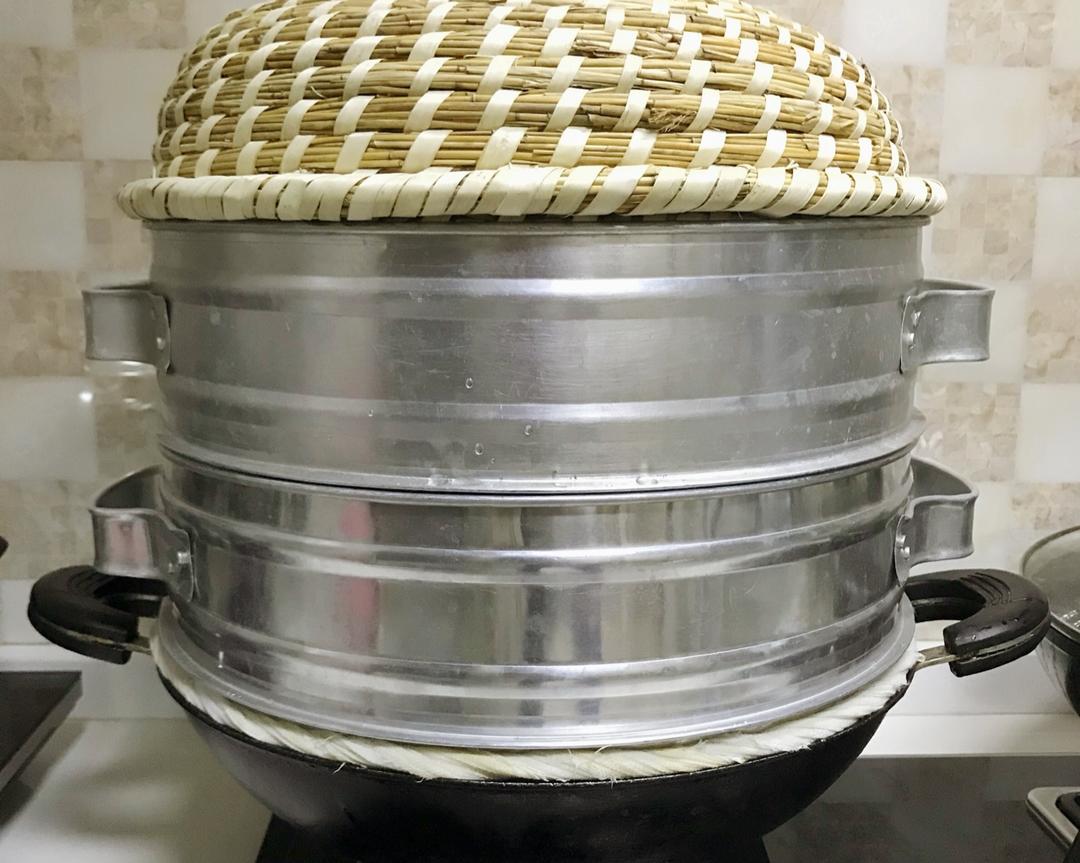
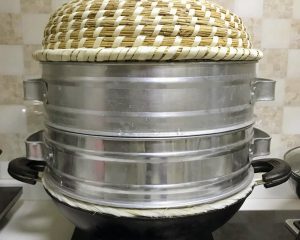
- Large Steamer (Bamboo or Stainless Steel): Must have a tight-fitting lid. A woven straw or bamboo lid is ideal to prevent condensation from dripping onto the buns.
- Steamer Liners: Silicone mats, parchment paper, or damp cheesecloth.
- Kitchen Scale: Essential for accurate hydration ratios.
Prep & Mise en Place
- Environment Check: Drafts are the enemy of smooth steamed buns. Do not knead your dough in front of an open window, a fan, or directly under an AC vent, as the dough will dry out and crack.
Cooking Process
- Step 1: First Knead (Initial Dough)
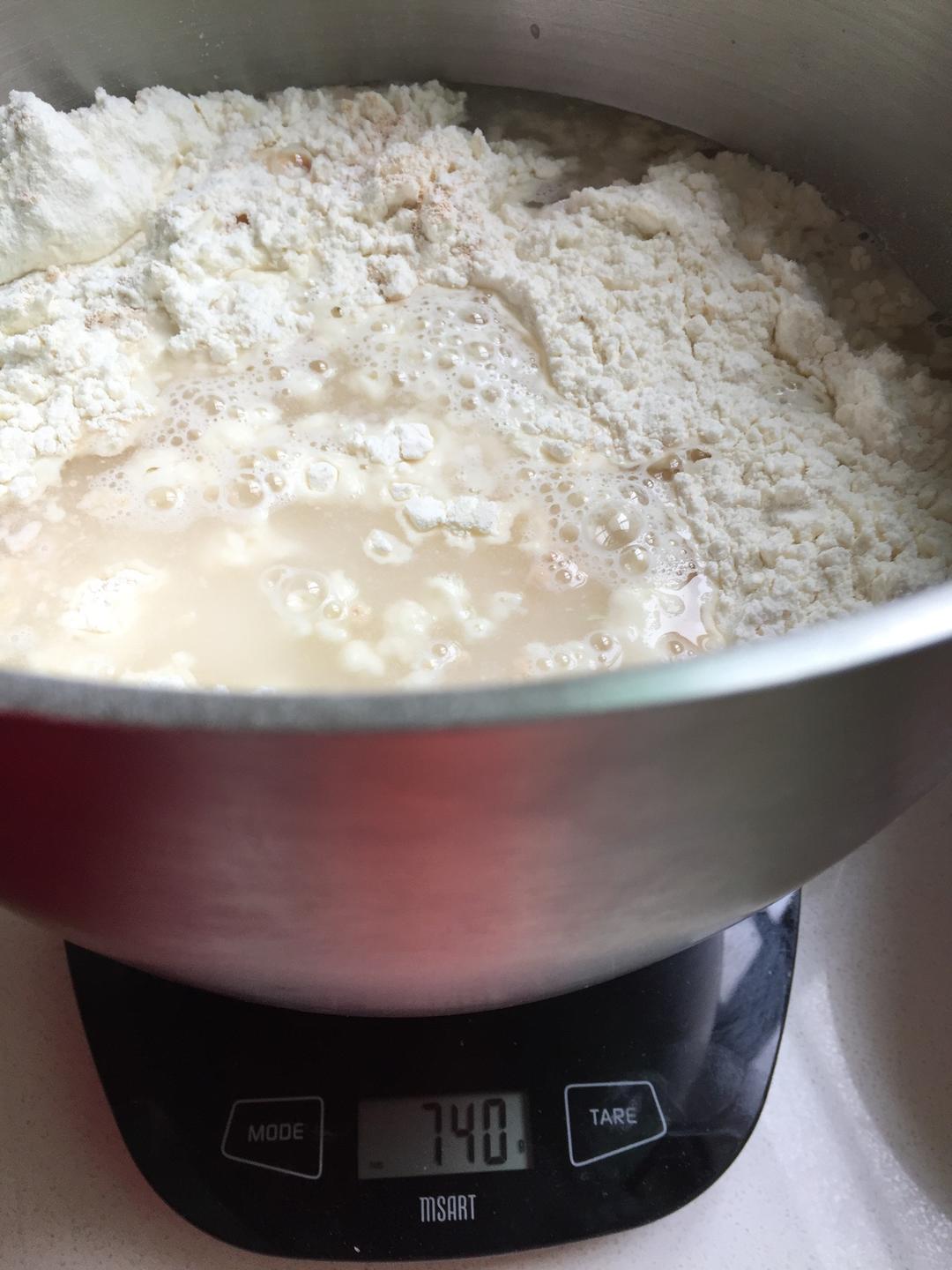
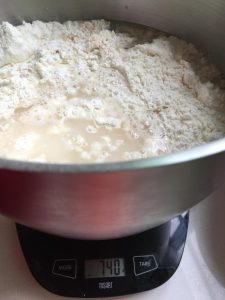
In your stand mixer bowl, combine the 500g flour, salt, sugar, yeast, and water. Start on low speed until a shaggy dough forms, then increase the speed slightly. Stop occasionally to scrape down the sides. Knead until the dough is completely smooth. (The dough should feel like standard dumpling dough—neither too stiff nor too sticky. Adjust with a splash of water if it feels exceedingly dry).
- Step 2: First Fermentation (1 to 1.5 hours)
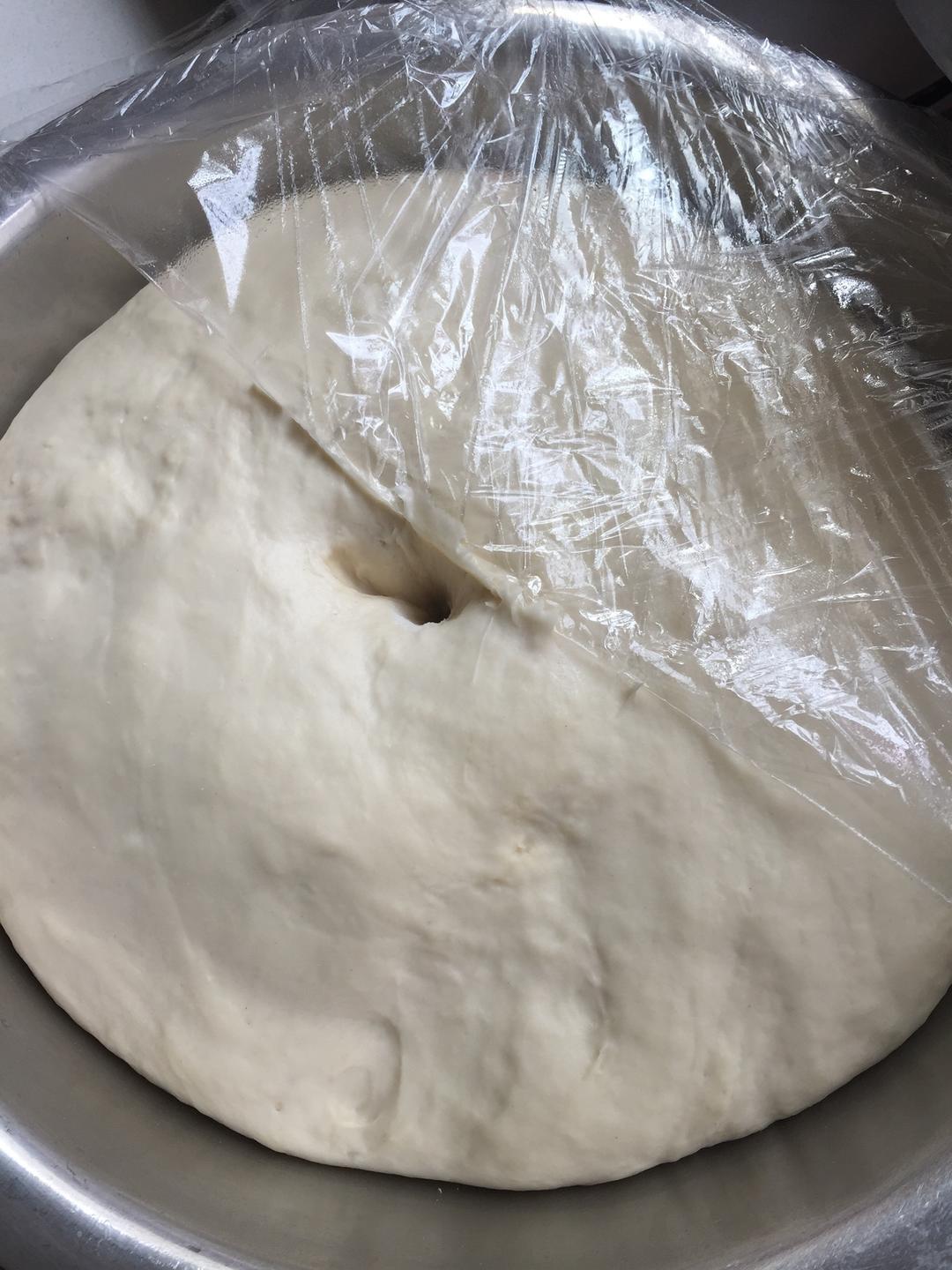
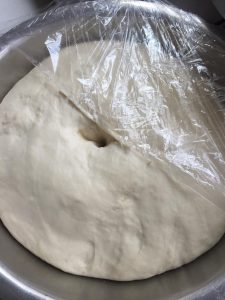
Form the dough into a ball, cover the bowl tightly with plastic wrap, and let it ferment.
- Summer: Room temperature is fine (60–90 minutes).
- Winter: Place it in a turned-off oven with a bowl of warm water, or use a proofing box.

The dough is ready when it has doubled in size and a poked hole does not spring back.
- Step 3: Degassing and Incorporating Dry Flour (The Secret Technique)
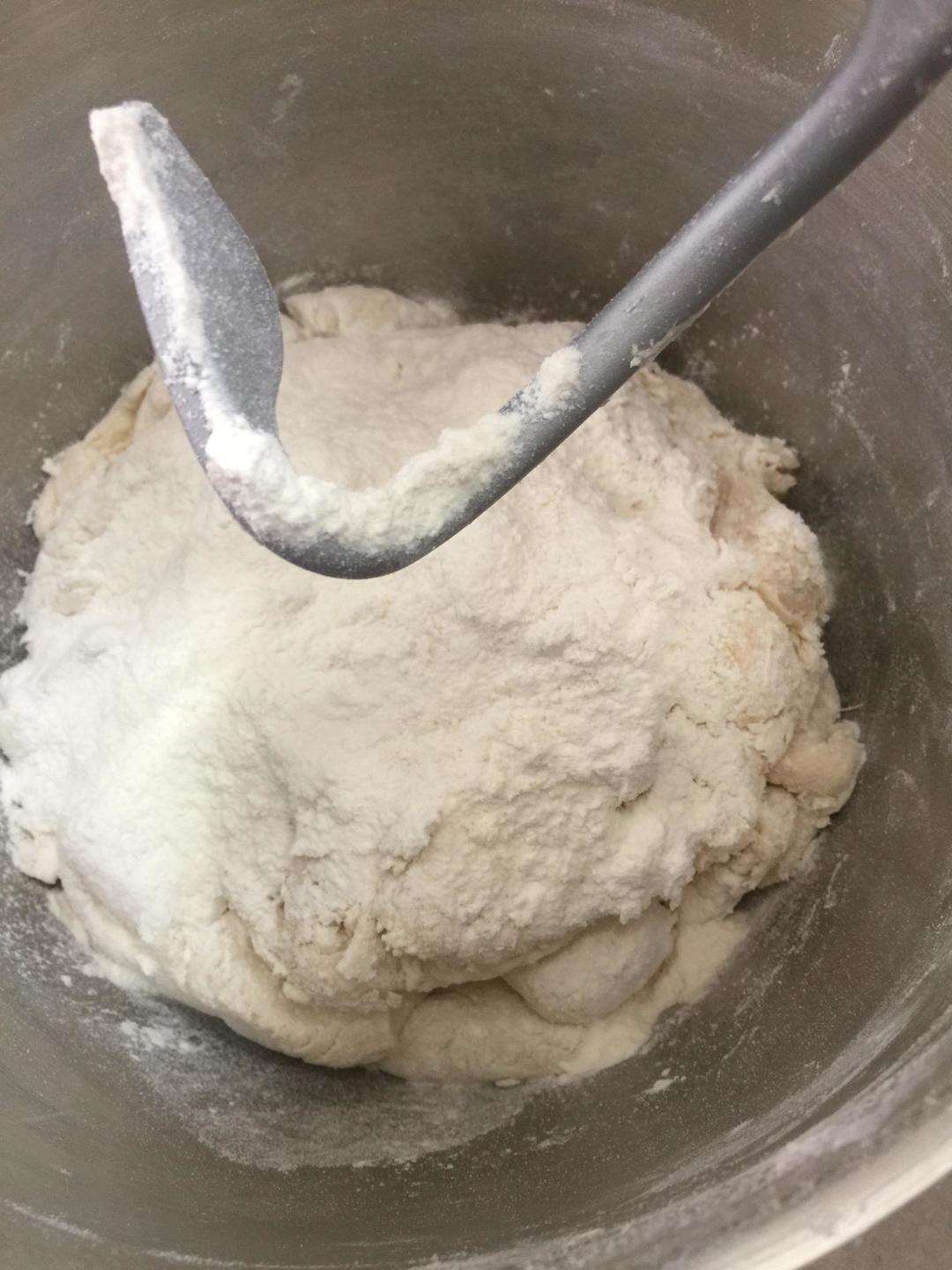
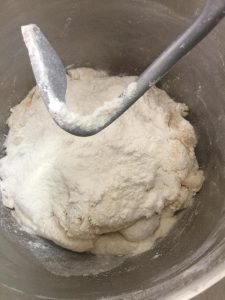
Return the fermented dough to the stand mixer. Prepare your 100g of extra all-purpose flour. Turn the mixer on low and add the 100g of flour in three separate additions. Wait until the flour is fully absorbed before adding the next batch. Knead until the dough returns to a smooth state.
(Note: If the air is very dry and the dough feels incredibly stiff after the second addition of flour, skip the third).
- Step 4: Dividing and Hand-Kneading (Crucial Step)
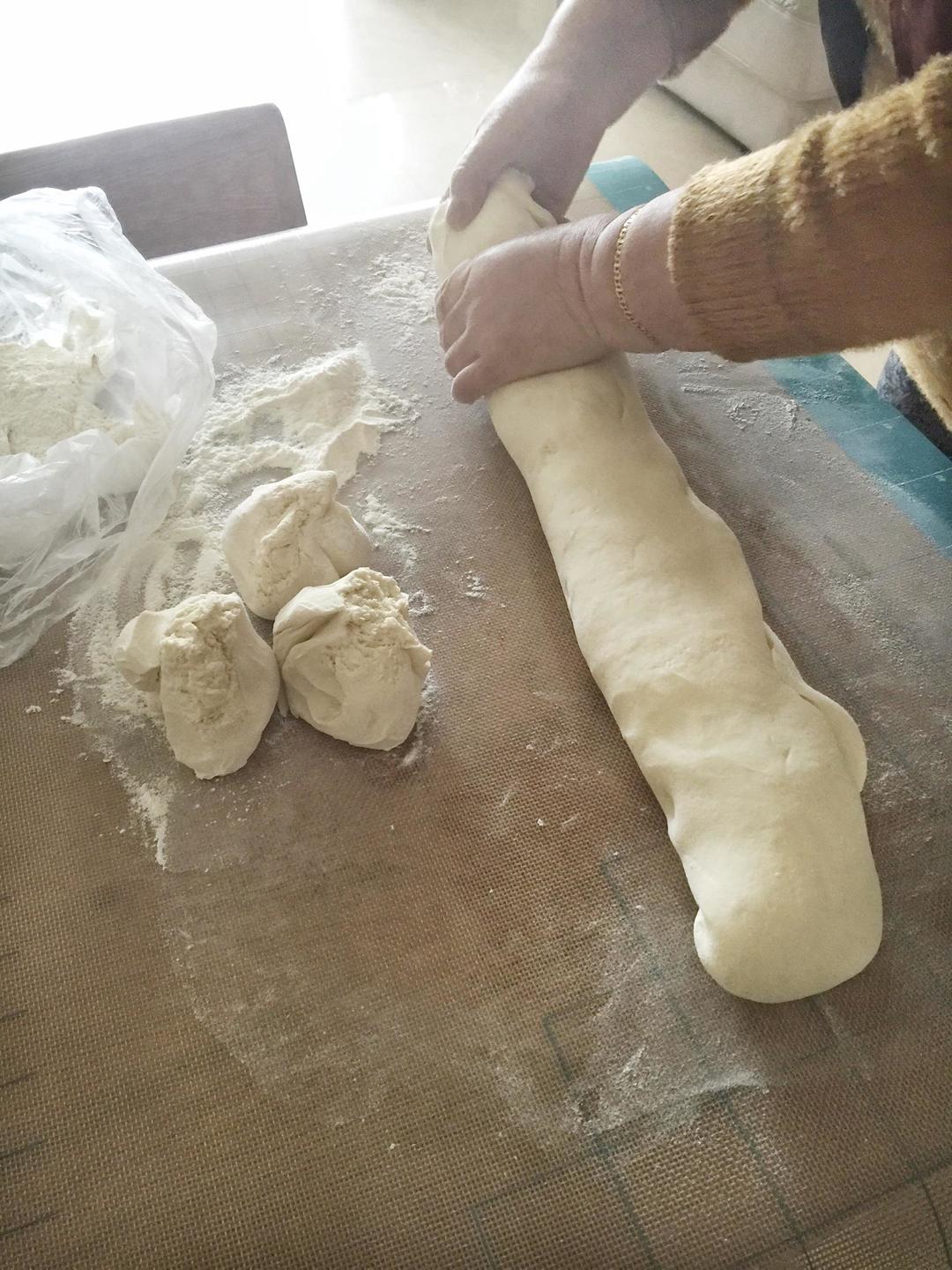
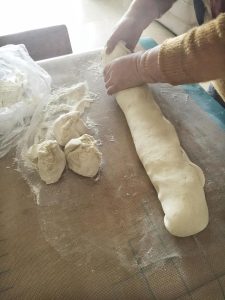
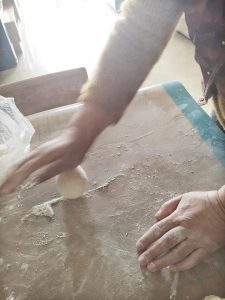
Dust your work surface lightly with extra flour. Remove the dough from the mixer and give it a brief hand-knead. Divide the dough into equal portions (make them as large or small as you prefer; Shandong buns are typically large).
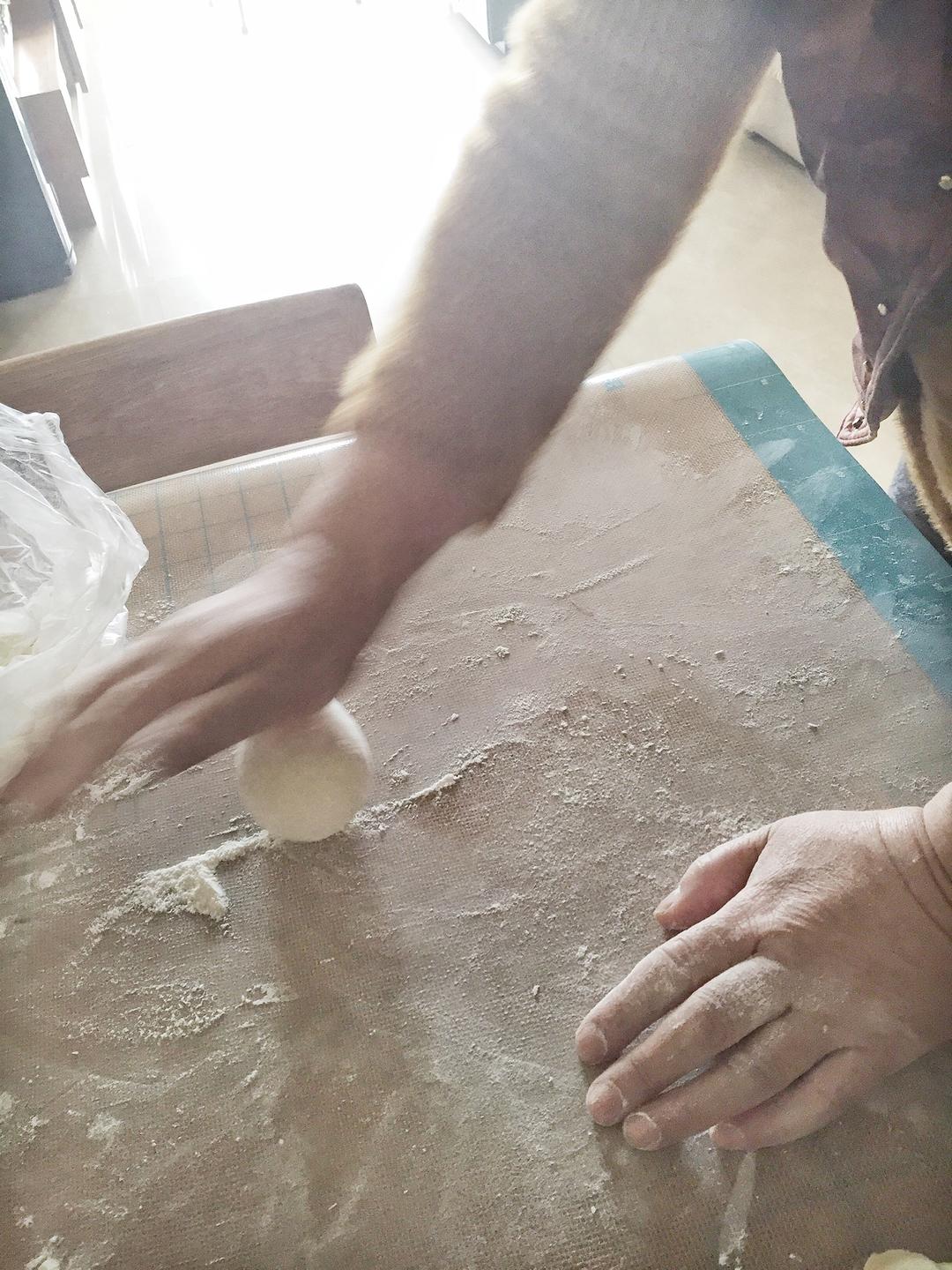
Now comes the hard work. Take one portion and aggressively knead it on the counter, constantly folding the edges into the center. You must knead each bun 100 to 150 times! The dough will transform, feeling softer and looking incredibly smooth.
Pinch the seam closed at the bottom.
- Step 5: Shaping
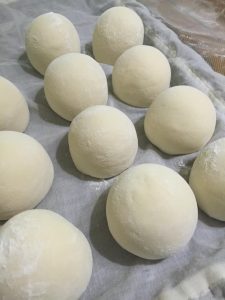
Roll the kneaded ball lightly in flour (this prevents sticking and drying out during the second proof). With the seam side down, use both hands to roll the dough upward into a tall, domed cylinder shape. (They will naturally spread and flatten into round buns during the final proof and steaming).
- Step 6: Second Fermentation (25–35 minutes)
Place the shaped buns onto a breathable cotton cloth or directly onto your steamer liners. Leave plenty of space between them. Cover them entirely with a dry cloth to prevent a skin from forming.
- Summer: Rest at room temperature for about 25 minutes. Work quickly during Step 4 in the summer, or the first buns will over-proof before you finish shaping the last ones!
- Winter: Proof in a warm place (like an oven) for 30–35 minutes.
- Step 7: Steaming (20 minutes)
Place the buns in the steamer. Fill the pot with cold water. Turn the heat to high. Once the water boils and steam vigorously escapes (this takes a few minutes), set a timer and steam for exactly 20 minutes.
- Step 8: The 3-Minute Rest (Do Not Skip!)
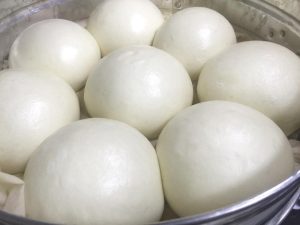
Turn off the heat. Do not open the lid. Let the buns rest undisturbed in the steamer for 3 minutes. If you open the lid immediately, the sudden drop in temperature will cause the buns to collapse and wrinkle. After 3 minutes, carefully lift the lid straight up to avoid dripping condensation onto the buns.
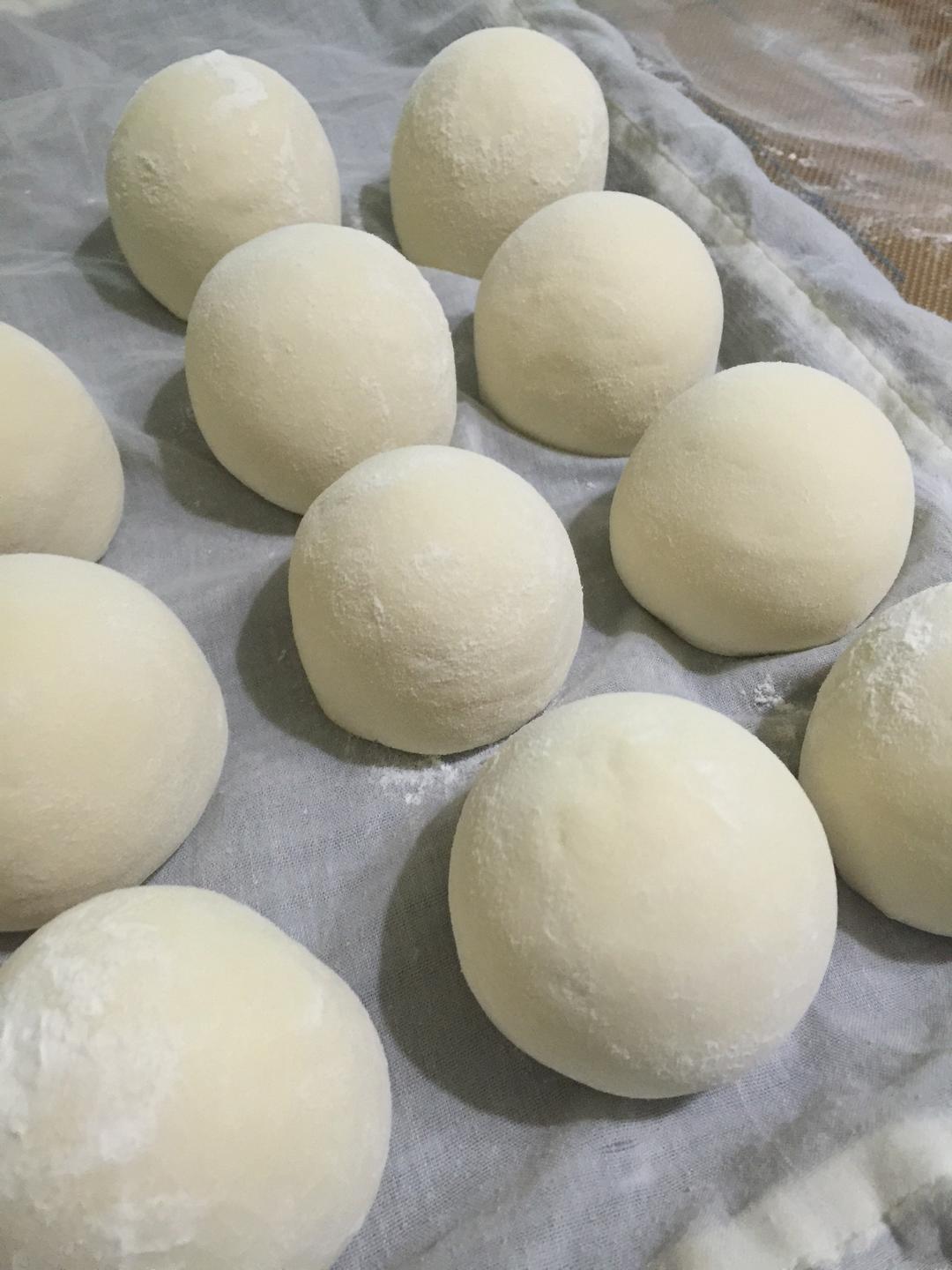
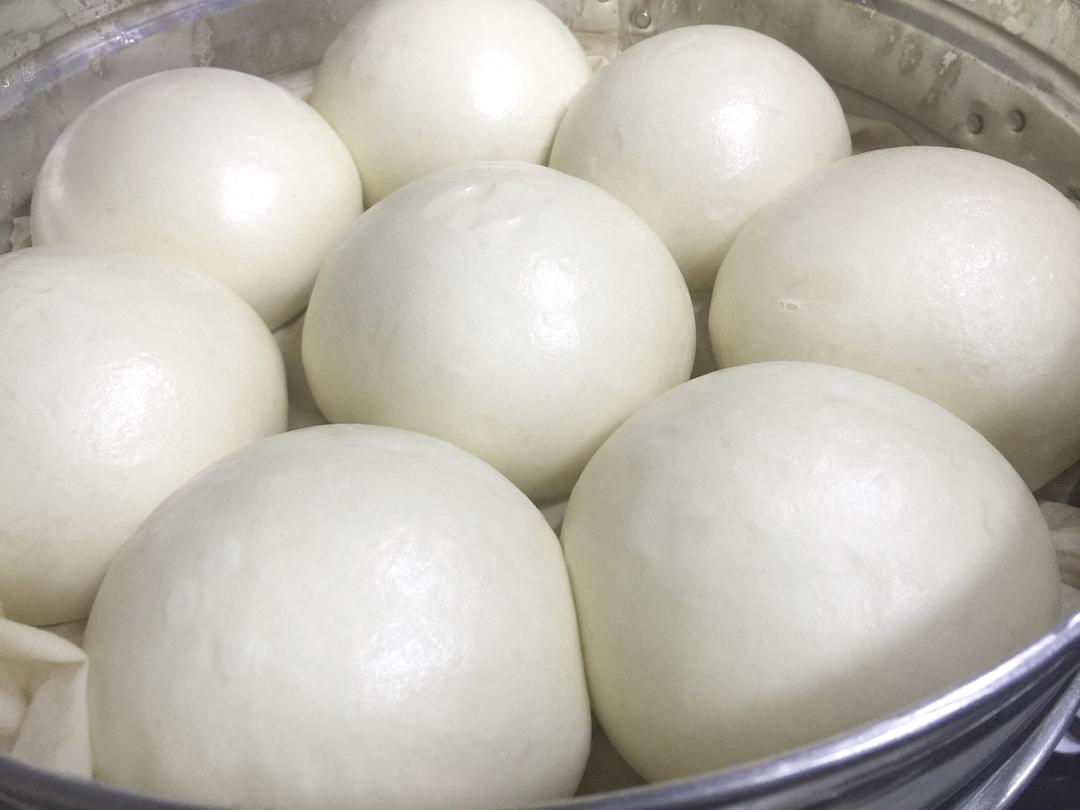
They are ready when they look noticeably plumper and feel light and hollow when gently patted.
Why This Recipe Works
- The Degassing Flour: Kneading raw flour into fermented dough gives Shandong buns their signature layered, chewy, and dense crumb (有嚼劲). It eliminates massive air bubbles that cause a spongy texture.
- 150 Kneads Per Bun: The aggressive hand-kneading forces the gluten network to become incredibly tight and uniform on the surface, ensuring a perfectly smooth, glossy skin that doesn’t collapse.
- Cold Water Steaming: Starting with cold water allows the buns to slowly come to temperature, giving them a gentle final rise (oven spring) before the starches set.
Common Mistakes When Making Steamed Buns
- Mistake: The buns collapsed and look wrinkled after steaming.
- Cause: There are three main causes: 1) You didn’t hand-knead them enough in Step 4. 2) The dough over-proofed during the second fermentation. 3) You opened the steamer lid too quickly after turning off the heat.
- Solution: Knead each bun at least 100 times, watch the proofing time carefully (especially in summer), and always wait 3 minutes before opening the lid.
- Mistake: The dough is too hard to knead during the degassing stage.
- Cause: Winter air is very dry, and flour absorbs more moisture.
- Solution: Increase the initial water by 10-20g, and hold back some of the 100g degassing flour if the dough feels like a rock.
- Mistake: The buns taste slightly sour.
- Cause: Over-fermentation.
- Solution: In hot summer months, speed up your shaping process. If you take too long to hand-knead, the first buns will over-ferment and turn sour while waiting for the others.
Frequently Asked Questions
- Can I use high-gluten (bread) flour?
- Can I knead the whole process by hand?
- Why did my buns crack on top?
- Can I freeze these?
It is not recommended. Bread flour has too much protein and will make the buns unpleasantly rubbery and tough to chew. Stick to mid-gluten (all-purpose) flour.
Yes, absolutely! Just be prepared for a serious arm workout during the initial knead and the degassing phase.
The dough was exposed to moving air (a fan or draft) and dried out during the shaping or second fermentation phase. Always keep them covered with a cloth.
Yes! These freeze wonderfully. Let them cool completely, store in ziplock bags, and freeze. Re-steam them straight from frozen for 10-15 minutes until heated through.
How to Serve
Shandong Da Mantou are the perfect vehicle for savory, salty, and saucy dishes. Break them apart with your hands (do not cut them with a knife!) and serve them with:
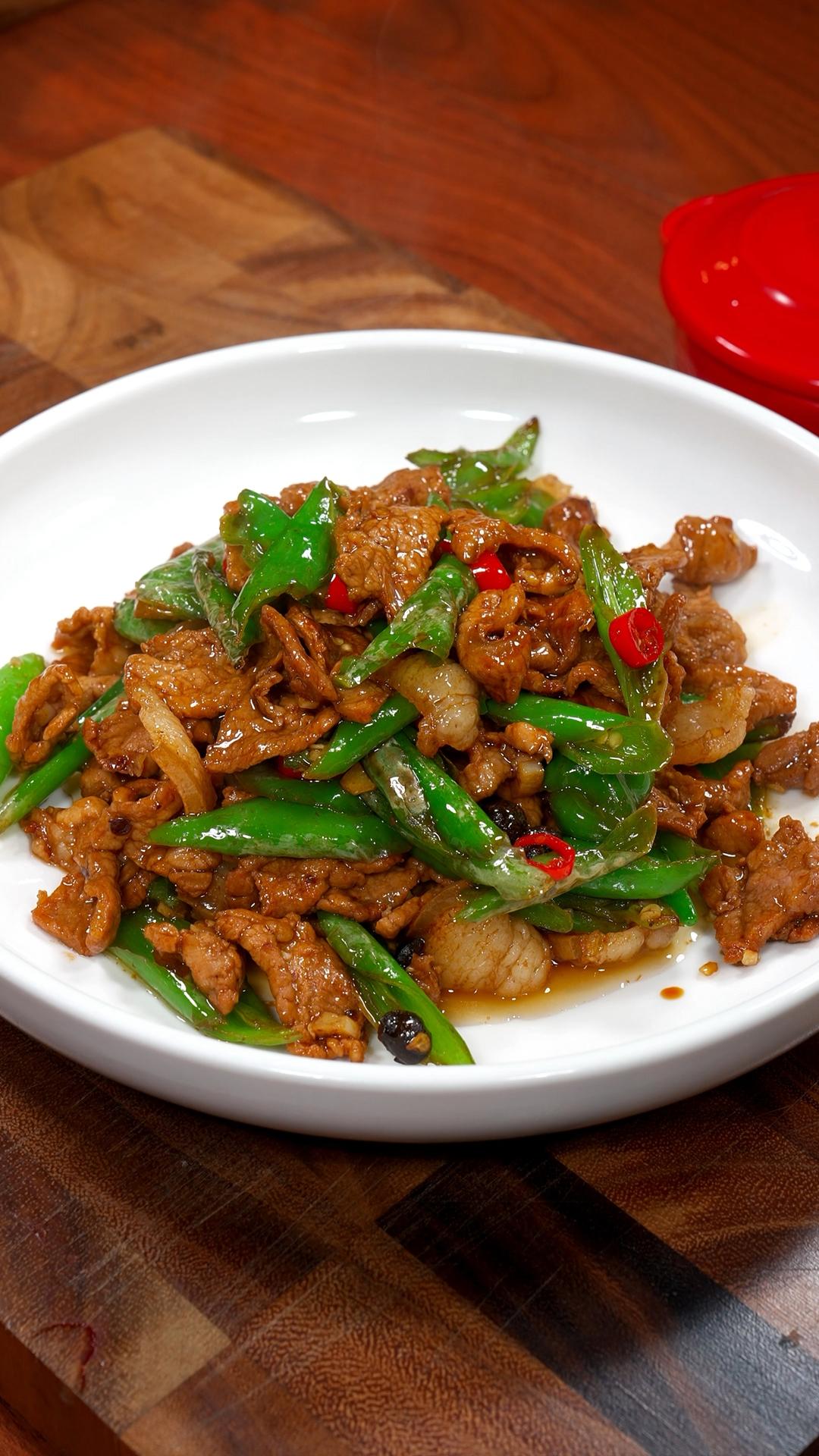
- Stir-Fried Pork with Peppers
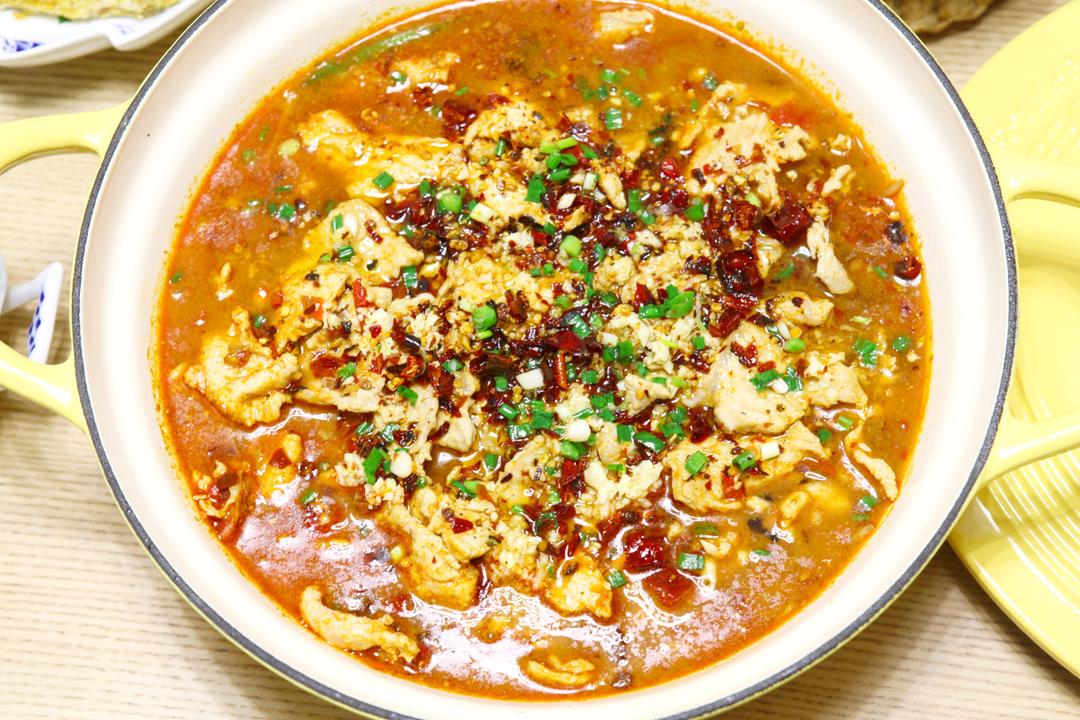
- Sichuan Boiled Pork Slices
- Braised Eggplant with Tomato
- For a breakfast treat, slather a warm slice with Homemade Chinese Chili Oil.
1Stir-Fried Pork with Peppers (辣椒炒肉)This fast, homestyle Chinese stir-fry (Lajiao Chao Rou) is the ultimate “rice thief.” Tender, seared pork and smoky, blistered green peppers are tossed in a simple, savory sauce. Ready in 20 minutes!Check out this recipe2Sichuan Boiled Pork Slices (Shui Zhu Rou Pian)A classic Sichuan dish featuring tender, velveted pork slices poached in a spicy, savory broth containing doubanjiang, finished with a splash of hot oil over garlic and chilies.Check out this recipe
Storage & Reheat
- Room Temperature: Store in an airtight bag for up to 2 days.
- Freeze: For longer storage, freeze in an airtight bag for up to 3 months. Do not refrigerate, as they will dry out and stale quickly.
- Reheat: Steam frozen or room-temperature buns until soft and hot. Alternatively, microwave a bun with a cup of water next to it for 30-45 seconds.
Allergen Notice
- Contains Wheat/Gluten.
Nutrition Disclaimer
Nutrition information is an estimate and provided for informational purposes only.
About the Author & Recipe Development
I’m Michelle, a recipe developer for Woks of Love. My family is obsessed with Northern Chinese flour foods, and I rely on strict ratios to ensure my recipes work every single time. Combining my precise measurements with my Shandong mother-in-law’s authentic shaping techniques created this ultimate guide to Da Mantou. It takes elbow grease to achieve that smooth skin and dense chew, but the results are undeniably authentic and worth every minute.
Authoritative References
- For a deeper understanding of yeast behavior in different temperatures (which is crucial for step 2 and 6), refer to King Arthur Baking’s Guide to Yeast and Temperature.
Authentic Shandong Steamed Buns (Da Mantou)
Equipment
- Stand mixer
- Steamer with Lid
- Steamer Liners or Cotton Cloth
Ingredients
Main Dough
- 500 g all-purpose flour approx. 3.5 cups
- 3 g fine salt approx. 0.5 tsp
- 3 g instant yeast approx. 1 tsp (use 4g in dry winter)
- 15 g sugar approx. 1 tbsp
- 260 g water room temp (250g-270g depending on humidity)
For Degassing
- 100 g all-purpose flour approx. 3/4 cup
Instructions
- First Knead: Combine 500g flour, salt, yeast, sugar, and water in a stand mixer. Knead on low until a smooth dough forms.

- First Fermentation: Cover the bowl and let the dough ferment in a draft-free place until doubled in size (60-90 minutes at room temp, or longer in winter).
- Degassing: Return dough to the mixer. On low speed, gradually add the 100g of degassing flour in three batches, waiting until fully absorbed before adding the next. Knead until smooth again.
- Divide & Hand-Knead: Transfer dough to a floured surface. Divide into equal portions. Vigorously hand-knead EACH portion 100 to 150 times, folding the edges into the center until the dough is incredibly smooth.
- Shape: Dust the kneaded balls lightly with flour. With the seam side down, roll the dough upward with both hands to form a tall cylinder.
- Second Fermentation: Place buns on steamer liners with plenty of space between them. Cover completely with a dry cloth. Proof for 25-35 minutes until noticeably plumper and light.
- Steam: Place buns in the steamer over a pot filled with COLD water. Turn heat to high. Once water boils and steam escapes, steam for exactly 20 minutes.

- Rest: Turn off the heat. DO NOT open the lid. Let the buns rest undisturbed for 3 minutes to prevent collapsing. Carefully lift the lid straight up and serve.













Leave a Reply