If you walk through the hutongs of Beijing in the early morning, the nutty, toasted aroma of Sesame Paste Flatbread, or Majiang Shaobing (麻酱烧饼), is unmistakable. It is a staple breakfast item that locals have grown up eating, usually paired with a bowl of hot mutton soup or millet porridge.

I have wanted to share this recipe for a long time. Recently, my son was clamoring for these savory, flaky treats, so I decided it was the perfect time to document the process. To be honest, buying these at authentic shops has become quite expensive—often 4 RMB or more per piece! For a large family, making them at home is not only budget-friendly but also incredibly rewarding.
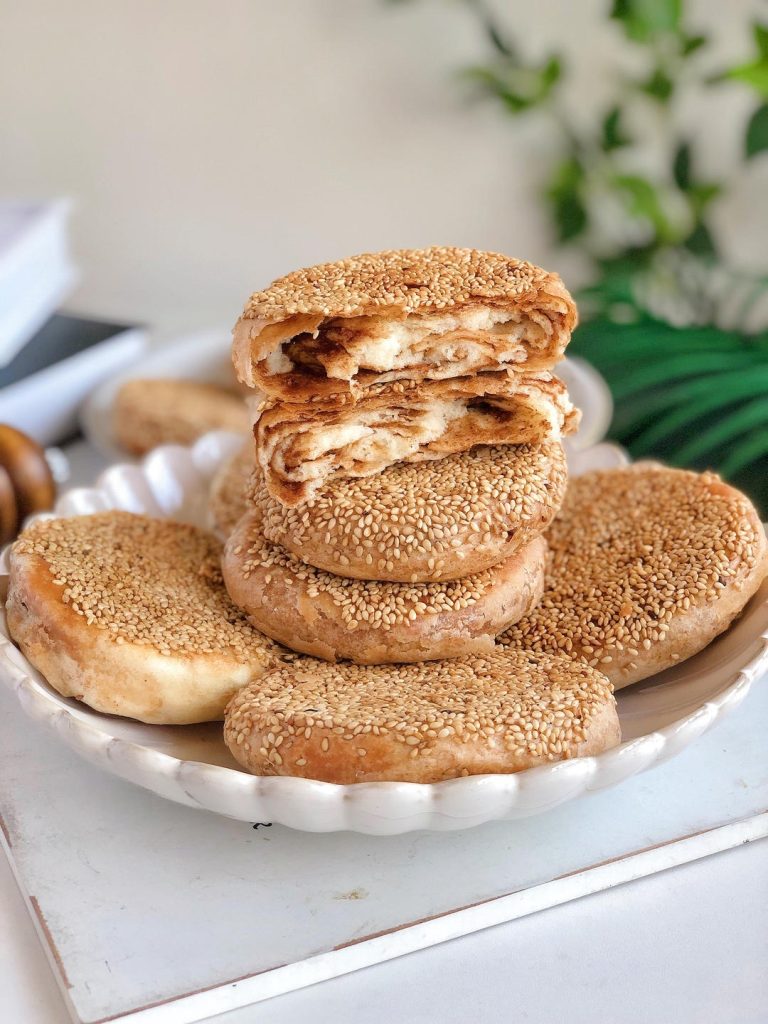
I have tested and tweaked this recipe dozens of times, watching countless tutorials to find the perfect balance. The result? A flatbread that is golden and crispy on the outside, soft and fluffy on the inside, and packed with distinct layers of savory nuttiness. My father even took a few home to my mother, and they both gave it a glowing review.
While this is a northern Chinese classic, I believe the combination of fluffy dough and rich sesame sauce is something everyone, regardless of where they are from, will fall in love with. It pairs wonderfully with a light soup, like our Seaweed Egg Drop Soup, for a comforting meal.
What is Sesame Paste Flatbread?
Majiang Shaobing is a traditional unleavened or semi-leavened flatbread from Beijing. Unlike the Scallion Pancake which relies on oil for layers, this shaobing relies on a thick, seasoned sesame paste to create its signature internal structure.

The flavor profile is unique: savory, slightly salty, and intensely nutty, often accented with the numbing citrusy notes of Sichuan peppercorns and the warmth of five-spice powder. It’s dense yet fluffy, making it incredibly satisfying.
Why This Recipe Works
- Dual Leavening: We use both yeast and baking powder. The yeast provides the primary rise and flavor development, while the baking powder ensures the dough remains soft and tender even if you aren’t a master at dough handling.
- The “Water Hydration” Rest: We utilize a high-hydration dough. By letting the rough dough rest for 10 minutes before kneading (autolyse), the gluten develops naturally, making the dough smooth and easy to work with without exhausting your arms.
- The Sauce Ratio: Authentic Beijing flavor uses Er Ba Jiang (a 20:80 sesame-to-peanut butter ratio). We replicate this using accessible ingredients found in Western supermarkets to ensure you get that authentic taste.
Key Ingredients & Substitutions
- All-Purpose Flour: This recipe calls for 500g (about 3 ½ cups) of medium-protein flour (all-purpose is perfect). It provides enough structure for the layers but keeps the bread soft.
- Sesame Paste (The Soul of the Dish): The recipe calls for 80g of paste.
- Traditional: Use Chinese Sesame Paste (often a mix of sesame and peanut).
- Western Substitute: Mix Unsweetened Peanut Butter and Tahini in a 4:1 ratio. This mimics the traditional Er Ba Jiang (20% sesame, 80% peanut) perfectly.
- Sichuan Peppercorn Powder (Hua Jiao Fen): This is the secret kicker. It adds a subtle floral, numbing note that cuts through the richness of the paste. If you can’t find the powder, toast whole peppercorns in a dry pan and grind them yourself.
- Five Spice Powder: Adds a warm, savory depth.
- Yeast & Baking Powder: We use instant yeast for speed and baking powder for fluffiness.
Equipment You Will Need
- Large mixing bowl
- Rolling pin
- Flat-bottomed skillet, cast iron pan, or an electric crepe maker (griddle)
- Pastry brush
Recipe Notes Before We Begin
Hydration is Key: The ratio of water to flour here is about 64% (320g water to 500g flour). This creates a soft, slightly sticky dough. Do not add too much extra flour when kneading, or the flatbreads will turn out dry and tough.
The Paste Consistency: When thinning your sesame paste with oil, aim for a texture similar to thick heavy cream. If it is too runny, it will leak out; if it is too thick, it won’t spread evenly.
How to Make Sesame Paste Flatbread
Step 1: Prepare the Dough
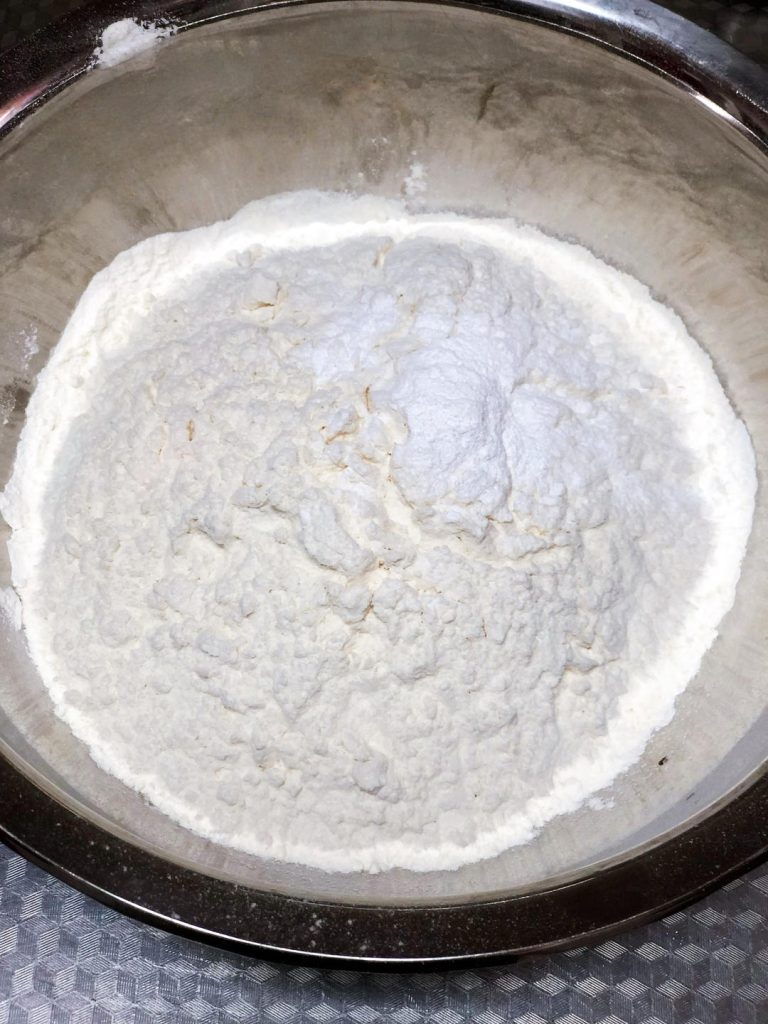
In a large bowl, whisk together 500g all-purpose flour and 3g baking powder.
- Why baking powder? It acts as a safety net, ensuring the flatbreads puff up nicely even if the yeast proofing isn’t perfect.
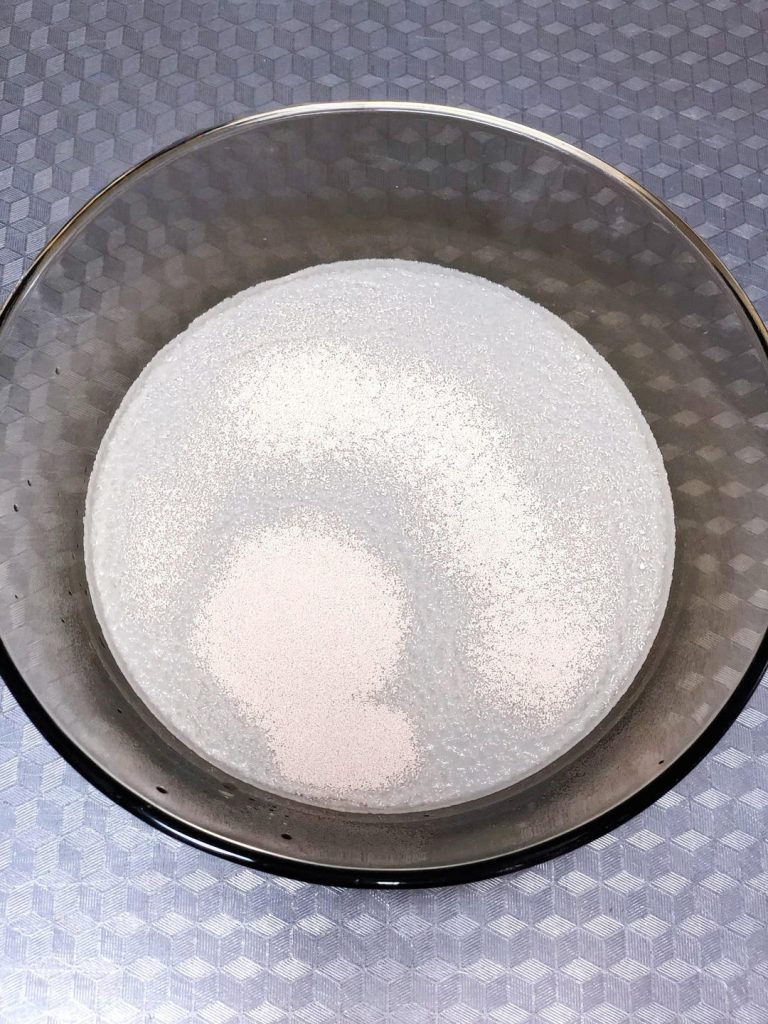
In a separate container, dissolve 5g instant yeast in 320g water.
- Note: Use lukewarm water in winter to help the yeast activate, but room temperature water is fine in summer.
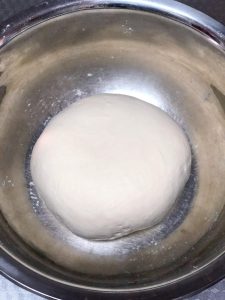
Pour the yeast water into the flour, stirring with chopsticks or a fork until it forms a shaggy dough. Knead it briefly with your hands. It won’t be smooth yet—that’s okay! Cover it and let it rest for 10 minutes.
- Why rest? This allows the flour to fully hydrate. When you come back to knead it, it will become smooth effortlessly.
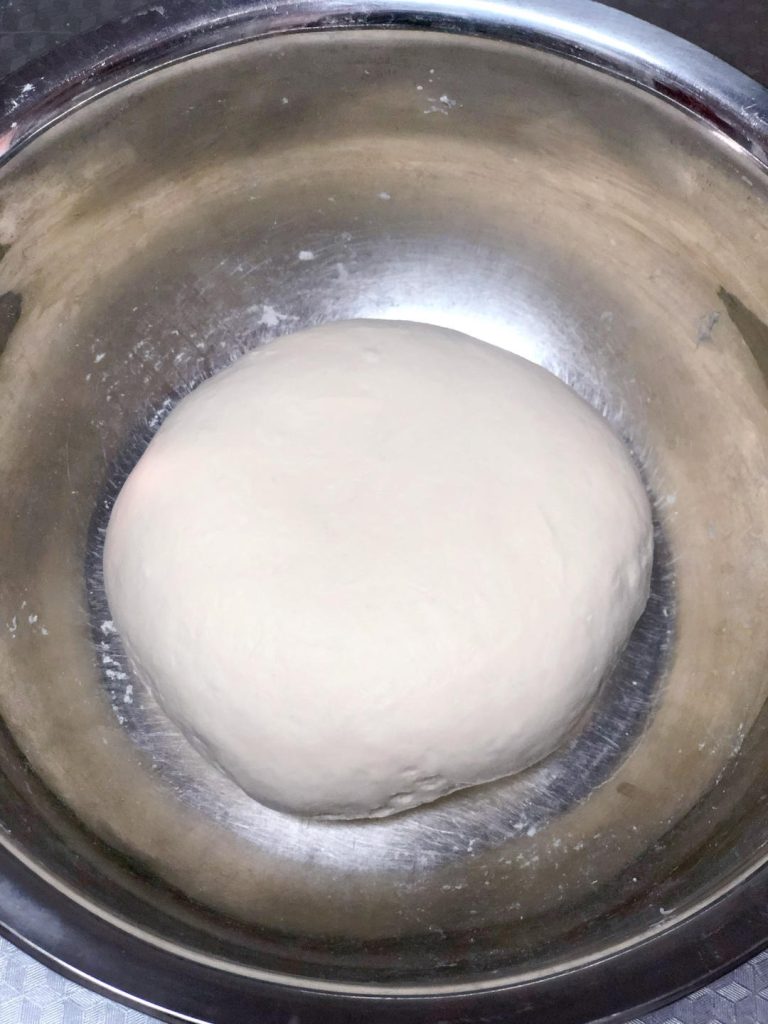
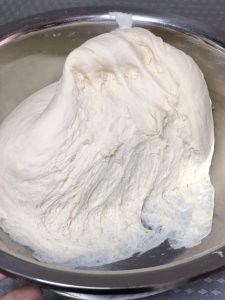
After the rest, knead until smooth, cover, and let it proof for about 1 hour (or until 1.5 times in size).
Step 2: Make the Sesame Filling
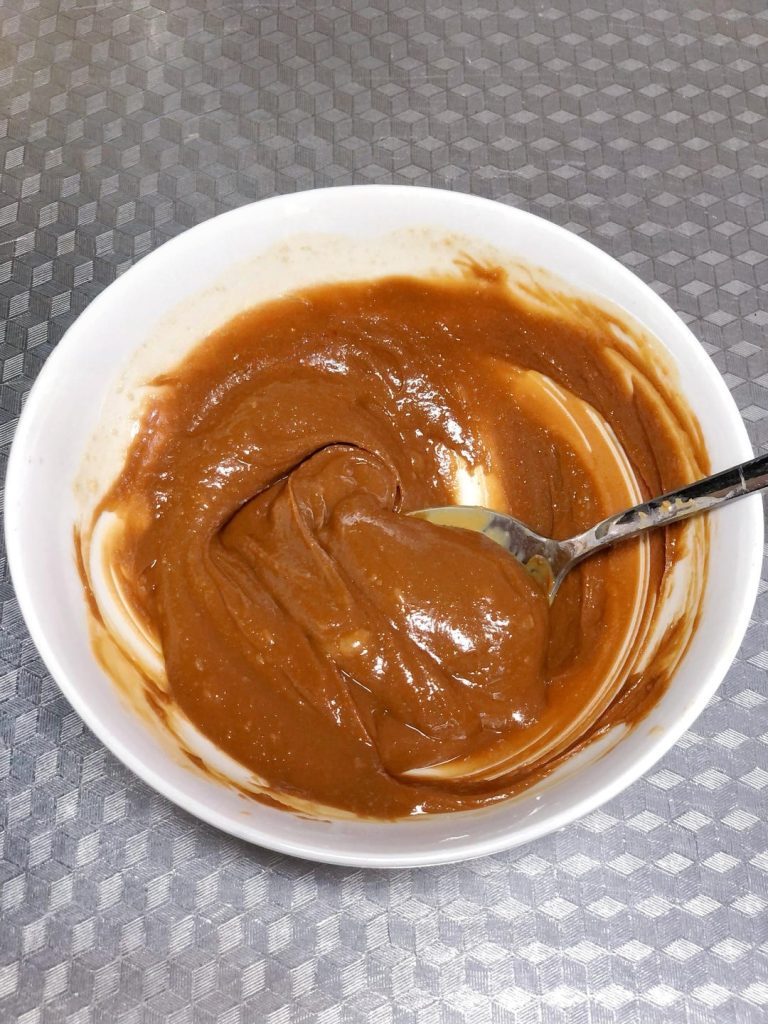
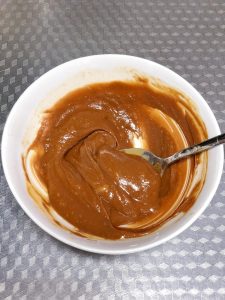
While the dough is proofing, prepare the sauce. In a small bowl, mix:
- 80g Sesame/Peanut Paste
- 10g Neutral Oil (to loosen the paste)
- 5g Dark Soy Sauce (for rich color)
- 1g Five Spice Powder
Stir until smooth. If you prefer a less oily filling, you can reduce the oil slightly, but the oil helps create flaky layers.
Step 3: Shape the Flatbreads
Once the dough has risen (it should have a honeycomb texture inside), transfer it to a working surface. Knead it thoroughly to remove air bubbles—this creates a finer crumb.
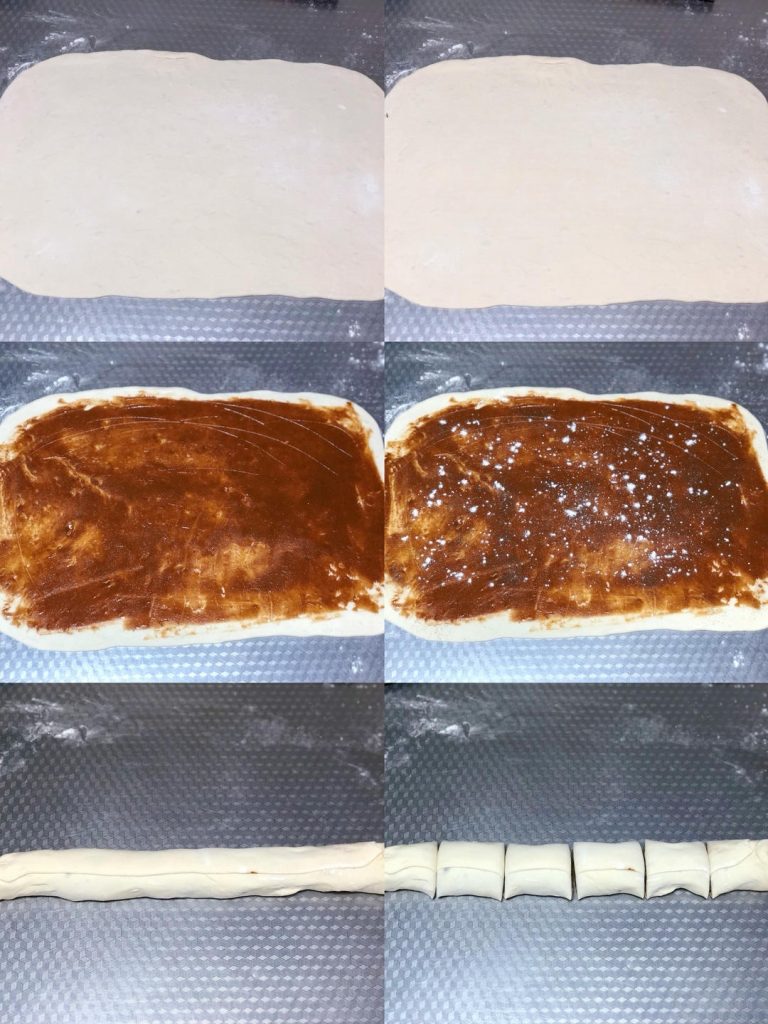
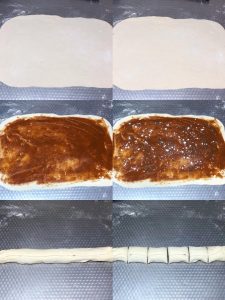
Roll the dough into a large, thin rectangular sheet, about 2-3mm thick.
- Tip: If your counter space is small, divide the dough in half and work in two batches.
Spread the prepared sesame paste evenly over the dough. Sprinkle a thin layer of Sichuan peppercorn powder (about 1 tsp or to taste) and a light dusting of dry flour over the paste.
- Why dry flour? This helps separate the layers and prevents the paste from leaking out too much.
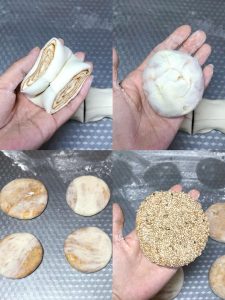
Roll the dough up tightly from one long edge to form a long log. Cut the log into 12 equal portions.

Step 4: Finishing Touches
Take one portion. Pinch the open ends together and tuck them underneath to seal the filling. Round it into a ball, then flatten it gently into a disk.
Brush the top with a little water and dip the wet side into a plate of white sesame seeds, pressing gently so they adhere.
Step 5: Pan-Fry
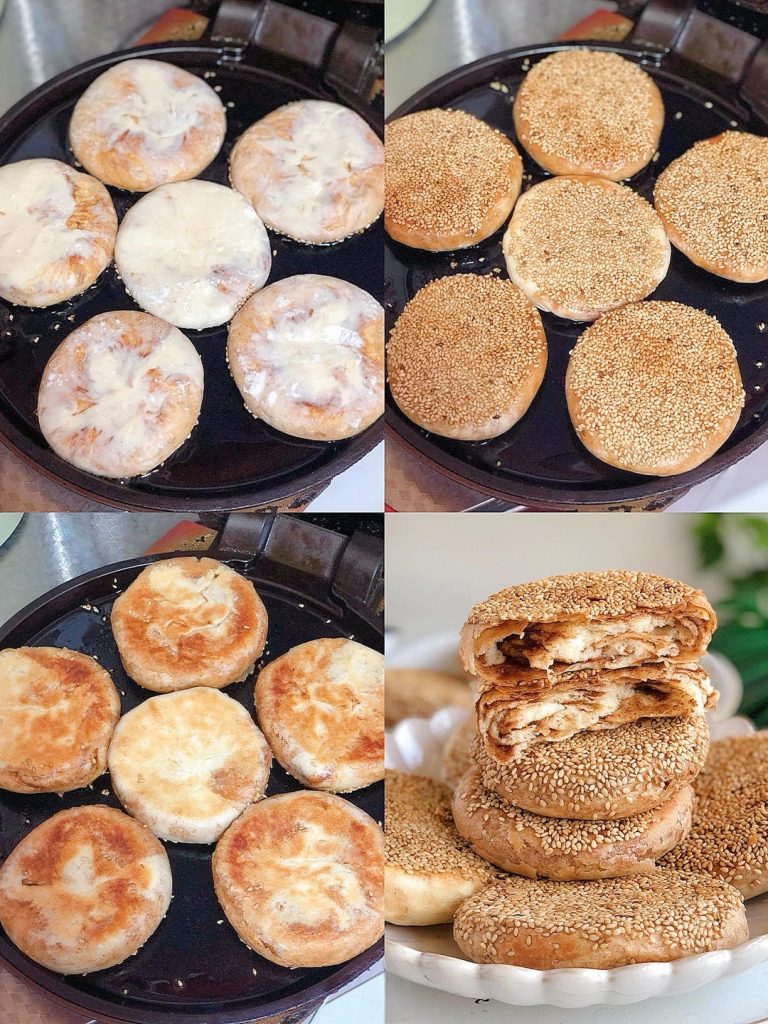
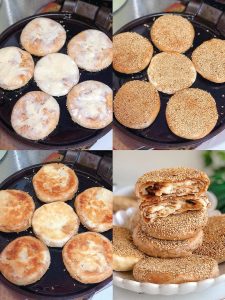
Heat a skillet or griddle over medium heat. Add a little oil. Place the flatbreads sesame-side down first.
- Why sesame side down? The hot oil toasts the seeds immediately, making them incredibly fragrant.
Cook for about 2-3 minutes until golden, then flip. Cover the pan with a lid (this creates steam to cook the inside) and cook for another 2-3 minutes. Flip occasionally until both sides are crispy and golden brown, and the bread springs back when pressed.
Serving Suggestions
These flatbreads are best enjoyed warm when the crust is at its crispiest. They are substantial enough to be a meal on their own but serve beautifully alongside a protein dish. For a hearty dinner, I love serving these with Scallion Pork Belly Stir-Fry. The savory pork complements the nutty bread perfectly.
Troubleshooting & FAQ
My filling leaked out everywhere! This usually happens if the dough was rolled too thin or the log was rolled too loosely. The dusting of dry flour over the paste in Step 3 is crucial to help bind the liquid and prevent leaks.
Can I freeze these? Yes! You can freeze the shaped (uncooked) flatbreads. Place them on a tray to freeze solid, then transfer to a bag. Pan-fry directly from frozen on low heat, adding a splash of water to the pan and covering to steam them through.
Is this vegan? Yes, this recipe is naturally vegan (ensure your sugar/condiments are compliant). It’s a fantastic plant-based savory treat.
Nutrition Information (Estimate per flatbread)
- Calories: 215 kcal
- Carbohydrates: 32 g
- Protein: 6 g
- Fat: 7 g
- Saturated Fat: 1 g
- Sodium: 180 mg
- Fiber: 2 g
- Sugar: 1 g
Disclaimer: Nutrition information is calculated using an ingredient database and should be considered an estimate. Actual values may vary based on specific brands and cooking methods used.
Food Safety & Preparation Warnings
- Cook Thoroughly: Flour is a raw agricultural product and must be cooked completely to eliminate harmful bacteria. Ensure the center of the flatbread reaches an internal temperature of at least 190°F (88°C).
- Allergen Alert: This recipe contains Wheat (Gluten) and Sesame. If substituting sesame paste with a mix containing peanut butter, it will also contain Peanuts.
- Oil Safety: When pan-frying, monitor the heat carefully. Do not let the oil smoke excessively to avoid burning the sesame seeds and degrading the oil quality.
Recipe Notes
- Hydration is Key: The dough has a hydration ratio of about 64%. It should feel soft and slightly tacky but not overly sticky. If your kitchen is very dry, you might need an extra teaspoon of water; if humid, hold back a little water.
- The “Rest” Period: Do not skip the 10-minute rest (autolyse) after initially mixing the flour and water. This allows the gluten to relax and hydrate, making kneading significantly easier and faster.
- Sesame Paste Consistency: The filling should be the consistency of thick heavy cream. If it is too runny, it will leak out during rolling; if too thick, it won’t spread evenly. Adjust with small amounts of oil if necessary.
- Storage & Reheating: These are best eaten fresh. Leftovers can be stored in the fridge for 3 days or frozen for up to a month. Reheat in a toaster oven or dry skillet to restore crispiness; microwaving will make them chewy.
Authoritative References
- Handling Flour Safely: For guidelines on the safe handling of raw flour and preventing foodborne illness, refer to the FDA’s guidance on “Handling Flour Safely”.
- Food Allergens: For detailed information on major food allergens (including sesame and wheat) and labeling, please visit the FDA Food Allergens page.
- Internal Cooking Temperatures: To ensure baked goods are cooked through, refer to FoodSafety.gov’s Safe Minimum Internal Temperature Chart.
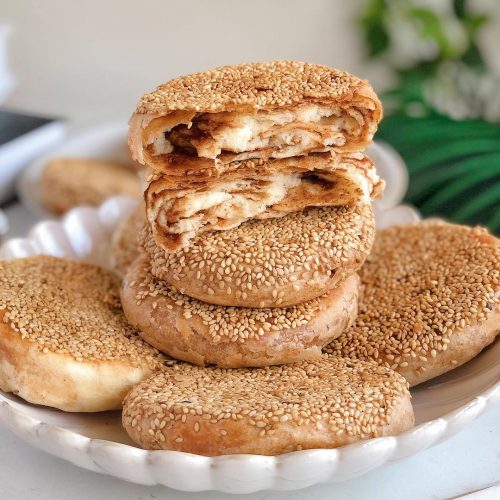
Old Beijing Sesame Paste Flatbread (Majiang Shaobing)

Equipment
- Large Mixing Bowl
- Rolling Pin
- Flat-bottomed Skillet or Griddle
- Pastry Brush
Ingredients
Dough
- 500 g all-purpose flour approx. 3 ½ cups
- 320 ml water lukewarm in winter, room temp in summer
- 5 g instant yeast approx. 1 tsp
- 3 g baking powder aluminum-free preferred
Sesame Filling
- 80 g sesame paste or mix of tahini and peanut butter (Er Ba Jiang)
- 10 g neutral cooking oil vegetable or canola oil
- 5 g dark soy sauce for color and depth
- 1 g five spice powder
- Sichuan peppercorn powder to taste, freshly ground is best
- tbsp flour dry, for dusting inside layers
Topping
- 2 tbsp white sesame seeds raw or toasted
- water for brushing
Instructions
- Mix the Dough: In a large bowl, whisk together the flour and baking powder. Dissolve the instant yeast in the water (use lukewarm water if your kitchen is cold). Pour the yeast water into the flour mixture and stir with chopsticks or a fork until a shaggy dough forms. Knead briefly just to bring it together, then cover and rest for 10 minutes (autolyse).

- Knead and Proof: After the 10-minute rest, knead the dough until it is smooth and elastic. Cover with a lid or plastic wrap and let it proof at room temperature for about 1 hour, or until it has grown to 1.5 times its original size and has a honeycomb texture inside.
- Prepare the Paste: While the dough is proofing, make the filling. In a small bowl, mix the sesame paste (or tahini/peanut butter mix) with the 10g of oil, dark soy sauce, and five spice powder until smooth and spreadable.
- Roll Out: Once proofed, punch down the dough and knead it thoroughly on a work surface to remove air bubbles. Roll it out into a large, thin rectangular sheet, approximately 2-3mm thick.
- Fill and Shape: Spread the prepared sesame paste mixture evenly over the entire surface of the dough. Sprinkle with a thin layer of Sichuan peppercorn powder and a light dusting of dry flour (this prevents leaking). Roll the dough up tightly from one long edge to form a long log. Cut the log into 12 equal pieces.
- Finish Shaping: Take one piece, pinch the open ends together and tuck them underneath to seal the filling inside. Round it into a ball, then flatten it gently into a disk. Brush the top side with a little water and dip that side into the white sesame seeds, pressing gently to adhere.
- Cook: Heat a skillet or griddle over medium heat and add a little oil. Place the flatbreads sesame-side down first. Cook for 2-3 minutes until golden brown. Flip, cover the pan with a lid, and cook for another 2-3 minutes. Continue flipping occasionally until both sides are crispy and the bread springs back when pressed.
Notes
- The “Rest” is Crucial: Do not skip the 10-minute rest after mixing. It allows the gluten to relax, making kneading effortless.
- Freezing: Uncooked shaped flatbreads can be frozen on a tray and then bagged. Cook from frozen on low heat with a splash of water and a lid.
- Texture: For the flakiest layers, ensure your sesame paste isn’t too watery, and don’t forget the dusting of dry flour inside the roll.
- Raw Flour: Do not eat raw dough. Cook until internal temperature reaches 190°F (88°C). FDA Flour Safety Guidelines
- Allergens: Contains Wheat and Sesame. May contain Peanuts.



Leave a Reply