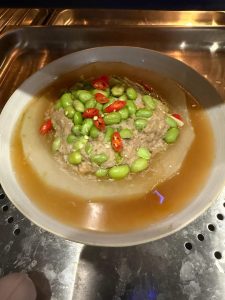
There is a whole category of Chinese home cooking that never gets the spotlight outside the country: the steamed dish that looks like nothing and tastes like everything. Steamed winter melon with pork and salted egg yolk is exactly that. A pale, almost translucent wedge of melon gets hollowed out, packed with a springy pork filling, crowned with bright green edamame, and steamed until the whole thing slumps into a pool of its own sweet juices. It arrives at the table looking quiet and unassuming, and then it disappears in about four minutes.
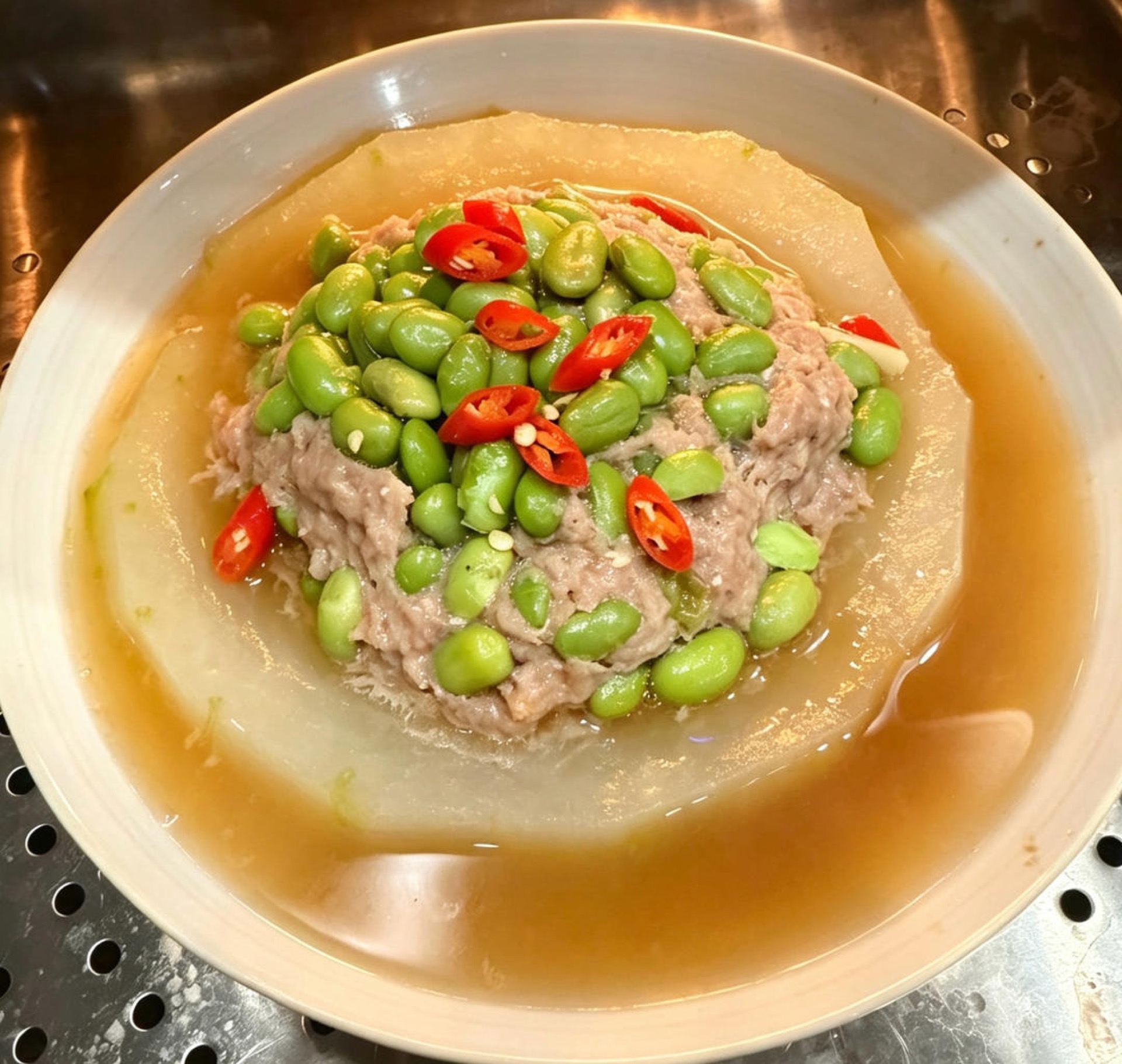
What makes it work is the contrast. Winter melon, on its own, is a gentle, watery vegetable — think of it as the vegetable equivalent of a sponge that happens to taste faintly sweet. That quality is precisely why it belongs in a dish like this. As it steams, it releases liquid and absorbs whatever sits against it, so the pork juices and the briny richness of salted egg yolk end up in every bite of melon rather than on the plate. You get soft and juicy underneath, savory and springy on top, all from one covered pot.
It’s also a dish that fits into real life. There’s no frying, no splatter, no last-minute wok choreography. You hollow a melon, mix pork with a few pantry staples, stack everything up, and let steam do the work. If you have a steamer basket and 35 minutes, you have dinner.
What Is Steamed Winter Melon with Pork and Salted Egg Yolk?
Steamed winter melon with pork and salted egg yolk (肉末咸蛋黄毛豆蒸冬瓜) is a Cantonese-leaning home dish built on a hollowed-out section of winter melon. The melon becomes a natural vessel — a mild, juicy cup — that holds a filling of ground pork seasoned with mashed salted egg yolk, soy sauce, Shaoxing wine, and cornstarch, with fresh edamame scattered over the top and a final drizzle of light soy sauce before the second steam.
Winter melon itself (Benincasa hispida) is a gourd, harvested mature, with a waxy white coating on the skin that gives it its Chinese name, 冬瓜, literally “winter melon,” because the thick rind keeps it through cold months. Its flesh is around 96% water, which is why it’s prized in Chinese cooking for cooling soups and gentle braises — and why it performs so well here, where all that water becomes broth instead of a problem. You can read more about how gourds and melons behave in Chinese cooking in the Woks of Love guide to using ginger correctly, which covers the aromatics that pair with this family of vegetables.
Salted egg yolk is the other half of the equation. Duck eggs cured in salted mud or brine develop a firm, deeply orange yolk that is dense and savory rather than purely salty. Mashed into ground pork, it seasons the meat from the inside and gives the filling a faintly grainy, rich quality that plain ground pork never has. It’s the same ingredient that makes smiling sesame cookies so good in sweet form — it works on both sides of the menu.
Because the melon is steamed twice — once on its own to soften, once with the filling — the finished dish is remarkably tender. A spoon goes straight through. Nothing needs a knife.
If you enjoy the way eggs enrich a light, brothy Chinese dish, the same idea shows up in style egg drop soup, where ribbons of egg turn a plain broth into something silky and satisfying in minutes.
110-Minute Restaurant-Style Egg Drop Soup (Dan Hua Tang)A quick and authentic Chinese Egg Drop Soup featuring silky egg ribbons in a savory, seasoned chicken broth. Perfect as a starter or a light meal.Check out this recipe

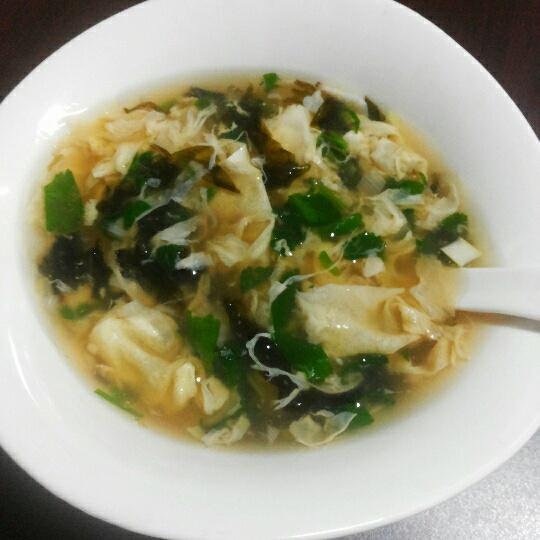
For a lighter, more delicate broth-based version of the same egg technique, try this seaweed egg drop soup — it’s the kind of quick, clean-tasting soup that pairs naturally with a steamed dish like this one.
2Easy Seaweed Egg Drop Soup (紫菜蛋花汤)A classic, comforting Chinese soup ready in 10 minutes! Learn the secrets to perfect, silky egg ribbons and a savory broth with simple pantry ingredients. It's the easiest, most satisfying soup you'll make all week—even better than takeout!Check out this recipe
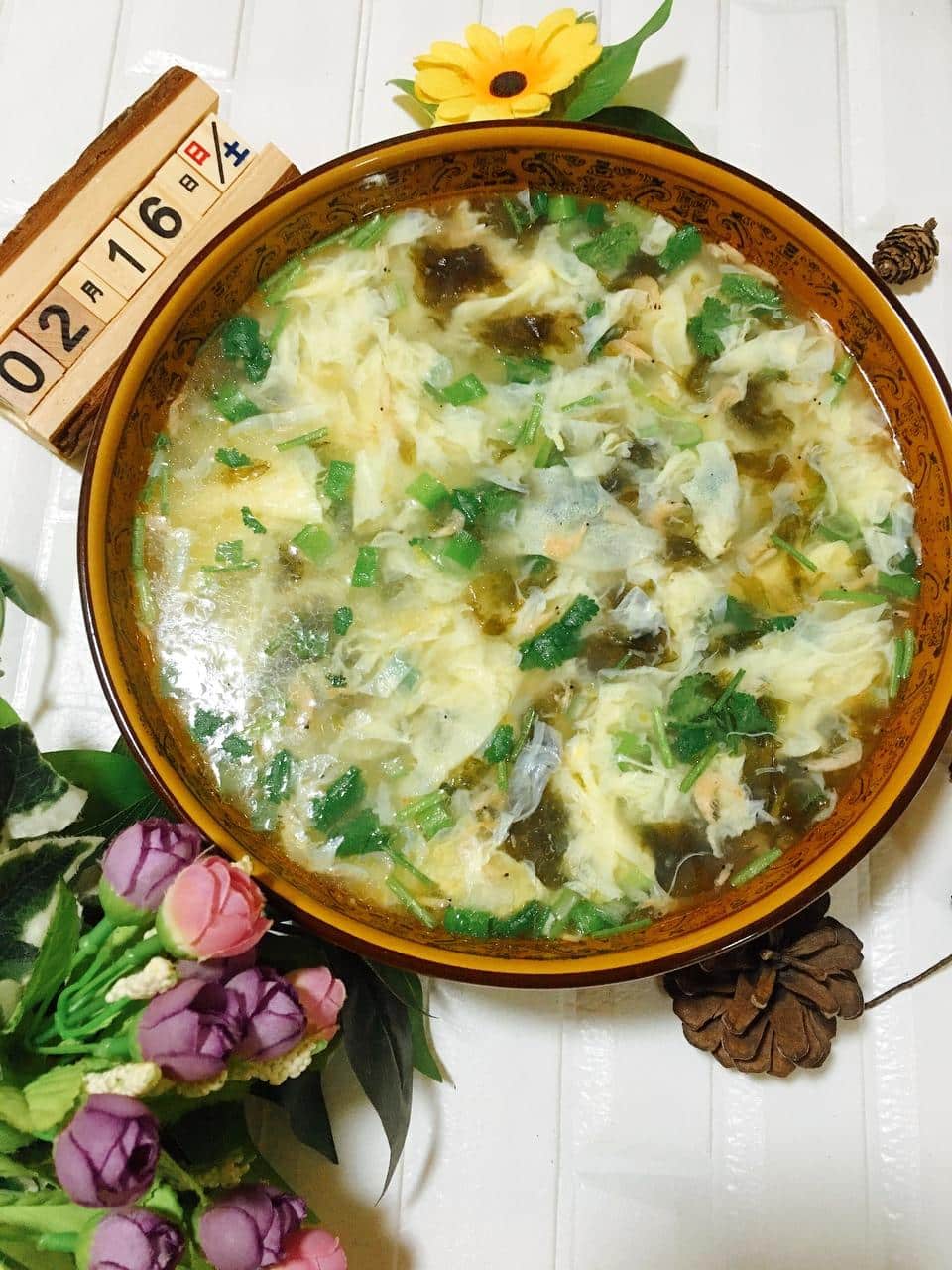
And if you want the silkiest version of all, this silky seaweed egg drop soup uses a cornstarch slurry to give the broth body — a good reminder that a little starch goes a long way in Chinese cooking, exactly as it does in the pork filling here.
3Seaweed Egg Drop Soup (Zi Cai Dan Hua Tang)Silky ribbons of egg float in a ginger-and-peppercorn broth with torn nori and a scattering of dried shrimp. A classic Chinese comfort soup, ready in 15 minutes.Check out this recipe
Ingredient Notes
Winter melon. Look for a section with firm, dense, pale-green flesh and a clean white rind. Press it with a thumb — it should feel solid, not spongy or hollow. A melon that’s been sitting too long turns cottony and will collapse into mush when steamed. If you can only find a large wedge, cut a piece about 4 inches tall and 4 to 5 inches across; you want walls thick enough to hold the filling without splitting.
Ground pork. The 80/20 ratio matters. All-lean pork steams into a dry, crumbly puck; a little fat keeps the filling juicy and helps it bind. If your butcher only has lean, ask them to grind in a piece of pork belly or add a teaspoon of neutral oil to the mix.
Salted egg yolk. Use a cooked, cured duck egg yolk — the kind sold vacuum-sealed in Asian markets, either whole or in a paste. Raw salted yolks are firmer and harder to mash smoothly. One yolk is plenty for 200 g of pork; more and the filling turns pasty and overwhelmingly salty.
Edamame. Fresh shelled edamame is ideal in late summer, but frozen works perfectly and needs no thawing — it steams straight from frozen. Don’t substitute mature soybeans, which stay tough.
Light soy sauce. This is the workhorse seasoning here, not dark soy. Light soy is saltier and thinner; dark soy would stain the melon and add a molasses edge that fights the clean flavor of the dish. If you’re gluten-free, tamari is a straight swap.
Shaoxing wine. A splash rounds out the pork’s flavor and cuts any gaminess. Our Shaoxing wine guide explains what to look for and what to use if you can’t find it — dry sherry is the usual stand-in.
Cornstarch. Two tablespoons sounds like a lot, but it’s what gives the filling its springy, bouncy texture and keeps it from falling apart when you unmold it. Don’t reduce it.
Five-spice powder. A small amount adds warmth without dominating. If you’re not a fan of star anise, use just a quarter teaspoon, or swap in a pinch of white pepper.
Scallions and bird’s eye chili. The scallions go into the hollow first, where they perfume the filling from below and keep it from sticking. The chili is purely a finish — leave it off for kids or anyone heat-averse.
Ingredients
Here’s what you’ll need for four servings. Full measurements are in the recipe card at the bottom of this post.
- 1 small winter melon (about 2 lb), peeled, seeded, and hollowed
- 200 g ground pork, 80% lean / 20% fat
- 1 cooked salted egg yolk, mashed
- 2 tbsp light soy sauce, plus 1 tbsp for finishing
- 1 tbsp oyster sauce
- 1 tbsp Shaoxing wine
- 2 tbsp cornstarch
- 1 tsp five-spice powder
- 1 tsp sesame oil
- 100 g shelled edamame, fresh or frozen
- 1 bunch scallions, cut into 2-inch lengths
- 1 bird’s eye chili, sliced (optional)
Equipment Needed
This is a low-equipment dish, which is part of its appeal on a weeknight.
- A steamer. A bamboo steamer over a wok, a metal steamer insert in a large pot, or an electric steam oven all work. The key is a vessel wide enough for the melon to sit flat with room for steam to circulate.
- A wok or large pot to hold the steamer and the water below it.
- A cutting board and a sharp knife for peeling and hollowing the melon. A sturdy spoon also helps scoop the seeds and soft center.
- A mixing bowl for the pork filling — one with a little weight to it, since you’ll be slapping the meat against the sides.
- A slotted spoon for lifting the steamed melon out without losing it in the liquid.
- A small plate or shallow bowl to serve the melon in, so it can sit in its own juices.
Why This Recipe Works
The technique is simple, but each choice has a reason behind it.
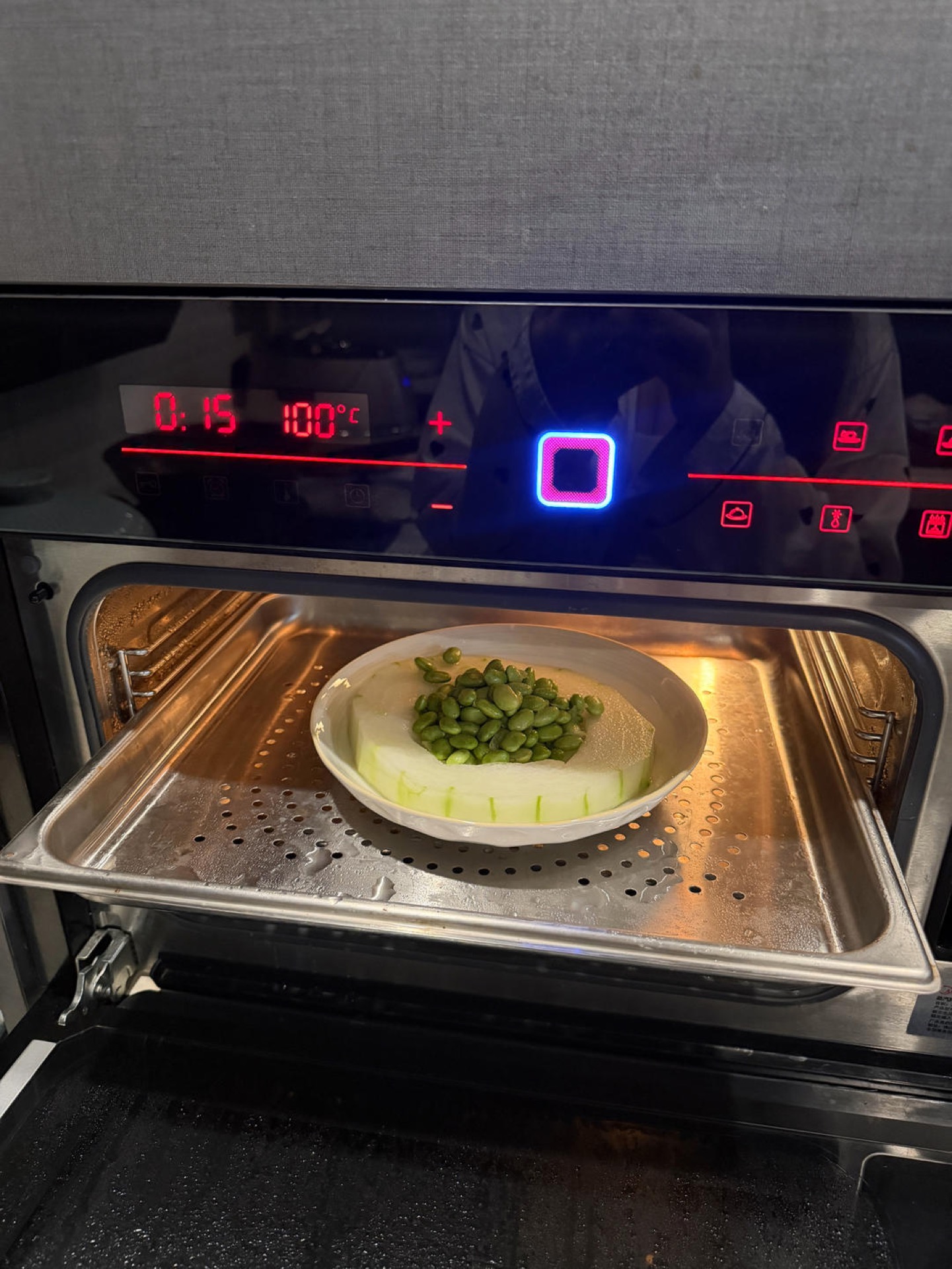
Steaming the melon first. Winter melon is dense and takes far longer to soften than pork takes to cook. If you stuffed it raw, the pork would be overcooked and dry by the time the melon turned tender. Pre-steaming for 15 minutes brings the melon most of the way there, so the second steam only has to cook the filling.
Salting the melon. A light sprinkle of salt before the first steam draws out some water and seasons the flesh from the outside in. It also firms the surface slightly, so the walls hold their shape instead of slumping.
Mixing the pork in one direction. This isn’t superstition. Stirring ground meat in a single direction develops the myosin proteins into long strands, which is what creates that characteristic springy, bouncy texture in Chinese meatballs and fillings. Stirring back and forth breaks those strands and gives you a crumbly, loose filling.
Cornstarch as a binder. Along with the egg yolk, cornstarch traps moisture inside the meat and helps the filling set into a single cohesive piece, so it slices cleanly instead of crumbling off the melon.
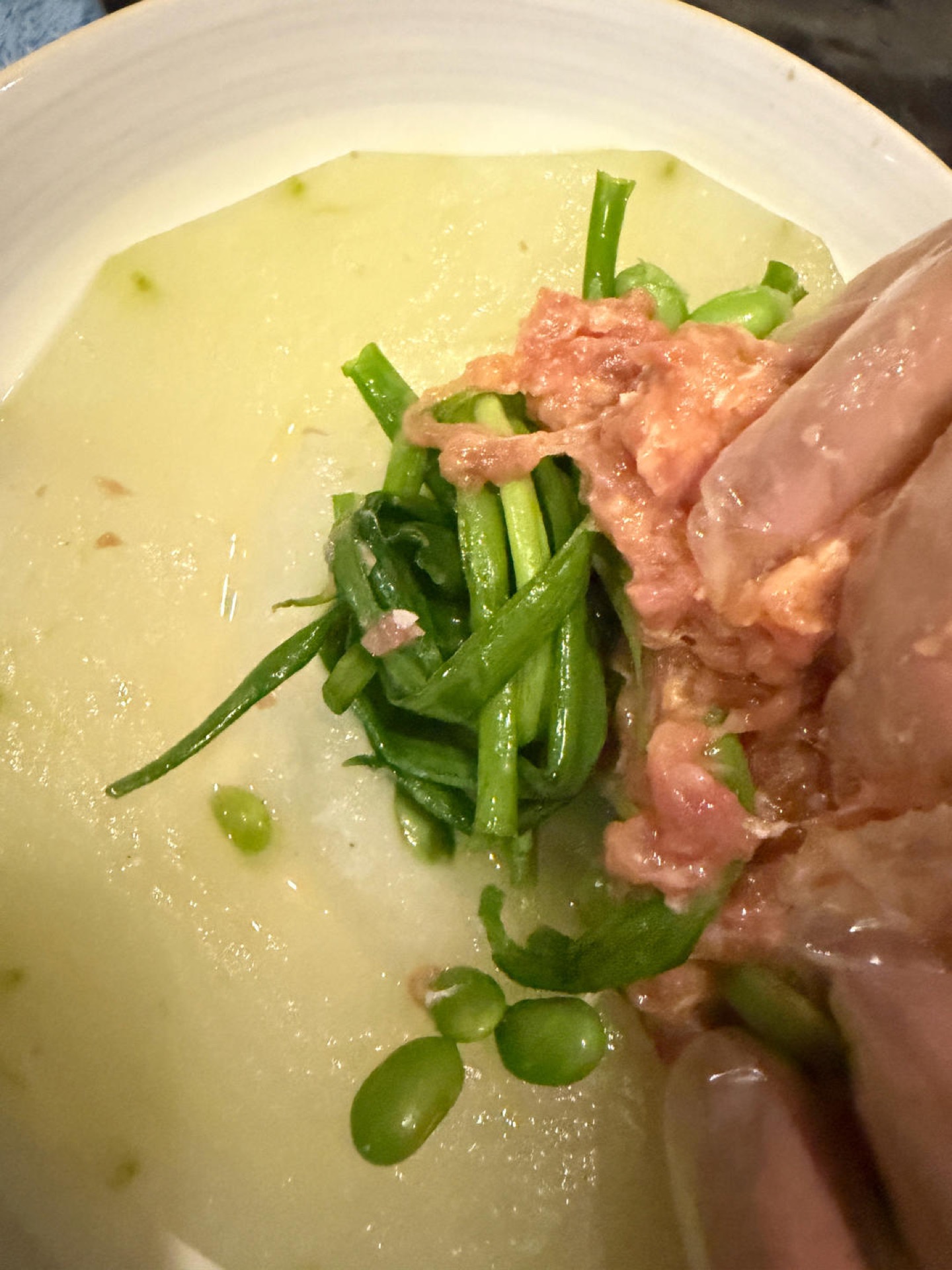
Scallions in the hollow. They act as a flavor bed and a physical barrier. The filling doesn’t stick to the melon, and the steam carries scallion aroma up through the pork.
The final soy drizzle. A tablespoon of light soy sauce poured over the top before the second steam seasons the surface and adds a glossy, savory sheen. Skip it if you’re watching sodium — the filling is already well seasoned.
Steaming is a moist-heat method that cooks food at around 212°F (100°C), which is gentler than boiling because the food never sits in agitated water. That’s why steamed ground meat stays juicy while boiled ground meat tends to leach its flavor into the cooking liquid. The FDA’s food safety guidance recommends cooking ground meats to a safe internal temperature, and steaming is an easy way to get there without drying the meat out.
Prep & Mise en Place
Get everything ready before the steamer goes on. Once the water is boiling, this dish moves fast.
- Peel and hollow the melon. Cut the winter melon into a section about 4 inches tall. Stand it upright, slice off the rind in strips, then cut off the bottom so it sits flat. Scoop out the seeds and soft center with a spoon, widening the cavity so there’s room for a generous amount of filling. Aim for walls about ¾ inch thick.
- Salt and pre-steam. Rub a little salt over the melon, inside and out. Steam it for 15 minutes while you prepare everything else.
- Shell the edamame. If using fresh, pop the beans out of their pods and rinse. Frozen edamame can go straight into a bowl.
- Mash the salted egg yolk. Press it through a fine sieve or mash it with the back of a spoon until no large chunks remain. Chunks will make the filling uneven.
- Cut the aromatics. Trim the scallions and cut them into 2-inch lengths. Slice the chili, if using, and set it aside for the finish.
- Measure the seasonings. Have the soy sauce, oyster sauce, Shaoxing wine, cornstarch, five-spice powder, and sesame oil ready to go into the bowl in one motion.
If you’re also cooking rice, start it now — the timing lines up almost perfectly with the second steam.
Cooking Process
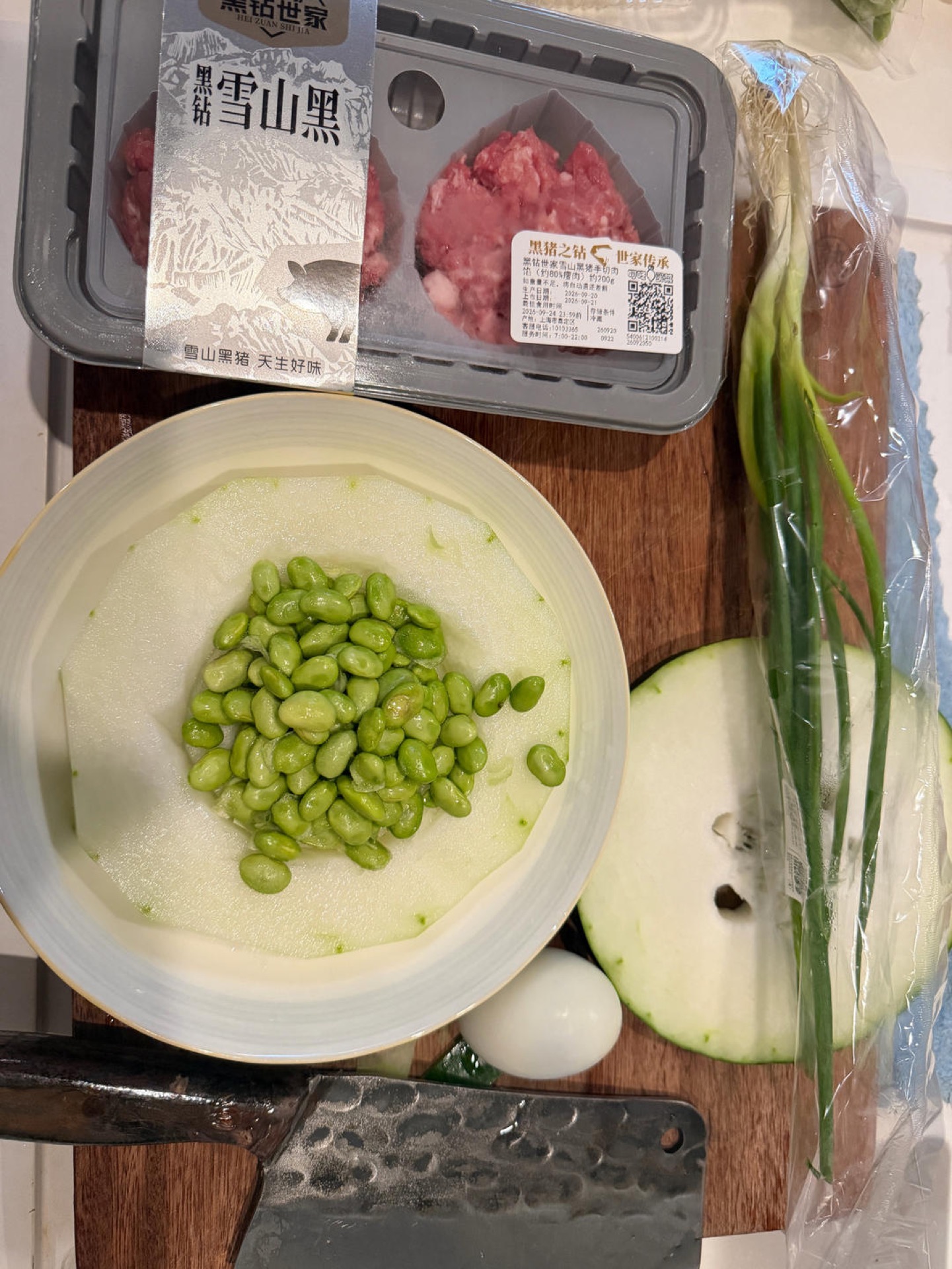
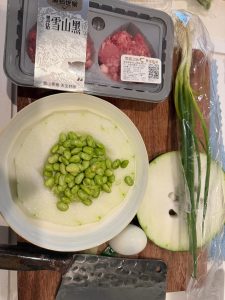
Step 1 — Gather the Ingredients
Main ingredients: 1 small section of winter melon, 150 g ground pork (a mix of fat and lean gives the best texture), a small handful of edamame, 1 salted egg yolk, and a bunch of scallions.
Step 2 — Prep the Vegetables
Peel the winter melon, scoop out the seeds, and hollow the center a little wider than you think you need. Shell and rinse the fresh edamame. Sprinkle the melon with a little salt and steam for 15 minutes.
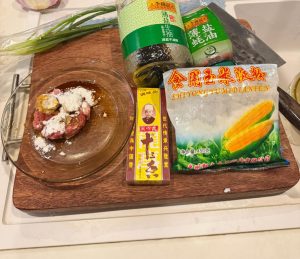
Step 3 — Marinate the Pork
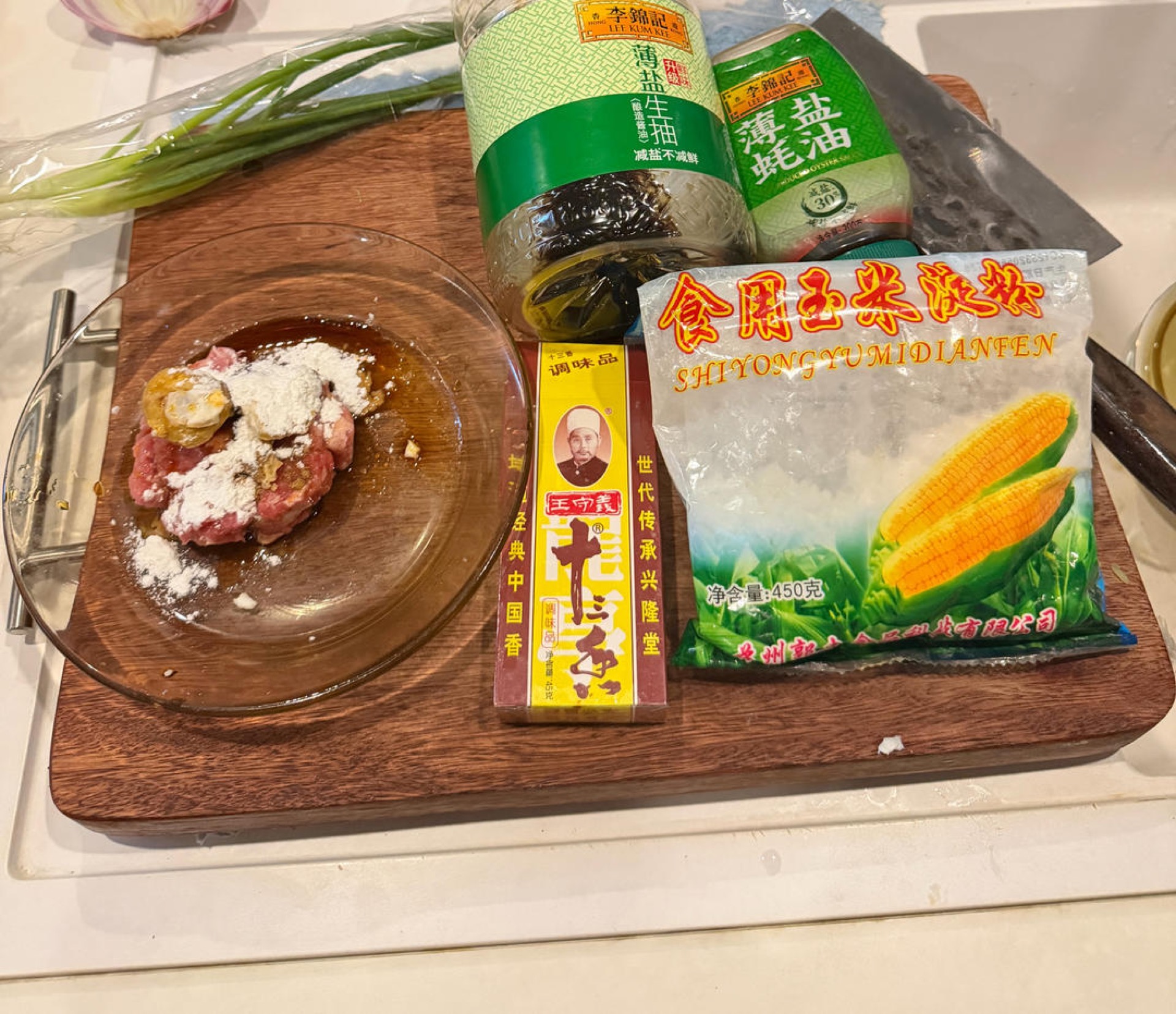
Add 1 salted egg yolk, 2 tbsp light soy sauce, 2 tbsp cornstarch, 1 tsp five-spice powder, 1 tbsp Shaoxing wine, and a few drops of oil to the ground pork. Stir in one direction until the meat becomes sticky and springy, which gives it a bouncier bite. You can also add a little ginger-scallion water to make it juicier, or use the cooled liquid released by the steamed winter melon.
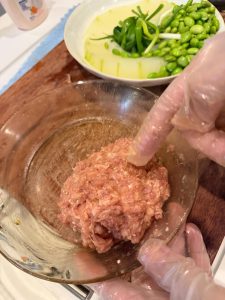
Step 4 — Beat Until It Holds
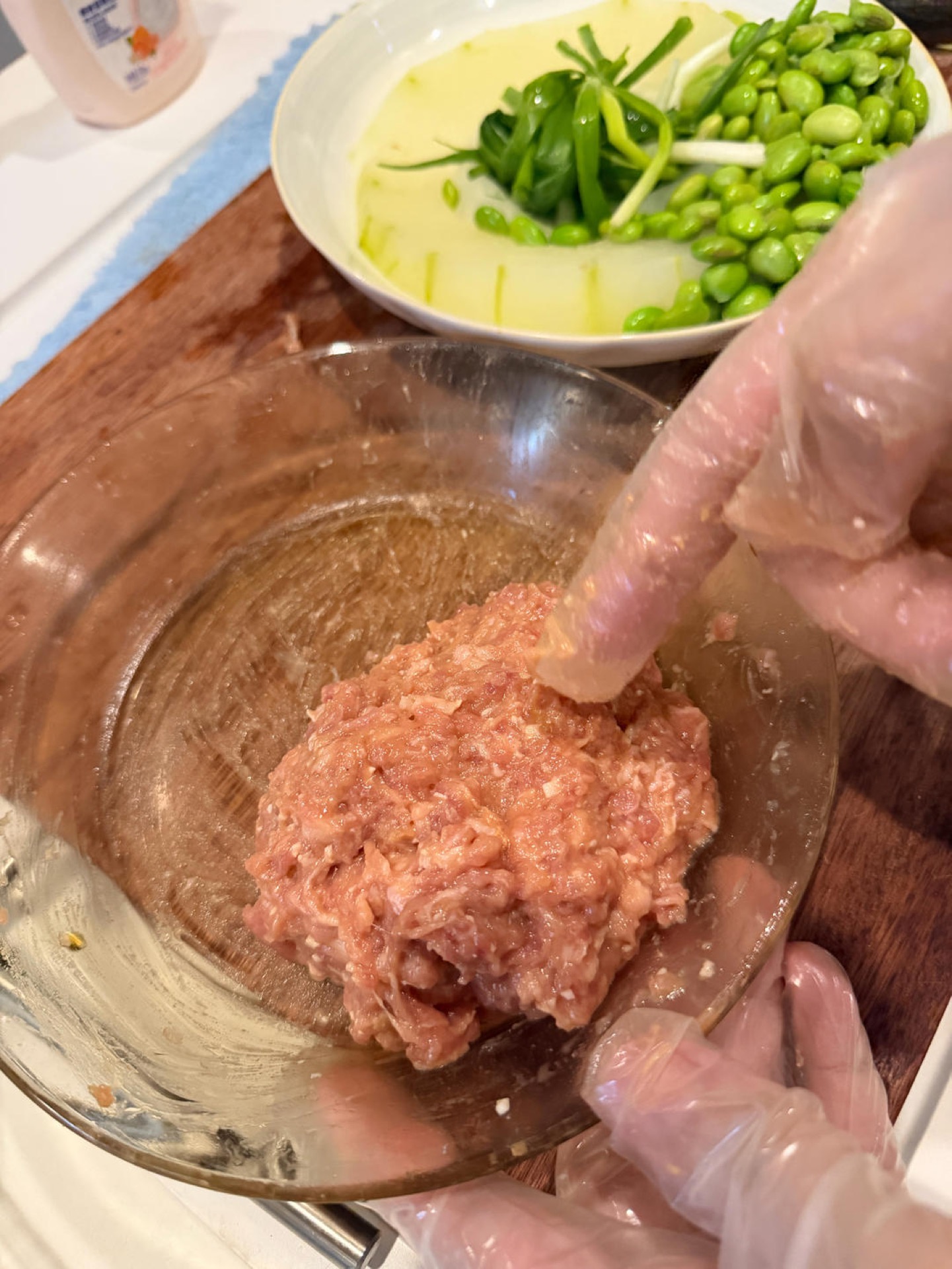
Keep stirring and slapping the mixture against the bowl until it looks cohesive like this and no longer falls apart.
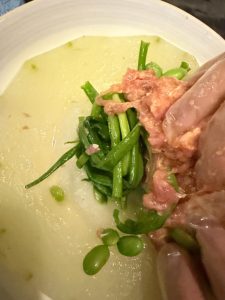
Step 5 — Stuff the Melon
Lay a small handful of scallions in the hollow of the winter melon, then press the pork filling in firmly on top.
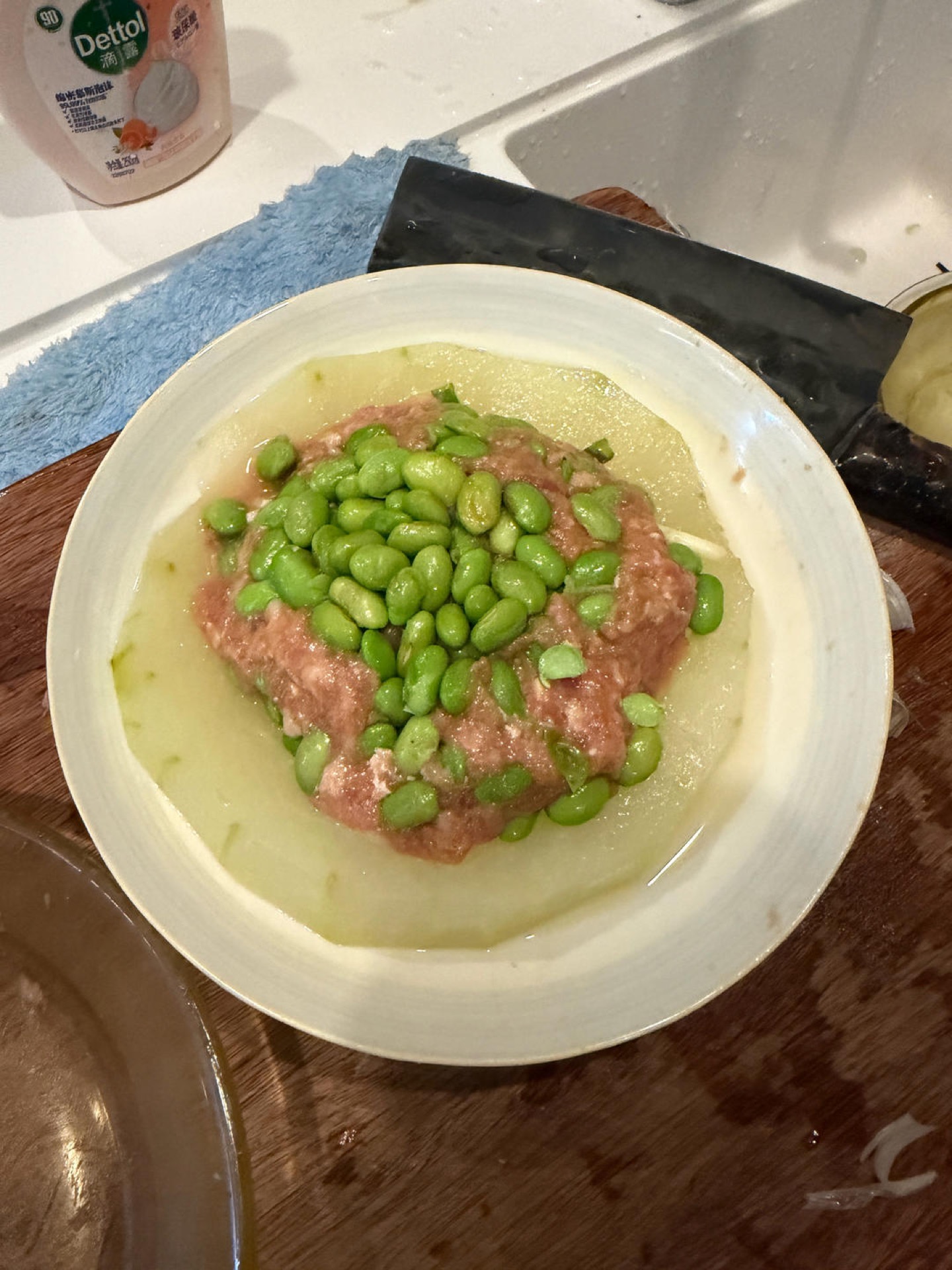
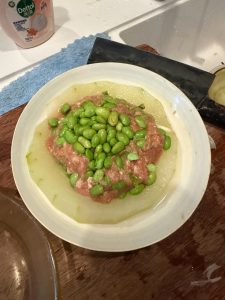
Step 6 — Add the Edamame
Scatter the steamed edamame over the top of the pork filling.
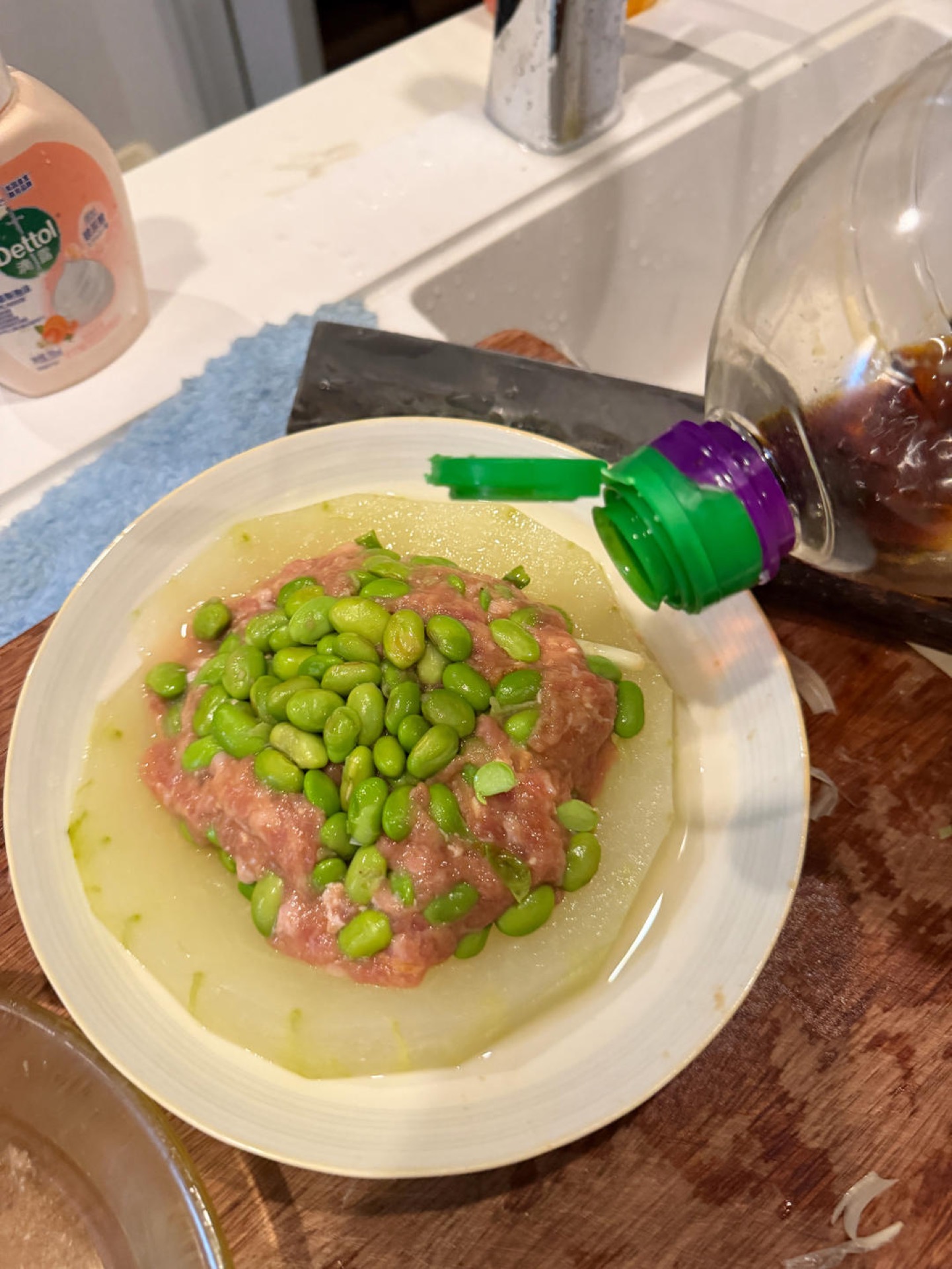
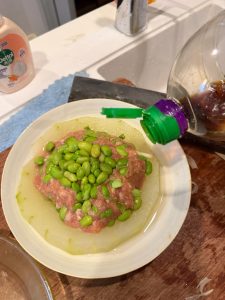
Step 7 — Finish with Soy Sauce
Drizzle on 1 tbsp of light soy sauce (skip this step if you prefer a lighter flavor).
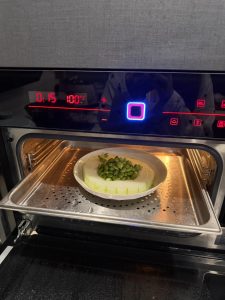
Step 8 — Steam Again
Steam for 15 minutes. A steamer basket works just as well as a steam oven.

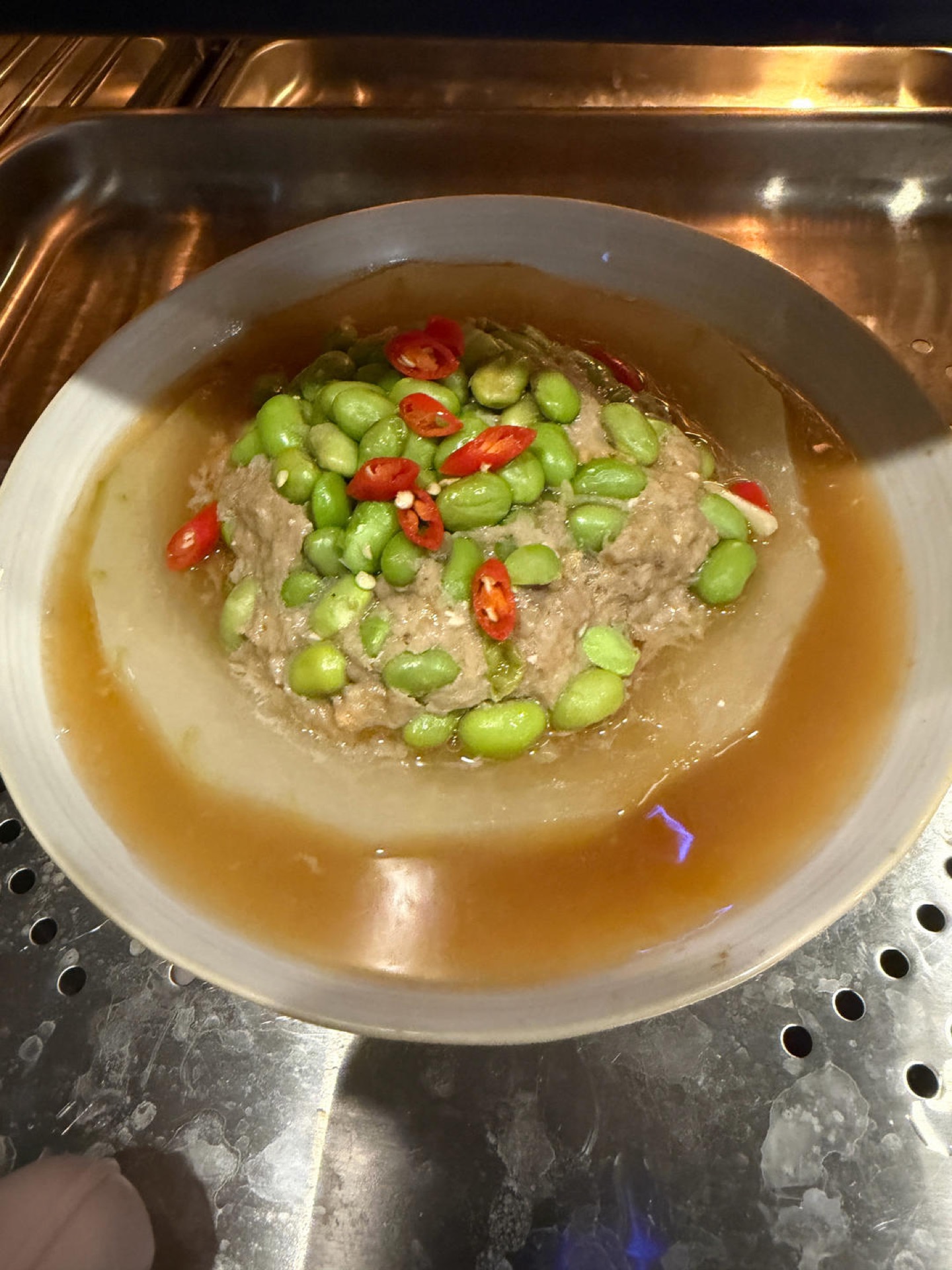
Step 9 — Garnish and Serve
Scatter sliced bird’s eye chili over the top for color. Leave the chili out if you are serving children.
Common Mistakes When Making Steamed Winter Melon with Pork and Salted Egg Yolk
1. Using a spongy, old winter melon. The melon looks fine on the outside, so it’s easy to miss. Cause: winter melon that’s been stored too long loses its cell structure and turns cottony. Fix: press the cut face with your thumb before buying — it should feel firm and slightly cool, not soft or springy. If yours is already soft, reduce the first steam to 10 minutes.
2. Not steaming the melon before stuffing it. Cause: skipping the first steam to save time. Fix: don’t. The melon needs a head start. If you stuff it raw, you’ll end up with a raw-tasting vegetable and dry pork. Fifteen minutes on its own, then fifteen with the filling.
3. Stirring the pork in both directions. Cause: mixing it like you’d mix a cake batter. Fix: pick one direction and stay with it. Stir, then lift the whole mass and slap it back into the bowl a few times. The mixture should look glossy and hold together when you pinch it.
4. Overfilling the melon. Cause: wanting to use every last bit of pork. Fix: fill to about ½ inch below the rim. The pork expands slightly as it cooks, and an overfilled melon will push the filling out and spill juices everywhere.
5. Letting the steamer run dry. Cause: not checking the water level before the long steam. Fix: fill the pot with enough water for 30 minutes of steady boiling, and top it up with hot water if you need to. A dry pot scorches and can crack.
6. Skipping the scallion layer. Cause: thinking it’s just a garnish. Fix: the scallions in the hollow keep the filling from sticking and perfume it from below. If you don’t have scallions, a few thin slices of ginger work as a substitute.
7. Adding the chili too early. Cause: tossing everything in at once. Fix: chili goes on after the melon comes out of the steamer. Steamed chili turns dull and bitter; fresh sliced chili stays bright and crisp.
Variations
Chicken instead of pork. Ground chicken thigh works well and is a little leaner. Add an extra teaspoon of oil to the mix, since chicken thigh is less forgiving than 80/20 pork.
Shrimp filling. Chop raw shrimp to a coarse paste and combine with the pork in a 50/50 ratio. The result is lighter and sweeter, closer to a dim sum texture. If you like the way seafood and glass noodles soak up sauce, the same flavors appear in this king prawn vermicelli clay pot.
No salted egg yolk. If you can’t find one, substitute a teaspoon of miso plus a pinch of sugar for a similar savory depth, or simply season the pork more generously with soy sauce and a little white pepper.
Steamed in rings instead of a whole cup. Slice the peeled melon into 1-inch-thick rings, hollow each one, and fill. They cook faster and look lovely arranged on a platter — good for a dinner party.
Add mushrooms. Finely chopped shiitake, fresh or rehydrated, folded into the pork add an earthy note that plays well with the salted egg yolk. Reduce the soy sauce slightly to compensate.
Vegetable-forward version. Skip the pork entirely and use crumbled firm tofu mixed with the salted egg yolk and cornstarch. Steam for the same amount of time. It’s a different dish, but the melon-and-yolk combination still works.
Frequently Asked Questions
Do I have to peel the winter melon? Yes. The rind is thick, waxy, and tough, and it won’t soften enough to eat in 30 minutes of steaming. Peel it down to the pale green flesh. Some cooks leave a thin layer of the darker green just under the skin for color, but it should be no thicker than a coin.
Can I make this ahead of time? You can prep the components up to a day ahead. Hollow and steam the melon, then cool and refrigerate it. Mix the pork filling and refrigerate it separately. On the day, stuff and steam for 15 minutes — the melon may need a couple of extra minutes since it starts cold.
How do I know the pork is cooked through? The filling should be firm to the touch and opaque all the way through, with no pink at the center. If you have an instant-read thermometer, the center of the filling should read 160°F (71°C). Steaming for 15 minutes in a properly covered steamer gets you there reliably for a 1-inch-thick filling.
Why is my dish watery? Winter melon releases a lot of liquid, and that’s normal — the juices are meant to pool in the serving dish and be spooned over rice. If there’s more than you’d like, tilt the plate and spoon off the excess before serving, or reduce the soy sauce drizzle to keep the liquid from getting too salty.
Can I use a microwave instead? Not for the whole dish. Microwaving the melon alone works in a pinch (about 6 to 8 minutes on high, covered), but the pork filling needs even, moist heat to set properly. Finish it in a steamer.
How to Serve
Steamed winter melon with pork and salted egg yolk is a centerpiece-adjacent dish that behaves like a side. Serve it in its own shallow bowl so the juices stay with it, and put a spoon on the table — you want that liquid over rice.
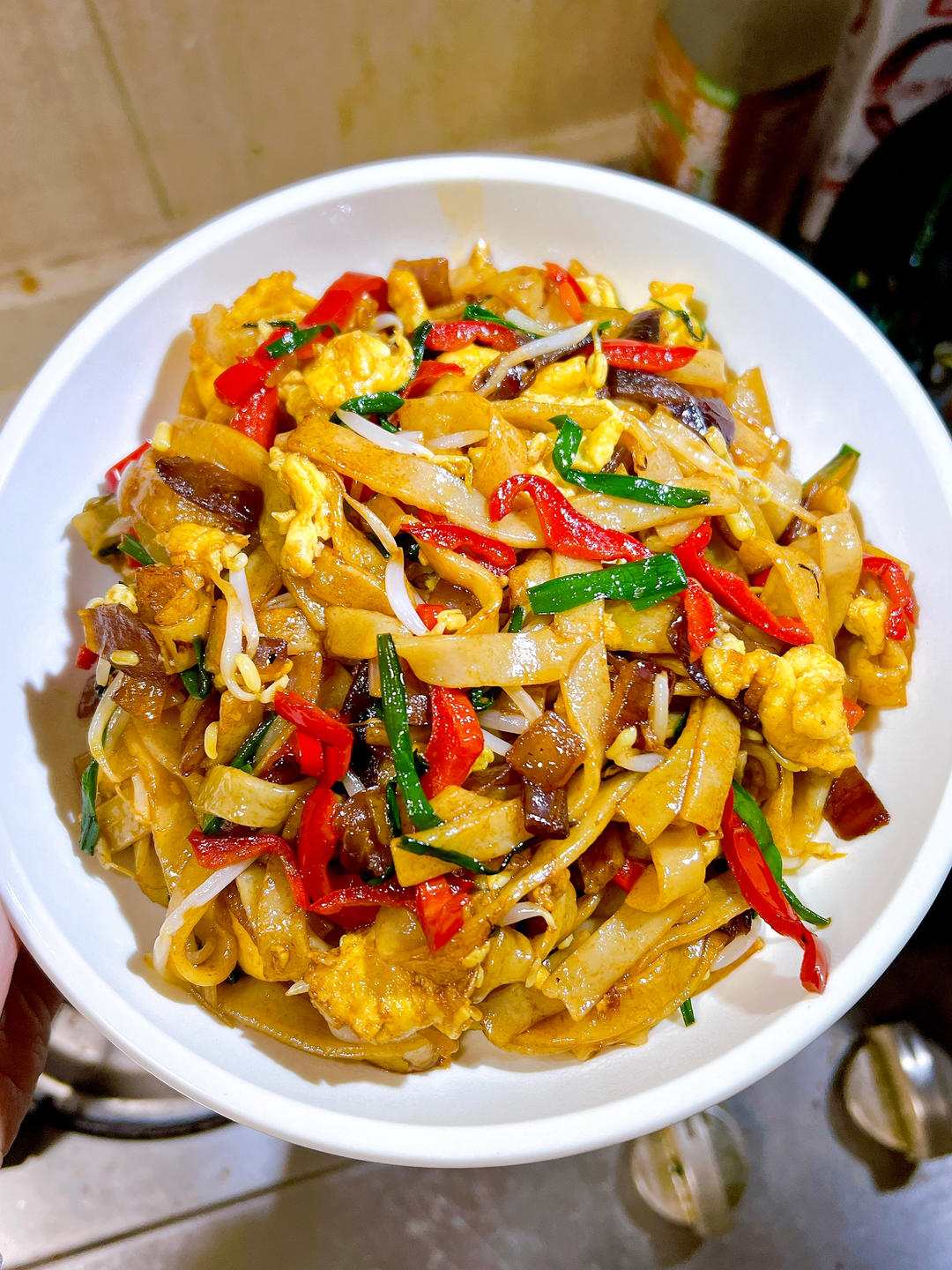
Plain white rice is the classic partner. The melon’s sweet, savory broth soaks in and turns a bowl of rice into something worth eating on its own. A simple stir-fried green like this hand torn cabbage adds crunch and acid to balance the soft, rich filling. If you want a second vegetable that eats like a meal, this vegetable chow fun brings chewy noodles and a little wok char to the table without competing for attention. And for a bigger spread, a plate of crispy sweet and sour pork gives you a fried, tangy counterpoint to the gentle steamed main.


Storage & Reheat
Cool leftovers within two hours of cooking. Transfer the melon and any juices to an airtight container and refrigerate for up to 3 days. The filling firms up in the fridge, which actually makes it easier to portion.
To reheat, steam the whole piece for 8 to 10 minutes, until the filling is hot all the way through and reads 165°F (74°C) at the center. Microwaving works but tends to make the melon rubbery — if you go that route, cover it and use 50% power in short bursts. The dish doesn’t freeze well; winter melon turns mushy and watery once thawed.
Cold leftovers are also good in a different way: slice the melon and filling into thick rounds and eat them over hot rice with a splash of soy sauce and chili oil.
Allergen Notice
This recipe contains soy (light soy sauce, oyster sauce), egg (salted egg yolk), and wheat (standard soy sauce and many oyster sauces are brewed with wheat). Some oyster sauce brands also contain shellfish. If you’re cooking for someone with a soy allergy, use coconut aminos in place of soy sauce and a soy-free oyster sauce substitute. For a wheat allergy, choose tamari and a wheat-free oyster sauce. Always check the labels on your specific brands, since formulations vary by country.
Nutrition Disclaimer
Nutrition information is calculated using an ingredient database and should be considered an estimate. In cases where multiple ingredient alternatives are given, the first listed is calculated for nutrition. Garnishes and optional ingredients are not included.
About the Author & Recipe Development
Lin grew up watching winter melon get hollowed out on kitchen counters and stuffed with whatever the fridge had that week. This version is a refinement of that everyday habit: a pork filling seasoned with salted egg yolk for depth, edamame for bite and color, and a scallion bed so nothing sticks. It’s been tested with both fresh and frozen edamame, in a bamboo steamer and a steam oven, and with pork ranging from 80/20 to lean — the 80/20 version wins every time. If you make it, tell us how it turned out in the comments, and tag your photos so we can see your version.
For more Chinese home cooking, explore our lo mai gai for a steamed dish with a completely different personality, or browse the recipe index for more weeknight-friendly plates.
Authoritative References
Safe cooking temperatures for ground meat: FDA food safety guidance.
Food safety and storage guidance for cooked foods: USDA leftovers and food safety.
Background on winter melon and Chinese gourd cookery: Encyclopaedia Britannica entry on winter melon.
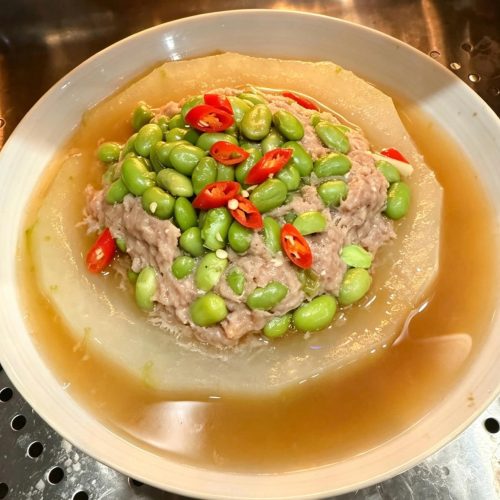
Steamed Winter Melon with Pork and Salted Egg Yolk (肉末咸蛋黄毛豆蒸冬瓜)

Equipment
- Wok
- Cutting Board
- Slotted Spoon
Ingredients
For the Filling
- 200 g ground pork 80% lean, 20% fat
- 1 whole salted egg yolk cooked, mashed
- 2 tbsp light soy sauce plus 1 tbsp for finishing
- 1 tbsp oyster sauce
- 1 tbsp Shaoxing wine
- 2 tbsp cornstarch
- 1 tsp five-spice powder
- 1 tsp sesame oil
For the Dish
- 1 small winter melon about 2 lb, peeled, seeded, hollowed
- 100 g edamame fresh or frozen, shelled
- 1 bunch scallions cut into 2-inch lengths
- 1 whole bird’s eye chili sliced, optional
Instructions
- Main ingredients: 1 small section of winter melon, 150 g ground pork (a mix of fat and lean gives the best texture), a small handful of edamame, 1 salted egg yolk, and a bunch of scallions.

- Peel the winter melon, scoop out the seeds, and hollow the center a little wider than you think you need. Shell and rinse the fresh edamame. Sprinkle the melon with a little salt and steam for 15 minutes.
- Add 1 salted egg yolk, 2 tbsp light soy sauce, 2 tbsp cornstarch, 1 tsp five-spice powder, 1 tbsp Shaoxing wine, and a few drops of oil to the ground pork. Stir in one direction until the meat becomes sticky and springy, which gives it a bouncier bite. You can also add a little ginger-scallion water to make it juicier, or use the cooled liquid released by the steamed winter melon.

- Keep stirring and slapping the mixture against the bowl until it looks cohesive like this and no longer falls apart.
- Lay a small handful of scallions in the hollow of the winter melon, then press the pork filling in firmly on top.
- Scatter the steamed edamame over the top of the pork filling.
- Drizzle on 1 tbsp of light soy sauce (skip this step if you prefer a lighter flavor).
- Steam for 15 minutes. A steamer basket works just as well as a steam oven.
- Scatter sliced bird’s eye chili over the top for color. Leave the chili out if you are serving children.













Leave a Reply