Many home cooks approach ginger as a mere afterthought, tossing a few thick chunks into a pan and wondering why their dish tastes either bland or unpleasantly bitter. In my ten years in professional kitchens, I’ve seen that the difference between a “flat” stir-fry and one that pops with restaurant-quality aroma usually comes down to how the aromatics were treated in the first ten seconds of cooking.
If you’ve ever bitten into a woody, stringy piece of ginger or found that your ginger burns before your meat is even in the pan, you are not alone. Using ginger correctly isn’t just about having the ingredient; it’s about understanding its chemistry and how to manipulate its texture.
The Quick Answer: How to Use Ginger Correctly
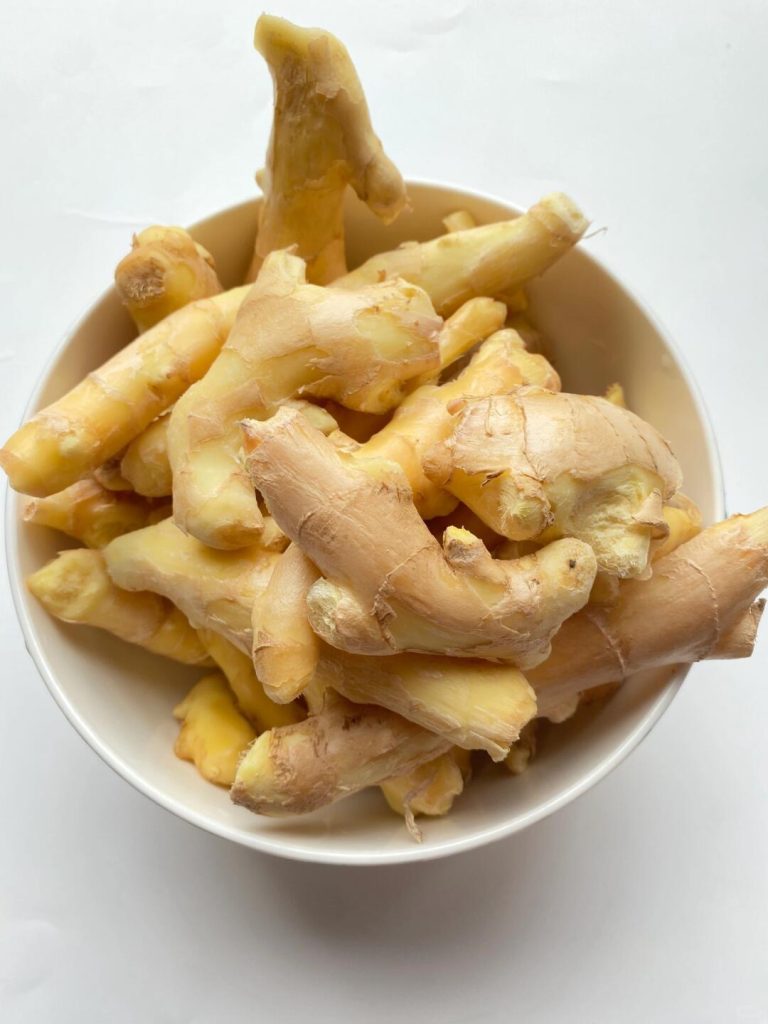
To use ginger correctly, always peel it with a metal spoon to preserve the juice-rich flesh just under the skin. Match your cut to your cooking method: use thin slices for slow-braised dishes, fine julienne for quick stir-fries, and minced ginger for fillings. Most importantly, always “bloom” your ginger in oil at a moderate temperature (around 300°F–325°F or 149°C–163°C) before adding other ingredients to unlock its essential oils without burning the sugars.
Why It Works: The Science of the “Kick”
The flavor profile of ginger changes dramatically based on heat. Raw ginger contains gingerol, which provides that sharp, spicy “bite.”
When ginger is heated, gingerol is transformed into zingerone. This chemical reaction, known as retro-aldol cleavage, reduces the pungent heat and replaces it with a mellow, spicy-sweet aroma. If you cook it too fast at a high heat (common on professional 80,000+ BTU burners but dangerous on home stoves), you skip this transformation and go straight to carbonization, which creates bitterness.
Understanding this moisture-to-heat ratio is why professional chefs focus on the “bloom” in the oil. This is the same principle I use when making Chinese Chili Oil, where the temperature must be controlled to extract flavor without scorching the solids.
The Real Kitchen Insight
In a professional restaurant kitchen, we rarely “mince” ginger for stir-fry. We julienne it into fine needles. Why? Because mincing releases too much moisture too quickly, causing the ginger to steam and then stick to the wok.
What most beginners don’t realize is that the “smash” is a valid culinary technique. For soups or long braises, simply crushing a thick slice of ginger with the side of your cleaver breaks the cell walls, allowing the flavors to seep out slowly over an hour without the ginger disintegrating into the sauce. This is a secret I always use when preparing the aromatic base for red braised pork belly.
Essential Types: Old vs. Young Ginger
In the Western grocery store, you usually find “Old Ginger” (Sheng Jiang). However, knowing the difference is crucial for authenticity.
- Old Ginger: High in fiber, very pungent, and has a thick, papery skin. Best for deodorizing meat and long cooking.
- Young Ginger (Spring Ginger): Thin, pinkish skin, very juicy, and almost no fiber. This is the type used for pickling or eating raw.
- Substitute Tip: If you can’t find young ginger, you cannot simply use less old ginger. Old ginger is much more fibrous. If a recipe calls for young ginger and you only have old, you must grate it and use only the juice to avoid a woody texture.
Prep Strategy: From Peeling to Cutting
Before you even think about the stove, your prep must be precise. This is the same “mise en place” logic required before you velvet chicken for stir fry.
- The Spoon Technique: Use the edge of a teaspoon to scrape the skin. It navigates the “knuckles” of the ginger root better than a vegetable peeler and wastes zero flesh.
- Slices (Pian): Cut across the grain of the fibers. Use these for steaming, such as when making Authentic Cantonese Steamed Sea Bass.
- Julienne (Si): Stack your slices and cut into thin matchsticks. This is the standard for 90% of stir-fries.
- Mincing (Mo): Finely chop the julienne. This is essential for a smooth wonton filling.
Step-by-Step: The Professional “Bloom”
- Preheat the Pan: Get your wok or skillet to about 350°F (177°C). You should see a faint wispy smoke from the oil.
- The Scent Signal: Add the ginger. You should hear a gentle sizzle, not a violent crackle.
- 10-Second Rule: Stir for exactly 10–15 seconds. In a restaurant, this takes 3 seconds. At home, you need those extra seconds for the heat to penetrate the fibers.
- The Texture Cue: Look for the edges of the ginger to turn a pale golden blonde. If they turn dark brown, your oil was too hot.
- Add the Foundation: Immediately add your garlic and scallion whites. Adding these cooler ingredients drops the pan temperature slightly, protecting the ginger from burning.
Common Mistakes When Using Ginger
| Mistake | Why it Happens | The Professional Fix |
|---|---|---|
| Bitter Aftertaste | Ginger was scorched in oil that was too hot (>400°F). | Add ginger to oil just as it starts to shimmer, not when it’s smoking heavily. |
| Woody/Stringy Bites | Cutting with the grain instead of across the fibers. | Always look for the fiber lines and cut perpendicular to them. |
| Weak Flavor | Using pre-minced ginger from a jar. | Jarred ginger is preserved in citric acid, which kills the volatile oils. Always use fresh. |
| Soggy Stir-fry | Adding ginger at the same time as high-moisture vegetables. | Always “bloom” aromatics in the oil first before any vegetables enter the pan. |
Pro Tips for the Home Kitchen
- The Freezer Hack: Fresh ginger can be frozen whole. When you need it, grate it while frozen. It actually grates into a fine paste more easily than fresh ginger.
- Wok vs. Skillet: On a home stove (12,000 BTU), a heavy cast-iron skillet often outperforms a thin carbon steel wok because it retains heat better when you add the ginger.
- Flavor Layering: If you are making a stir-fried chicken breast, add half the ginger at the start to flavor the oil and the other half at the very end for a fresh, zingy top-note.
Variations & Substitutions
- Galangal: Often confused with ginger, but much harder and tastes like pine/citrus. Do not substitute one for the other in Chinese cooking.
- Ginger Powder: Use only for baking or dry rubs. It lacks the moisture and enzyme-killing properties of fresh ginger (which is why powder won’t help tenderize meat).
- Dietary Note: For those on a low-FODMAP diet, you can still get ginger flavor by sautéing large chunks of ginger in oil and removing them before adding the rest of your ingredients.
Mini Recipe: Ultimate Ginger Scallion Sauce
This is the “mother sauce” of Cantonese cooking.
- Ingredients: 2 oz (57g) finely minced ginger, 2 oz (57g) sliced scallions, 1 tsp salt, 4 tbsp neutral oil.
- Method: Place ginger, scallions, and salt in a heat-proof bowl. Heat oil in a small pan until it reaches 375°F (190°C). Pour the hot oil over the aromatics. It will sizzle violently—this is the “cooking” process. Stir and let sit for 10 minutes.
Restaurant vs. Home Comparison
| Variable | Professional Kitchen | Western Home Kitchen |
|---|---|---|
| Burner Output | 80,000–120,000 BTU | 10,000–18,000 BTU |
| Oil Temp Recovery | \< 10 seconds | 30–60 seconds |
| Ginger Cut | Precision Julienne | Often Minced or Sliced |
| Aromatic Release | Instant (Flash-fry) | Gradual (Infusion) |
Sources & Standards Referenced
- Harvard T.H. Chan School of Public Health – Health Benefits of Spices
- USDA FoodData Central – Ginger Root Nutritional Profile
- FDA – Safe Handling of Fresh Produce and Aromatics
Frequently Asked Questions
Can I leave the skin on?
If the ginger is organic and very fresh (thin skin), yes. However, for standard “old” ginger, the skin can be bitter and tough.
Why does my ginger turn blue/green?
This is a natural reaction between the ginger’s anthocyanins and mild acids (like vinegar). It is safe to eat.
Can I make ginger paste ahead of time?
Yes, but store it in the freezer. In the fridge, fresh ginger paste can develop mold or lose flavor within 48 hours.
Is ginger a good substitute for garlic?
No. They serve different roles. Ginger provides “brightness” and cuts through grease, while garlic provides “depth” and umami.
About the Author & Recipe Development
I am Lin, a chef with over a decade of experience in high-volume Chinese kitchens. This guide was developed through years of observing how home cooks struggle with “Wok Hei” (the breath of the wok). I tested these techniques on a standard 12,000 BTU apartment stove to ensure the timing and temperature ranges provided work for you, not just for a restaurant chef.
Nutrition & Safety Notes
Nutrition Disclaimer: Nutrition information is an estimate and provided for informational purposes only. One tablespoon of fresh ginger contains approximately 5 calories, 1g of carbohydrates, and trace amounts of Vitamin C and Magnesium.
Safety Reminder: When “blooming” ginger, never leave the pan unattended. Because ginger contains natural sugars, it can move from “aromatic” to “burnt” in less than 5 seconds if the pan exceeds 400°F (204°C). Always ensure proper ventilation when stir-frying aromatics.




Leave a Reply