I’m a Sichuan girl, born and raised in a restaurant family, but my culinary training took me all over China. While my heart belongs to the “mala” (numbing and spicy) flavors of home, my travels to Dongbei—China’s Northeast—left a permanent mark on my palate. The first time I had authentic Guo Bao Rou in Harbin, I was blown away. It was nothing like the bright red, gloopy sweet and sour pork I’d seen elsewhere.
This was a masterpiece of texture: paper-thin slices of pork with a shatteringly crisp, glassy shell, all coated in a light, tangy, sweet and sour sauce. It was incredible.

Back home in the US, I’ve been so disappointed by the restaurant versions. They’re often pre-made, with a thick, bready batter that’s tough and cloyingly sweet. That is not Guo Bao Rou. This dish is about the crunch.
After many attempts, I’ve perfected this homestyle recipe. It captures that amazing crispy texture and has a balanced, light sauce (not a heavy, syrupy one). It’s a beginner-friendly recipe that, I promise, will make you fall in love with this Dongbei classic.
🤔 What is Crispy Sweet and Sour Pork (Guo Bao Rou/锅包肉)?
Guo Bao Rou (锅包肉), or “pot-wrapped pork,” is one of the most famous dishes from Northeast China (Dongbei). Unlike its Cantonese cousin (the one with pineapple and red sauce), this dish features:

- Thinly Sliced Pork: Sliced thin and gently pounded for tenderness.
- A Unique Batter: The crust is made from a potato starch slurry, not a flour batter. This is the secret to its signature hard, crispy, and almost “glassy” shell.
- A Light, Tangy Sauce: The sauce is a simple, clear mixture of vinegar, sugar, and soy sauce, thickened just enough to coat the pork without making it soggy.
✨ Why This Recipe Works
- The Potato Starch Secret: We use a soaked potato starch paste. When potato starch (which has a different structure from cornstarch) is fried, it creates a much harder, crunchier, and more translucent crust. This is the non-negotiable secret.
- The Double-Fry: The first fry cooks the pork through at a lower temperature. The second, high-temperature fry drives off all moisture, making the crust incredibly brittle and crispy.
- The “Flash-Toss”: The sauce is made in about 15 seconds. The pork is tossed into the sauce, not stewed in it. You must toss and serve immediately to preserve that perfect crunch.
🗒️ Recipe Notes Before We Begin
- Starch: You must use potato starch (土豆淀粉). It is sometimes labeled “potato flour,” but make sure it’s not “potato flour” in the American sense (which is ground, dehydrated potatoes). You want the pure, white starch. Cornstarch will not work; it will be chewy, not crispy.
- Pork: Pork tenderloin is the best for a tender bite, but pork loin works perfectly well. Slicing it while partially frozen makes it much easier to get uniform, thin slices.
- The Sauce: This recipe has a 1:1 ratio of sugar to vinegar, which is a balanced, homestyle flavor. If you prefer it sweeter or more sour, feel free to adjust the amounts.
🍳 What You Will Need (Equipment)
- Wok or Dutch Oven: A deep, heavy-bottomed pot is essential for safe and stable deep-frying.
- Wire Rack: For draining the fried pork (much better than paper towels).
- Spider Strainer: For safely removing the pork from the hot oil.
- Digital Thermometer: Highly recommended for precise oil temperature control, which is key to the perfect crunch.
🍴 Ingredients
Serves: 2-3 Prep time: 20 minutes (plus marinating) Cook time: 20 minutes Starch soaking time: 2-4 hours
(Note: US Customary units are approximate. Using metric grams is recommended for accuracy, especially for the starch.)
For the Pork & Breading
- Pork Loin or Tenderloin: 1 lb (approx. 400-450g), sliced into 1/8-inch (3mm) thick pieces
- Potato Starch: 1.5 cups (approx. 200g), plus 1/2 cup (60g) dry potato starch for adjusting
- Water: ~1.5 cups (350ml), or just enough to cover the starch
- Shaoxing Wine: 2 tbsp (or dry sherry)
- Salt: 1/2 tsp
- Neutral Oil (e.g., Corn or Canola): 1 tbsp (to add to the batter)
For the Sauce (Mix in a small bowl)
- White Rice Vinegar: 3 tbsp
- Granulated White Sugar: 3 tbsp
- Light Soy Sauce: 1 tbsp (e.g., Kikkoman or Pearl River Bridge)
- Salt: 1/2 tsp
- Cornstarch Slurry: 1 tbsp cornstarch mixed with 1.5 tbsp water
For Frying & Garnish
- Frying Oil: ~4-6 cups (as needed for your pot)
- Carrot: 1/4, julienned
- Cilantro: 2-3 sprigs, roughly chopped
- Scallion (Green Onion): 1 stalk, thinly sliced (optional, but traditional)
📖 How to Make Guo Bao Rou (Step-by-Step)
1. Mise en Place (Get Ready)
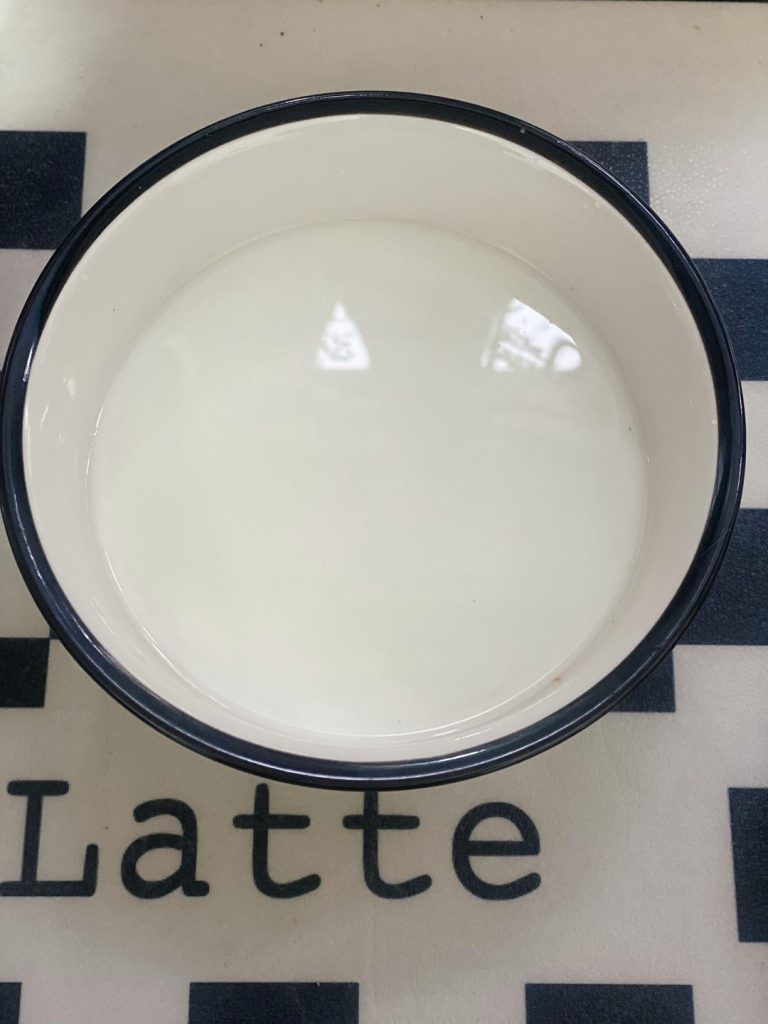
- Prep the Starch (2-4 hours ahead): In a large bowl, add the 1.5 cups (200g) of potato starch. Pour in just enough water to cover it. Let it sit undisturbed on your counter for 2 to 4 hours. The starch will settle into a hard-packed layer at the bottom.
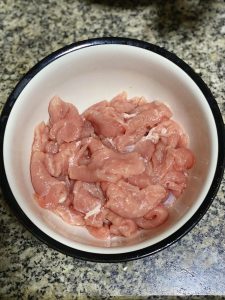
- Prep the Pork: Slice the pork into large, thin pieces, about 1/8-inch (or 3mm) thick.Tip: Slicing the pork while it’s still partially frozen makes this much easier!

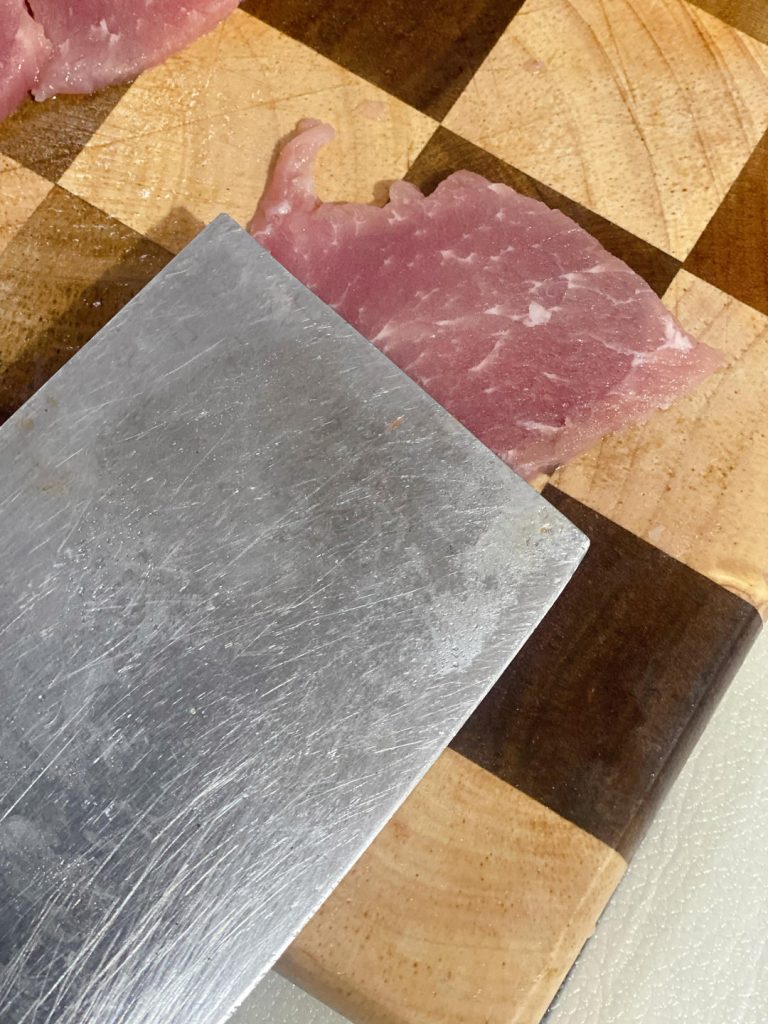
- Place the pork slices on a cutting board. Using the back of your knife or a meat mallet, gently pound each piece. This tenderizes the meat and helps the batter grip.
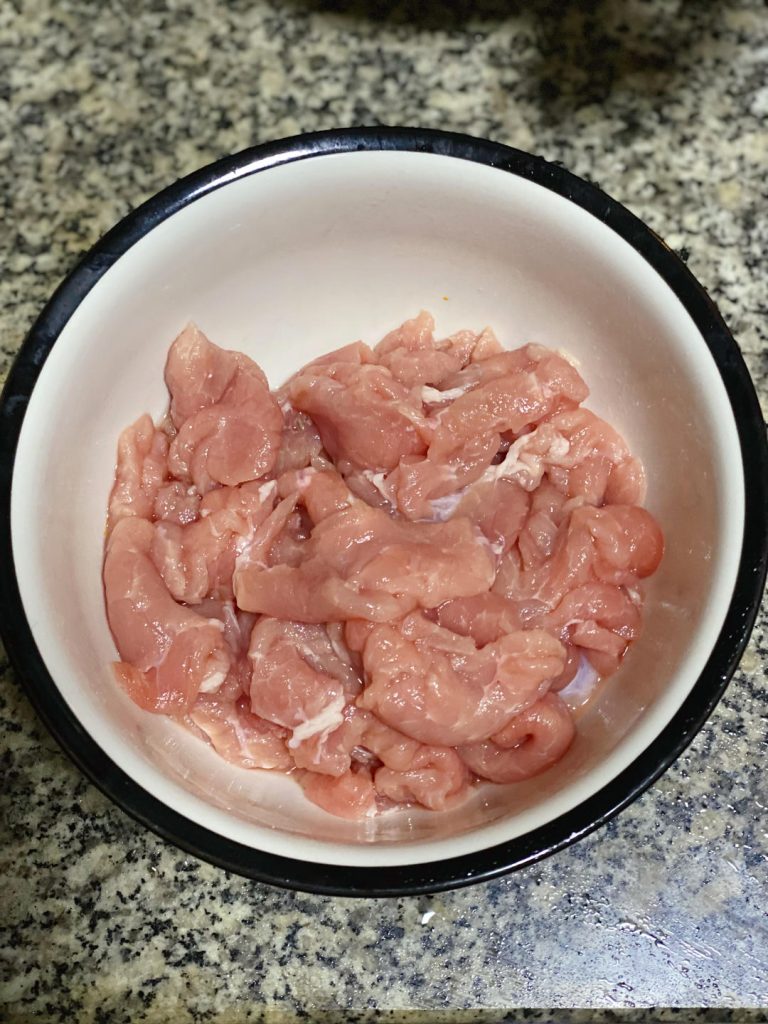
- In a bowl, combine the pork, Shaoxing wine, and 1/2 tsp salt. Mix well and let it marinate for at least 15 minutes.
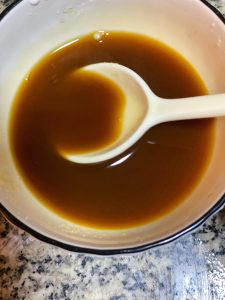
- Mix the Sauce: In a small bowl, whisk together all the “For the Sauce” ingredients (vinegar, sugar, light soy sauce, salt, and the cornstarch slurry). Set it right next to your stove.
2. Make the Batter
- Drain the Starch: Your starch should be a solid block at the bottom of the bowl. Carefully pour off all the clear water from the top.
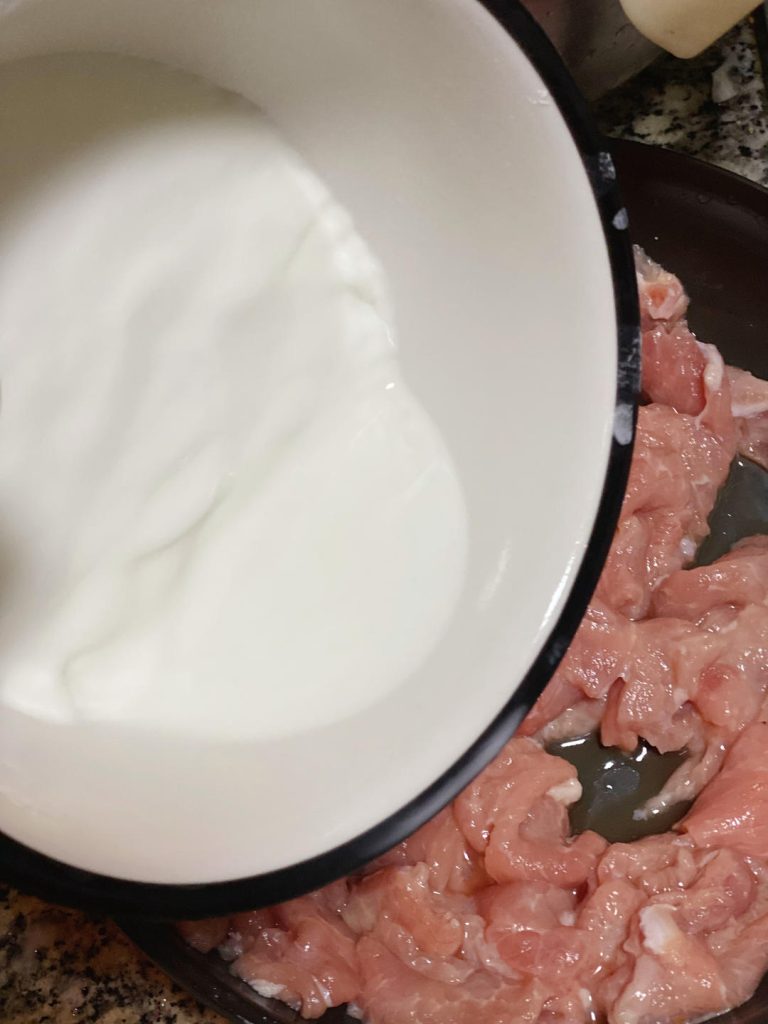
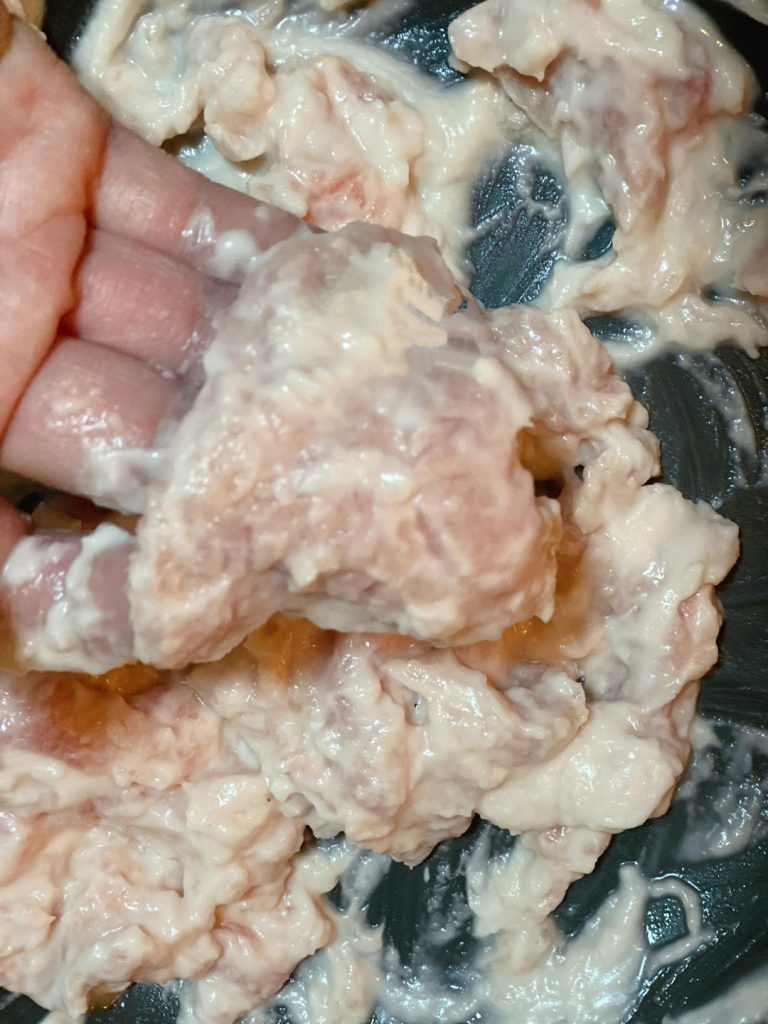
- Break it Up: The remaining starch paste will be very hard. Use your fingers or a spoon to break it up. It will feel like a strange, solid-liquid (a non-Newtonian fluid!). This is correct.
- Batter the Pork: Squeeze any excess moisture from the marinated pork slices. Add them to the bowl with the potato starch paste.

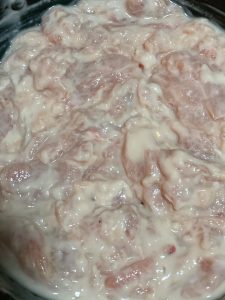
- Using your hands, mix the pork and paste thoroughly. It will be thick and difficult to stir. Add the 1 tbsp of neutral oil and mix it in (this helps prevent the pieces from sticking).
- Adjust Consistency: The batter should be thick and coat the pork. If it seems too thin (like the original recipe notes), add the dry 1/2 cup of potato starch, a little at a time, until the pork is coated in a thick, sticky, white batter.
3. The Double-Fry
- Heat the Oil: In your wok or Dutch oven, add the frying oil (at least 3 inches deep). Heat it to 350°F (175°C).
- The First Fry (Cooks the pork):
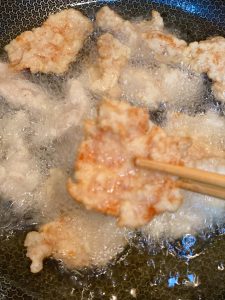
- Carefully slide the battered pork pieces into the hot oil, one by one. Do not let them touch or they will stick together. Do this in 2-3 batches—do not crowd the pan!
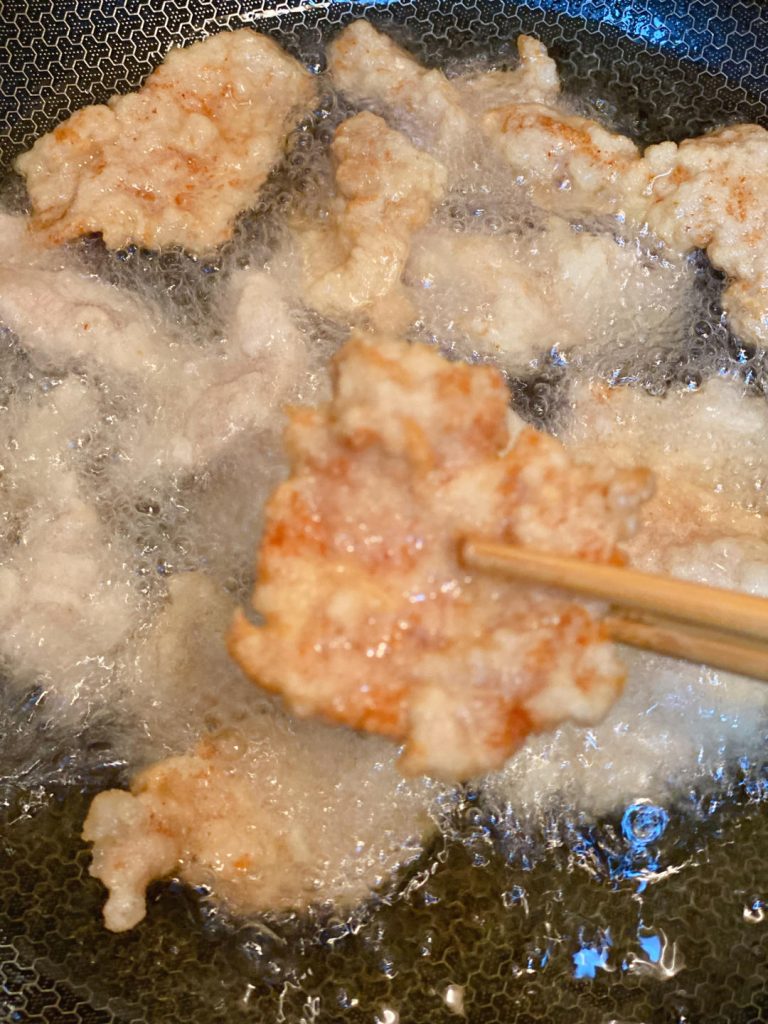
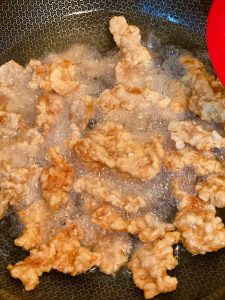
- Fry for 3-4 minutes, turning occasionally, until the pork is cooked through and the batter is a pale, light golden color.
- Remove with a spider strainer and let drain on a wire rack.
- Repeat with the remaining pork.
- The Second Fry (Makes it crispy):
- Turn the heat up and bring the oil to 375-400°F (190-200°C).
- Place the first batch of fried pork back into the hot oil.
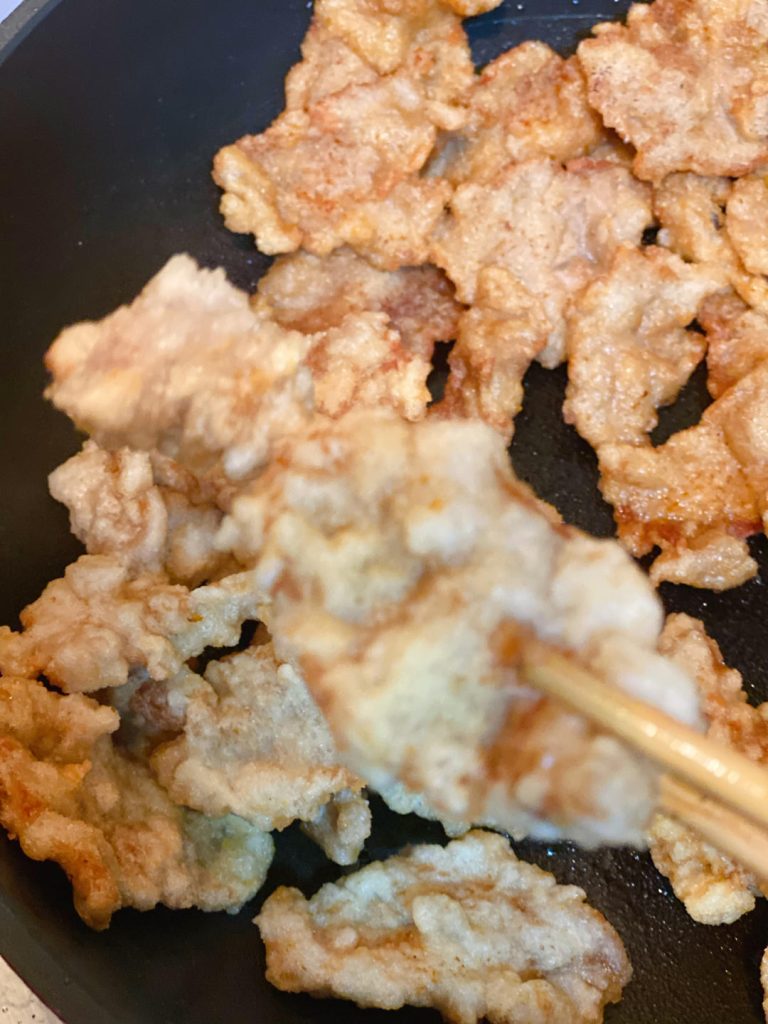
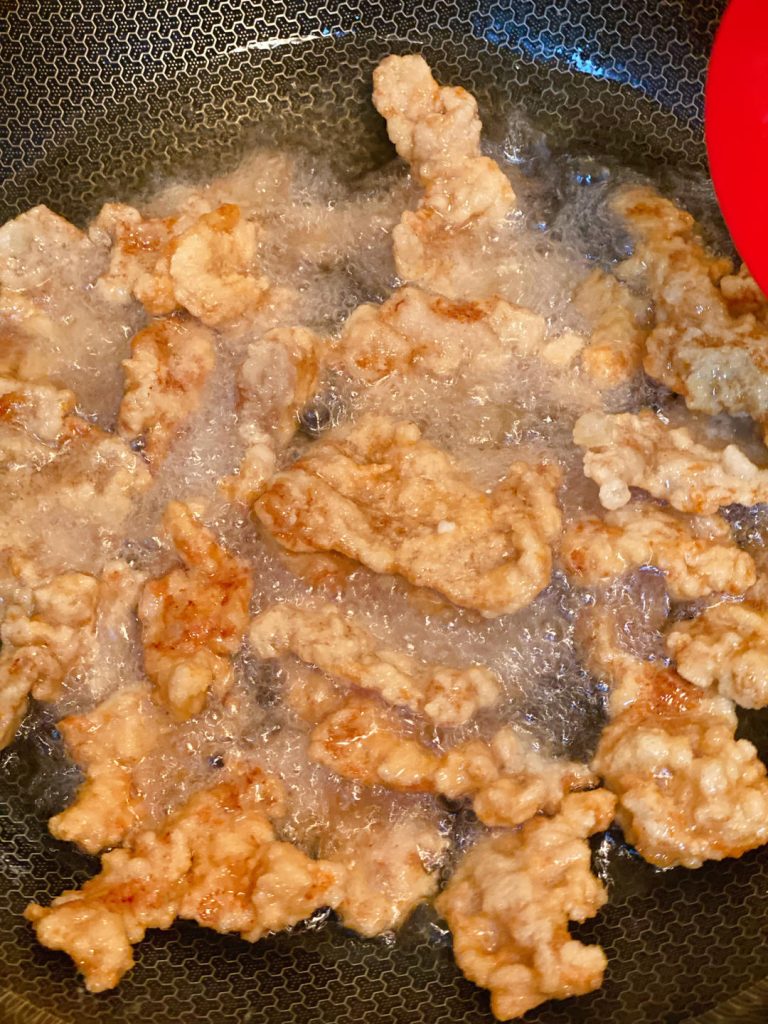
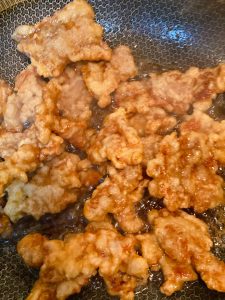
- Fry for 1-2 minutes, until the pieces are deep golden brown and the crust is very hard and crispy. You’ll hear the sound change!
- Remove and drain on the wire rack. Repeat with the second batch.
4. The Finish (Work Fast!)
- Sauce the Pork: Get a clean wok or large skillet. Place it over high heat.
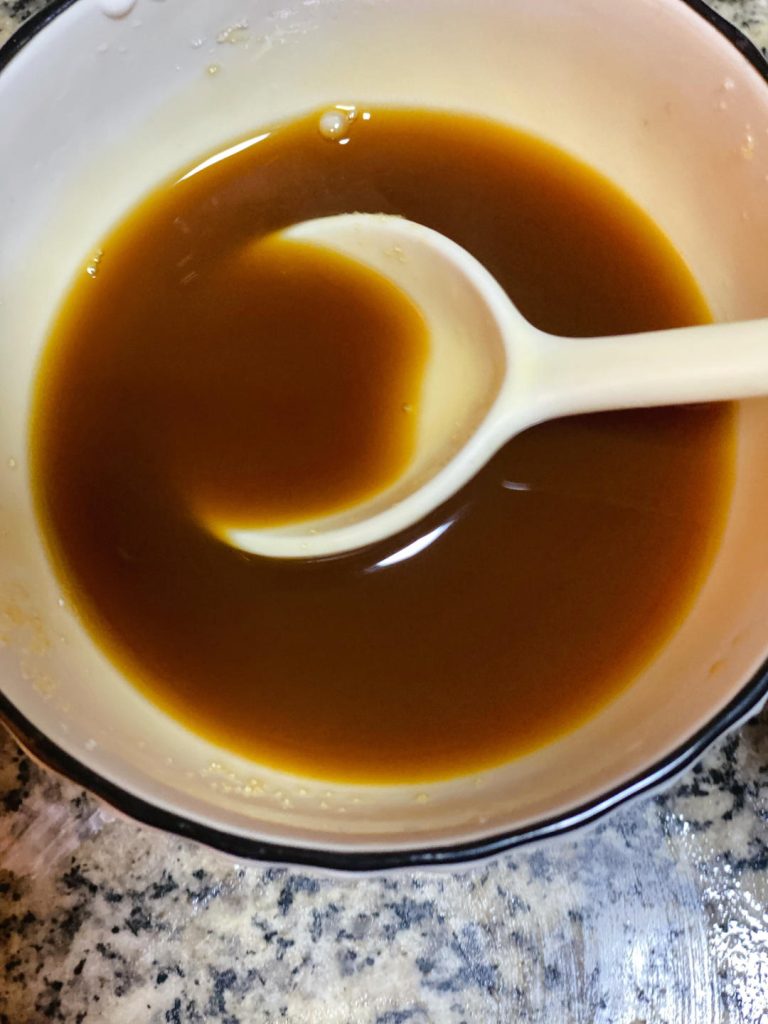
- Give your sauce bowl a quick re-stir (the cornstarch settles).
- Pour the sauce into the hot wok. It will bubble and thicken almost instantly (about 10-15 seconds).
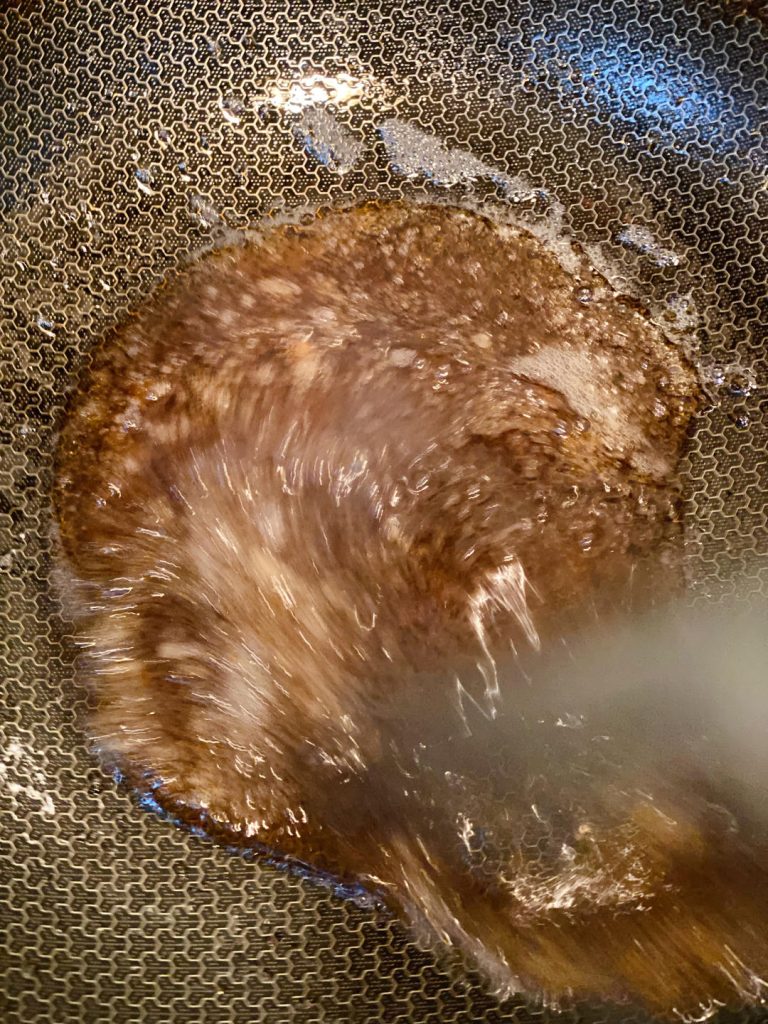
- Immediately add the double-fried pork. Toss very quickly to coat every piece.
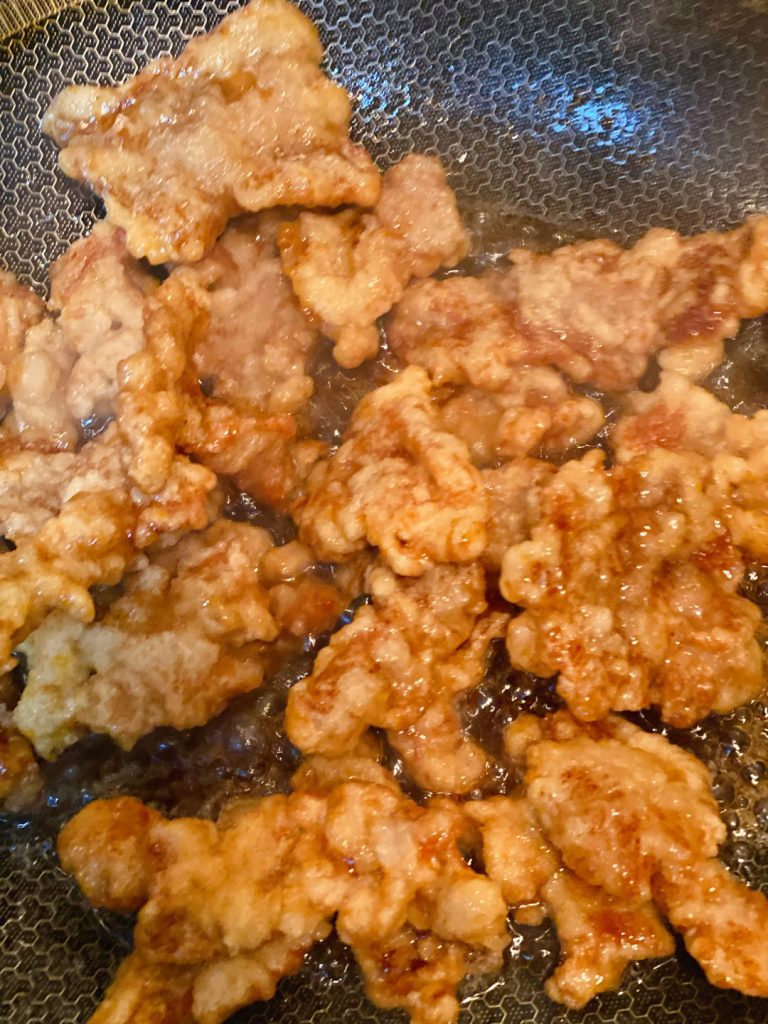
- Add the julienned carrots, cilantro, and scallions. Toss 1-2 more times.

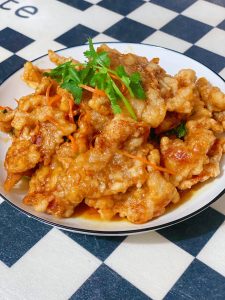
- Serve immediately! Pour onto a plate and eat while it’s hot and crispy.

🍚 How to Serve
This dish waits for no one! The crunch is best in the first 5-10 minutes.
- Main: Serve it as a main dish with a side of plain steamed rice. The rice is the perfect counterpart to the bright, tangy sauce.
- Part of a Meal: Make it part of a larger Chinese meal. It pairs beautifully with a simple vegetable dish to cut the richness, like a Smashed Cucumber Salad or a simple stir-fried bok choy.
For a different regional flavor, this dish is a great contrast to a spicy Sichuan classic like my Homestyle Kung Pao Chicken.
⚠️ Food Safety
- Always be careful when working with hot oil. Use a deep, heavy pot and never fill it more than halfway.
- Ensure the pork is cooked through. The double-frying process ensures the internal temperature will be well above the safe 145°F (63°C).
- Use a separate cutting board for raw meat to avoid cross-contamination.
❓ Frequently Asked Questions (FAQ)
Can I really not use cornstarch?
I know it’s tempting, but please trust me on this. Cornstarch fries up puffy and light, then gets soggy fast. Potato starch fries up hard and glassy. It’s a completely different texture and is the entire secret to this dish.
Can I make this in an air fryer?
Unfortunately, no. The wet potato starch batter is not designed for an air fryer and will not create the signature “shell.” This is one dish that truly needs to be deep-fried to be authentic.
How do I store and reheat leftovers?
This dish is truly best eaten fresh. The crispy shell will become soggy and chewy upon refrigeration. If you must save it, store it in an airtight container. You can try to revive it in a 400°F (200°C) oven or air fryer for 5-8 minutes, but it will not be the same.

Crispy Sweet and Sour Pork (Guo Bao Rou/锅包肉)

Equipment
- Wok or Dutch Oven (for frying)
- Spider Strainer
- Digital Thermometer
Ingredients
Pork & Breading
- 1 lb Pork Loin or Tenderloin approx. 400-450g, sliced 1/8-inch thick
- 1.5 cups Potato Starch approx. 200g, for soaking
- 1.5 cups Water approx. 350ml, or just enough to cover the starch
- 1/2 cup Potato Starch approx. 60g, dry, for adjusting
- 2 tbsp Shaoxing Wine or dry sherry
- 1/2 tsp Salt
- 1 tbsp Neutral Oil e.g., Corn or Canola, to add to the batter
Sauce (Mix in a small bowl)
- 3 tbsp White Rice Vinegar
- 3 tbsp Granulated White Sugar
- 1 tbsp Light Soy Sauce
- 1/2 tsp Salt
- 1 tbsp Cornstarch for sauce slurry
- 1.5 tbsp Water for sauce slurry
Frying & Garnish
- 4-6 cups Frying Oil as needed for your pot
- 1/4 Carrot julienned
- 2-3 sprigs Cilantro roughly chopped
- 1 stalk Scallion (Green Onion) thinly sliced (optional, but traditional)
Instructions
- Soak Starch (2-4 hours ahead): Cover 1.5 cups (200g) potato starch with water in a large bowl. Let sit for 2-4 hours. The starch will settle.

- Prep Pork: Slice pork 1/8-inch thick. Gently pound with the back of a knife to tenderize. In a bowl, mix pork with Shaoxing wine and 1/2 tsp salt. Marinate for 15 minutes.
- Mix Sauce: In a small bowl, whisk all sauce ingredients: vinegar, sugar, soy sauce, 1/2 tsp salt, cornstarch, and 1.5 tbsp water. Set aside.
- Make Batter: Carefully pour off all the water from the soaked starch bowl. Break up the hard starch paste at the bottom. Squeeze marinated pork dry and add it to the starch paste. Mix well. Add the 1 tbsp of oil. If the batter is too thin, add the 1/2 cup dry potato starch, a little at a time, until the pork is coated in a thick, white, sticky batter.
- First Fry: Heat frying oil in a wok to 350°F (175°C). Working in batches, carefully add pork pieces one by one. Fry for 3-4 minutes until pale golden. Remove to a wire rack.
- Second Fry: Increase oil temperature to 375-400°F (190-200°C). Add the fried pork back to the oil in batches. Fry for 1-2 minutes until deep golden brown and very crispy. Remove to the wire rack.
- Finish: Heat a clean wok over high heat. Give the sauce bowl a quick stir and pour it into the wok. It will thicken in 10-15 seconds. Immediately add the double-fried pork and toss to coat.
- Add the julienned carrots, cilantro, and scallions. Toss 1-2 times and immediately pour onto a serving platter. Serve hot.
Notes
- Calories: 750 kcal
- Carbohydrates: 80g
- Protein: 35g
- Fat: 32g
- Saturated Fat: 8g
- Sodium: 1200mg
- (This is a high-calorie dish due to deep-frying and sugar, but it’s worth it!)












Leave a Reply