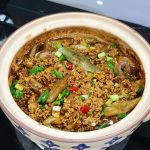
There is something incredibly satisfying about the sound of a sizzling clay pot arriving at your table in a bustling Chinese restaurant. One of my absolute favorites to order has always been King Prawn Vermicelli Clay Pot (Xia Huang Fensi Bao). It’s a dish where the humble glass noodle becomes the star, soaking up all the umami from the fresh shrimp and savory aromatics.
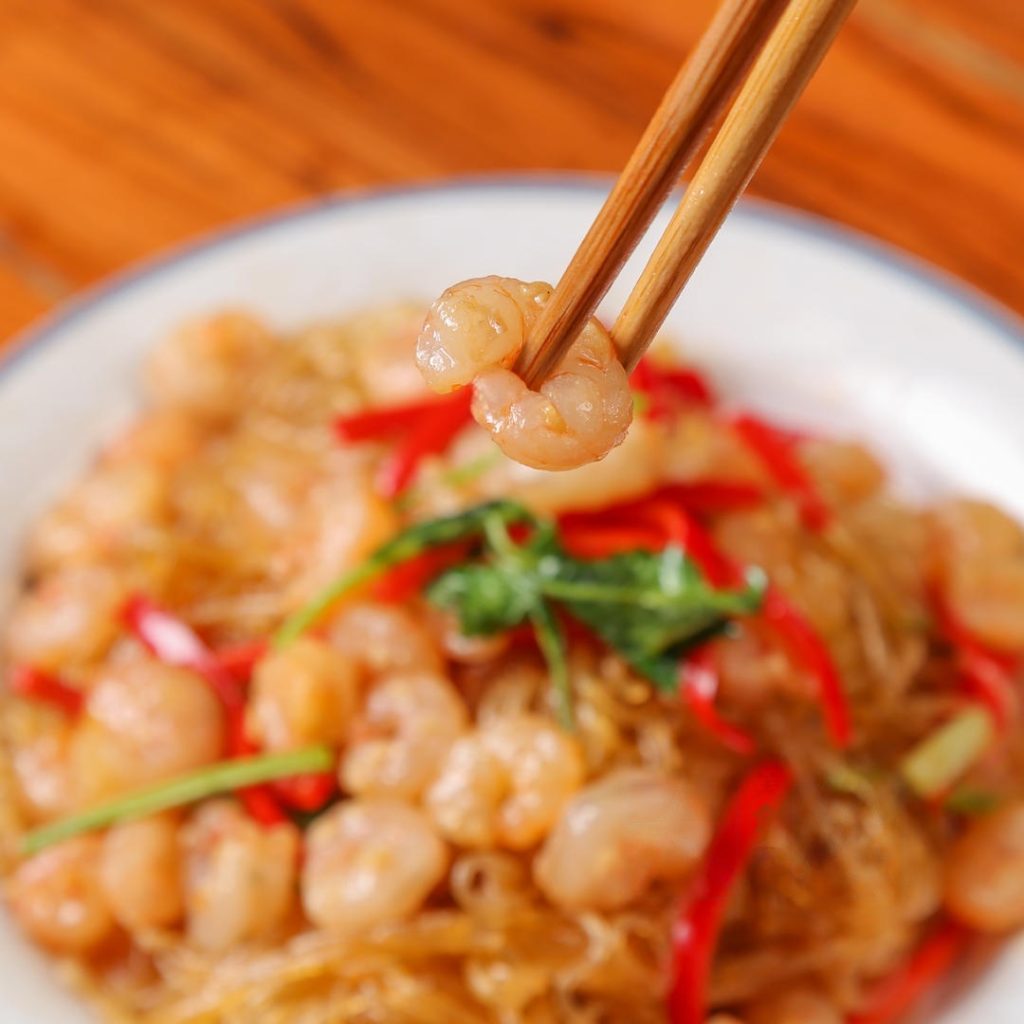
However, restaurant versions often come with a pool of oil at the bottom. As much as I love the flavor, I don’t love the grease. My parents, who have spent their lives in professional kitchens, taught me that you don’t need excessive oil to create flavor—you need technique.
I developed this home-style version to be lighter and healthier without sacrificing that savory, comforting depth. It’s vibrant with colorful peppers, aromatic with ginger and scallions, and features springy, chewy noodles that are never soggy. If you enjoy our Garlic Fried Shrimp or the classic Ants Climbing a Tree, you are going to fall in love with this seafood variation.
What is Xia Huang Fensi Bao?
This dish is a staple in Cantonese and coastal Chinese cuisine. “Xia Huang” refers to the rich, reddish oil/roe from the shrimp heads (though in this home version, we focus on the meat), “Fensi” means glass noodles (vermicelli), and “Bao” refers to the clay pot casserole it is traditionally served in.
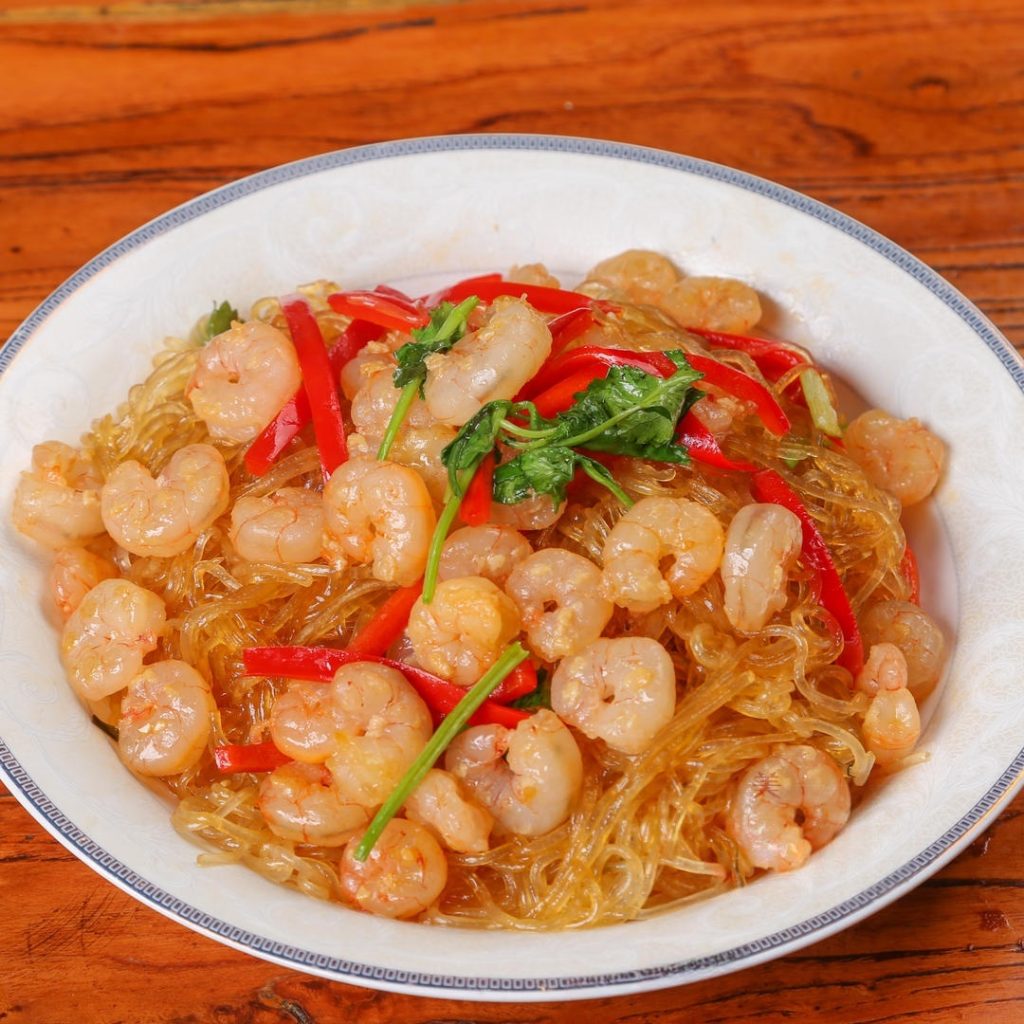
Unlike a soup, this is a dry-braise dish. The noodles absorb the sauce and the juices from the shrimp, resulting in a flavor bomb in every bite. While traditionally cooked in a clay pot to retain heat, I’ve adapted this method so you can easily make it in a wok or skillet at home.
Why This Recipe Works
- Texture Control: By blanching the vermicelli for exactly one minute and shocking them, we ensure the noodles remain “Q” (bouncy and chewy) rather than turning into a mushy paste.
- Layered Flavoring: We cook the aromatics (ginger and scallion) separately from the shrimp initially to ensure the oil is infused with flavor before the noodles even hit the pan.
- Healthier Technique: Instead of deep-frying the shrimp or drowning the noodles in oil to prevent sticking, we use a rapid stir-fry technique and precise liquid ratios.
About the Author & Recipe Development
I’m Lin, the voice behind Woks of Love. Growing up in a family of chefs from Sichuan, I learned that the best recipes respect the ingredients. While my heritage is Sichuanese, my culinary curiosity spans all of China. This recipe was developed after many trials to replicate the “clay pot” flavor using standard home equipment. I tested various brands of mung bean vermicelli and varying hydration times to ensure that this recipe yields consistent, restaurant-quality results in American and European kitchens.
Key Ingredients & Substitutions
- Mung Bean Vermicelli (Glass Noodles): These are clear, thin noodles made from mung bean starch. Do not substitute with rice vermicelli (which are white and opaque), as the texture will be completely different. Look for “Lungkow” brand or similar.
- Shrimp: You’ll need about 10-11 oz (300g) of shrimp. I recommend medium-to-large shrimp, peeled and deveined. Leaving the tail on is optional for presentation.
- Aromatics: Fresh ginger, scallions (green onions), and cilantro are non-negotiable for that fresh, cutting flavor.
- Oyster Sauce: This provides the savory, briny backbone of the sauce.
- Light Soy Sauce: For saltiness and umami. I recommend Pearl River Bridge or Lee Kum Kee.
- Shaoxing Wine: Essential for removing any fishy odor from the shrimp and adding a fragrant depth. If you cannot find it, dry sherry is an acceptable substitute.
- Bell Pepper: The original recipe calls for “colorful peppers.” I use red or yellow bell peppers for sweetness and a pop of color.
💡 Note on MSG: This recipe includes a small amount of MSG (Monosodium Glutamate). It is naturally found in ingredients like tomatoes and parmesan cheese and is a staple in Chinese kitchens for boosting umami. If you prefer, you can omit it or use chicken bouillon powder as a substitute.
Ingredients
- 2 bundles (approx. 3.5 oz / 100g) dried mung bean vermicelli
- 10-11 oz (300g) raw shrimp, peeled and deveined
- 1 medium bell pepper (red or yellow), julienned
- 1 small bunch cilantro, chopped (stems and leaves separated)
- 2 stalks scallions (green onions), cut into 2-inch sections
- 1-inch piece ginger, sliced
- 2 tbsp neutral oil (vegetable or canola), divided
- The Sauce:
- 1/3 tbsp Oyster Sauce
- 1/3 tbsp Salt (adjust to taste)
- 1/4 tbsp MSG (optional)
- 1/2 tbsp Sugar
- 1 tbsp Light Soy Sauce
- 1 tbsp Shaoxing Wine
Mise en Place: Preparation
Cooking Chinese food is fast. Before you turn on the heat, ensure your mise en place is ready.
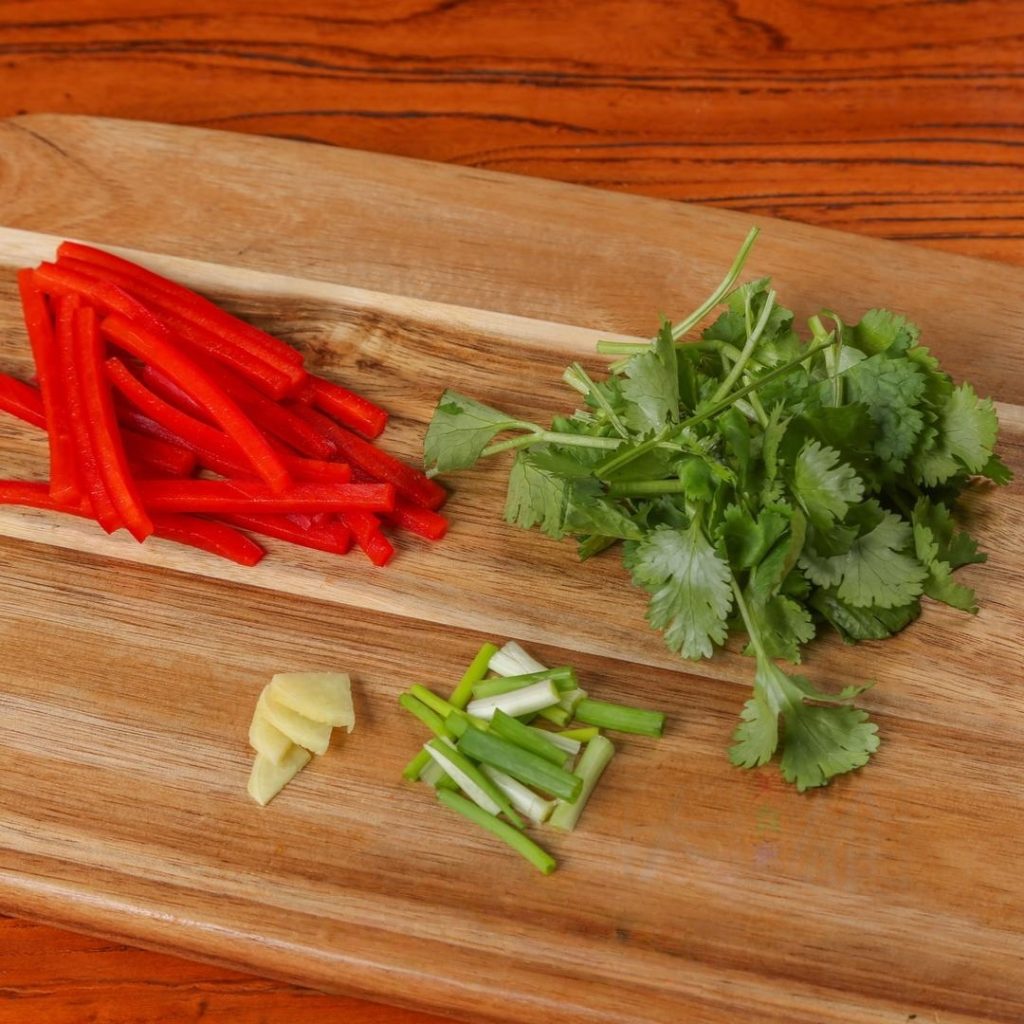
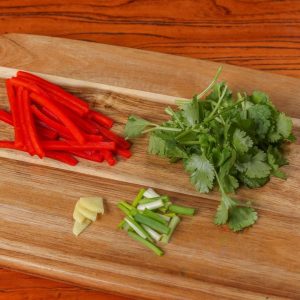
- Prep the Veggies: Wash and cut the cilantro into small sections. Cut the scallions into 2-inch segments. Slice the ginger thinly. Deseed the bell pepper and slice it into thin strips (julienne).
- Prep the Sauce: In a small bowl, mix the salt, sugar, and MSG. Have your Oyster Sauce, Light Soy Sauce, and Shaoxing Wine bottles ready or pre-measured.
How to Make King Prawn Vermicelli Clay Pot
Step 1: Blanch the Vermicelli
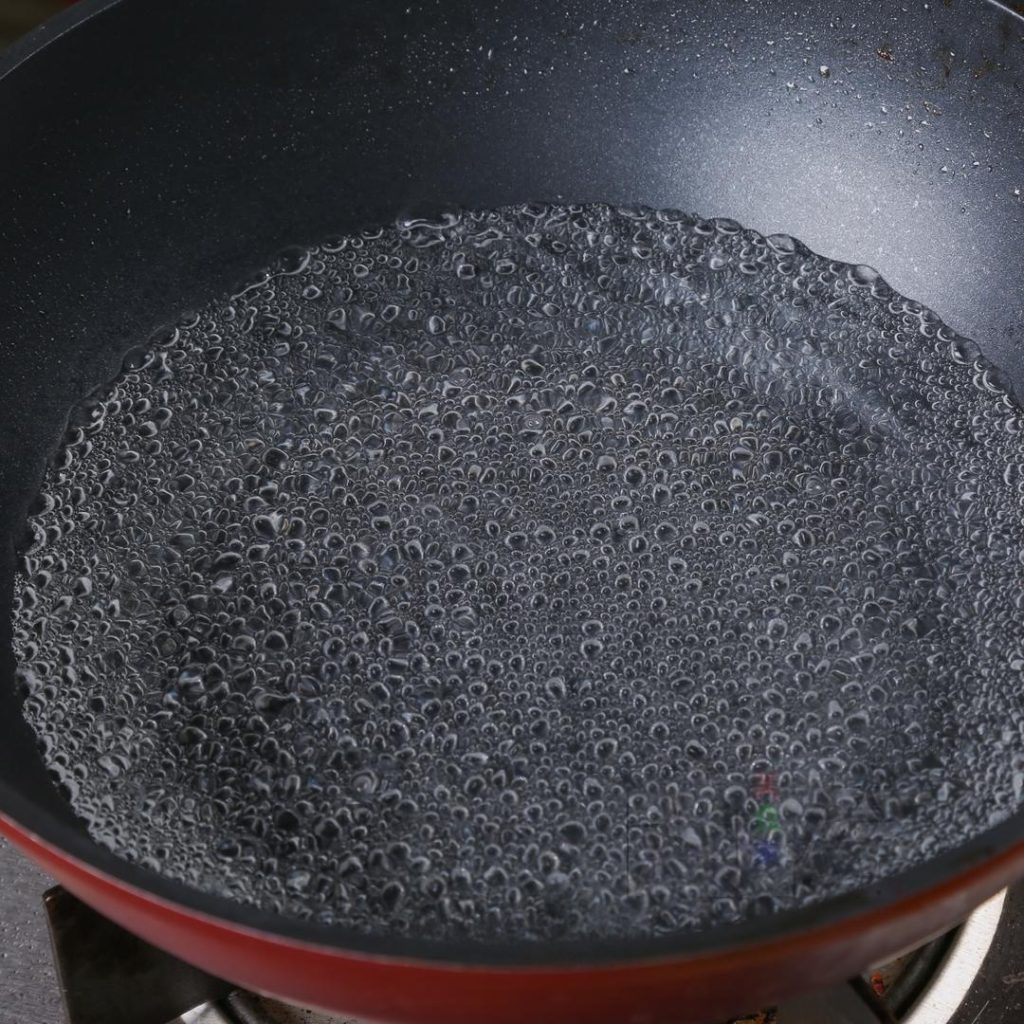
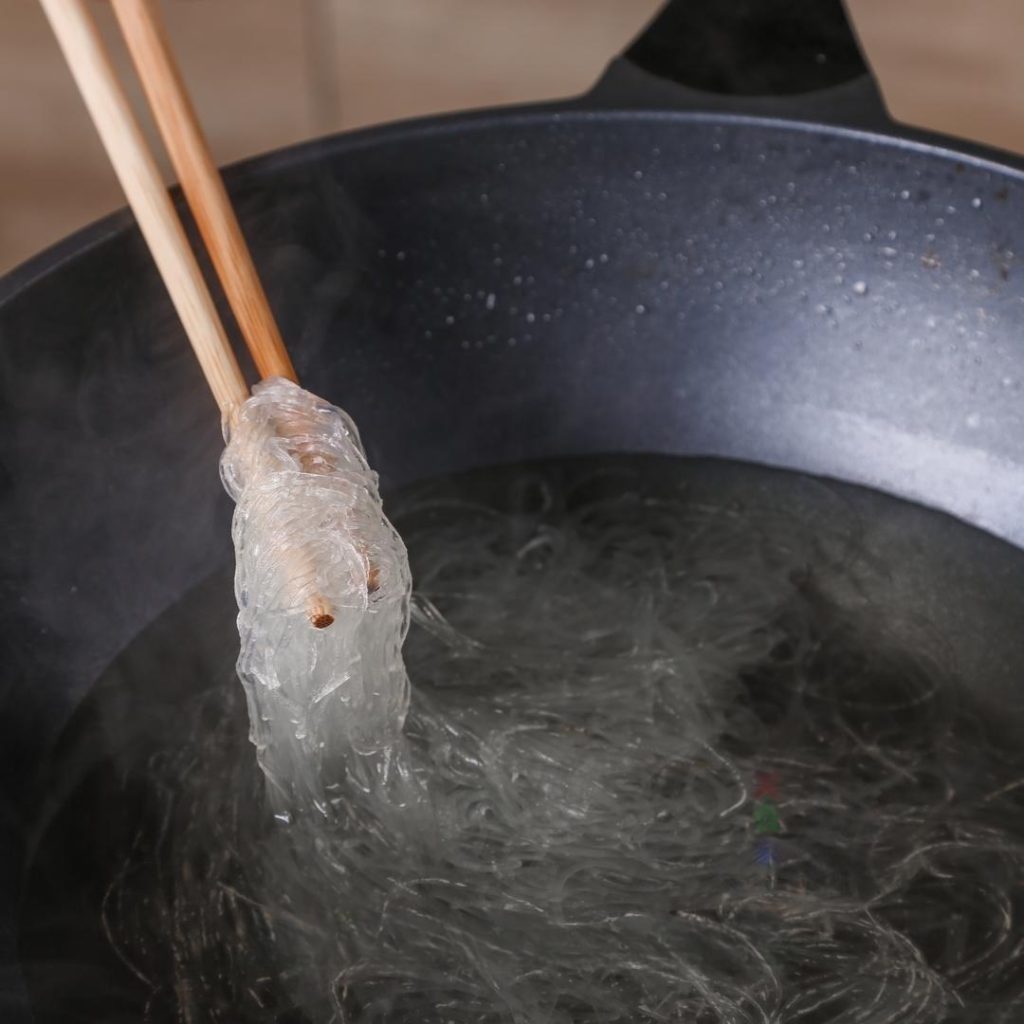
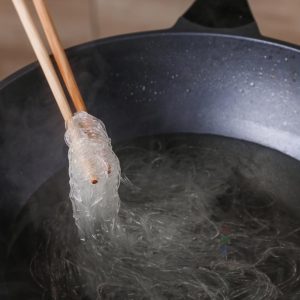
Bring a pot of water to a boil. Add the vermicelli bundles.
- Why? We are blanching them for exactly 1 minute. We want them pliable but slightly undercooked, as they will finish cooking in the pan with the sauce. If you overcook them now, they will break apart later.
- Drain immediately and rinse under cold water to stop the cooking process. Drain well.
Step 2: Sear the Shrimp
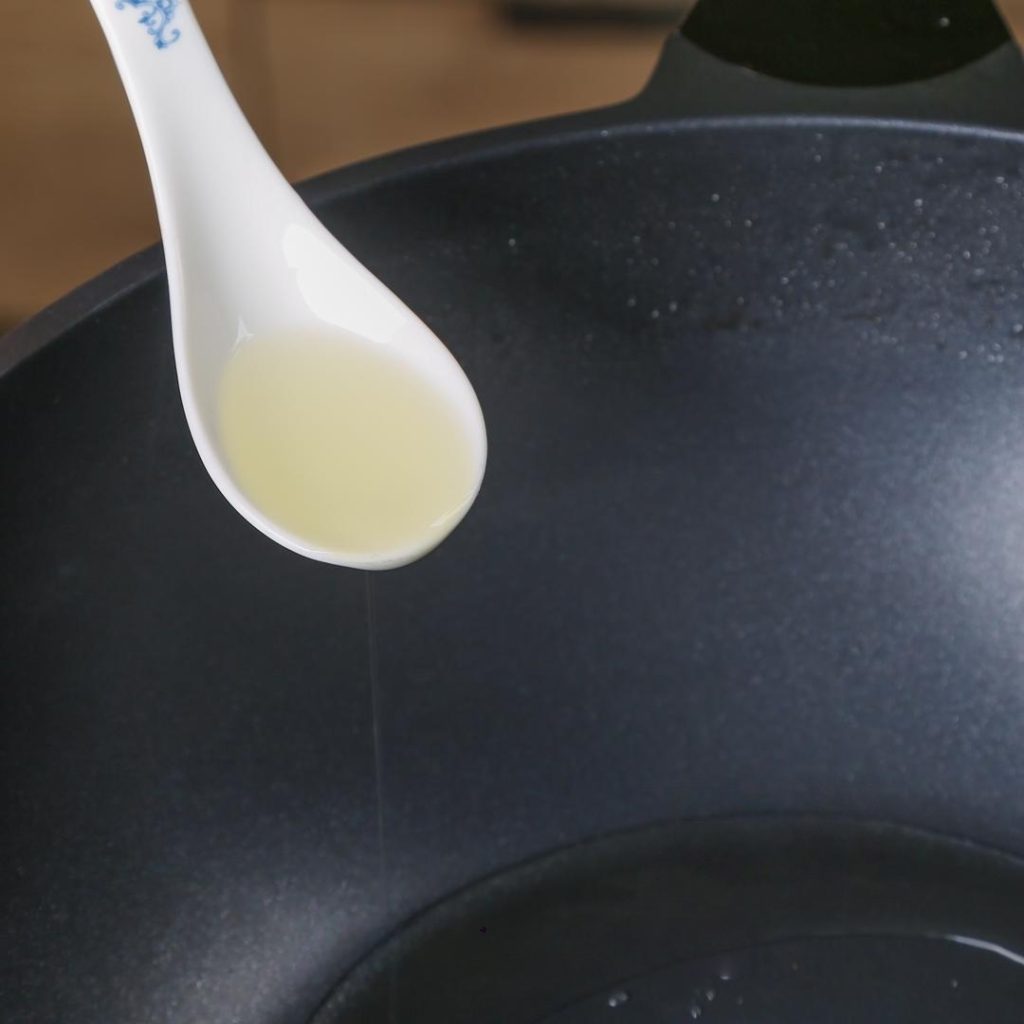
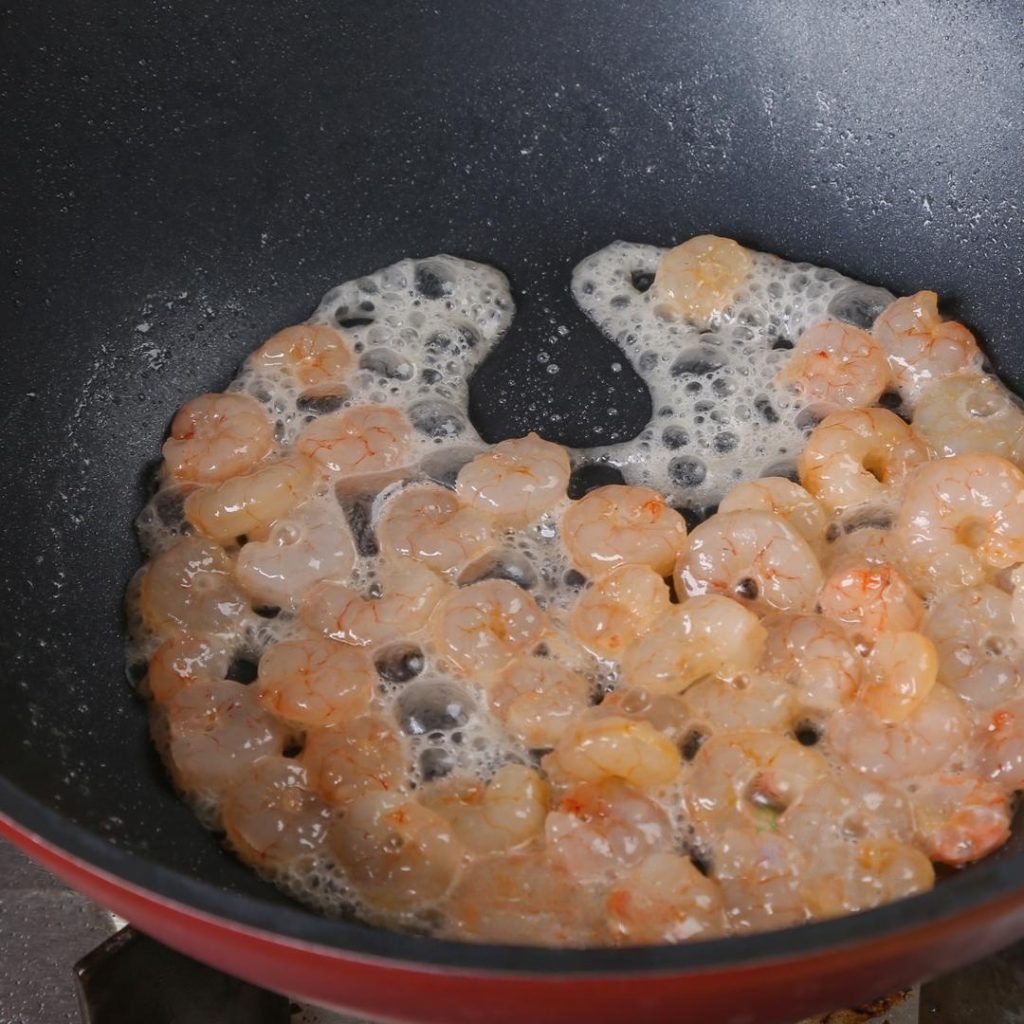
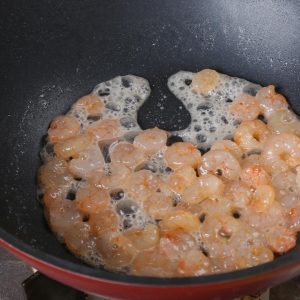
Heat a wok or large skillet over medium-high heat. Add 1 tablespoon of cooking oil. When the oil shimmers, add the shrimp.
- Stir-fry until they just turn pink and opaque. This should take about 2 minutes.
- Remove the shrimp from the pan and set aside.
- Why? Removing the shrimp prevents them from becoming rubbery while we cook the aromatics and noodles.
Step 3: Infuse the Oil
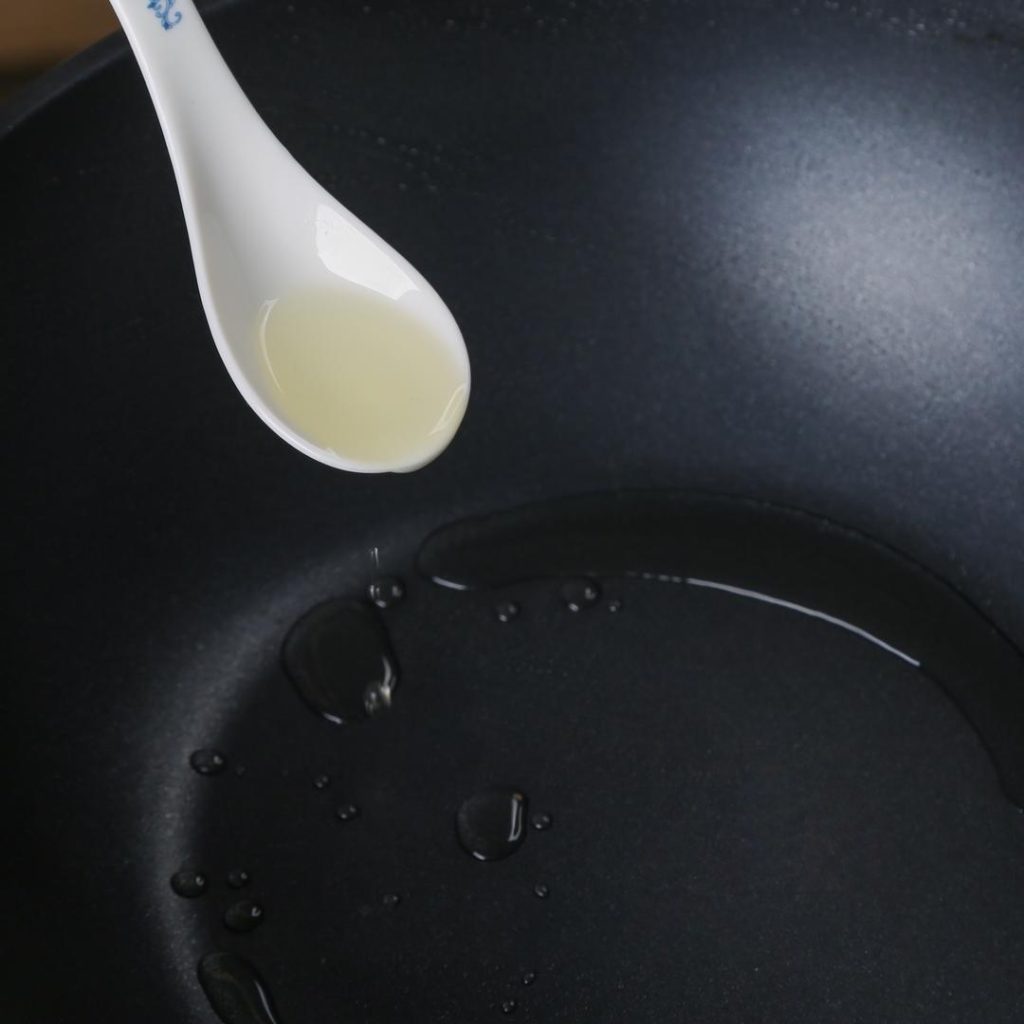
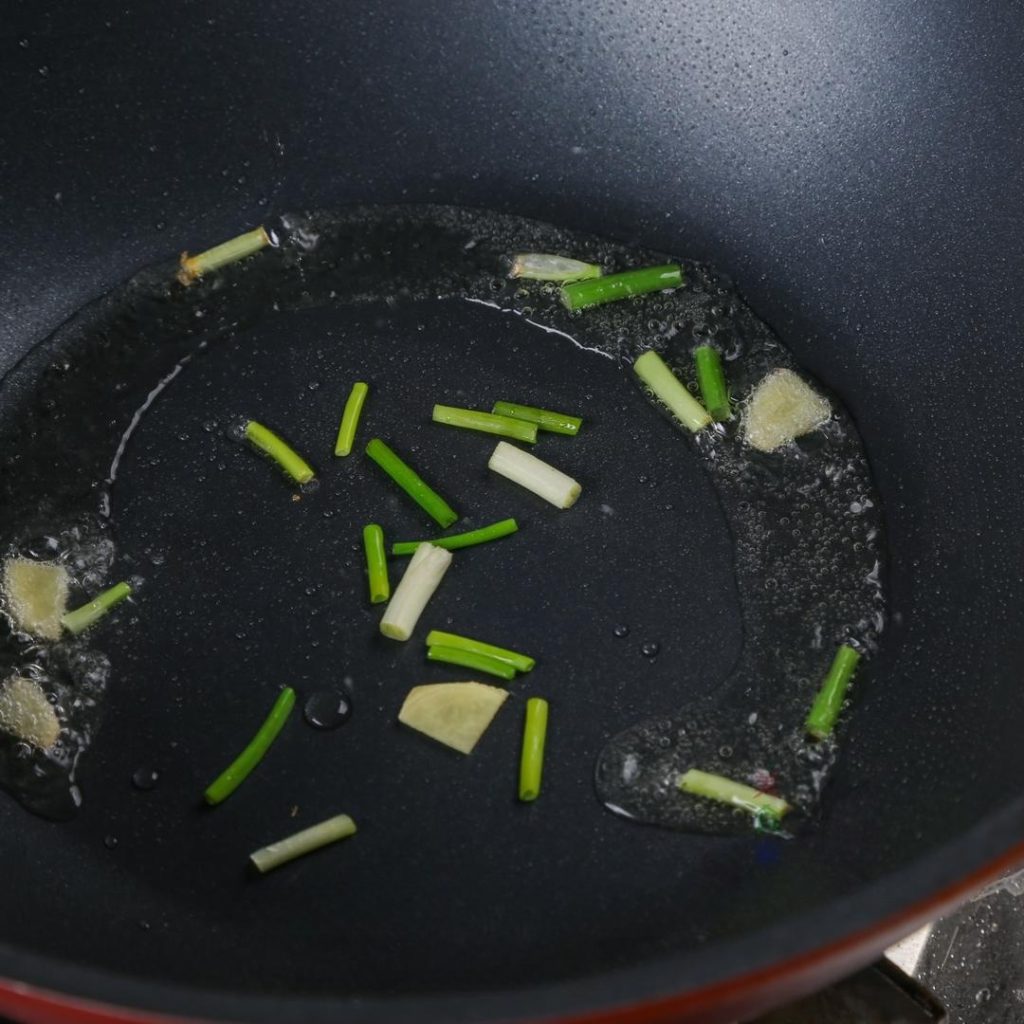
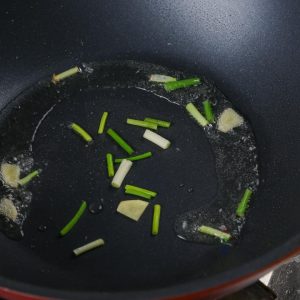
In the same pan, add another tablespoon of oil. Add the scallion sections and ginger slices. Stir-fry for 30 seconds until fragrant.
- Why? This step infuses the oil with the aromatics, creating a flavorful base that will coat every strand of noodle. If you love garlic, you could add a teaspoon of Homemade Chinese Garlic Sauce here for an extra kick.
Step 4: Stir-fry the Noodles
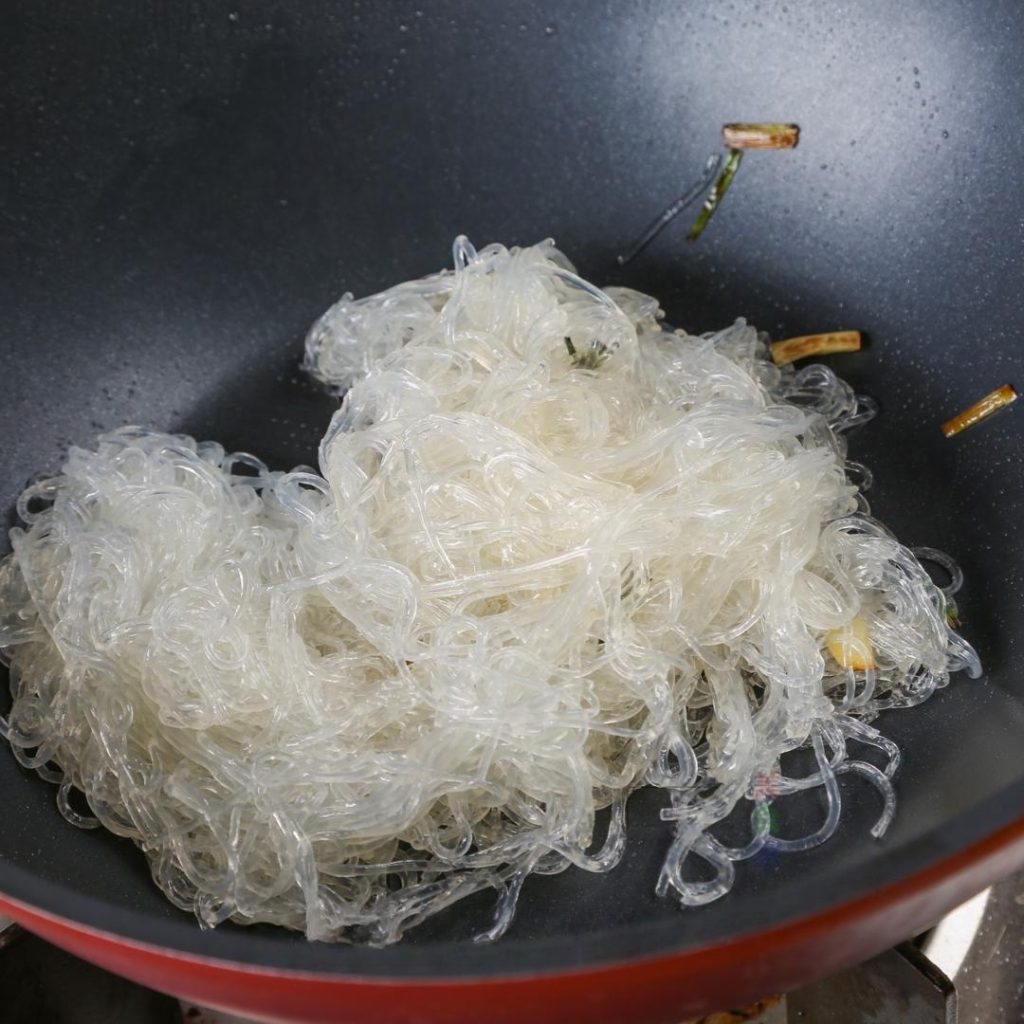
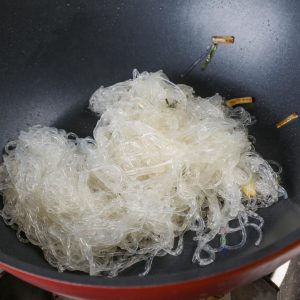
Add the blanched vermicelli to the pan. Toss quickly to coat in the aromatic oil.
- Why? Coating the noodles in oil helps prevent them from sticking together.
Step 5: Combine and Season
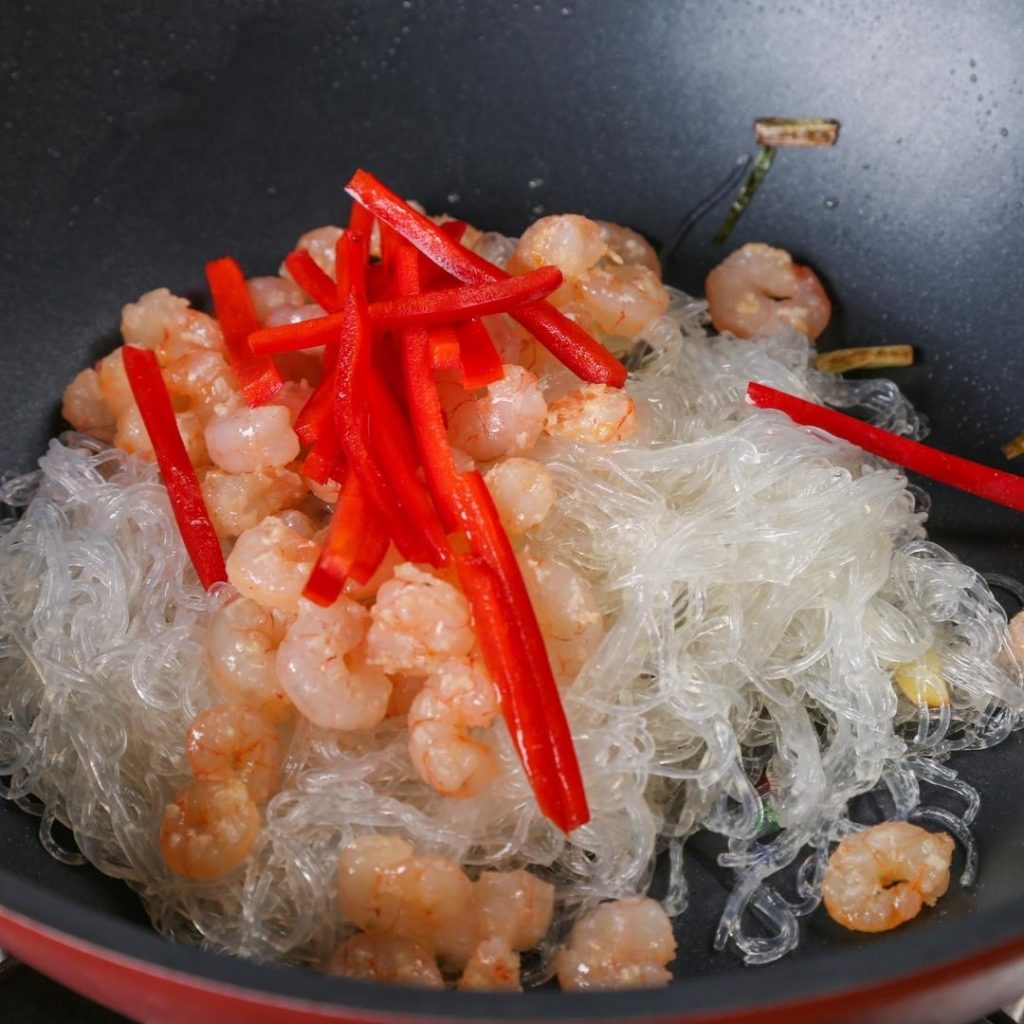
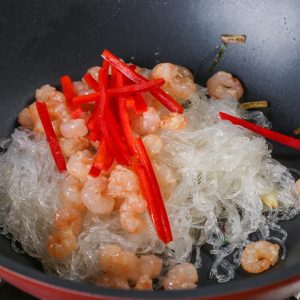
Return the cooked shrimp to the pan. Add the bell pepper strips.
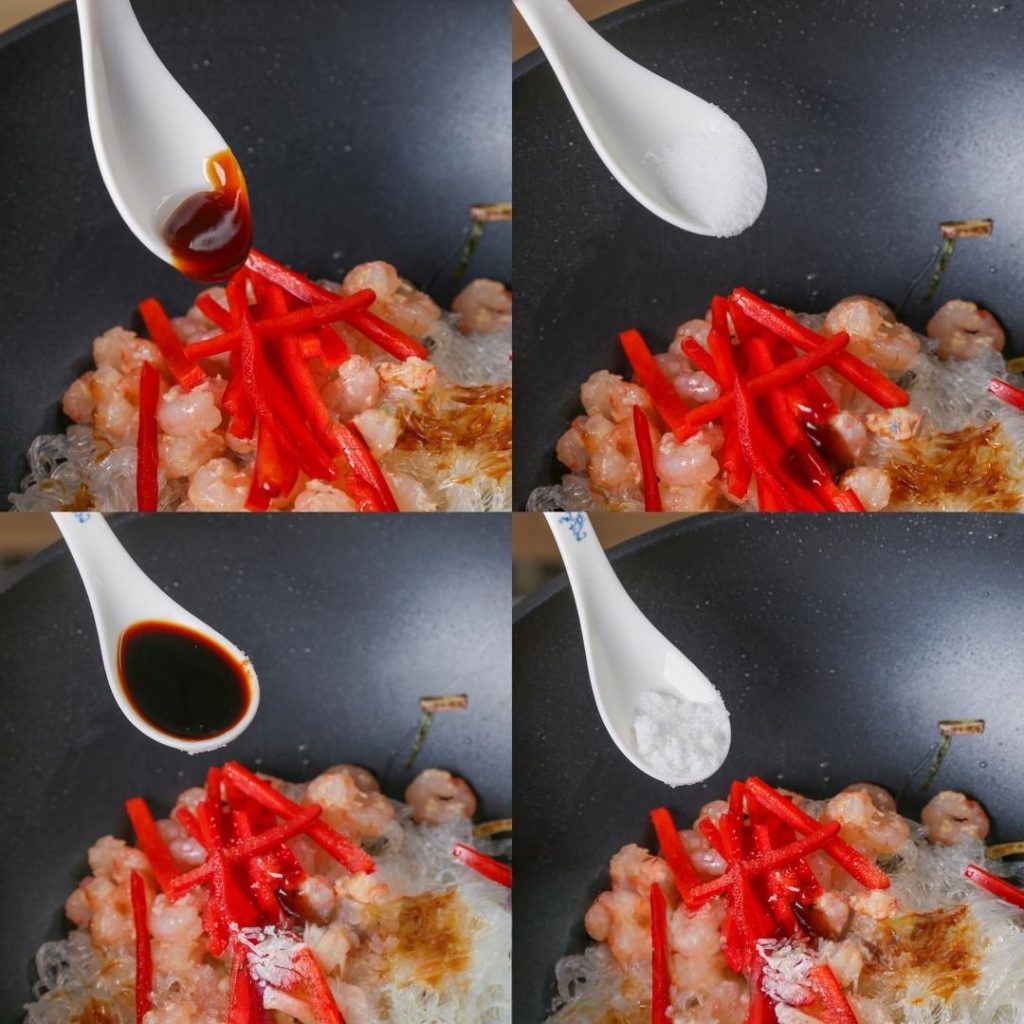
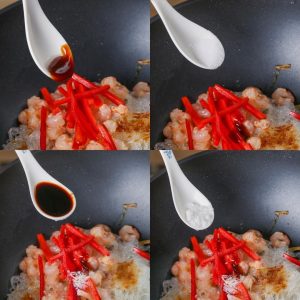
- Add the seasoning: 1/3 tbsp Oyster Sauce, 1/3 tbsp salt, 1/4 tbsp MSG, 1/2 tbsp sugar, and 1 tbsp Light Soy Sauce.
- Toss everything vigorously (or use tongs) to distribute the sauce evenly. The noodles should take on a golden-brown color.
Step 6: The Final Touch
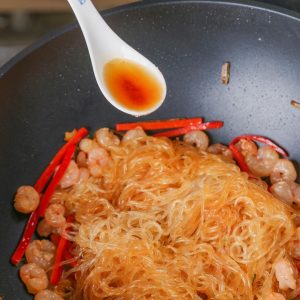
Pour 1 tbsp Shaoxing Wine around the perimeter of the pan.
- Why? Adding the wine at the end and letting it hit the hot pan creates a burst of steam and aroma, mimicking the “wok hei” of restaurant cooking.
- Toss for another 30 seconds.
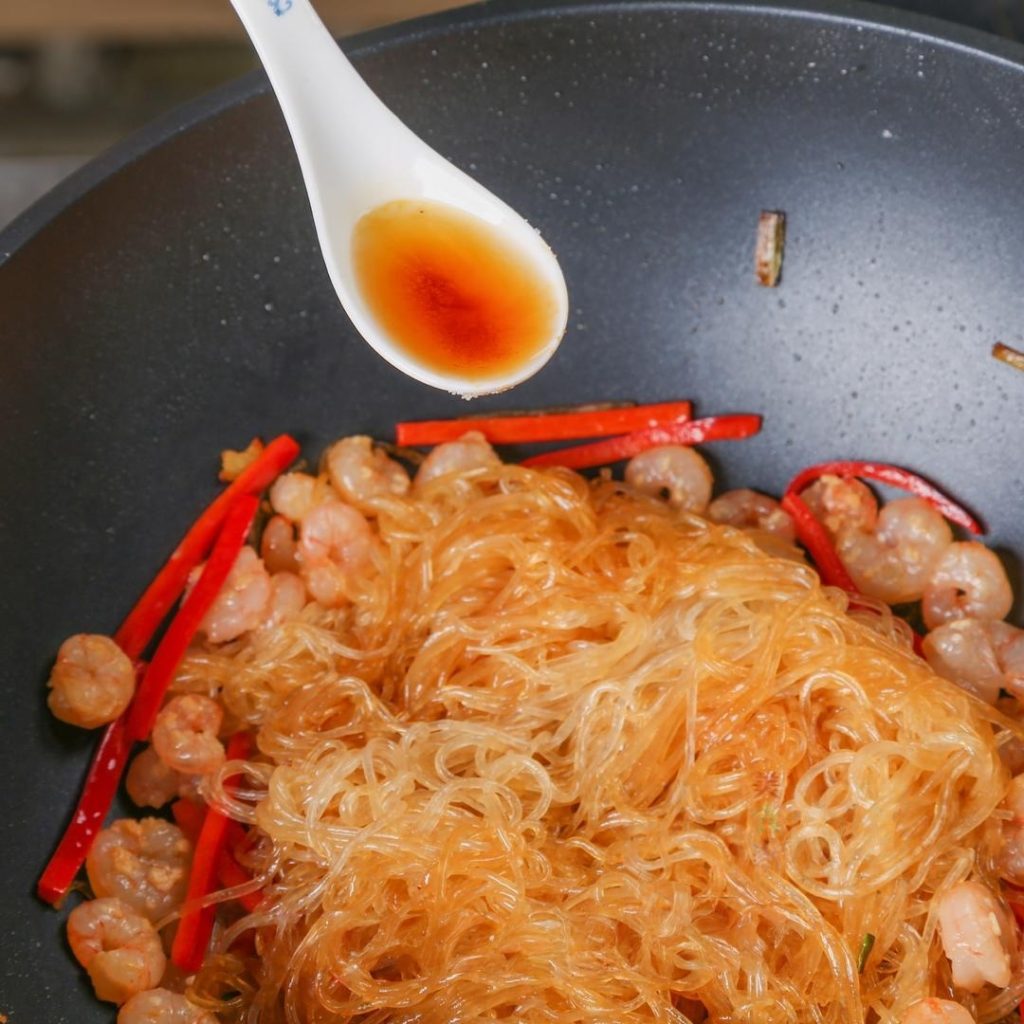
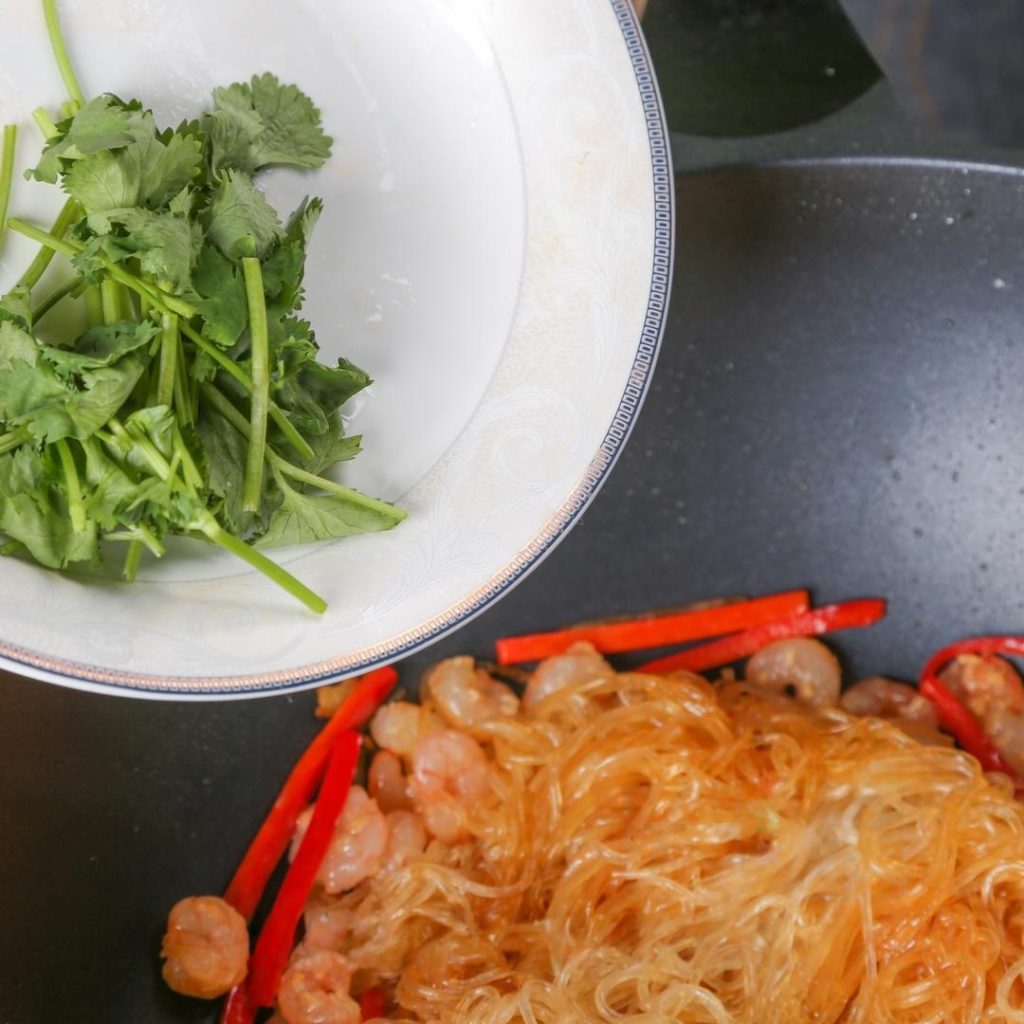
Step 7: Garnish and Serve
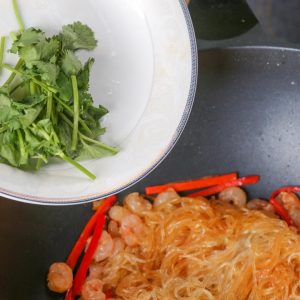
Turn off the heat. Stir in the cilantro. Transfer to a serving dish (or a heated clay pot if you have one) and serve immediately.
Tips for Success
- Don’t Soak, Blanch: Many recipes say to soak noodles. For stir-frying, a quick blanch in boiling water yields a better, more consistent texture that doesn’t get mushy.
- Use Tongs: Vermicelli can be tricky to move around with a spatula. A pair of kitchen tongs makes tossing the noodles with the shrimp and veggies much easier.
- Clay Pot Option: If you own a clay pot (sand pot), heat it on a separate burner while you stir-fry. Transfer the finished dish into the hot pot to serve. The residual heat will keep it sizzling. This technique is similar to how we serve Cantonese Clay Pot Rice.
What to Serve With This
This dish works as a standalone main, but in a Chinese family meal, we serve it alongside other dishes.
- Vegetables: Balance the savory noodles with greens like our Stir-fried Lettuce with Garlic or Minced Pork with Baby Bok Choy.
- Protein: If you are feeding a crowd, Steamed Pork Ribs with Black Bean Sauce is a classic dim sum pairing.
Troubleshooting & FAQ
Q: My noodles stuck together in a giant clump. What happened? A: This usually happens if the noodles weren’t rinsed thoroughly with cold water after blanching, or if there wasn’t enough oil in the pan when they were added. Be sure to rinse them cold to remove excess starch.
Q: Can I use frozen shrimp? A: Yes. Thaw them completely under cold water and pat them excessively dry with paper towels before searing. Excess water will steam the shrimp instead of searing them.
Q: Is this gluten-free? A: Mung bean vermicelli is naturally gluten-free. However, you must ensure your Soy Sauce and Oyster Sauce are certified gluten-free, as standard brands often contain wheat. For more GF ideas, check out our Gluten-Free Dumplings.
Food Safety & Storage
- Storage: Leftovers can be stored in an airtight container in the refrigerator for up to 2 days. Note that vermicelli will absorb more moisture as it sits and may lose some texture.
- Reheating: Reheat in a pan with a splash of water or chicken stock to loosen the noodles.
- Shrimp Safety: Ensure shrimp reaches an internal temperature of 145°F (63°C) and turns pink and opaque.
Authoritative References
- For information on the history and production of mung bean starch noodles, refer to the Food and Agriculture Organization of the United Nations grains database. FAO Traditional Foods
- Food safety guidelines regarding shellfish preparation can be found at FoodSafety.gov. Shellfish Safety
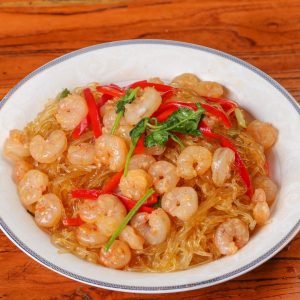
King Prawn Vermicelli Clay Pot (Xia Huang Fensi Bao)

Equipment
- Wok or large skillet
- Pot for boiling water
- Kitchen Tongs
Ingredients
Main Ingredients
- 2 bundles dried mung bean vermicelli approx 3.5oz / 100g
- 11 oz shrimp 300g, peeled and deveined
- 1 bell pepper red or yellow, julienned
- 2 stalks scallions cut into 2-inch sections
- 1 inch ginger sliced
- 1 small bunch cilantro chopped
- 2 tbsp neutral oil divided use
Seasoning Sauce
- 0.33 tbsp Oyster Sauce
- 1 tbsp Light Soy Sauce
- 1 tbsp Shaoxing Wine
- 0.5 tbsp sugar
- 0.33 tbsp salt
- 0.25 tbsp MSG optional
Instructions
- Prep the aromatics: Cut cilantro and scallions into small sections. Slice the ginger. Julienne the bell pepper.

- Blanch the noodles: Bring a pot of water to a boil. Add vermicelli and cook for exactly 1 minute. Drain immediately and rinse under cold water to stop cooking. Set aside.
- Sear the shrimp: Heat 1 tbsp oil in a wok/skillet over medium-high heat. Stir-fry shrimp until pink and opaque (about 2 minutes). Remove and set aside.
- Aromatics: In the same wok, add another 1 tbsp oil. Add scallions and ginger. Stir-fry until fragrant.
- Stir-fry noodles: Add the blanched vermicelli to the wok. Toss to coat in the aromatic oil.
- Combine: Add the shrimp and bell pepper strips back into the wok.
- Season: Add oyster sauce, salt, MSG, sugar, and light soy sauce. Toss well to combine evenly.
- Finish: Pour Shaoxing wine around the perimeter of the wok to create steam/aroma. Toss for 30 seconds.
- Serve: Stir in cilantro, remove from heat, and serve immediately.



Leave a Reply