There is a category of Chinese home cooking that never makes it onto restaurant menus, and scallion braised grass carp belongs to it. A few pieces of fish, one bunch of scallions, a splash of hot oil — that is the whole idea. The fish is marinated until every piece is seasoned through, seared until the edges turn golden and crisp, and then finished under a lid with a fresh salt-scallion sauce that steams its fragrance straight into the flesh. What lands on the plate is tender, juicy, and unmistakably clean-tasting: the fish speaks for itself, and the scallion sauce hums quietly underneath.
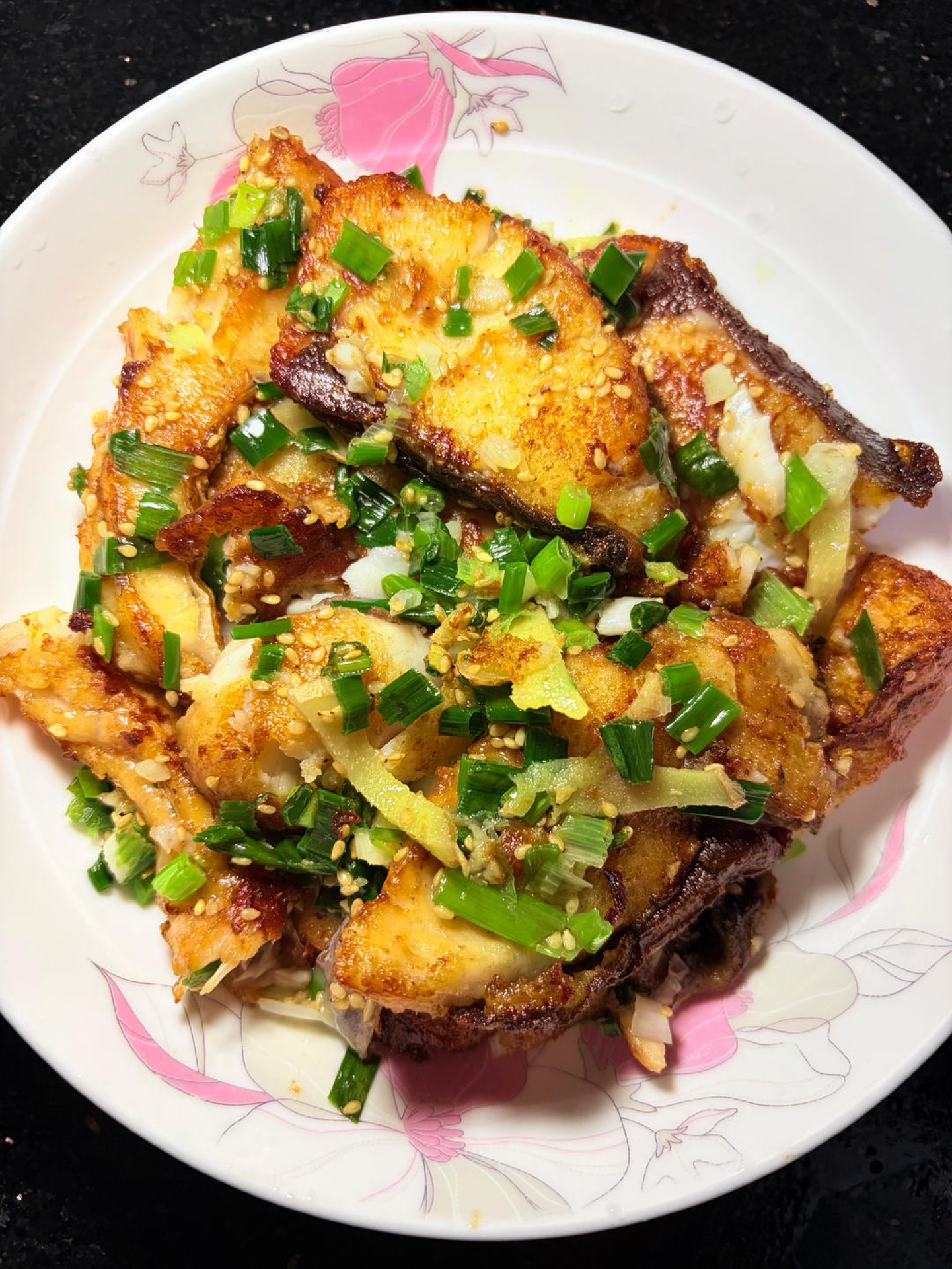
Grass carp (草鱼) is one of the most beloved freshwater fish in China, and for good reason. Its flesh is firm, sweet, and inexpensive, which makes it the default fish for family tables across the south. It is also the fish behind many classic preparations — steamed with ginger and scallion, braised in soy and vinegar, or sliced thin for congee. What makes this particular version special is how little it asks of you: no long braise, no complicated sauce, no special technique beyond a patient sear. And because the scallion sauce is built fresh in a heatproof bowl while the fish marinates, the whole thing comes together in about half an hour.
I first learned this style of cooking from my mother-in-law, who made a version of it on weeknights when there was no time to think. She would marinate the fish before picking up the kids, sear it while the rice cooked, and spoon the scallion sauce over at the last minute. The house would smell like a restaurant, and dinner would be on the table before anyone had finished setting it. It has been in my rotation ever since, and it is one of the recipes I recommend most often to readers who are nervous about cooking fish at home.
What Is Scallion Braised Grass Carp?
Scallion braised grass carp, written 香葱焖鱼 in Chinese, is a Cantonese-leaning home dish in which chunks of grass carp are briefly marinated, pan-seared until golden on both sides, then finished with a fresh scallion sauce and a short covered braise. The word 焖 (mèn) means to cook covered with a small amount of liquid and steam — a gentler method than a long braise, and one that keeps delicate fish from drying out.
Unlike a classic red-braised fish, which relies on soy sauce, sugar, and vinegar simmered down into a glossy dark sauce, this version stays light. The fish is seasoned before cooking, so the flesh is savory from the inside out, while the sauce — chopped scallions, toasted sesame seeds, salt, and hot oil — is added at the very end and barely cooked. The two-minute covered finish is what marries them: the steam carries the scallion aroma into the fish without wilting the fresh green flavor.
If you have never cooked whole fish at home, start here. Cut chunks are far more forgiving than a whole fish: they sear evenly, they are easy to turn, and even if a piece breaks apart, the dish still looks and tastes right.
The result sits somewhere between a seared fish and a steamed one — crisp-edged, tender-centered, and fragrant with scallion. It is the kind of dish that tastes like more effort than it took.
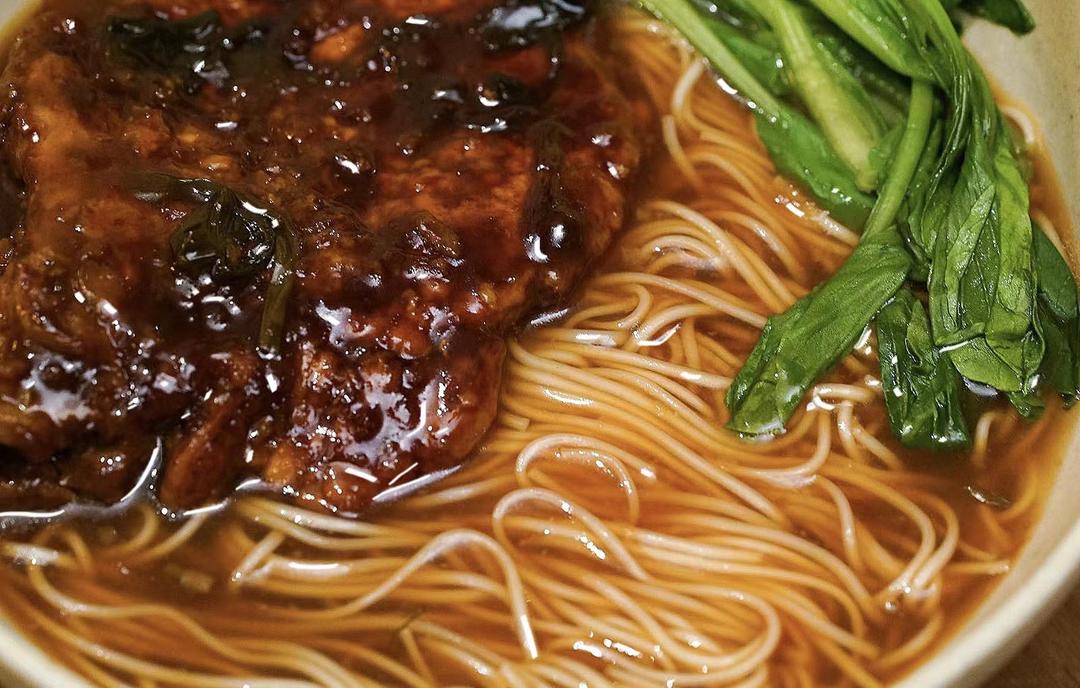
If you enjoy this style of scallion-forward cooking, the same idea shows up across the site. For a heartier, noodle-based take on the same flavor profile, see our scallion braised pork chop noodles, where pork chops are seared and simmered in a scallion soy sauce and piled over noodles. The same sauce logic works beautifully on poultry too — our scallion oil braised chicken leans on slow-rendered scallion oil for a deeper, richer version of this flavor. And if you want to take the scallion-and-seafood pairing further, our scallion seafood pot applies the same aromatic base to a mix of shellfish and fish in one covered pot.
1Scallion Braised Pork Chop Noodles (Cong Shao Da Pai Mian)A classic Shanghainese comfort dish featuring tenderized bone-in pork chops braised in a rich, aromatic scallion sauce. The noodles are cooked directly in the savory juices, ensuring every strand is packed with flavor.Check out this recipe
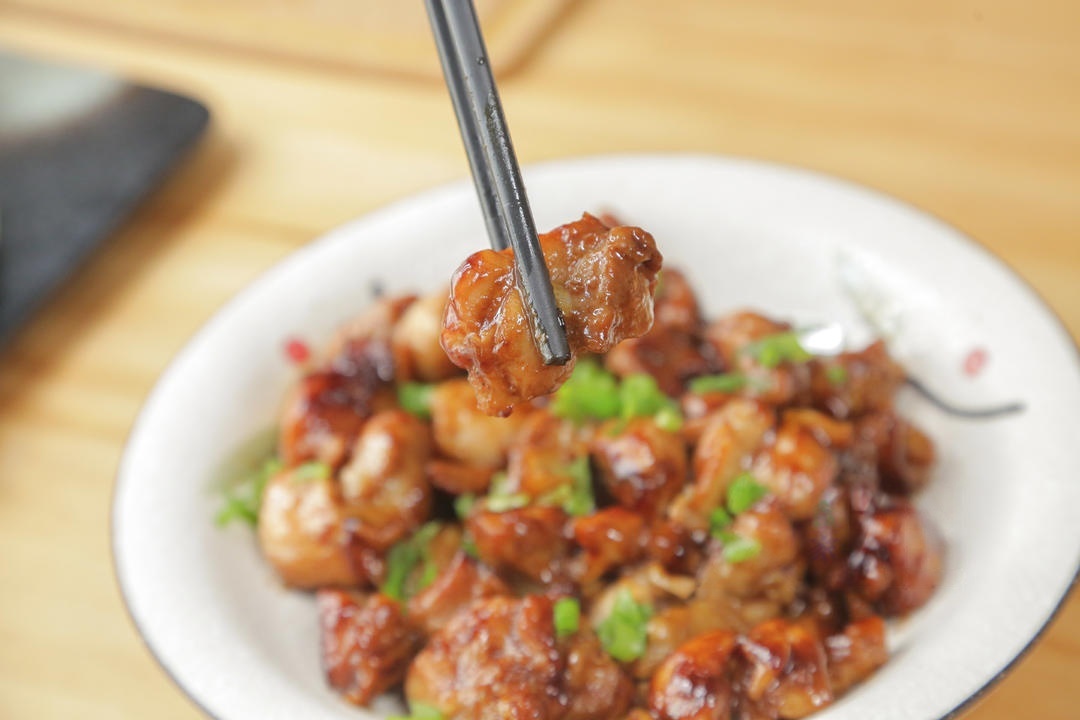
Cooked this way once, you will want the next one too: scallion oil braised chicken starts from the same base and the same pan.
2Scallion Oil Braised Chicken (Cong You Men Ji)This one-pot Scallion Oil Braised Chicken features tender thigh meat simmered in a rich, aromatic sauce made from homemade scallion oil and soy sauce. It is a simple, 30-minute authentic Chinese dish.Check out this recipe
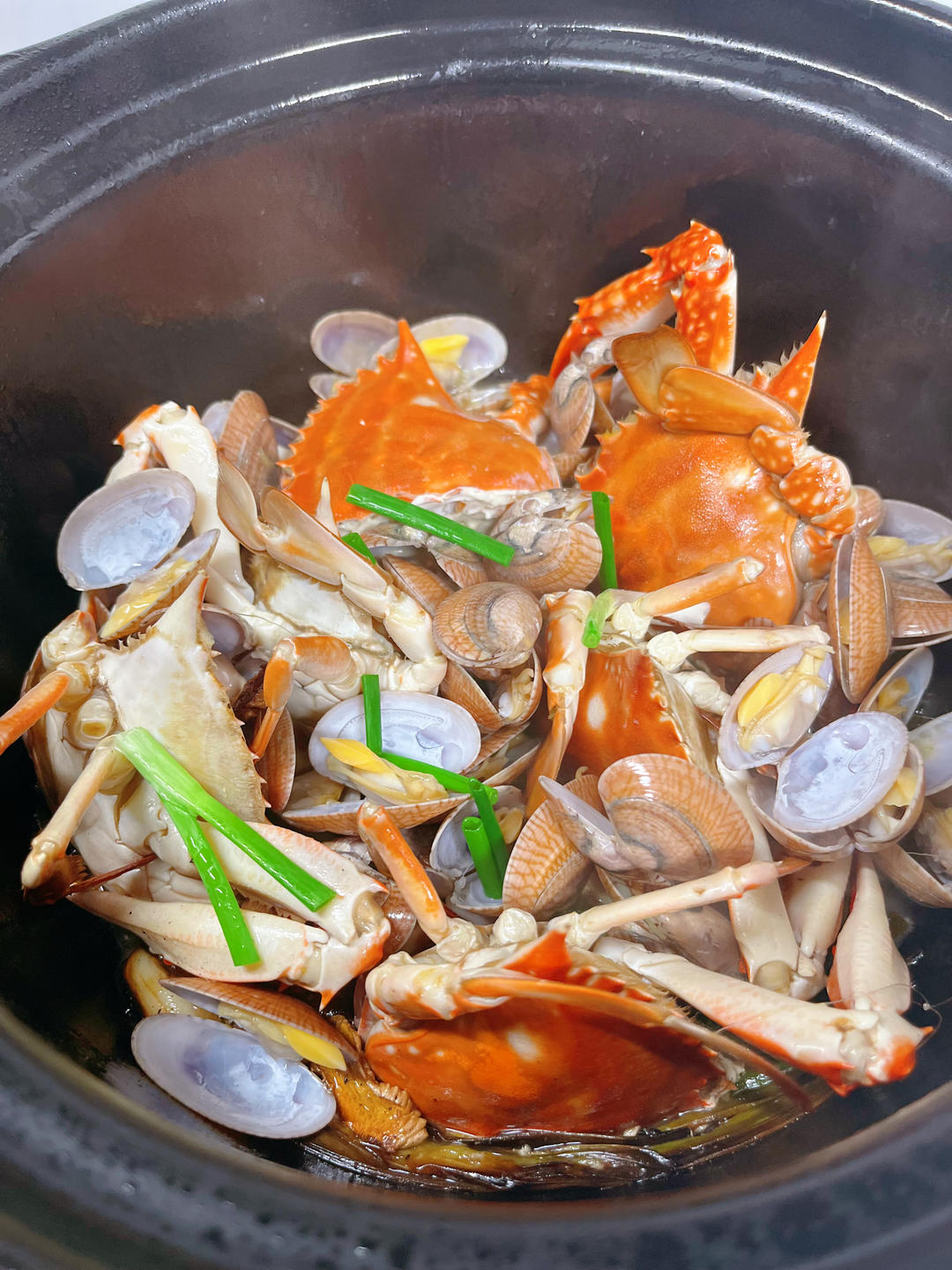
For the next cook from the same playbook, scallion seafood pot is the recipe I point people to.
3Scallion Seafood Pot (Cong Xiang Hai Xian Guo)A sizzling 10-minute seafood feast! Blue crabs and clams steamed over a bed of scallions in a clay pot. No water needed—just pure ocean flavor.Check out this recipe
Why This Recipe Works
Every choice in this recipe is there for a reason, and once you understand them you can adjust freely.
The marinade seasons from the inside. Salt, white pepper, soy sauce, oyster sauce, and cornstarch go onto the raw fish and stay there for 20 minutes. The salt penetrates the flesh, so the fish tastes seasoned all the way through rather than only on the surface. The cornstarch does double duty: it holds a thin protective layer on the exterior, which helps the fish brown instead of steaming in its own moisture, and it gives the finished sauce something to cling to.
Drying the fish is not optional. Surface water is the enemy of a golden crust. If the fish is wet when it hits the wok, the oil temperature drops, the fish steams, and the pieces stick. Patting each chunk dry with kitchen paper takes two minutes and changes the entire outcome.
A patient sear builds flavor. The instruction to leave the fish alone until it releases on its own is the single most important line in this recipe. Fish proteins bond to hot metal until they have browned enough to release; forcing them early tears the crust and leaves half the fish behind in the pan.
Hot oil blooms the scallion. Pouring smoking-hot oil over chopped scallions and sesame seeds is a technique used all over Chinese cooking, from cold dishes to noodles. The heat ruptures the scallion’s cells and dissolves its aromatic compounds into the oil, creating a sauce that tastes far more intense than raw scallions ever could. If you want to understand why heat transforms aromatics so dramatically, this explanation of why stir fry can taste flat covers the same principle.
The covered finish is short on purpose. Two minutes under a lid is enough to let the steam set the sauce and warm the fish through, but not so long that the fish overcooks or the scallions turn dull and olive-colored. Fish goes from tender to dry quickly, so the timer matters.
Equipment Needed
Nothing specialized is required here, which is part of the appeal.
- A wok or a wide skillet. A carbon steel wok is ideal because its curved sides let you splash wine and toss without losing pieces, but a 12-inch nonstick or cast-iron skillet works well too. The key is enough surface area that the fish pieces are not crowded. If you are unsure whether your pan is hot enough before searing, this guide on getting your pan properly hot is worth a read.
- Kitchen paper. For drying the fish — used more here than any other tool.
- A small heatproof bowl. For the scallion sauce, since you will pour hot oil directly into it. A metal or thick ceramic bowl is fine; thin glass can crack.
- A small saucepan or ladle. For heating the oil to smoking.
- A cutting board and a sharp knife. For chopping scallions and ginger.
- A slotted spoon or fish spatula. For turning the fish gently without piercing it.
- A lid. It must fit your wok or skillet for the two-minute braise.
Ingredients
Here is everything you need. The list is short, and most of it is probably already in your kitchen.
- 1 lb grass carp chunks — cut into 1-inch thick pieces, skin on. Ask your fishmonger to cut it, or cut it yourself with a heavy cleaver.
- 1 tsp salt — for the marinade.
- 1 tsp white pepper — the classic partner for fish in Chinese cooking.
- 1 tbsp light soy sauce — or tamari for gluten-free.
- 1 tbsp oyster sauce — adds body and a subtle sweetness.
- 1 tbsp cornstarch — for the protective coating.
- 1 bunch scallions — about 6 to 8 stalks, finely chopped.
- 2 tbsp white sesame seeds — toasted.
- 1 tsp salt — for the scallion sauce.
- 3 tbsp neutral oil — for heating and pouring over the scallions.
- 2 tbsp neutral oil — for searing the fish.
- 3 slices ginger — julienned.
- 1 tbsp Shaoxing wine — splashed around the edge of the wok.
Ingredient Notes
Grass carp. This is a freshwater fish with firm, slightly sweet flesh and a fair number of small bones. Chunks cut across the bone are traditional and give the best flavor, but if bones bother you, ask for boneless fillets and cut them into large pieces — the cooking times stay the same. Tilapia, catfish, or carp substitutes all work; a firm white fish like cod is more delicate, so reduce the sear time slightly and handle it gently.
Scallions. Use the whole stalk — white and green. The white parts carry more pungent allium flavor, the greens carry the fresh aroma. A standard bunch from the supermarket is about right. If your scallions are thin and spindly, use more.
Soy sauce. Light soy sauce is the right choice here; dark soy would muddy the color and add molasses-like heaviness. If you are unsure which bottle to buy, this guide to soy sauce brands breaks down the differences clearly.
Oyster sauce. Adds a round, savory depth that plain soy sauce cannot. Vegetarian oyster sauce exists and works fine. If you omit it entirely, add an extra half teaspoon of soy sauce and a pinch of sugar.
White pepper. Not black pepper. White pepper is more floral and slightly fermented-tasting, and it is the traditional pairing for fish. Black pepper will work in a pinch but changes the character of the dish.
Shaoxing wine. Splashed around the hot edge of the wok, it evaporates and carries off any fishiness. If you do not have it, dry sherry is the closest substitute. Learn more about it in our guide to Shaoxing wine.
Sesame seeds. Toast them in a dry pan for a minute or two until they smell nutty and start to pop. Raw sesame seeds taste flat, and since they are not cooked further in this dish, pre-toasting matters.
Chili (optional). Chopped bird’s eye chilies or a spoonful of Sichuan chili flakes added to the scallion bowl gives the sauce a gentle heat. Leave it out if children are eating, as I usually do.
Prep & Mise en Place
This dish moves quickly once the wok is hot, so do all your prep before you turn on the burner.
1. Cut and dry the fish. If your fish is whole, cut it into 1-inch thick chunks with a heavy cleaver, cutting straight through the backbone. Rinse the pieces under cold water, drain them, then pat each piece thoroughly dry with kitchen paper. Pay attention to the cavity and the skin — both hold water.
2. Marinate. In a bowl, combine the fish with 1 tsp salt, 1 tsp white pepper, 1 tbsp light soy sauce, 1 tbsp oyster sauce, and 1 tbsp cornstarch. Mix gently with your hands or a spoon until every piece is coated. Let it sit for 20 minutes at room temperature. This is a good moment to start your rice.
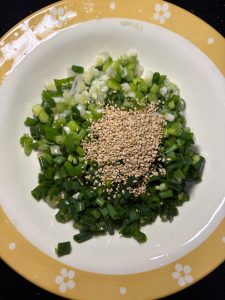
3. Chop the scallions. Rinse and finely chop the scallions, then put them in a heatproof bowl with the toasted sesame seeds and optional chilies.
4. Julienne the ginger. Peel and cut the ginger into thin matchsticks.
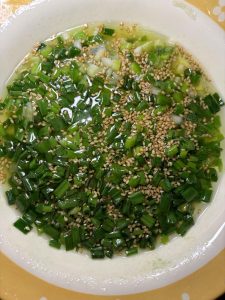
5. Heat the oil for the sauce. In a small saucepan, heat 3 tbsp neutral oil over medium-high until it shimmers and just begins to smoke. Pour it carefully over the scallion mixture — it will sizzle loudly. Stir in 1 tsp salt and set the sauce aside.
6. Set up your station. Have the marinated fish, the ginger, the wine, and the scallion sauce all within arm’s reach of the wok. Once the fish goes in, you will not have time to hunt for anything.
Cooking Process
Step 1 — Marinate the Fish
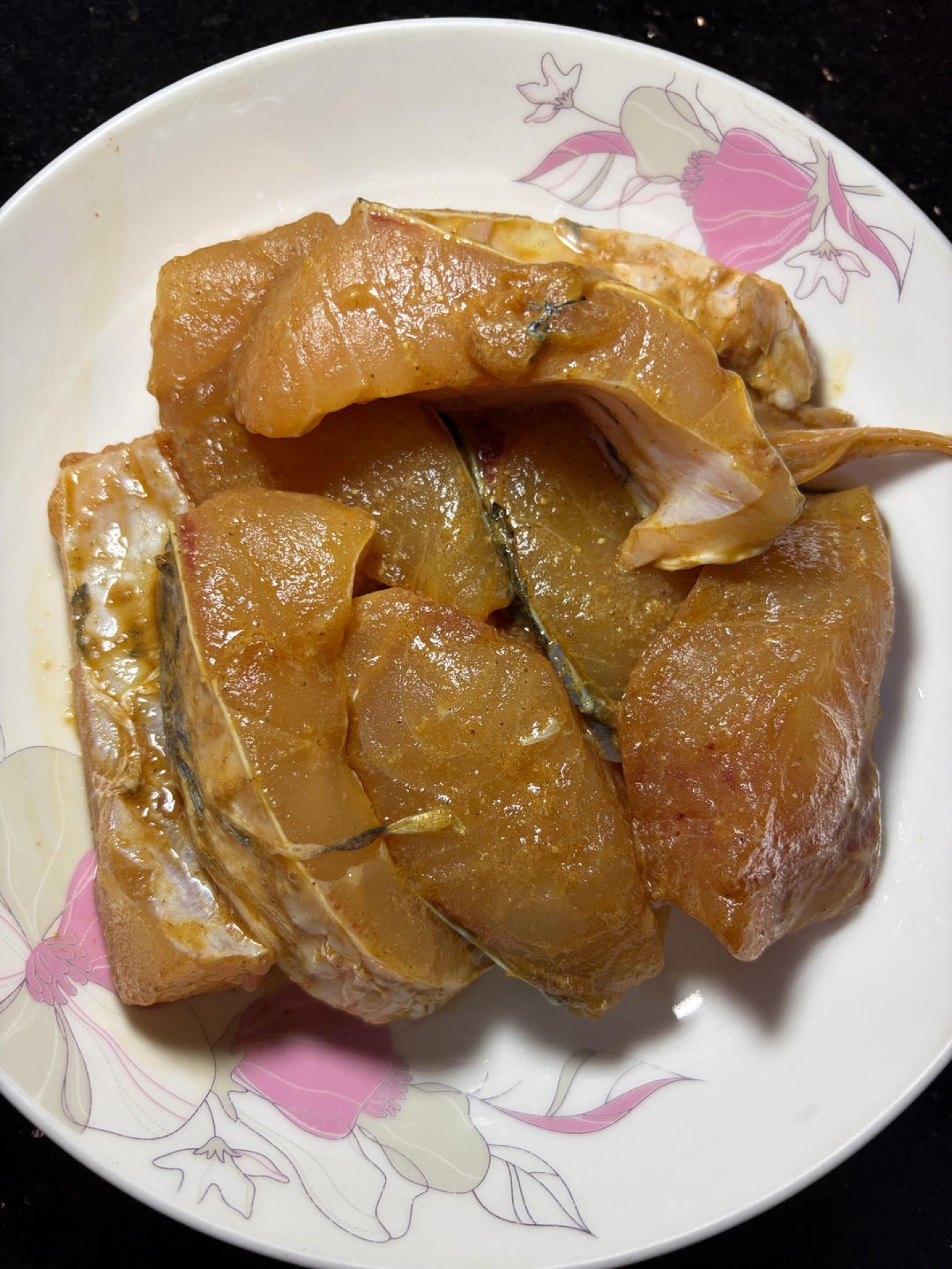
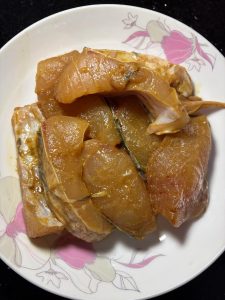
Rinse the grass carp chunks clean, drain them, and pat them completely dry with kitchen paper, then add 1 tsp salt, 1 tsp white pepper, 1 tbsp light soy sauce, 1 tbsp oyster sauce, and 1 tbsp cornstarch and stir until every piece is evenly coated, then marinate for about 20 minutes.
Step 2 — Make the Scallion Base
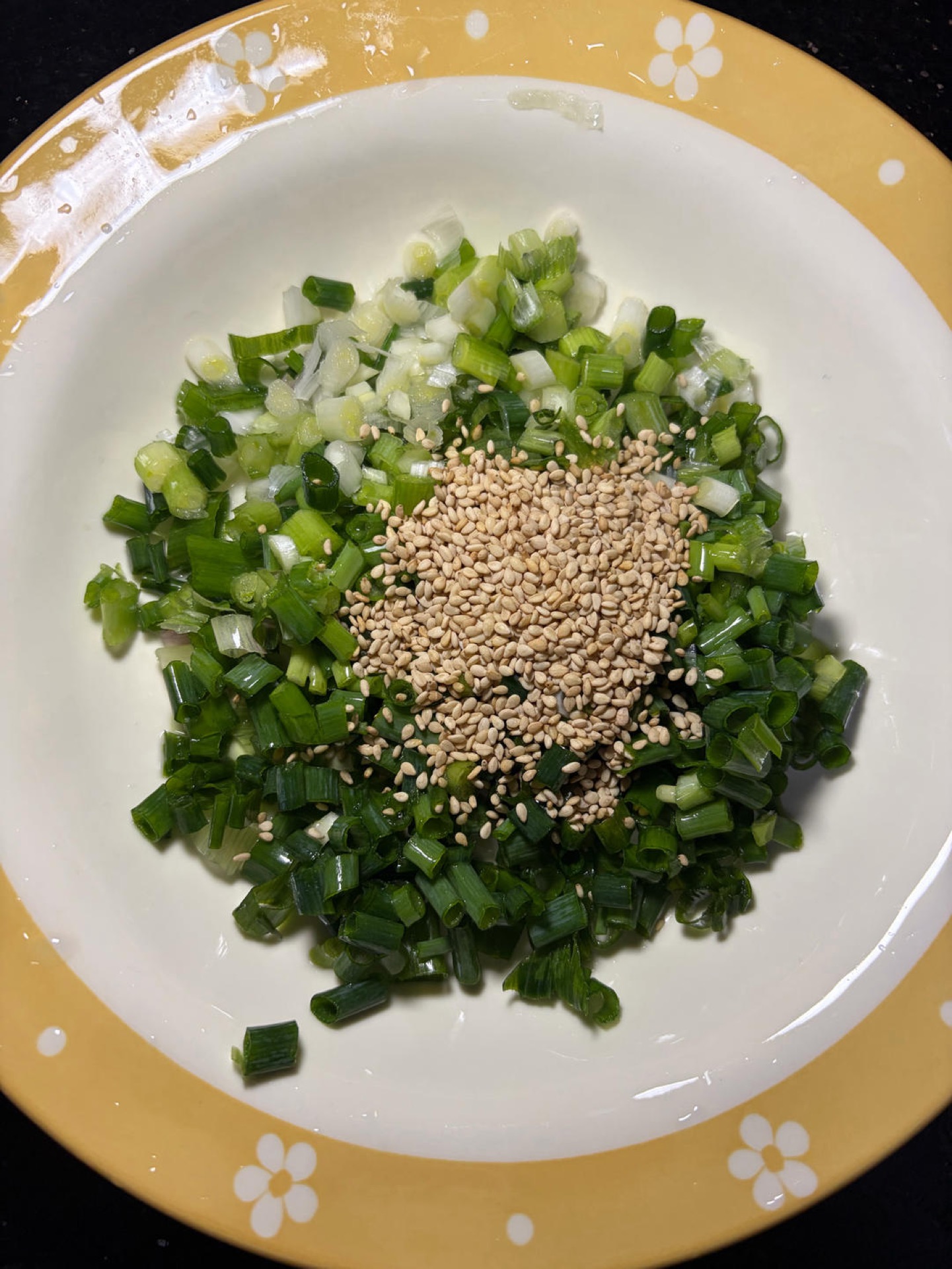
Rinse a bunch of scallions clean and chop them into small pieces, add 2 tbsp white sesame seeds, and if you like heat add chopped bird’s eye chilies — I left them out because kids were eating.
Step 3 — Bloom the Salt-Scallion Sauce
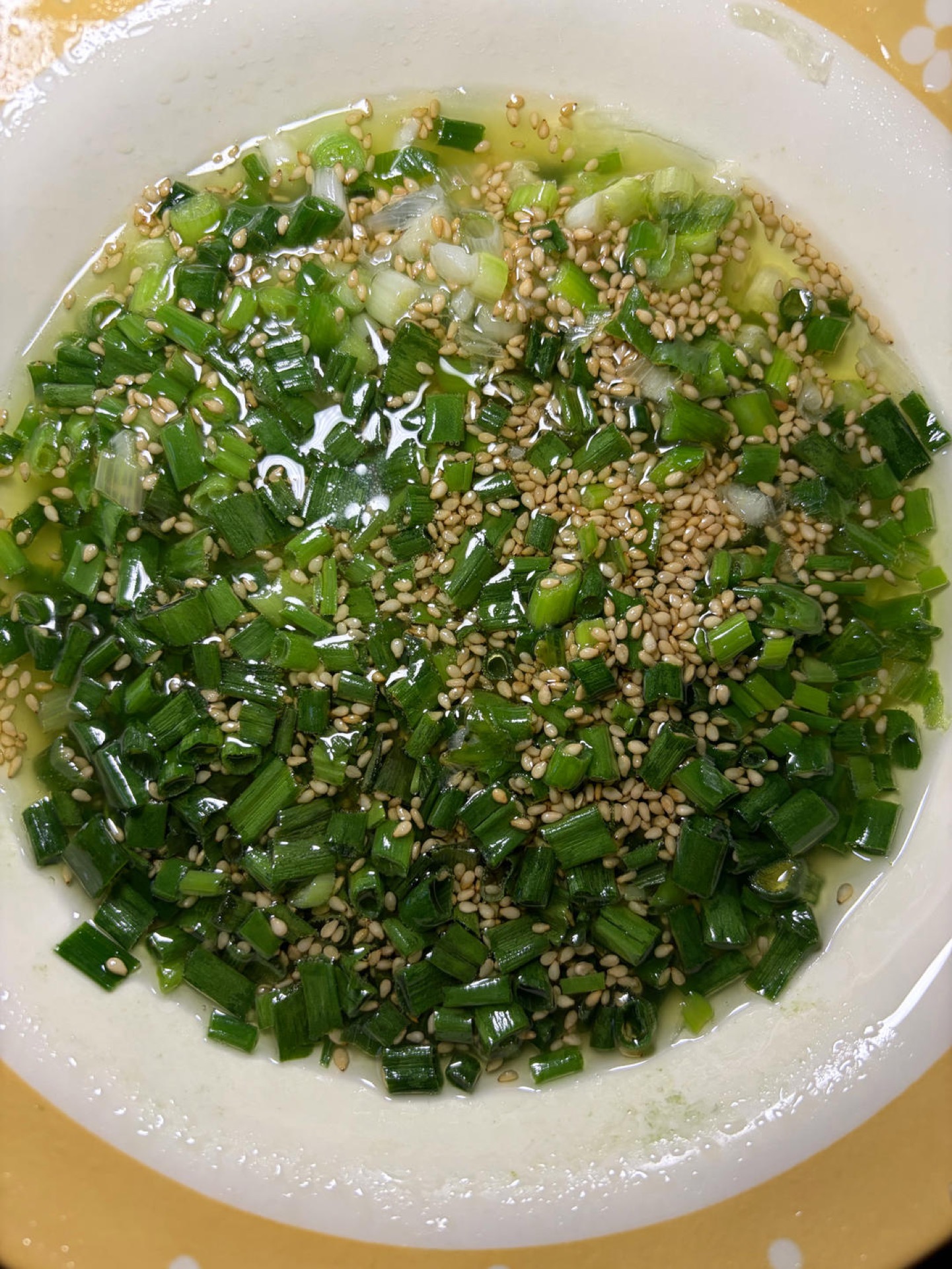
Pour smoking-hot oil over the scallion mixture to release its fragrance, add 1 tsp salt, and stir well to make the salt-scallion sauce, then set it aside.
Step 4 — Sear the First Side
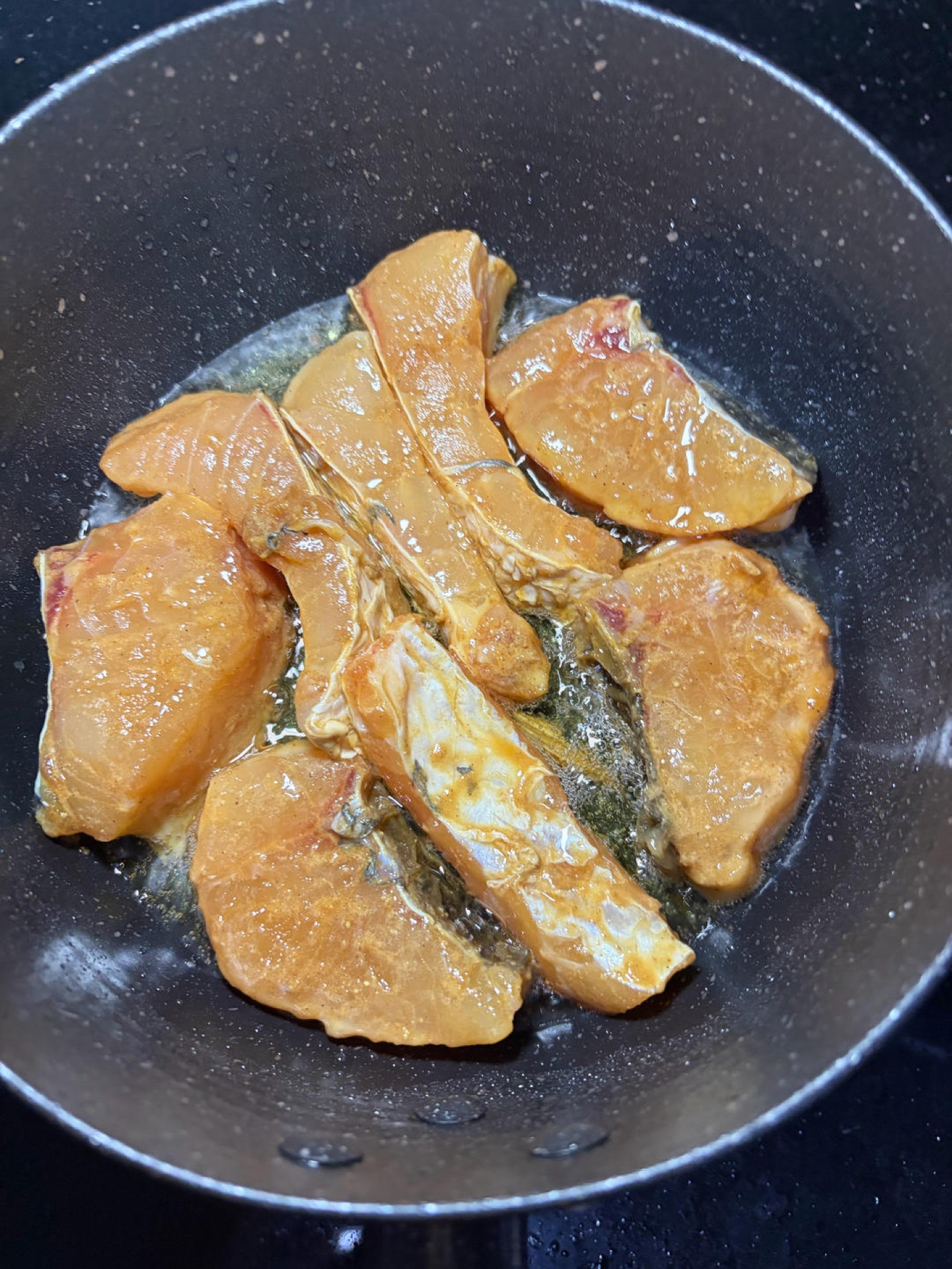
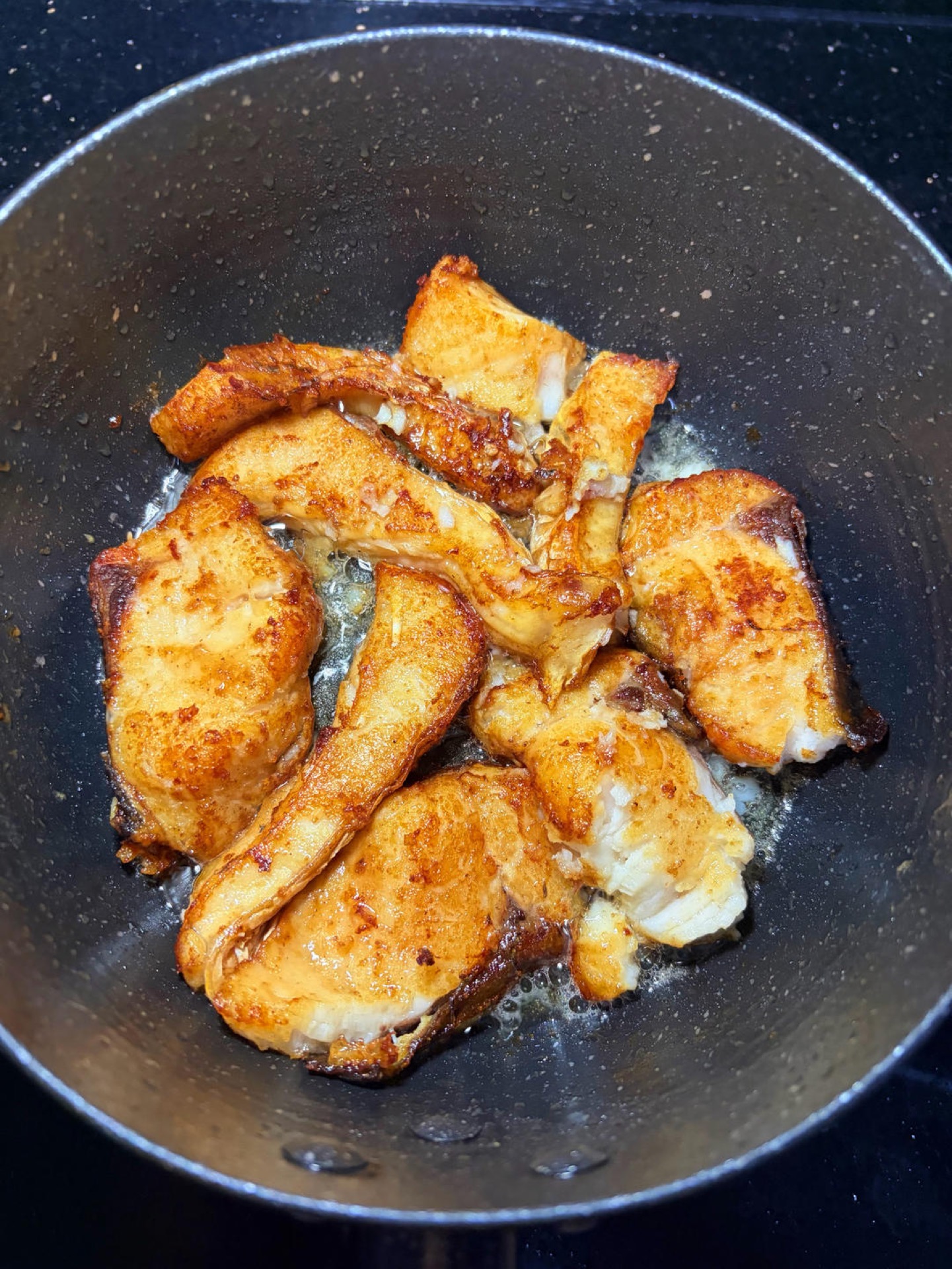
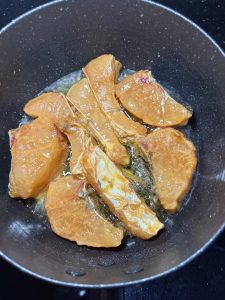
Leave a little oil in the wok, add the marinated fish pieces without moving them, and sear until one side is set and golden before flipping.
Step 5 — Sear Until Golden
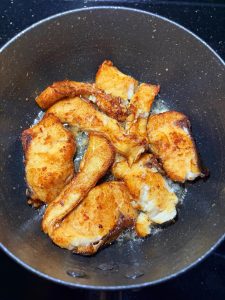
Keep searing until both sides are golden brown.
Step 6 — Add Ginger and Wine
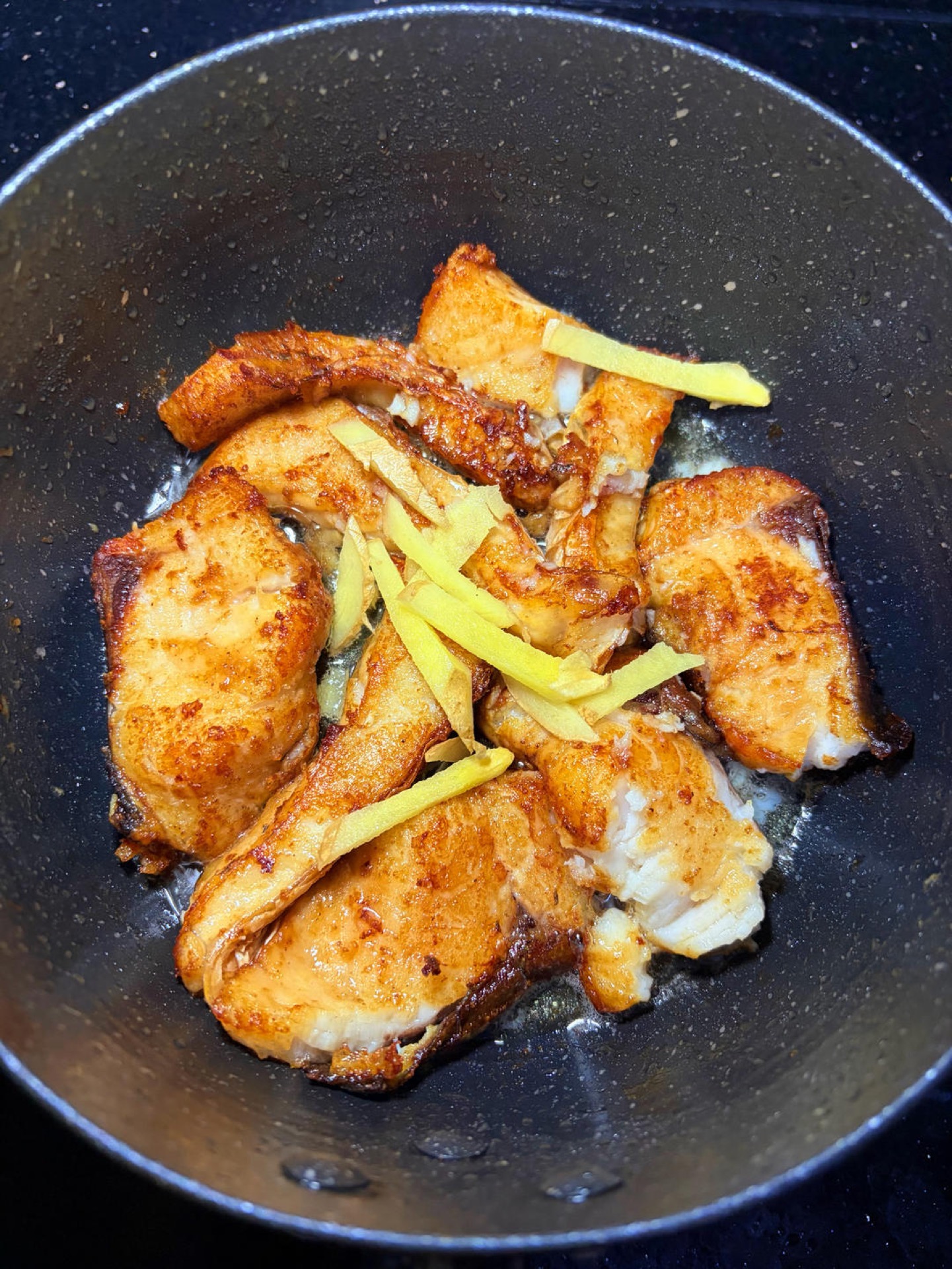
Add the julienned ginger, splash a little Shaoxing wine around the edge of the wok to boost aroma and cut the fishiness, and toss briefly.
Step 7 — Spread the Sauce
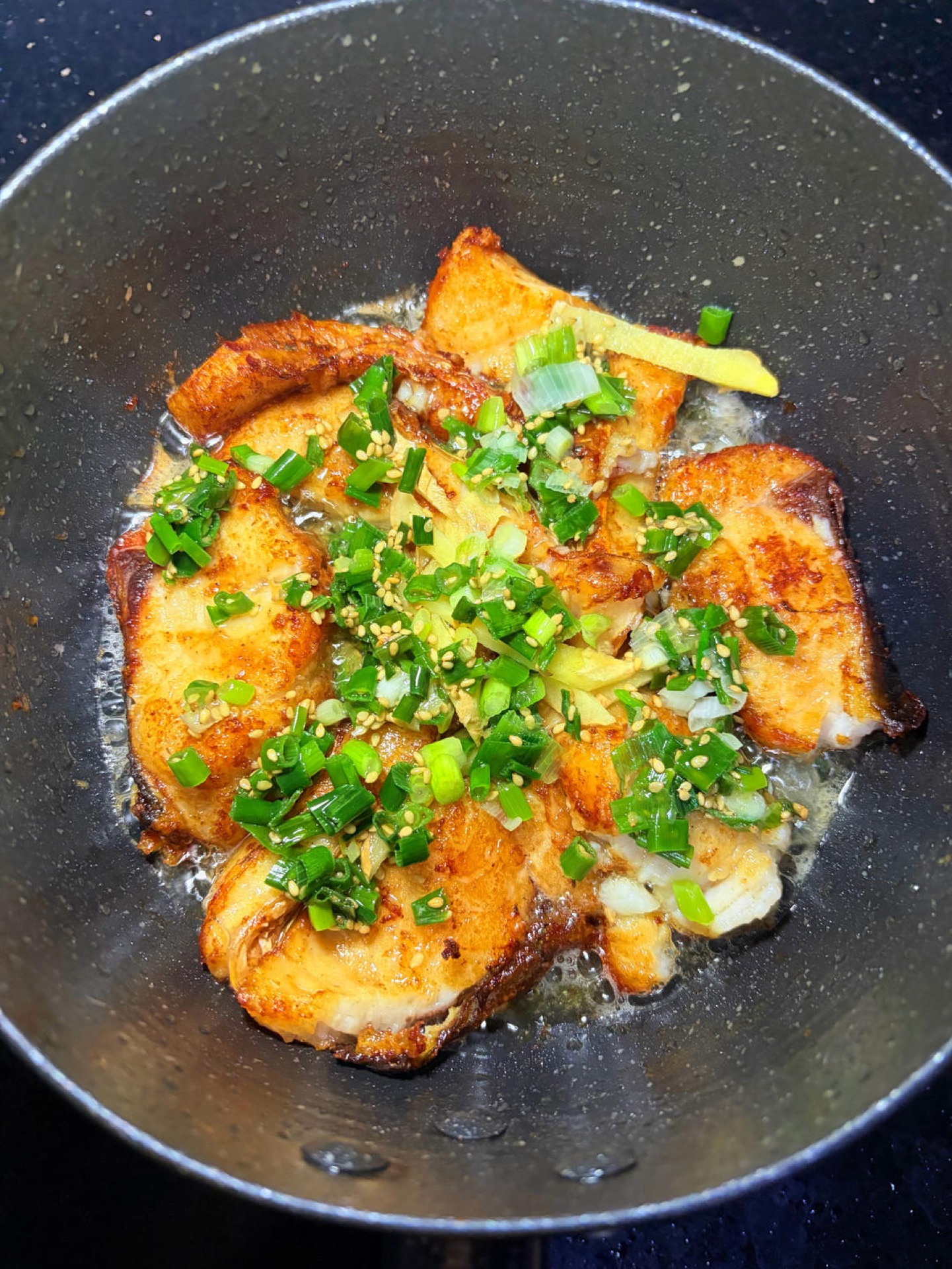
Add the prepared salt-scallion sauce and spread it evenly over the surface of the fish.
Step 8 — Cover and Braise
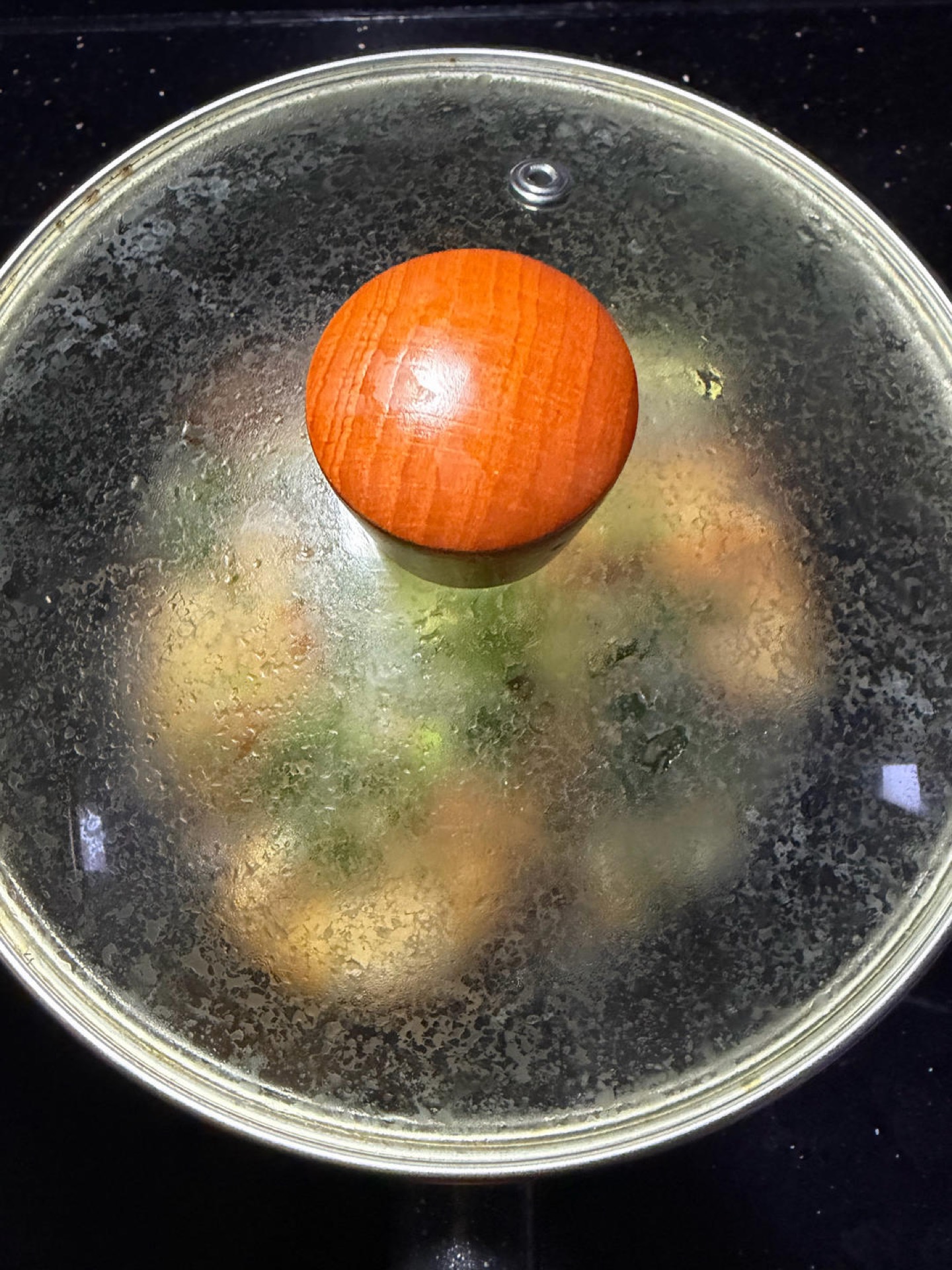
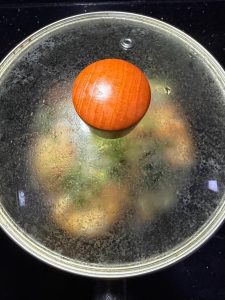
Cover the wok with a lid and braise for 2 minutes, then turn off the heat.
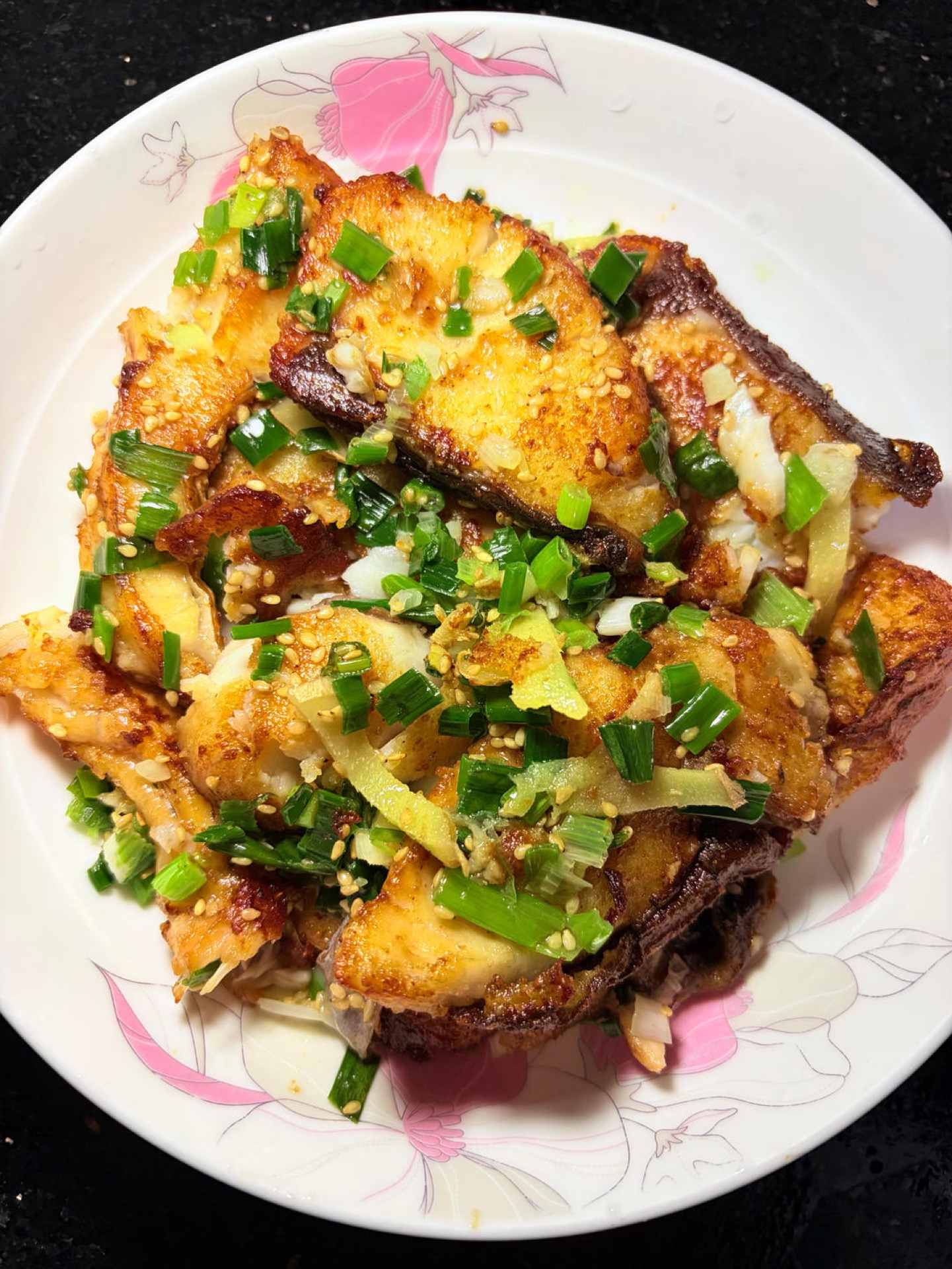
Step 9 — Serve
This simple scallion braised fish needs no heavy seasoning — one bunch of scallions and a few pieces of fish fill the whole house with fragrance, letting you taste the fish’s own freshness and the scallion aroma, so anyone who loves fish should give it a try: delicious with rice and easy to cook.
Common Mistakes When Making Scallion Braised Grass Carp
These are the issues readers write to me about most often, and every one of them has a simple fix.
1. The fish sticks to the pan. This almost always comes down to one of two things: the fish was still wet, or the pan was not hot enough. Dry the pieces thoroughly with kitchen paper, and heat the oil until it shimmers before adding the fish. If you are using a stainless or carbon steel pan, heat it first, then add oil. If a piece does stick, do not pry at it — wait 30 seconds and it will usually release on its own.
2. The crust never forms and the fish looks pale. Crowding is the usual culprit. If the pieces are touching each other, they steam instead of searing. Cook in two batches if your pan is small, keeping the first batch warm on a plate. Medium heat, not low, is also important — low heat draws out moisture and produces a gray, soft surface.
3. The fish breaks apart when you turn it. This usually means you turned it too early, before the crust had set. Wait until the edges look opaque and golden and the piece slides freely when you nudge it with your spatula. Use a thin fish spatula or slotted spoon and support the piece from underneath rather than stabbing at it.
4. The scallion sauce tastes raw or harsh. The oil was not hot enough when you poured it. It needs to be visibly shimmering and just at the point of smoking — around 350°F to 375°F (175°C to 190°C). If your oil was lukewarm, the scallions stay sharp and pungent rather than sweet and aromatic. You can rescue a batch by heating another tablespoon of oil and pouring it in.
5. The fish is dry and flaky instead of tender. Overcooking, plain and simple. Two things cause it: searing too long on each side, and braising longer than two minutes. The fish is fully cooked when it turns opaque and flakes at the touch of a fork — that is 145°F (63°C) internally. Once it reaches that point, every additional minute pulls moisture out.
6. The dish tastes fishy. Freshwater fish needs three things: freshness, thorough drying, and the wine-and-ginger treatment. If you skipped the Shaoxing wine splash or used old fish, the result will be muddy. Buy fish the same day you cook it if possible, and never skip the ginger.
7. The sauce is watery on the plate. The cornstarch in the marinade should thicken the juices slightly, but if your fish released a lot of water (a sign it was not dried well), the sauce will be thin. Next time, dry more aggressively. For the current batch, you can spoon off excess liquid before adding the scallion sauce.
Variations
Steamed instead of seared. If you want an even lighter dish, skip the sear entirely. Marinate the fish, arrange it on a heatproof plate over a few slices of ginger, and steam for 8 to 10 minutes until opaque. Spoon the salt-scallion sauce over the hot fish right before serving — the residual heat blooms the scallions beautifully.
With black bean and garlic. Add 1 tbsp fermented black beans (rinsed and chopped) and 2 extra cloves of minced garlic to the scallion bowl. This pushes the dish toward a deeper, more savory profile that is excellent with plain congee.
Extra spicy. Add chopped bird’s eye chilies or a spoonful of chili flakes to the scallion sauce, and finish with a drizzle of chili oil. This is the version I make when it is just for the adults.
With tofu. Add cubes of firm tofu to the pan after the fish is seared, letting them warm through in the sauce. The tofu soaks up the scallion oil and stretches the dish to feed more people.
Different fish. Tilapia, catfish, sea bass, and pomfret all work. Sea bass and pomfret are firmer and hold up especially well to the sear. Salmon is delicious but much richer — reduce the oyster sauce slightly to compensate.
Aromatic additions. A few slices of fresh ginger in the marinade, or a pinch of allspice in the scallion sauce, adds an unexpected warmth. Go light — this dish is about restraint.
Frequently Asked Questions
Can I use frozen grass carp? Yes, but thaw it overnight in the refrigerator, never on the counter. Frozen-then-thawed fish releases more water, so dry it very thoroughly and consider adding an extra teaspoon of cornstarch to the marinade. Fresh is noticeably better here, but frozen works well on a weeknight.
How do I deal with the small bones in grass carp? Cutting the fish into 1-inch chunks across the bone keeps the small bones contained within each piece, which is how it is traditionally served. Eat around them carefully, or ask your fishmonger for boneless fillets. If serving to young children, use a boneless white fish instead and check each piece before it goes on their plate.
Can I make this ahead of time? You can marinate the fish up to 4 hours in advance, covered, in the refrigerator — but no longer, because the salt will start to cure the flesh and change its texture. The scallion sauce can be made a few hours ahead and kept at room temperature; it actually improves as it sits.
Do I have to use a wok? No. A wide nonstick or cast-iron skillet works perfectly. The only requirement is enough surface area that the fish pieces are not touching, and a lid that fits.
What if I do not have oyster sauce? Substitute an extra half tablespoon of light soy sauce plus a pinch of sugar, or a teaspoon of hoisin sauce. The dish will be slightly less round in flavor but still very good.
Is grass carp safe to eat? Yes, when cooked to 145°F (63°C) and sourced from a reputable supplier. Freshwater fish should always be cooked through rather than eaten raw. See the FDA Food Code for the official safe-handling guidance on freshwater fish.
How to Serve
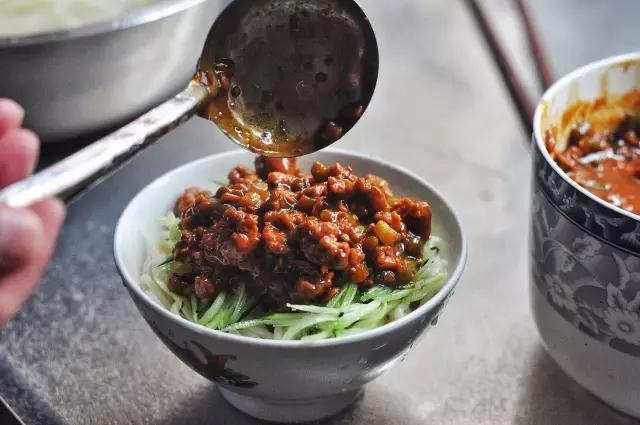
This fish is at its best with plain steamed white rice, which soaks up the scallion oil and the savory juices at the bottom of the plate. A simple stir-fried green vegetable — bok choy, gai lan, or snow pea shoots with garlic — rounds out the meal. If you want a noodle-based dinner instead of rice, a bowl of zha jiang mian alongside makes a satisfying pairing, or a lighter bowl of curry chicken soba noodles for something brothier. For a full spread, add a cold cucumber salad or a plate of smashed cucumbers with vinegar and garlic — the cool crunch balances the richness of the fish beautifully.
If you are new to cooking Chinese food at home and want a broader roadmap, our Chinese home cooking guide covers the pantry basics, techniques, and weeknight-friendly dishes that make this style of cooking feel approachable.

Storage & Reheat
Leftover scallion braised grass carp keeps well, though the texture of the crust softens overnight.
Refrigerator: Cool the fish to room temperature within 2 hours, then transfer it to an airtight container with any sauce and juices. Store for up to 3 days.
Freezer: Not recommended. The texture of the seared crust and the delicate flesh suffers significantly on thawing.
Reheating: The gentlest method is a covered skillet over low heat with a splash of water — about 5 minutes, until steaming hot. The microwave works in a pinch at 50% power in 30-second bursts, but it will soften the fish further. Avoid high heat, which will dry it out.
Food safety: Reheat leftovers to 165°F (74°C) and never reheat more than once. Discard anything left out longer than 2 hours. For official guidance on safe temperatures and storage, see the USDA safe minimum internal temperature chart.
Allergen Notice
This recipe contains soy (light soy sauce, oyster sauce) and shellfish (oyster sauce is made from oysters). It also contains sesame (white sesame seeds). If you are avoiding shellfish, use a vegetarian oyster sauce made from mushrooms, or substitute an extra half tablespoon of soy sauce with a pinch of sugar. For a soy-free version, use tamari or coconut aminos in place of the soy sauce and a soy-free oyster sauce substitute, and check every label carefully. If you are serving someone with a severe allergy, prepare the dish with dedicated utensils and surfaces.
Nutrition Disclaimer
Nutrition information is calculated using an ingredient database and should be considered an estimate. In cases where multiple ingredient alternatives are given, the first listed is calculated for nutrition. Garnishes and optional ingredients are not included.
About the Author & Recipe Development
Hi, I am Lin, the cook, writer, and photographer behind Woks of Love. I grew up in a Chinese household where dinner was always a wok, a cleaver, and whatever looked good at the market that morning, and I have spent the years since learning to write those instincts down in a way that works in a Western kitchen.
This recipe is one of the ones closest to my everyday cooking. It came from watching my mother-in-law make fish on weeknights when there was no time to be precious about it — she would marinate the fish before picking up the kids, sear it while the rice cooked, and spoon the scallion sauce over at the last minute. I have tested it with grass carp, tilapia, and sea bass, at different pan temperatures, and with the sauce made both ahead and at the last second. What you see here is the version that worked every time.
Every recipe on this site is tested in a home kitchen, with ingredients you can find at a regular supermarket or an Asian grocery. If you make this one, I would love to hear how it turned out — leave a comment below, or tag me in a photo. And if something did not work, tell me that too; those notes are how the recipes get better.
Authoritative References
For safe handling and cooking temperatures for freshwater fish, see the FDA Food Code. For minimum internal cooking temperatures and leftover storage guidance, see the USDA safe minimum internal temperature chart. For background on grass carp as a food fish and its culinary role in Chinese cooking, the Encyclopaedia Britannica entry on carp is a useful starting point.
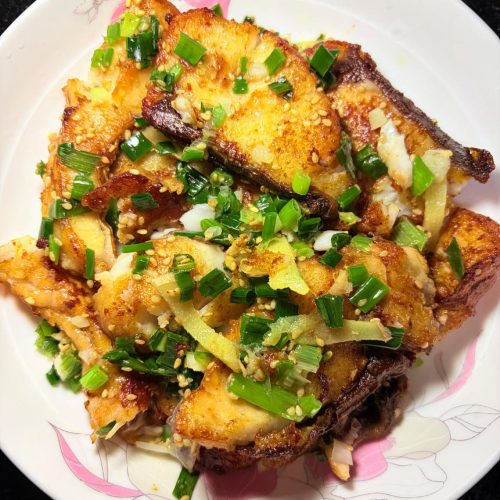
Scallion Braised Grass Carp (香葱焖鱼): Tender Fish, Fragrant

Equipment
- Wok
- Cutting Board
- Kitchen Paper
- Small heatproof bowl
- Slotted Spoon
Ingredients
For the Fish
- 1 lb grass carp cut into 1-inch thick chunks, skin on
- 1 tsp salt fine salt
- 1 tsp white pepper ground
- 1 tbsp light soy sauce or tamari
- 1 tbsp oyster sauce
- 1 tbsp cornstarch
For the Salt-Scallion Sauce
- 1 bunch scallions about 6-8 stalks, finely chopped
- 2 tbsp white sesame seeds toasted
- 1 tsp salt fine salt
- 3 tbsp neutral oil for heating
For the Pan
- 2 tbsp neutral oil for searing
- 3 slices ginger julienned
- 1 tbsp Shaoxing wine for the side of the wok
Instructions
- Rinse the grass carp chunks clean, drain them, and pat them completely dry with kitchen paper, then add 1 tsp salt, 1 tsp white pepper, 1 tbsp light soy sauce, 1 tbsp oyster sauce, and 1 tbsp cornstarch and stir until every piece is evenly coated, then marinate for about 20 minutes.

- Rinse a bunch of scallions clean and chop them into small pieces, add 2 tbsp white sesame seeds, and if you like heat add chopped bird’s eye chilies — I left them out because kids were eating.
- Pour smoking-hot oil over the scallion mixture to release its fragrance, add 1 tsp salt, and stir well to make the salt-scallion sauce, then set it aside.
- Leave a little oil in the wok, add the marinated fish pieces without moving them, and sear until one side is set and golden before flipping.
- Keep searing until both sides are golden brown.
- Add the julienned ginger, splash a little Shaoxing wine around the edge of the wok to boost aroma and cut the fishiness, and toss briefly.
- Add the prepared salt-scallion sauce and spread it evenly over the surface of the fish.
- Cover the wok with a lid and braise for 2 minutes, then turn off the heat.
- This simple scallion braised fish needs no heavy seasoning — one bunch of scallions and a few pieces of fish fill the whole house with fragrance, letting you taste the fish’s own freshness and the scallion aroma, so anyone who loves fish should give it a try: delicious with rice and easy to cook.















Leave a Reply