Hey there! Let’s Get Real About Heat.
If you grew up in the U.S. like many of my readers, your first “chili flake” experience was likely at a pizza parlor, shaking a dusty jar of crushed red pepper over a slice of pepperoni. Let’s be real: that “pizza pepper” is a completely different animal than the vibrant, aromatic Sichuan chili flakes (辣椒粉, lajiao fen) I grew up with.

I spent my childhood running through the steam and chaos of my parents’ restaurant in Chengdu. I remember the air turning sharp and toasty whenever my dad would toast a fresh batch of chilies. Later, in culinary school, I finally learned the “why” behind the magic: it’s not just about heat; it’s about aroma, color, and the specific moisture content that allows the flakes to bloom without burning.
Whether you are making a bowl of Sichuan Boiled Pork Slices or just want to level up your pantry, I’m sharing everything I learned in professional kitchens and on the streets of China to help you master this essential ingredient.
What Exactly Are Sichuan Chili Flakes?
Authentic Sichuan flakes aren’t just dried out; they are usually processed to preserve a specific vibrant, brick-red color and a nutty, popcorn-like scent. They are typically made from two types of chilies:
- Erjintiao (二金条): The gold standard for color and intense fragrance, though milder in heat.
- Facing Heaven (朝天椒): These point skyward as they grow and bring the fire.
In a professional kitchen, we look for a blend. The seeds are often kept in because that’s where the capsaicin—the heat—lives. However, unlike the dry, brittle flakes in the supermarket, good Sichuan flakes often feel slightly oily or supple to the touch because they’ve been toasted with a tiny bit of oil before grinding.
The Culinary Logic: Why Not Just Use Italian Flakes?
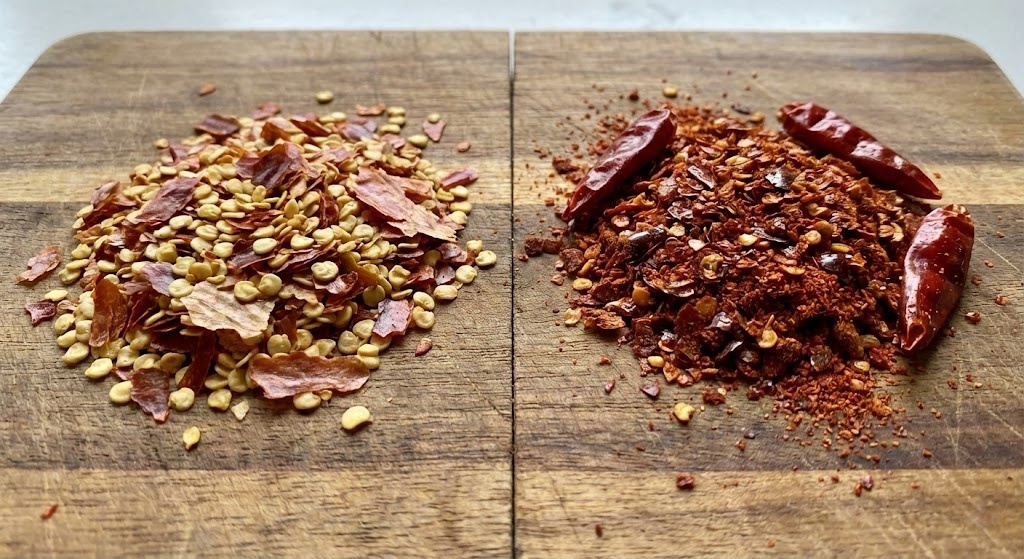
Here is the secret: Italian flakes are roasted longer and drier, which makes them prone to tasting bitter or “burnt” if you throw them into hot oil. Sichuan flakes are designed to “bloom.” When they hit oil at the right temperature, they release their pigment, turning the oil a shimmering ruby red without losing their floral notes.
If you are following my recipe for Homemade Chinese Chili Oil, using the wrong flake is the #1 reason why the oil ends up tasting scorched rather than fragrant.
How to Use Them Like a Pro
1. The “Bloom” Technique
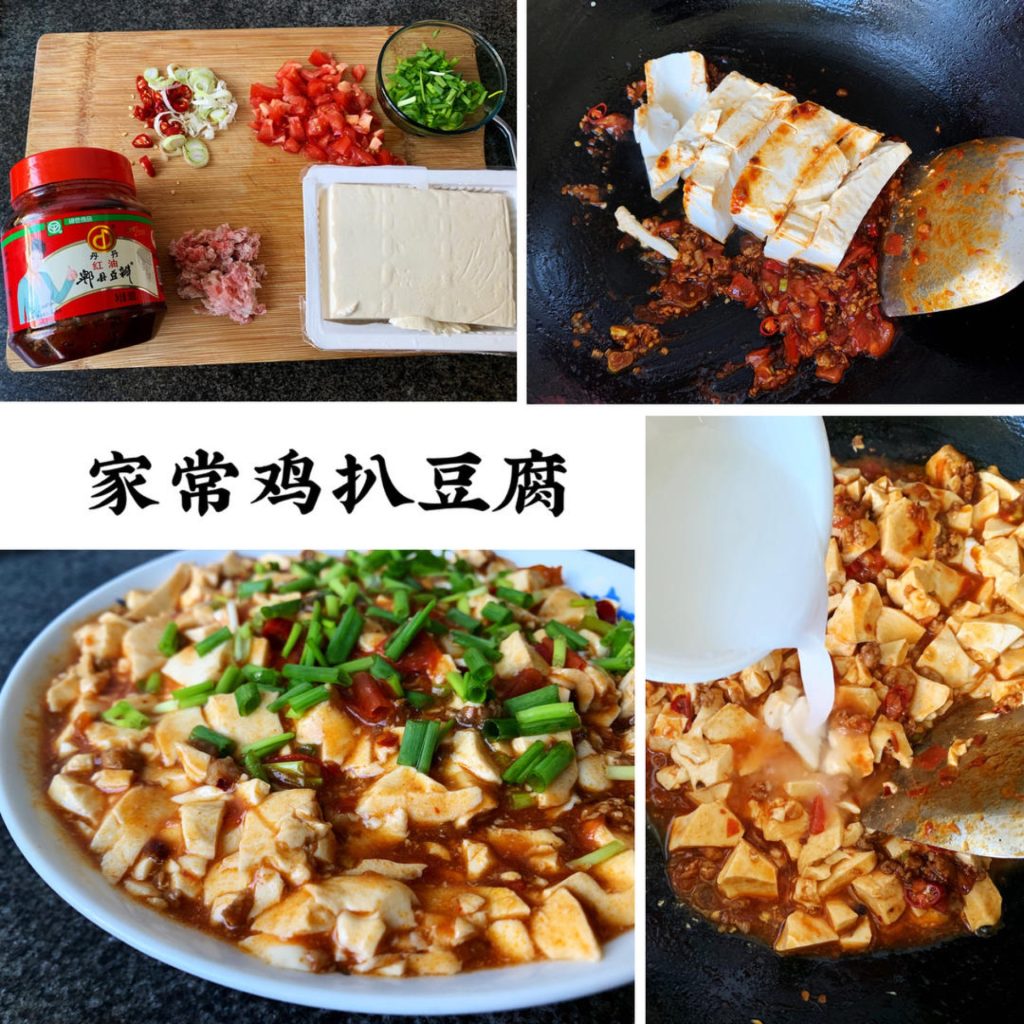
For dishes like Mapo Tofu, we often add the flakes directly to the oil after the aromatics (ginger and garlic) are fragrant.
- Sensory Cue: The oil should sizzle gently but not smoke. If the flakes turn black instantly, your oil is too hot! They should turn the oil a deep sunset orange in seconds.
2. The Finishing Touch
In many Sichuan “boiled” dishes, a pile of chili flakes and Sichuan Peppercorns is placed on top of the cooked meat. Then, smoking hot oil is poured over them.
- Sensory Cue: You should hear a violent crackling sound and the scent should immediately make you want to sneeze—that’s how you know the aromatics have awakened.
3. The Xinjiang Trifecta
If you’ve traveled to Xi’an or the West of China, you know the smell of street BBQ. It’s a mix of chili flakes, toasted cumin, and salt. This is the heart of my Cumin Lamb Stir-fry, a recipe that bridges that gap between professional intensity and your home stove.
Western Kitchen Reality: Mastering the Heat
I know most of you don’t have a 100,000 BTU restaurant burner. If you’re cooking on an electric stove, remember that residual heat is your enemy.
- Lin’s Pro Tip: When toasting spices or blooming flakes, pull the pan completely off the burner if you see the oil shimmering too aggressively.
- Substitutions: If you can’t find Sichuan flakes, do not use Korean Gochugaru as a 1:1 swap. It’s delicious, but it’s too sweet and mild for a true “ma la” dish. In a pinch, pulse some dried Arbol chilies in a blender, but be warned: they are much hotter than the Sichuan variety.
Lin’s “No Secrets” Buying Guide
- Look for Sediment: When buying pre-made jars, look for the chili oil with thick sediment at the bottom. That’s where the flavor lives!
- Check the Color: If the flakes look brown or dull, they are old. You want a bright, intimidating red.
- Storage: Store them in an airtight glass jar in a dark pantry. Light and heat are the enemies of chili oil’s soul.
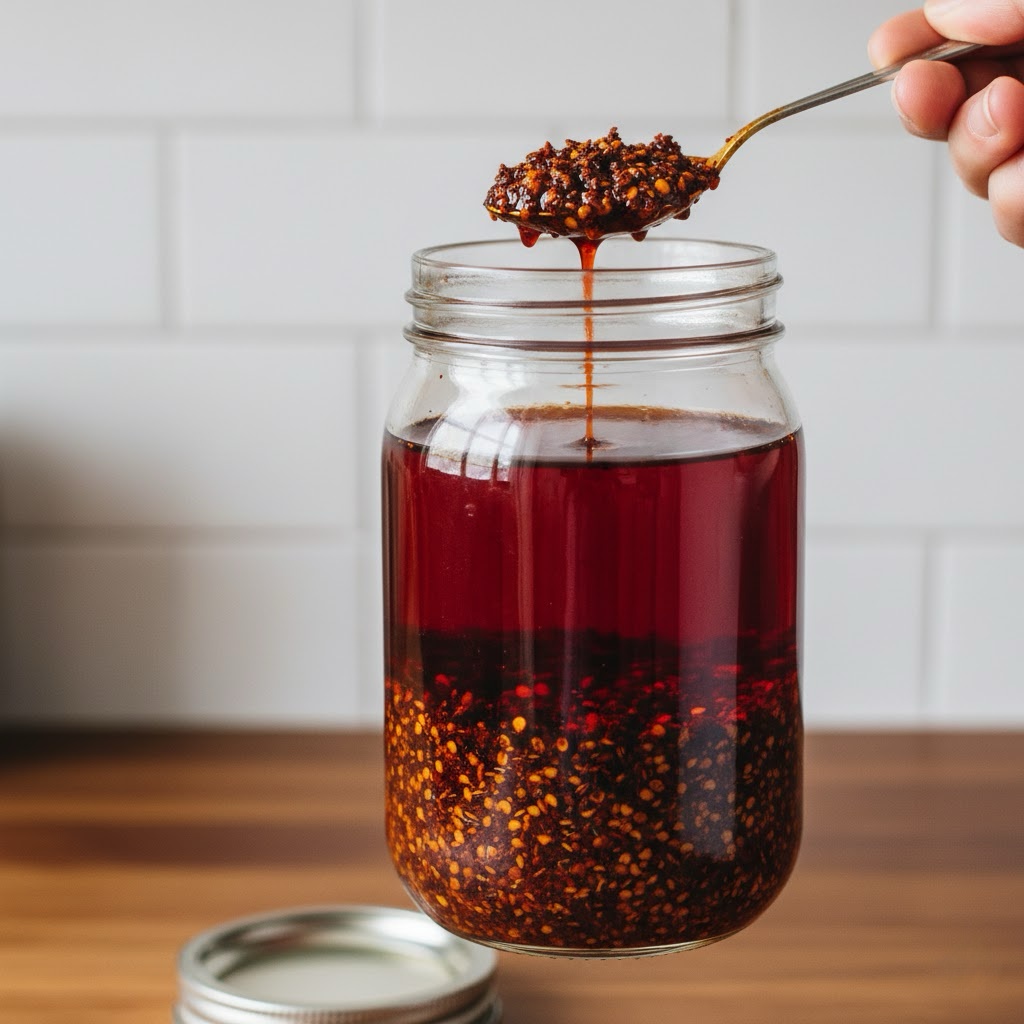
Perfect Flavor Pairings
To get that authentic restaurant taste, Sichuan chili flakes rarely work alone. They are part of a culinary “squad”:
- With Light Soy Sauce: Adds the necessary salt and umami to balance the spice.
- With Shaoxing Wine: The acidity cuts through the oiliness of the fried chilies.
- With Black Vinegar: Essential for Mouth-Watering Chicken, where the tang balances the “numbing” heat of the flakes.
Authoritative References
- The Scoville Scale & Chili Chemistry: ACS Food Science & Technology – Understanding capsaicin stability in oils.
- Regional Pepper Varieties: The Mala Market – A deep dive into Sichuan pepper agriculture and sourcing.
- Food Safety in Spices: FDA Guidance on Spice Safety – Proper storage to prevent mold/oxidation.






Leave a Reply