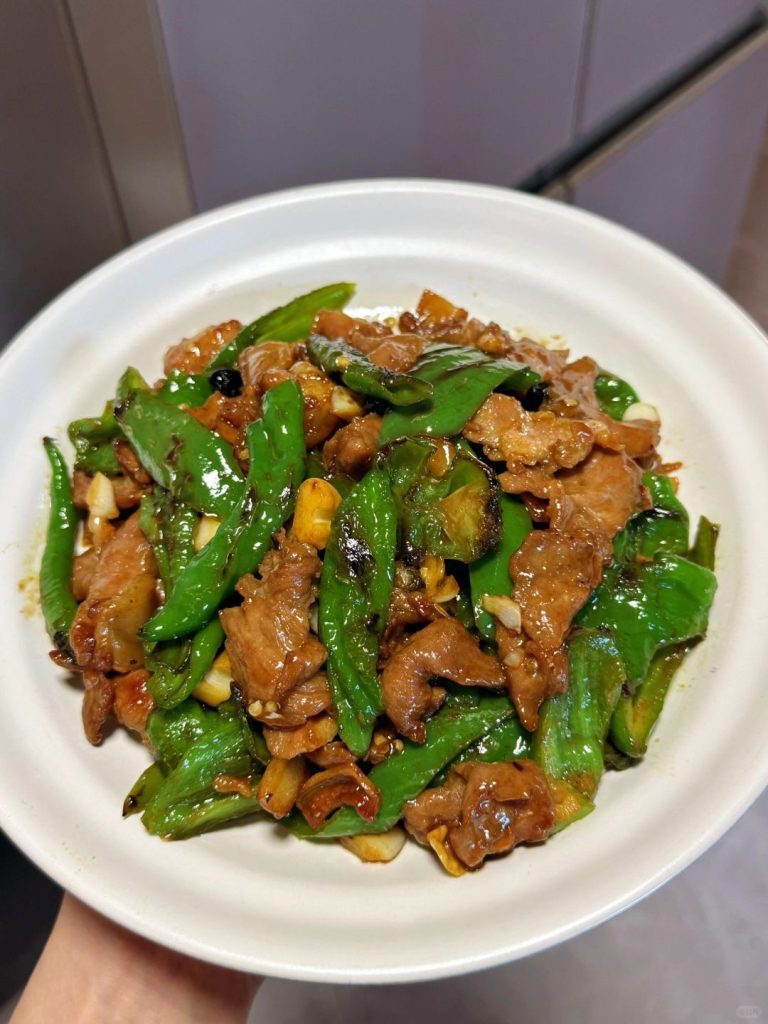
You’ve spent thirty minutes meticulously slicing vegetables and prepping meat. You fire up the stove, toss everything in the pan, and expect a restaurant-quality explosion of flavor. Instead, you end up with a plate of limp, “wet” vegetables and meat that tastes like… well, nothing. It’s a common frustration for home cooks: the dish looks right, but the flavor is flat, one-dimensional, and boring.
The Quick Answer to Your Flavor Problem
A bland stir fry is usually caused by three main culprits: lack of high-heat searing (which leads to “steaming” instead of frying), missing the “holy trinity” of aromatics (garlic, ginger, scallions), and failing to balance the sauce with enough salt, acid, and a touch of sugar to unlock umami.
Why It Works: The Science of “Wok Hei” and Maillard
Flavor in a stir fry isn’t just about what you add; it’s about how the heat interacts with the ingredients. When you sear meat and vegetables at high heat, the Maillard reaction creates complex, savory flavor compounds. If your pan is too cold or too crowded, the moisture from the food can’t evaporate fast enough. This creates a “steam bath” that washes away flavor. Oil acts as the bridge, carrying the fat-soluble aromas of your spices directly into the fibers of your ingredients.
The Real Kitchen Insight
In my experience, many home cooks treat stir-frying like a slow sauté. In a professional kitchen, we don’t just “cook” the food; we “assault” it with heat. What most beginners don’t realize is that the “secret” restaurant flavor often comes from the order of seasoning. We seasoned the meat first, then the oil, and finally the dish at the very end. If you’re asking why does my stir fry taste bland, you are likely adding your sauce too early, which prevents the ingredients from ever getting that crucial smoky sear.
Essential Ingredients & Easy Substitutes
To build depth, you need a balanced pantry. Don’t worry if you can’t find everything; there are ways around it.
- Light Soy Sauce: This provides the salt and the “soul.” If you’re out, use a mix of half salt and half dark soy sauce, or even a splash of liquid aminos. Light soy sauce is the most common seasoning in my kitchen.
- Shaoxing Wine: This adds a nutty, fermented depth that salt alone can’t touch. If you can’t find it, dry sherry is a perfect 1:1 substitute for Shaoxing wine.
- Oyster Sauce: This is an umami bomb. If you’re vegetarian, mushroom-based “oyster” sauce works beautifully. Using oyster sauce correctly is the quickest way to fix a flat-tasting sauce.
- Aromatics: Never skip the fresh garlic and ginger. They are non-negotiable.
Prep Strategy: Dry and Uniform
Flavor starts before the heat is even on.
- Uniform Slicing: Cut your meat and vegetables into similar sizes so they cook at the same rate.
- The “Drying” Phase: After washing vegetables or marinating meat, pat them dry with paper towels. Any surface water will turn into steam and kill your sear.
- Velveting: To ensure the meat stays juicy and holds onto the sauce, try how to velvet chicken for stir fry. This technique creates a protective coating that “grabs” the flavor.
Step-by-Step Cooking for Maximum Flavor
- Heat the Pan: Use a high smoke point oil. Check out the best oil for stir frying to ensure your pan doesn’t smoke out the house. You should see a faint wisp of smoke.
- Sear the Protein: Lay the meat in a single layer. Do not stir. Let it sit for 30–60 seconds until you hear a loud, aggressive sizzle. Look for light browning. Remove and set aside.
- Infuse the Oil: Add a tiny bit more oil and toss in your garlic and ginger. You should smell the aroma within 5 seconds—don’t let it turn dark brown.
- Flash-Fry Vegetables: Toss in the hardest vegetables first. They should snap and pop.
- The Re-entry: Add the meat back in, pour the sauce around the edges of the pan (the heat will caramelize it instantly), and toss for 30 seconds until the sauce turns glossy and thick.
6 Common Mistakes + Fixes
| Mistake | Why it ruins flavor | The Fix |
|---|---|---|
| Overcrowding the pan | Lowers temperature; food steams instead of fries. | Cook in batches! Never fill more than 1/3 of your pan. |
| Burnt Garlic | Bitter, acrid taste that masks everything else. | Add aromatics after the oil is hot but before the veggies. |
| Using Cold Meat | Chills the pan immediately, losing the sear. | Take meat out of the fridge 15 minutes before cooking. |
| Too Much Sauce | Drowns the ingredients and turns them soggy. | Use a thickener like cornstarch and aim for a “glaze,” not a soup. |
| Under-seasoning | Salt is needed to “wake up” the other flavors. | Taste your sauce before adding it to the pan. |
| Skipping Sugar | The sauce lacks balance. | A 1/4 teaspoon of sugar acts as a flavor enhancer. |
导出到 Google 表格
Pro Tips for the Home Stove
- Skillet vs. Wok: If you are using a standard electric or flat-top stove, a heavy stainless steel or cast-iron skillet often works better than a round-bottom wok. The skillet provides more surface area for searing.
- Flavor Layering: Don’t just pour the sauce in. Add a splash of toasted sesame oil at the very end, off the heat. The heat of the stir-fry will “toast” the oil’s aroma into the dish.
- The Sizzle Signal: If the “hiss” turns into a “bubble,” your pan is too cold. Stop, remove some food, and turn up the heat.
Variations: Making it Your Own
- Spicy Kick: Add a teaspoon of chili crisp or dried chili flakes into the oil along with your garlic.
- Citrus Zest: If the dish feels “heavy,” a squeeze of lime or a teaspoon of rice vinegar at the end provides the acid needed to brighten the flavors.
Mini Recipe: The “Never-Bland” Garlic Chicken
- Protein: 1/2 lb chicken breast, sliced thin.
- Aromatics: 3 cloves garlic (minced), 1 inch ginger (sliced).
- The Sauce: 1 tbsp light soy sauce, 1 tsp oyster sauce, 1 tsp Shaoxing wine, 1/4 tsp sugar, 1/2 tsp cornstarch.
- The Method: Follow the stir fry order of ingredients. Sear chicken, remove. Sauté garlic/ginger. Toss in a handful of snap peas. Return chicken. Add sauce. Toss until glossy.
FAQ: Stir Fry Troubleshooting
- Can I use olive oil? No, its smoke point is too low for stir-frying and the flavor is too dominant for Chinese dishes.
- Why is my chicken tough? You likely overcooked it. Searing it quickly, removing it, and adding it back at the end is the key to tenderness.
- My sauce is too thin! Make sure you whisk your cornstarch slurry right before adding it, as the starch settles at the bottom.
- What if I don’t have ginger? Use a tiny pinch of ground ginger, but fresh is vastly superior for aromatics.
- Is MSG necessary? It’s not “necessary,” but a tiny pinch will provide that “restaurant” savory depth you might be missing.




Leave a Reply