If you ask my parents, a day isn’t complete without a bowl of noodles. While tomato and egg noodles are a daily staple, the crown jewel of our family kitchen is my dad’s Zha Jiang Mian (炸酱面). I’m not exaggerating when I say his version destroys what you get in most restaurants.
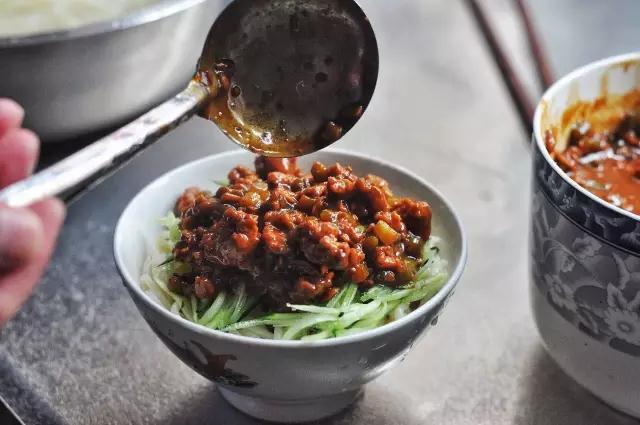
The magic of this dish lies in the details. It looks simple—noodles topped with a dark meat sauce—but the texture of the meat (hand-chopped vs. ground), the balance of the salty soybean paste, and, most importantly, the “chew” (Q texture) of the noodles make all the difference.
In this recipe, I am sharing my dad’s specific method. He insists on making the noodles from scratch using salt water for extra elasticity. He also uses a “sugar coloring” technique (stir-frying sugar until caramelized) to give the pork a glossy, rich hue. This is the comfort food that makes my soul tremble with joy, and I’m so excited to share it with you.
What Is Zha Jiang Mian?
Often called “Chinese Bolognese,” Zha Jiang Mian literally translates to “Fried Sauce Noodles.” It is a beloved dish across China, though it is most famous in Beijing.
However, recipes vary from family to family. While the classic Zha Jiang Mian (Old Beijing Fried Sauce Noodles) typically uses Sweet Bean Sauce (Tian Mian Jiang) and dry yellow soybean paste, my dad’s version leans heavily on fresh Yellow Soybean Paste (Huang Dou Jiang) and includes garlic scapes for a pop of texture.
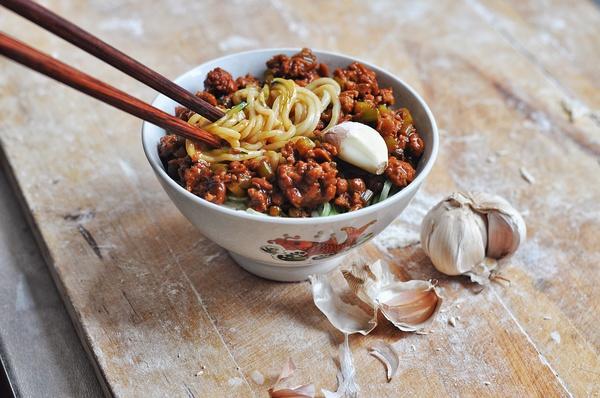
It consists of three main components:
- The Noodles: Ideally handmade, chewy, and substantial.
- The Sauce (Zha Jiang): A savory, umami-bomb of fried pork and fermented soybean paste.
- The Garnish: Fresh, crunchy vegetables like cucumber to cut through the richness.
About the Author & Recipe Development
I’m Lin, a Sichuan-born chef and culinary writer. Growing up in my family’s restaurant kitchen, I watched my father obsess over the perfect noodle dough consistency. Later, during my professional training at the Sichuan Higher Institute of Cuisine, I learned the science behind why we do things—like why salt strengthens gluten networks.
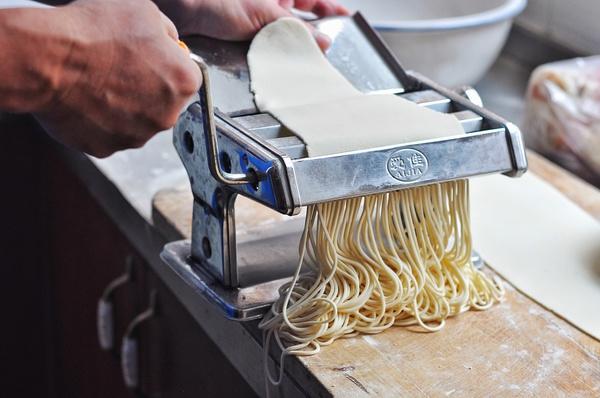
For this recipe, I spent years watching my dad use his hand-crank pasta machine (which he proudly bought for 70 RMB!), noting the exact textures he looked for. I have tested this recipe in my US kitchen using American flour and grocery store pork to ensure you can replicate that authentic “hometown flavor” without needing a flight to China.
Why This Recipe Works
- Salt Water Dough: We use a specific ratio of salt to water when making the dough. This tightens the gluten structure, resulting in noodles that are incredibly distinct and chewy, not mushy.
- Hand-Chopped Meat: Instead of machine-ground pork, we hand-cut the meat into small dice. This ensures the meat retains its juices and provides a satisfying “bite” rather than dissolving into the sauce.
- Starch Velveting: Coating the pork in a little cornstarch before cooking locks in moisture, ensuring the meat stays tender even after simmering in the salty paste.
- Garlic Scapes: The addition of garlic scapes adds a unique garlicky sweetness and crunch that onions just can’t replicate.
Key Ingredients & Substitutions
- Pork: My dad uses lean meat, but I highly recommend using Pork Belly or pork shoulder (butt). You need some fat to render out and flavor the sauce. If you want to be authentic, hand-chop it into small distinct cubes.
- Yellow Soybean Paste (Huang Dou Jiang): This is the soul of the dish. My dad swears by the Haitian brand (commonly found in Asian markets). It’s savory, salty, and full of whole bean texture.
- Note: If you can’t find this, you can check my guide on Yellow Soybean Paste to learn more or substitute with Korean Doenjang in a pinch (though the flavor profile differs slightly).
- Garlic Scapes (Suan Tai): These are the flower stems of the garlic plant. They have a mild garlic flavor and stay crunchy.
- Substitutions: If you can’t find them, green beans or garlic chives work well. See my Pork and Garlic Scape Stir-fry for more info on this ingredient.
- Flour: All-purpose flour works fine, but bread flour will give you an even chewier noodle.
- Cucumber: Essential for freshness. English cucumbers or Persian cucumbers are best as they have fewer seeds.
Ingredients
For the Handmade Noodles:
- 3 cups (approx. 400g) All-purpose flour (plus extra for dusting)
- ¾ cup (180ml) Water (adjust based on humidity)
- ½ tsp Salt
For the Fried Sauce (Zha Jiang):
- 7 oz (200g) Pork belly or pork shoulder (hand-diced is best)
- 2 oz (60g) Yellow Soybean Paste (Huang Dou Jiang)
- 2 oz (60g) Water (equal amount to the paste)
- 8 stalks Garlic Scapes, finely diced
- 1 tbsp (15ml) Vegetable oil
- 1 tbsp (10g) Cornstarch (for velveting meat)
- 1 tsp (5g) Sugar
- 1 tsp (5g) Salt (adjust to taste, the paste is salty)
- 1 thumb-sized piece Ginger, minced
For Serving:
- 1 Cucumber, julienned
- Raw garlic cloves (optional, for the brave!)
Recipe Notes Before You Begin
- Dough Hydration: The dough for these noodles should be stiff and slightly dry. It requires some elbow grease to knead. A drier dough results in a chewier noodle (known as “Jin Dao”). If the dough is too wet, the noodles will be soft and lack texture.
- Velveting: Don’t skip mixing the starch with the meat. This technique is standard in professional Chinese kitchens to protect proteins from high heat.
- Equipment: You can cut the noodles by hand with a knife, or use a pasta machine/stand mixer attachment if you have one.
Mise en Place (Prep)
- Dissolve the Salt: Mix the salt into the water until fully dissolved. This ensures even distribution in the dough.
- Chop the Meat: Dice your pork into small cubes (about the size of a pea). Place in a bowl and mix well with the cornstarch.
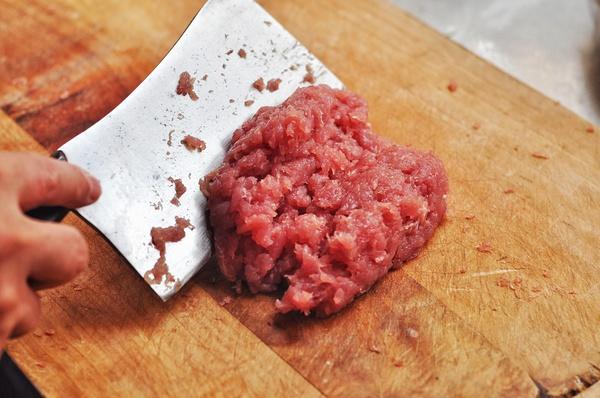
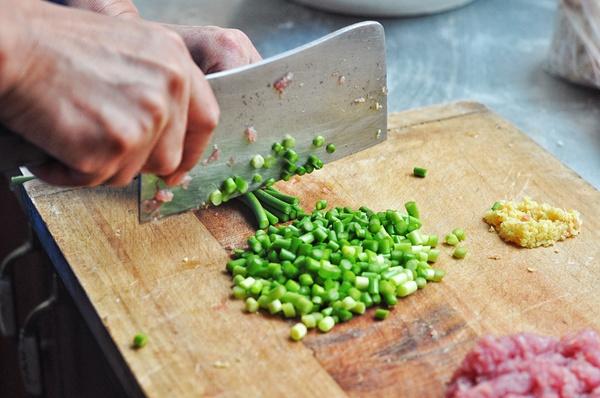
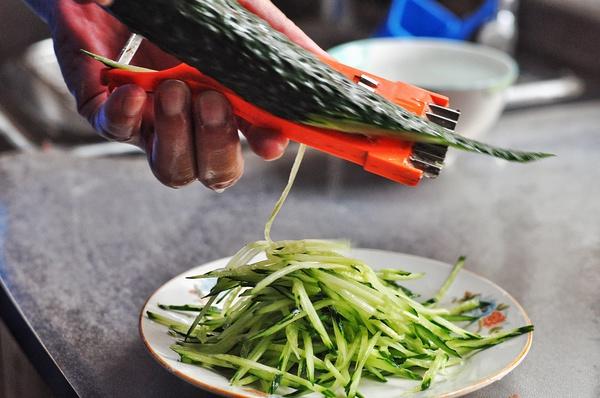
- Prep Veggies: Wash the garlic scapes and chop them into small dice. Minced the ginger finely. Julienne the cucumber and set aside.
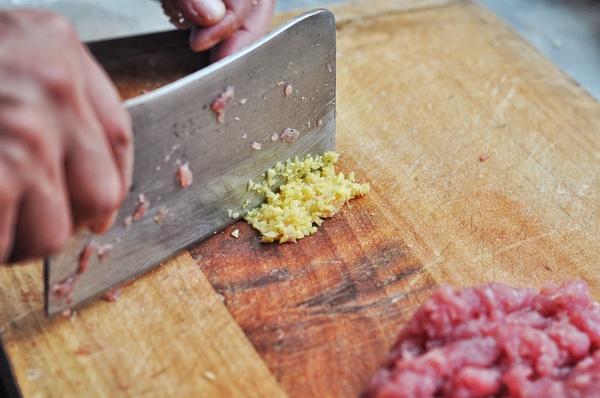
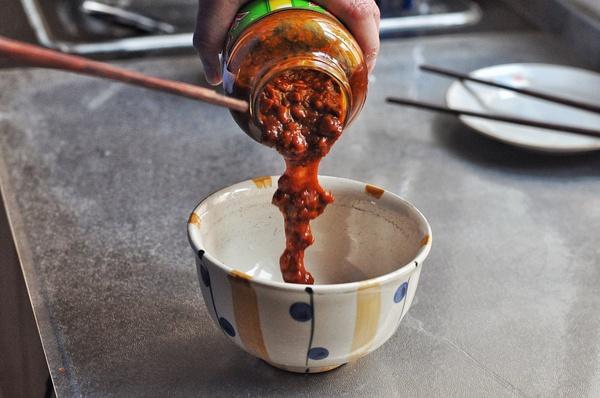
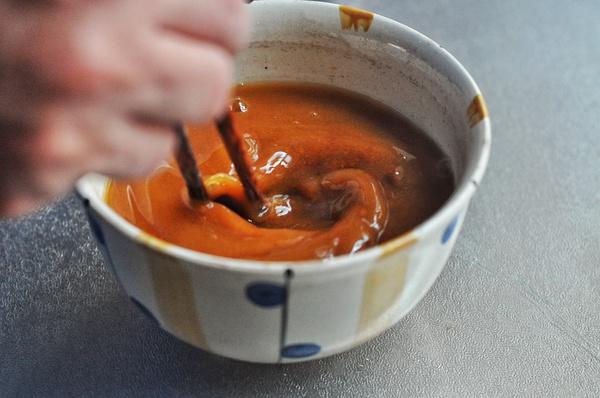
- Dilute the Paste: In a small bowl, mix the Yellow Soybean Paste with an equal amount of water until smooth. This prevents it from burning when it hits the hot pan.
How to Make Dad’s Zha Jiang Mian
Step 1: Make the Noodle Dough
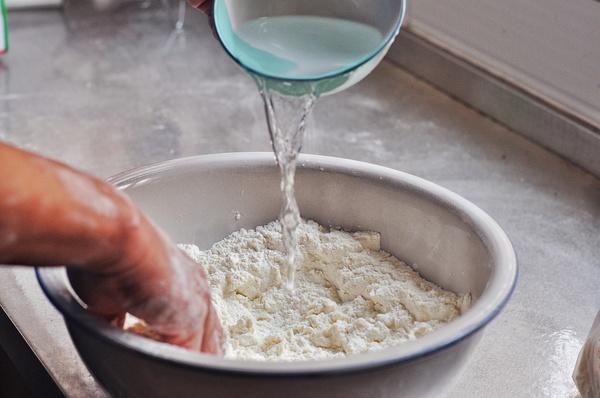
Pour the flour into a large mixing bowl. Slowly trickle the salted water into the flour while stirring with chopsticks or your fingers. Stop adding water when the flour looks like moist, shaggy flakes (it shouldn’t be a sticky ball yet).
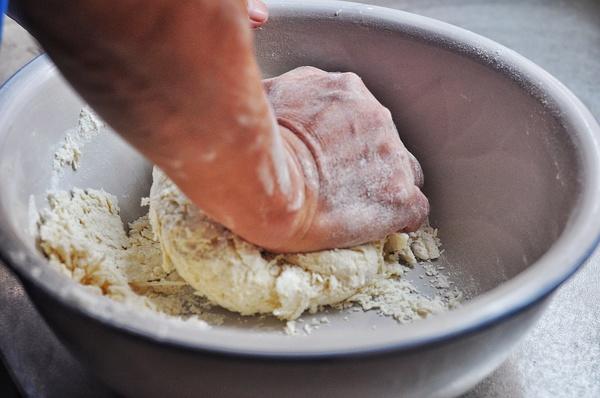
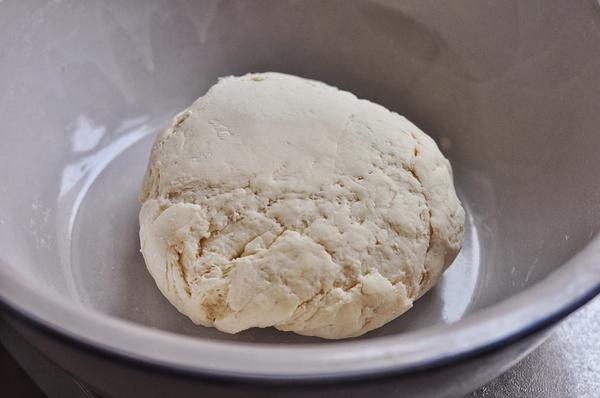
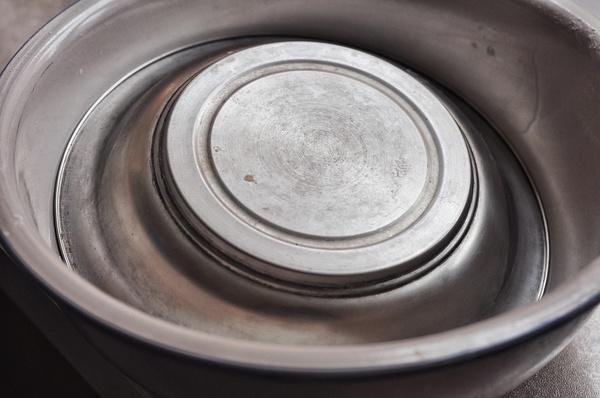
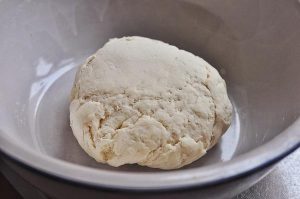
Use your hands to press and knead the flakes together. It will feel hard and dry—this is normal! Knead until you form a relatively smooth, stiff ball. Cover with a damp cloth or plastic wrap and let it rest (proof) for 30 minutes. This relaxes the gluten, making it easier to roll out later.
Step 2: Cook the Sauce
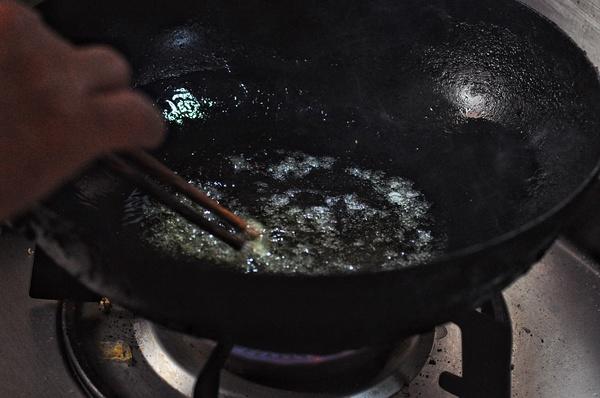
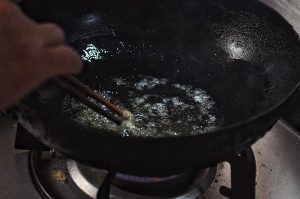
While the dough rests, place a wok or skillet over medium heat. Add the oil and the sugar. Stir gently as the sugar melts. We are looking for a “sugar color” (Tang Se)—the sugar will melt, turn golden, and then a deep amber brown with bubbles.
Safety Note: Be careful! The sugar is extremely hot.
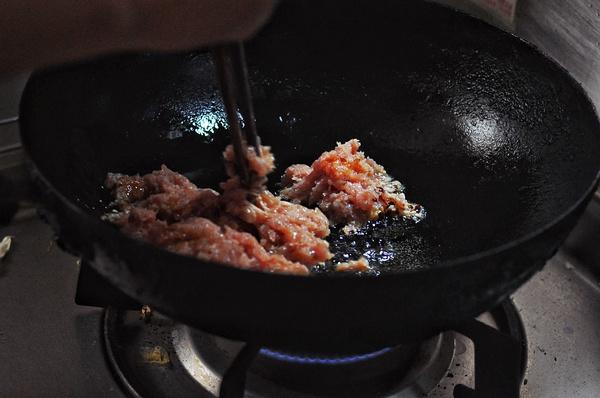
Immediately add the diced pork. Stir-fry vigorously to coat the meat in the caramelized sugar. This gives it a beautiful red-brown color and distinct aroma.
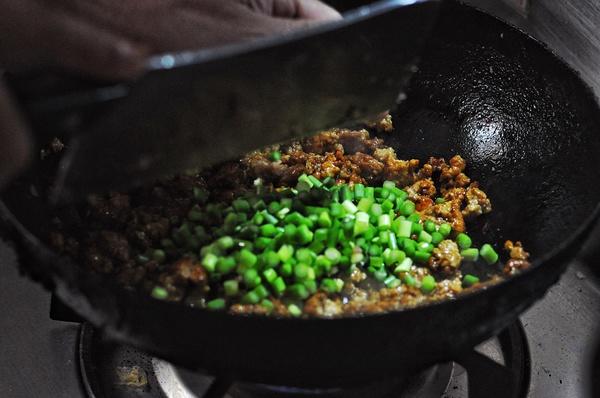
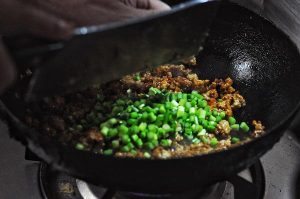
Add the minced ginger and diced garlic scapes. Stir-fry for 1 minute until fragrant. Add the salt.
Step 3: Simmer the Sauce
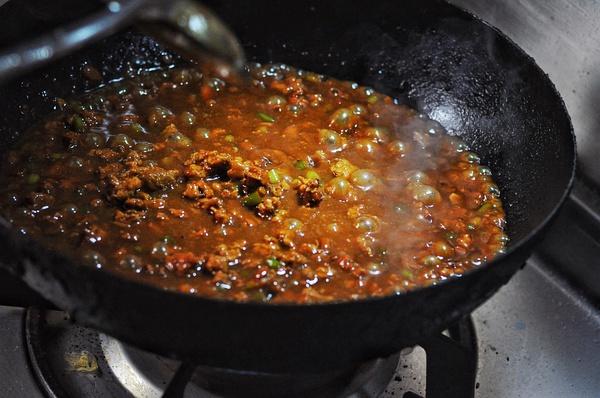
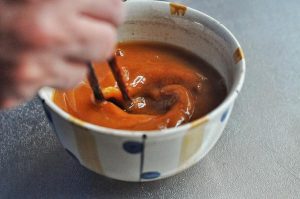
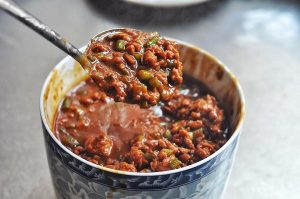
Pour in the diluted Yellow Soybean Paste mixture. Turn the heat down to low/medium-low. Let it simmer gently. The sauce will bubble and thicken.
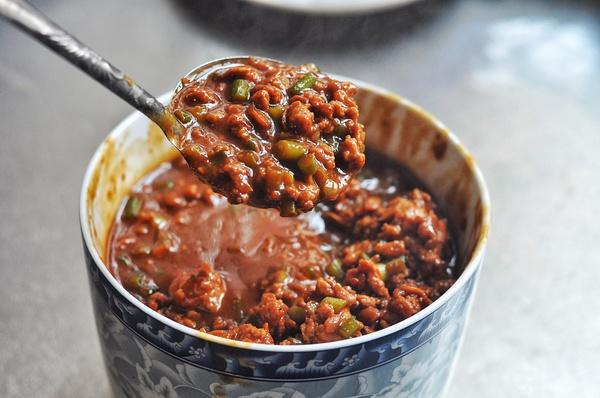
Cook until the sauce is glossy, dark, and thickened to a consistency that coats the spoon. The oil should separate slightly and rise to the surface—this is the sign of a well-cooked sauce. Turn off the heat.
Step 4: Cut the Noodles
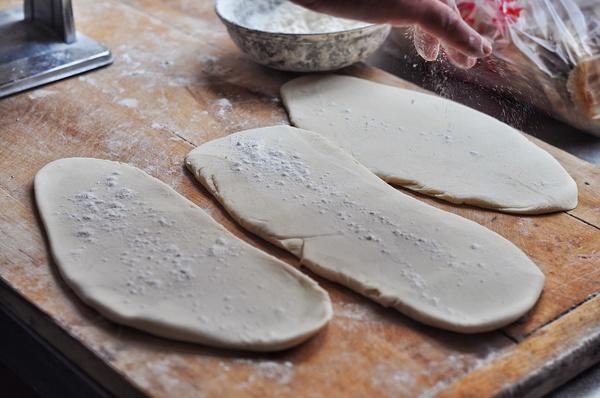
Take your rested dough. If using a machine, pass it through the rollers until smooth, then cut into your desired thickness.
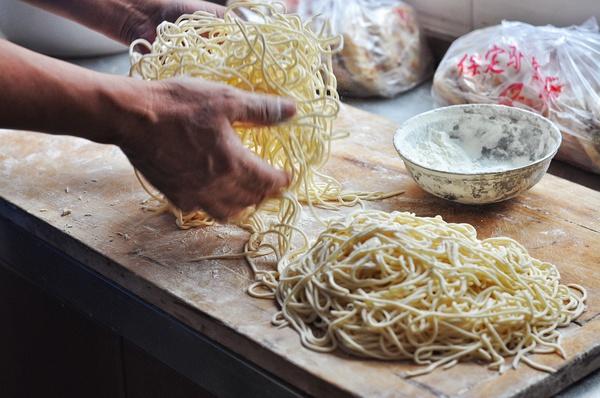
If cutting by hand, roll the dough out into a large, thin rectangular sheet using a rolling pin. Dust generously with flour, fold the sheet over itself several times (accordion style), and slice with a sharp knife. Shake the noodles out and dust with flour to prevent sticking.
(Note: If you love noodles, check out my recipe for Steamed Noodles for another technique using similar dough!)
Step 5: Boil and Serve
Bring a large pot of water to a boil. Add the noodles. When the water comes back to a boil, you can add a splash of cold water to settle it (a traditional method to ensure even cooking). Cook until the noodles are floating and have no white core (about 3-5 minutes depending on thickness).
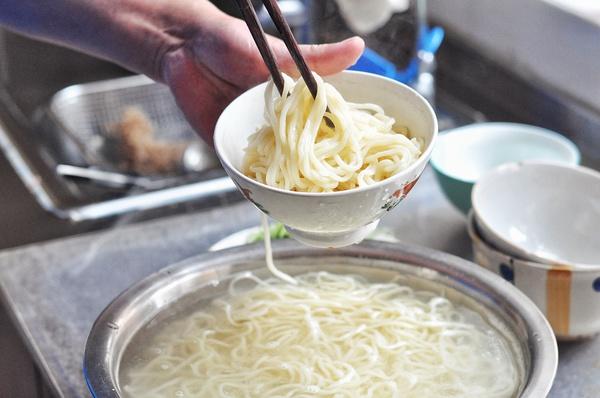
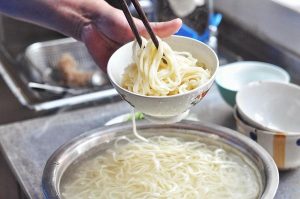
Crucial Step: Drain the noodles and immediately rinse them under cold drinking water. This stops the cooking and tightens the starch, creating that signature “snap” and chewiness. Do not skip this!
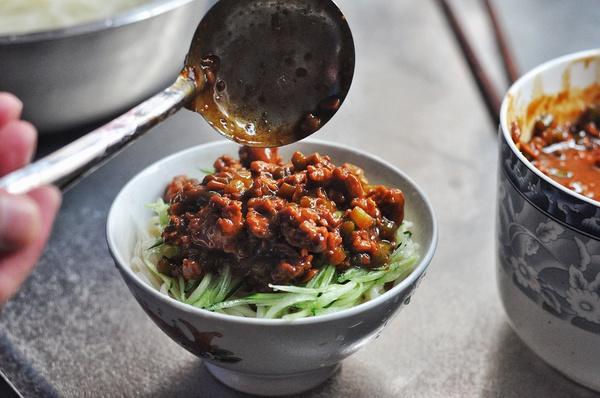
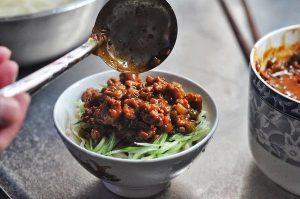
Place noodles in a bowl. Top with a generous scoop of the meat sauce and a handful of cucumber strips.
Serving Suggestions
Mix everything thoroughly before digging in! The sauce is concentrated, so you want to coat every strand of noodle.
For the true Northern Chinese experience, peel a clove of raw garlic and take small bites of it between mouthfuls of noodles. The spicy kick of the raw garlic cuts through the rich, fatty pork sauce perfectly.
You can also serve this with a side of Smashed Cucumber Salad or drizzle with some Homemade Chinese Chili Oil if you like it spicy.
Common Mistakes When Making Zha Jiang Mian
- Making the dough too wet: If you add too much water, the noodles will be soft and mushy. The dough must be stiff to achieve the Al Dente texture.
- Burning the sugar: When making the sugar coloring, it goes from perfect amber to burnt black in seconds. If you are unsure, you can skip the caramelization step and just add the sugar with the soybean paste, though the color will be lighter.
- Overcooking the noodles: Fresh noodles cook much faster than dried boxed pasta. Watch them like a hawk!
- Not rinsing the noodles: If you don’t rinse the cooked noodles in cold water, they will be gummy and stick together.
FAQ / Troubleshooting
Q: Can I use ground pork instead of hand-cutting it? A: Yes, you can use ground pork for convenience. However, the texture will be more like a paste. Hand-cutting provides better texture contrast.
Q: I can’t find Yellow Soybean Paste. Can I use Hoisin sauce? A: Hoisin sauce is much sweeter and spiced differently. It won’t taste authentic. Try to find soybean paste or Sweet Bean Sauce. If you only have Soy Sauce, the flavor profile will be completely different—more like a stir-fry than a sauce.
Q: How long does the sauce last? A: The fried sauce stores incredibly well! You can keep it in an airtight container in the fridge for up to a week. It actually tastes better the next day as the flavors meld.
Nutrition Information (Estimate)
- Calories: 520 kcal
- Carbohydrates: 65g
- Protein: 22g
- Fat: 18g
- Sodium: 980mg
- Sugar: 8g
Disclaimer: Nutrition information is calculated using an ingredient database and should be considered an estimate. Garnishes and optional items (like extra chili oil) are not included. Actual values vary based on specific brands of bean paste used.
Food Safety & Storage
- Pork: Ensure the pork is cooked to a minimum internal temperature of 145°F (63°C), though for this sauce, we cook it well beyond that to render the fat.
- Allergens: This recipe contains Wheat (noodles) and Soy (paste).
- Storage: Store cooked noodles and sauce separately. The sauce freezes well for up to 3 months.
Authoritative References
- USDA Food Safety and Inspection Service: Cooking Meat? Check the New Recommended Temperatures – Referenced for pork safety standards.
- ScienceDirect: Effect of salt on the structure and properties of wheat gluten – Explaining why we add salt to noodle dough.
Dad’s Authentic Zha Jiang Mian (Fried Sauce Noodles)

Equipment
- Wok or large skillet
- Large Pot (for boiling noodles)
- Rolling Pin (optional)
Ingredients
Handmade Noodles
- 3 cups all-purpose flour plus more for dusting
- 3/4 cup water adjust based on humidity
- 1/2 tsp salt
Fried Sauce (Zha Jiang)
- 7 oz pork belly or pork shoulder skin removed, hand-diced into small cubes
- 2 oz Yellow Soybean Paste (Huang Dou Jiang) Haitian brand recommended
- 2 oz water to dilute the paste
- 8 stalks garlic scapes finely diced (substitute with green beans or garlic chives)
- 1 tbsp vegetable oil
- 1 tbsp cornstarch for velveting the meat
- 1 tsp sugar
- 1 tsp salt adjust to taste
- 1 piece ginger thumb-sized, minced
Garnish
- 1 cucumber julienned
- 3 cloves garlic raw, peeled (optional, for serving on side)
Instructions
- Make the Noodle Dough: Dissolve the salt in the water. Gradually add the water to the flour, stirring until shaggy flakes form. Knead firmly into a stiff, smooth dough. Cover and rest for 30 minutes.

- Prep the Ingredients: Dice the pork belly into small pea-sized cubes. Mix with cornstarch. Dice the garlic scapes and mince the ginger. Dilute the soybean paste with an equal amount of water.
- Caramelize Sugar: Heat oil in a wok. Add sugar and stir until it melts and turns a dark amber color (sugar color).
- Cook the Pork: Immediately add the pork and stir-fry to coat in the sugar and brown. Add ginger and garlic scapes, stir-frying for 1 minute. Add salt.
- Simmer Sauce: Pour in the diluted soybean paste. Simmer on low heat until the sauce is thick, glossy, and the oil separates slightly.
- Cook Noodles: Roll out the dough and cut into noodles (or use a machine). Boil in plenty of water until floating. Drain and rinse thoroughly under cold water.
- Assemble: Top noodles with the fried sauce and cucumber strips. Mix well and serve.


Leave a Reply