The ribs my aunt serves when she wants something special-but-not-heavy are these – plum-braised ribs, pork ribs braised with preserved sour plums until the sauce turns glossy and sweet-sour, the umeboshi twist on the classic red braise. A home cook wrote it in twenty steps with the plums as the whole personality. I made it as written, and it is the rib dish that never feels heavy no matter how many you eat.
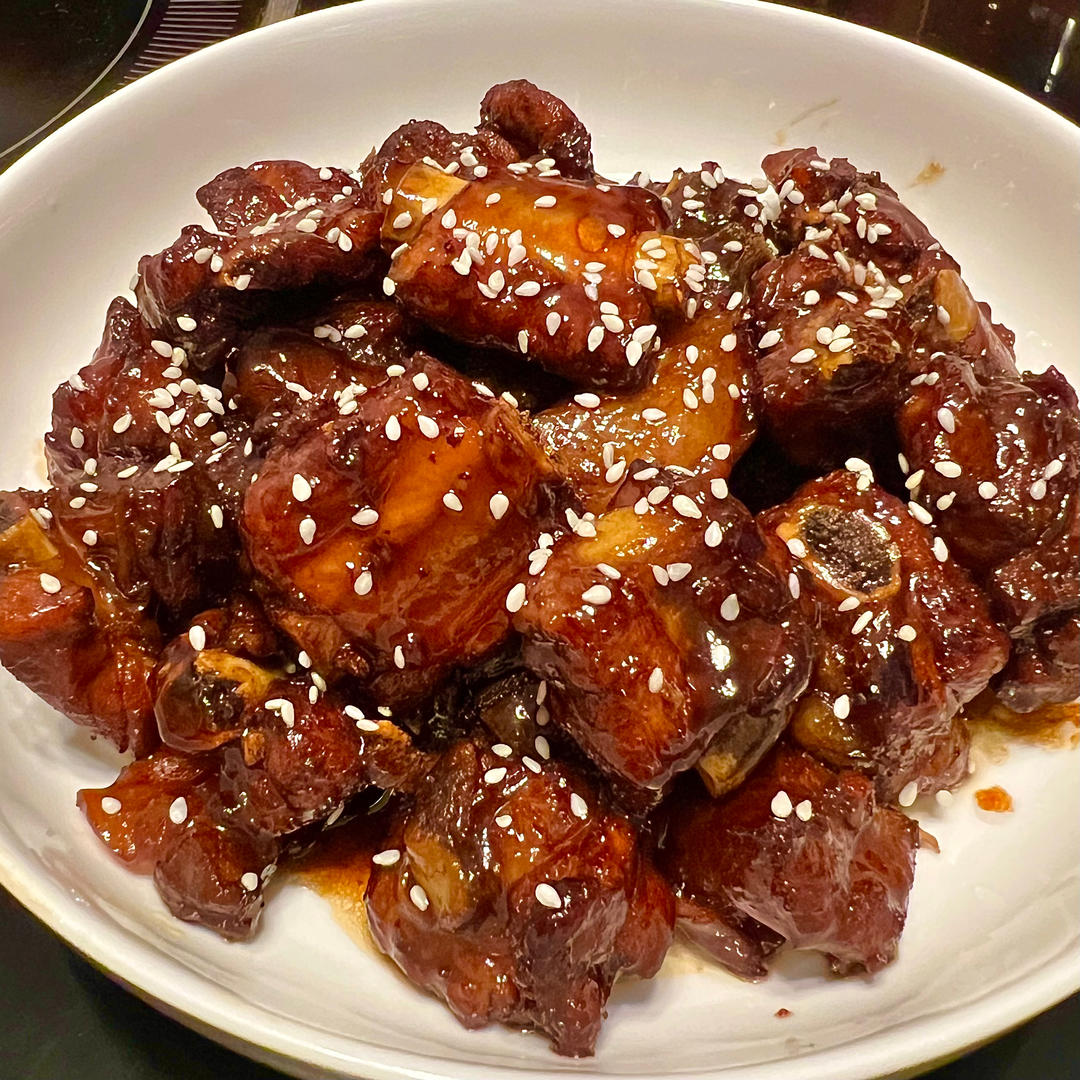
Hua mei pai gu (话梅排骨) is plum-braised ribs – pork ribs braised with preserved sour plums (hua mei), soy, wine, and aromatics until the sauce reduces to a glossy sweet-sour glaze. The original is a 20-step recipe with the plums as its signature.
What Are Plum-Braised Ribs?
Plum-braised ribs are the sweet-sour cousin of the red braise: pork ribs are blanched, then braised with preserved sour plums (hua mei – the salted, dried plums sold in Chinese grocers), soy, wine, sugar, and aromatics. The plums melt into the sauce, giving it a bright, sour-sweet character that cuts the ribs’ richness – the dish is sweet, sour, and never heavy.
The method is the plum. The ribs are braised until tender, and the plums dissolve into the sauce as it reduces, turning glossy and complex – the umeboshi note that makes this different from any other rib braise. The recipe’s twenty steps are mostly the patient reduction; the plums do the personality.
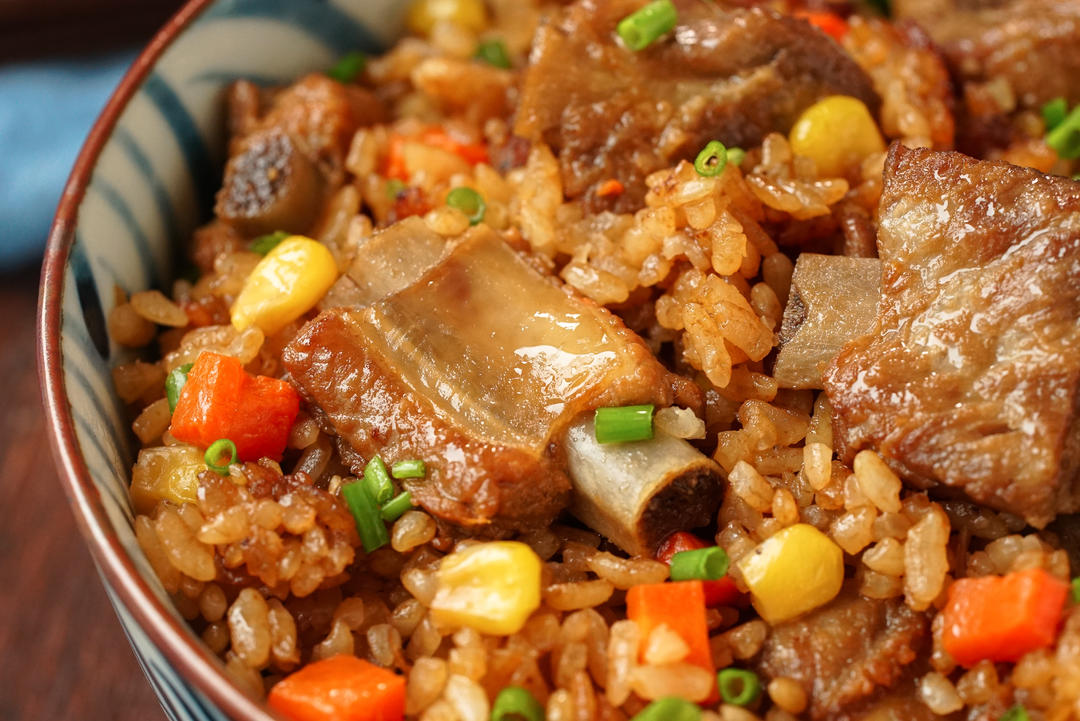
For the one-pot rib side of the same pantry, my rice cooker pork ribs and rice is the effortless cousin of this braise.
1One-Pot Rice Cooker Pork Ribs and Rice (排骨焖饭)Learn how to make 排骨焖饭 (Páigǔ Mèn Fàn), a savory and simple one-pot rice cooker meal. Juicy pork ribs, fluffy rice, and vegetables are braised together in a rich sauce. This is the perfect beginner-friendly recipe!Check out this recipe
Why This Version Works
- The plums are the personality. Preserved sour plums melt into a bright, sweet-sour sauce that cuts the ribs’ richness.
- A braise, not a fry. The ribs simmer until tender in the plum-soy sauce – the recipe’s patience.
- The sauce reduces to a glaze. Glossy and complex – the reduction is the finish.
- Sweet-sour, never heavy. The plum’s sourness keeps the plate bright – the dish’s claim.
- Soy and wine underneath. The classic braise base that carries the plum.
Equipment Needed
- A braising pot with a lid
- A pot for the blanch
- A spatula
Ingredients
- 600 g (1.3 lb) pork ribs, cut into pieces
- 8-10 preserved sour plums (hua mei)
- 2 tbsp light soy sauce
- 1 tbsp dark soy sauce
- 2 tbsp cooking wine
- 1 tbsp sugar
- Ginger, garlic, and scallion, to taste
- Water, to nearly cover
Ingredient Notes
Pork ribs: 600 g (1.3 lb), cut into pieces and blanched – the braise’s center. My rice cooker pork ribs are the effortless version.
Preserved sour plums (hua mei): The salted, dried plums that melt into the sauce – the dish’s whole character. My bitter melon pork rib soup is the clear-broth cousin.
Soy and wine: The classic braise base that carries the plum.
Prep & Mise en Place
Blanch the ribs; measure the plums, sauces, and wine; prep the aromatics.
The sequence: blanch, build the braise, simmer until the ribs are tender, then reduce the sauce to the glossy plum glaze.
Cooking Process
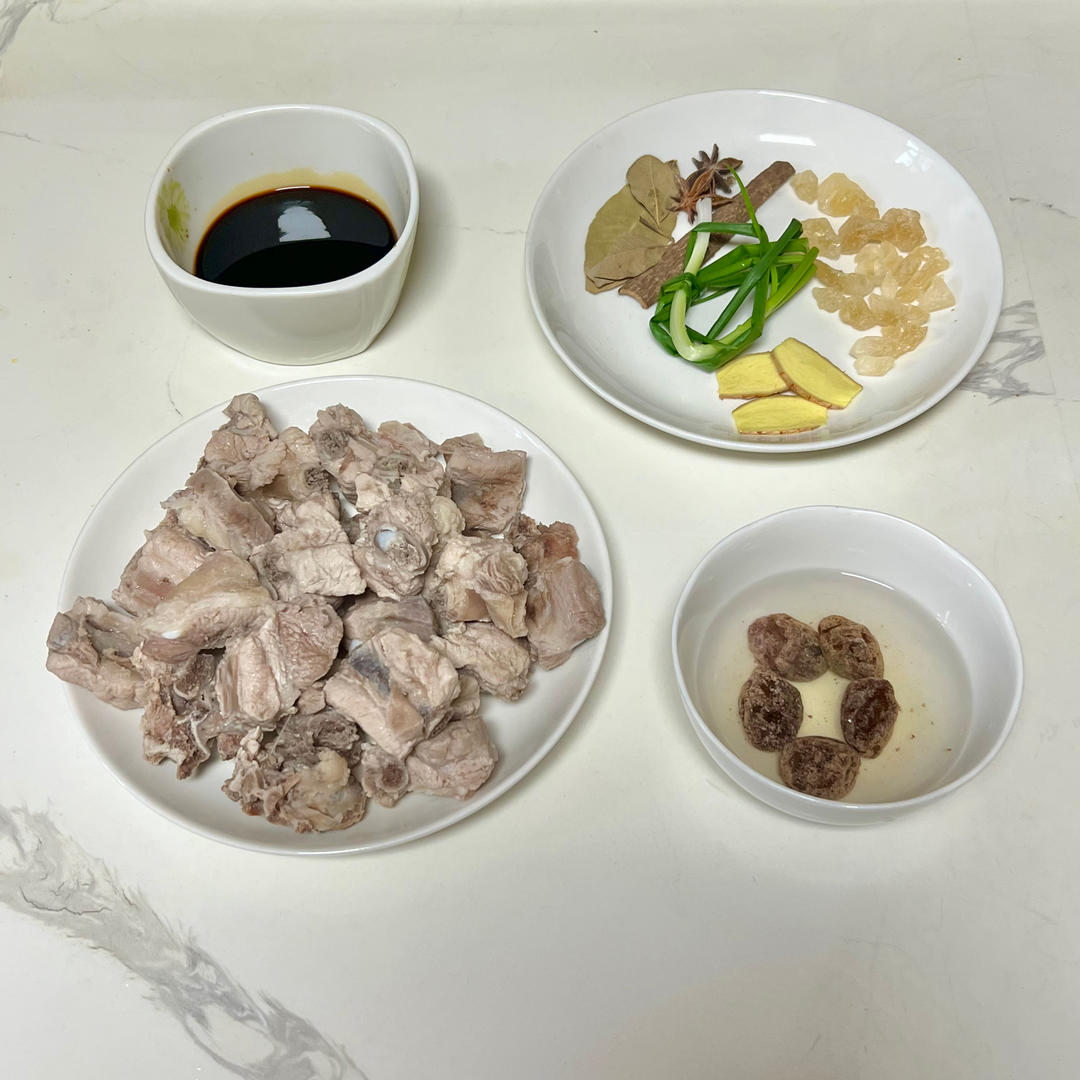
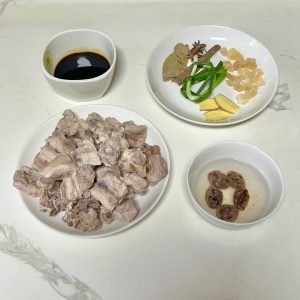
Step 1 – Prep all the ingredients and seasonings shown
Prep all the ingredients and seasonings shown.
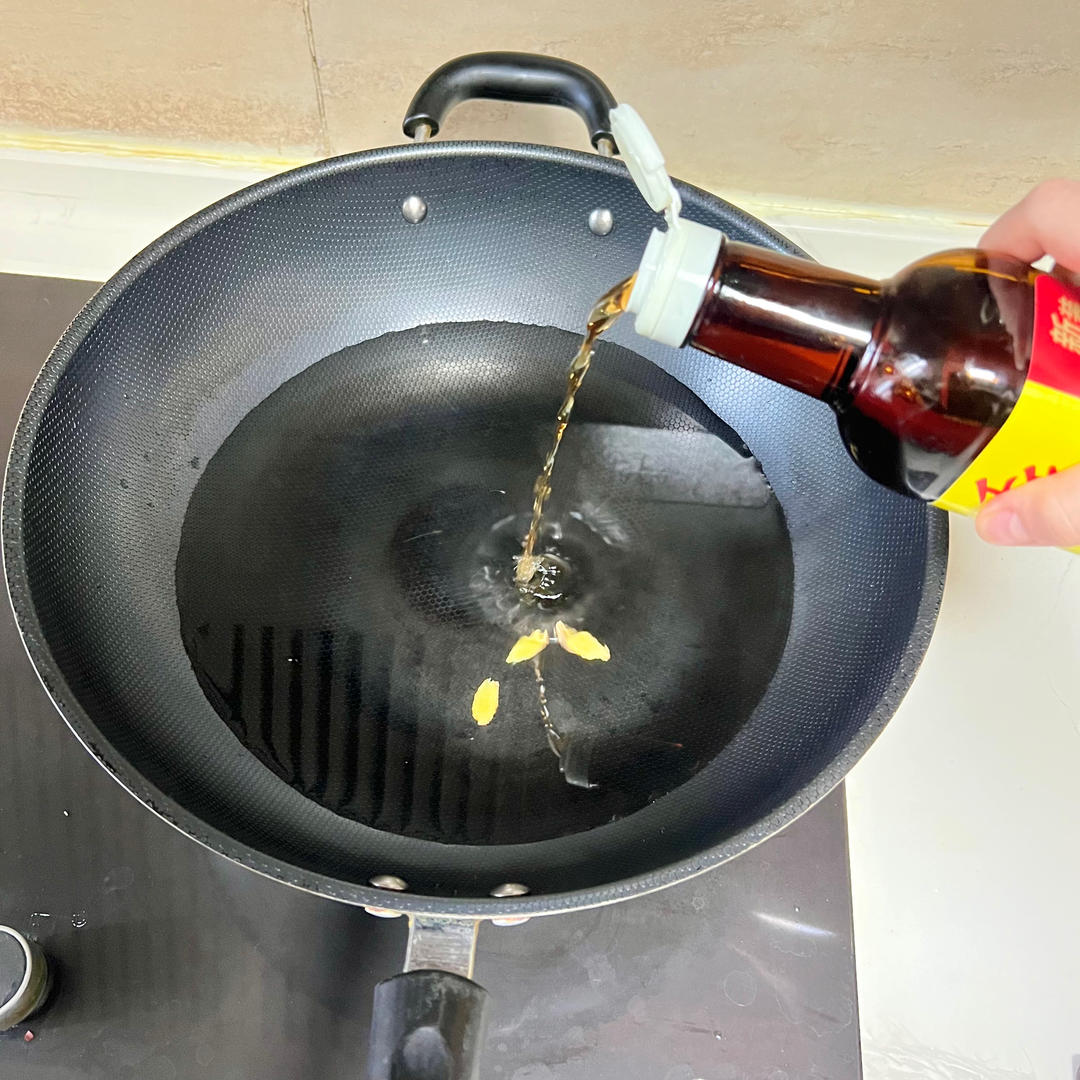
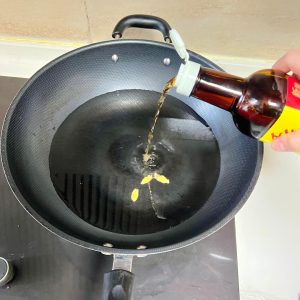
Step 2 – Pour cooking wine into the pot and add ginger slices
Pour cooking wine into the pot and add ginger slices.
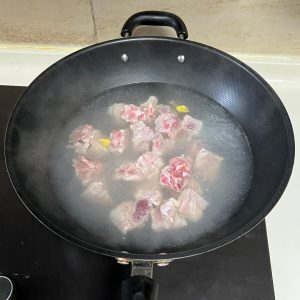
Step 3 – When the water boils, add the ribs
When the water boils, add the ribs.
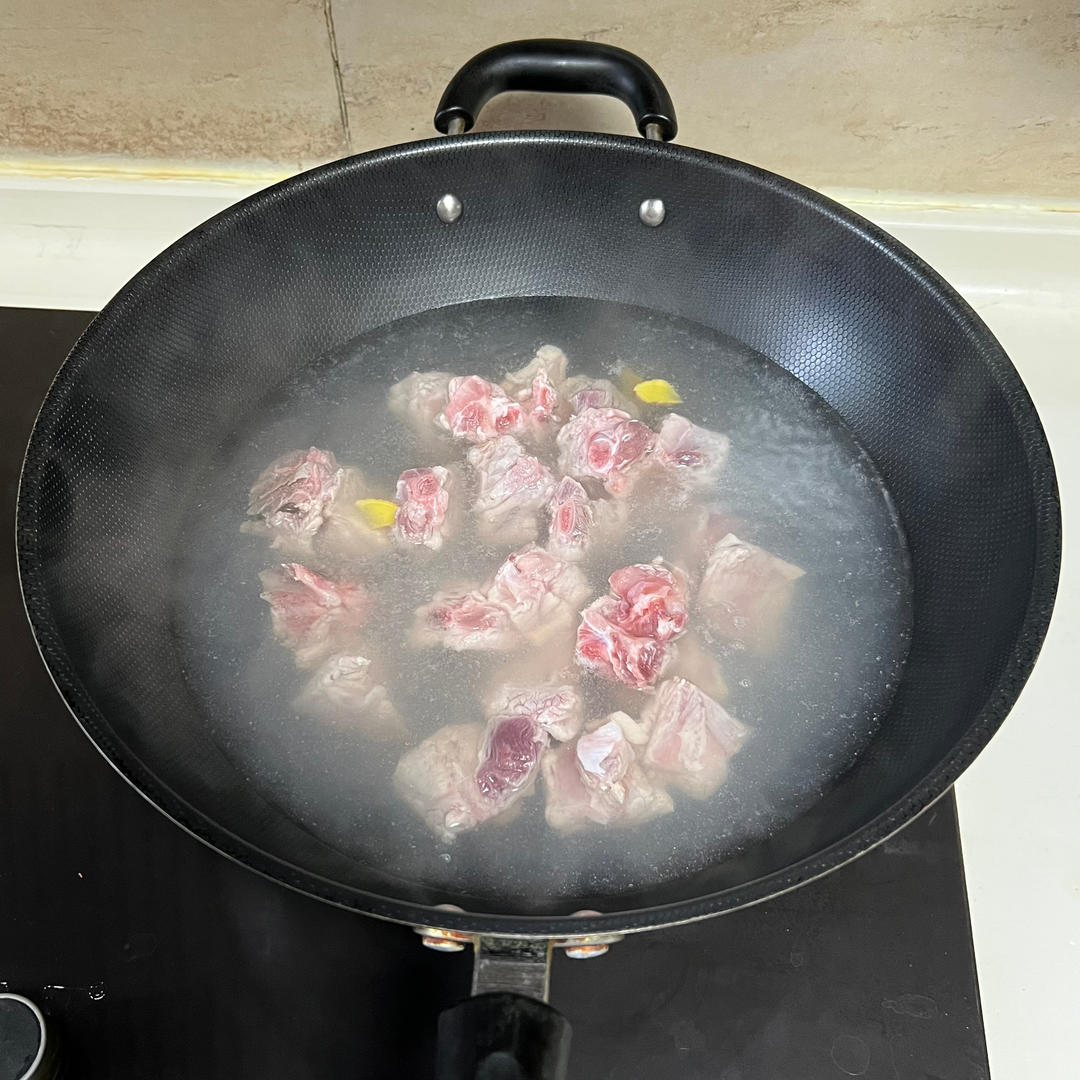
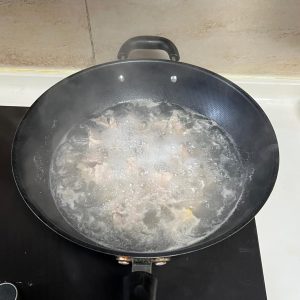
Step 4 – Return to a boil, cook about 3 minutes, then scoop out and s
Return to a boil, cook about 3 minutes, then scoop out and set aside.
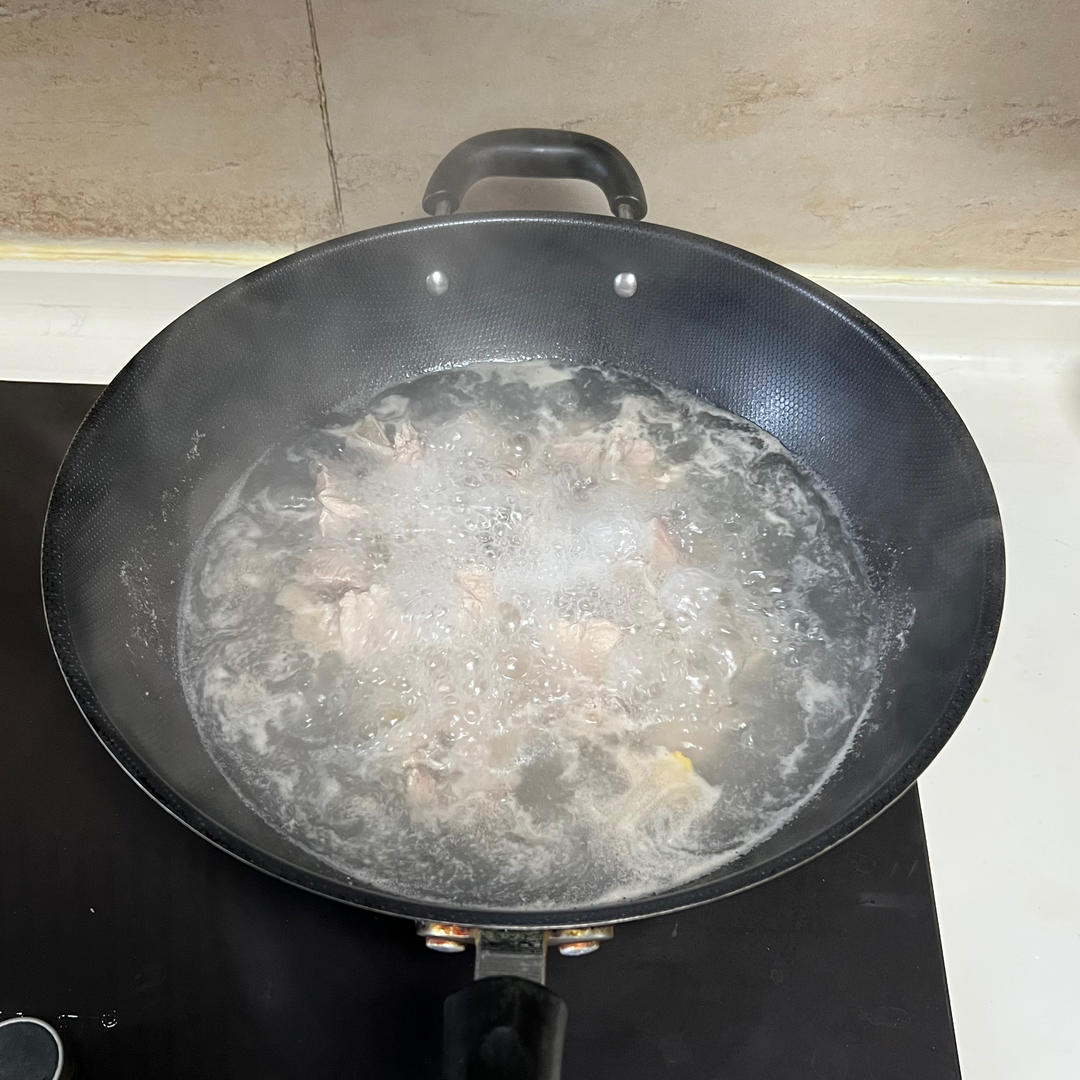
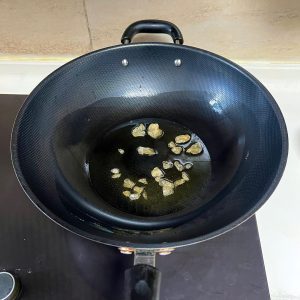
Step 5 – Add 30 g of rock sugar (huang bing tang) to the pot
Add 30 g of rock sugar (huang bing tang) to the pot.
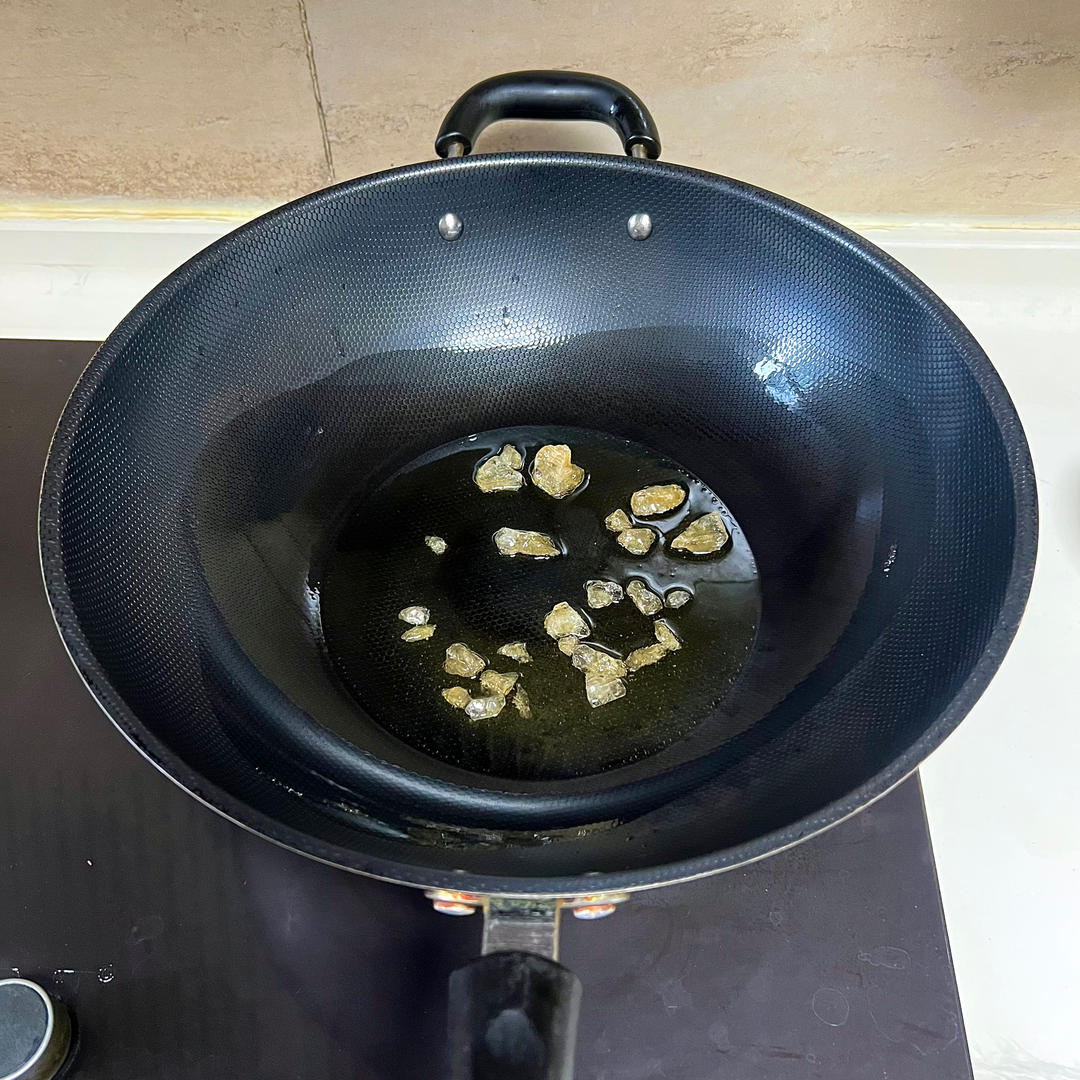
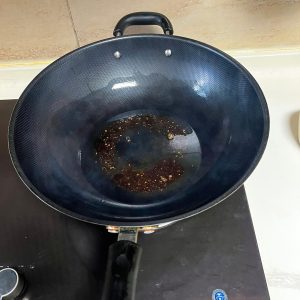
Step 6 – Cook until it turns caramel-colored
Cook until it turns caramel-colored.
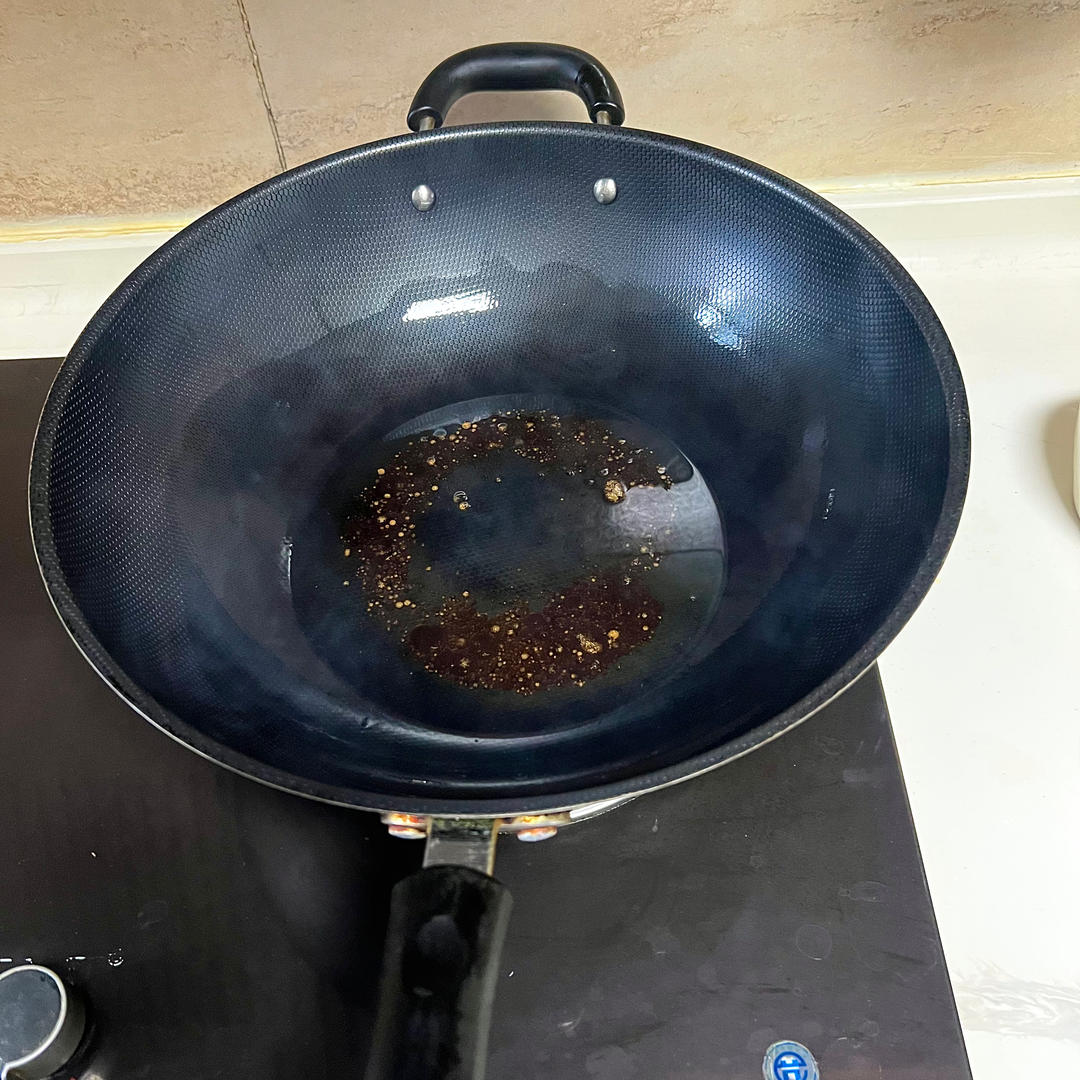
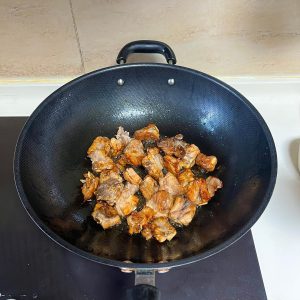
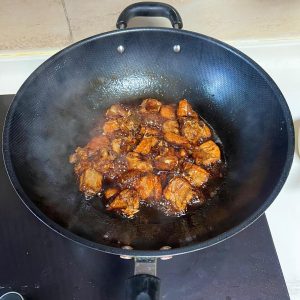
Step 7 – Add the ribs and stir-fry until golden on both sides
Add the ribs and stir-fry until golden on both sides.
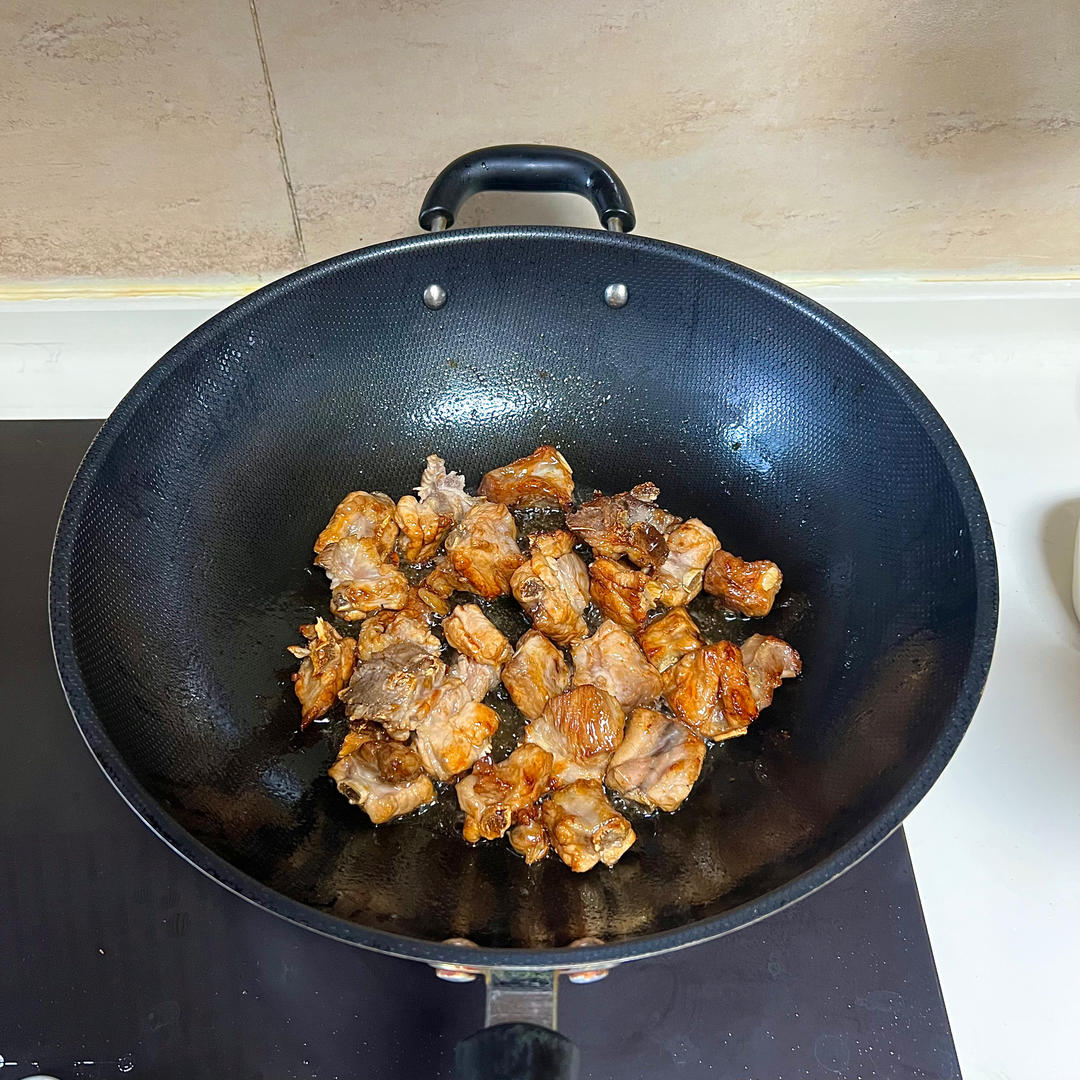
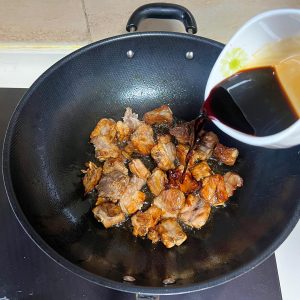
Step 8 – Pour in 80 g of light soy sauce
Pour in 80 g of light soy sauce.
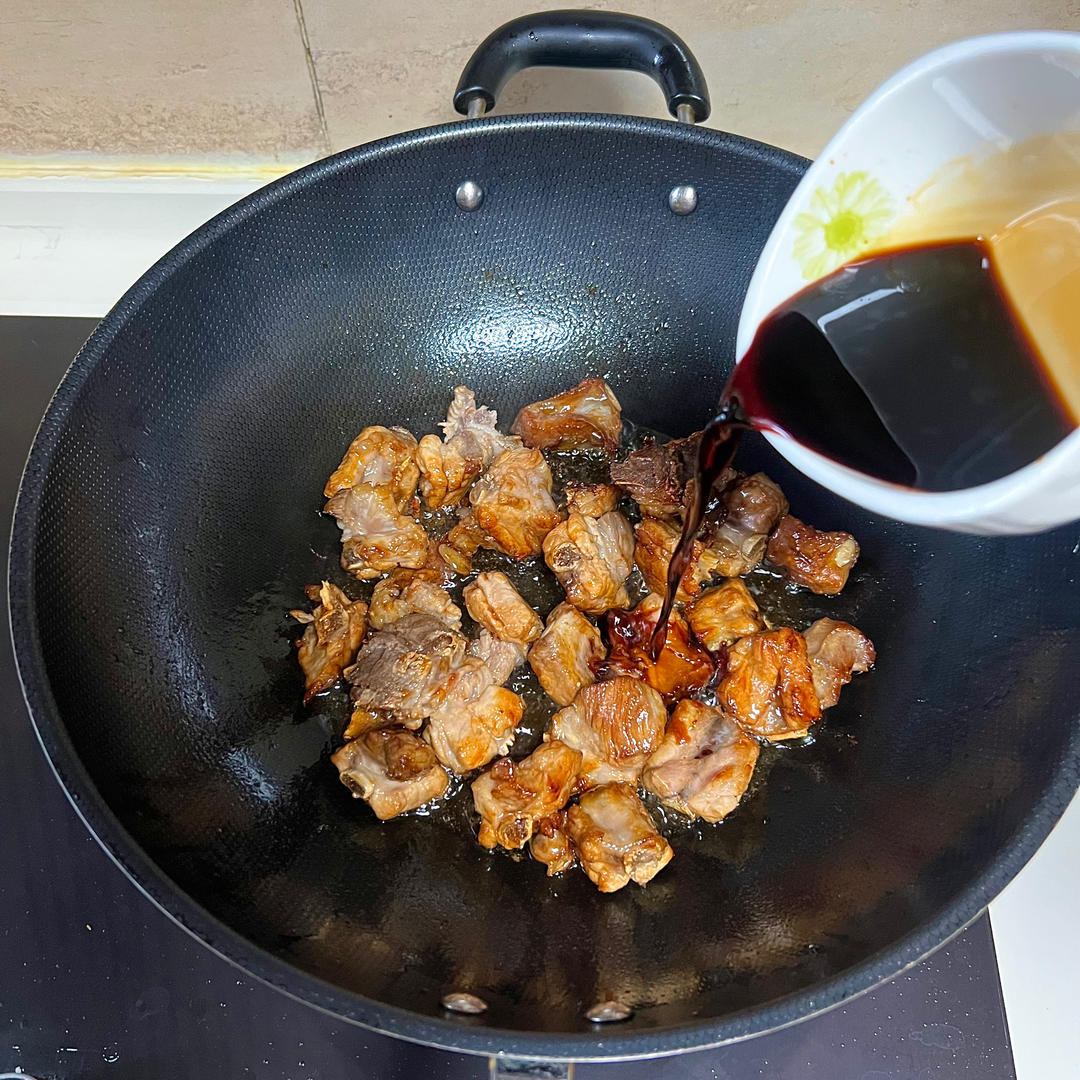
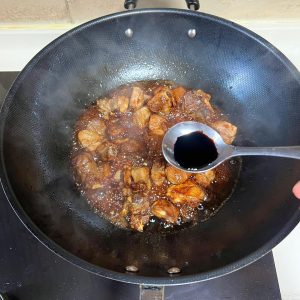
Step 9 – Add a small half spoon of dark soy sauce
Add a small half spoon of dark soy sauce.
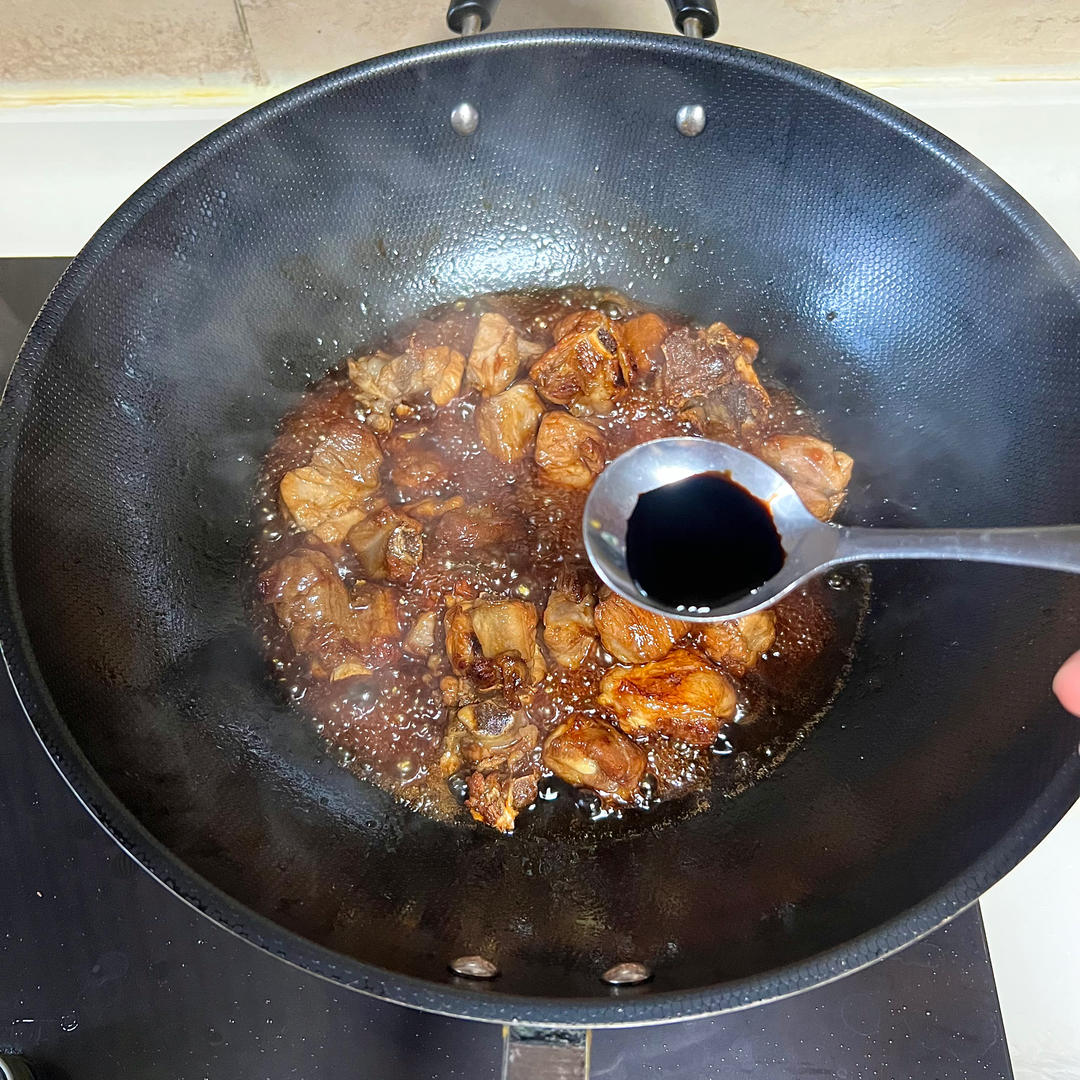
Step 10 – Toss to combine and release the aroma
Toss to combine and release the aroma.
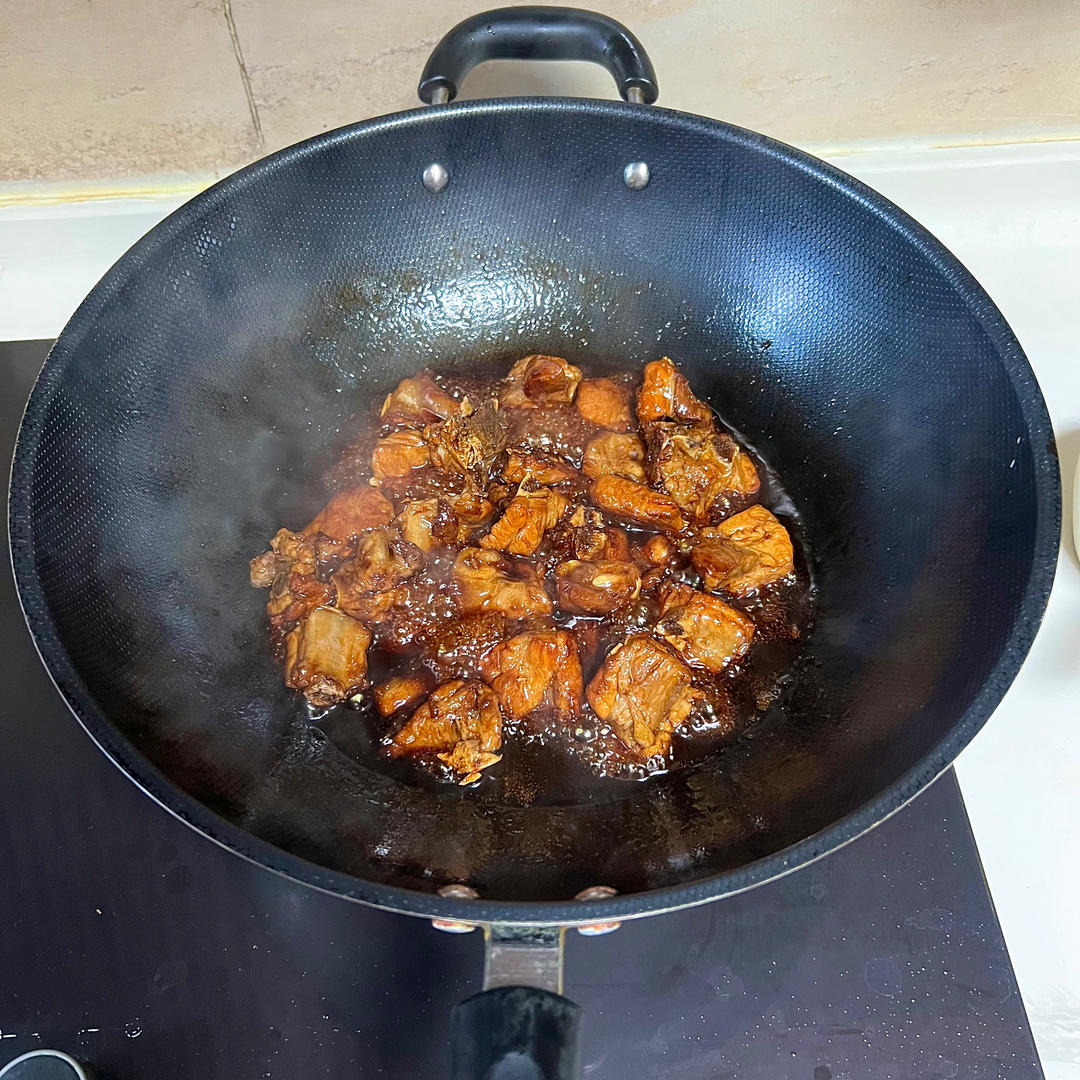
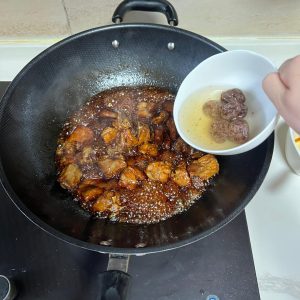
Step 11 – Add the dried plums (hua mei), soaked in warm water ahead of
Add the dried plums (hua mei), soaked in warm water ahead of time.
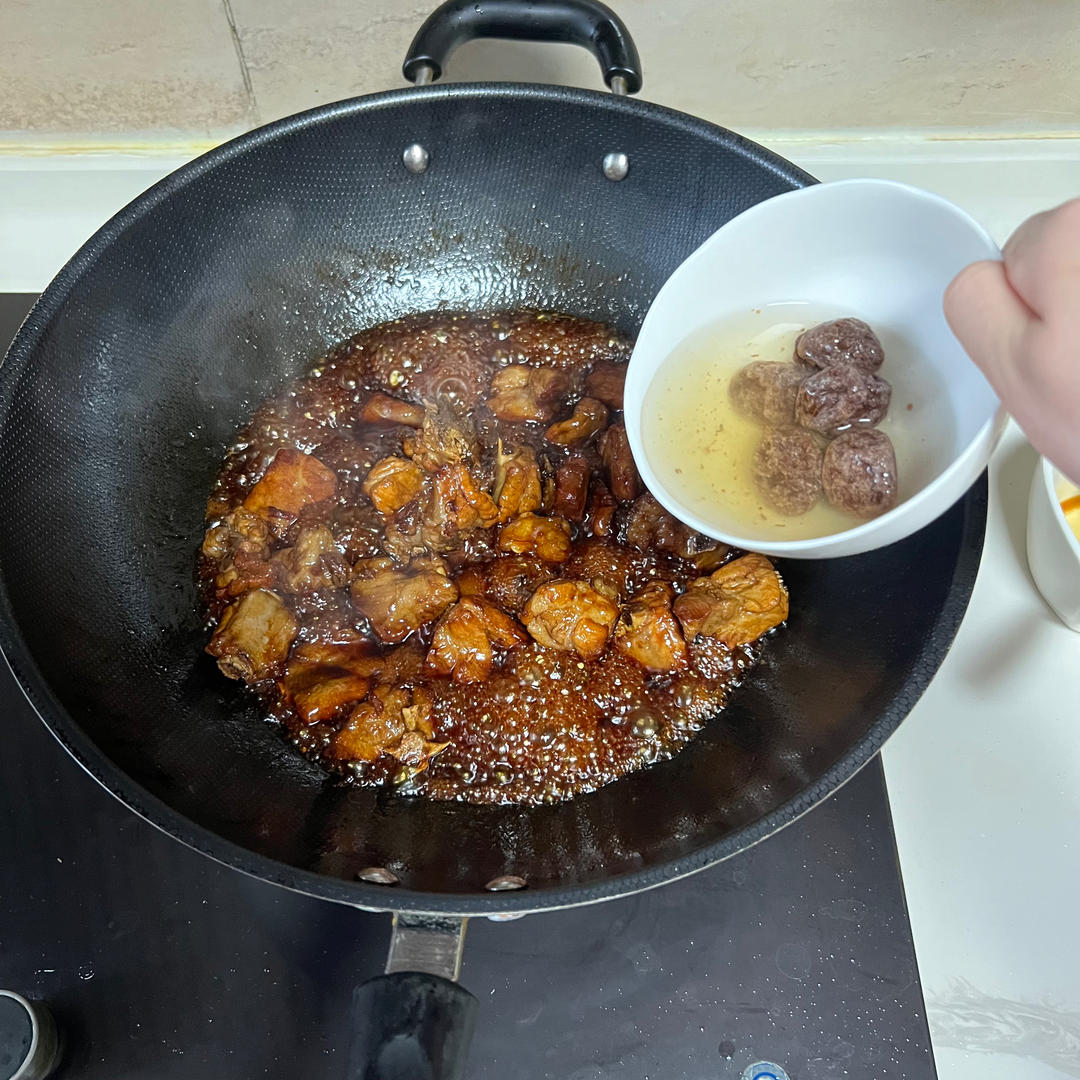
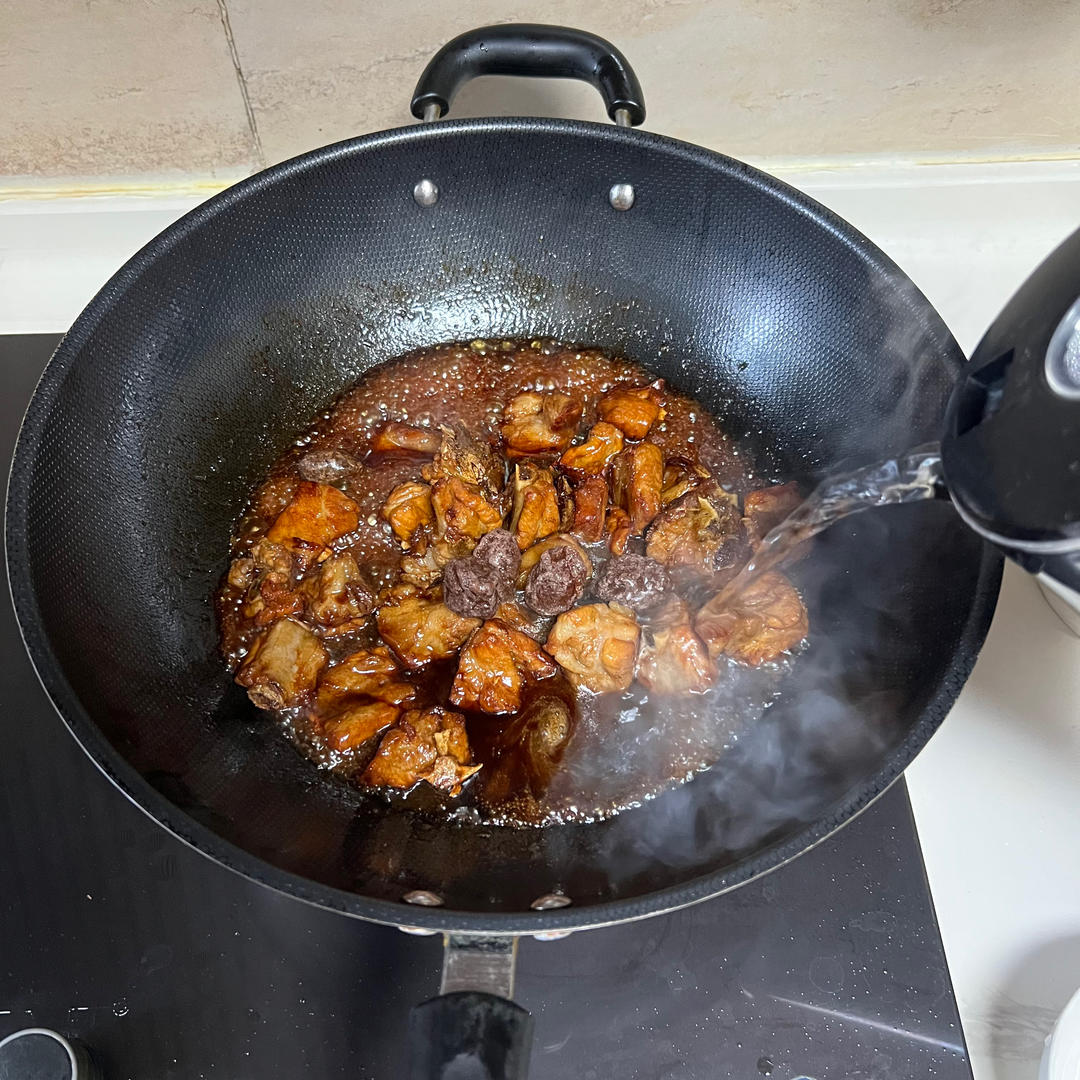
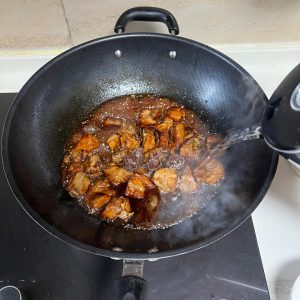
Step 12 – Pour in boiling water to just cover the ribs
Pour in boiling water to just cover the ribs.
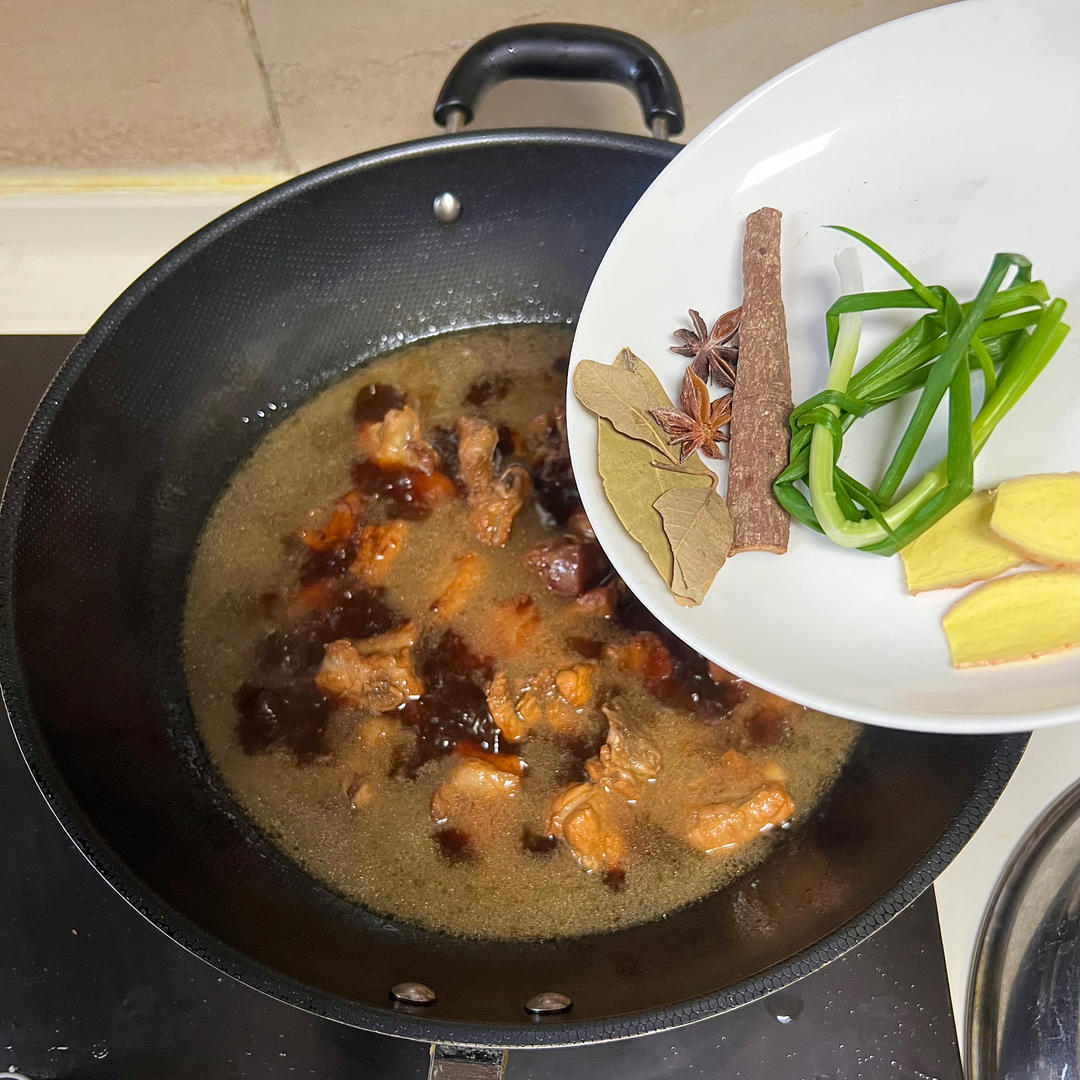
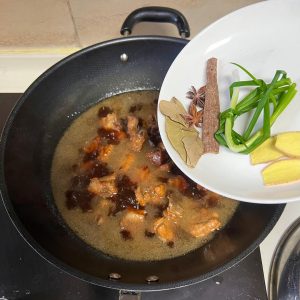
Step 13 – Add the aromatics, scallion, and ginger slices
Add the aromatics, scallion, and ginger slices.
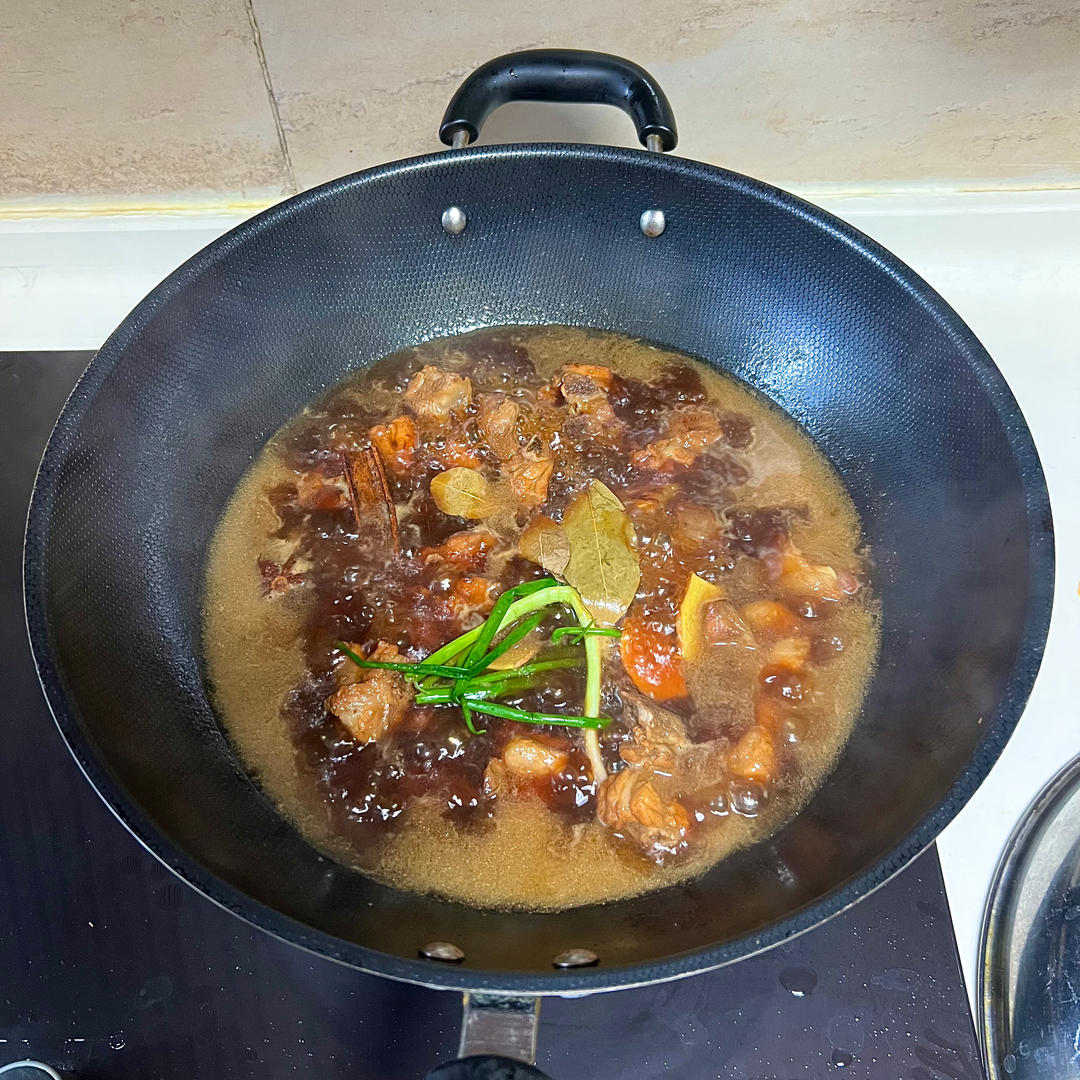
Step 14 – Simmer over low heat about 40 minutes
Simmer over low heat about 40 minutes.
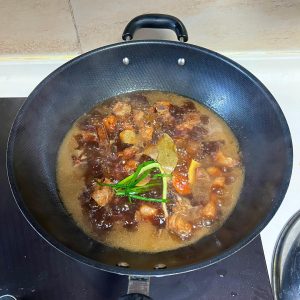
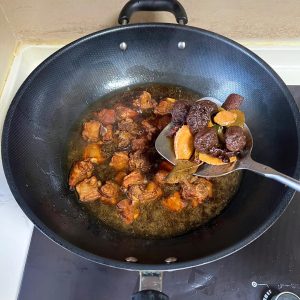
Step 15 – Pick out the aromatics, scallion, ginger, and plums
Pick out the aromatics, scallion, ginger, and plums.
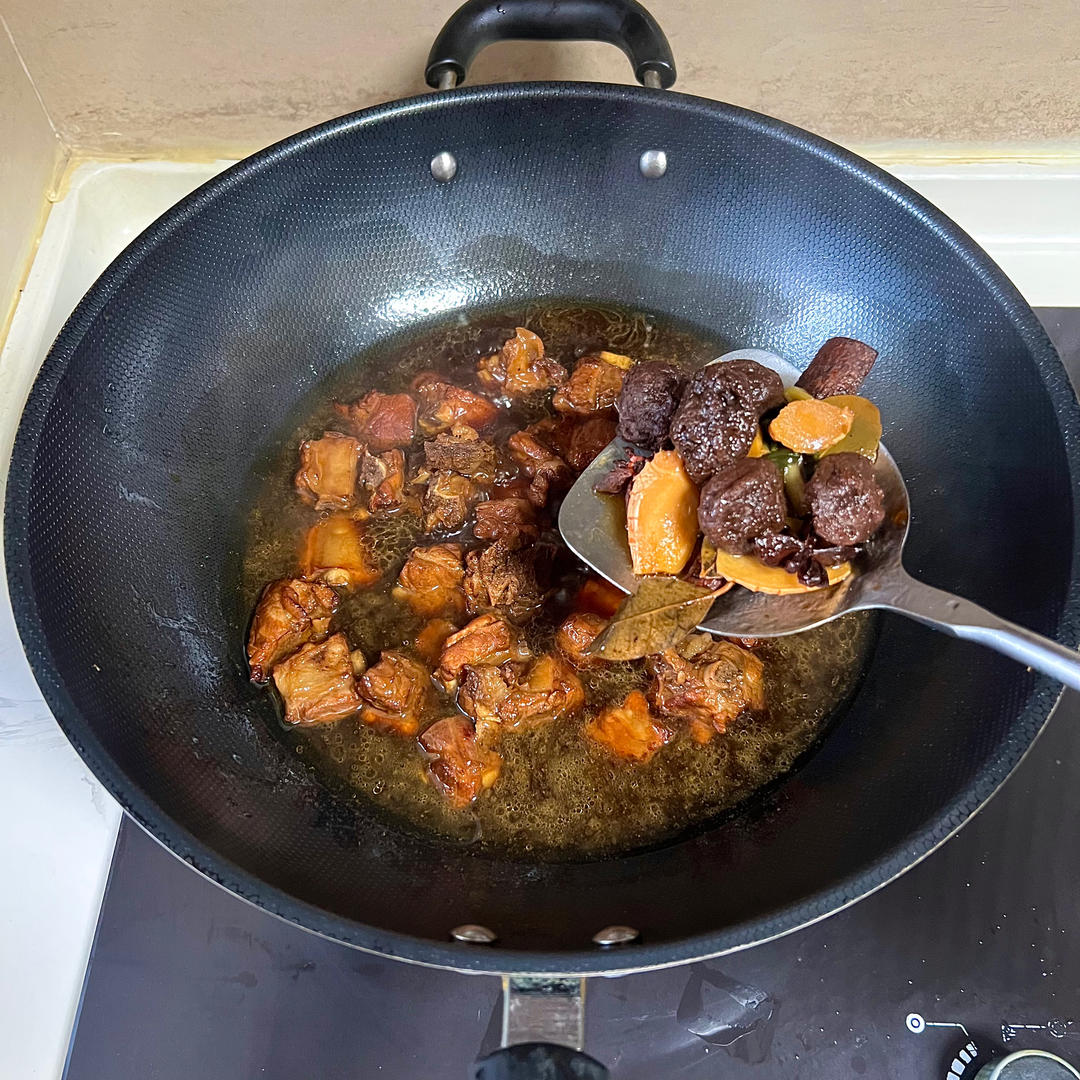
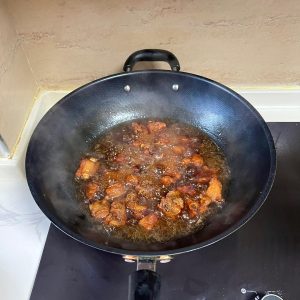
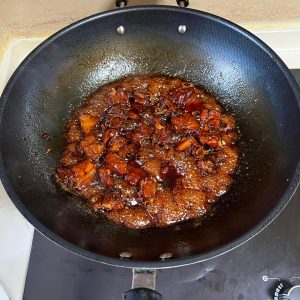
Step 16 – Turn up the heat to reduce the sauce
Turn up the heat to reduce the sauce.
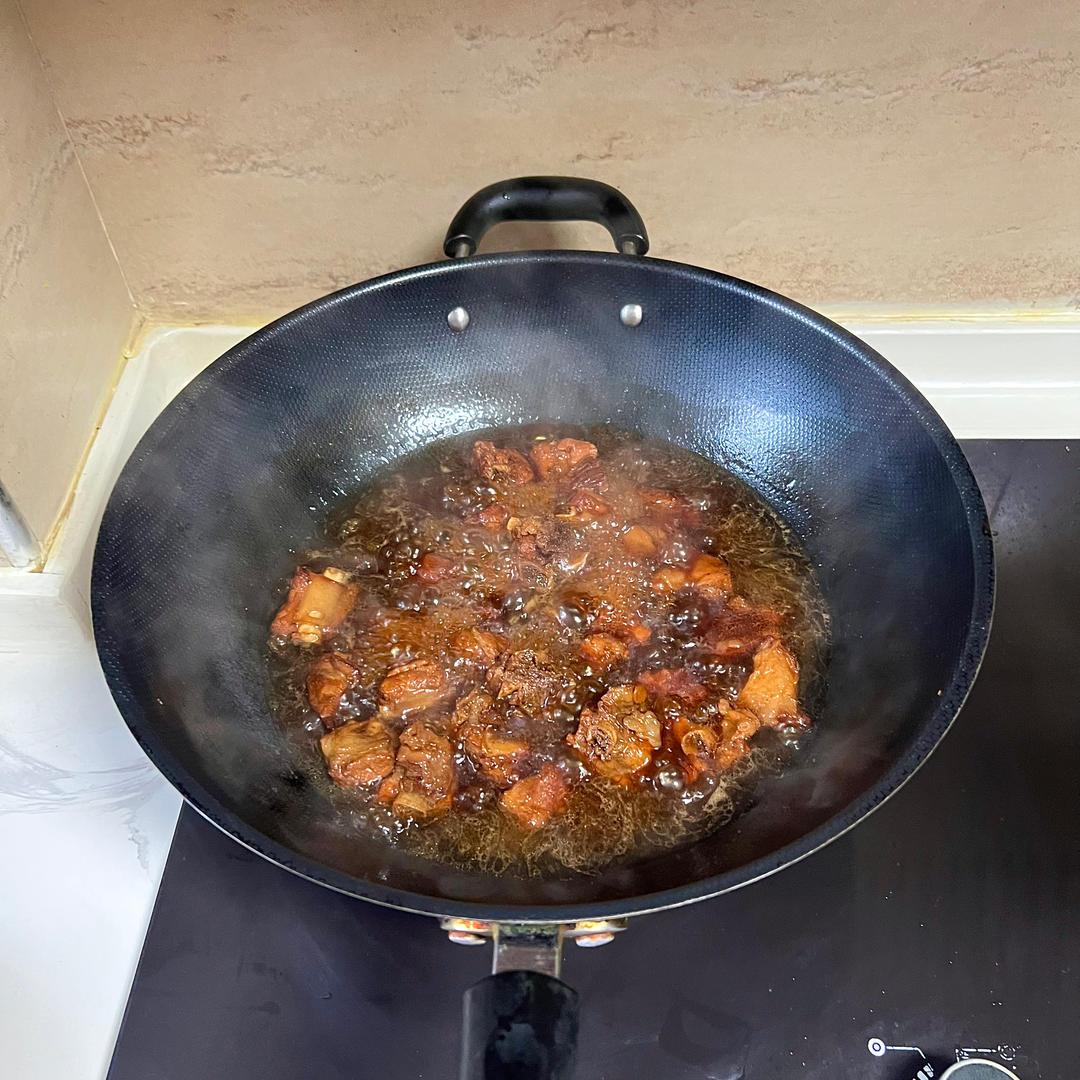
Step 17 – Don’t leave the pot – watch it so it doesn’t scorch
Don’t leave the pot – watch it so it doesn’t scorch.
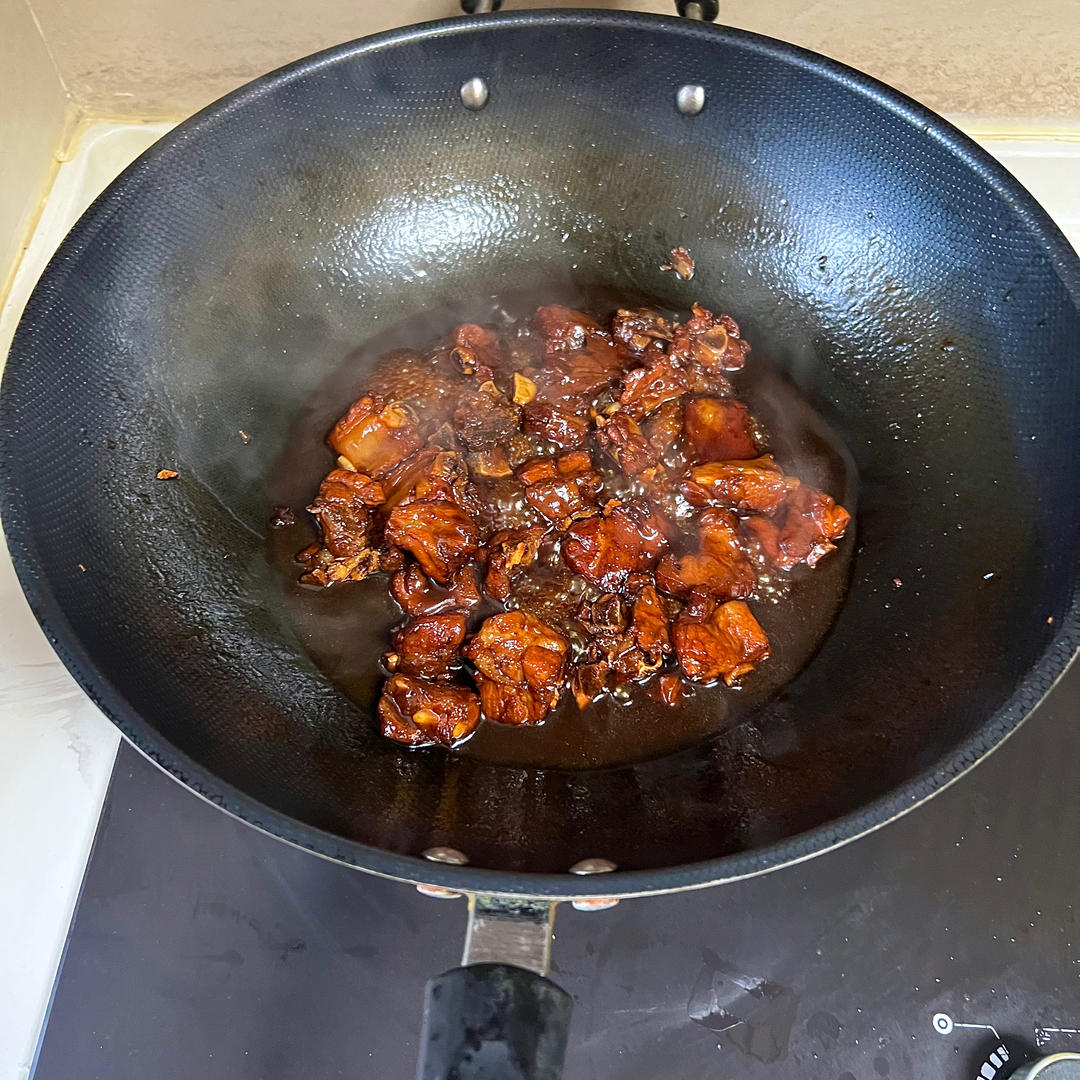
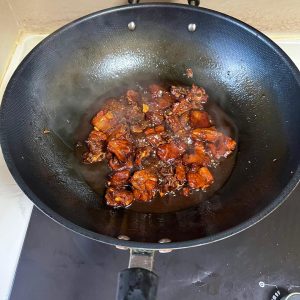
Step 18 – When it reaches this bubbling state, it is about done
When it reaches this bubbling state, it is about done.
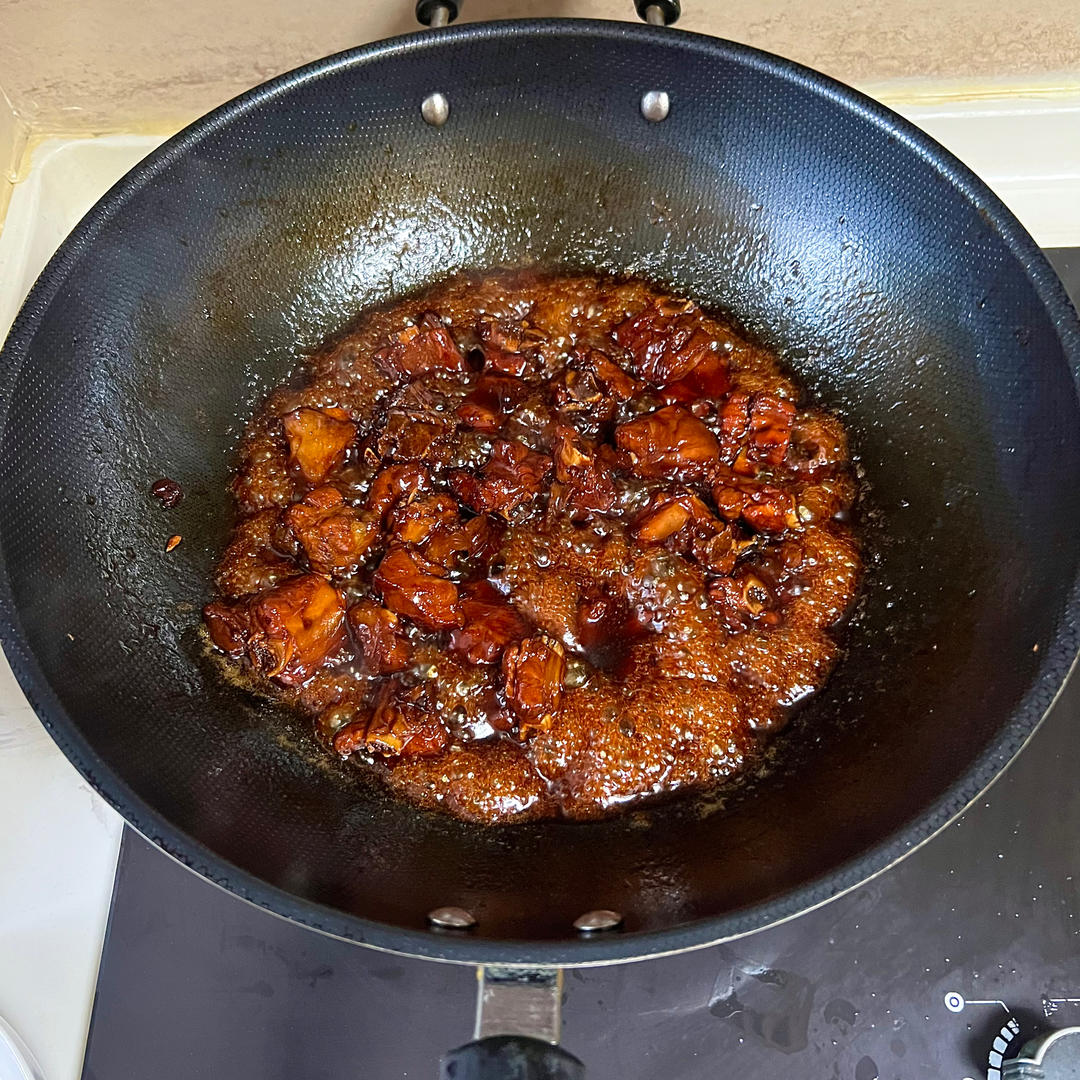
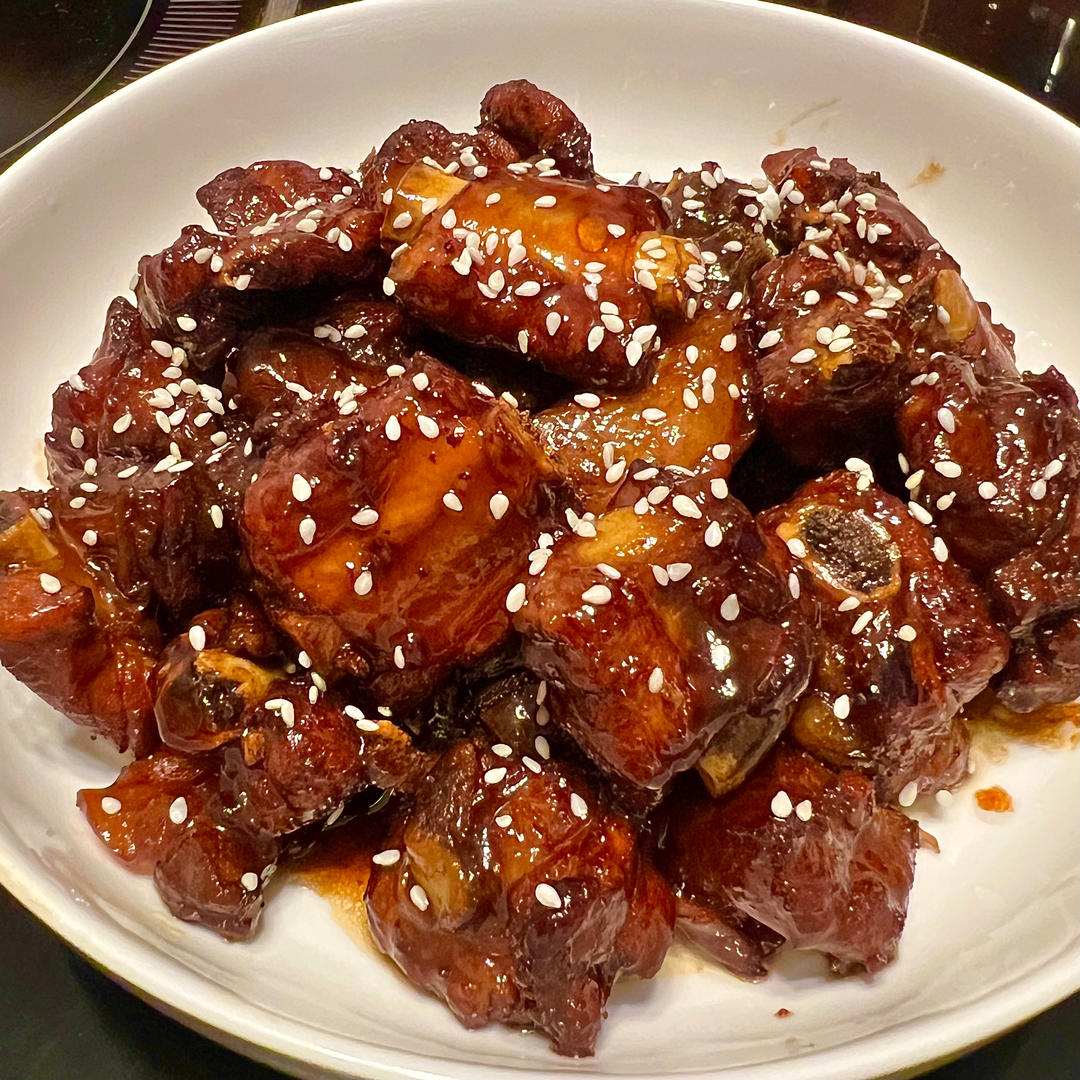
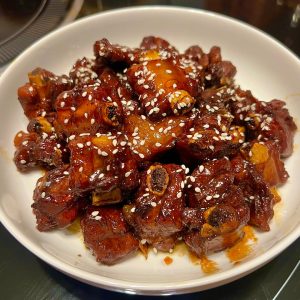
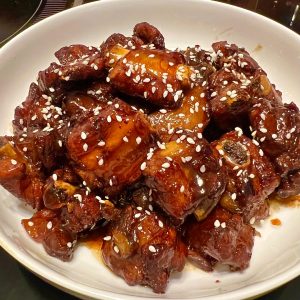
Step 19 – Plate, sprinkle with white sesame, and enjoy
Plate, sprinkle with white sesame, and enjoy.
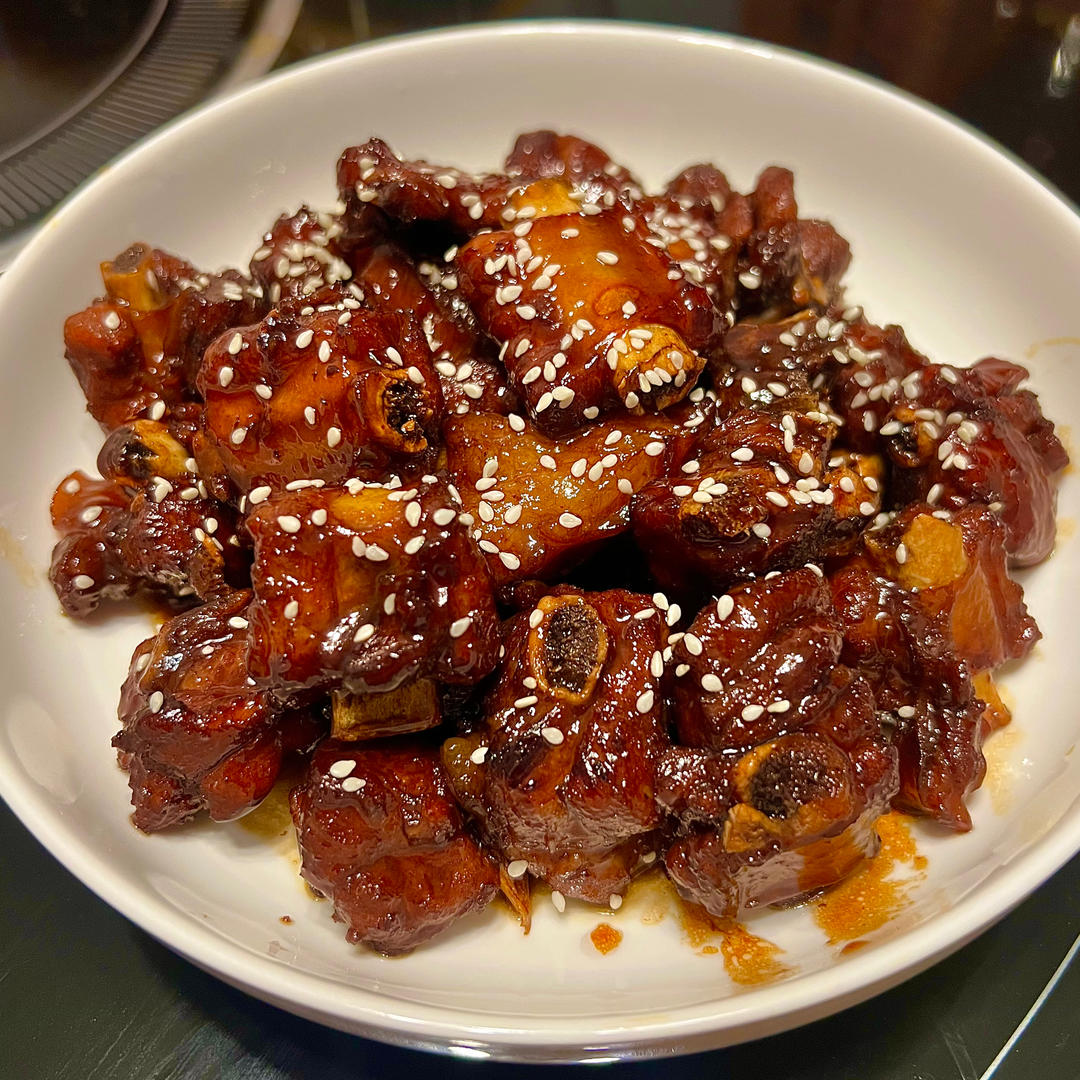
Step 20 – Not cloying – a refreshing, clean-sweet plate that is genuin
Not cloying – a refreshing, clean-sweet plate that is genuinely delicious.
Common Mistakes When Making This Dish
1. Lumps of salt, not sauce. Cause: adding the plums at the end. Fix: whole plums from the start – they melt with the braise.
2. A watery, thin sauce. Cause: no reduction. Fix: reduce to the glossy glaze – the recipe’s finish.
3. A heavy, cloying plate. Cause: no plums or too much sugar. Fix: the plums are the balance – their sourness cuts the sweet.
4. A salty shock. Cause: extra salt on top. Fix: the plums and soy are salted – taste first.
5. Tough ribs. Cause: too little time. Fix: simmer until the ribs are tender before the reduction.
6. A burnt pot. Cause: reducing too fast. Fix: a gentle reduction, watching the sugar.
Variations
More plums: Extra plums for a louder sour note – my 1-2-3-4 sweet and sour ribs and rice cooker pork ribs are the rib classics.
Chicken: Chicken thighs braise the same way – and with rice cooker pork ribs and 1-2-3-4 sweet and sour ribs the rib drawer is full.
Spicier: A dried chili in the braise – and with bitter melon pork rib soup and sweet and sour ribs the pork table is complete.
The rib shelf: With rice cooker pork ribs and 1-2-3-4 sweet and sour ribs, the rib drawer is complete.
Frequently Asked Questions
What are hua mei? Preserved sour plums – salted, dried plums from the Chinese grocery, the dish’s whole character.
Do I eat the plums? They melt into the sauce – their work is the glaze, and with poached pork belly and hong shao rou the pork table is full.
How long does it braise? About an hour until tender, then the reduction.
Is it very sweet? Sweet-sour – the plum keeps it bright, never heavy.
Can I make it ahead? Yes – braised ribs improve overnight; reheat gently, and with 10-minute chives and eggs and hand-torn cabbage the side table is set.
How to Serve
Serve the ribs with the plum glaze over rice – with rice cooker pork ribs and 1-2-3-4 sweet and sour ribs for a rib table, or beside 10-minute chives and eggs for variety.
Storage & Reheat
Refrigerate 3 days; reheat gently in a covered pot. Never leave the pot out more than 2 hours.
Allergen Notice
This recipe contains pork and soy (soy sauce). It is free of gluten (if using gluten-free soy), nuts, dairy, egg, fish, and shellfish.
Nutrition Disclaimer
Nutrition information is calculated using an ingredient database and should be considered an estimate. In cases where multiple ingredient alternatives are given, the first listed is calculated for nutrition. Garnishes and optional ingredients are not included.
About the Author & Recipe Development
I am Lin, a professional Chinese chef and food writer with a decade in restaurant kitchens before turning to recipes. This xiachufang cook’s plum ribs are my aunt’s special-but-light plate, and the recipe’s whole-plums-from-the-start method is exactly why the sauce works. I tested it as written. I have not tested the chicken or chili variations, so those are your experiments, not my claims.
Authoritative References
USDA Food Safety and Inspection Service – Safe Temperature Chart for pork handling and braising guidance.
Plum-Braised Ribs (Hua Mei Pai Gu): The Sweet-Sour Umeboshi Glaze

Equipment
- Braising pot with lid
- Blanch pot
- Spatula
Ingredients
For the Braise
- 600 g pork ribs, cut into pieces 1.3 lb
- 8-10 preserved sour plums (hua mei)
- 2 tbsp light soy sauce
- 1 tbsp dark soy sauce
- 2 tbsp cooking wine
- 1 tbsp sugar
- to taste ginger, garlic, and scallion
- water, to nearly cover
Instructions
- Prep all the ingredients and seasonings shown.

- Pour cooking wine into the pot and add ginger slices.
- When the water boils, add the ribs.
- Return to a boil, cook about 3 minutes, then scoop out and set aside.
- Add 30 g of rock sugar (huang bing tang) to the pot.
- Cook until it turns caramel-colored.
- Add the ribs and stir-fry until golden on both sides.
- Pour in 80 g of light soy sauce.
- Add a small half spoon of dark soy sauce.
- Toss to combine and release the aroma.
- Add the dried plums (hua mei), soaked in warm water ahead of time.
- Pour in boiling water to just cover the ribs.
- Add the aromatics, scallion, and ginger slices.
- Simmer over low heat about 40 minutes.
- Pick out the aromatics, scallion, ginger, and plums.
- Turn up the heat to reduce the sauce.
- Don’t leave the pot – watch it so it doesn’t scorch.
- When it reaches this bubbling state, it is about done.
- Plate, sprinkle with white sesame, and enjoy.
- Not cloying – a refreshing, clean-sweet plate that is genuinely delicious.












Leave a Reply