The beef stir-fry that my father cooks at home never makes it to restaurant menus, because it is too simple to charge money for and too good to keep private. Beef tenderloin is frozen for two hours, sliced paper-thin against the grain, and tossed in a slick marinade of soy, oyster sauce, baking soda, and a generous pour of oil. Thirty minutes later it hits a screaming-hot wok for one minute, then joins green pepper, onion, and a squeeze of lemon that somehow makes everything taste brighter.
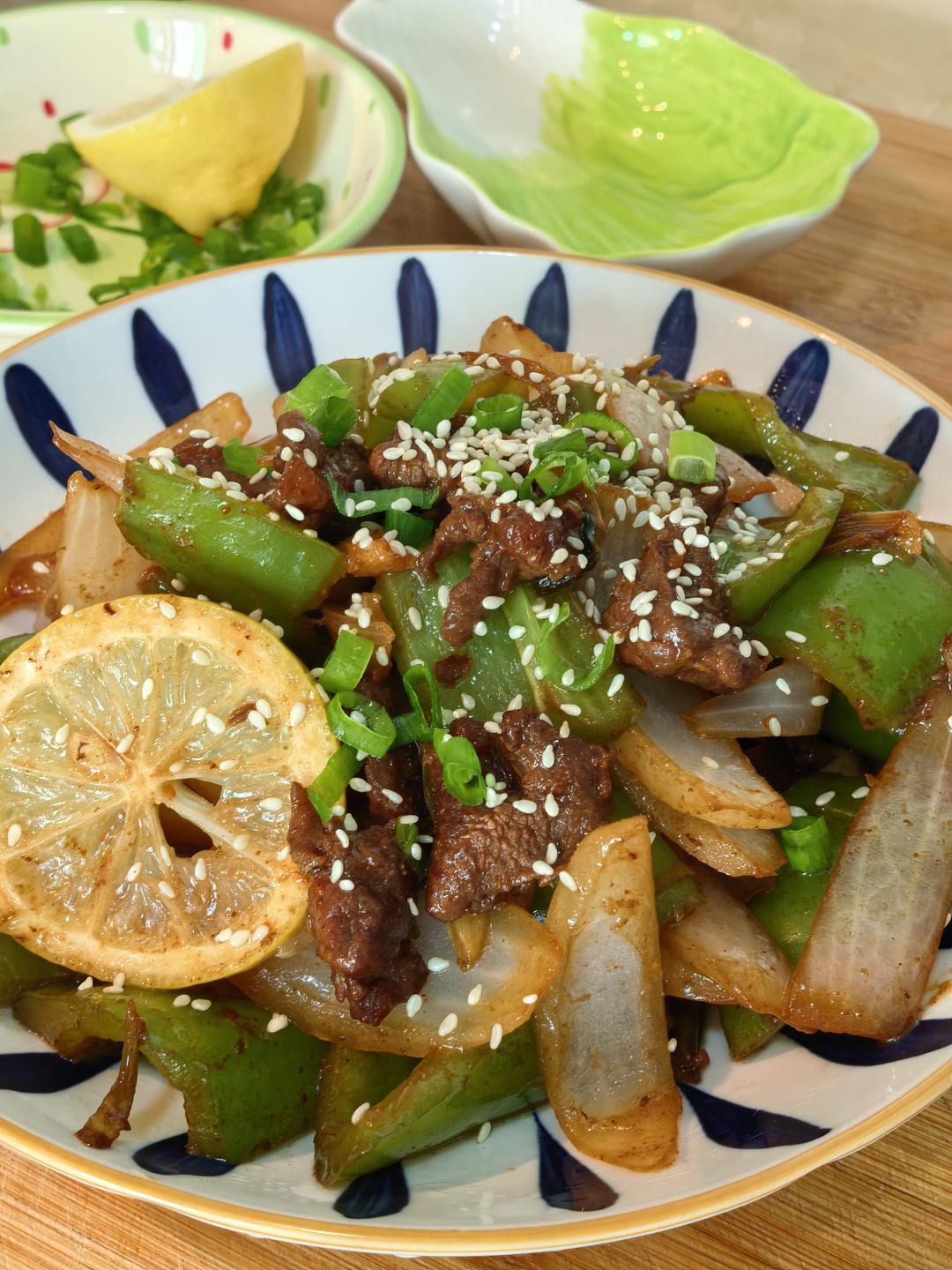
This xiachufang recipe is that exact dish, and the results honestly look like a restaurant plate: lacquered, silky beef ribbons with tender-crisp peppers and sweet onion, finished with scallion and sesame. The two details that matter most are the freezer trick, which turns the tenderloin into slices you can cut like paper, and the baking soda in the marinade, which keeps those thin slices velvet-soft through a fast, violent sear.
What Is Beef Tenderloin Stir-Fry (爆炒牛里脊)?
爆炒牛里脊 is the Chinese home cook’s answer to a steakhouse: beef tenderloin, cut thin, marinated until silky, and flash-fried over the highest heat your stove can manage. The vegetables change by season, but green pepper and onion are the classic pair, their crunch and sweetness balancing the rich beef. The marinade is the heart of the technique, borrowing the restaurant trick of a pinch of baking soda, which tenderizes the meat so even a fast home stir-fry comes out soft.
What makes this version distinct is the little squeeze of lemon added near the end. It is not a Chinese tradition, it is this cook’s habit, and it works: a few drops of acid brighten the glossy soy glaze the way vinegar does in other stir-fries. The recipe is flexible about the exact marinade amounts, and the author’s advice is simply to use a generous hand with the oil.
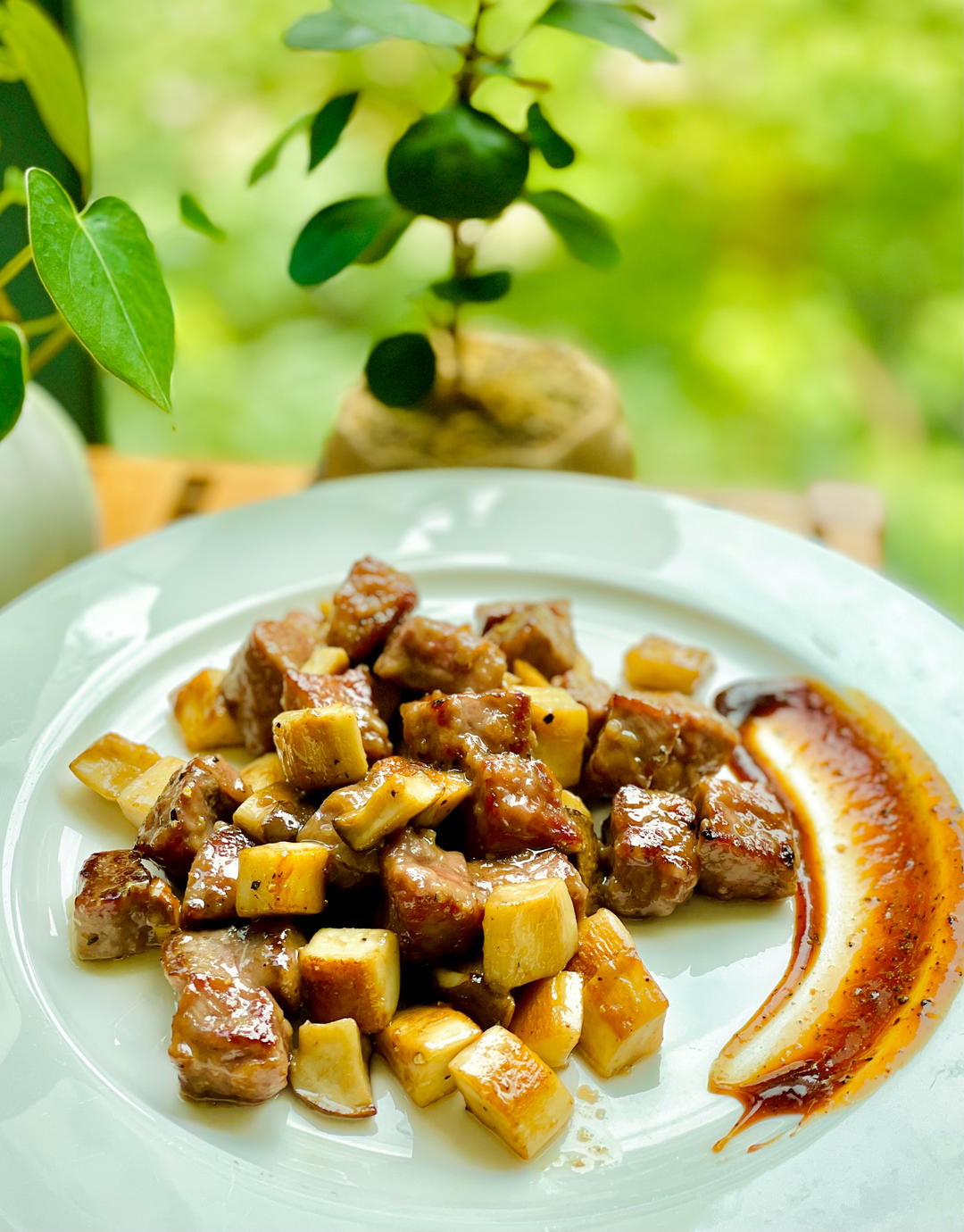
If you love beef with mushrooms in a wok, my black pepper beef and king oyster mushroom stir-fry is another fast, glossy beef dish from the same school.
1Black Pepper Beef and King Oyster Mushroom Stir-FryA quick, healthy, and incredibly tender 20-minute Chinese stir-fry featuring cubed beef tenderloin and hearty king oyster mushrooms, seasoned with fresh black pepper.Check out this recipe
Why This Recipe Works
- Two hours in the freezer makes slicing easy. Semi-frozen tenderloin cuts into paper-thin slices against the grain, which cook in seconds and stay tender.
- Baking soda velvets the beef. A pinch in the marinade raises the meat’s pH, loosening the proteins so they stay soft through a high-heat sear.
- Oil in the marinade does double duty. It seasons the beef and coats each slice so the pieces separate in the wok instead of clumping.
- One minute is the whole cook. The beef changes color fast over high heat; anything longer turns it rubbery.
- Salt goes on at the end. Salting the marinade early would draw moisture out of the beef; finishing with salt keeps the meat juicy.
Equipment Needed
- Wok or large skillet
- Sharp chef’s knife
- Mixing bowl for the marinade
- Wok spatula
- Instant-read thermometer (optional)
Ingredients
- 1 lb (450 g) beef tenderloin
- 1 green bell pepper
- 1/2 onion
- 3 slices ginger
- 3 cloves garlic, sliced
- 1 scallion, white cut into segments and green chopped, separately
- 2 dried chilies, cut into sections (optional)
- 1 lemon wedge
- 1/4 tsp fine salt, added at the end
- Roasted white sesame seeds, for garnish
For the Marinade (adjust to taste)
- 1 tbsp BBQ-style dipping powder (烧烤蘸料) or 1 tsp five-spice powder
- 2 tbsp light soy sauce
- 1 tbsp dark soy sauce
- 1 tbsp oyster sauce
- 1/2 tsp five-spice powder
- 1/4 tsp baking soda
- 1/4 tsp ground white pepper
- 2 tbsp neutral oil, plus a splash of Sichuan-peppercorn oil
Ingredient Notes
Beef tenderloin. The most tender cut, best sliced thin against the grain. Sirloin or flank steak work too if sliced thinly; the freezer step makes either easier to handle.
BBQ dipping powder. The original calls for 烧烤蘸料, a Chinese grill seasoning sold at Asian grocers. If you cannot find it, use a teaspoon of five-spice powder or your favorite barbecue rub instead, and adjust the salt at the end.
Baking soda. A quarter teaspoon is plenty for a pound of beef; more can leave a soapy taste. This is the velvet-texture trick used by Chinese restaurants, and it is what makes home stir-fried beef taste like takeout.
Lemon. The recipe squeezes a wedge of lemon over the finished dish for brightness. Use it lightly; the goal is a lift, not lemon flavor.
Prep & Mise en Place
Start with the beef the night before, or at least two hours ahead: rinse the tenderloin, wrap it, and freeze it until it is firm but not rock-hard. Thinly slice the semi-frozen meat against the grain into slices about 1/8 in (3 mm) thick, then move fast so it does not thaw completely before the marinade.
Mix the marinade in a bowl, add the beef, and work it in with your hands until every slice is coated, adding a generous pour of oil. Marinate at room temperature for 30 to 40 minutes while you prep the vegetables: slice the green pepper and onion, slice the ginger and garlic, cut the scallion, and have the dried chilies ready.
Cooking Process
Step 1 — Freeze, Then Slice the Beef Thin
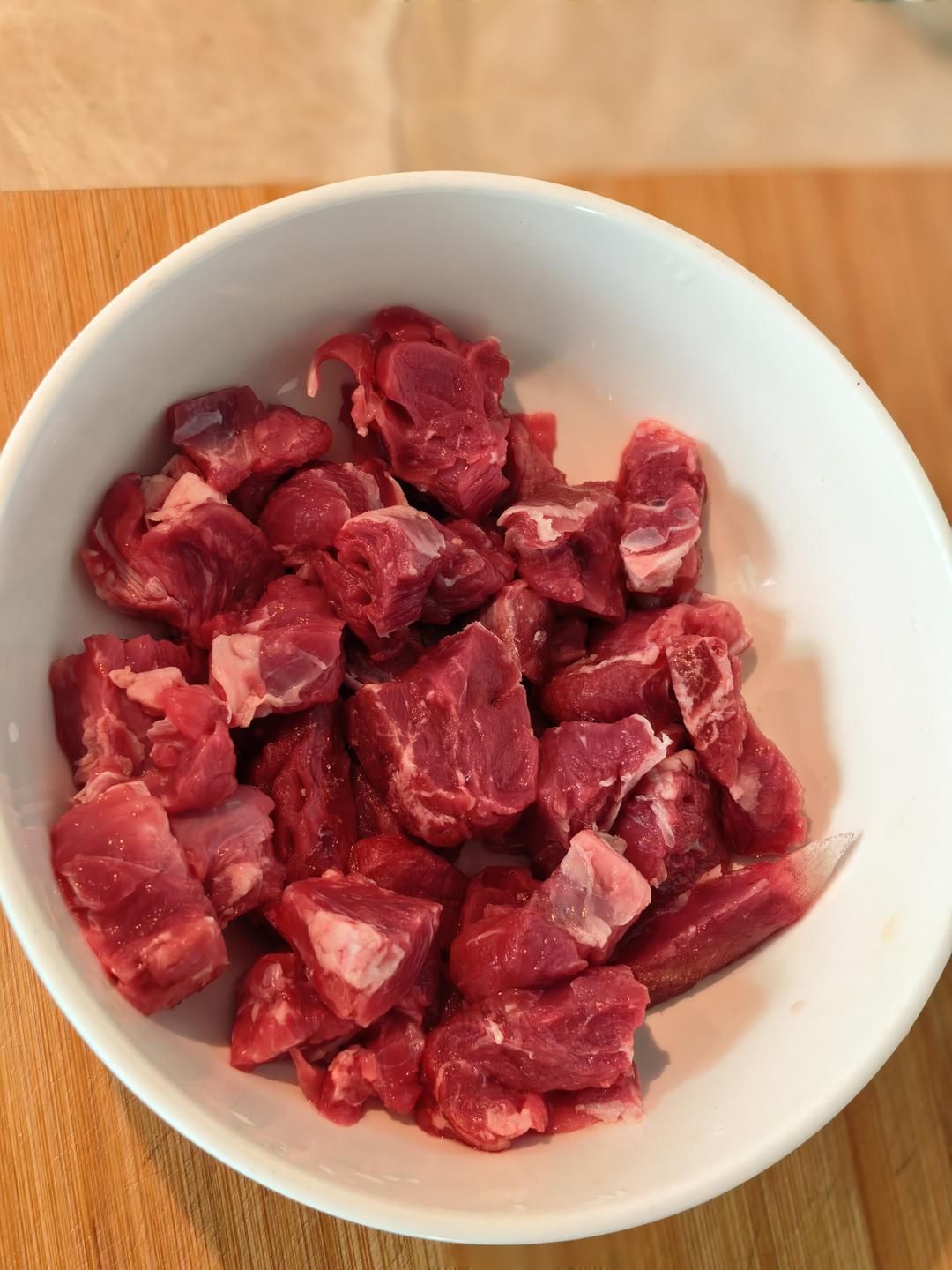
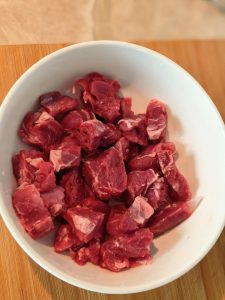
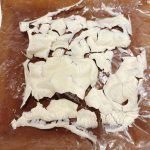
Rinse the beef tenderloin, freeze it for about 2 hours, then slice it into thin pieces against the grain. The semi-frozen meat cuts far more easily and evenly than thawed tenderloin.
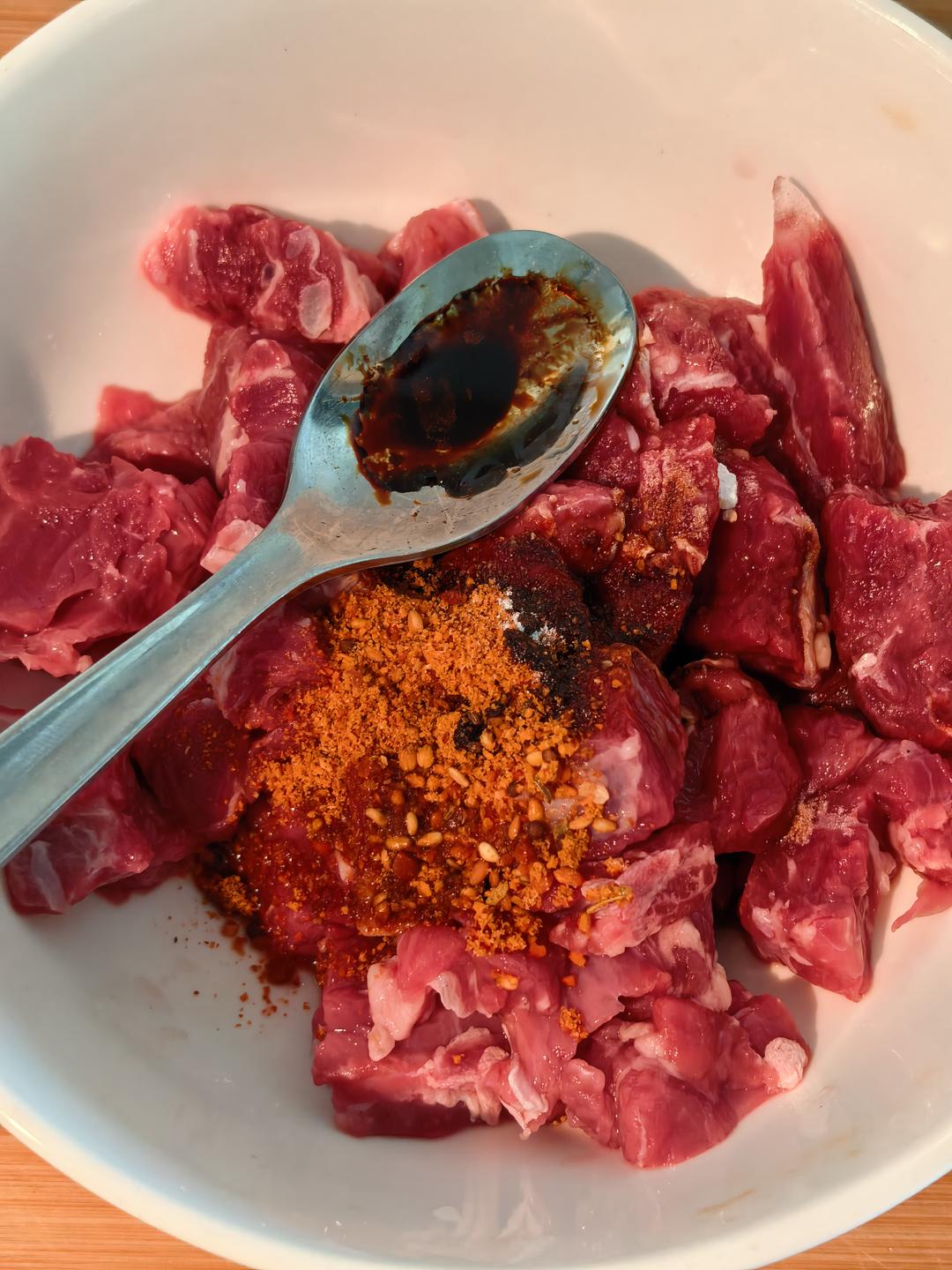
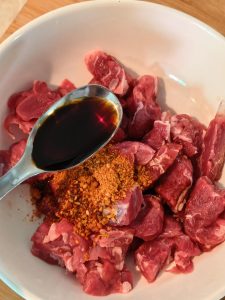
Step 2 — Mix the Marinade
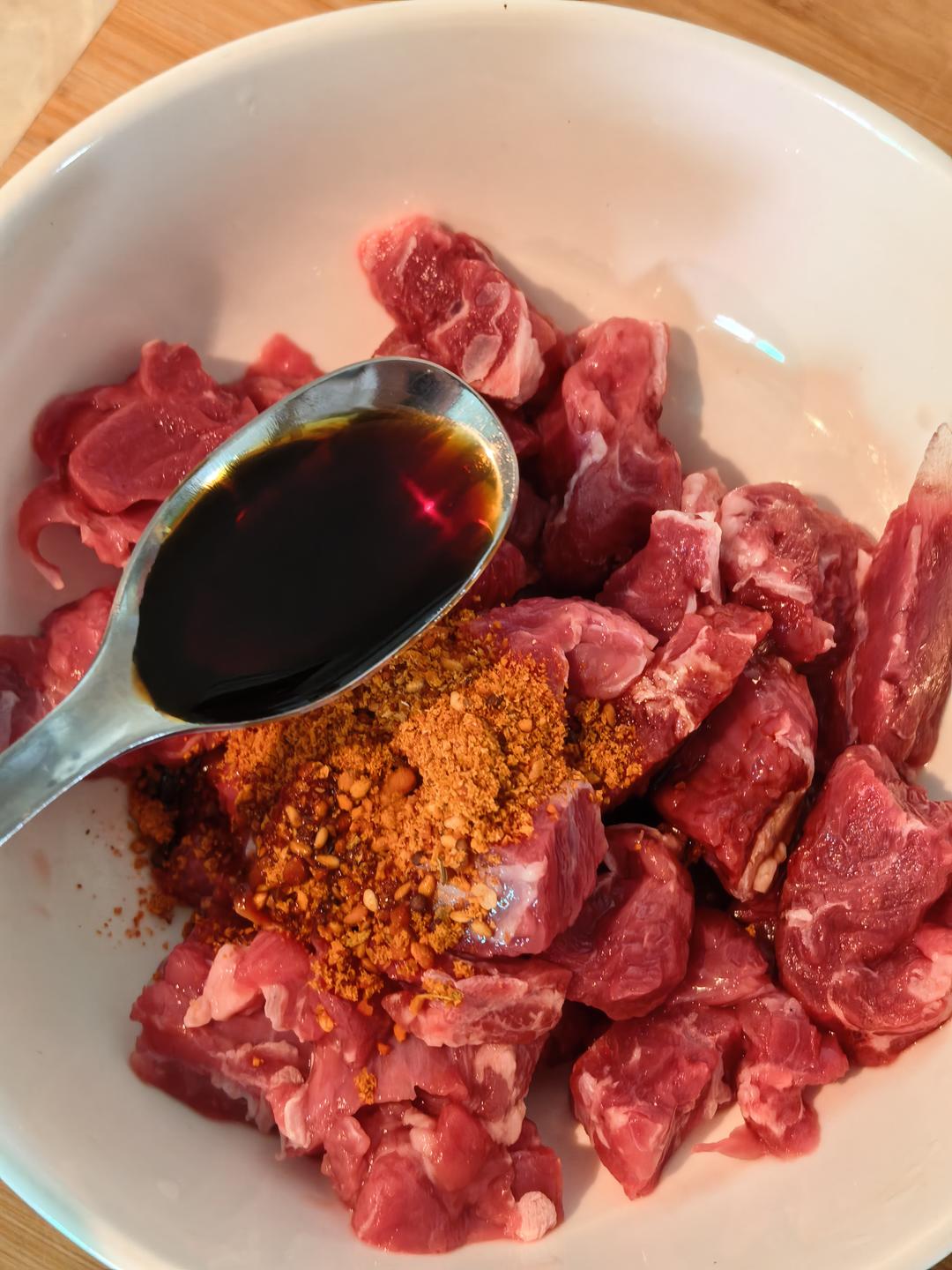
Combine the BBQ dipping powder (or five-spice), light soy, dark soy, oyster sauce, five-spice, baking soda, white pepper, neutral oil, and a splash of Sichuan-peppercorn oil in a bowl. Stir until smooth.
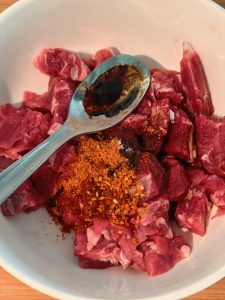
Step 3 — Season Generously and Add Extra Oil
Add the seasonings to your taste, and do not be shy with the neutral oil; a generous pour is part of what keeps the slices slick and separate in the wok.
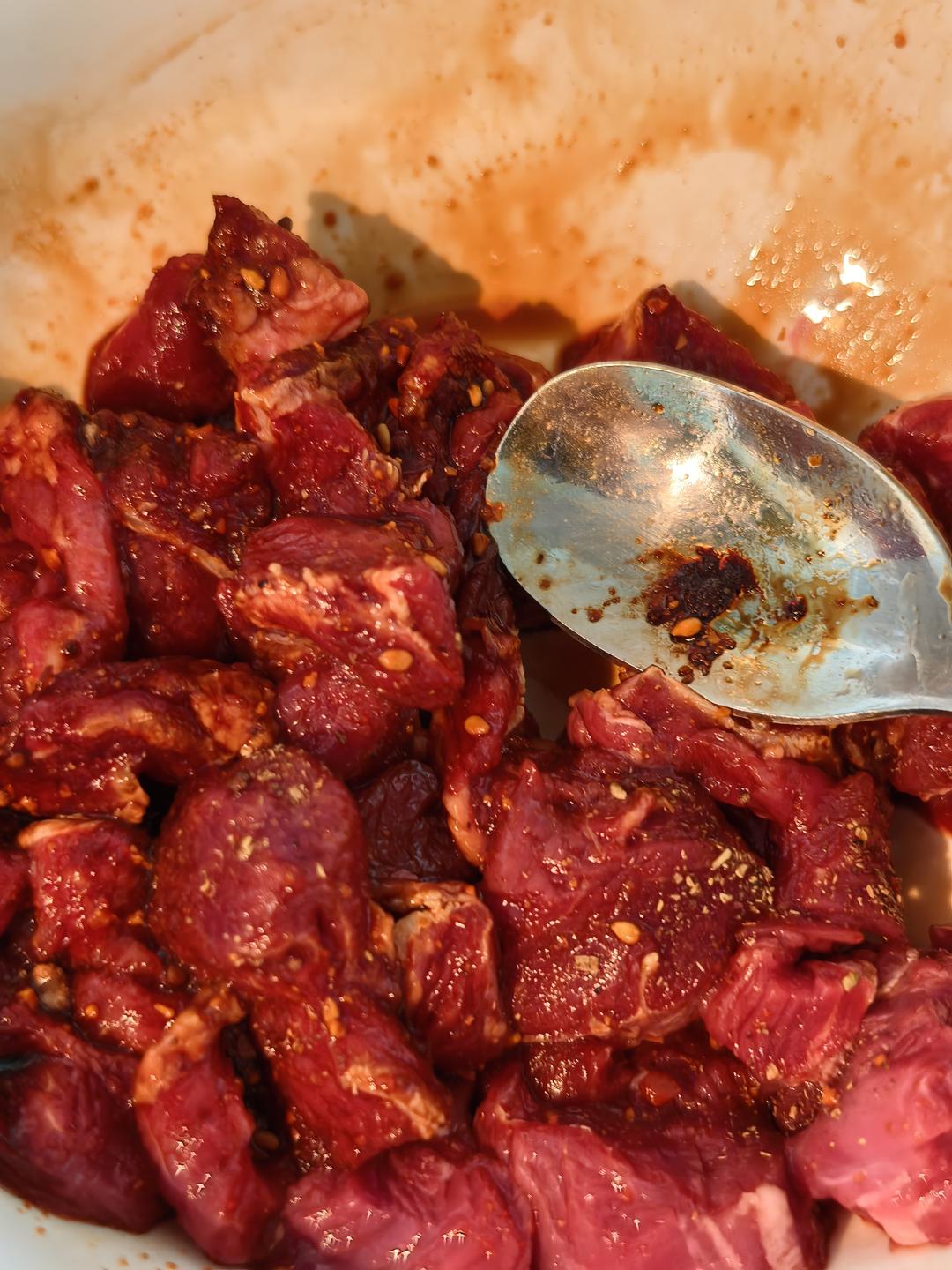
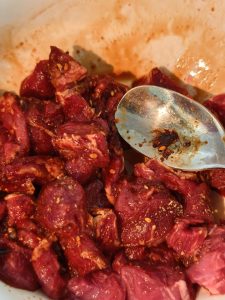
Step 4 — Marinate for 30 to 40 Minutes
Work the marinade into the beef with chopsticks or your hands until every slice is coated, then let it sit for 30 to 40 minutes at room temperature.
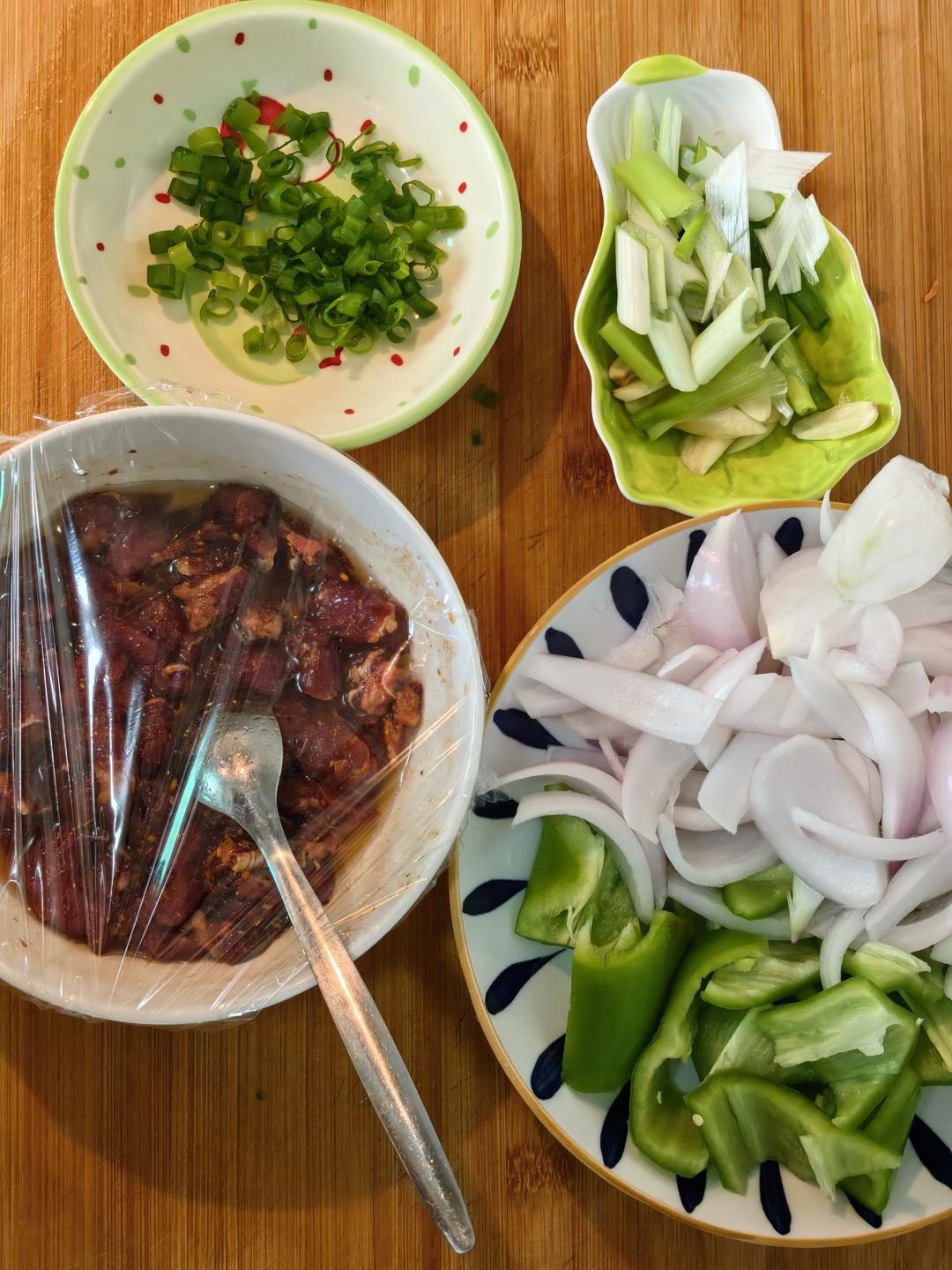
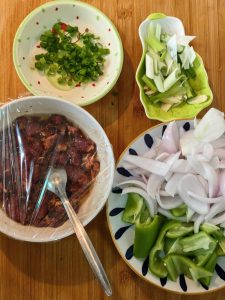
Step 5 — Prep the Vegetables
While the beef marinates, slice the green pepper and onion, slice the ginger and garlic, and cut the scallion into segments (white) and chopped pieces (green). Cut the dried chilies into sections.
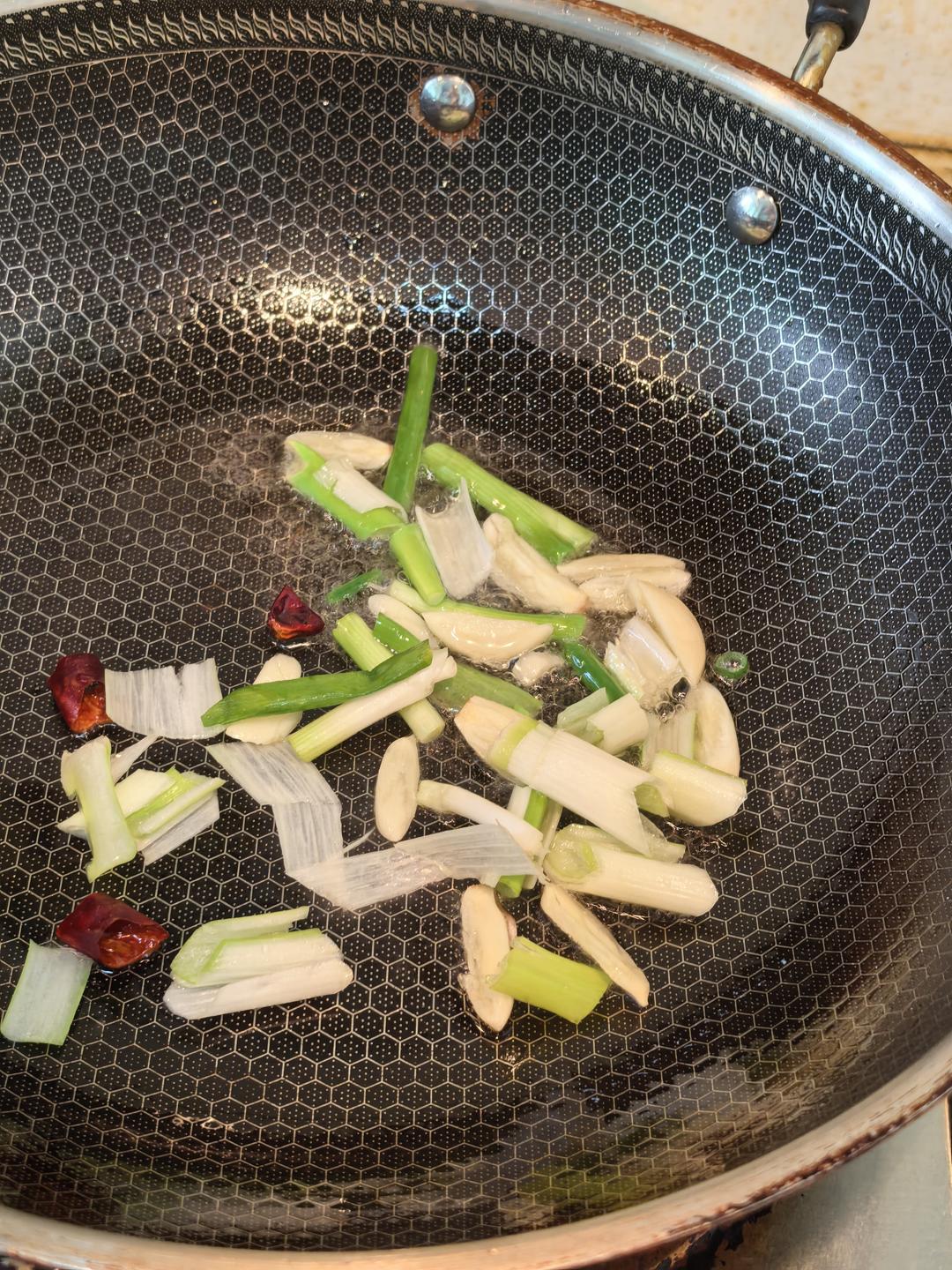
Step 6 — Heat the Oil to About 80 Percent
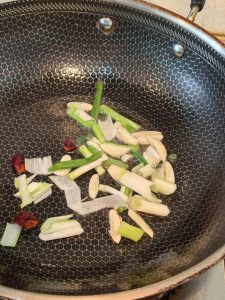
Heat the wok with enough oil to coat it until the oil shimmers, about 80 percent hot, but do not let it smoke hard. Add the ginger, garlic, and dried chili and stir-fry just until fragrant.
Step 7 — Add the Beef and Stir-Fry Fast
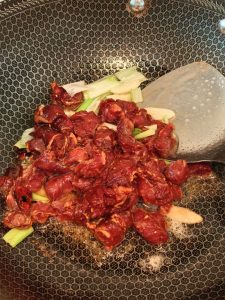
Add the marinated beef and toss it quickly and constantly over the highest heat. The goal is to sear every slice in seconds, not to cook it gently.
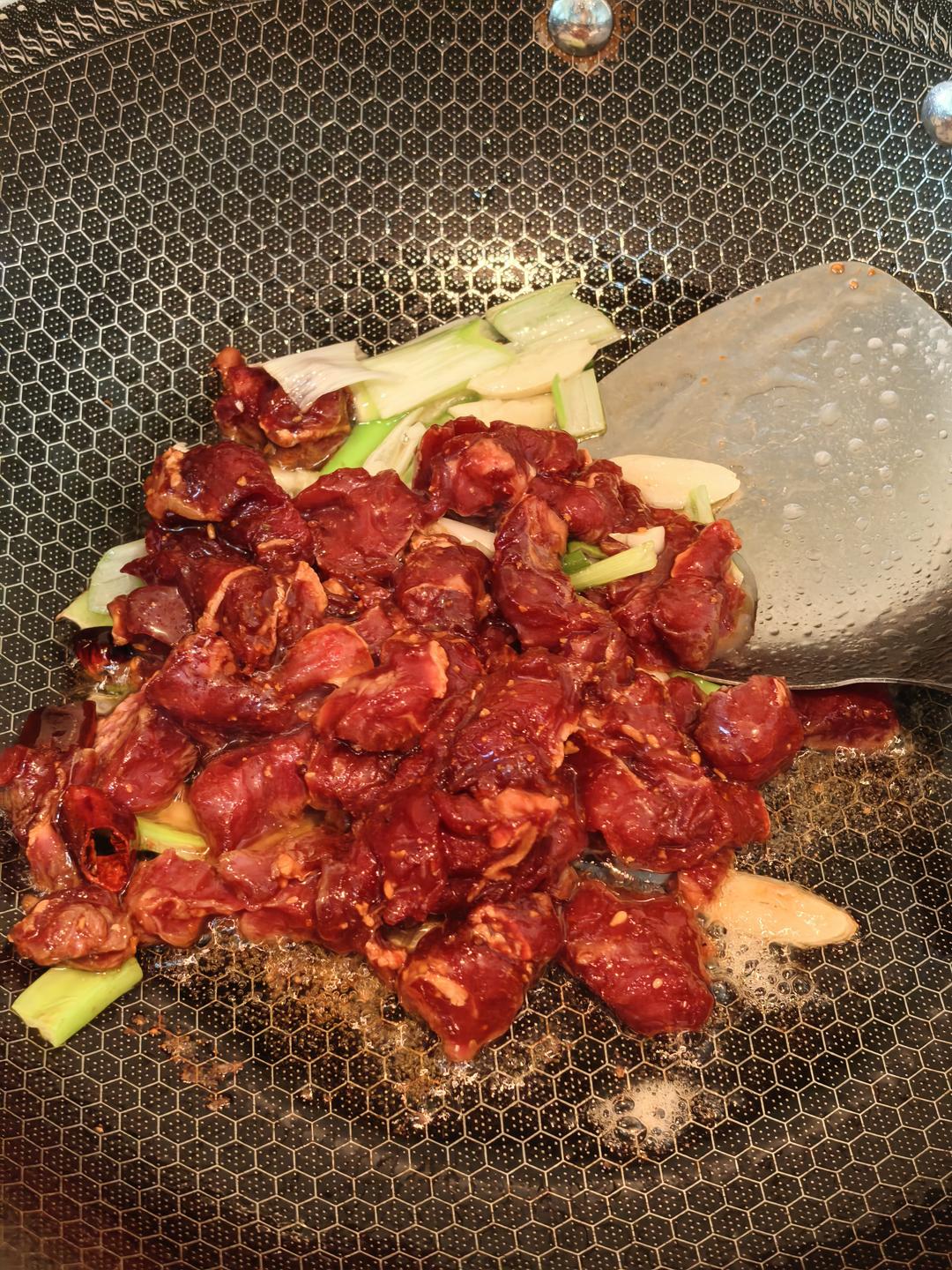
Step 8 — Cook About 1 Minute Until the Color Changes
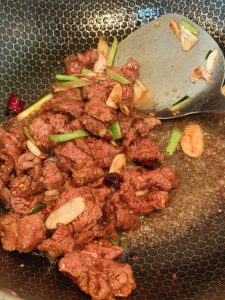
Stir-fry for about 1 minute, just until the beef changes color and is barely cooked through. Pull it off the heat at this stage; it will finish with the vegetables.
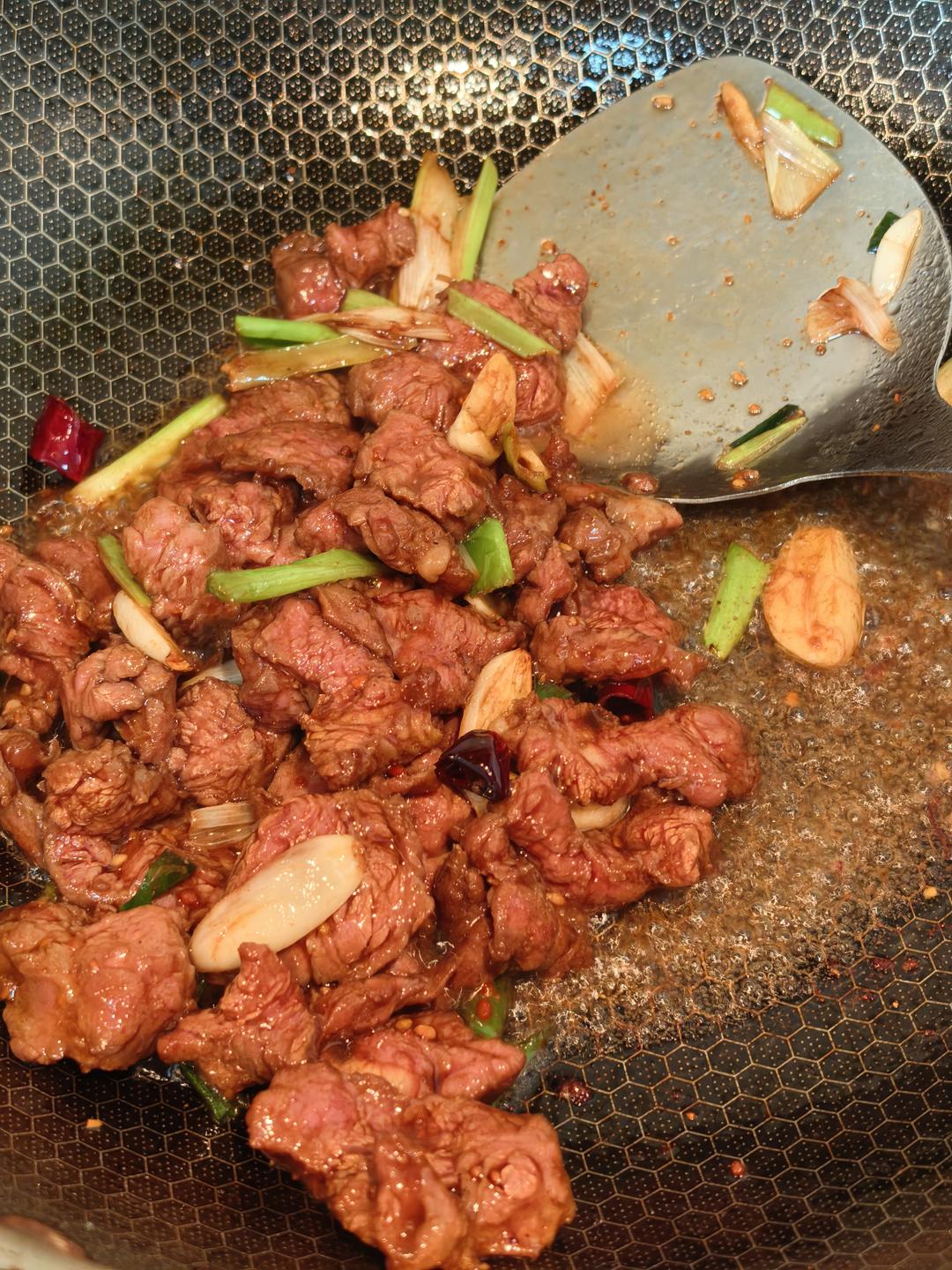
The sear happens fast because the beef is thin and the wok is hot. Browning the surface builds flavor through the Maillard reaction, while the baking-soda marinade keeps the interior from squeezing dry. Cook past this point and the slices lose their juice, which is why the recipe counts the cook in seconds, not minutes.
Step 9 — Add the Green Pepper and Onion
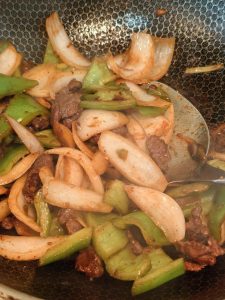
Add the sliced green pepper and onion and keep tossing over high heat so the vegetables warm through and turn bright while staying crisp.
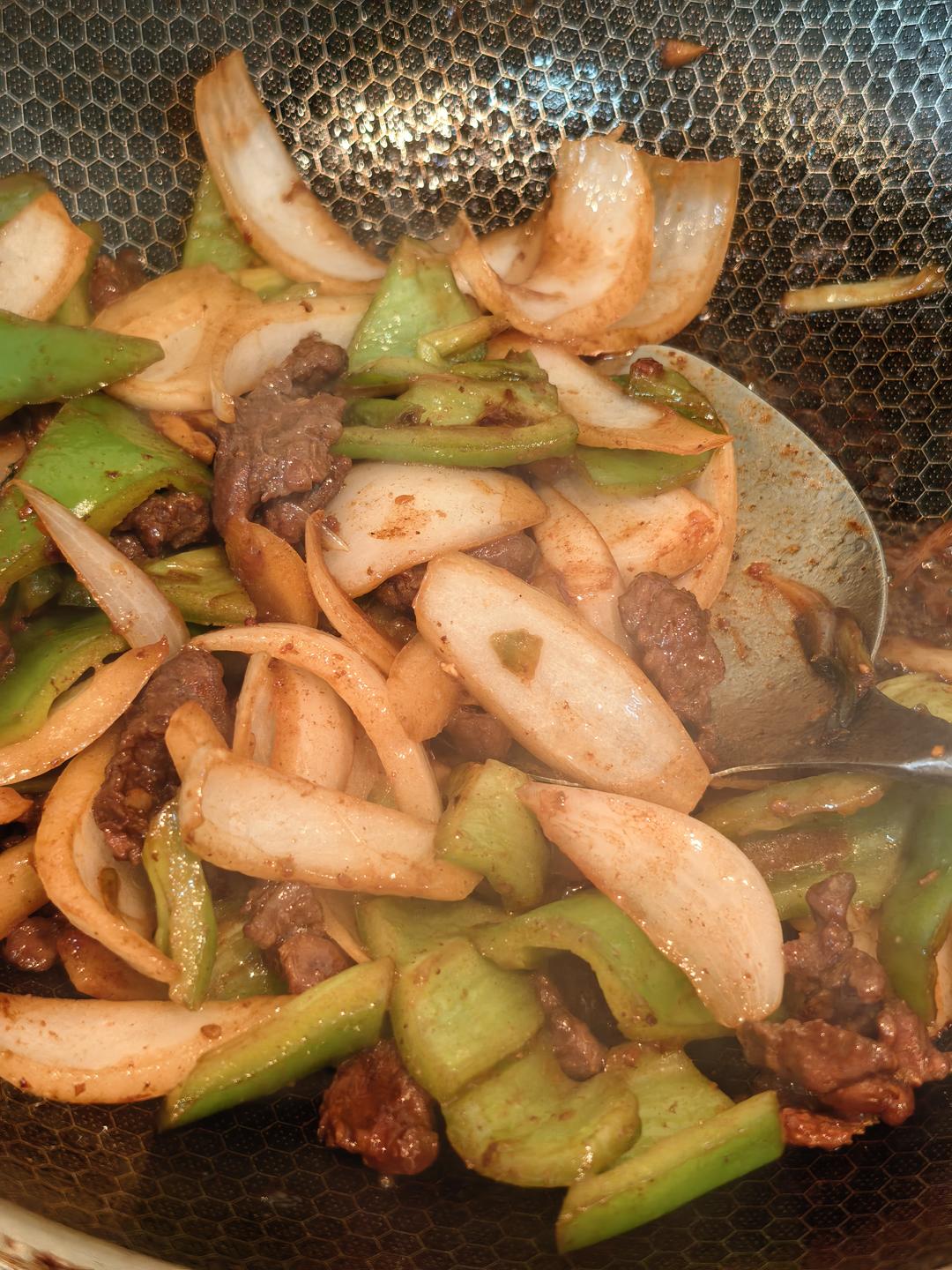
Step 10 — Finish With Lemon, Salt, and Timing
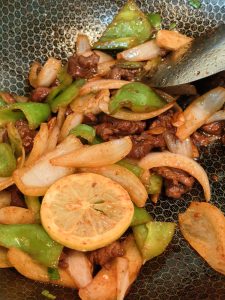
Squeeze a wedge of lemon over the dish for brightness, stir-fry 3 to 4 minutes total at most so nothing overcooks, then taste a piece of beef to confirm it is cooked through, never eating it rare. Sprinkle the salt over the top now, at the very end, since salting the marinade early would have drawn out the beef’s juices.
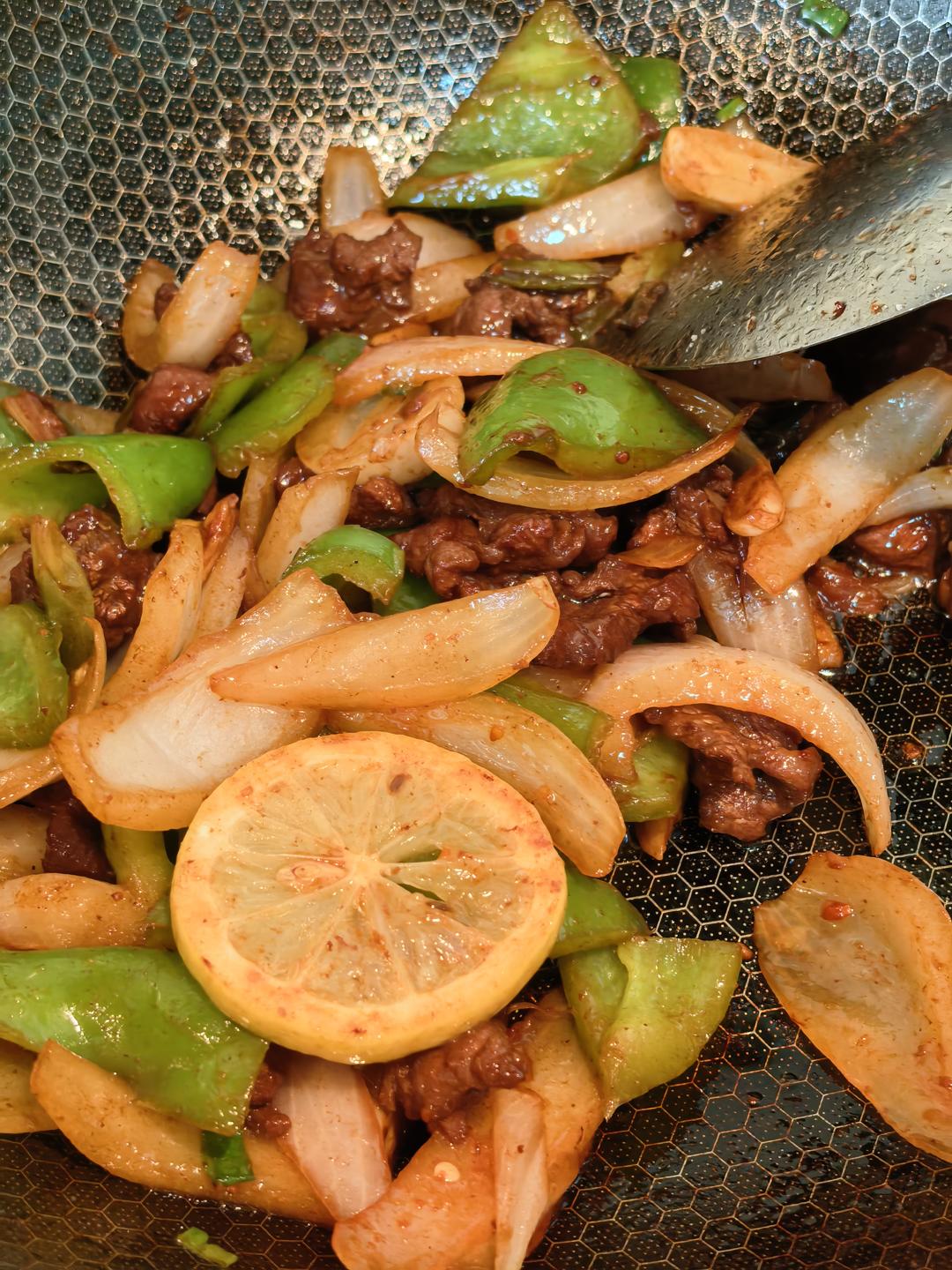
Step 11 — Plate and Garnish
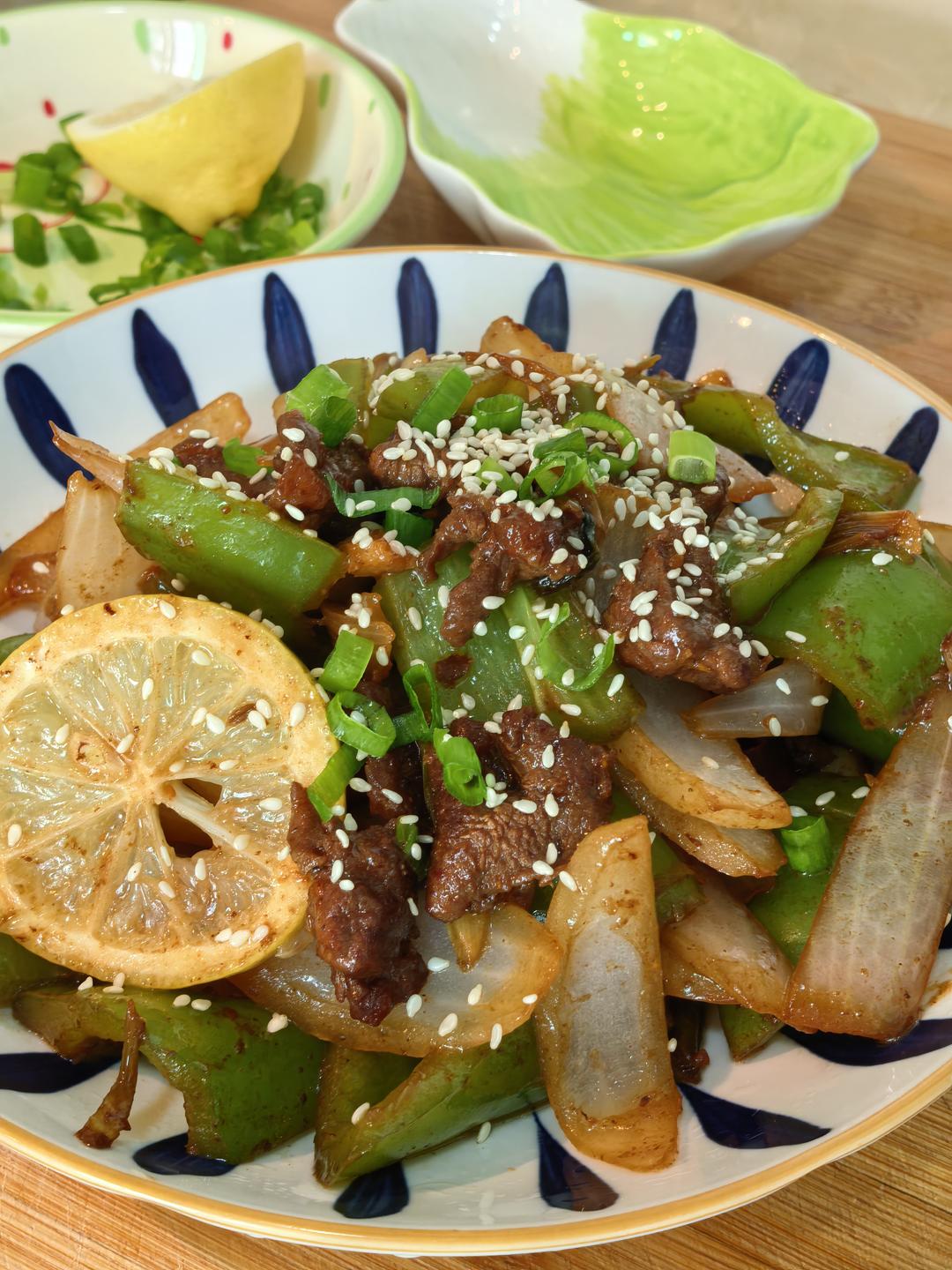
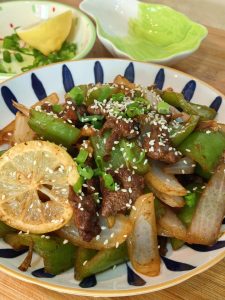
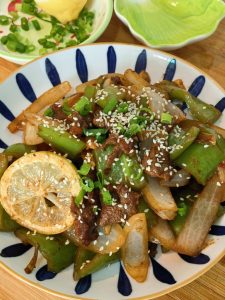
Scoop the beef onto a plate, scatter over the chopped scallion greens and a handful of roasted sesame seeds, and serve immediately while the wok flavor is still on it.
Step 12 — The Finished Plate
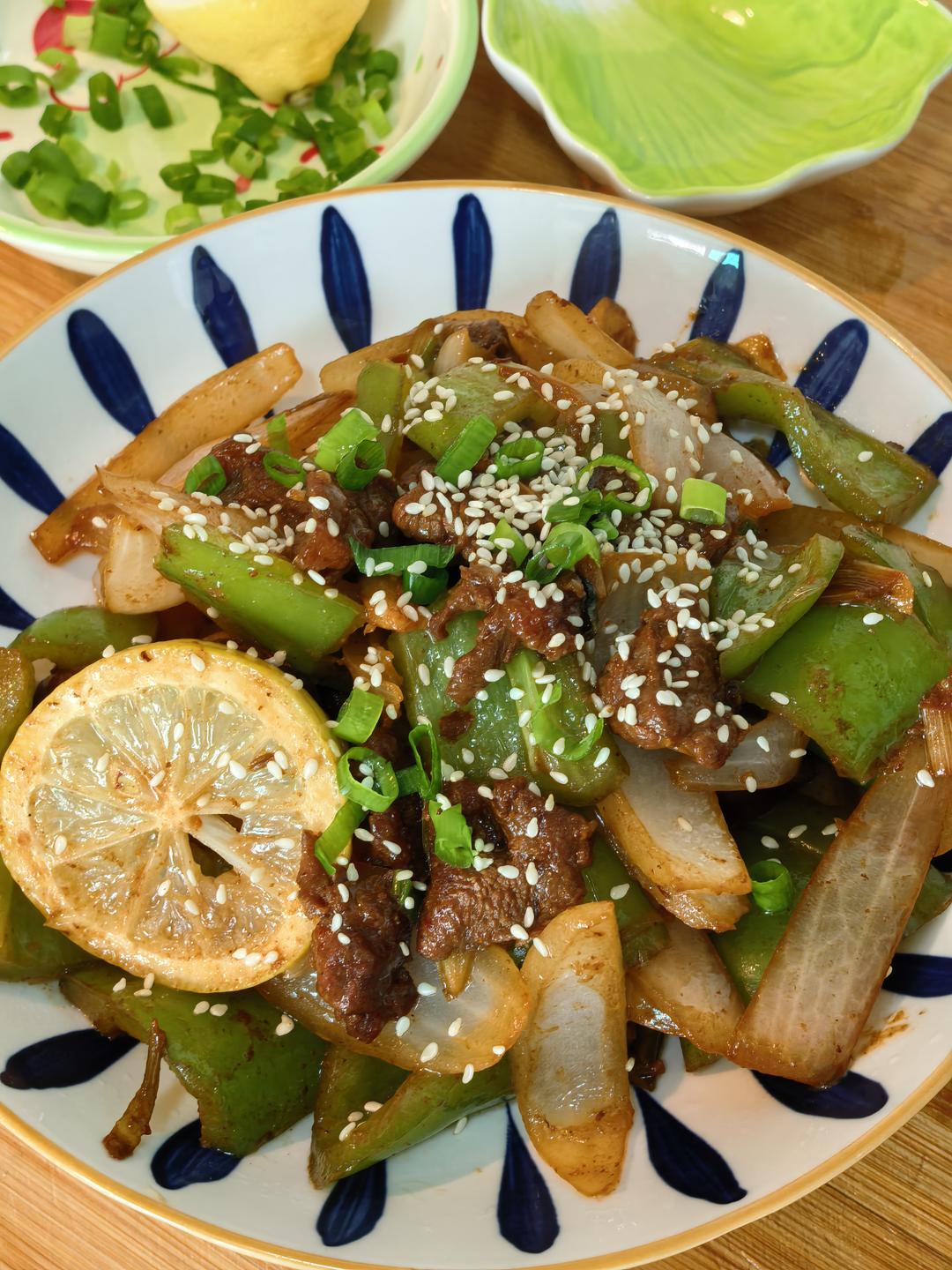
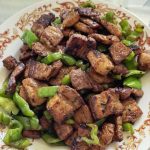
The beef should be silky and tender, the peppers bright, and the onion sweet, with lemon and sesame lifting the whole plate. This is the kind of stir-fry that makes people ask for the recipe.
Common Mistakes When Making Beef Tenderloin Stir-Fry
1. Rubbery, tough beef. Cause: overcooking, slicing with the grain, or too little marinade time. Fix: slice thin against the grain, marinate the full 30 to 40 minutes, and cook about 1 minute before the vegetables go in. My guide to keeping beef tender in stir-fry covers the full mechanics.
2. A watery, gray pool in the pan. Cause: the wok was not hot enough, or too much beef at once. Fix: preheat the wok properly and cook in two batches if needed; overcrowding steams instead of sears. For more detail, see why stir-fry turns watery and how to fix it.
3. A soapy aftertaste. Cause: too much baking soda. Fix: keep it to 1/4 tsp per pound and do not let the marinade sit for hours.
4. Clumped, unevenly cooked slices. Cause: too little oil in the marinade. Fix: use the generous pour the recipe insists on, which coats each slice and keeps them separate.
5. Raw-tasting garlic and chilies. Cause: the aromatics were added to a pan that was not hot, so they simmered. Fix: heat the oil until it shimmers before adding the ginger, garlic, and chilies.
6. Underseasoned beef. Cause: salting only at the end and skimping on the marinade. Fix: season the marinade boldly and add the finishing salt while tasting, not blindly.
Variations
More heat. Double the dried chilies or add a sliced bird’s eye chili with the garlic. If you like boldly spicy wok chicken, my spicy chicken stir-fry follows the same high-heat logic.
Different vegetables. Broccoli, asparagus, or mushrooms all work in place of the green pepper. Keep them sliced thin and add them at the same point so they stay crisp.
Slow version. When you want beef that falls apart instead of sears, my tomato beef stew is the braised cousin of this stir-fry.
Frequently Asked Questions
Why freeze the beef first? Semi-frozen tenderloin slices cleanly and evenly, and thin, even slices are what cook in one minute. It is the same reason butchers chill meat before slicing.
Can I skip the baking soda? You can, but the beef will be noticeably less tender. If you prefer to skip it, use a naturally tender cut and keep the cook very short.
Can I use flank steak or sirloin? Yes. Slice them thin against the grain and give them a slightly longer marinade; they are tougher than tenderloin but the technique still works.
Is the lemon essential? No, it is this cook’s brightening habit. A teaspoon of rice vinegar or a splash of black vinegar added at the end does the same job.
What should I serve with it? Steamed rice is the classic base. For a full table, add Yangzhou fried rice or turn it into a rice bowl like Korean beef bibimbap.
How to Serve
Serve the stir-fry immediately over steamed rice, with the glossy sauce spooned over the top. It is a complete plate on its own, but it also fits a bigger spread beside Yangzhou fried rice or as the protein for a Korean beef bibimbap-style bowl.
Storage & Reheat
Refrigerate leftovers in an airtight container for up to 2 days. Reheat in a hot wok with a splash of water for 30 to 60 seconds, or in the microwave, until steaming; the beef will soften slightly on reheating. For food safety, cook beef to at least 145°F (63°C) and reheat leftovers to 165°F (74°C). Do not leave cooked beef at room temperature longer than 2 hours.
Allergen Notice
Contains soy (soy sauces) and shellfish (oyster sauce); use tamari and a mushroom-based sauce for a soy-free or shellfish-free version. The optional dried chilies are not an allergen but may share processing lines with nuts; check the label if that is a concern.
Nutrition Disclaimer
Nutrition information is calculated using an ingredient database and should be considered an estimate. In cases where multiple ingredient alternatives are given, the first listed is calculated for nutrition. Garnishes and optional ingredients are not included.
About the Author & Recipe Development
I am Lin, and I grew up in my parents’ Sichuan restaurant before a decade in professional kitchens, where I sliced more beef than I can count. This xiachufang recipe is the home version of the stir-fry we cooked by the kilo, and I tested it twice to pin down the details for home stoves: once with a wok that was too cool, which taught me why the oil must shimmer, and once exactly as written with the freezer trick and the baking soda, which produced the silky, glossy beef in the photos. The lemon at the end is this cook’s touch, and I have kept it because it works.
Authoritative References
USDA Safe Temperature Chart for cooking and reheating beef, and USDA Leftovers and Food Safety for storage guidance.
Silky Beef Tenderloin Stir-Fry (爆炒牛里脊): Smoky and Juicy

Equipment
- Wok or large skillet
- Sharp Knife
- Wok spatula
Ingredients
For the Beef and Vegetables
- 1 lb beef tenderloin, sliced thin against the grain
- 1 green bell pepper, sliced
- 0.5 onion, sliced
- 3 slices ginger
- 3 cloves garlic, sliced
- 1 scallion, white in segments and green chopped
- 2 dried chilies, cut into sections (optional)
- 1 wedge lemon
- 0.25 tsp fine salt added at the end
- 1 sprinkle roasted white sesame seeds
For the Marinade
- 1 tbsp BBQ-style dipping powder or 1 tsp five-spice powder
- 2 tbsp light soy sauce
- 1 tbsp dark soy sauce
- 1 tbsp oyster sauce
- 0.5 tsp five-spice powder
- 0.25 tsp baking soda
- 0.25 tsp ground white pepper
- 2 tbsp neutral oil, plus a splash of Sichuan-peppercorn oil
Instructions
- Freeze the beef tenderloin for about 2 hours, then slice it thin against the grain.

- Mix the marinade: dipping powder, light and dark soy, oyster sauce, five-spice, baking soda, white pepper, and oils.
- Season generously and pour in extra neutral oil.
- Mix well and marinate for 30 to 40 minutes.
- Slice the green pepper, onion, ginger, garlic, and chilies while the beef marinates.
- Heat the oil to about 80 percent hot, then fry the ginger, garlic, and chilies until fragrant.
- Add the marinated beef and toss quickly over the highest heat.
- Stir-fry about 1 minute until the beef changes color.
- Add the green pepper and onion and toss until bright and crisp.
- Squeeze in lemon, stir-fry 3 to 4 minutes total at most, confirm the beef is cooked through, and season with salt at the very end.
- Plate and garnish with scallion greens and roasted sesame.
- Serve immediately while the wok flavor is fresh.








Leave a Reply