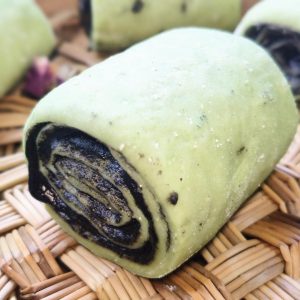
There is a particular kind of quiet in a Chinese kitchen on a weekend morning, when a bamboo steamer is ticking on the stove and the whole house smells faintly of yeast and warm grain. These matcha rose steamed buns belong to that mood. They are not a pastry, not a cake — they are mantou, the plain steamed bun that sits at the center of northern Chinese home cooking, only here the dough is tinted green with matcha and perfumed with dried rose petals, then rolled thin with a smear of black sesame paste so each bun carries a soft spiral inside.
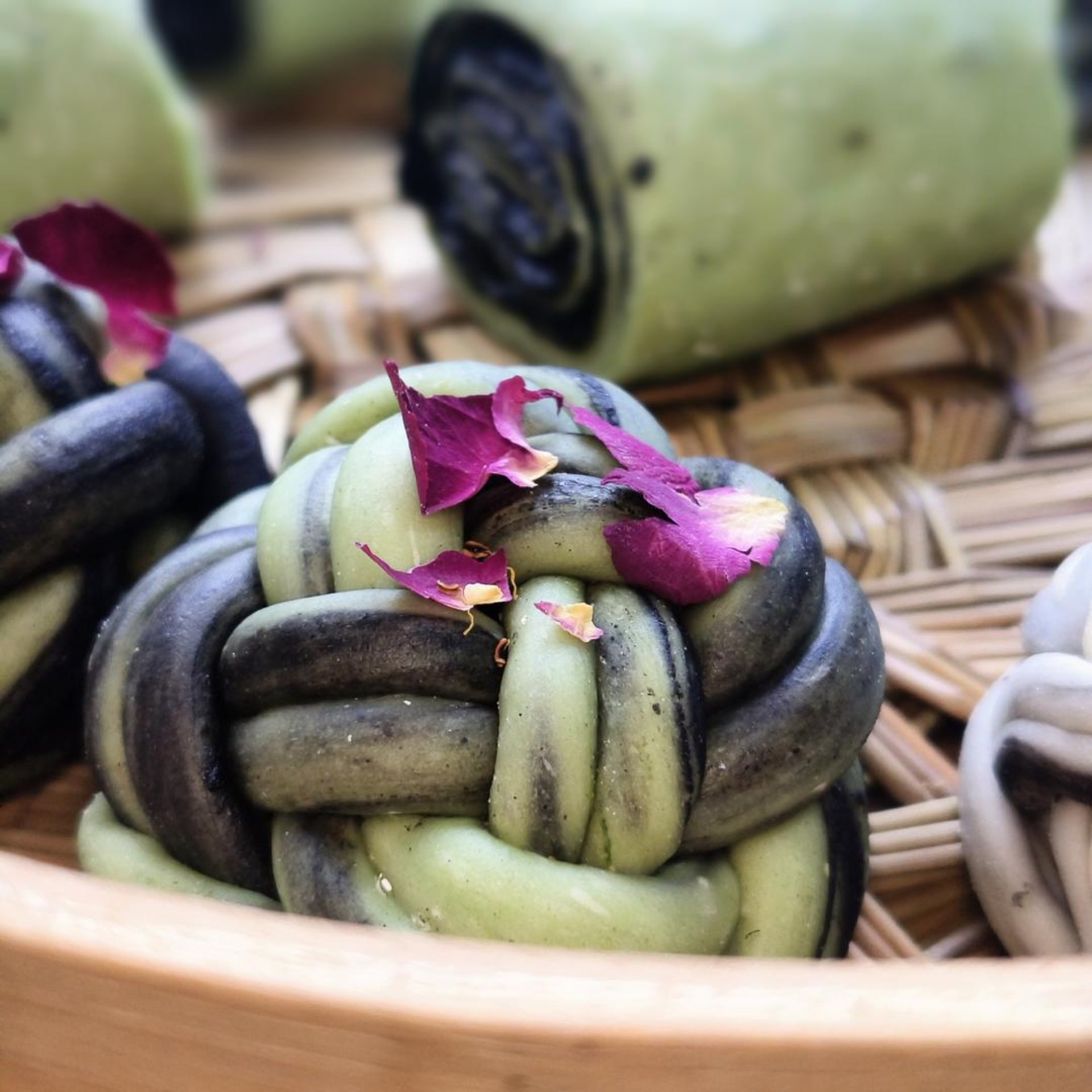
The idea came from the way Chinese home cooks treat food as a gentle daily tonic. Matcha is bitter and grassy, rose is floral and calming, black sesame is nutty and faintly bitter in its own right — none of them shout, and together they make a bun that tastes like a slow morning rather than a dessert. It is the kind of thing you make once and then keep making, because the dough is forgiving and the shaping is genuinely relaxing.
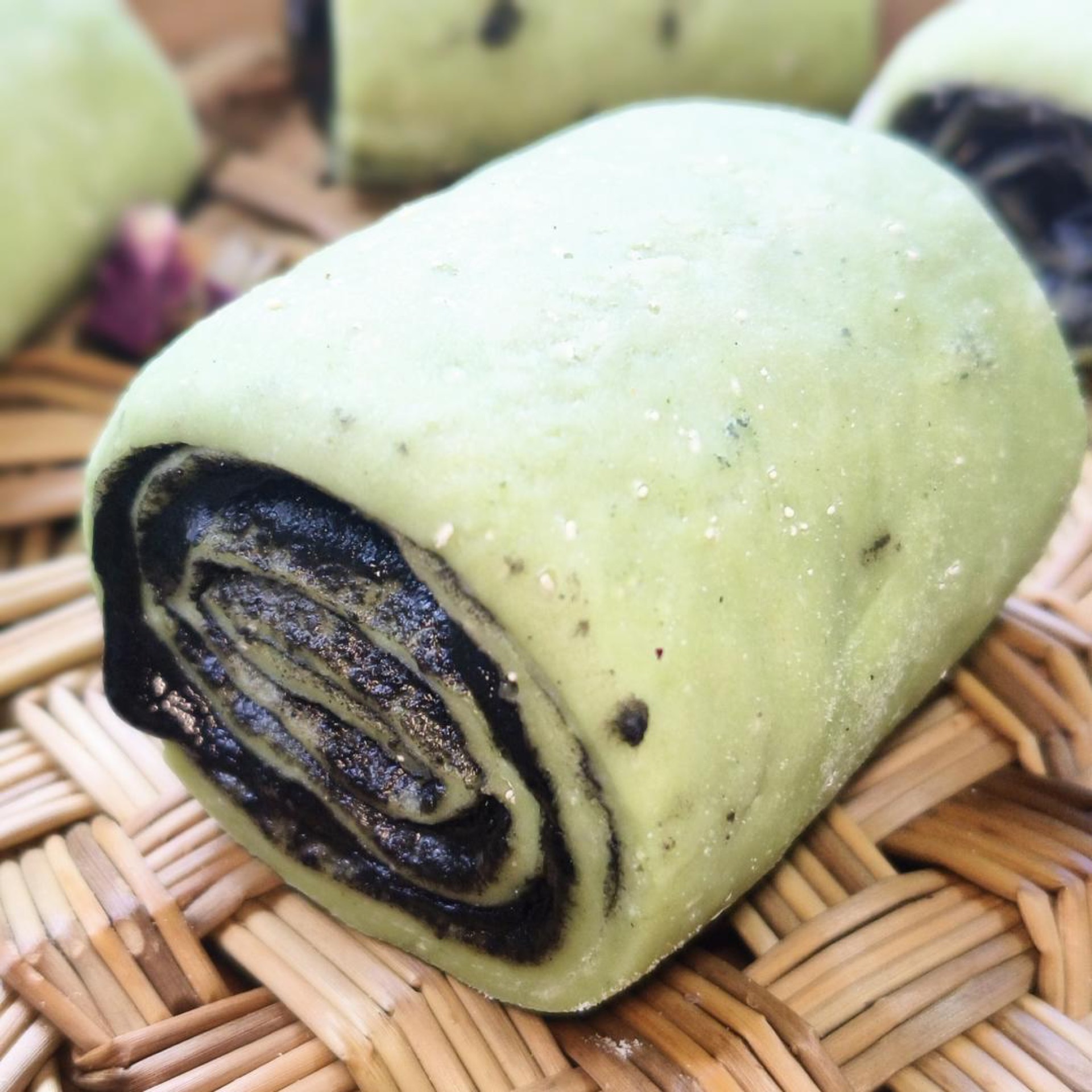
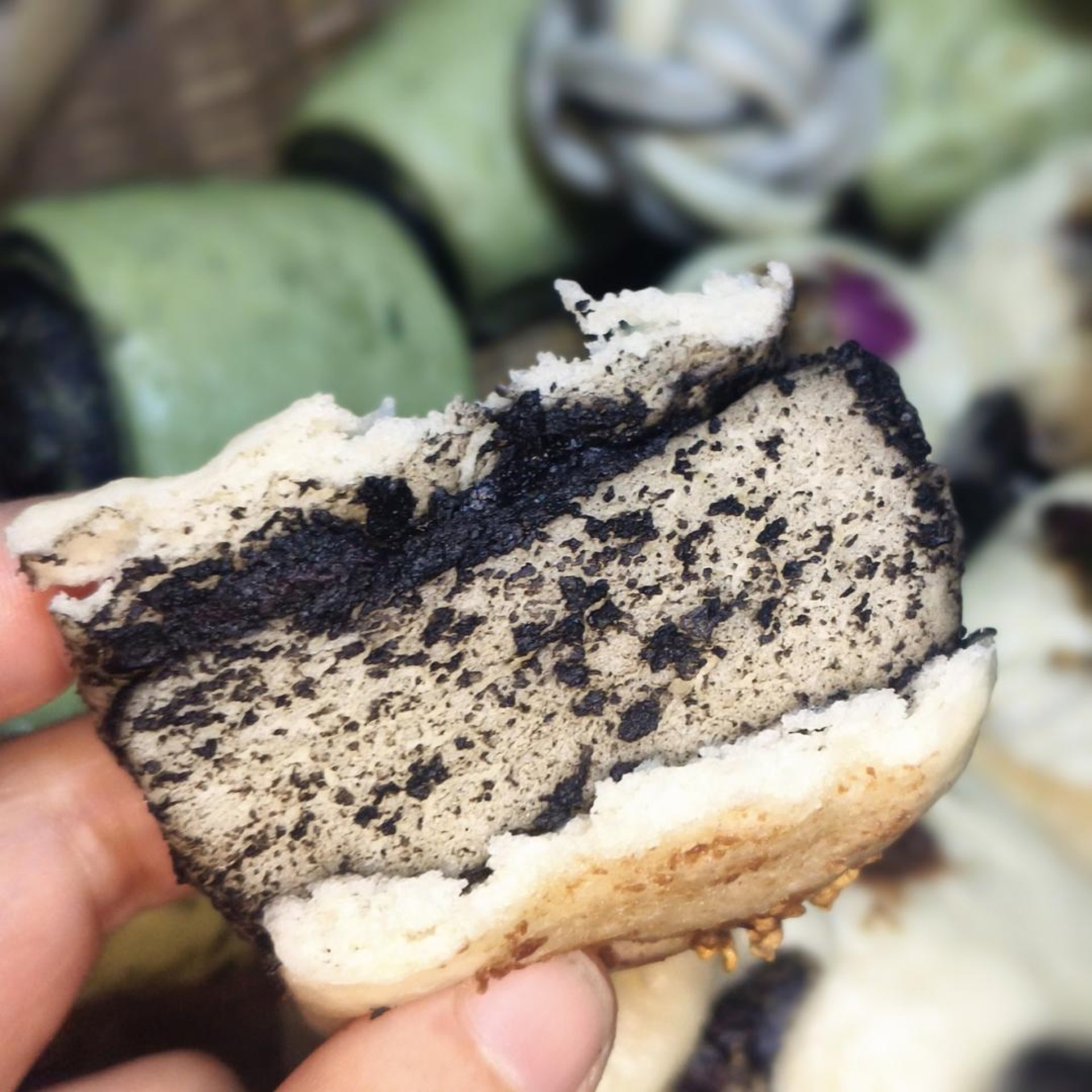
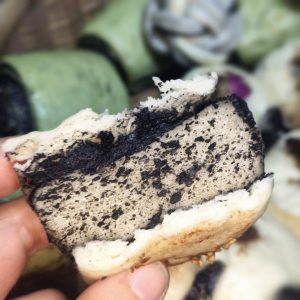
What you get at the end is a bun with a fine, even crumb that pulls apart in soft layers, a pale jade color, and a thin ribbon of sesame running through the middle. The rose is subtle — more aroma than flavor — and the osmanthus on top adds a honeyed note as you bite in. It is lightly sweet at most, which is exactly the point.
What Is 抹茶馒头?
馒头 (mantou) is a steamed bun made from a simple wheat dough of flour, water, yeast, and sometimes a little sugar or milk. Unlike baozi, it has no filling. It is the everyday bread of northern China, eaten alongside stir-fries, braises, and soups, or on its own with a smear of chili oil or condensed milk. Because it is steamed rather than baked, the crust stays soft and the interior is tender and springy rather than crisp.
抹茶馒头 is simply mantou dough with matcha worked into the flour, which gives it a green tint and a mild, grassy bitterness. The rose and black sesame in this version turn it into something closer to a tea-time bun — still plain enough to serve with a meal, but pretty enough to put on a plate for guests. If you have ever made a basic steamed bun, this is the same technique with a different flavor profile.
Whole wheat steamed buns (全麦馒头) are a heartier take on the same dough — nutty, dense, and perfect if you want a whole-grain version of this matcha bun.
Shandong steamed buns (大馒头) are the classic northern Chinese mantou — big, chewy, and slightly sweet, and the best way to learn what a properly kneaded bun should feel like.
Bread machine whole wheat buns (全麦包子) let the machine do the kneading, which is a gentle way to start if you have never worked with a yeasted dough before.
If you are new to mantou, the closest comparison on this site is our bread machine whole wheat buns, which use the same one-rise, roll, and steam rhythm with a heartier flour. For a version that leans on a bread machine for the kneading, try the bread machine whole wheat buns. And if you want the classic northern-style plain bun as a reference point, the Shandong steamed buns are the gold standard for chew and structure.
1Quick Bread Machine Whole Wheat Buns (Quan Mai Bao Zi)Learn how to make authentic, fluffy whole wheat steamed buns (Quan Mai Bao Zi) using a bread machine for effortless kneading. A foolproof Chinese breakfast recipe perfect for sweet or savory fillings.Check out this recipe
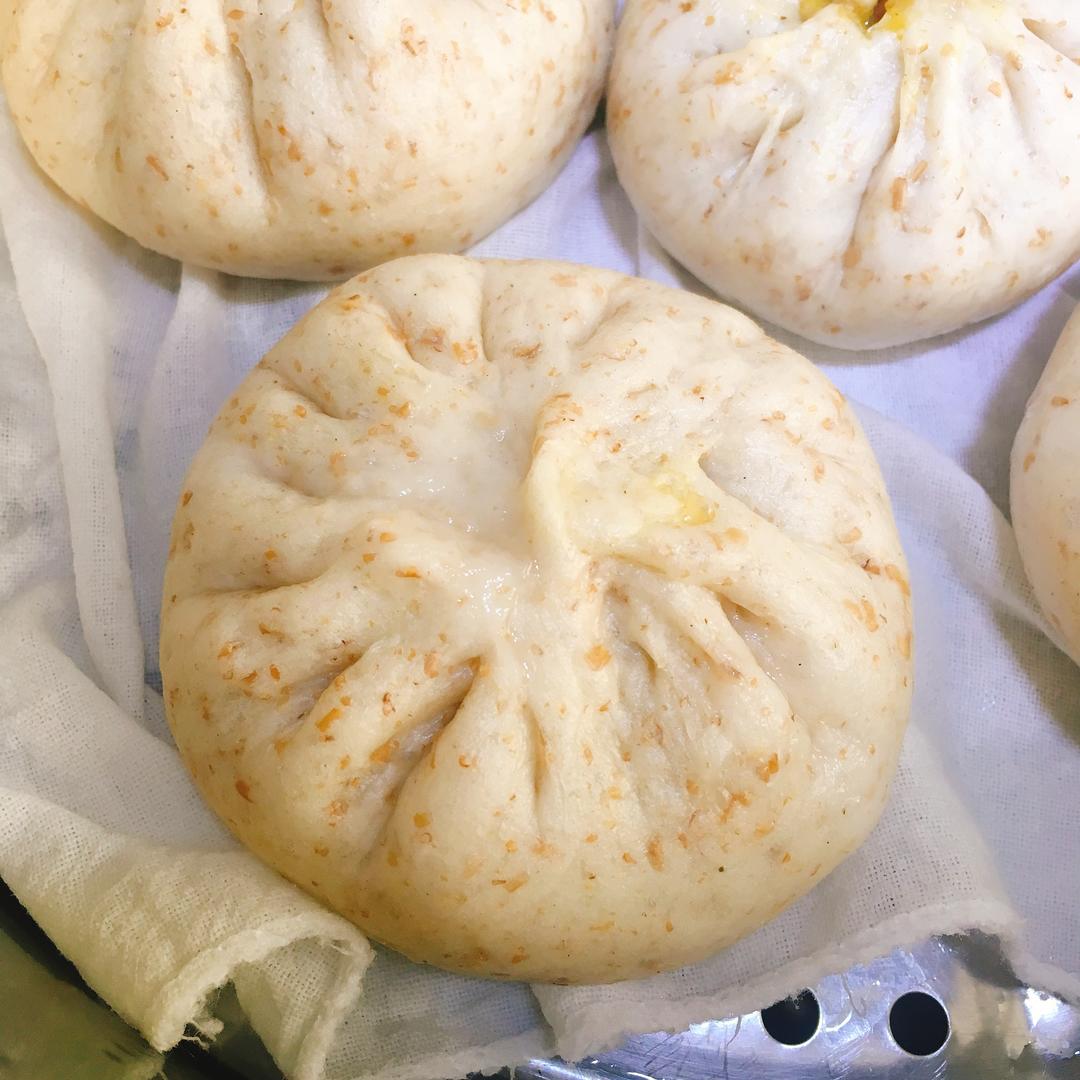
Cooked this way once, you will want the next one too: Shandong steamed buns starts from the same base and the same pan.
2Authentic Shandong Steamed Buns (Da Mantou)Learn the secrets to authentic, dense, and chewy Shandong Da Mantou. This recipe uses the traditional double-knead method and precise hand-shaping techniques for flawlessly smooth, wrinkle-free steamed buns.Check out this recipe
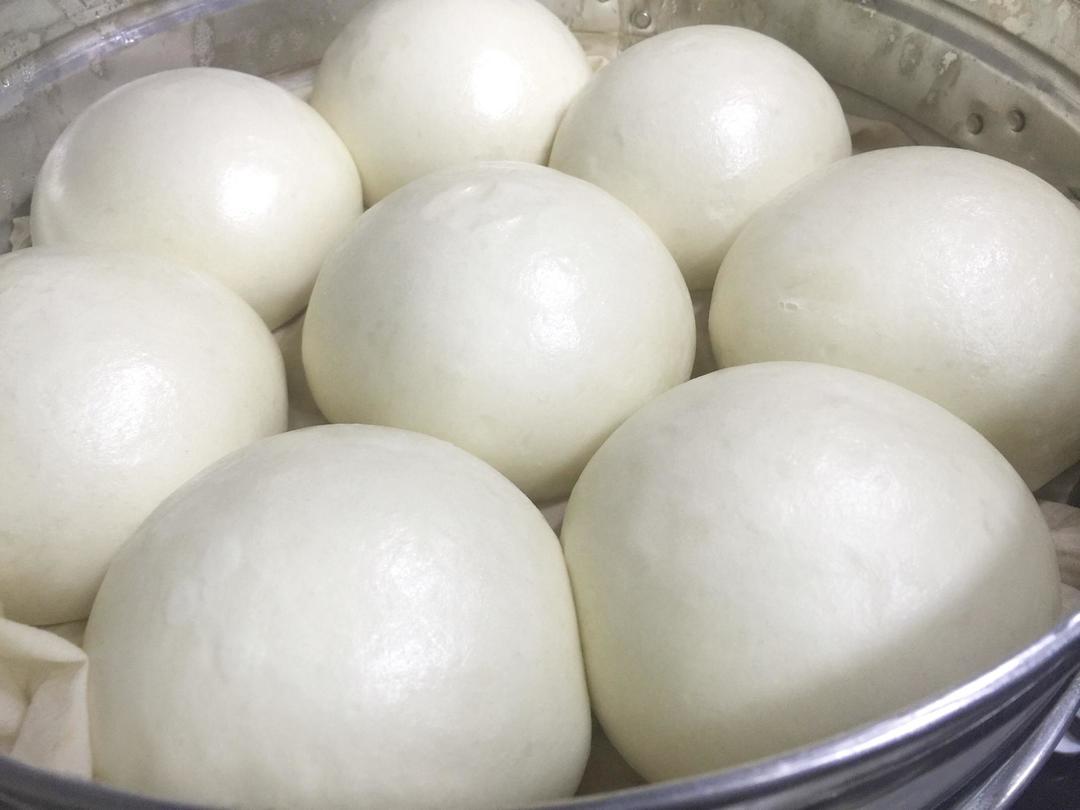
For the next cook from the same playbook, whole wheat steamed buns is the recipe I point people to.
3Healthy Whole Wheat Steamed Buns (Mantou)Learn how to make healthy, fluffy Whole Wheat Steamed Buns (Mantou) with this easy 45-minute recipe. Expert tips for a smooth surface and no collapsing.Check out this recipe
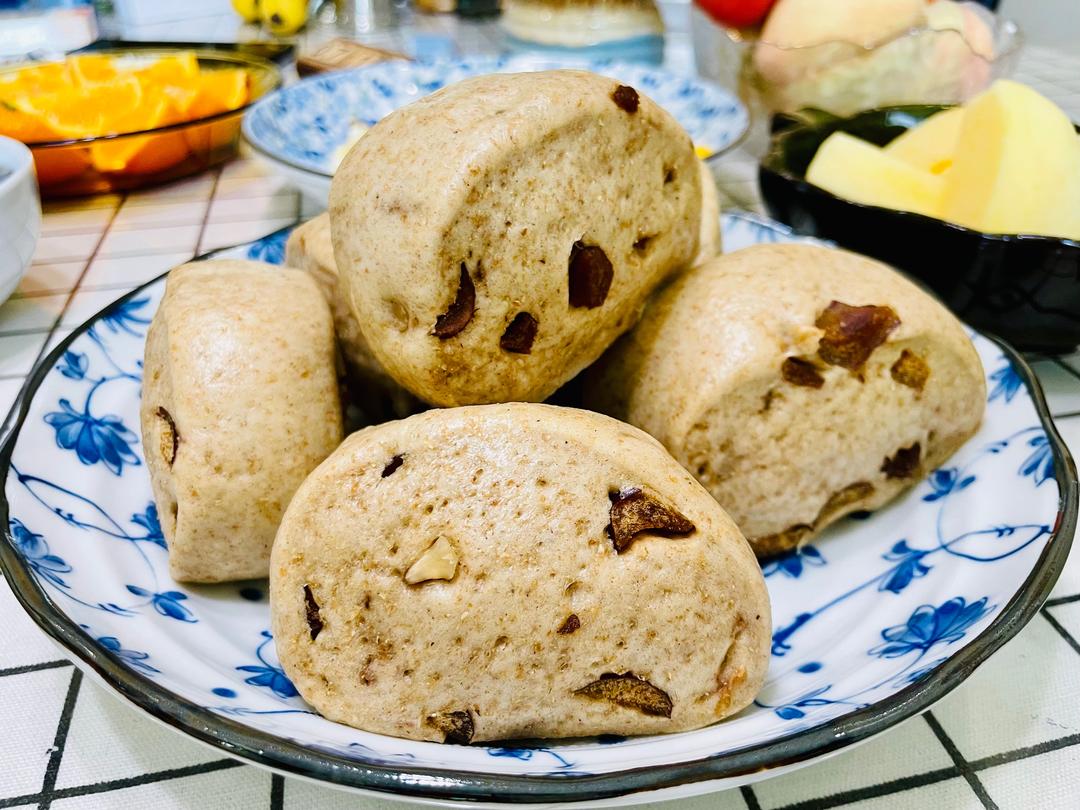
Why This Recipe Works
The dough uses a mix of all-purpose and cake flour. Cake flour is lower in protein, which means less gluten development and a softer, more tender crumb — exactly what you want in a steamed bun. All-purpose alone would give you a chewier, more bread-like result. The ratio here lands somewhere in between: soft but still with enough structure to hold the swirl.
The small amount of levain is optional but worth including if you keep a starter. It adds a faint tang and a slightly more open crumb, and it helps the buns stay soft for an extra day. If you do not have one, the dough works fine without it — just add the extra flour and water noted in the ingredient list.
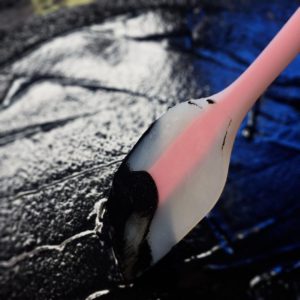
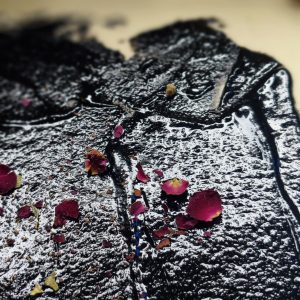
Rolling the dough thin and spreading only a light layer of black sesame paste is what keeps the buns from collapsing. Too much paste and the layers slip apart during the second rise; too little and you lose the swirl. A thin, even smear is the goal. The rose petals go on top of the paste so they stay in place as you roll.
Steaming is a gentler form of cooking than baking: the dough never forms a dry crust, so the surface stays soft and the interior cooks evenly at a relatively low temperature. That is why mantou have a tender, almost cake-like crumb rather than a chewy bread crust.
Finally, the cold-steamer start matters. Placing the buns into a cold steamer and bringing the water up to temperature gives them a final slow rise as the pot heats, which produces a more even, puffier bun than dropping them into already-boiling water. The three-minute rest after turning off the heat prevents the sudden temperature drop from deflating them.
Equipment Needed
You do not need much for this recipe, but a few pieces make it much easier. A bamboo or metal steamer basket that fits over your wok or a wide pot is the main piece of equipment. If you do not have a steamer, a metal rack set inside a large pot with a lid works fine — just make sure the buns are not sitting directly in the water.
- A wok or a wide pot with a tight-fitting lid, to hold the steamer
- A steamer basket, bamboo or metal, sized to fit
- A large cutting board or clean countertop for kneading and rolling
- A rolling pin
- A bench scraper or sharp knife for cutting the buns
- A slotted spoon or spider, for lifting buns out without burning your fingers
- Parchment paper squares, to keep the buns from sticking to the steamer
Parchment squares are the one thing people skip and then regret. Without them, the buns stick to the steamer floor and tear when you lift them out. Cut them a little larger than each bun and reuse them for the whole batch.
Ingredients
Here is what goes into the dough, the filling, and the topping. All amounts are given in grams for accuracy, with US measures where helpful.
- All-purpose flour (300 g): the base of the dough, providing structure.
- Cake flour (200 g): lowers the overall protein content for a softer crumb.
- Matcha powder (3 g): use culinary-grade matcha, sifted to avoid green clumps.
- Instant yeast (2 g): a small amount, since the levain also contributes lift.
- Water (120 g): lukewarm, around 100°F, to wake the yeast without killing it.
- Levain (30 g): active sourdough starter, optional but recommended.
- Black sesame paste (20 g): unsweetened, for the swirl. Add sugar if you want it sweeter.
- Dried rose petals (2 tbsp): for the filling and the top.
- Dried osmanthus flowers (1 tsp): for the top, optional but lovely.
Ingredient Notes
Matcha. Not all matcha is equal. Culinary-grade matcha is fine here — you are not drinking it, so you do not need ceremonial grade. But do sift it. Matcha clumps badly, and unsifted clumps leave bitter green pockets in the dough. Sift it together with the flour before mixing.
Flour blend. If you cannot find cake flour, you can substitute 200 g of all-purpose flour plus 2 tablespoons of cornstarch, which lowers the protein in a similar way. The result will be slightly less tender but still good. Do not use bread flour — it makes the buns tough.
Levain. If your starter is cold from the fridge, let it come to room temperature and feed it a few hours before you plan to mix the dough. A sluggish starter will slow the first rise considerably. If you skip it, add 20 g more flour and 20 g more water to the dough.
Black sesame paste. Look for unsweetened Chinese or Japanese black sesame paste, not tahini and not sweetened dessert paste. The unsweetened kind is faintly bitter, which is why the recipe notes that you can add sugar to taste. If you only have sweetened paste, reduce any added sugar to zero.
Rose petals. Use food-grade dried rose petals, not the decorative kind from a craft store. They should smell floral and clean. Crush them lightly between your fingers before scattering so they distribute evenly.
Prep & Mise en Place
Get everything measured and within reach before you start mixing. Steamed bun dough moves quickly once it is going, and having the sesame paste, rose petals, and osmanthus already portioned out makes the rolling and shaping much calmer.
- Sift the matcha with the all-purpose and cake flours into a large bowl.
- Measure the yeast and water separately. The water should feel just warm on your wrist, not hot.
- Weigh out the levain and let it sit at room temperature if it has been refrigerated.
- Portion the black sesame paste into a small bowl and stir it smooth so it spreads easily.
- Crush the rose petals lightly and set them aside with the osmanthus.
- Cut parchment squares for the steamer and set them near your work surface.
- Clear a large area of counter for rolling out the dough.
If you are new to working with yeasted doughs, this is a good moment to read through the whole recipe once. The rhythm is simple: mix, knead, rise, roll, fill, roll again, cut, rise again, steam. Once you have done it once, the second batch takes half the mental effort.
Cooking Process
Step 1 — Knead and First Rise
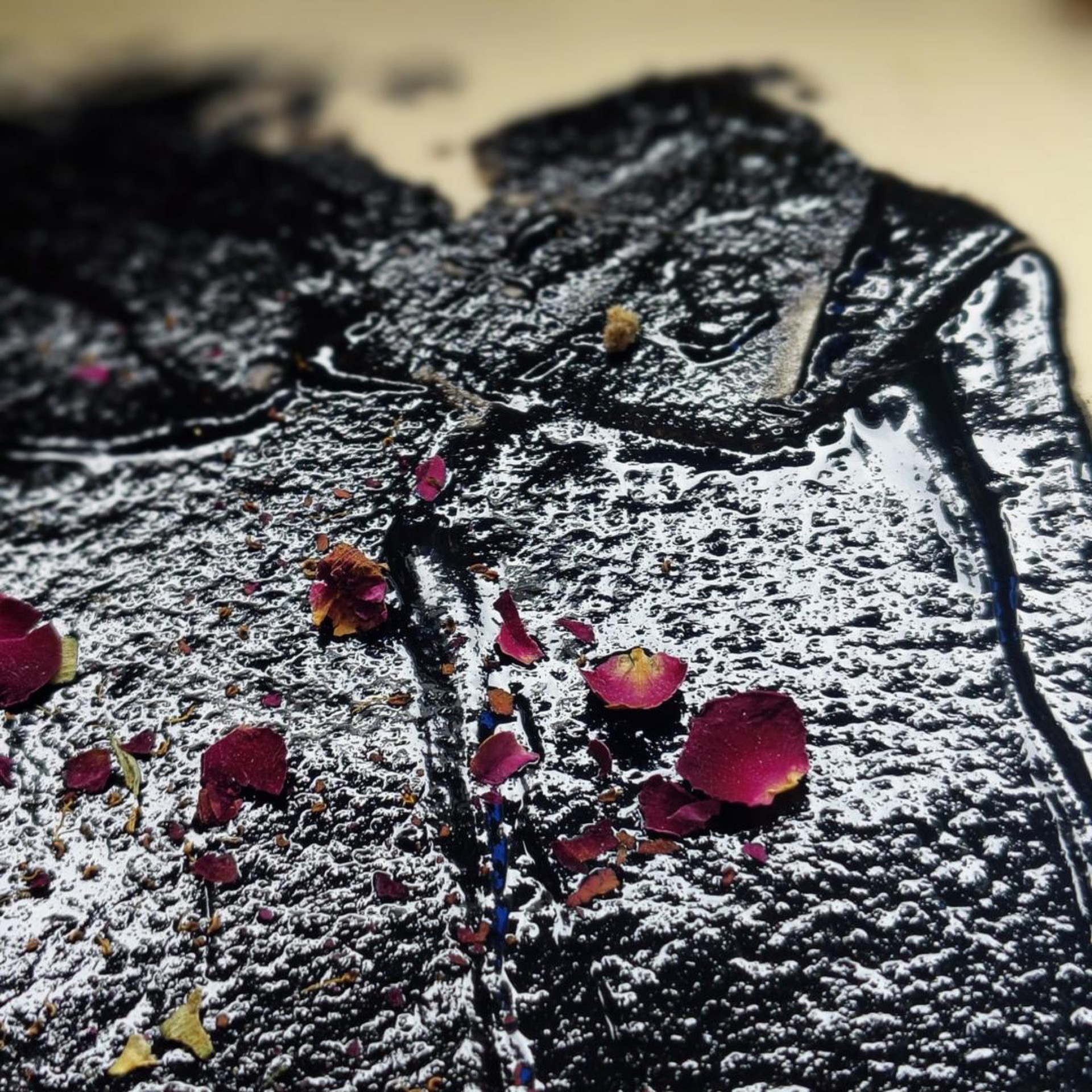
Knead the dough until smooth, let it rise until doubled, punch it down, then roll it out and spread with black sesame paste.

Step 2 — Add Rose Petals
Scatter the dried rose petals evenly over the sesame layer.
Step 3 — Roll, Cut, and Decorate
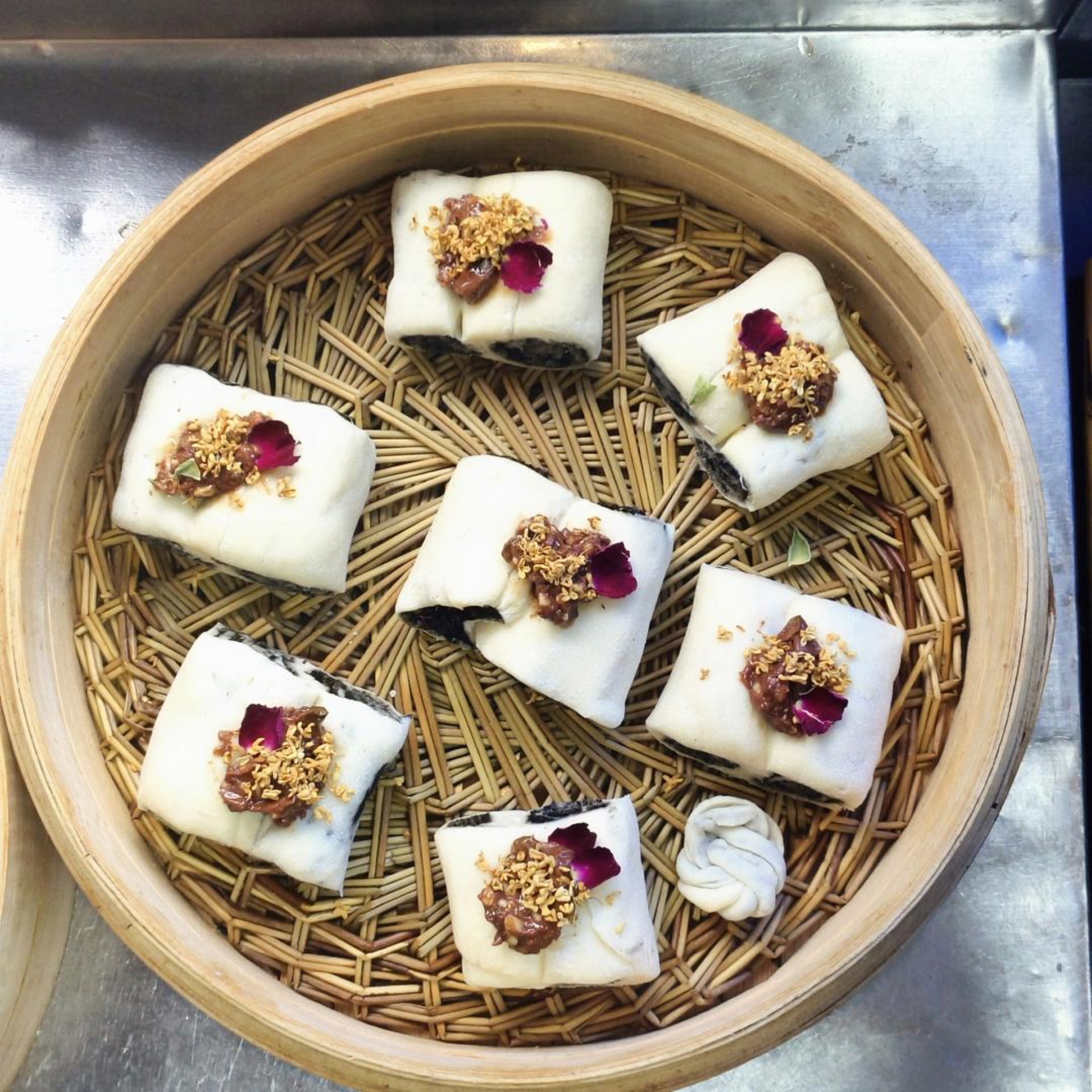
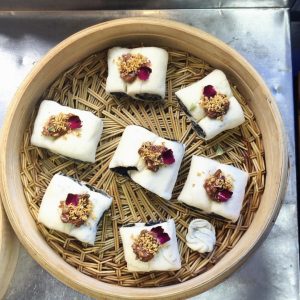
Roll the dough up, cut it into your preferred sizes, and sprinkle the tops with rose and osmanthus.
Step 4 — Shape the Scraps
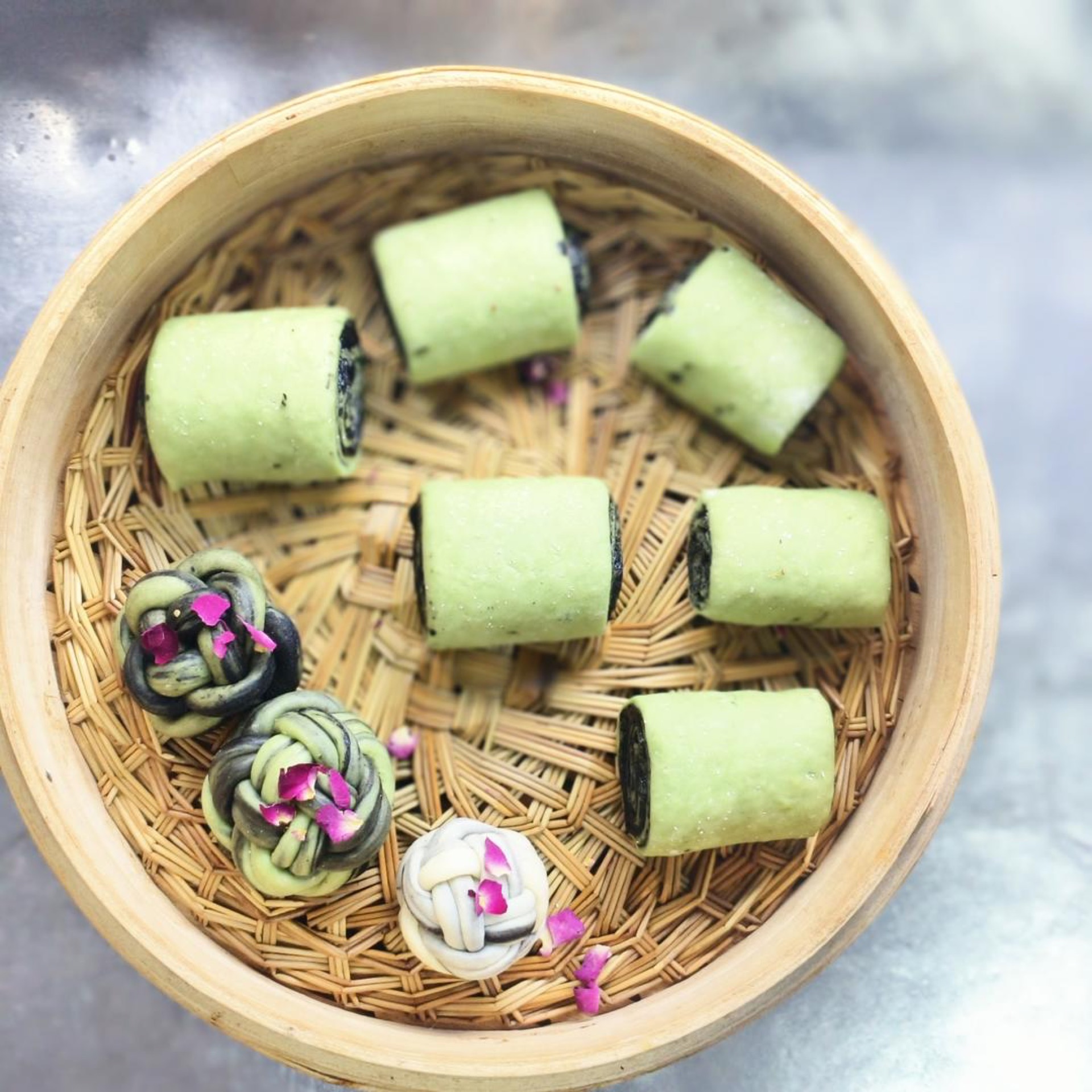
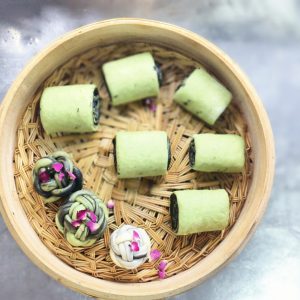
Shape the trimmed edge pieces into a flower-shaped bun.
Step 5 — Second Rise
Let the shaped buns rise a second time until puffy.
Step 6 — Steam
Place the buns in a cold steamer, steam for 15 minutes, then turn off the heat and rest for 3 minutes before opening.
Step 7 — Adjust Sweetness
The black sesame is faintly bitter, so add sugar to taste if you prefer a sweeter bun.
Common Mistakes When Making Matcha Rose Steamed Buns
1. Under-kneading the dough. If the dough still looks shaggy or tears when you stretch it, the gluten has not developed enough. The fix is simple: keep kneading. A properly kneaded mantou dough is smooth, slightly tacky, and springs back when you poke it. Under-kneaded dough produces buns with a coarse, uneven crumb.
2. Skipping the sift on the matcha. Matcha clumps, and clumps mean bitter green spots in the finished bun. Sift it with the flour, or whisk it into the water before adding. This takes ten seconds and makes a visible difference.
3. Spreading too much sesame paste. A heavy layer of paste makes the rolled dough slippery, so the layers separate during the second rise and the buns collapse in the steamer. Use a thin, even smear — about 20 g total across the whole sheet. You should still be able to see the dough through it.
4. Letting the second rise go too long. Over-proofed buns deflate when they hit the steam. The shaped buns should look puffy but still hold their shape, roughly 1.5 times their original size. If they look like they are sagging, steam them immediately.
5. Opening the steamer too early. Lifting the lid the moment the timer goes off causes a sudden temperature drop and the buns sink. Turn off the heat and wait three full minutes before opening. This is the single most common reason home-steamed buns come out flat.
6. Steaming over rapidly boiling water. A rolling boil throws water onto the buns and makes the bottoms soggy. Keep the water at a steady, gentle simmer. If your steamer sits low, add a little more water so it does not run dry.
Variations
Pumpkin version. Swap the water for mashed pumpkin purée and reduce the matcha to 1 g. The dough turns a warm orange and the flavor is sweeter and earthier. Our pumpkin steamed buns are a good reference for the technique.
No black sesame. Leave the paste out entirely and scatter only rose petals inside. The buns will be lighter and more purely floral. You can also brush the rolled dough with a little honey before adding the petals for a sweeter version.
Whole wheat matcha buns. Replace 100 g of the all-purpose flour with whole wheat flour. The buns will be denser and nuttier, and you may need an extra tablespoon or two of water. Our whole wheat steamed buns show how the dough behaves with a higher whole-grain ratio.
Savory twist. Skip the rose and osmanthus and instead spread the dough with a thin layer of spicy yellow soybean paste before rolling. The result is a savory, umami-rich bun that is excellent alongside a bowl of rice or a plate of twice-cooked pork.
Frequently Asked Questions
Can I make these buns without a levain? Yes. Simply add 20 g more flour and 20 g more water to the dough and increase the yeast to 3 g. The first rise may take slightly longer, but the finished buns will be very close in texture.
Why did my buns turn out flat? Almost always one of three things: over-proofing during the second rise, opening the steamer lid too early, or spreading too much sesame paste so the layers slipped. Check all three against your batch.
Can I use a stand mixer instead of kneading by hand? Absolutely. Use the dough hook on low speed for 8 to 10 minutes, until the dough clears the sides of the bowl and feels smooth. Hand kneading takes about 12 to 15 minutes.
How do I keep the buns from sticking to the steamer? Use parchment squares under each bun, or brush the steamer floor lightly with neutral oil. Parchment is more reliable and can be reused for the whole batch.
Can I make the dough ahead of time? Yes. After the first rise, punch the dough down, wrap it tightly, and refrigerate overnight. Let it come to room temperature for 30 minutes before rolling and shaping. The cold retard actually improves the flavor slightly.
How to Serve
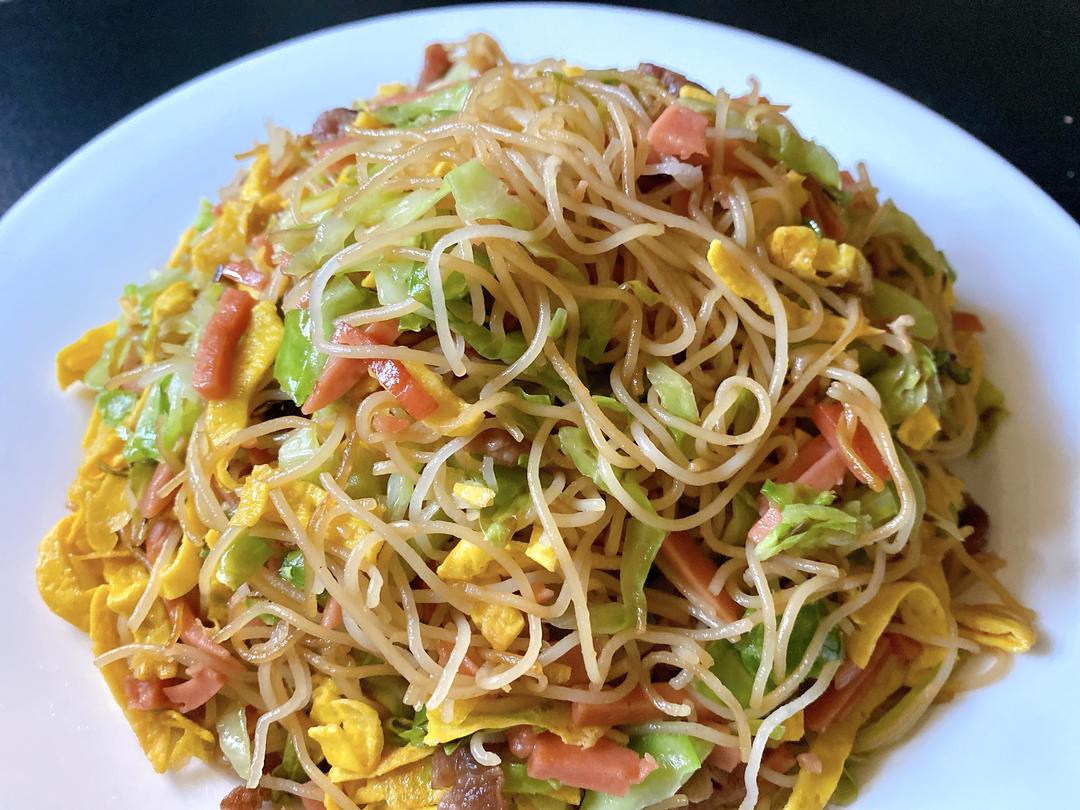
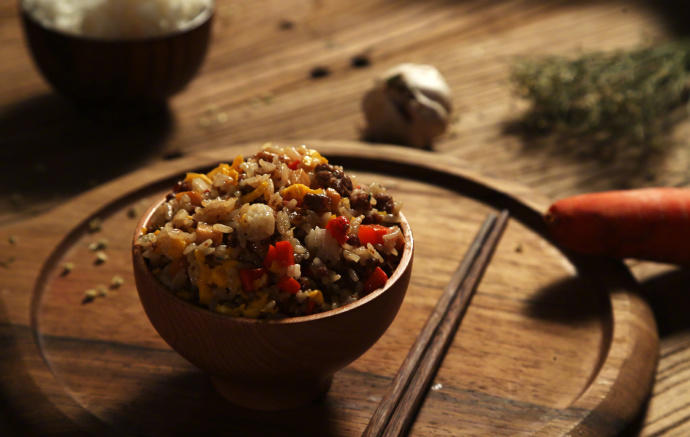
These buns are at their best warm, straight from the steamer, when the crumb is softest and the rose aroma is strongest. They work as a side to almost any Chinese meal, but they are especially good next to a plate of stir fried rice noodles, where the soft, faintly sweet bun balances the savory, slightly smoky noodles. For a heartier dinner, serve them alongside a beef vegetable rice bowl — the bun soaks up the sauce beautifully. And if you want a full table of small dishes, a plate of beef and king oyster mushroom fried rice with these buns on the side makes a satisfying, unfussy meal.

Storage & Reheat
Steamed buns keep well, but they dry out quickly in the fridge if left uncovered. Let them cool completely, then store them in an airtight container or a zip-top bag with the air pressed out. They will keep for up to 3 days in the refrigerator, or up to 1 month in the freezer.
To reheat, the best method is steaming. Put the buns back in the steamer for 5 to 6 minutes over gently simmering water, and they come back almost as soft as fresh. A microwave works in a pinch — wrap the bun in a damp paper towel and heat for 20 to 30 seconds — but the texture will be slightly more rubbery. Do not reheat in a dry oven; it turns them hard.
If you froze them, steam them straight from frozen, adding 2 to 3 minutes to the reheating time. Do not thaw at room temperature first, as that can make the surface gummy.
Allergen Notice
This recipe contains wheat (gluten) from the all-purpose and cake flours. It may contain sesame from the black sesame paste. If you are cooking for someone with a sesame allergy, check the paste label carefully, as some brands process on shared equipment. The rose petals and osmanthus are dried flowers and are generally safe, but if you have pollen allergies, introduce them cautiously.
If you need a gluten-free version, this recipe is not easily adapted, as the structure of mantou depends on wheat gluten. A gluten-free flour blend will produce a much denser, more crumbly bun.
Nutrition Disclaimer
Nutrition information is calculated using an ingredient database and should be considered an estimate. In cases where multiple ingredient alternatives are given, the first listed is calculated for nutrition. Garnishes and optional ingredients are not included.
About the Author & Recipe Development
Lin is the cook and writer behind Woks of Love, where she shares Chinese home cooking with a focus on clear technique and honest flavors. She grew up watching her grandmother fold mantou dough on a floured board and has been chasing that soft, springy crumb ever since. This matcha rose version is her attempt to bring a little of that everyday comfort into a slightly more modern bun — using matcha, rose, and black sesame in the same gentle, layered way Chinese home cooks have always treated ingredients that are good for you and taste good too.
The recipe was developed over several batches, testing flour ratios, matcha amounts, and how much sesame paste the dough can hold before the swirl disappears. The version here is the one that consistently produced buns with a clear spiral, a soft crumb, and a rose scent that lingers without overwhelming.
Authoritative References
For safe internal cooking temperatures and food handling guidance, see the USDA safe temperature chart. For general food safety practices, the FDA Food Code is the standard reference. For information on the health properties of matcha and green tea, the WHO healthy diet fact sheet provides useful context.
Matcha Rose Steamed Buns (抹茶馒头): Fluffy Matcha Buns with Rose

Equipment
- Wok
- Steamer basket
- Cutting Board
- Rolling Pin
- Slotted Spoon
Ingredients
For the Dough
- 300 g all-purpose flour plus extra for dusting
- 200 g cake flour or low-protein flour
- 3 g matcha powder sifted
- 2 g instant yeast
- 120 g water lukewarm, about 100°F
- 30 g levain active sourdough starter, or 20 g additional flour plus 20 g water
For the Filling and Decoration
- 20 g black sesame paste unsweetened, or to taste
- 2 tbsp dried rose petals plus extra for topping
- 1 tsp dried osmanthus flowers for topping
Instructions
- Knead the dough until smooth, let it rise until doubled, punch it down, then roll it out and spread with black sesame paste.

- Scatter the dried rose petals evenly over the sesame layer.
- Roll the dough up, cut it into your preferred sizes, and sprinkle the tops with rose and osmanthus.
- Shape the trimmed edge pieces into a flower-shaped bun.
- Let the shaped buns rise a second time until puffy.
- Place the buns in a cold steamer, steam for 15 minutes, then turn off the heat and rest for 3 minutes before opening.
- The black sesame is faintly bitter, so add sugar to taste if you prefer a sweeter bun.












Leave a Reply