When people mention pork belly, many immediately think of Braised Pork Belly (Hong Shao Rou). While my family absolutely loves that dish, it’s rich enough that we can’t eat it several days in a row without feeling a bit overwhelmed.
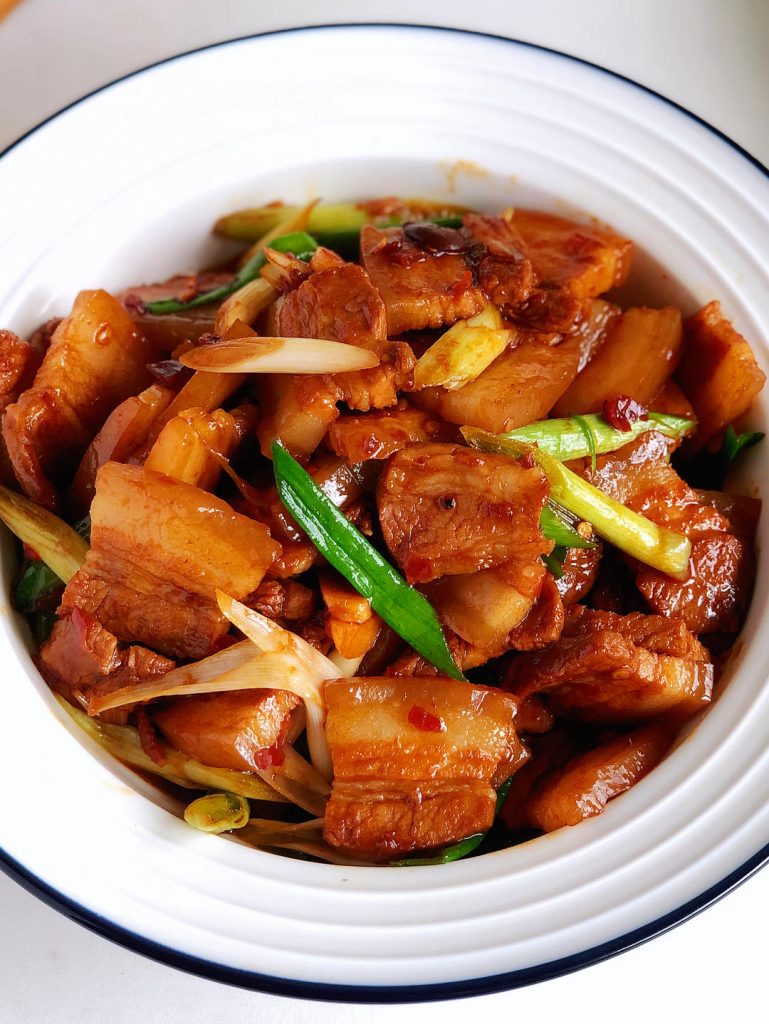
However, there is another pork belly dish that holds a special place in my heart—one that we could eat every single day for twenty years and never get bored of. That dish is Twice-Cooked Pork, or Huí Guō Ròu (回锅肉).
As a professional chef who grew up in Sichuan, I’ve cooked thousands of wok dishes, but this specific recipe reflects the heartwarming consistency of home cooking. Just like a friend of mine who has been married for over twenty years, her husband (“Old Wang”) has cooked this for her for decades. It is simple, unpretentious, and deeply satisfying. While you can swap out the vegetables, I firmly believe pairing it with garlic sprouts (青蒜) is the ultimate way to enjoy it—they cut through the richness and elevate the savory flavors perfectly.
What is Twice-Cooked Pork?
Twice-Cooked Pork is often considered the “king” of Sichuan cuisine. The name “Hui Guo” literally translates to “return to the pot.”
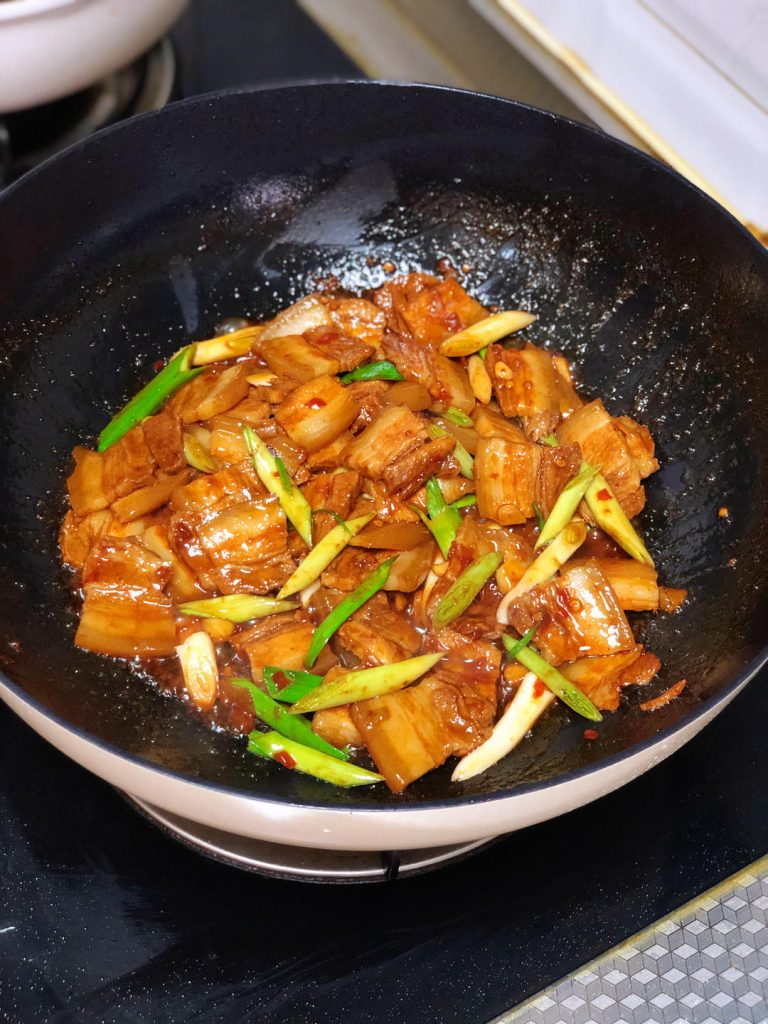
This refers to the unique two-step cooking technique:
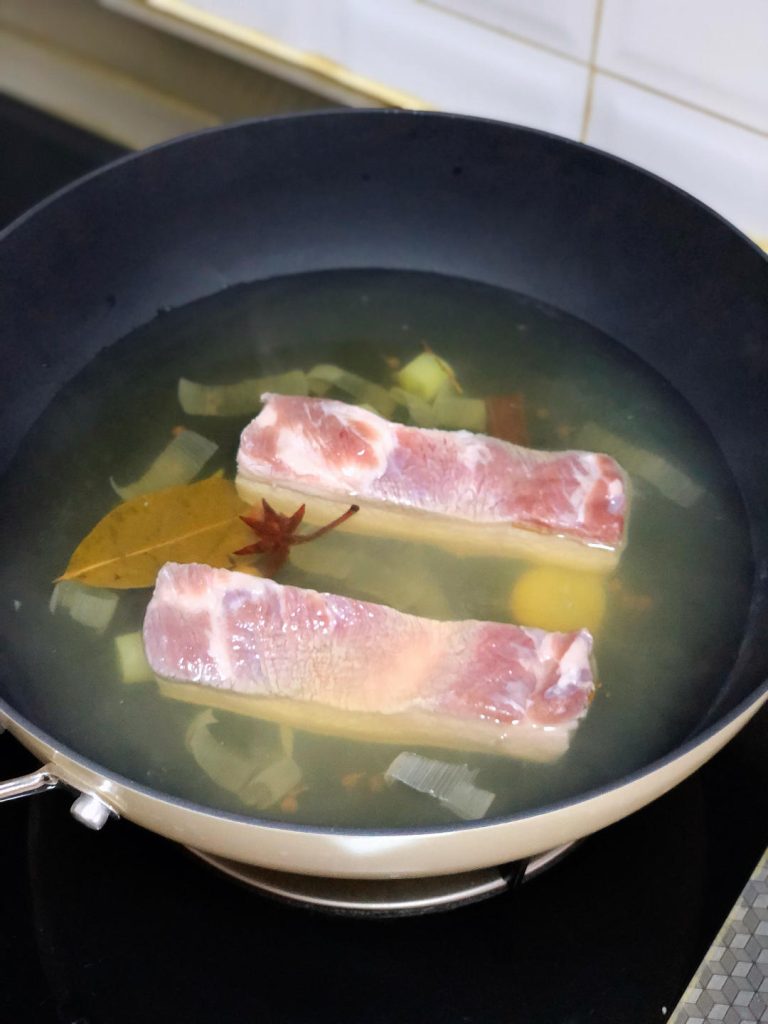
- Boiling: The pork belly is first simmered with aromatics until just cooked through.
- Stir-frying: The meat is sliced and returned to the wok to be fried with savory bean paste and vegetables.
This process ensures the meat is tender but not greasy, with a slightly crispy exterior that soaks up the vibrant red chili oil.
Why This Recipe Works
- Texture Contrast: Boiling the meat first changes the structure of the fat, while the subsequent stir-fry renders it out, creating a texture that is tender rather than oily.
- Layered Aromatics: We don’t just boil the meat in plain water; we infuse it with star anise, ginger, and Sichuan peppercorns to remove any gaminess before it even hits the wok.
- The “Home Style” Twist: Unlike some restaurant versions that are purely dry-fried, this family recipe adds a splash of water during the stir-fry stage. This braising technique allows the flavors of the Pixian Doubanjiang to penetrate deeper into the meat, making it incredibly savory.
🔬 Our Systematic Test Kitchen Notes
We tested this recipe using different equipment to ensure it works in your kitchen:
- Wok vs. Skillet: While a carbon steel wok is traditional and provides wok hei (breath of the wok), we tested this in a 12-inch stainless steel skillet. The result was excellent, though you may need to lower the heat slightly when frying the bean paste to prevent sticking.
- Pork Skin: We tested removing the skin vs. keeping it on. Keeping the skin on (if it’s soft enough) adds a delightful chewy texture that characterizes authentic Hui Guo Rou. If your pork belly skin is very tough, feel free to remove it after boiling.
- Vegetable Variations: While garlic sprouts are the gold standard, we found that leeks or scallions make acceptable substitutes if you cannot find garlic sprouts at your local Asian market.
Key Ingredients & Substitutions
- Pork Belly (300g / ~10-11 oz): Look for a piece with distinct layers of fat and lean meat. Skin-on is authentic.
- Garlic Sprouts (青蒜): These look like giant scallions but have a mild garlicky flavor.
- Substitution: If you can’t find them, use Leeks (white and light green parts only) or thick Scallions.
- Pixian Doubanjiang (Sichuan Chili Bean Paste): This is the soul of the dish. It provides the savory, spicy, and fermented depth.
- Recommendation: Look for the “Juanan” or “Pixian” brands in Asian grocers.
- Boiling Aromatics: Ginger, Scallion, Star Anise, Sichuan Peppercorns, and Bay Leaf. These eliminate “porky” odors.
- Shaoxing Wine: Used in the boiling water to neutralize odors.
- Substitution: Dry sherry or Japanese Mirin (reduce sugar elsewhere if using Mirin).
💡 NOTE on Salt: This recipe relies on Doubanjiang and soy sauce for saltiness. We usually do not add extra table salt, but taste as you go!
Recipe Notes Before You Start
- Don’t Over-boil: The pork should be boiled until a chopstick can just pierce through the skin. If you boil it until it’s falling apart, it will disintegrate in the wok.
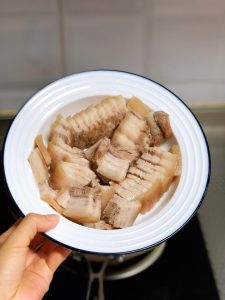
- Cool Before Slicing: It is much easier to slice the pork belly thinly and evenly if you let it cool down in the fridge for 20 minutes after boiling.
- Safety First: When adding the boiled pork slices to the oil, there may be some splattering. Ensure the pork is patted dry before slicing to minimize this.
Ingredients List
The Main:
- 10-11 oz (300g) Pork Belly, skin-on preferred
- 2 stalks Garlic Sprouts (or 2 leeks/4 scallions)
For Boiling the Pork:
- 1 Star Anise
- 1 tsp Sichuan Peppercorns
- 3 segments Scallion (white parts)
- 2 slices Ginger
- 1 Bay Leaf
- 2 tbsp Shaoxing Wine
For the Stir-Fry:
- 2 tbsp Cooking Oil (vegetable or peanut)
- 2 tbsp Pixian Doubanjiang (Chili Bean Paste)
- 2 cloves Garlic, sliced
- 1 tbsp Scallion, chopped
- 1/2 cup Water (for simmering)
How to Make Twice-Cooked Pork
Step 1: Boil the Pork
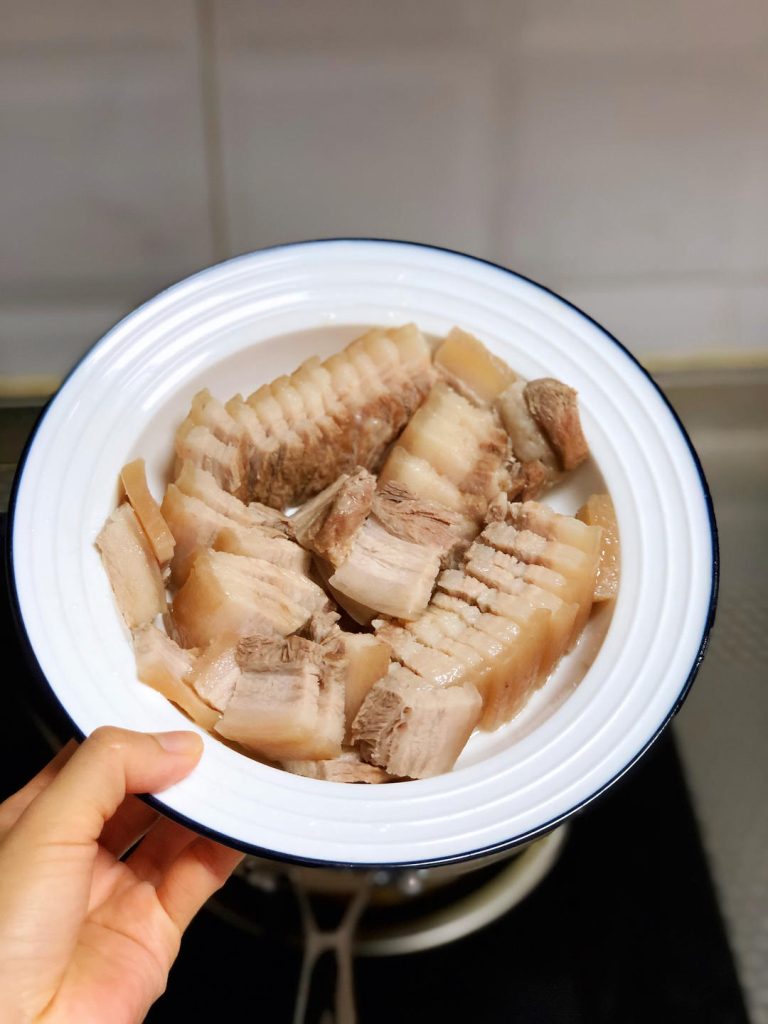
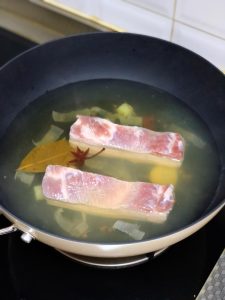
Place the block of pork belly into a pot of cold water. Add the scallion segments, ginger slices, bay leaf, star anise, Sichuan peppercorns, and Shaoxing wine. Bring to a boil, then reduce heat and simmer for about 20 minutes.
- Visual Cue: You know it is done when a chopstick can pierce through the thickest part of the meat with little resistance. Remove the pork and let it cool. Once cooled, slice it into thin pieces (about 1/8 inch thick).
Step 2: Sauté the Aromatics
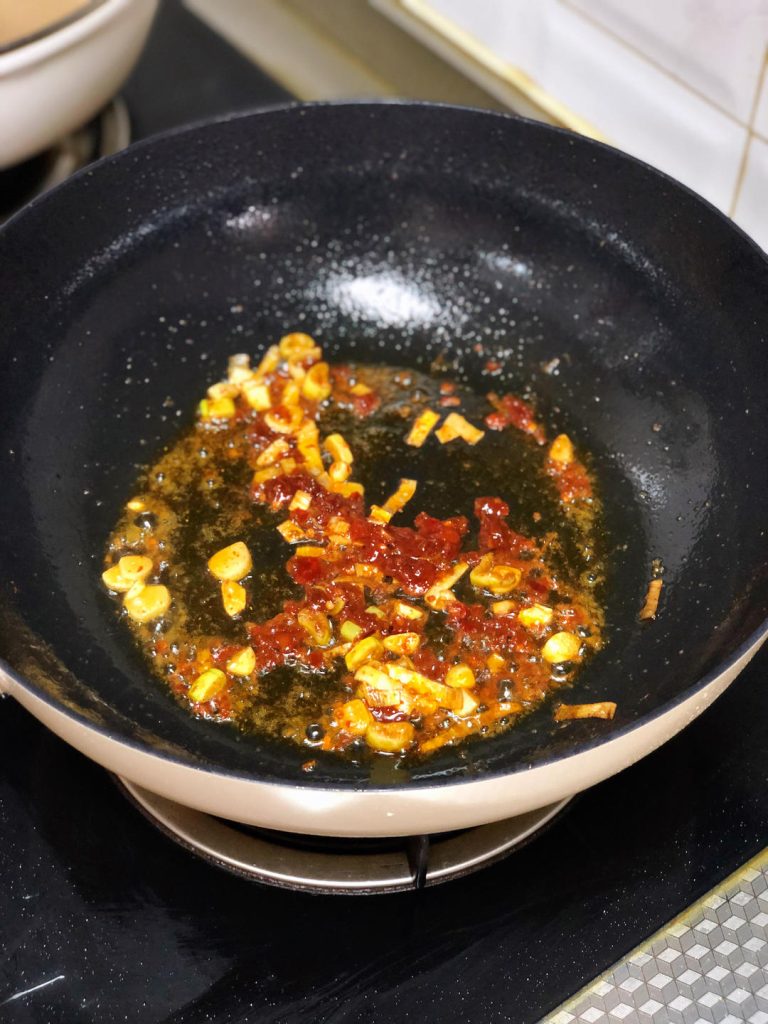
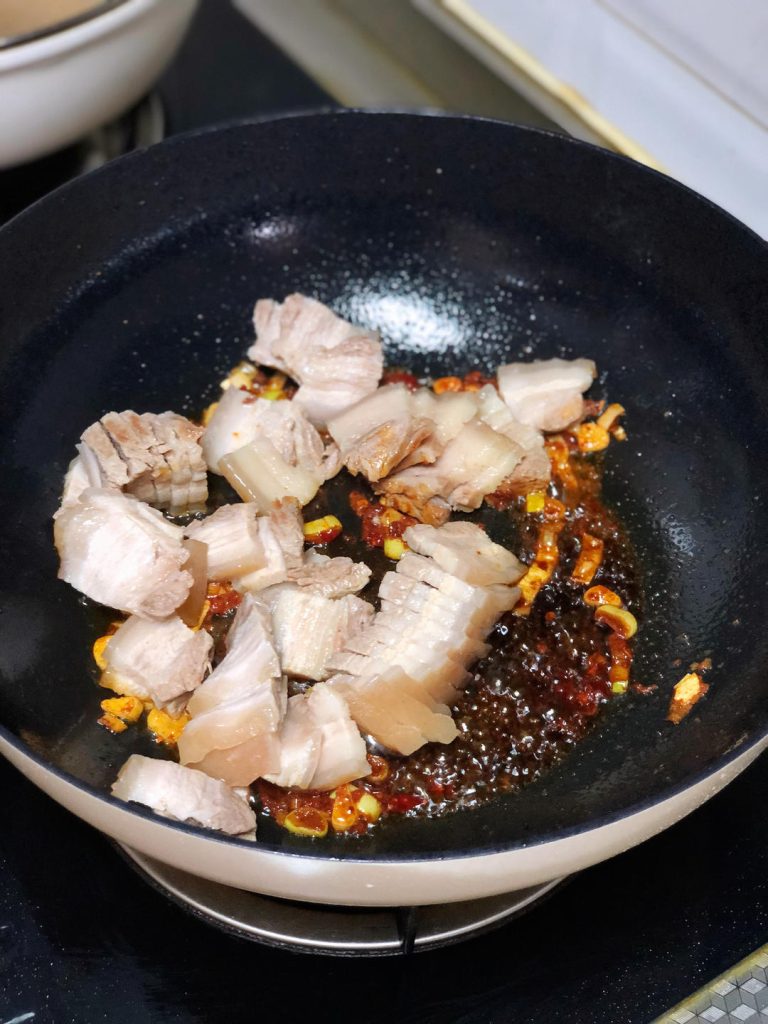
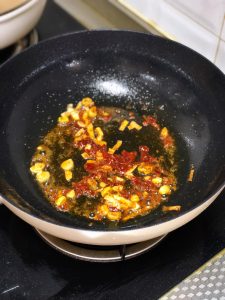
Heat a wok or large skillet over medium heat. Add the cooking oil. Add the chopped scallions and sliced garlic. Stir-fry until fragrant, about 30 seconds. Add the Pixian Doubanjiang.
- Expert Tip: Turn the heat to low for this step. You want to gently fry the paste until the oil turns a vibrant red color. If the heat is too high, the paste will burn and taste bitter.
Step 3: Stir-fry the Pork
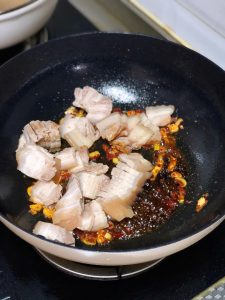
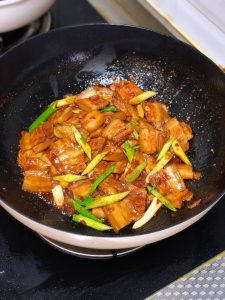
Increase the heat to medium-high. Add the sliced pork belly to the wok. Stir-fry until the pork slices are coated in the red oil and start to curl slightly (we call this “lantern shape” in professional kitchens).
Step 4: The Flavor Simmer
Add about 1/2 cup of water to the wok. Let it simmer vigorously for a minute or two.
- Why do we do this? This step, specific to this homestyle version, helps the salty and umami flavors of the bean paste penetrate the meat fibers, making every bite flavorful and juicy.
Step 5: Add Greens & Serve
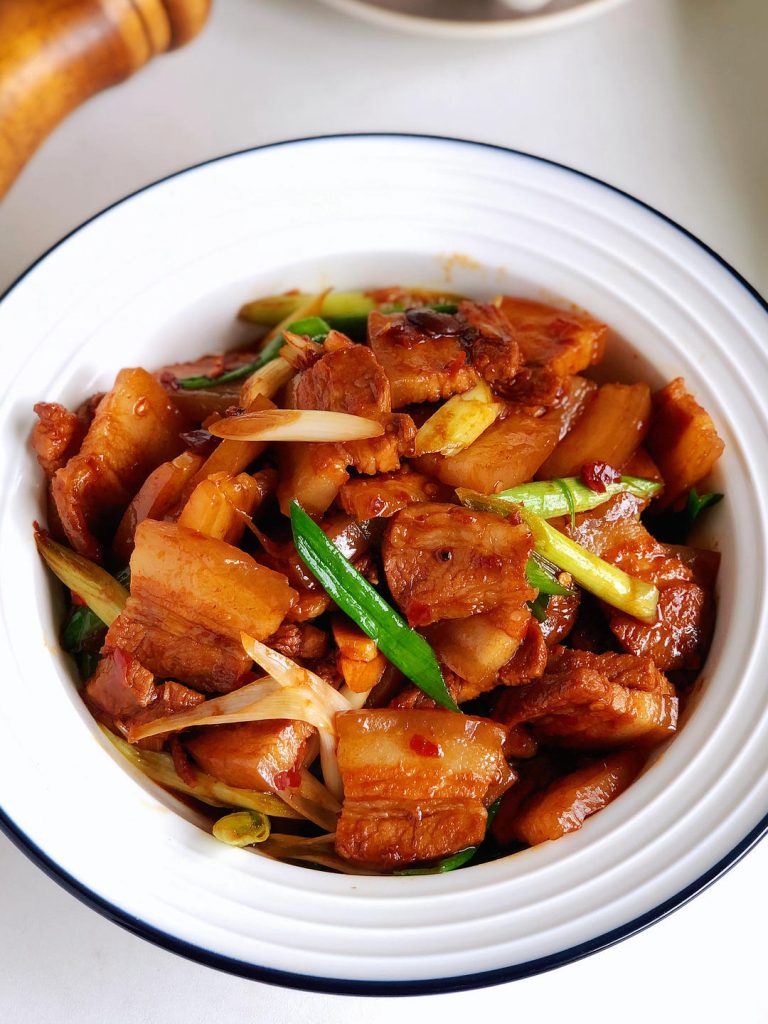
Once the liquid has mostly evaporated, add the garlic sprouts (cut into 2-inch segments). Stir-fry quickly for about 1 minute until the greens are just tender but still vibrant green. Transfer to a serving plate immediately. The color should be glossy and appetizing!

🍽 Pairing Suggestions
This dish is a “rice killer”—meaning you will likely eat more rice than usual! To create a balanced meal, I recommend serving this with:
- A refreshing vegetable side like Smashed Cucumber Salad to cut through the richness.
- A lighter soup, such as Seaweed Egg Drop Soup.
- If you love spicy food, you might also enjoy pairing it with Mapo Tofu for a full Sichuan feast.
FAQ & Troubleshooting
Q: My pork belly turned out tough and chewy. Why?
A: This usually happens if the pork wasn’t boiled long enough in the first step. The skin needs to be softened during the boil. Alternatively, if you sliced it too thick, it can be chewy. Aim for thin, even slices.
Q: Can I make this without spicy bean paste?
A: The soul of Hui Guo Rou is the Doubanjiang. If you cannot handle spice, you can try using a non-spicy broad bean paste or Sweet Bean Sauce (Tian Mian Jiang), but the flavor profile will shift from Sichuan style to a more Beijing/Northern style (closer to Sauce Pork Buns).
Q: Why is my dish too salty?
A: Pixian Doubanjiang is very salty by nature. We do not add extra salt in this recipe. If you are sensitive to salt, you can rinse the beans in the paste slightly or use less paste and add a pinch of sugar to balance it out.
Nutrition Facts (Per Serving, Estimate based on 4 servings)
- Calories: 420 kcal
- Total Fat: 38g
- Saturated Fat: 12g
- Cholesterol: 70mg
- Sodium: 850mg
- Total Carbohydrates: 8g
- Dietary Fiber: 2g
- Sugars: 2g
- Protein: 12g
Nutrition Disclaimer: Nutrition information is calculated using an ingredient database and should be considered an estimate. In cases where multiple ingredient alternatives are given, the first listed is calculated for nutrition. Garnishes, optional ingredients, and rice served on the side are not included in these counts. Actual values may vary based on specific brands of bean paste and the fat-to-meat ratio of the pork belly used.
Food Safety & Preparation Alerts:
- Pork Safety: Although the pork is boiled first, ensure that during the final cooking process, the meat reaches a safe internal temperature of at least 145°F (63°C) as per USDA guidelines.
- Oil Splatter: When adding the boiled (and potentially moist) pork belly slices to the hot oil, violent splattering can occur. Pat the pork dry with paper towels before slicing and frying to minimize this risk. Use a splatter screen if available.
- Allergen Warning: This recipe contains Soy and Wheat (found in Pixian Doubanjiang and Soy Sauce).
- Cross-Contamination: Always wash hands, cutting boards, and knives thoroughly with hot soapy water after handling raw pork before touching vegetables or ready-to-eat foods.
Recipe Notes
Cooking Tips for the Perfect “Lantern” Shape: In professional Sichuan kitchens, we look for the pork slices to curl up into what we call a “lantern shape” (Deng Zhan Wo) during the stir-fry stage. To achieve this, the pork must be sliced evenly and relatively thinly (about 2-3mm or 1/8 inch). If the slices are too thick, they won’t curl; if they are too thin, they might burn. My top tip for home cooks is to refrigerate the boiled pork block for at least 20 minutes (or freeze for 10 minutes) before slicing. The cold fat firms up, allowing you to slice through it like butter without the layers separating. Also, don’t skip the “flavor simmer” step with the water; this is the secret to keeping the lean parts of the meat tender rather than dry and woody.
Authoritative References
For further reading on ingredient sourcing and food safety standards used in this recipe, please refer to the following authoritative sources:
- Pork Cooking Temperatures: U.S. Department of Agriculture (USDA) Food Safety and Inspection Service. Safe Minimum Internal Temperature Chart. Available at: https://www.fsis.usda.gov
- Sourcing Sichuan Ingredients: For authentic Pixian Doubanjiang and Sichuan Peppercorns, we reference sourcing standards from The Mala Market, a reputable importer of heritage Sichuan spices. Available at: https://themalamarket.com
- Fermented Bean Paste Standards: Information regarding the fermentation process and regional variations of Doubanjiang can be found in The Food of Sichuan by Fuchsia Dunlop (W. W. Norton & Company).
Household Style Twice-Cooked Pork (Hui Guo Rou)

Equipment
- 1 Wok or large skillet Carbon steel preferred for best flavor
- 1 Pot For boiling the pork
Ingredients
The Pork
- 300 g pork belly approx 10-11 oz, skin-on preferred
For Boiling the Pork
- 3 segments scallion white parts
- 2 slices ginger
- 1 star anise
- 1 tsp Sichuan peppercorns
- 1 leaf bay leaf
- 2 tbsp Shaoxing wine
Stir-Fry Ingredients
- 2 stalks garlic sprouts can substitute with leeks or scallions
- 2 tbsp Pixian Doubanjiang spicy broad bean paste
- 2 cloves garlic sliced
- 1 tbsp scallion chopped
- 2 tbsp cooking oil
- 0.5 cup water for simmering
Instructions
- Place the pork belly in a pot of cold water. Add scallion segments, ginger slices, star anise, Sichuan peppercorns, bay leaf, and Shaoxing wine.

- Bring to a boil and simmer for about 20 minutes, or until a chopstick can easily pierce the meat. Remove and let cool.
- Once the pork is cool to the touch, slice it into thin pieces (approx 1/8 inch thick). Slice the garlic sprouts into 2-inch segments.
- Heat oil in a wok or skillet. Add chopped scallions and sliced garlic, stir-frying until fragrant.
- Add the Pixian Doubanjiang (bean paste) and stir-fry over low heat until the oil turns red and fragrant.
- Increase heat, add the sliced pork belly, and stir-fry until coated in sauce.
- Add 1/2 cup of water and simmer briefly to allow the pork to absorb the savory flavors.
- Add the garlic sprouts and stir-fry quickly until the greens are just tender. Serve immediately.












Leave a Reply