Growing up in my family’s restaurant in Sichuan, fried rice was never just an afterthought or a way to use up leftovers. It was a test of a chef’s skill—managing wok hei (breath of the wok), balancing moisture, and layering flavors.
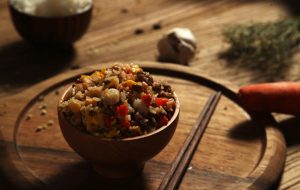
While classic Beef Fried Rice is a staple, today I’m sharing a variation that holds a special place in my heart: Beef and King Oyster Mushroom Fried Rice (牛肉杏鲍菇胡萝卜蛋炒饭). My father often made this for our staff meals because it strikes a perfect nutritional balance. The beef provides protein, the carrots add a natural sweetness and vibrant color, and the King Oyster mushrooms offer a unique, abalone-like texture that makes this dish incredibly satisfying.
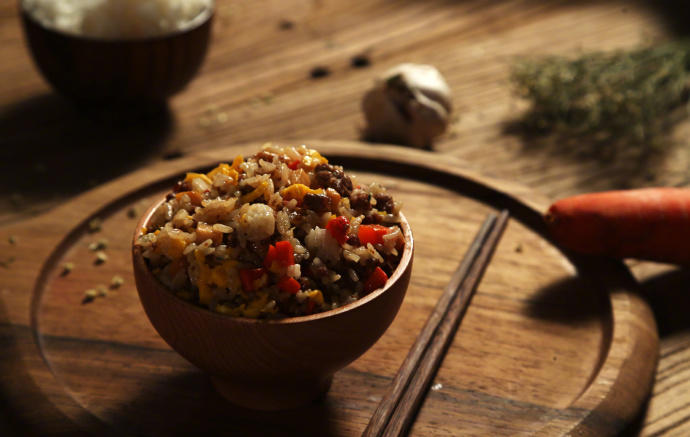
Why This Recipe Works
- Texture Contrast: The meaty, chewy texture of King Oyster mushrooms pairs perfectly with the tender ground beef and fluffy rice.
- Nutrient Dense: Unlike heavier fried rice dishes, this version incorporates significant vegetables (carrots and mushrooms) alongside protein, making it a complete meal.
- Flavor Depth: We use a specific technique of “cooking out” the moisture from the mushrooms to concentrate their umami flavor before mixing them with the rice.
What are King Oyster Mushrooms?
King Oyster Mushrooms (Xing Bao Gu), sometimes called Eryngii, are the giants of the mushroom world. Unlike shiitakes or button mushrooms which can become soft when cooked, King Oyster mushrooms retain a wonderful, dense, chewy texture that mimics meat or seafood.
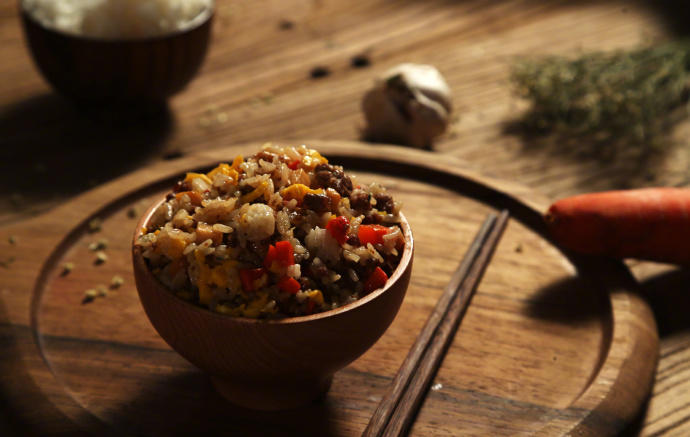
In Chinese home cooking, we prize them for their ability to absorb flavors. If you enjoy fungi, you should also try my recipe for Easy Dry-Fried King Oyster Mushrooms, which highlights their texture even more.
About the Author & Recipe Development
I am Lin, a culinary instructor and writer born in Sichuan, China. My culinary journey began peeling garlic in my parents’ restaurant and led me to formal training at a Culinary Institute in Chengdu. I spent over a decade working in professional kitchens before moving to the US.
This recipe was developed through multiple rounds of testing in my home kitchen using a standard 12-inch carbon steel wok and a high-output gas burner, though I have also verified the method on a standard electric coil stove to ensure it works for everyone. My goal is to bridge the gap between professional Chinese techniques and your home kitchen.
Key Ingredients & Substitutions
- Rice: The foundation. You must use day-old, cold cooked rice. Fresh hot rice will turn into mush. I prefer Jasmine rice for its fragrance. If you are new to making rice, check out my guide on how to cook perfect rice in a cast iron pot.
- Beef: I use ground beef (85% lean) for this recipe. It releases just enough fat to flavor the vegetables without making the rice greasy. You can substitute with minced chicken or turkey.
- King Oyster Mushrooms: Look for firm, white stems. If you cannot find them, Shiitake or Cremini mushrooms work, though the texture will be softer.
- Shaoxing Wine: Essential for deglazing the wok and removing any “gamey” taste from the beef. If you cannot consume alcohol, you may omit it, but the flavor profile will lack that traditional depth. Read more about Shaoxing Wine in my pantry guide.
- Light Soy Sauce: We use Light Soy Sauce for savory saltiness. Do not use Dark Soy Sauce here, or your rice will turn too dark and taste slightly bitter.
Ingredients
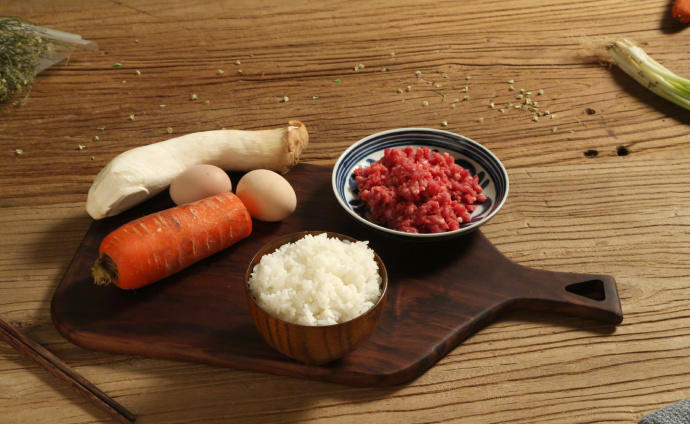
The Aromatics & Proteins
- 2 large eggs, beaten
- 6 oz (170g) ground beef (or minced beef)
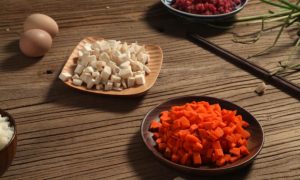
- 2 medium King Oyster mushrooms, diced into 1cm cubes
- 1 medium carrot, peeled and diced into 1cm cubes
- 1 tbsp ginger, finely minced (optional, but recommended for beef)
- 2 cloves garlic, minced
The Starch
- 3 to 4 cups day-old cooked white rice (approx. 500g)
The Seasonings
- 1 tbsp Shaoxing Wine
- 1 tbsp Light Soy Sauce
- ¼ tsp White Pepper
- ½ tsp salt (adjust to taste)
- 2 tbsp neutral oil (canola, vegetable, or grapeseed), divided
Recipe Notes Before You Start
- Dicing Uniformity: Try to cut your mushrooms and carrots into the same size (small cubes). This ensures they cook at the same rate and distribute evenly throughout the rice.
- Wok Temperature: If using a home stove, preheat your wok or skillet until it smokes slightly. This creates a non-stick surface (the Lei Long effect) and generates the signature smoky flavor.
- Oil Control: The recipe calls for less oil than typical takeout fried rice because the ground beef will render its own fat. We utilize this beef tallow to fry the carrots and mushrooms, adding immense flavor.
How to Make Beef and King Oyster Mushroom Fried Rice
Step 1: Scramble the Eggs
Heat your wok over medium-high heat. Add 1 tablespoon of oil and swirl to coat. Pour in the beaten eggs. Using chopsticks or a spatula, scramble them vigorously.
- Chef’s Tip: We want the eggs to be just set but still tender (about 80% cooked). Remove them immediately and set aside. This prevents them from becoming rubbery later.
Step 2: Brown the Beef
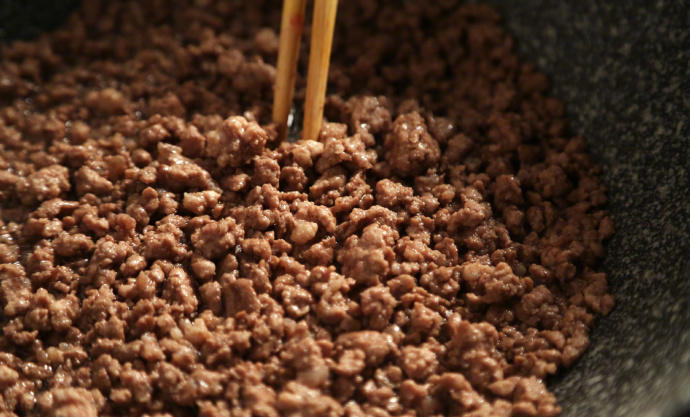
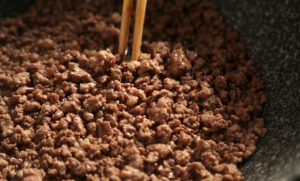
Wipe the wok if needed. Add 1 tablespoon of oil (use less if your beef is fatty). Add the ground beef. Stir-fry aggressively, breaking up clumps with your spatula.
- Visual Cue: Cook until the beef changes color from pink to brown and the fat begins to render out.
Step 3: Cook Vegetables & Deglaze
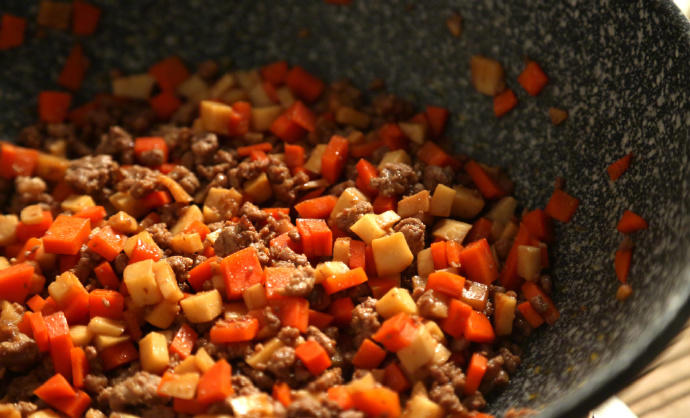
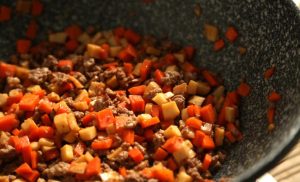
Add the diced carrots and King Oyster mushrooms to the beef. Stir-fry for 2-3 minutes. You will see the mushrooms shrink slightly as they release moisture.
- The Technique: Pour the Shaoxing Wine around the perimeter of the hot wok. This sizzles instantly, neutralizing the “gamey” odor of the beef and the raw taste of the vegetables, unifying the flavors.
Step 4: Add Rice and Season
Add the cold rice to the wok. Use your spatula to press down and break up any clumps, using a “chop and toss” motion.
- Troubleshooting: If the rice is very cold and clumpy, you can cover the wok with a lid for 60 seconds. The steam will help loosen the grains without making them soggy.
Step 5: Final Toss
Drizzle the Light Soy Sauce over the rice (not the wok surface, or it might burn instantly). Sprinkle with salt and White Pepper. Add the cooked eggs back in. Toss everything together on high heat for another 1-2 minutes. Taste and adjust salt if needed.
Common Mistakes When Making Fried Rice
- Using Warm Rice: Using freshly cooked, warm rice creates steam, which leads to a gummy, sticky texture. Always use cold, day-old rice.
- Overcrowding the Pan: If you have a small burner, do not double this recipe. Crowding the pan causes the temperature to drop, and your ingredients will steam/boil in their own juices rather than frying.
- Adding Sauces too Late: Soy sauce should be added while the heat is high to slightly caramelize it. Adding it at the very end when the heat is off can leave a raw soy taste.
Authoritative References
For more information on the science of cooking and ingredient safety, I rely on these standard industry resources:
- Rice Safety: Understanding Bacillus cereus in leftover rice is crucial. Refer to the NHS Guidelines on Reheating Rice or USDA Food Safety.
- Beef Cooking Temperatures: The USDA recommends ground beef reach an internal temperature of 160°F (71°C).
Serving Suggestions
This fried rice is a meal in itself, but in a traditional Chinese family setting, we often serve it with a soup to wash it down.
- Pairing: A bowl of Tomato Egg Drop Soup is the classic accompaniment.
- Side Dish: For some crunch and acidity, serve with a Smashed Cucumber Salad.
- Sauce: If you like heat, a spoonful of Chili Garlic Sauce on the side is excellent.
Nutrition Information (Estimate)
- Serving Size: 1 bowl (approx. 300g)
- Calories: 450 kcal
- Protein: 22g
- Carbohydrates: 55g
- Fat: 16g
- Sodium: 680mg
Disclaimer: Nutrition information is calculated using an ingredient database and should be considered an estimate. In cases where multiple ingredient alternatives are given, the first listed is calculated for nutrition. Garnishes and optional ingredients are not included.
Food Safety and Preparation
- Allergens: This recipe contains Soy and Egg. If you are cooking for someone with a gluten allergy, ensure your Soy Sauce and Shaoxing Wine are certified Gluten-Free (or use dry sherry and Tamari).
- Storage: Leftover fried rice should be cooled quickly and refrigerated within 1 hour. It can be stored in an airtight container for up to 3 days.
- Reheating: To reheat, microwave with a damp paper towel over the bowl to re-steam the rice grains, or stir-fry again briefly in a pan.
Beef and King Oyster Mushroom Fried Rice

Equipment
- Wok Carbon steel preferred
- Wok spatula
Ingredients
The Basics
- 3 cups Cooked Rice Day-old, cold Jasmine rice is best
- 6 oz Ground Beef 85% lean recommended
- 2 large Eggs Beaten
Vegetables & Aromatics
- 2 medium King Oyster Mushrooms Diced into 1cm cubes
- 1 medium Carrot Peeled and diced into 1cm cubes
- 1 tbsp Ginger Minced
- 2 cloves Garlic Minced
Seasonings
- 1 tbsp Shaoxing Wine Can substitute dry sherry
- 1 tbsp Light Soy Sauce
- 2 tbsp Neutral Oil Divided use
- 0.25 tsp White Pepper Powder
- 0.5 tsp Salt Adjust to taste
Instructions
- Prep: Dice the mushrooms and carrots into uniform small cubes (about 1cm). Mince the garlic and ginger. Beat the eggs in a small bowl. Use your hands to break up any large clumps in the cold rice.

- Scramble Eggs: Heat your wok over medium-high heat. Add 1 tablespoon of oil. Pour in the egg liquid and scramble quickly with chopsticks or a spatula. Once the egg is set but still tender (about 30 seconds), remove it to a plate immediately.
- Cook Beef: Add the remaining 1 tablespoon of oil to the wok (use less if your beef is fatty). Add the ground beef and stir-fry until it changes color and the fat begins to render.

- Stir-fry Vegetables: Add the diced carrots, King Oyster mushrooms, ginger, and garlic to the beef. Stir-fry for 2-3 minutes. The mushrooms will soften and shrink slightly.

- Deglaze: Pour the Shaoxing Wine around the hot perimeter of the wok. This step neutralizes the gamey taste of the beef and enhances the aroma.
- Add Rice: Add the rice to the wok. Stir-fry vigorously, using a chopping motion with your spatula to separate the grains. (Tip: If the rice is very stubborn, cover the wok with a lid for 1 minute to let the steam loosen it up).
- Season & Finish: Add the Light Soy Sauce, salt, and white pepper. Return the cooked eggs to the wok. Toss everything together on high heat for another 1-2 minutes until well combined and steaming hot. Taste and add more salt if needed. Serve immediately.



Leave a Reply